

The Pervasive Effects of an Antibiotic on the Human Gut Microbiota, as Revealed by Deep 16S rRNA Sequencing
Open accessThe DOI matches its Crossref record; 95 of the 95 references it cites were found in a registry or an index.
Abstract
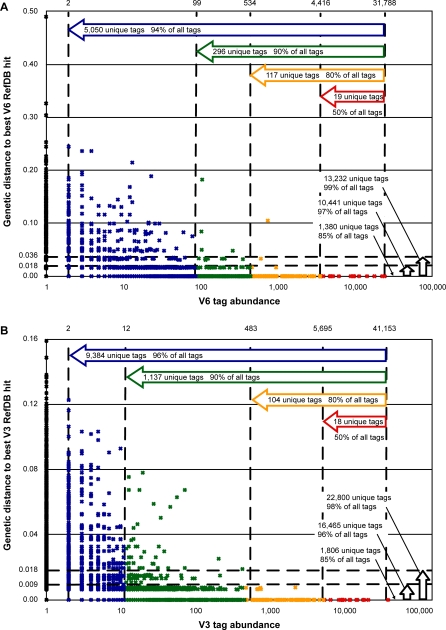
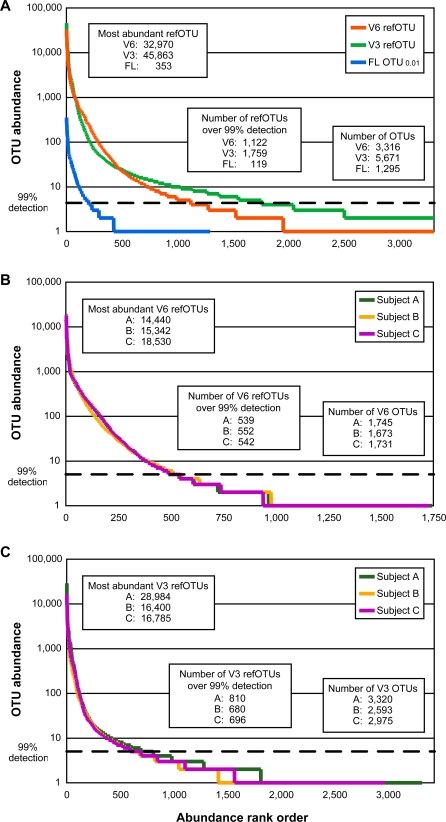
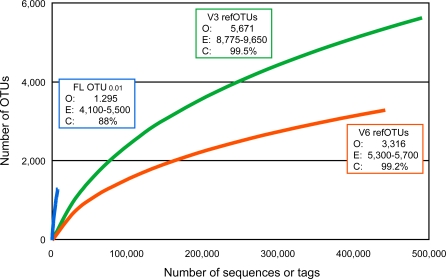
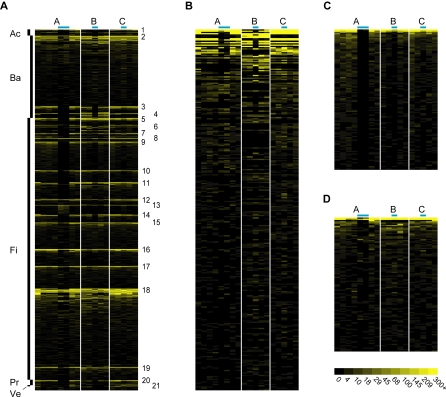
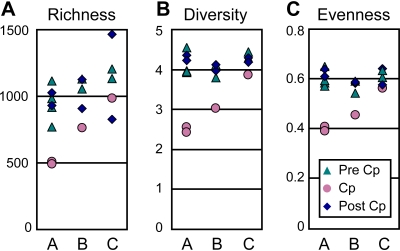
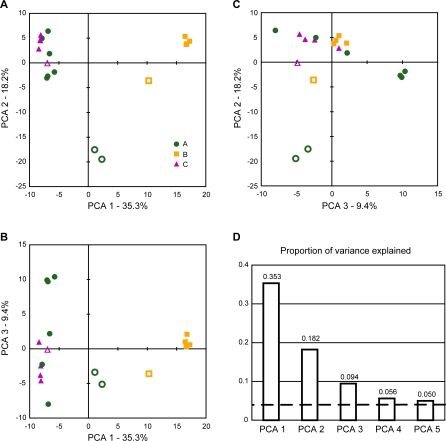
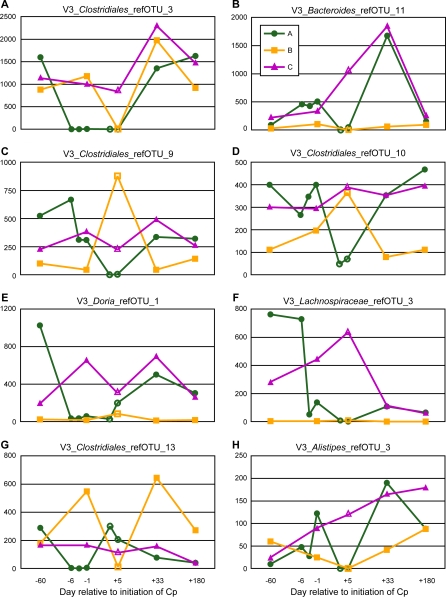
The human intestinal microbiota is essential to the health of the host and plays a role in nutrition, development, metabolism, pathogen resistance, and regulation of immune responses. Antibiotics may disrupt these coevolved interactions, leading to acute or chronic disease in some individuals. Our understanding of antibiotic-associated disturbance of the microbiota has been limited by the poor sensitivity, inadequate resolution, and significant cost of current research methods. The use of pyrosequencing technology to generate large numbers of 16S rDNA sequence tags circumvents these limitations and has been shown to reveal previously unexplored aspects of the "rare biosphere." We investigated the distal gut bacterial communities of three healthy humans before and after treatment with ciprofloxacin, obtaining more than 7,000 full-length rRNA sequences and over 900,000 pyrosequencing reads from two hypervariable regions of the rRNA gene. A companion paper in PLoS Genetics (see Huse et al., doi: 10.1371/journal.pgen.1000255) shows that the taxonomic information obtained with these methods is concordant. Pyrosequencing of the V6 and V3 variable regions identified 3,300-5,700 taxa that collectively accounted for over 99% of the variable region sequence tags that could be obtained from these samples. Ciprofloxacin treatment influenced the abundance of about a third of the bacterial taxa in the gut, decreasing the taxonomic richness, diversity, and evenness of the community. However, the magnitude of this effect varied among individuals, and some taxa showed interindividual variation in the response to ciprofloxacin. While differences of community composition between individuals were the largest source of variability between samples, we found that two unrelated individuals shared a surprising degree of community similarity. In all three individuals, the taxonomic composition of the community closely resembled its pretreatment state by 4 weeks after the end of treatment, but several taxa failed to recover within 6 months. These pervasive effects of ciprofloxacin on community composition contrast with the reports by participants of normal intestinal function and with prior assumptions of only modest effects of ciprofloxacin on the intestinal microbiota. These observations support the hypothesis of functional redundancy in the human gut microbiota. The rapid return to the pretreatment community composition is indicative of factors promoting community resilience, the nature of which deserves future investigation.
Overview
The claims and statistics of this paper haven’t been checked yet.
Free: it reads the open-access text and checks the first 5 claims that cite a source we can check. Create a free account to check every claim.
Integrity signals
Registry
Cites
Statistics
Figures
Verification
Claims the paper makes
The claims and statistics of this paper haven’t been checked yet.
Free: it reads the open-access text and checks the first 5 claims that cite a source we can check. Create a free account to check every claim.
Claims other papers make about this one
Each is checked against this paper’s own text: does it say what the citing paper says it does?
The source backs part of the claim, not all of it — or backs it for a different population, condition or comparison.
In the citing paper
“The greatest risk factor for CDI is the use of antibiotics,46 though only a small proportion of patients on antibiotics develop the infection.”
From Update on Fecal Microbiota Transplantation 2015: Indications, Methodologies, Mechanisms, and Outlook (2015) · cites this paper as [46]
Experimental — accuracy not yet measuredThe source backs part of the claim, not all of it — or backs it for a different population, condition or comparison.
In the citing paper
“The taxonomic composition of the gut microbiota changes throughout the gastrointestinal tract, according to nutrient availability, mucus structure, pH and oxygen availability [1–6].”
From Role of the gut microbiota in nutrient competition and protection against intestinal pathogen colonization (2023) · cites this paper as [6]
Experimental — accuracy not yet measuredThe cited source says what the claim attributes to it.
In the citing paper
“Individual bacterial taxa can show variable responses to antibiotics, which will impact the nutrient niches that are created in the intestine following antibiotic treatment [6].”
From Role of the gut microbiota in nutrient competition and protection against intestinal pathogen colonization (2023) · cites this paper as [6]
Self-check
Percentages, sums and reported differences re-computed from the paper’s own numbers.
The self-check needs the paper’s full text.
Citations
Cites
Naïve Bayesian Classifier for Rapid Assignment of rRNA Sequences into the New Bacterial Taxonomy
Wang, Q., Garrity, G. M., Tiedje, J. M., & Cole, J. R. (2007) · Applied and Environmental Microbiology · doi:10.1128/aem.00062-07 · Cited by 19,885 · cited 5×
“The taxonomic affiliation of fulllength sequences was determined using the Classifier tool of the RDP, with an 80% bootstrap threshold [41].”
BackgroundMethodInfluentialGreengenes, a Chimera-Checked 16S rRNA Gene Database and Workbench Compatible with ARB
DeSantis, T. Z., Hugenholtz, P., Larsen, N., Rojas, M., Brodie, E. L., Keller, K., Huber, T., Dalevi, D., Hu, P., & Andersen, G. L. (2006) · Applied and Environmental Microbiology · doi:10.1128/aem.03006-05 · Cited by 10,891 · cited 1×
“Forward and reverse sequencing reads were assembled using the Phred/Phrap/Consed suite of programs with default parameters [50–52]; assembled sequences were aligned via the NAST algorithm [53] at the Greengenes Website (http:// greengenes.lbl.gov/) [ 54 ].”
MethodHuman gut microbes associated with obesity
Ley, R. E., Turnbaugh, P. J., Klein, S., & Gordon, J. I. (2006) · Nature · doi:10.1038/4441022a · Cited by 8,785 · cited 1×
“A high proportion of tags in the current study have an exact match in the database, due to the substantial sequencing effort that has already been directed to the human gut microbiota [7,30,90].”
BackgroundDiversity of the Human Intestinal Microbial Flora
Eckburg, P. B., Bik, E. M., Bernstein, C. N., Purdom, E., Dethlefsen, L., Sargent, M., Gill, S. R., Nelson, K. E., & Relman, D. A. (2005) · Science · doi:10.1126/science.1110591 · Cited by 7,913 · cited 4×
“A high proportion of tags in the current study have an exact match in the database, due to the substantial sequencing effort that has already been directed to the human gut microbiota [7,30,90].”
BackgroundResultInfluentialSelf-citationGenome sequencing in microfabricated high-density picolitre reactors
Margulies, M., Egholm, M., Altman, W. E., Attiya, S., Bader, J. S., Bemben, L. A., Berka, J., Braverman, M. S., Chen, Y.-J., Chen, Z., et al. (2005) · Nature · doi:10.1038/nature03959 · Cited by 7,693 · cited 2×
“lower than that of capillary dideoxy sequencing, although considerably better than the 96% accuracy initially reported [38].”
BackgroundResultBase-Calling of Automated Sequencer Traces Using Phred. I. Accuracy Assessment
Ewing, B., Hillier, L., Wendl, M. C., & Green, P. (1998) · Genome Research · doi:10.1101/gr.8.3.175 · Cited by 6,967 · cited 1×
“Forward and reverse sequencing reads were assembled using the Phred/Phrap/Consed suite of programs with default parameters [48-50]; assembled sequences were aligned via the NAST algorithm [51] at the Greengenes website (http://greengenes.”
MethodARB: a software environment for sequence data
Ludwig, W. (2004) · Nucleic Acids Research · doi:10.1093/nar/gkh293 · Cited by 6,702 · cited 6×
“Uncultivated Taxon V3_Clostridiales_refOTU_2 The maximum-likelihood phylogenetic tree (calculated via AxML using default parameters in Arb [55]) shows the relationship between a clade containing 174 full-length V3 RefDB 16S rRNA sequences with exact matches to V3_Clostridiales_refOTU_2 and the most closely related seq…”
MethodInfluentialPruesse, E., Quast, C., Knittel, K., Fuchs, B. M., Ludwig, W., Peplies, J., & Glockner, F. O. (2007) · Nucleic Acids Research · doi:10.1093/nar/gkm864 · Cited by 6,668 · cited 1×
“de/)[57] with taxonomic classifications obtained from the RDP Classifier [41] (minimum 80% bootstrap score) as described in [48].”
MethodThe gut microbiota as an environmental factor that regulates fat storage
Bäckhed, F., Ding, H., Wang, T., Hooper, L. V., Koh, G. Y., Nagy, A., Semenkovich, C. F., & Gordon, J. I. (2004) · Proceedings of the National Academy of Sciences · doi:10.1073/pnas.0407076101 · Cited by 6,245
Obesity alters gut microbial ecology
Ley, R. E., Bäckhed, F., Turnbaugh, P., Lozupone, C. A., Knight, R. D., & Gordon, J. I. (2005) · Proceedings of the National Academy of Sciences · doi:10.1073/pnas.0504978102 · Cited by 6,176 · cited 1×
“cations for cancer [18,19] and obesity [20,21], among other”
Background
Research works printed but not linked: 89
- Dethlefsen, 2007, Nature, 449, 811
- Ley, 2006, Cell, 124, 837
- Guarner, 2006, Digestion, 73, 5
- Brook, 2005, Otolaryngol Head Neck Surg, 133, 139
- Servin, 2004, FEMS Microbiol Rev, 28, 405
- Reid, 2006, World J Urol, 24, 28
- Li, 2008, Proc Natl Acad Sci U S A, 105, 2117
- Hooper, 2004, Trends Microbiol, 12, 129
- Mazmanian, 2005, Cell, 122, 107
- Rakoff-Nahoum, 2004, Cell, 118, 229
- Sullivan, 2001, Lancet Infect Dis, 1, 101
- Beaugerie, 2004, Best Pract Res Clin Gastroenterol, 18, 337
- Wilcox, 2003, Best Pract Res Clin Gastroenterol, 17, 475
- Marra, 2006, Chest, 129, 610
- Noverr, 2005, Clin Exp Allergy, 35, 1511
- Prioult, 2005, Immunol Rev, 206, 204
- Nicholson, 2005, Nat Rev Microbiol, 3, 431
- O'Keefe, 2007, J Nutr, 137, 175S
- McGarr, 2005, J Clin Gastroenterol, 39, 98
- Ley, 2005, Proc Natl Acad Sci U S A, 102, 11070
- Bäckhed, 2004, Proc Natl Acad Sci U S A, 101, 15718
- Stewart, 2004, FEMS Microbiol Lett, 230, 1
- Lode, 2001, Scand J Infect Dis, 33, 899
- De La Cochetiere, 2005, J Clin Microbiol, 43, 5588
- Donskey, 2003, J Microbiol Meth, 54, 249
- Jernberg, 2007, Isme J, 1, 56
- Lofmark, 2008, Anaerobe, 14, 157
- Sjolund, 2003, Ann Intern Med, 139, 483
- Bäckhed, 2005, Science, 307, 1915
- Eckburg, 2005, Science, 308, 1635
- Suau, 1999, Appl Environ Microbiol, 65, 4799
- Zoetendal, 2004, J Nutr, 134, 465
- Mai, 2004, J Nutr, 134, 459
- Bartosch, 2004, Appl Environ Microbiol, 70, 3575
- Bartosch, 2005, Clin Infect Dis, 40, 28
- Vanhoutte, 2004, FEMS Microbiol Ecol, 48, 437
- Jernberg, 2005, Appl Environ Microbiol, 71, 501
- Margulies, 2005, Nature, 437, 376
- Sogin, 2006, Proc Natl Acad Sci U S A, 103, 12115
- Liu, 2007, Nucleic Acids Res, 35, e120
- Wang, 2007, Appl Environ Microbiol, 73, 5261
- Huber, 2007, Science, 318, 97
- Huse, 2007, Genome Biol, 8, R143
- Roesch, 2007, Isme J, 1, 283
- Hamady, 2008, Nat Methods, 5, 235
- Sundquist, 2007, BMC Microbiol, 7, 108
- Thompson, 2002, Nucleic Acids Res, 30, 2083
- Ewing, 1998, Genome Res, 8, 186
- Ewing, 1998, Genome Res, 8, 175
- Gordon, 1998, Genome Res, 8, 195
- DeSantis, 2006, Nucleic Acids Res, 34, W394
- DeSantis, 2006, Appl Environ Microbiol, 72, 5069
- Ludwig, 2004, Nucleic Acids Res, 32, 1363
- Schloss, 2005, Appl Environ Microbiol, 71, 1501
- Pruesse, 2007, Nucleic Acids Res, 35, 7188
- Colwell, 2005, EstimateS: Statistical estimation of species richness and shared species from samples. Version 7.5
- Leek, 2006, Bioinformatics, 22, 507
- Hughes, 2001, Appl Environ Microbiol, 67, 4399
- Chao, 1984, Scan J Stat, 11, 265
- Chao, 1992, Biometrics, 48, 201
- Colwell, 1994, Philos Trans R Soc Lond B Biol Sci, 345, 101
- Good, 1953, Biometrika, 40, 237
- Derrien, 2004, Int J Syst Evol Microbiol, 54, 1469
- Jost, 2006, Oikos, 113, 363
- Jost, 2007, Ecology, 88, 2427
- Franks, 1998, Appl Environ Microbiol, 64, 3336
- Matsuki, 2004, Appl Environ Microbiol, 70, 7220
- Hayashi, 2002, Microbiol Immunol, 46, 819
- De La Cochetiere, 2008, Microb Ecol, 56, 395
- Ozaki, 2004, J Med Microbiol, 53, 167
- Flint, 2007, Environ Microbiol, 9, 1101
- Belenguer, 2006, Appl Environ Microbiol, 72, 3593
- Martin, 2007, Mol Syst Biol, 3, 112
- Ridlon, 2006, J Lipid Res, 47, 241
- Pena, 2004, Appl Environ Microbiol, 70, 558
- Servin, 2003, Best Pract Res Clin Gastroenterol, 17, 741
- Sullivan, 2003, J Antimicrob Chemother, 52, 308
- Bedford Russell, 2006, Bjog, 113, 758
- Young, 2004, J Clin Microbiol, 42, 1203
- Duncan, 2004, Appl Environ Microbiol, 70, 5810
- Duncan, 2006, Int J Syst Evol Microbiol, 56, 2437
- Louis, 2004, J Bacteriol, 186, 2099
- Schumacher, 1997, Clin Microbiol Infect, 3, 134
- Jacoby, 2005, Clin Infect Dis 41 Suppl, 2, S120
- Forney, 2004, Curr Opin Microbiol, 7, 210
- von Wintzingerode, 1997, FEMS Microbiol Rev, 21, 213
- Ley, 2006, Nature, 444, 1022
- von Mering, 2007, Science, 315, 1126
- Ashelford, 2006, Appl Environ Microbiol, 72, 5734
Cited by
Items 201–300 of 1,011
Jost, T., Lacroix, C., Braegger, C., & Chassard, C. (2013) · British Journal of Nutrition · doi:10.1017/s0007114513000597 · Cited by 355
“PCR amplification of near full-length 16S rRNA genes was performed using a 4:1 mixture of forward primers 8f (50-AGAGTTTGATCMTGGCTCAG-30, universal) and 8f-bif (50-AGGGTTCGATTCTGGCTCAG-30, Bifidobacterium-specific) and a universal bacterial reverse primer 1391R (50-GACGGGCGGTGTGTRCA-30) (Microsynth AG) as described pr…”
MethodThe intestinal microbiome of the pig
Isaacson, R., & Kim, H. B. (2012) · Animal Health Research Reviews · doi:10.1017/s1466252312000084 · Cited by 353
“In those situations large changes in the fecal microbiome were detected (Dethlefsen et al., 2008).”
BackgroundInfluentialThe gut microbiome and diet in psychiatry: focus on depression
Dash, S., Clarke, G., Berk, M., & Jacka, F. N. (2015) · Current Opinion in Psychiatry · doi:10.1097/yco.0000000000000117 · Cited by 369
Antibiotics, microbiota, and immune defense
Ubeda, C., & Pamer, E. G. (2012) · Trends in Immunology · doi:10.1016/j.it.2012.05.003 · Cited by 356
Clostridium difficile Infection Caused by the Epidemic BI/NAP1/027 Strain
O'Connor, J. R., Johnson, S., & Gerding, D. N. (2009) · Gastroenterology · doi:10.1053/j.gastro.2009.02.073 · Cited by 357
The initial state of the human gut microbiome determines its reshaping by antibiotics
Raymond, F., Ouameur, A. A., Déraspe, M., Iqbal, N., Gingras, H., Dridi, B., Leprohon, P., Plante, P.-L., Giroux, R., Bérubé, È., et al. (2016) · The ISME Journal · doi:10.1038/ismej.2015.148 · Cited by 358
d'Enfert, C., Kaune, A.-K., Alaban, L.-R., Chakraborty, S., Cole, N., Delavy, M., Kosmala, D., Marsaux, B., Fróis-Martins, R., Morelli, M., et al. (2021) · FEMS Microbiology Reviews · doi:10.1093/femsre/fuaa060 · Cited by 347
Gut microbiome and its role in obesity and insulin resistance
Lee, C. J., Sears, C. L., & Maruthur, N. (2020) · Annals of the New York Academy of Sciences · doi:10.1111/nyas.14107 · Cited by 350
Short-Term Effect of Antibiotics on Human Gut Microbiota
Panda, S., El khader, I., Casellas, F., López Vivancos, J., García Cors, M., Santiago, A., Cuenca, S., Guarner, F., & Manichanh, C. (2014) · PLoS ONE · doi:10.1371/journal.pone.0095476 · Cited by 349
“These studies have shown that treatment is followed by a significant alteration of the gut microbiota composition and a decrease between one-fourth to one-third of the microbial diversity in the digestive tract [4,8].”
BackgroundMethodInfluentialTwenty years of bacterial genome sequencing
Loman, N. J., & Pallen, M. J. (2015) · Nature Reviews Microbiology · doi:10.1038/nrmicro3565 · Cited by 344
Community structures of fecal bacteria in cattle from different animal feeding operations
Shanks, O. C., Kelty, C. A., Archibeque, S., Jenkins, M., Newton, R. J., McLellan, S. L., Huse, S. M., & Sogin, M. L. (2011) · Applied and Environmental Microbiology · doi:10.1128/aem.02988-10 · Cited by 359
“quences from previous studies (1, 16, 26, 31, 52, 55, 58), and (iii) the small size”
Self-citationBacterial strain typing in the genomic era
Li, W., Raoult, D., & Fournier, P.-E. (2009) · FEMS Microbiology Reviews · doi:10.1111/j.1574-6976.2009.00182.x · Cited by 340
The environment within: how gut microbiota may influence metabolism and body composition
Vrieze, A., Holleman, F., Zoetendal, E. G., de Vos, W. M., Hoekstra, J. B. L., & Nieuwdorp, M. (2010) · Diabetologia · doi:10.1007/s00125-010-1662-7 · Cited by 343
“Short-term treatment in humans with a single dose of oral antibiotics affects the gut microbiota for as long as 4 weeks before it then tends to revert to its original composition [21].”
The human gut microbiome: current knowledge, challenges, and future directions
Dave, M., Higgins, P. D., Middha, S., & Rioux, K. P. (2012) · Translational Research · doi:10.1016/j.trsl.2012.05.003 · Cited by 336
Longitudinal investigation of the age-related bacterial diversity in the feces of commercial pigs
Kim, H. B., Borewicz, K., White, B. A., Singer, R. S., Sreevatsan, S., Tu, Z. J., & Isaacson, R. E. (2011) · Veterinary Microbiology · doi:10.1016/j.vetmic.2011.05.021 · Cited by 335
Endt, K., Stecher, B., Chaffron, S., Slack, E., Tchitchek, N., Benecke, A., Van Maele, L., Sirard, J.-C., Mueller, A. J., Heikenwalder, M., et al. (2010) · PLoS Pathogens · doi:10.1371/journal.ppat.1001097 · Cited by 344
“Antibiotic treatment disrupts the normal microbiota, alleviates colonization resistance and constitutes a known risk factor for Salmonella infections in humans and mice [7,9,10,21,39].”
BackgroundLawley, T. D., Clare, S., Walker, A. W., Goulding, D., Stabler, R. A., Croucher, N., Mastroeni, P., Scott, P., Raisen, C., Mottram, L., et al. (2009) · Infection and Immunity · doi:10.1128/iai.00558-09 · Cited by 349
“Recent analyses of murine (2) and human (16, 28) intestinal bacterial communities in response to longer-term antibiotic therapy revealed similar patterns of biodiversity dynamics, although the stable, postantibiotic communities differed significantly from the preantibiotic communities.”
BackgroundGut microbiome correlates of response and toxicity following anti-CD19 CAR T cell therapy
Smith, M., Dai, A., Ghilardi, G., Amelsberg, K. V., Devlin, S. M., Pajarillo, R., Slingerland, J. B., Beghi, S., Herrera, P. S., Giardina, P., et al. (2022) · Nature Medicine · doi:10.1038/s41591-022-01702-9 · Cited by 349
Human gut microbiome adopts an alternative state following small bowel transplantation
Hartman, A. L., Lough, D. M., Barupal, D. K., Fiehn, O., Fishbein, T., Zasloff, M., & Eisen, J. A. (2009) · Proceedings of the National Academy of Sciences · doi:10.1073/pnas.0904847106 · Cited by 347
“1) have higher levels of strict anaerobes at very early time points; 75% of these (1, 3, 5, 8, 13, 16) received a transplanted small bowel that had not been decontaminated and thus could have served as an inoculum.”
BackgroundGao, P., Ma, C., Sun, Z., Wang, L., Huang, S., Su, X., Xu, J., & Zhang, H. (2017) · Microbiome · doi:10.1186/s40168-017-0315-1 · Cited by 337
“Moreover, antibiotic intake of human via inadvertent consumption of such antibiotics-contaminated food can undermine efficacy of antibiotics in combating bacterial infections, hinder normal development of gut microbiota, and eventually increase risk of chronic diseases [3, 4].”
BackgroundHuman Gut Microbiota: Repertoire and Variations
Lagier, J.-C., Million, M., Hugon, P., Armougom, F., & Raoult, D. (2012) · Frontiers in Cellular and Infection Microbiology · doi:10.3389/fcimb.2012.00136 · Cited by 329
Miller, C. S., Baker, B. J., Thomas, B. C., Singer, S. W., & Banfield, J. F. (2011) · Genome Biology · doi:10.1186/gb-2011-12-5-r44 · Cited by 347
“Although each method has limitations, these high-throughput approaches have been broadly adopted, and have provided new understanding of microbial community composition from a wide range of environments[8,11,12].”
Functional and therapeutic potential of inulin: A comprehensive review
Ahmed, W., & Rashid, S. (2019) · Critical Reviews in Food Science and Nutrition · doi:10.1080/10408398.2017.1355775 · Cited by 334
“Human gut microflora is specifically of diverse nature comprising of more than 90% cells from phylum bacteroides or firmicutes (Dethlefsen et al., 2008; Hooper 2009; Louis et al., 2007; Turnbaugh et al., 2009).”
BackgroundUnderstanding the impact of antibiotic perturbation on the human microbiome
Schwartz, D. J., Langdon, A. E., & Dantas, G. (2020) · Genome Medicine · doi:10.1186/s13073-020-00782-x · Cited by 322
“Specifically, members of the Clostridiales, among the most abundant pre-ciprofloxacin taxa, were absent in all samples after treatment [101].”
BackgroundDrivers of Microbiome Biodiversity: A Review of General Rules, Feces, and Ignorance
Reese, A. T., & Dunn, R. R. (2018) · mBio · doi:10.1128/mbio.01294-18 · Cited by 325
New Insights in Gut Microbiota Establishment in Healthy Breast Fed Neonates
Jost, T., Lacroix, C., Braegger, C. P., & Chassard, C. (2012) · PLoS ONE · doi:10.1371/journal.pone.0044595 · Cited by 333
Gut Microbiome Dysbiosis and Immunometabolism: New Frontiers for Treatment of Metabolic Diseases
Belizário, J. E., Faintuch, J., & Garay-Malpartida, M. (2018) · Mediators of Inflammation · doi:10.1155/2018/2037838 · Cited by 341
“The use of antibiotics permanently modifies gut microbial community [89].”
BackgroundMeasuring the effects of pesticides on bacterial communities in soil: A critical review
Imfeld, G., & Vuilleumier, S. (2012) · European Journal of Soil Biology · doi:10.1016/j.ejsobi.2011.11.010 · Cited by 323
Jalanka-Tuovinen, J., Salonen, A., Nikkilä, J., Immonen, O., Kekkonen, R., Lahti, L., Palva, A., & de Vos, W. M. (2011) · PLoS ONE · doi:10.1371/journal.pone.0023035 · Cited by 340
“Additionally, the instability of the microbiota did not manifest as intestinal symptoms according to the health score records (Table 1), in line with previous studies suggesting that healthy subjects may have an unstable microbiota in the absence of any intestinal complaints [16,38].”
BackgroundResultGut microbial colonisation in premature neonates predicts neonatal sepsis
Madan, J. C., Salari, R. C., Saxena, D., Davidson, L., O'Toole, G. A., Moore, J. H., Sogin, M. L., Foster, J. A., Edwards, W. H., Palumbo, P., et al. (2012) · Archives of Disease in Childhood - Fetal and Neonatal Edition · doi:10.1136/fetalneonatal-2011-301373 · Cited by 340
Self-citation'Gut health': a new objective in medicine?
Bischoff, S. C. (2011) · BMC Medicine · doi:10.1186/1741-7015-9-24 · Cited by 338
“In all the individuals tested in one study [33], the taxonomic composition of the flora closely resembled its pretreatment state four weeks after antibiotic treatment had finished, but there were several taxa that failed to recover within six months.”
Reshaping the gut microbiome with bacterial transplantation and antibiotic intake
Manichanh, C., Reeder, J., Gibert, P., Varela, E., Llopis, M., Antolin, M., Guigo, R., Knight, R., & Guarner, F. (2010) · Genome Research · doi:10.1101/gr.107987.110 · Cited by 335
“In these studies, microbial compositions were examined using DNA fingerprint techniques (Lofmark et al. 2006; Jernberg et al. 2007), microarrays (Palmer et al. 2007), and, more recently, by taking advantage of DNA pyrosequencing (Dethlefsen et al. 2008; Antonopoulos et al. 2009).”
BackgroundMethodResultMetagenomic Profile of the Bacterial Communities Associated with Ixodes ricinus Ticks
Carpi, G., Cagnacci, F., Wittekindt, N. E., Zhao, F., Qi, J., Tomsho, L. P., Drautz, D. I., Rizzoli, A., & Schuster, S. C. (2011) · PLoS ONE · doi:10.1371/journal.pone.0025604 · Cited by 326
“In addition, another approach known as 16S rRNA amplicon pyrosequencing has also been employed for the exploration of microbial diversity in environmental samples [15], as well as in healthy and clinical human specimens [16,17].”
BackgroundAngelberger, S., Reinisch, W., Makristathis, A., Lichtenberger, C., Dejaco, C., Papay, P., Novacek, G., Trauner, M., Loy, A., & Berry, D. (2013) · American Journal of Gastroenterology · doi:10.1038/ajg.2013.257 · Cited by 330
A High-Throughput DNA Sequence Aligner for Microbial Ecology Studies
Schloss, P. D. (2009) · PLoS ONE · doi:10.1371/journal.pone.0008230 · Cited by 323
Saccharomyces boulardii: What Makes It Tick as Successful Probiotic?
Pais, P., Almeida, V., Yılmaz, M., & Teixeira, M. C. (2020) · Journal of Fungi · doi:10.3390/jof6020078 · Cited by 327
“This may result in host susceptibility to colonization by pathogens until the normal microbiome is reestablished, which can take several weeks [33].”
BackgroundImpact of the gut microbiota on the development of obesity and type 2 diabetes mellitus
Moreno-Indias, I., Cardona, F., Tinahones, F. J., & Queipo-Ortuño, M. I. (2014) · Frontiers in Microbiology · doi:10.3389/fmicb.2014.00190 · Cited by 310
“There is evidence of important alterations in microbiota after antibiotic treatment (Sullivan et al., 2001; Jernberg et al., 2007; Dethlefsen et al., 2008).”
BackgroundImmune homeostasis, dysbiosis and therapeutic modulation of the gut microbiota
Peterson, C. T., Sharma, V, Elmén, L., & Peterson, S. N. (2015) · Clinical and Experimental Immunology · doi:10.1111/cei.12474 · Cited by 318
Abarenkov, K., Tedersoo, L., Nilsson, R. H., Vellak, K., Saar, I., Veldre, V., Parmasto, E., Prous, M., Aan, A., Ots, M., et al. (2010) · Evolutionary Bioinformatics · doi:10.4137/ebo.s6271 · Cited by 301
“As such these initiatives often assume the role of INSD as the primary reference database in large-scale environmental sequencing studies, 25–27 and they typically feature tailored search tools and analysis modules not found in INSD.”
BackgroundEcological genetics of invasive alien species
Lawson Handley, L.-J., Estoup, A., Evans, D. M., Thomas, C. E., Lombaert, E., Facon, B., Aebi, A., & Roy, H. E. (2011) · BioControl · doi:10.1007/s10526-011-9386-2 · Cited by 310
“Homology detection can be performed by comparing 16S and 18S sequen-ces to reference databases such as SILVA (http://www. arb-silva.de/) using (for example) BLAT (BLAST-like alignment tool, Kent 2002) and OTUs defined based on multiple sequence alignment (Dethlefsen et al. 2008).”
MethodInfluentialMolecular and cellular mechanisms of food allergy and food tolerance
Chinthrajah, R. S., Hernandez, J. D., Boyd, S. D., Galli, S. J., & Nadeau, K. C. (2016) · Journal of Allergy and Clinical Immunology · doi:10.1016/j.jaci.2016.02.004 · Cited by 307
“Similarly, other studies have shown that effects of antibiotics on human microbiome composition can be persistent, even in older subjects.(119,120) Dysbiosis has also been observed in neonatal mice treated with antibiotics, and these perturbations also can persist.”
ResultDavis-Richardson, A. G., Ardissone, A. N., Dias, R., Simell, V., Leonard, M. T., Kemppainen, K. M., Drew, J. C., Schatz, D., Atkinson, M. A., Kolaczkowski, B., et al. (2014) · Frontiers in Microbiology · doi:10.3389/fmicb.2014.00678 · Cited by 308
“…to effect the microbiome such as mode of delivery (Dominguez-Bello et al., 2010), breast feeding (Cabrera-Rubio et al., 2012), and antibiotics (Dethlefsen et al., 2008; Jakobsson et al., 2010; Panda et al., 2014), subjects recruited for the retrospective, longitudinal DIPP study were examined…”
BackgroundMicrobiome and Allergic Diseases
Pascal, M., Perez-Gordo, M., Caballero, T., Escribese, M. M., Lopez Longo, M. N., Luengo, O., Manso, L., Matheu, V., Seoane, E., Zamorano, M., et al. (2018) · Frontiers in Immunology · doi:10.3389/fimmu.2018.01584 · Cited by 295
“Other studies showed that antibiotics affect the microbiome in older subjects (96, 97).”
BackgroundUncovering effects of antibiotics on the host and microbiota using transkingdom gene networks
Morgun, A., Dzutsev, A., Dong, X., Greer, R. L., Sexton, D. J., Ravel, J., Schuster, M., Hsiao, W., Matzinger, P., & Shulzhenko, N. (2015) · Gut · doi:10.1136/gutjnl-2014-308820 · Cited by 306
Antibiotic use and microbiome function
Ferrer, M., Méndez-García, C., Rojo, D., Barbas, C., & Moya, A. (2017) · Biochemical Pharmacology · doi:10.1016/j.bcp.2016.09.007 · Cited by 299
Lin, A., Bik, E. M., Costello, E. K., Dethlefsen, L., Haque, R., Relman, D. A., & Singh, U. (2013) · PLoS ONE · doi:10.1371/journal.pone.0053838 · Cited by 314
“In these previous studies, dramatic perturbations in the gut microbiota observed over multiple time points have corresponded with significant changes in diet or antibiotic usage [11,26,59].”
BackgroundResultInfluentialSelf-citationKim, H. B., & Isaacson, R. E. (2015) · Veterinary Microbiology · doi:10.1016/j.vetmic.2015.03.014 · Cited by 303
Microglia, Lifestyle Stress, and Neurodegeneration
Madore, C., Yin, Z., Leibowitz, J., & Butovsky, O. (2020) · Immunity · doi:10.1016/j.immuni.2019.12.003 · Cited by 311
“Depending on the disruption frequency and length, microbiota recovery might be impaired (Dethlefsen et al., 2008; Levy et al., 2017; Ubeda and Pamer, 2012).”
BackgroundThe microbiome of the chicken gastrointestinal tract
Yeoman, C. J., Chia, N., Jeraldo, P., Sipos, M., Goldenfeld, N. D., & White, B. A. (2012) · Animal Health Research Reviews · doi:10.1017/s1466252312000138 · Cited by 299
Structure of the human gastric bacterial community in relation to Helicobacter pylori status
Maldonado-Contreras, A., Goldfarb, K. C., Godoy-Vitorino, F., Karaoz, U., Contreras, M., Blaser, M. J., Brodie, E. L., & Dominguez-Bello, M. G. (2011) · The ISME Journal · doi:10.1038/ismej.2010.149 · Cited by 301
“…on Hugenholtz taxonomy (as of April 2007) (Hugenholtz, 2002; DeSantis et al., 2006a, b) and we reclassified the detected taxa using RDP to compare with results in other publications (Eckburg et al., 2005; Gill et al., 2006; Andersson et al., 2008; Dethlefsen et al., 2008; Keijser et al., 2008).”
MethodResultInfluentialMinimizing treatment-induced emergence of antibiotic resistance in bacterial infections
Stracy, M., Snitser, O., Yelin, I., Amer, Y., Parizade, M., Katz, R., Rimler, G., Wolf, T., Herzel, E., Koren, G., et al. (2022) · Science · doi:10.1126/science.abg9868 · Cited by 304
Ubeda, C., Lipuma, L., Gobourne, A., Viale, A., Leiner, I., Equinda, M., Khanin, R., & Pamer, E. G. (2012) · Journal of Experimental Medicine · doi:10.1084/jem.20120504 · Cited by 310
“We and others have shown that antibiotic treatment diminishes intestinal microbial diversity (Dethlefsen et al., 2008; Ubeda et al., 2010).”
BackgroundThe intestinal microbiota and chronic disorders of the gut
DuPont, A. W., & DuPont, H. L. (2011) · Nature Reviews Gastroenterology & Hepatology · doi:10.1038/nrgastro.2011.133 · Cited by 307
“In addition, antibiotics can substantially alter the gut microbiota, with effects that can be long-ter”
BackgroundCooperating Commensals Restore Colonization Resistance to Vancomycin-Resistant Enterococcus faecium
Caballero, S., Kim, S., Carter, R. A., Leiner, I. M., Sušac, B., Miller, L., Kim, G. J., Ling, L., & Pamer, E. G. (2017) · Cell Host & Microbe · doi:10.1016/j.chom.2017.04.002 · Cited by 308
“Bacterial species belonging to the Bacteroidaceae, Clostridiaceae, Porphyromonadaceae, Coriobacteriaceae, Rikenellaceae, Lachnospiraceae, unclassified Clostridiales, and Verrucomicrobiaceae families were cultured (Table S1).”
InfluentialSex differences in the gut microbiome–brain axis across the lifespan
Jašarević, E., Morrison, K. E., & Bale, T. L. (2016) · Philosophical Transactions of the Royal Society B: Biological Sciences · doi:10.1098/rstb.2015.0122 · Cited by 293
Interindividual variability in gut microbiota and host response to dietary interventions
Healey, G. R., Murphy, R., Brough, L., Butts, C. A., & Coad, J. (2017) · Nutrition Reviews · doi:10.1093/nutrit/nux062 · Cited by 292
Bradley, I. M., Pinto, A. J., & Guest, J. S. (2016) · Applied and Environmental Microbiology · doi:10.1128/aem.01630-16 · Cited by 280
Urbanization and the gut microbiota in health and inflammatory bowel disease
Zuo, T., Kamm, M. A., Colombel, J.-F., & Ng, S. C. (2018) · Nature Reviews Gastroenterology & Hepatology · doi:10.1038/s41575-018-0003-z · Cited by 293
Gut bacterial microbiota and obesity
Million, M., Lagier, J.-C., Yahav, D., & Paul, M. (2013) · Clinical Microbiology and Infection · doi:10.1111/1469-0691.12172 · Cited by 287
“therapy [49], persistent effects have been described with some antibiotics, such as quinolones and cefoperazone [49,52], and recovery may sometimes be incomplete [53].”
BackgroundEffects of Antibiotics on Human Microbiota and Subsequent Disease
Keeney, K. M., Yurist-Doutsch, S., Arrieta, M.-C., & Finlay, B. B. (2014) · Annual Review of Microbiology · doi:10.1146/annurev-micro-091313-103456 · Cited by 291
“However, when the fecal microbiota of patients treated with ciprofloxacin was analyzed by 16S rRNA sequencing over a four-week period, major changes in microbial composition were observed (27, 26).”
BackgroundMcBurney, M. I., Davis, C., Fraser, C. M., Schneeman, B. O., Huttenhower, C., Verbeke, K., Walter, J., & Latulippe, M. E. (2019) · The Journal of Nutrition · doi:10.1093/jn/nxz154 · Cited by 282
“When confronted with environmental perturbations— for example, dietary interventions [isocaloric diets differing in fat and carbohydrate content (50) or 4 probiotic multispecies provided at breakfast in a capsule, low-lactose yogurt, or lowfat semihard cheese (51)] or antibiotics [500 mg ciprofloxacin twice a day (52)…”
BackgroundHansen, R., Russell, R. K., Reiff, C., Louis, P., McIntosh, F., Berry, S. H., Mukhopadhya, I., Bisset, M. W., Barclay, A. R., Bishop, J., et al. (2012) · American Journal of Gastroenterology · doi:10.1038/ajg.2012.335 · Cited by 288
Rungrassamee, W., Klanchui, A., Maibunkaew, S., Chaiyapechara, S., Jiravanichpaisal, P., & Karoonuthaisiri, N. (2014) · PLoS ONE · doi:10.1371/journal.pone.0091853 · Cited by 284
Gut microbiota: Changes throughout the lifespan from infancy to elderly
O'Toole, P. W., & Claesson, M. J. (2010) · International Dairy Journal · doi:10.1016/j.idairyj.2009.11.010 · Cited by 279
Microbiota, Disease, and Back to Health: A Metastable Journey
Blumberg, R., & Powrie, F. (2012) · Science Translational Medicine · doi:10.1126/scitranslmed.3004184 · Cited by 281
Long‐term monitoring of the human intestinal microbiota composition
Rajilić‐Stojanović, M., Heilig, H. G. H. J., Tims, S., Zoetendal, E. G., & de Vos, W. M. (2013) · Environmental Microbiology · doi:10.1111/1462-2920.12023 · Cited by 268
Evolutionary consequences of antibiotic use for the resistome, mobilome and microbial pangenome
Gillings, M. R. (2013) · Frontiers in Microbiology · doi:10.3389/fmicb.2013.00004 · Cited by 264
“Short term antibiotic treatments lead to changes in abundance, richness, and diversity of the human gut microbiota (Dethlefsen et al., 2008), which can remain perturbed for years after treatment (Jakobsson et al., 2010; Sommer and Dantas, 2011).”
BackgroundTseng, C.-H., & Wu, C.-Y. (2019) · Journal of the Formosan Medical Association · doi:10.1016/j.jfma.2018.07.009 · Cited by 280
Yildirim, S., Yeoman, C. J., Sipos, M., Torralba, M., Wilson, B. A., Goldberg, T. L., Stumpf, R. M., Leigh, S. R., White, B. A., & Nelson, K. E. (2010) · PLoS ONE · doi:10.1371/journal.pone.0013963 · Cited by 273
“The abundance of Firmicutes and Bacteroidetes is concordant with the previously published results on fecal microbiomes of NHPs [32–36] and healthy humans [31,38].”
ResultThe Role of Gut Microbiota on Insulin Resistance
Caricilli, A., & Saad, M. (2013) · Nutrients · doi:10.3390/nu5030829 · Cited by 274
“gut microbiota composition [46,49–52].”
Marine mammals harbor unique microbiotas shaped by and yet distinct from the sea
Bik, E. M., Costello, E. K., Switzer, A. D., Callahan, B. J., Holmes, S. P., Wells, R. S., Carlin, K. P., Jensen, E. D., Venn-Watson, S., & Relman, D. A. (2016) · Nature Communications · doi:10.1038/ncomms10516 · Cited by 279
Self-citationCroswell, A., Amir, E., Teggatz, P., Barman, M., & Salzman, N. H. (2009) · Infection and Immunity · doi:10.1128/iai.00006-09 · Cited by 277
“ate use of antibiotics may have a detrimental impact on the host microbial ecosystem, which is important for host mucosal protection (10, 21).”
BackgroundReeves, A. E., Theriot, C. M., Bergin, I. L., Huffnagle, G. B., Schloss, P. D., & Young, V. B. (2011) · Gut Microbes · doi:10.4161/gmic.2.3.16333 · Cited by 270
“On the other hand, there is the tendency of stable microbial communities to return towards their baseline state following a perturbation, in this case, antibiotic administration.(26,30,36,37) According to this model, the observation of 50% mortality in animals treated with the antibiotic cocktail and clindamycin and t…”
BackgroundMicrobiome dynamics of human epidermis following skin barrier disruption
Zeeuwen, P. L., Boekhorst, J., van den Bogaard, E. H., de Koning, H. D., van de Kerkhof, P. M., Saulnier, D. M., van Swam, I. I., van Hijum, S. A., Kleerebezem, M., Schalkwijk, J., et al. (2012) · Genome Biology · doi:10.1186/gb-2012-13-11-r101 · Cited by 274
“In addition, disease state or microbiome recovery following antibiotics therapy have been studied to obtain insight into dynamic and pathological situations [29-34].”
BackgroundNg, K. M., Aranda-Díaz, A., Tropini, C., Frankel, M. R., Van Treuren, W., O’Loughlin, C. T., Merrill, B. D., Yu, F. B., Pruss, K. M., Oliveira, R. A., et al. (2019) · Cell Host & Microbe · doi:10.1016/j.chom.2019.10.011 · Cited by 273
The host selects mucosal and luminal associations of coevolved gut microorganisms: a novel concept
Van den Abbeele, P., Van de Wiele, T., Verstraete, W., & Possemiers, S. (2011) · FEMS Microbiology Reviews · doi:10.1111/j.1574-6976.2011.00270.x · Cited by 264
The gut microbiome: the role of a virtual organ in the endocrinology of the host
Evans, J. M., Morris, L. S., & Marchesi, J. R. (2013) · Journal of Endocrinology · doi:10.1530/joe-13-0131 · Cited by 264
“…it is relatively stable (Scanlan et al. 2006, Jalanka-Tuovinen et al. 2011, Kolmeder et al. 2012), it can be significantly perturbed by antibiotics (Dethlefsen et al. 2008, Jernberg et al. 2010), diet (Claesson et al. 2012, Ravussin et al. 2012) and surgery (Zhang et al. 2009, Li et al. 2011).”
BackgroundHooda, S., Boler, B. M. V., Serao, M. C. R., Brulc, J. M., Staeger, M. A., Boileau, T. W., Dowd, S. E., Fahey, G. C., & Swanson, K. S. (2012) · The Journal of Nutrition · doi:10.3945/jn.112.158766 · Cited by 272
“In contrast, the abundance of Bacteroidetes and Actinobacteria (and thus Bifidobacterium) appeared to be underestimated using our 16S rRNA gene-based approach, which was previously reported in humans and animals (35,36).”
ResultThe importance of the gut microbiota after bariatric surgery
Aron-Wisnewsky, J., Doré, J., & Clement, K. (2012) · Nature Reviews Gastroenterology & Hepatology · doi:10.1038/nrgastro.2012.161 · Cited by 261
Pathways in Microbe-Induced Obesity
Cox, L. M., & Blaser, M. J. (2013) · Cell Metabolism · doi:10.1016/j.cmet.2013.05.004 · Cited by 266
“Similarly, the microbiota can be altered by antibiotic exposure (Antonopoulos et al., 2009; Dethlefsen et al., 2008; Ubeda and Pamer, 2012).”
InfluentialCharacteristic Male Urine Microbiomes Associate with Asymptomatic Sexually Transmitted Infection
Nelson, D. E., Van Der Pol, B., Dong, Q., Revanna, K. V., Fan, B., Easwaran, S., Sodergren, E., Weinstock, G. M., Diao, L., & Fortenberry, J. D. (2010) · PLoS ONE · doi:10.1371/journal.pone.0014116 · Cited by 269
Belizário, J. E., & Faintuch, J. (2018) · Experientia Supplementum · doi:10.1007/978-3-319-74932-7_13 · Cited by 255
Coordination of tolerogenic immune responses by the commensal microbiota
Round, J. L., O'Connell, R. M., & Mazmanian, S. K. (2010) · Journal of Autoimmunity · doi:10.1016/j.jaut.2009.11.007 · Cited by 264
“Relman and colleagues used pyrosequencing technology to generate large numbers of 16S rDNA tags from fecal samples taken from three individuals before and after ciprofloxacin treatment [40].”
Host-microbial interactions in the metabolism of therapeutic and diet-derived xenobiotics
Carmody, R. N., & Turnbaugh, P. J. (2014) · Journal of Clinical Investigation · doi:10.1172/jci72335 · Cited by 268
“Second, the global metabolic potential of the gut microbiome could be manipulated through dietary (51, 85), antibiotic (52, 86), probiotic/ prebiotic/synbiotic (87, 88), and/or transplantation (89) interventions to increase the probability of a favorable outcome.”
Boursi, B., Mamtani, R., Haynes, K., & Yang, Y.-X. (2015) · European Journal of Cancer · doi:10.1016/j.ejca.2015.08.015 · Cited by 263
“In addition to targeting pathogenic bacteria, antibiotics alter the composition and decrease the diversity of human microbiota [2,3].”
BackgroundHealey, G., Murphy, R., Butts, C., Brough, L., Whelan, K., & Coad, J. (2018) · British Journal Of Nutrition · doi:10.1017/s0007114517003440 · Cited by 267
“Host genetics (1), life stage, geographical location (2), gender (3) and 25 antibiotic use (4) influence gut microbiota composition; however, diet plays a major role in 26”
BackgroundShaw, S. Y., Blanchard, J. F., & Bernstein, C. N. (2011) · American Journal of Gastroenterology · doi:10.1038/ajg.2011.304 · Cited by 256
“Antibiotic use has been shown to alter gut flora, at both a general level and specific to certain microbes (”
BackgroundFood and human gut as reservoirs of transferable antibiotic resistance encoding genes
Rolain, J.-M. (2013) · Frontiers in Microbiology · doi:10.3389/fmicb.2013.00173 · Cited by 257
“Deep 16S rRNA pyrosequencing of the human gut microbiota from three healthy humans before and after treatment with ciprofloxacin has also shown a dramatic shift in bacterial abundance (Dethlefsen et al., 2008).”
Backgroundvan Kessel, M. A., Dutilh, B. E., Neveling, K., Kwint, M. P., Veltman, J. A., Flik, G., Jetten, M. S., Klaren, P. H., & Op den Camp, H. J. (2011) · AMB Express · doi:10.1186/2191-0855-1-41 · Cited by 252
“It is known that antibiotics have a negative effect on the microbial community in the gut of human (Dethlefsen et al. 2008) and this is possibly also the case for fish.”
BackgroundThe Human Gut Phage Community and Its Implications for Health and Disease
Manrique, P., Dills, M., & Young, M. (2017) · Viruses · doi:10.3390/v9060141 · Cited by 254
“The gut microbiota is deeply affected by antibiotic treatment, after which a new, but similar, microbial “steady-state” is restored [4,111] (Figure 5).”
BackgroundNelson, T. M., Rogers, T. L., Carlini, A. R., & Brown, M. V. (2013) · Environmental Microbiology · doi:10.1111/1462-2920.12022 · Cited by 249
“Additionally many of these mammals have been influenced by routine administration of antibiotics, which have a profound impact on the gut microbiota (Dethlefsen et al., 2008; Dethlefsen and Relman, 2011).”
BackgroundQuantitation of Major Human Cutaneous Bacterial and Fungal Populations
Gao, Z., Perez-Perez, G. I., Chen, Y., & Blaser, M. J. (2010) · Journal of Clinical Microbiology · doi:10.1128/jcm.00597-10 · Cited by 258
“However, quantitative real-time PCR (qPCR) may be used as an alternative methodology (7, 23).”
MethodLi, X.-X., Wong, G. L.-H., To, K.-F., Wong, V. W.-S., Lai, L. H., Chow, D. K.-L., Lau, J. Y.-W., Sung, J. J.-Y., & Ding, C. (2009) · PLoS ONE · doi:10.1371/journal.pone.0007985 · Cited by 245
“Lastly, new high throughput sequencing technologies are likely to provide more comprehensive data on microbiota from different anatomical locations along the human digestive tract and at different time points [34].”
BackgroundBarbosa-Cesnik, C., Brown, M. B., Buxton, M., Zhang, L., DeBusscher, J., & Foxman, B. (2011) · Clinical Infectious Diseases · doi:10.1093/cid/ciq073 · Cited by 251
“UTI— affects one-third of all taxa in the gut [4].”
BackgroundDiversity and Abundance of Single-Stranded DNA Viruses in Human Feces
Kim, M.-S., Park, E.-J., Roh, S. W., & Bae, J.-W. (2011) · Applied and Environmental Microbiology · doi:10.1128/aem.06331-11 · Cited by 247
“(13) and reverse primer 518R (5 -WTTACCGCGGCTGCTGG-3 ) were used for amplification.”
MethodClostridium difficile and the microbiota
Seekatz, A. M., & Young, V. B. (2014) · Journal of Clinical Investigation · doi:10.1172/jci72336 · Cited by 255
“although compositional changes may be dependent on the antibiotic used as well as the underlying microbiota community of the individual (34, 35).”
BackgroundXylooligosaccharide increases bifidobacteria but not lactobacilli in human gut microbiota
Finegold, S. M., Li, Z., Summanen, P. H., Downes, J., Thames, G., Corbett, K., Dowd, S., Krak, M., & Heber, D. (2014) · Food & Function · doi:10.1039/c3fo60348b · Cited by 255
Healthy Human Gastrointestinal Microbiome: Composition and Function After a Decade of Exploration
Ruan, W., Engevik, M. A., Spinler, J. K., & Versalovic, J. (2020) · Digestive Diseases and Sciences · doi:10.1007/s10620-020-06118-4 · Cited by 233
“Shifts in the microbiome are influenced by diet, antibiotics, socioeconomic status, and geography [23, 24].”
BackgroundGut microbiome composition and diversity are related to human personality traits
Johnson, K. V.-A. (2020) · Human Microbiome Journal · doi:10.1016/j.humic.2019.100069 · Cited by 240
Viertel, T. M., Ritter, K., & Horz, H.-P. (2014) · Journal of Antimicrobial Chemotherapy · doi:10.1093/jac/dku173 · Cited by 243
Metadata
- Authors
- Dethlefsen, L., Huse, S., Sogin, M. L., & Relman, D. A.
- Affiliations
- Stanford University (US)
- Marine Biological Laboratory (US)
- VA Palo Alto Health Care System (US)
- Corresponding author
- Relman, David A
- Venue
- PLoS Biology
- Publisher
- Public Library of Science (PLoS)
- Published
- 2008-11-18
- Volume
- 6
- Issue
- 11
- Pages
- e280
- ISSN
- 1544-9173 (ISSN-L)
- 1545-7885
- PMC
- PMC2586385
- OpenAlex
- W1967821667
- Cited by
- 2,361
- References
- 95
- Citations by year
- 2026: 60 · 2025: 81 · 2024: 89 · 2023: 96 · 2022: 123 · 2021: 142 · 2020: 172 · 2019: 159 · 2018: 155 · 2017: 161 · 2016: 164 · 2015: 174 · 2014: 158 · 2013: 159 · 2012: 138
- FWCI
- 45.07
- Type
- journal article
- Language
- en
- Open access
- gold
- doi.org
- Locations
- PLoS Biology (publishedVersion, cc-by)
- Europe PMC (PubMed Central) (publishedVersion, cc-by)
- PubMed Central (publishedVersion, cc-by)
- PubMed (publishedVersion)
- RePEc: Research Papers in Economics (submittedVersion)
- Open Access Server of the Woods Hole Scientific Community (Woods Hole Scientific Community) (submittedVersion, cc-by)
- DOAJ (DOAJ: Directory of Open Access Journals) (submittedVersion, cc-by-sa)
- Figshare (submittedVersion, cc-by)
- Funders
- National Institutes of Health (DP1OD000964)
- National Institute of Environmental Health Sciences (P50ES012742)
- Topics
- Life Sciences › Biochemistry, Genetics and Molecular Biology › Molecular Biology › Gut microbiota and health
- Physical Sciences › Environmental Science › Ecology › Microbial Community Ecology and Physiology
- Health Sciences › Dentistry › Periodontics › Oral microbiology and periodontitis research
- Keywords
- ciprofloxacin, antibiotic effects on gut microbiota, human gut microbiome, 16S rRNA gene pyrosequencing, rare biosphere, bacterial community diversity, interindividual variability, community recovery, functional redundancy, community resilience
- MeSH terms
- Anti-Bacterial Agents, Bacteria, Base Sequence, Ciprofloxacin, Feces, Humans, Intestines, RNA, Bacterial, RNA, Ribosomal, 16S, Genetic Variation, Principal Component Analysis, Gastrointestinal Tract
About these checks
Registry, retraction, Cites and statistics results are computed, not judged, with one exception: a printed reference that no index lists is read once by a model before it counts as a citation error. Claims are extracted by a model and kept only when their quote appears verbatim in the text; each cited source is then checked, with a model’s help, for whether it says what the claim relies on. Those verdicts can be wrong — read the claim’s quote and the cited source before relying on one.
Statistics and arithmetic are recomputed, not judged.
Confidence bands are shown only for fields calibrated on our annotated test set. None is calibrated yet, so no band is shown.
What counts as a claim ›How we measure confidence ›How we check this ›
Are you an author, or do you see a problem with this page? Request a review
Data sources
Bibliographic data: Semantic Scholar, OpenAlex, Crossref.
Contains information from the Semantic Scholar Academic Graph Datasets, made available under the ODC Attribution License (ODC-BY 1.0).
Semantic Scholar’s data is described in: Kinney, R., et al. (2023). The Semantic Scholar Open Data Platform. arXiv:2301.10140.
