

Plasticity of the Intrinsic Period of the Human Circadian Timing System
Open accessThe DOI matches its Crossref record; 47 of the 49 references it cites were found in a registry or an index.
Abstract
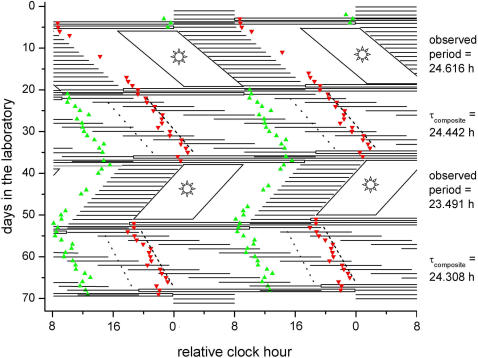
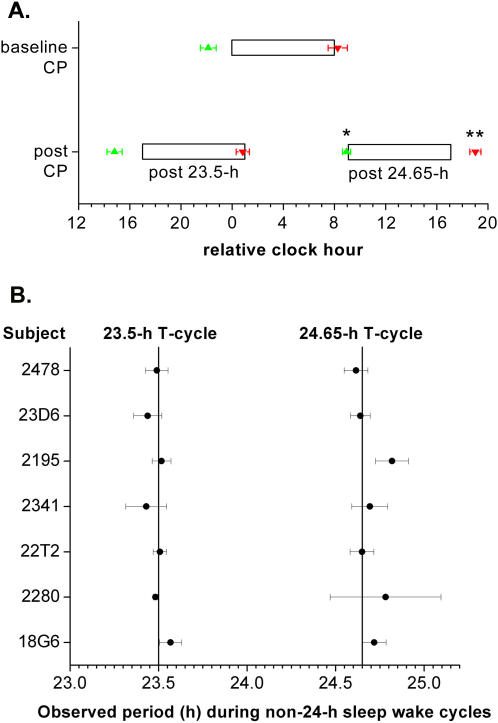
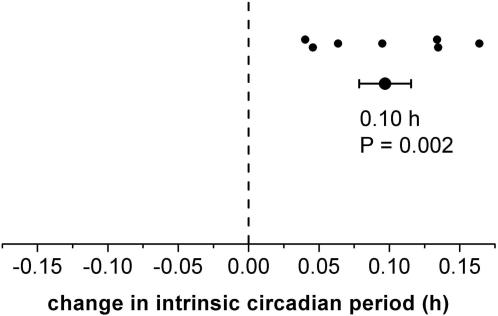
Human expeditions to Mars will require adaptation to the 24.65-h Martian solar day-night cycle (sol), which is outside the range of entrainment of the human circadian pacemaker under lighting intensities to which astronauts are typically exposed. Failure to entrain the circadian time-keeping system to the desired rest-activity cycle disturbs sleep and impairs cognitive function. Furthermore, differences between the intrinsic circadian period and Earth's 24-h light-dark cycle underlie human circadian rhythm sleep disorders, such as advanced sleep phase disorder and non-24-hour sleep-wake disorders. Therefore, first, we tested whether exposure to a model-based lighting regimen would entrain the human circadian pacemaker at a normal phase angle to the 24.65-h Martian sol and to the 23.5-h day length often required of astronauts during short duration space exploration. Second, we tested here whether such prior entrainment to non-24-h light-dark cycles would lead to subsequent modification of the intrinsic period of the human circadian timing system. Here we show that exposure to moderately bright light ( approximately 450 lux; approximately 1.2 W/m(2)) for the second or first half of the scheduled wake episode is effective for entraining individuals to the 24.65-h Martian sol and a 23.5-h day length, respectively. Estimations of the circadian periods of plasma melatonin, plasma cortisol, and core body temperature rhythms collected under forced desynchrony protocols revealed that the intrinsic circadian period of the human circadian pacemaker was significantly longer following entrainment to the Martian sol as compared to following entrainment to the 23.5-h day. The latter finding of after-effects of entrainment reveals for the first time plasticity of the period of the human circadian timing system. Both findings have important implications for the treatment of circadian rhythm sleep disorders and human space exploration.
Overview
The claims and statistics of this paper haven’t been checked yet.
Free: it reads the open-access text and checks the first 5 claims that cite a source we can check. Create a free account to check every claim.
Integrity signals
Registry
Cites
Statistics
Figures
Verification
Claims the paper makes
The claims and statistics of this paper haven’t been checked yet.
Free: it reads the open-access text and checks the first 5 claims that cite a source we can check. Create a free account to check every claim.
Claims other papers make about this one
Each is checked against this paper’s own text: does it say what the citing paper says it does?
The cited source says what the claim attributes to it.
In the citing paper
“Light studies in humans and other animals have demonstrated that the intrinsic period of the circadian pacemaker is dependent on prior light exposure40, 41.”
From Irregular sleep/wake patterns are associated with poorer academic performance and delayed circadian and sleep/wake timing (2017) · cites this paper as [41]
In the citing paper
“However, it should be noted that the 24-h oscillation time can be changed slightly using different stimuli [ 44 ].”
From Physiological Rhythms and Biological Variation of Biomolecules: The Road to Personalized Laboratory Medicine (2023) · cites this paper as [44]
Self-check
Percentages, sums and reported differences re-computed from the paper’s own numbers.
The self-check needs the paper’s full text.
Citations
Cites
Coordination of circadian timing in mammals
Reppert, S. M., & Weaver, D. R. (2002) · Nature · doi:10.1038/nature00965 · Cited by 4,379 · cited 1×
“The period of the circadian timing system is genetically determined, involving transcription-translation feedback loops of clock genes [17,18].”
BackgroundTwo-Process Model of Sleep Regulation
(2009) · Encyclopedia of Neuroscience · doi:10.1007/978-3-540-29678-2_6166 · Cited by 3,899 · cited 1×
“The daily pattern of sleep and wakefulness is regulated by homeostatic and circadian processes [1,2].”
BackgroundPhototransduction by retinal ganglion cells that set the circadian clock
Berson, D. M., Dunn, F. A., & Takao, M. (2002) · Science · doi:10.1126/science.1067262 · Cited by 3,629 · cited 1×
“Based on the spectral sensitivity of retinal photoreceptor systems involved in non-imageforming photic responses, additional research should be conducted to evaluate strategies to decrease further the light intensity or duration required by optimizing wavelength [8,28].”
BackgroundPittendrigh, C. S., & Daan, S. (1976) · Journal of Comparative Physiology ? A · doi:10.1007/bf01417856 · Cited by 2,127
Stephan, F. K., & Zucker, I. (1972) · Proceedings of the National Academy of Sciences · doi:10.1073/pnas.69.6.1583 · Cited by 2,039 · cited 1×
“The master circadian pacemaker, located in the suprachiasmatic nucleus of the anterior hypothalamus (SCN), orchestrates near-24-h rhythms in physiology and behavior in mammals, including the sleep-wake cycle [3,4].”
BackgroundTransplanted Suprachiasmatic Nucleus Determines Circadian Period
Ralph, M. R., Foster, R. G., Davis, F. C., & Menaker, M. (1990) · Science · doi:10.1126/science.2305266 · Cited by 1,853 · cited 1×
“The period of the circadian timing system is genetically determined, involving transcription-translation feedback loops of clock genes [17,18].”
BackgroundStability, precision, and near-24-hour period of the human circadian pacemaker
Czeisler, C. A., Duffy, J. F., Shanahan, T. L., Brown, E. N., Mitchell, J. F., Rimmer, D. W., Ronda, J. M., Silva, E. J., Allan, J. S., Emens, J. S., et al. (1999) · Science · doi:10.1126/science.284.5423.2177 · Cited by 1,705 · cited 6×
“plasma melatonin, plasma cortisol, and core body temperature data collected during FD and were computed by a nonorthogonal spectral analysis technique with an exact maximum likelihood fitting procedure [13].”
BackgroundMethodInfluentialSelf-citationPittendrigh, C. S., & Daan, S. (1976) · Journal of Comparative Physiology ? A · doi:10.1007/bf01417860 · Cited by 1,636 · cited 6×
“comparable in magnitude to after-effects of entrainment [26,40,42].”
BackgroundResultInfluentialZeitzer, J. M., Dijk, D., Kronauer, R. E., Brown, E. N., & Czeisler, C. A. (2000) · The Journal of Physiology · doi:10.1111/j.1469-7793.2000.00695.x · Cited by 1,175 · cited 2×
“Given that the resetting effects of light are both phasedependent [7,15] and intensity-dependent [5,6], we used Kronauer’s mathematical model [16] to design a temporal pattern of”
MethodSelf-citationA Phase Response Curve to Single Bright Light Pulses in Human Subjects
Khalsa, S. B. S., Jewett, M. E., Cajochen, C., & Czeisler, C. A. (2003) · The Journal of Physiology · doi:10.1113/jphysiol.2003.040477 · Cited by 1,040 · cited 2×
“Given that the resetting effects of light are both phasedependent [7,15] and intensity-dependent [5,6], we used Kronauer’s mathematical model [16] to design a temporal pattern of”
MethodSelf-citation
Research works printed but not linked: 2
- DeCoursey PJ 1989 Photoentrainment of circadian rhythms: an ecologist viewpoint. Hiroshige T Honma K Circadian clocks and ecology Sapporo Hokkaido Univ. Press 187 206
- Richter CP 1968 Inherent twenty-four hour and lunar clocks of a primate - the squirrel monkey. Commun Behav Biol 1 305 332
Cited by
Sleep and circadian rhythm disruption in psychiatric and neurodegenerative disease
Wulff, K., Gatti, S., Wettstein, J. G., & Foster, R. G. (2010) · Nature Reviews Neuroscience · doi:10.1038/nrn2868 · Cited by 1,055
Phillips, A. J. K., Clerx, W. M., O’Brien, C. S., Sano, A., Barger, L. K., Picard, R. W., Lockley, S. W., Klerman, E. B., & Czeisler, C. A. (2017) · Scientific Reports · doi:10.1038/s41598-017-03171-4 · Cited by 647
Self-citationSex difference in the near-24-hour intrinsic period of the human circadian timing system
Duffy, J. F., Cain, S. W., Chang, A.-M., Phillips, A. J. K., Münch, M. Y., Gronfier, C., Wyatt, J. K., Dijk, D.-J., Wright, K. P., & Czeisler, C. A. (2011) · Proceedings of the National Academy of Sciences · doi:10.1073/pnas.1010666108 · Cited by 607
Self-citationEffect of Light on Human Circadian Physiology
Duffy, J. F., & Czeisler, C. A. (2009) · Sleep Medicine Clinics · doi:10.1016/j.jsmc.2009.01.004 · Cited by 472
“We are only beginning to understand how prior exposure to light affects the subsequent response to a light stimulus, and our understanding of how light exposure can affect the period of the human circadian system is also limited.(136) In addition, little is known about individual differences in circadian sensitivity t…”
BackgroundSelf-citationSleep and Circadian Rhythms in Humans
Czeisler, C. A., & Gooley, J. J. (2007) · Cold Spring Harbor Symposia on Quantitative Biology · doi:10.1101/sqb.2007.72.064 · Cited by 425
Self-citationShift work: coping with the biological clock.
Arendt, J. (2010) · Occupational Medicine · doi:10.1093/occmed/kqp162 · Cited by 308
Ortiz-Tudela, E., Martinez-Nicolas, A., Campos, M., Rol, M. Á., & Madrid, J. A. (2010) · PLoS Computational Biology · doi:10.1371/journal.pcbi.1000996 · Cited by 190
“, or the forced desynchronization of the internal time clock by forcing individuals to live according to sleep-wake cycles outside their entrainment limits, i.e., 28h or 20h”
BackgroundBasner, M., Dinges, D. F., Mollicone, D., Ecker, A., Jones, C. W., Hyder, E. C., Di Antonio, A., Savelev, I., Kan, K., Goel, N., et al. (2013) · Proceedings of the National Academy of Sciences · doi:10.1073/pnas.1212646110 · Cited by 183
“There is a need for novel space exploration habitats and crew activity schedules that mimic the biological potency of Earth’s geophysical cycle through both photic (22, 45) and nonphotic (10, 19, 46) synchronizers to promote circadian entrainment and the temporal optimization of behavioral states during prolonged spac…”
BackgroundSleep inertia, sleep homeostatic and circadian influences on higher‐order cognitive functions
Burke, T. M., Scheer, F. A. J. L., Ronda, J. M., Czeisler, C. A., & Wright, K. P. (2015) · Journal of Sleep Research · doi:10.1111/jsr.12291 · Cited by 173
“The 73-day-long study included two 28-h forced desynchrony protocol segments (12 9 28-h days, each) following circadian entrainment to non-24-h day lengths (Scheer et al., 2007).”
MethodInfluentialSelf-citationThe Role of Daylight for Humans: Gaps in Current Knowledge
Münch, M., Wirz-Justice, A., Brown, S. A., Kantermann, T., Martiny, K., Stefani, O., Vetter, C., Wright, K. P., Wulff, K., & Skene, D. J. (2020) · Clocks & Sleep · doi:10.3390/clockssleep2010008 · Cited by 158
Self-citationManaging jet lag: Some of the problems and possible new solutions
Arendt, J. (2009) · Sleep Medicine Reviews · doi:10.1016/j.smrv.2008.07.011 · Cited by 162
Neurobiology of Circadian Systems
Schulz, P., & Steimer, T. J. (2009) · CNS Drugs · doi:10.2165/11318620-000000000-00000 · Cited by 182
Melatonin and Human Chronobiology
Lewy, A. J. (2007) · Cold Spring Harbor Symposia on Quantitative Biology · doi:10.1101/sqb.2007.72.055 · Cited by 129
Pandi-Perumal, S. R., Moscovitch, A., Srinivasan, V., Spence, D. W., Cardinali, D. P., & Brown, G. M. (2009) · Progress in Neurobiology · doi:10.1016/j.pneurobio.2009.04.007 · Cited by 142
“Observations of subjects whose circadian rhythms have been experimentally desynchronized have supported the inference that homeostatic processes drive SWS while REM sleep is driven by the circadian component (Scheer et al., 2007).”
BackgroundSrinivasan, V., Cardinali, D. P., Srinivasan, U. S., Kaur, C., Brown, G. M., Spence, D. W., Hardeland, R., & Pandi-Perumal, S. R. (2011) · Therapeutic Advances in Neurological Disorders · doi:10.1177/1756285611406166 · Cited by 113
“Observations of subjects whose circadian rhythms had been experimentally desynchronized have supported the inference that REM sleep is driven by the circadian component whereas slow-wave sleep (SWS) (or non-REM sleep) is driven by the homeostatic component [Scheer et al. 2007].”
BackgroundPagani, L., Semenova, E. A., Moriggi, E., Revell, V. L., Hack, L. M., Lockley, S. W., Arendt, J., Skene, D. J., Meier, F., Izakovic, J., et al. (2010) · PLoS ONE · doi:10.1371/journal.pone.0013376 · Cited by 110
“length showed a longer period length afterward [26].”
BackgroundAndreani, T. S., Itoh, T. Q., Yildirim, E., Hwangbo, D.-S., & Allada, R. (2015) · Sleep Medicine Clinics · doi:10.1016/j.jsmc.2015.08.007 · Cited by 106
Kuhlman, S. J., Craig, L. M., & Duffy, J. F. (2018) · Cold Spring Harbor Perspectives in Biology · doi:10.1101/cshperspect.a033613 · Cited by 107
Forbes-Robertson, S., Dudley, E., Vadgama, P. M., Cook, C. J., Drawer, S., & Kilduff, L. P. (2012) · Sports Medicine · doi:10.2165/11596850-000000000-00000 · Cited by 134
“2 hours,([8-10]) and that individuals will therefore find it easier to adjust to a longer day than a shorter one.”
Combination of Light and Melatonin Time Cues for Phase Advancing the Human Circadian Clock
Burke, T. M., Markwald, R. R., Chinoy, E. D., Snider, J. A., Bessman, S. C., Jung, C. M., & Wright, K. P. (2013) · Sleep · doi:10.5665/sleep.3110 · Cited by 106
Self-citationProbing the Mechanisms of Chronotype Using Quantitative Modeling
Phillips, A. J. K., Chen, P. Y., & Robinson, P. A. (2010) · Journal of Biological Rhythms · doi:10.1177/0748730410369208 · Cited by 97
“Interestingly, some experiments have shown plasticity in human circadian period in response to changes in imposed day length (Scheer et al., 2007), which implies the existence of a behavioral component to chronotype.”
BackgroundSleep problems in adults with autism spectrum disorder and intellectual disability
Ballester, P., Martínez, M. J., Javaloyes, A., Inda, M., Fernández, N., Gázquez, P., Aguilar, V., Pérez, A., Hernández, L., Richdale, A. L., et al. (2019) · Autism Research · doi:10.1002/aur.2000 · Cited by 93
Shift work and its effects on the cardiovascular system.
Mosendane, T., Mosendane, T., & Raal, F. J. (2008) · PubMed Central · Cited by 128
Eastman, C. I., Molina, T. A., Dziepak, M. E., & Smith, M. R. (2012) · Chronobiology International · doi:10.3109/07420528.2012.700670 · Cited by 89
“It is well known that when an animal is released from entrainment to short T cycles, e.g., 23 h, τ is shorter than when previously entrained to longer T cycles, e.g., 25 h (Pittendrigh & Daan 1976), and this is also true for humans (Scheer et al., 2007).”
BackgroundNetwork Dynamics Mediate Circadian Clock Plasticity
Azzi, A., Evans, J. A., Leise, T., Myung, J., Takumi, T., Davidson, A. J., & Brown, S. A. (2017) · Neuron · doi:10.1016/j.neuron.2016.12.022 · Cited by 92
“Plasticity in circadian period appears to be a conserved property of the mammalian timing system, as similar behavioral effects have been observed in humans (Scheer et al., 2007).”
Is there a circadian variation of epileptiform abnormalities in idiopathic generalized epilepsy?
Pavlova, M. K., Shea, S. A., Scheer, F. A. J. L., & Bromfield, E. B. (2009) · Epilepsy & Behavior · doi:10.1016/j.yebeh.2009.08.022 · Cited by 88
“This is consistent with values obtained for similarly aged healthy subjects in the same laboratory (n = 32, mean 2 h 9 min ± 1 h 2 min prior to habitual bedtime; range from 4 h 28 min prior to habitual bedtime to 33 min after habitual bedtime; [17]).”
BackgroundResultSelf-citationGuo, J.-H., Qu, W.-M., Chen, S.-G., Chen, X.-P., Lv, K., Huang, Z.-L., & Wu, Y.-L. (2014) · Military Medical Research · doi:10.1186/2054-9369-1-23 · Cited by 82
“5 hours [66].”
Entrainment Concepts Revisited
Roenneberg, T., Hut, R., Daan, S., & Merrow, M. (2010) · Journal of Biological Rhythms · doi:10.1177/0748730410379082 · Cited by 81
Human adipose tissue expresses intrinsic circadian rhythm in insulin sensitivity
Carrasco‐Benso, M. P., Rivero‐Gutierrez, B., Lopez‐Minguez, J., Anzola, A., Diez‐Noguera, A., Madrid, J. A., Lujan, J. A., Martínez‐Augustin, O., J. L. Scheer, F. A., & Garaulet, M. (2016) · The FASEB Journal · doi:10.1096/fj.201600269rr · Cited by 79
Self-citationScheer, F. A. J. L., Chan, J. L., Fargnoli, J., Chamberland, J., Arampatzi, K., Shea, S. A., Blackburn, G. L., & Mantzoros, C. S. (2010) · Diabetologia · doi:10.1007/s00125-010-1869-7 · Cited by 77
Self-citationInfluence of weeks of circadian misalignment on leptin levels
Wright (2009) · Nature and Science of Sleep · doi:10.2147/nss.s7624 · Cited by 74
“Failure to entrain to the imposed day length also occurs under altered work operations such as during space missions and submarine operations where crewmembers are often required to live on non-24-hour day lengths.(18,19,22,29,32,35) The significant reduction in leptin levels observed during weeks of circadian misalig…”
The Interplay of cis-Regulatory Elements Rules Circadian Rhythms in Mouse Liver
Korenčič, A., Bordyugov, G., Košir, R., Rozman, D., Goličnik, M., & Herzel, H. (2012) · PLoS ONE · doi:10.1371/journal.pone.0046835 · Cited by 87
“Some of them focus on the phases, amplitudes, temperature compensation, and entrainment properties [54–57], and others focus on many biochemical details [13,19].”
Roenneberg, T., Chua, E. J., Bernardo, R., & Mendoza, E. (2008) · Current Biology · doi:10.1016/j.cub.2008.07.017 · Cited by 90
Zanini, M., Castro, J., Coelho, F. M., Bittencourt, L., Bressan, R. A., Tufik, S., & Brietzke, E. (2013) · Neuroscience & Biobehavioral Reviews · doi:10.1016/j.neubiorev.2013.08.012 · Cited by 69
Mathematical modeling of circadian rhythms
Asgari‐Targhi, A., & Klerman, E. B. (2019) · WIREs Systems Biology and Medicine · doi:10.1002/wsbm.1439 · Cited by 69
The role of the circadian system in fractal neurophysiological control
Pittman-Polletta, B., Scheer, F. A. J. L., Butler, M. P., Shea, S. A., & Hu, K. (2013) · Biological reviews/Biological reviews of the Cambridge Philosophical Society · doi:10.1111/brv.12032 · Cited by 76
“, 2009) and that endogenous circadian rhythms are not necessarily unchangeable (Wehr, 1991; Scheer et al., 2007).”
BackgroundSelf-citationSleep and circadian rhythm disruption and stress intersect in Alzheimer's disease
Phan, T. X., & Malkani, R. G. (2019) · Neurobiology of Stress · doi:10.1016/j.ynstr.2018.10.001 · Cited by 60
Learning to Live on a Mars Day: Fatigue Countermeasures during the Phoenix Mars Lander Mission
Barger, L. K., Sullivan, J. P., Vincent, A. S., Fiedler, E. R., McKenna, L. M., Flynn-Evans, E. E., Gilliland, K., Sipes, W. E., Smith, P. H., Brainard, G. C., et al. (2012) · SLEEP · doi:10.5665/sleep.2128 · Cited by 62
Coskun, A., Zarepour, A., & Zarrabi, A. (2023) · International Journal of Molecular Sciences · doi:10.3390/ijms24076275 · Cited by 61
Dodd, A. N., Dalchau, N., Gardner, M. J., BAEK, S. J., & Webb, A. A. R. (2013) · New Phytologist · doi:10.1111/nph.12489 · Cited by 66
“Similarly, cockroaches entrained to T22 have a short FRP (Barrett & Page, 1989), mice entrained to T20 have FRP up to 1.5 h shorter than mice entrained to T28 (Aton et al., 2004), and short T cycles cause a slightly shorter (0.15 h) FRP in humans (Scheer et al., 2007).”
BackgroundInfluentialOptimal time frequency analysis for biological data - pyBOATPreprint
Mönke, G., Sorgenfrei, F. A., Schmal, C., & Granada, A. E. (2020) · bioRxiv (Cold Spring Harbor Laboratory) · doi:10.1101/2020.04.29.067744 · Cited by 63
“These artifacts have been characterized since long for the commonly used moving-average smoothing method, known as the Slutzky-Yule e ect (Slutzky [1937]). Using an analytical framework, we describe the smoothing process as a lter operation in frequency domain. This allows us to quantify and directly compare the e ect…”
MethodCorbett, R., Middleton, B., & Arendt, J. (2012) · Neuroscience Letters · doi:10.1016/j.neulet.2012.06.046 · Cited by 72
Approaches to the Pharmacological Management of Jet Lag
Arendt, J. (2018) · Drugs · doi:10.1007/s40265-018-0973-8 · Cited by 62
Clocks in the Wild: Entrainment to Natural Light
Schmal, C., Herzel, H., & Myung, J. (2020) · Frontiers in Physiology · doi:10.3389/fphys.2020.00272 · Cited by 63
“, 2015) and different Zeitgeber periods T (Scheer et al., 2007; Azzi et al., 2014, 2017) reversibly or irreversibly changes the free-running period τ , a phenomenon termed aftereffect or imprinting, respectively.”
BackgroundIn vitro circadian period is associated with circadian/sleep preference
Hida, A., Kitamura, S., Ohsawa, Y., Enomoto, M., Katayose, Y., Motomura, Y., Moriguchi, Y., Nozaki, K., Watanabe, M., Aritake, S., et al. (2013) · Scientific Reports · doi:10.1038/srep02074 · Cited by 57
Diagnostic and Treatment Challenges of Sighted Non–24-Hour Sleep-Wake Disorder
Malkani, R. G., Abbott, S. M., Reid, K. J., & Zee, P. C. (2018) · Journal of Clinical Sleep Medicine · doi:10.5664/jcsm.7054 · Cited by 55
Genome-Wide Association Study of Circadian Behavior in Drosophila melanogaster
Harbison, S. T., Kumar, S., Huang, W., McCoy, L. J., Smith, K. R., & Mackay, T. F. C. (2018) · Behavior Genetics · doi:10.1007/s10519-018-9932-0 · Cited by 55
Underexposure to light at work and its association to insomnia and sleepiness
Léger, D., Bayon, V., Elbaz, M., Philip, P., & Choudat, D. (2010) · Journal of Psychosomatic Research · doi:10.1016/j.jpsychores.2010.09.006 · Cited by 59
“However, it is interesting to observe that these epidemiologic findings are consistent with the results observed in basic and clinical research demonstrating the importance of light on the biological clock and sleep wake rhythms [8,9,28–31].”
BackgroundResultSkrzelowski, M., Brookhaus, A., Shea, L. A., & Berlau, D. J. (2021) · The Journal of Pediatric Pharmacology and Therapeutics · doi:10.5863/1551-6776-26.1.4 · Cited by 51
Swaminathan, K., Klerman, E. B., & Phillips, A. J. K. (2017) · Journal of Biological Rhythms · doi:10.1177/0748730417699310 · Cited by 45
“In addition, studies have shown that intrinsic circadian period can be slightly changed by environmental stimuli, including light/dark patterns (Pittendrigh and Daan, 1976; Scheer et al., 2007).”
BackgroundChronotype Genetic Variant in PER2 is Associated with Intrinsic Circadian Period in Humans
Chang, A.-M., Duffy, J. F., Buxton, O. M., Lane, J. M., Aeschbach, D., Anderson, C., Bjonnes, A. C., Cain, S. W., Cohen, D. A., Frayling, T. M., et al. (2019) · Scientific Reports · doi:10.1038/s41598-019-41712-1 · Cited by 43
Self-citationWang, W., Yuan, R. K., Mitchell, J. F., Zitting, K., Hilaire, M. A. S., Wyatt, J. K., Scheer, F. A. J. L., Wright, K. P., Brown, E. N., Ronda, J. M., et al. (2022) · Nature Protocols · doi:10.1038/s41596-022-00746-y · Cited by 52
Self-citationHuman factors research as part of a Mars exploration analogue mission on Devon Island
Binsted, K. A., Kobrick, R. L., Gríofa, M. Ó., Bishop, S. L., & Lapierre, J. (2010) · Planetary and Space Science · doi:10.1016/j.pss.2010.03.001 · Cited by 47
Circadian entrainment aftereffects in suprachiasmatic nuclei and peripheral tissues in vitro
Molyneux, P. C., Dahlgren, M. K., & Harrington, M. E. (2008) · Brain Research · doi:10.1016/j.brainres.2008.05.091 · Cited by 43
“Entrainment to the T-cycle was assessed by stability of phase angle of entrainment, and by a chi-square periodogram on the final 10 days of LD (Sokolove and Bushell, 1978).”
Cardinali, D. P., Pagano, E. S., Bernasconi, P. A. S., Reynoso, R., & Scacchi, P. A. (2011) · PubMed · Cited by 45
Edemann-Callesen, H., Andersen, H. K., Ussing, A., Virring, A., Jennum, P., Debes, N. M., Laursen, T., Baandrup, L., Gade, C., Nielsen, J. D., et al. (2023) · EClinicalMedicine · doi:10.1016/j.eclinm.2023.102048 · Cited by 41
Time to learn: The role of the molecular circadian clock in learning and memory
Smies, C. W., Bodinayake, K. K., & Kwapis, J. L. (2022) · Neurobiology of Learning and Memory · doi:10.1016/j.nlm.2022.107651 · Cited by 42
Chronoradiobiology of Breast Cancer: The Time Is Now to Link Circadian Rhythm and Radiation Biology
Nelson, N. G., Lombardo, J. F., Matlack, L. E., Smith, A. C., Hines, K., Shi, W., & Simone, N. L. (2022) · International Journal of Molecular Sciences · doi:10.3390/ijms23031331 · Cited by 35
“an altered period [159]; this provides a means for high-precision hr ot erapy that does not r ly n”
BackgroundEstimation of Circadian Body Temperature Rhythm Based on Heart Rate in Healthy, Ambulatory Subjects
Sim, S. Y., Joo, K. M., Kim, H. B., Jang, S.-J., Kim, B., Hong, S., Kim, S., & Park, K. S. (2016) · IEEE Journal of Biomedical and Health Informatics · doi:10.1109/jbhi.2016.2529655 · Cited by 32
Circadian Rhythms Versus Daily Patterns in Human Physiology and Behavior
Broussard, J. L., Reynolds, A. C., Depner, C. M., Ferguson, S. A., Dawson, D. E., & Wright, K. P. (2017) · Springer eBooks · doi:10.1007/978-81-322-3688-7_13 · Cited by 39
Self-citationA 3D-Printing Centered Approach to Mars Habitat Architecture and Fabrication
Troemner, M., Ramyar, E., Meehan, J., Johnson, B., Goudarzi, N., & Cusatis, G. (2021) · Journal of Aerospace Engineering · doi:10.1061/(asce)as.1943-5525.0001359 · Cited by 32
Sgro, M., Kodila, Z. N., Brady, R. D., Reichelt, A. C., Mychasiuk, R., & Yamakawa, G. R. (2021) · SLEEP · doi:10.1093/sleep/zsab268 · Cited by 27
The role of circadian phase in sleep and performance during Antarctic winter expeditions
Sletten, T. L., Sullivan, J. P., Arendt, J., Palinkas, L. A., Barger, L. K., Fletcher, L. D., Arnold, M., Wallace, J., Strauss, C., Baker, R. J. S., et al. (2022) · Journal of Pineal Research · doi:10.1111/jpi.12817 · Cited by 26
“The effects of circadian misalignment on sleep loss, performance, and mood have considerable immediate safety implications, and potentially longer term health risks across multiple systems including immune, metabolic, cardiovascular, and psychological functions.(2,3,64,65) Circadian misalignment and associated sleep d…”
BackgroundCardinali, D. P., Furio, A. M., & Brusco, L. I. (2011) · Recent Patents on Endocrine Metabolic & Immune Drug Discovery · doi:10.2174/187221411799015354 · Cited by 29
“In this way, the circadian pacemaker creates a day and night within the organism that mirrors approximately the world outside.”
Rahman, S. A., Kent, B. A., Grant, L. K., Clark, T., Hanifin, J. P., Barger, L. K., Czeisler, C. A., Brainard, G. C., Hilaire, M. A. S., & Lockley, S. W. (2022) · Journal of Pineal Research · doi:10.1111/jpi.12826 · Cited by 27
Self-citationAnatomical and Behavioral Investigation of C1ql3 in the Mouse Suprachiasmatic Nucleus
Chew, K. S., Fernandez, D. C., Hattar, S. S., Südhof, T. C., & Martinelli, D. C. (2017) · Journal of Biological Rhythms · doi:10.1177/0748730417704766 · Cited by 23
“Finally, from studies in humans it has been proposed that neural plasticity may underlie aftereffects (Meijer et al., 2010; Scheer et al., 2007).”
Non-24-Hour Sleep-Wake Disorder Revisited – A Case Study
Garbazza, C., Bromundt, V., Eckert, A., Brunner, D. P., Meier, F., Hackethal, S., & Cajochen, C. (2016) · Frontiers in Neurology · doi:10.3389/fneur.2016.00017 · Cited by 25
“Finally, based on recent research which points to a greater plasticity of the cycle length than previously thought (57), the third possibility would be to gradually change the period length in a laboratory setting and slowly entrain it to a ~24-h LD cycle.”
BackgroundRoenneberg, T., Rémi, J., & Merrow, M. W. (2010) · Journal of Biological Rhythms · doi:10.1177/0748730410379094 · Cited by 21
“These t aftereffects have been reported for many different species, from unicells (Roenneberg, 1995), to rodents (Comas and Hut, 2009; Pittendrigh and Daan, 1976) and humans (note that aftereffects in humans are very small; Scheer et al., 2007).”
BackgroundModeling Interindividual Differences in Spontaneous Internal Desynchrony Patterns
Gleit, R. D., Behn, C. D., & Booth, V. (2013) · Journal of Biological Rhythms · doi:10.1177/0748730413504277 · Cited by 28
“Similarly, plasticity in the human circadian pacemaker, such as the changes in intrinsic circadian period following entrainment to the Martian sol (Scheer et al., 2007), may play a role in desynchronized behaviors.”
BackgroundBarger, L. K., Wright, K. P., Burke, T. M., Chinoy, E. D., Ronda, J. M., Lockley, S. W., & Czeisler, C. A. (2014) · Acta Astronautica · doi:10.1016/j.actaastro.2013.07.002 · Cited by 19
Self-citationThe Genetics of the Human Circadian Clock
Zhang, L., Jones, C. R., Ptáček, L. J., & Fu, Y. (2011) · Advances in genetics · doi:10.1016/b978-0-12-387690-4.00007-6 · Cited by 24
Grimaldi, S., Englund, A., Partonen, T., Haukka, J. K., Pirkola, S. P., Reunanen, A., Aromaa, A. J., & Lönnqvist, J. K. (2009) · Journal of Environmental and Public Health · doi:10.1155/2009/165013 · Cited by 25
“The master circadian clock has plasticity in function [30] in order to coordinate this information and to pass it downstream and outwards, for instance to sense metabolic cues [31] and to control the rest-activity cycles [32].”
BackgroundExercise Distributed across Day and Night Does Not Alter Circadian Period in Humans
Cain, S. W., Rimmer, D. W., Duffy, J. F., & Czeisler, C. A. (2007) · Journal of Biological Rhythms · doi:10.1177/0748730407306884 · Cited by 22
“Studies in humans (Scheer et al., 2007) and nonhuman animals (Decoursey, 1964; Eskin, 1971; Pittendrigh and Daan, 1976a; Sharma and Daan, 2002) have demonstrated that light exposure can alter free-running period, consistent with parametric entrainment.”
BackgroundSelf-citationTareen, S. H. K., & Ahmad, J. (2015) · PLoS ONE · doi:10.1371/journal.pone.0117519 · Cited by 17
“Given that the entrained circadian oscillations have a period length of about 24 hours [71], the rates of the entities were manually adjusted to Modelling Feeding Regimens and Hepatocyte Circadian Oscillators”
MethodSynergies of Multiple Zeitgebers Tune Entrainment
Grabe, S., Mahammadov, E., del Olmo, M., & Herzel, H. (2022) · Frontiers in Network Physiology · doi:10.3389/fnetp.2021.803011 · Cited by 20
“entrainment protocols it can become entrained to zeitgeber periods within an entrainment range of about ± 1–2 h (Scheer et al., 2007; Walbeek and Gorman, 2017).”
BackgroundHeadset Bluetooth and cell phone based continuous central body temperature measurement system
Sanches, J., Pereira, B., & Paiva, T. (2010) · Annual International Conference of the IEEE Engineering in Medicine and Biology Society (EMBC) · doi:10.1109/iembs.2010.5626172 · Cited by 16
“The accurate measure of the central temperature of the body is a physiologic indicator very important in several clinical applications, namely, in the characterization and diagnosis of human sleep disorders to estimate the circadian rhythm of the patient which is roughly a 24-hour cycle in biochemical, physiological o…”
BackgroundRest-Activity Cycle and Melatonin Rhythm in Blind Free-Runners Have Similar Periods
Emens, J. S., Lewy, A. J., Laurie, A., & Songer, J. B. (2010) · Journal of Biological Rhythms · doi:10.1177/0748730410379080 · Cited by 17
“This may be because aftereffects of entrainment in sighted individuals shorten their period (Scheer et al., 2007), low light intensities during forced desynchrony induce a parametric effect that shortens period (Lewy, 2007), estimates of period in BFRs don’t include individuals with shorter periods…”
BackgroundCircadiOmic medicine and aging
TABIBZADEH, S. S. (2021) · Ageing Research Reviews · doi:10.1016/j.arr.2021.101424 · Cited by 17
Harrington, J., & Lee-Chiong, T. L. (2012) · Dental Clinics of North America · doi:10.1016/j.cden.2012.01.005 · Cited by 21
Cardinali, D. P., & Esquifino, A. I. (2012) · Current Immunology Reviews · doi:10.2174/157339512798991263 · Cited by 16
“The cyclical nature of sleep and wakefulness equates sleep with other physiological needs such as hunger or thirst [23,24].”
BackgroundPhysiological Acclimatization of the Liver to 180‐Day Isolation and the Mars Solar Day
Chen, H., Lv, K., Ji, G., Yuan, Y., Lu, L., Liang, F., Li, K., Xu, Z., Xiong, J., Qu, L., et al. (2020) · BioMed Research International · doi:10.1155/2020/2796510 · Cited by 14
External temporal organization in biological rhythms
Menna-Barreto, L. S., & Díez-Noguera, A. (2011) · Biological Rhythm Research · doi:10.1080/09291016.2011.638111 · Cited by 19
Stack, N., Barker, D., Carskadon, M. A., & Behn, C. D. (2017) · Journal of Biological Rhythms · doi:10.1177/0748730417730488 · Cited by 17
“Previous work has established that the human circadian pacemaker cannot entrain to LD cycles shorter than 21 h or longer than 26 h, although the exact relationship between the circadian pacemaker and its limits of entrainment depend on factors such as the intrinsic period of the oscillator and light intensity during l…”
BackgroundMethodInfluentialCircadian regulation of physiology: Relevance for space medicine
Astaburuaga-García, R., Basti, A., Li, Y., Herms, D., & Relógio, A. (2019) · REACH · doi:10.1016/j.reach.2019.100029 · Cited by 14
Light exposure differs by sex in the US, with females receiving less bright light
Wallace, D. A. (2024) · npj Biological Timing and Sleep · doi:10.1038/s44323-024-00016-y · Cited by 17
Diagnostic Tools for Circadian Rhythm Sleep Disorders
Wright, K. P., Drake, C. L., & Lockley, S. W. (2008) · CRC Press eBooks · doi:10.3109/9781420019926-15 · Cited by 12
Self-citationMistlberger, R. E., & Rusak, B. (2011) · Elsevier eBooks · doi:10.1016/b978-1-4160-6645-3.00032-3 · Cited by 11
The Importance of Chronotype in Shift Work Research
Juda, M. (2010) · Electronic Theses of LMU Munich (Ludwig-Maximilians-Universität München) · doi:10.5282/edoc.11814 · Cited by 31
Phenotypic plasticity of circadian entrainment under a range of light conditions
Moreno, C. R. D. C., Wright, K. P., Skene, D. J., & Louzada, F. M. (2020) · Neurobiology of Sleep and Circadian Rhythms · doi:10.1016/j.nbscr.2020.100055 · Cited by 11
Self-citationBuekenhout, I., Clara, M. I., Gomes, A. A., & Leitão, J. (2024) · Chronobiology International · doi:10.1080/07420528.2024.2444667 · Cited by 10
“Light acts as the primary zeitgeber , modulating the intrinsic circadian period through factors such as timing, intensity, duration, and wavelength (Dijk and Archer 2010; Scheer et al. 2007).”
Usmani, I. M., Dijk, D., & Skeldon, A. C. (2024) · Journal of Biological Rhythms · doi:10.1177/07487304231215844 · Cited by 9
“However, in humans, the period of the zeitgeber during prior entrainment appears to have only a modest effect on the subsequent period of the pacemaker in FD (mean difference 0.1 h; Scheer et al., 2007).”
BackgroundInfluentialSporadic feeding regulates robust food entrainable circadian clocks in blind cavefish
Rosa, V. D., Frigato, E., Negrini, P., Cristiano, W., López‐Olmeda, J. F., Rétaux, S., Sánchez‐Vázquez, F. J., Foulkes, N. S., & Bertolucci, C. (2024) · iScience · doi:10.1016/j.isci.2024.110171 · Cited by 9
“…clock has a free-running period ( t ) of about 24 h and it can become entrained to zeitgeber periods within an entrainment range of about G 1–2 h. 50,51 Indeed, the fact that the Somalian cavefish and zebrafish behavior wasnot entrainedby a feeding cycle witha periodof 36 or 44 h indicatesthat…”
Treatment of Circadian Rhythm Sleep Disorders
Sack, R. L. (2008) · CRC Press eBooks · doi:10.3109/9781420019926-17 · Cited by 9
Disruption in Circadian Rhythm Increases Cardiovascular Disease Risk Factors in Shift Working Nurses
Fatima, G., Jha, A. K., & Khan, M. A. (2021) · Indian Journal of Cardiovascular Disease in Women · doi:10.1055/s-0041-1732508 · Cited by 9
How to Live on Mars With a Proper Circadian Clock?
Luo, R., Huang, Y., Ma, H., & Guo, J. (2022) · Frontiers in Astronomy and Space Sciences · doi:10.3389/fspas.2021.796943 · Cited by 9
Dynamic predictability and activity-location contexts in human mobility
Poudyal, B., Pacheco, D. F., Oliveira, M., Chen, Z., Barbosa, H., de Menezes, R. P., & Ghoshal, G. (2024) · Royal Society Open Science · doi:10.1098/rsos.240115 · Cited by 9
The relationship between the vestibular system and the circadian timing system: A review
Martin, T., Pasquier, F., Denise, P., Davenne, D., & Quarck, G. (2024) · Sleep Medicine · doi:10.1016/j.sleep.2024.12.002 · Cited by 8
Light Resetting and Entrainment of Human Circadian Rhythms
Gooley, J. J. (2017) · Springer eBooks · doi:10.1007/978-81-322-3688-7_14 · Cited by 11
Bellagio II Report: Terrestrial Applications of Space Medicine Research
Sides, M. B., Johnston, S. L., Sirek, A., Lee, P. H. U., Blue, R. S., Antonsen, E., Basner, M., Douglas, G. L., Epstein, A. W., Flynn‐Evans, E. E., et al. (2021) · Aerospace Medicine and Human Performance · doi:10.3357/amhp.5843.2021 · Cited by 7
Circadian Rhythms: Biological Clock of Living Organisms
Uddin, M. S., & Mamun, A. A. (2017) · Biology and Medicine · doi:10.4172/0974-8369.1000e129 · Cited by 6
Metadata
- Authors
- Scheer, F. A. J. L., Wright, K. P., Kronauer, R. E., & Czeisler, C. A.
- Affiliations
- Brigham and Women's Hospital (US)
- Corresponding author
- Scheer, Frank A. J. L.
- Venue
- PLoS ONE
- Publisher
- Public Library of Science (PLoS)
- Published
- 2007-08-08
- Volume
- 2
- Issue
- 8
- Pages
- e721
- ISSN
- 1932-6203 (ISSN-L)
- PMC
- PMC1934931
- OpenAlex
- W2091409509
- Cited by
- 146
- References
- 49
- Citations by year
- 2026: 4 · 2025: 5 · 2024: 10 · 2023: 4 · 2022: 12 · 2021: 7 · 2020: 6 · 2019: 3 · 2018: 8 · 2017: 10 · 2016: 4 · 2015: 5 · 2014: 4 · 2013: 10 · 2012: 12
- FWCI
- 4.63
- Type
- journal article
- Language
- en
- Open access
- gold
- doi.org
- Locations
- PLoS ONE (publishedVersion, cc-by)
- PubMed Central (publishedVersion, cc-by)
- PubMed (publishedVersion)
- DOAJ (DOAJ: Directory of Open Access Journals) (submittedVersion, cc-by-sa)
- Figshare (submittedVersion, cc-by)
- Funders
- National Aeronautics and Space Administration (NCC958)
- Boehringer Ingelheim
- Bristol-Myers Squibb
- American Academy of Allergy Asthma and Immunology
- National Sleep Foundation
- Pfizer
- GlaxoSmithKline
- Sanofi
- Brigham and Women's Hospital (M01 RR02635)
- Takeda Pharmaceuticals North America
- Purdue University
- University of Pennsylvania
- Harvard University
- University of Pittsburgh
- National Space Biomedical Research Institute (NCC 9‐58)
- Sleep Research Society
- Vanda Pharmaceuticals
- Jazz Pharmaceuticals
- Neurocrine Biosciences
- Sleep Research Society Foundation
- Purdue Pharma
- ResMed
- Dalhousie University
- University of Tsukuba
- National Heart, Lung, and Blood Institute (R01HL081761)
- National Institute of Neurological Disorders and Stroke (R01-NS41886, R01NS041886)
- National Center for Research Resources (M01 RR 02635, M01RR002635)
- Topics
- Life Sciences › Neuroscience › Endocrine and Autonomic Systems › Circadian rhythm and melatonin
- Social Sciences › Psychology › Experimental and Cognitive Psychology › Sleep and Work-Related Fatigue
- Health Sciences › Medicine › Physiology (medical) › Spaceflight effects on biology
- Keywords
- circadian entrainment, circadian pacemaker, circadian rhythm sleep disorders, non-24-hour sleep-wake disorder, light exposure, melatonin, cortisol, core body temperature, forced desynchrony, space exploration, astronauts, sleep
- MeSH terms
- Adult, Biological Clocks, Body Temperature, Circadian Rhythm, Humans, Hydrocortisone, Light, Male, Melatonin, Middle Aged, Photic Stimulation, Space Flight, Photoperiod, Mars, Young Adult
About these checks
Registry, retraction, Cites and statistics results are computed, not judged, with one exception: a printed reference that no index lists is read once by a model before it counts as a citation error. Claims are extracted by a model and kept only when their quote appears verbatim in the text; each cited source is then checked, with a model’s help, for whether it says what the claim relies on. Those verdicts can be wrong — read the claim’s quote and the cited source before relying on one.
Statistics and arithmetic are recomputed, not judged.
Confidence bands are shown only for fields calibrated on our annotated test set. None is calibrated yet, so no band is shown.
What counts as a claim ›How we measure confidence ›How we check this ›
Are you an author, or do you see a problem with this page? Request a review
Data sources
Bibliographic data: Semantic Scholar, OpenAlex, Crossref.
Contains information from the Semantic Scholar Academic Graph Datasets, made available under the ODC Attribution License (ODC-BY 1.0).
Semantic Scholar’s data is described in: Kinney, R., et al. (2023). The Semantic Scholar Open Data Platform. arXiv:2301.10140.
