

The DOI matches its Crossref record; 85 of the 88 references it cites were found in a registry or an index.
On the Analysis of Fingertip Photoplethysmogram Signals
Open accessAbstract
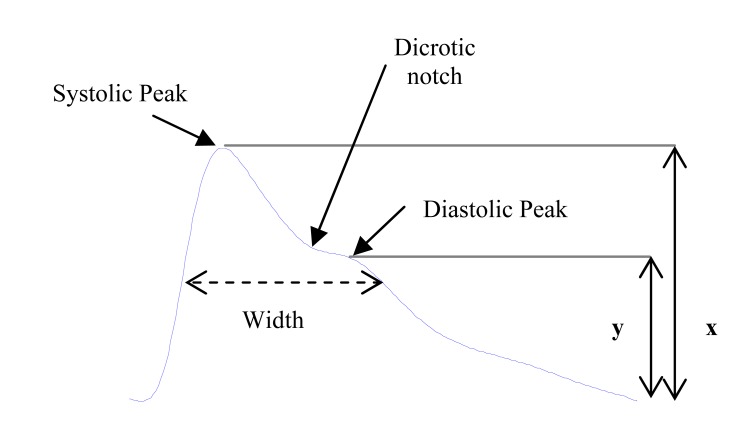
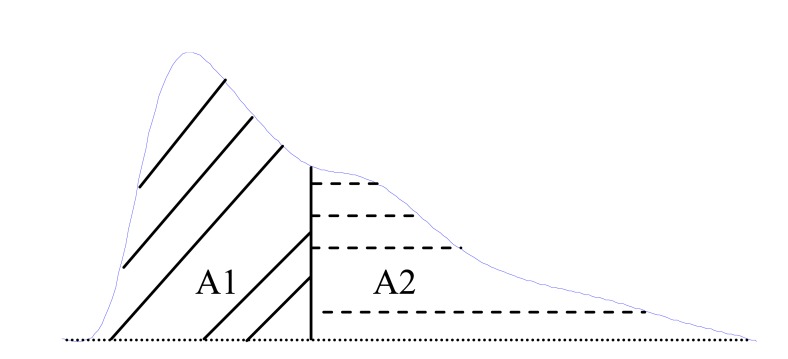
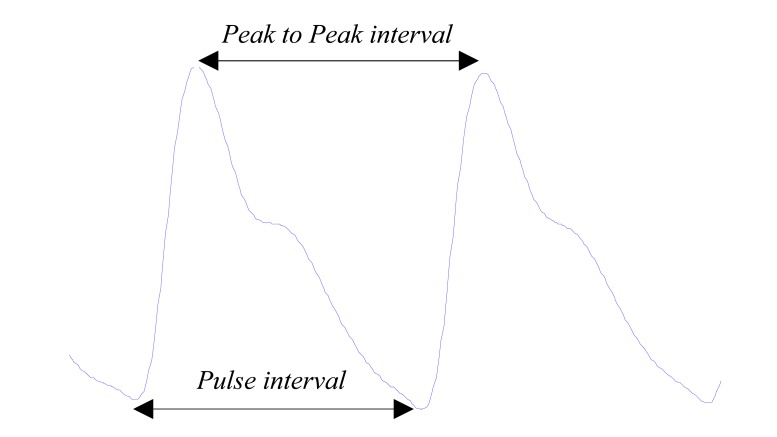
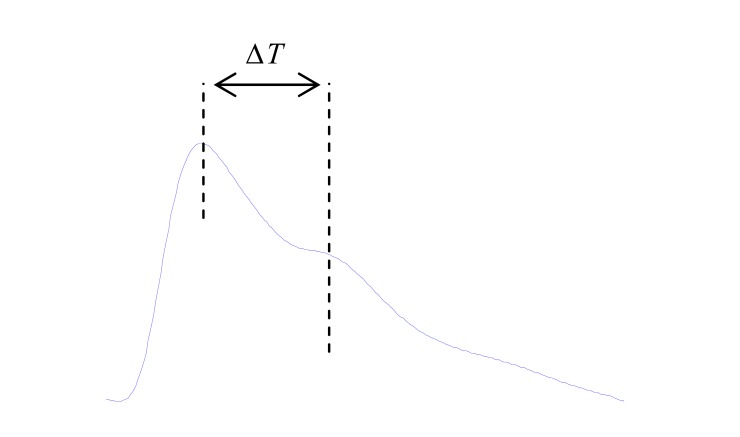
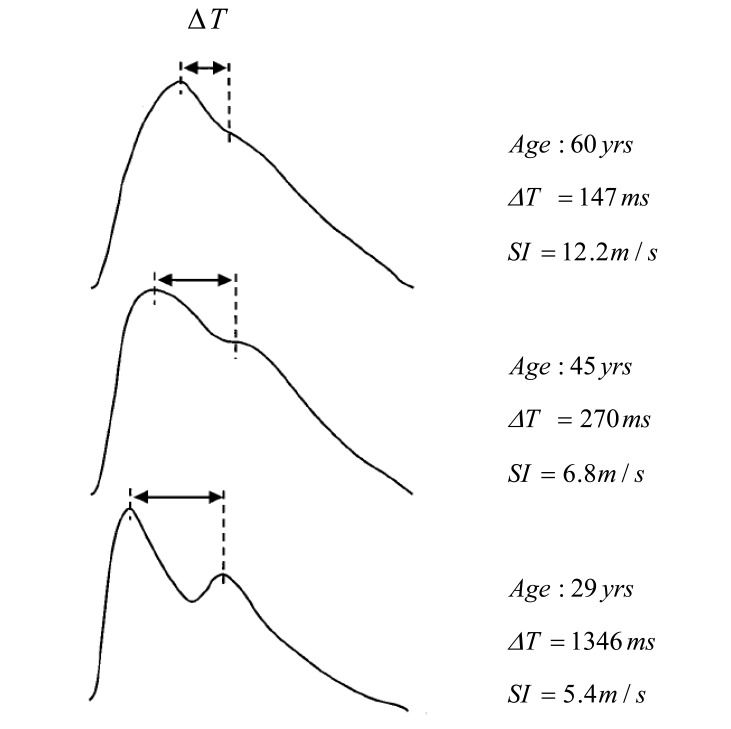
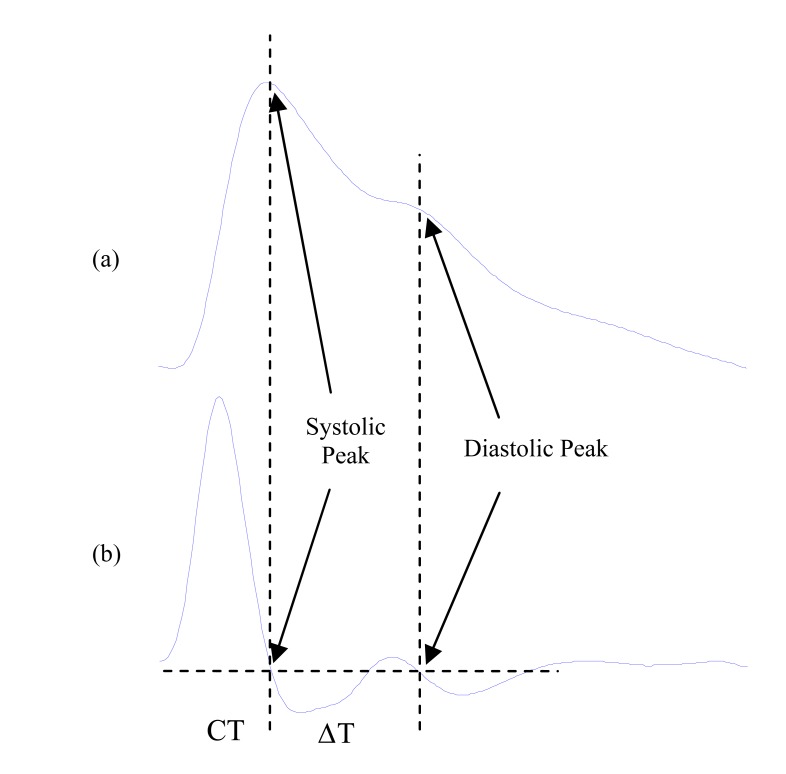
Photoplethysmography (PPG) is used to estimate the skin blood flow using infrared light. Researchers from different domains of science have become increasingly interested in PPG because of its advantages as non-invasive, inexpensive, and convenient diagnostic tool. Traditionally, it measures the oxygen saturation, blood pressure, cardiac output, and for assessing autonomic functions. Moreover, PPG is a promising technique for early screening of various atherosclerotic pathologies and could be helpful for regular GP-assessment but a full understanding of the diagnostic value of the different features is still lacking. Recent studies emphasise the potential information embedded in the PPG waveform signal and it deserves further attention for its possible applications beyond pulse oximetry and heart-rate calculation. Therefore, this overview discusses different types of artifact added to PPG signal, characteristic features of PPG waveform, and existing indexes to evaluate for diagnoses. Keywords: Photoplethysmography, acceleration plethysmogram, second derivative plethysmogram, digital volume pulse, ageing, artery, autonomic function, blood pressure, cardiovascular, heart rate, pulse wave analysis, vascular disease
Overview
The claims and statistics of this paper haven’t been checked yet.
Run the check — free, no account needed. It reads the open-access text and checks the sources it cites.
Integrity signals
Registry
Cites
Statistics
Figures
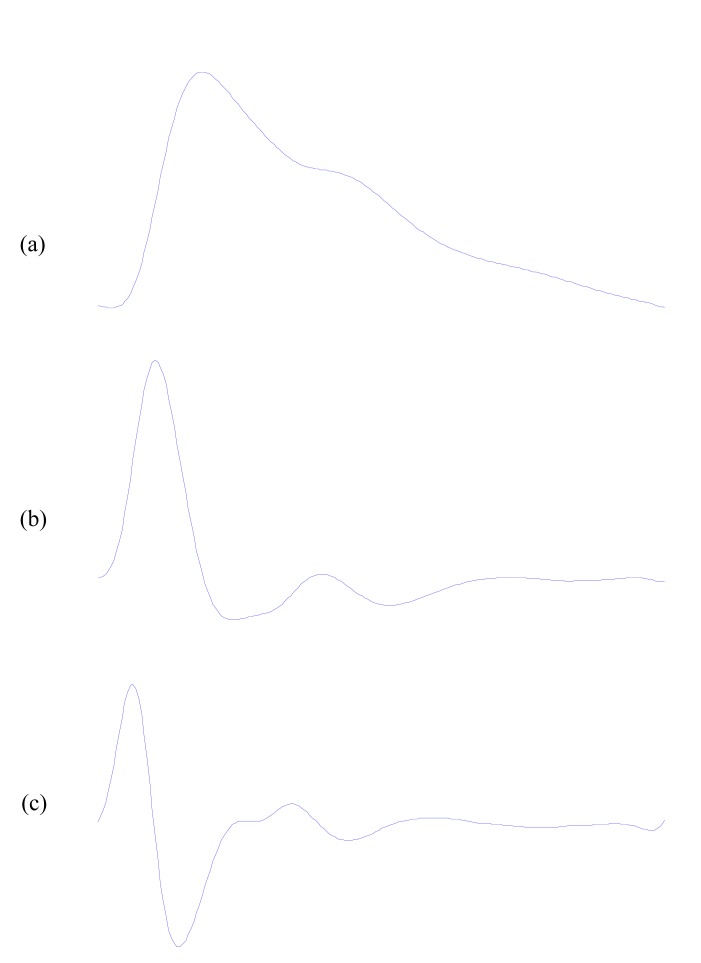
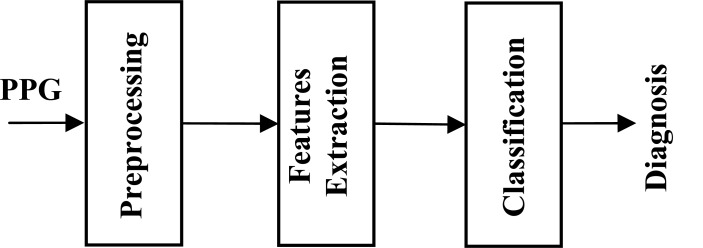
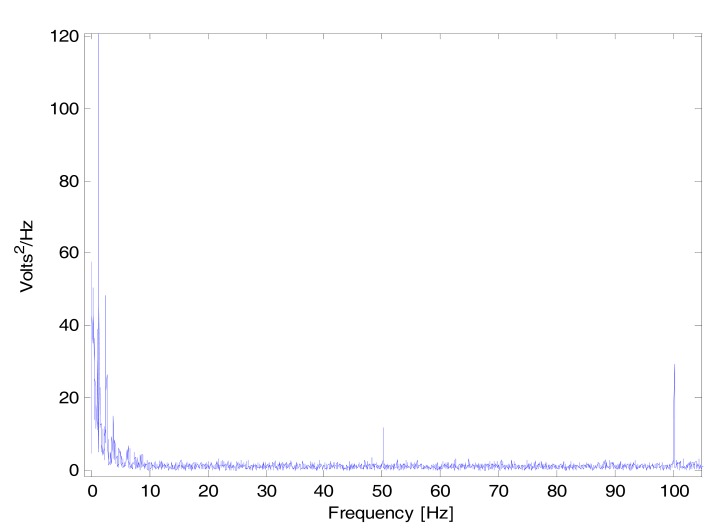
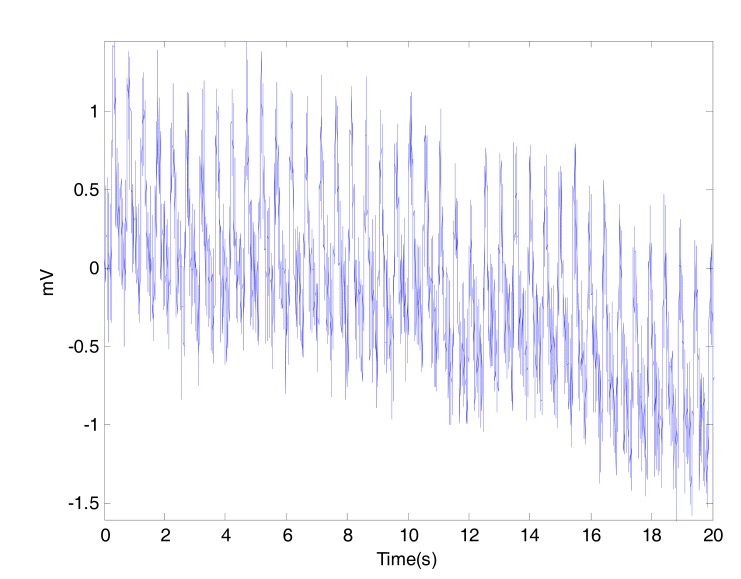
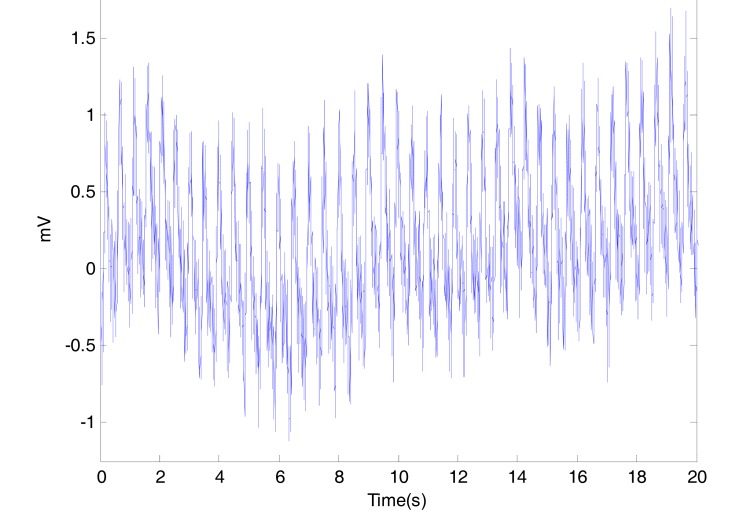
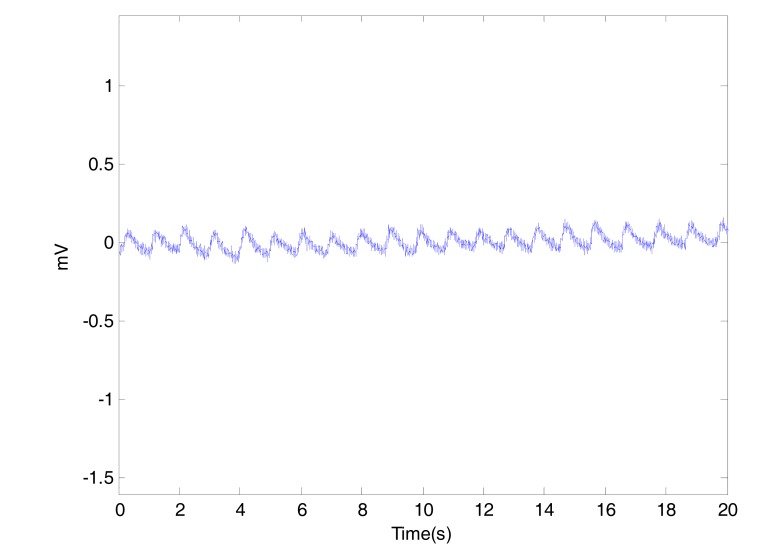
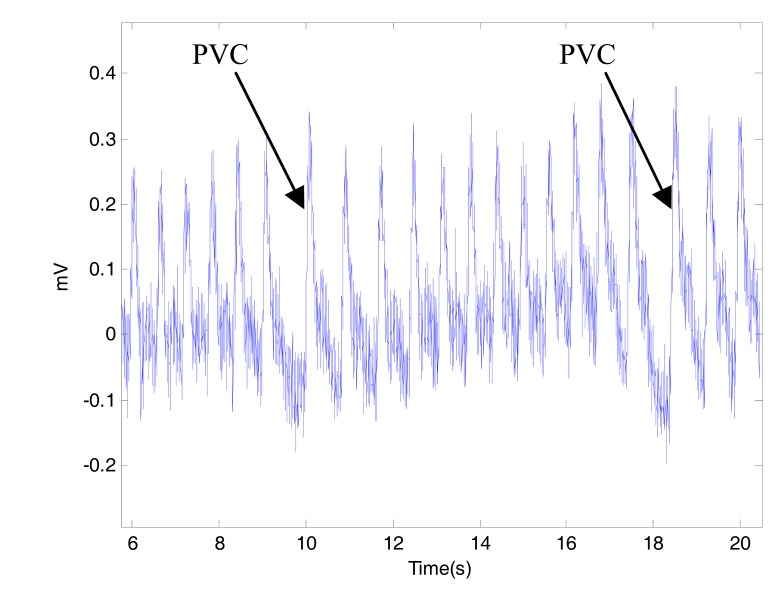
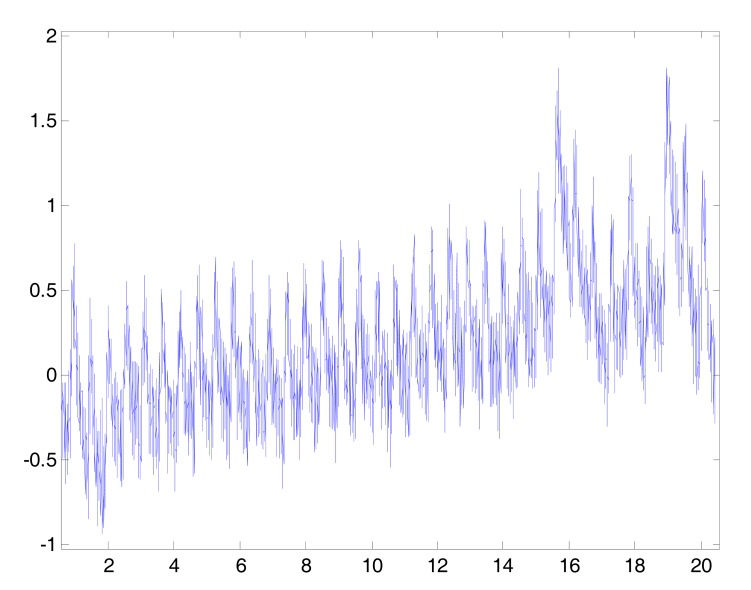
Verification
Claims the paper makes
The claims and statistics of this paper haven’t been checked yet.
Run the check — free, no account needed. It reads the open-access text and checks the sources it cites.
Claims other papers make about this one
Each is checked against this paper’s own text: does it say what the citing paper says it does?
The cited source says what the claim attributes to it.
In the citing paper
“| c/a | Decrease | Takazawa et al., 1998 Elgendi et al., 2012 | [29,59] |”
From Sources of inaccuracy in photoplethysmography for continuous cardiovascular monitoring (2021) · cites this paper as [59]
In the citing paper
“The shape of a clean PPG signal is closely related to the blood pulse wave of the human body25”
From Data quality evaluation in wearable monitoring (2022) · cites this paper as [25]
In the citing paper
“In this case, the pulsatile component of the PPG can be of the order of 1 mV in amplitude [55] although lower amplitudes can be caused by technical factors, such as inappropriate gain control, or physiological factors, such as vasoconstriction [9].”
From Wearable Photoplethysmography for Cardiovascular Monitoring (2022) · cites this paper as [9]
In the citing paper
“In particular, obesity can lead to changes in skin thickness, blood flow, and oxygen saturation. This affects the optical properties of skin in addition to the distance light has to travel to reach a target vessel or vessels [48,59,60].”
From Sources of inaccuracy in photoplethysmography for continuous cardiovascular monitoring (2021) · cites this paper as [59]
In the citing paper
“While, to the authors’ knowledge, publications that experimentally and explicitly demonstrate the effect of obesity or BMI on the PPG waveform are limited, we will explore works which suggest that there would be a substantial effect [56,59,60,61,62,63,64,65,66,67,68,69,70].”
From Sources of inaccuracy in photoplethysmography for continuous cardiovascular monitoring (2021) · cites this paper as [59]
In the citing paper
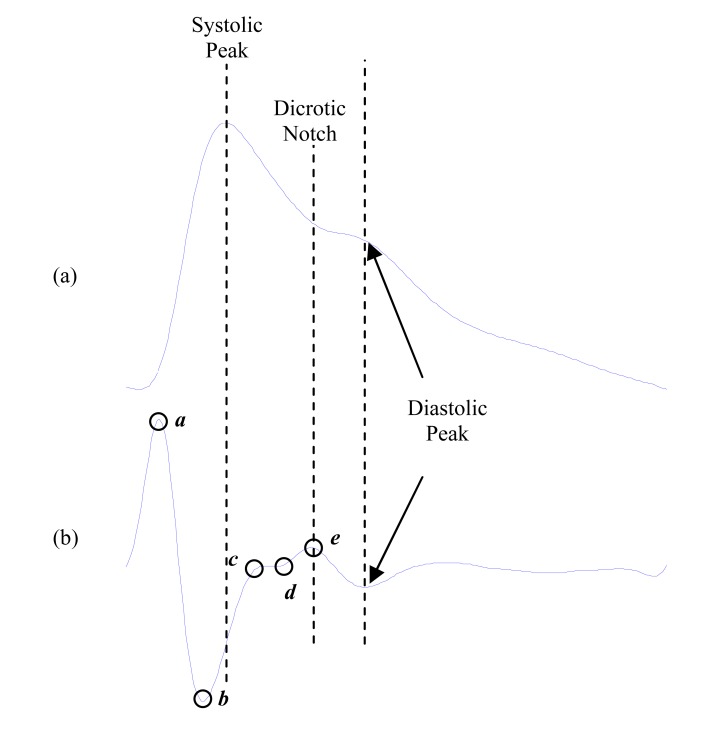
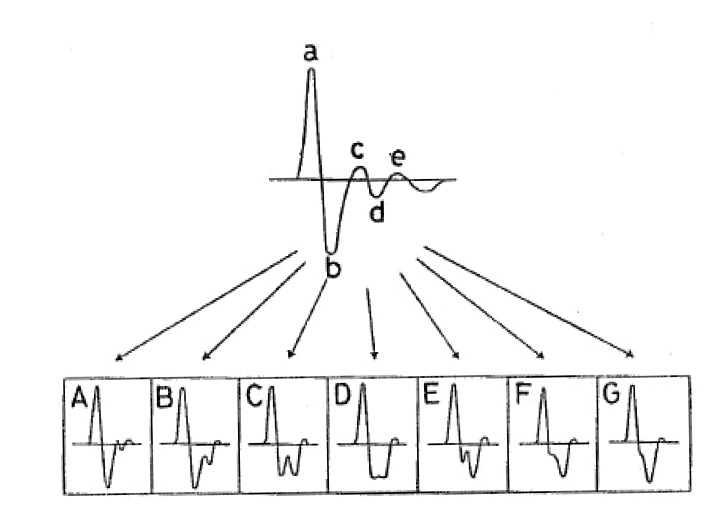
“The ratio b/a has been found to correlate positively to age, while c/a, d/a and e/a have all been correlated negatively to age [29,59].”
From Sources of inaccuracy in photoplethysmography for continuous cardiovascular monitoring (2021) · cites this paper as [59]
In the citing paper
“| e/a | Decrease | Takazawa et al., 1998 Elgendi et al., 2012 | [29,59] |”
From Sources of inaccuracy in photoplethysmography for continuous cardiovascular monitoring (2021) · cites this paper as [59]
In the citing paper
“| d/a | Decrease | Takazawa et al., 1998 Elgendi et al., 2012 | [29,59] |”
From Sources of inaccuracy in photoplethysmography for continuous cardiovascular monitoring (2021) · cites this paper as [59]
In the citing paper
“Furthermore, PPG can be used to index heart rate variability (HRV), blood pressure, oxygen saturation, and cardiac output24, but as of yet have not be widely rolled out in consumer-use devices and therefore data collection other than HR will not be discussed further.”
From Guidelines for wrist-worn consumer wearable assessment of heart rate in biobehavioral research (2020) · cites this paper as [24]
Self-check
Percentages, sums and reported differences re-computed from the paper’s own numbers.
The self-check needs the paper’s full text.
Citations
Cites
Photoplethysmography and its application in clinical physiological measurement
Allen, J. (2007) · Physiological Measurement · doi:10.1088/0967-3334/28/3/r01 · Cited by 3,967
Assessment of fat-free mass using bioelectrical impedance measurements of the human body
Lukaski, H., Johnson, P., Bolonchuk, W., & Lykken, G. (1985) · The American Journal of Clinical Nutrition · doi:10.1093/ajcn/41.4.810 · Cited by 1,896
Investigation of Chronic Venous Insufficiency: A Consensus Statement
Nicolaides, A. N. (2000) · Circulation · doi:10.1161/01.cir.102.20.e126 · Cited by 945
Fifteen years experience with finger arterial pressure monitoring: assessment of the technology
Imholz, B. P. M. (1998) · Cardiovascular Research · doi:10.1016/s0008-6363(98)00067-4 · Cited by 841
Determination of age-related increases in large artery stiffness by digital pulse contour analysis
Millasseau, S., Kelly, R. P., Ritter, J., & Chowienczyk, P. (2002) · Clinical Science · doi:10.1042/cs1030371 · Cited by 624
Takazawa, K., Tanaka, N., Fujita, M., Matsuoka, O., Saiki, T., Aikawa, M., Tamura, S., & Ibukiyama, C. (1998) · Hypertension · doi:10.1161/01.hyp.32.2.365 · Cited by 589
Photoelectric measurement of blood pressure, volume and flow in the finger
Peňáz, J. (1973) · Medical Entomology and Zoology · Cited by 528
Mobile monitoring with wearable photoplethysmographic biosensors
Asada, H. H., Shaltis, P., Reisner, A., Rhee, S., & Hutchinson, R. C. (2003) · IEEE Engineering in Medicine and Biology Magazine · doi:10.1109/memb.2003.1213624 · Cited by 466
Gil, E., Orini, M., Bailón, R., Vergara, J. M., Mainardi, L., & Laguna, P. (2010) · Physiological Measurement · doi:10.1088/0967-3334/31/9/015 · Cited by 461
THE BLOOD SUPPLY OF VARIOUS SKIN AREAS AS ESTIMATED BY THE PHOTOELECTRIC PLETHYSMOGRAPH
Hertzman, A. B. (1938) · American Journal of Physiology-Legacy Content · doi:10.1152/ajplegacy.1938.124.2.328 · Cited by 460
Research works printed but not linked: 3
- [59]Takazawa KTN Fujita M Matsuoka O Saiki T Aikawa M Tamura S Ibukiyama C Assessment of vasocative agents and vascular aging by the second derivative of photoplethysmogram waveform Hypertension 1998 32 365 70 9719069
- [80]Elgendi M Jonkman M De Boer F Fred A Filipe J Gamboa h Heart Rate Variability and Acceleration Plethysmogram measured at rest Biomedical Engineering Systems and Technologies: 2011 Springer 266 77
- [81]Tokutaka H MY Gonda E Yamamoto M Construction of a General Physical Condition Judgment System Using Acceleration Plethysmogram Pulse-Wave Analysis 2009 Berlin/Heidelberg Springer 5629 307 15
Cited by
Sorted by citations
Items 1,001–1,001 of 1,001
Hemobarogram subwave component pulse signal identification
Chang, P. I.-T., Liu, M.-K., Su, B.-H., & Chang, C.-H. (2016) · IEEE/SICE International Symposium on System Integration (SII) · doi:10.1109/sii.2016.7844098
Metadata
- Authors
- Elgendi, M.
- Affiliations
- Charles Darwin University (AU)
- Corresponding author
- Elgendi, Mohamed
- ORCID
- Elgendi, Mohamed
- Venue
- Current Cardiology Reviews
- Publisher
- Bentham Science Publishers Ltd.
- Published
- 2012-06-01
- Volume
- 8
- Issue
- 1
- Pages
- 14-25
- ISSN
- 1573-403X (ISSN-L)
- PMC
- PMC3394104
- OpenAlex
- W1981918735
- Cited by
- 1,206
- References
- 88
- Citations by year
- 2026: 120 · 2025: 106 · 2024: 116 · 2023: 109 · 2022: 130 · 2021: 114 · 2020: 118 · 2019: 118 · 2018: 86 · 2017: 65 · 2016: 46 · 2015: 42 · 2014: 24 · 2013: 11 · 2012: 1
- FWCI
- 2.17
- Type
- journal article
- Language
- en
- Open access
- bronze
- doi.org
- Locations
- Current Cardiology Reviews (publishedVersion)
- Europe PMC (PubMed Central) (publishedVersion, cc-by)
- PubMed Central (publishedVersion, cc-by)
- PubMed (publishedVersion)
- DR-NTU (Nanyang Technological University) (submittedVersion)
- Funders
- Univerzita Karlova v Praze
- Australian Government
- Charles Darwin University
- Topics
- Physical Sciences › Engineering › Biomedical Engineering › Non-Invasive Vital Sign Monitoring
- Health Sciences › Medicine › Cardiology and Cardiovascular Medicine › Cardiovascular Health and Disease Prevention
- Health Sciences › Medicine › Cardiology and Cardiovascular Medicine › Heart Rate Variability and Autonomic Control
- Keywords
- photoplethysmography, digital volume pulse, aging, autonomic function, blood pressure, heart rate, pulse wave analysis, cardiovascular disease, vascular disease, atherosclerosis screening
- MeSH terms
- Fingers, Hemodynamics, Humans, Skin, Artifacts, Photoplethysmography, Pulse Wave Analysis
About these checks
Registry, retraction, Cites and statistics results are computed, not judged, with one exception: a printed reference that no index lists is read once by a model before it counts as a citation error. Claims are extracted by a model and kept only when their quote appears verbatim in the text; each cited source is then checked, with a model’s help, for whether it says what the claim relies on. Those verdicts can be wrong — read the claim’s quote and the cited source before relying on one.
Statistics and arithmetic are recomputed, not judged.
Confidence bands are shown only for fields calibrated on our annotated test set. None is calibrated yet, so no band is shown.
What counts as a claim ›How we measure confidence ›How we check this ›
Are you an author, or do you see a problem with this page? Request a review
