

The DOI matches its Crossref record; 209 of the 211 references it cites were found in a registry or an index.
Lifestyle, Oxidative Stress, and Antioxidants: Back and Forth in the Pathophysiology of Chronic Diseases
Open accessAbstract
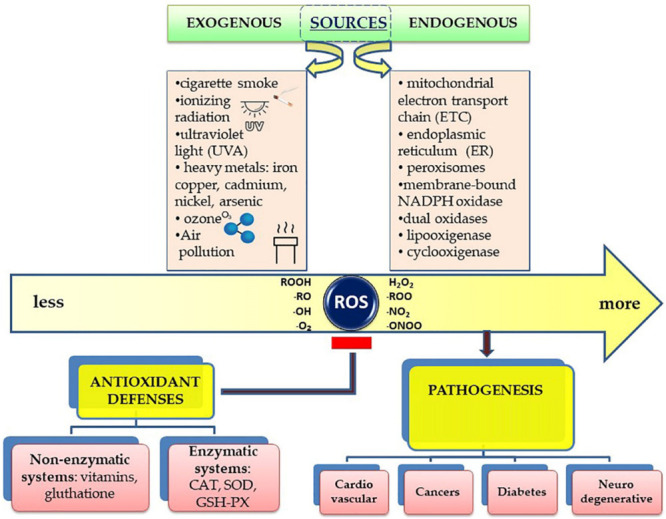
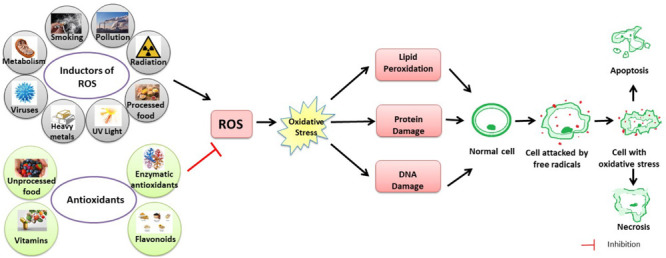
Oxidative stress plays an essential role in the pathogenesis of chronic diseases such as cardiovascular diseases, diabetes, neurodegenerative diseases, and cancer. Long term exposure to increased levels of pro-oxidant factors can cause structural defects at a mitochondrial DNA level, as well as functional alteration of several enzymes and cellular structures leading to aberrations in gene expression. The modern lifestyle associated with processed food, exposure to a wide range of chemicals and lack of exercise plays an important role in oxidative stress induction. However, the use of medicinal plants with antioxidant properties has been exploited for their ability to treat or prevent several human pathologies in which oxidative stress seems to be one of the causes. In this review we discuss the diseases in which oxidative stress is one of the triggers and the plant-derived antioxidant compounds with their mechanisms of antioxidant defenses that can help in the prevention of these diseases. Finally, both the beneficial and detrimental effects of antioxidant molecules that are used to reduce oxidative stress in several human conditions are discussed.
Overview
The claims and statistics of this paper haven’t been checked yet.
Run the check — free, no account needed. It reads the open-access text and checks the sources it cites.
Integrity signals
Registry
Cites
Statistics
Figures
Verification
Claims the paper makes
The claims and statistics of this paper haven’t been checked yet.
Run the check — free, no account needed. It reads the open-access text and checks the sources it cites.
Claims other papers make about this one
Each is checked against this paper’s own text: does it say what the citing paper says it does?
The source backs part of the claim, not all of it — or backs it for a different population, condition or comparison.
In the citing paper
“there is an increasing scientific interest in the effects of reactive oxygen species (ROS) accumulation that cause in vivo oxidative stress conditions, leading to many chronic inflammatory conditions in the gut, as well as degenerative systemic diseases (atherosclerosis, diabetes, Alzheimer’s disease, inflammatory bowel disease, cardiovascular diseases, aging, and cancer) [111,112].”
From Lactic Acid Bacteria Exopolysaccharides Producers: A Sustainable Tool for Functional Foods (2021) · cites this paper as [111]
Experimental — accuracy not yet measuredThe source backs part of the claim, not all of it — or backs it for a different population, condition or comparison.
In the citing paper
“a higher intake of antioxidant molecules is associated with lower occurrence of human diseases [111,112].”
From Lactic Acid Bacteria Exopolysaccharides Producers: A Sustainable Tool for Functional Foods (2021) · cites this paper as [111]
Experimental — accuracy not yet measuredIn the citing paper
“Physiological levels of reactive species (ROS and RNS) are important in cellular signaling, but higher concentrations and prolonged exposure can fight infections by damaging important microbial biomolecules [6].”
From The Role of Reactive Species on Innate Immunity (2022) · cites this paper as [6]
Self-check
Percentages, sums and reported differences re-computed from the paper’s own numbers.
The self-check needs the paper’s full text.
Citations
Cites
1 retracted
Miltonprabu, S., Sumedha, N. C., & Senthilraja, P. (2017) · International Immunopharmacology · doi:10.1016/j.intimp.2017.06.011 · Cited by 46
RetractedFree radicals and antioxidants in normal physiological functions and human disease
Valko, M., Leibfritz, D., Moncol, J., Cronin, M. T. D., Mazur, M., & Telser, J. (2007) · The International Journal of Biochemistry & Cell Biology · doi:10.1016/j.biocel.2006.07.001 · Cited by 14,269
Oxidants, oxidative stress and the biology of ageing
Finkel, T., & Holbrook, N. J. (2000) · Nature · doi:10.1038/35041687 · Cited by 9,413
The NOX Family of ROS-Generating NADPH Oxidases: Physiology and Pathophysiology
Bedard, K., & Krause, K.-H. (2007) · Physiological Reviews · doi:10.1152/physrev.00044.2005 · Cited by 6,989
Ayala, A., Muñoz, M., & Argüelles, S. (2014) · Oxidative Medicine and Cellular Longevity · doi:10.1155/2014/360438 · Cited by 6,837
Free radicals, metals and antioxidants in oxidative stress-induced cancer
Valko, M., Rhodes, C. J., Moncol, J., Izakovic, M., & Mazur, M. (2006) · Chemico-Biological Interactions · doi:10.1016/j.cbi.2005.12.009 · Cited by 6,680
Sharma, P., Jha, A. B., Dubey, R. S., & Pessarakli, M. (2012) · Journal of Botany · doi:10.1155/2012/217037 · Cited by 5,723
Oxidative stress, inflammation, and cancer: How are they linked?
Reuter, S., Gupta, S. C., Chaturvedi, M. M., & Aggarwal, B. B. (2010) · Free Radical Biology and Medicine · doi:10.1016/j.freeradbiomed.2010.09.006 · Cited by 5,441
Oxidative Stress and Antioxidant Defense
Birben, E., Şahiner, Ü. M., Saçkesen, C., ERZURUM, S. C., & Kalaycı, Ö. (2012) · World Allergy Organization Journal · doi:10.1097/wox.0b013e3182439613 · Cited by 5,190
Chemistry and Biological Activities of Flavonoids: An Overview
Kumar, S., & Pandey, A. K. (2013) · The Scientific World JOURNAL · doi:10.1155/2013/162750 · Cited by 5,178
Research works printed but not linked: 1
- Nussbaum, 2017, Modern treatment approaches in psychoses. Pharmacogenetic, neuroimagistic and clinical implications., Farmacia, 65, 75
Cited by
Sorted by citations
Oxidative Stress in Human Pathology and Aging: Molecular Mechanisms and Perspectives
Hajam, Y. A., Rani, R., Ganie, S. Y., Sheikh, T. A., Javaid, D., Qadri, S. S., Pramodh, S., Alsulimani, A., Alkhanani, M. F., Harakeh, S., et al. (2022) · Cells · doi:10.3390/cells11030552 · Cited by 915
Dash, U. C., Bhol, N. K., Swain, S. K., Samal, R. R., Nayak, P. K., Raina, V., Panda, S. K., Kerry, R. G., Duttaroy, A. K., & Jena, A. B. (2024) · Acta Pharmaceutica Sinica B · doi:10.1016/j.apsb.2024.10.004 · Cited by 806
Free radicals and their impact on health and antioxidant defenses: a review
Chandimali, N., Bak, S. G., Park, E. H., Lim, H. J., Won, Y., Kim, E., Park, S., & Lee, S. (2025) · Cell Death Discovery · doi:10.1038/s41420-024-02278-8 · Cited by 852
Oxidative Stress in Cardiovascular Diseases
Dubois‐Deruy, E., Peugnet, V., Turkieh, A., & Pinet, F. (2020) · Antioxidants · doi:10.3390/antiox9090864 · Cited by 694
Cellular Red-Ox system in health and disease: The latest update
Jena, A. B., Samal, R. R., Bhol, N. K., & Duttaroy, A. K. (2023) · Biomedicine & Pharmacotherapy · doi:10.1016/j.biopha.2023.114606 · Cited by 587
Leyane, T. S., Jere, S. W., & Houreld, N. N. (2022) · International Journal of Molecular Sciences · doi:10.3390/ijms23137273 · Cited by 536
Chen, S., Wang, X., Cheng, Y., Gao, H., & Chen, X. (2023) · Molecules · doi:10.3390/molecules28134982 · Cited by 548
Afzal, S., Manap, A. S. A., Attiq, A., Albokhadaim, I. F., Kandeel, M. K., & Alhojaily, S. (2023) · Frontiers in Pharmacology · doi:10.3389/fphar.2023.1269581 · Cited by 482
Rahaman, M. M., Hossain, R., Herrera‐Bravo, J., Islam, M. T., Atolanı, O., Adeyemı, O. S., Owolodun, O. A., Kambizi, L., Daştan, S. D., Călina, D. C., et al. (2023) · Food Science & Nutrition · doi:10.1002/fsn3.3217 · Cited by 402
Self-citationJanaszak-Jasiecka, A., Płoska, A., Wierońska, J. M., Dobrucki, L. W., & Kalinowski, L. (2023) · Cellular & Molecular Biology Letters · doi:10.1186/s11658-023-00423-2 · Cited by 358
Salehi, B., Quispe, C., Chamkhi, I., Omari, N. E., Balahbib, A., Sharifi‐Rad, J., Bouyahya, A., Akram, M., Iqbal, M., Docea, A. O., et al. (2021) · Frontiers in Pharmacology · doi:10.3389/fphar.2020.592654 · Cited by 377
Self-citationCorreia, A. S., Cardoso, A., & Vale, N. (2023) · Antioxidants · doi:10.3390/antiox12020470 · Cited by 383
Paclitaxel: Application in Modern Oncology and Nanomedicine‐Based Cancer Therapy
Sharifi‐Rad, J., Quispe, C., Patra, J. K., Singh, Y. D., Panda, M. K., Das, G., Adetunji, C. O., Michael, O. S., Sytar, O., Polito, L., et al. (2021) · Oxidative Medicine and Cellular Longevity · doi:10.1155/2021/3687700 · Cited by 321
Self-citationNatural Coumarins: Exploring the Pharmacological Complexity and Underlying Molecular Mechanisms
Sharifi‐Rad, J., Martins, N. A., López‐Jornet, P., Pons-Fuster, E., Harun, N., Yeskaliyeva, B. K., Beyatlı, A., Sytar, O., Shaheen, S., Sharopov, F. S., et al. (2021) · Oxidative Medicine and Cellular Longevity · doi:10.1155/2021/6492346 · Cited by 327
Self-citationSharifi-Rad, J., Quispe, C., Butnariu, M., Rotariu, L. S., Sytar, O., Sestito, S., Rapposelli, S., Akram, M., Iqbal, M., Krishna, A., et al. (2021) · Cancer Cell International · doi:10.1186/s12935-021-02025-4 · Cited by 290
Self-citationSalehi, B., Sharifi-Rad, J., Cappellini, F., Reiner, Ž., Zorzan, D., Imran, M., Sener, B., Kilic, M., El-Shazly, M., Fahmy, N. M., et al. (2020) · Frontiers in Pharmacology · doi:10.3389/fphar.2020.01300 · Cited by 293
Self-citationTumilaar, S. G., Hardianto, A., Dohi, H., & Kurnia, D. (2024) · Journal of Chemistry · doi:10.1155/2024/5594386 · Cited by 356
Rudrapal, M., Rakshit, G., Singh, R. P., Garse, S., Khan, J., & Chakraborty, S. (2024) · Antioxidants · doi:10.3390/antiox13040429 · Cited by 302
Ashok, A., Andrabi, S. S., Mansoor, S., Kuang, Y., Kwon, B. K., & Labhasetwar, V. D. (2022) · Antioxidants · doi:10.3390/antiox11020408 · Cited by 270
Onion (Allium cepa L.) peels: A review on bioactive compounds and biomedical activities
Kumar, M., Barbhai, M. D., Hasan, M., Punia, S., Dhumal, S., Radha, Rais, N., Chandran, D., Pandiselvam, R., Kothakota, A., et al. (2022) · Biomedicine & Pharmacotherapy · doi:10.1016/j.biopha.2021.112498 · Cited by 240
Neuroinflammation and Oxidative Stress in the Pathogenesis of Autism Spectrum Disorder
Usui, N., Kobayashi, H., & Shimada, S. (2023) · International Journal of Molecular Sciences · doi:10.3390/ijms24065487 · Cited by 278
Possible Side Effects of Polyphenols and Their Interactions with Medicines
Duda‐Chodak, A., & Tarko, T. (2023) · Molecules · doi:10.3390/molecules28062536 · Cited by 257
Mitochondrial Glutathione in Cellular Redox Homeostasis and Disease Manifestation
Chen, T., Wang, H., Chang, C.-J., & Lee, S. (2024) · International Journal of Molecular Sciences · doi:10.3390/ijms25021314 · Cited by 250
Exploring Therapeutic Potential of Catalase: Strategies in Disease Prevention and Management
Anwar, S., Alrumaihi, F., Sarwar, T., Babiker, A. Y., Khan, A. A., Prabhu, S. V., & Rahmani, A. H. (2024) · Biomolecules · doi:10.3390/biom14060697 · Cited by 278
New insights into the role of mitochondrial dynamics in oxidative stress-induced diseases
Chen, S., Li, Q., Shi, H., Li, F., Duan, Y., & Guo, Q. (2024) · Biomedicine & Pharmacotherapy · doi:10.1016/j.biopha.2024.117084 · Cited by 250
Exploring the potential of antioxidants from fruits and vegetables and strategies for their recovery
Arias, A., Feijóo, G., & Moreira, M. T. (2022) · Innovative Food Science & Emerging Technologies · doi:10.1016/j.ifset.2022.102974 · Cited by 240
Recent advances and limitations of mTOR inhibitors in the treatment of cancer
Ali, E. S., Mitra, K., Akter, S., Ramproshad, S., Mondal, B., Khan, I. N., Islam, M. T., Sharifi‐Rad, J., Călina, D. C., & Cho, W. C. S. (2022) · Cancer Cell International · doi:10.1186/s12935-022-02706-8 · Cited by 228
Self-citationChaudhary, M. R., Chaudhary, S., Sharma, Y., Singh, T. A., Mishra, A. K., Sharma, S. G., & Mehdi, M. M. (2023) · Biogerontology · doi:10.1007/s10522-023-10050-1 · Cited by 218
Amir, S., Shah, S. T. A., Mamoulakis, C., Docea, A. O., Kalantzi, O., Zachariou, A., Călina, D. C., Carvalho, F. D., Sofikitis, N., Makrigiannakis, A., et al. (2021) · International Journal of Environmental Research and Public Health · doi:10.3390/ijerph18041464 · Cited by 224
Self-citationLactic Acid Bacteria Exopolysaccharides Producers: A Sustainable Tool for Functional Foods
Prete, R., Alam, M. K., Perpetuini, G., Perla, C., Pittia, P., & Corsetti, A. (2021) · Foods · doi:10.3390/foods10071653 · Cited by 194
Oxidative Stress and Male Infertility: The Protective Role of Antioxidants
Kaltsas, A. (2023) · Medicina · doi:10.3390/medicina59101769 · Cited by 221
Andrés, C. M. C., de la Lastra, J. M. P., Andrés, C., Plou, F. J., & Pérez‐Lebeña, E. (2023) · Processes · doi:10.3390/pr11092771 · Cited by 221
Probiotics: Versatile Bioactive Components in Promoting Human Health
Sharifi‐Rad, J., Rodrigues, C. F., Stojanović-Radić, Z. Z., Dimitrijević, M., Aleksić, A., Neffe‐Skocińska, K., Zielińska, D., Kołożyn‐Krajewska, D., Salehi, B., Prabu, S. M., et al. (2020) · Medicina · doi:10.3390/medicina56090433 · Cited by 203
Self-citationSharifi-Rad, J., Dey, A., Koirala, N., Shaheen, S., El Omari, N., Salehi, B., Goloshvili, T., Cirone Silva, N. C., Bouyahya, A., Vitalini, S., et al. (2021) · Frontiers in Pharmacology · doi:10.3389/fphar.2021.600139 · Cited by 183
Self-citationOxidative stress and antioxidants in health and disease
Kıran, T. R., Otlu, Ö., & Karabulut, A. B. (2023) · Journal of Laboratory Medicine · doi:10.1515/labmed-2022-0108 · Cited by 242
Water physicochemical factors and oxidative stress physiology in fish, a review
Menon, S. V., Kumar, A., Middha, S. K., Paital, B., Mathur, S., Johnson, R., Kademane, A., Usha, T., Hemavathi, K. N., Dayal, S., et al. (2023) · Frontiers in Environmental Science · doi:10.3389/fenvs.2023.1240813 · Cited by 216
Biochemistry of Antioxidants: Mechanisms and Pharmaceutical Applications
Losada‐Barreiro, S., Bayındır, Z. S., Paiva‐Martins, F., & Bravo‐Díaz, C. (2022) · Biomedicines · doi:10.3390/biomedicines10123051 · Cited by 209
Neuropharmacological Effects of Quercetin: A Literature-Based Review
Islam, M. S., Quispe, C., Hossain, R., Islam, M. T., Al-Harrasi, A., Al-Rawahi, A., Martorell, M., Mamurova, A., Seilkhan, A., Altybaeva, N., et al. (2021) · Frontiers in Pharmacology · doi:10.3389/fphar.2021.665031 · Cited by 165
Self-citationROS signaling in innate immunity via oxidative protein modifications
Manoharan, R. R., Prasad, A., Pospı́šil, P., & Kzhyshkowska, J. G. (2024) · Frontiers in Immunology · doi:10.3389/fimmu.2024.1359600 · Cited by 169
Tsatsakis, A. M., Călina, D. C., Falzone, L., Petrakis, D., Mitruţ, R., Siokas, V., Pennisi, M., Lanza, G., Libra, M., Doukas, S. G., et al. (2020) · Food and Chemical Toxicology · doi:10.1016/j.fct.2020.111769 · Cited by 158
Self-citationTitin (TTN): from molecule to modifications, mechanics, and medical significance
Loescher, C. M., Hobbach, A. J., & Linke, W. A. (2021) · Cardiovascular Research · doi:10.1093/cvr/cvab328 · Cited by 159
Oxidative Stress, Antioxidants and Hypertension
Amponsah-Offeh, M., Diaba‐Nuhoho, P., Speier, S., & Morawietz, H. (2023) · Antioxidants · doi:10.3390/antiox12020281 · Cited by 169
Polyol pathway and redox balance in diabetes
Garg, S. S., & Gupta, J. (2022) · Pharmacological Research · doi:10.1016/j.phrs.2022.106326 · Cited by 158
Labarrere, C. A., & Kassab, G. S. (2022) · Frontiers in Nutrition · doi:10.3389/fnut.2022.1007816 · Cited by 153
The Role of Reactive Species on Innate Immunity
Andrés, C., Pérez de la Lastra, J., Juan, C., Plou, F., & Pérez-Lebeña, E. (2022) · Vaccines · doi:10.3390/vaccines10101735 · Cited by 142
Oxidative Stress and Antioxidants in Age-Related Macular Degeneration
Kushwah, N. S., Bora, K., Maurya, M., Pavlovich, M. C., & Chen, J. (2023) · Antioxidants · doi:10.3390/antiox12071379 · Cited by 140
Grishanova, A. Y., & Perepechaeva, M. L. (2022) · International Journal of Molecular Sciences · doi:10.3390/ijms23126719 · Cited by 130
Lohvina, H. O., Makai, S., & Wink, M. (2021) · Diversity · doi:10.3390/d14010007 · Cited by 129
Butnariu, M., Quispe, C., Herrera‐Bravo, J., Sharifi‐Rad, J., Singh, L., Aborehab, N. M., Bouyahya, A., Venditti, A., Sen, S., Acharya, K., et al. (2022) · Oxidative Medicine and Cellular Longevity · doi:10.1155/2022/8214821 · Cited by 130
Self-citationSharifi-Rad, J., Rapposelli, S., Sestito, S., Herrera-Bravo, J., Arancibia-Diaz, A., Salazar, L. A., Yeskaliyeva, B., Beyatli, A., Leyva-Gómez, G., González-Contreras, C., et al. (2022) · Journal of Personalized Medicine · doi:10.3390/jpm12091515 · Cited by 125
“The increase in life expectancy is one of the factors that has led to an increase in the number of AD cases worldwide [3,4].”
BackgroundSelf-citationWierzejska, R. E. (2021) · International Journal of Environmental Research and Public Health · doi:10.3390/ijerph18178897 · Cited by 145
Alessandro de, S. I. R. E., Marotta, N., Ferrillo, M., Agostini, F., Sconza, C., Lippi, L., Respizzi, S., Giudice, A., Invernizzi, M., & Ammendolia, A. (2022) · International Journal of Molecular Sciences · doi:10.3390/ijms23052528 · Cited by 120
Gut microbiota reinforce host antioxidant capacity via the generation of reactive sulfur species
Uchiyama, J., Akiyama, M., Hase, K., Kumagai, Y., & Kim, Y. (2022) · Cell Reports · doi:10.1016/j.celrep.2022.110479 · Cited by 121
Lycopene: A Potent Antioxidant with Multiple Health Benefits
Shafe, M. O., Gumede, N. M., Nyakudya, T. T., & Chivandi, E. (2024) · Journal of Nutrition and Metabolism · doi:10.1155/2024/6252426 · Cited by 143
Nanodrugs alleviate acute kidney injury: Manipulate RONS at kidney
Chen, Q., Nan, Y., Yang, Y., Xiao, Z., Liu, M., Huang, J., Xiang, Y., Long, X., Zhao, T., Wang, X., et al. (2022) · Bioactive Materials · doi:10.1016/j.bioactmat.2022.09.021 · Cited by 116
Understanding the Role of Free Radicals and Antioxidant Enzymes in Human Diseases
Chaudhary, N., Roy, Z., Bansal, R., & Siddiqui, L. (2022) · Current Pharmaceutical Biotechnology · doi:10.2174/1389201024666221121160822 · Cited by 114
Polyphenols and atherosclerosis: A critical review of clinical effects on LDL oxidation
Ahmadi, A., Jamialahmadi, T., & Sahebkar, A. (2022) · Pharmacological Research · doi:10.1016/j.phrs.2022.106414 · Cited by 119
Allium Flavonols: Health Benefits, Molecular Targets, and Bioavailability
Kothari, D., Lee, W., & Kim, S. (2020) · Antioxidants · doi:10.3390/antiox9090888 · Cited by 115
Oxidative Stress, Endoplasmic Reticulum Stress and Apoptosis in the Pathology of Alzheimer’s Disease
Ekundayo, B. E., Obafemi, T. O., Adewale, O. B., Obafemi, B. A., Oyinloye, B. E., & Ekundayo, S. K. (2024) · Cell Biochemistry and Biophysics · doi:10.1007/s12013-024-01248-2 · Cited by 110
Walke, G., Gaurkar, S. S., Prasad, R., Lohakare, T., & Wanjari, M. B. (2023) · Cureus · doi:10.7759/cureus.42583 · Cited by 127
Oxidative stress: fundamentals and advances in quantification techniques
Krishnamurthy, H. K., Pereira, M., Rajavelu, I., Jayaraman, V., Krishna, K., Wang, T., Bei, K., & Rajasekaran, J. J. (2024) · Frontiers in Chemistry · doi:10.3389/fchem.2024.1470458 · Cited by 127
Negative Impacts of Arsenic on Plants and Mitigation Strategies
Sinha, D., Datta, S., Mishra, R., Agarwal, P., Kumari, T., Adeyemi, S. B., Maurya, A. K., Ganguly, S., Atique, U., Seal, S., et al. (2023) · Plants · doi:10.3390/plants12091815 · Cited by 113
Ashraf, M. V., Khan, S., Misri, S., Gaira, K. S., Rawat, S., Rawat, B., Khan, M. A. H., Shah, A. A., Asgher, M., & Ahmad, S. (2024) · Pharmaceuticals · doi:10.3390/ph17080975 · Cited by 102
Potential Therapeutic Options for COVID-19: Current Status, Challenges, and Future Perspectives
Sarkar, C. K., Mondal, M., Islam, M. T., Martorell, M., Docea, A. O., Maroyi, A., Sharifi‐Rad, J., & Călina, D. C. (2020) · Frontiers in Pharmacology · doi:10.3389/fphar.2020.572870 · Cited by 98
Self-citationMitochondrial Dysfunction: A Key Player in Brain Aging and Diseases
Bartman, S., Coppotelli, G., & Ross, J. M. (2024) · Current Issues in Molecular Biology · doi:10.3390/cimb46030130 · Cited by 110
Recent advances in the therapeutic potential of emodin for human health
Sharifi‐Rad, J., Herrera‐Bravo, J., Kamiloğlu, S., Petroni, K., Mishra, A. P., Monserrat-Mesquida, M., Sureda, A., Martorell, M., Dossymbetova, S., Yessimsiitova, Z. B., et al. (2022) · Biomedicine & Pharmacotherapy · doi:10.1016/j.biopha.2022.113555 · Cited by 110
Self-citationMunteanu, C., Turnea, M. A., & Rotariu, M. (2023) · Antioxidants · doi:10.3390/antiox12091737 · Cited by 100
Healthy dietary patterns and the risk of individual chronic diseases in community-dwelling adults
Shang, X., Liu, J., Zhu, Z., Zhang, X., Huang, Y., Liu, S., Wang, W., Zhang, X., Tang, S., Hu, Y., et al. (2023) · Nature Communications · doi:10.1038/s41467-023-42523-9 · Cited by 111
Ekiz, E., Öz, E., El‐Aty, A. M. A., Proestos, C., Brennan, C. S., Zeng, M., Tomasevic, I. B., Elobeid, T., Çadırcı, K., Bayrak, M., et al. (2023) · Foods · doi:10.3390/foods12071512 · Cited by 97
The Biochemistry and Effectiveness of Antioxidants in Food, Fruits, and Marine Algae
Pruteanu, L.-L., Bailey, D. S., Grădinaru, A. C., & Jäntschi, L. (2023) · Antioxidants · doi:10.3390/antiox12040860 · Cited by 124
Tobacco Smoking and Liver Cancer Risk: Potential Avenues for Carcinogenesis
Jain, D., Chaudhary, P., Varshney, N., Razzak, K. S. B., Verma, D., Zahra, T. R. K., Janmeda, P., Sharifi‐Rad, J., Daştan, S. D., Mahmud, S., et al. (2021) · Journal of Oncology · doi:10.1155/2021/5905357 · Cited by 100
Self-citationGlyphosate exposure and urinary oxidative stress biomarkers in the Agricultural Health Study
Chang, V. C., Andreotti, G., Ospina, M., Parks, C. G., Liu, D., Shearer, J. J., Rothman, N., Silverman, D. T., Sandler, D. P., Calafat, A. M., et al. (2023) · JNCI Journal of the National Cancer Institute · doi:10.1093/jnci/djac242 · Cited by 96
The Influence of Metabolic Factors and Diet on Fertility
Łakoma, K., Kukharuk, O., & Śliż, D. (2023) · Nutrients · doi:10.3390/nu15051180 · Cited by 113
Reactive Oxygen Species (ROS)-Responsive Biomaterials for the Treatment of Bone-Related Diseases
Ren, X., Liu, H., Wu, X., Weng, W., Wang, X., & Su, J. (2022) · Frontiers in Bioengineering and Biotechnology · doi:10.3389/fbioe.2021.820468 · Cited by 99
Mokgalaboni, K., Ntamo, Y., Ziqubu, K., Nyambuya, T. M., Nkambule, B. B., Mazibuko-Mbeje, S. E., Gabuza, K., Chellan, N., Tiano, L., & Dludla, P. V. (2021) · Food & Function · doi:10.1039/d1fo02696h · Cited by 102
Khan, M. Z., Xiao, J., Ma, Y., Ma, J., Liu, S., Khan, A. A., Khan, J. M., & Cao, Z. (2021) · Antioxidants · doi:10.3390/antiox10050788 · Cited by 100
Andrade, B., Jara‐Gutiérrez, C., Paz-Araos, M., Vázquez, M. C., Díaz, P., & Murgas, P. (2022) · International Journal of Molecular Sciences · doi:10.3390/ijms232315182 · Cited by 96
Ulhaq, Z. S., & Tse, W. K. F. (2023) · Journal of Hazardous Materials · doi:10.1016/j.jhazmat.2023.131722 · Cited by 93
A Review of Bioactive Compounds and Antioxidant Activity Properties of Piper Species
Carsono, N., Tumilaar, S. G., Kurnia, D., Latipudin, D., & Satari, M. H. (2022) · Molecules · doi:10.3390/molecules27196774 · Cited by 90
Das, D., Shruthi, N. R., Banerjee, A., Jothimani, G., Duttaroy, A. K., & Pathak, S. (2023) · Frontiers in Nutrition · doi:10.3389/fnut.2023.1221438 · Cited by 90
Molecular mechanisms of oxidative stress in stroke and cancer
Chavda, V. K., Chaurasia, B. K., Garg, K., Deora, H., Umana, G. E., Palmisciano, P., Scalia, G., & Lu, B. (2021) · Brain Disorders · doi:10.1016/j.dscb.2021.100029 · Cited by 98
Oxidative stress modulating nanomaterials and their biochemical roles in nanomedicine
Patel, K. D., Keskin‐Erdogan, Z., Sawadkar, P., Sharifulden, N. S. A. N., Shannon, M. R., Patel, M., Silva, L. V. B., Patel, R., Chau, D. Y. S., Knowles, J. C., et al. (2024) · Nanoscale Horizons · doi:10.1039/d4nh00171k · Cited by 92
Apiaceae as an Important Source of Antioxidants and Their Applications
Thiviya, P., Gamage, A., Arachchige, D., Merah, O., & Madhujith, T. (2021) · Cosmetics · doi:10.3390/cosmetics8040111 · Cited by 96
Manimegalai, P., Selvam, K., Loganathan, S., Kirubakaran, D., Shivakumar, M. S., Govindasamy, M., Rajaji, U., & Bahajjaj, A. A. A. (2023) · Biomass Conversion and Biorefinery · doi:10.1007/s13399-023-04279-6 · Cited by 87
l-Arginine and COVID-19: An Update
Adebayo, A., Varzideh, F., Wilson, S. M., Gambardella, J., Eacobacci, M., Jankauskas, S. S., Donkor, K., Kansakar, U., Trimarco, V., Mone, P., et al. (2021) · Nutrients · doi:10.3390/nu13113951 · Cited by 91
A Review of Recent Studies on the Antioxidant and Anti‐Infectious Properties of Senna Plants
Alshehri, M. M., Quispe, C., Herrera‐Bravo, J., Sharifi‐Rad, J., Tütüncü, S., Aydar, E. F., Topkaya, C., Mertdinç, Z., Özçelik, B., Aital, M., et al. (2022) · Oxidative Medicine and Cellular Longevity · doi:10.1155/2022/6025900 · Cited by 86
Self-citationAnantachoke, N., Duangrat, R., Sutthiphatkul, T., Ochaikul, D., & Mangmool, S. (2023) · Foods · doi:10.3390/foods12091818 · Cited by 111
Heavy metal and pesticide levels in dairy products: Evaluation of human health risk
Năstăsescu, V., Mititelu, M., Γούμενου, Μ., Docea, A. O., Renieri, E. A., Udeanu, D. I., Oprea, E., Arsene, A. L., Dinu‐Pîrvu, C. E., & Ghica, M. (2020) · Food and Chemical Toxicology · doi:10.1016/j.fct.2020.111844 · Cited by 84
Self-citationNanozyme‐Enabled Treatment of Cardio‐ and Cerebrovascular Diseases
Zhang, Y., Liu, W., Wang, X., Liu, Y., & Wei, H. (2022) · Small · doi:10.1002/smll.202204809 · Cited by 87
Free radicals: Relationship to Human Diseases and Potential Therapeutic applications
Zarić, B. L., Mačvanin, M., & Isenović, E. R. (2022) · The International Journal of Biochemistry & Cell Biology · doi:10.1016/j.biocel.2022.106346 · Cited by 105
Effiong, M. E., Umeokwochi, C. P., Afolabi, I. S., & Chinedu, S. N. (2024) · Scientific Reports · doi:10.1038/s41598-024-54201-x · Cited by 102
Arunachalam, K., Yang, X., & San, T. T. (2022) · Journal of Ethnopharmacology · doi:10.1016/j.jep.2021.114540 · Cited by 82
Reactive Oxygen Species and Oxidative Stress in Vascular‐Related Diseases
Cheng, X., Hu, Y., Yang, T., Wu, N., & Wang, X.-N. (2022) · Oxidative Medicine and Cellular Longevity · doi:10.1155/2022/7906091 · Cited by 90
Salazar‐Puerta, A. I., Rincon‐Benavides, M. A., Cuellar‐Gaviria, T. Z., Aldana, J., Vasquez-Martinez, G., Ortega‐Pineda, L., Das, D., Dodd, D. J., Spencer, C. A., Deng, B., et al. (2023) · Advanced Materials · doi:10.1002/adma.202210579 · Cited by 81
Reactive oxygen species (ROS): sources, generation, disease pathophysiology, and antioxidants
Ansari, W. A., Srivastava, K., Nasibullah, M., & Khan, M. F. (2025) · Discover Chemistry. · doi:10.1007/s44371-025-00275-z · Cited by 97
Awadelkareem, A. M., Al-Shammari, E., Elkhalifa, A. E. O., Adnan, M., Siddiqui, A. J., Snoussi, M., Khan, M. I., Azad, Z. R. A. A., Patel, M. B., & Ashraf, S. A. (2022) · Molecules · doi:10.3390/molecules27041409 · Cited by 80
Microalgal Carotenoids: Therapeutic Application and Latest Approaches to Enhance the Production
Sirohi, P., Verma, H., Singh, S. K., Singh, V. K., Pandey, J., Khusharia, S., Kumar, D., Kaushalendra, K., Teotia, P., & Kumar, A. (2022) · Current Issues in Molecular Biology · doi:10.3390/cimb44120427 · Cited by 89
Müller, L., & Benedetto, S. D. (2024) · International Journal of Molecular Sciences · doi:10.3390/ijms25020753 · Cited by 84
Nutraceutical Profiling, Bioactive Composition, and Biological Applications of Lepidium sativum L.
Painuli, S., Quispe, C., Herrera‐Bravo, J., Semwal, P., Martorell, M., Almarhoon, Z. M., Seilkhan, A., Ydyrys, A., Sharifi‐Rad, J., Alshehri, M. M., et al. (2022) · Oxidative Medicine and Cellular Longevity · doi:10.1155/2022/2910411 · Cited by 84
Self-citationMolecular Mechanisms of Oxidative Stress in Acute Kidney Injury: Targeting the Loci by Resveratrol
Rashid, H., Jali, A. M., Akhter, M. S., & Abdi, S. A. H. (2023) · International Journal of Molecular Sciences · doi:10.3390/ijms25010003 · Cited by 91
Metadata
- Authors
- Sharifi-Rad, M., Anil Kumar, N. V., Zucca, P., Varoni, E. M., Dini, L., Panzarini, E., Rajkovic, J., Tsouh Fokou, P. V., Azzini, E., Peluso, I., Prakash Mishra, A., Nigam, M., El Rayess, Y., Beyrouthy, M. E., Polito, L., Iriti, M., Martins, N., Martorell, M., Docea, A. O., Setzer, W. N., Calina, D., Cho, W. C., & Sharifi-Rad, J.
- Affiliations
- University of Cagliari (IT)
- University of Milan (IT)
- University of Salento (IT)
- Consiglio per la ricerca in agricoltura e l’analisi dell’economia agraria (IT)
- Hemwati Nandan Bahuguna Garhwal University (IN)
- Holy Spirit University of Kaslik (LB)
- Universidade do Porto (PT)
- University of Concepción (CL)
- University of Medicine and Pharmacy of Craiova (RO)
- University of Alabama in Huntsville (US)
- Queen Elizabeth Hospital (CN)
- Corresponding author
- Martorell, Miquel
- Cho, William C.
- ORCID
- Venue
- Frontiers in Physiology
- Publisher
- Frontiers Media SA
- Published
- 2020-07-02
- Volume
- 11
- Pages
- 694-694
- ISSN
- 1664-042X (ISSN-L)
- PMC
- PMC7347016
- OpenAlex
- W3039077710
- Cited by
- 1,971
- References
- 211
- Citations by year
- 2026: 181 · 2025: 371 · 2024: 474 · 2023: 467 · 2022: 323 · 2021: 129 · 2020: 25
- FWCI
- 20.52
- Type
- journal article
- Language
- en
- Open access
- gold
- doi.org
- Licence
- Locations
- Frontiers in Physiology (publishedVersion, cc-by)
- PubMed Central (publishedVersion, cc-by)
- PubMed (publishedVersion)
- UNICA IRIS Institutional Research Information System (University of Cagliari) (submittedVersion, other-oa)
- IRIS Research product catalog (Sapienza University of Rome) (submittedVersion, cc-by)
- Portuguese National Funding Agency for Science, Research and Technology (RCAAP Project by FCT) (submittedVersion, cc-by)
- Archivio Istituzionale della Ricerca (Universita Degli Studi Di Milano) (submittedVersion, other-oa)
- Archivio istituzionale della ricerca (Alma Mater Studiorum Università di Bologna) (submittedVersion, cc-by)
- DOAJ (DOAJ: Directory of Open Access Journals) (submittedVersion, cc-by-sa)
- Research Information System of Ardabil University of Medical Sciences (Ardabil University of Medical Sciences) (submittedVersion)
- AIRUS (submittedVersion)
- Funders
- Fundação para a Ciência e a Tecnologia (01-0145, NORTE-01-0145-FEDER-000012, UID/BIM/04293/2013, UID/BIM/04293, NORTE2020, NORTE-01-0145)
- Comisión Nacional de Investigación Científica y Tecnológica (CCTE AFB170007, AFB170007)
- Topics
- Health Sciences › Medicine › Biochemistry (medical) › Antioxidant Activity and Oxidative Stress
- Health Sciences › Medicine › Biochemistry (medical) › Phytochemicals and Antioxidant Activities
- Health Sciences › Medicine › Physiology (medical) › Exercise and Physiological Responses
- Keywords
- oxidative stress, antioxidants, lifestyle, chronic disease, cardiovascular disease, diabetes mellitus, neurodegenerative diseases, cancer, mitochondrial DNA damage, processed foods, chemical exposure, physical inactivity, medicinal plants, antioxidant defense, disease prevention
About these checks
Registry, retraction, Cites and statistics results are computed, not judged, with one exception: a printed reference that no index lists is read once by a model before it counts as a citation error. Claims are extracted by a model and kept only when their quote appears verbatim in the text; each cited source is then checked, with a model’s help, for whether it says what the claim relies on. Those verdicts can be wrong — read the claim’s quote and the cited source before relying on one.
Statistics and arithmetic are recomputed, not judged.
Confidence bands are shown only for fields calibrated on our annotated test set. None is calibrated yet, so no band is shown.
What counts as a claim ›How we measure confidence ›How we check this ›
Are you an author, or do you see a problem with this page? Request a review
