

Non-Integrating Lentiviral Vectors in Clinical Applications: A Glance Through
Open accessThe DOI matches its Crossref record; 142 of the 143 references it cites were found in a registry or an index; 49 of the 109 sources its claims cite were checked for support.
Abstract
Lentiviral vectors (LVs) play an important role in gene therapy and have proven successful in clinical trials. LVs are capable of integrating specific genetic materials into the target cells and allow for long-term expression of the cDNA of interest. The use of non-integrating LVs (NILVs) reduces insertional mutagenesis and the risk of malignant cell transformation over integrating lentiviral vectors. NILVs enable transient expression or sustained episomal expression, especially in non-dividing cells. Important modifications have been made to the basic human immunodeficiency virus (HIV) structures to improve the safety and efficacy of LVs. NILV-aided transient expression has led to more pre-clinical studies on primary immunodeficiencies, cytotoxic cancer therapies, and hemoglobinopathies. Recently, the third generation of self-inactivating LVs was applied in clinical trials for recombinant protein production, vaccines, gene therapy, cell imaging, and induced pluripotent stem cell (iPSC) generation. This review discusses the basic lentiviral biology and the four systems used for generating NILV designs. Mutations or modifications in LVs and their safety are addressed with reference to pre-clinical studies. The detailed application of NILVs in promising pre-clinical studies is also discussed.
Overview
CoChat Summary
TL;DR
This review argues that non-integrating lentiviral vectors (NILVs) are a safer alternative to integrating lentiviral vectors because they reduce insertional mutagenesis and malignant transformation risk while still supporting transient or episomal expression. It surveys NILV design and applications in vaccination, cell-type differentiation, site-directed integration, and gene therapy, emphasizing that NILVs are especially useful in non-dividing or slowly dividing cells.
Key findings
- NILVs are designed to avoid genomic integration by mutating integrase or LTR attachment sequences; the paper says this reduces insertional mutagenesis and lets vector DNA persist as non-replicating episomes, especially in non-dividing cells.
- Compared with other non-integrating methods, the paper states episomal plasmids and Sendai viral (SeV) vectors have the highest efficiency and only occasional integration, while NILVs still have the advantage of broad cell/tissue transduction and higher transfer efficiency in dividing and non-dividing cells.
- In vaccination, the review reports that a single NILV immunisation encoding West Nile virus envelope induced a strong B-cell response and early, long-lasting protective immunity; another NILV approach against OVA in mice showed complete protection against thymoma.
- In cell-type differentiation, the paper notes that APOA-II-GFP-positive human embryonic stem cells produced hepatic progenitors with 99% expressing hepatoblast markers, and it highlights iPSC production as a promising but still underused NILV application.
Methods
- Narrative review of lentiviral biology, NILV design, limitations, and clinical/pre-clinical applications.
- The paper synthesizes prior studies across pre-clinical and clinical contexts, including vaccination, iPSC generation, site-directed integration, and gene therapy.
- Main analysis is comparative and descriptive, drawing contrasts among NILVs, integrating lentiviral vectors, and other non-integrating systems such as SeV, episomal plasmids, AAV, and EBV-based approaches.
Limitations
- The paper states NILVs lose episomes during rapid cell division and therefore have reduced long-term expression in highly proliferative cells.
- It also states NILVs can show reduced transgene expression compared with integrating vectors, and that residual integration is still not acceptable for some clinical applications.
- Evident from the text: this is a review, so it does not present a new primary dataset or new experimental results of its own.
Model-written summary. Check it against the paper before relying on it.
Integrity signals
Registry
Cites
Statistics
Figures
Verification
Claims the paper makes
36 Valid · 12 Not valid · 45 Not checked · 47 Own results and interpretations
Some cited sources support this claim and some don’t — read each source’s verdict below.
In the paper
“Vaccinia virus [81], Zika virus [82], and human cytomegalovirus [83] have also been investigated in pre-clinical studies to test their immune responses.”
§ Non-Integrating Lentiviral Vectors in Clinical Applications: A Glance Through > 4. Clinical Application of NILVs > 4.1. Vaccination
What the sources say
- Could not verifycites [81] Odegard J.M. Kelley-Clarke B. Tareen S.U. Campbell D.J. Flynn P.A. Nicolai C.J. Slough M.M. Vin C.D. McGowan P.J. Nelson L.T. Virological and Preclinical Characterization of a Dendritic Cell Targeting, Integration-deficient Lentiviral Vector for Cancer Immunotherapy J. Immunother. 2015 38 41 53 10.1097/CJI.0000000000000067 25658613 PMC4323576 sourceExperimental — accuracy not yet measured
Citation [83] is attached to the human cytomegalovirus part of the sentence. The Results section, “Memory CD8 T Cells Induced by ID-VP02 Expand and Exhibit Antiviral Function” (page unavailable), describes preclinical immune-response testing with vaccinia virus, not human cytomegalovirus. Searches for human cytomegalovirus, HCMV, and CMV found no passage addressing that part of the claim. (LLM, conf=0.76)
- Supportedcites [82] Ku M.W. Anna F. Souque P. Petres S. Prot M. Simon-Loriere E. Charneau P. Bourgine M. A Single Dose of NILV-Based Vaccine Provides Rapid and Durable Protection against Zika Virus Mol. Ther. 2020 28 1772 1782 10.1016/j.ymthe.2020.05.016 32485138 PMC7403329 source
The Results section reports pre-clinical testing of a Zika vaccine in mice, including measurements of IgG and neutralizing antibody responses (page not provided). This confirms the Zika-virus portion attributed to citation [82]; vaccinia virus and human cytomegalovirus are assigned to other citations. (LLM, conf=0.94)
- Misattributedcites [83] Deng Y. Guan J. Wen B. Zhu N. Chen H. Song J. Yang Y. Wang Y. Tan W. Induction of Broadly Neutralising HCV Antibodies in Mice by Integration-Deficient Lentiviral Vector-Based Pseudotyped Particles PLoS ONE 2013 8 e62684 10.1371/journal.pone.0062684 23626846 PMC3633868 sourceExperimental — accuracy not yet measured
For the vaccinia-virus portion of the sentence, the cited paper reports a preclinical mouse study of an HCV lentiviral-vector vaccine, not a vaccinia-virus study (Discussion; Immunisation of Mice, page unavailable). Vaccinia appears only in a References entry naming Deng et al. (2009) as the study of a vaccinia-virus prime-boost regimen in mice. The Zika and human-cytomegalovirus portions have separate citations and are not judged here. (LLM, conf=0.84) It matches “A recombinant DNA and vaccinia virus prime-boost regimen induces potent long-term T-cell responses to HCV in BALB/c mice” (2009) instead.
Checked by a reasoning model — may be wrong.
plain- Asserted: passes — The authors put it forward as true.
- Checkable: passes — It can be checked against evidence.
- Load-bearing: unclear — It is unclear whether the paper’s conclusions depend on it.
- Based: passes — The paper gives a reason why it holds.
- Rests on an assumption not shown here.
- Could not verify
Every source the paper cites for this claim was checked and supports it.
In the paper
“It is also possible for insertional mutagenesis to occur due to gene dysregulation at the LV integration site within or near a coding region of the host genome [6].”
§ Non-Integrating Lentiviral Vectors in Clinical Applications: A Glance Through > 1. Introduction
What the sources say
- Supportedcites [6] Schlimgen R. Howard J. Wooley D. Thompson M. Baden L.R. Yang O.O. Christiani D.C. Mostoslavsky G. Diamond D.V. Duane E.G. Risks Associated with Lentiviral Vector Exposures and Prevention Strategies J. Occup. Environ. Med. 2016 58 1159 1166 10.1097/JOM.0000000000000879 27930472 PMC5152689 source
The paper’s Abstract states that insertional mutagenesis results from gene dysregulation where an LVV integrates within or near a coding region of the host genome. This directly supports the citing sentence. (LLM, conf=0.95)
hedgedstates a cause- Asserted: passes — The authors put it forward as true.
- Checkable: passes — It can be checked against evidence.
- Load-bearing: passes — The paper’s conclusions depend on it.
- Based: passes — The paper gives a reason why it holds.
- Supported
The sources with a verdict support this claim; the rest weren’t checked yet, have no full text we could read, or their verdicts aren’t rated yet.
In the paper
“Alternatively, non-integrating LV (NILVs) can be designed by introducing mutations in the LV integrase or Δatt (LTR integrase attachment) site [8,9].”
§ Non-Integrating Lentiviral Vectors in Clinical Applications: A Glance Through > 1. Introduction
What the sources say
- Not checked — no full text of the sourcecites [8] Engelman A. Englund G. Orenstein J.M. Martin A.M. Craigie R. Multiple effects of mutations in human immunodeficiency virus type 1 integrase on viral replication J. Virol. 1995 69 2729 2736 10.1128/jvi.69.5.2729-2736.1995 7535863 PMC188965 source
- Supportedcites [9] Shaw A. Cornetta K. Design and potential of non-integrating lentiviral vectors Biomedicines 2014 2 14 35 10.3390/biomedicines2010014 28548058 PMC5423482 source
Section 2.1 describes integrase mutations and mutations in the LTR integrase attachment sites as alternative ways to develop NILVs. Table 1’s caption explicitly identifies Δatt as an LTR integrase attachment-site mutation. (LLM, conf=0.94)
plainstates a cause- Asserted: passes — The authors put it forward as true.
- Checkable: passes — It can be checked against evidence.
- Load-bearing: passes — The paper’s conclusions depend on it.
- Based: passes — The paper gives a reason why it holds.
The cited sources support only part of this claim — read each source’s verdict below.
In the paper
“Although the SeV vector is known as being “ex-gene-free”, several researchers are still unsure of its safety in producing clinical-grade iPSC lines, as the avoidance of transgene integration passively depends on the cell passage [64].”
§ Non-Integrating Lentiviral Vectors in Clinical Applications: A Glance Through > 3. Non-Integrating Lentiviral Vector (NILV) Design > 3.1. Comparisons of NILVs with Other Non-Integrating Methods
What the sources say
- Partly supportedcites [64] Nakanishi M. Otsu M. Development of Sendai Virus Vectors and their Potential Applications in Gene Therapy and Regenerative Medicine Curr. Gene Ther. 2012 12 410 10.2174/156652312802762518 22920683 PMC3504922 sourceExperimental — accuracy not yet measured
The Future Perspectives section cautions that ex-gene-free status may not suffice for clinical-grade iPSC lines. The Nuclear Reprogramming with SeV Vectors section says cell passage passively eliminates the wild-type vector genome, but SeV avoids chromosomal integration independently of cell passage. The claim conflates vector elimination with avoidance of integration; no page numbers are available in our copy. (LLM, conf=0.88)
plainstates a cause- Asserted: passes — The authors put it forward as true.
- Checkable: passes — It can be checked against evidence.
- Load-bearing: unclear — It is unclear whether the paper’s conclusions depend on it.
- Based: passes — The paper gives a reason why it holds.
- Partly supported
The cited sources support only part of this claim — read each source’s verdict below.
In the paper
“It is also well-known for its high transduction efficiency compared to other methods [63].”
§ Non-Integrating Lentiviral Vectors in Clinical Applications: A Glance Through > 3. Non-Integrating Lentiviral Vector (NILV) Design > 3.1. Comparisons of NILVs with Other Non-Integrating Methods
What the sources say
- Partly supportedcites [63] Fusaki N. Ban H. Nishiyama A. Saeki K. Hasegawa M. Efficient induction of transgene-free human pluripotent stem cells using a vector based on Sendai virus, an RNA virus that does not integrate into the host genome Proc. Jpn. Acad. Ser. B 2009 85 348 362 10.2183/pjab.85.348 19838014 PMC3621571 sourceExperimental — accuracy not yet measured
The Introduction describes SeV vectors as very efficient at introducing foreign genes, and the Results (Expression of exogenous genes in human fibroblasts) report GFP expression in almost all infected cells at a low viral dose. The Discussion says iPSC-generation efficiency was higher than with other methods, but the paper does not make that comparison for transduction efficiency itself. (LLM, conf=0.84)
boostedstates an association- Asserted: passes — The authors put it forward as true.
- Checkable: passes — It can be checked against evidence.
- Load-bearing: unclear — It is unclear whether the paper’s conclusions depend on it.
- Based: passes — The paper gives a reason why it holds.
- Partly supported
59 more claims · 14 with their cited sources checked
Create a free account to see all 140 claims and to verify the 27 references still open.
- It may state two separate claims as one. 57
- Probably not a substantial claim. 27
Citations
Cites
Takahashi, K., & Yamanaka, S. (2006) · Cell · doi:10.1016/j.cell.2006.07.024 · Cited by 26,673
Induced Pluripotent Stem Cell Lines Derived from Human Somatic Cells
Yu, J., Vodyanik, M. A., Smuga-Otto, K., Antosiewicz-Bourget, J., Frane, J. L., Tian, S., Nie, J., Jonsdottir, G. A., Ruotti, V., Stewart, R., et al. (2007) · Science · doi:10.1126/science.1151526 · Cited by 10,310
LMO2 -Associated Clonal T Cell Proliferation in Two Patients after Gene Therapy for SCID-X1
Hacein-Bey-Abina, S., Von Kalle, C., Schmidt, M., McCormack, M. P., Wulffraat, N., Leboulch, P., Lim, A., Osborne, C. S., Pawliuk, R., Morillon, E., et al. (2003) · Science · doi:10.1126/science.1088547 · Cited by 3,587
A Third-Generation Lentivirus Vector with a Conditional Packaging System
Dull, T., Zufferey, R., Kelly, M., Mandel, R. J., Nguyen, M., Trono, D., & Naldini, L. (1998) · Journal of Virology · doi:10.1128/jvi.72.11.8463-8471.1998 · Cited by 3,341 · cited 1×
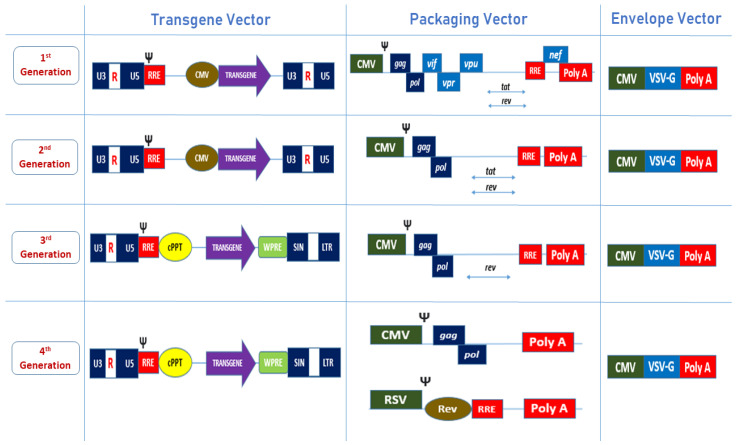
“This reduces the possibility of creating RCL events compared to the third-generation system, and in fact this generation is considered the safest to date [15].”
BackgroundHuman induced pluripotent stem cells free of vector and transgene sequences
Yu, J., Hu, K., Smuga-Otto, K., Tian, S., Stewart, R., Slukvin, I. I., & Thomson, J. A. (2009) · Science · doi:10.1126/science.1172482 · Cited by 2,386
Insertional oncogenesis in 4 patients after retrovirus-mediated gene therapy of SCID-X1
Hacein-Bey-Abina, S., Garrigue, A., Wang, G. P., Soulier, J., Lim, A., Morillon, E., Clappier, E., Caccavelli, L., Delabesse, E., Beldjord, K., et al. (2008) · Journal of Clinical Investigation · doi:10.1172/jci35700 · Cited by 1,854
Self-Inactivating Lentivirus Vector for Safe and Efficient In Vivo Gene Delivery
Zufferey, R., Dull, T., Mandel, R. J., Bukovsky, A., Quiroz, D., Naldini, L., & Trono, D. (1998) · Journal of Virology · doi:10.1128/jvi.72.12.9873-9880.1998 · Cited by 1,815 · cited 1×
“Self-inactivating (SIN) plasmids in the third-generation system harbour a large deletion of TATA box, Sp1, and NF-kB transcription factor binding sites that further reduce viral replication [13].”
BackgroundGeneration of Human Induced Pluripotent Stem Cells by Direct Delivery of Reprogramming Proteins
Kim, D., Kim, C.-H., Moon, J.-I., Chung, Y.-G., Chang, M.-Y., Han, B.-S., Ko, S., Yang, E., Cha, K. Y., Lanza, R., et al. (2009) · Cell stem cell · doi:10.1016/j.stem.2009.05.005 · Cited by 1,814
Chemically defined conditions for human iPSC derivation and culture
Chen, G., Gulbranson, D. R., Hou, Z., Bolin, J. M., Ruotti, V., Probasco, M. D., Smuga-Otto, K., Howden, S. E., Diol, N. R., Propson, N. E., et al. (2011) · Nature Methods · doi:10.1038/nmeth.1593 · Cited by 1,447
FUSAKI, N., BAN, H., NISHIYAMA, A., SAEKI, K., & HASEGAWA, M. (2009) · Proceedings of the Japan Academy Series B · doi:10.2183/pjab.85.348 · Cited by 1,411
Virus-free induction of pluripotency and subsequent excision of reprogramming factors
Kaji, K., Norrby, K., Paca, A., Mileikovsky, M., Mohseni, P., & Woltjen, K. (2009) · Nature · doi:10.1038/nature07864 · Cited by 1,251
Clinical use of lentiviral vectors
Milone, M. C., & O’Doherty, U. (2018) · Leukemia · doi:10.1038/s41375-018-0106-0 · Cited by 930 · cited 1×
“Among these viruses, HIV is widely used and has become the standard for lentiviral vectors (LVs) to facilitate the delivery of genetic material (DNA or RNA) into target cells [1,2].”
BackgroundLombardo, A., Genovese, P., Beausejour, C. M., Colleoni, S., Lee, Y.-L., Kim, K. A., Ando, D., Urnov, F. D., Galli, C., Gregory, P. D., et al. (2007) · Nature Biotechnology · doi:10.1038/nbt1353 · Cited by 845
Reprogramming of Mouse and Human Cells to Pluripotency Using Mature MicroRNAs
Miyoshi, N., Ishii, H., Nagano, H., Haraguchi, N., Dewi, D. L., Kano, Y., Nishikawa, S., Tanemura, M., Mimori, K., Tanaka, F., et al. (2011) · Cell Stem Cell · doi:10.1016/j.stem.2011.05.001 · Cited by 763
A nonviral minicircle vector for deriving human iPS cells
Jia, F., Wilson, K. D., Sun, N., Gupta, D. M., Huang, M., Li, Z., Panetta, N. J., Chen, Z. Y., Robbins, R. C., Kay, M. A., et al. (2010) · Nature Methods · doi:10.1038/nmeth.1426 · Cited by 734
Induced Pluripotent Stem Cell Generation Using a Single Lentiviral Stem Cell Cassette
Sommer, C. A., Stadtfeld, M., Murphy, G. J., Hochedlinger, K., Kotton, D. N., & Mostoslavsky, G. (2009) · Stem Cells · doi:10.1634/stemcells.2008-1075 · Cited by 676
Seki, T., Yuasa, S., Oda, M., Egashira, T., Yae, K., Kusumoto, D., Nakata, H., Tohyama, S., Hashimoto, H., Kodaira, M., et al. (2010) · Cell Stem Cell · doi:10.1016/j.stem.2010.06.003 · Cited by 584
Personalized iPSC-Derived Dopamine Progenitor Cells for Parkinson’s Disease
Schweitzer, J. S., Song, B., Herrington, T. M., Park, T.-Y., Lee, N., Ko, S., Jeon, J., Cha, Y., Kim, K., Li, Q., et al. (2020) · New England Journal of Medicine · doi:10.1056/nejmoa1915872 · Cited by 542
Engelman, A., & Craigie, R. (1992) · Journal of Virology · doi:10.1128/jvi.66.11.6361-6369.1992 · Cited by 519
Chou, B.-K., Mali, P., Huang, X., Ye, Z., Dowey, S. N., Resar, L. M., Zou, C., Zhang, Y. A., Tong, J., & Cheng, L. (2011) · Cell Research · doi:10.1038/cr.2011.12 · Cited by 484
Effective gene therapy with nonintegrating lentiviral vectors
Yáñez-Muñoz, R. J., Balaggan, K. S., MacNeil, A., Howe, S. J., Schmidt, M., Smith, A. J., Buch, P., MacLaren, R. E., Anderson, P. N., Barker, S. E., et al. (2006) · Nature Medicine · doi:10.1038/nm1365 · Cited by 460
Multiple effects of mutations in human immunodeficiency virus type 1 integrase on viral replication
Engelman, A., Englund, G., Orenstein, J. M., Martin, M. A., & Craigie, R. (1995) · Journal of Virology · doi:10.1128/jvi.69.5.2729-2736.1995 · Cited by 445 · cited 1×
“Alternatively, non-integrating LV (NILVs) can be designed by introducing mutations in the LV integrase or ∆att (LTR integrase attachment) site [8,9].”
MethodTechnical Challenges in Using Human Induced Pluripotent Stem Cells to Model Disease
Saha, K., & Jaenisch, R. (2009) · Cell Stem Cell · doi:10.1016/j.stem.2009.11.009 · Cited by 411
Craigie, R., Fujiwara, T., & Bushman, F. (1990) · Cell · doi:10.1016/0092-8674(90)90126-y · Cited by 409
Development of Defective and Persistent Sendai Virus Vector
Nishimura, K., Sano, M., Ohtaka, M., Furuta, B., Umemura, Y., Nakajima, Y., Ikehara, Y., Kobayashi, T., Segawa, H., Takayasu, S., et al. (2011) · Journal of Biological Chemistry · doi:10.1074/jbc.m110.183780 · Cited by 368
Katz, R. A., Merkel, G., Kulkosky, J., Leis, J., & Skalka, A. M. (1990) · Cell · doi:10.1016/0092-8674(90)90290-u · Cited by 346
Progress toward the clinical application of patient-specific pluripotent stem cells
Kiskinis, E., & Eggan, K. (2010) · Journal of Clinical Investigation · doi:10.1172/jci40553 · Cited by 339
Efficient generation of human iPSCs by a synthetic self-replicative RNA
Yoshioka, N., Gros, E., Li, H.-R., Kumar, S., Deacon, D. C., Maron, C., Muotri, A. R., Chi, N. C., Fu, X.-D., Yu, B. D., et al. (2013) · Cell stem cell · doi:10.1016/j.stem.2013.06.001 · Cited by 312
Transcriptional Signature and Memory Retention of Human-Induced Pluripotent Stem Cells
Marchetto, M. C. N., Yeo, G. W., Kainohana, O., Marsala, M., Gage, F. H., & Muotri, A. R. (2009) · PLoS ONE · doi:10.1371/journal.pone.0007076 · Cited by 310
Production of lentiviral vectors
Merten, O.-W., Hebben, M., & Bovolenta, C. (2016) · Molecular Therapy - Methods & Clinical Development · doi:10.1038/mtm.2016.17 · Cited by 294 · cited 1×
“The three generations of LV-packaging systems are safer and are suited for the production with HEK293T cell line, while several studies reported increased vector production by utilising SV40 Tantigen [3,4].”
BackgroundMali, P., Ye, Z., Hommond, H. H., Yu, X., Lin, J., Chen, G., Zou, J., & Cheng, L. (2008) · Stem Cells · doi:10.1634/stemcells.2008-0346 · Cited by 291
Papapetrou, E. P., Tomishima, M. J., Chambers, S. M., Mica, Y., Reed, E., Menon, J., Tabar, V., Mo, Q., Studer, L., & Sadelain, M. (2009) · Proceedings of the National Academy of Sciences · doi:10.1073/pnas.0904825106 · Cited by 286
Physiological Promoters Reduce the Genotoxic Risk of Integrating Gene Vectors
Zychlinski, D., Schambach, A., Modlich, U., Maetzig, T., Meyer, J., Grassman, E., Mishra, A., & Baum, C. (2008) · Molecular Therapy · doi:10.1038/mt.2008.5 · Cited by 271
Aiuti, A., Roncarolo, M. G., & Naldini, L. (2017) · EMBO Molecular Medicine · doi:10.15252/emmm.201707573 · Cited by 264
TALEN-based Gene Correction for Epidermolysis Bullosa
Osborn, M. J., Starker, C. G., McElroy, A. N., Webber, B. R., Riddle, M. J., Xia, L., DeFeo, A. P., Gabriel, R., Schmidt, M., Von Kalle, C., et al. (2013) · Molecular Therapy · doi:10.1038/mt.2013.56 · Cited by 258
Monjezi, R., Miskey, C., Gogishvili, T., Schleef, M., Schmeer, M., Einsele, H., Ivics, Z., & Hudecek, M. (2017) · Leukemia · doi:10.1038/leu.2016.180 · Cited by 258
Hu, K., Yu, J., Suknuntha, K., Tian, S., Montgomery, K., Choi, K.-D., Stewart, R., Thomson, J. A., & Slukvin, I. I. (2011) · Blood · doi:10.1182/blood-2010-07-298331 · Cited by 254
Efficient Feeder-Free Episomal Reprogramming with Small Molecules
Yu, J., Chau, K. F., Vodyanik, M. A., Jiang, J., & Jiang, Y. (2011) · PLoS ONE · doi:10.1371/journal.pone.0017557 · Cited by 254
Philippe, S., Sarkis, C., Barkats, M., Mammeri, H., Ladroue, C., Petit, C., Mallet, J., & Serguera, C. (2006) · Proceedings of the National Academy of Sciences · doi:10.1073/pnas.0606197103 · Cited by 249
Themis, M., Waddington, S. N., Schmidt, M., von Kalle, C., Wang, Y., Al-Allaf, F., Gregory, L. G., Nivsarkar, M., Themis, M., Holder, M. V., et al. (2005) · Molecular Therapy · doi:10.1016/j.ymthe.2005.07.358 · Cited by 243 · cited 1×
“In 2005, one study reported a high incidence of lentiviral-vector-associated tumorigenesis following in utero and neonatal gene transfer in mice [7].”
BackgroundInfluentialLeavitt, A. D., Robles, G., Alesandro, N., & Varmus, H. E. (1996) · Journal of Virology · doi:10.1128/jvi.70.2.721-728.1996 · Cited by 232
Integration-deficient Lentiviral Vectors: A Slow Coming of Age
Wanisch, K., & Yáñez-Muñoz, R. J. (2009) · Molecular Therapy · doi:10.1038/mt.2009.122 · Cited by 222
Generation of adult human induced pluripotent stem cells using nonviral minicircle DNA vectors
Narsinh, K. H., Jia, F., Robbins, R. C., Kay, M. A., Longaker, M. T., & Wu, J. C. (2011) · Nature Protocols · doi:10.1038/nprot.2010.173 · Cited by 214
Transfection Techniques for Neuronal Cells: Table 1.
Karra, D., & Dahm, R. (2010) · The Journal of Neuroscience · doi:10.1523/jneurosci.0183-10.2010 · Cited by 209
Improvement of the transient expression system for production of recombinant proteins in plants
Yamamoto, T., Hoshikawa, K., Ezura, K., Okazawa, R., Fujita, S., Takaoka, M., Mason, H. S., Ezura, H., & Miura, K. (2018) · Scientific Reports · doi:10.1038/s41598-018-23024-y · Cited by 194
Transient Gene Expression by Nonintegrating Lentiviral Vectors
Nightingale, S. J., Hollis, R. P., Pepper, K. A., Petersen, D., Yu, X.-J., Yang, C., Bahner, I., & Kohn, D. B. (2006) · Molecular Therapy · doi:10.1016/j.ymthe.2006.01.008 · Cited by 192
iPS cell-based therapy for Parkinson's disease: A Kyoto trial
Takahashi, J. (2020) · Regenerative Therapy · doi:10.1016/j.reth.2020.06.002 · Cited by 192
Dopamine Gene Therapy for Parkinson’s Disease in a Nonhuman Primate Without Associated Dyskinesia
Jarraya, B., Boulet, S., Scott Ralph, G., Jan, C., Bonvento, G., Azzouz, M., Miskin, J. E., Shin, M., Delzescaux, T., Drouot, X., et al. (2009) · Science Translational Medicine · doi:10.1126/scitranslmed.3000130 · Cited by 186
Stable Gene Transfer to Muscle Using Non-integrating Lentiviral Vectors
Apolonia, L., Waddington, S. N., Fernandes, C., Ward, N. J., Bouma, G., Blundell, M. P., Thrasher, A. J., Collins, M. K., & Philpott, N. J. (2007) · Molecular Therapy · doi:10.1038/sj.mt.6300281 · Cited by 174
Biosafety Features of Lentiviral Vectors
Schambach, A., Zychlinski, D., Ehrnstroem, B., & Baum, C. (2013) · Human Gene Therapy · doi:10.1089/hum.2012.229 · Cited by 173
Seki, T., Yuasa, S., & Fukuda, K. (2012) · Nature Protocols · doi:10.1038/nprot.2012.015 · Cited by 170
Hung, S. C., Kang, M.-S., & Kieff, E. (2001) · Proceedings of the National Academy of Sciences · doi:10.1073/pnas.98.4.1865 · Cited by 169
Risks Associated with Lentiviral Vector Exposures and Prevention Strategies
Schlimgen, R., Howard, J., Wooley, D., Thompson, M., Baden, L. R., Yang, O. O., Christiani, D. C., Mostoslavsky, G., Diamond, D. V., Duane, E. G., et al. (2016) · Journal of Occupational & Environmental Medicine · doi:10.1097/jom.0000000000000879 · Cited by 162 · cited 2×
“LVs may induce potential DNA mutations and detrimental side effects such as tumour formation [5,6].”
BackgroundmicroRNA Replacement Therapy for Cancer
Henry, J. C., Azevedo‐Pouly, A. C. P., & Schmittgen, T. D. (2011) · Pharmaceutical Research · doi:10.1007/s11095-011-0548-9 · Cited by 151
Howard, D. B., Powers, K., Wang, Y., & Harvey, B. K. (2008) · Virology · doi:10.1016/j.virol.2007.10.007 · Cited by 149
Nakanishi, M., & Otsu, M. (2012) · Current Gene Therapy · doi:10.2174/156652312802762518 · Cited by 147
Mátrai, J., Cantore, A., Bartholomae, C. C., Annoni, A., Wang, W., Acosta-Sanchez, A., Samara-Kuko, E., De Waele, L., Ma, L., Genovese, P., et al. (2011) · Hepatology · doi:10.1002/hep.24230 · Cited by 139
Ku, M.-W., Bourgine, M., Authié, P., Lopez, J., Nemirov, K., Moncoq, F., Noirat, A., Vesin, B., Nevo, F., Blanc, C., et al. (2021) · Cell Host & Microbe · doi:10.1016/j.chom.2020.12.010 · Cited by 139
Insertional Gene Activation by Lentiviral and Gammaretroviral Vectors
Bokhoven, M., Stephen, S. L., Knight, S., Gevers, E. F., Robinson, I. C., Takeuchi, Y., & Collins, M. K. (2009) · Journal of Virology · doi:10.1128/jvi.01865-08 · Cited by 138
Development of a Novel Trans-Lentiviral Vector That Affords Predictable Safety
Wu, X., Wakefield, J. K., Liu, H., Xiao, H., Kralovics, R., Prchal, J. T., & Kappes, J. C. (2000) · Molecular Therapy · doi:10.1006/mthe.2000.0095 · Cited by 137 · cited 1×
“The recent fourth generation of LVs involves a five-plasmid system used to further minimise the probability of recombination events that might generate viruses that are capable of autonomous replication [14].”
BackgroundNovel Integrase-Defective Lentiviral Episomal Vectors for Gene Transfer
Vargas, J., Gusella, G. L., Najfeld, V., Klotman, M. E., & Cara, A. (2004) · Human Gene Therapy · doi:10.1089/104303404322959515 · Cited by 133
Osterlehner, A., Simmeth, S., & Göpfert, U. (2011) · Biotechnology and Bioengineering · doi:10.1002/bit.23216 · Cited by 131
Integrase-defective lentiviral vectors: Progress and applications
Banasik, M. B., & McCray, P. B. (2010) · Gene Therapy · doi:10.1038/gt.2009.135 · Cited by 129
Whole-genome mutational burden analysis of three pluripotency induction methods
Bhutani, K., Nazor, K. L., Williams, R., Tran, H., Dai, H., Džakula, Ž., Cho, E. H., Pang, A. W. C., Rao, M., Cao, H., et al. (2016) · Nature Communications · doi:10.1038/ncomms10536 · Cited by 129
Zhou, S., Mody, D., DeRavin, S. S., Hauer, J., Lu, T., Ma, Z., Hacein-Bey Abina, S., Gray, J. T., Greene, M. R., Cavazzana-Calvo, M., et al. (2010) · Blood · doi:10.1182/blood-2009-10-250209 · Cited by 119
Biosafety Challenges for Use of Lentiviral Vectors in Gene Therapy
Rothe, M., Modlich, U., & Schambach, A. (2014) · Current Gene Therapy · doi:10.2174/15665232113136660006 · Cited by 110 · cited 1×
“LVs may induce potential DNA mutations and detrimental side effects such as tumour formation [5,6].”
BackgroundMinicircle DNA vectors for gene therapy: advances and applications
Gaspar, V. M., de Melo‐Diogo, D., Costa, E. C., Moreira, A. F., Queiroz, J. A., Pichon, C., Correia, I. J., & de Sousa, F. P. (2014) · Expert Opinion on Biological Therapy · doi:10.1517/14712598.2015.996544 · Cited by 107
Targeted Genome Modifications Using Integrase-deficient Lentiviral Vectors
Cornu, T. I., & Cathomen, T. (2007) · Molecular Therapy · doi:10.1038/sj.mt.6300345 · Cited by 105
Human Immunodeficiency Virus Type 1 (HIV-1) Vpr Enhances Expression from Unintegrated HIV-1 DNA
Poon, B., & Chen, I. S. Y. (2003) · Journal of Virology · doi:10.1128/jvi.77.7.3962-3972.2003 · Cited by 105
All Roads Lead to Induced Pluripotent Stem Cells: The Technologies of iPSC Generation
Hu, K. (2014) · Stem Cells and Development · doi:10.1089/scd.2013.0620 · Cited by 105
Mardanova, E. S., Blokhina, E. A., Tsybalova, L. M., Peyret, H., Lomonossoff, G. P., & Ravin, N. V. (2017) · Frontiers in Plant Science · doi:10.3389/fpls.2017.00247 · Cited by 104
Hyperfunctional coagulation factor IX improves the efficacy of gene therapy in hemophilic mice
Cantore, A., Nair, N., Della Valle, P., Di Matteo, M., Màtrai, J., Sanvito, F., Brombin, C., Di Serio, C., D'Angelo, A., Chuah, M., et al. (2012) · Blood · doi:10.1182/blood-2012-05-432591 · Cited by 101
Rahim, A. A., Wong, A. M. S., Howe, S. J., Buckley, S. M. K., Acosta-Saltos, A. D., Elston, K. E., Ward, N. J., Philpott, N. J., Cooper, J. D., Anderson, P. N., et al. (2009) · Gene Therapy · doi:10.1038/gt.2008.186 · Cited by 101
Meng, X., Neises, A., Su, R.-J., Payne, K. J., Ritter, L., Gridley, D. S., Wang, J., Sheng, M., William Lau, K.-H., Baylink, D. J., et al. (2012) · Molecular Therapy · doi:10.1038/mt.2011.258 · Cited by 98
Absence of Replication-Competent Lentivirus in the Clinic: Analysis of Infused T Cell Products
Cornetta, K., Duffy, L., Turtle, C. J., Jensen, M., Forman, S., Binder-Scholl, G., Fry, T., Chew, A., Maloney, D. G., & June, C. H. (2018) · Molecular Therapy · doi:10.1016/j.ymthe.2017.09.008 · Cited by 98 · cited 1×
“However, few studies on third-generation LV systems have reported on RCL events as well [16,17].”
BackgroundHybrid Lentivirus-transposon Vectors with a Random Integration Profile in Human Cells
Staunstrup, N. H., Moldt, B., Mátés, L., Villesen, P., Jakobsen, M., Ivics, Z., Izsvák, Z., & Mikkelsen, J. G. (2009) · Molecular Therapy · doi:10.1038/mt.2009.10 · Cited by 96
A Large U3 Deletion Causes Increased In Vivo Expression from a Nonintegrating Lentiviral Vector
Bayer, M., Kantor, B., Cockrell, A., Ma, H., Zeithaml, B., Li, X., McCown, T., & Kafri, T. (2008) · Molecular Therapy · doi:10.1038/mt.2008.199 · Cited by 94
Karwacz, K., Mukherjee, S., Apolonia, L., Blundell, M. P., Bouma, G., Escors, D., Collins, M. K., & Thrasher, A. J. (2009) · Journal of Virology · doi:10.1128/jvi.02519-08 · Cited by 87
mRNA-Based Genetic Reprogramming
Warren, L., & Lin, C. (2019) · Molecular Therapy · doi:10.1016/j.ymthe.2018.12.009 · Cited by 87
Successful Immunization with a Single Injection of Non-integrating Lentiviral Vector
Negri, D. R., Michelini, Z., Baroncelli, S., Spada, M., Vendetti, S., Buffa, V., Bona, R., Leone, P., Klotman, M. E., & Cara, A. (2007) · Molecular Therapy · doi:10.1038/sj.mt.6300241 · Cited by 84
Targeted methylation of CMV and E1A viral promoters
Hsu, C.-C., Li, H.-P., Hung, Y.-H., Leu, Y.-W., Wu, W.-H., Wang, F.-S., Lee, K.-D., Chang, P.-J., Wu, C.-S., Lu, Y.-J., et al. (2010) · Biochemical and Biophysical Research Communications · doi:10.1016/j.bbrc.2010.09.131 · Cited by 81
Papapetrou, E. P., & Sadelain, M. (2011) · Nature Protocols · doi:10.1038/nprot.2011.374 · Cited by 80
Targeted gene therapy and cell reprogramming in Fanconi anemia
Rio, P., Baños, R., Lombardo, A., Quintana‐Bustamante, O., Alvarez, L., Garate, Z., Genovese, P., Almarza, E., Valeri, A., Díez, B., et al. (2014) · EMBO Molecular Medicine · doi:10.15252/emmm.201303374 · Cited by 75
Piras, F., Riba, M., Petrillo, C., Lazarevic, D., Cuccovillo, I., Bartolaccini, S., Stupka, E., Gentner, B., Cittaro, D., Naldini, L., et al. (2017) · EMBO Molecular Medicine · doi:10.15252/emmm.201707922 · Cited by 75
Central Core Domain of Retroviral Integrase Is Responsible for Target Site Selection
hio Shibagaki, Y., & Chow, S. A. (1997) · Journal of Biological Chemistry · doi:10.1074/jbc.272.13.8361 · Cited by 73
Protective Antiviral Immunity Conferred by a Nonintegrative Lentiviral Vector-Based Vaccine
Coutant, F., Frenkiel, M.-P., Despres, P., & Charneau, P. (2008) · PLoS ONE · doi:10.1371/journal.pone.0003973 · Cited by 70
Izmiryan, A., Ganier, C., Bovolenta, M., Schmitt, A., Mavilio, F., & Hovnanian, A. (2018) · Molecular Therapy Nucleic Acids · doi:10.1016/j.omtn.2018.06.008 · Cited by 68
Joglekar, A. V., Hollis, R. P., Kuftinec, G., Senadheera, S., Chan, R., & Kohn, D. B. (2013) · Molecular Therapy · doi:10.1038/mt.2013.106 · Cited by 65
AAV vector-mediated in vivo reprogramming into pluripotency
Senís, E., Mosteiro, L., Wilkening, S., Wiedtke, E., Nowrouzi, A., Afzal, S., Fronza, R., Landerer, H., Abad, M., Niopek, D., et al. (2018) · Nature Communications · doi:10.1038/s41467-018-05059-x · Cited by 64
Design and potential of non-integrating lentiviral vectors
Shaw, A., & Cornetta, K. (2014) · Biomedicines · doi:10.3390/biomedicines2010014 · Cited by 60 · cited 1×
“Alternatively, non-integrating LV (NILVs) can be designed by introducing mutations in the LV integrase or ∆att (LTR integrase attachment) site [8,9].”
MethodDesign, Assembly, Production, and Transfection of Synthetic Modified mRNA
Oh, S., & Kessler, J. A. (2018) · Methods · doi:10.1016/j.ymeth.2017.10.008 · Cited by 58
The old and the new: Prospects for non-integrating lentiviral vector technology
Apolonia, L. (2020) · Viruses · doi:10.3390/v12101103 · Cited by 58 · cited 1×
“NILVs were optimised and modified to increase the transgene expression and to improvise the safety profile [10].”
MethodKantor, B., Bayer, M., Ma, H., Samulski, J., Li, C., McCown, T., & Kafri, T. (2011) · Molecular Therapy · doi:10.1038/mt.2010.277 · Cited by 56
Replication-competent Lentivirus Analysis of Clinical Grade Vector Products
Cornetta, K., Yao, J., Jasti, A., Koop, S., Douglas, M., Hsu, D., Couture, L. A., Hawkins, T., & Duffy, L. (2011) · Molecular Therapy · doi:10.1038/mt.2010.278 · Cited by 55 · cited 1×
“However, few studies on third-generation LV systems have reported on RCL events as well [16,17].”
BackgroundLian, Q., Chow, Y., Esteban, M., Pei, D., & Tse, H.-F. (2010) · Thrombosis and Haemostasis · doi:10.1160/th10-05-0269 · Cited by 55
Awe, J. P., Lee, P. C., Ramathal, C. Y., Vega-Crespo, A., Durruthy-Durruthy, J., Cooper, A. R., Karumbayaram, S., Lowry, W. E., Clark, A. T., Zack, J. A., et al. (2013) · Stem Cell Research & Therapy · doi:10.1186/scrt246 · Cited by 55
Cas9 protein delivery non-integrating lentiviral vectors for gene correction in sickle cell disease
Uchida, N., Drysdale, C. M., Nassehi, T., Gamer, J., Yapundich, M., DiNicola, J., Shibata, Y., Hinds, M., Gudmundsdottir, B., Haro-Mora, J. J., et al. (2021) · Molecular Therapy - Methods & Clinical Development · doi:10.1016/j.omtm.2021.02.022 · Cited by 55
Gallego, I., Villate-Beitia, I., Martínez-Navarrete, G., Menéndez, M., López-Méndez, T., Soto-Sánchez, C., Zárate, J., Puras, G., Fernández, E., & Pedraz, J. L. (2019) · Nanomedicine: Nanotechnology, Biology and Medicine · doi:10.1016/j.nano.2018.12.018 · Cited by 50
Schuessler‐Lenz, M., Enzmann, H., & Vamvakas, S. (2020) · Clinical Pharmacology & Therapeutics · doi:10.1002/cpt.1639 · Cited by 50
Japanese man is first to receive 'reprogrammed' stem cells from another person
Cyranoski, D. (2017) · Nature · doi:10.1038/nature.2017.21730 · Cited by 48
Development and use of SIV-based Integrase defective lentiviral vector for immunization
Michelini, Z., Negri, D. R. M., Baroncelli, S., Spada, M., Leone, P., Bona, R., Klotman, M. E., & Cara, A. (2009) · Vaccine · doi:10.1016/j.vaccine.2009.05.070 · Cited by 47
Pollack, S. M. (2017) · Expert Review of Vaccines · doi:10.1080/14760584.2018.1419068 · Cited by 47
Hu, B., Dai, B., & Wang, P. (2010) · Vaccine · doi:10.1016/j.vaccine.2010.08.012 · Cited by 45
Genomic insertion of lentiviral DNA circles directed by the yeast Flp recombinase
Moldt, B., Staunstrup, N. H., Jakobsen, M., Yáñez-Muñoz, R. J., & Mikkelsen, J. G. (2008) · BMC Biotechnology · doi:10.1186/1472-6750-8-60 · Cited by 44
Integrase Defective Lentiviral Vector as a Vaccine Platform for Delivering Influenza Antigens
Gallinaro, A., Borghi, M., Bona, R., Grasso, F., Calzoletti, L., Palladino, L., Cecchetti, S., Vescio, M. F., Macchia, D., Morante, V., et al. (2018) · Frontiers in Immunology · doi:10.3389/fimmu.2018.00171 · Cited by 44
Efficient gene expression from integration-deficient lentiviral vectors in the spinal cord
Peluffo, H., Foster, E., Ahmed, S. G., Lago, N., Hutson, T. H., Moon, L., Yip, P., Wanisch, K., Caraballo-Miralles, V, Olmos, G., et al. (2013) · Gene Therapy · doi:10.1038/gt.2012.78 · Cited by 40
Costard, L. S., Kelly, D. C., Power, R. N., Hobbs, C. J., Jaśkaniec, S., Nicolosi, V., Cavanagh, B., Curtin, C. M., & O’Brien, F. J. (2020) · Pharmaceutics · doi:10.3390/pharmaceutics12121219 · Cited by 40
Gama-Norton, L., Botezatu, L., Herrmann, S., Schweizer, M., Alves, P. M., Hauser, H., & Wirth, D. (2011) · Human Gene Therapy · doi:10.1089/hum.2010.143 · Cited by 39 · cited 1×
“The three generations of LV-packaging systems are safer and are suited for the production with HEK293T cell line, while several studies reported increased vector production by utilising SV40 Tantigen [3,4].”
BackgroundSürün, D., Schwäble, J., Tomasovic, A., Ehling, R., Stein, S., Kurrle, N., von Melchner, H., & Schnütgen, F. (2018) · Molecular Therapy Nucleic Acids · doi:10.1016/j.omtn.2017.11.001 · Cited by 39
Albershardt, T. C., Campbell, D. J., Parsons, A. J., Slough, M. M., ter Meulen, J., & Berglund, P. (2016) · Molecular Therapy - Oncolytics · doi:10.1038/mto.2016.10 · Cited by 38
Hu, J., Schokrpur, S., Archang, M., Hermann, K., Sharrow, A. C., Khanna, P., Novak, J., Signoretti, S., Bhatt, R. S., Knudsen, B. S., et al. (2018) · Molecular Therapy - Methods & Clinical Development · doi:10.1016/j.omtm.2018.02.009 · Cited by 37
Generation of human induced pluripotent stem cells using non-synthetic mRNA
Rohani, L., Fabian, C., Holland, H., Naaldijk, Y., Dressel, R., Löffler-Wirth, H., Binder, H., Arnold, A., & Stolzing, A. (2016) · Stem Cell Research · doi:10.1016/j.scr.2016.03.008 · Cited by 35
Adeno-Associated Virus as an Effective Malaria Booster Vaccine Following Adenovirus Priming
Yusuf, Y., Yoshii, T., Iyori, M., Yoshida, K., Mizukami, H., Fukumoto, S., Yamamoto, D. S., Alam, A., Emran, T. B., Amelia, F., et al. (2019) · Frontiers in Immunology · doi:10.3389/fimmu.2019.00730 · Cited by 33
Coutant, F., Sanchez David, R. Y., Félix, T., Boulay, A., Caleechurn, L., Souque, P., Thouvenot, C., Bourgouin, C., Beignon, A.-S., & Charneau, P. (2012) · PLoS ONE · doi:10.1371/journal.pone.0048644 · Cited by 32
A Single Dose of NILV-Based Vaccine Provides Rapid and Durable Protection against Zika Virus
Ku, M. W., Anna, F., Souque, P., Petres, S., Prot, M., Simon-Loriere, E., Charneau, P., & Bourgine, M. (2020) · Molecular Therapy · doi:10.1016/j.ymthe.2020.05.016 · Cited by 29
Yang, G., Si-Tayeb, K., Corbineau, S., Vernet, R., Gayon, R., Dianat, N., Martinet, C., Clay, D., Goulinet-Mainot, S., Tachdjian, G., et al. (2013) · BMC Biology · doi:10.1186/1741-7007-11-86 · Cited by 26
Odegard, J. M., Kelley-Clarke, B., Tareen, S. U., Campbell, D. J., Flynn, P. A., Nicolai, C. J., Slough, M. M., Vin, C. D., McGowan, P. J., Nelson, L. T., et al. (2015) · Journal of Immunotherapy · doi:10.1097/cji.0000000000000067 · Cited by 26
Modarres, M., Shariati, L., Hejazi, Z., Shahbazi, M., Tabatabaiefar, M. A., & Khanahmad, H. (2017) · Journal of Cellular Biochemistry · doi:10.1002/jcb.26412 · Cited by 24
Targeted gene modification in mouse ES cells using integrase‐defective lentiviral vectors
Okada, Y., Ueshin, Y., Hasuwa, H., Takumi, K., Okabe, M., & Ikawa, M. (2009) · genesis · doi:10.1002/dvg.20469 · Cited by 23
Minicircle: Next Generation DNA Vectors for Vaccination
Schleef, M., Schirmbeck, R., Reiser, M. L., Michel, M., & Schmeer, M. (2015) · Methods in molecular biology · doi:10.1007/978-1-4939-2727-2_18 · Cited by 23
Deng, Y., Guan, J., Wen, B., Zhu, N., Chen, H., Song, J., Yang, Y., Wang, Y., & Tan, W. (2013) · PLoS ONE · doi:10.1371/journal.pone.0062684 · Cited by 21
MiR-210 protects cardiomyocytes from OGD/R injury by inhibiting E2F3.
Bian, W.-S., Px, S., Xf, M., Sun, Y.-Y., Dd, Y., Bf, G., Wu, S.-X., & Gc, F. (2018) · PubMed · doi:10.26355/eurrev_201802_14305 · Cited by 21
Development of Lentiviral Vectors for HIV-1 Gene Therapy with Vif-Resistant APOBEC3G
Delviks-Frankenberry, K. A., Ackerman, D., Timberlake, N. D., Hamscher, M., Nikolaitchik, O. A., Hu, W.-S., Torbett, B. E., & Pathak, V. K. (2019) · Molecular Therapy Nucleic Acids · doi:10.1016/j.omtn.2019.10.024 · Cited by 21 · cited 1×
“Among these viruses, HIV is widely used and has become the standard for lentiviral vectors (LVs) to facilitate the delivery of genetic material (DNA or RNA) into target cells [1,2].”
BackgroundXu, Z., Chen, F., Zhang, L., Lu, J., Xu, P., Liu, G., Xie, X., Mu, W., Wang, Y., & Liu, D. (2016) · Science China Life Sciences · doi:10.1007/s11427-016-0067-0 · Cited by 20
Ranzani, M., Annunziato, S., Calabria, A., Brasca, S., Benedicenti, F., Gallina, P., Naldini, L., & Montini, E. (2014) · Molecular Therapy · doi:10.1038/mt.2014.174 · Cited by 17
Kampik, D., Basche, M., Luhmann, U. F. O., Nishiguchi, K. M., Williams, J. A. E., Greenwood, J., Moss, S. E., Han, H. R., Azam, S. A., Durán, Y., et al. (2017) · Gene Therapy · doi:10.1038/gt.2017.89 · Cited by 17
Hamilton, A. M., Foster, P. J., & Ronald, J. A. (2018) · Human Gene Therapy · doi:10.1089/hum.2018.111 · Cited by 17
Gallinaro, A., Borghi, M., Pirillo, M. F., Cecchetti, S., Bona, R., Canitano, A., Michelini, Z., Di Virgilio, A., Olvera, A., Brander, C., et al. (2020) · Molecular Therapy - Methods & Clinical Development · doi:10.1016/j.omtm.2020.01.013 · Cited by 15
Sano, M., Nakasu, A., Ohtaka, M., & Nakanishi, M. (2019) · Molecular Therapy - Methods & Clinical Development · doi:10.1016/j.omtm.2019.10.012 · Cited by 13
Utilization of a novel Sendai virus vector in ex vivo gene therapy for hemophilia A
Yamaki, Y., Fukushima, T., Yoshida, N., Nishimura, K., Fukuda, A., Hisatake, K., Aso, M., Sakasai, T., Kijima-Tanaka, J., Miwa, Y., et al. (2021) · International Journal of Hematology · doi:10.1007/s12185-020-03059-6 · Cited by 13
Monomer and multimer covalently closed circular forms of Rous sarcoma virus DNA
Goubin, G., & Hill, M. (1979) · Journal of Virology · doi:10.1128/jvi.29.2.799-804.1979 · Cited by 12
Combination gene therapy for HIV using a conditional suicidal gene with CCR5 knockout
Mehmetoglu-Gurbuz, T., Yeh, R., Garg, H., & Joshi, A. (2021) · Virology Journal · doi:10.1186/s12985-021-01501-7 · Cited by 12
Sultanov, R., Lebedeva, O., Arapidi, G., Lagarkova, M., & Kiselev, S. (2018) · Data in Brief · doi:10.1016/j.dib.2018.01.061 · Cited by 11
Khan, N., Cheemadan, S., Saxena, H., Bammidi, S., & Jayandharan, G. R. (2020) · Cancer Medicine · doi:10.1002/cam4.2935 · Cited by 10
Episomal lentiviral vectors confer erythropoietin expression in dividing cells
Chen, F., Qi, X., Zhang, R., Wu, Z., Yan, C., Li, J., Liu, Q., & Qi, J. (2017) · Plasmid · doi:10.1016/j.plasmid.2017.02.001 · Cited by 9
Shariati, L., Modarressi, M. H., Tabatabaiefar, M. A., Kouhpayeh, S., Hejazi, Z., Shahbazi, M., Sabzehei, F., Salehi, M., & Khanahmad, H. (2018) · Journal of Cellular Biochemistry · doi:10.1002/jcb.28130 · Cited by 9
Use of Adeno-associated viral vectors to improve delivery of a DNA vaccine against dengue virus
Slon-Campos, J., Poggianella, M., Zentilin, L., & Burrone, Ó. R. (2019) · Journal of General Virology · doi:10.1099/jgv.0.001351 · Cited by 9
Sherpa, C., & Grice, S. F. J. L. (2020) · Current HIV Research · doi:10.2174/1570162x18666200210121339 · Cited by 8
Epstein-Barr virus-derived vector suitable for long-term expression in neurons
Kiyosue, K., & Miwa, Y. (2020) · Heliyon · doi:10.1016/j.heliyon.2020.e03504 · Cited by 8
Nordin, F., Hamid, Z. A., Chan, L., Farzaneh, F., & Hamid, M. K. A. A. (2016) · Methods in molecular biology · doi:10.1007/978-1-4939-3753-0_12 · Cited by 7
Self-citationIntegrase-Defective Lentiviral Vectors for Delivery of Monoclonal Antibodies against Influenza
Michelini, Z., Minkoff, J. M., Yang, J., Negri, D., Cara, A., Hanson, B. J., & Salvatore, M. (2020) · Viruses · doi:10.3390/v12121460 · Cited by 6
Leleux, J. A., Albershardt, T. C., Parsons, A. J., ter Meulen, J., & Berglund, P. (2020) · Vaccine · doi:10.1016/j.vaccine.2020.08.003 · Cited by 5
Cited by
Viral Vector-Based Gene Therapy
Li, X., Le, Y., Zhang, Z., Nian, X., Liu, B., & Yang, X. (2023) · International Journal of Molecular Sciences · doi:10.3390/ijms24097736 · Cited by 200
Viral Vectors for the in Vivo Delivery of CRISPR Components: Advances and Challenges
Mengstie, M. A. (2022) · Frontiers in Bioengineering and Biotechnology · doi:10.3389/fbioe.2022.895713 · Cited by 168
Immunogenicity of CRISPR therapeutics—Critical considerations for clinical translation
Ewaisha, R., & Anderson, K. S. (2023) · Frontiers in Bioengineering and Biotechnology · doi:10.3389/fbioe.2023.1138596 · Cited by 165
“Non-integrating lentiviruses have been developed to avoid viral integration into random sites in the host genome which carries the risk of disrupting the function of normal genes or causing cancer (Gurumoorthy et al., 2022).”
BackgroundAmanat, M., Nemeth, C. L., Fine, A. S., Leung, D. G., & Fatemi, A. S. (2022) · Pharmaceutics · doi:10.3390/pharmaceutics14112389 · Cited by 79
A CRISPR-Cas Cure for HIV/AIDS
Hussein, M., Molina, M. A., Berkhout, B., & Herrera-Carrillo, E. (2023) · International Journal of Molecular Sciences · doi:10.3390/ijms24021563 · Cited by 87
Metadata
- Authors
- Gurumoorthy, N., Nordin, F., Tye, G. J., Wan Kamarul Zaman, W. S., & Ng, M. H.
- Affiliations
- University Kebangsaan Malaysia Medical Centre (MY)
- Universiti Sains Malaysia (MY)
- Department of Biomedical Engineering, Faculty of Engineering, Universiti Malaya, 50603 Kuala Lumpur, Malaysia
- Corresponding author
- Nordin, Fazlina
- Venue
- Biomedicines
- Publisher
- MDPI AG
- Published
- 2022-01-05
- Volume
- 10
- Issue
- 1
- Pages
- 107
- ISSN
- 2227-9059 (ISSN-L)
- PMC
- PMC8773317
- OpenAlex
- W4206000278
- Semantic Scholar
- 89ed1ab6f173298a897c0276807aa5f0789d0b09
- Cited by
- 69
- References
- 143
- Citations by year
- 2026: 7 · 2025: 27 · 2024: 19 · 2023: 10 · 2022: 5
- FWCI
- 2.35
- Type
- journal article
- Language
- en
- Open access
- gold
- doi.org
- Licence
- Locations
- Biomedicines (publishedVersion, cc-by)
- PubMed Central (publishedVersion, cc-by)
- PubMed (publishedVersion)
- DOAJ (DOAJ: Directory of Open Access Journals) (submittedVersion, cc-by-sa)
- Funders
- Ministry of Higher Education (FRGS/1/2020/SKK06/UKM/03/4)
- National University of Malaysia (FF-2020-327)
- Topics
- Life Sciences › Biochemistry, Genetics and Molecular Biology › Genetics › Virus-based gene therapy research
- Life Sciences › Biochemistry, Genetics and Molecular Biology › Molecular Biology › RNA Interference and Gene Delivery
- Life Sciences › Immunology and Microbiology › Virology › HIV Research and Treatment
- Keywords
- lentiviral vectors, gene therapy, transient expression, insertional mutagenesis, HIV-based vectors, self-inactivating lentiviral vectors, primary immunodeficiency, hemoglobinopathies, recombinant protein expression, vaccines, induced pluripotent stem cells
About these checks
Registry, retraction, Cites and statistics results are computed, not judged, with one exception: a printed reference that no index lists is read once by a model before it counts as a citation error. Claims are extracted by a model and kept only when their quote appears verbatim in the text; each cited source is then checked, with a model’s help, for whether it says what the claim relies on. Those verdicts can be wrong — read the claim’s quote and the cited source before relying on one.
The claim verdicts this report counts are experimental: their accuracy is not yet measured.
A language model drew the claims from the paper on 2026-10-10, under version 3 of the claim definition (model deepseek-v4.1-flash, prompt extract-v3).
A second model labelled each claim on 2026-10-10 (model jev-1.13-20260917, definition revision gold-guideline-v0.2).
Cited sources are checked with a language model’s help (gpt-6-sol).
Statistics and arithmetic are recomputed, not judged.
Confidence bands are shown only for fields calibrated on our annotated test set. None is calibrated yet, so no band is shown.
What counts as a claim ›How we measure confidence ›How we check this ›
Are you an author, or do you see a problem with this page? Request a review
Data sources
Bibliographic data: Semantic Scholar, OpenAlex, Crossref.
Contains information from the Semantic Scholar Academic Graph Datasets, made available under the ODC Attribution License (ODC-BY 1.0).
Semantic Scholar’s data is described in: Kinney, R., et al. (2023). The Semantic Scholar Open Data Platform. arXiv:2301.10140.
