

Metal-Based Nanoparticles as Antimicrobial Agents: An Overview
Open accessThe DOI matches its Crossref record; 194 of the 197 references it cites were found in a registry or an index.
Abstract
Metal-based nanoparticles have been extensively investigated for a set of biomedical applications. According to the World Health Organization, in addition to their reduced size and selectivity for bacteria, metal-based nanoparticles have also proved to be effective against pathogens listed as a priority. Metal-based nanoparticles are known to have non-specific bacterial toxicity mechanisms (they do not bind to a specific receptor in the bacterial cell) which not only makes the development of resistance by bacteria difficult, but also broadens the spectrum of antibacterial activity. As a result, a large majority of metal-based nanoparticles efficacy studies performed so far have shown promising results in both Gram-positive and Gram-negative bacteria. The aim of this review has been a comprehensive discussion of the state of the art on the use of the most relevant types of metal nanoparticles employed as antimicrobial agents. A special emphasis to silver nanoparticles is given, while others (e.g., gold, zinc oxide, copper, and copper oxide nanoparticles) commonly used in antibiotherapy are also reviewed. The novelty of this review relies on the comparative discussion of the different types of metal nanoparticles, their production methods, physicochemical characterization, and pharmacokinetics together with the toxicological risk encountered with the use of different types of nanoparticles as antimicrobial agents. Their added-value in the development of alternative, more effective antibiotics against multi-resistant Gram-negative bacteria has been highlighted.
Overview
The claims and statistics of this paper haven’t been checked yet.
Free: it reads the open-access text and checks the first 5 claims that cite a source we can check. Create a free account to check every claim.
Integrity signals
Registry
Cites
Statistics
Figures
Verification
Claims the paper makes
The claims and statistics of this paper haven’t been checked yet.
Free: it reads the open-access text and checks the first 5 claims that cite a source we can check. Create a free account to check every claim.
Claims other papers make about this one
Each is checked against this paper’s own text: does it say what the citing paper says it does?
The source backs part of the claim, not all of it — or backs it for a different population, condition or comparison.
In the citing paper
“The bactericidal property of TiO 2 NPs depends on their size, stability, and concentration added to the growth medium, which provides greater retention time for bacterium NP interaction, allowing them to interact closely with microbial membranes [23,24].”
From Antibacterial Activity of TiO2 Nanoparticles Prepared by One-Step Laser Ablation in Liquid (2021) · cites this paper as [23]
Experimental — accuracy not yet measuredIn the citing paper
“Polymeric hydrogels containing silver nanoparticles (AgNPs) have attracted great attention for a set of applications in the biomedical field, attributed to the antimicrobial and healing properties of silver [11,12].”
From Silver Nanoparticles-Composing Alginate/Gelatine Hydrogel Improves Wound Healing In Vivo (2020) · cites this paper as [12]
Self-check
Percentages, sums and reported differences re-computed from the paper’s own numbers.
The self-check needs the paper’s full text.
Citations
Cites
Review on Zinc Oxide Nanoparticles: Antibacterial Activity and Toxicity Mechanism
Sirelkhatim, A., Mahmud, S., Seeni, A., Kaus, N. H. M., Ann, L. C., Bakhori, S. K. M., Hasan, H., & Mohamad, D. (2015) · Nano-Micro Letters · doi:10.1007/s40820-015-0040-x · Cited by 4,586 · cited 1×
“Several authors have used ZnONPs as antimicrobial agents either as ZnO alone or in combination with drugs [161].”
BackgroundThe antimicrobial activity of nanoparticles: present situation and prospects for the future
Wang, L., Hu, C., & Shao, L. (2017) · International Journal of Nanomedicine · doi:10.2147/ijn.s121956 · Cited by 4,062 · cited 2×
“Since the main toxicological effect induced by antimicrobial compounds in bacteria occurs by direct contact with the cell surface, it is important to understand the differences between the cell wall of Gram-positive and Gram-negative bacteria [12].”
BackgroundZhang, X.-F., Liu, Z.-G., Shen, W., & Gurunathan, S. (2016) · International Journal of Molecular Sciences · doi:10.3390/ijms17091534 · Cited by 3,220 · cited 3×
“AgNPs demonstrated to be antiangiogenic and antiproliferative [59].”
BackgroundInfluentialAhmed, S., Ahmad, M., Swami, B. L., & Ikram, S. (2016) · Journal of Advanced Research · doi:10.1016/j.jare.2015.02.007 · Cited by 3,028 · cited 2×
“Synthesis of AgNPs using plant extracts is based on their relatively high levels of steroids, sapogenins, carbohydrates, and flavonoids, that act as reducing agents, as well as bio-capping compounds reducing agglomeration of nanoparticles and allowing a better size control [73].”
BackgroundMechanisms of Antibiotic Resistance
Munita, J. M., & Arias, C. A. (2016) · Microbiology Spectrum · doi:10.1128/microbiolspec.vmbf-0016-2015 · Cited by 2,782
Metal nanoparticles: understanding the mechanisms behind antibacterial activity
Slavin, Y. N., Asnis, J., Häfeli, U. O., & Bach, H. (2017) · Journal of Nanobiotechnology · doi:10.1186/s12951-017-0308-z · Cited by 2,571 · cited 3×
“Both Gram-positive and Gram-negative bacteria have a negatively charged surface [11].”
BackgroundAntibiotic resistance: a rundown of a global crisis
Aslam, B., Wang, W., Arshad, M. I., Khurshid, M., Muzammil, S., Rasool, M. H., Nisar, M. A., Alvi, R. F., Aslam, M. A., Qamar, M. U., et al. (2018) · Infection and Drug Resistance · doi:10.2147/idr.s173867 · Cited by 2,552 · cited 3×
“Besides the genetic mutations in the microorganism, bacterial resistance can result from the exchange of genetic material among bacteria or phages by: (i) DNA transformation, which is the uptake and incorporation of a DNA fragment; or by (ii) transduction or transfer of bacterial genes through a virus and conjugation,…”
BackgroundZinc oxide—from synthesis to application: a review
Kołodziejczak-Radzimska, A., & Jesionowski, T. (2014) · Materials · doi:10.3390/ma7042833 · Cited by 2,475 · cited 1×
“Therefore, ZnONPs are used in the preparation of sun creams in combination of TiO2, acting as a successful UV blocker [168].”
BackgroundMechanistic Basis of Antimicrobial Actions of Silver Nanoparticles
Dakal, T. C., Kumar, A., Majumdar, R. S., & Yadav, V. (2016) · Frontiers in Microbiology · doi:10.3389/fmicb.2016.01831 · Cited by 2,135 · cited 2×
“The antimicrobial action of AgNPs is linked to four main mechanisms: (i) attraction to bacterial surface, (ii) destabilization of bacterial cell wall and membrane with change in its permeability, (iii) induction of toxicity and oxidative stress by generation of ROS and free radicals, and (iv) modulation of signal tran…”
BackgroundNanosilver: A nanoproduct in medical application
Chen, X., & Schluesener, H. J. (2008) · Toxicology Letters · doi:10.1016/j.toxlet.2007.10.004 · Cited by 1,888 · cited 1×
“Nowadays, dressings impregnated with AgNO3 can be found [57].”
Background
Research works printed but not linked: 4
- Dugassa J. Shukuri N. Antibiotic resistance and its mechanism of Development J. Heal. Med. Nurs. 2017 1 1 17
- Cardoso P. Nanopartículas de plata: Obtención, utilización como antimicrobiano e impacto en el área de la salud Rev. Hosp. Niños 2016 58 19 28
- Mirhosseini M. Synergistic antibacterial effect of metal oxide nanoparticles and ultrasound stimulation J. Biol. Today’s World 2015 4 138 144
- Singh P. Nanda A. Antimicrobial and antifungal potential of zinc oxide nanoparticles in comparison to conventional zinc oxide particles J. Chem. Pharm. Res. 2013 5 457 463
Cited by
Items 501–600 of 1,000
Soundararajan, D., Natarajan, L., Trilokesh, C., Harish, B. S., Ameén, F., Islam, M. A., Uppuluri, K. B., & Veerappan, A. (2022) · Process Biochemistry · doi:10.1016/j.procbio.2022.09.003 · Cited by 20
Ma, Y., Yan, J., Yan, T., Wang, Q., Bao, Z.-F., & Yi, Z. (2022) · Frontiers in Materials · doi:10.3389/fmats.2022.999794 · Cited by 24
Reyes-Carmona, L., Camps, E., González, E. C., Mercado, G., Cervantes-Garduño, A. B., Pérez-Ibarra, E. A., Chimal, R. Á., Rodil, S. E., & Almaguer‐Flores, A. (2022) · Optics & Laser Technology · doi:10.1016/j.optlastec.2022.108930 · Cited by 22
Green synthesis and Biomedical Applications of Zinc Oxide Nanoparticles. Review
Youssef, F. S., Ismail, S. H., Fouad, O. A., & Mohamed, G. G. (2024) · Egyptian Journal of Veterinary Science · doi:10.21608/ejvs.2023.225862.1576 · Cited by 45
New PMMA-Based Hydroxyapatite/ZnFe2O4/ZnO Composite with Antibacterial Performance and Low Toxicity
Bakina, O. V., Svarovskaya, N. V., Ivanova, L., Glazkova, E. A., Rodkevich, N. G., Evstigneev, V. P., Evstigneev, M. P., Mosunov, A. A., & Лернер, М. И. (2023) · Biomimetics · doi:10.3390/biomimetics8060488 · Cited by 20
“A summary of the data on the minimum inhibitory concentration of NPs against the main pathogens of purulent infection recently reviewed by E. Sanchos-Lopez et al. [20], showed that ZnO NPs inhibit bacterial growth in concentrations starting from only 40 µ g/mL.”
BackgroundKumar, S., Bithel, N., Kumar, S., Kishan, K., Sen, M., & Banerjee, C. (2023) · South African Journal of Botany · doi:10.1016/j.sajb.2023.11.029 · Cited by 23
Fang, Q., & Pan, X. (2024) · The Science of The Total Environment · doi:10.1016/j.scitotenv.2024.170080 · Cited by 22
Tageldin, A., Omolo, C. A., Nyandoro, V. O., Elhassan, E., Kassam, S. Z. F., Peters, X. Q., & Govender, T. (2024) · Journal of Controlled Release · doi:10.1016/j.jconrel.2024.05.047 · Cited by 21
Quiñones-Vico, M. I., Ubago-Rodríguez, A., Fernández-González, A., la Torre, R. S.-D., Sierra-Sánchez, Á., Montero‐Vílchez, T., Sánchez‐Díaz, M., Arias, J. L., & Arias‐Santiago, S. (2024) · International Journal of Nanomedicine · doi:10.2147/ijn.s469724 · Cited by 22
“89 These NPs are colloidal or clustered particles composed of a Au core with high synthetic versatility and non-toxic nature.”
BackgroundMetal-Resistance in Bacteria: Why Care?
Turner, R. J., Huang, L., Viti, C., & Mengoni, A. (2020) · Genes · doi:10.3390/genes11121470 · Cited by 20
“As such, we have also seen an exponential use of metal(loid)-based nanoparticles used as antimicrobial agents [19].”
BackgroundXu, W., Chen, Y., Zhang, B., Xu, W., Niu, J., & Liu, Y. (2021) · Biomacromolecules · doi:10.1021/acs.biomac.1c01007 · Cited by 20
Gazzurelli, C., Carcelli, M., Mazzeo, P. P., Mucchino, C., Pandolfi, A., Migliori, A., Pietarinen, S. P., Leonardi, G., Rogolino, D., & Pelagatti, P. (2022) · Advanced Sustainable Systems · doi:10.1002/adsu.202200108 · Cited by 20
Prokaryotic and eukaryotic toxicity of halloysite decorated with photoactive nanoparticles
Stavitskaya, A. V., Khusnetdenova, E., Vinokurov, V. A., LVOV, Y. M., & Fakhrullin, R. F. (2022) · Chemical Communications · doi:10.1039/d2cc02439j · Cited by 20
Application of antimicrobial, potential hazard and mitigation plans
Khoo, S. C., Goh, M. S., Alias, A., Luang‐In, V., Chin, K. W., Michelle, T. H. L., Sonne, C., & Ling, N. (2022) · Environmental Research · doi:10.1016/j.envres.2022.114218 · Cited by 21
Kaul, L., Abdo, A. I., Coenye, T., Krom, B. P., Hoogenkamp, M. A., Zannettino, A. C. W., Süss, R., & Richter, K. (2022) · Frontiers in Microbiology · doi:10.3389/fmicb.2022.999893 · Cited by 23
PLA/PCL Polymer Material for Food Packaging with Enhanced Antibacterial Properties
Moraczewski, K., Stepczyńska, M., Raszkowska‐Kaczor, A., Szymańska, L., & Rytlewski, P. (2025) · Polymers · doi:10.3390/polym17091134 · Cited by 19
“A wide range of antimicrobial agents have been described in the literature, such as metallic nanoparticles (Ag, Cu, bimetallic, etc.) [12,13], oxide nanoparticles (ZnO, TiO 2 , CuO etc.) [14,15], clay nanoparticles (cloisite, montmorillonite, bentonite) [16,17], nat-ural extracts (essential oils or…”
Monych, N. K., & Turner, R. J. (2020) · mSystems · doi:10.1128/msystems.00746-20 · Cited by 22
A Bifunctional Spray Coating Reduces Contamination on Surfaces by Repelling and Killing Pathogens
Jarad, N. A., Rachwalski, K., Bayat, F., Khan, S. A., Shakeri, A., Maclachlan, R., Villegas, M., Brown, E. D., Hosseinidoust, Z., Didar, T. F., et al. (2023) · ACS Applied Materials & Interfaces · doi:10.1021/acsami.2c23119 · Cited by 21
Synthesis, Antioxidant, Bactericidal and Antihemolytic Activity of Al2O3 and SnO2 Nanoparticles
Giridasappa, A., Shareef, M. I., Gopinath, S. M., Rangappa, D., Shivaramu, P. D., & Chetana, S. (2023) · Proceedings of the National Academy of Sciences India Section B Biological Sciences · doi:10.1007/s40011-023-01444-9 · Cited by 19
Liu, Y., Huang, C., Yue, W., Wang, X., Sun, Y., Bi, W., Wang, L., & Xu, Y. (2024) · Carbon · doi:10.1016/j.carbon.2024.119085 · Cited by 19
El-Kattan, N., Ibrahim, M. A., Emam, A. N., Metwally, K., Youssef, F. S., Nassar, N. A., & Mansour, A. S. (2025) · Nanoscale Advances · doi:10.1039/d4na00955j · Cited by 27
Capeli, R. A., Belmonte, T., Caierão, J., Dalmaschio, C. J., Teixeira, S. R., Mastelaro, V. R., Chiquito, A. J., Teodoro, M. D., Domenegueti, J. F. M., Longo, E., et al. (2020) · Journal of Sol-Gel Science and Technology · doi:10.1007/s10971-020-05433-6 · Cited by 22
Hussein, H. M., Ghafoor, D. D., & Omer, K. M. (2021) · Arabian Journal of Chemistry · doi:10.1016/j.arabjc.2021.103090 · Cited by 19
Czechowska, J. P., Cichoń, E., Belcarz, A., Slosarczyk, A., & Zima, A. (2021) · Materials · doi:10.3390/ma14143854 · Cited by 21
“This phenomenon broadens the spectrum of antibacterial activity and makes the development of resistance by bacteria difficult [21].”
BackgroundMuthusamy, N., Paulkumar, K., Vijayakumar, P., Murugan, U., Raj, D. S., & Sankaran, U. (2021) · Journal of Inorganic and Organometallic Polymers and Materials · doi:10.1007/s10904-021-02082-2 · Cited by 19
Bhattacharjee, G., Gohil, J., Gohil, N., Chaudhari, H., Gangapuram, B., Khambhati, K., Maurya, R., Alzahrani, K. J., Ramakrishna, S., & Singh, V. (2022) · Journal of Molecular Liquids · doi:10.1016/j.molliq.2022.120094 · Cited by 20
Abdallah, E. M., Alhudhaibi, A. M., Hussaini, I. M., & Sulaiman, A. N. (2026) · Frontiers in Bioengineering and Biotechnology · doi:10.3389/fbioe.2026.1752199 · Cited by 20
Krakor, E., Saniternik, S., Gessner, I., Frohnhoven, R., Wilhelm, M., Drexelius, M. G., Tosun, N., Neundorf, I., & Mathur, S. (2021) · Journal of the American Ceramic Society · doi:10.1111/jace.18002 · Cited by 18
Naguib, G. H., El-Aziz, G. S. A., Mously, H. A., Alhazmi, W. A., Alnowaiser, A. M., Hassan, A. H., & Hamed, M. T. (2021) · Clinical Cosmetic and Investigational Dentistry · doi:10.2147/ccide.s327912 · Cited by 18
“These nanoparticles are considered as promising novel antibacterial agents, being harmless to mammalian cells and the oral environment.(7) As the antibacterial properties of metal ions depend on their surface contact area, the use of nanoparticles leads to increase surface areas and thus increased interaction with org…”
BackgroundSharma, R. P., Raut, S. D., Jadhav, V. V., Mulani, R. M., Kadam, A. S., & Mane, R. S. (2022) · Folia Microbiologica · doi:10.1007/s12223-022-00969-2 · Cited by 21
Electrospun nanofibers with antibacterial properties for wound dressings
Merzougui, C., Miao, F., Liao, Z., Wang, L., Wei, Y., & Huang, D. (2022) · Journal of Biomaterials Science Polymer Edition · doi:10.1080/09205063.2022.2099662 · Cited by 19
“agents with interesting biological applications, their antibacterial proprieties depend on the interactions with the cell sections [49].”
BackgroundAkram, S. M., Al‐Saffar, A. Z., Hadi, N. A., & Akram, S. M. (2022) · Life Sciences · doi:10.1016/j.lfs.2022.121163 · Cited by 22
Hamed, S., & Emara, M. M. (2023) · Current Microbiology · doi:10.1007/s00284-022-03151-6 · Cited by 18
“, reduced size, controlled shape, broad antimicrobial spectrum, and toxicity to multiple bacterial structures; thus, it is challenging for pathogens to develop resistance to metal and metal oxide nanoparticles [16].”
Elumalai, M., Nagaraj, G., Kasthuri, J., Vellaichamy, E., & Rajendiran, N. (2023) · Inorganic Chemistry Communications · doi:10.1016/j.inoche.2023.110834 · Cited by 18
Nivetha, A., Sakthivel, C., Hemalatha, J., Senthamil, C., & Prabha, I. (2023) · New Journal of Chemistry · doi:10.1039/d3nj01706k · Cited by 20
Manikandan, D. B., Arumugam, M., Abdul, U., Sridhar, A., Kari, Z. A., Téllez‐Isaías, G., & Ramasamy, T. (2023) · Applied Organometallic Chemistry · doi:10.1002/aoc.7293 · Cited by 18
Hadi, A. A., Malek, N. A. N. N., Matmin, J., Asraf, M. H., Susanto, H., Din, S. M., & Shamsuddin, M. (2023) · Inorganic Chemistry Communications · doi:10.1016/j.inoche.2023.111725 · Cited by 18
Kannan, V. D., Jaisankar, A., Rajendran, V., Ahmed, M. Z., Alqahtani, A. S., Kazmi, S., Madav, E., Sampath, S., & Asaithambi, P. (2023) · Materials Technology · doi:10.1080/10667857.2023.2286818 · Cited by 18
“This might be explained by the fact that as the dosage of Cu NPs increases, membrane permeability rises, causing damage to the cell wall [62].”
Eslaminezhad, S., Moradi, F., & Hojjati, M. R. (2024) · Heliyon · doi:10.1016/j.heliyon.2024.e29542 · Cited by 21
“In fact, Cu NPs can induce oxidative stress in cells by generating reactive oxygen species that damage proteins, lipids, and nucleic acids [12,13].”
BackgroundToledo-Manuel, I., Pérez-Álvarez, M., Cadenas‐Pliego, G., Cabello-Alvarado, C. J., Ledezma-Pérez, A. S., Mata‐Padilla, J. M., Andrade-Guel, M. L., & Alvarado‐Canché, C. (2024) · Ceramics International · doi:10.1016/j.ceramint.2024.08.063 · Cited by 18
Prabhu, C. P., Akshath, U. S., & Deekshit, V. K. (2024) · Journal of Basic Microbiology · doi:10.1002/jobm.202400596 · Cited by 21
Hamed, A. A., Hawwa, M. T., Baraka, D. M., El-Shora, H. M., El-Sayyad, G. S., Al‐Hazmi, N. E., & Hassan, M. G. (2025) · International Journal of Biological Macromolecules · doi:10.1016/j.ijbiomac.2025.140073 · Cited by 19
Use of biogenic silver nanoparticles in enhancing shelf life of Morus alba L. at post harvest stage
Das, D., & Mandal, P. (2020) · Scientific Reports · doi:10.1038/s41598-020-65953-7 · Cited by 23
Multifunctional polylactide nonwovens with 3D network of multiwall carbon nanotubes
Makowski, T., Svyntkivska, M., Piórkowska, E., & Kręgiel, D. (2020) · Applied Surface Science · doi:10.1016/j.apsusc.2020.146898 · Cited by 18
Das, N. C., Roy, B., Patra, R., Choudhury, A., Ghosh, M., & Mukherjee, S. (2021) · Environmental and microbial biotechnology · doi:10.1007/978-981-15-9916-3_7 · Cited by 22
Asghar, M. A., Yousuf, R. I., Shoaib, M. H., Asghar, M. A., Zehravi, M., Rehman, A. A., Imtiaz, M. S., & Khan, K. (2021) · International Journal of Nanomedicine · doi:10.2147/ijn.s321419 · Cited by 18
RetractedPostbiotic Bioactive Packaging Systems: A Review
Soleimani, R. A., Shokouhian, S. M. J., Houshyar, J., Khani, N., Abachi, S., Milani, P. G., Panahi, E., & Rad, A. H. (2023) · Current Nutrition & Food Science · doi:10.2174/1573401319666230309122819 · Cited by 20
Singh, A., BLR, M., & Sagar, M. N. N. (2021) · Journal of Drug Delivery and Therapeutics · doi:10.22270/jddt.v11i6.5082 · Cited by 17
Bhattacharjee, R., Dubey, A. K., Ganguly, A., Bhattacharya, B., Mishra, Y. K., Mostafavi, E., & Kaushik, A. K. (2022) · OpenNano · doi:10.1016/j.onano.2022.100078 · Cited by 19
Bioengineered metal-based antimicrobial nanomaterials for surface coatings
Barabadi, H., Jounaki, K., Pishgahzadeh, E., Morad, H., Bozorgchami, N., & Vahidi, H. (2023) · Elsevier eBooks · doi:10.1016/b978-0-323-99291-6.00012-8 · Cited by 23
A Systematic Review of Different Classes of Biopolymers and Their Use as Antimicrobial Agents
Jino Affrald, R., & Narayan, S. (2023) · Russian Journal of Bioorganic Chemistry · doi:10.1134/s1068162023020103 · Cited by 18
Cheng, S., Xue, D. Q., Wang, H., Song, Y., & Tan, M. (2023) · Food and Bioprocess Technology · doi:10.1007/s11947-023-03091-4 · Cited by 17
“…such as nano silver, nano zinc oxide and nano copper oxide provides new alternatives for antimicrobial materials, which have broad-spectrum antibacterial activity and was difficult to develop drug resistance for bacteria (Basavegowda et al., 2019; Malik & Mitra, 2021; Sánchez-López et al., 2020).”
BackgroundCellulose-Based Metallogels—Part 3: Multifunctional Materials
Mikhailidi, A. M., Ungureanu, E. L., Belosinschi, D., Tofanica, B.-M., & Volf, I. (2023) · Gels · doi:10.3390/gels9110878 · Cited by 18
“Concerns about potential human toxicological effects related to metal nanoparticles stem from their physico-chemical traits, dosage, and administration method, which dictate their behavior within the body [35].”
BackgroundYapa, P. N., Munaweera, I., Sandaruwan, C., Weerasinghe, L., & Weerasekera, M. M. (2023) · Biomaterials Advances · doi:10.1016/j.bioadv.2023.213753 · Cited by 17
Khiển, N. V., Xuan, C. T. A., Nguyên, L. H., Nam, P. H., & Thao, T. T. (2023) · Materials Today Communications · doi:10.1016/j.mtcomm.2023.107982 · Cited by 19
DEMİRHAN, İ., Korkmaz, A., Öner, E., Gümüşçü, N., Erbil, Y., Babaarslan, O., & Kurutaş, E. B. (2024) · International Journal of Biological Macromolecules · doi:10.1016/j.ijbiomac.2024.129444 · Cited by 17
Au–Cu Janus Nanostructures as NIR-II Photothermal Antibacterial Agents
Yang, Q., Kong, H., Tang, L., Ma, Y., Liu, F., Liu, M., Wang, Y., Zhang, P., & Zheng, Y. (2024) · ACS Applied Nano Materials · doi:10.1021/acsanm.4c03673 · Cited by 18
Corciovă, A., Mircea, C., Fifere, A., Turin-Moleavin, I.-A., Roșca, I., Macovei, I., Ivănescu, B., Vlase, A.-M., Hăncianu, M., & Burlec, A. F. (2024) · Life · doi:10.3390/life14091211 · Cited by 13
Muthalagu, S., & Suganthy, N. (2024) · Current Microbiology · doi:10.1007/s00284-024-04025-9 · Cited by 17
“Both metal-ion and organic antimicrobial materials have a short duration of efficacy due to their fast release of active species which creates environmental pollution urging the search for biocompatible and eco-friendly antimicrobial agent [5].”
Xiang, C., Pu, C., Zhong, X., Wang, Y., Song, W., Wang, X., Chen, K., Li, K., Luo, Y., Jiang, K., et al. (2025) · Materials Today Bio · doi:10.1016/j.mtbio.2025.101571 · Cited by 37
“Metal nanoparticles are known for their non-specific bacterial toxicity mechanisms, which prevent bacteria from developing resistance and broaden their antibacterial activity [31].”
Grønbæk-Thorsen, F., Hansen, R. H., Østergaard, J., Gammelgaard, B., & Møller, L. H. (2021) · Analytical and Bioanalytical Chemistry · doi:10.1007/s00216-021-03196-9 · Cited by 17
Preethi, A. M., & Bellare, J. (2021) · Frontiers in Materials · doi:10.3389/fmats.2020.594686 · Cited by 18
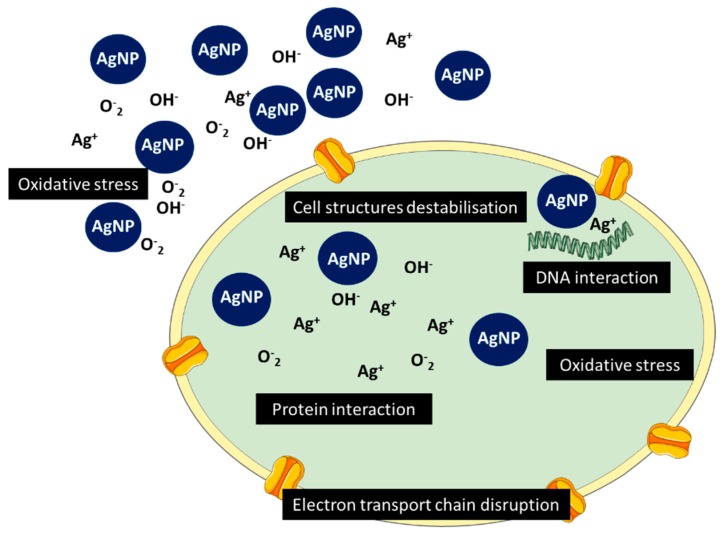
“Over the years it has been established that metal and metal oxide nanoparticles possess antimicrobial activity by the following mechanisms: 1) damaging the outer membrane by increasing permeability, disrupting electron transport chain leading to cellular content’s leakage, 2) producing ROS to inactivate respiratory ch…”
BackgroundRamdath, S., Mellem, J. J., & Mbatha, L. S. (2021) · Journal of Nanotechnology · doi:10.1155/2021/5525690 · Cited by 19
“Previous studies have shown that the diameter of plasma membrane pores of most cells ranges from 50–75 nm in size, and thus, the synthesized AgNPs having this size range are significant because it means they would be able to extravasate through the cell membrane of the cancer cells via an endocytosis-mediated mechanis…”
BackgroundMasood, K., Yasmin, H., Batool, S., Ilyas, N., Nosheen, A., Naz, R., Khan, N., Hassan, M. N., Aldhahrani, A., & Althobaiti, F. (2021) · Saudi Journal of Biological Sciences · doi:10.1016/j.sjbs.2021.06.100 · Cited by 20
Overview on bacterial resistance and nanoparticles to overcome bacterial resistance
Abo‐zeid, Y., Amer, A., El-Houssieny, B., Mahmoud, M., & Sakran, W. (2021) · Journal of Advanced Pharmacy Research · doi:10.21608/aprh.2021.76488.1131 · Cited by 21
Chaupard, M., de Frutos, M., & Gref, R. (2021) · Particle & Particle Systems Characterization · doi:10.1002/ppsc.202100022 · Cited by 19
Jadhav, S. A., Patil, A. H., Thoravat, S. S., Patil, V. S., & Patil, P. S. (2021) · Nanobiotechnology Reports · doi:10.1134/s2635167621040170 · Cited by 17
Zhang, Y., Yu, J., Zhang, H., Li, Y., & Wang, L. (2022) · Journal of Applied Polymer Science · doi:10.1002/app.52178 · Cited by 17
Metal Homeostasis in Pathogenic Streptococci
Akbari, M. S., Doran, K. S., & Burcham, L. R. (2022) · Microorganisms · doi:10.3390/microorganisms10081501 · Cited by 21
Abdelghany, W. A., Mohamedin, A. H., Abo‐Elyousr, K. A. M., & Hussein, M. A. M. (2022) · Archives of Phytopathology and Plant Protection · doi:10.1080/03235408.2022.2111247 · Cited by 17
Bioconversion of Fe3O4 Nanoparticles by Probiotics
Ciont, C., Mesaroş, A., Cocean, A.-M., Varvara, R.-A., Simon, E., Barbu–Tudoran, L., Ranga, F., Teleky, B., Mitrea, L., Vodnar, D. C., et al. (2025) · Pharmaceuticals · doi:10.3390/ph18040542 · Cited by 18
“These findings align with those of studies suggesting that metal-based nanoparticles can modulate bacterial metabolism [34,49].”
Aziz, D. M., Amin, A. A. M., Hassan, S. A., Özmen, H., İncili, G. K., & Say, Y. (2025) · Scientific Reports · doi:10.1038/s41598-025-12586-3 · Cited by 19
Mousavi, S. M., Mardaneh, P., Poustforoosh, A., Azadi, S., Ghahramani, Y., Gholami, A., Neralla, V. R., Lai, J., & Chiang, W. (2025) · Chemical Engineering Journal · doi:10.1016/j.cej.2025.171309 · Cited by 16
Nanoparticles in the fight against antimicrobial challenges: A comprehensive review
Pathak, K., Borthakur, M. S., Sahariah, M., Shankarishan, P., Sahariah, J. J., Deka, S., Das, A., Islam, M. A., Pramanik, P., Borthakur, P. P., et al. (2026) · Next Nanotechnology · doi:10.1016/j.nxnano.2026.100420 · Cited by 27
Chauhan, N. P. S., Derakhshani, A., Jain, K., Chittora, A., Soni, D., Malik, A., Marwal, A., & Jadoun, S. (2026) · Next Nanotechnology · doi:10.1016/j.nxnano.2026.100451 · Cited by 15
Valenzuela-Salas, L. M., Blanco-Salazar, A., Perrusquía-Hernández, J. D., Néquiz, M., Maldonado, P. A. M., Ruíz-Ruíz, B., Campos-Gallegos, V., Arellano-García, M. E., García‐Ramos, J. C., Pestryakov, A. N., et al. (2021) · Pharmaceutics · doi:10.3390/pharmaceutics13010065 · Cited by 19
Steinerová, D., Kalendová, A., Machotová, J., Knotek, P., Humpolíček, P., Vajďák, J., Šlang, S., Krejčová, A., Beneš, L., & Wolff‐Fabris, F. (2022) · Coatings · doi:10.3390/coatings12101445 · Cited by 16
“Nanoparticles provide a new approach to the development of antimicrobial materials [42,43].”
BackgroundFiaschini, N., Giuliani, C., Vitali, R., Tammaro, L., Valerini, D., & Rinaldi, A. (2022) · Nanomaterials · doi:10.3390/nano12223962 · Cited by 16
Nanotechnology Involved in Treating Urinary Tract Infections: An Overview
Crintea, A., Carpa, R., Mitre, A. O., Petho, R. I., Chelaru, V.-F., Nădășan, S.-M., Neamți, L., & Duţu, A. (2023) · Nanomaterials · doi:10.3390/nano13030555 · Cited by 19
“Still, the production process of these instruments may have detrimental effects on the environment and raise questions with regard to the side effects manifested in the patients [36,131,157,158].”
BackgroundPotential and limitation of biocontrol methods against vibriosis: a review
Elias, N. A., Hassan, M. S. A., Yusoff, N. A. H., Tosin, O. V., Harun, N. A., Rahmah, S., & Hassan, M. (2023) · Aquaculture International · doi:10.1007/s10499-023-01091-x · Cited by 20
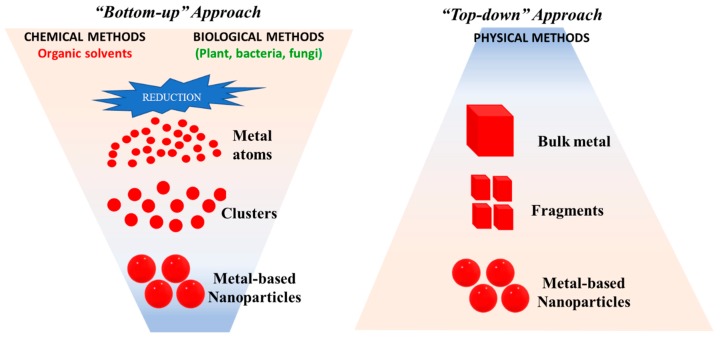
“Both methods undergo a reduction process from metal atoms into metal-based nanoparticles (Sanchez-Lopez et al. 2020).”
MethodLiang, J., Liu, C., Wu, K. C. ‐., Jheng, P., & Chuang, E. (2023) · Chemical Engineering Journal · doi:10.1016/j.cej.2023.143749 · Cited by 16
Metal-Based Nanoparticles for the Diagnostics, Therapy, and Prevention of Viral Infections
Zakharova, O. V., Анатольевна, В. И., & Gusev, A. (2023) · Nanobiotechnology Reports · doi:10.1134/s2635167623700027 · Cited by 16
Nanobiotechnology in Bone Tissue Engineering Applications: Recent Advances and Future Perspectives
Iqbal, N., Pant, T., Rohra, N., Goyal, A., Lawrence, M., Dey, A., & Ganguly, P. (2023) · Applied Biosciences · doi:10.3390/applbiosci2040039 · Cited by 16
“In the solvent casting method, solvent in contact with the polymer is allowed to undergo evaporation forming porous scaffolds.”
NANOTECHNOLOGY IN THE COSMETIC INDUSTRY (REVIEW)
Foteva, T. (2023) · Journal of Chemical Technology and Metallurgy · doi:10.59957/jctm.v59.i1.2024.1 · Cited by 22
Barkhordari, S., & Alizadeh, A. (2024) · International Journal of Biological Macromolecules · doi:10.1016/j.ijbiomac.2024.129556 · Cited by 17
Si, B., Yang, Y., Naveed, M., Wang, F., & Chan, M. W. H. (2024) · Journal of Trace Elements in Medicine and Biology · doi:10.1016/j.jtemb.2024.127448 · Cited by 16
Ruíz-Baltazar, Á. D. J., López, S. Y. R., Lozano, N. E. M., & Juárez‐Moreno, K. (2024) · Applied Sciences · doi:10.3390/app14156750 · Cited by 16
Asif, M., Chaudhry, A. S., Ashar, A., Rashid, H. B., Saleem, M. H., Aslam, H. B., & Aziz, A. (2023) · Asian Pacific Journal of Tropical Biomedicine · doi:10.4103/2221-1691.389574 · Cited by 19
Furlaneto, M. C., & Furlaneto-Maia, L. (2024) · International Journal of Food Microbiology · doi:10.1016/j.ijfoodmicro.2024.110959 · Cited by 16
Ma, Y., Xiao, X., Wang, Y., Sun, J., Tang, P., Li, J., Sun, X., Xu, D., Yang, Z., Chen, S., et al. (2024) · International Journal of Nanomedicine · doi:10.2147/ijn.s469684 · Cited by 16
Abuzeyad, O. H., El‐Khawaga, A. M., Tantawy, H., Gobara, M., & Elsayed, M. A. (2024) · Journal of Cluster Science · doi:10.1007/s10876-024-02718-6 · Cited by 16
“Metal nanoparticles have been shown in studies to be excellent antibacterial agents, and both bacterial and eukaryotic species may be used to assess the negative effects of metals [83].”
Yüksekdağ, Z., Kilickaya, R., Kara, F., & Acar, B. Ç. (2025) · Probiotics and Antimicrobial Proteins · doi:10.1007/s12602-025-10481-x · Cited by 20
“It is particularly important that metal nanoparticles have anti-bacterial activity, which makes it difficult for bacteria to develop resistance [52].”
Ethical issues in research and development of nanoparticles
Souto, E. B., Dias-Ferreira, J., Shegokar, R., Durazzo, A., & Santini, A. (2020) · Elsevier eBooks · doi:10.1016/b978-0-12-821222-6.00007-5 · Cited by 20
Self-citationMarzec, M., & Nowak, I. (2020) · Journal of Cosmetic Dermatology · doi:10.1111/jocd.13649 · Cited by 16
Kudzin, M. H., Kaczmarek, A., Mrozińska, Z., & Olczyk, J. (2020) · Applied Sciences · doi:10.3390/app10196990 · Cited by 19
Tania, I. S., Ali, M., & Azam, M. S. (2021) · Journal of Inorganic and Organometallic Polymers and Materials · doi:10.1007/s10904-021-02034-w · Cited by 16
Sallak, N., Moghanjoughi, A. M., Ataee, M., Anvar, S. A. A., & Golestan, L. (2021) · Nanotechnology · doi:10.1088/1361-6528/ac0a15 · Cited by 17
“However, the results on the anti-microbial effects of those products have been con fl icting for several reasons [ 22, 23 ] .”
Effect of glutathione capping on the antibacterial activity of tin doped ZnO nanoparticles
Kumar, S., Kavita, Bhatti, H. S., Singh, K., Gupta, S., Sharma, S., Kumar, V., & Choubey, R. K. (2021) · Physica Scripta · doi:10.1088/1402-4896/ac1eb3 · Cited by 17
Zinc highly potentiates the plant defense responses against Macrophomina phaseolina in mungbean
Shoaib, A., Abbas, S., Nisar, Z., Javaid, A., & Javed, S. (2022) · Acta Physiologiae Plantarum · doi:10.1007/s11738-022-03358-x · Cited by 16
Tadele, K. T., Saligedo, T. S., Muleta, G. G., & Tsega, T. W. (2022) · Current Nanomaterials · doi:10.2174/2405461507666220301122316 · Cited by 29
Metadata
- Authors
- Sánchez-López, E., Gomes, D., Esteruelas, G., Bonilla, L., Lopez-Machado, A. L., Galindo, R., Cano, A., Espina, M., Ettcheto, M., Camins, A., Silva, A. M., Durazzo, A., Santini, A., Garcia, M. L., & Souto, E. B.
- Affiliations
- Department of Pharmacy, Pharmaceutical Technology and Physical Chemistry, Faculty of Pharmacy, University of Barcelona, 08028 Barcelona, Spain
- University of Coimbra (PT)
- Universitat de Barcelona (ES)
- Institut de Nanociència i Nanotecnologia de la Universitat de Barcelona (ES)
- Instituto de Salud Carlos III (ES)
- University of Trás-os-Montes and Alto Douro (PT)
- Consiglio per la ricerca in agricoltura e l’analisi dell’economia agraria (IT)
- University of Naples Federico II (IT)
- Corresponding author
- Souto, Eliana B.
- ORCID
- Venue
- Nanomaterials
- Publisher
- MDPI AG
- Published
- 2020-02-09
- Volume
- 10
- Issue
- 2
- Pages
- 292
- ISSN
- 2079-4991 (ISSN-L)
- PMC
- PMC7075170
- OpenAlex
- W3005269120
- Semantic Scholar
- d26e02375a9fc651603564d60fbcb732cd1345f8
- Cited by
- 1,474
- References
- 197
- Citations by year
- 2026: 140 · 2025: 246 · 2024: 268 · 2023: 280 · 2022: 250 · 2021: 198 · 2020: 90
- FWCI
- 10.55
- Type
- journal article
- Language
- en
- Open access
- gold
- dx.doi.org
- Licence
- Locations
- Nanomaterials (publishedVersion, cc-by)
- Europe PMC (PubMed Central) (publishedVersion, cc-by)
- PubMed Central (publishedVersion, cc-by)
- PubMed (publishedVersion)
- Portuguese National Funding Agency for Science, Research and Technology (RCAAP Project by FCT) (submittedVersion, cc-by)
- Dipòsit Digital de la Universitat de Barcelona (Universitat de Barcelona) (submittedVersion, cc-by)
- DOAJ (DOAJ: Directory of Open Access Journals) (submittedVersion, cc-by-sa)
- Portuguese National Funding Agency for Science, Research and Technology (RCAAP Project by FCT) (submittedVersion, other-oa)
- Portuguese National Funding Agency for Science, Research and Technology (RCAAP Project by FCT) (submittedVersion, cc-by-nc-nd)
- Funders
- M-ERA-NET-0004/2015-PAIRED (Portuguese Science and Technology Foundation (FCT/MCT) and European Funds (PRODER/COMPETE))
- Institute of Nanoscience and Nanotechnology (ART2018 project) (2017SGR-1477)
- Topics
- Physical Sciences › Materials Science › Materials Chemistry › Nanoparticles: synthesis and applications
- Life Sciences › Immunology and Microbiology › Applied Microbiology and Biotechnology › Antimicrobial agents and applications
- Physical Sciences › Materials Science › Electronic, Optical and Magnetic Materials › Gold and Silver Nanoparticles Synthesis and Applications
- Keywords
- metal-based nanoparticles, antimicrobial agents, silver nanoparticles, gold nanoparticles, zinc oxide nanoparticles, copper nanoparticles, copper oxide nanoparticles, antibacterial mechanism, physicochemical characterization, pharmacokinetics, nanoparticle toxicity, antibiotic alternatives
About these checks
Registry, retraction, Cites and statistics results are computed, not judged, with one exception: a printed reference that no index lists is read once by a model before it counts as a citation error. Claims are extracted by a model and kept only when their quote appears verbatim in the text; each cited source is then checked, with a model’s help, for whether it says what the claim relies on. Those verdicts can be wrong — read the claim’s quote and the cited source before relying on one.
Statistics and arithmetic are recomputed, not judged.
Confidence bands are shown only for fields calibrated on our annotated test set. None is calibrated yet, so no band is shown.
What counts as a claim ›How we measure confidence ›How we check this ›
Are you an author, or do you see a problem with this page? Request a review
Data sources
Bibliographic data: Semantic Scholar, OpenAlex, Crossref.
Contains information from the Semantic Scholar Academic Graph Datasets, made available under the ODC Attribution License (ODC-BY 1.0).
Semantic Scholar’s data is described in: Kinney, R., et al. (2023). The Semantic Scholar Open Data Platform. arXiv:2301.10140.
