

Metal-Based Nanoparticles as Antimicrobial Agents: An Overview
Open accessThe DOI matches its Crossref record; 194 of the 197 references it cites were found in a registry or an index.
Abstract
Metal-based nanoparticles have been extensively investigated for a set of biomedical applications. According to the World Health Organization, in addition to their reduced size and selectivity for bacteria, metal-based nanoparticles have also proved to be effective against pathogens listed as a priority. Metal-based nanoparticles are known to have non-specific bacterial toxicity mechanisms (they do not bind to a specific receptor in the bacterial cell) which not only makes the development of resistance by bacteria difficult, but also broadens the spectrum of antibacterial activity. As a result, a large majority of metal-based nanoparticles efficacy studies performed so far have shown promising results in both Gram-positive and Gram-negative bacteria. The aim of this review has been a comprehensive discussion of the state of the art on the use of the most relevant types of metal nanoparticles employed as antimicrobial agents. A special emphasis to silver nanoparticles is given, while others (e.g., gold, zinc oxide, copper, and copper oxide nanoparticles) commonly used in antibiotherapy are also reviewed. The novelty of this review relies on the comparative discussion of the different types of metal nanoparticles, their production methods, physicochemical characterization, and pharmacokinetics together with the toxicological risk encountered with the use of different types of nanoparticles as antimicrobial agents. Their added-value in the development of alternative, more effective antibiotics against multi-resistant Gram-negative bacteria has been highlighted.
Overview
The claims and statistics of this paper haven’t been checked yet.
Free: it reads the open-access text and checks the first 5 claims that cite a source we can check. Create a free account to check every claim.
Integrity signals
Registry
Cites
Statistics
Figures
Verification
Claims the paper makes
The claims and statistics of this paper haven’t been checked yet.
Free: it reads the open-access text and checks the first 5 claims that cite a source we can check. Create a free account to check every claim.
Claims other papers make about this one
Each is checked against this paper’s own text: does it say what the citing paper says it does?
The source backs part of the claim, not all of it — or backs it for a different population, condition or comparison.
In the citing paper
“The bactericidal property of TiO 2 NPs depends on their size, stability, and concentration added to the growth medium, which provides greater retention time for bacterium NP interaction, allowing them to interact closely with microbial membranes [23,24].”
From Antibacterial Activity of TiO2 Nanoparticles Prepared by One-Step Laser Ablation in Liquid (2021) · cites this paper as [23]
Experimental — accuracy not yet measuredIn the citing paper
“Polymeric hydrogels containing silver nanoparticles (AgNPs) have attracted great attention for a set of applications in the biomedical field, attributed to the antimicrobial and healing properties of silver [11,12].”
From Silver Nanoparticles-Composing Alginate/Gelatine Hydrogel Improves Wound Healing In Vivo (2020) · cites this paper as [12]
Self-check
Percentages, sums and reported differences re-computed from the paper’s own numbers.
The self-check needs the paper’s full text.
Citations
Cites
Review on Zinc Oxide Nanoparticles: Antibacterial Activity and Toxicity Mechanism
Sirelkhatim, A., Mahmud, S., Seeni, A., Kaus, N. H. M., Ann, L. C., Bakhori, S. K. M., Hasan, H., & Mohamad, D. (2015) · Nano-Micro Letters · doi:10.1007/s40820-015-0040-x · Cited by 4,586 · cited 1×
“Several authors have used ZnONPs as antimicrobial agents either as ZnO alone or in combination with drugs [161].”
BackgroundThe antimicrobial activity of nanoparticles: present situation and prospects for the future
Wang, L., Hu, C., & Shao, L. (2017) · International Journal of Nanomedicine · doi:10.2147/ijn.s121956 · Cited by 4,062 · cited 2×
“Since the main toxicological effect induced by antimicrobial compounds in bacteria occurs by direct contact with the cell surface, it is important to understand the differences between the cell wall of Gram-positive and Gram-negative bacteria [12].”
BackgroundZhang, X.-F., Liu, Z.-G., Shen, W., & Gurunathan, S. (2016) · International Journal of Molecular Sciences · doi:10.3390/ijms17091534 · Cited by 3,220 · cited 3×
“AgNPs demonstrated to be antiangiogenic and antiproliferative [59].”
BackgroundInfluentialAhmed, S., Ahmad, M., Swami, B. L., & Ikram, S. (2016) · Journal of Advanced Research · doi:10.1016/j.jare.2015.02.007 · Cited by 3,028 · cited 2×
“Synthesis of AgNPs using plant extracts is based on their relatively high levels of steroids, sapogenins, carbohydrates, and flavonoids, that act as reducing agents, as well as bio-capping compounds reducing agglomeration of nanoparticles and allowing a better size control [73].”
BackgroundMechanisms of Antibiotic Resistance
Munita, J. M., & Arias, C. A. (2016) · Microbiology Spectrum · doi:10.1128/microbiolspec.vmbf-0016-2015 · Cited by 2,782
Metal nanoparticles: understanding the mechanisms behind antibacterial activity
Slavin, Y. N., Asnis, J., Häfeli, U. O., & Bach, H. (2017) · Journal of Nanobiotechnology · doi:10.1186/s12951-017-0308-z · Cited by 2,571 · cited 3×
“Both Gram-positive and Gram-negative bacteria have a negatively charged surface [11].”
BackgroundAntibiotic resistance: a rundown of a global crisis
Aslam, B., Wang, W., Arshad, M. I., Khurshid, M., Muzammil, S., Rasool, M. H., Nisar, M. A., Alvi, R. F., Aslam, M. A., Qamar, M. U., et al. (2018) · Infection and Drug Resistance · doi:10.2147/idr.s173867 · Cited by 2,552 · cited 3×
“Besides the genetic mutations in the microorganism, bacterial resistance can result from the exchange of genetic material among bacteria or phages by: (i) DNA transformation, which is the uptake and incorporation of a DNA fragment; or by (ii) transduction or transfer of bacterial genes through a virus and conjugation,…”
BackgroundZinc oxide—from synthesis to application: a review
Kołodziejczak-Radzimska, A., & Jesionowski, T. (2014) · Materials · doi:10.3390/ma7042833 · Cited by 2,475 · cited 1×
“Therefore, ZnONPs are used in the preparation of sun creams in combination of TiO2, acting as a successful UV blocker [168].”
BackgroundMechanistic Basis of Antimicrobial Actions of Silver Nanoparticles
Dakal, T. C., Kumar, A., Majumdar, R. S., & Yadav, V. (2016) · Frontiers in Microbiology · doi:10.3389/fmicb.2016.01831 · Cited by 2,135 · cited 2×
“The antimicrobial action of AgNPs is linked to four main mechanisms: (i) attraction to bacterial surface, (ii) destabilization of bacterial cell wall and membrane with change in its permeability, (iii) induction of toxicity and oxidative stress by generation of ROS and free radicals, and (iv) modulation of signal tran…”
BackgroundNanosilver: A nanoproduct in medical application
Chen, X., & Schluesener, H. J. (2008) · Toxicology Letters · doi:10.1016/j.toxlet.2007.10.004 · Cited by 1,888 · cited 1×
“Nowadays, dressings impregnated with AgNO3 can be found [57].”
Background
Research works printed but not linked: 4
- Dugassa J. Shukuri N. Antibiotic resistance and its mechanism of Development J. Heal. Med. Nurs. 2017 1 1 17
- Cardoso P. Nanopartículas de plata: Obtención, utilización como antimicrobiano e impacto en el área de la salud Rev. Hosp. Niños 2016 58 19 28
- Mirhosseini M. Synergistic antibacterial effect of metal oxide nanoparticles and ultrasound stimulation J. Biol. Today’s World 2015 4 138 144
- Singh P. Nanda A. Antimicrobial and antifungal potential of zinc oxide nanoparticles in comparison to conventional zinc oxide particles J. Chem. Pharm. Res. 2013 5 457 463
Cited by
Items 301–400 of 1,000
Kamer, A. M. A., El Maghraby, G. M., Shafik, M. M., & Al-Madboly, L. A. (2024) · BMC Microbiology · doi:10.1186/s12866-024-03397-z · Cited by 38
Sadek, A. H. S., Asker, M. S., & Abdelhamid, S. A. (2021) · Biologia · doi:10.1007/s11756-021-00814-w · Cited by 41
Haydar, M. S., Das, D., Ghosh, S., & Mandal, P. (2021) · Chemical Papers · doi:10.1007/s11696-021-01872-9 · Cited by 39
“It has also been reported that development of multi-drug-resistant bacteria becomes difficult due to the presence of non-specific (blocks activity of multiple proteins performing as enzymes or receptors) bactericidal activity of metal based nanoparticles (Sánchez-López et al. 2020).”
BackgroundDong, H., Liu, M., Yan, X., Qian, Z., Xie, Y. B., Luo, W., Lei, C., & Zhou, Z. (2021) · The Science of The Total Environment · doi:10.1016/j.scitotenv.2022.154751 · Cited by 38
Shape-Dependent Toxicity of Silver Nanoparticles on Freshwater Cnidarians
Auclair, J., & Gagné, F. (2022) · Nanomaterials · doi:10.3390/nano12183107 · Cited by 42
“Known for their antimicrobial properties, silver nanoparticles (AgNPs) are found in textiles, personal care products and medical devices, among others [8,9].”
BackgroundSantos, T. S., Varize, C. D. S., Sánchez‐López, E., Jain, S. A., Souto, E. B., Severino, P. B., & Mendonça, M. D. C. (2022) · Materials · doi:10.3390/ma15217596 · Cited by 36
Self-citationAntimicrobial activity and cytotoxicity study of cerium oxide nanoparticles with two different sizes
Yefimova, S. L., Klochkov, V., Kavok, N. S., Tkachenko, A. S., Onishchenko, A. I., Chumachenko, T., Dızge, N., Özdemir, S., Gonca, S., & Ocakoğlu, K. (2022) · Journal of Biomedical Materials Research Part B Applied Biomaterials · doi:10.1002/jbm.b.35197 · Cited by 40
Progress and Challenges in the Diagnosis and Treatment of Brain Cancer Using Nanotechnology
Ale, Y., & Nainwal, N. (2023) · Molecular Pharmaceutics · doi:10.1021/acs.molpharmaceut.3c00554 · Cited by 42
Ahmed, N. A., & Othman, A. S. (2024) · Microbial Cell Factories · doi:10.1186/s12934-024-02360-x · Cited by 39
“…step of next-generation nano-antibiotics used to combat multidrug-resistant pathogens [54], its immense antimicrobial potential versus several pathogenic bacteria was derived from their extraordinary physicochemical features including crystallinity, porosity, particle size, and shape [55].”
BackgroundFunctionalized bioengineered metal-based nanomaterials for cancer therapy
Barabadi, H., Noqani, H., Jounaki, K., Nasiri, A., Karami, K., & Jahani, R. (2024) · Elsevier eBooks · doi:10.1016/b978-0-443-15518-5.00024-0 · Cited by 38
Antibacterial activity of silver and gold nanoparticles that have been synthesized by curcumin
Amini, S. M., & Shahroodian, S. (2024) · Inorganic and Nano-Metal Chemistry · doi:10.1080/24701556.2024.2352352 · Cited by 39
Nirmal, N. P., Vashisht, P., Sharma, S., Singh, L., Awasti, N., Mahanta, S., Gill, A., Rathnakumar, K., & Khanashyam, A. C. (2024) · Discover Food · doi:10.1007/s44187-024-00189-2 · Cited by 38
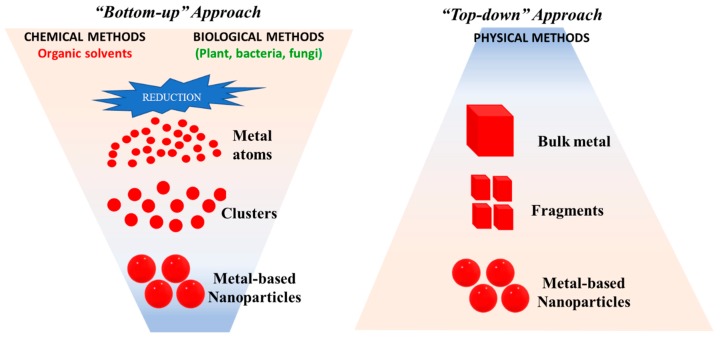
“…a n o p a r t i c l e s w e r e p r o d u c e d i n t h e p r e s e n c e o f a r e d u c i n g a g e n t ( p o l y v i n y l p y rr o l i d o n e ) E n v i r o n m e n t a ll y f r i e n d l y L o w e r c o n t r o l o v e r p a r t i c l e m o r p h o l o g y [ 111 ] M i c r o w a v e m e t h o d”
Shandila, P., Mahatmanto, T., & Hsu, J. (2025) · Processes · doi:10.3390/pr13051278 · Cited by 45
Application of nanoparticles for targeted management of pests, pathogens and disease of plants
Izuafa, A., Chimbekujwo, K. I., Raji, R. O., Oyewole, O. A., Oyewale, R. O., & Abioye, O. P. (2025) · Plant Nano Biology · doi:10.1016/j.plana.2025.100177 · Cited by 41
Kudzin, M. H., Mrozińska, Z., Kaczmarek, A., & Lisiak-Kucińska, A. (2020) · Materials · doi:10.3390/ma13183971 · Cited by 39
“52 V) [36], developed surface and antibacterial prolonged antibacterial activity [37] (a very slow dissolution of metallic copper in water with subsequent formation of very poor soluble copper oxides Cu2O/CuO [37]), as well as a fair abrasion resistance of copper layer’s (hardness 230 kgf mm−2) [38], contrasted with t…”
BackgroundGreen synthesized nanoparticles: Classification, synthesis, characterization, and applications
Kshtriya, V., Koshti, B., & Gour, N. (2021) · Comprehensive analytical chemistry · doi:10.1016/bs.coac.2020.12.009 · Cited by 50
Awassa, J., Cornu, D., Ruby, C., & El‐Kirat‐Chatel, S. (2022) · Colloids and Surfaces B Biointerfaces · doi:10.1016/j.colsurfb.2022.112623 · Cited by 40
Fighting bacterial pathogens with carbon nanotubes: focused review of recent progress
Asaftei, M., Lucidi, M., Cîrtoaje, C., Holban, A. M., Charitidis, C. A., Yang, F., Wu, A., Stanciu, G. A., Sağlam, Ö., Lazăr, V., et al. (2023) · RSC Advances · doi:10.1039/d3ra01745a · Cited by 37
Intestinal biofilms: pathophysiological relevance, host defense, and therapeutic opportunities
Jandl, B., Dighe, S. N., Gasché, C., Makristathis, A., & Muttenthaler, M. (2024) · Clinical Microbiology Reviews · doi:10.1128/cmr.00133-23 · Cited by 39
“Metal-based NPs comprising silver, iron, copper, zinc, magnesium, and rare earth metals display antimicro bial antibiofilm properties (466, 468, 469).”
Efunnuga, A., Efunnuga, A., Onivefu, A. P., Ifijen, I. H., Maliki, M., Omorogbe, S. O., & Olugbemide, A. D. (2024) · BioNanoScience · doi:10.1007/s12668-024-01566-y · Cited by 40
“It is crucial to acknowledge that the effectiveness of vanadium oxide nanoparticles in retarding or killing bacterial growth is contingent upon a combination of one or more of these mechanisms [51, 70].”
Enhancement of the antibacterial potential of plantaricin by incorporation into silver nanoparticles
Amer, S. A., Abushady, H. M., Refay, R. M., & Mailam, M. A. (2021) · Journal of Genetic Engineering and Biotechnology · doi:10.1186/s43141-020-00093-z · Cited by 46
Jayeoye, T. J., Eze, F. N., Olatunde, O. O., Benjakul, S., & Rujiralai, T. (2021) · Journal of environmental chemical engineering · doi:10.1016/j.jece.2021.105224 · Cited by 36
Ghasemi, M., Khorsandi, K., & Kianmehr, Z. (2021) · World Journal of Microbiology and Biotechnology · doi:10.1007/s11274-021-03104-4 · Cited by 41
Antibacterial Performance of Protonated Polyaniline-Integrated Polyester Fabrics
Aizamddin, M. F., Mahat, M. M., Ariffin, Z. Z., Nawawi, M. A., Jani, N. A., Amdan, N. A. N., & Sadasivuni, K. K. (2022) · Polymers · doi:10.3390/polym14132617 · Cited by 35
“[14] asserted that there are risks to humans and the environment that come with this approach.”
BackgroundCopper‐based nanoparticles against microbial infections
Li, X., Cong, Y., Ovais, M., Cardoso, M. B., Hameed, S., Chen, R., Chen, M., & Wang, L. (2023) · Wiley Interdisciplinary Reviews Nanomedicine and Nanobiotechnology · doi:10.1002/wnan.1888 · Cited by 40
Cationic Lignin as an Efficient and Biorenewable Antimicrobial Material
Acurio-Cerda, K., Kathol, M., Purohit, G., Zamani, E., Morton, M., Khalimonchuk, O., Saha, R., & Dishari, S. K. (2023) · ACS Sustainable Chemistry & Engineering · doi:10.1021/acssuschemeng.3c01414 · Cited by 37
Habibah, F. F., Rizki, W. O. S., Ivansyah, A. L., Astuti, D. I., & Hertadi, R. (2024) · Heliyon · doi:10.1016/j.heliyon.2024.e24242 · Cited by 52
“It is because metal-based nanoparticles do not bind to a specific receptor on the bacterial cell membrane hence, it is impossible for bacteria to build resistance to such a treatment and expands the spectrum of treatments with antibacterial activity [4].”
BackgroundFahim, Y. A., El‐Khawaga, A. M., Sallam, R. M., Elsayed, M. A., & Assar, M. F. A. (2024) · Scientific Reports · doi:10.1038/s41598-024-58840-y · Cited by 37
“Studies have documented the effectiveness of metal nanoparticles as antibacterial agents, and the harmful effects of metals can be evaluated in both bacterial and eukaryotic organisms 100 .”
BackgroundMiniature Robots for Battling Bacterial Infection
Zhong, W., Handschuh‐Wang, S., Uthappa, U. T., Shen, J., Qiu, M., Du, S., & Wang, B. (2024) · ACS Nano · doi:10.1021/acsnano.4c11430 · Cited by 37
Sheikhi, S., Aliannezhadi, M., & Tehrani, F. S. (2021) · The European Physical Journal Plus · doi:10.1140/epjp/s13360-021-02252-8 · Cited by 34
Scandorieiro, S., Teixeira, F. M. M. B., Nogueira, M. C. L., Panagio, L. A., de Oliveira, A. G., Durán, N., Nakazato, G., & Kobayashi, R. K. T. (2023) · Antibiotics · doi:10.3390/antibiotics12040756 · Cited by 37
Combating Microbial Infections Using Metal-Based Nanoparticles as Potential Therapeutic Alternatives
Kaur, R., Kaur, K., Alyami, M. H., Lang, D. K., Saini, B., Bayan, M. F., & Chandrasekaran, B. (2023) · Antibiotics · doi:10.3390/antibiotics12050909 · Cited by 40
“Since metabolic pathways are affected, the respiratory chain, ATP production, and replication processes are impaired and ultimately inhibited [77,78].”
BackgroundJavanmard, Z., Pourhajibagher, M., & Bahador, A. (2024) · Journal of Basic Microbiology · doi:10.1002/jobm.202400271 · Cited by 39
Selvamani, M., Azhakanantham, D., Devanesan, S., Vasugi, S., & Kesavan, A. V. (2025) · Materials Science and Engineering B · doi:10.1016/j.mseb.2025.118141 · Cited by 37
Nanopharmaceuticals for Eye Administration: Sterilization, Depyrogenation and Clinical Applications
Zielińska, A., Soles, B. B., LOPES, A. R. E., Vaz, B. F., Rodrigues, C. M., Alves, T., Klensporf‐Pawlik, D., Durazzo, A., Lucarini, M., Severino, P. B., et al. (2020) · Biology · doi:10.3390/biology9100336 · Cited by 37
“Magnetic nanoparticles are commonly used for imaging analysis [70], and for this purpose they should also be sterilized.”
BackgroundSelf-citationThe challenge of antimicrobial glazed ceramic surfaces
Reinosa, J. J., Enríquez, E., Fuertes, V., Liu, S., Menéndez, J., & Fernández, J. F. (2021) · Ceramics International · doi:10.1016/j.ceramint.2021.12.121 · Cited by 33
(2021) · Biointerface Research in Applied Chemistry · doi:10.33263/briac116.1454514554 · Cited by 33
Rahman, M. M., Ahmed, L., Anika, F., Riya, A. A., Kali, M. S. K., Rauf, A., & Sharma, R. (2023) · Bioinorganic Chemistry and Applications · doi:10.1155/2023/2409642 · Cited by 37
“Metals such as iron (Fe), silver (Ag), aluminium (Al), cadmium (Cd), copper (Cu), gold (Au), cobalt (Co), lead (Pb), and zinc (Zn) are used to make metal-based NPs [71].”
Design and Synthesis of Copper Nanobiomaterials with Antimicrobial Properties
Ortega-Nieto, C., Losada‐Garcia, N., Pessela, B. C. C., Domingo‐Calap, P., & Palomo, J. M. (2023) · ACS Bio & Med Chem Au · doi:10.1021/acsbiomedchemau.2c00089 · Cited by 37
Advances in bioactive nanoparticles for wound healing, tissue engineering and drug delivery
Alam, M. R., Dev, B., Rahman, M. A., Islam, M. R., Mahmud, R. U., & Rahman, M. Z. (2023) · Elsevier eBooks · doi:10.1016/b978-0-323-96020-5.00120-5 · Cited by 33
Polymer-based nanocarriers for biomedical and environmental applications
Idris, D. S., Roy, A., Pandit, S., Alghamdi, S. A., Almehmadi, M. M., Alsaiari, A. A., Abdulaziz, O., Alsharif, A., Khandaker, M. U., & Faruque, M. R. I. (2023) · e-Polymers · doi:10.1515/epoly-2023-0049 · Cited by 35
Jiang, F., Li, Q. F., Li, Y., Lai, X., Duan, Y. B., McDowell, A., Huang, Z., Liu, S., Wang, Y., Zhang, C., et al. (2024) · Chemical Engineering Journal · doi:10.1016/j.cej.2024.155388 · Cited by 33
Singh, K., & Yadav, S. (2025) · Scientific Reports · doi:10.1038/s41598-025-87355-3 · Cited by 34
Aschner, M., Skalny, A. V., Martins, A. C., Tizabi, Y., Zaitseva, I. P., Santamaría, A., Lu, R., Gluhcheva, Y., & Tinkov, A. A. (2025) · Archives of Toxicology · doi:10.1007/s00204-025-03972-x · Cited by 39
“Biomedical applications of metal nanoparticles include bioimaging (Ando et al. 2013), development of novel drug delivery systems (Chandrakala et al. 2022), and antimicrobial agents (Sánchez-López et al. 2020).”
Huq, M. A., Rana, M. R., Samad, A., Rahman, M. S., Rahman, M., Ashrafudoulla, M., Akter, S., & Park, J. (2025) · Biomedicines · doi:10.3390/biomedicines13051184 · Cited by 37
“This multi-pronged approach offers a distinct advantage, as it reduces the likelihood of developing resistance to nanoparticle-based antimicrobial agents [27].”
Lucío, M. I., Kyriazi, M. E., Hamilton, J., Batista, D., Sheppard, A., Sams-Dodd, E., Humbert, M. V., Hussaın, I., Christodoulides, M., & Kanaras, A. G. (2020) · ACS Applied Materials & Interfaces · doi:10.1021/acsami.0c06163 · Cited by 33
Razaghi, M., Ramazani, A., Khoobi, M., Mortezazadeh, T., Aksoy, E. A., & Küçükkılınç, T. T. (2020) · Journal of Drug Delivery Science and Technology · doi:10.1016/j.jddst.2020.101967 · Cited by 32
González-Ballesteros, N., Diego-González, L., Lastra, M., Grimaldi, M. G., Cavazza, A., Bigi, F., Rodríguez-Argüelles, M. C., & Simón‐Vázquez, R. (2021) · Materials Science and Engineering C · doi:10.1016/j.msec.2021.111960 · Cited by 35
Ali, F., Akbar, S., Sillanpää, M. E. T., Younas, U., Ashraf, A., Pervaiz, M. A., Kausar, R., Ahmad, I., Alothman, A. A., & Ouladsmane, M. (2022) · Chemosphere · doi:10.1016/j.chemosphere.2022.137321 · Cited by 35
Antibiotic-Loaded Gold Nanoparticles: A Nano-Arsenal against ESBL Producer-Resistant Pathogens
Rizvi, S. M. D., Lila, A. S. A., Moin, A., Hussain, T., Kamal, M. A., Sonbol, H. S., & Khafagy, E. (2023) · Pharmaceutics · doi:10.3390/pharmaceutics15020430 · Cited by 34
“As nanomaterials do not have a defined mode of action like antibiotics, they can be very useful for tackling resistance in bacterial pathogens [11].”
BackgroundRiva, L., Dotti, A., Iucci, G., Venditti, I., Meneghini, C., Corsi, I., Khalakhan, I., Nicastro, G., Punta, C., & Battocchio, C. (2024) · ACS Applied Nano Materials · doi:10.1021/acsanm.3c06052 · Cited by 34
Ranathunga, K., Yapa, P. N., Munaweera, I., Weerasekera, M. M., & Sandaruwan, C. (2024) · RSC Advances · doi:10.1039/d4ra03136a · Cited by 31
“Further, toughness increased from 23.29 ± 1.4 MJ m − 3 , to 68.95 ± 4.5, and 57.75 ± 3.6 MJ m − 3 for ZnO@CA, GO@CA, and ZnO/GO@CA respectively 86 further, Ghosh et al. developed a zinc oxide cellulose acetate electrospun mats for e ffi cient wound healing and reported that the reinforcement of ZnO…”
BackgroundInfluentialWang, S., Zhuo, J.-J., Fang, S., Xu, W., & Yu, Q.-Y. (2024) · Biomolecules · doi:10.3390/biom14060723 · Cited by 38
“Gold nanoparticles (AuNPs) have high relative inertness and biocompatibility [102, 103].”
BackgroundOliveira, T. P. D. S., Lima, A. K. O., & Muehlmann, L. A. (2025) · Future Pharmacology · doi:10.3390/futurepharmacol5010003 · Cited by 36
Hyaluronic acid based approaches for wound healing: A comprehensive review
Parmal, S., Subbappa, P., Nikam, V., Tarwate, Y., Barhate, K., Wagh, S., Gholap, A. D., Dua, K., Singh, S. K., Parikh, D. C., et al. (2025) · International Journal of Biological Macromolecules · doi:10.1016/j.ijbiomac.2025.141625 · Cited by 39
Green synthesis, biomedical effects, and future trends of Ag/ZnO bimetallic nanoparticles: An update
Zhang, S., Chen, J., Ma, Y., Zhao, Q., Jing, B., Yu, M., Yang, N., Yang, A., Shen, Q., Wang, Y., et al. (2025) · Nanotechnology Reviews · doi:10.1515/ntrev-2025-0186 · Cited by 31
Nanofluid research advances: Preparation, characteristics and applications in food processing
Tarafdar, A., Sirohi, R., Negi, T., Singh, S., Badgujar, P. C., Shahi, N. C., Kumar, S., Sim, S. J., & Pandey, A. (2021) · Food Research International · doi:10.1016/j.foodres.2021.110751 · Cited by 33
Remedial Aspect of Zinc Oxide Nanoparticles Against Serratia Marcescens and Enterococcus Faecalis
Djearamane, S., Zhe, L., Lee, J. J., Wong, L. S., Rajamani, R., Luque, P. A., Gupta, P. K., & Liang, S. X. T. (2022) · Frontiers in Pharmacology · doi:10.3389/fphar.2022.891304 · Cited by 37
Wulandari, I. O., Pebriatin, B. E., Valiana, V., Hadisaputra, S., Ananto, A. D., & Sabarudin, A. (2022) · Materials · doi:10.3390/ma15134641 · Cited by 36
“There have been a wide range of applications of nanotechnology in biomedical science, including the use of various oxides such as those of copper (Cu) [4], zinc (Zn) [5], gold (Au), and silver (Ag) [6], as well as titanium dioxide (TiO) [7], and magnesium oxide (MgO) [8].”
BackgroundAntimicrobial nanoparticles: Synthesis, mechanism of actions
Kaur, H., Rauwel, P., & Rauwel, E. (2022) · Elsevier eBooks · doi:10.1016/b978-0-12-821637-8.00008-0 · Cited by 40
Zafar, B., Shafqat, S. S., Zafar, M. N., Haider, S., Sumrra, S. H., Zubair, M., Alwadai, N. M., Alshammari, F. H., Almuslem, A. S., & Akhtar, M. S. (2022) · Materials Today Communications · doi:10.1016/j.mtcomm.2022.104946 · Cited by 31
Nanomaterial-Reinforced Portland-Cement-Based Materials: A Review
Luján, V. A. F., Montejo‐Alvaro, F., Ramírez-Arellanes, S., Cruz‐Martínez, H., & Medina, D. I. (2023) · Nanomaterials · doi:10.3390/nano13081383 · Cited by 37
Optically amended biosynthesized crystalline copper-doped ZnO for enhanced antibacterial activity
Mengistu, A., Naimuddin, M., & Abebe, B. (2023) · RSC Advances · doi:10.1039/d3ra04488b · Cited by 35
Nanotechnology-based approaches for antibacterial therapy
Dong, S., Li, X., Pan, Q., Wang, K., Liu, N., Yutao, W., & Zhang, Y. (2024) · European Journal of Medicinal Chemistry · doi:10.1016/j.ejmech.2024.116798 · Cited by 32
Nanoparticles targeting biofilms: A new era in combating antimicrobial resistance
Joshi, A., & Patil, R. H. (2025) · Medicine in Microecology · doi:10.1016/j.medmic.2025.100156 · Cited by 39
A Mini-Review on Lichen-Based Nanoparticles and Their Applications as Antimicrobial Agents
Rattan, R., Shukla, S., Sharma, B., & Bhat, M. (2021) · Frontiers in Microbiology · doi:10.3389/fmicb.2021.633090 · Cited by 33
Vidal, O., Matos, T. D. P., Núñez, A., Méndez-Bauer, L., Sutil, E., Ñaupari‐Villasante, R., Souta, M. C., Pitlovanciv, M., Gutiérrez, M. F., & Loguércio, A. D. (2021) · Journal of the mechanical behavior of biomedical materials/Journal of mechanical behavior of biomedical materials · doi:10.1016/j.jmbbm.2021.105017 · Cited by 32
Vafa, E., & Lari, R. B. (2021) · Applied Biological Chemistry · doi:10.1186/s13765-021-00659-6 · Cited by 30
“Among the various nanomaterials, metal-based nanoparticles, especially silver nanoparticles and gold nanoparticles have been widely used in different research fields due to their excellent optical, anti-cancer, and anti-bacterial properties along with high biocompatibility [35, 36].”
BackgroundShao, L., Majumder, S., Liu, Z., Xu, K., Dai, R., & George, S. (2022) · Journal of Photochemistry and Photobiology B Biology · doi:10.1016/j.jphotobiol.2022.112450 · Cited by 36
Lee, S. J., Jang, H., & Lee, D. N. (2022) · Pharmaceutics · doi:10.3390/pharmaceutics14091887 · Cited by 32
Nanoparticle and nanomaterial involvement during the wound healing process: an update in the field
Pérez-Díaz, M. A., Prado-Prone, G., Díaz-Ballesteros, A., González‐Torres, M., Silva-Bermúdez, P. S., & Sánchez‐Sánchez, R. (2023) · Journal of Nanoparticle Research · doi:10.1007/s11051-023-05675-9 · Cited by 35
Dadhwal, P., Dhingra, H. K., Dwivedi, V., Alarifi, S. A., Kalasariya, H. S., Yadav, V. K., & Patel, A. (2023) · Frontiers in Molecular Biosciences · doi:10.3389/fmolb.2023.1246728 · Cited by 33
“, have been synthesized by using plant and their parts (Andualem et al., 2020; Sánchez-López et al., 2020; Lee et al., 2021).”
MethodRetractedHarnessing the potential of nanobiotechnology in medicinal plants
Bernela, M., Seth, M., Kaur, N., Sharma, S., & Pati, P. K. (2023) · Industrial Crops and Products · doi:10.1016/j.indcrop.2023.116266 · Cited by 33
Maddheshiya, A. K., Kumar, M., Tufail, A., Yadav, P. S., Deswal, Y., Yadav, N. K., Yadav, T. P., & Dubey, A. (2024) · ACS Applied Bio Materials · doi:10.1021/acsabm.3c01268 · Cited by 29
Croitoru, G.-A., Pîrvulescu, D.-C., Niculescu, A.-G., Grumezescu, A. M., Antohi, A. M., & Nicolae, C.-L. (2024) · Romanian Journal of Morphology and Embryology · doi:10.47162/rjme.65.2.01 · Cited by 34
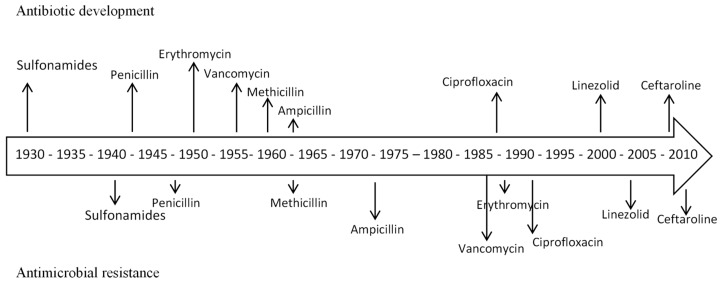
“The discovery of antibiotics in the 20 th century was a significant advancement in medicine and had an important impact on public health [73].”
BackgroundInfluentialCombating antibiotic resistance in a one health context: a plethora of frontiers
Ajose, D. J., Adekanmbi, A. O., Kamaruzzaman, N. F., Ateba, C. N., & Saeed, S. I. (2024) · One Health Outlook · doi:10.1186/s42522-024-00115-7 · Cited by 30
“The antibacterial potential of many inorganic (metal) NPs, including gold (Au), silver (Ag), and others, has been demonstrated [127, 128].”
BackgroundAssembling patchy plasmonic nanoparticles with aggregation-dependent antibacterial activity
Brasili, F., Capocefalo, A., Palmieri, D., Capitani, F., Chiessi, E., Paradossi, G., Bordi, F., & Domenici, F. (2020) · Journal of Colloid and Interface Science · doi:10.1016/j.jcis.2020.07.006 · Cited by 31
Jazie, A. A. A.-H., Albaaji, A. J., & Abed, S. A. (2021) · Air Quality Atmosphere & Health · doi:10.1007/s11869-021-01055-1 · Cited by 32
Dhiman, S., Singh, S., Varma, A. K., & Goel, A. (2021) · BioMetals · doi:10.1007/s10534-021-00342-9 · Cited by 35
Harandi, F. N., Khorasani, A. C., Shojaosadati, S. A., & Hashemi‐Najafabadi, S. (2021) · Surfaces and Interfaces · doi:10.1016/j.surfin.2021.101592 · Cited by 31
Treatments of Mycobacterium tuberculosis and Toxoplasma gondii with Selenium Nanoparticles
Ifijen, I. H., Atoe, B., Ekun, R. O., Ighodaro, A., & Odiachi, I. J. (2023) · BioNanoScience · doi:10.1007/s12668-023-01059-4 · Cited by 33
Nanobiomaterials: exploring mechanistic roles in combating microbial infections and cancer
Rawat, N., Ahmad, N., Raturi, P., Singhvi, N., Sahai, N., & Kothiyal, P. (2023) · Discover Nano · doi:10.1186/s11671-023-03946-x · Cited by 31
Electrospun Nanofiber Scaffolds Loaded with Metal-Based Nanoparticles for Wound Healing
Dang, Z., Ma, X., Yang, Z., Wen, X., & Zhao, P. (2023) · Polymers · doi:10.3390/polym16010024 · Cited by 34
Madhyastha, H., Halder, S., Nurrahmah, Q. I., Madhyastha, R., Arumugam, M., Sudhakaran, R., Sajitha, L. S., Banerjee, K., Purbasari, B., Daima, H. K., et al. (2020) · RSC Advances · doi:10.1039/d0ra06690g · Cited by 32
Ragupathi, N. K. D., Veeraraghavan, B., Karunakaran, E., & Monk, P. N. (2022) · Frontiers in Medicine · doi:10.3389/fmed.2022.987011 · Cited by 36
Zhong, B., Xu, W., Xie, H., & Wu, Z. (2024) · Food Bioscience · doi:10.1016/j.fbio.2024.104061 · Cited by 28
Christmann, R., Ho, D., Wilzopolski, J., Lee, S., Koch, M., Loretz, B., VOGT, T. M., Bäumer, W., Schaefer, U. F., & Lehr, C. (2020) · Pharmaceutics · doi:10.3390/pharmaceutics12121131 · Cited by 29
“NDDS excipients composition can be chosen depending on their purpose, beside the conventional approach of biodegradable polymers, for example, metal-based NDDS are used as antimicrobial agents [27].”
BackgroundRahman, M., Sarmah, T., Dihingia, P., Verma, R. K., Sharma, S., Kirti, Srivastava, D. N., Pandey, L. M., & Kakati, M. (2021) · Chemical Engineering Journal · doi:10.1016/j.cej.2021.131111 · Cited by 28
Thamer, B. M., Al-Sabri, A. E., Almansob, A., & El-Newehy, M. H. (2022) · ACS Omega · doi:10.1021/acsomega.1c07141 · Cited by 30
Amorim, L. F. A., Fangueiro, R. M. E. S., & Gouveia, I. C. (2022) · Materials · doi:10.3390/ma15062069 · Cited by 30
“Furthermore, agents often used to provide antimicrobial properties, such as metallic nanoparticles, have limited applicability due to fabrication through chemical synthesis and potential toxicity [7].”
BackgroundGreen synthesis of nanoparticles by probiotics and their application
Qiao, L., Dou, X., Song, X., & Xu, C. (2022) · Advances in applied microbiology · doi:10.1016/bs.aambs.2022.05.003 · Cited by 31
Molina-Hernández, J. B., Scroccarello, A., Pelle, F. D., Flaviis, R. D., Compagnone, D., Carlo, M. D., Paparella, A., & Lόpez, C. C. (2022) · LWT · doi:10.1016/j.lwt.2022.113990 · Cited by 30
Haider, H. I., Zafar, I., Ain, Q. U., Noreen, A., Nazir, A., Javed, R., Sehgal, S. A., Khan, A. A., Rahman, M. M., Rashid, S., et al. (2022) · Environmental Science and Pollution Research · doi:10.1007/s11356-022-24877-7 · Cited by 30
“prospective antibacterial agents when associated with other nanostructure materials such as silver and gold because of their extremely high surface-to-volume ratios and capacity to generate enormously distinctive crystalline structures (Fincheira et al. 2021; Sánchez-López et al. 2020).”
BackgroundInorganic nanoparticles for use in aquaculture
Vijayaram, S., Τσίγκου, Κ., Zuorro, A., Sun, Y., Rabetafika, H. N., & Razafindralambo, H. L. (2023) · Reviews in Aquaculture · doi:10.1111/raq.12803 · Cited by 30
Food Peptides for the Nutricosmetic Industry
Dini, I., & Mancusi, A. (2023) · Antioxidants · doi:10.3390/antiox12040788 · Cited by 28
Algal biohydrogen production: Impact of biodiversity and nanomaterials induction
Singh, T., Sehgal, A., Singh, R. K., Sharma, S., Pal, D. B., Tashkandi, H., Raddadi, R. M., Harakeh, S., Haque, S., Srivastava, M., et al. (2023) · Renewable and Sustainable Energy Reviews · doi:10.1016/j.rser.2023.113389 · Cited by 29
Elgebaly, A. S., Sofy, A. R., Hmed, A. A., & Youssef, A. M. (2023) · Biocatalysis and Agricultural Biotechnology · doi:10.1016/j.bcab.2023.103006 · Cited by 34
Nicosia, A., Vento, F., Pellegrino, A. L., Ranc, V., Piperno, A., Mazzaglia, A., & Mineo, P. (2020) · Nanomaterials · doi:10.3390/nano10112269 · Cited by 28
Metallic and metal oxide nanoparticles in treating Pseudomonas aeruginosa infections
Kapoor, D. U., Patel, R. J., Gaur, M., Parikh, S., & Prajapati, B. G. (2023) · Journal of Drug Delivery Science and Technology · doi:10.1016/j.jddst.2023.105290 · Cited by 29
Potential role of metal nanoparticles in treatment of peri-implant mucositis and peri-implantitis
Hooshiar, M. H., Mozaffari, A., Ahmed, M. H., Kareem, R. A., Zrzor, A. J., Mansoor, A. S., Athab, Z. H., Parhizgar, Z., & Amini, P. (2024) · BioMedical Engineering OnLine · doi:10.1186/s12938-024-01294-0 · Cited by 32
“The non-specific bacterial toxicity mechanisms exhibited by metal-based NPs—namely, their failure to bind to a particular receptor within the bacterial cell—not only impede the development of bacterial resistance but also expand the range of antibacterial activity [171].”
Background
Metadata
- Authors
- Sánchez-López, E., Gomes, D., Esteruelas, G., Bonilla, L., Lopez-Machado, A. L., Galindo, R., Cano, A., Espina, M., Ettcheto, M., Camins, A., Silva, A. M., Durazzo, A., Santini, A., Garcia, M. L., & Souto, E. B.
- Affiliations
- Department of Pharmacy, Pharmaceutical Technology and Physical Chemistry, Faculty of Pharmacy, University of Barcelona, 08028 Barcelona, Spain
- University of Coimbra (PT)
- Universitat de Barcelona (ES)
- Institut de Nanociència i Nanotecnologia de la Universitat de Barcelona (ES)
- Instituto de Salud Carlos III (ES)
- University of Trás-os-Montes and Alto Douro (PT)
- Consiglio per la ricerca in agricoltura e l’analisi dell’economia agraria (IT)
- University of Naples Federico II (IT)
- Corresponding author
- Souto, Eliana B.
- ORCID
- Venue
- Nanomaterials
- Publisher
- MDPI AG
- Published
- 2020-02-09
- Volume
- 10
- Issue
- 2
- Pages
- 292
- ISSN
- 2079-4991 (ISSN-L)
- PMC
- PMC7075170
- OpenAlex
- W3005269120
- Semantic Scholar
- d26e02375a9fc651603564d60fbcb732cd1345f8
- Cited by
- 1,474
- References
- 197
- Citations by year
- 2026: 140 · 2025: 246 · 2024: 268 · 2023: 280 · 2022: 250 · 2021: 198 · 2020: 90
- FWCI
- 10.55
- Type
- journal article
- Language
- en
- Open access
- gold
- dx.doi.org
- Licence
- Locations
- Nanomaterials (publishedVersion, cc-by)
- Europe PMC (PubMed Central) (publishedVersion, cc-by)
- PubMed Central (publishedVersion, cc-by)
- PubMed (publishedVersion)
- Portuguese National Funding Agency for Science, Research and Technology (RCAAP Project by FCT) (submittedVersion, cc-by)
- Dipòsit Digital de la Universitat de Barcelona (Universitat de Barcelona) (submittedVersion, cc-by)
- DOAJ (DOAJ: Directory of Open Access Journals) (submittedVersion, cc-by-sa)
- Portuguese National Funding Agency for Science, Research and Technology (RCAAP Project by FCT) (submittedVersion, other-oa)
- Portuguese National Funding Agency for Science, Research and Technology (RCAAP Project by FCT) (submittedVersion, cc-by-nc-nd)
- Funders
- M-ERA-NET-0004/2015-PAIRED (Portuguese Science and Technology Foundation (FCT/MCT) and European Funds (PRODER/COMPETE))
- Institute of Nanoscience and Nanotechnology (ART2018 project) (2017SGR-1477)
- Topics
- Physical Sciences › Materials Science › Materials Chemistry › Nanoparticles: synthesis and applications
- Life Sciences › Immunology and Microbiology › Applied Microbiology and Biotechnology › Antimicrobial agents and applications
- Physical Sciences › Materials Science › Electronic, Optical and Magnetic Materials › Gold and Silver Nanoparticles Synthesis and Applications
- Keywords
- metal-based nanoparticles, antimicrobial agents, silver nanoparticles, gold nanoparticles, zinc oxide nanoparticles, copper nanoparticles, copper oxide nanoparticles, antibacterial mechanism, physicochemical characterization, pharmacokinetics, nanoparticle toxicity, antibiotic alternatives
About these checks
Registry, retraction, Cites and statistics results are computed, not judged, with one exception: a printed reference that no index lists is read once by a model before it counts as a citation error. Claims are extracted by a model and kept only when their quote appears verbatim in the text; each cited source is then checked, with a model’s help, for whether it says what the claim relies on. Those verdicts can be wrong — read the claim’s quote and the cited source before relying on one.
Statistics and arithmetic are recomputed, not judged.
Confidence bands are shown only for fields calibrated on our annotated test set. None is calibrated yet, so no band is shown.
What counts as a claim ›How we measure confidence ›How we check this ›
Are you an author, or do you see a problem with this page? Request a review
Data sources
Bibliographic data: Semantic Scholar, OpenAlex, Crossref.
Contains information from the Semantic Scholar Academic Graph Datasets, made available under the ODC Attribution License (ODC-BY 1.0).
Semantic Scholar’s data is described in: Kinney, R., et al. (2023). The Semantic Scholar Open Data Platform. arXiv:2301.10140.
