

Metal-Based Nanoparticles as Antimicrobial Agents: An Overview
Open accessThe DOI matches its Crossref record; 194 of the 197 references it cites were found in a registry or an index.
Abstract
Metal-based nanoparticles have been extensively investigated for a set of biomedical applications. According to the World Health Organization, in addition to their reduced size and selectivity for bacteria, metal-based nanoparticles have also proved to be effective against pathogens listed as a priority. Metal-based nanoparticles are known to have non-specific bacterial toxicity mechanisms (they do not bind to a specific receptor in the bacterial cell) which not only makes the development of resistance by bacteria difficult, but also broadens the spectrum of antibacterial activity. As a result, a large majority of metal-based nanoparticles efficacy studies performed so far have shown promising results in both Gram-positive and Gram-negative bacteria. The aim of this review has been a comprehensive discussion of the state of the art on the use of the most relevant types of metal nanoparticles employed as antimicrobial agents. A special emphasis to silver nanoparticles is given, while others (e.g., gold, zinc oxide, copper, and copper oxide nanoparticles) commonly used in antibiotherapy are also reviewed. The novelty of this review relies on the comparative discussion of the different types of metal nanoparticles, their production methods, physicochemical characterization, and pharmacokinetics together with the toxicological risk encountered with the use of different types of nanoparticles as antimicrobial agents. Their added-value in the development of alternative, more effective antibiotics against multi-resistant Gram-negative bacteria has been highlighted.
Overview
The claims and statistics of this paper haven’t been checked yet.
Free: it reads the open-access text and checks the first 5 claims that cite a source we can check. Create a free account to check every claim.
Integrity signals
Registry
Cites
Statistics
Figures
Verification
Claims the paper makes
The claims and statistics of this paper haven’t been checked yet.
Free: it reads the open-access text and checks the first 5 claims that cite a source we can check. Create a free account to check every claim.
Claims other papers make about this one
Each is checked against this paper’s own text: does it say what the citing paper says it does?
The source backs part of the claim, not all of it — or backs it for a different population, condition or comparison.
In the citing paper
“The bactericidal property of TiO 2 NPs depends on their size, stability, and concentration added to the growth medium, which provides greater retention time for bacterium NP interaction, allowing them to interact closely with microbial membranes [23,24].”
From Antibacterial Activity of TiO2 Nanoparticles Prepared by One-Step Laser Ablation in Liquid (2021) · cites this paper as [23]
Experimental — accuracy not yet measuredIn the citing paper
“Polymeric hydrogels containing silver nanoparticles (AgNPs) have attracted great attention for a set of applications in the biomedical field, attributed to the antimicrobial and healing properties of silver [11,12].”
From Silver Nanoparticles-Composing Alginate/Gelatine Hydrogel Improves Wound Healing In Vivo (2020) · cites this paper as [12]
Self-check
Percentages, sums and reported differences re-computed from the paper’s own numbers.
The self-check needs the paper’s full text.
Citations
Cites
Review on Zinc Oxide Nanoparticles: Antibacterial Activity and Toxicity Mechanism
Sirelkhatim, A., Mahmud, S., Seeni, A., Kaus, N. H. M., Ann, L. C., Bakhori, S. K. M., Hasan, H., & Mohamad, D. (2015) · Nano-Micro Letters · doi:10.1007/s40820-015-0040-x · Cited by 4,586 · cited 1×
“Several authors have used ZnONPs as antimicrobial agents either as ZnO alone or in combination with drugs [161].”
BackgroundThe antimicrobial activity of nanoparticles: present situation and prospects for the future
Wang, L., Hu, C., & Shao, L. (2017) · International Journal of Nanomedicine · doi:10.2147/ijn.s121956 · Cited by 4,062 · cited 2×
“Since the main toxicological effect induced by antimicrobial compounds in bacteria occurs by direct contact with the cell surface, it is important to understand the differences between the cell wall of Gram-positive and Gram-negative bacteria [12].”
BackgroundZhang, X.-F., Liu, Z.-G., Shen, W., & Gurunathan, S. (2016) · International Journal of Molecular Sciences · doi:10.3390/ijms17091534 · Cited by 3,220 · cited 3×
“AgNPs demonstrated to be antiangiogenic and antiproliferative [59].”
BackgroundInfluentialAhmed, S., Ahmad, M., Swami, B. L., & Ikram, S. (2016) · Journal of Advanced Research · doi:10.1016/j.jare.2015.02.007 · Cited by 3,028 · cited 2×
“Synthesis of AgNPs using plant extracts is based on their relatively high levels of steroids, sapogenins, carbohydrates, and flavonoids, that act as reducing agents, as well as bio-capping compounds reducing agglomeration of nanoparticles and allowing a better size control [73].”
BackgroundMechanisms of Antibiotic Resistance
Munita, J. M., & Arias, C. A. (2016) · Microbiology Spectrum · doi:10.1128/microbiolspec.vmbf-0016-2015 · Cited by 2,782
Metal nanoparticles: understanding the mechanisms behind antibacterial activity
Slavin, Y. N., Asnis, J., Häfeli, U. O., & Bach, H. (2017) · Journal of Nanobiotechnology · doi:10.1186/s12951-017-0308-z · Cited by 2,571 · cited 3×
“Both Gram-positive and Gram-negative bacteria have a negatively charged surface [11].”
BackgroundAntibiotic resistance: a rundown of a global crisis
Aslam, B., Wang, W., Arshad, M. I., Khurshid, M., Muzammil, S., Rasool, M. H., Nisar, M. A., Alvi, R. F., Aslam, M. A., Qamar, M. U., et al. (2018) · Infection and Drug Resistance · doi:10.2147/idr.s173867 · Cited by 2,552 · cited 3×
“Besides the genetic mutations in the microorganism, bacterial resistance can result from the exchange of genetic material among bacteria or phages by: (i) DNA transformation, which is the uptake and incorporation of a DNA fragment; or by (ii) transduction or transfer of bacterial genes through a virus and conjugation,…”
BackgroundZinc oxide—from synthesis to application: a review
Kołodziejczak-Radzimska, A., & Jesionowski, T. (2014) · Materials · doi:10.3390/ma7042833 · Cited by 2,475 · cited 1×
“Therefore, ZnONPs are used in the preparation of sun creams in combination of TiO2, acting as a successful UV blocker [168].”
BackgroundMechanistic Basis of Antimicrobial Actions of Silver Nanoparticles
Dakal, T. C., Kumar, A., Majumdar, R. S., & Yadav, V. (2016) · Frontiers in Microbiology · doi:10.3389/fmicb.2016.01831 · Cited by 2,135 · cited 2×
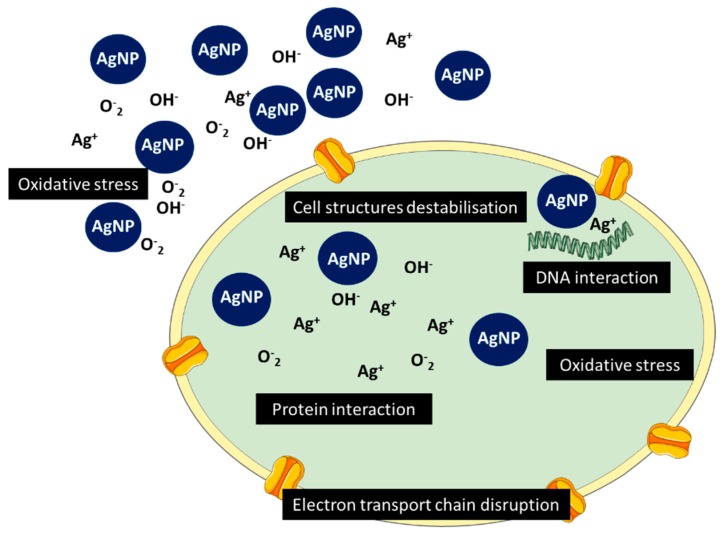
“The antimicrobial action of AgNPs is linked to four main mechanisms: (i) attraction to bacterial surface, (ii) destabilization of bacterial cell wall and membrane with change in its permeability, (iii) induction of toxicity and oxidative stress by generation of ROS and free radicals, and (iv) modulation of signal tran…”
BackgroundNanosilver: A nanoproduct in medical application
Chen, X., & Schluesener, H. J. (2008) · Toxicology Letters · doi:10.1016/j.toxlet.2007.10.004 · Cited by 1,888 · cited 1×
“Nowadays, dressings impregnated with AgNO3 can be found [57].”
Background
Research works printed but not linked: 4
- Dugassa J. Shukuri N. Antibiotic resistance and its mechanism of Development J. Heal. Med. Nurs. 2017 1 1 17
- Cardoso P. Nanopartículas de plata: Obtención, utilización como antimicrobiano e impacto en el área de la salud Rev. Hosp. Niños 2016 58 19 28
- Mirhosseini M. Synergistic antibacterial effect of metal oxide nanoparticles and ultrasound stimulation J. Biol. Today’s World 2015 4 138 144
- Singh P. Nanda A. Antimicrobial and antifungal potential of zinc oxide nanoparticles in comparison to conventional zinc oxide particles J. Chem. Pharm. Res. 2013 5 457 463
Cited by
Items 801–900 of 1,000
Chi, J., Lin, Q., Jin, B., Ou, J., Jiang, L., Yang, X., Guo, J., Peng, T., & Lu, C. (2025) · Journal of Materials Chemistry B · doi:10.1039/d5tb01424g · Cited by 9
Szymczak, J., Zielińska, A., Chen, J., Denora, N., Souto, E. B., & Cielecka‐Piontek, J. (2025) · Food Chemistry · doi:10.1016/j.foodchem.2025.147161 · Cited by 8
Self-citationStrategies for biofilm inhibition: the role of synthetic drug- and nanotechnology-based agents
Rathod, N. V., & Mishra, S. K. (2025) · Archives of Microbiology · doi:10.1007/s00203-025-04556-0 · Cited by 8
Potential Applications of Nanotechnology In Functionalization of Synthetic Fibres (A Review)
El-Kheir, A. A. A., & El‐Gabry, L. (2022) · Egyptian Journal of Chemistry · doi:10.21608/ejchem.2022.106369.4891 · Cited by 11
Noori, F., Megoura, M., Labelle, M., Mateescu, M. A., & Azzouz, A. (2022) · Antibiotics · doi:10.3390/antibiotics11040439 · Cited by 12
“The use of highly dispersed metals could be an interesting avenue to explore, since metal nanoparticles (MNPs) have a broad-spectrum activity being efficient against both Gram-positive and Gram-negative microorganisms [5,6].”
BackgroundSynthesis, characterisation and in vivo wound healing activity of chemogenic sulphur nanoparticles
Samrat, K., Chandraprabha, M. N., Krishna, R. H., Sharath, R., & Vadappi, B. (2022) · Materials Technology · doi:10.1080/10667857.2022.2115757 · Cited by 8
“nanoparticles [8,9], calcium salts and hydroxyapatite nanoparticles/nanocomposites [10,11]), magnetic (iron oxide) [12], metallic (silver, gold and copper [13]) and metallic oxide nanoparticles (nanoceria, TiO2) [14,15] have proven to possess wound healing potential with excellent antimicrobial efficacy.”
BackgroundApplications of metal organic frameworks (MOFs) in wound healing and tuberculosis (TB) treatment
Mbonzhe, L., & Batisai, E. (2022) · Results in Chemistry · doi:10.1016/j.rechem.2022.100648 · Cited by 8
Lytvyn, S. Y., Kurapov, Y. A., Ruban, N. M., Чуркина, Л. Н., Andrusyshyna, І. М., Didikin, G. G., & Boretsky, V. V. (2022) · Applied Nanoscience · doi:10.1007/s13204-022-02730-0 · Cited by 8
Tan, Q., Chen, Z., Liu, L., & Huang, X. (2023) · Advanced Healthcare Materials · doi:10.1002/adhm.202203200 · Cited by 8
Injectable carrier hydrogel for diabetic foot ulcer wound repair
Wang, S., Zhang, J., Zhou, W., Liu, W., Ou, Y., Zheng, X., Yang, H., & Wang, T. (2023) · Journal of Materials Science · doi:10.1007/s10853-023-08730-x · Cited by 9
“12(39):44205–44214 [103] Sanchez-Lopez E, Gomes D, Esteruelas G, Bonilla L, Lopez-Machado AL, Galindo R, Cano A, Espina M,”
BackgroundSlippery lubricant-infused silica nanoparticulate film processing for anti-biofouling applications
Sip, Y. Y. L., Jacobs, A., Morales, A., Sun, M., Roberson, L. B., Hummerick, M. E., Roy, H., Kik, P. G., & Zhai, L. (2023) · Journal of Applied Biomaterials & Functional Materials · doi:10.1177/22808000231184688 · Cited by 9
“Furthermore, a component to kill the bacteria such as metal particles 59,60 and antimicrobial drugs 61 could be implemented as an alternative when the LIS property becomes compromised.”
BackgroundImproving stress resilience in plants by nanoparticles
Vyas, T. K., Bhikhu, M., & Mehta, M. P. (2024) · Elsevier eBooks · doi:10.1016/b978-0-443-18927-2.00023-6 · Cited by 15
Bio-fabrication of ZnONPs using Mimosa pudica Extract to Combat Multidrug Resistant Uropathogens
Pany, S., Sahu, R. P., Ranjit, M., Pati, S., Suar, M., & Samal, S. K. (2024) · Journal of Industrial and Engineering Chemistry · doi:10.1016/j.jiec.2024.02.020 · Cited by 8
Metal Nanoparticles as Novel Drug Delivery Systems: A Review of Current Challenges and Opportunities
Alnaffakh, N., & Olyai, M. R. T. B. (2023) · Iraqi Journal of Natural Sciences and Nanotechnology · doi:10.47758/ijn.v4i0.77 · Cited by 10
“[106], [107] The table gives an overview of the different metallic nanoparticles that could be used in drug delivery systems.”
BackgroundKrálová, M., Patakyová, S., Veselá, M., Baudys, M., Viktorová, J., Krýsa, J., Veselý, M., & Dzik, P. (2024) · Journal of Photochemistry and Photobiology A Chemistry · doi:10.1016/j.jphotochem.2024.115769 · Cited by 9
Srisuwan, Y., Srihanam, P., Rattanasuk, S., & Baimark, Y. (2024) · Polymers · doi:10.3390/polym16121660 · Cited by 9
“…such as chitosan [10] and plant-derived essential oils [11], etc., and (2) synthetic antimicrobial agents such as silver nanoparticles (nano-Ags) [12], zinc oxide nanoparticles (nano-ZnOs) [13,14], and titanium dioxide nanoparticles (nano-TiO 2 s) [14], etc. Nowadays, the nano-ZnO has received…”
BackgroundLi, X., Guan, L., Li, X., Ou, X., Guo, W., Zvyagin, A. V., Qu, W., Yang, B., & Lin, Q. (2024) · Chinese Chemical Letters · doi:10.1016/j.cclet.2024.110661 · Cited by 11
Biogenic Ag-based bimetallic nanoparticle for extraordinary medicinal and photocatalytic application
Hussen, A., Melese, A., Wubet, W., & Abebe, A. (2025) · Results in Chemistry · doi:10.1016/j.rechem.2025.102395 · Cited by 8
Rakshit, S., Roy, T., Maji, D., Datta, S., Paul, S., & Jana, P. C. (2025) · Physica Scripta · doi:10.1088/1402-4896/ade29b · Cited by 9
Rational design of metal-based antimicrobial nanomaterials in environmental applications
Chong, Y., & Ge, C. (2021) · Environmental Science Nano · doi:10.1039/d1en00714a · Cited by 9
Healing Effect of a Nano-Functionalized Medical-Grade Honey for the Treatment of Infected Wounds
Salvo, J., Sandoval, C., Schencke, C., Acevedo, F., & del Sol, M. (2023) · Pharmaceutics · doi:10.3390/pharmaceutics15092187 · Cited by 8
“This process increases cell permeability and facilitates the entry of metal-based NPs into cells [36].”
BackgroundBacterial Production of Metal(loid) Nanostructures
Pradhan, N., & Turner, R. J. (2022) · Advances in environmental microbiology · doi:10.1007/978-3-030-97185-4_7 · Cited by 8
Yeo, W. W. Y., Maran, S., Kong, A. S.-Y., Cheng, W.-H., Lim, S. E., Loh, J., & Lai, K. (2022) · Materials · doi:10.3390/ma15175802 · Cited by 11
“Copper NPs (CuNPs) have also been shown to be effective in eradicating MRSA [46].”
BackgroundMoskalewicz, T., Warcaba, M., Hadzhieva, Z., Łukaszczyk, A., Jeleń, P., Sitarz, M., & Boccaccini, A. R. (2022) · Journal of The Electrochemical Society · doi:10.1149/1945-7111/ac9340 · Cited by 9
Ismail, N. A., Shameli, K., Sukri, S. N. A. M., Hara, H., Teow, S., & Moeini, H. (2022) · Frontiers in Molecular Biosciences · doi:10.3389/fmolb.2022.995853 · Cited by 10
“This functionalized RGO could enhance the antibacterial activity where both participated in killing the bacteria cells through electrostatic interaction between the positive charge of copper ions from the nanocomposite and the negatively charged membranes of bacteria (Sanchez-Lopez et al., 2020).”
BackgroundSun, C., He, D., Qi, Y., Zhang, G., & Huang, Q. (2021) · Journal of Biomedical Nanotechnology · doi:10.1166/jbn.2021.3079 · Cited by 9
Self‐Sustained Nanobiomaterials
Datta, S., Das, S., & Barua, D. R. (2023) · Wiley eBooks · doi:10.1002/9781394166985.ch12 · Cited by 8
Law, C. O. K., Leung, H. M., Wang, M., Nie, Q., Pham, Q. H., Han, K. C., Wong, T., Chow, K. T., Lo, P. K., & Lau, T. C. (2025) · Journal of Nanobiotechnology · doi:10.1186/s12951-025-03459-y · Cited by 7
“…and cellular uptake [27, 28], nanoparticles have the potential to enhance the effectiveness of antimicrobial treatments and show antibacterial activity against various types of bacteria, including most Gram -positive and -negative bacteria and some drug-resistant strains of bacteria [29, 30].”
Senanayake, D., Yapa, P. N., Dabare, S., Munaweera, I., Weerasekera, M. M., Etampawala, T. N. B., Sethunga, M., Attygalle, D., & Amarasinghe, D. A. S. (2025) · RSC Advances · doi:10.1039/d5ra01642h · Cited by 7
Kadhim, R. J., Jabir, M. S., Sulaiman, G. M., Nayef, U. M., Mohammed, H. A., & Abomughaid, M. M. (2025) · Plasmonics · doi:10.1007/s11468-025-03134-w · Cited by 12
“The potential for toxicity is a significant obstacle, as large concentrations of ZnO NPs can disrupt cellular functions and induce oxidative stress [132, 133].”
Xiao, P., Su, Y., Kong, W., Lv, G., Wu, F., Liu, Q., & Zhao, C. (2025) · Environmental Research · doi:10.1016/j.envres.2025.122343 · Cited by 7
Role of Nanoparticles in Improving Soil Structure
Nagime, P. V., & Chandak, V. S. (2025) · Springer eBooks · doi:10.1007/978-981-96-4489-6_32-1 · Cited by 7
Mahgoub, S. M., Mohamed, E. A., Aziz, S. A. A. A., Allam, A. A., Alfassam, H. E., Shafei, R., & Mahmoud, R. K. (2025) · Scientific Reports · doi:10.1038/s41598-025-30573-6 · Cited by 9
“The intermediate 1:10 ratio likely represents an optimal balance where the drug load is sufficient to provide effective surface coverage and steric stabilization (aided by Tween 80), resulting in a well-dispersed system with a smaller hydrodynamic diameter.”
Sonalisha, S., Kirti, A., Asima, S. P., Parashar, R., Pal, S., Barik, D., Naser, S. S., Souto, E. B., & Verma, S. K. (2026) · Materials Advances · doi:10.1039/d5ma00866b · Cited by 7
Self-citationAdvances in bio-based antimicrobial nanopackaging and applications in seafood preservation
Qi, M., & Liu, J. (2026) · Trends in Food Science & Technology · doi:10.1016/j.tifs.2026.105654 · Cited by 7
Nanoscience and nanotechnology advances in food industry
Pasupuleti, V. R. (2022) · Elsevier eBooks · doi:10.1016/b978-0-323-91001-9.00011-6 · Cited by 7
Pahal, V., Pankaj, K., Parveen, K., & Vinod, K. (2022) · Journal of Applied Biology & Biotechnology · doi:10.7324/jabb.2022.100219 · Cited by 8
“The use of AgNPs-based antibacterial therapeutics has emerged as a feasible alternative to traditional antibiotic therapy due to cost-effectiveness, broad-spectrum antimicrobial effect, non-toxicity toward human cells (concentration-based), and the lower possibility for the development of resistance because of their n…”
BackgroundBiosynthesis of Metal-Based Nanoparticles by Trichoderma and Its Potential Applications
Castro‐Longoria, E. (2022) · Fungal biology · doi:10.1007/978-3-030-91650-3_17 · Cited by 8
El‐Moaty, H. I. A., Ismail, E. H., Abu‐Khudir, R., Soliman, N. A., Sabry, D. Y., Abdulsalam, N. K. A., Sorour, W. A., & Khalil, M. M. H. (2022) · Nanomaterials and Nanotechnology · doi:10.1177/18479804221141266 · Cited by 9
“Metalbased NPs provide a significantly large surface area surrounding the bacterial effluent, which is anticipated to improve the extent of bacterial elimination.(123,124) Similarly, the antibacterial activity of the biosynthesized AuNPs against H.”
BackgroundSingh, P., Katkar, P. K., Walski, T., & Bohara, R. A. (2023) · Heliyon · doi:10.1016/j.heliyon.2023.e18034 · Cited by 7
RetractedLi, T., Li, Y., Qin, P., Wei, G., & Chen, C. (2023) · Environmental Science Nano · doi:10.1039/d3en00363a · Cited by 10
Svyntkivska, M., Makowski, T., Pawłowska, R., Kręgiel, D., de Boer, E. L., & Piórkowska, E. (2023) · Colloids and Surfaces B Biointerfaces · doi:10.1016/j.colsurfb.2023.113609 · Cited by 8
Sharma, R., Salwan, R., & Sharma, V. (2024) · Vegetos · doi:10.1007/s42535-024-00884-6 · Cited by 7
“However, depending upon the method, these nanoparticles may have positive, neutral or negative charge which can affects the adhesion of silver ions and AgNPs to the cell membrane(Sánchez-López et al. 2020).”
Nanoparticles in Phytovirus Management
Elsharkawy, M. M. (2024) · Springer eBooks · doi:10.1007/978-981-97-0851-2_6 · Cited by 8
Nano Revolution: Harnessing Nanoparticles to Combat Antibiotic-resistant Bacterial Infections
Vikal, A., Maurya, R., Patel, P., & Kurmi, B. D. (2024) · Current Pharmaceutical Design · doi:10.2174/0113816128337749241021084050 · Cited by 10
Zhou, Z., Meng, L., Hu, Y., Wang, M., Cui, S., Liu, P., Yang, Y., Chen, Z., & Wu, Q. (2025) · Journal of Materials Chemistry B · doi:10.1039/d5tb00446b · Cited by 7
Khanam, S., Siddiqui, F., Faruqui, T., Nezam, T., Khan, I., Alam, P., Albalawi, T., Mishra, P., & Khan, S. (2025) · Journal of Inorganic and Organometallic Polymers and Materials · doi:10.1007/s10904-025-03946-7 · Cited by 7
Rajivgandhi, G. N., Kanisha, C. C., Vijayakumar, S., Alharbi, N. S. H. A., Kadaikunnan, S., Khaled, J. M. A., Alanzi, K. F., & Li, W. (2021) · Journal of Inorganic and Organometallic Polymers and Materials · doi:10.1007/s10904-021-02013-1 · Cited by 7
Nanostructured antibacterial aluminum foil produced by hot water treatment against E. coli in meat
Smith, Q., Burnett, K., Saadi, N. S., Alotaibi, K., Rahman, A., Al-Mayalee, K. H., Ali, N., Khan, A. A., & Karabacak, T. (2021) · MRS Advances · doi:10.1557/s43580-021-00112-2 · Cited by 8
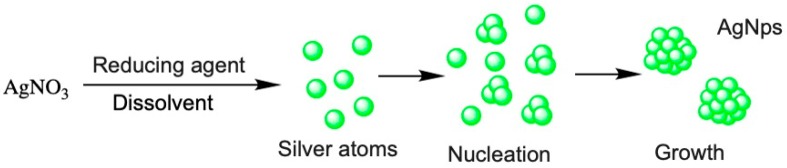
“This mechanism reduces the metal cation to its neutral state, creating a nucleation site for the metal atoms, which in turn forms the nanostructures [5].”
BackgroundLi, Y., Qinging, M. I. A. O., Wang, X., & Jinlu, H. E. (2022) · Atmosphere · doi:10.3390/atmos13071104 · Cited by 9
“Additionally, metal ions have a potential toxicity to human health [12].”
BackgroundLange, A., Sawosz, E., Daniluk, K., Wierzbicki, M., Małolepszy, A., Gołębiewski, M., & Jaworski, S. (2022) · Nanomaterials · doi:10.3390/nano12173058 · Cited by 8
“, silver, copper, copper oxide, zinc oxide) have already been defined as antibacterial with non-specific toxicity, which makes them able to fight pathogens that are listed as a priority [13].”
BackgroundBiocomposites - Recent Advances
Elnashar, M. M. M., & Karakuş, S. (2022) · IntechOpen eBooks · doi:10.5772/intechopen.104003 · Cited by 10
Quintero-Garrido, K. G., Montiel, F. B. R., Chávez-Castillo, M., Reyes‐Vidal, Y., Bácame-Valenzuela, F. J., Padilla‐Vaca, F., Palma‐Tirado, L., Estévez, M., & España‐Sánchez, B. L. (2023) · Mexican Journal of Biotechnology · doi:10.29267/mxjb.2023.8.1.1 · Cited by 7
Nanotechnological Applications in Dermocosmetics
Salas, M. F. R., Porras, P. C., Vargas, M. J. C., Molina, J. A. P., Rojas, M. C., & Redondo, G. M. (2023) · European Journal of Pharmaceutical Research · doi:10.24018/ejpharma.2023.3.1.38 · Cited by 7
do Nascimento, M. V. B., Nobre, F. X., Pessoa, W. A. G., Gurgel, R. S., Albuquerque, P. M., Mendes, O. C., & Manzato, L. (2023) · Nano-Structures & Nano-Objects · doi:10.1016/j.nanoso.2023.100958 · Cited by 8
Phyto-fabricated Metal Oxide Nanoparticles as Promising Antibacterial Agents
Bogala, M. R. (2021) · Springer eBooks · doi:10.1007/978-3-030-67223-2_13 · Cited by 9
Marcelino-Pérez, G., Ruíz‐Medrano, R., Gallardo-Hernández, S., & Xoconostle‐Cázares, B. (2021) · Nanomaterials · doi:10.3390/nano11082144 · Cited by 9
Green Synthesis of MnO2 NPs Using Blumea lacera Leaf Extract and its Antimicrobial Study
Morbale, S. T., & Patil, S. D. (2022) · Nanoscience & Nanotechnology-Asia · doi:10.2174/2210681212666220314101520 · Cited by 7
(2021) · Biointerface Research in Applied Chemistry · doi:10.33263/briac116.1493514955 · Cited by 8
Ponnuvel, S., Sankar, S., & Ponnuraj, K. (2020) · Microbial Pathogenesis · doi:10.1016/j.micpath.2020.104239 · Cited by 8
Tie, L., Răileanu, M., Bacalum, M., Codiţă, I., Negrea, Ș. M., Caracoti, C. Ș., Drăgulescu, E.-C., Campu, A., Aştilean, S., & Focşan, M. (2020) · Molecules · doi:10.3390/molecules25143182 · Cited by 7
“The gold nanoparticles, as antimicrobial nanomaterials, are used herein due to their many advantages, such as: (i) small size and high surface area; (ii) large contact area with bacteria, allowing the destruction of its permeability; (iii) reduced probability of different bacteria to develop drug-resistance to them, a…”
BackgroundFayed, R. M., Baka, Z. A. M., & El‐Zahed, M. M. (2024) · Scientific Journal for Damietta Faculty of Science/Scientific Journal for Damietta Faculty of Science · doi:10.21608/sjdfs.2025.332686.1193 · Cited by 6
Nanotechnology-Assisted Bioremediation: A Multidisciplinary Approach to Environmental Restoration
Sahu, A., Manyapu, V., Paliya, S., & Mandpe, A. (2025) · Environmental science and engineering · doi:10.1007/978-3-031-76886-6_17 · Cited by 6
Green synthesis of antimicrobial nanotechnology using flavonoids: a systematic review
Júnior, C. C. S., Santos, A. M., Oliveira, A. M. S., Júnior, J. A. C. N., Picot, L., Frank, L. A., Menezes, P. D. P., Alves, I. A., & Serafini, M. R. (2025) · Journal of Microencapsulation · doi:10.1080/02652048.2025.2487033 · Cited by 7
“…and indiscriminate use, which may impose significant selective pressure on microorganisms, fostering the development of resistant strains (Sánchez-lópez et al. 2020, crisan et al. 2021). the interaction of NPs with the microbial environment can induce adaptive responses in pathogens,…”
Khalif, O. I., & Al-Kalifawi, E. J. (2025) · Cureus · doi:10.7759/cureus.83506 · Cited by 12
“Metal-based NPs such as silver, titanium dioxide, and zinc oxide (ZnO) are particularly valued for their biocompatibility, chemical stability, and antimicrobial properties, making them essential in medicine, cosmetics, and electronics [12].”
Gupta, K., Chauhan, S., Singh, D. V., Alvarez‐Montaño, V. E., Thakur, O. P., Kumar, S., Dhiman, R., Herrera, O. R., Kumar, M., & Sharma, S. (2025) · Materials Letters · doi:10.1016/j.matlet.2025.138912 · Cited by 6
Yahya, H. S. A., Hamza, A., Anas, M., Alvi, S. K., Farheen, A., & Alam, M. (2025) · Biosciences Biotechnology Research Asia · doi:10.13005/bbra/3416 · Cited by 8
Antibiotic resistance: The growing threats and potential solutions
Akunne, O. Z., Emmanuel, B. N., Saidu, U. F., Akinnawo, A. S., ADEYEMI, N. A., Egoh, L. C., Muhammad, M. Y., Ade‐adekunle, O. A., Peter, D. A., & Freitas, A. A. (2025) · American Journal of Pharmacotherapy and Pharmaceutical Sciences · doi:10.25259/ajpps_2025_013 · Cited by 11
Abbas, N., Ahmed, S., Ansari, M., Alamri, S. A., & Alfagham, A. T. (2025) · BMC Plant Biology · doi:10.1186/s12870-025-07294-z · Cited by 6
“In the case of fungi, the main components of the cell wall are chitin, glucan, and some proteins [56].”
Radiation-induced synthesis of silver nanocomposites and their antibacterial applications
Liu, W., Fourmy, D., Dragoé, D., Remita, H., & Gref, R. (2025) · Scientific Reports · doi:10.1038/s41598-025-24235-w · Cited by 12
Rawat, S., Tauseef, S. M., Sharma, M., Rautela, A., & Gurav, R. G. (2026) · Desalination and Water Treatment · doi:10.1016/j.dwt.2026.101724 · Cited by 6
Environmental applications of silver nanoparticles: state-of-the-art review and emerging trends
Prajapati, S., Kumar, A., & Singh, R. (2026) · Beilstein Journal of Nanotechnology · doi:10.3762/bjnano.17.49 · Cited by 8
Kadir, N. H. A., Mohammad, M., Alam, M., Torkashvand, M., Silvaragi, T. G. B., & Gururuloo, S. L. (2022) · Elsevier eBooks · doi:10.1016/b978-0-323-85835-9.00025-8 · Cited by 7
Diana, E. J., & Mathew, T. (2023) · Nano-Structures & Nano-Objects · doi:10.1016/j.nanoso.2023.100976 · Cited by 6
Prevention of Fraud with the Values of Suport Approach
Yanuar, F., Yuri, J., Chew, M., & Torsten, P. (2022) · Journal International Dakwah and Communication · doi:10.55849/jidc.v2i2.189 · Cited by 7
Yavari, S., Olaifa, K. W., Shafiee, D., Rasuli, R., & Shafiee, M. (2023) · International Journal of Pharmaceutics · doi:10.1016/j.ijpharm.2023.123528 · Cited by 8
Zhao, D., Jiao, Y., Liu, H., Li, X., Xu, M., Xiao, X., & Haiyan, Z. (2024) · Journal of Materials Science · doi:10.1007/s10853-024-09622-4 · Cited by 6
Wanitpinyo, K., Nanta, K., Chitbanyong, K., Pisutpiched, S., Khantayanuwong, S., Yimlamai, P., Sukyai, P., & Puangsin, B. (2024) · Journal of Coatings Technology and Research · doi:10.1007/s11998-024-00965-w · Cited by 6
“…compounds (such as silver nanoparticles, 21,22 silver-exchanged zeolite, 23 copper nanoparticles, 24 gold nanoparticles, nickel nanoparticles, platinum nanoparticles, and titanium dioxide nanoparticles 25,26 ), have been employed to enhance the antimicrobial properties of packaging containers.”
Michler, N., Hirsch, P., Steinert, C., Fritzsche, G., & Schmelzer, C. E. H. (2024) · Advanced Materials Interfaces · doi:10.1002/admi.202400461 · Cited by 7
Sangwan, P., Kumar, H., Yadav, A., Rani, J., Sudesh, MEENAKSHI, M., & Kumar, R. (2024) · Journal of the Indian Chemical Society · doi:10.1016/j.jics.2024.101457 · Cited by 6
Krishna, D. V., Sankar, M. R., & Reddy, T. N. (2025) · Macromolecular Research · doi:10.1007/s13233-024-00361-8 · Cited by 7
“These include exceptional antibacterial properties, strong biocompatibility, and antioxidant capabilities while being more cost-effective than their counterparts, such as silver, gold, and titanium nanoparticles [31].”
Le, P. H., Huynh, T. P., Chu, T.-P., Nguy, L. T., Uyen, N. N., & Vinh, T. C. M. (2025) · Nanoscale Advances · doi:10.1039/d4na00997e · Cited by 7
Fusarium Head Blight management with nanotechnology: Advances and future prospects
Alikarami, M., & Saremi, H. (2025) · Physiological and Molecular Plant Pathology · doi:10.1016/j.pmpp.2025.102782 · Cited by 6
Antibacterial Screening of Gunnera perpensa-Mediated Silver Nanoparticles
Patel, N., Kasumbwe, K., & Mohanlall, V. (2020) · Journal of Nanotechnology · doi:10.1155/2020/4508543 · Cited by 21
Biosynthesis of Nanoparticles by Microorganisms and Applications in Plant Stress Control
Ramadan, K. M. A., & EL-BELTAGI, H. S. (2021) · Springer eBooks · doi:10.1007/978-3-030-66587-6_12 · Cited by 6
Abbas, R. H., Kadhim, A., & Haleem, A. M. (2022) · JOURNAL OF RENEWABLE MATERIALS · doi:10.32604/jrm.2023.025112 · Cited by 6
Engineering antimicrobial surfaces by harnessing polymeric nanoassemblies
Ikkene, D., Eggenberger, O. M., Schoenenberger, C., & Palivan, C. G. (2023) · Current Opinion in Colloid & Interface Science · doi:10.1016/j.cocis.2023.101706 · Cited by 6
Shrivastava, A., Sharma, D., Inwati, G. K., Kumar, A., & Nighojkar, A. (2023) · Nano-Structures & Nano-Objects · doi:10.1016/j.nanoso.2023.101004 · Cited by 7
Doddapaneni, V. V. K., Chang, A., Jun, H. Y., Choi, C., Feng, Z., & Chang, C. (2023) · CrystEngComm · doi:10.1039/d3ce00520h · Cited by 6
Bharti, S., Nag, P., Sadani, K., Mukherji, S., & Mukherji, S. (2023) · Springer eBooks · doi:10.1007/978-3-031-49933-3_5 · Cited by 7
Maniah, K. (2023) · Journal of Environmental Science and Health Part A · doi:10.1080/10934529.2024.2315922 · Cited by 6
“[71] previous investigated the impact of particle size of ZnO NPs on the survivability of C. albican s.”
BackgroundRole of nanotechnology in mastitis treatment for dairy cows: a mini review
Prakash, V., Rathaur, A., Rai, D. C., & Singh, S. J. (2023) · Letters In Animal Biology · doi:10.62310/liab.v2i2.95 · Cited by 6
Magnetic Nanoparticles Produced by Pulsed Laser Ablation of Thin Cobalt Films in Water
Dzhun, I. O., Nesterov, V. Y., Shuleiko, D. V., Zabotnov, S. V., Presnov, D. E., Alekhina, Y. A., Александровна, К. Е., Perov, N. S., & Chechenin, N. G. (2024) · Bulletin of the Russian Academy of Sciences Physics · doi:10.1134/s1062873823706281 · Cited by 6
Li, L., Liu, H., Wang, R., Li, Q. F., Zhang, L., Liu, Z., & Jiao, T. (2024) · Colloids and Surfaces A Physicochemical and Engineering Aspects · doi:10.1016/j.colsurfa.2024.134077 · Cited by 6
Nanoparticles. Potential for Use to Prevent Infections
Filipović, N., Tomić, N., Kuzmanović, M., & Stevanović, M. M. (2022) · Springer eBooks · doi:10.1007/978-3-031-04484-7_26 · Cited by 6
Sensing, Antimicrobial and Photothermal Activity of Ultra-Stable Colloidal Copper Nanoparticles
Rugmini, R., Sathyan, A., Sivaraman, R. K., Sugumaran, S., Kamakshi, K., & Sekhar, K. C. (2022) · Plasmonics · doi:10.1007/s11468-022-01742-4 · Cited by 6
Copper-based nanostructures: Antimicrobial properties against agri-food pathogens
Rajwade, J. M., Chikte, R. C., Singh, N., & Paknikar, K. M. (2022) · Elsevier eBooks · doi:10.1016/b978-0-12-823833-2.00031-3 · Cited by 6
Effect of Cerium Doping on the Textural, Structural and Antibacterial Properties of Zinc Oxide
Zhang, X., Li, M., Li, L., Hu, L., & Li, S. (2021) · Russian Journal of Inorganic Chemistry · doi:10.1134/s0036023621140084 · Cited by 6
[Relationship of putative periodontopathogenic bacteria and drug-induced gingival overgrowth].
Gong, Y., Cao, L., Yang, Y., & Gu, Z.-Y. (2008) · PubMed · Cited by 9
Sharma, A., Prakash, J., & Ghosh, K. S. (2025) · Applied Research · doi:10.1002/appl.70043 · Cited by 5
Metadata
- Authors
- Sánchez-López, E., Gomes, D., Esteruelas, G., Bonilla, L., Lopez-Machado, A. L., Galindo, R., Cano, A., Espina, M., Ettcheto, M., Camins, A., Silva, A. M., Durazzo, A., Santini, A., Garcia, M. L., & Souto, E. B.
- Affiliations
- Department of Pharmacy, Pharmaceutical Technology and Physical Chemistry, Faculty of Pharmacy, University of Barcelona, 08028 Barcelona, Spain
- University of Coimbra (PT)
- Universitat de Barcelona (ES)
- Institut de Nanociència i Nanotecnologia de la Universitat de Barcelona (ES)
- Instituto de Salud Carlos III (ES)
- University of Trás-os-Montes and Alto Douro (PT)
- Consiglio per la ricerca in agricoltura e l’analisi dell’economia agraria (IT)
- University of Naples Federico II (IT)
- Corresponding author
- Souto, Eliana B.
- ORCID
- Venue
- Nanomaterials
- Publisher
- MDPI AG
- Published
- 2020-02-09
- Volume
- 10
- Issue
- 2
- Pages
- 292
- ISSN
- 2079-4991 (ISSN-L)
- PMC
- PMC7075170
- OpenAlex
- W3005269120
- Semantic Scholar
- d26e02375a9fc651603564d60fbcb732cd1345f8
- Cited by
- 1,474
- References
- 197
- Citations by year
- 2026: 140 · 2025: 246 · 2024: 268 · 2023: 280 · 2022: 250 · 2021: 198 · 2020: 90
- FWCI
- 10.55
- Type
- journal article
- Language
- en
- Open access
- gold
- dx.doi.org
- Licence
- Locations
- Nanomaterials (publishedVersion, cc-by)
- Europe PMC (PubMed Central) (publishedVersion, cc-by)
- PubMed Central (publishedVersion, cc-by)
- PubMed (publishedVersion)
- Portuguese National Funding Agency for Science, Research and Technology (RCAAP Project by FCT) (submittedVersion, cc-by)
- Dipòsit Digital de la Universitat de Barcelona (Universitat de Barcelona) (submittedVersion, cc-by)
- DOAJ (DOAJ: Directory of Open Access Journals) (submittedVersion, cc-by-sa)
- Portuguese National Funding Agency for Science, Research and Technology (RCAAP Project by FCT) (submittedVersion, other-oa)
- Portuguese National Funding Agency for Science, Research and Technology (RCAAP Project by FCT) (submittedVersion, cc-by-nc-nd)
- Funders
- M-ERA-NET-0004/2015-PAIRED (Portuguese Science and Technology Foundation (FCT/MCT) and European Funds (PRODER/COMPETE))
- Institute of Nanoscience and Nanotechnology (ART2018 project) (2017SGR-1477)
- Topics
- Physical Sciences › Materials Science › Materials Chemistry › Nanoparticles: synthesis and applications
- Life Sciences › Immunology and Microbiology › Applied Microbiology and Biotechnology › Antimicrobial agents and applications
- Physical Sciences › Materials Science › Electronic, Optical and Magnetic Materials › Gold and Silver Nanoparticles Synthesis and Applications
- Keywords
- metal-based nanoparticles, antimicrobial agents, silver nanoparticles, gold nanoparticles, zinc oxide nanoparticles, copper nanoparticles, copper oxide nanoparticles, antibacterial mechanism, physicochemical characterization, pharmacokinetics, nanoparticle toxicity, antibiotic alternatives
About these checks
Registry, retraction, Cites and statistics results are computed, not judged, with one exception: a printed reference that no index lists is read once by a model before it counts as a citation error. Claims are extracted by a model and kept only when their quote appears verbatim in the text; each cited source is then checked, with a model’s help, for whether it says what the claim relies on. Those verdicts can be wrong — read the claim’s quote and the cited source before relying on one.
Statistics and arithmetic are recomputed, not judged.
Confidence bands are shown only for fields calibrated on our annotated test set. None is calibrated yet, so no band is shown.
What counts as a claim ›How we measure confidence ›How we check this ›
Are you an author, or do you see a problem with this page? Request a review
Data sources
Bibliographic data: Semantic Scholar, OpenAlex, Crossref.
Contains information from the Semantic Scholar Academic Graph Datasets, made available under the ODC Attribution License (ODC-BY 1.0).
Semantic Scholar’s data is described in: Kinney, R., et al. (2023). The Semantic Scholar Open Data Platform. arXiv:2301.10140.
