

Metal-Based Nanoparticles as Antimicrobial Agents: An Overview
Open accessThe DOI matches its Crossref record; 194 of the 197 references it cites were found in a registry or an index.
Abstract
Metal-based nanoparticles have been extensively investigated for a set of biomedical applications. According to the World Health Organization, in addition to their reduced size and selectivity for bacteria, metal-based nanoparticles have also proved to be effective against pathogens listed as a priority. Metal-based nanoparticles are known to have non-specific bacterial toxicity mechanisms (they do not bind to a specific receptor in the bacterial cell) which not only makes the development of resistance by bacteria difficult, but also broadens the spectrum of antibacterial activity. As a result, a large majority of metal-based nanoparticles efficacy studies performed so far have shown promising results in both Gram-positive and Gram-negative bacteria. The aim of this review has been a comprehensive discussion of the state of the art on the use of the most relevant types of metal nanoparticles employed as antimicrobial agents. A special emphasis to silver nanoparticles is given, while others (e.g., gold, zinc oxide, copper, and copper oxide nanoparticles) commonly used in antibiotherapy are also reviewed. The novelty of this review relies on the comparative discussion of the different types of metal nanoparticles, their production methods, physicochemical characterization, and pharmacokinetics together with the toxicological risk encountered with the use of different types of nanoparticles as antimicrobial agents. Their added-value in the development of alternative, more effective antibiotics against multi-resistant Gram-negative bacteria has been highlighted.
Overview
The claims and statistics of this paper haven’t been checked yet.
Free: it reads the open-access text and checks the first 5 claims that cite a source we can check. Create a free account to check every claim.
Integrity signals
Registry
Cites
Statistics
Figures
Verification
Claims the paper makes
The claims and statistics of this paper haven’t been checked yet.
Free: it reads the open-access text and checks the first 5 claims that cite a source we can check. Create a free account to check every claim.
Claims other papers make about this one
Each is checked against this paper’s own text: does it say what the citing paper says it does?
The source backs part of the claim, not all of it — or backs it for a different population, condition or comparison.
In the citing paper
“The bactericidal property of TiO 2 NPs depends on their size, stability, and concentration added to the growth medium, which provides greater retention time for bacterium NP interaction, allowing them to interact closely with microbial membranes [23,24].”
From Antibacterial Activity of TiO2 Nanoparticles Prepared by One-Step Laser Ablation in Liquid (2021) · cites this paper as [23]
Experimental — accuracy not yet measuredIn the citing paper
“Polymeric hydrogels containing silver nanoparticles (AgNPs) have attracted great attention for a set of applications in the biomedical field, attributed to the antimicrobial and healing properties of silver [11,12].”
From Silver Nanoparticles-Composing Alginate/Gelatine Hydrogel Improves Wound Healing In Vivo (2020) · cites this paper as [12]
Self-check
Percentages, sums and reported differences re-computed from the paper’s own numbers.
The self-check needs the paper’s full text.
Citations
Cites
Review on Zinc Oxide Nanoparticles: Antibacterial Activity and Toxicity Mechanism
Sirelkhatim, A., Mahmud, S., Seeni, A., Kaus, N. H. M., Ann, L. C., Bakhori, S. K. M., Hasan, H., & Mohamad, D. (2015) · Nano-Micro Letters · doi:10.1007/s40820-015-0040-x · Cited by 4,586 · cited 1×
“Several authors have used ZnONPs as antimicrobial agents either as ZnO alone or in combination with drugs [161].”
BackgroundThe antimicrobial activity of nanoparticles: present situation and prospects for the future
Wang, L., Hu, C., & Shao, L. (2017) · International Journal of Nanomedicine · doi:10.2147/ijn.s121956 · Cited by 4,062 · cited 2×
“Since the main toxicological effect induced by antimicrobial compounds in bacteria occurs by direct contact with the cell surface, it is important to understand the differences between the cell wall of Gram-positive and Gram-negative bacteria [12].”
BackgroundZhang, X.-F., Liu, Z.-G., Shen, W., & Gurunathan, S. (2016) · International Journal of Molecular Sciences · doi:10.3390/ijms17091534 · Cited by 3,220 · cited 3×
“AgNPs demonstrated to be antiangiogenic and antiproliferative [59].”
BackgroundInfluentialAhmed, S., Ahmad, M., Swami, B. L., & Ikram, S. (2016) · Journal of Advanced Research · doi:10.1016/j.jare.2015.02.007 · Cited by 3,028 · cited 2×
“Synthesis of AgNPs using plant extracts is based on their relatively high levels of steroids, sapogenins, carbohydrates, and flavonoids, that act as reducing agents, as well as bio-capping compounds reducing agglomeration of nanoparticles and allowing a better size control [73].”
BackgroundMechanisms of Antibiotic Resistance
Munita, J. M., & Arias, C. A. (2016) · Microbiology Spectrum · doi:10.1128/microbiolspec.vmbf-0016-2015 · Cited by 2,782
Metal nanoparticles: understanding the mechanisms behind antibacterial activity
Slavin, Y. N., Asnis, J., Häfeli, U. O., & Bach, H. (2017) · Journal of Nanobiotechnology · doi:10.1186/s12951-017-0308-z · Cited by 2,571 · cited 3×
“Both Gram-positive and Gram-negative bacteria have a negatively charged surface [11].”
BackgroundAntibiotic resistance: a rundown of a global crisis
Aslam, B., Wang, W., Arshad, M. I., Khurshid, M., Muzammil, S., Rasool, M. H., Nisar, M. A., Alvi, R. F., Aslam, M. A., Qamar, M. U., et al. (2018) · Infection and Drug Resistance · doi:10.2147/idr.s173867 · Cited by 2,552 · cited 3×
“Besides the genetic mutations in the microorganism, bacterial resistance can result from the exchange of genetic material among bacteria or phages by: (i) DNA transformation, which is the uptake and incorporation of a DNA fragment; or by (ii) transduction or transfer of bacterial genes through a virus and conjugation,…”
BackgroundZinc oxide—from synthesis to application: a review
Kołodziejczak-Radzimska, A., & Jesionowski, T. (2014) · Materials · doi:10.3390/ma7042833 · Cited by 2,475 · cited 1×
“Therefore, ZnONPs are used in the preparation of sun creams in combination of TiO2, acting as a successful UV blocker [168].”
BackgroundMechanistic Basis of Antimicrobial Actions of Silver Nanoparticles
Dakal, T. C., Kumar, A., Majumdar, R. S., & Yadav, V. (2016) · Frontiers in Microbiology · doi:10.3389/fmicb.2016.01831 · Cited by 2,135 · cited 2×
“The antimicrobial action of AgNPs is linked to four main mechanisms: (i) attraction to bacterial surface, (ii) destabilization of bacterial cell wall and membrane with change in its permeability, (iii) induction of toxicity and oxidative stress by generation of ROS and free radicals, and (iv) modulation of signal tran…”
BackgroundNanosilver: A nanoproduct in medical application
Chen, X., & Schluesener, H. J. (2008) · Toxicology Letters · doi:10.1016/j.toxlet.2007.10.004 · Cited by 1,888 · cited 1×
“Nowadays, dressings impregnated with AgNO3 can be found [57].”
Background
Research works printed but not linked: 4
- Dugassa J. Shukuri N. Antibiotic resistance and its mechanism of Development J. Heal. Med. Nurs. 2017 1 1 17
- Cardoso P. Nanopartículas de plata: Obtención, utilización como antimicrobiano e impacto en el área de la salud Rev. Hosp. Niños 2016 58 19 28
- Mirhosseini M. Synergistic antibacterial effect of metal oxide nanoparticles and ultrasound stimulation J. Biol. Today’s World 2015 4 138 144
- Singh P. Nanda A. Antimicrobial and antifungal potential of zinc oxide nanoparticles in comparison to conventional zinc oxide particles J. Chem. Pharm. Res. 2013 5 457 463
Cited by
Items 101–200 of 1,000
Shahalaei, M., Azad, A. K., Sulaiman, W. M. A. W., Derakhshani, A., Mofakham, E. B., Mallandrich, M., Kumarasamy, V., & Subramaniyan, V. (2024) · Frontiers in Chemistry · doi:10.3389/fchem.2024.1398979 · Cited by 122
Emmanuel, S. S., Adesibikan, A. A., Saliu, O. D., & Opatola, E. A. (2023) · Plant Nano Biology · doi:10.1016/j.plana.2023.100024 · Cited by 110
Synthesis and Antimicrobial Applications of ZnO Nanostructures: A Review
Izzi, M., Sportelli, M. C., Torsi, L., Picca, R. A., & Cioffi, N. (2023) · ACS Applied Nano Materials · doi:10.1021/acsanm.3c01432 · Cited by 115
Thambirajoo, M., Maarof, M., Lokanathan, Y., Katas, H., Ghazalli, N. F., Tabata, Y., & Fauzi, M. B. (2021) · Antibiotics · doi:10.3390/antibiotics10111338 · Cited by 107
“Gradually, after prolonged exposure to antibiotics, microbes are able to mutate their genetic material or modify the antimicrobial agents to escape the effects of these drugs and, at the same time, disable the therapeutic functions of the drugs [36].”
BackgroundBiodegradable Polymers and Polymer Composites with Antibacterial Properties
Smola-Dmochowska, A., Lewicka, K., Macyk, A., Rychter, P., Pamuła, E., & Dobrzyński, P. (2023) · International Journal of Molecular Sciences · doi:10.3390/ijms24087473 · Cited by 105
A Comprehensive Review of Silver and Gold Nanoparticles as Effective Antibacterial Agents
Aguilar-Garay, R., Lara-Ortiz, L. F., Campos-López, M., González-Rodriguez, D. E., Gamboa-Lugo, M. M., Mendoza-Pérez, J. A., Anzueto-Ríos, Á., & Nicolas, D. (2024) · Pharmaceuticals · doi:10.3390/ph17091134 · Cited by 114
“The specific cell wall characteristics of bacteria, which vary significantly between Gram(+/ − ) strains, influence their susceptibility to metal NPs [74,75].”
BackgroundCatechol-Based Antimicrobial Polymers
Razaviamri, S., Wang, K., Liu, B., & Lee, B. P. (2021) · Molecules · doi:10.3390/molecules26030559 · Cited by 109
“There are several categories of antimicrobial polymers, which include cationic polymers [12,13], polymers that mimic natural peptides [14–17], halogenated polymers [15,18], and polymers containing metal ions or nanoparticles (NPs) [19].”
BackgroundGold Nanoparticles Synthesis and Antimicrobial Effect on Fibrous Materials
Mehravani, B., Ribeiro, A. I., & Zille, A. (2021) · Nanomaterials · doi:10.3390/nano11051067 · Cited by 95
“Gold ions can form strong coordination bonds with N, O, or S atoms, which promote a broad-spectrum activity [118].”
BackgroundTortella, G., Rubilar, O., Fincheira, P., Pieretti, J. C., Durán, P., Lourenço, I. M., & Seabra, A. B. (2021) · Antibiotics · doi:10.3390/antibiotics10070783 · Cited by 97
“Among them, metal-based nanoparticles such as silver (AgNPs), copper or copper oxides (CuNPs or CuO-NPs), iron oxide (FeO-NPs), gold (AuNPs), zinc oxide (ZnO-NPs), and titanium oxide (TiO2-NPs) have received particular attention due to their impact in human health including several applications as antimicrobial agents…”
BackgroundInfluence of Physicochemical Properties of Iron Oxide Nanoparticles on Their Antibacterial Activity
Shoudho, K. N., Uddin, S., Rumon, M. M. H., & Shakil, M. S. (2024) · ACS Omega · doi:10.1021/acsomega.4c02822 · Cited by 107
Emerging nanomaterials for antibacterial textile fabrication
Andra, S., Balu, S. K., Jeevanandam, J., & Muthalagu, M. (2021) · Naunyn-Schmiedeberg s Archives of Pharmacology · doi:10.1007/s00210-021-02064-8 · Cited by 102
Pedroso‐Santana, S., & Fleitas‐Salazar, N. (2022) · Particle & Particle Systems Characterization · doi:10.1002/ppsc.202200146 · Cited by 105
Adeniji, O. O., Nontongana, N., Okoh, J. C., & Okoh, A. I. (2022) · International Journal of Molecular Sciences · doi:10.3390/ijms232315038 · Cited by 101
Li, L., Gao, X., Li, M., Liu, Y., Ma, J., Wang, X., Yu, Z., Cheng, W., Zhang, W., Sun, H., et al. (2024) · Frontiers in Cellular and Infection Microbiology · doi:10.3389/fcimb.2024.1324895 · Cited by 109
Antimicrobial Activity of Se-Nanoparticles from Bacterial Biotransformation
Escobar-Ramírez, M. C., Ovando, A. C., Pérez-Escalante, E., Rodríguez-Serrano, G. M., Ramírez‐Moreno, E., Lira, A. Q., Contreras‐López, E., Añorve‐Morga, J., Ordaz, J. J., & González-Olivares, L. G. (2021) · Fermentation · doi:10.3390/fermentation7030130 · Cited by 102
“For example, both Gram-positive and Gram-negative bacteria have a negatively charged surface [130–133], which could attract positively charged nanoparticles [32].”
BackgroundInfluentialMackuľak, T., Cverenkárová, K., Staňová, A. V., Fehér, M., Tamáš, M., Škulcová, A., Gál, M., Naumowicz, M., Špalková, V., & Bírošová, L. (2021) · Antibiotics · doi:10.3390/antibiotics10091070 · Cited by 94
“New technologies use various nanomaterials based on carbon, titanium, silver, or gold with antibacterial activity [5].”
BackgroundBarman, J., Tirkey, A., Batra, S., Paul, A. A., Panda, K., Deka, R., & Babu, P. J. (2022) · Materials Today Communications · doi:10.1016/j.mtcomm.2022.104055 · Cited by 108
Cano, A. C., Ettcheto, M., Espina, M., López-Machado, A., Cajal, Y., Rabanal, F., Sánchez‐López, E., Camins, A., García, M. L., & Souto, E. B. (2020) · Journal of Nanobiotechnology · doi:10.1186/s12951-020-00714-2 · Cited by 103
Self-citationGautam, S., DAS, D. K., Kaur, J., Kumar, A., Ubaidullah, M., Hasan, M., Yadav, K. K., & Gupta, R. K. (2023) · Discover Nano · doi:10.1186/s11671-023-03861-1 · Cited by 103
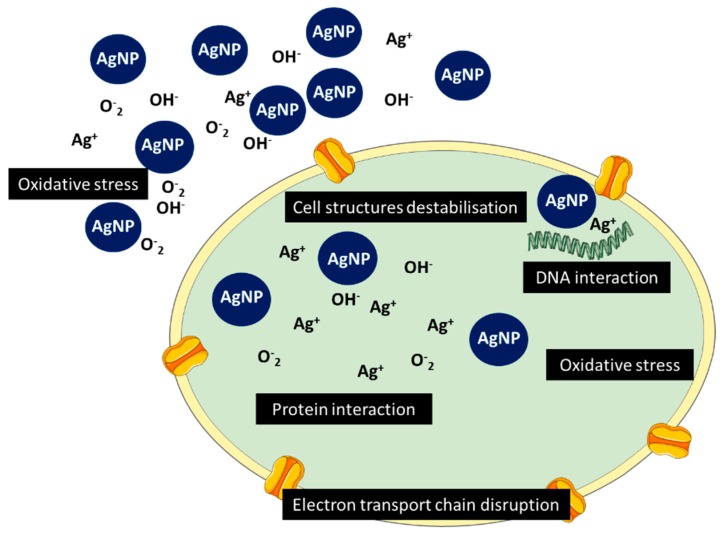
“2 a Illustration of antimicrobial activity of Ag NPs mechanism [40].”
BackgroundEnvironmental effects and interaction of nanoparticles on beneficial soil and aquatic microorganisms
Vinayagam, Y., Shanmugam, V., Rameshpathy, M., Venkatraman, G., Ramanathan, G., Garalleh, H. A., Hashmi, A., Brindhadevi, K., & Rajeswari, V. D. (2023) · Environmental Research · doi:10.1016/j.envres.2023.116776 · Cited by 98
Dhanker, R., Hussain, T., Tyagi, P., Singh, K. J., & Kamble, S. S. (2021) · Frontiers in Microbiology · doi:10.3389/fmicb.2021.638003 · Cited by 98
Advancements in Antimicrobial Nanoscale Materials and Self-Assembling Systems
Doolan, J. A., Williams, G. T., Hilton, K. L. F., Chaudhari, R., Fossey, J. S., Goult, B. T., & Hiscock, J. R. (2022) · Chemical Society Reviews · doi:10.1039/d1cs00915j · Cited by 90
Chakansin, C., Yostaworakul, J., Warin, C., Kulthong, K., & Boonrungsiman, S. (2021) · Analytical Biochemistry · doi:10.1016/j.ab.2021.114449 · Cited by 106
Shariati, A., Noei, M., Askarinia, M., Khoshbayan, A., Farahani, A. S., & Chegini, Z. (2024) · Frontiers in Pharmacology · doi:10.3389/fphar.2024.1350391 · Cited by 103
“ROS can interact with crucial molecular constituents of cells, such as DNA, membrane components, lipids, and proteins, resulting in a retardation of growth and ultimately the demise of the cell (Sánchez-López et al., 2020; Ghasemi et al., 2021).”
BackgroundAdvances in Facemasks during the COVID-19 Pandemic Era
Karmacharya, M., Kumar, S., Gulenko, O., & Cho, Y. (2021) · ACS Applied Bio Materials · doi:10.1021/acsabm.0c01329 · Cited by 93
Alangari, A., Alqahtani, M. S., Mateen, A., Kalam, M. A., Alshememry, A. K., Ali, R., Kazi, M., AlGhamdi, K. M., & Syed, R. (2022) · Adsorption Science & Technology · doi:10.1155/2022/1562051 · Cited by 88
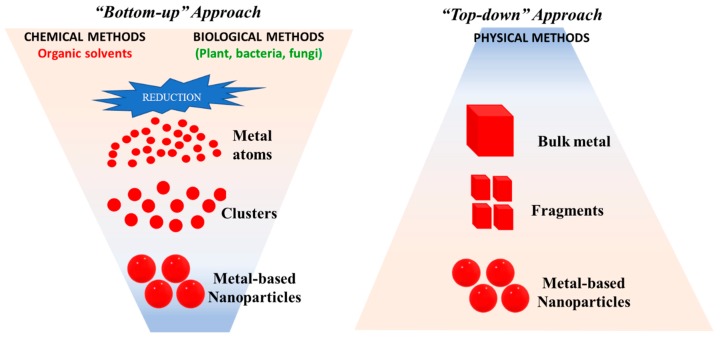
“There are many methods for synthesis of metal and metal oxide NPs including the physical method top-down approach, the thermolysis method, chemical reduction, biochemical, electrochemical, wave-assisted, cementation, and biological methods each having its own set of proven application [21].”
RetractedLizundia, E., Armentano, I., Luzi, F., Bertoglio, F., Restivo, E., Visai, L., Torre, L., & Puglia, D. (2020) · ACS Applied Bio Materials · doi:10.1021/acsabm.0c00637 · Cited by 92
González-Ballesteros, N., Rodríguez-Argüelles, M. C., Lastra, M., González-Mediero, G., Rey‐Cao, S., Grimaldi, M., Cavazza, A., & Bigi, F. (2020) · Journal of nanostructure in chemistry · doi:10.1007/s40097-020-00352-y · Cited by 93
Selenium Nanomaterials to Combat Antimicrobial Resistance
Truong, L. B., Medina-Cruz, D., Mostafavi, E., & Rabiee, N. (2021) · Molecules · doi:10.3390/molecules26123611 · Cited by 101
Ag-Based Synergistic Antimicrobial Composites. A Critical Review
Kukushkina, E. A., Hossain, S. I., Sportelli, M. C., Ditaranto, N., Picca, R. A., & Cioffi, N. (2021) · Nanomaterials · doi:10.3390/nano11071687 · Cited by 99
“Production of ROS in close proximity with bacteria and inside of them causes oxidative stress; interaction of ilver species with DNA and proteins disrupts the life cycle and leads to cell apoptosis (Figure 3a) [30,101].”
BackgroundInfluentialRaja, F. N. S., Worthington, T., & Martin, R. A. (2023) · Biomedical Materials · doi:10.1088/1748-605x/acd03f · Cited by 99
“For instance, silver nanoparticles have gained particular attention due to their application as antimicrobial coating for devices [8].”
BackgroundRamburrun, P., Khan, R. A., & Choonara, Y. E. (2022) · Nanotechnology Reviews · doi:10.1515/ntrev-2022-0106 · Cited by 91
Review of the untapped potentials of antimicrobial materials in the construction sector
Kirthika, S. K., Goel, G., Matthews, A., & Goel, S. (2022) · Progress in Materials Science · doi:10.1016/j.pmatsci.2022.101065 · Cited by 91
Synthesis and Characterization of Various Bimetallic Nanoparticles and Their Application
Dlamini, N. G., Basson, A. K., & Pullabhotla, V. S. R. (2023) · Applied Nano · doi:10.3390/applnano4010001 · Cited by 93
Antibiotic-free combinational hyaluronic acid blend nanofibers for wound healing enhancement
El‐Aassar, M. R., El-Beheri, N. G., Agwa, M. M., Eltaher, H. M., Alseqely, M., Sadik, W. S., & El-Khordagui, L. K. (2020) · International Journal of Biological Macromolecules · doi:10.1016/j.ijbiomac.2020.11.109 · Cited by 87
Photocatalytic nanoparticles – From membrane interactions to antimicrobial and antiviral effects
Parra‐Ortiz, E., & Malmsten, M. (2021) · Advances in Colloid and Interface Science · doi:10.1016/j.cis.2021.102526 · Cited by 92
An Overview of Stimuli-Responsive Intelligent Antibacterial Nanomaterials
Zhang, J., Tang, W., Zhang, X., Song, Z., & Tong, T. (2023) · Pharmaceutics · doi:10.3390/pharmaceutics15082113 · Cited by 87
“Furthermore, some two-dimensional nanomaterials combined with other antimicrobial nanomaterials (such as metal and semiconductor nanoparticles, organic photosensitizers, and antimicrobial polymers) can demonstrate synergistic antimicrobial effects [41,42].”
BackgroundAmiri, M. R., Alavi, M., Taran, M., & Kahrizi, D. (2022) · Journal of Public Health Research · doi:10.1177/22799036221104151 · Cited by 80
Jin, X., Shan, J., Zhao, J., Wang, T., Zhang, W., Yang, S., Qian, H., Cheng, L., Chen, X., & Wang, X. (2023) · Acta Biomaterialia · doi:10.1016/j.actbio.2023.10.028 · Cited by 85
Zhang, W., Taheri-Ledari, R., Ganjali, F., Afruzi, F. H., Hajizadeh, Z., Saeidirad, M., Qazi, F. S., Kashtiaray, A., Sehat, S. S., Hamblin, M. R., et al. (2022) · Heliyon · doi:10.1016/j.heliyon.2022.e09577 · Cited by 79
RetractedRecent Advances in Research on Antibacterial Metals and Alloys as Implant Materials
Jiao, J., Zhang, S., Qu, X., & Yue, B. (2021) · Frontiers in Cellular and Infection Microbiology · doi:10.3389/fcimb.2021.693939 · Cited by 89
“Various coatings loaded with ZnO nanoparticles have been designed to treat IAI and fungal infections (Sirelkhatim et al., 2015; Araujo et al., 2020; Sanchez-Lopez et al., 2020).”
BackgroundAntibacterial effect of cerium oxide nanoparticle against Pseudomonas aeruginosa
Zamani, K., Allah-Bakhshi, N., Akhavan, F., Yousefi, M., Zadeh, R. G., Ramezani, M., Bach, H., Razavi, S., Irajian, G., Gerami, M., et al. (2021) · BMC Biotechnology · doi:10.1186/s12896-021-00727-1 · Cited by 90
“In addition, possible interactions of positivecharged NPs with the negative charge macromolecules on the surface of microorganisms can drive an electrostatic force for absorption of the NPs on the cell surface with a detrimental effect on the survival of the cell [24, 26].”
BackgroundWu, Z., Chan, B., Low, J., Chu, J. J. H., Hey, H. W. D., & Tay, A. K. P. (2022) · Bioactive Materials · doi:10.1016/j.bioactmat.2022.02.014 · Cited by 105
Nanostructured Antibiotics and Their Emerging Medicinal Applications: An Overview of Nanoantibiotics
Modi, S., Inwati, G. K., Gacem, A., Abullais, S. S., Prajapati, R., Yadav, V. K., Syed, R., Alqahtani, M. S., Yadav, K. K., Islam, S., et al. (2022) · Antibiotics · doi:10.3390/antibiotics11060708 · Cited by 86
Jogaiah, S., Günyaktı, A., Mujtaba, M., Archana, Britto, S. D., Nagaraja, G., Belorkar, S. A., & Shetty, H. S. (2025) · Carbohydrate Polymers · doi:10.1016/j.carbpol.2025.123459 · Cited by 86
Thapa, R. K., Diep, D. B., & Tønnesen, H. H. (2021) · Journal of Pharmaceutical Investigation · doi:10.1007/s40005-021-00525-z · Cited by 83
Li, J., Wang, Y., Tang, M., Zhang, C., Fei, Y., Li, M., Li, M., Gui, S., & Guo, J. X. (2024) · Journal of Nanobiotechnology · doi:10.1186/s12951-023-02261-y · Cited by 96
“…include (1) electrostatic interaction with the cell wall [54–56] (2) adsorption of Zn 2 + on bacterial surfaces, altering membrane permeability [57–59] (3) production of ROS to exert antibacterial effects [60, 61], and ZnO nanoparticles thus have enormous potential in periodontitis treatment.”
BackgroundRETRACTED: Recent advances in polymer hydrogel nanoarchitectures and applications
Idumah, C. I., Nwuzor, I. C., & Odera, R. S. (2021) · Current Research in Green and Sustainable Chemistry · doi:10.1016/j.crgsc.2021.100143 · Cited by 78
RetractedKhan, M. F., & Khan, M. A. (2023) · Future Pharmacology · doi:10.3390/futurepharmacol3010018 · Cited by 84
“According to a literature review, due to the high toxicity of Ag ions or Ag-based products against microbes, Ag is the most commonly employed metal for the synthesis of PDMNPs as antibacterial agents [176].”
BackgroundNanomaterials: The New Antimicrobial Magic Bullet
Ndayishimiye, J., Kumeria, T., Popat, A., Falconer, J. R., & Blaskovich, M. A. T. (2022) · ACS Infectious Diseases · doi:10.1021/acsinfecdis.1c00660 · Cited by 81
Tang, Q., Chen, C., Jiang, Y., Huang, J., Liu, Y., Nthumba, P. M., Gu, G., Wu, X., Zhao, Y., & Ren, J. (2020) · Journal of Materials Chemistry B · doi:10.1039/d0tb00726a · Cited by 73
Pragathiswaran, C., Smitha, C., Barabadi, H., Al‐Ansari, M. M., Al-Humaid, L. A., & Saravanan, M. (2020) · Inorganic Chemistry Communications · doi:10.1016/j.inoche.2020.108210 · Cited by 79
Jeon, Y., Nagappan, S., Li, X., Lee, J., Shi, L., Yuan, S., Lee, W., & Ha, C. (2021) · ACS Applied Materials & Interfaces · doi:10.1021/acsami.0c20401 · Cited by 77
Sridhar, K., Inbaraj, B. S., & Chen, B. (2021) · Antioxidants · doi:10.3390/antiox10050713 · Cited by 74
Wahab, A. H., Munir, A., Saleem, M. H., Abdulraheem, M. I., Aziz, H., Mfarrej, M. F. B., & Abdi, G. (2023) · Journal of Plant Growth Regulation · doi:10.1007/s00344-023-10972-7 · Cited by 79
Delivery of antibacterial agents for wound healing applications using polysaccharide-based scaffolds
Nosrati, H., Heydari, M., Tootiaei, Z., Ganjbar, S., & Khodaei, M. (2023) · Journal of Drug Delivery Science and Technology · doi:10.1016/j.jddst.2023.104516 · Cited by 55
Santos, T. S., Aragão, T. M. S., Cardoso, J. C., Júnior, R. L. C. D. A., Zielińska, A., Souto, E. B., Severino, P. B., & Mendonça, M. D. C. (2021) · Antibiotics · doi:10.3390/antibiotics10070852 · Cited by 80
“Thus, metal and metal-oxide nanoparticles are being studied as materials with high potential for pest control [4,7,8].”
BackgroundSelf-citationAhmadian, Z., Gheybi, H., & Adeli, M. (2022) · Journal of Drug Delivery Science and Technology · doi:10.1016/j.jddst.2022.103458 · Cited by 63
Alamier, W. M., Hasan, N., Nawaz, M. S., Ismail, K. S., Shkir, M., Malik, M. A., & Oteef, M. D. Y. (2022) · Journal of Materials Research and Technology · doi:10.1016/j.jmrt.2022.11.181 · Cited by 73
Emerging nanozyme-based multimodal synergistic therapies in combating bacterial infections
Zhang, Y., Hu, X., Shang, J., Shao, W., Jin, L., Quan, C., & Li, J. (2022) · Theranostics · doi:10.7150/thno.73681 · Cited by 78
A review on bio-based polymer polylactic acid potential on sustainable food packaging
Rajendran, D. S., Venkataraman, S., Jha, S. K., Chakrabarty, D., & Vaidyanathan, V. K. (2024) · Food Science and Biotechnology · doi:10.1007/s10068-024-01543-x · Cited by 84
“These nanoparticles also prompt the production of reactive oxygen species inside the cells, disrupting bacterial processes and contributing to their demise (Nisar et al., 2019; Sánchez-López et al., 2020).”
Li, J., Li, J., Chen, Y., Tai, P., Fu, P., Chen, Z., Yap, P., Nie, Z., Lu, K. Q., & He, B. (2024) · ACS Nano · doi:10.1021/acsnano.4c01452 · Cited by 71
El-Kattan, N., Emam, A. N., Mansour, A. S., Ibrahim, M. A., El-Razik, A. B. A., Allam, K. A. M., Riad, N. Y., & Ibrahim, S. A. (2022) · RSC Advances · doi:10.1039/d2ra00231k · Cited by 78
Extracellular vesicles, the emerging mirrors of brain physiopathology
Cano, A. C., Ettcheto, M., Bernuz, M., Puerta, R., Antonio, E. E., Sánchez‐López, E., Souto, E. B., Camins, A., Martí, M., Pividori, M. I., et al. (2023) · International Journal of Biological Sciences · doi:10.7150/ijbs.79063 · Cited by 80
“MPs are powerful and versatile separation and pre-concentration tools used in various analytical and biotechnology applications (58,59).”
Self-citationSaha, T., Mobarak, M. B., Uddin, M. N., Quddus, M. S., Naim, M. R., & Pinky, N. S. (2023) · Materials Chemistry and Physics · doi:10.1016/j.matchemphys.2023.127979 · Cited by 70
Lan, J., Zou, J., He, X., Sun, J., Han, T., Sun, M., & Niu, M. (2025) · Journal of Controlled Release · doi:10.1016/j.jconrel.2025.113589 · Cited by 77
KHALIL, M. A. E. F., Maghraby, G. M. E., Sonbol, F., Allam, N. G., Ateya, P. S., & Ali, S. S. (2021) · Frontiers in Microbiology · doi:10.3389/fmicb.2021.648560 · Cited by 85
Mureed, S., Naz, S., Haider, A., Raza, A., Ul‐Hamid, A., Haider, J., Ikram, M., Ghaffar, R., Irshad, M., Ghaffar, A., et al. (2021) · Nanoscale Research Letters · doi:10.1186/s11671-021-03547-6 · Cited by 71
Multifunctional Eco-Friendly Synthesis of ZnO Nanoparticles in Biomedical Applications
Al-Mohaimeed, A. M., Al-onazi, W. A., & El-Tohamy, M. F. (2022) · Molecules · doi:10.3390/molecules27020579 · Cited by 76
Nano drug delivery in intracellular bacterial infection treatments
Hosseini, S. M., Taheri, M., Nouri, F., Farmani, A., Moez, N. M., & Arabestani, M. R. (2021) · Biomedicine & Pharmacotherapy · doi:10.1016/j.biopha.2021.112609 · Cited by 70
Hatami, M., & Ghorbanpour, M. (2024) · Plant Physiology and Biochemistry · doi:10.1016/j.plaphy.2024.108847 · Cited by 79
Ashokkumar, M., Palanisamy, K., Kumar, A. G., Chinnasamy, M., & Kumar, K. J. S. (2024) · Artificial Cells Nanomedicine and Biotechnology · doi:10.1080/21691401.2024.2399938 · Cited by 79
“Metal-based NPs, in particular, have found wide-ranging utility in the production of cosmetics and textiles [1].”
Yang, F., & Wang, A. (2022) · Applied Clay Science · doi:10.1016/j.clay.2022.106454 · Cited by 73
KHALIL, M. A. E. F., El‐Shanshoury, A. E. R., Alghamdi, M. A., Alsalmi, F. A., Mohamed, S. F., Sun, J., & Ali, S. S. (2022) · Frontiers in Microbiology · doi:10.3389/fmicb.2021.705673 · Cited by 74
Yarahmadi, A., Najafiyan, H., Yousefi, M. H., Khosravi, E., Shabani, E., Afkhami, H., & Aghaei, S. S. (2025) · Frontiers in Cellular and Infection Microbiology · doi:10.3389/fcimb.2025.1493915 · Cited by 84
Liu, J., Li, R. S., He, M., Xu, Z., Xu, L., Kang, Y., & Xue, P. (2021) · Biomaterials · doi:10.1016/j.biomaterials.2021.121084 · Cited by 68
Xing, Z., Guo, J., Wu, Z., He, C., Wang, L., Bai, M., Liu, X., Zhu, B., Guan, Q., & Cheng, C. (2023) · Small · doi:10.1002/smll.202303594 · Cited by 66
Natural antibiotics against antimicrobial resistance: sources and bioinspired delivery systems
Guedes, B. N., Krambeck, K., Durazzo, A., Lucarini, M., Santini, A., Oliveira, M. B. P. P., Fathi, F., & Souto, E. B. (2024) · Brazilian Journal of Microbiology · doi:10.1007/s42770-024-01410-1 · Cited by 83
“…is achieved by disrupting membrane potential and bacterial cells integrity, inhibiting biofilms, promoting the formation of reactive oxygen species (ROS), boosting the immune responses of the host, and inhibiting RNA and protein synthesis through the induction intracellular processes [127, 129].”
BackgroundSelf-citationSingh, P., Ali, S. W., & Kale, R. D. (2023) · ACS Omega · doi:10.1021/acsomega.2c06343 · Cited by 72
Challenges and advances in antimicrobial peptide development
de Oliveira, K. B. S., Leite, M. L., Cunha, V. A., da Cunha, N. B., & Franco, O. L. (2023) · Drug Discovery Today · doi:10.1016/j.drudis.2023.103629 · Cited by 70
Sukri, S. N. A. M., Shameli, K., Teow, S., Chew, J., Ooi, L.-T., Soon, M. L.-K., Ismail, N. A., & Moeini, H. (2023) · Frontiers in Microbiology · doi:10.3389/fmicb.2023.1194292 · Cited by 72
“Therefore, in an effort to address this extremely concerning matter, World Health Organization (WHO) has urged researchers all around the world for the research and development of novel antimicrobial agents, in particular antibacterial drugs (Sánchez-López et al., 2020).”
BackgroundSadeeq, M., Li, Y., Wang, C., Hou, F., Jia, Z., & Xiong, P. (2025) · Frontiers in Cellular and Infection Microbiology · doi:10.3389/fcimb.2025.1528583 · Cited by 69
Csakvari, A. C., Moisă, C., Radu, D., Olariu, L. M., Lupitu, A. I., PANDA, A. O., Pop, G., Chambre, D. R., Socoliuc, V., Copolovici, L. O., et al. (2021) · Molecules · doi:10.3390/molecules26134041 · Cited by 74
Zharkova, M. S., Golubeva, O. Y., Orlov, D. S., Vladimirova, E. V., Dmitriev, A. V., Tossi, A., & Валерьевна, Ш. О. (2021) · Frontiers in Microbiology · doi:10.3389/fmicb.2021.750556 · Cited by 65
“It is extensively used in food preservation and production, cosmetics, and pharmacy (Sava, 1996); for instance, in over-the-counter nasal and throat aerosols and other preparations useful against respiratory infections, as well as creams for treating topical lesions and inflammation.”
BackgroundLiposome/chitosan coating film bioplastic packaging for Litchi fruit preservation
Luo, B., Xuan, S., Wang, X., Ding, K., Jin, P., Zheng, Y., & Wu, Z. (2024) · Food Chemistry · doi:10.1016/j.foodchem.2024.141850 · Cited by 67
Recent advances in nanotherapeutics for the treatment of burn wounds
Huang, R., Hu, J., Qian, W., Chen, L., & Zhang, D. (2021) · Burns & Trauma · doi:10.1093/burnst/tkab026 · Cited by 71
“Au, Ag and ZnO NPs) have been broadly employed to treat burn wounds as well as various other cutaneous infections [42,43], since they possess a broad spectrum of antimicrobial properties.”
Khina, A. G., & Krutyakov, Y. A. (2021) · Applied Biochemistry and Microbiology · doi:10.1134/s0003683821060053 · Cited by 70
Summer, M., Ali, S., Tahir, H. M., Abaidullah, R., Fiaz, U., Mumtaz, S., Fiaz, H., Hassan, A. H., Mughal, T. A., & Farooq, M. A. (2024) · Journal of Inorganic and Organometallic Polymers and Materials · doi:10.1007/s10904-023-02935-y · Cited by 71
Ehsan, M., Waheed, A., Ullah, A., Kazmi, A., Ali, A., Raja, N. I., Mashwani, Z., Sultana, T., Mustafa, N., Ikram, M., et al. (2022) · BioMed Research International · doi:10.1155/2022/1215183 · Cited by 70
“Researchers showed that the combination of silver with zinc oxide forming plantbased nanomaterials increases their antioxidant capacity and their antiproliferative behavior causes the elimination of free radicals [92].”
Omran, B. A., & Baek, K.-H. (2022) · Journal of Cleaner Production · doi:10.1016/j.jclepro.2022.133729 · Cited by 66
Canama, G. J. C., Delco, M. C. L., Talandron, R. A., & Tan, N. P. B. (2023) · ACS Omega · doi:10.1021/acsomega.3c00191 · Cited by 66
Pulit‐Prociak, J., Staroń, A., Staroń, P., Chmielowiec‐Korzeniowska, A., Drabik, A., Tymczyna, L., & Banach, M. (2020) · Journal of Nanobiotechnology · doi:10.1186/s12951-020-00702-6 · Cited by 66
Nanotechnology-Based Dressings for Wound Management
Ataide, J. A., Zanchetta, B., dos Santos, É. M., Fava, A. L. M., Alves, T., Cefali, L. C., Chaud, M. V., Nascimento, L. D. O., Souto, E. B., & Mazzola, P. G. (2022) · Pharmaceuticals · doi:10.3390/ph15101286 · Cited by 66
“Zinc oxi e a articles are f r t eir antibacterial effect [93,105,113], in vitro adhesion bet een cells a tiss es, a r -a i e ic ro erties [95,114,115].”
BackgroundSelf-citationRajeshkumar, S., Parameswari, R. P., Dayalan, S., Al‐Ghanim, K. A., Nicoletti, M., & Govindarajan, M. (2023) · Molecules · doi:10.3390/molecules28062818 · Cited by 75
Recent advances in nanoantibiotics against multidrug-resistant bacteria
Li, M., Liu, Y., Gong, Y., Yan, X., Wang, L., Zheng, W., Ai, H., & Zhao, Y. (2023) · Nanoscale Advances · doi:10.1039/d3na00530e · Cited by 68
Raghuwanshi, V. S., & Garnier, G. (2024) · Advanced Functional Materials · doi:10.1002/adfm.202412869 · Cited by 62
Nanoparticles toxicity: An overview of its mechanism and plausible mitigation strategies
Sharma, N., Kurmi, B. D., Singh, D., Mehan, S., Khanna, K., Karwasra, R., Kumar, S., Chaudhary, A., Jakhmola, V., Sharma, A., et al. (2024) · Journal of Drug Targeting · doi:10.1080/1061186x.2024.2316785 · Cited by 58
Application of antimicrobial properties of copper
Yu, J., Huang, X., Ren, F., Cao, H., Yuan, M., Ye, T., & Xu, F. (2024) · Applied Organometallic Chemistry · doi:10.1002/aoc.7506 · Cited by 64
Nanoparticle-Doped Antibacterial and Antifungal Coatings
Thapliyal, D., Verros, G. D., & Arya, R. K. (2025) · Polymers · doi:10.3390/polym17020247 · Cited by 62
Selected strategies to fight pathogenic bacteria
Plotniece, A., Sobolev, A., Supuran, C. T., Carta, F., Björkling, F., Franzyk, H., Yli‐Kauhaluoma, J. T., Augustyns, K., Cos, P., Vooght, L. D., et al. (2023) · Journal of Enzyme Inhibition and Medicinal Chemistry · doi:10.1080/14756366.2022.2155816 · Cited by 65
Metadata
- Authors
- Sánchez-López, E., Gomes, D., Esteruelas, G., Bonilla, L., Lopez-Machado, A. L., Galindo, R., Cano, A., Espina, M., Ettcheto, M., Camins, A., Silva, A. M., Durazzo, A., Santini, A., Garcia, M. L., & Souto, E. B.
- Affiliations
- Department of Pharmacy, Pharmaceutical Technology and Physical Chemistry, Faculty of Pharmacy, University of Barcelona, 08028 Barcelona, Spain
- University of Coimbra (PT)
- Universitat de Barcelona (ES)
- Institut de Nanociència i Nanotecnologia de la Universitat de Barcelona (ES)
- Instituto de Salud Carlos III (ES)
- University of Trás-os-Montes and Alto Douro (PT)
- Consiglio per la ricerca in agricoltura e l’analisi dell’economia agraria (IT)
- University of Naples Federico II (IT)
- Corresponding author
- Souto, Eliana B.
- ORCID
- Venue
- Nanomaterials
- Publisher
- MDPI AG
- Published
- 2020-02-09
- Volume
- 10
- Issue
- 2
- Pages
- 292
- ISSN
- 2079-4991 (ISSN-L)
- PMC
- PMC7075170
- OpenAlex
- W3005269120
- Semantic Scholar
- d26e02375a9fc651603564d60fbcb732cd1345f8
- Cited by
- 1,474
- References
- 197
- Citations by year
- 2026: 140 · 2025: 246 · 2024: 268 · 2023: 280 · 2022: 250 · 2021: 198 · 2020: 90
- FWCI
- 10.55
- Type
- journal article
- Language
- en
- Open access
- gold
- dx.doi.org
- Licence
- Locations
- Nanomaterials (publishedVersion, cc-by)
- Europe PMC (PubMed Central) (publishedVersion, cc-by)
- PubMed Central (publishedVersion, cc-by)
- PubMed (publishedVersion)
- Portuguese National Funding Agency for Science, Research and Technology (RCAAP Project by FCT) (submittedVersion, cc-by)
- Dipòsit Digital de la Universitat de Barcelona (Universitat de Barcelona) (submittedVersion, cc-by)
- DOAJ (DOAJ: Directory of Open Access Journals) (submittedVersion, cc-by-sa)
- Portuguese National Funding Agency for Science, Research and Technology (RCAAP Project by FCT) (submittedVersion, other-oa)
- Portuguese National Funding Agency for Science, Research and Technology (RCAAP Project by FCT) (submittedVersion, cc-by-nc-nd)
- Funders
- M-ERA-NET-0004/2015-PAIRED (Portuguese Science and Technology Foundation (FCT/MCT) and European Funds (PRODER/COMPETE))
- Institute of Nanoscience and Nanotechnology (ART2018 project) (2017SGR-1477)
- Topics
- Physical Sciences › Materials Science › Materials Chemistry › Nanoparticles: synthesis and applications
- Life Sciences › Immunology and Microbiology › Applied Microbiology and Biotechnology › Antimicrobial agents and applications
- Physical Sciences › Materials Science › Electronic, Optical and Magnetic Materials › Gold and Silver Nanoparticles Synthesis and Applications
- Keywords
- metal-based nanoparticles, antimicrobial agents, silver nanoparticles, gold nanoparticles, zinc oxide nanoparticles, copper nanoparticles, copper oxide nanoparticles, antibacterial mechanism, physicochemical characterization, pharmacokinetics, nanoparticle toxicity, antibiotic alternatives
About these checks
Registry, retraction, Cites and statistics results are computed, not judged, with one exception: a printed reference that no index lists is read once by a model before it counts as a citation error. Claims are extracted by a model and kept only when their quote appears verbatim in the text; each cited source is then checked, with a model’s help, for whether it says what the claim relies on. Those verdicts can be wrong — read the claim’s quote and the cited source before relying on one.
Statistics and arithmetic are recomputed, not judged.
Confidence bands are shown only for fields calibrated on our annotated test set. None is calibrated yet, so no band is shown.
What counts as a claim ›How we measure confidence ›How we check this ›
Are you an author, or do you see a problem with this page? Request a review
Data sources
Bibliographic data: Semantic Scholar, OpenAlex, Crossref.
Contains information from the Semantic Scholar Academic Graph Datasets, made available under the ODC Attribution License (ODC-BY 1.0).
Semantic Scholar’s data is described in: Kinney, R., et al. (2023). The Semantic Scholar Open Data Platform. arXiv:2301.10140.
