

Metal-Based Nanoparticles as Antimicrobial Agents: An Overview
Open accessThe DOI matches its Crossref record; 194 of the 197 references it cites were found in a registry or an index.
Abstract
Metal-based nanoparticles have been extensively investigated for a set of biomedical applications. According to the World Health Organization, in addition to their reduced size and selectivity for bacteria, metal-based nanoparticles have also proved to be effective against pathogens listed as a priority. Metal-based nanoparticles are known to have non-specific bacterial toxicity mechanisms (they do not bind to a specific receptor in the bacterial cell) which not only makes the development of resistance by bacteria difficult, but also broadens the spectrum of antibacterial activity. As a result, a large majority of metal-based nanoparticles efficacy studies performed so far have shown promising results in both Gram-positive and Gram-negative bacteria. The aim of this review has been a comprehensive discussion of the state of the art on the use of the most relevant types of metal nanoparticles employed as antimicrobial agents. A special emphasis to silver nanoparticles is given, while others (e.g., gold, zinc oxide, copper, and copper oxide nanoparticles) commonly used in antibiotherapy are also reviewed. The novelty of this review relies on the comparative discussion of the different types of metal nanoparticles, their production methods, physicochemical characterization, and pharmacokinetics together with the toxicological risk encountered with the use of different types of nanoparticles as antimicrobial agents. Their added-value in the development of alternative, more effective antibiotics against multi-resistant Gram-negative bacteria has been highlighted.
Overview
The claims and statistics of this paper haven’t been checked yet.
Free: it reads the open-access text and checks the first 5 claims that cite a source we can check. Create a free account to check every claim.
Integrity signals
Registry
Cites
Statistics
Figures
Verification
Claims the paper makes
The claims and statistics of this paper haven’t been checked yet.
Free: it reads the open-access text and checks the first 5 claims that cite a source we can check. Create a free account to check every claim.
Claims other papers make about this one
Each is checked against this paper’s own text: does it say what the citing paper says it does?
The source backs part of the claim, not all of it — or backs it for a different population, condition or comparison.
In the citing paper
“The bactericidal property of TiO 2 NPs depends on their size, stability, and concentration added to the growth medium, which provides greater retention time for bacterium NP interaction, allowing them to interact closely with microbial membranes [23,24].”
From Antibacterial Activity of TiO2 Nanoparticles Prepared by One-Step Laser Ablation in Liquid (2021) · cites this paper as [23]
Experimental — accuracy not yet measuredIn the citing paper
“Polymeric hydrogels containing silver nanoparticles (AgNPs) have attracted great attention for a set of applications in the biomedical field, attributed to the antimicrobial and healing properties of silver [11,12].”
From Silver Nanoparticles-Composing Alginate/Gelatine Hydrogel Improves Wound Healing In Vivo (2020) · cites this paper as [12]
Self-check
Percentages, sums and reported differences re-computed from the paper’s own numbers.
The self-check needs the paper’s full text.
Citations
Cites
Review on Zinc Oxide Nanoparticles: Antibacterial Activity and Toxicity Mechanism
Sirelkhatim, A., Mahmud, S., Seeni, A., Kaus, N. H. M., Ann, L. C., Bakhori, S. K. M., Hasan, H., & Mohamad, D. (2015) · Nano-Micro Letters · doi:10.1007/s40820-015-0040-x · Cited by 4,586 · cited 1×
“Several authors have used ZnONPs as antimicrobial agents either as ZnO alone or in combination with drugs [161].”
BackgroundThe antimicrobial activity of nanoparticles: present situation and prospects for the future
Wang, L., Hu, C., & Shao, L. (2017) · International Journal of Nanomedicine · doi:10.2147/ijn.s121956 · Cited by 4,062 · cited 2×
“Since the main toxicological effect induced by antimicrobial compounds in bacteria occurs by direct contact with the cell surface, it is important to understand the differences between the cell wall of Gram-positive and Gram-negative bacteria [12].”
BackgroundZhang, X.-F., Liu, Z.-G., Shen, W., & Gurunathan, S. (2016) · International Journal of Molecular Sciences · doi:10.3390/ijms17091534 · Cited by 3,220 · cited 3×
“AgNPs demonstrated to be antiangiogenic and antiproliferative [59].”
BackgroundInfluentialAhmed, S., Ahmad, M., Swami, B. L., & Ikram, S. (2016) · Journal of Advanced Research · doi:10.1016/j.jare.2015.02.007 · Cited by 3,028 · cited 2×
“Synthesis of AgNPs using plant extracts is based on their relatively high levels of steroids, sapogenins, carbohydrates, and flavonoids, that act as reducing agents, as well as bio-capping compounds reducing agglomeration of nanoparticles and allowing a better size control [73].”
BackgroundMechanisms of Antibiotic Resistance
Munita, J. M., & Arias, C. A. (2016) · Microbiology Spectrum · doi:10.1128/microbiolspec.vmbf-0016-2015 · Cited by 2,782
Metal nanoparticles: understanding the mechanisms behind antibacterial activity
Slavin, Y. N., Asnis, J., Häfeli, U. O., & Bach, H. (2017) · Journal of Nanobiotechnology · doi:10.1186/s12951-017-0308-z · Cited by 2,571 · cited 3×
“Both Gram-positive and Gram-negative bacteria have a negatively charged surface [11].”
BackgroundAntibiotic resistance: a rundown of a global crisis
Aslam, B., Wang, W., Arshad, M. I., Khurshid, M., Muzammil, S., Rasool, M. H., Nisar, M. A., Alvi, R. F., Aslam, M. A., Qamar, M. U., et al. (2018) · Infection and Drug Resistance · doi:10.2147/idr.s173867 · Cited by 2,552 · cited 3×
“Besides the genetic mutations in the microorganism, bacterial resistance can result from the exchange of genetic material among bacteria or phages by: (i) DNA transformation, which is the uptake and incorporation of a DNA fragment; or by (ii) transduction or transfer of bacterial genes through a virus and conjugation,…”
BackgroundZinc oxide—from synthesis to application: a review
Kołodziejczak-Radzimska, A., & Jesionowski, T. (2014) · Materials · doi:10.3390/ma7042833 · Cited by 2,475 · cited 1×
“Therefore, ZnONPs are used in the preparation of sun creams in combination of TiO2, acting as a successful UV blocker [168].”
BackgroundMechanistic Basis of Antimicrobial Actions of Silver Nanoparticles
Dakal, T. C., Kumar, A., Majumdar, R. S., & Yadav, V. (2016) · Frontiers in Microbiology · doi:10.3389/fmicb.2016.01831 · Cited by 2,135 · cited 2×
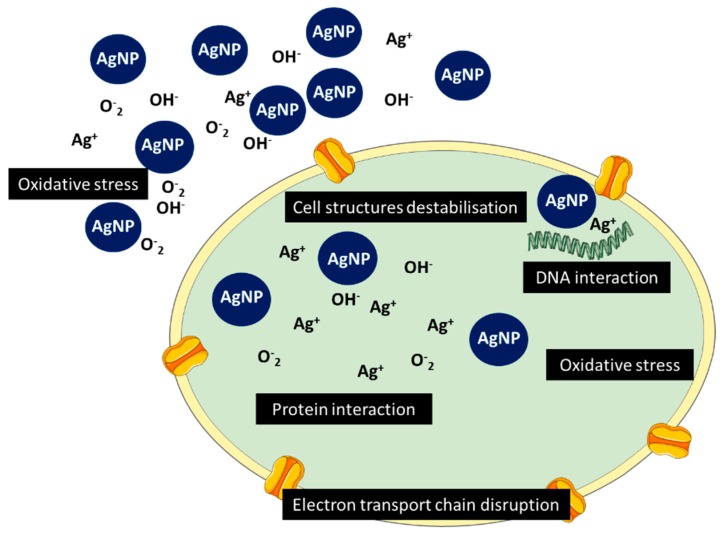
“The antimicrobial action of AgNPs is linked to four main mechanisms: (i) attraction to bacterial surface, (ii) destabilization of bacterial cell wall and membrane with change in its permeability, (iii) induction of toxicity and oxidative stress by generation of ROS and free radicals, and (iv) modulation of signal tran…”
BackgroundNanosilver: A nanoproduct in medical application
Chen, X., & Schluesener, H. J. (2008) · Toxicology Letters · doi:10.1016/j.toxlet.2007.10.004 · Cited by 1,888 · cited 1×
“Nowadays, dressings impregnated with AgNO3 can be found [57].”
Background
Research works printed but not linked: 4
- Dugassa J. Shukuri N. Antibiotic resistance and its mechanism of Development J. Heal. Med. Nurs. 2017 1 1 17
- Cardoso P. Nanopartículas de plata: Obtención, utilización como antimicrobiano e impacto en el área de la salud Rev. Hosp. Niños 2016 58 19 28
- Mirhosseini M. Synergistic antibacterial effect of metal oxide nanoparticles and ultrasound stimulation J. Biol. Today’s World 2015 4 138 144
- Singh P. Nanda A. Antimicrobial and antifungal potential of zinc oxide nanoparticles in comparison to conventional zinc oxide particles J. Chem. Pharm. Res. 2013 5 457 463
Cited by
Items 701–800 of 1,000
Phong, M. T., Nguyen, T. A., Yen, N. N. T., Tran, V. K., Vuong, V., Nguyen, M. H., Pham, T. T., & Le, T. V. (2024) · Case Studies in Chemical and Environmental Engineering · doi:10.1016/j.cscee.2024.100765 · Cited by 15
Shalaby, M. G., Al‐Hossainy, A. F., Abo-Zeid, A. M., Mobark, H., & Mahmoud, Y. A. ‐. (2022) · Journal of Molecular Structure · doi:10.1016/j.molstruc.2022.132643 · Cited by 12
Gad, M. M., Bahgat, H. A., Edrees, M. F., Alhumaidan, A. A., Khan, S. Q., & Ayad, N. M. (2022) · PubMed Central · doi:10.4103/jispcd.jispcd_286_21 · Cited by 11
“Silver, titanium dioxide, zirconium dioxide, zinc oxide, and silicon dioxide nanoparticles all possess proven antimicrobial properties when incorporated into dental materials.[10,15-17] A recent study explains the mechanism of the antimicrobial action of nanoparticles in terms of wrapping around the microbial cells (c…”
BackgroundAftab, K., Naseem, T., Hussain, S., Haq, S., Mahfooz-ur-Rehman, & Waseem, M. (2022) · Environmental Science and Pollution Research · doi:10.1007/s11356-022-22516-9 · Cited by 11
Viswanathan, S. P., Kuriakose, G. M., Njazhakunnathu, G. V., Neelamury, S. P., Thomas, S. B., & Ambatt, T. P. (2023) · Nanotechnology for Environmental Engineering · doi:10.1007/s41204-023-00349-2 · Cited by 13
“Thus far, most metal-based nanoparticle effectiveness studies have yielded encouraging findings in wide-spectrum antibacterial activities [55].”
Aderibigbe, B. A. (2024) · Nanotechnology in the life sciences · doi:10.1007/978-3-031-50093-0_6 · Cited by 18
Lactic acid bacteria for the synthesis of metals nanoparticles
Gregirchak, N., Syniavska, D., Khonkiv, M., & Stabnikov, V. (2023) · Ukrainian Food Journal · doi:10.24263/2304-974x-2023-12-4-8 · Cited by 15
Advanced stimuli-responsive host-guest biomaterials for treating bacterial infections
You, Y., Sun, H. J., Cheng, Z., Xu, X., & Li, J. (2024) · Polymer · doi:10.1016/j.polymer.2024.127312 · Cited by 11
Synergistic Anti-Dermatophytic Potential of Nanoparticles and Essential Oils Combinations
Sayed, M. A. E.-E., Ghazy, N. M., & El-Bassuony, A. A. H. (2024) · Journal of Inorganic and Organometallic Polymers and Materials · doi:10.1007/s10904-024-03294-y · Cited by 13
Schoberleitner, I., Lackner, M., Coraça-Huber, D. C., Augustin, A., Imsirovic, A., Sigl, S., & Wolfram, D. (2024) · International Journal of Molecular Sciences · doi:10.3390/ijms252111675 · Cited by 14
(2024) · Asian Journal of Agriculture and Biology · doi:10.35495/ajab.2024.096 · Cited by 26
Tosyalı, Ö. A., Şahin, F., Çetin, Y., & Karal‐Yılmaz, O. (2024) · Journal of Applied Polymer Science · doi:10.1002/app.56517 · Cited by 12
Hussain, S. A., Ramasamy, M., Shaik, M. R., Shaik, B., Deepak, P., Thiyagarajulu, N., Antonyraj, A. P. M., & Guru, A. (2024) · Chemistry & Biodiversity · doi:10.1002/cbdv.202402476 · Cited by 11
“Thus, reactive oxygen species (ROS) potentially damage DNA in organisms by affecting polyunsaturated phospholipids [30, 31].”
Tuning gut microbiota by advanced nanotechnology
Qi, Y., Wang, Y., Wang, X., Zheng, H., & Lu, Y. (2025) · Materials Futures · doi:10.1088/2752-5724/ada62b · Cited by 16
“Some metal nanomaterials with antimicrobial properties may release metal ions when they enter the body, increasing intracellular ROS levels, which can be toxic to cells when accumulated over time [243].”
Todorova, M. N., Kosateva, A., Petrova, V. Y., Ranguelov, B., Atanasova-Vladimirova, S., Avdeev, G., Stoycheva, I., Pisareva, E. I., Tomova, I., Velkova, L. G., et al. (2025) · Molecules · doi:10.3390/molecules30020291 · Cited by 12
“On the other hand, Gram + bacteria have in their cell walls teichoic acids with multiple phosphate groups, which carry a negative charge; therefore, they can strongly bind positively charged metal nanoparticles [66,67].”
Nordine, A. (2025) · Planta · doi:10.1007/s00425-025-04655-8 · Cited by 8
“Nano-particles, such as zinc oxide (ZnO), silver (Ag), cupric oxide (CuO), aluminum oxide, gold, iron oxide (Fe 3 O 4 ), titanium dioxide, magnesium oxide, nickel, and silicon dioxide, have been described as exhibiting antimicrobial effects against various microorganisms (Sanchez-Lopez et al. 2020).”
Antimicrobial Activity of Poly(methyl methacrylate) Doped with CuO and ZnO Nanoparticles
Mlinarić, N. M., Zore, A., Veselinović, V., Trtić, N., Dolić, O., Štukelj, R., Abram, A., Učakar, A., Adamović, Т., Vidrih, R., et al. (2025) · ACS Omega · doi:10.1021/acsomega.4c10170 · Cited by 13
Amur, S. A., Khuhro, Q., Soomro, N. A., Tariq, M. A., Liang, H., Thebo, K. H., & Kazi, M. (2025) · Applied Organometallic Chemistry · doi:10.1002/aoc.70227 · Cited by 11
Metal-based triazoles as a medical marvel of the modern era: a comprehensive review
Haseeb, K., Mustafa, M. H., Zafar, W., Hassan, A. U., CHOHAN, Z. H., & Sumrra, S. H. (2026) · RSC Advances · doi:10.1039/d5ra07766d · Cited by 13
Inorganic Antimicrobial Materials
Yi, G., Teong, S. P., Zhang, Y., & Ying, J. Y. (2026) · ACS Nano · doi:10.1021/acsnano.5c21363 · Cited by 12
Nanovehicles in the improved treatment of infections due to brain-eating amoebae
Mungroo, M. R., Khan, N. A., Anwar, A., & Siddiqui, R. (2021) · International Microbiology · doi:10.1007/s10123-021-00201-0 · Cited by 12
“2015), but considering that human cells have mechanisms that regulate the concentrations of zinc, the toxicity of zinc oxide NPs might be limited (Sánchez-López et al. 2020).”
BackgroundVascular Graft Infections: An Overview of Novel Treatments Using Nanoparticles and Nanofibers
He, E., Serpelloni, S., Alvear, P., Rahimi, M., & Taraballi, F. (2022) · Fibers · doi:10.3390/fib10020012 · Cited by 13
Sangtam, A. R., Richa, K., Saikia, P., Longkumer, N., Sinha, U. B., & Goswamee, R. L. (2022) · Results in Chemistry · doi:10.1016/j.rechem.2022.100671 · Cited by 11
Polymeric nanocomposites for automotive application
Neto, F. N. D. S., Ferreira, G. R., Sequinel, T., Biasotto, G., Cruz, S. A., Gimenez, J. C. F., Gonçalves, R., Scuracchio, C. H., Paranhos, C. M., Camargo, E. R., et al. (2023) · Elsevier eBooks · doi:10.1016/b978-0-323-91611-0.00009-8 · Cited by 13
Hovhannisyan, A., Janik, M., Woszczak, L., Khachatryan, G., Krystyjan, M., Lenart-Boroń, A. M., Stankiewicz, K., Czernecka, N., Duraczyńska, D., Oszczęda, Z., et al. (2023) · International Journal of Molecular Sciences · doi:10.3390/ijms242417285 · Cited by 11
“Metal-based nanoparticles are known to have non-specific mechanisms of bacterial toxicity, which not only complicates the development of bacterial resistance, but also broadens the spectrum of antibacterial activity [36].”
BackgroundResearch progress of electron beam radiation grafting modification of textiles
An, X., Shao, Y. Z., Ma, L., Wang, H., Xu, G., & Luo, M. (2024) · Radiation Physics and Chemistry · doi:10.1016/j.radphyschem.2024.111817 · Cited by 11
Abd‐El‐Aziz, A., Li, J., Fouda, M. M. G., Sharaby, C. M., Zhang, X., Ma, N., Agathos, S. N., & Abd‐El‐Aziz, A. S. (2024) · Applied Materials Today · doi:10.1016/j.apmt.2024.102335 · Cited by 16
Jiao, H., Guo, J., Cui, Y., Yu, X., Liao, Y., Ying, Y., Li, Z., Yao, K., & Huang, H. (2021) · Advanced Therapeutics · doi:10.1002/adtp.202100202 · Cited by 11
Preparation of antimicrobial activated carbon fiber for adsorption
Lu, J., Jia, Z., Xu, X., Chen, Y., Peng, W., Zhang, J., Wang, H., Li, S., & Wen, J. (2022) · Journal of Porous Materials · doi:10.1007/s10934-022-01225-1 · Cited by 11
Nanotechnology and recycling, remanufacturing, and reusing battery
Pavoski, G., Botelho, A. B., Chaves, R. M., Maraschin, T. G., Oviedo, L. R., Martins, T. A. G., da Silva, W. L., Bertuol, D. A., & Espinosa, D. C. R. (2022) · Elsevier eBooks · doi:10.1016/b978-0-323-91134-4.00022-4 · Cited by 12
Carbon-Based Nanomaterials 4.0
Diez-Pascual, A. M. (2024) · International Journal of Molecular Sciences · doi:10.3390/ijms25053032 · Cited by 11
Alhar, M. S. O., Muhammad, D., Tahir, K., Zaki, M. E. A., Urooj, M., Nazir, S., Albalawi, K. M., Al‐Shehri, H. S., Saleh, E. A. M., & Khan, A. U. (2023) · Molecules · doi:10.3390/molecules28041705 · Cited by 12
Role of Platinum Nanozymes in the Oxidative Stress Response of Salmonella Typhimurium
Daza, M. V. B., Scarsi, A., Gatto, F., Rocchetti, G., Pompa, P. P., & Cocconcelli, P. S. (2023) · Antioxidants · doi:10.3390/antiox12051029 · Cited by 10
“Among the currently available nanotechnology tools, metallic and metallic oxide nanostructures have been proposed as potential candidates to overcome the drawbacks of antibiotics due to their peculiar chemical properties, high surface-to-volume ratio and their potential antibacterial activity [2,3].”
BackgroundMachková, A., Vaňková, E., Obrová, K., Fürhacker, P., Košutová, T., Lion, T., Hanuš, J., & Scholtz, V. (2023) · Frontiers in Microbiology · doi:10.3389/fmicb.2023.1217617 · Cited by 10
“The study of NPs, their properties and use as active surfaces on various materials for application in medicine and other fields has been a highly attractive research topic in the last decades (Stark et al., 2015; Anselmo and Mitragotri, 2016; Anu Mary Ealia and Saravanakumar, 2017; Casalini et al., 2019; Elmowafy et a…”
BackgroundHassan, M. S. A., Elias, N. A., Hassan, M., Rahmah, S., Ismail, W. I. W., & Harun, N. A. (2023) · Heliyon · doi:10.1016/j.heliyon.2023.e21663 · Cited by 12
“7a) [79].”
BackgroundSingh, A., Hiregoudar, S., Chauhan, R., Varma, A. K., Prasad, R., & Goel, A. (2024) · Nanotechnology Reviews · doi:10.1515/ntrev-2023-0217 · Cited by 11
Mehmood, N., Hassan, A., Zhong, X.-S., Zhu, Y., Ouyang, G., Raza, T., Zia, S., Chen, X., & Huang, Q. (2024) · Environmental Science and Pollution Research · doi:10.1007/s11356-024-33292-z · Cited by 13
“Metal and metal oxide nanoparticles have been studied due to their high potential to control pests (Sánchez-López et al. 2020).”
Martín-Martínez, M. J., Álvarez‐Contreras, L., Ramos-Castillo, C. M., Arjona, N., & España‐Sánchez, B. L. (2024) · Colloids and Surfaces A Physicochemical and Engineering Aspects · doi:10.1016/j.colsurfa.2024.135917 · Cited by 10
Duraisamy, M., Sreekantan, S., Govindasamy, G. A., Murthe, S. S., Appaturi, J. N., & Noor, S. S. M. (2024) · Journal of Sol-Gel Science and Technology · doi:10.1007/s10971-024-06621-4 · Cited by 10
“In particular, the ZnO nanoparticles exerts its anti-microbial capability through both the induction of toxicity and oxidative stress by generation of ROS and free radicals, as well as release of zinc ions [21, 22].”
Anitha, S., Nadar, N. R., Shivakumar, S., Sharma, S., Siddharth, P. E., Varalakshmi, S., Lenka, R., & Rajadurai, S. (2025) · Hybrid Advances · doi:10.1016/j.hybadv.2025.100381 · Cited by 14
Performance Enhancement of Chitosan for Food Packaging: Impact of Additives and Nanotechnology
Putra, P. S. U., Adhika, D. R., Asri, L. A. T. W., & Suprijadi, S. (2025) · JOURNAL OF RENEWABLE MATERIALS · doi:10.32604/jrm.2025.02024-0002 · Cited by 12
“Metal nanoparticles are generally added to enhance antimicrobial properties because nanoparticles can inhibit microbial activity on chitosan films and coatings [144].”
Gao, B., Liu, Z., Tan, S. H., & Low, S. C. (2025) · Separation and Purification Technology · doi:10.1016/j.seppur.2025.132874 · Cited by 12
Kimura, A. H., Dahmer, D., Isawa, L. A., da Silva, A. B. O., Souza, L. M. D. S., Takata, P. H., Scandorieiro, S., Deonas, A. N., Cardozo, J. G., Vespero, E. C., et al. (2025) · Pharmaceutics · doi:10.3390/pharmaceutics17040503 · Cited by 13
“…it is reported that the main steps include adhesion of AgNP to the bacterial surface; destabilization of the cell wall and membrane, with alteration of its permeability; induction of oxidative stress by the generation of reactive oxygen species; and modulation of signal transduction pathways [23].”
Self-citationSaini, I., Prajapati, K. S., Nayak, J., Devi, K., Kumar, S., & Kumar, R. (2025) · Langmuir · doi:10.1021/acs.langmuir.5c01589 · Cited by 10
Sharma, N., Khatoon, N., Raza, M. A., Saoji, S. D., & Singh, D. (2025) · Journal of drug targeting · doi:10.1080/1061186x.2025.2529528 · Cited by 12
“…the correlation between molecular structure and therapeutic functions are described in table 1. lF tertiary structure, containing alpha-helices and beta-sheets, ensures structural stability for proper function, while glycosylation sites enhance its solubility and interaction with cells [35].”
Beyond antibiotics: novel solutions to address antibacterial resistance
Edlo, A. A., Akhbari, K., & Henry, D. J. (2025) · Materials Advances · doi:10.1039/d5ma00552c · Cited by 11
Santos, M. H. D. M., Endo, T. H., Scandorieiro, S., Pavanelli, W. R., Kobayashi, R. K. T., & Nakazato, G. (2025) · Antibiotics · doi:10.3390/antibiotics14100960 · Cited by 12
“This study led to the filing of a patent with the Brazilian Patent and Trademark Office (INPI), under the application number BR 10 2025 015474 9.”
Maji, L., Teli, G., Pal, R., Maheshwari, N., Soni, P. K., Matada, G. S. P., Rathore, M. S., Saravanan, V., & Muthukumaradoss, K. (2025) · Frontiers in Chemistry · doi:10.3389/fchem.2025.1700143 · Cited by 13
de Paula, A. J., Petry, R., Almeida, J. M., Caetano, A., Sales, J., Ferreira, O. P., Martinez, D. S. T., Kobs, H. J., & de Faria, A. F. (2025) · ACS Applied Nano Materials · doi:10.1021/acsanm.5c05119 · Cited by 11
The dental implant surface: a review of the past, present and future
Jadhav, L. D., Madiwal, V., & Rajwade, J. M. (2026) · Journal of Materials Science Materials in Medicine · doi:10.1007/s10856-025-06997-x · Cited by 10
“For thousands of years, metals have been used as anti-bacterial compounds in medicine and agriculture [105].”
Shin, J., Naskar, A., Ko, D., Kim, S., & Kim, K.-S. (2022) · International Journal of Molecular Sciences · doi:10.3390/ijms23126770 · Cited by 14
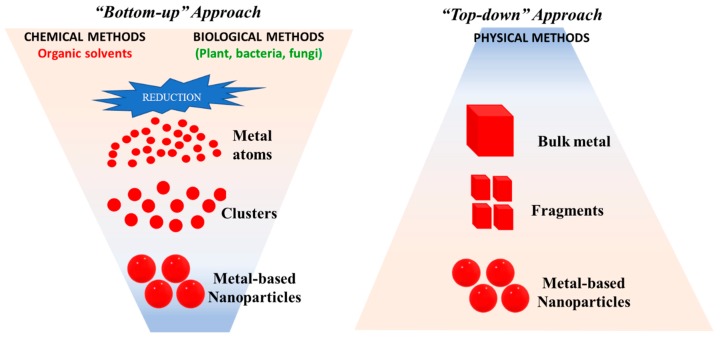
“Many antibacterial metallic NPs have been produced using different chemical procedures, including bottom-up and top-down [21].”
MethodRehman, A. U., Tabassum, A., Aftab, A., Zahid, N., Jamal, A., Sajini, A. A., Gul, A., & Ahmad, B. (2023) · Applied Nanoscience · doi:10.1007/s13204-023-02859-6 · Cited by 12
“Metallic nanoparticles including silver, copper, zinc, and palladium have been reported as very effective antimicrobial agents (Waghmode et al. 2019; Sánchez-López et al. 2020; Bhattacharjee et al. 2022).”
BackgroundLactoferrin functionalized concave cube Au nanoparticles as biocompatible antibacterial agent
Polash, S. A., Hamza, A., Hossain, M. M., Dekiwadia, C. D., Saha, T., Shukla, R., Bansal, V., & Sarker, S. R. (2023) · OpenNano · doi:10.1016/j.onano.2023.100163 · Cited by 11
Remotely Controllable Engineered Bacteria for Targeted Therapy of Pseudomonas aeruginosa Infection
Gao, Y., Wei, J., Pu, L., Fu, S., Xing, X., Zhang, R., & Jin, F. (2023) · ACS Synthetic Biology · doi:10.1021/acssynbio.2c00655 · Cited by 11
Vashistha, V. K., Bala, R., Mittal, A. K., DAS, D. K., & Pullabhotla, V. S. R. (2023) · Journal of the Indian Chemical Society · doi:10.1016/j.jics.2023.101069 · Cited by 10
Shilpa, M. P., Shetty, V., Surabhi, S., Jeong, J., Morales, D. V., Ballal, M., Eshwarappa, K. M., Ravikirana, Murari, M. S., Nayak, R., et al. (2023) · Materials Science and Engineering B · doi:10.1016/j.mseb.2023.116893 · Cited by 13
Antibacterial finishing of textile materials using modified bentonite
Topalić‐Trivunović, L., Savić, A., Petrović, R., Bodroža, D., Grujić, D., Mitrić, M. N., Obrenović, Z., Gajić, D., & Imamović, M. (2023) · Clays and Clay Minerals · doi:10.1007/s42860-023-00258-0 · Cited by 10
“Nanoparticles can also release metal ions which penetrate the cells and generate free radicals (Sanchez-Lopez et al., 2020).”
Ribeiro, B., Vázquez‐López, A., Vazquez‐Pufleau, M., Llamosí, M., Sempere, J., Yuste, J., Domenech, M., Wang, D., Vilatela, J. J., LLorca, J., et al. (2023) · Materials Chemistry and Physics · doi:10.1016/j.matchemphys.2023.128684 · Cited by 11
Anushya, P., Geetha, R. V., & Kumar, S. R. (2021) · Journal of Pharmaceutical Research International · doi:10.9734/jpri/2021/v33i47b33188 · Cited by 10
“reactions and methanol and glycol synthesis[11,12].”
Díaz‐García, D., Prashar, S., & Gómez‐Ruiz, S. (2023) · International Journal of Molecular Sciences · doi:10.3390/ijms24032332 · Cited by 10
Qiao, Z., Liu, H., Noh, G. S., Koo, B., Zou, Q., Yun, K., Jang, Y. O., Kim, S., & Shin, Y. M. (2020) · Micromachines · doi:10.3390/mi11050515 · Cited by 11
Alkhair, S., Zouari, N., Ibrahim Ahmad Ibrahim, M., & Al-Ghouti, M. A. (2024) · Environmental Nanotechnology, Monitoring & Management · doi:10.1016/j.enmm.2024.100963 · Cited by 9
Rajesh, K., Sivaperumal, P., Kamala, K., & Suresh, V. (2024) · Cureus · doi:10.7759/cureus.53870 · Cited by 9
“Recent developments in nanotechnology have made silver nanoparticles (AgNPs) widely used for their antimicrobial, anticancer, and anti-inflammatory properties due to their unique optical, magnetic, catalytic, and electronic features [4].”
BackgroundAhmad, S., Xu, Q., Tariq, M., Song, M., Liu, C., & Yan, H. (2024) · Molecules · doi:10.3390/molecules29112640 · Cited by 9
Anbarasu, M., Martin, T. M., Priya, P., Sivamurugan, V., Kumar, M. S. K., Shaik, M. R., Kari, Z. A., & Guru, A. (2024) · Aquaculture International · doi:10.1007/s10499-024-01611-3 · Cited by 15
“ZnO NPs possess high-temperature resistance, a hexagonal wurtzite structure, and increased energy for excitation binding, rendering them ideal candidates for diverse biological activities (Sánchez-López et al. 2020; Theerthagiri et al. 2019; Makvandi et al. 2020).”
Metal Bionanohybrids against Microbiologically Influenced Corrosion (MIC) Consortia
Ortega-Nieto, C., Salta, M. M., Noël-Hermes, N., & Palomo, J. M. (2024) · Nanomaterials · doi:10.3390/nano14171376 · Cited by 13
Ortega-Nieto, C., Losada‐Garcia, N., Domingo‐Calap, P., Pawlyta, M., & Palomo, J. M. (2024) · ACS Applied Bio Materials · doi:10.1021/acsabm.4c00898 · Cited by 9
Cencerrero, J., Sánchez, P., de Lucas-Consuegra, A., de la Osa, A. R., & Romero, A. (2024) · Journal of Electroanalytical Chemistry · doi:10.1016/j.jelechem.2024.118856 · Cited by 9
Muir, B. W., Payne, J. A. E., Martin, J. H., Shea, R. O., Rajesh, S. R. B. B. N., Blackman, L. D., Shen, H., Heazlewood, C. K., Bansal, V., & Morgan, B. S. (2025) · npj Antimicrobials and Resistance · doi:10.1038/s44259-024-00070-3 · Cited by 10
“NAMs can be coupled with other antimicrobial agents that can result in decreased dosing or combination regimens compared to the free agent 10 – 13 .”
Liu, Y., Mu, W., Wang, Y., Liu, T., Peng, Z., & Chen, X. (2025) · Chemical Engineering Journal · doi:10.1016/j.cej.2025.161783 · Cited by 14
Cieślik, A., Shymborska, Y., Tymetska, S., Stetsyshyn, Y., Bernasik, A., Brzychczy‐Włoch, M., Drożdż, K., Szajna, K., Krok, F., Budkowski, A., et al. (2025) · Chemical Engineering Journal · doi:10.1016/j.cej.2025.162985 · Cited by 10
Essa, T., Fetyan, N. A. H., Salem, T. M., Rebouh, N. Y., Kishk, A., & Abdelfattah, M. H. (2025) · PLoS ONE · doi:10.1371/journal.pone.0334506 · Cited by 10
“…previous studies indicating that metallic nanoparticles, including silver, copper, and zinc oxide, as well as organic nanoparticles and composite formulations, exhibit potent antimicrobial properties by effectively inhibiting pathogen proliferation and disrupting infection-related processes [47].”
Kudzin, M. H., & Chruściel, J. J. (2025) · Carbohydrate Polymers · doi:10.1016/j.carbpol.2025.124826 · Cited by 14
Sykuła, A., Łodyga-Chruścińska, E., Garribba, E., Kręgiel, D., Dzeikala, A., Klewicka, E., & Piekarska-Radzik, L. (2022) · Molecules · doi:10.3390/molecules27030845 · Cited by 11
“Metal-based nanoparticles are known from non-specific bacterial toxicity [83].”
BackgroundHadiya, S., Ibrahim, R. A., El-Baky, R. M. A., Elsabahy, M., & Aly, S. A. (2022) · Bulletin of Pharmaceutical Sciences Assiut · doi:10.21608/bfsa.2022.124546.1301 · Cited by 10
McCarlie, S. J., Boucher, C. E., & Bragg, R. R. (2023) · Microorganisms · doi:10.3390/microorganisms11020515 · Cited by 9
“The metal response genes include those for silver and copper, which are being promoted as used in some products an alternatives to current antimicrobials [41].”
BackgroundNandhini, P., Ravindran, D. R., Murugan, M., & Rajan, M. (2023) · Journal of Materials Science · doi:10.1007/s10853-023-08290-0 · Cited by 10
“ZnO can be combined with antibiotics and anti-inflammatory drugs to support the antimicrobial activity against pathogenic microorganisms [13, 14].”
BackgroundAbbasi, M., Arab‐Bafrani, Z., Zabihi, E., Babaei, A., Jafari, S. M., Barani, M., & Mousavi, E. (2023) · The Journal of Engineering · doi:10.1049/tje2.12268 · Cited by 13
Ebadati, A., Oshaghi, M., Saeedi, S., Parsa, P., Mahabadi, V. P., Karimi, M., Hajiebrahimdehi, A. J., Hamblin, M. R., & Karimi, M. (2023) · Bioorganic Chemistry · doi:10.1016/j.bioorg.2023.106718 · Cited by 10
Multidimensional applications and potential health implications of nanocomposites
Ayanda, O. S., Quadri, R. O., Adewuyi, S. O., Mmuoegbulam, A. O., Okezie, O., Mohammed, S. E., Iya, N. I. D., Lawal, O. S., Popoola, K. M., & Adekola, F. A. (2023) · Journal of Water and Health · doi:10.2166/wh.2023.141 · Cited by 9
Vestergaard, M. C. M., Nishida, Y., Tran, L. T. T., Sharma, N., Zhang, X., Nakamura, M., Oussou-Azo, A. F., & Nakama, T. (2023) · Nanomaterials · doi:10.3390/nano13232990 · Cited by 10
“Furthermore, Cu NPs dissolve faster than other noble metals by releasing ions into the surroundings [7].”
BackgroundSantos, A. S., Losada‐Garcia, N., Garcia‐Sanz, C., Silva, A. M. S., Marques, M. M. B., & Palomo, J. M. (2023) · ChemCatChem · doi:10.1002/cctc.202300748 · Cited by 9
Self-citationRoig, X., Halbaut, L., Elmsmari, F., Tello, R. P., Arrien, A., Durán‐Sindreu, F., Delgado, L. M., Espina, M., García, M. L., Sánchez, J. A. G., et al. (2024) · International Endodontic Journal · doi:10.1111/iej.14041 · Cited by 9
Self-citationMetryka, O., Wasilkowski, D., Dulski, M., Adamczyk, M., Augustyniak, M., & Mrozik, A. (2024) · Chemosphere · doi:10.1016/j.chemosphere.2024.141691 · Cited by 11
Sidhu, A. S., Rajput, P., Ahuja, R., Khepar, V., & Gill, A. A. S. (2024) · Journal of Plant Pathology · doi:10.1007/s42161-024-01660-w · Cited by 9
“…result in the creation of complexes with both structural and soluble proteins, the deactivation of catalytic proteins, the generation of reactive oxygen species (ROS) that cause damage to nucleic acids and following the death and decay of the myco-hyphal structures (Sánchez-López et al. 2020).”
Fungal biosynthesis of gold nanoparticles with sporicidal activity against bacterial endospores
Guzmán-Moreno, J., Ramírez-Santoyo, R. M., Ortega-Sígala, J. J., Ángeles–Chávez, C., Rodríguez‐González, V., Rodríguez-Serrano, C., Patrón‐Soberano, A., de Ávila-Araiza, G. I., Luna-Álvarez, F., & Vidales-Rodríguez, L. E. (2024) · Green Chemistry Letters and Reviews · doi:10.1080/17518253.2024.2360489 · Cited by 9
Evolution of Anticariogenic Resin‐Modified Glass Ionomer Cements
Malik, Z., Butt, D. Q., Butt, Z. Q., Muhammad, N., Kaleem, M., Liaqat, S., Khan, M. A., & Khan, A. S. (2021) · ChemBioEng Reviews · doi:10.1002/cben.202100005 · Cited by 10
Fedotova, O. B., Myalenko, D. M., Pryanichnikova, N. S., Yurova, E., & Agarkova, E. Y. (2022) · Polymers · doi:10.3390/polym14061097 · Cited by 9
“Various types of synthetic antimicrobial agents are described in the literature, such as metallic silver and copper nanoparticles [30], including their oxides [31], clay nanoparticles [32], etc.”
BackgroundDiospyros malabarica Fruit Extract Derived Silver Nanoparticles: A Biocompatible Antibacterial Agent
Polash, S. A., Hamza, A., Hossain, M. M., Tushar, M. H., Takikawa, M., Shubhra, R. D., Saiara, N., Saha, T., Takeoka, S., & Sarker, S. R. (2022) · Frontiers in Nanotechnology · doi:10.3389/fnano.2022.888444 · Cited by 11
“They demonstrate broad-spectrum antibacterial activity, and the development of bacterial resistance is very difficult due to their non-specific antibacterial mechanisms (Sánchez-López et al., 2020).”
BackgroundAndrejević, T. P., Aleksić, I., Kljun, J., Pantović, B. V., Milivojević, D., Vojnović, S., Turel, I., Djuran, M. I., & Glišić, B. Đ. (2022) · Inorganics · doi:10.3390/inorganics10060071 · Cited by 11
Bacterial Resistance to Nanosilver: Molecular Mechanisms and Possible Ways to Overcome them
Krutyakov, Y. A., & Khina, A. G. (2022) · Applied Biochemistry and Microbiology · doi:10.1134/s0003683822050106 · Cited by 9
The Vast Biomedical Applications of Zinc Oxide Nanoparticles
Abd-Elmaqsoud, I., El-saadawy, H. A., Ahmed, A., Abdelkhalek, A., & Arisha, A. (2022) · Zagazig Veterinary Journal/Zagazig Veterinary Journal (Online) · doi:10.21608/zvjz.2022.144910.1182 · Cited by 11
“In both non-clinical and clinical settings, they can be used with antibiotics and inflammatory medications to increase antimicrobial effect against pathogenic microbes without antibiotic resistance [81, 82].”
BackgroundLange, A., Matuszewski, A., Kutwin, M., Ostrowska, A., & Jaworski, S. (2024) · Nanotechnology Science and Applications · doi:10.2147/nsa.s457124 · Cited by 10
Chemical synthesis and biosynthesis Ag-doped CoFe2O4 nanomaterial for biomedical application
Thao, T. T., Tâm, K. T., Hung, N. P., Nguyên, L. H., & Khiển, N. V. (2024) · Journal of materials research/Pratt's guide to venture capital sources · doi:10.1557/s43578-024-01325-5 · Cited by 8
Sinha, S., Kaur, A., & Sehgal, R. (2024) · Discover Applied Sciences · doi:10.1007/s42452-024-05928-9 · Cited by 8
“Alternatively, metal nanoparticles are also very promising armamentariums in the development of novel antimicrobial agents, due to their nontoxicity, high ability for functionalization, and polyvalent effects [18].”
Antibacterial Ceramics for Dental Applications
Hallmann, L., & Gerngroß, M. (2025) · Applied Sciences · doi:10.3390/app15084553 · Cited by 8
Nedyalkova, M., Vecini, D. P., Paluch, A. S., & Lattuada, M. (2025) · Physical Chemistry Chemical Physics · doi:10.1039/d5cp01880c · Cited by 12
Rahman, A., Akter, S., Prapti, B. B. R., Rafsan, A., Hossain, M. I., Chouhan, C. S., Hossain, K. A., Rahman, M. B., & Siddique, M. P. (2025) · Environmental Technology & Innovation · doi:10.1016/j.eti.2025.104347 · Cited by 9
Ibrahim, A. A. (2025) · Journal of Biotechnology · doi:10.1016/j.jbiotec.2025.07.003 · Cited by 8
Lusiastuti, A. M., Jenie, S. N. A., Septiyanti, M., Sampora, Y., Penataseputro, T., Citarasu, T., Sugiani, D., Syahidah, D., Dewijanti, I. D., Novita, H., et al. (2025) · Veterinary World · doi:10.14202/vetworld.2025.1807-1818 · Cited by 8
“These NPs exert broad-spectrum antimicrobial effects through non-specific mechanisms, rendering them effective against both Gram-positive and Gram-negative bacteria [33].”
Metadata
- Authors
- Sánchez-López, E., Gomes, D., Esteruelas, G., Bonilla, L., Lopez-Machado, A. L., Galindo, R., Cano, A., Espina, M., Ettcheto, M., Camins, A., Silva, A. M., Durazzo, A., Santini, A., Garcia, M. L., & Souto, E. B.
- Affiliations
- Department of Pharmacy, Pharmaceutical Technology and Physical Chemistry, Faculty of Pharmacy, University of Barcelona, 08028 Barcelona, Spain
- University of Coimbra (PT)
- Universitat de Barcelona (ES)
- Institut de Nanociència i Nanotecnologia de la Universitat de Barcelona (ES)
- Instituto de Salud Carlos III (ES)
- University of Trás-os-Montes and Alto Douro (PT)
- Consiglio per la ricerca in agricoltura e l’analisi dell’economia agraria (IT)
- University of Naples Federico II (IT)
- Corresponding author
- Souto, Eliana B.
- ORCID
- Venue
- Nanomaterials
- Publisher
- MDPI AG
- Published
- 2020-02-09
- Volume
- 10
- Issue
- 2
- Pages
- 292
- ISSN
- 2079-4991 (ISSN-L)
- PMC
- PMC7075170
- OpenAlex
- W3005269120
- Semantic Scholar
- d26e02375a9fc651603564d60fbcb732cd1345f8
- Cited by
- 1,474
- References
- 197
- Citations by year
- 2026: 140 · 2025: 246 · 2024: 268 · 2023: 280 · 2022: 250 · 2021: 198 · 2020: 90
- FWCI
- 10.55
- Type
- journal article
- Language
- en
- Open access
- gold
- dx.doi.org
- Licence
- Locations
- Nanomaterials (publishedVersion, cc-by)
- Europe PMC (PubMed Central) (publishedVersion, cc-by)
- PubMed Central (publishedVersion, cc-by)
- PubMed (publishedVersion)
- Portuguese National Funding Agency for Science, Research and Technology (RCAAP Project by FCT) (submittedVersion, cc-by)
- Dipòsit Digital de la Universitat de Barcelona (Universitat de Barcelona) (submittedVersion, cc-by)
- DOAJ (DOAJ: Directory of Open Access Journals) (submittedVersion, cc-by-sa)
- Portuguese National Funding Agency for Science, Research and Technology (RCAAP Project by FCT) (submittedVersion, other-oa)
- Portuguese National Funding Agency for Science, Research and Technology (RCAAP Project by FCT) (submittedVersion, cc-by-nc-nd)
- Funders
- M-ERA-NET-0004/2015-PAIRED (Portuguese Science and Technology Foundation (FCT/MCT) and European Funds (PRODER/COMPETE))
- Institute of Nanoscience and Nanotechnology (ART2018 project) (2017SGR-1477)
- Topics
- Physical Sciences › Materials Science › Materials Chemistry › Nanoparticles: synthesis and applications
- Life Sciences › Immunology and Microbiology › Applied Microbiology and Biotechnology › Antimicrobial agents and applications
- Physical Sciences › Materials Science › Electronic, Optical and Magnetic Materials › Gold and Silver Nanoparticles Synthesis and Applications
- Keywords
- metal-based nanoparticles, antimicrobial agents, silver nanoparticles, gold nanoparticles, zinc oxide nanoparticles, copper nanoparticles, copper oxide nanoparticles, antibacterial mechanism, physicochemical characterization, pharmacokinetics, nanoparticle toxicity, antibiotic alternatives
About these checks
Registry, retraction, Cites and statistics results are computed, not judged, with one exception: a printed reference that no index lists is read once by a model before it counts as a citation error. Claims are extracted by a model and kept only when their quote appears verbatim in the text; each cited source is then checked, with a model’s help, for whether it says what the claim relies on. Those verdicts can be wrong — read the claim’s quote and the cited source before relying on one.
Statistics and arithmetic are recomputed, not judged.
Confidence bands are shown only for fields calibrated on our annotated test set. None is calibrated yet, so no band is shown.
What counts as a claim ›How we measure confidence ›How we check this ›
Are you an author, or do you see a problem with this page? Request a review
Data sources
Bibliographic data: Semantic Scholar, OpenAlex, Crossref.
Contains information from the Semantic Scholar Academic Graph Datasets, made available under the ODC Attribution License (ODC-BY 1.0).
Semantic Scholar’s data is described in: Kinney, R., et al. (2023). The Semantic Scholar Open Data Platform. arXiv:2301.10140.
