

Metal-Based Nanoparticles as Antimicrobial Agents: An Overview
Open accessThe DOI matches its Crossref record; 194 of the 197 references it cites were found in a registry or an index.
Abstract
Metal-based nanoparticles have been extensively investigated for a set of biomedical applications. According to the World Health Organization, in addition to their reduced size and selectivity for bacteria, metal-based nanoparticles have also proved to be effective against pathogens listed as a priority. Metal-based nanoparticles are known to have non-specific bacterial toxicity mechanisms (they do not bind to a specific receptor in the bacterial cell) which not only makes the development of resistance by bacteria difficult, but also broadens the spectrum of antibacterial activity. As a result, a large majority of metal-based nanoparticles efficacy studies performed so far have shown promising results in both Gram-positive and Gram-negative bacteria. The aim of this review has been a comprehensive discussion of the state of the art on the use of the most relevant types of metal nanoparticles employed as antimicrobial agents. A special emphasis to silver nanoparticles is given, while others (e.g., gold, zinc oxide, copper, and copper oxide nanoparticles) commonly used in antibiotherapy are also reviewed. The novelty of this review relies on the comparative discussion of the different types of metal nanoparticles, their production methods, physicochemical characterization, and pharmacokinetics together with the toxicological risk encountered with the use of different types of nanoparticles as antimicrobial agents. Their added-value in the development of alternative, more effective antibiotics against multi-resistant Gram-negative bacteria has been highlighted.
Overview
The claims and statistics of this paper haven’t been checked yet.
Free: it reads the open-access text and checks the first 5 claims that cite a source we can check. Create a free account to check every claim.
Integrity signals
Registry
Cites
Statistics
Figures
Verification
Claims the paper makes
The claims and statistics of this paper haven’t been checked yet.
Free: it reads the open-access text and checks the first 5 claims that cite a source we can check. Create a free account to check every claim.
Claims other papers make about this one
Each is checked against this paper’s own text: does it say what the citing paper says it does?
The source backs part of the claim, not all of it — or backs it for a different population, condition or comparison.
In the citing paper
“The bactericidal property of TiO 2 NPs depends on their size, stability, and concentration added to the growth medium, which provides greater retention time for bacterium NP interaction, allowing them to interact closely with microbial membranes [23,24].”
From Antibacterial Activity of TiO2 Nanoparticles Prepared by One-Step Laser Ablation in Liquid (2021) · cites this paper as [23]
Experimental — accuracy not yet measuredIn the citing paper
“Polymeric hydrogels containing silver nanoparticles (AgNPs) have attracted great attention for a set of applications in the biomedical field, attributed to the antimicrobial and healing properties of silver [11,12].”
From Silver Nanoparticles-Composing Alginate/Gelatine Hydrogel Improves Wound Healing In Vivo (2020) · cites this paper as [12]
Self-check
Percentages, sums and reported differences re-computed from the paper’s own numbers.
The self-check needs the paper’s full text.
Citations
Cites
Review on Zinc Oxide Nanoparticles: Antibacterial Activity and Toxicity Mechanism
Sirelkhatim, A., Mahmud, S., Seeni, A., Kaus, N. H. M., Ann, L. C., Bakhori, S. K. M., Hasan, H., & Mohamad, D. (2015) · Nano-Micro Letters · doi:10.1007/s40820-015-0040-x · Cited by 4,586 · cited 1×
“Several authors have used ZnONPs as antimicrobial agents either as ZnO alone or in combination with drugs [161].”
BackgroundThe antimicrobial activity of nanoparticles: present situation and prospects for the future
Wang, L., Hu, C., & Shao, L. (2017) · International Journal of Nanomedicine · doi:10.2147/ijn.s121956 · Cited by 4,062 · cited 2×
“Since the main toxicological effect induced by antimicrobial compounds in bacteria occurs by direct contact with the cell surface, it is important to understand the differences between the cell wall of Gram-positive and Gram-negative bacteria [12].”
BackgroundZhang, X.-F., Liu, Z.-G., Shen, W., & Gurunathan, S. (2016) · International Journal of Molecular Sciences · doi:10.3390/ijms17091534 · Cited by 3,220 · cited 3×
“AgNPs demonstrated to be antiangiogenic and antiproliferative [59].”
BackgroundInfluentialAhmed, S., Ahmad, M., Swami, B. L., & Ikram, S. (2016) · Journal of Advanced Research · doi:10.1016/j.jare.2015.02.007 · Cited by 3,028 · cited 2×
“Synthesis of AgNPs using plant extracts is based on their relatively high levels of steroids, sapogenins, carbohydrates, and flavonoids, that act as reducing agents, as well as bio-capping compounds reducing agglomeration of nanoparticles and allowing a better size control [73].”
BackgroundMechanisms of Antibiotic Resistance
Munita, J. M., & Arias, C. A. (2016) · Microbiology Spectrum · doi:10.1128/microbiolspec.vmbf-0016-2015 · Cited by 2,782
Metal nanoparticles: understanding the mechanisms behind antibacterial activity
Slavin, Y. N., Asnis, J., Häfeli, U. O., & Bach, H. (2017) · Journal of Nanobiotechnology · doi:10.1186/s12951-017-0308-z · Cited by 2,571 · cited 3×
“Both Gram-positive and Gram-negative bacteria have a negatively charged surface [11].”
BackgroundAntibiotic resistance: a rundown of a global crisis
Aslam, B., Wang, W., Arshad, M. I., Khurshid, M., Muzammil, S., Rasool, M. H., Nisar, M. A., Alvi, R. F., Aslam, M. A., Qamar, M. U., et al. (2018) · Infection and Drug Resistance · doi:10.2147/idr.s173867 · Cited by 2,552 · cited 3×
“Besides the genetic mutations in the microorganism, bacterial resistance can result from the exchange of genetic material among bacteria or phages by: (i) DNA transformation, which is the uptake and incorporation of a DNA fragment; or by (ii) transduction or transfer of bacterial genes through a virus and conjugation,…”
BackgroundZinc oxide—from synthesis to application: a review
Kołodziejczak-Radzimska, A., & Jesionowski, T. (2014) · Materials · doi:10.3390/ma7042833 · Cited by 2,475 · cited 1×
“Therefore, ZnONPs are used in the preparation of sun creams in combination of TiO2, acting as a successful UV blocker [168].”
BackgroundMechanistic Basis of Antimicrobial Actions of Silver Nanoparticles
Dakal, T. C., Kumar, A., Majumdar, R. S., & Yadav, V. (2016) · Frontiers in Microbiology · doi:10.3389/fmicb.2016.01831 · Cited by 2,135 · cited 2×
“The antimicrobial action of AgNPs is linked to four main mechanisms: (i) attraction to bacterial surface, (ii) destabilization of bacterial cell wall and membrane with change in its permeability, (iii) induction of toxicity and oxidative stress by generation of ROS and free radicals, and (iv) modulation of signal tran…”
BackgroundNanosilver: A nanoproduct in medical application
Chen, X., & Schluesener, H. J. (2008) · Toxicology Letters · doi:10.1016/j.toxlet.2007.10.004 · Cited by 1,888 · cited 1×
“Nowadays, dressings impregnated with AgNO3 can be found [57].”
Background
Research works printed but not linked: 4
- Dugassa J. Shukuri N. Antibiotic resistance and its mechanism of Development J. Heal. Med. Nurs. 2017 1 1 17
- Cardoso P. Nanopartículas de plata: Obtención, utilización como antimicrobiano e impacto en el área de la salud Rev. Hosp. Niños 2016 58 19 28
- Mirhosseini M. Synergistic antibacterial effect of metal oxide nanoparticles and ultrasound stimulation J. Biol. Today’s World 2015 4 138 144
- Singh P. Nanda A. Antimicrobial and antifungal potential of zinc oxide nanoparticles in comparison to conventional zinc oxide particles J. Chem. Pharm. Res. 2013 5 457 463
Cited by
Items 201–300 of 1,000
Biogenic Silver Nanoparticles for Targeted Cancer Therapy and Enhancing Photodynamic Therapy
Kah, G., Chandran, R., & Abrahamse, H. (2023) · Cells · doi:10.3390/cells12152012 · Cited by 65
“However, AgNPs has excellent antimicrobial properties compared to other metallic nanoparticles and can act as carriers for chemotherapeutic molecules, and this has strengthened their applications in different sectors [25,26].”
BackgroundAdvancing Nanotechnology: Targeting Biofilm-Forming Bacteria with Antimicrobial Peptides
Campos, J. V., de Pontes, J. T. C., Canales, C. S. C., Roque‐Borda, C. A., & Pavan, F. R. (2025) · BME Frontiers · doi:10.34133/bmef.0104 · Cited by 64
“The interaction of metal ions with biological molecules is often nonspecific, involving coordination with nitrogen, oxygen, and sulfur atoms, thereby broadening the antimicrobial spectrum of this type of nanoparticle [ 74 ].”
The Antimicrobial Activity and Resistance Evolution of Nanomaterials: A Review
Fan, L., Dong, Y., Ismail, B. B., Zhang, L., Shi, Y., Wu, D., Wu, Y., & Li, G. (2025) · ACS Materials Letters · doi:10.1021/acsmaterialslett.4c02113 · Cited by 61
Emerging Trends in Zinc Ferrite Nanoparticles for Biomedical and Environmental Applications
Garg, J., Chiu, M. N., Krishnan, S., Kumar, R., Rifah, M., Ahlawat, P., Jha, N. K., Kesari, K. K., Ruokolainen, J., & Gupta, P. K. (2023) · Applied Biochemistry and Biotechnology · doi:10.1007/s12010-023-04570-2 · Cited by 65
“Due to the electrostatic interaction between the negatively charged cell wall and positively charged metal NPs, cell walls get damaged, resulting in increased permeability [130].”
Kannan, S., Solomon, A., Krishnamoorthy, G., & Murugan, M. (2021) · Scientific Reports · doi:10.1038/s41598-020-79976-7 · Cited by 64
Wu, H., Ma, L., Li, S., Wang, J., Li, T., Peng, L., Li, S., Li, Q., Yuan, X., Zhou, M., et al. (2022) · Food Packaging and Shelf Life · doi:10.1016/j.fpsl.2022.101019 · Cited by 57
The Roles of Nanoparticles in Stem Cell-Based Therapy for Cardiovascular Disease
Sun, Y., Lu, Y., Li, Y., & Liu, Z. (2020) · Frontiers in Bioengineering and Biotechnology · doi:10.3389/fbioe.2020.00947 · Cited by 58
Hagbani, T. A., Yadav, V. K., Moin, A., Lila, A. S. A., Mehmood, K., Alshammari, F., Khan, S., Khafagy, E., Hussain, T., Rizvi, S. M. D., et al. (2022) · Materials · doi:10.3390/ma15031108 · Cited by 58
Yagoub, A. E. A., Al-Shammari, G. M., Al-Harbi, L. N., Subash-Babu, P., Elsayim, R., Mohammed, M. A., Yahya, M. A., & Fattiny, S. Z. A. (2022) · Applied Sciences · doi:10.3390/app122211613 · Cited by 54
Abdelaziz, A. M., Elshaer, M. A. A., Abd-Elraheem, M. A. M., Ali, O. M., Haggag, M. I., El-Sayyad, G. S., & Attia, M. S. (2023) · Archives of Microbiology · doi:10.1007/s00203-023-03400-7 · Cited by 57
Al‐Ansari, M. M., Dhasarathan, P., Ranjitsingh, A. J. A., & Al-Humaid, L. A. (2020) · Saudi Journal of Biological Sciences · doi:10.1016/j.sjbs.2020.09.008 · Cited by 59
García-Torra, V., Cano, A. C., Espina, M., Ettcheto, M., Camins, A., Barroso, E., Vázquez‐Carrera, M., García, M. L., Sánchez‐López, E., & Souto, E. B. (2021) · Toxics · doi:10.3390/toxics9080195 · Cited by 57
“Production methods of metal nanoparticles [12,57].”
Self-citationCalabrese, C., Parola, V. L., Testa, M. L., & Liotta, L. F. (2021) · Inorganica Chimica Acta · doi:10.1016/j.ica.2021.120636 · Cited by 53
Ivanova, A., Ivanova, K., Perelshtein, I., Gedanken, A., Todorovа, K., Milcheva, R. S., Dimitrov, P., Popova, T. P., & Tzanov, T. (2021) · Materials Science and Engineering C · doi:10.1016/j.msec.2021.112518 · Cited by 64
“addition to the low durability of the antimicrobial and antibiofilm effects [13,7].”
BackgroundEl-Masry, R. M., Talat, D., Hassoubah, S. A., Zabermawi, N. M., Eleiwa, N., Sherif, R. M., Abourehab, M. A. S., Abdel‐Sattar, R. M., Gamal, M., Ibrahim, M. S., et al. (2022) · Life · doi:10.3390/life12101662 · Cited by 58
Harwansh, R. K., Deshmukh, R., Shukla, V. P., Khunt, D., Prajapati, B. G., Rashid, S., Ali, N., Elossaily, G. M., Suryawanshi, V. K., & Kumar, A. (2024) · Pharmaceutics · doi:10.3390/pharmaceutics16091202 · Cited by 66
“TNF-α are versatile agents with applications in combination with treatment and diagnostics (theragnostic), such as photothermal tumor ablation, Colloidal nanoparticles of gold (AuNPs) are being studied as non-toxic drug delivery vehicles because of their advanced properties, which include a…”
BackgroundAlves‐Barroco, C., Rivas‐García, L., Fernandes, A. R., & Baptista, P. V. (2020) · Frontiers in Microbiology · doi:10.3389/fmicb.2020.579916 · Cited by 62
Nahrawy, A. M. E., Hemdan, B. A., Mansour, A. M., Elzwawy, A., & Hammad, A. B. A. (2021) · Silicon · doi:10.1007/s12633-021-01295-x · Cited by 53
A review of the nanomaterials use for the diagnosis and therapy of salmonella typhi
Arshad, R., Pal, K., Sabir, F., Rahdar, A., Bilal, M., Shahnaz, G., & Kyzas, G. Z. (2021) · Journal of Molecular Structure · doi:10.1016/j.molstruc.2021.129928 · Cited by 60
A mechanistic perspective on targeting bacterial drug resistance with nanoparticles
Khorsandi, K., Keyvani‐Ghamsari, S., Shahidi, F. K., Hosseinzadeh, R., & Kanwal, S. (2021) · Journal of drug targeting · doi:10.1080/1061186x.2021.1895818 · Cited by 62
“Studies have shown that in acidic pH, NP toxicity increases due to increased solubility and ion release [100].”
BackgroundEleftheriadou, I., Giannousi, K., Protonotariou, E., Skoura, L., Arsenakis, M., Dendrinou-Samara, C., & Sivropoulou, A. (2021) · ACS Applied Nano Materials · doi:10.1021/acsanm.1c02208 · Cited by 52
Insights into Shape-Based Silver Nanoparticles: A Weapon to Cope with Pathogenic Attacks
Karade, V. C., Patil, R. B., Parit, S. B., Kim, J. H., Chougale, A. D., & Dawkar, V. V. (2021) · ACS Sustainable Chemistry & Engineering · doi:10.1021/acssuschemeng.1c03797 · Cited by 57
Exploring the impact of zinc oxide nanoparticles on fish and fish-food organisms: A review
Mandal, A. H., Ghosh, S., Adhurjya, D., Chatterjee, P., Samajdar, I., Mukherjee, D., Dhara, K., Saha, N. C., Piccione, G. G., Multisanti, C. R., et al. (2024) · Aquaculture Reports · doi:10.1016/j.aqrep.2024.102038 · Cited by 66
Exposure to metal nanoparticles changes zeta potentials of Rhodococcus cells
Kuyukina, M. S., Makarova, M. V., Pistsova, O. N., Glebov, G. G., Осипенко, М. А., & Ившина, И. Б. (2022) · Heliyon · doi:10.1016/j.heliyon.2022.e11632 · Cited by 56
Single-cell pathogen diagnostics for combating antibiotic resistance
Li, H., Hsieh, K., Wong, P. K., Mach, K. E., Liao, J. C., & Wang, T. (2023) · Nature Reviews Methods Primers · doi:10.1038/s43586-022-00190-y · Cited by 58
Mukherjee, A., Bose, S., Shaoo, A., & Das, S. K. (2023) · Materials Advances · doi:10.1039/d2ma00846g · Cited by 55
Khalil, A. T., Khan, M. D., Razzaque, S., Afridi, S., Ullah, I., Iqbal, J., Tasneem, S., Shah, A., Shinwari, Z. K., Revaprasadu, N., et al. (2021) · Applied Nanoscience · doi:10.1007/s13204-021-02030-z · Cited by 50
Prospects of Exploring the Metal–Organic Framework for Combating Antimicrobial Resistance
Polash, S. A., Khare, T. R., Kumar, V., & Shukla, R. (2021) · ACS Applied Bio Materials · doi:10.1021/acsabm.1c00832 · Cited by 52
Antibacterial and Anti-Inflammatory Coating Materials for Orthopedic Implants: A Review
Tan, G., Xu, J. B., Chirume, W. M., Zhang, J., Zhang, H., & Hu, X. (2021) · Coatings · doi:10.3390/coatings11111401 · Cited by 52
“As a potential antimicrobial agent, metal-based nanoparticles are the most attractive; they are toxic to bacteria and selectively interrupt the metabolic networks of microorganisms even at low ion concentrations [59].”
BackgroundTransdermal Delivery of Therapeutic Compounds With Nanotechnological Approaches in Psoriasis
Li, N., Qin, Y., Dai, D., Wang, P., Shi, M., Gao, J., Yang, J., Xiao, W., Song, P., & Xu, R. (2022) · Frontiers in Bioengineering and Biotechnology · doi:10.3389/fbioe.2021.804415 · Cited by 60
Jain, A., Kongkham, B., Hariprasad, P., Butola, B. S., Malik, H. K., & Malik, A. (2022) · Antibiotics · doi:10.3390/antibiotics11070864 · Cited by 55
“Apart from combating bacteria on their own, nanoparticles can also be used for delivery of antibiotics and natural antimicrobial compounds [6].”
BackgroundNanotechnology in the Diagnosis and Treatment of Antibiotic-Resistant Infections
Ιωάννου, Π., Baliou, S., & Samonis, G. (2024) · Antibiotics · doi:10.3390/antibiotics13020121 · Cited by 56
“Moreover, they may also reduce the adenosine triphosphatase (ATPase) activity, leading to a reduction in the bacterial ATP, and inhibit protein translation by inhibiting tRNA binding on the ribosomes [156,166].”
BackgroundInfluentialChen, Y., Chai, M., Xuan, C., Lin, J., Yang, H., Li, C., Xie, M., Ostrovidov, S., Shi, X., & Mao, C. (2024) · Progress in Materials Science · doi:10.1016/j.pmatsci.2024.101249 · Cited by 55
Nanomedicines: Emerging Platforms in Smart Chemotherapy Treatment—A Recent Review
Arafat, M., Sakkal, M., Beiram, R., & Aburuz, S. (2024) · Pharmaceuticals · doi:10.3390/ph17030315 · Cited by 56
“Moreover, any modifications to the synthesis process, reagent selection, manufacturing techniques, or delivery methods may introduce variations in toxicity, necessitating the need for up-to-date safety assessments [56,208].”
BackgroundNano-enabled strategies to combat methicillin-resistant Staphylococcus aureus
Singh, S., Numan, A., Somaily, H. H., Gorain, B., Ranjan, S. K., Rilla, K. J., Siddique, H. R., & Kesharwani, P. (2021) · Materials Science and Engineering C · doi:10.1016/j.msec.2021.112384 · Cited by 55
Bafghi, M. H., Darroudi, M., Zargar, M., Zarrinfar, H., & Nazari, R. (2021) · Micro & Nano Letters · doi:10.1049/mna2.12096 · Cited by 55
A review on adsorbents for the remediation of wastewater: Antibacterial and adsorption study
Aryee, A. A., Mpatani, F. M., Han, R., Shi, X., & Qu, L. (2021) · Journal of environmental chemical engineering · doi:10.1016/j.jece.2021.106907 · Cited by 48
Eco-friendly Strategies for Biological Synthesis of Green Nanoparticles with Promising Applications
El-Sayyad, G. S., Elfadil, D., Mosleh, M. A., Hasanien, Y. A., Mostafa, A. M., Abdelkader, R. S., Refaey, N., Elkafoury, E. M., Eshaq, G., Abdelrahman, E. A., et al. (2024) · BioNanoScience · doi:10.1007/s12668-024-01494-x · Cited by 56
“The manufacture of NiNPs through the use of aqueous extracts derived from plant materials is a simple procedure that involves the application of a metallic salt solution and the plant extract as a reducing agent [102].”
Santos, T. S., dos Passos, E. M., Seabra, M. G. D. J., Souto, E. B., Severino, P. B., & Mendonça, M. D. C. (2021) · Applied Sciences · doi:10.3390/app11062465 · Cited by 50
“In the synthesis of AgNPs with fungus, the formation of nanoparticles occurs by the reaction between silver ions and secondary metabolites produced by the fungi [10,11]; however, there is a difference in the potential for the synthesis of different species isolates of fungi.”
BackgroundSelf-citationNiranjan, R., Zafar, S., Lochab, B., & Priyadarshini, R. (2022) · Nanomaterials · doi:10.3390/nano12020191 · Cited by 51
Rukhsar, M., Ahmad, Z., Rauf, A., Zeb, H., Rehman, M. U., & Hemeg, H. A. (2022) · Crystals · doi:10.3390/cryst12121809 · Cited by 58
Effects of Different Nanoparticles on Microbes
Niu, B., & Zhang, G. (2023) · Microorganisms · doi:10.3390/microorganisms11030542 · Cited by 52
“A similar effect was reported by several studies, suggesting that the changes in the membrane morphology caused by nanoparticles may produce a significant increase in membrane permeability and cause the cells to be incapable of properly regulating transport through the plasma membrane [29,76,77].”
ResultJacobowski, A. C., Boleti, A. P. D. A., Cruz, M. V., Santos, K. F. D. P., de Andrade, L. R. M., Frihling, B. E. F., Migliolo, L., Paiva, P. M. G., Teodoro, P. E., Teodoro, L. P. R., et al. (2025) · Pharmaceuticals · doi:10.3390/ph18081119 · Cited by 59
“Inorganic nanomaterials, such as metal and metal oxide NPs, are widely explored in antimicrobial approaches due to their advantages such as low cost, long duration, reduced toxicity, and intrinsic antimicrobial activity [131,132,134].”
Cruces, E., Arancibia‐Miranda, N., Manquián-Cerda, K., Perreault, F., Bolan, N. S., Azócar, M., Cubillos, V. M., Montory, J. A., Rubio, M. A., & Sarkar, B. (2022) · ACS Applied Nano Materials · doi:10.1021/acsanm.1c04031 · Cited by 54
Sharifiaghdam, M., Shaabani, E., Asghari, F., & Majidi, R. F. (2021) · Journal of Applied Polymer Science · doi:10.1002/app.51766 · Cited by 47
Copper-Nanoparticle-Coated Fabrics for Rapid and Sustained Antibacterial Activity Applications
Gonçalves, R. A., Ku, J. W. K., Zhang, H., Salim, T., Oo, G., Zinn, A. A., Boothroyd, C., Tang, R. M. Y., Gan, C. L., Gan, Y., et al. (2022) · ACS Applied Nano Materials · doi:10.1021/acsanm.2c02736 · Cited by 49
Yin, Y., Yang, S., Ai, D., Qin, H., Sun, Y. L., Xia, X., Xu, X., Ji, W., & Song, J. (2023) · Advanced Functional Materials · doi:10.1002/adfm.202301062 · Cited by 47
Recent Advances on the Design and Applications of Antimicrobial Nanomaterials
Ortega-Nieto, C., Losada‐Garcia, N., Prodan, D., Furtos, G., & Palomo, J. M. (2023) · Nanomaterials · doi:10.3390/nano13172406 · Cited by 50
“However, the disadvantages of CuNPs re their low stability under atmospheric conditions, which could lead to undesired oxidation, and the high cost and low sustainability of methods that generate them in pure form [40].”
BackgroundOuyang, B., Wei, D., Wu, B., Yan, L., Gang, H., Cao, Y., Chen, P., Zhang, T., & Wang, H. (2023) · Small · doi:10.1002/smll.202303153 · Cited by 51
Guo, L., Kong, W., Che, Y., Liu, C., Zhang, S., Liu, H., Tang, Y., Yang, X., Zhang, J., & Xu, C. (2024) · International Journal of Biological Macromolecules · doi:10.1016/j.ijbiomac.2024.129799 · Cited by 51
Gastrointestinal Biofilms: Endoscopic Detection, Disease Relevance, and Therapeutic Strategies
Jandl, B., Dighe, S. N., Baumgartner, M., Makristathis, A., Gasché, C., & Muttenthaler, M. (2024) · Gastroenterology · doi:10.1053/j.gastro.2024.04.032 · Cited by 57
Iron Oxide Nanoparticles as Promising Antibacterial Agents of New Generation
Zhang, T.-G., & Miao, C. (2024) · Nanomaterials · doi:10.3390/nano14151311 · Cited by 57
“Metal-based nanoparticles are among the most promising novel antimicrobial agents because of their strong antimicrobial activity [6–9].”
BackgroundBiomedical Applications of Chinese Herb-Synthesized Silver Nanoparticles by Phytonanotechnology
Islam, R., Sun, L., & Zhang, L. (2021) · Nanomaterials · doi:10.3390/nano11102757 · Cited by 51
“In biological synthesis, microorganisms such as bacteria, yeast, fungi, and algae are used to synthesize AgNPs and investigate their antioxidant and reducing properties [60].”
A Review on Nanoparticles: Structure, Classification, Synthesis & Applications
Kumari, S., & Sarkar, L. (2021) · Journal of scientific research · doi:10.37398/jsr.2021.650809 · Cited by 45
Recent Progress on Hyaluronan-Based Products for Wound Healing Applications
Sudhakar, K., Ji, S. M., Kummara, M. R., & Han, S. S. (2022) · Pharmaceutics · doi:10.3390/pharmaceutics14102235 · Cited by 52
“Non-antibiotic combined treatments based on functionalized nanofibers (NFs) have been used to suppress microbial invasion and minimize antibacterial resistance [97].”
BackgroundA review on metal/metal oxide nanoparticles in food processing and packaging
Joshi, N. C., Negi, P. B., & Gururani, P. (2024) · Food Science and Biotechnology · doi:10.1007/s10068-023-01500-0 · Cited by 51
“Biomolecules and metal ions typically have a non-specific interaction (Sánchez-López et al., 2020).”
Fouad, G. I. (2021) · Bulletin of the National Research Centre/Bulletin of the National Research Center · doi:10.1186/s42269-021-00487-0 · Cited by 52
Salmani-Zarchi, H., Mousavi-Sagharchi, S. M. A., Sepahdoost, N., Ranjbar-Jamalabadi, M., Gross, J. D., Jooya, H. Z., & Samadi, A. (2024) · Advanced Biomedical Research · doi:10.4103/abr.abr_92_24 · Cited by 49
Daghian, S. G., Farahpour, M. R., & Jafarirad, S. (2021) · Materials Science and Engineering C · doi:10.1016/j.msec.2021.112294 · Cited by 46
Responsive Quaternized PDMAEMA Copolymers with Antimicrobial Action
Manouras, T., Platania, V., Georgopoulou, Α., Chatzinikolaidou, Μ., & Vamvakaki, M. (2021) · Polymers · doi:10.3390/polym13183051 · Cited by 50
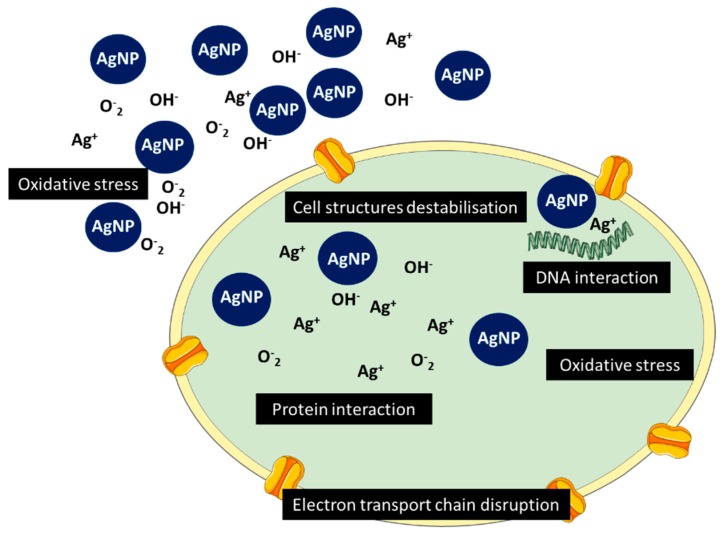
“The antimicrobial action of these nanoparticles is based on four different mechanisms, operating simultaneously, and includes the adhesion of the nanoparticles onto the cell membrane, the penetration of the nanoparticles inside the bacteria to induce damage of the intracellular parts, the oxidative stress caused by th…”
BackgroundAkshaykranth, A., Jayarambabu, N., Rao, T. V., Kumar, R. R., & Rao, L. S. (2022) · Polymer Bulletin · doi:10.1007/s00289-022-04126-0 · Cited by 49
Kumar, S., Paliya, B. S., & Singh, B. N. (2022) · Microbial Pathogenesis · doi:10.1016/j.micpath.2022.105678 · Cited by 45
Zwitterionic Nanogels and Microgels: An Overview on Their Synthesis and Applications
Saha, P., Ganguly, R., Li, X., Das, R., Singha, N. K., & Pich, A. (2021) · Macromolecular Rapid Communications · doi:10.1002/marc.202100112 · Cited by 44
Scandorieiro, S., Rodrigues, B. C. D., Nishio, E. K., Panagio, L. A., de Oliveira, A. G., Durán, N., Nakazato, G., & Kobayashi, R. K. T. (2022) · Frontiers in Microbiology · doi:10.3389/fmicb.2022.842600 · Cited by 47
Zinc Oxide-Based Nanomaterials for Microbiostatic Activities: A Review
Reda, A. T., Park, J. Y., & Park, Y. T. (2024) · Journal of Functional Biomaterials · doi:10.3390/jfb15040103 · Cited by 49
Irshad, M. A., Hussain, A., Nasim, I., Nawaz, R., Al‐Mutairi, A. A., Azeem, S., Rizwan, M., Al‐Hussain, S. A., Irfan, A., & Zaki, M. E. A. (2024) · Chemical and Biological Technologies in Agriculture · doi:10.1186/s40538-024-00662-1 · Cited by 42
“Antifungal effects of metallic nanoparticles are attributed to their elec-tropositive surfaces, which oxidize plasma membranes and allow entry into the pathogen body [142–144].”
BackgroundAbdullah, T., Qurban, R. O., Bolarinwa, S. O., Mirza, A. A., Pasovic, M., & Memić, A. (2020) · Frontiers in Bioengineering and Biotechnology · doi:10.3389/fbioe.2020.568186 · Cited by 46
Mohammed, H. B., Irayyif, S. M., Curuțiu, C., Bîrcă, A. C., Oprea, O., Grumezescu, A. M., Diţu, L.-M., Gheorghe, I., Chifiriuc, M. C., Mihăescu, G., et al. (2021) · Molecules · doi:10.3390/molecules26082189 · Cited by 44
“Since the continuous increase of multidrug-resistant bacteria, the focus of research has shifted towards the antimicrobial activity of other agents such as plant-derived compounds [4] or nanoparticles [5,6].”
BackgroundNeculai-Văleanu, A.-S., Ariton, A. M., Mădescu, B. M., Rîmbu, C., & Creangă, Ș. (2021) · Animals · doi:10.3390/ani11061625 · Cited by 48
“…such as chitosan and eco-friendly metal nanoparticles for the development of innovative antimicrobial products have been highlighted in studies by Burdusel et al. (2018) [79], Baican and Vasile (2018) [80], Olaru et al. (2019) [81], Ahmed et al. (2020) [82] and Sánchez-López et al. (2020) [83].”
BackgroundThe Two Weapons against Bacterial Biofilms: Detection and Treatment
Cruz, A., Condinho, M., Carvalho, B., Arraiano, C. M., Pobre, V., & Pinto, S. N. (2021) · Antibiotics · doi:10.3390/antibiotics10121482 · Cited by 38
“In fact, in the last few years, conventional metallic and biogenic nanostructures have received more attention as innovative antimicrobial agents, and, importantly, metal nanoparticles have an advantage in that they do not differentiate between resistant and susceptible bacteria [131].”
BackgroundRiaz, M., Khan, N., Khan, S. A., Saeeduddin, Ahmad, Z., Khan, M. A., Iqbal, M., Hemeg, H. A., Bakhsh, E. M., & Khan, S. B. (2022) · Journal of Molecular Liquids · doi:10.1016/j.molliq.2022.119246 · Cited by 43
Fayed, B., Jayakumar, M. N., & Soliman, S. S. M. (2021) · Medical Mycology · doi:10.1093/mmy/myab059 · Cited by 41
Li, F., Li, S., Liu, Y., Zhang, Z., & Li, Z. (2022) · Advanced Engineering Materials · doi:10.1002/adem.202101510 · Cited by 41
microRNA Detection via Nanostructured Biochips for Early Cancer Diagnostics
Martino, S., Tammaro, C., Misso, G., Falco, M., Scrima, M., Bocchetti, M., Rea, I., Stefano, L. D., & Caraglia, M. (2023) · International Journal of Molecular Sciences · doi:10.3390/ijms24097762 · Cited by 45
“In general, NPs display enormous advantages such as optimized synthesis process (easy preparation, few step synthesis, small reaction volume) and easy surface functionalization [73].”
BackgroundHashem, A. H., El-Sayyad, G. S., Al-Askar, A. A., Marey, S. A., AbdElgawad, H., Abd-Elsalam, K. A., & Saied, E. (2023) · Plants · doi:10.3390/plants12183288 · Cited by 51
Recent updates in nanotechnological advances for wound healing: A narrative review
Chopra, H., Mohanta, Y. K., Mahanta, S., Mohanta, T. K., Singh, I., Avula, S. K., Mallick, S. P., Rabaan, A. A., AlSaihati, H., Alsayyah, A. A., et al. (2023) · Nanotechnology Reviews · doi:10.1515/ntrev-2023-0129 · Cited by 46
“Many metal NPs are very less toxic and possess antimicro-bicidal activity for which they are found to be the perfect candidates for integrating into the dressing of wounds [311 – 315].”
Takallu, S., Mirzaei, E., Bazmandeh, A. Z., Jafarbeigloo, H. R. G., & Khorshidi, H. (2024) · ACS Infectious Diseases · doi:10.1021/acsinfecdis.3c00568 · Cited by 51
Advancing diabetic wound care: The role of copper-containing hydrogels
Astaneh, M. E., & Fereydouni, N. (2024) · Heliyon · doi:10.1016/j.heliyon.2024.e38481 · Cited by 45
Mycogenic Metal Nanoparticles for the Treatment of Mycobacterioses
Simões, M. F., Ottoni, C. A., & Antunes, A. (2020) · Antibiotics · doi:10.3390/antibiotics9090569 · Cited by 41
“In addition, generally, all AgNPs show increased toxicity once dissolved and after losing their spherical structure [49].”
BackgroundInfluentialGonzalez, A., Aboubakr, H. A., Brockgreitens, J. W., Hao, W., Wang, Y., Goyal, S. M., & Abbas, A. (2021) · Scientific Reports · doi:10.1038/s41598-021-03771-1 · Cited by 43
Nanoparticles in Endodontics Disinfection: State of the Art
Roig, X., Souto, E. B., Elmsmari, F., García, M. L., Espina, M., Durán‐Sindreu, F., Sánchez‐López, E., & Sánchez, J. A. G. (2022) · Pharmaceutics · doi:10.3390/pharmaceutics14071519 · Cited by 45
Self-citationRecent Advances in Nano-Formulations for Skin Wound Repair Applications
Lin, Y., Chen, Z., Liu, Y., Wang, J., Lv, W., & Peng, R. (2022) · Drug Design Development and Therapy · doi:10.2147/dddt.s375541 · Cited by 47
“111,112 It has been found that 1 μM 80 nm CuNPs promote acute full-layer skin defect wound healing quickly by accelerating skin cell migration, proliferation, and new blood vessels.”
Karnjana, K., Jewboonchu, J., Niyomtham, N., Tangngamsakul, P., Bunluepuech, K., Goodla, L., & Mordmuang, A. (2022) · Biotechnology Reports · doi:10.1016/j.btre.2022.e00777 · Cited by 48
Laser ablation in liquids: A versatile technique for nanoparticle generation
Shaheen, M. E., & Abdelwahab, A. Y. E. (2025) · Optics & Laser Technology · doi:10.1016/j.optlastec.2025.112705 · Cited by 45
Raja, D. A., Shah, M. R., & Malik, M. I. (2022) · Analytica Chimica Acta · doi:10.1016/j.aca.2022.340216 · Cited by 40
Matussin, S. N., Khan, F., Harunsani, M. H., Kim, Y., & Khan, P. D. M. M. (2023) · Catalysts · doi:10.3390/catal13010096 · Cited by 40
Nano-enabled antimicrobial thin films: design and mechanism of action
Finina, B. F., & Mersha, A. K. (2024) · RSC Advances · doi:10.1039/d3ra07884a · Cited by 47
“44,45 They can be easily complexed with other biomaterials to exert enhanced antibacterial activity.”
BackgroundEscaping the ESKAPE pathogens: A review on antibiofilm potential of nanoparticles
Sarkar, S., Roy, A., Mitra, R., Kundu, S., Banerjee, P., Chowdhury, A. A., & Ghosh, S. (2024) · Microbial Pathogenesis · doi:10.1016/j.micpath.2024.106842 · Cited by 44
Graphene-based metal/metal oxide nanocomposites as potential antibacterial agents: a mini-review
Gautam, A., Dabral, H., Singh, A., Tyagi, S., Tyagi, N., Srivastava, D., Kushwaha, H. R., & Singh, A. (2024) · Biomaterials Science · doi:10.1039/d4bm00796d · Cited by 40
Apigenin as an emerging hepatoprotective agent: current status and future perspectives
Wang, C., Feng, X., Li, W., Chen, L., Wang, X., Lan, Y., Tang, R., Jiang, T., Zheng, L., & Liu, G. (2024) · Frontiers in Pharmacology · doi:10.3389/fphar.2024.1508060 · Cited by 42
Gupta, P., Goel, A., Singh, K. R., Meher, M. K., Gulati, K., & Poluri, K. M. (2021) · International Journal of Biological Macromolecules · doi:10.1016/j.ijbiomac.2021.01.035 · Cited by 41
Shkryl, Y., Rusapetova, T., Yugay, Y., Egorova, A., Silant’ev, V. E., Grigorchuk, V. P., Karabtsov, A., Timofeeva, Y. О., Vasyutkina, E., Kudinova, O., et al. (2021) · International Journal of Molecular Sciences · doi:10.3390/ijms22179305 · Cited by 42
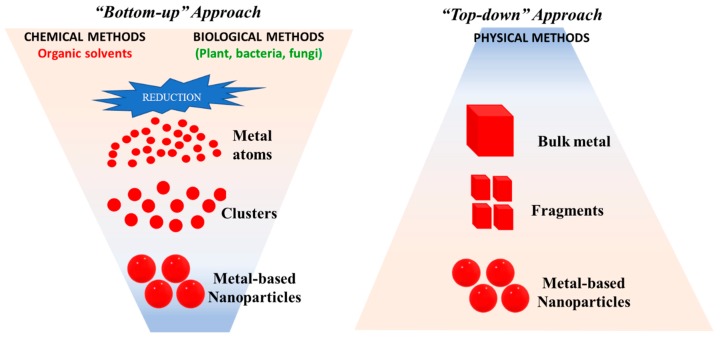
“Two major routes have been explored for the synthesis of metallic nanoparticles, namely top-down and bottom-up approaches [25].”
BackgroundMetal-Based Nanoparticles: A Prospective Strategy for Helicobacter pylori Treatment
Yin, X., Lai, Y., Du, Y., Zhang, T., Gao, J., & Li, Z. (2023) · International Journal of Nanomedicine · doi:10.2147/ijn.s405052 · Cited by 39
Le, B., Omran, N., Elnabawy, E., Hassanin, A. H., Mahmoud, K., Shehata, N., & Shyha, I. (2024) · Emergent Materials · doi:10.1007/s42247-023-00622-9 · Cited by 42
“Metal-based NPs have recently been applied to provide an antimicrobial function for mask filters owing to their physi-ochemical properties that can inactivate pathogens [160].”
Razavi, Z. S., Razavi, F. S., & Alizadeh, S. S. (2025) · European Journal of Medicinal Chemistry · doi:10.1016/j.ejmech.2025.117357 · Cited by 42
Nanoantibiotics to fight multidrug resistant infections by Gram-positive bacteria: hope or reality?
Berini, F., Orlandi, V. T., Gornati, R., Bernardini, G., & Marinelli, F. (2022) · Biotechnology Advances · doi:10.1016/j.biotechadv.2022.107948 · Cited by 41
Polydopamine nanocomposites and their biomedical applications: A review
Chinchulkar, S. A., Patra, P., Dehariya, D., Yu, A., & Rengan, A. K. (2022) · Polymers for Advanced Technologies · doi:10.1002/pat.5863 · Cited by 38
El-Sherbiny, G. M., Kalaba, M. H., Sharaf, M. H., Moghannem, S. A. M., Radwan, A. A., Askar, A. A., Ismail, M. K. A., El-Hawary, A. S., & Abushiba, M. A. (2022) · Artificial Cells Nanomedicine and Biotechnology · doi:10.1080/21691401.2022.2126492 · Cited by 42
Kumar, L., Mohan, L., Anand, R., & Bharadvaja, N. (2023) · Systems Microbiology and Biomanufacturing · doi:10.1007/s43393-023-00173-4 · Cited by 44
“Over the years nanoparticles have gained focus as an antimicrobial agent because they demonstrate bactericidal effects by directly interacting with bacterial cells and consequently overcome the mechanism of antibiotic resistance adopted by bacterial species [9, 10].”
Mustafa, R. A., Parkkila, P., Rosenholm, J. M., Zhang, H., & Viitala, T. (2023) · Smart Medicine · doi:10.1002/smmd.20230012 · Cited by 39
Metadata
- Authors
- Sánchez-López, E., Gomes, D., Esteruelas, G., Bonilla, L., Lopez-Machado, A. L., Galindo, R., Cano, A., Espina, M., Ettcheto, M., Camins, A., Silva, A. M., Durazzo, A., Santini, A., Garcia, M. L., & Souto, E. B.
- Affiliations
- Department of Pharmacy, Pharmaceutical Technology and Physical Chemistry, Faculty of Pharmacy, University of Barcelona, 08028 Barcelona, Spain
- University of Coimbra (PT)
- Universitat de Barcelona (ES)
- Institut de Nanociència i Nanotecnologia de la Universitat de Barcelona (ES)
- Instituto de Salud Carlos III (ES)
- University of Trás-os-Montes and Alto Douro (PT)
- Consiglio per la ricerca in agricoltura e l’analisi dell’economia agraria (IT)
- University of Naples Federico II (IT)
- Corresponding author
- Souto, Eliana B.
- ORCID
- Venue
- Nanomaterials
- Publisher
- MDPI AG
- Published
- 2020-02-09
- Volume
- 10
- Issue
- 2
- Pages
- 292
- ISSN
- 2079-4991 (ISSN-L)
- PMC
- PMC7075170
- OpenAlex
- W3005269120
- Semantic Scholar
- d26e02375a9fc651603564d60fbcb732cd1345f8
- Cited by
- 1,474
- References
- 197
- Citations by year
- 2026: 140 · 2025: 246 · 2024: 268 · 2023: 280 · 2022: 250 · 2021: 198 · 2020: 90
- FWCI
- 10.55
- Type
- journal article
- Language
- en
- Open access
- gold
- dx.doi.org
- Licence
- Locations
- Nanomaterials (publishedVersion, cc-by)
- Europe PMC (PubMed Central) (publishedVersion, cc-by)
- PubMed Central (publishedVersion, cc-by)
- PubMed (publishedVersion)
- Portuguese National Funding Agency for Science, Research and Technology (RCAAP Project by FCT) (submittedVersion, cc-by)
- Dipòsit Digital de la Universitat de Barcelona (Universitat de Barcelona) (submittedVersion, cc-by)
- DOAJ (DOAJ: Directory of Open Access Journals) (submittedVersion, cc-by-sa)
- Portuguese National Funding Agency for Science, Research and Technology (RCAAP Project by FCT) (submittedVersion, other-oa)
- Portuguese National Funding Agency for Science, Research and Technology (RCAAP Project by FCT) (submittedVersion, cc-by-nc-nd)
- Funders
- M-ERA-NET-0004/2015-PAIRED (Portuguese Science and Technology Foundation (FCT/MCT) and European Funds (PRODER/COMPETE))
- Institute of Nanoscience and Nanotechnology (ART2018 project) (2017SGR-1477)
- Topics
- Physical Sciences › Materials Science › Materials Chemistry › Nanoparticles: synthesis and applications
- Life Sciences › Immunology and Microbiology › Applied Microbiology and Biotechnology › Antimicrobial agents and applications
- Physical Sciences › Materials Science › Electronic, Optical and Magnetic Materials › Gold and Silver Nanoparticles Synthesis and Applications
- Keywords
- metal-based nanoparticles, antimicrobial agents, silver nanoparticles, gold nanoparticles, zinc oxide nanoparticles, copper nanoparticles, copper oxide nanoparticles, antibacterial mechanism, physicochemical characterization, pharmacokinetics, nanoparticle toxicity, antibiotic alternatives
About these checks
Registry, retraction, Cites and statistics results are computed, not judged, with one exception: a printed reference that no index lists is read once by a model before it counts as a citation error. Claims are extracted by a model and kept only when their quote appears verbatim in the text; each cited source is then checked, with a model’s help, for whether it says what the claim relies on. Those verdicts can be wrong — read the claim’s quote and the cited source before relying on one.
Statistics and arithmetic are recomputed, not judged.
Confidence bands are shown only for fields calibrated on our annotated test set. None is calibrated yet, so no band is shown.
What counts as a claim ›How we measure confidence ›How we check this ›
Are you an author, or do you see a problem with this page? Request a review
Data sources
Bibliographic data: Semantic Scholar, OpenAlex, Crossref.
Contains information from the Semantic Scholar Academic Graph Datasets, made available under the ODC Attribution License (ODC-BY 1.0).
Semantic Scholar’s data is described in: Kinney, R., et al. (2023). The Semantic Scholar Open Data Platform. arXiv:2301.10140.
