

The DOI matches its Crossref record; 77 of the 77 references it cites were found in a registry or an index; none of the 50 sources its claims cite is checked for support yet.
Metabolic reprogramming during neuronal differentiation from aerobic glycolysis to neuronal oxidative phosphorylation
Open accessAbstract
How metabolism is reprogrammed during neuronal differentiation is unknown. We found that the loss of hexokinase (HK2) and lactate dehydrogenase (LDHA) expression, together with a switch in pyruvate kinase gene splicing from PKM2 to PKM1, marks the transition from aerobic glycolysis in neural progenitor cells (NPC) to neuronal oxidative phosphorylation. The protein levels of c-MYC and N-MYC, transcriptional activators of the HK2 and LDHA genes, decrease dramatically. Constitutive expression of HK2 and LDHA during differentiation leads to neuronal cell death, indicating that the shut-off aerobic glycolysis is essential for neuronal survival. The metabolic regulators PGC-1α and ERRγ increase significantly upon neuronal differentiation to sustain the transcription of metabolic and mitochondrial genes, whose levels are unchanged compared to NPCs, revealing distinct transcriptional regulation of metabolic genes in the proliferation and post-mitotic differentiation states. Mitochondrial mass increases proportionally with neuronal mass growth, indicating an unknown mechanism linking mitochondrial biogenesis to cell size.
Overview
AI snapshot
Written from the paper’s full text.
TL;DR
Neuronal differentiation from human NPCs is marked by shutting off aerobic glycolysis and shifting to oxidative phosphorylation, with loss of HK2/LDHA, PKM2-to-PKM1 splicing, and decreased c-MYC/N-MYC. Constitutive HK2/LDHA expression kills differentiating neurons, while increased PGC-1α/ERRγ maintain rather than increase metabolic and mitochondrial gene expression.
Key findings
- Differentiation from NPCs to neurons involves loss of HK2 and LDHA protein, a PKM splice switch from PKM2 to PKM1, and a neuron-specific OGDH splice form lacking a Ca²⁺-binding motif; c-MYC and N-MYC protein levels fall by ~70% and ~85%, respectively.
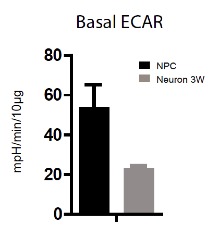
- Neurons show lower glycolytic/TCA metabolite levels and higher oxidative capacity: basal and maximum OCR rise from ~82 and 130 pmoles/min/10 µg in NPCs to ~98 and 183 in 3-week neurons, while lactate/glucose ratio falls from ~1.61 to ~0.35.
- Constitutive HK2 and LDHA expression during differentiation causes neuronal death: ~40% condensed nuclei versus ~6% in controls, with ~40% GFAP-positive glial cells versus ~4% in controls; extra pyruvate (5 mM) rescues neuronal death but not glial increase.
- PGC-1α and ERRγ increase ~3–4 fold and ~2.8–3.4 fold, respectively, and are required to maintain expression of glycolysis, TCA, and mitochondrial respiratory complex genes, even though most mitochondrial gene expression is unchanged versus NPCs; mtDNA copy number and protein mass both increase ~4-fold by 3 weeks.
Methods
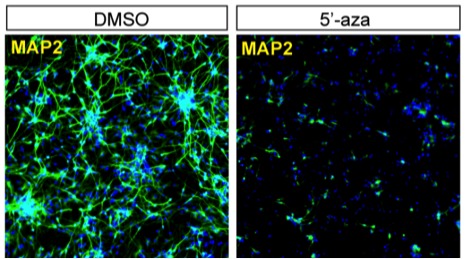
- Human BJ iPSC-derived NPCs were differentiated for 1–3 weeks and validated by Sox2/Nestin and MAP2 staining; RNA-seq was performed on two NPC lines with duplicates, and data were mapped with STAR and quantified by FPKM.
- Metabolic profiling used GC-MS for glycolytic/TCA metabolites, Seahorse for OCR, lactate assays, immunoblotting/immunostaining, RT-PCR, ChIP for c-MYC/N-MYC binding, and lenti-shRNA knockdowns of HK2, LDHA, PGC-1α, or ERRγ.
- Direct neuronal conversion from fibroblasts was tested with PTB knockdown or Ngn2/Ascl1 overexpression; mouse neuroprogenitor differentiation and published mouse astrocyte/neuron RNA-seq were used for conservation checks.
Limitations
- The paper states that expression levels of metabolic enzymes do not completely reflect biochemical/physiological activities, and post-translational modifications were not explored.
- The paper notes that mitochondrial structure, dynamics, and matrix calcium were not investigated, and that protein degradation may also downregulate key metabolic enzymes.
- Evident from the text: the main differentiation model relies on human BJ iPSC-derived NPCs, with some key findings validated in mouse cells; 3-week cultures were used as developing neurons, and rare glial cells emerge later, so longer-term neuronal populations were not the primary focus.
Model-written summary. Check it against the paper before relying on it.
Integrity signals
Registry
Cites
Statistics
Figures
Verification
Claims the paper makes
63 Own result · 41 Not checked yet · 39 Own interpretation · 6 Own method · 6 No basis given
A result the paper reports from its own data — it cites no other source for it, so there is none to check. The quote shows it is in the paper.
In the paper
“The metabolic regulators PGC-1α and ERRγ increase significantly upon neuronal differentiation”
§ Metabolic reprogramming during neuronal differentiation from aerobic glycolysis to neuronal oxidative phosphorylation > Abstract
plaindirect- Asserted: passes — The authors put it forward as true.
- Checkable: passes — It can be checked against evidence.
- Load-bearing: passes — The paper’s conclusions depend on it.
- Based: passes — The paper gives a reason why it holds.
A result the paper reports from its own data — it cites no other source for it, so there is none to check. The quote shows it is in the paper.
In the paper
“Mitochondrial mass increases proportionally with neuronal mass growth”
§ Metabolic reprogramming during neuronal differentiation from aerobic glycolysis to neuronal oxidative phosphorylation > Abstract
plaindirect- Asserted: passes — The authors put it forward as true.
- Checkable: passes — It can be checked against evidence.
- Load-bearing: unclear — It is unclear whether the paper’s conclusions depend on it.
- Based: passes — The paper gives a reason why it holds.
A result the paper reports from its own data — it cites no other source for it, so there is none to check. The quote shows it is in the paper.
In the paper
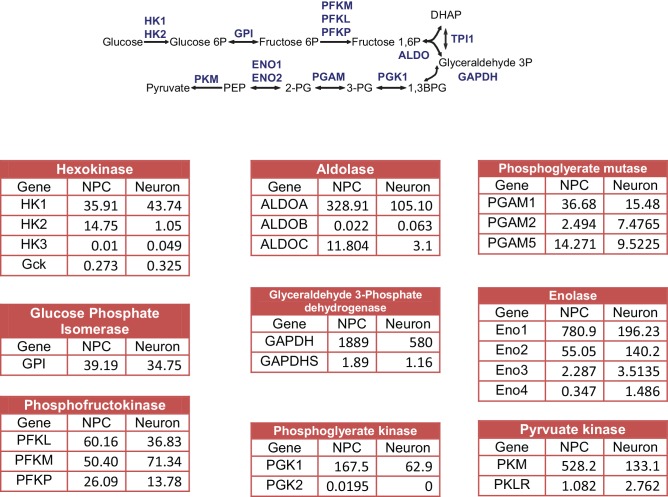
“a switch in pyruvate kinase gene splicing from PKM2 to PKM1”
- Also stated in: § Neuron-specific splicing of PKM and OGDH · plain
“NPCs mainly expressed PKM2, whereas neurons expressed PKM1”
§ Metabolic reprogramming during neuronal differentiation from aerobic glycolysis to neuronal oxidative phosphorylation > Abstract
plaindirect- Asserted: passes — The authors put it forward as true.
- Checkable: passes — It can be checked against evidence.
- Load-bearing: passes — The paper’s conclusions depend on it.
- Based: passes — The paper gives a reason why it holds.
- Also stated in: § Neuron-specific splicing of PKM and OGDH · plain
A result the paper reports from its own data — it cites no other source for it, so there is none to check. The quote shows it is in the paper.
In the paper
“We found that the loss of hexokinase (HK2) and lactate dehydrogenase (LDHA) expression”
- Also stated in: § HK2 and LDHA were off during neuronal differentiation · plain
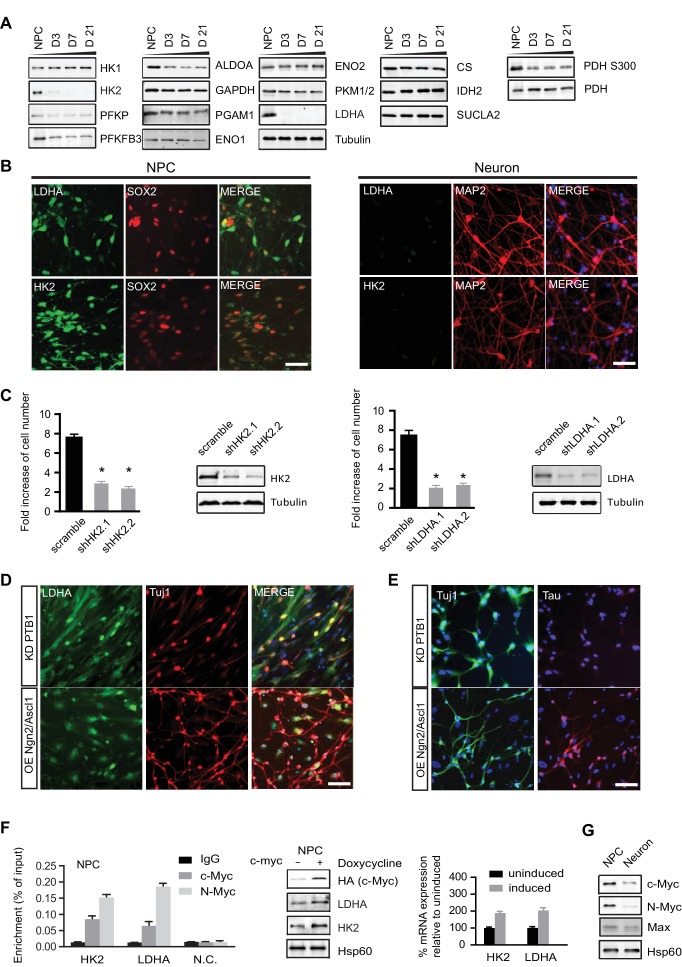
“HK2 and LDHA mRNAs were about 15% and 25% of those in NPCs, but strikingly, both proteins almost completely disappeared upon differentiation”
§ Metabolic reprogramming during neuronal differentiation from aerobic glycolysis to neuronal oxidative phosphorylation > Abstract
plaindirect- Asserted: passes — The authors put it forward as true.
- Checkable: passes — It can be checked against evidence.
- Load-bearing: passes — The paper’s conclusions depend on it.
- Based: passes — The paper gives a reason why it holds.
- Also stated in: § HK2 and LDHA were off during neuronal differentiation · plain
The paper states this without a source or data behind it here, so there is nothing to check it against. The quote shows it is in the paper.
In the paper
“whose levels are unchanged compared to NPCs”
§ Metabolic reprogramming during neuronal differentiation from aerobic glycolysis to neuronal oxidative phosphorylation > Abstract
plain- Asserted: passes — The authors put it forward as true.
- Checkable: passes — It can be checked against evidence.
- Load-bearing: passes — The paper’s conclusions depend on it.
- Based: passes — The paper gives a reason why it holds.
A result the paper reports from its own data — it cites no other source for it, so there is none to check. The quote shows it is in the paper.
In the paper
“Constitutive expression of HK2 and LDHA during differentiation leads to neuronal cell death”
§ Metabolic reprogramming during neuronal differentiation from aerobic glycolysis to neuronal oxidative phosphorylation > Abstract
plaindirect- Asserted: passes — The authors put it forward as true.
- Checkable: passes — It can be checked against evidence.
- Load-bearing: passes — The paper’s conclusions depend on it.
- Based: passes — The paper gives a reason why it holds.
A result the paper reports from its own data — it cites no other source for it, so there is none to check. The quote shows it is in the paper.
In the paper
“The protein levels of c-MYC and N-MYC, transcriptional activators of the HK2 and LDHA genes, decrease dramatically.”
- Also stated in: § HK2 and LDHA were off during neuronal differentiation · plain
“Both c-MYC and N-MYC protein levels decreased significantly, by ~70% and ~85% respectively, once NPCs differentiated into neurons”
§ Metabolic reprogramming during neuronal differentiation from aerobic glycolysis to neuronal oxidative phosphorylation > Abstract
plaindirect- Asserted: passes — The authors put it forward as true.
- Checkable: passes — It can be checked against evidence.
- Load-bearing: passes — The paper’s conclusions depend on it.
- Based: passes — The paper gives a reason why it holds.
- Also stated in: § HK2 and LDHA were off during neuronal differentiation · plain
A result the paper reports from its own data — it cites no other source for it, so there is none to check. The quote shows it is in the paper.
In the paper
“After 3 weeks of differentiation, a majority (~85%) of cells expressed the neuronal marker MAP2”
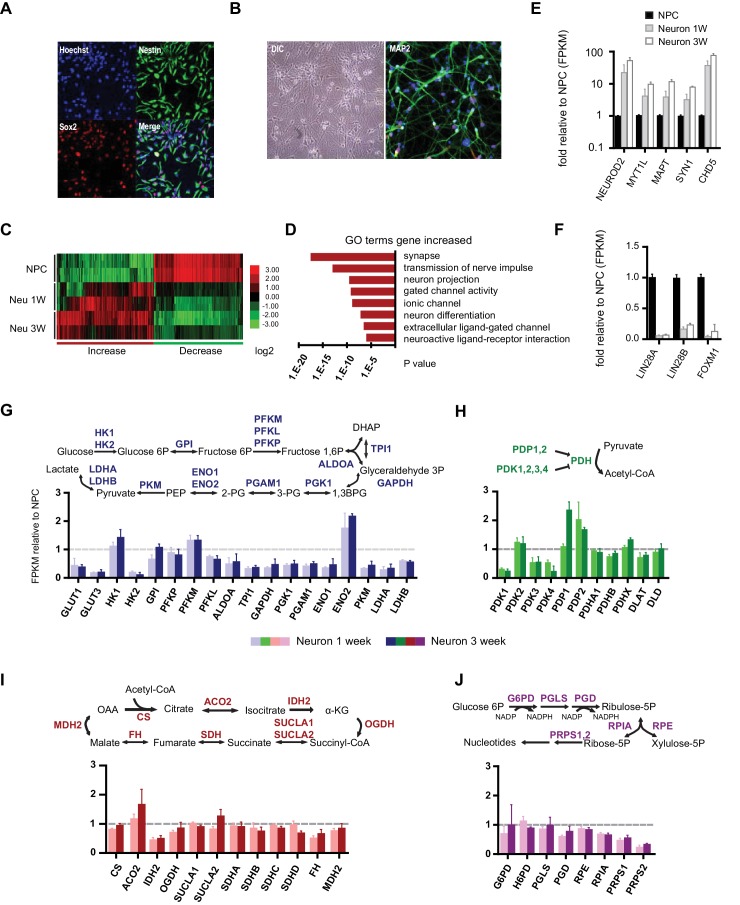
§ Metabolic reprogramming during neuronal differentiation from aerobic glycolysis to neuronal oxidative phosphorylation > Result > Transcription profiling of neuronal differentiation from human NPCs
plain- Asserted: passes — The authors put it forward as true.
- Checkable: passes — It can be checked against evidence.
- Load-bearing: passes — The paper’s conclusions depend on it.
- Based: passes — The paper gives a reason why it holds.
A result the paper reports from its own data — it cites no other source for it, so there is none to check. The quote shows it is in the paper.
In the paper
“the levels of citrate synthase (CS), isocitrate dehydrogenase (IDH2) and succinyl-CoA ligase β subunit (SUCLA2) were constant during differentiation”
§ Metabolic reprogramming during neuronal differentiation from aerobic glycolysis to neuronal oxidative phosphorylation > Result > HK2 and LDHA were off during neuronal differentiation
plain- Asserted: passes — The authors put it forward as true.
- Checkable: passes — It can be checked against evidence.
- Load-bearing: passes — The paper’s conclusions depend on it.
- Based: passes — The paper gives a reason why it holds.
A result the paper reports from its own data — it cites no other source for it, so there is none to check. The quote shows it is in the paper.
In the paper
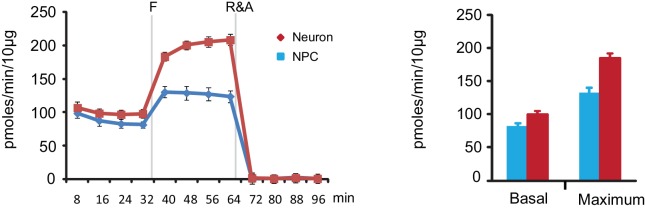
“The basal and maximum OCRs of NPCs were ~82 and 130 (pmoles/min/10 µg), whereas those in 3-week differentiated neurons were ~98 and 183, significantly higher than in NPCs”
§ Metabolic reprogramming during neuronal differentiation from aerobic glycolysis to neuronal oxidative phosphorylation > Result > Glycolytic and TCA metabolites and oxygen consumption rate in NPCs and neurons
plain- Asserted: passes — The authors put it forward as true.
- Checkable: passes — It can be checked against evidence.
- Load-bearing: passes — The paper’s conclusions depend on it.
- Based: passes — The paper gives a reason why it holds.
- It may state two separate claims as one. 43
- Probably not a substantial claim. 17
- The quote only partly states this claim. 1
In the paper
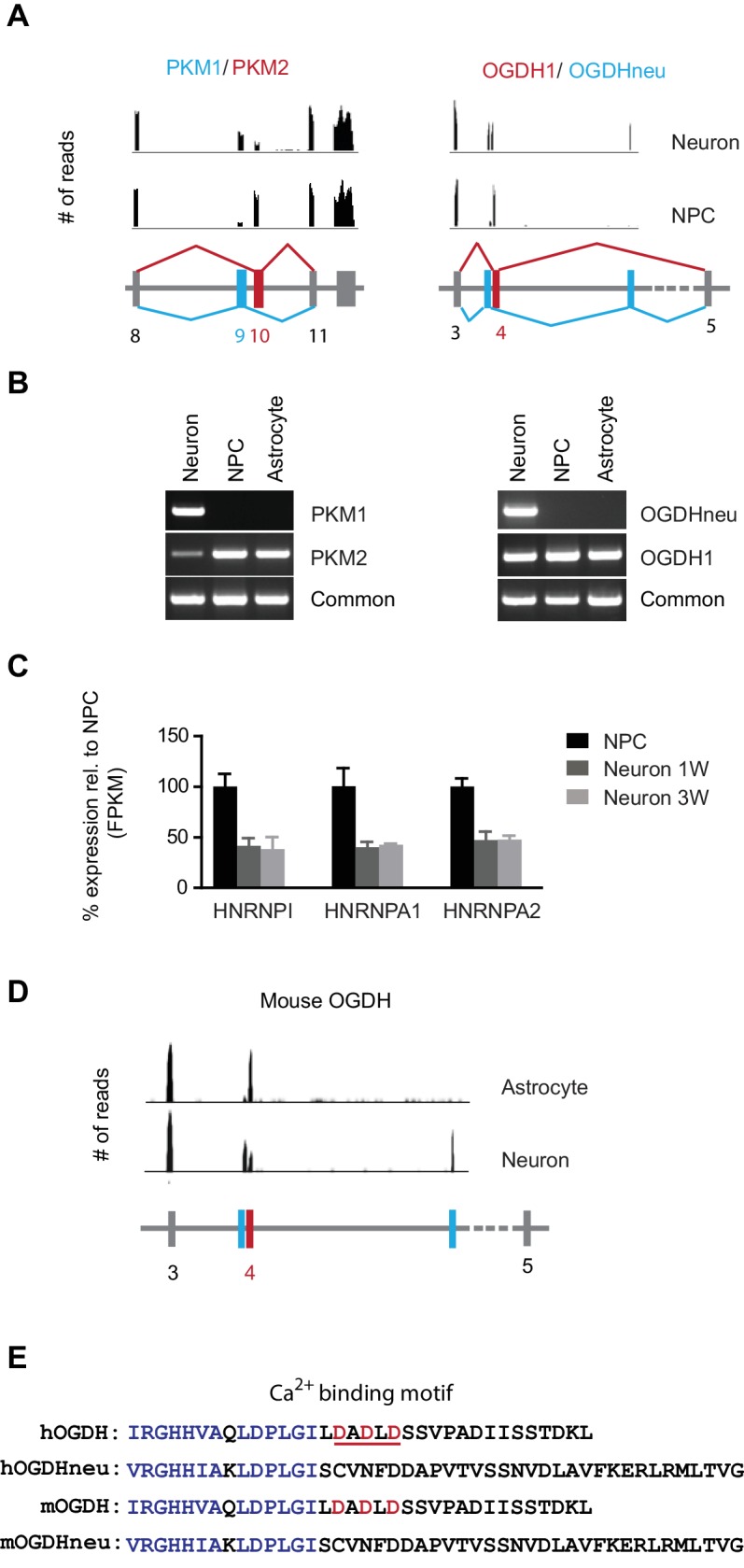
“OGDH, a key enzyme in the TCA cycle, has a novel and conserved neuronal splicing shift, resulting in the loss of a calcium binding motif.”
- Also stated in: § Neuron-specific splicing of PKM and OGDH · plain
“a stretch of 34 amino acids in OGDH1, containing a Ca2+-binding motif (Armstrong et al., 2014), is replaced by 45 amino acids specific to OGDHneu”
§ Metabolic reprogramming during neuronal differentiation from aerobic glycolysis to neuronal oxidative phosphorylation > Introduction
What the sources say
- Not checked yetcites Armstrong et al., 2014
plaindirect- Asserted: passes — The authors put it forward as true.
- Checkable: passes — It can be checked against evidence.
- Load-bearing: passes — The paper’s conclusions depend on it.
- Based: passes — The paper gives a reason why it holds.
It may state two separate claims as one.
- Also stated in: § Neuron-specific splicing of PKM and OGDH · plain
A result the paper reports from its own data — it cites no other source for it, so there is none to check. The quote shows it is in the paper.
In the paper
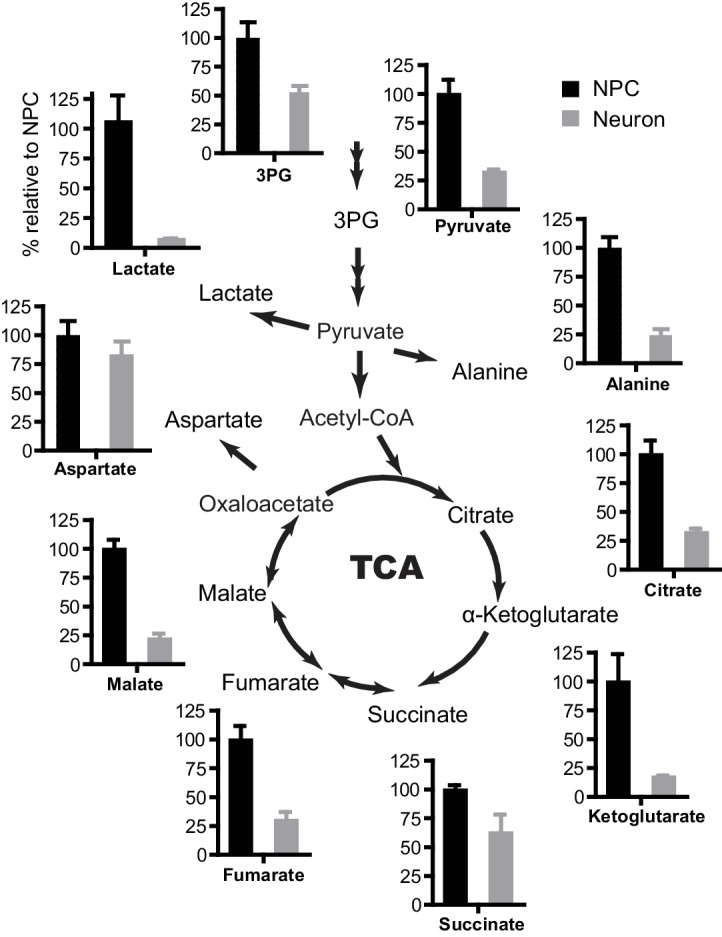
“the levels of 3-phosphoglyerate (3PG) and pyruvate in neurons dropped to ~52% and 32% of those in NPCs”
§ Metabolic reprogramming during neuronal differentiation from aerobic glycolysis to neuronal oxidative phosphorylation > Result > Glycolytic and TCA metabolites and oxygen consumption rate in NPCs and neurons
plain- Asserted: passes — The authors put it forward as true.
- Checkable: passes — It can be checked against evidence.
- Load-bearing: passes — The paper’s conclusions depend on it.
- Based: passes — The paper gives a reason why it holds.
It may state two separate claims as one.
A result the paper reports from its own data — it cites no other source for it, so there is none to check. The quote shows it is in the paper.
In the paper
“citrate was ~32% of that in NPCs, α-ketoglutarate was ~17%, fumarate was ~30%, and malate was ~22%; succinate was relatively higher, at ~62%”
§ Metabolic reprogramming during neuronal differentiation from aerobic glycolysis to neuronal oxidative phosphorylation > Result > Glycolytic and TCA metabolites and oxygen consumption rate in NPCs and neurons
plain- Asserted: passes — The authors put it forward as true.
- Checkable: passes — It can be checked against evidence.
- Load-bearing: passes — The paper’s conclusions depend on it.
- Based: passes — The paper gives a reason why it holds.
It may state two separate claims as one.
A result the paper reports from its own data — it cites no other source for it, so there is none to check. The quote shows it is in the paper.
In the paper
“HK2 and LDHA mRNAs were about 15% and 25% of those in NPCs, but strikingly, both proteins almost completely disappeared upon differentiation”
§ Metabolic reprogramming during neuronal differentiation from aerobic glycolysis to neuronal oxidative phosphorylation > Result > HK2 and LDHA were off during neuronal differentiation
plaindirect- Asserted: passes — The authors put it forward as true.
- Checkable: passes — It can be checked against evidence.
- Load-bearing: passes — The paper’s conclusions depend on it.
- Based: passes — The paper gives a reason why it holds.
It may state two separate claims as one.
A result the paper reports from its own data — it cites no other source for it, so there is none to check. The quote shows it is in the paper.
In the paper
“both HK2 and LDHA mRNA levels dropped, falling to ~8.5% and ~11% of the level in NPCs, respectively, and, consistently, their protein levels were also greatly decreased”
§ Metabolic reprogramming during neuronal differentiation from aerobic glycolysis to neuronal oxidative phosphorylation > Result > HK2 and LDHA were off during neuronal differentiation
plaincorrelational- Asserted: passes — The authors put it forward as true.
- Checkable: passes — It can be checked against evidence.
- Load-bearing: passes — The paper’s conclusions depend on it.
- Based: passes — The paper gives a reason why it holds.
It may state two separate claims as one.
A result the paper reports from its own data — it cites no other source for it, so there is none to check. The quote shows it is in the paper.
In the paper
“OGDHneu splicing is conserved in mouse neurons, whereas mouse astrocytes, like human astrocytes, only expressed OGDH1”
§ Metabolic reprogramming during neuronal differentiation from aerobic glycolysis to neuronal oxidative phosphorylation > Result > Neuron-specific splicing of PKM and OGDH
plain- Asserted: passes — The authors put it forward as true.
- Checkable: passes — It can be checked against evidence.
- Load-bearing: passes — The paper’s conclusions depend on it.
- Based: passes — The paper gives a reason why it holds.
It may state two separate claims as one.
A result the paper reports from its own data — it cites no other source for it, so there is none to check. The quote shows it is in the paper.
In the paper
“OGDH in NPCs (OGDH1) uses exon 4, whereas the isoform in neurons, here called OGDHneu, uses two adjacent exons”
§ Metabolic reprogramming during neuronal differentiation from aerobic glycolysis to neuronal oxidative phosphorylation > Result > Neuron-specific splicing of PKM and OGDH
plain- Asserted: passes — The authors put it forward as true.
- Checkable: passes — It can be checked against evidence.
- Load-bearing: passes — The paper’s conclusions depend on it.
- Based: passes — The paper gives a reason why it holds.
It may state two separate claims as one.
A result the paper reports from its own data — it cites no other source for it, so there is none to check. The quote shows it is in the paper.
In the paper
“Most of the down-regulated genes were cell cycle related, whereas up-regulated genes were enriched in neuronal function pathways”
§ Metabolic reprogramming during neuronal differentiation from aerobic glycolysis to neuronal oxidative phosphorylation > Result > Transcription profiling of neuronal differentiation from human NPCs
plaincorrelational- Asserted: passes — The authors put it forward as true.
- Checkable: passes — It can be checked against evidence.
- Load-bearing: unclear — It is unclear whether the paper’s conclusions depend on it.
- Based: passes — The paper gives a reason why it holds.
It may state two separate claims as one.
A result the paper reports from its own data — it cites no other source for it, so there is none to check. The quote shows it is in the paper.
In the paper
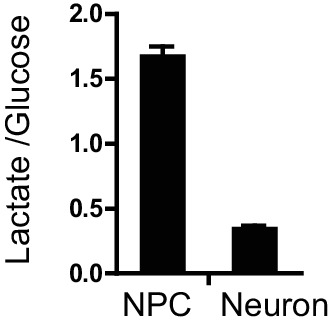
“the ratio was ~1.61 lactate/glucose for NPCs, while in neurons, it was ~0.35”
§ Metabolic reprogramming during neuronal differentiation from aerobic glycolysis to neuronal oxidative phosphorylation > Result > Glycolytic and TCA metabolites and oxygen consumption rate in NPCs and neurons
plain- Asserted: passes — The authors put it forward as true.
- Checkable: passes — It can be checked against evidence.
- Load-bearing: passes — The paper’s conclusions depend on it.
- Based: passes — The paper gives a reason why it holds.
It may state two separate claims as one.
A result the paper reports from its own data — it cites no other source for it, so there is none to check. The quote shows it is in the paper.
In the paper
“TCA genes remained at the same level during differentiation; an exception was isocitrate dehydrogenase, IDH2, the mitochondrial isoform of IDH, which dropped nearly 50%”
§ Metabolic reprogramming during neuronal differentiation from aerobic glycolysis to neuronal oxidative phosphorylation > Result > Gene expression of glycolysis and TCA enzymes during neuronal differentiation
plain- Asserted: passes — The authors put it forward as true.
- Checkable: passes — It can be checked against evidence.
- Load-bearing: unclear — It is unclear whether the paper’s conclusions depend on it.
- Based: passes — The paper gives a reason why it holds.
It may state two separate claims as one.
A result the paper reports from its own data — it cites no other source for it, so there is none to check. The quote shows it is in the paper.
In the paper
“Except for PDK2, RNA levels of the other three PDKs declined significantly during neuronal differentiation; in contrast, PDP1 RNA levels increased ~2.5 fold at 3 weeks of differentiation”
§ Metabolic reprogramming during neuronal differentiation from aerobic glycolysis to neuronal oxidative phosphorylation > Result > Gene expression of glycolysis and TCA enzymes during neuronal differentiation
plaincorrelational- Asserted: passes — The authors put it forward as true.
- Checkable: passes — It can be checked against evidence.
- Load-bearing: passes — The paper’s conclusions depend on it.
- Based: passes — The paper gives a reason why it holds.
It may state two separate claims as one.
A result the paper reports from its own data — it cites no other source for it, so there is none to check. The quote shows it is in the paper.
In the paper
“Both approaches generated Tuj1-positive neurons after 3 weeks of transduction.”
§ Metabolic reprogramming during neuronal differentiation from aerobic glycolysis to neuronal oxidative phosphorylation > Result > LDHA is down-regulated in neurons directly converted from fibroblasts
plaindirect- Asserted: passes — The authors put it forward as true.
- Checkable: passes — It can be checked against evidence.
- Load-bearing: passes — The paper’s conclusions depend on it.
- Based: passes — The paper gives a reason why it holds.
It may state two separate claims as one.
A result the paper reports from its own data — it cites no other source for it, so there is none to check. The quote shows it is in the paper.
In the paper
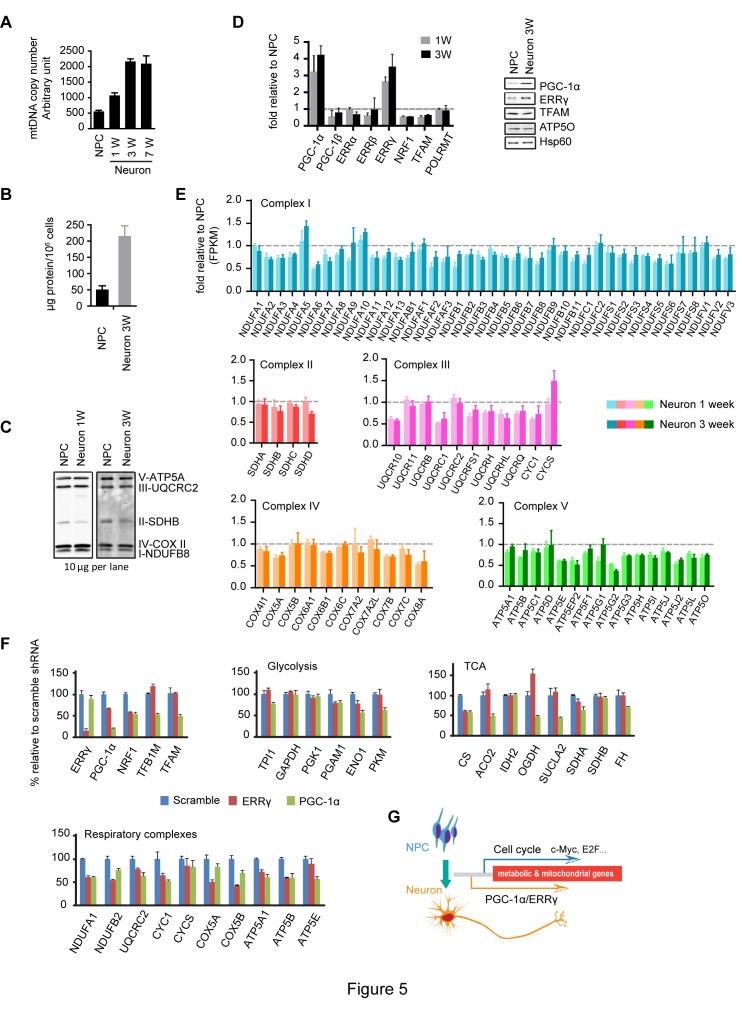
“no significant difference was found between NPCs and neurons at 1 and 3 weeks, except for SDHB of complex II, which was consistently ~50% lower in neurons (Figure 5C).”
§ Metabolic reprogramming during neuronal differentiation from aerobic glycolysis to neuronal oxidative phosphorylation > Result > Increased neuronal PGC-1α/ERRγ maintained the transcription of glycolysis, TCA and mitochondrial genes
plain- Asserted: passes — The authors put it forward as true.
- Checkable: passes — It can be checked against evidence.
- Load-bearing: passes — The paper’s conclusions depend on it.
- Based: passes — The paper gives a reason why it holds.
It may state two separate claims as one.
A result the paper reports from its own data — it cites no other source for it, so there is none to check. The quote shows it is in the paper.
In the paper
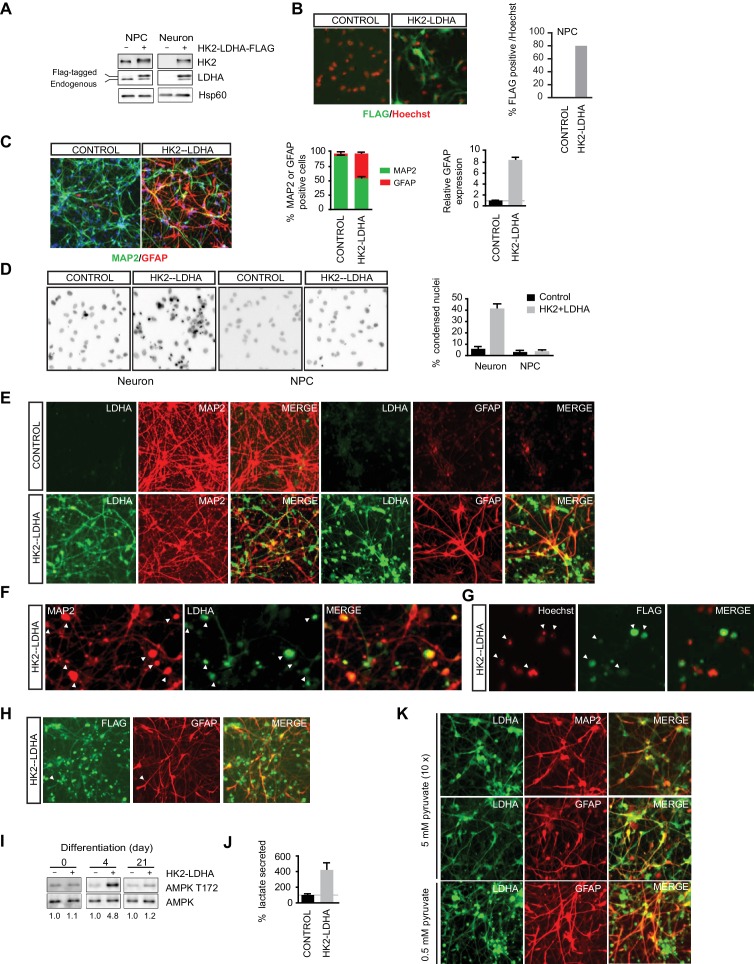
“Indeed, AMPK pT172 was clearly increased at day 4 of neuronal differentiation compared to control, but the phosphorylation returned to a level comparable to control at day 21, when extensive cell death had already occurred (Figure 4I).”
§ Metabolic reprogramming during neuronal differentiation from aerobic glycolysis to neuronal oxidative phosphorylation > Result > Shutoff of aerobic glycolysis is critical for neuronal differentiation
boostedcorrelational- Asserted: passes — The authors put it forward as true.
- Checkable: passes — It can be checked against evidence.
- Load-bearing: passes — The paper’s conclusions depend on it.
- Based: passes — The paper gives a reason why it holds.
It may state two separate claims as one.
A result the paper reports from its own data — it cites no other source for it, so there is none to check. The quote shows it is in the paper.
In the paper
“after the first week, the neuronal mtDNA copy number doubled compared to NPCs, and at 3 weeks was increased to ~four fold.”
§ Metabolic reprogramming during neuronal differentiation from aerobic glycolysis to neuronal oxidative phosphorylation > Result > Increased neuronal PGC-1α/ERRγ maintained the transcription of glycolysis, TCA and mitochondrial genes
plaindirect- Asserted: passes — The authors put it forward as true.
- Checkable: passes — It can be checked against evidence.
- Load-bearing: passes — The paper’s conclusions depend on it.
- Based: passes — The paper gives a reason why it holds.
It may state two separate claims as one.
A result the paper reports from its own data — it cites no other source for it, so there is none to check. The quote shows it is in the paper.
In the paper
“The LDHA signal was clearly detected in GFAP-positive cells with anti-LDHA antibody (Figure 4E) or anti-FLAG antibody staining (Figure 4H), but there was no colocalization with MAP2, a neuronal marker.”
§ Metabolic reprogramming during neuronal differentiation from aerobic glycolysis to neuronal oxidative phosphorylation > Result > Shutoff of aerobic glycolysis is critical for neuronal differentiation
boosted- Asserted: passes — The authors put it forward as true.
- Checkable: passes — It can be checked against evidence.
- Load-bearing: passes — The paper’s conclusions depend on it.
- Based: passes — The paper gives a reason why it holds.
It may state two separate claims as one.
A result the paper reports from its own data — it cites no other source for it, so there is none to check. The quote shows it is in the paper.
In the paper
“We found that PGC-1α was required to maintain the levels of ENO1 and PKM in glycolysis; CS, ACO2, OGDH and SUCLA2 in TCA cycle; TFAM and TFBM1 in mtDNA replication and transcription, and NRF1 (nuclear respiratory factor-1), a key transcription factor that activates nuclear genes encoding respiratory complex subunits (Figure 5F).”
§ Metabolic reprogramming during neuronal differentiation from aerobic glycolysis to neuronal oxidative phosphorylation > Result > Increased neuronal PGC-1α/ERRγ maintained the transcription of glycolysis, TCA and mitochondrial genes
plaindirect- Asserted: passes — The authors put it forward as true.
- Checkable: passes — It can be checked against evidence.
- Load-bearing: passes — The paper’s conclusions depend on it.
- Based: passes — The paper gives a reason why it holds.
It may state two separate claims as one.
A result the paper reports from its own data — it cites no other source for it, so there is none to check. The quote shows it is in the paper.
In the paper
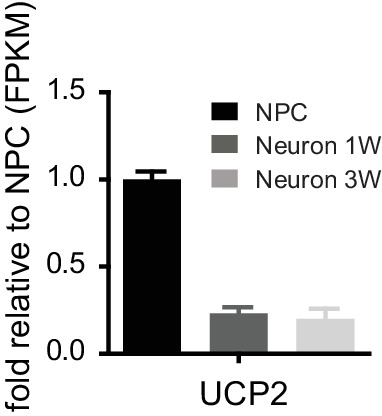
“We found that during neuronal differentiation, UCP2 expression levels dropped significantly, and in 3-week neurons the UCP2 level was only 20% of that in NPCs (Figure 5—figure supplement 1)”
§ Metabolic reprogramming during neuronal differentiation from aerobic glycolysis to neuronal oxidative phosphorylation > Discussion > Molecular changes that define the neuronal energy preference for oxidative phosphorylation
plaincorrelational- Asserted: passes — The authors put it forward as true.
- Checkable: passes — It can be checked against evidence.
- Load-bearing: passes — The paper’s conclusions depend on it.
- Based: passes — The paper gives a reason why it holds.
It may state two separate claims as one.
The paper states this without a source or data behind it here, so there is nothing to check it against. The quote shows it is in the paper.
In the paper
“Surprisingly, even though neurons rely on oxidative phosphorylation to generate energy; the expression of TCA and mitochondrial genes is not increased.”
§ Metabolic reprogramming during neuronal differentiation from aerobic glycolysis to neuronal oxidative phosphorylation > Discussion > Molecular changes that define the neuronal energy preference for oxidative phosphorylation
plain- Asserted: passes — The authors put it forward as true.
- Checkable: passes — It can be checked against evidence.
- Load-bearing: passes — The paper’s conclusions depend on it.
- Based: passes — The paper gives a reason why it holds.
It may state two separate claims as one.
- Rests on an assumption: Neurons rely on mitochondrial oxidative phosphorylation to meet energy demand.
In the paper
“deletion of lactate dehydrogenase A (LDHA) impairs maintenance and proliferation of hematopoietic stem and progenitor cells (Wang et al., 2014)”
§ Metabolic reprogramming during neuronal differentiation from aerobic glycolysis to neuronal oxidative phosphorylation > Introduction
What the sources say
- Not checked yetcites Wang et al., 2014
plaindirect- Asserted: passes — The authors put it forward as true.
- Checkable: passes — It can be checked against evidence.
- Load-bearing: fails — The paper’s conclusions may not depend on it.
- Based: passes — The paper gives a reason why it holds.
Probably not a substantial claim. The paper’s conclusions may not depend on it.
In the paper
“PGC-1α knockout mice show obvious neurodegenerative pathology (Lin et al., 2004)”
§ Metabolic reprogramming during neuronal differentiation from aerobic glycolysis to neuronal oxidative phosphorylation > Introduction
What the sources say
- Not checked yetcites Lin et al., 2004 source
plaindirect- Asserted: passes — The authors put it forward as true.
- Checkable: passes — It can be checked against evidence.
- Load-bearing: fails — The paper’s conclusions may not depend on it.
- Based: passes — The paper gives a reason why it holds.
Probably not a substantial claim. The paper’s conclusions may not depend on it.
A conclusion the paper draws from its own results — it cites no other source for it, so there is none to check. The quote shows it is in the paper.
In the paper
“indicating an unknown mechanism linking mitochondrial biogenesis to cell size”
§ Metabolic reprogramming during neuronal differentiation from aerobic glycolysis to neuronal oxidative phosphorylation > Abstract
hedgedcorrelational- Asserted: passes — The authors put it forward as true.
- Checkable: passes — It can be checked against evidence.
- Load-bearing: fails — The paper’s conclusions may not depend on it.
- Based: passes — The paper gives a reason why it holds.
Probably not a substantial claim. The paper’s conclusions may not depend on it.
In the paper
“A pioneering study using embryonic Xenopus retina revealed that neural progenitor cells (NPCs) are less reliant on oxidative phosphorylation for ATP production than are non-dividing differentiated neurons, and the transition from glycolysis to oxidative phosphorylation is tightly coupled to neuronal differentiation”
§ Metabolic reprogramming during neuronal differentiation from aerobic glycolysis to neuronal oxidative phosphorylation > Introduction
What the sources say
- Not checked yetcites Agathocleous et al., 2012
plaincorrelational- Asserted: passes — The authors put it forward as true.
- Checkable: passes — It can be checked against evidence.
- Load-bearing: passes — The paper’s conclusions depend on it.
- Based: passes — The paper gives a reason why it holds.
It may state two separate claims as one.
A conclusion the paper draws from its own results — it cites no other source for it, so there is none to check. The quote shows it is in the paper.
In the paper
“marks the transition from aerobic glycolysis in neural progenitor cells (NPC) to neuronal oxidative phosphorylation”
§ Metabolic reprogramming during neuronal differentiation from aerobic glycolysis to neuronal oxidative phosphorylation > Abstract
plaincorrelational- Asserted: passes — The authors put it forward as true.
- Checkable: passes — It can be checked against evidence.
- Load-bearing: passes — The paper’s conclusions depend on it.
- Based: passes — The paper gives a reason why it holds.
It may state two separate claims as one.
- Rests on an assumption: Neurons rely on oxidative phosphorylation to meet energy demands.
What the paper did — it cites no source for this, so there is none to check. The quote shows it is in the paper.
In the paper
“Only high-quality NPC lines containing more than 90% Sox2 and Nestin double-positive cells were used for experiments.”
§ Metabolic reprogramming during neuronal differentiation from aerobic glycolysis to neuronal oxidative phosphorylation > Result > Transcription profiling of neuronal differentiation from human NPCs
plain- Asserted: passes — The authors put it forward as true.
- Checkable: passes — It can be checked against evidence.
- Load-bearing: passes — The paper’s conclusions depend on it.
- Based: passes — The paper gives a reason why it holds.
Probably not a substantial claim.
None of the sources cited for this claim have been checked yet.
In the paper
“The drastic decreases in HK2 and LDHA, the two key enzymes supporting aerobic glycolysis (DeBerardinis and Thompson, 2012; Dang, 2012), are consistent with neurons not having high flux aerobic glycolysis and exhibiting low lactate production.”
§ Metabolic reprogramming during neuronal differentiation from aerobic glycolysis to neuronal oxidative phosphorylation > Result > HK2 and LDHA were off during neuronal differentiation
What the sources say
- Not checked yetcites DeBerardinis and Thompson, 2012
- Not checked yetcites Dang, 2012
plaincorrelational- Asserted: passes — The authors put it forward as true.
- Checkable: passes — It can be checked against evidence.
- Load-bearing: passes — The paper’s conclusions depend on it.
- Based: passes — The paper gives a reason why it holds.
It may state two separate claims as one.
In the paper
“MYC, a key transcription factor associated with cell cycle progression, directly activates HK2 and LDHA transcription, and the promoter regions of HK2 and LDHA contain MYC binding sites (5'-CACGTG-3'), also known as E box (Kim et al., 2004).”
§ Metabolic reprogramming during neuronal differentiation from aerobic glycolysis to neuronal oxidative phosphorylation > Result > HK2 and LDHA were off during neuronal differentiation
What the sources say
- Not checked yetcites Kim et al., 2004
plaindirect- Asserted: passes — The authors put it forward as true.
- Checkable: passes — It can be checked against evidence.
- Load-bearing: passes — The paper’s conclusions depend on it.
- Based: passes — The paper gives a reason why it holds.
It may state two separate claims as one.
In the paper
“Denton et al. (2016) also detected this splice form of OGDH in the whole brain tissue and pancreatic islets, calling it LS1, and, importantly, they confirmed that LS1 isoform is insensitive to Ca2+.”
§ Metabolic reprogramming during neuronal differentiation from aerobic glycolysis to neuronal oxidative phosphorylation > Result > Neuron-specific splicing of PKM and OGDH
What the sources say
- Not checked yetcites Denton et al., 2016
boosted- Asserted: passes — The authors put it forward as true.
- Checkable: passes — It can be checked against evidence.
- Load-bearing: passes — The paper’s conclusions depend on it.
- Based: passes — The paper gives a reason why it holds.
It may state two separate claims as one.
What the paper did — it cites no source for this, so there is none to check. The quote shows it is in the paper.
In the paper
“The median sequencing read yield for each sample was ~35 million 100-base reads, of which ~85% were mapped.”
§ Metabolic reprogramming during neuronal differentiation from aerobic glycolysis to neuronal oxidative phosphorylation > Result > Transcription profiling of neuronal differentiation from human NPCs
plain- Asserted: passes — The authors put it forward as true.
- Checkable: passes — It can be checked against evidence.
- Load-bearing: fails — The paper’s conclusions may not depend on it.
- Based: passes — The paper gives a reason why it holds.
Probably not a substantial claim. The paper’s conclusions may not depend on it. It may state two separate claims as one.
In the paper
“overexpression of PGC-1α in cardiac cells triggers the upregulation of hundreds of genes in glycolysis, TCA and mitochondrial respiratory complexes (Rowe et al., 2010).”
§ Metabolic reprogramming during neuronal differentiation from aerobic glycolysis to neuronal oxidative phosphorylation > Result > Increased neuronal PGC-1α/ERRγ maintained the transcription of glycolysis, TCA and mitochondrial genes
What the sources say
- Not checked yetcites Rowe et al., 2010
plaindirect- Asserted: passes — The authors put it forward as true.
- Checkable: passes — It can be checked against evidence.
- Load-bearing: fails — The paper’s conclusions may not depend on it.
- Based: passes — The paper gives a reason why it holds.
Probably not a substantial claim. The paper’s conclusions may not depend on it.
A conclusion the paper draws from its own results — it cites no other source for it, so there is none to check. The quote shows it is in the paper.
In the paper
“The results suggest that neurons cannot tolerate constitutive HK2 and LDHA expression and die during differentiation.”
§ Metabolic reprogramming during neuronal differentiation from aerobic glycolysis to neuronal oxidative phosphorylation > Result > Shutoff of aerobic glycolysis is critical for neuronal differentiation
hedgeddirect- Asserted: passes — The authors put it forward as true.
- Checkable: passes — It can be checked against evidence.
- Load-bearing: passes — The paper’s conclusions depend on it.
- Based: passes — The paper gives a reason why it holds.
It may state two separate claims as one.
A conclusion the paper draws from its own results — it cites no other source for it, so there is none to check. The quote shows it is in the paper.
In the paper
“It appears that although mitochondrial mass increases on a per cell basis, mitochondrial density remains largely unchanged during neuronal differentiation.”
§ Metabolic reprogramming during neuronal differentiation from aerobic glycolysis to neuronal oxidative phosphorylation > Result > Increased neuronal PGC-1α/ERRγ maintained the transcription of glycolysis, TCA and mitochondrial genes
hedged- Asserted: passes — The authors put it forward as true.
- Checkable: passes — It can be checked against evidence.
- Load-bearing: unclear — It is unclear whether the paper’s conclusions depend on it.
- Based: passes — The paper gives a reason why it holds.
It may state two separate claims as one.
In the paper
“A transcriptional circuit, including PGC-1 family coactivators, estrogen-related receptors (ERRs) and nuclear respiratory factor (NRF), is responsible for the transcription of metabolic and mitochondrial genes in multiple tissues, such as heart and skeletal muscle (Scarpulla et al., 2012).”
§ Metabolic reprogramming during neuronal differentiation from aerobic glycolysis to neuronal oxidative phosphorylation > Result > Increased neuronal PGC-1α/ERRγ maintained the transcription of glycolysis, TCA and mitochondrial genes
What the sources say
- Not checked yetcites Scarpulla et al., 2012 source
plaindirect- Asserted: passes — The authors put it forward as true.
- Checkable: passes — It can be checked against evidence.
- Load-bearing: fails — The paper’s conclusions may not depend on it.
- Based: passes — The paper gives a reason why it holds.
Probably not a substantial claim. The paper’s conclusions may not depend on it.
In the paper
“c-MYC and N-MYC redundantly promote neural progenitor cell proliferation in the developing brain, with the brains of double knockout mice exhibiting profoundly impaired growth (Wey and Knoepfler, 2010).”
§ Metabolic reprogramming during neuronal differentiation from aerobic glycolysis to neuronal oxidative phosphorylation > Result > HK2 and LDHA were off during neuronal differentiation
What the sources say
- Not checked yetcites Wey and Knoepfler, 2010
plaindirect- Asserted: passes — The authors put it forward as true.
- Checkable: passes — It can be checked against evidence.
- Load-bearing: unclear — It is unclear whether the paper’s conclusions depend on it.
- Based: passes — The paper gives a reason why it holds.
It may state two separate claims as one.
In the paper
“Functional induced neurons (iN) can be generated directly from fibroblasts by forced expression of neural specific transcription factors, a process also called transdifferentiation (Vierbuchen et al., 2010).”
§ Metabolic reprogramming during neuronal differentiation from aerobic glycolysis to neuronal oxidative phosphorylation > Result > LDHA is down-regulated in neurons directly converted from fibroblasts
What the sources say
- Not checked yetcites Vierbuchen et al., 2010 source
plaindirect- Asserted: passes — The authors put it forward as true.
- Checkable: passes — It can be checked against evidence.
- Load-bearing: passes — The paper’s conclusions depend on it.
- Based: passes — The paper gives a reason why it holds.
Probably not a substantial claim.
In the paper
“PGC-1α is induced in the neonatal mouse heart concurrent with the increase of mitochondrial energy-producing capacity (Lehman et al., 2000).”
§ Metabolic reprogramming during neuronal differentiation from aerobic glycolysis to neuronal oxidative phosphorylation > Result > Increased neuronal PGC-1α/ERRγ maintained the transcription of glycolysis, TCA and mitochondrial genes
What the sources say
- Not checked yetcites Lehman et al., 2000 source
plaincorrelational- Asserted: passes — The authors put it forward as true.
- Checkable: passes — It can be checked against evidence.
- Load-bearing: fails — The paper’s conclusions may not depend on it.
- Based: passes — The paper gives a reason why it holds.
Probably not a substantial claim. The paper’s conclusions may not depend on it.
In the paper
“PGC-1α not only stimulates the induction of NRF1, but also binds to and coactivates the transcriptional function of NRF1 in muscle cells (Wu et al., 1999).”
§ Metabolic reprogramming during neuronal differentiation from aerobic glycolysis to neuronal oxidative phosphorylation > Result > Increased neuronal PGC-1α/ERRγ maintained the transcription of glycolysis, TCA and mitochondrial genes
What the sources say
- Not checked yetcites Wu et al., 1999
plaindirect- Asserted: passes — The authors put it forward as true.
- Checkable: passes — It can be checked against evidence.
- Load-bearing: fails — The paper’s conclusions may not depend on it.
- Based: passes — The paper gives a reason why it holds.
Probably not a substantial claim. The paper’s conclusions may not depend on it. It may state two separate claims as one.
None of the sources cited for this claim have been checked yet.
In the paper
“UCP2 is critical for maintaining stem cell glycolytic metabolism, and its level decreases during differentiation (Zhang et al., 2011; Yu et al., 2013).”
§ Metabolic reprogramming during neuronal differentiation from aerobic glycolysis to neuronal oxidative phosphorylation > Discussion > Molecular changes that define the neuronal energy preference for oxidative phosphorylation
What the sources say
- Not checked yetcites Zhang et al., 2011
- Not checked yetcites Yu et al., 2013
plaindirect- Asserted: passes — The authors put it forward as true.
- Checkable: passes — It can be checked against evidence.
- Load-bearing: passes — The paper’s conclusions depend on it.
- Based: passes — The paper gives a reason why it holds.
It may state two separate claims as one.
In the paper
“MILS neurons also have very low expression of HK2 and LDHA, and do not exhibit a significant increase in mitochondrial density (Zheng et al., 2016).”
§ Metabolic reprogramming during neuronal differentiation from aerobic glycolysis to neuronal oxidative phosphorylation > Discussion > Molecular changes that define the neuronal energy preference for oxidative phosphorylation
What the sources say
- Not checked yetcites Zheng et al., 2016
plain- Asserted: passes — The authors put it forward as true.
- Checkable: passes — It can be checked against evidence.
- Load-bearing: passes — The paper’s conclusions depend on it.
- Based: passes — The paper gives a reason why it holds.
It may state two separate claims as one.
In the paper
“The critical role of LDHA in aerobic glycolysis has been proven in cancer cells, and LDHA depletion greatly decreases aerobic glycolysis and increases mitochondrial OXPHOS activity (Fantin et al., 2006).”
§ Metabolic reprogramming during neuronal differentiation from aerobic glycolysis to neuronal oxidative phosphorylation > Discussion > Molecular changes that define the neuronal energy preference for oxidative phosphorylation
What the sources say
- Not checked yetcites Fantin et al., 2006
boosteddirect- Asserted: passes — The authors put it forward as true.
- Checkable: passes — It can be checked against evidence.
- Load-bearing: passes — The paper’s conclusions depend on it.
- Based: passes — The paper gives a reason why it holds.
It may state two separate claims as one.
A conclusion the paper draws from its own results — it cites no other source for it, so there is none to check. The quote shows it is in the paper.
In the paper
“It appears that neurons cannot use aerobic glycolysis or mitochondrial biogenesis to compensate for energy shortage.”
§ Metabolic reprogramming during neuronal differentiation from aerobic glycolysis to neuronal oxidative phosphorylation > Discussion > Molecular changes that define the neuronal energy preference for oxidative phosphorylation
hedgedSingle case- Asserted: passes — The authors put it forward as true.
- Checkable: passes — It can be checked against evidence.
- Load-bearing: passes — The paper’s conclusions depend on it.
- Based: passes — The paper gives a reason why it holds.
It may state two separate claims as one.
In the paper
“The A4 isozyme kinetically favors the conversion from pyruvate to lactate, while the B4 isozyme prefer converting lactate to pyruvate (Cahn et al., 1962).”
§ Metabolic reprogramming during neuronal differentiation from aerobic glycolysis to neuronal oxidative phosphorylation > Discussion > Molecular changes that define the neuronal energy preference for oxidative phosphorylation
What the sources say
- Not checked yetcites Cahn et al., 1962
plaindirect- Asserted: passes — The authors put it forward as true.
- Checkable: passes — It can be checked against evidence.
- Load-bearing: passes — The paper’s conclusions depend on it.
- Based: passes — The paper gives a reason why it holds.
It may state two separate claims as one.
In the paper
“In an iPSC-based disease model of maternally inherited Leign syndrome (MILS), an early childhood neurodegenerative disease due to ATP synthase defect, we found that MILS neurons but not their NPCs show severe energy deficiency; MILS NPCs generate more lactate than healthy control NPCs.”
§ Metabolic reprogramming during neuronal differentiation from aerobic glycolysis to neuronal oxidative phosphorylation > Discussion > Molecular changes that define the neuronal energy preference for oxidative phosphorylation
What the sources say
- Not checked yetcites Zheng et al., 2016
plain- Asserted: passes — The authors put it forward as true.
- Checkable: passes — It can be checked against evidence.
- Load-bearing: passes — The paper’s conclusions depend on it.
- Based: passes — The paper gives a reason why it holds.
It may state two separate claims as one.
A conclusion the paper draws from its own results — it cites no other source for it, so there is none to check. The quote shows it is in the paper.
In the paper
“Glucose transporter levels dramatically decrease in neurons, which limits glucose uptake and the production of glycolytic pyruvate.”
§ Metabolic reprogramming during neuronal differentiation from aerobic glycolysis to neuronal oxidative phosphorylation > Discussion > Shut-off of aerobic glycolysis is critical for neuronal differentiation
plaindirect- Asserted: passes — The authors put it forward as true.
- Checkable: passes — It can be checked against evidence.
- Load-bearing: passes — The paper’s conclusions depend on it.
- Based: passes — The paper gives a reason why it holds.
It may state two separate claims as one.
A conclusion the paper draws from its own results — it cites no other source for it, so there is none to check. The quote shows it is in the paper.
In the paper
“Fourth, the decrease in expression of PDKs and the increase in PDPs may result in more active pyruvate dehydrogenase complexes (PDC), as demonstrated by decreased phosphorylation at Ser 300 of PDH E1 alpha protein (PDHA1), promoting pyruvate entry into the TCA cycle.”
§ Metabolic reprogramming during neuronal differentiation from aerobic glycolysis to neuronal oxidative phosphorylation > Discussion > Molecular changes that define the neuronal energy preference for oxidative phosphorylation
hedgedconditional- Asserted: passes — The authors put it forward as true.
- Checkable: passes — It can be checked against evidence.
- Load-bearing: passes — The paper’s conclusions depend on it.
- Based: passes — The paper gives a reason why it holds.
It may state two separate claims as one.
In the paper
“mitochondrial structure (cristae organization and size), dynamics (fusion and fission) and calcium concentration in the mitochondrial matrix are all involved in mitochondrial energy metabolism (Mishra and Chan, 2014).”
§ Metabolic reprogramming during neuronal differentiation from aerobic glycolysis to neuronal oxidative phosphorylation > Discussion > Molecular changes that define the neuronal energy preference for oxidative phosphorylation
What the sources say
- Not checked yetcites Mishra and Chan, 2014
plaincorrelational- Asserted: passes — The authors put it forward as true.
- Checkable: passes — It can be checked against evidence.
- Load-bearing: fails — The paper’s conclusions may not depend on it.
- Based: passes — The paper gives a reason why it holds.
Probably not a substantial claim. The paper’s conclusions may not depend on it. It may state two separate claims as one.
A conclusion the paper draws from its own results — it cites no other source for it, so there is none to check. The quote shows it is in the paper.
In the paper
“Third, the decreased expression of HK2, and the GLUT1 and GLUT3 glucose transporters reduce glucose entry, terminating high flux glycolysis.”
§ Metabolic reprogramming during neuronal differentiation from aerobic glycolysis to neuronal oxidative phosphorylation > Discussion > Molecular changes that define the neuronal energy preference for oxidative phosphorylation
plaindirect- Asserted: passes — The authors put it forward as true.
- Checkable: passes — It can be checked against evidence.
- Load-bearing: passes — The paper’s conclusions depend on it.
- Based: passes — The paper gives a reason why it holds.
It may state two separate claims as one.
What the paper did — it cites no source for this, so there is none to check. The quote shows it is in the paper.
In the paper
“For each time point, two experimental duplicates were used for each independent NPC line and its differentiated neurons.”
§ Metabolic reprogramming during neuronal differentiation from aerobic glycolysis to neuronal oxidative phosphorylation > Materials and methods > RNA sequencing
plain- Asserted: passes — The authors put it forward as true.
- Checkable: passes — It can be checked against evidence.
- Load-bearing: fails — The paper’s conclusions may not depend on it.
- Based: passes — The paper gives a reason why it holds.
Probably not a substantial claim. The paper’s conclusions may not depend on it.
In the paper
“in a high-throughput screen to identify small molecules interfering with mitochondrial abundance, hundreds of compounds were found to be capable of changing the cellular mitochondrial content; the majority of them also change cell size accordingly (Kitami et al., 2012)”
§ Metabolic reprogramming during neuronal differentiation from aerobic glycolysis to neuronal oxidative phosphorylation > Discussion > Metabolic and mitochondrial gene transcription control in proliferating and post-mitotic differentiated cells
What the sources say
- Not checked yetcites Kitami et al., 2012
plaincorrelational- Asserted: passes — The authors put it forward as true.
- Checkable: passes — It can be checked against evidence.
- Load-bearing: passes — The paper’s conclusions depend on it.
- Based: passes — The paper gives a reason why it holds.
It may state two separate claims as one.
What the paper did — it cites no source for this, so there is none to check. The quote shows it is in the paper.
In the paper
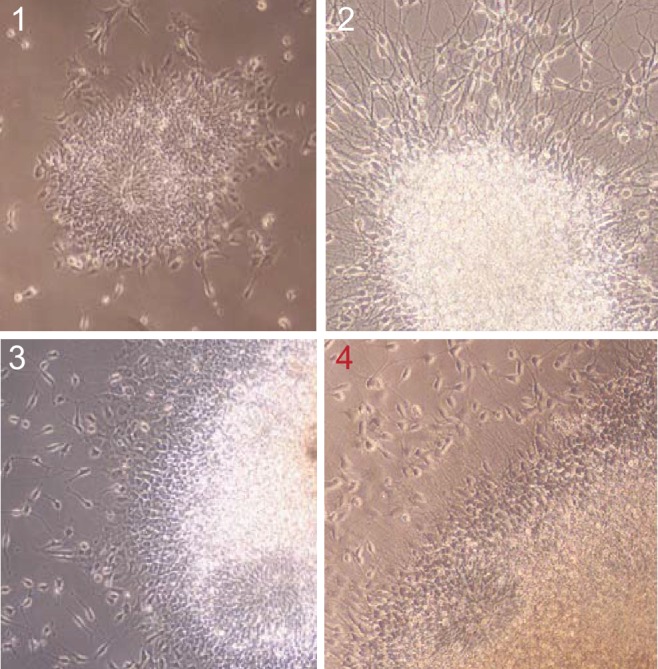
“This step is critical for the purity of NPCs; only colonies (type 4) showing sufficient maturity as described in Figure 1—figure supplement 2 were picked.”
§ Metabolic reprogramming during neuronal differentiation from aerobic glycolysis to neuronal oxidative phosphorylation > Materials and methods > Establishment of NPCs and neuronal differentiation
boosteddirect- Asserted: passes — The authors put it forward as true.
- Checkable: passes — It can be checked against evidence.
- Load-bearing: passes — The paper’s conclusions depend on it.
- Based: passes — The paper gives a reason why it holds.
Probably not a substantial claim.
None of the sources cited for this claim have been checked yet.
In the paper
“blocking neuronal oxidative utilization of lactate affects neuronal survival and even memory formation (Suzuki et al., 2011; Lee et al., 2012).”
§ Metabolic reprogramming during neuronal differentiation from aerobic glycolysis to neuronal oxidative phosphorylation > Discussion > Shut-off of aerobic glycolysis is critical for neuronal differentiation
What the sources say
plaindirect- Asserted: passes — The authors put it forward as true.
- Checkable: passes — It can be checked against evidence.
- Load-bearing: passes — The paper’s conclusions depend on it.
- Based: passes — The paper gives a reason why it holds.
It may state two separate claims as one.
In the paper
“c-MYC activation in the myocardium of adult mice induces mitochondrial biogenesis and glycolysis but reduces PGC-1α level (Ahuja et al., 2010).”
§ Metabolic reprogramming during neuronal differentiation from aerobic glycolysis to neuronal oxidative phosphorylation > Discussion > Metabolic and mitochondrial gene transcription control in proliferating and post-mitotic differentiated cells
What the sources say
- Not checked yetcites Ahuja et al., 2010
plaindirect- Asserted: passes — The authors put it forward as true.
- Checkable: passes — It can be checked against evidence.
- Load-bearing: fails — The paper’s conclusions may not depend on it.
- Based: passes — The paper gives a reason why it holds.
Probably not a substantial claim. The paper’s conclusions may not depend on it. It may state two separate claims as one.
What the paper did — it cites no source for this, so there is none to check. The quote shows it is in the paper.
In the paper
“RNA-seq experiments were performed with two NPC lines established from independent iPSC clones.”
§ Metabolic reprogramming during neuronal differentiation from aerobic glycolysis to neuronal oxidative phosphorylation > Materials and methods > RNA sequencing
plain- Asserted: passes — The authors put it forward as true.
- Checkable: passes — It can be checked against evidence.
- Load-bearing: fails — The paper’s conclusions may not depend on it.
- Based: passes — The paper gives a reason why it holds.
Probably not a substantial claim. The paper’s conclusions may not depend on it.
What the paper did — it cites no source for this, so there is none to check. The quote shows it is in the paper.
In the paper
“only samples with RIN greater than 8.5 were used for library preparation.”
§ Metabolic reprogramming during neuronal differentiation from aerobic glycolysis to neuronal oxidative phosphorylation > Materials and methods > RNA sequencing
plain- Asserted: passes — The authors put it forward as true.
- Checkable: passes — It can be checked against evidence.
- Load-bearing: fails — The paper’s conclusions may not depend on it.
- Based: passes — The paper gives a reason why it holds.
Probably not a substantial claim. The paper’s conclusions may not depend on it.
In the paper
“E2F also upregulates mitochondrial genes, a function conserved from flies to mammals (Ambrus et al., 2013).”
§ Metabolic reprogramming during neuronal differentiation from aerobic glycolysis to neuronal oxidative phosphorylation > Discussion > Metabolic and mitochondrial gene transcription control in proliferating and post-mitotic differentiated cells
What the sources say
- Not checked yetcites Ambrus et al., 2013
plaindirect- Asserted: passes — The authors put it forward as true.
- Checkable: passes — It can be checked against evidence.
- Load-bearing: fails — The paper’s conclusions may not depend on it.
- Based: passes — The paper gives a reason why it holds.
Probably not a substantial claim. The paper’s conclusions may not depend on it. It may state two separate claims as one.
A conclusion the paper draws from its own results — it cites no other source for it, so there is none to check. The quote shows it is in the paper.
In the paper
“indicating that glycolytic pyruvate deficiency is a major cause of death.”
§ Metabolic reprogramming during neuronal differentiation from aerobic glycolysis to neuronal oxidative phosphorylation > Discussion > Shut-off of aerobic glycolysis is critical for neuronal differentiation
hedgeddirect- Asserted: passes — The authors put it forward as true.
- Checkable: passes — It can be checked against evidence.
- Load-bearing: passes — The paper’s conclusions depend on it.
- Based: passes — The paper gives a reason why it holds.
The quote only partly states this claim.
The paper relies on this without support.
Little is known about the molecular basis of neurons' preference for oxidative phosphorylation or neuronal metabolic responses to energy crisis and their implications for disease progression.
“Little is known about the molecular basis of neurons’ preference for oxidative phosphorylation, or neuronal metabolic responses to the energy crisis and their implications for disease progression.”
The paper relies on this without support.
Neurons rely on oxidative phosphorylation to meet energy demands.
“Neurons rely on oxidative phosphorylation to meet energy demands.”
The paper relies on this without support.
Neurons rely on mitochondrial oxidative phosphorylation to meet energy demand.
“Neurons rely on mitochondrial oxidative phosphorylation to meet energy demand.”
The paper relies on this without support.
Aerobic glycolysis diverts pyruvate from mitochondrial oxidative phosphorylation for energy production by converting it into secreted lactate.
“As aerobic glycolysis diverts pyruvate from mitochondrial oxidative phosphorylation for energy production by converting it into secreted lactate”
The paper relies on this without support.
HK1 is still expressed in neurons.
“HK1 is still expressed in neurons”
The paper relies on this without support.
In proliferating NPCs, mitochondria are used for generation of biosynthetic precursors and mitochondria themselves have to be duplicated for daughter cells.
“mitochondria are used for generation of biosynthetic precursors in these proliferating cells, and mitochondria themselves have to be duplicated for daughter cells.”
The paper relies on this without support.
The expression levels of metabolic enzymes alone do not completely reflect their biochemical/physiological activities.
“the expression levels of metabolic enzymes alone do not completely reflect their biochemical/physiological activities”
Claims other papers make about this one
Each is checked against this paper’s own text: does it say what the citing paper says it does?
In the citing paper
“In multiple tissue contexts, adult stem cells have been found to primarily engage in aerobic glycolysis.”
From Regulation and function of the mammalian tricarboxylic acid cycle (2023) · cites this paper as [205]
In the citing paper
“Upon lineage commitment and differentiation, however, cells increase their oxidation of pyruvate in the TCA cycle and display enhanced OXPHOS (203, 204, 205).”
From Regulation and function of the mammalian tricarboxylic acid cycle (2023) · cites this paper as [205]
Self-check
Percentages, sums and reported differences re-computed from the paper’s own numbers.
Each contradiction between two passages listed here was confirmed by an independent check.
Rated minor: it would not touch a result — a value no result rests on, a p-value that stays on the same side of the significance level, or a conflict that is clerical, resolved elsewhere in the paper, or outside its own findings.
In the paper
§ Metabolic reprogramming during neuronal differentiation from aerobic glycolysis to neuronal oxidative phosphorylation > Result > HK2 and LDHA were off during neuronal differentiation
“BJ NPC cells at passage 3 were infected with lenti-shRNAs targeting HK2 or LDHA.”
§ Metabolic reprogramming during neuronal differentiation from aerobic glycolysis to neuronal oxidative phosphorylation > Result > HK2 and LDHA were off during neuronal differentiation
“NPCs at early passage (P2) were seeded in 24-well plates one day before infection.”
Rated minor: it would not touch a result — a value no result rests on, a p-value that stays on the same side of the significance level, or a conflict that is clerical, resolved elsewhere in the paper, or outside its own findings.
In the paper
§ Metabolic reprogramming during neuronal differentiation from aerobic glycolysis to neuronal oxidative phosphorylation > Result > Transcription profiling of neuronal differentiation from human NPCs
“(G, H, I and J) Relative expression levels of the key metabolic genes in glycolysis, tricarboxylic acid cycle (TCA), pyruvate dehydrogenase (PDH) complex and pentose phosphate pathway.”
§ Metabolic reprogramming during neuronal differentiation from aerobic glycolysis to neuronal oxidative phosphorylation > Result > Gene expression of glycolysis and TCA enzymes during neuronal differentiation
“Expression of the genes encoding the subunits of PDC itself, including PDHA1, PDHB, PDHX, DLAT, and DLD, showed no significant changes (Figure 1H).”
Citations
Cites
STAR: ultrafast universal RNA-seq aligner
Dobin, A., Davis, C. A., Schlesinger, F., Drenkow, J., Zaleski, C., Jha, S., Batut, P., Chaisson, M., & Gingeras, T. R. (2013) · Bioinformatics · doi:10.1093/bioinformatics/bts635 · Cited by 51,709 · cited 3×
“RNA-seq reactions were done on an Illumina HiSeq 2500 system (Illumina, San Diego, CA) and the sequenced reads were mapped to an annotated human genome (version GRch37/hg19) using STAR (Dobin et al., 2013).”
BackgroundMethodUnderstanding the Warburg Effect: The Metabolic Requirements of Cell Proliferation
Vander Heiden, M. G., Cantley, L. C., & Thompson, C. B. (2009) · Science · doi:10.1126/science.1160809 · Cited by 16,197 · cited 1×
“Most cancer cells use aerobic glycolysis to generate energy, a phenomenon called the Warburg effect, in which a large fraction of glycolytic pyruvate is converted into lactate (Vander Heiden et al., 2009).”
BackgroundTrapnell, C., Williams, B. A., Pertea, G., Mortazavi, A., Kwan, G., van Baren, M. J., Salzberg, S. L., Wold, B. J., & Pachter, L. (2010) · Nature Biotechnology · doi:10.1038/nbt.1621 · Cited by 15,556
Robinson, J. T., Thorvaldsdóttir, H., Winckler, W., Guttman, M., Lander, E. S., Getz, G., & Mesirov, J. P. (2011) · Nature Biotechnology · doi:10.1038/nbt.1754 · Cited by 15,390 · cited 3×
“…whether changes in alternative mRNA splicing occurred in glycolysis, TCA and mitochondrial respiratory complex genes during neuronal differentiation, the distributions of exonic RNA-seq reads were manually compared between NPCs and neurons using Integrative Genomics Viewer (Robinson et al., 2011).”
MethodInfluentialTrapnell, C., Roberts, A., Goff, L. A., Pertea, G. M., Kim, D., Kelley, D. R., Pimentel, H., Salzberg, S. L., Rinn, J. L., & Pachter, L. S. (2012) · Nature Protocols · doi:10.1038/nprot.2012.016 · Cited by 12,145 · cited 1×
“The sequencing reads were mapped to a human reference genome by STAR and assembled with Cufflinks (Dobin et al., 2013; Trapnell et al., 2012).”
MethodMitochondrial Dysfunction and Oxidative Stress in Neurodegenerative Diseases
Lin, M. T., & Beal, M. F. (2006) · Nature · doi:10.1038/nature05292 · Cited by 6,455
Zhang, Y., Chen, K., Sloan, S. A., Bennett, M. L., Scholze, A. R., O'Keeffe, S., Phatnani, H. P., Guarnieri, P., Caneda, C., Ruderisch, N., et al. (2014) · The Journal of Neuroscience · doi:10.1523/jneurosci.1860-14.2014 · Cited by 4,875 · cited 2×
“This result was consistent with a recent finding that mouse neurons exclusively expressed PKM1, whereas astrocytes only expressed PKM2 (Zhang et al., 2014).”
ResultWu, Z., Puigserver, P., Andersson, U., Zhang, C., Adelmant, G., Mootha, V., Troy, A., Cinti, S., Lowell, B., Scarpulla, R. C., et al. (1999) · Cell · doi:10.1016/s0092-8674(00)80611-x · Cited by 4,139 · cited 2×
“PGC-1a not only stimulates the induction of NRF1, but also binds to and coactivates the transcriptional function of NRF1 in muscle cells (Wu et al., 1999).”
BackgroundChronic systemic pesticide exposure reproduces features of Parkinson's disease
Betarbet, R. S., Sherer, T., MacKenzie, G. M., Garcia‐Osuna, M., Panov, A. V., & Greenamyre, J. T. (2000) · Nature Neuroscience · doi:10.1038/81834 · Cited by 3,770 · cited 1×
“For example, chronic exposure of the brain to the lipophilic pesticide rotenone causes dopaminergic neuron degeneration (Betarbet et al., 2000).”
BackgroundHypoxia-inducible factors in physiology and medicine
Semenza, G. L. (2012) · Cell · doi:10.1016/j.cell.2012.01.021 · Cited by 3,645 · cited 1×
“Moreover, under low oxygen condition, the transcription of glycolytic genes is upregu- lated by hypoxia-inducible factor (HIF), and increased glycolytic ATP produced by enhanced glyco- lytic flux can partially supply cellular energy demands (Iyer et al., 1998; Seagroves et al., 2001; Semenza, 2012).”
BackgroundDirect conversion of fibroblasts to functional neurons by defined factors
Vierbuchen, T., Ostermeier, A., Pang, Z. P., Kokubu, Y., Südhof, T. C., & Wernig, M. (2010) · Nature · doi:10.1038/nature08797 · Cited by 3,017
The M2 splice isoform of pyruvate kinase is important for cancer metabolism and tumour growth
Christofk, H. R., Vander Heiden, M. G., Harris, M. H., Ramanathan, A., Gerszten, R. E., Wei, R., Fleming, M. D., Schreiber, S. L., & Cantley, L. C. (2008) · Nature · doi:10.1038/nature06734 · Cited by 2,820 · cited 2×
“Replacing PKM2 with PKM1 in cancer cells reduces lactate production and increases oxygen consumption (Christofk et al., 2008), indicating that PKM2 may favor high flux glycolysis.”
BackgroundCellular and developmental control of O 2 homeostasis by hypoxia-inducible factor 1α
Iyer, N. V., Kotch, L. E., Agani, F., Leung, S. W., Laughner, E., Wenger, R. H., Gassmann, M., Gearhart, J. D., Lawler, A. M., Yu, A. Y., et al. (1998) · Genes & Development · doi:10.1101/gad.12.2.149 · Cited by 2,476 · cited 1×
“Moreover, under low oxygen condition, the transcription of glycolytic genes is upregu- lated by hypoxia-inducible factor (HIF), and increased glycolytic ATP produced by enhanced glyco- lytic flux can partially supply cellular energy demands (Iyer et al., 1998; Seagroves et al., 2001; Semenza, 2012).”
BackgroundAstrocyte-Neuron Lactate Transport Is Required for Long-Term Memory Formation
Suzuki, A., Stern, S. A., Bozdagi, O., Huntley, G. W., Walker, R. H., Magistretti, P. J., & Alberini, C. M. (2011) · Cell · doi:10.1016/j.cell.2011.02.018 · Cited by 1,711 · cited 1×
“…that lactate secreted by glial cells is a critical energy source for neurons in vivo (Pellerin and Magistretti, 2012), and blocking neuronal oxidative utilization of lactate affects neuronal survival and even memory formation (Suzuki et al., 2011; Lee et al., Zheng et al. eLife 2016;5:e13374.”
BackgroundOligodendroglia metabolically support axons and contribute to neurodegeneration
Lee, Y., Morrison, B. M., Li, Y., Lengacher, S., Farah, M. H., Hoffman, P. N., Liu, Y., Tsingalia, A., Jin, L., Zhang, P.-W., et al. (2012) · Nature · doi:10.1038/nature11314 · Cited by 1,664
Fantin, V. R., St-Pierre, J., & Leder, P. (2006) · Cancer Cell · doi:10.1016/j.ccr.2006.04.023 · Cited by 1,635 · cited 2×
“The critical role of LDHA in aerobic glycolysis has been proven in cancer cells, and LDHA depletion greatly decreases aerobic glycolysis and increases mitochondrial OXPHOS activity (Fantin et al., 2006).”
BackgroundModelling schizophrenia using human induced pluripotent stem cells
Brennand, K. J., Simone, A., Jou, J., Gelboin-Burkhart, C., Tran, N., Sangar, S., Li, Y., Mu, Y., Chen, G., Yu, D., et al. (2011) · Nature · doi:10.1038/nature09915 · Cited by 1,375 · cited 1×
“Establishment of NPCs and neuronal differentiation The establishment of neural progenitor cells from iPSCs and neuron differentiation were performed as previously described (Brennand et al., 2011).”
MethodSelf-citationPeroxisome proliferator–activated receptor γ coactivator-1 promotes cardiac mitochondrial biogenesis
Lehman, J. J., Barger, P. M., Kovacs, A., Saffitz, J. E., Medeiros, D. M., & Kelly, D. P. (2000) · Journal of Clinical Investigation · doi:10.1172/jci10268 · Cited by 1,285 · cited 1×
“PGC-1a is induced in the neonatal mouse heart concurrent with the increase of mitochondrial energy-producing capacity (Lehman et al., 2000).”
BackgroundHnRNP proteins controlled by c-Myc deregulate pyruvate kinase mRNA splicing in cancer
David, C. J., Chen, M., Assanah, M., Canoll, P., & Manley, J. L. (2010) · Nature · doi:10.1038/nature08697 · Cited by 1,179 · cited 17×
“This result was consistent with a recent finding that mouse neurons exclusively expressed PKM1, whereas astrocytes only expressed PKM2 (Zhang et al., 2014).”
BackgroundInfluentialDefects in Adaptive Energy Metabolism with CNS-Linked Hyperactivity in PGC-1α Null Mice
Lin, J., Wu, P.-H., Tarr, P. T., Lindenberg, K. S., St-Pierre, J., Zhang, C.-Y., Mootha, V. K., Jäger, S., Vianna, C. R., Reznick, R. M., et al. (2004) · Cell · doi:10.1016/j.cell.2004.09.013 · Cited by 1,162
Current Protocols in Human Genetics
Schutte, B. C., & Murray, J. C. (2001) · John Wiley & Sons, Inc. eBooks · doi:10.1002/0471142905 · Cited by 1,091
Mitochondrial dynamics and inheritance during cell division, development and disease
Mishra, P., & Chan, D. C. (2014) · Nature Reviews Molecular Cell Biology · doi:10.1038/nrm3877 · Cited by 1,076
Links between metabolism and cancerPreprint
Dang, C. V. (2012) · Genes & Development · doi:10.1101/gad.189365.112 · Cited by 1,021 · cited 1×
“The drastic decreases in HK2 and LDHA, the two key enzymes supporting aerobic glycolysis (DeBerardinis and Thompson, 2012; Dang, 2012), are consistent with neurons not having high flux aerobic glycolysis and exhibiting low lactate production.”
BackgroundNature and Development of Lactic Dehydrogenases
Cahn, R. D., Zwilling, E., Kaplan, N. O., & Levine, L. (1962) · Science · doi:10.1126/science.136.3520.962 · Cited by 943 · cited 1×
“The A4 isozyme kinetically favors the conversion from pyruvate to lactate, while the B4 isozyme prefer converting lactate to pyruvate (Cahn et al., 1962).”
BackgroundRegulation of mitochondrial dehydrogenases by calcium ions
Denton, R. M. (2009) · Biochimica et Biophysica Acta (BBA) - Bioenergetics · doi:10.1016/j.bbabio.2009.01.005 · Cited by 885 · cited 1×
“Mitochondrial calcium increases can further boost its activity (Denton, 2009).”
BackgroundCellular Metabolism and Disease: What Do Metabolic Outliers Teach Us?
DeBerardinis, R. J., & Thompson, C. B. (2012) · Cell · doi:10.1016/j.cell.2012.02.032 · Cited by 858 · cited 1×
“The drastic decreases in HK2 and LDHA, the two key enzymes supporting aerobic glycolysis (DeBerardinis and Thompson, 2012; Dang, 2012), are consistent with neurons not having high flux aerobic glycolysis and exhibiting low lactate production.”
BackgroundHerrero-Mendez, A., Almeida, A., Fernández, E., Maestre, C., Moncada, S., & Bolaños, J. P. (2009) · Nature Cell Biology · doi:10.1038/ncb1881 · Cited by 844
Pyruvate kinase M2 activators promote tetramer formation and suppress tumorigenesis
Anastasiou, D., Yu, Y., Israelsen, W. J., Jiang, J.-K., Boxer, M. B., Hong, B. S., Tempel, W., Dimov, S., Shen, M., Jha, A., et al. (2012) · Nature Chemical Biology · doi:10.1038/nchembio.1060 · Cited by 816 · cited 1×
“PKM1 is constitutively active, while, PKM2 is subjected to allosteric regulation and can adopt a low or high activity state (Anastasiou et al., 2012).”
BackgroundTranscriptional integration of mitochondrial biogenesis
Scarpulla, R. C., Vega, R. B., & Kelly, D. P. (2012) · Trends in Endocrinology & Metabolism · doi:10.1016/j.tem.2012.06.006 · Cited by 798
Wolf, A., Agnihotri, S., Micallef, J., Mukherjee, J., Sabha, N., Cairns, R., Hawkins, C., & Guha, A. (2011) · Journal of Experimental Medicine · doi:10.1084/jem.20101470 · Cited by 789 · cited 1×
“These results indicate that, as found in cancer cell lines (Fantin et al., 2006; Wolf et al., 2011), aerobic glycolysis is required for NPC proliferation.”
BackgroundPellerin, L., & Magistretti, P. J. (2011) · Journal of Cerebral Blood Flow & Metabolism · doi:10.1038/jcbfm.2011.149 · Cited by 760
Kim, J.-W., Gao, P., Liu, Y.-C., Semenza, G. L., & Dang, C. V. (2007) · Molecular and Cellular Biology · doi:10.1128/mcb.00440-07 · Cited by 658
Transcription Factor HIF-1 Is a Necessary Mediator of the Pasteur Effect in Mammalian Cells
Seagroves, T. N., Ryan, H. E., Lu, H., Wouters, B. G., Knapp, M., Thibault, P., Laderoute, K. R., & Johnson, R. S. (2001) · Molecular and Cellular Biology · doi:10.1128/mcb.21.10.3436-3444.2001 · Cited by 634 · cited 2×
“Moreover, under low oxygen condition, the transcription of glycolytic genes is upregulated by hypoxia-inducible factor (HIF), and increased glycolytic ATP produced by enhanced glycolytic flux can partially supply cellular energy demands (Iyer et al., 1998; Seagroves et al., 2001; Semenza, 2012).”
BackgroundMyc Stimulates Nuclearly Encoded Mitochondrial Genes and Mitochondrial Biogenesis
Li, F., Wang, Y., Zeller, K. I., Potter, J. J., Wonsey, D. R., O’Donnell, K. A., Kim, J., Yustein, J. T., Lee, L. A., & Dang, C. V. (2005) · Molecular and Cellular Biology · doi:10.1128/mcb.25.14.6225-6234.2005 · Cited by 615 · cited 2×
“…as MYC and E2F, have been shown to promote metabolic and mitochondrial gene expression. c-MYC-null fibroblasts have diminished mitochondrial mass (Li et al., 2005). c-MYC activation in the myocardium of adult mice induces mitochondrial biogenesis and glycolysis but reduces PGC-1a level (Ahuja et…”
BackgroundStem cell metabolism in tissue development and aging
Shyh‐Chang, N., Daley, G. Q., & Cantley, L. C. (2013) · Development · doi:10.1242/dev.091777 · Cited by 602 · cited 1×
“The balance between glycolysis and mitochondrial oxidative phosphorylation is essential for stem cell function (Shyh-Chang et al., 2013; Teslaa and Teitell, 2015).”
BackgroundMitochondria: The Next (Neurode)Generation
Schon, E. A., & Przedborski, S. (2011) · Neuron · doi:10.1016/j.neuron.2011.06.003 · Cited by 568 · cited 1×
“Malfunctions of mitochondrial oxidative phosphorylation (OXPHOS) lead to a wide range of neurological disorders, and are frequently observed in neurodegenerative diseases (Lin and Beal, 2006; Schon and Przedborski, 2011; Koopman et al., 2013).”
BackgroundA High-Efficiency System for the Generation and Study of Human Induced Pluripotent Stem Cells
Maherali, N., Ahfeldt, T., Rigamonti, A., Utikal, J., Cowan, C., & Hochedlinger, K. (2008) · Cell Stem Cell · doi:10.1016/j.stem.2008.08.003 · Cited by 563 · cited 1×
“The inducible c-MYC (T58A, a mutation stabilizing c-MYC) lentivirus expression vectors, FUdeltaGW-rtTA (#19780) and FU-tet-o-hc-MYC (#19775) were developed by Maherali et al. (2008) and obtained from Addg- ene.”
MethodDirect Conversion of Fibroblasts to Neurons by Reprogramming PTB-Regulated MicroRNA Circuits
Xue, Y., Ouyang, K., Huang, J., Zhou, Y., Ouyang, H., Li, H., Wang, G., Wu, Q., Wei, C., Bi, Y., et al. (2013) · Cell · doi:10.1016/j.cell.2012.11.045 · Cited by 562 · cited 7×
“Furthermore, while Ngn2/Ascl1-derived iNs expressed Tau, a mature neuronal marker, no Tau expression was detected in iNs from PTB knockdown, suggesting that PTB KD iNs were not as mature as Ngn2/Ascl1-derived iNs (Figure 3E).”
BackgroundInfluentialUCP2 regulates energy metabolism and differentiation potential of human pluripotent stem cells
Zhang, J., Khvorostov, I., Hong, J. S., Oktay, Y., Vergnes, L., Nuebel, E., Wahjudi, P. N., Setoguchi, K., Wang, G., Do, A., et al. (2011) · The EMBO Journal · doi:10.1038/emboj.2011.401 · Cited by 512
Sirt1 contributes critically to the redox-dependent fate of neural progenitors
Prozorovski, T., Schulze-Topphoff, U., Glumm, R., Baumgart, J., Schröter, F., Ninnemann, O., Siegert, E., Bendix, I., Brüstle, O., Nitsch, R., et al. (2008) · Nature Cell Biology · doi:10.1038/ncb1700 · Cited by 451 · cited 2×
“Interestingly, Sirt1, a histone deacetylase and sensor of NADH/NAD, has been shown to direct the differentiation into the astroglial lineage at the expense of the neuronal lineage (Prozorovski et al., 2008).”
BackgroundClower, C. V., Chatterjee, D., Wang, Z., Cantley, L. C., Vander Heiden, M. G., & Krainer, A. R. (2010) · Proceedings of the National Academy of Sciences · doi:10.1073/pnas.0914845107 · Cited by 424 · cited 1×
“…of nuclear ribonucleoprotein (hnRNP) proteins, hnRNPI, hnRNPA1 and hnRNPA2, and in cancer cells, these proteins are expressed at high levels and bind repressively to the sequences flanking exon 9, favoring the exon 10 addition thus generating more PKM2 (David et al., 2010; Clower et al., 2010).”
BackgroundSelective distribution of lactate dehydrogenase isoenzymes in neurons and astrocytes of human brain
Bittar, P. G., Charnay, Y., Pellerin, L., Bouras, C., & Magistretti, P. J. (1996) · Journal of Cerebral Blood Flow & Metabolism · doi:10.1097/00004647-199611000-00001 · Cited by 423 · cited 1×
“The absence of LDHA in neurons is consistent with previous immunohistochemistry studies in human brain showing that neurons are exclusively stained with anti-LDHB antibody while astrocytes are stained by both antiLDHA and LDHB antibodies (Bittar et al., 1996).”
ResultUCP2 transports C4 metabolites out of mitochondria, regulating glucose and glutamine oxidation
Vozza, A., Parisi, G., De Leonardis, F., Lasorsa, F. M., Castegna, A., Amorese, D., Marmo, R., Calcagnile, V. M., Palmieri, L., Ricquier, D., et al. (2014) · Proceedings of the National Academy of Sciences · doi:10.1073/pnas.1317400111 · Cited by 407 · cited 1×
“Distinct from UCP1, which uncouples ATP synthesis from the proton gradient by transporting protons into the mitochondrial matrix, UCP2 exports malate and oxaloacetate from mitochondria into the cytosol thus limiting the entry of pyruvate into the TCA cycle (Vozza et al., 2014).”
BackgroundLeigh and Leigh-Like Syndrome in Children and Adults
Finsterer, J. (2008) · Pediatric Neurology · doi:10.1016/j.pediatrneurol.2008.07.013 · Cited by 377 · cited 1×
“Hereditary mutations in OXPHOS genes cause Leigh syndrome, a severe early childhood neurodegeneration (Finsterer, 2008).”
BackgroundKim, J.-W., Zeller, K. I., Wang, Y., Jegga, A. G., Aronow, B. J., O'Donnell, K. A., & Dang, C. V. (2004) · Molecular and Cellular Biology · doi:10.1128/mcb.24.13.5923-5936.2004 · Cited by 371 · cited 3×
“The real-time PCR primers were designed according to the work by Kim et al. (2004) and (2007).”
BackgroundMethodCell-State-Specific Metabolic Dependency in Hematopoiesis and Leukemogenesis
Wang, Y., Israelsen, W. J., Lee, D., Yu, V. W. C., Jeanson, N. T., Clish, C. B., Cantley, L. C., Heiden, M. G. V., & Scadden, D. T. (2014) · Cell · doi:10.1016/j.cell.2014.07.048 · Cited by 367 · cited 3×
“maintenance and proliferation of hematopoietic stem and progenitor cells (Wang et al., 2014).”
BackgroundInfluentialMultimolecular Forms of Pyruvate Kinase from Rat and Other Mammalian Tissues*
Imamura, K., & Tanaka, T. (1972) · The Journal of Biochemistry · doi:10.1093/oxfordjournals.jbchem.a129852 · Cited by 364 · cited 1×
“PKM1 is normally found in tissues where oxidative phosphorylation is preferentially used to generate ATP, whereas PKM2 is expressed in proliferating cells with high anabolic activity (Imamura and Tanaka, 1972).”
BackgroundYu, W., Liu, X., Shen, J., Jovanović, O., Pohl, E. E., Gerson, S. L., Finkel, T., Broxmeyer, H. E., & Qu, C. (2013) · Cell stem cell · doi:10.1016/j.stem.2012.11.022 · Cited by 362 · cited 1×
“As demonstrated in human embryonic stem cells and hematopoietic stem cells, UCP2 is critical for maintaining stem cell glycolytic metabolism, and its level decreases during differentiation (Zhang et al., 2011; Yu et al., 2013).”
BackgroundPGC-1 Coactivators in Cardiac Development and Disease
Rowe, G. C., Jiang, A., & Arany, Z. P. (2010) · Circulation Research · doi:10.1161/circresaha.110.223818 · Cited by 361 · cited 2×
“At first glance, this was confusing, because overexpression of PGC-1a in cardiac cells triggers the upregula- tion of hundreds of genes in glycolysis, TCA and mitochondrial respiratory complexes (Rowe et al., 2010).”
BackgroundComparative Metabolic Flux Profiling of Melanoma Cell Lines
Scott, D. A., Richardson, A. D., Filipp, F. V., Knutzen, C. A., Chiang, G. G., Ronai, Z. A., Osterman, A. L., & Smith, J. W. (2011) · Journal of Biological Chemistry · doi:10.1074/jbc.m111.282046 · Cited by 328 · cited 1×
“More details including the parameters of machine settings can be found in the publication from the center (Scott et al., 2011).”
BackgroundJohnson, M. A., Weick, J. P., Pearce, R. A., & Zhang, S.-C. (2007) · The Journal of Neuroscience · doi:10.1523/jneurosci.4562-06.2007 · Cited by 318 · cited 2×
“Consistent with a previous study (Johnson et al., 2007), neurons after ~4 weeks could be induced to fire multiple action potentials (Figure 1—figure supplement 3).”
BackgroundSmall molecules enable highly efficient neuronal conversion of human fibroblasts.
Ladewig, J., Mertens, J., Kesavan, J., Doerr, J., Poppe, D., Glaue, F., Herms, S., Wernet, P., Kögler, G., Müller, F.-J., et al. (2012) · Nature Methods · doi:10.1038/nmeth.1972 · Cited by 316 · cited 10×
“Direct conversion of human fibroblasts into iNs using Ngn2/Ascl1- and”
BackgroundMethodInfluentialSelf-citationOXPHOS mutations and neurodegeneration
Koopman, W. J. H., Distelmaier, F., Smeitink, J. A. M., & Willems, P. H. G. M. (2012) · The EMBO Journal · doi:10.1038/emboj.2012.300 · Cited by 270 · cited 1×
“Malfunctions of mitochondrial oxidative phosphorylation (OXPHOS) lead to a wide range of neurological disorders, and are frequently observed in neurodegenerative diseases (Lin and Beal, 2006; Schon and Przedborski, 2011; Koopman et al., 2013).”
BackgroundPyruvate Kinase Isoform Expression Alters Nucleotide Synthesis to Impact Cell Proliferation
Lunt, S. Y., Muralidhar, V., Hosios, A. M., Israelsen, W. J., Gui, D. Y., Newhouse, L., Ogrodzinski, M. P., Hecht, V. C., Xu, K., Acevedo, P. N. M., et al. (2014) · Molecular Cell · doi:10.1016/j.molcel.2014.10.027 · Cited by 263 · cited 3×
“, 2008; Eigenbrodt and Glossmann, 1980), although this model is challenged by a recent finding that PKM1 expression does not decrease upstream glycolytic intermediates but significantly reduces nucleotide biosynthesis (Lunt et al., 2015).”
BackgroundInfluentialPluripotent stem cell energy metabolism: an update
TeSlaa, T. A., & Teitell, M. A. (2014) · The EMBO Journal · doi:10.15252/embj.201490446 · Cited by 221
SOX2–LIN28/let-7 pathway regulates proliferation and neurogenesis in neural precursors
Cimadamore, F., Amador‐Arjona, A., Chen, C., Huang, C., & Terskikh, A. V. (2013) · Proceedings of the National Academy of Sciences · doi:10.1073/pnas.1220176110 · Cited by 216 · cited 3×
“Neuron-specific genes such as NEUROD2, MYT1L, MAPT (Tau), SYN1 (synapsin), CHD5 (Egan et al., 2013) were significantly increased (Figure 1E), whereas the markers associated with proliferating NPCs, LIN28A/B and FOXM1 (Cimadamore et al., 2013; Karsten et al., 2003), were considerably decreased (Figure 1F).”
BackgroundInfluentialPecqueur, C., Bui, T., Gelly, C., Hauchard, J., Barbot, C., Bouillaud, F., Ricquier, D., Miroux, B., & Thompson, C. B. (2008) · The FASEB Journal · doi:10.1096/fj.07-8945com · Cited by 209 · cited 2×
“In addition to the conventional regulators of glycolysis, TCA and oxidative phosphorylation, the critical role of UCP2 (uncoupling protein 2) in promoting aerobic glycolysis and inhibiting oxidative phosphorylation has been established from multiple experimental models (Pecqueur et al., 2008; Samudio et al., 2008; Bou…”
MethodMetabolic differentiation in the embryonic retina
Agathocleous, M., Love, N. K., Randlett, O., Harris, J. J., Liu, J., Murray, A. J., & Harris, W. A. (2012) · Nature Cell Biology · doi:10.1038/ncb2531 · Cited by 182 · cited 2×
“…phosphorylation for ATP production than are non-dividing differentiated neurons, and the transition from glycolysis to oxidative phosphorylation is tightly coupled to neuro- nal differentiation, though the exact molecular basis underlying the transition is unknown (Agathocleous et al., 2012).”
BackgroundSamudio, I., Fiegl, M., McQueen, T., Clise-Dwyer, K., & Andreeff, M. (2008) · Cancer Research · doi:10.1158/0008-5472.can-08-0555 · Cited by 168 · cited 2×
“In addition to the conventional regulators of glycolysis, TCA and oxidative phosphorylation, the critical role of UCP2 (uncoupling protein 2) in promoting aerobic glycolysis and inhibiting oxidative phosphorylation has been established from multiple experimental models (Pecqueur et al., 2008; Samudio et al., 2008; Bou…”
MethodAhuja, P., Zhao, P., Angelis, E., Ruan, H., Korge, P., Olson, A., Wang, Y., Jin, E. S., Jeffrey, F. M., Portman, M., et al. (2010) · Journal of Clinical Investigation · doi:10.1172/jci38331 · Cited by 157 · cited 1×
“…E2F, have been shown to promote metabolic and mitochondrial gene expression. c-MYC-null fibroblasts have diminished mitochondrial mass (Li et al., 2005). c-MYC activation in the myocardium of adult mice induces mitochondrial biogenesis and glycolysis but reduces PGC-1a level (Ahuja et al., 2010).”
BackgroundBouillaud, F. (2009) · Biochimica et Biophysica Acta (BBA) - Bioenergetics · doi:10.1016/j.bbabio.2009.01.003 · Cited by 146
Nutrient-sensing pathways and metabolic regulation in stem cells
Ochocki, J. D., & Simon, M. C. (2013) · Journal of Cell Biology · doi:10.1083/jcb.201303110 · Cited by 140
Zheng, X., Boyer, L. F., Jin, M., Kim, Y., Fan, W., Bardy, C., Berggren, W. T., Evans, R. M., Gage, F. H., & Hunter, T. R. (2016) · eLife · doi:10.7554/elife.13378 · Cited by 139 · cited 2×
“MILS neurons also have very low expression of HK2 and LDHA, and do not exhibit a significant increase in mitochondrial density (Zheng et al., 2016).”
BackgroundSelf-citationReal‐Time Quantitative PCR Analysis of Mitochondrial DNA Content
Venegas, V., Wang, J., Dimmock, D., & Wong, L. (2011) · Current Protocols in Human Genetics · doi:10.1002/0471142905.hg1907s68 · Cited by 133 · cited 1×
“…file 1. mtDNA copy number was estimated by comparing SYBR Green real time PCR amplification of a mitochondrial DNA amplicon, tRNA Leu (UUR), with a nuclear DNA amplicon (b2-microglobulin) from DNA isolated using a Qiagen genomic DNA kit according to the protocol (Venegas et al., 2011).”
MethodEgan, C. M., Nyman, U., Skotte, J., Streubel, G., Turner, S. A., O’Connell, D. J., Rraklli, V., Dolan, M.-J., Chadderton, N., Hansen, K. H., et al. (2013) · Developmental Cell · doi:10.1016/j.devcel.2013.07.008 · Cited by 125 · cited 3×
“Neuron-specific genes such as NEUROD2, MYT1L, MAPT (Tau), SYN1 (synapsin), CHD5 (Egan et al., 2013) were significantly increased (Figure 1E), whereas the markers associated with proliferating NPCs, LIN28A/B and FOXM1 (Cimadamore et al., 2013; Karsten et al., 2003), were considerably decreased (Figure 1F).”
BackgroundInfluentialKarsten, S., Kudo, L., Jackson, R., Sabatti, C., Kornblum, H., & Geschwind, D. (2003) · Developmental Biology · doi:10.1016/s0012-1606(03)00274-4 · Cited by 122 · cited 2×
“DOI: 10.7554/eLife.13374.001”
BackgroundInfluentialGershon, T. R., Crowther, A., Tikunov, A. P., García, I., Annis, R. P., Yuan, H., Miller, C. R., Macdonald, J. M., Olson, J. M., & Deshmukh, M. (2013) · Cancer & Metabolism · doi:10.1186/2049-3002-1-2 · Cited by 113 · cited 1×
“The inhibitory effect of HK2 depletion on NPC proliferation is consistent with a recent finding that ablation of HK2 diminishes aerobic glycolysis and disrupts cerebellar granule neuronal progenitor development (Gershon et al., 2013).”
BackgroundGlycolysis—one of the keys to cancer?
EIGENBRODT, E. (1980) · Trends in Pharmacological Sciences · doi:10.1016/0165-6147(80)90009-7 · Cited by 108 · cited 2×
“…in a less-active state, thus resulting in accumulation of upstream metabolites that can be used for biosynthetic pathways (Christofk et al., 2008; Eigenbrodt and Glossmann, 1980), although this model is challenged by a recent finding that PKM1 expression does not decrease upstream glycolytic…”
BackgroundTranscriptional Control of Cardiac Fuel Metabolism and Mitochondrial FunctionPreprint
Leone, T. C., & Kelly, D. P. (2011) · Cold Spring Harbor Symposia on Quantitative Biology · doi:10.1101/sqb.2011.76.011965 · Cited by 77
Defining the role of oxygen tension in human neural progenitor fate
Xie, Y., Zhang, J., Lin, Y., Gaeta, X., Meng, X., Wisidagama, D. R. R., Cinkornpumin, J., Koehler, C. M., Malone, C. S., Teitell, M. A., et al. (2014) · Stem Cell Reports · doi:10.1016/j.stemcr.2014.09.021 · Cited by 65 · cited 1×
“Interestingly, it has been reported that exposure of NPCs to hypoxia, which boosts aerobic glycolysis, leads to more glial cells during neuronal differentiation (Xie et al., 2014).”
BackgroundDependence of hippocampal function on ERRγ-regulated mitochondrial metabolism
Pei, L., Mu, Y., Leblanc, M., Alaynick, W., Barish, G. D., Pankratz, M., Tseng, T. W., Kaufman, S., Liddle, C., Yu, R. T., et al. (2015) · Cell Metabolism · doi:10.1016/j.cmet.2015.03.004 · Cited by 65 · cited 2×
“…to the broad effect of PGC-1a, ERRg was mainly required for maintaining expression of NRF1 and mitochondrial respiratory complexes (Figure 5F), which is consistent with a recent finding that in neurons the geno- mic binding sites for ERRg have extensive overlap with NRFs (Pei et al., 2015).”
ResultSelf-citationQiang, L., Fujita, R., & Abeliovich, A. (2013) · Neuron · doi:10.1016/j.neuron.2013.06.002 · Cited by 59 · cited 2×
“Neuronal differentiation from human NPCs derived from embryonic stem cells or induced pluripotent stem cells (iPSCs) is able to recapitulate the in vivo developmental process and has been successfully used to model a variety of neurological diseases (Qiang et al., 2013).”
BackgroundA Chemical Screen Probing the Relationship between Mitochondrial Content and Cell Size
Kitami, T., Logan, D. J., Negri, J. M., Hasaka, T. P., Tolliday, N. J., Carpenter, A. E., Spiegelman, B. M., & Mootha, V. K. (2012) · PLoS ONE · doi:10.1371/journal.pone.0033755 · Cited by 58 · cited 1×
“…interfering with mitochondrial abundance, hundreds of compounds were found to be capable of changing the cellular mitochondrial content; the majority of them also change cell size accordingly (Kitami et al., 2012), indicating a fundamental relationship between cell size and mitochondrial number.”
Backgroundc-mycand N-mycpromote active stem cell metabolism and cycling as architects of the developing brain
Wey, A., & Knoepfler, P. S. (2010) · Oncotarget · doi:10.18632/oncotarget.116 · Cited by 54
Armstrong, C. T., Anderson, J. L. R., & Denton, R. M. (2014) · Biochemical Journal · doi:10.1042/bj20131664 · Cited by 44
Loss of dE2F compromises mitochondrial function
Ambrus, A. M., Islam, A. B. M. M. K., Holmes, K. B., Moon, N. S., Lopez-Bigas, N., Benevolenskaya, E. V., & Frolov, M. V. (2013) · Developmental Cell · doi:10.1016/j.devcel.2013.10.002 · Cited by 34 · cited 1×
“E2F also upregulates mitochondrial genes, a function conserved from flies to mammals (Ambrus et al., 2013).”
BackgroundDenton, R. M., Pullen, T. J., Armstrong, C. T., Heesom, K. J., & Rutter, G. A. (2016) · Biochemical Journal · doi:10.1042/bcj20160135 · Cited by 30 · cited 1×
“In a recent study, Denton et al. (2016) also detected this splice form of OGDH in the whole brain tissue and pancreatic islets, calling it LS1, and, importantly, they confirmed that LS1 isoform is insensitive to Ca2+. Note, that we did not find the OGDHneu isoform in RNA-seq data from…”
Background
Cited by
Sorted by citations
Regulation and metabolic functions of mTORC1 and mTORC2
Szwed, A., Kim, E., & Jacinto, E. (2021) · Physiological Reviews · doi:10.1152/physrev.00026.2020 · Cited by 855
Xiang, Y., Tanaka, Y., Patterson, B., Kang, Y., Govindaiah, G., Roselaar, N., Çakır, B., Kim, K.-Y., Lombroso, A., Hwang, S., et al. (2017) · Cell stem cell · doi:10.1016/j.stem.2017.07.007 · Cited by 711
Mitochondria at the neuronal presynapse in health and disease
Devine, M. J., & Kittler, J. T. (2018) · Nature reviews. Neuroscience · doi:10.1038/nrn.2017.170 · Cited by 636
Regulation and function of the mammalian tricarboxylic acid cycle
Arnold, P. K., & Finley, L. W. S. (2023) · Journal of Biological Chemistry · doi:10.1016/j.jbc.2022.102838 · Cited by 535
Direct cell reprogramming: approaches, mechanisms and progress
Wang, H., Yang, Y., Liu, J., & Li, Q. (2021) · Nature Reviews Molecular Cell Biology · doi:10.1038/s41580-021-00335-z · Cited by 463
Metadata
- Authors
- Zheng, X., Boyer, L., Jin, M., Mertens, J., Kim, Y., Ma, L., Ma, L., Hamm, M., Gage, F. H., & Hunter, T.
- Affiliations
- Salk Institute for Biological Studies (US)
- Laboratory of Genetics, Salk Institute, La Jolla, United States
- Corresponding author
- Gage, Fred H
- Hunter, Tony
- Venue
- eLife
- Publisher
- eLife Sciences Publications, Ltd
- Published
- 2016-06-10
- Volume
- 5
- ISSN
- 2050-084X (ISSN-L)
- PMC
- PMC4963198
- OpenAlex
- W2416068580
- Semantic Scholar
- fbed50febe18cd07bb8e0c7a00e748286b5070dc
- Cited by
- 671
- References
- 77
- Citations by year
- 2026: 82 · 2025: 76 · 2024: 84 · 2023: 81 · 2022: 74 · 2021: 85 · 2020: 65 · 2019: 49 · 2018: 39 · 2017: 33 · 2016: 1
- FWCI
- 20.80
- Type
- journal article
- Language
- en
- Open access
- gold
- doi.org
- Licence
- Locations
- eLife (publishedVersion, cc-by)
- Europe PMC (PubMed Central) (publishedVersion, cc-by)
- PubMed Central (publishedVersion, cc-by)
- PubMed (publishedVersion)
- DOAJ (DOAJ: Directory of Open Access Journals) (submittedVersion, cc-by-sa)
- Funders
- California Institute for Regenerative Medicine (TR2-01778)
- Salk Pioneer postdoctoral fellowship
- The G. Harold and Leila Y. Mathers Foundation
- JPB Foundation
- Leona M. and Harry B. Helmsley Charitable Trust (#2012-PG-MED002)
- National Institutes of Health (CA14195, CA80100, CA82683)
- Topics
- Life Sciences › Neuroscience › Developmental Neuroscience › Neurogenesis and neuroplasticity mechanisms
- Life Sciences › Biochemistry, Genetics and Molecular Biology › Cancer Research › Cancer, Hypoxia, and Metabolism
- Life Sciences › Biochemistry, Genetics and Molecular Biology › Molecular Biology › Metabolism, Diabetes, and Cancer
- Keywords
- metabolic reprogramming, neuronal differentiation, aerobic glycolysis, oxidative phosphorylation, hexokinase 2, LDHA, c-Myc, MYCN, PGC-1α, estrogen-related receptor gamma, mitochondrial biogenesis, neural progenitor cells, neuronal cell death, mitochondrial mass
- MeSH terms
- Aerobiosis, Cell Differentiation, Cells, Cultured, Glycolysis, Humans, Metabolism, Oxidative Phosphorylation, Gene Expression Regulation, Developmental, Neural Stem Cells
About these checks
Registry, retraction, Cites and statistics results are computed, not judged, with one exception: a printed reference that no index lists is read once by a model before it counts as a citation error. Claims are extracted by a model and kept only when their quote appears verbatim in the text; each cited source is then checked, with a model’s help, for whether it says what the claim relies on. Those verdicts can be wrong — read the claim’s quote and the cited source before relying on one.
A language model drew the claims from the paper on 2026-10-09, under version 3 of the claim definition (model deepseek-v4.1-flash, prompt extract-v3).
A second model labelled each claim on 2026-10-09 (model jev-1.13-20260917, definition revision gold-guideline-v0.2).
Statistics and arithmetic are recomputed, not judged.
Confidence bands are shown only for fields calibrated on our annotated test set. None is calibrated yet, so no band is shown.
What counts as a claim ›How we measure confidence ›How we check this ›
Are you an author, or do you see a problem with this page? Request a review
