

The DOI matches its Crossref record; 130 of the 131 references it cites were found in a registry or an index; none of the 70 sources its claims cite is checked for support yet.
Nutritional Immunity in Wound Infection: Unveiling the Role of Dietary Elements in Host–Pathogen Interaction
Open accessAbstract
Nutritional immunity is an essential defense process by which the host restricts the supply of critical micronutrients to invading pathogens, thus hindering their survival and growth. During wound infections, this mechanism is instrumental in determining the course of host–pathogen interactions. This article discusses the pathophysiology of wound infection, beginning with the classification of wounds as acute and chronic wounds, and emphasizes how compromised epithelial barriers and chronic inflammation provide a niche for microbial colonization. The host immune response during the healing of wounds is tightly regulated, with inflammatory mediators, neutrophil infiltration, macrophage polarization, and eventual tissue regeneration. However, in the case of normal pathogens like Staphylococcus aureus , Pseudomonas aeruginosa , and Escherichia coli , they exploit the microenvironment within the wound for accessing necessary nutrients while avoiding immune detection. The premise for this is nutritional immunity, where the host withholds metals like iron, zinc, manganese, and copper from access to prevent nutrient delivery to pathogens. Pathogens retaliate by generating siderophores, transporters, and metallophores to enable nutrient capture. In addition, clinical use of metal‐chelating intelligent dressings, ionophore‐antibiotic hybrids, and metal modulation technologies has improved our capability to control infection via nutritional routes. At the same time, immunonutrition with such nutrients as omega‐3 fatty acids, arginine, glutamine, nucleotides, and antioxidant vitamins C and E has been demonstrated to have promise in promoting wound healing and maintaining immune resistance after surgery. This review emphasizes the necessity of targeting micronutrient pathways and incorporating nutritional immunity in wound care regimes for better clinical outcomes and prevention of infection‐related complications.
Overview
AI snapshot
Written from the paper’s full text.
TL;DR
This narrative review argues that nutritional immunity—host sequestration of iron, zinc, manganese, and copper—is central to wound infection outcomes, while pathogens counter with siderophores, transporters, and metallophores. It also reviews immunonutrition and metal-modulating dressings as potential adjuncts, but notes limited standardized evidence.
Key findings
- The host restricts micronutrients through transferrin, lactoferrin, ferritin, hepcidin, calprotectin, ZIP8, and Nramp1, while pathogens such as *S. aureus* and *P. aeruginosa* use siderophores (pyoverdine, pyochelin, staphyloferrins), heme acquisition, ZnuABC, MntABC/MntH, and staphylopine to acquire metals.
- Wound infections are a major burden: surgical site infections alone contributed as much as 20% of all nosocomial infections, and common pathogens include *S. aureus* (including MRSA), *P. aeruginosa*, *E. coli*, and *E. faecalis*; biofilms, virulence factors, and intracellular persistence drive chronicity.
- Clinical strategies include metal-modulating smart dressings and immunonutrition with omega-3 fatty acids, arginine, glutamine, nucleotides, and vitamins C and E. Reported outcomes include preoperative immunonutrition reducing infection complications by almost 50% versus control in a meta-analysis of seven RCTs, and a gastrectomy cohort showing 34% shorter hospital stay and 70.1% fewer infection complications.
- Glutamine evidence is mixed: a 502-patient Scottish trial found no significant effect on infection or mortality with 20.2 g/day parenteral glutamine, and the 1223-patient REDOX trial linked glutamine supplementation to higher mortality without other clinical benefits.
Methods
- Narrative review based on searches of Google Scholar, PubMed, Scopus, and Web of Science for peer-reviewed English-language publications from January 2000 to December 2024, with selected pre-2000 seminal works.
- Search terms included micronutrients, nutrients, nutritional immunity, wound infection, wound healing, iron sequestration, manganese, copper, and zinc.
- The paper synthesizes pathophysiology, host–pathogen competition for iron, zinc, manganese, and copper, and clinical/therapeutic implications, including tables and figures; no new primary data are presented.
Limitations
- Stated: lack of good, detailed data hinders standardized micronutrient supplementation regimes; no validated wound-specific nutritional immunity panels exist; measurement approaches vary widely, producing heterogeneous outcomes.
- Stated: most available studies on dietary therapies and wound healing use cross-sectional designs, so they cannot document changes over time or prove causality; prospective cohorts and RCTs are needed.
- Evident from the text: as a narrative review, it synthesizes heterogeneous studies and does not systematically appraise evidence quality; conclusions about immunonutrition are constrained by differences in study scale, outcome measures, and combined nutrient interventions.
Model-written summary. Check it against the paper before relying on it.
Integrity signals
Registry
Cites
Statistics
Figures
Verification
Claims the paper makes
31 No basis given · 23 Check pending · 17 No full text of the sources · 17 Not checked yet · 12 Own interpretation · 6 Sources not found
The paper states this without a source or data behind it here, so there is nothing to check it against. The quote shows it is in the paper.
In the paper
“It is essential for the host's defense against bacterial and fungal infections such as Aspergillus fumigates, Candida albicans , and S. aureus .”
§ Nutritional Immunity in Wound Infection: Unveiling the Role of Dietary Elements in Host–Pathogen Interaction > Micronutrients and Host–Pathogen Competition in Wounds > Iron
plaindirect- Asserted: passes — The authors put it forward as true.
- Checkable: passes — It can be checked against evidence.
- Load-bearing: unclear — It is unclear whether the paper’s conclusions depend on it.
- Based: passes — The paper gives a reason why it holds.
In the paper
“compromised epithelial barriers and chronic inflammation provide a niche for microbial colonization.”
§ Nutritional Immunity in Wound Infection: Unveiling the Role of Dietary Elements in Host–Pathogen Interaction > Abstract
What the sources say
- Not checked — no full text of the sourcecites James et al. 2008 source
plaindirect- Asserted: passes — The authors put it forward as true.
- Checkable: passes — It can be checked against evidence.
- Load-bearing: passes — The paper’s conclusions depend on it.
- Based: passes — The paper gives a reason why it holds.
In the paper
“Ferritin limits pathogens' capacity to spread infection by binding and sequestering excess iron, preventing them from gaining access to this vital nutrient (Gehrer et al. 2022).”
§ Nutritional Immunity in Wound Infection: Unveiling the Role of Dietary Elements in Host–Pathogen Interaction > Micronutrients and Host–Pathogen Competition in Wounds > Iron
What the sources say
- Check pendingcites Gehrer et al. 2022 source
plaindirect- Asserted: passes — The authors put it forward as true.
- Checkable: passes — It can be checked against evidence.
- Load-bearing: passes — The paper’s conclusions depend on it.
- Based: passes — The paper gives a reason why it holds.
In the paper
“According to reports, calprotectin (CP) withheld iron from P. aeruginosa by using the His6 site (Zygiel and Nolan 2019).”
§ Nutritional Immunity in Wound Infection: Unveiling the Role of Dietary Elements in Host–Pathogen Interaction > Micronutrients and Host–Pathogen Competition in Wounds > Iron
What the sources say
- Check pendingcites Zygiel and Nolan 2019 source
plaindirect- Asserted: passes — The authors put it forward as true.
- Checkable: passes — It can be checked against evidence.
- Load-bearing: unclear — It is unclear whether the paper’s conclusions depend on it.
- Based: passes — The paper gives a reason why it holds.
In the paper
“Thus, to guarantee iron's vital nutritional benefits and avoid its harmful consequences, its acquisition, transportation, usage, and storage must be tightly controlled through a precisely calibrated process (Rodríguez‐García et al. 2021).”
§ Nutritional Immunity in Wound Infection: Unveiling the Role of Dietary Elements in Host–Pathogen Interaction > Micronutrients and Host–Pathogen Competition in Wounds > Iron
What the sources say
- Check pendingcites Rodríguez‐García et al. 2021 source
plaindirect- Asserted: passes — The authors put it forward as true.
- Checkable: passes — It can be checked against evidence.
- Load-bearing: unclear — It is unclear whether the paper’s conclusions depend on it.
- Based: passes — The paper gives a reason why it holds.
The paper states this without a source or data behind it here, so there is nothing to check it against. The quote shows it is in the paper.
In the paper
“Thus, a key element of the host's innate immune response during infection is restricting the iron availability of invasive microorganisms.”
§ Nutritional Immunity in Wound Infection: Unveiling the Role of Dietary Elements in Host–Pathogen Interaction > Micronutrients and Host–Pathogen Competition in Wounds > Iron
plaindirect- Asserted: passes — The authors put it forward as true.
- Checkable: passes — It can be checked against evidence.
- Load-bearing: passes — The paper’s conclusions depend on it.
- Based: passes — The paper gives a reason why it holds.
A conclusion the paper draws from its own results — it cites no other source for it, so there is none to check. The quote shows it is in the paper.
In the paper
“During wound infections, this mechanism is instrumental in determining the course of host–pathogen interactions.”
§ Nutritional Immunity in Wound Infection: Unveiling the Role of Dietary Elements in Host–Pathogen Interaction > Abstract
plaindirect- Asserted: passes — The authors put it forward as true.
- Checkable: passes — It can be checked against evidence.
- Load-bearing: passes — The paper’s conclusions depend on it.
- Based: passes — The paper gives a reason why it holds.
In the paper
“At the same time, immunonutrition with such nutrients as omega‐3 fatty acids, arginine, glutamine, nucleotides, and antioxidant vitamins C and E has been demonstrated to have promise in promoting wound healing and maintaining immune resistance after surgery.”
§ Nutritional Immunity in Wound Infection: Unveiling the Role of Dietary Elements in Host–Pathogen Interaction > Abstract
What the sources say
boostedconditional- Asserted: passes — The authors put it forward as true.
- Checkable: passes — It can be checked against evidence.
- Load-bearing: passes — The paper’s conclusions depend on it.
- Based: passes — The paper gives a reason why it holds.
The paper states this without a source or data behind it here, so there is nothing to check it against. The quote shows it is in the paper.
In the paper
“At infection sites, neutrophils and epithelial cells release the abundant antibacterial protein calprotectin (CP).”
§ Nutritional Immunity in Wound Infection: Unveiling the Role of Dietary Elements in Host–Pathogen Interaction > Micronutrients and Host–Pathogen Competition in Wounds > Iron
plaindirect- Asserted: passes — The authors put it forward as true.
- Checkable: passes — It can be checked against evidence.
- Load-bearing: passes — The paper’s conclusions depend on it.
- Based: passes — The paper gives a reason why it holds.
The paper states this without a source or data behind it here, so there is nothing to check it against. The quote shows it is in the paper.
In the paper
“Iron sequestration from invasive pathogens is one way that serum transferrin and lactoferrin contribute to nutritional immunity.”
§ Nutritional Immunity in Wound Infection: Unveiling the Role of Dietary Elements in Host–Pathogen Interaction > Micronutrients and Host–Pathogen Competition in Wounds > Iron
plaindirect- Asserted: passes — The authors put it forward as true.
- Checkable: passes — It can be checked against evidence.
- Load-bearing: passes — The paper’s conclusions depend on it.
- Based: passes — The paper gives a reason why it holds.
- Probably not a substantial claim. 23
- It may state two separate claims as one. 41
The paper states this without a source or data behind it here, so there is nothing to check it against. The quote shows it is in the paper.
In the paper
“Table 1 summarizes multiple research findings that, in tandem, demonstrate the essential part that nutritional supplements—specifically, micro nutrients, vitamins, trace minerals, amino acids, and fatty acids—play in boosting wound repair and the immune system's performance.”
§ Nutritional Immunity in Wound Infection: Unveiling the Role of Dietary Elements in Host–Pathogen Interaction > Pathophysiology of Wound Infection > Mechanisms of Pathogen Survival and Proliferation in Wound Sites
boosteddirect- Asserted: passes — The authors put it forward as true.
- Checkable: passes — It can be checked against evidence.
- Load-bearing: passes — The paper’s conclusions depend on it.
- Based: passes — The paper gives a reason why it holds.
Probably not a substantial claim.
In the paper
“It has also been demonstrated that omega‐3 fatty acids reduce pro‐inflammatory mediators, which is favorable for chronic wounds.”
§ Nutritional Immunity in Wound Infection: Unveiling the Role of Dietary Elements in Host–Pathogen Interaction > Pathophysiology of Wound Infection > Mechanisms of Pathogen Survival and Proliferation in Wound Sites
What the sources say
- Check pendingcites Serini and Calviello 2021 source
boosteddirect- Asserted: passes — The authors put it forward as true.
- Checkable: passes — It can be checked against evidence.
- Load-bearing: passes — The paper’s conclusions depend on it.
- Based: passes — The paper gives a reason why it holds.
It may state two separate claims as one.
The paper states this without a source or data behind it here, so there is nothing to check it against. The quote shows it is in the paper.
In the paper
“Vitamins A, C, D, E, and zinc regularly show up as essential elements for decreasing inflammation, boosting collagen formation, and regulating both innate and adaptive immune responses across a variety of therapies.”
§ Nutritional Immunity in Wound Infection: Unveiling the Role of Dietary Elements in Host–Pathogen Interaction > Pathophysiology of Wound Infection > Mechanisms of Pathogen Survival and Proliferation in Wound Sites
plaindirect- Asserted: passes — The authors put it forward as true.
- Checkable: passes — It can be checked against evidence.
- Load-bearing: passes — The paper’s conclusions depend on it.
- Based: passes — The paper gives a reason why it holds.
It may state two separate claims as one.
The paper states this without a source or data behind it here, so there is nothing to check it against. The quote shows it is in the paper.
In the paper
“In the meantime, pathogens use a variety of iron acquisition strategies, including siderophores and specific receptors, to extract iron from the host.”
§ Nutritional Immunity in Wound Infection: Unveiling the Role of Dietary Elements in Host–Pathogen Interaction > Micronutrients and Host–Pathogen Competition in Wounds > Iron
plaindirect- Asserted: passes — The authors put it forward as true.
- Checkable: passes — It can be checked against evidence.
- Load-bearing: fails — The paper’s conclusions may not depend on it.
- Based: passes — The paper gives a reason why it holds.
Probably not a substantial claim. The paper’s conclusions may not depend on it.
The paper states this without a source or data behind it here, so there is nothing to check it against. The quote shows it is in the paper.
In the paper
“These pathogens not only cause tissue repair to be delayed by the production of toxins and biofilms but also resist immune detection and remain in the wound bed.”
§ Nutritional Immunity in Wound Infection: Unveiling the Role of Dietary Elements in Host–Pathogen Interaction > Introduction
plaindirect- Asserted: passes — The authors put it forward as true.
- Checkable: passes — It can be checked against evidence.
- Load-bearing: fails — The paper’s conclusions may not depend on it.
- Based: passes — The paper gives a reason why it holds.
Probably not a substantial claim. The paper’s conclusions may not depend on it. It may state two separate claims as one.
The paper states this without a source or data behind it here, so there is nothing to check it against. The quote shows it is in the paper.
In the paper
“Because iron is essential for both the host and the pathogen, the two are in competition for it.”
§ Nutritional Immunity in Wound Infection: Unveiling the Role of Dietary Elements in Host–Pathogen Interaction > Micronutrients and Host–Pathogen Competition in Wounds > Iron
plaindirect- Asserted: passes — The authors put it forward as true.
- Checkable: passes — It can be checked against evidence.
- Load-bearing: passes — The paper’s conclusions depend on it.
- Based: passes — The paper gives a reason why it holds.
It may state two separate claims as one.
In the paper
“The presence of biofilms in wounds is associated with chronic infection, delayed healing, and recurrence risk (Franklin et al. 2015).”
§ Nutritional Immunity in Wound Infection: Unveiling the Role of Dietary Elements in Host–Pathogen Interaction > Pathophysiology of Wound Infection > Mechanisms of Pathogen Survival and Proliferation in Wound Sites
What the sources say
- Not checked — no full text of the sourcecites Franklin et al. 2015 source
plaincorrelational- Asserted: passes — The authors put it forward as true.
- Checkable: passes — It can be checked against evidence.
- Load-bearing: unclear — It is unclear whether the paper’s conclusions depend on it.
- Based: passes — The paper gives a reason why it holds.
It may state two separate claims as one.
In the paper
“S. aureus , for instance, can infect keratinocytes and endothelial cells, creating intracellular reservoirs that lead to recurrent infections (Gresham et al. 2000).”
§ Nutritional Immunity in Wound Infection: Unveiling the Role of Dietary Elements in Host–Pathogen Interaction > Pathophysiology of Wound Infection > Mechanisms of Pathogen Survival and Proliferation in Wound Sites
What the sources say
- Check pendingcites Gresham et al. 2000 source
plaindirect- Asserted: passes — The authors put it forward as true.
- Checkable: passes — It can be checked against evidence.
- Load-bearing: unclear — It is unclear whether the paper’s conclusions depend on it.
- Based: passes — The paper gives a reason why it holds.
It may state two separate claims as one.
The paper states this without a source or data behind it here, so there is nothing to check it against. The quote shows it is in the paper.
In the paper
“It has a role in controlling inflammatory reactions and is necessary for immune cells like T lymphocytes and macrophages to operate properly.”
§ Nutritional Immunity in Wound Infection: Unveiling the Role of Dietary Elements in Host–Pathogen Interaction > Micronutrients and Host–Pathogen Competition in Wounds > Zinc
plaindirect- Asserted: passes — The authors put it forward as true.
- Checkable: passes — It can be checked against evidence.
- Load-bearing: unclear — It is unclear whether the paper’s conclusions depend on it.
- Based: passes — The paper gives a reason why it holds.
It may state two separate claims as one.
In the paper
“Although host heme is sequestered in high‐affinity hemoproteins, bacterial pathogens must either synthesize heme or obtain it from the host during infection (Choby and Skaar 2016).”
§ Nutritional Immunity in Wound Infection: Unveiling the Role of Dietary Elements in Host–Pathogen Interaction > Micronutrients and Host–Pathogen Competition in Wounds > Iron
What the sources say
- Not checked yetcites Choby and Skaar 2016 source
plaindirect- Asserted: passes — The authors put it forward as true.
- Checkable: passes — It can be checked against evidence.
- Load-bearing: passes — The paper’s conclusions depend on it.
- Based: passes — The paper gives a reason why it holds.
It may state two separate claims as one.
In the paper
“The term was originally used to refer to the capacity of the body to withhold iron in the event of infection, realizing that pathogens need iron for critical biological processes such as respiration, DNA synthesis, and oxidative stress management.”
§ Nutritional Immunity in Wound Infection: Unveiling the Role of Dietary Elements in Host–Pathogen Interaction > Introduction
What the sources say
- Not checked — no full text of the sourcecites Weinberg 1975 source
plaindirect- Asserted: passes — The authors put it forward as true.
- Checkable: passes — It can be checked against evidence.
- Load-bearing: fails — The paper’s conclusions may not depend on it.
- Based: passes — The paper gives a reason why it holds.
Probably not a substantial claim. The paper’s conclusions may not depend on it. It may state two separate claims as one.
In the paper
“The existence of infection slows the healing process, induces chronic inflammation, and enhances the risk of systemic complications such as cellulitis, osteomyelitis, sepsis, and even mortality in extreme cases (Bowler et al. 2001; Leaper et al. 2004).”
§ Nutritional Immunity in Wound Infection: Unveiling the Role of Dietary Elements in Host–Pathogen Interaction > Introduction
What the sources say
plaindirect- Asserted: passes — The authors put it forward as true.
- Checkable: passes — It can be checked against evidence.
- Load-bearing: unclear — It is unclear whether the paper’s conclusions depend on it.
- Based: passes — The paper gives a reason why it holds.
It may state two separate claims as one.
The paper states this without a source or data behind it here, so there is nothing to check it against. The quote shows it is in the paper.
In the paper
“Micronutrients are important in host–pathogen competition because both the pathogen and the host rely on them for survival and function.”
§ Nutritional Immunity in Wound Infection: Unveiling the Role of Dietary Elements in Host–Pathogen Interaction > Micronutrients and Host–Pathogen Competition in Wounds
plaindirect- Asserted: passes — The authors put it forward as true.
- Checkable: passes — It can be checked against evidence.
- Load-bearing: passes — The paper’s conclusions depend on it.
- Based: fails — The paper may give no reason why it holds.
Probably not a substantial claim. The paper may give no reason why it holds.
The paper states this without a source or data behind it here, so there is nothing to check it against. The quote shows it is in the paper.
In the paper
“Zinc is probably the transition metal that is utilized in a greater number of proteins as a structural or catalytic cofactor.”
§ Nutritional Immunity in Wound Infection: Unveiling the Role of Dietary Elements in Host–Pathogen Interaction > Micronutrients and Host–Pathogen Competition in Wounds > Zinc
hedged- Asserted: passes — The authors put it forward as true.
- Checkable: passes — It can be checked against evidence.
- Load-bearing: fails — The paper’s conclusions may not depend on it.
- Based: fails — The paper may give no reason why it holds.
Probably not a substantial claim. The paper’s conclusions may not depend on it. The paper may give no reason why it holds.
The paper states this without a source or data behind it here, so there is nothing to check it against. The quote shows it is in the paper.
In the paper
“Moreover, calprotectin holds iron to stop microbes from utilizing it.”
§ Nutritional Immunity in Wound Infection: Unveiling the Role of Dietary Elements in Host–Pathogen Interaction > Micronutrients and Host–Pathogen Competition in Wounds > Iron
plaindirect- Asserted: passes — The authors put it forward as true.
- Checkable: passes — It can be checked against evidence.
- Load-bearing: passes — The paper’s conclusions depend on it.
- Based: fails — The paper may give no reason why it holds.
Probably not a substantial claim. The paper may give no reason why it holds.
In the paper
“Macronutrients (carbohydrates, fats, and proteins) and micronutrients (vitamins and minerals) are essential for immune competence and promoting tissue repair, leukocyte activation, and cytokine production (Calder 2020).”
§ Nutritional Immunity in Wound Infection: Unveiling the Role of Dietary Elements in Host–Pathogen Interaction > Introduction
What the sources say
- Check pendingcites Calder 2020 source
plaindirect- Asserted: passes — The authors put it forward as true.
- Checkable: passes — It can be checked against evidence.
- Load-bearing: passes — The paper’s conclusions depend on it.
- Based: passes — The paper gives a reason why it holds.
It may state two separate claims as one.
In the paper
“Adaptive immune responses can be deficient in chronic wounds, particularly among immunocompromised individuals, and opportunistic infections can take hold and become established (MacLeod and Mansbridge 2016).”
§ Nutritional Immunity in Wound Infection: Unveiling the Role of Dietary Elements in Host–Pathogen Interaction > Pathophysiology of Wound Infection > Host Immune Response During Wound Healing
What the sources say
- Not checked yetcites MacLeod and Mansbridge 2016 source
plaindirect- Asserted: passes — The authors put it forward as true.
- Checkable: passes — It can be checked against evidence.
- Load-bearing: unclear — It is unclear whether the paper’s conclusions depend on it.
- Based: passes — The paper gives a reason why it holds.
It may state two separate claims as one.
The paper states this without a source or data behind it here, so there is nothing to check it against. The quote shows it is in the paper.
In the paper
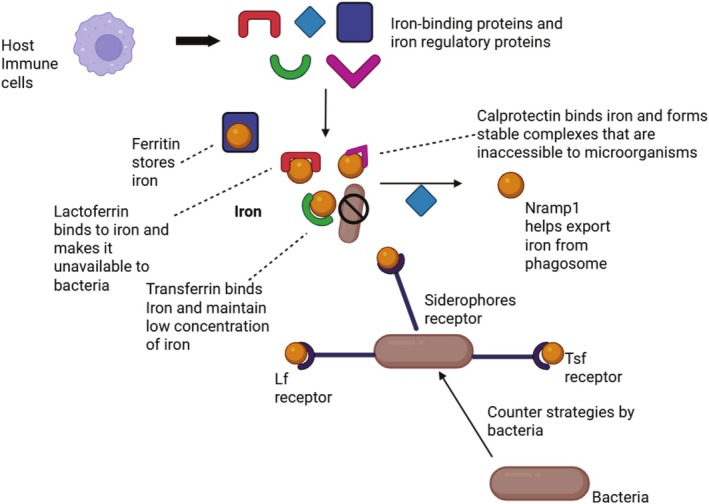
“As seen in Figure 4, ferritin accumulates internal iron, Nramp1 releases it from phagosomes, and host immune system cells use proteins like transferrin and lactoferrin to attract external iron.”
§ Nutritional Immunity in Wound Infection: Unveiling the Role of Dietary Elements in Host–Pathogen Interaction > Micronutrients and Host–Pathogen Competition in Wounds > Iron
plaindirect- Asserted: passes — The authors put it forward as true.
- Checkable: passes — It can be checked against evidence.
- Load-bearing: fails — The paper’s conclusions may not depend on it.
- Based: passes — The paper gives a reason why it holds.
Probably not a substantial claim. The paper’s conclusions may not depend on it. It may state two separate claims as one.
In the paper
“These proteins have the dual roles of protecting host cells, transporting minerals, and preventing pathogens from accessing minerals (Healy et al. 2021).”
§ Nutritional Immunity in Wound Infection: Unveiling the Role of Dietary Elements in Host–Pathogen Interaction > Nutritional Immunity: An Overview
What the sources say
- Check pendingcites Healy et al. 2021 source
plaindirect- Asserted: passes — The authors put it forward as true.
- Checkable: passes — It can be checked against evidence.
- Load-bearing: passes — The paper’s conclusions depend on it.
- Based: passes — The paper gives a reason why it holds.
It may state two separate claims as one.
In the paper
“They all have pathological inflammation, ongoing infection, hypoxia, and defective cellular response. The chronicity of these injuries offers a very good setting for microbial colonization and infection, further promoting tissue destruction and prolonging healing (Edwards and Harding 2004).”
§ Nutritional Immunity in Wound Infection: Unveiling the Role of Dietary Elements in Host–Pathogen Interaction > Pathophysiology of Wound Infection > Types and Classification of Wounds: Acute vs. Chronic
What the sources say
- Not checked — no full text of the sourcecites Edwards and Harding 2004 source
plaindirect- Asserted: passes — The authors put it forward as true.
- Checkable: passes — It can be checked against evidence.
- Load-bearing: unclear — It is unclear whether the paper’s conclusions depend on it.
- Based: passes — The paper gives a reason why it holds.
It may state two separate claims as one.
The paper states this without a source or data behind it here, so there is nothing to check it against. The quote shows it is in the paper.
In the paper
“The iron‐regulatory hormone hepcidin modulates both the total amount of iron in the body and circulating iron concentrations.”
§ Nutritional Immunity in Wound Infection: Unveiling the Role of Dietary Elements in Host–Pathogen Interaction > Micronutrients and Host–Pathogen Competition in Wounds > Iron
plaindirect- Asserted: passes — The authors put it forward as true.
- Checkable: passes — It can be checked against evidence.
- Load-bearing: fails — The paper’s conclusions may not depend on it.
- Based: passes — The paper gives a reason why it holds.
Probably not a substantial claim. The paper’s conclusions may not depend on it.
In the paper
“Biofilms are structured microbial communities in contact with surfaces and a self‐secreted extracellular polymeric material (EPS) consisting of polysaccharides, proteins, and nucleic acids. The biofilm matrix protects the bacteria from phagocytosis, antibody penetration, and antibiotic action.”
§ Nutritional Immunity in Wound Infection: Unveiling the Role of Dietary Elements in Host–Pathogen Interaction > Pathophysiology of Wound Infection > Mechanisms of Pathogen Survival and Proliferation in Wound Sites
What the sources say
- Not checked — no full text of the sourcecites Franklin et al. 2015 source
plaindirect- Asserted: passes — The authors put it forward as true.
- Checkable: passes — It can be checked against evidence.
- Load-bearing: fails — The paper’s conclusions may not depend on it.
- Based: passes — The paper gives a reason why it holds.
Probably not a substantial claim. The paper’s conclusions may not depend on it. It may state two separate claims as one.
The paper states this without a source or data behind it here, so there is nothing to check it against. The quote shows it is in the paper.
In the paper
“A member of the transferrin family, lactoferrin (Lf) is an 80 kDa glycoprotein that binds iron. It is a cell‐secreted molecule that connects the innate and adaptive immune systems in mammals and is present in bovine milk as well as other exocrine secretions such as bile, saliva, and lacrimal fluid.”
§ Nutritional Immunity in Wound Infection: Unveiling the Role of Dietary Elements in Host–Pathogen Interaction > Micronutrients and Host–Pathogen Competition in Wounds > Iron
plain- Asserted: passes — The authors put it forward as true.
- Checkable: passes — It can be checked against evidence.
- Load-bearing: unclear — It is unclear whether the paper’s conclusions depend on it.
- Based: passes — The paper gives a reason why it holds.
It may state two separate claims as one.
In the paper
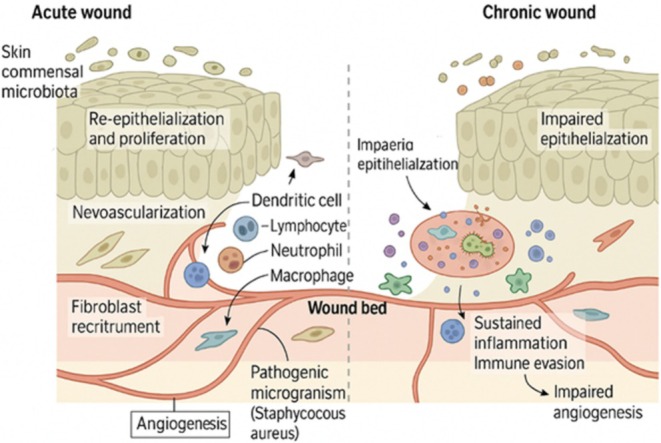
“In acute wounds, healing is generally achieved within a reproducible period, usually 4–6 weeks, as long as there is no underlying infection or pathology that would impede recovery (Hess 2011).”
§ Nutritional Immunity in Wound Infection: Unveiling the Role of Dietary Elements in Host–Pathogen Interaction > Pathophysiology of Wound Infection > Types and Classification of Wounds: Acute vs. Chronic
What the sources say
- Not checked — no full text of the sourcecites Hess 2011 source
plainconditional- Asserted: passes — The authors put it forward as true.
- Checkable: passes — It can be checked against evidence.
- Load-bearing: fails — The paper’s conclusions may not depend on it.
- Based: passes — The paper gives a reason why it holds.
Probably not a substantial claim. The paper’s conclusions may not depend on it.
In the paper
“Restricting the absorption of free trace metals by immune system cells is one of the most conserved functions of the innate immune system. This function not only hides these essential nutrients from invasive bacteria but also tightly controls host immune cell responses and function (Lopez and Skaar 2018).”
§ Nutritional Immunity in Wound Infection: Unveiling the Role of Dietary Elements in Host–Pathogen Interaction > Nutritional Immunity: An Overview
What the sources say
- Not checked yetcites Lopez and Skaar 2018 source
plaindirect- Asserted: passes — The authors put it forward as true.
- Checkable: passes — It can be checked against evidence.
- Load-bearing: passes — The paper’s conclusions depend on it.
- Based: passes — The paper gives a reason why it holds.
It may state two separate claims as one.
The paper states this without a source or data behind it here, so there is nothing to check it against. The quote shows it is in the paper.
In the paper
“Iron's redox potential makes it easily accessible for usage in a variety of biological functions, but at high concentrations, it may also cause toxicity and cell death by catalyzing the Fenton reaction, which releases free hydroxyl radicals that harm proteins, lipids, and DNA.”
§ Nutritional Immunity in Wound Infection: Unveiling the Role of Dietary Elements in Host–Pathogen Interaction > Micronutrients and Host–Pathogen Competition in Wounds > Iron
hedgedconditional- Asserted: passes — The authors put it forward as true.
- Checkable: passes — It can be checked against evidence.
- Load-bearing: unclear — It is unclear whether the paper’s conclusions depend on it.
- Based: passes — The paper gives a reason why it holds.
It may state two separate claims as one.
The paper states this without a source or data behind it here, so there is nothing to check it against. The quote shows it is in the paper.
In the paper
“The host restricts bacterial utilization of iron by using transporters (like Nramp1) and metal‐binding proteins (including transferrin, lactoferrin, ferritin, and calprotectin), whereas pathogens exhibit siderophores and receptors to navigate around these protections.”
§ Nutritional Immunity in Wound Infection: Unveiling the Role of Dietary Elements in Host–Pathogen Interaction > Micronutrients and Host–Pathogen Competition in Wounds > Iron
plaindirect- Asserted: passes — The authors put it forward as true.
- Checkable: passes — It can be checked against evidence.
- Load-bearing: passes — The paper’s conclusions depend on it.
- Based: passes — The paper gives a reason why it holds.
It may state two separate claims as one.
In the paper
“The pathogens most frequently cultured from infected wounds are Staphylococcus aureus (methicillin‐resistant S. aureus included), Pseudomonas aeruginosa , Escherichia coli , and Enterococcus faecalis (Lipsky et al. 2006).”
§ Nutritional Immunity in Wound Infection: Unveiling the Role of Dietary Elements in Host–Pathogen Interaction > Introduction
What the sources say
- Not checked — no full text of the sourcecites Lipsky et al. 2006 source
plain- Asserted: passes — The authors put it forward as true.
- Checkable: passes — It can be checked against evidence.
- Load-bearing: fails — The paper’s conclusions may not depend on it.
- Based: passes — The paper gives a reason why it holds.
Probably not a substantial claim. The paper’s conclusions may not depend on it.
In the paper
“According to a study, FPN is quickly removed from the phagosomal barrier by macrophages, which stops Fe from extruding into the phagosome lumen. This might contribute to the expanding list of host mechanisms of nutritional immunity by further limiting the uptake of iron by bacteria (Flannagan et al. 2021).”
§ Nutritional Immunity in Wound Infection: Unveiling the Role of Dietary Elements in Host–Pathogen Interaction > Micronutrients and Host–Pathogen Competition in Wounds > Iron
What the sources say
- Check pendingcites Flannagan et al. 2021 source
hedgedconditional- Asserted: passes — The authors put it forward as true.
- Checkable: passes — It can be checked against evidence.
- Load-bearing: passes — The paper’s conclusions depend on it.
- Based: passes — The paper gives a reason why it holds.
It may state two separate claims as one.
The paper states this without a source or data behind it here, so there is nothing to check it against. The quote shows it is in the paper.
In the paper
“Ferroportin (FPN), an iron transport protein that releases iron from the cytoplasm to the extrinsic environment, is expressed by macrophages, which additionally perform a crucial role in regulating iron availability.”
§ Nutritional Immunity in Wound Infection: Unveiling the Role of Dietary Elements in Host–Pathogen Interaction > Micronutrients and Host–Pathogen Competition in Wounds > Iron
plaindirect- Asserted: passes — The authors put it forward as true.
- Checkable: passes — It can be checked against evidence.
- Load-bearing: passes — The paper’s conclusions depend on it.
- Based: passes — The paper gives a reason why it holds.
It may state two separate claims as one.
In the paper
“P. aeruginosa secretes elastases, exotoxins, and pyocyanin, a pigment that generates ROS and inhibits immune cell function (Lau et al. 2004).”
§ Nutritional Immunity in Wound Infection: Unveiling the Role of Dietary Elements in Host–Pathogen Interaction > Pathophysiology of Wound Infection > Mechanisms of Pathogen Survival and Proliferation in Wound Sites
What the sources say
- Not checked — no full text of the sourcecites Lau et al. 2004 source
plaindirect- Asserted: passes — The authors put it forward as true.
- Checkable: passes — It can be checked against evidence.
- Load-bearing: unclear — It is unclear whether the paper’s conclusions depend on it.
- Based: passes — The paper gives a reason why it holds.
It may state two separate claims as one.
In the paper
“Being an acute‐phase reactant, ferritin is regarded as a pathogen‐proof method of storing iron. It stores extra iron in a form that is not redox active (Kotla et al. 2022).”
§ Nutritional Immunity in Wound Infection: Unveiling the Role of Dietary Elements in Host–Pathogen Interaction > Micronutrients and Host–Pathogen Competition in Wounds > Iron
What the sources say
- Check pendingcites Kotla et al. 2022 source
plain- Asserted: passes — The authors put it forward as true.
- Checkable: passes — It can be checked against evidence.
- Load-bearing: passes — The paper’s conclusions depend on it.
- Based: passes — The paper gives a reason why it holds.
It may state two separate claims as one.
None of the sources cited for this claim have been checked yet.
In the paper
“Because they control the availability of vital micronutrients, innate immune cells like neutrophils and macrophages are crucial for nutritional immunity. By releasing metal‐sequestering proteins like lactoferrin and calprotectin, these cells provide an environment deficient in nutrients that prevents the formation of pathogens (Monteith and Skaar 2021; Marchetti et al. 2019).”
§ Nutritional Immunity in Wound Infection: Unveiling the Role of Dietary Elements in Host–Pathogen Interaction > Nutritional Immunity: An Overview
What the sources say
- Not checked yetcites Monteith and Skaar 2021 source
- Not matchedcites Marchetti et al. 2019
Couldn’t be matched to a paper in Crossref, so it can’t be checked.
plaindirect- Asserted: passes — The authors put it forward as true.
- Checkable: passes — It can be checked against evidence.
- Load-bearing: passes — The paper’s conclusions depend on it.
- Based: passes — The paper gives a reason why it holds.
It may state two separate claims as one.
The paper states this without a source or data behind it here, so there is nothing to check it against. The quote shows it is in the paper.
In the paper
“The two main siderophores that P. aeruginosa synthesize to get iron are pyoverdine (PVD) and pyochelin (PCH).”
§ Nutritional Immunity in Wound Infection: Unveiling the Role of Dietary Elements in Host–Pathogen Interaction > Micronutrients and Host–Pathogen Competition in Wounds > Iron
plain- Asserted: passes — The authors put it forward as true.
- Checkable: passes — It can be checked against evidence.
- Load-bearing: fails — The paper’s conclusions may not depend on it.
- Based: passes — The paper gives a reason why it holds.
Probably not a substantial claim. The paper’s conclusions may not depend on it.
In the paper
“Because transferrin has a high affinity for iron, it can keep the amount of free iron in bodily fluids low, which stops invasive bacteria from having access to iron (Rodríguez‐García et al. 2021; Barber and Elde 2014).”
§ Nutritional Immunity in Wound Infection: Unveiling the Role of Dietary Elements in Host–Pathogen Interaction > Micronutrients and Host–Pathogen Competition in Wounds > Iron
What the sources say
plaindirect- Asserted: passes — The authors put it forward as true.
- Checkable: passes — It can be checked against evidence.
- Load-bearing: passes — The paper’s conclusions depend on it.
- Based: passes — The paper gives a reason why it holds.
It may state two separate claims as one.
In the paper
“P. aeruginosa produces biofilms—organized groups of bacteria embedded with an extracellular matrix of protective molecules—resulting in chronic infection and impaired wound healing (Fazli et al. 2014).”
§ Nutritional Immunity in Wound Infection: Unveiling the Role of Dietary Elements in Host–Pathogen Interaction > Pathophysiology of Wound Infection > Common Pathogens Associated With Wound Infections
What the sources say
- Not checked — no full text of the sourcecites Fazli et al. 2014 source
plaindirect- Asserted: passes — The authors put it forward as true.
- Checkable: passes — It can be checked against evidence.
- Load-bearing: unclear — It is unclear whether the paper’s conclusions depend on it.
- Based: passes — The paper gives a reason why it holds.
It may state two separate claims as one.
In the paper
“Among bacterial pathogens, S. aureus is the most commonly cultured organism in both acute and chronic wounds, and methicillin‐resistant S. aureus (MRSA) is another challenge, as it is resistant to over one antibiotic.”
§ Nutritional Immunity in Wound Infection: Unveiling the Role of Dietary Elements in Host–Pathogen Interaction > Pathophysiology of Wound Infection > Common Pathogens Associated With Wound Infections
What the sources say
- Not checked — no full text of the sourcecites Tong et al. 2015 source
plain- Asserted: passes — The authors put it forward as true.
- Checkable: passes — It can be checked against evidence.
- Load-bearing: fails — The paper’s conclusions may not depend on it.
- Based: passes — The paper gives a reason why it holds.
Probably not a substantial claim. The paper’s conclusions may not depend on it.
In the paper
“However, chronic wounds have a chronic or arrested healing process, typically extending for weeks or even months. They occur due to a disturbance in one or more healing phases and are often seen in conjunction with an underlying condition like diabetes mellitus, peripheral vascular disease, venous insufficiency, or immunocompromised conditions (Hess 2011).”
§ Nutritional Immunity in Wound Infection: Unveiling the Role of Dietary Elements in Host–Pathogen Interaction > Pathophysiology of Wound Infection > Types and Classification of Wounds: Acute vs. Chronic
What the sources say
- Not checked — no full text of the sourcecites Hess 2011 source
plaindirect- Asserted: passes — The authors put it forward as true.
- Checkable: passes — It can be checked against evidence.
- Load-bearing: fails — The paper’s conclusions may not depend on it.
- Based: passes — The paper gives a reason why it holds.
Probably not a substantial claim. The paper’s conclusions may not depend on it. It may state two separate claims as one.
In the paper
“In order to fight this, the host takes advantage of the toxicity and necessity of food metals by creating variables that restrict metal availability. This causes infections to either starve or accumulate too much metal to intoxicate them, a mechanism known as “nutritional immunity” (Healy et al. 2021).”
§ Nutritional Immunity in Wound Infection: Unveiling the Role of Dietary Elements in Host–Pathogen Interaction > Nutritional Immunity: An Overview
What the sources say
- Check pendingcites Healy et al. 2021 source
plaindirect- Asserted: passes — The authors put it forward as true.
- Checkable: passes — It can be checked against evidence.
- Load-bearing: passes — The paper’s conclusions depend on it.
- Based: passes — The paper gives a reason why it holds.
It may state two separate claims as one.
In the paper
“The host's ability to sequester bioavailable trace metals like iron, zinc, and copper in order to reduce the pathogenicity of invasive pathogens is known as nutritional immunity.”
§ Nutritional Immunity in Wound Infection: Unveiling the Role of Dietary Elements in Host–Pathogen Interaction > Nutritional Immunity: An Overview
What the sources say
- Not checked yetcites Lopez and Skaar 2018 source
plaindirect- Asserted: passes — The authors put it forward as true.
- Checkable: passes — It can be checked against evidence.
- Load-bearing: passes — The paper’s conclusions depend on it.
- Based: passes — The paper gives a reason why it holds.
Probably not a substantial claim.
In the paper
“The host immune response during the healing of wounds is tightly regulated, with inflammatory mediators, neutrophil infiltration, macrophage polarization, and eventual tissue regeneration.”
§ Nutritional Immunity in Wound Infection: Unveiling the Role of Dietary Elements in Host–Pathogen Interaction > Abstract
What the sources say
- Not checked — no full text of the sourcecites Eming et al. 2007 source
plain- Asserted: passes — The authors put it forward as true.
- Checkable: passes — It can be checked against evidence.
- Load-bearing: fails — The paper’s conclusions may not depend on it.
- Based: passes — The paper gives a reason why it holds.
Probably not a substantial claim. The paper’s conclusions may not depend on it. It may state two separate claims as one.
In the paper
“Iron was discovered to be bound by transferrin, which prevented microbial development and sequestered iron from pathogens.”
§ Nutritional Immunity in Wound Infection: Unveiling the Role of Dietary Elements in Host–Pathogen Interaction > Nutritional Immunity: An Overview
What the sources say
- Not matchedcites Schade and Caroline 1944, 1946
Couldn’t be matched to a paper in Crossref, so it can’t be checked.
plaindirect- Asserted: passes — The authors put it forward as true.
- Checkable: passes — It can be checked against evidence.
- Load-bearing: unclear — It is unclear whether the paper’s conclusions depend on it.
- Based: passes — The paper gives a reason why it holds.
It may state two separate claims as one.
- Not matched
In the paper
“The cellular iron exporter ferroportin, which transports iron to plasma from intestinal iron absorption and iron storage, is regulated by hepcidin, which is released by hepatocytes (Nemeth and Ganz 2023).”
§ Nutritional Immunity in Wound Infection: Unveiling the Role of Dietary Elements in Host–Pathogen Interaction > Micronutrients and Host–Pathogen Competition in Wounds > Iron
What the sources say
- Not checked yetcites Nemeth and Ganz 2023 source
plaindirect- Asserted: passes — The authors put it forward as true.
- Checkable: passes — It can be checked against evidence.
- Load-bearing: passes — The paper’s conclusions depend on it.
- Based: passes — The paper gives a reason why it holds.
It may state two separate claims as one.
In the paper
“For instance, in diabetic individuals, hyperglycemia affects neutrophil function, diminishes chemotaxis and phagocytosis, and impairs tissue perfusion, all of which predispose to increased infection risk and impaired healing (Marhoffer et al. 1992).”
§ Nutritional Immunity in Wound Infection: Unveiling the Role of Dietary Elements in Host–Pathogen Interaction > Pathophysiology of Wound Infection > Mechanisms of Pathogen Survival and Proliferation in Wound Sites
What the sources say
- Not checked — no full text of the sourcecites Marhoffer et al. 1992 source
plaindirect- Asserted: passes — The authors put it forward as true.
- Checkable: passes — It can be checked against evidence.
- Load-bearing: unclear — It is unclear whether the paper’s conclusions depend on it.
- Based: passes — The paper gives a reason why it holds.
It may state two separate claims as one.
In the paper
“On the other hand, chronic wounds exhibit decreased angiogenesis, disturbed immunological modulation, and continuous microbial growth (e.g., S. aureus ). This imbalance results in a persistent wound setting and a delayed recovery.”
§ Nutritional Immunity in Wound Infection: Unveiling the Role of Dietary Elements in Host–Pathogen Interaction > Pathophysiology of Wound Infection > Types and Classification of Wounds: Acute vs. Chronic
What the sources say
- Not matchedcites Li et al. 2022
Couldn’t be matched to a paper in Crossref, so it can’t be checked.
plaindirect- Asserted: passes — The authors put it forward as true.
- Checkable: passes — It can be checked against evidence.
- Load-bearing: unclear — It is unclear whether the paper’s conclusions depend on it.
- Based: passes — The paper gives a reason why it holds.
It may state two separate claims as one.
- Not matched
In the paper
“Chronic inflammation, macrophage polarization defects, and breakdown of the MMP‐TIMP balance cause extracellular matrix component breakdown and re‐epithelialization defects (Theocharidis et al. 2020).”
§ Nutritional Immunity in Wound Infection: Unveiling the Role of Dietary Elements in Host–Pathogen Interaction > Pathophysiology of Wound Infection > Host Immune Response During Wound Healing
What the sources say
- Not matchedcites Theocharidis et al. 2020
Couldn’t be matched to a paper in Crossref, so it can’t be checked.
plaindirect- Asserted: passes — The authors put it forward as true.
- Checkable: passes — It can be checked against evidence.
- Load-bearing: unclear — It is unclear whether the paper’s conclusions depend on it.
- Based: passes — The paper gives a reason why it holds.
It may state two separate claims as one.
- Not matched
The paper states this without a source or data behind it here, so there is nothing to check it against. The quote shows it is in the paper.
In the paper
“Because manganese shortage affects collagen formation and immunological function, it can hinder wound healing.”
§ Nutritional Immunity in Wound Infection: Unveiling the Role of Dietary Elements in Host–Pathogen Interaction > Micronutrients and Host–Pathogen Competition in Wounds > Manganese
plaindirect- Asserted: passes — The authors put it forward as true.
- Checkable: passes — It can be checked against evidence.
- Load-bearing: passes — The paper’s conclusions depend on it.
- Based: passes — The paper gives a reason why it holds.
It may state two separate claims as one.
In the paper
“The host imposes manganese restriction through a number of methods during infection. These include sequestering extracellular manganese, removing manganese from the phagolysosome, and using other metals to stop bacteria from acquiring manganese (Juttukonda and Skaar 2015).”
§ Nutritional Immunity in Wound Infection: Unveiling the Role of Dietary Elements in Host–Pathogen Interaction > Micronutrients and Host–Pathogen Competition in Wounds > Manganese
What the sources say
- Not checked yetcites Juttukonda and Skaar 2015 source
plaindirect- Asserted: passes — The authors put it forward as true.
- Checkable: passes — It can be checked against evidence.
- Load-bearing: passes — The paper’s conclusions depend on it.
- Based: passes — The paper gives a reason why it holds.
It may state two separate claims as one.
A conclusion the paper draws from its own results — it cites no other source for it, so there is none to check. The quote shows it is in the paper.
In the paper
“Concurrently, the idea of immunonutrition stands as a preventative measure to promote host recovery and immunity through directed dietary therapies.”
§ Nutritional Immunity in Wound Infection: Unveiling the Role of Dietary Elements in Host–Pathogen Interaction > Conclusion
plaindirect- Asserted: passes — The authors put it forward as true.
- Checkable: passes — It can be checked against evidence.
- Load-bearing: passes — The paper’s conclusions depend on it.
- Based: fails — The paper may give no reason why it holds.
Probably not a substantial claim. The paper may give no reason why it holds.
A conclusion the paper draws from its own results — it cites no other source for it, so there is none to check. The quote shows it is in the paper.
In the paper
“By sequestering essential trace elements like iron, zinc, copper, and manganese, the host generates an inhospitable environment for the pathogen, restricting its metabolic activity and cell division.”
§ Nutritional Immunity in Wound Infection: Unveiling the Role of Dietary Elements in Host–Pathogen Interaction > Conclusion
plaindirect- Asserted: passes — The authors put it forward as true.
- Checkable: passes — It can be checked against evidence.
- Load-bearing: passes — The paper’s conclusions depend on it.
- Based: fails — The paper may give no reason why it holds.
Probably not a substantial claim. The paper may give no reason why it holds.
In the paper
“Additionally, it has been seen to reside on cellular organelle membranes, where it can act as an efflux pump to move zinc into the cytosol (Pyle et al. 2017).”
§ Nutritional Immunity in Wound Infection: Unveiling the Role of Dietary Elements in Host–Pathogen Interaction > Micronutrients and Host–Pathogen Competition in Wounds > Zinc
What the sources say
- Check pendingcites Pyle et al. 2017 source
plaindirect- Asserted: passes — The authors put it forward as true.
- Checkable: passes — It can be checked against evidence.
- Load-bearing: unclear — It is unclear whether the paper’s conclusions depend on it.
- Based: passes — The paper gives a reason why it holds.
It may state two separate claims as one.
A conclusion the paper draws from its own results — it cites no other source for it, so there is none to check. The quote shows it is in the paper.
In the paper
“Nutrients such as omega‐3 fatty acids, glutamine, arginine, nucleotides, and vitamins C and E not only help in wound healing but also in immune function, preventing susceptibility to infection and aiding in the regeneration of tissues.”
§ Nutritional Immunity in Wound Infection: Unveiling the Role of Dietary Elements in Host–Pathogen Interaction > Conclusion
plaindirect- Asserted: passes — The authors put it forward as true.
- Checkable: passes — It can be checked against evidence.
- Load-bearing: passes — The paper’s conclusions depend on it.
- Based: fails — The paper may give no reason why it holds.
Probably not a substantial claim. The paper may give no reason why it holds.
In the paper
“One‐third of people worldwide suffer from zinc deficiency, which is linked to a higher risk of contracting bacterial infections (Eijkelkamp et al. 2019).”
§ Nutritional Immunity in Wound Infection: Unveiling the Role of Dietary Elements in Host–Pathogen Interaction > Micronutrients and Host–Pathogen Competition in Wounds > Zinc
What the sources say
- Check pendingcites Eijkelkamp et al. 2019 source
plaincorrelational- Asserted: passes — The authors put it forward as true.
- Checkable: passes — It can be checked against evidence.
- Load-bearing: fails — The paper’s conclusions may not depend on it.
- Based: passes — The paper gives a reason why it holds.
Probably not a substantial claim. The paper’s conclusions may not depend on it. It may state two separate claims as one.
A conclusion the paper draws from its own results — it cites no other source for it, so there is none to check. The quote shows it is in the paper.
In the paper
“Wound infections are dynamic communities in which host defense mechanisms and microbial tactics are in constant interaction, and nutritional immunity is central to this conflict.”
§ Nutritional Immunity in Wound Infection: Unveiling the Role of Dietary Elements in Host–Pathogen Interaction > Conclusion
plaincorrelational- Asserted: passes — The authors put it forward as true.
- Checkable: passes — It can be checked against evidence.
- Load-bearing: passes — The paper’s conclusions depend on it.
- Based: passes — The paper gives a reason why it holds.
Probably not a substantial claim.
The paper states this without a source or data behind it here, so there is nothing to check it against. The quote shows it is in the paper.
In the paper
“In order to strengthen the immune system and stop the pathogen from growing and infecting others, the host sequesters zinc after infection.”
§ Nutritional Immunity in Wound Infection: Unveiling the Role of Dietary Elements in Host–Pathogen Interaction > Micronutrients and Host–Pathogen Competition in Wounds > Zinc
plaindirect- Asserted: passes — The authors put it forward as true.
- Checkable: passes — It can be checked against evidence.
- Load-bearing: passes — The paper’s conclusions depend on it.
- Based: passes — The paper gives a reason why it holds.
It may state two separate claims as one.
The paper states this without a source or data behind it here, so there is nothing to check it against. The quote shows it is in the paper.
In the paper
“Another vital micronutrient that plays a role in tissue healing, antioxidant defense, and enzyme function is manganese.”
§ Nutritional Immunity in Wound Infection: Unveiling the Role of Dietary Elements in Host–Pathogen Interaction > Micronutrients and Host–Pathogen Competition in Wounds > Manganese
plaincorrelational- Asserted: passes — The authors put it forward as true.
- Checkable: passes — It can be checked against evidence.
- Load-bearing: unclear — It is unclear whether the paper’s conclusions depend on it.
- Based: passes — The paper gives a reason why it holds.
It may state two separate claims as one.
A conclusion the paper draws from its own results — it cites no other source for it, so there is none to check. The quote shows it is in the paper.
In the paper
“Nutrients such as omega‐3 fatty acids, glutamine, arginine, nucleotides, and vitamins C and E not only help in wound healing but also in immune function, preventing susceptibility to infection and aiding in the regeneration of tissues.”
§ Nutritional Immunity in Wound Infection: Unveiling the Role of Dietary Elements in Host–Pathogen Interaction > Conclusion
plaindirect- Asserted: passes — The authors put it forward as true.
- Checkable: passes — It can be checked against evidence.
- Load-bearing: passes — The paper’s conclusions depend on it.
- Based: fails — The paper may give no reason why it holds.
Probably not a substantial claim. The paper may give no reason why it holds.
The paper relies on this without support.
Pathogens generate siderophores, transporters, and metallophores to capture nutrients in wounds.
“Pathogens retaliate by generating siderophores, transporters, and metallophores to enable nutrient capture.”
The paper relies on this without support.
Clinical use of metal-chelating intelligent dressings, ionophore-antibiotic hybrids, and metal modulation technologies has improved the capability to control infection via nutritional routes.
“In addition, clinical use of metal‐chelating intelligent dressings, ionophore‐antibiotic hybrids, and metal modulation technologies has improved our capability to control infection via nutritional routes.”
The paper relies on this without support.
Antibiotic resistance has made wound infection more formidable, with conventional therapies not being able to clear infections.
“In addition, antibiotic resistance has made the problem more formidable, with conventional therapies not being able to clear infections, and alternative and integrative treatments that enhance host defense mechanisms with specific targeting of microbial growth becoming the need.”
The paper relies on this without support.
All life depends on transition metals, which invasive microbial pathogens must obtain in order to proliferate within the host and spread infection.
“All life depends on transition metals, which invasive microbial pathogens must obtain in order to proliferate within the host and spread infection.”
The paper relies on this without support.
During infection, both pathogen and host must have access to iron for their cells to survive and proliferate.
“For their cells to survive and proliferate during an infection, the pathogen and the host must continue to have access to iron.”
The paper relies on this without support.
Findings on perioperative immunonutrition in surgical and critically ill patients are relevant to wound infection and wound healing.
“it can be concluded that immunonutrition is essential for reducing immunosuppression and inflammation brought on by surgery, which may shorten hospital stays and prevent infectious complications.”
The paper relies on this without support.
Metal sequestration mechanisms at the host-pathogen interface apply to wound infections.
“The host restricts bacterial utilization of iron by using transporters (like Nramp1) and metal‐binding proteins (including transferrin, lactoferrin, ferritin, and calprotectin), whereas pathogens exhibit siderophores and receptors to navigate around these protections.”
Self-check
Percentages, sums and reported differences re-computed from the paper’s own numbers.
Each contradiction between two passages listed here was confirmed by an independent check.
Rated minor: it would not touch a result — a value no result rests on, a p-value that stays on the same side of the significance level, or a conflict that is clerical, resolved elsewhere in the paper, or outside its own findings.
In the paper
§ Nutritional Immunity in Wound Infection: Unveiling the Role of Dietary Elements in Host–Pathogen Interaction > Micronutrients and Host–Pathogen Competition in Wounds > Copper
“These effects include lowered neutrophil counts and functioning, reduced splenocyte growth, declined macrophage activity in fighting bacteria, decreased host susceptibility to various pathogens, compromised B cell antibody generation, and impeded cytotoxic T lymphocyte and helper T cell performance (Cheng et al. 2022).”
§ Nutritional Immunity in Wound Infection: Unveiling the Role of Dietary Elements in Host–Pathogen Interaction > Micronutrients and Host–Pathogen Competition in Wounds > Copper
“| Copper | Antioxidant defense and enzyme function | Calprotectin, Ctr1, ATPase | Copper homeostasis, copper tolerance genes | Higher susceptibility to infections and oxidative damage | Giachino and Waldron (2020) |”
Rated minor: it would not touch a result — a value no result rests on, a p-value that stays on the same side of the significance level, or a conflict that is clerical, resolved elsewhere in the paper, or outside its own findings.
In the paper
§ Nutritional Immunity in Wound Infection: Unveiling the Role of Dietary Elements in Host–Pathogen Interaction > Literature Search Strategy
“Peer‐reviewed publications released between January 2000 and December 2024 were included in the main search. Other seminal publications that were released prior to 2000 were also taken into consideration to offer foundational information when required.”
§ Nutritional Immunity in Wound Infection: Unveiling the Role of Dietary Elements in Host–Pathogen Interaction > Pathophysiology of Wound Infection > Mechanisms of Pathogen Survival and Proliferation in Wound Sites
“| Assess the role of vitamins and trace elements in wound infection | Vitamins (A, C, D), trace elements (zinc, iron) | To explore the relationship between micronutrients and infection resistance in wound healing | Micronutrients such as vitamin C and zinc help reduce the risk of wound infections and promote healing | Karunakaran et al. (2025) |”
Citations
Cites
Tong, S. Y. C., Davis, J. S., Eichenberger, E., Holland, T. L., & Fowler, V. G. (2015) · Clinical Microbiology Reviews · doi:10.1128/cmr.00134-14 · Cited by 5,192
Guideline for Prevention of Surgical Site Infection, 1999
Mangram, A. J., Horan, T. C., Pearson, M. L., Silver, L. C., & Jarvis, W. R. (1999) · Infection Control and Hospital Epidemiology · doi:10.1086/501620 · Cited by 4,587
McClave, S. A., Taylor, B. E., Martindale, R. G., Warren, M. M., Johnson, D. R., Braunschweig, C., McCarthy, M. S., Davanos, E., Rice, T. W., Cresci, G. A., et al. (2016) · Journal of Parenteral and Enteral Nutrition · doi:10.1177/0148607115621863 · Cited by 3,982
Role of C-Reactive Protein at Sites of Inflammation and Infection
Sproston, N. R., & Ashworth, J. (2018) · Frontiers in Immunology · doi:10.3389/fimmu.2018.00754 · Cited by 3,243
ESPEN guideline on clinical nutrition in the intensive care unit.
Singer, P., Blaser, A. R., Berger, M. M., Alhazzani, W., Calder, P. C., Casaer, M. P., Hiesmayr, M., Mayer, K., Montejo, J. C., Pichard, C., et al. (2019) · Clinical Nutrition · doi:10.1016/j.clnu.2018.08.037 · Cited by 2,904 · cited 1×
“Furthermore, glutamine by PN is not recommended for critically sick patients with complicated diseases, especially those with hepatic or renal failure (Singer et al. 2019).”
Inflammation in Wound Repair: Molecular and Cellular Mechanisms
Eming, S. A., Krieg, T., & Davidson, J. M. (2007) · Journal of Investigative Dermatology · doi:10.1038/sj.jid.5700701 · Cited by 2,429
Wound Microbiology and Associated Approaches to Wound Management
Bowler, P. G., Duerden, B. I., & Armstrong, D. G. (2001) · Clinical Microbiology Reviews · doi:10.1128/cmr.14.2.244-269.2001 · Cited by 1,634
James, G. A., Swogger, E., Wolcott, R., Pulcini, E. D., Secor, P., Sestrich, J., Costerton, J. W., & Stewart, P. S. (2008) · Wound Repair and Regeneration · doi:10.1111/j.1524-475x.2007.00321.x · Cited by 1,543
Nutritional immunity: transition metals at the pathogen–host interface
Hood, M. I., & Skaar, E. P. (2012) · Nature Reviews Microbiology · doi:10.1038/nrmicro2836 · Cited by 1,535
Edwards, R., & Harding, K. G. (2004) · Current Opinion in Infectious Diseases · doi:10.1097/00001432-200404000-00004 · Cited by 1,099
A Randomized Trial of Glutamine and Antioxidants in Critically Ill Patients
Heyland, D., Muscedere, J., Wischmeyer, P. E., Cook, D., Jones, G., Albert, M., Elke, G., Berger, M. M., & Day, A. G. (2013) · New England Journal of Medicine · doi:10.1056/nejmoa1212722 · Cited by 904
Glutamine supplementation in serious illness: A systematic review of the evidence*
Novak, F. J., Heyland, D. K., Avenell, A., Drover, J., & Su, X. (2002) · Critical Care Medicine · doi:10.1097/00003246-200209000-00011 · Cited by 706
Nutritional immunity: the battle for nutrient metals at the host–pathogen interface
Murdoch, C. C., & Skaar, E. P. (2022) · Nature Reviews Microbiology · doi:10.1038/s41579-022-00745-6 · Cited by 701
The role of pyocyanin in Pseudomonas aeruginosa infection
Lau, G. W., Hassett, D. J., Ran, H., & Kong, F. (2004) · Trends in Molecular Medicine · doi:10.1016/j.molmed.2004.10.002 · Cited by 688
Zinc in Wound Healing Modulation
Lin, P.-H., Sermersheim, M., Li, H., Lee, P. H. U., Steinberg, S. M., & Ma, J. (2017) · Nutrients · doi:10.3390/nu10010016 · Cited by 643
Nutritional immunity beyond iron: a role for manganese and zinc
Kehl-Fie, T. E., & Skaar, E. P. (2010) · Current Opinion in Chemical Biology · doi:10.1016/j.cbpa.2009.11.008 · Cited by 634
Efflux-mediated multiresistance in Gram-negative bacteria
Poole, K. (2004) · Clinical Microbiology and Infection · doi:10.1111/j.1469-0691.2004.00763.x · Cited by 612
Dynamic reciprocity in the wound microenvironment
Schultz, G. S., Davidson, J. M., Kirsner, R. S., Bornstein, P., & Herman, I. M. (2011) · Wound Repair and Regeneration · doi:10.1111/j.1524-475x.2011.00673.x · Cited by 490
Dowd, S. E., Wolcott, R. D., Sun, Y., McKeehan, T., Smith, E., & Rhoads, D. (2008) · PLoS ONE · doi:10.1371/journal.pone.0003326 · Cited by 481
Lactoferrin a multiple bioactive protein: an overview
García-Montoya, I. A., Cendón, T. S., Arévalo-Gallegos, S., & Rascón-Cruz, Q. (2012) · Biochimica et Biophysica Acta (BBA) - General Subjects · doi:10.1016/j.bbagen.2011.06.018 · Cited by 473
Hepcidin and Iron in Health and Disease
Nemeth, E., & Ganz, T. (2023) · Annual Review of Medicine · doi:10.1146/annurev-med-043021-032816 · Cited by 457
Nutrition, immunity and COVID-19
Calder, P. C. (2020) · BMJ Nutrition, Prevention & Health · doi:10.1136/bmjnph-2020-000085 · Cited by 426
Position of the Academy of Nutrition and Dietetics: Dietary Fatty Acids for Healthy Adults
Vannice, G. K., & Rasmussen, H. E. (2013) · Journal of the Academy of Nutrition and Dietetics · doi:10.1016/j.jand.2013.11.001 · Cited by 423
Kehl-Fie, T. E., Chitayat, S., Hood, M. I., Damo, S., Restrepo, N., Garcia, C., Munro, K. A., Chazin, W. J., & Skaar, E. P. (2011) · Cell Host & Microbe · doi:10.1016/j.chom.2011.07.004 · Cited by 419
Survival of Staphylococcus aureus Inside Neutrophils Contributes to Infection
Gresham, H. D., Lowrance, J. H., Caver, T. E., Wilson, B. S., Cheung, A. L., & Lindberg, F. P. (2000) · The Journal of Immunology · doi:10.4049/jimmunol.164.7.3713 · Cited by 408
Damo, S. M., Kehl-Fie, T. E., Sugitani, N., Holt, M. E., Rathi, S., Murphy, W. J., Zhang, Y., Betz, C., Hench, L., Fritz, G., et al. (2013) · Proceedings of the National Academy of Sciences · doi:10.1073/pnas.1220341110 · Cited by 388
Molecular Mechanisms of Staphylococcus aureus Iron Acquisition
Hammer, N. D., & Skaar, E. P. (2011) · Annual Review of Microbiology · doi:10.1146/annurev-micro-090110-102851 · Cited by 379
Andrews, P. J. D., Avenell, A., Noble, D. W., Campbell, M. K., Croal, B. L., Simpson, W. G., Vale, L. D., Battison, C. G., Jenkinson, D. J., Cook, J. A., et al. (2011) · BMJ · doi:10.1136/bmj.d1542 · Cited by 379
Perioperative Use of Arginine-supplemented Diets: A Systematic Review of the Evidence
Drover, J., Dhaliwal, R., Weitzel, L. B., Wischmeyer, P. E., Ochoa, J. B., & Heyland, D. K. (2011) · Journal of the American College of Surgeons · doi:10.1016/j.jamcollsurg.2010.10.016 · Cited by 350
An iron-binding component in human blood plasma
Schade, A. L., & Caroline, L. (1946) · Science · doi:10.1126/science.104.2702.340 · Cited by 348
Heme Synthesis and Acquisition in Bacterial Pathogens
Choby, J. E., & Skaar, E. P. (2016) · Journal of Molecular Biology · doi:10.1016/j.jmb.2016.03.018 · Cited by 343
Nutritional Immunity: Host's Attempt to Withhold Iron From Microbial Invaders
Weinberg, E. D. (1975) · JAMA · doi:10.1001/jama.1975.03240130021018 · Cited by 342
Liu, J. Z., Jellbauer, S., Poe, A. J., Ton, V., Pesciaroli, M., Kehl-Fie, T. E., Restrepo, N. A., Hosking, M. P., Edwards, R. A., Battistoni, A., et al. (2012) · Cell Host & Microbe · doi:10.1016/j.chom.2012.01.017 · Cited by 328
Impairment of Polymorphonuclear Leukocyte Function and Metabolic Control of Diabetes
Marhoffer, W., Stein, M., Maeser, E., & Federlin, K. (1992) · Diabetes Care · doi:10.2337/diacare.15.2.256 · Cited by 290
The Innate Immune System in Acute and Chronic Wounds
MacLeod, A. S., & Mansbridge, J. N. (2016) · Advances in Wound Care · doi:10.1089/wound.2014.0608 · Cited by 289 · cited 1×
“Adaptive immune responses can be deficient in chronic wounds, particularly among immunocompromised individuals, and opportunistic infections can take hold and become established (MacLeod and Mansbridge 2016).”
The Role of Micronutrients in Support of the Immune Response against Viral Infections
Pecora, F., Persico, F., Argentiero, A., Neglia, C., & Esposito, S. (2020) · Nutrients · doi:10.3390/nu12103198 · Cited by 284
Copper tolerance and virulence in bacteria
Ladomersky, E., & Petris, M. J. (2015) · Metallomics · doi:10.1039/c4mt00327f · Cited by 280
Pre-operative Nutrition Support in Patients Undergoing Gastrointestinal Surgery.
Burden, S. T., Todd, C. J., Hill, J., & Lal, S. (2012) · Cochrane Database of Systematic Reviews · doi:10.1002/14651858.cd008879.pub2 · Cited by 262
Oxidative stress in chronic venous leg ulcers
Wlaschek, M., & Scharffetter‐Kochanek, K. (2005) · Wound Repair and Regeneration · doi:10.1111/j.1067-1927.2005.00065.x · Cited by 241
Schade, A. L., & Caroline, L. (1944) · Science · doi:10.1126/science.100.2584.14 · Cited by 240
Surgical site infection – a European perspective of incidence and economic burden
Leaper, D. J., Van Goor, H., Reilly, J., Petrosillo, N., Geiss, H. K., Torres, A. J., & Berger, A. (2004) · International Wound Journal · doi:10.1111/j.1742-4801.2004.00067.x · Cited by 240
Ammendola, S., Pasquali, P., Pistoia, C., Petrucci, P., Petrarca, P., Rotilio, G., & Battistoni, A. (2007) · Infection and Immunity · doi:10.1128/iai.00559-07 · Cited by 235
The Iron age of host–microbe interactions
Soares, M. P., & Weiss, G. (2015) · The EMBO Reports · doi:10.15252/embr.201540558 · Cited by 227
Braud, A., Geoffroy, V., Hoegy, F., Mislin, G. L. A., & Schalk, I. J. (2010) · Environmental Microbiology Reports · doi:10.1111/j.1758-2229.2009.00126.x · Cited by 227 · cited 1×
“According to Braud et al. (2010) and Schalk and Perraud (2023), both sidero-phores have the capacity to chelate a wide range of other metals in addition to iron.”
Copper tolerance in bacteria requires the activation of multiple accessory pathways
Giachino, A., & Waldron, K. J. (2020) · Molecular Microbiology · doi:10.1111/mmi.14522 · Cited by 223
Diagnosis and Treatment of Diabetic Foot Infections
Lipsky, B. A., Berendt, A. R., Deery, H. G., Embil, J. M., Joseph, W. S., Karchmer, A. W., LeFrock, J. L., Lew, D. P., Mader, J. T., Norden, C., et al. (2006) · Plastic and Reconstructive Surgery · doi:10.1097/01.prs.0000222737.09322.77 · Cited by 221
Fujishiro, H., Yano, Y., Takada, Y., Tanihara, M., & Himeno, S. (2012) · Metallomics · doi:10.1039/c2mt20024d · Cited by 215
Kehl-Fie, T. E., Zhang, Y., Moore, J. L., Farrand, A. J., Hood, M. I., Rathi, S., Chazin, W. J., Caprioli, R. M., & Skaar, E. P. (2013) · Infection and Immunity · doi:10.1128/iai.00420-13 · Cited by 213
The Impact of Dietary Transition Metals on Host-Bacterial Interactions
Lopez, C. A., & Skaar, E. P. (2018) · Cell Host & Microbe · doi:10.1016/j.chom.2018.05.008 · Cited by 190
López, E. A., Zand, N., Ojo, O., Snowden, M. J., & Kochhar, T. (2021) · Nutrients · doi:10.3390/nu13082498 · Cited by 190
Admin, A., Theocharidis, G., Baltzis, D., Roustit, M., Tellechea, A., Dangwal, S., Khetani, R. S., Shu, B., Zhao, W., Fu, J., et al. (2020) · Diabetes · doi:10.2337/db20-0188 · Cited by 188
Escape from bacterial iron piracy through rapid evolution of transferrin
Barber, M. F., & Elde, N. C. (2014) · Science · doi:10.1126/science.1259329 · Cited by 177
Checklist for Factors Affecting Wound Healing
Thomas Hess, C. (2011) · Advances in Skin & Wound Care · doi:10.1097/01.asw.0000396300.04173.ec · Cited by 156
Ward, R. J., Crichton, R. R., Taylor, D. L., Corte, L., Srai, S. K., & Dexter, D. T. (2010) · Journal of Neural Transmission · doi:10.1007/s00702-010-0479-3 · Cited by 150
Bobrov, A. G., Kirillina, O., Fetherston, J. D., Miller, M. C., Burlison, J. A., & Perry, R. D. (2014) · Molecular Microbiology · doi:10.1111/mmi.12693 · Cited by 149
Osland, E., Hossain, M. B., Khan, S., & Memon, M. A. (2013) · Journal of Parenteral and Enteral Nutrition · doi:10.1177/0148607112474825 · Cited by 143
Role of Calprotectin in Withholding Zinc and Copper from Candida albicans
Besold, A. N., Gilston, B. A., Radin, J. N., Ramsoomair, C. K., Culbertson, E. M., Li, C. X., Cormack, B. P., Chazin, W., Kehl‐Fie, T. E., & Culotta, V. (2017) · Infection and Immunity · doi:10.1128/iai.00779-17 · Cited by 139
Nramp1 and Other Transporters Involved in Metal Withholding during Infection
Wessling-Resnick, M. (2015) · Journal of Biological Chemistry · doi:10.1074/jbc.r115.643973 · Cited by 136
Cereda, E., Klersy, C., Serioli, M., Crespi, A., D’Andrea, F., & for the OligoElement Sore Trial Study Group* (2015) · Annals of Internal Medicine · doi:10.7326/m14-0696 · Cited by 133
The Role of Ferritin in Health and Disease: Recent Advances and Understandings
Kotla, N. K., Dutta, P., Parimi, S., & Das, N. K. (2022) · Metabolites · doi:10.3390/metabo12070609 · Cited by 132
Garcia, Y. M., Barwinska‐Sendra, A., Tarrant, E., Skaar, E. P., Waldron, K. J., & Kehl‐Fie, T. E. (2017) · PLoS Pathogens · doi:10.1371/journal.ppat.1006125 · Cited by 130
Nutrient Zinc at the Host–Pathogen Interface
Lonergan, Z. R., & Skaar, E. P. (2019) · Trends in Biochemical Sciences · doi:10.1016/j.tibs.2019.06.010 · Cited by 129
The scientific basis of immunonutrition
Suchner, U., Kuhn, K., & Fürst, P. (2000) · Proceedings of The Nutrition Society · doi:10.1017/s0029665100000793 · Cited by 128
Relationship between copper and immunity: The potential role of copper in tumor immunity
Cheng, F., Peng, G., Lu, Y., Wang, K., Ju, Q., Ju, Y., & Ouyang, M. (2022) · Frontiers in Oncology · doi:10.3389/fonc.2022.1019153 · Cited by 128
Manganese homeostasis and utilization in pathogenic bacteria
Juttukonda, L. J., & Skaar, E. P. (2015) · Molecular Microbiology · doi:10.1111/mmi.13034 · Cited by 121
Impact of nutrition on skin wound healing and aesthetic outcomes: A comprehensive narrative review
Seth, I., Lim, B., Cevik, J., Gracias, D., Chua, M., Kenney, P. S., Rozen, W. M., & Cuomo, R. (2024) · JPRAS Open · doi:10.1016/j.jpra.2024.01.006 · Cited by 115
Pseudomonas aeruginosa and its multiple strategies to access iron
Schalk, I. J., & Perraud, Q. (2022) · Environmental Microbiology · doi:10.1111/1462-2920.16328 · Cited by 113
Ashraf, M. F., Zubair, D., Bashir, M. N., Alagawany, M. M., Ahmed, S., Shah, Q. A., Buzdar, J. A., & Arain, M. A. (2023) · Biological Trace Element Research · doi:10.1007/s12011-023-03658-4 · Cited by 111
A Systematic Review on the Role of Vitamin C in Tissue Healing
Bechara, N., Flood, V. M., & Gunton, J. E. (2022) · Antioxidants · doi:10.3390/antiox11081605 · Cited by 101
Suzuki, D., Furukawa, K., Kimura, F., Shimizu, H., Yoshidome, H., Ohtsuka, M., Kato, A., Yoshitomi, H., & Miyazaki, M. (2010) · Surgery · doi:10.1016/j.surg.2010.01.017 · Cited by 93
Marchetti, M., Bei, O. D., Bettati, S., Campanini, B., Kovachka, S., Gianquinto, E., Spyrakis, F., & Ronda, L. (2020) · International Journal of Molecular Sciences · doi:10.3390/ijms21062145 · Cited by 93
Wound Microbiota and Its Impact on Wound Healing
Zielińska, M., Pawłowska, A., Orzeł, A., Sulej, L., Muzyka-Placzyńska, K., Baran, A., Filipecka‐Tyczka, D., Pawłowska, P., Nowińska, A., Bogusławska, J., et al. (2023) · International Journal of Molecular Sciences · doi:10.3390/ijms242417318 · Cited by 93
Immunonutrition for acute respiratory distress syndrome (ARDS) in adults
Dushianthan, A., Cusack, R., Burgess, V. A., Grocott, M. P. W., & Calder, P. C. (2019) · Cochrane Database of Systematic Reviews · doi:10.1002/14651858.cd012041.pub2 · Cited by 92
The impact of metal availability on immune function during infection
Monteith, A. J., & Skaar, E. P. (2021) · Trends in Endocrinology & Metabolism · doi:10.1016/j.tem.2021.08.004 · Cited by 83
Effect of immunonutrition on colorectal cancer patients undergoing surgery: a meta-analysis
Xu, J., Sun, X., Xin, Q., Cheng, Y., Zhan, Z., Zhang, J., & Wu, J. (2018) · International Journal of Colorectal Disease · doi:10.1007/s00384-017-2958-6 · Cited by 80
Healy, C., Munoz-Wolf, N., Strydom, J., Faherty, L., Williams, N. C., Kenny, S., Donnelly, S. C., & Cloonan, S. M. (2021) · Respiratory Research · doi:10.1186/s12931-021-01722-y · Cited by 78
Candida albicans colonization of the gastrointestinal tract: A double-edged sword
Alonso‐Monge, R., Gresnigt, M. S., Román, E., Hube, B., & Plá, J. (2021) · PLoS Pathogens · doi:10.1371/journal.ppat.1009710 · Cited by 77
Staphylococcus aureus heme and siderophore-iron acquisition pathways
Conroy, B. S., Grigg, J. C., Kolesnikov, M., Morales, L. D., & Murphy, M. E. P. (2019) · BioMetals · doi:10.1007/s10534-019-00188-2 · Cited by 73
Parenteral or Enteral Arginine Supplementation Safety and Efficacy
Rosenthal, M. D., Carrott, P. W., Patel, J. J., Kiraly, L. N., & Martindale, R. G. (2016) · Journal of Nutrition · doi:10.3945/jn.115.228544 · Cited by 73
Matsui, R., Sagawa, M., Sano, A., Sakai, M., Hiraoka, S.-I., Tabei, I., Imai, T., Matsumoto, H., Onogawa, S., Sonoi, N., et al. (2023) · Annals of Surgery · doi:10.1097/sla.0000000000006116 · Cited by 72
Skin immunity in wound healing and cancer
Jakovija, A., & Chtanova, T. (2023) · Frontiers in Immunology · doi:10.3389/fimmu.2023.1060258 · Cited by 70
Zinc is an important inter-kingdom signal between the host and microbe
Xia, P., Lian, S., Wu, Y., Yan, L., Quan, G., & Zhu, G. (2021) · Veterinary Research · doi:10.1186/s13567-021-00913-1 · Cited by 69
Dietary zinc and the control of Streptococcus pneumoniae infection
Eijkelkamp, B. A., Morey, J. R., Neville, S. L., Tan, A., Pederick, V. G., Cole, N., Singh, P. P., Ong, C.-L. Y., Gonzalez de Vega, R., Clases, D., et al. (2019) · PLOS Pathogens · doi:10.1371/journal.ppat.1007957 · Cited by 64
Li, C., Bo, L., Liu, W., Lü, X., & Jin, F. (2015) · Nutrients · doi:10.3390/nu7075239 · Cited by 63
When Is It Appropriate to Use Arginine in Critical Illness?
Patel, J. J., Miller, K. R., Rosenthal, C. M., & Rosenthal, M. D. (2016) · Nutrition in Clinical Practice · doi:10.1177/0884533616652576 · Cited by 63
Hepcidin: A novel peptide hormone regulating iron metabolism
Singh, B., Arora, S., Agrawal, P., & Gupta, S. K. (2011) · Clinica Chimica Acta · doi:10.1016/j.cca.2011.02.014 · Cited by 61
Ogoshi, S., Iwasa, M., Kitagawa, S., Ohmori, Y., Mizobuchi, S., Iwasa, Y., & TAMIYA, T. (1988) · Journal of Parenteral and Enteral Nutrition · doi:10.1177/014860718801200153 · Cited by 61
Evidence-Based Nutritional Interventions in Wound Care
Saeg, F., Orazi, R., Bowers, G. M., & Janis, J. E. (2021) · Plastic & Reconstructive Surgery · doi:10.1097/prs.0000000000008061 · Cited by 57
Glutamine and Antioxidants in Critically Ill Patients
(2013) · New England Journal of Medicine · doi:10.1056/nejmc1306658 · Cited by 56
Song, G.-M., Liu, X., Bian, W., Wu, J., Deng, Y.-H., Zhang, H., & Tian, X. (2017) · Oncotarget · doi:10.18632/oncotarget.15580 · Cited by 55
High sensitivity of RBL-2H3 cells to cadmium and manganese: an implication of the role of ZIP8
Fujishiro, H., Doi, M., Enomoto, S., & Himeno, S. (2011) · Metallomics · doi:10.1039/c1mt00020a · Cited by 54
Rodríguez-García, C., Heerman, M. C., Cook, S. C., Evans, J. D., DeGrandi-Hoffman, G., Banmeke, O., Zhang, Y., Huang, S., Hamilton, M., & Chen, Y. P. (2021) · PLOS Pathogens · doi:10.1371/journal.ppat.1009270 · Cited by 50
Advances of hydrogel combined with stem cells in promoting chronic wound healing
Li, Q., Wang, D., Jiang, Z., Li, R., Xue, T., Lin, C., Deng, Y., Jin, Y. H., & Sun, B. (2022) · Frontiers in Chemistry · doi:10.3389/fchem.2022.1038839 · Cited by 50
Smart Dressings and Their Applications in Chronic Wound Management
Li, X., Xue, X., & Xie, P. (2024) · Cell Biochemistry and Biophysics · doi:10.1007/s12013-024-01402-w · Cited by 48
The Role of Immunonutrition in Patients Undergoing Pancreaticoduodenectomy
Jabłońska, B., & Mrowiec, S. (2020) · Nutrients · doi:10.3390/nu12092547 · Cited by 47
A Systematic Review of Oral Nutritional Supplement and Wound Healing
Daher, G. S., Choi, K. Y., Wells, J. W., & Goyal, N. (2022) · Annals of Otology Rhinology & Laryngology · doi:10.1177/00034894211069437 · Cited by 43
Radin, J. N., Zhu, J., Brazel, E. B., McDevitt, C. A., & Kehl‐Fie, T. E. (2018) · Infection and Immunity · doi:10.1128/iai.00642-18 · Cited by 42
Dietary nucleotides and intestinal cell lines: I. modulation of growth
Holen, E., & Jonsson, R. (2004) · Nutrition Research · doi:10.1016/j.nutres.2003.11.004 · Cited by 41
The Effects of Dietary Nucleotides on Intestinal Blood Flow in Preterm Infants
Carver, J. D., Saste, M. D., Sosa, R., Zaritt, J., Kuchan, M. J., & Barness, L. A. (2002) · Pediatric Research · doi:10.1203/00006450-200209000-00020 · Cited by 39
Adjei, A. A., Takamine, F., Yokoyama, H., Shiokawa, K., Matsumoto, Y., Asato, L., Shinjo, S., Imamura, T., & Yamamoto, S. (1993) · Journal of Parenteral and Enteral Nutrition · doi:10.1177/0148607193017002148 · Cited by 39
Gong, Y., Liu, Z., Liao, Y., Mai, C., Chen, T., Tang, H., & Tang, Y. (2016) · Nutrients · doi:10.3390/nu8060357 · Cited by 38
Mohsen, G., Strömer, A., Mayr, A. J., Kirfel, A., Stoppe, C., Wittmann, M., & Velten, M. (2023) · Nutrients · doi:10.3390/nu15153414 · Cited by 38
Seafood in the Human Diet for Better Nutrition and Health
Jayasekara, C., Mendis, E., & Kim, S. (2020) · Encyclopedia of Marine Biotechnology · doi:10.1002/9781119143802.ch131 · Cited by 36
The Role of Vitamin D on the Wound Healing Process: A Case Series
Siregar, F. D., & Hidayat, W. K. (2023) · International Medical Case Reports Journal · doi:10.2147/imcrj.s402005 · Cited by 35
Exploring Iron Withholding by the Innate Immune Protein Human Calprotectin
Zygiel, E. M., & Nolan, E. M. (2019) · Accounts of Chemical Research · doi:10.1021/acs.accounts.9b00250 · Cited by 34
Ju, M. J., Kim, Y., & Seo, K. W. (2023) · 한국정맥경장영양학회지 · doi:10.15747/acnm.2023.15.3.67 · Cited by 32
Pyle, C., Azad, A., Papp, A., Sadee, W., Knoell, D., & Schlesinger, L. (2017) · International Journal of Molecular Sciences · doi:10.3390/ijms18112375 · Cited by 31
Rapid removal of phagosomal ferroportin in macrophages contributes to nutritional immunity
Flannagan, R. S., Farrell, T. J., Trothen, S. M., Dikeakos, J. D., & Heinrichs, D. E. (2021) · Blood Advances · doi:10.1182/bloodadvances.2020002833 · Cited by 31
Trøstrup, H., Laulund, A. S., & Moser, C. E. (2020) · Antibiotics · doi:10.3390/antibiotics9070396 · Cited by 29
Wang, S., Hung, Y., Hsu, C.-C., Hu, C.-H., Huang, R.-Y., Sung, C., Li, Y., Kou, H.-W., Chen, M.-Y., Chang, S.-C., et al. (2021) · Nutrients · doi:10.3390/nu13114049 · Cited by 29
The development of resources for the application of 2020 Dietary Reference Intakes for Koreans
Hwang, J., Kim, Y., Lee, H.-S., Park, E., Kim, J., Shin, S., Kim, K. N., Bae, Y., Kim, K., Woo, T., et al. (2022) · Journal of Nutrition and Health · doi:10.4163/jnh.2022.55.1.21 · Cited by 25
The role of macronutrients and micronutrients in wound healing: a narrative review
Penny, H. L., Flores, R., Pennington, E., Pedersen, A., & Tran, S. (2022) · Journal of Wound Care · doi:10.12968/jowc.2022.31.sup5.s14 · Cited by 25
Divalent Metal Uptake and the Role of ZIP8 in Host Defense Against Pathogens
Samuelson, D. R., Haq, S., & Knoell, D. L. (2022) · Frontiers in Cell and Developmental Biology · doi:10.3389/fcell.2022.924820 · Cited by 25
Effects of vitamin D status on cutaneous wound healing through modulation of EMT and ECM
Wu, Y. C., Gong, Y., Ma, Y., Zhao, Q., Fu, R., Zhang, X., Li, Y., & Zhi, X. (2024) · The Journal of Nutritional Biochemistry · doi:10.1016/j.jnutbio.2024.109733 · Cited by 23
PNA-Based Fluorescence In Situ Hybridization for Identification of Bacteria in Clinical Samples
Fazli, M., Bjarnsholt, T., Høiby, N., Givskov, M., & Tolker-Nielsen, T. (2014) · Methods in Molecular Biology · doi:10.1007/978-1-4939-1459-3_21 · Cited by 22
Santo, A. C. S. D. E., Sugizaki, C. S. D. A., de Morais, A. C., Costa, N. A., Bachion, M. M., & Mota, J. F. (2024) · Nutrition · doi:10.1016/j.nut.2024.112449 · Cited by 21
Furukawa, A., Furukawa, K., Suzuki, D., Yoshitomi, H., Takayashiki, T., Kuboki, S., Miyazaki, M., & Ohtsuka, M. (2020) · Clinical Nutrition · doi:10.1016/j.clnu.2020.04.032 · Cited by 19
Lipocalin-2 and intestinal diseases
Zhang, Z.-X., Peng, J., & Ding, W.-W. (2024) · World Journal of Gastroenterology · doi:10.3748/wjg.v30.i46.4864 · Cited by 19
Apostolopoulou, A., Haidich, A., Kofina, K., Manzanares, W., Bouras, E., Tsaousi, G. G., Stoppe, C., Dardavesis, T. I., & Chourdakis, M. (2020) · Nutrition · doi:10.1016/j.nut.2020.110960 · Cited by 16
Serini, S., & Calviello, G. (2021) · Foods · doi:10.3390/foods10102306 · Cited by 14
Evans, M. E., Tian, J. J., Gu, L. H., Jones, D. P., & Ziegler, T. R. (2005) · Journal of Parenteral and Enteral Nutrition · doi:10.1177/0148607105029005315 · Cited by 13
New Technologies for Studying Biofilms
Franklin, M. J., Chang, C., Akiyama, T., & Bothner, B. (2015) · Microbial Biofilms · doi:10.1128/9781555817466.ch1 · Cited by 11
Perioperative omega-3 fatty acids for liver surgery
Xiao, F., Han, W., Yue, Q., Ke, J., Jia, B.-X., & Fu, X. (2021) · Medicine · doi:10.1097/md.0000000000025743 · Cited by 10
Availability of Ferritin-Bound Iron to Enterobacteriaceae
Gehrer, C. M., Hoffmann, A., Hilbe, R., Grubwieser, P., Mitterstiller, A.-M., Talasz, H., Fang, F. C., Meyron-Holtz, E. G., Atkinson, S. H., Weiss, G., et al. (2022) · International Journal of Molecular Sciences · doi:10.3390/ijms232113087 · Cited by 10
du Pré, S., Dogra, T., & van de Sande, W. W. J. (2022) · Fungal Biology Reviews · doi:10.1016/j.fbr.2021.12.002 · Cited by 9
Systematic review of preoperative n-3 fatty acids in major gastrointestinal surgery
George, J., White, D., Fielding, B. A., Scott, M. J., Rockall, T., & Whyte, M. (2023) · BMJ Surgery Interventions & Health Technologies · doi:10.1136/bmjsit-2022-000172 · Cited by 9
Effectiveness of immunonutrition in the perioperative nutritional management of gastric cancer
González, Á. M., Castedo, J. L., Escobar, P. R., Nunes, M. G., López, B. F., Cardoner, M. D. L. Á. G., Amador, F. J. F., Zorrilla, S. R., González, M. I. M., & Marta, S. E. R. (2024) · Nutrición Hospitalaria · doi:10.20960/nh.04934 · Cited by 9
Trace elements: Clinical perspectives in the critically ill
Karunakaran, V., Harding, K., Sarnowski, A., & Walter, E. J. (2025) · Journal of the Intensive Care Society · doi:10.1177/17511437241305269 · Cited by 9
Musculoskeletal Health of the Adults Over 50 Years of Age in Relation to Antioxidant Vitamin Intakes
Kim, N., Kang, Y., Choi, Y. J., Lee, Y., Park, S. J., Park, H. S., Kwon, M., Chung, Y., & Park, Y. K. (2022) · Clinical Nutrition Research · doi:10.7762/cnr.2022.11.2.84 · Cited by 6
Role of Iron in Epidermal Healing and Infection
Boncheva, I. (2023) · McGill Science Undergraduate Research Journal · doi:10.26443/msurj.v18i1.188 · Cited by 6
Cited by
Sorted by citations
Immunonutrition for the Management of Postsurgery GI Cancer Patients
Pezzoli, A., Scarcella, M., Recanatini, G., Bernardino, A. D., Rasetti, C., Morano, D., Tack, J. F., Abenavoli, L., & Scarpellini, E. (2026) · Nutrients · doi:10.3390/nu18081229 · Cited by 1
Feeding the invaders: how metabolic imbalance shapes infection and biofilm development
Mahajan, S., Macdowell, S., Mitchem, C. F., Alexander, E., & Wozniak, D. J. (2026) · FEMS Microbiology Reviews · doi:10.1093/femsre/fuag029 · Cited by 1
Multi-omics profiling reveals convergent adaptation of urinary Pseudomonas aeruginosa isolatesPreprint
Martin-Duval, C., Dahyot, S., Tebani, A., Harel, B., Bonnemains, E., Debayle, E., Bekri, S., Giárd, J.-C., & Pestel‐Caron, M. (2026) · bioRxiv (Cold Spring Harbor Laboratory) · doi:10.64898/2026.07.24.740547
Abdullah, Shah, Z., Sattar, H., Wang, B., Shah, T., & Xia, X. (2026) · Microbial Pathogenesis · doi:10.1016/j.micpath.2026.108760
Warecki, B. A., Parodi, C., Romero, F. D., González, L. J., & Vila, A. J. (2026) · ACS Infectious Diseases · doi:10.1021/acsinfecdis.6c00699
Metadata
- Authors
- Chen, C., Hu, X., He, D., He, X., & Shen, L.
- Affiliations
- Critical Care Center Southern Central Hospital of Yunnan Province (The First People's Hospital of Honghe State) Gejiu Yunnan China
- Ultrasonography Lab Southern Central Hospital of Yunnan Province (The First People's Hospital of Honghe State) Gejiu Yunnan China
- Infectious Disease Southern Central Hospital of Yunnan Province (The First People's Hospital of Honghe State) Gejiu Yunnan China
- Nephrology Department Southern Central Hospital of Yunnan Province (The First People's Hospital of Honghe State) Gejiu Yunnan China
- Corresponding author
- Shen, Lan
- ORCID
- Venue
- Food Science & Nutrition
- Publisher
- Wiley
- Published
- 2025-09
- Volume
- 13
- Issue
- 9
- Pages
- e70854-e70854
- ISSN
- 2048-7177 (ISSN-L)
- PMC
- PMC12403113
- OpenAlex
- W4413930458
- Cited by
- 6
- References
- 131
- Citations by year
- 2026: 6
- FWCI
- 1.10
- Type
- journal article
- Language
- en
- Open access
- hybrid
- doi.org
- Licence
- Locations
- Food Science & Nutrition (publishedVersion, cc-by)
- Europe PMC (PubMed Central) (publishedVersion, cc-by)
- PubMed (publishedVersion)
- PubMed Central (publishedVersion, cc-by)
- Funders
- Kunming Medical University
- Yunnan Provincial Science and Technology Department
- Qingdao University
- Topics
- Health Sciences › Medicine › Surgery › Wound Healing and Treatments
- Life Sciences › Biochemistry, Genetics and Molecular Biology › Molecular Biology › Bacterial biofilms and quorum sensing
- Life Sciences › Immunology and Microbiology › Immunology › Immune Response and Inflammation
- Keywords
- nutritional immunity, wound infection, host-pathogen interaction, siderophores, metal chelation, Staphylococcus aureus, Pseudomonas aeruginosa, Escherichia coli, chronic wounds, acute wounds, immunonutrition, omega-3 fatty acids, L-arginine, glutamine, wound healing, chronic inflammation
About these checks
Registry, retraction, Cites and statistics results are computed, not judged, with one exception: a printed reference that no index lists is read once by a model before it counts as a citation error. Claims are extracted by a model and kept only when their quote appears verbatim in the text; each cited source is then checked, with a model’s help, for whether it says what the claim relies on. Those verdicts can be wrong — read the claim’s quote and the cited source before relying on one.
A language model drew the claims from the paper on 2026-11-11, under version 3 of the claim definition (model deepseek-v4.1-flash, prompt extract-v3).
A second model labelled each claim on 2026-11-11 (model jev-1.13-20260917, definition revision gold-guideline-v0.2).
Statistics and arithmetic are recomputed, not judged.
Confidence bands are shown only for fields calibrated on our annotated test set. None is calibrated yet, so no band is shown.
What counts as a claim ›How we measure confidence ›How we check this ›
Are you an author, or do you see a problem with this page? Request a review
