

Towards a unifying, systems biology understanding of large-scale cellular death and destruction caused by poorly liganded iron: Parkinson’s, Huntington’s, Alzheimer’s, prions, bactericides, chemical toxicology and others as examples
Open accessThe DOI matches its Crossref record; 1,761 of the 1,762 references it cites were found in a registry or an index; 25 of the 282 sources its claims cite were checked for support.
Abstract
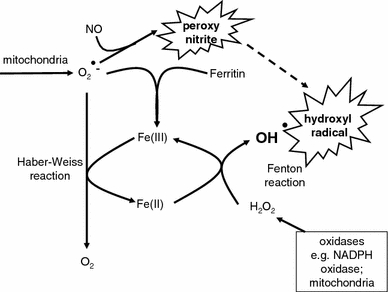
Exposure to a variety of toxins and/or infectious agents leads to disease, degeneration and death, often characterised by circumstances in which cells or tissues do not merely die and cease to function but may be more or less entirely obliterated. It is then legitimate to ask the question as to whether, despite the many kinds of agent involved, there may be at least some unifying mechanisms of such cell death and destruction. I summarise the evidence that in a great many cases, one underlying mechanism, providing major stresses of this type, entails continuing and autocatalytic production (based on positive feedback mechanisms) of hydroxyl radicals via Fenton chemistry involving poorly liganded iron, leading to cell death via apoptosis (probably including via pathways induced by changes in the NF-κB system). While every pathway is in some sense connected to every other one, I highlight the literature evidence suggesting that the degenerative effects of many diseases and toxicological insults converge on iron dysregulation. This highlights specifically the role of iron metabolism, and the detailed speciation of iron, in chemical and other toxicology, and has significant implications for the use of iron chelating substances (probably in partnership with appropriate anti-oxidants) as nutritional or therapeutic agents in inhibiting both the progression of these mainly degenerative diseases and the sequelae of both chronic and acute toxin exposure. The complexity of biochemical networks, especially those involving autocatalytic behaviour and positive feedbacks, means that multiple interventions (e.g. of iron chelators plus antioxidants) are likely to prove most effective. A variety of systems biology approaches, that I summarise, can predict both the mechanisms involved in these cell death pathways and the optimal sites of action for nutritional or pharmacological interventions.
Overview
CoChat Summary
TL;DR
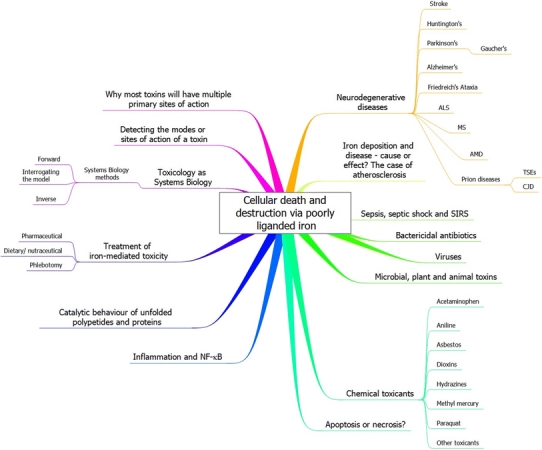
This review argues that poorly liganded iron, via Fenton/Haber–Weiss chemistry and autocatalytic hydroxyl radical production, is a convergent mechanism in many diseases and toxicant exposures, from neurodegeneration and stroke to sepsis, bactericidal antibiotics, and chemical toxicology. It proposes that iron chelators, especially combined with antioxidants, are rational therapeutic/nutritional interventions and that systems biology can identify optimal multi-target interventions.
Key findings
- Across reviewed conditions—stroke, Huntington’s, Parkinson’s, Alzheimer’s, ALS, Friedreich’s ataxia, multiple sclerosis, age-related macular degeneration, prion diseases, atherosclerosis, sepsis/SIRS, bactericidal antibiotics, viral infections, and chemical toxicants—evidence converges on iron dysregulation and Fenton chemistry; the hydroxyl radical is highlighted as the key damaging species rather than “ROS” generally.
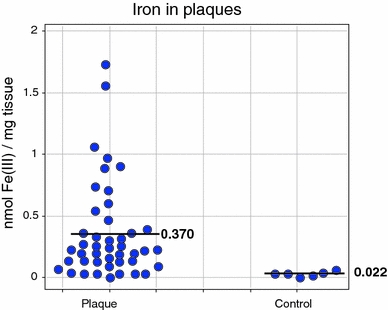
- In atherosclerosis, EPR-detectable iron in plaques was 17-fold greater than in healthy non-atherosclerotic intima controls, with P = 0.0001 (replotted from Stadler et al. 2004); iron levels in plaques also correlate with oxidized proteins.
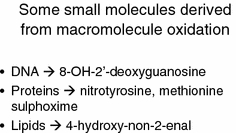
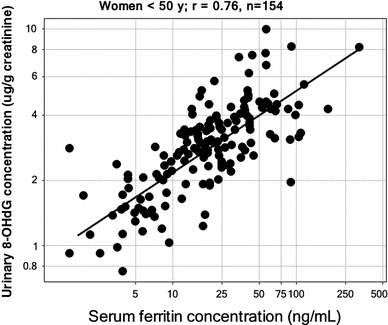
- Serum ferritin concentrations show a very strong relationship with urinary 8-hydroxy-2′-deoxyguanosine, a DNA damage/oxidative stress marker (replotted from Hori et al. 2010), and ferritin levels are widely associated with disease development, severity, or poor outcomes.
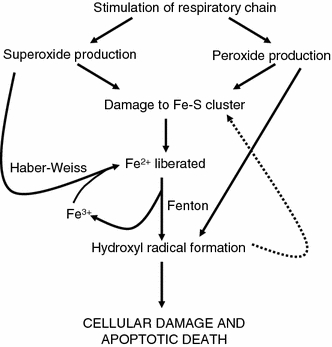
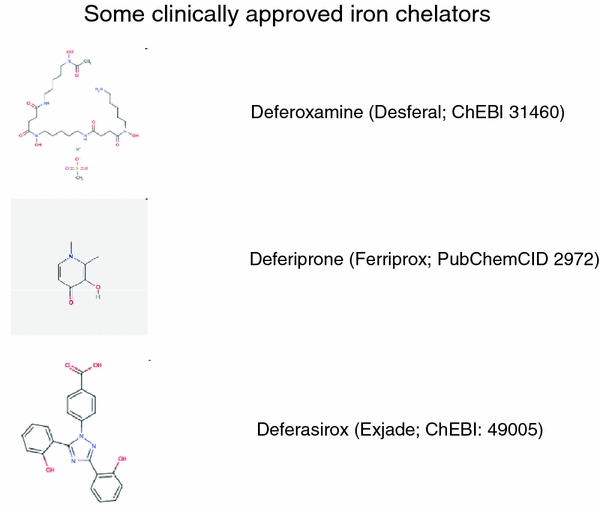
- Bactericidal antibiotics (norfloxacin, ampicillin, kanamycin) use internal iron liberated from iron–sulfur clusters to promote Fenton-mediated hydroxyl radical formation, whereas bacteriostatic antibiotics do not; iron chelators plus antioxidants are especially effective in sepsis models, and approved clinical chelators include deferoxamine, deferiprone, and deferasirox.
Methods
- Narrative literature review; the literature survey at initial submission extended to 14 June 2010, covering diseases, toxicants, and iron biology.
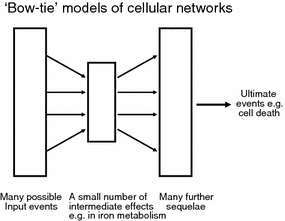
- Systems biology conceptual synthesis: forward and inverse modelling, sensitivity analysis, combinatorial parameter analysis, Bayesian/MCMC and evolutionary methods to infer sites of action, and “bow-tie” network models.
- Replots/digitizes published data (e.g., Hori et al. 2010; Stadler et al. 2004) to illustrate relationships; no new primary experimental data are reported.
Limitations
- The paper states that exact molecular mechanisms, cascades, and networks depend on many other factors; causality is often hard to infer from one-time snapshots; and some direct evidence is lacking—e.g., PrPSc–ferritin complexes have not yet been shown to catalyse OH• production directly, huntingtin inclusion bodies were not demonstrated to catalyse hydroxyl formation, and the extent of causality of iron dysregulation in multiple sclerosis is not yet established.
- Evident from the text: as a review, it synthesizes heterogeneous literature and relies heavily on cited associations, many of which are correlational; no new experimental validation is provided, and the literature coverage ends in mid-2010.
- The paper notes hormesis and dose-dependent interactions complicate simple models; chelator/antibiotic interactions can be dose-dependent and sometimes antagonistic (e.g., deferoxamine was antagonistic to azoles, while deferasirox promoted ciprofloxacin activity against *V. vulnificus*).
Model-written summary of a shortened version of the paper’s full text (it is longer than we read). Check it against the paper before relying on it.
Integrity signals
Registry
Cites
Statistics
Figures
Verification
Claims the paper makes
15 Valid · 1 Not valid · 117 Not checked · 25 Own results and interpretations
At least one cited source doesn’t support this claim or points to a different paper, and none confirmed it — see the verdicts below.
In the paper
“The defect thus leads to the liberation of mitochondrial iron”
§ Towards a unifying, systems biology understanding of large-scale cellular death and destruction caused by poorly liganded iron: Parkinson’s, Huntington’s, Alzheimer’s, prions, bactericides, chemical toxicology and others as examples > Friedreich’s ataxia
What the sources say
- Disputedcites Huang et al. 2009 matched to “Elucidation of the mechanism of mitochondrial iron loading in Friedreich's ataxia by analysis of a mouse mutant” (2009) sourceExperimental — accuracy not yet measured
The Abstract and Discussion describe frataxin deficiency as causing mitochondrial iron accumulation, with reduced release of heme and iron-sulfur clusters from mitochondria—not liberation of mitochondrial iron. The Discussion instead identifies increased liberation of cytoplasmic iron from heme as a contributor to mitochondrial iron uptake. No page numbers are available in our copy. (LLM, conf=0.88)
Checked by a reasoning model — may be wrong.
- Not checked yetcites Popescu et al. 2007 matched to “The chemical form of mitochondrial iron in Friedreich’s ataxia” (2007) source
- Not checked yetcites Richardson et al. 2009a
plainstates a cause- Asserted: passes — The authors put it forward as true.
- Checkable: passes — It can be checked against evidence.
- Load-bearing: passes — The paper’s conclusions depend on it.
- Based: passes — The paper gives a reason why it holds.
- Disputed
The cited sources support only part of this claim — read each source’s verdict below.
In the paper
“body-iron status correlates rather strongly with its production or urinary excretion (Agarwal et al. 2004; Broedbaek et al. 2009; Fujita et al. 2007a, 2009; Gackowski et al. 2002; Hori et al. 2010; Kang et al. 1998; Kuo et al. 2008; Maruyama et al. 2007; Nakano et al. 2003; Toyokuni and Sagripanti 1996; Tuomainen et al. 2007; Valavanidis et al. 2005).”
§ Towards a unifying, systems biology understanding of large-scale cellular death and destruction caused by poorly liganded iron: Parkinson’s, Huntington’s, Alzheimer’s, prions, bactericides, chemical toxicology and others as examples > Introduction
What the sources say
- Could not verifycites Agarwal et al. 2004 matched to “Oxidative stress and renal injury with intravenous iron in patients with chronic kidney disease” (2004) sourceExperimental — accuracy not yet measured
The Laboratory analysis section describes plasma and urinary malondialdehyde (MDA) assays, and the Discussion reports urinary MDA after intravenous iron in patients with chronic kidney disease. Searches for 8-OHdG and 8-hydroxy-2′-deoxyguanosine found no passage measuring that marker or relating its production or urinary excretion to body-iron status. (LLM, conf=0.76)
- Supportedcites Hori et al. 2010 matched to “Body iron store as a predictor of oxidative DNA damage in healthy men and women” (2010) source
The Discussion reports a strong positive association between serum ferritin, a marker of body iron stores, and urinary 8-OHdG in healthy Japanese men and women. The Results also show urinary 8-OHdG increasing across ferritin levels. This supports the claim about urinary excretion, though the cross-sectional study did not directly measure production. (LLM, conf=0.94)
boostedstates an association- Asserted: passes — The authors put it forward as true.
- Checkable: passes — It can be checked against evidence.
- Load-bearing: passes — The paper’s conclusions depend on it.
- Based: passes — The paper gives a reason why it holds.
- Could not verify
Every source the paper cites for this claim was checked and supports it.
In the paper
“Iron metabolism is deranged in gene knockdown models of Huntington’s (Henshall et al. 2009; Lumsden et al. 2007)”
§ Towards a unifying, systems biology understanding of large-scale cellular death and destruction caused by poorly liganded iron: Parkinson’s, Huntington’s, Alzheimer’s, prions, bactericides, chemical toxicology and others as examples > Huntington’s disease
What the sources say
- Supportedcites Henshall et al. 2009 matched to “Selective neuronal requirement for huntingtin in the developing zebrafish” (2009) source
The Introduction (page not supplied) says that an earlier analysis of the huntingtin-knockdown zebrafish model revealed a role for huntingtin in iron homeostasis and transport. The Abstract likewise reports effects of huntingtin reduction on iron transport and homeostasis. The claim does not attribute the original iron findings specifically to this 2009 study. (LLM, conf=0.89)
- Supportedcites Lumsden et al. 2007 matched to “Huntingtin-deficient zebrafish exhibit defects in iron utilization and development” (2007) source
The Abstract reports that huntingtin knockdown in zebrafish reduced hemoglobin production despite iron being present in blood cells, and that bioavailable iron restored production. The Conclusion identifies signs of cellular iron deficiency in the knockdown model despite iron being present. These passages support the claim about disrupted iron handling in a gene-knockdown model relevant to Huntington’s disease. (LLM, conf=0.93)
plainstates an association- Asserted: passes — The authors put it forward as true.
- Checkable: passes — It can be checked against evidence.
- Load-bearing: passes — The paper’s conclusions depend on it.
- Based: passes — The paper gives a reason why it holds.
- Supported
Every source the paper cites for this claim was checked and supports it.
In the paper
“experiments with the iron chelator deferroxamine revealed that the oxidation, localisation and structural organisation of the inclusion bodies formed by mutant htt were indeed irondependent.”
§ Towards a unifying, systems biology understanding of large-scale cellular death and destruction caused by poorly liganded iron: Parkinson’s, Huntington’s, Alzheimer’s, prions, bactericides, chemical toxicology and others as examples > Huntington’s disease
What the sources say
- Supportedcites Firdaus et al. 2006 matched to “Huntingtin inclusion bodies are iron‐dependent centers of oxidative events” (2006) source
The paper's own overview (p. 2) states verbatim that 'Analysis performed in the presence of the iron chelator deferroxamine revealed that the oxidation, localization and structural organization of the inclusion bodies formed by mutant htt were iron-dependent.' The supporting results confirm each element: deferroxamine (5 mM, 24 h) shrank httEx1-103Q inclusions and abolished HE oxidation in COS-7 cells (pp. 7-8, Fig. 6), and redistributed httEx1-43Q-EGFP nuclear inclusions out of the nucleus while reducing their oxidation in PC12 cells (p. 8, Fig. 7); the Discussion (p. 9) restates that chelatable iron was key to formation/structural integrity, localization and the oxidative events. (LLM, conf=0.95)
boostedstates a cause- Asserted: passes — The authors put it forward as true.
- Checkable: passes — It can be checked against evidence.
- Load-bearing: passes — The paper’s conclusions depend on it.
- Based: passes — The paper gives a reason why it holds.
- Supported
The cited sources support only part of this claim — read each source’s verdict below.
In the paper
“(HFE) mutations that cause haemochromatosis increase the susceptibility to AD (Bartzokis et al. 2010; Candore et al. 2003; Combarros et al. 2003; Connor and Lee 2006; Haacke et al. 2005; Kauwe et al. 2010; Lleó et al. 2002; Moalem et al. 2000; Pulliam et al. 2003; Robson et al. 2004; Sampietro et al. 2001), especially when in the presence of the APOE4 allele (Pulliam et al. 2003).”
§ Towards a unifying, systems biology understanding of large-scale cellular death and destruction caused by poorly liganded iron: Parkinson’s, Huntington’s, Alzheimer’s, prions, bactericides, chemical toxicology and others as examples > Alzheimer’s disease
What the sources say
- Not checked yetcites Pulliam et al. 2003 matched to “Association of HFE mutations with neurodegeneration and oxidative stress in Alzheimer's disease and correlation with APOE” (2003) source
- Partly supportedcites Robson et al. 2004 matched to “Synergy between the C2 allele of transferrin and the C282Y allele of the haemochromatosis gene (HFE) as risk factors for developing Alzheimer’s disease” (2004) sourceExperimental — accuracy not yet measured
Robson et al. (2004) do report increased AD risk associated with the haemochromatosis mutation C282Y, and that risk is highest in carriers who also have APOE4 (Abstract; Conclusions: 'tri-carriers of the two iron-related variants plus APOE4 may be at very high risk of AD'). However, the source does not support the unconditional attribution that HFE mutations that cause haemochromatosis increase AD susceptibility: the Abstract states 'each of the two variants was associated with an increased risk of AD only in the presence of the other. Neither allele alone had any effect' (i.e. only with transferrin C2), the Results (Tables 2-4) give C282Y-negative/C2-alone OR 1.3 (NS), and the Results explicitly report 'no association of the HFE H63D variant with AD, or with MCI, either overall or in two-way interaction with either TF C2 or APOE4'. So the second HFE mutation implicated in haemochromatosis is not associated in this paper, and the APOE4 effect is conditional on TF C2 co-carriage rather than on the HFE allele alone. (LLM, conf=0.78)
plainstates a cause- Asserted: passes — The authors put it forward as true.
- Checkable: passes — It can be checked against evidence.
- Load-bearing: unclear — It is unclear whether the paper’s conclusions depend on it.
- Based: passes — The paper gives a reason why it holds.
99 more claims · 11 with their cited sources checked
Create a free account to see all 158 claims and to verify the 250 references still open.
- It may state two separate claims as one. 42
- Probably not a substantial claim. 18
- The quote only partly states this claim. 1
Claims other papers make about this one
Each is checked against this paper’s own text: does it say what the citing paper says it does?
The source backs part of the claim, not all of it — or backs it for a different population, condition or comparison.
In the citing paper
“Chronic increase of such ‘free’ iron forms are associated with pathological conditions and possible complex homeostasis unbalance for this element in cells and tissues, relevant to asbestos toxicity and related diseases181920.”
From The interaction of asbestos and iron in lung tissue revealed by synchrotron-based scanning X-ray microscopy (2013) · cites this paper as [19]
Experimental — accuracy not yet measuredThe cited source says what the claim attributes to it.
In the citing paper
“Concerning this issue, the recent reviews by D. Kell1819 analyse the wide but dispersed literature via a systems biology approach, and indicate that iron that is weakly complexed boosts many biochemical processes leading to a large variety of apparently unrelated diseases.”
From The interaction of asbestos and iron in lung tissue revealed by synchrotron-based scanning X-ray microscopy (2013) · cites this paper as [19]
The cited source says what the claim attributes to it.
In the citing paper
“nominally antioxidant molecules such as ascorbate have complex, multi-electron redox chemistry, and can in fact act as pro-oxidants(502,503), especially in the presence of free Fe(208,213) or Cu(504).”
From The biology of ergothioneine, an antioxidant nutraceutical (2020) · cites this paper as [213]
The cited source says what the claim attributes to it.
In the citing paper
“Due to the presence of high-affinity iron binding and storage proteins, the actual toxicity of iron is restricted to the so called “labile iron pool”.”
From The interaction of asbestos and iron in lung tissue revealed by synchrotron-based scanning X-ray microscopy (2013) · cites this paper as [19]
Citations
Cites
2 retracted
Items 1,201–1,400 of 1,761
Evolving strategies in the treatment of sepsis and systemic inflammatory response syndrome (SIRS)
Horn, K. (1998) · QJM · doi:10.1093/qjmed/91.4.265 · Cited by 70 · cited 4×
“The sequelae are typically referred to as a systemic inflammatory response syndrome (SIRS) (e.g. Baue et al. 1998; Beal and Cerra 1994; Bolton 1996; Bone 1996; Davies and Hagen 1997; Gutteridge and Mitchell 1999; Hotchkiss and Karl 2003; Johnson and Mayers 2001; Keel and Trentz 2005; Leithead et al. 2009; Lolis and Bu…”
BackgroundInfluentialSystemic Oxidative Stress Associated with the Neurological Diseases of Aging
Serra, J. A., Domínguez, R. O., Marschoff, E. R., Guareschi, E. M., Famulari, A. L., & Boveris, A. (2009) · Neurochemical Research · doi:10.1007/s11064-009-9997-5 · Cited by 70
Borah, A., & Mohanakumar, K. P. (2009) · Journal of Pineal Research · doi:10.1111/j.1600-079x.2009.00713.x · Cited by 70
Limdi, J. K., & Crampton, J. R. (2004) · QJM · doi:10.1093/qjmed/hch065 · Cited by 70
Buzan, T. (2002) · Medical Entomology and Zoology · Cited by 69
Hyperferritinemia in autoimmunity.
Zandman‐Goddard, G., & Shoenfeld, Y. (2008) · PubMed · Cited by 69
GEM System: automatic prototyping of cell-wide metabolic pathway models from genomes
Arakawa, K., Yamada, Y., Shinoda, K., Nakayama, Y., & Tomita, M. (2006) · BMC Bioinformatics · doi:10.1186/1471-2105-7-168 · Cited by 69
Intracellular Chelation of Iron by Bipyridyl Inhibits DNA Virus Replication
Romeo, A. M., Christen, L., Niles, E. G., & Kosman, D. J. (2001) · Journal of Biological Chemistry · doi:10.1074/jbc.m010806200 · Cited by 69
Iron Status Is Associated with Carotid Atherosclerotic Plaques in Middle-Aged Adults
Ahluwalia, N., Genoux, A., Ferrieres, J., Perret, B., Carayol, M., Drouet, L., & Ruidavets, J.-B. (2010) · The Journal of Nutrition · doi:10.3945/jn.109.110353 · Cited by 69 · cited 1×
“• There is a correlation between iron status and atherosclerosis (Ahluwalia et al. 2010; Chau 2000; Day et al. 2003; de Valk and Marx 1999; DePalma et al. 2010; Gozzelino et al. 2010; Howes et al. 2000; Kallianpur 2005; Kartikasari et al. 2009; Kiechl et al. 1997; Lapenna et al. 2007; Marx et al.…”
BackgroundBartzokis, G., Lu, P. H., Tishler, T. A., Peters, D. G., Kosenko, A., Barrall, K. A., Finn, J. P., Villablanca, P., Laub, G., Altshuler, L. L., et al. (2010) · Journal of Alzheimer's Disease · doi:10.3233/jad-2010-1368 · Cited by 69 · cited 1×
“…to bind haem and neurotoxicity (Atamna 2009; Atamna et al. 2009), and (HFE) mutations that cause haemochromatosis increase the susceptibility to AD (Bartzokis et al. 2010; Candore et al. 2003; Combarros et al. 2003; Connor and Lee 2006; Haacke et al. 2005; Kauwe et al. 2010; Lleó et al. 2002;…”
BackgroundIntegrated cellular network of transcription regulations and protein-protein interactions
Wang, Y., & Chen, B. (2010) · BMC Systems Biology · doi:10.1186/1752-0509-4-20 · Cited by 69 · cited 1×
“…necrosis or apoptosis, Vanden Berghe et al. 2009), equivalent to the ‘bow-tie’ model of cellular networks (see e.g. Csete and Doyle 2004; Ma’ayan 2009; Ma et al. 2004, 2007; Ma and Zeng 2003; Oda and Kitano 2006; Rodrı́guez- Caso et al. 2009; Wang and Chen 2010; Zhao et al. 2006, 2010) and (Fig.”
BackgroundBeckett, G. J., Foster, G. R., Hussey, A. J., Oliveira, D. B., Donovan, J. W., Prescott, L. F., & Proudfoot, A. T. (1989) · Clinical Chemistry · doi:10.1093/clinchem/35.11.2186 · Cited by 69 · cited 1×
“…(Hinson et al. 2004; Jaeschke and Bajt 2006; Kon et al. 2004; Masubuchi et al. 2005; Reid et al. 2005), resulting in apoptotic cell death and organismal death via liver damage (e.g. Barker et al. 1977; Beckett et al. 1989; James et al. 2003; Martin- Murphy et al. 2010; Olaleye and Rocha 2008).”
BackgroundJiménez-Del-Río, M., & Velez‐Pardo, C. (2004) · Archives of Medical Research · doi:10.1016/j.arcmed.2004.01.001 · Cited by 68
Deferoxamine delays the development of the hepatotoxicity of acetaminophen in mice
Schnellmann, J. G., Pumford, N. R., Kusewitt, D. F., Bucci, T. J., & Hinson, J. A. (1999) · Toxicology Letters · doi:10.1016/s0378-4274(99)00021-1 · Cited by 68 · cited 2×
“long been known that iron chelators help prevent this toxicity (Sakaida et al. 1995; Schnellmann et al. 1999).”
BackgroundINHIBITORS OF NADPH OXIDASE REDUCE THE ORGAN INJURY IN HEMORRHAGIC SHOCK
Abdelrahman, M., Mazzon, E., Bauer, M., Bauer, I., Delbosc, S., Cristol, J.-P., Patel, N. S. A., Cuzzocrea, S., & Thiemermann, C. (2005) · Shock · doi:10.1097/01.shk.0000151028.15377.f7 · Cited by 68 · cited 1×
“…2008; Woo et al. 2010) is an important part of the aetiology of sepsis/septic shock—these phenomena are associated with the hyperproduction of ROSs (Abdelrah- man et al. 2005; Andrades et al. 2005; Bulger and Maier 2001; Cadenas and Cadenas 2002; Closa and Folch-Puy 2004; Crimi et al. 2006a,…”
BackgroundIron and Atherosclerosis: Inhibition by the Iron Chelator Deferiprone (L1)
Matthews, A. J., Vercellotti, G. M., Menchaca, H. J., Bloch, P. H. S., Michalek, V. N., Marker, P. H., Murar, J., & Buchwald, H. (1997) · Journal of Surgical Research · doi:10.1006/jsre.1997.5180 · Cited by 68 · cited 1×
“…2006; Stocker and Keaney 2005; Sullivan 2009; Watt et al. 2006; Wolff et al. 2004; Yuan and Li 2008) • Iron depletion by dietary or other means delays the formation of such lesions (Ferrara and Taylor 2005; Halliwell 2009; Lee et al. 1999; Matthews et al. 1997; Ponraj et al. 1999; Ren et al. 2005).”
BackgroundDynamics, stability and iron‐binding activity of frataxin clinical mutants
Correia, A. R., Pastore, C., Adinolfi, S., Pastore, A., & Gomes, C. M. (2008) · FEBS Journal · doi:10.1111/j.1742-4658.2008.06512.x · Cited by 68
Iron accumulation in the striatum predicts aging-related decline in motor function in rhesus monkeys
Cass, W. A., Grondin, R., Andersen, A. H., Zhang, Z., Hardy, P. A., Hussey-Andersen, L. K., Rayens, W. S., Gerhardt, G. A., & Gash, D. M. (2007) · Neurobiology of Aging · doi:10.1016/j.neurobiolaging.2005.12.010 · Cited by 67 · cited 1×
“…2008; Muller et al. 2007; Vaupel 2010), in which various degradative processes including iron dysregulation can be implicated (e.g. Brewer 2010; Cass et al. 2007; Cook and Yu 1998; Facchini 2002; Galaris et al. 2008; Kell 2009a; Kujoth et al. 2005; Kurz et al. 2008b; Massie et al. 1983;…”
BackgroundSingh, A., Mohan, M. L., Isaac, A. O., Luo, X., Petrák, J., Vyoral, D., & Singh, N. (2009) · PLoS ONE · doi:10.1371/journal.pone.0004468 · Cited by 67
Jacob, A. K., Hotchkiss, R. S., DeMeester, S. L., Hiramatsu, M., Karl, I. E., Swanson, P. E., Cobb, J. P., & Buchman, T. G. (1997) · Surgery · doi:10.1016/s0039-6060(97)90015-5 · Cited by 67 · cited 1×
“…2003; Zhang et al. 2003; Zhao et al. 2004) or in excess (e.g. Aljandali et al. 2001; Cozzi et al. 2003, 2010; Devireddy et al. 2005; Franke et al. 2010; Jacob et al. 1997, 2000; Javadi et al. 2004; Jı́menez Del Rı́o and Vélez-Pardo 2004; Kamp et al. 2002; Kawabata et al. 1997; Kermer et al.…”
BackgroundIron Chelators as Potential Therapeutic Agents for Parkinsons Disease
Perez, C., Tong, Y., & Guo, M. (2008) · Current Bioactive Compounds · doi:10.2174/157340708786305952 · Cited by 67
Protection against Acetaminophen-Induced Liver Injury in Vivo by an Iron Chelator, Deferoxamine
Sakaida, I., Kayano, K., Wasaki, S., Nagatomi, A., Matsumura, Y., & Okita, K. (1995) · Scandinavian Journal of Gastroenterology · doi:10.3109/00365529509093237 · Cited by 67
Gillum, R. F., Sempos, C. T., Makuc, D. M., Looker, A. C., Chien, C.-Y., & Ingram, D. D. (1996) · American Journal of Epidemiology · doi:10.1093/oxfordjournals.aje.a008855 · Cited by 67 · cited 1×
“…et al. 2006; Bishop and Robinson 2001; Chang et al. 2005; Dávalos, et al. 1994; Demougeot et al. 2004; Ferro and Dávalos 2006; Garoufi et al. 2006; Gillum et al. 1996; Lee et al. 2006e; Marniemi et al. 2005; Mascitelli and Pezzetta 2006; Mehta et al. 2004; Mu et al. 2005; Nakamura et al. 2006;…”
BackgroundCloning and characterization of mouse 5′-AMP-activated protein kinase γ3 subunit
Yu, H., Fujii, N., Hirshman, M. F., Pomerleau, J. M., & Goodyear, L. J. (2004) · American Journal of Physiology-Cell Physiology · doi:10.1152/ajpcell.00319.2003 · Cited by 67
Manganese, Iron, and Total Particulate Exposures to Welders
Flynn, M. R., & Susi, P. (2009) · Journal of Occupational and Environmental Hygiene · doi:10.1080/15459620903454600 · Cited by 67 · cited 2×
“Welding fumes are toxic and contain both iron and manganese (Flynn and Susi 2010; Sriram et al. 2010), and the toxicity of nano- iron itself has also been studied (Li et al. 2009).”
BackgroundMediators of multiple organ failure
Goris, R. J. A. (1990) · Intensive Care Medicine · doi:10.1007/bf01709699 · Cited by 67 · cited 2×
“absence of infection (Goris 1990; Suntharalingam et al. 2006).”
BackgroundScientific and Clinical Challenges in Sepsis
Ulloa, L., Brunner, M., Ramos, L., & Deitch, E. (2009) · Current Pharmaceutical Design · doi:10.2174/138161209788453248 · Cited by 67 · cited 1×
“…1996; Bone 1996; Davies and Hagen 1997; Gutteridge and Mitchell 1999; Hotchkiss and Karl 2003; Johnson and Mayers 2001; Keel and Trentz 2005; Leithead et al. 2009; Lolis and Bucala 2003; Martin et al. 2003; Nguyen et al. 2006; Protti and Singer 2006; Rittirsch et al. 2008; Ulloa et al. 2009).”
BackgroundOxidant-Induced Iron Signaling in Doxorubicin-Mediated Apoptosis
Kotamraju, S., Kalivendi, S. V., Konorev, E., Chitambar, C. R., Joseph, J., & Kalyanaraman, B. (2004) · Methods in Enzymology · doi:10.1016/s0076-6879(04)78026-x · Cited by 66 · cited 2×
“…and Meyer 2007; Vanden Berghe et al. 2009; Vanlangenakker et al. 2008), there is abundant evidence for the ability of iron to cause apoptosis (Kotamraju et al. 2004a, b; Kurz et al. 2007, 2008b; Vanden Berghe et al. 2009), and—depending presumably on the exact liganding of the iron (Kell…”
BackgroundCho, S., Urata, Y., Iida, T., Goto, S., Yamaguchi, M., Sumikawa, K., & Kondo, T. (1998) · Biochemical and Biophysical Research Communications · doi:10.1006/bbrc.1998.9697 · Cited by 66 · cited 1×
“…metabolism are the facts that NF-jB is redox-sensitive (e.g. Aggarwal and Sung 2009; Baeuerle and Henkel 1994; Chandrasekaran and Taylor 2008; Cho et al. 1998; Dröge 2002; Fulda et al. 2010; Galaris et al. 2008; Gloire et al. 2006; Gloire and Piette 2009; Ha et al. 2010; Haddad et al. 2000;…”
BackgroundMulticellular models of Friedreich ataxia
Puccio, H. M. (2009) · Journal of Neurology · doi:10.1007/s00415-009-1004-1 · Cited by 66 · cited 2×
“Friedreich’s ataxia is another neurodegenerative disease caused by the insertion of a trinucleotide repeat (or occa- sionally a missense mutation) in the gene encoding a pro- tein called frataxin (Adibhatla and Hatcher 2010; Babady et al. 2007; Becker and Richardson 2001; Bencze et al. 2006; Chakravarty 2003; Gonzále…”
BackgroundSuchy, J. J., Chan, A., & Shea, T. B. (2009) · Nutrition Research · doi:10.1016/j.nutres.2008.11.004 · Cited by 66
Dentchev, T., Hahn, P., & Dunaief, J. L. (2005) · Archives of Ophthalmology · doi:10.1001/archopht.123.12.1745 · Cited by 66
Deferiprone targets aconitase: Implication for Friedreich's ataxia treatment
Goncalves, S., Paupe, V., Dassa, E. P., & Rustin, P. (2008) · BMC Neurology · doi:10.1186/1471-2377-8-20 · Cited by 66 · cited 1×
“As would be expected, appropriate iron chelation may have therapeutic benefits (Boddaert et al. 2007; Campanella et al. 2009; Goncalves et al. 2008; Kakhlon et al. 2010; Lim et al. 2008; Marmolino and Acquaviva 2009; Santos et al. 2010; Schulz et al. 2009; Sohn et al. 2008).”
BackgroundMcLaren, G. D., & Gordeuk, V. R. (2009) · Hematology · doi:10.1182/asheducation-2009.1.195 · Cited by 66
Park, S. H., & Aust, A. E. (1998) · PubMed · Cited by 65
Iqbal, M., Okazaki, Y., & Okada, S. (2009) · Molecular and Cellular Biochemistry · doi:10.1007/s11010-008-9994-z · Cited by 65 · cited 1×
“…of turmeric) (Aggarwal and Harikumar 2009; Aggarwal and Sung 2009; Anand et al. 2010; Basile et al. 2009; Epstein et al. 2009; Hegde et al. 2009; Iqbal et al. 2009; Jiao et al. 2009; Jurenka 2009; Kalpravidh et al. 2010; Majumdar et al. 2009; Messner et al. 2009; Patil et al. 2009; Ravindran…”
BackgroundRedox metals and oxidative abnormalities in human prion diseases
Petersen, R. B., Siedlak, S. L., Lee, H., Kim, Y., Nunomura, A., Tagliavini, F., Ghetti, B. F., Cras, P. P., Moreira, P. I., Castellani, R. J., et al. (2005) · Acta Neuropathologica · doi:10.1007/s00401-005-1034-4 · Cited by 65 · cited 2×
“…Iwamaru et al. 2008; Kim et al. 2000, 2001, 2007; Lee et al. 2007; Lehmann 2002; Milhavet and Lehmann 2002; Pamplona et al. 2008; Park et al. 2008; Petersen et al. 2005; Pollera et al. 2005; Rana et al. 2009; Stegmann and Grohmann 2003; Westergard et al. 2007; Wong et al. 2001), this is exactly…”
BackgroundHormesis can and Does Work in Humans
Rattan, S. I. S., & Demirovic, D. (2010) · Dose-Response · doi:10.2203/dose-response.09-041.rattan · Cited by 65
Effect of deferoxamine on late deaths following CPR in rats
Kompala, S. D., Babbs, C. F., & Blaho, K. E. (1986) · Annals of Emergency Medicine · doi:10.1016/s0196-0644(86)80175-5 · Cited by 65 · cited 1×
“…thus shown promise in decreasing the sequelae of an initial stroke-inducing event (Demougeot et al. 2004; Ferro and Dávalos 2006; Hurn et al. 1995; Kompala et al. 1986; Mu et al. 2005; Patt et al. 1990; Prass et al. 2002; Selim and Ratan 2004; Soloniuk et al. 1992; White et al. 1988;…”
BackgroundIrazusta, V., Cabiscol, E., Reverter-Branchat, G., Ros, J., & Tamarit, J. (2006) · Journal of Biological Chemistry · doi:10.1074/jbc.m511649200 · Cited by 65
The ins and outs of mitochondrial iron-loading: the metabolic defect in Friedreich’s ataxia
Richardson, D. R., Huang, M., Whitnall, M., Becker, E., Ponka, P., & Rahmanto, Y. S. (2009) · Journal of Molecular Medicine · doi:10.1007/s00109-009-0565-x · Cited by 65
PROTECTING THE PUMP: Controlling Myocardial Inflammatory Responses
Taqueti, V. R., Mitchell, R. N., & Lichtman, A. H. (2006) · Annual Review of Physiology · doi:10.1146/annurev.physiol.68.040104.124611 · Cited by 65 · cited 1×
“…Ridker et al.et al. 2004; Ross 1999; Schleicher and Friess 2007; Subramanian and Ferrante 2009; Sullivan 2009; Tan and Lip 2008; Tang et al. 2009; Taqueti et al. 2006; Tedgui and Mallat 2006; van Leuven et al. 2008; van Oostrom et al. 2004; Willerson and Ridker 2004; Young et al. 2002)…”
BackgroundSmith, A. G., Clothier, B., Robinson, S., Scullion, M. J., Carthew, P., Edwards, R., Luo, J., Lim, C. K., & Toledano, M. (1998) · Molecular Pharmacology · doi:10.1124/mol.53.1.52 · Cited by 65 · cited 2×
“In addition, iron enhances the toxicity of dioxin (Al-Turk et al. 1988; Smith et al. 1998) while iron chelators reduce it (Al-Bayati and Stohs 1987; Wahba et al. 1990).”
BackgroundAnti-HIV effect of iron chelators: different mechanisms involved
van Asbeck, B. S., Georgiou, N., van der Bruggen, T., Oudshoorn, M., Nottet, H. S. L. M., & Marx, J. J. M. (2001) · Journal of Clinical Virology · doi:10.1016/s1386-6532(00)00122-0 · Cited by 65 · cited 1×
“…liganded iron can exert a positive feedback leading to the death of cells 2009; Meyer 2006; Northrop-Clewes 2008; Rawat et al. 2008; Savarino et al. 1999; Schreck et al. 1992; Szajerka and Jablecki 2007; Traoré and Meyer 2004, 2007; van Asbeck et al. 2001; Weinberg 2006; Ziegler et al. 2001).”
BackgroundThe Role of Iron in the Pathophysiology and Treatment of Chronic Hepatitis C
Price, L., & Kowdley, K. V. (2009) · Canadian Journal of Gastroenterology · doi:10.1155/2009/290383 · Cited by 65 · cited 1×
“…2006; Kato et al. 2001, 2007; Ko et al. 2007; Mahmoud et al. 2008; Mueller et al. 2006; Nahon et al. 2008; Nishina et al. 2008; Otogawa et al. 2008; Price and Kowdley 2009; Rigamonti et al. 2005; Sebastiani and Walker 2007; Sikorska et al. 2010; Sugimoto et al. 2009; Tanaka et al. 2007; Tanaka…”
BackgroundHanson, L. N., Engelman, H. M., Alekel, D. L., Schalinske, K. L., Kohut, M. L., & Reddy, M. B. (2006) · American Journal of Clinical Nutrition · doi:10.1093/ajcn/84.4.774 · Cited by 64 · cited 1×
“…1994; Doria et al. 2009; Glahn et al. 2002; Graf and Eaton 1990, 1993; Graf et al. 1987; Grases et al. 2001; Hallberg et al. 1989; Han et al. 1994; Hanson et al. 2006; Hawkins et al. 1993; Kamp et al. 1995a, b, 2002; Kim et al. 2008; Kumar et al. 2010; Minihane and Rimbach 2002; Miyamoto et al.…”
Minocycline attenuates iron neurotoxicity in cortical cell cultures
Chen‐Roetling, J., Chen, L., & Regan, R. F. (2009) · Biochemical and Biophysical Research Communications · doi:10.1016/j.bbrc.2009.06.026 · Cited by 64 · cited 1×
“…al. 1995; Kompala et al. 1986; Mu et al. 2005; Patt et al. 1990; Prass et al. 2002; Selim and Ratan 2004; Soloniuk et al. 1992; White et al. 1988; Chen-Roetling et al. 2009; Gu et al. 2009; Hanson et al. 2009; Hua et al. 2008; Mazumdar et al. 2007; Méthy et al. 2008; Millerot-Serrurot et al.…”
BackgroundLapenna, D., Pierdomenico, S. D., Ciofani, G., Ucchino, S., Neri, M., Giamberardino, M. A., & CUCCURULLO, F. (2006) · Free Radical Biology and Medicine · doi:10.1016/j.freeradbiomed.2006.11.014 · Cited by 64 · cited 1×
“…de Valk and Marx 1999; DePalma et al. 2010; Gozzelino et al. 2010; Howes et al. 2000; Kallianpur 2005; Kartikasari et al. 2009; Kiechl et al. 1997; Lapenna et al. 2007; Marx et al. 2008; McRae et al. 2009; Minqin et al. 2003; Ramakrishna et al. 2003; Ren et al. 2003; Salonen et al. 1992; Shah…”
BackgroundBerg, D. (2007) · Neurochemical Research · doi:10.1007/s11064-007-9346-5 · Cited by 64 · cited 1×
“…and Golts 2002; Altamura and Muckent- haler 2009; Andersen 2004; Barapatre et al. 2010; Baudr- exel et al. 2010; Becker 2010; Becker et al. 2010a, b; Berg 2006, 2007; Berg and Hochstrasser 2006; Berg et al. 2006, 2008; Brar et al. 2009; Brown 2009b; Crichton and Ward 2006; Fasano et al. 2006;…”
BackgroundEnhanced skin delivery of quercetin by microemulsion
Kitagawa, S., Tanaka, Y., Tanaka, M., Endo, K., & Yoshii, A. (2009) · Journal of Pharmacy and Pharmacology · doi:10.1211/jpp.61.07.0003 · Cited by 64
Visseren, F. L. J., Verkerk, M. S. A., Van Der Bruggen, T., Marx, J. J. M., Van Asbeck, B. S., & Diepersloot, R. J. A. (2002) · European Journal of Clinical Investigation · doi:10.1046/j.1365-2362.2002.0320s1084.x · Cited by 64 · cited 1×
“The above suggestions are certainly true of infections caused by influenza A (Visseren et al. 2002) (see also Akaike et al. 1996; Beck et al. 2004), herpes simplex virus (Gennero et al. 2010; Lamey and Biagioni 1995; Romeo et al. 2001), hepatitis C (Alavian and Tabatabaei 2009; Alla and Bonkovsky…”
BackgroundShiomi, M., Ito, T., Tsukada, T., Tsujita, Y., & Horikoshi, H. (1999) · Atherosclerosis · doi:10.1016/s0021-9150(98)00259-7 · Cited by 64
Desai, T. K., Jamil, L. H., Balasubramaniam, M., Koff, R. S., & Bonkovsky, H. L. (2007) · Digestive Diseases and Sciences · doi:10.1007/s10620-007-9945-7 · Cited by 64 · cited 2×
“…(e.g. Aigner et al. 2008; Beutler 2007; Broedbaek et al. 2009; Brudevold et al. 2008; Busca et al. 2010; DePalma et al. 2007, 2010; Dereure et al. 2008; Desai et al. 2008; Dwyer et al. 2009; Equitani et al. 2008; Facchini et al. 2002; Fargion et al. 2002; Fernández-Real et al. 2002; Fujita et al.…”
BackgroundAnalysis of a complete DNA–protein affinity landscape
Rowe, W., Platt, M., Wedge, D. C., Day, P. J., Kell, D. B., & Knowles, J. (2010) · Journal of The Royal Society Interface · doi:10.1098/rsif.2009.0193 · Cited by 64 · cited 1×
“…have proved so for both modelling (Dada and Mendes 2009; Mendes and Kell 1998; Moles et al. 2003; Rodriguez-Fernandez et al. 2006) and other optimisation problems (e.g. Broadhurst et al. 1997; Kell et al. 2001; Knight et al. 2009; O’Hagan et al. 2005, 2007; Platt et al. 2009; Rowe et al. 2010).”
Self-citationKontoghiorghes, G. J., Kolnagou, A., Peng, C.-T., Shah, S. V., & Aessopos, A. (2010) · Expert Opinion on Drug Safety · doi:10.1517/14740330903535845 · Cited by 64 · cited 1×
“…et al. 2009; Bolognin et al. 2009a; Cappellini and Pattoneri 2009; Cappellini et al. 2010; Clifton et al. 2009; Hider et al. 2008; Kell 2009a; Kontoghiorghes et al. 2010; Kwiatkowski 2010; Mladĕnka et al. 2009; Pennell et al. 2010; Perez and Franz 2010; Richardson et al. 2009b and…”
BackgroundBasu, S., Mohan, M. L., Luo, X., Kundu, B., Kong, Q., & Singh, N. (2007) · Molecular Biology of the Cell · doi:10.1091/mbc.e07-04-0317 · Cited by 64 · cited 1×
“Building on earlier work relating prion biology with (especially) iron-induced oxidative stress (e.g. Bareggi et al. 2009; Barnham et al. 2006; Basu et al. 2007; Choi et al. 2006; Fernaeus et al. 2005a, b; Fernaeus and Land 2005; Iwamaru et al. 2008; Kim et al. 2000, 2001, 2007; Lee et al. 2007;…”
BackgroundTransferrin-a modulates hepcidin expression in zebrafish embryos
Fraenkel, P. G., Gibert, Y., Holzheimer, J. L., Lattanzi, V. J., Burnett, S. F., Dooley, K. A., Wingert, R. A., & Zon, L. I. (2009) · Blood · doi:10.1182/blood-2008-06-165340 · Cited by 63
Oxidative DNA damage and its repair in rat spleen following subchronic exposure to aniline
Ma, H., Wang, J., Abdel‐Rahman, S. Z., Boor, P. J., & Khan, M. F. (2008) · Toxicology and Applied Pharmacology · doi:10.1016/j.taap.2008.08.010 · Cited by 63
Hardy, J. A., & Aust, A. E. (1995) · Carcinogenesis · doi:10.1093/carcin/16.2.319 · Cited by 63
Iron chelation as a potential therapy for neurodegenerative disease
Hider, R. C., Ma, Y., Molina-Holgado, F., Gaeta, A., & Roy, S. (2008) · Biochemical Society Transactions · doi:10.1042/bst0361304 · Cited by 63 · cited 1×
“…reviewed (Agarwal 2010; Berdoukas et al. 2009; Bolognin et al. 2009a; Cappellini and Pattoneri 2009; Cappellini et al. 2010; Clifton et al. 2009; Hider et al. 2008; Kell 2009a; Kontoghiorghes et al. 2010; Kwiatkowski 2010; Mladĕnka et al. 2009; Pennell et al. 2010; Perez and Franz 2010;…”
BackgroundFriedreich's ataxia and frataxin: Molecular genetics, evolution and pathogenesis (Review)
Palau, F. (2001) · International Journal of Molecular Medicine · doi:10.3892/ijmm.7.6.581 · Cited by 63
Iron dysregulation and Parkinson's disease
Andersen, J. K. (2005) · Journal of Alzheimer's Disease · doi:10.3233/jad-2004-6s602 · Cited by 62 · cited 10×
“It is now clear that iron is intimately involved (Armengou and Davalos 2002; Bailey et al. 2006; Bishop and Robinson 2001; Chang et al. 2005; Dávalos, et al. 1994; Demougeot et al. 2004; Ferro and Dávalos 2006; Garoufi et al. 2006; Gillum et al. 1996; Lee et al. 2006e; Marniemi et al. 2005; Mascitelli and Pezzetta 2…”
BackgroundInfluentialChemokines and B cells in renal inflammation and allograft rejection
Steinmetz, O. M. (2009) · Frontiers in Bioscience-Scholar · doi:10.2741/s2 · Cited by 62 · cited 1×
“…(ChEBI 4806) (Adhami et al. 2009; Butt and Sultan 2009; Hsieh et al. 2009; Jimenez-Del-Rio et al. 2010; Johnson et al. 2010; Pandey and Gupta 2009; Paterniti et al. 2009; Ramesh et al. 2009; Reznichenko et al. 2010; Suh et al. 2009; Weinreb et al. 2009a), on…”
Franke, J. C., Plötz, M., Prokop, A., Geilen, C. C., Schmalz, H., & Eberle, J. (2009) · Biochemical Pharmacology · doi:10.1016/j.bcp.2009.09.022 · Cited by 62 · cited 1×
“…2009; Truksa et al. 2003; Zhang et al. 2003; Zhao et al. 2004) or in excess (e.g. Aljandali et al. 2001; Cozzi et al. 2003, 2010; Devireddy et al. 2005; Franke et al. 2010; Jacob et al. 1997, 2000; Javadi et al. 2004; Jı́menez Del Rı́o and Vélez-Pardo 2004; Kamp et al. 2002; Kawabata et al.…”
BackgroundWhat Does Systems Biology Mean for Drug Development?
Schrattenholz, A. S., & Šoškić, V. (2008) · Current Medicinal Chemistry · doi:10.2174/092986708784638843 · Cited by 62
Choi, K. M., Lee, K. W., Kim, H. Y., Seo, J. A., Kim, S. G., Kim, N. H., Choi, D. S., & Baik, S. H. (2005) · Metabolism · doi:10.1016/j.metabol.2005.05.018 · Cited by 62
Role of zinc and iron chelation in apoptosis mediated by tachpyridine, an anti-cancer iron chelator
Zhao, R., Planalp, R. P., Ma, R., Greene, B. T., Jones, B. T., Brechbiel, M. W., Torti, F. M., & Torti, S. V. (2004) · Biochemical Pharmacology · doi:10.1016/j.bcp.2003.12.036 · Cited by 62 · cited 1×
“…al. 1997, 2001; Leardi et al. 1998; Lee et al. 2006b, c; Pan et al. 2004; Simonart et al. 2000; Sun et al. 2009; Truksa et al. 2003; Zhang et al. 2003; Zhao et al. 2004) or in excess (e.g. Aljandali et al. 2001; Cozzi et al. 2003, 2010; Devireddy et al. 2005; Franke et al. 2010; Jacob et al.…”
Brard, L., Granai, C. O., & Swamy, N. (2005) · Gynecologic Oncology · doi:10.1016/j.ygyno.2005.07.129 · Cited by 62 · cited 1×
“…on the exact liganding of the iron (Kell 2009a)—this can be effected when iron is ostensibly depleted (e.g. Bergman et al. 2005; Bidle and Bender 2008; Brard et al. 2006; Buss et al. 2003; Fukuchi et al. 1994; Greene et al. 2002; Haq et al. 1995; Hileti et al. 1995; Jiang et al. 2002; Jin et al.…”
BackgroundIron Dysregulation in Friedreich Ataxia
Wilson, R. B. (2006) · Seminars in Pediatric Neurology · doi:10.1016/j.spen.2006.08.005 · Cited by 62
SBRML: a markup language for associating systems biology data with models
Dada, J. O., Spasić, I., Paton, N. W., & Mendes, P. (2010) · Bioinformatics · doi:10.1093/bioinformatics/btq069 · Cited by 62 · cited 3×
“experimental data, conveniently stored using SBRML (Dada et al. 2010).”
MethodRedox Control of Prion and Disease Pathogenesis
Singh, N., Singh, A., Das, D., & Mohan, M. L. (2010) · Antioxidants & Redox Signaling · doi:10.1089/ars.2009.2628 · Cited by 62 · cited 8×
“However, PrPSc levels are in many cases poorly correlated with prion dis- ease progression, suggesting that it is necessary but not sufficient; ‘something else’ is required (Caughey and Baron 2006).”
BackgroundInfluentialInvolvement of oxygen radicals in shock related cell injury
Redl, H., Gasser, H., Schlag, G., & Marzi, I. (1993) · British Medical Bulletin · doi:10.1093/oxfordjournals.bmb.a072630 · Cited by 61
The Cys282Tyr polymorphism in the HFE gene in Australian Parkinson's disease patients
Buchanan, D. D., Silburn, P. A., Chalk, J. B., Couteur, D. G. L., & Mellick, G. D. (2002) · Neuroscience Letters · doi:10.1016/s0304-3940(02)00398-1 · Cited by 61
Iron elevations in the aging Parkinsonian brain: a consequence of impaired iron homeostasis?
Lee, D. W., & Andersen, J. K. (2010) · Journal of Neurochemistry · doi:10.1111/j.1471-4159.2009.06470.x · Cited by 61 · cited 3×
“As such, its toxicity may be expected to be exacerbated by iron, and this is the case (Andersen 2003; Ayaki et al. 2005; Fernandez et al. 2000; Peng et al. 2007, 2009).”
Kummer, S., Hayes, G. R., Gilbert, R. O., Beach, D. H., Lucas, J. J., & Singh, B. N. (2007) · Microbial Pathogenesis · doi:10.1016/j.micpath.2007.09.004 · Cited by 61
Lee, R. E., Balcerzak, S. P., & Westerman, M. P. (1967) · The American Journal of Medicine · doi:10.1016/0002-9343(67)90070-8 · Cited by 61
Iron and the redox status of the lungs
Quinlan, G. J., Evans, T. W., & Gutteridge, J. M. C. (2002) · Free Radical Biology and Medicine · doi:10.1016/s0891-5849(02)00903-6 · Cited by 61 · cited 1×
“…et al. 2004, 2009; Heintz et al. 2010; Kamp 2009; Knaapen et al. 2004; Liu et al. 2010; Nymark et al. 2008; Panduri et al. 2006; Poser et al. 2004; Quinlan et al. 2002; Shannahan et al.; Shukla et al. 2003a, b; Sørensen et al. 2007; Toyokuni 2009a, b; Upadhyay and Kamp 2003; Valavanidis et al.…”
BackgroundHaggarty, S. J., Clemons, P. A., & Schreiber, S. L. (2003) · Journal of the American Chemical Society · doi:10.1021/ja035413p · Cited by 61 · cited 1×
“…Ambesi- Impiombato and di Bernardo 2006; Bender et al. 2006; Borisy et al. 2003; Csermely et al. 2005; Dancey and Chen 2006; Fan et al. 2003, 2006; Haggarty et al. 2003; Hopkins et al. 2006; Kaelin 2005; Keith et al. 2005; Kostoff and Delafuente 2006; Millan 2006; Perlstein et al. 2006; Sharom…”
BackgroundCeccarelli, A., Rocca, M. A., Neema, M., Martinelli, V., Arora, A., Tauhid, S., Ghezzi, A., Comi, G., Bakshi, R., & Filippi, M. (2010) · Multiple Sclerosis Journal · doi:10.1177/1352458509350310 · Cited by 61 · cited 1×
“…and/or deposition have indeed been implicated directly (Adams 1988; Bakshi et al. 2000, 2001, 2002, 2008; Bermel et al. 2005; Brass et al. 2006a, b; Ceccarelli et al. 2009, 2010; Chard and Miller 2009; Craelius et al. 1982; Drayer et al. 1987; Eissa et al. 2009; Exley et al. 2006; Filippi and…”
Mild Cognitive Impairment and Alzheimer Patients Display Different Levels of Redox-Active CSF Iron
Lavados, M., Guillón, M., Mujica, M. C., Rojo, L. E., Fuentes, P., & Maccioni, R. B. (2008) · Journal of Alzheimer's Disease · doi:10.3233/jad-2008-13211 · Cited by 61 · cited 1×
“It is especially noteworthy that iron correlates with disease severity as measured by cognitive ability (Ding et al. 2009; Gómez Ravetti et al. 2010; Grossi et al. 2009; Lavados et al. 2008; Perez et al. 2010; Smith et al. 2010).”
BackgroundElevated serum ferritin concentrations in prediabetic subjects
Sharifi, F., Nasab, N. M., & Zadeh, H. J. (2008) · Diabetes and Vascular Disease Research · doi:10.3132/dvdr.2008.003 · Cited by 61 · cited 1×
“…Lecube et al. 2008; Lim et al. 2010; Mateo- Gallego et al. 2010; McNeill et al. 2008; Menke et al. 2009; Qureshi et al. 2008; Rajpathak et al. 2009; Sharifi et al. 2008; Skinner et al. 2010; Song et al. 2009; Storey et al. 2009; Sun et al. 2008; Tsimikas et al. 2009; Valenti et al. 2010;…”
BackgroundSzajerka, T., & Jablecki, J. (2008) · PubMed · Cited by 60
Coordinating responses to iron and oxygen stress with DNA and mRNA promoters: The ferritin story
Theil, E. C. (2007) · BioMetals · doi:10.1007/s10534-006-9063-6 · Cited by 60
Structural Analysis of Metal Sites in Proteins: Non-heme Iron Sites as a Case Study
Andreini, C., Bertini, I., Cavallaro, G., Najmanovich, R., & Thornton, J. M. (2009) · Journal of Molecular Biology · doi:10.1016/j.jmb.2009.02.052 · Cited by 60 · cited 1×
“…are metalloproteins (Waldron et al. 2009), and iron is also of considerable importance in biology as a component of all kinds of metalloproteins (Andreini et al. 2008, 2009) from haemoglobin to cyto- chromes, as well as in the directed evolution of novel enzyme activities (Pordea and Ward 2008;…”
BackgroundXu, X., Šuťák, R., & Richardson, D. R. (2007) · Molecular Pharmacology · doi:10.1124/mol.107.041335 · Cited by 60 · cited 4×
“Iron chelators inhibit these inimical processes (Gal et al. 2006; Perez et al. 2008; Xu et al. 2008; Youdim et al. 2004a, b; Zheng et al. 2005), including (Kaur et al. 2003; Reznichenko et al. 2010; Youdim 2003) in the case of a Parkinson-like disease induced (Blum et al. 2001; Choi et al. 2009;…”
BackgroundInfluentialOxygen radicals and asbestos-mediated disease.
Quinlan, T. R., Marsh, J. P., Janssen, Y. M., Borm, P. A., & Mossman, B. T. (1994) · Environmental Health Perspectives · doi:10.1289/ehp.94102s10107 · Cited by 60 · cited 1×
“…1997, 1999; Kelleher et al. 2000; Levresse et al. 2000; Lund and Aust 1991, 1992; Mossman and Churg 1998; Mossman et al. 1987; Park and Aust 1998; Quinlan et al. 1994; Shatos et al. 1987; Shen et al. 1995; Weinberg 1989; Weitzman and Graceffa 1984; Xu et al. 1999; Azad et al. 2008; Bhattacharya…”
BackgroundCurrent Experimental Perspectives on the Clinical Progression of Alcoholic Liver Disease
Breitkopf, K., Nagy, L. E., Beier, J. I., Mueller, S., Weng, H., & Dooley, S. (2009) · Alcoholism: Clinical and Experimental Research · doi:10.1111/j.1530-0277.2009.01015.x · Cited by 60 · cited 2×
“…(and have omitted many others, such as non-alcoholic (Baptista-Gonzalez et al. 2008; Kirsch et al. 2006; Kowdley 2010) or alcoholic liver disease (Breitkopf et al. 2009; Lecube et al. 2009)), and indeed cancers of various kinds (see Kell 2009a), the implication is that iron dysregulation can…”
BackgroundZacharski, L. R., Chow, B., Lavori, P. W., Howes, P. S., Bell, M. R., DiTommaso, M. A., Carnegie, N. M., Bech, F., Amidi, M., & Muluk, S. (2000) · American Heart Journal · doi:10.1016/s0002-8703(00)90244-8 · Cited by 59
Neuroprotection by tempol in a model of iron-induced oxidative stress in acute ischemic stroke
Mehta, S. H., Webb, R. C., Ergul, A., Tawak, A., & Dorrance, A. M. (2004) · American Journal of Physiology-Regulatory, Integrative and Comparative Physiology · doi:10.1152/ajpregu.00446.2002 · Cited by 59 · cited 1×
“…et al. 2004; Ferro and Dávalos 2006; Garoufi et al. 2006; Gillum et al. 1996; Lee et al. 2006e; Marniemi et al. 2005; Mascitelli and Pezzetta 2006; Mehta et al. 2004; Mu et al. 2005; Nakamura et al. 2006; Saxena et al. 2005; Selim and Ratan 2004; Switzer et al. 2006; Wagner et al. 2003; Wu et…”
BackgroundYasuda, T., & Mochizuki, H. (2010) · APOPTOSIS · doi:10.1007/s10495-010-0486-8 · Cited by 59 · cited 1×
“…it would seem (Chen et al. 2007; Chiueh et al. 2000; Ekshyyan and Aw 2004; Jellinger 2002; Jenner 2003; Jenner and Olanow 1996; Kermer et al. 2004; Levenson 2005; Loh et al. 2006; Mandel et al. 2005; Mattson 2006; Okouchi et al. 2007; Xu et al. 2008a; Yasuda and Mochizuki 2010), by apoptosis.”
BackgroundCombinational chelation therapy abrogates lead-induced neurodegeneration in rats
Pachauri, V., Saxena, G., Mehta, A. K., Mishra, D., & Flora, S. J. S. (2009) · Toxicology and Applied Pharmacology · doi:10.1016/j.taap.2009.07.001 · Cited by 59 · cited 1×
“…2009; Koufaki et al. 2009; Kuhn et al. 2010; Lee et al. 2007; Lehár et al. 2007, 2008a, b; Li et al. 2007; Liby et al. 2007; Morphy and Rankovic 2007; Pachauri et al. 2009; Reznichenko et al. 2010; Sarkar and Li 2009; Sarkar et al. 2009; Sawyers 2007; Schrattenholz and Šoškić 2008; Silver et…”
BackgroundSawyers, C. L. (2007) · Nature · doi:10.1038/449993a · Cited by 59 · cited 1×
“…b; Li et al. 2007; Liby et al. 2007; Morphy and Rankovic 2007; Pachauri et al. 2009; Reznichenko et al. 2010; Sarkar and Li 2009; Sarkar et al. 2009; Sawyers 2007; Schrattenholz and Šoškić 2008; Silver et al. 2009; Silver 2007; Sporn et al. 2007; Stommel et al. 2007; Suchy et al. 2009;…”
BackgroundSelective neuronal requirement for huntingtin in the developing zebrafish
Henshall, T. L., Tucker, B., Lumsden, A. L., Nornes, S., Lardelli, M. T., & Richards, R. I. (2009) · Human Molecular Genetics · doi:10.1093/hmg/ddp455 · Cited by 59 · cited 7×
“ton’s (Henshall et al. 2009; Lumsden et al. 2007), and experiments with the iron chelator deferroxamine revealed”
BackgroundInfluentialDeferoxamine therapy for intracerebral hemorrhage
Hua, Y., Keep, R. F., Hoff, J. T., & Xi, G. (2009) · Acta neurochirurgica. Supplementum · doi:10.1007/978-3-211-09469-3_1 · Cited by 58
The effect of iron depletion on chronic hepatitis C virus infection
Franchini, M., Targher, G., Capra, F., Montagnana, M., & Lippi, G. (2008) · Hepatology International · doi:10.1007/s12072-008-9076-z · Cited by 58 · cited 1×
“…2002; Bonkovsky et al. 2006; Desai et al. 2008; Di Marco et al. 2008; Drakesmith and Prentice 2008; Fargion et al. 2002; Ferrara et al. 2009; Franchini et al. 2008; Fujita et al. 2007a, b; Fujita and Takei 2007; Girelli et al. 2009; Gürkan et al. 2005; Guyader et al. 2007; Hayashi and Yano…”
BackgroundBusca, A., Falda, M., Manzini, P., D'Antico, S., Valfrè, A., Locatelli, F., Calabrese, R., Chiappella, A., D'Ardia, S., Longo, F., et al. (2010) · Biology of Blood and Marrow Transplantation · doi:10.1016/j.bbmt.2009.09.011 · Cited by 58 · cited 2×
“…et al. 1998; Valenti et al. 2007; Wilson et al. 2003; You et al. 2003; You and Wang 2005) (Adam- kiewicz et al. 2009; Baune et al. 2010; Busca et al. 2010; DePalma et al. 2010; Ferrara et al. 2009; Ferrucci et al. 2010; Gamberini et al. 2008; Goodall et al. 2008; Inati et al. 2010;…”
BackgroundTranscranial brain sonography findings predict disease progression in multiple sclerosis
Walter, U., Wagner, S., Horowski, S., Benecke, R., & Zettl, U. K. (2009) · Neurology · doi:10.1212/wnl.0b013e3181b8a9f8 · Cited by 58 · cited 1×
“…and Chakrabarty 2004; Neema et al. 2007a, b, 2009a, b; Pirko et al. 2009; Sayre et al. 2005; Schenck and Zimmerman 2004; Simka and Rybak 2008; Singh and Zamboni 2009; Stankiewicz et al. 2007; Tjoa et al. 2005; Walter et al. 2009; Zamboni 2006; Zivadinov and Bakshi 2004; Zivadinov and Minagar 2009).”
BackgroundLinseisen, J., & Rohrmann, S. (2008) · European Journal of Nutrition · doi:10.1007/s00394-008-2007-x · Cited by 58
Protective effect of resveratrol in endotoxemia-induced acute phase response in rats
Sebaï, H., Ben‐Attia, M., Sani, M., Aouani, E., & Ghanem‐Boughanmi, N. (2008) · Archives of Toxicology · doi:10.1007/s00204-008-0348-0 · Cited by 58
Huang, J., Dizin, E., & Cowan, J. A. (2008) · JBIC Journal of Biological Inorganic Chemistry · doi:10.1007/s00775-008-0369-4 · Cited by 58
Gal, S., Fridkin, M., Amit, T., Zheng, H., & Youdim, M. B. H. (2006) · Parkinson’s Disease and Related Disorders · doi:10.1007/978-3-211-45295-0_68 · Cited by 58 · cited 1×
“Iron chelators inhibit these inimical processes (Gal et al. 2006; Perez et al. 2008; Xu et al. 2008; Youdim et al. 2004a, b; Zheng et al. 2005), including (Kaur et al. 2003; Reznichenko et al. 2010; Youdim 2003) in the case of a Parkinson-like disease induced (Blum et al. 2001; Choi et al. 2009;…”
BackgroundChiueh, C. C., Andoh, T., Lai, A. R., Lai, E., & Krishna, G. A. (2000) · Neurotoxicity Research · doi:10.1007/bf03033799 · Cited by 57 · cited 1×
“…the hallmarks of hyperactive hydroxyl radical generation, leading to cell death and destruction, in this case mainly, it would seem (Chen et al. 2007; Chiueh et al. 2000; Ekshyyan and Aw 2004; Jellinger 2002; Jenner 2003; Jenner and Olanow 1996; Kermer et al. 2004; Levenson 2005; Loh et al. 2006;…”
BackgroundIron, the retina and the lens: A focused review
García-Castiñeiras, S. (2010) · Experimental Eye Research · doi:10.1016/j.exer.2010.03.003 · Cited by 57
Pharmacotherapeutic targets in Alzheimer's disease
Biran, Y., Masters, C. L., Barnham, K. J., Bush, A. I., & Adlard, P. A. (2009) · Journal of Cellular and Molecular Medicine · doi:10.1111/j.1582-4934.2008.00595.x · Cited by 57
Ratan, R. R., Siddiq, A., Aminova, L., Langley, B., McConoughey, S., Karpisheva, K., Lee, H., Carmichael, T., Kornblum, H., Coppola, G., et al. (2008) · Annals of the New York Academy of Sciences · doi:10.1196/annals.1427.033 · Cited by 57 · cited 2×
“…et al. 2009; Hua et al. 2008; Mazumdar et al. 2007; Méthy et al. 2008; Millerot-Serrurot et al. 2008; Mirre et al. 2010; Okauchi et al. 2009, 2010; Ratan et al. 2008; Robinson et al. 2009; Selim 2009; Verduzco and Nathan 2009), providing further evidence for the primary importance of iron in…”
BackgroundThe pathogenic mechanisms of prion diseases
Hur, K., Kim, J., Choi, S., Choi, E., Carp, R. I., & Kim, Y. (2002) · Mechanisms of Ageing and Development · doi:10.1016/s0047-6374(02)00099-4 · Cited by 57
Evidence that yeast frataxin is not an iron storage protein in vivo
Seguin, A., Šuťák, R., Bulteau, A., García‐Serres, R., Oddou, J., Lefevre, S. D., Santos, R., Dancis, A., Camadro, J., Latour, J., et al. (2010) · Biochimica et Biophysica Acta (BBA) - Molecular Basis of Disease · doi:10.1016/j.bbadis.2010.03.008 · Cited by 57
T2 hypointensity in the deep gray matter of patients with benign multiple sclerosis
Ceccarelli, A., Filippi, M., Neema, M., Arora, A., Valsasina, P., Rocca, M., Healy, B., & Bakshi, R. (2009) · Multiple Sclerosis Journal · doi:10.1177/1352458509103611 · Cited by 57
Serum Ferritin and Metal Levels as Risk Factors for Amyotrophic Lateral Sclerosis
Qureshi, M., Brown Jr, R. H., Rogers, J. T., & Cudkowicz, M. E. (2008) · The Open Neurology Journal · doi:10.2174/1874205x00802010051 · Cited by 57
Iron metabolism in the eye: A review
Goralska, M., Ferrell, J., Harned, J., Lall, M. M., Nagar, S., Fleisher, L. N., & McGahan, M. C. (2008) · Experimental Eye Research · doi:10.1016/j.exer.2008.10.026 · Cited by 56 · cited 2×
“Indeed, as previously discussed, iron is significantly implicated in AMD (and other related dis- eases such as glaucoma) (Blasiak et al. 2009; Cai et al. 2000; Charkoudian et al. 2008; Chen et al. 2009; Chowers et al. 2006; Dentchev et al. 2005; Dunaief 2006; Garcı́a- Castiñeiras 2010; Goralska et al. 2009a, b, c; Ha…”
Aptamer evolution for array-based diagnostics
Platt, M., Rowe, W., Wedge, D. C., Kell, D. B., Knowles, J. D., & Day, P. J. (2009) · Analytical Biochemistry · doi:10.1016/j.ab.2009.04.013 · Cited by 56 · cited 1×
“…have proved so for both modelling (Dada and Mendes 2009; Mendes and Kell 1998; Moles et al. 2003; Rodriguez-Fernandez et al. 2006) and other optimisation problems (e.g. Broadhurst et al. 1997; Kell et al. 2001; Knight et al. 2009; O’Hagan et al. 2005, 2007; Platt et al. 2009; Rowe et al. 2010).”
BackgroundSelf-citationHartman, C. W. (1965) · Journal of the American Institute of Planners · doi:10.1080/01944366508978189 · Cited by 56
Oxidative stress in the brain at early preclinical stages of mouse scrapie
Yun, S., Gerlach, M., Riederer, P. F., & Klein, M. A. (2006) · Experimental Neurology · doi:10.1016/j.expneurol.2006.03.025 · Cited by 55
Dopamine complexes of iron in the etiology and pathogenesis of Parkinson’s disease
ARREGUIN, S., NELSON, P., PADWAY, S., SHIRAZI, M., & PIERPONT, C. (2009) · Journal of Inorganic Biochemistry · doi:10.1016/j.jinorgbio.2008.09.007 · Cited by 55 · cited 2×
“Why these dopaminergic neurons are especially susceptible is not entirely clear, although dopamine is capable of reacting with iron directly to form a toxic complex (Arreguin et al. 2009; Paris et al. 2005) that probably itself catalyses hydroxyl formation.”
BackgroundOxidative Stress and Neurodegeneration in Prion Diseases
Kim, J., Choi, S., Kim, N., Jin, J., Choi, E., Carp, R. I., & Kim, Y. (2001) · Annals of the New York Academy of Sciences · doi:10.1111/j.1749-6632.2001.tb05648.x · Cited by 55 · cited 1×
“…Bareggi et al. 2009; Barnham et al. 2006; Basu et al. 2007; Choi et al. 2006; Fernaeus et al. 2005a, b; Fernaeus and Land 2005; Iwamaru et al. 2008; Kim et al. 2000, 2001, 2007; Lee et al. 2007; Lehmann 2002; Milhavet and Lehmann 2002; Pamplona et al. 2008; Park et al. 2008; Petersen et al. 2005;…”
New concepts in the pathophysiology of oxygen metabolism during sepsis
Vlessis, A. A., Goldman, R. K., & Trunkey, D. D. (1995) · Journal of British Surgery · doi:10.1002/bjs.1800820705 · Cited by 55
Petri, S., Calingasan, N. Y., Alsaied, O. A., Wille, E., Kiaei, M., Friedman, J. E., Baranova, O., Chavez, J. C., & Beal, M. F. (2007) · Journal of Neurochemistry · doi:10.1111/j.1471-4159.2007.04604.x · Cited by 55 · cited 2×
“Again, the clear benefits of iron chelators in mouse models (Jeong et al. 2009; Petri et al. 2007) and elsewhere (Avramovich- Tirosh et al. 2007b; Bolognin et al. 2009a) would seem to merit trials in humans known to be at risk.”
BackgroundIshizaka, N., Saito, K., Mori, I., Matsuzaki, G., Ohno, M., & Nagai, R. (2005) · Arteriosclerosis, Thrombosis, and Vascular Biology · doi:10.1161/01.atv.0000181763.57495.2b · Cited by 55 · cited 2×
“…et al. 2000; Fargion et al. 2001; Fernández-Real et al. 2002; Ford and Cogswell 1999; Forouhi et al. 2007; He et al. 2007; Hubel et al. 2004; Ishizaka et al. 2005; Jehn et al. 2004, 2007; Kaur et al. 2007; Kiechl et al. 1997; Lee et al. 2006f; Lim et al. 2001; Rayman et al. 2002;…”
BackgroundPrevention of Plaque Rupture: A New Paradigm of Therapy
Forrester, J. S. (2002) · Annals of Internal Medicine · doi:10.7326/0003-4819-137-10-200211190-00012 · Cited by 54
Dietary phytate and mineral bioavailability
Grases, F., Simonet, B. M., Prieto, R., & March, J. G. (2001) · Journal of Trace Elements in Medicine and Biology · doi:10.1016/s0946-672x(01)80037-7 · Cited by 54 · cited 1×
“…and Cornforth 2009; Brune et al. 1989; Davidsson et al. 1994; Doria et al. 2009; Glahn et al. 2002; Graf and Eaton 1990, 1993; Graf et al. 1987; Grases et al. 2001; Hallberg et al. 1989; Han et al. 1994; Hanson et al. 2006; Hawkins et al. 1993; Kamp et al. 1995a, b, 2002; Kim et al. 2008;…”
Devi, S. L., & Anuradha, C. V. (2009) · Amino Acids · doi:10.1007/s00726-009-0293-0 · Cited by 54
Body iron is a contributor to oxidative damage of DNA
Tuomainen, T.-P., Loft, S., Nyyssönen, K., Punnonen, K., Salonen, J. T., & Poulsen, H. E. (2007) · Free Radical Research · doi:10.1080/10715760601091642 · Cited by 54 · cited 1×
“…or urinary excretion (Agarwal et al. 2004; Broedbaek et al. 2009; Fujita et al. 2007a, 2009; Gac- kowski et al. 2002; Hori et al. 2010; Kang et al. 1998; Kuo et al. 2008; Maruyama et al. 2007; Nakano et al. 2003; Toyokuni and Sagripanti 1996; Tuomainen et al. 2007; Valavanidis et al. 2005).”
BackgroundMarco, V. D., Capra, M., Gagliardotto, F., Borsellino, Z., Cabibi, D., Barbaria, F., Ferraro, D., Cuccia, L., Ruffo, G. B., Bronte, F., et al. (2008) · Haematologica · doi:10.3324/haematol.12554 · Cited by 54
Iron and peripheral arterial disease: revisiting the iron hypothesis in a different light
Ramakrishna, G., Rooke, T. W., & Cooper, L. T. (2003) · Vascular Medicine · doi:10.1191/1358863x03vm493ra · Cited by 54 · cited 2×
“…al. 2000; Kallianpur 2005; Kartikasari et al. 2009; Kiechl et al. 1997; Lapenna et al. 2007; Marx et al. 2008; McRae et al. 2009; Minqin et al. 2003; Ramakrishna et al. 2003; Ren et al. 2003; Salonen et al. 1992; Shah and Alam 2003; Sullivan 2007, 2009; You et al. 2003; You and Wang 2005;…”
BackgroundRao, P. S., Liu, X., Das, D. K., Weinstein, G. S., & Tyras, D. H. (1991) · The Annals of Thoracic Surgery · doi:10.1016/0003-4975(91)91254-s · Cited by 53 · cited 1×
“…Kamp et al. 1995a, b, 2002; Kim et al. 2008; Kumar et al. 2010; Minihane and Rimbach 2002; Miyamoto et al. 2000; Panduri et al. 2006; Poser et al. 2004; Rao et al. 1991; Rimbach et al. 2008; Sandberg et al. 1999; Schlemmer et al. 2009; Shamsuddin 1995; Vucenik and Shamsuddin 2006; Xu et al. 2008).”
BackgroundFerrali, M., Signorini, C., Sugherini, L., Pompella, A., Lodovici, M., Caciotti, B., Ciccoli, L., & Comporti, M. (1997) · Biochemical Pharmacology · doi:10.1016/s0006-2952(97)82456-2 · Cited by 53 · cited 2×
“…the protective effects observed are likely due to the iron chelating, as well as directly antioxidative (redox) properties of these mole- cules (e.g. Ferrali et al. 1997a; Hague et al. 2006; Halliwell 2009; Halliwell et al. 2005; Hider et al. 2001; Končić et al. 2010; Lopes et al. 1999; Mandel…”
BackgroundSuggestive synergy between genetic variants in TF and HFE as risk factors for Alzheimer's disease
Kauwe, J. S. K., Bertelsen, S., Mayo, K., Cruchaga, C., Abraham, R., Hollingworth, P., Harold, D., Owen, M. J., Williams, J., Lovestone, S., et al. (2010) · American Journal of Medical Genetics Part B: Neuropsychiatric Genetics · doi:10.1002/ajmg.b.31053 · Cited by 53
Fantauzzi, M., Pacella, A., Atzei, D., Gianfagna, A., Andreozzi, G. B., & Rossi, A. (2010) · Analytical and Bioanalytical Chemistry · doi:10.1007/s00216-010-3576-0 · Cited by 53 · cited 1×
“…1987; Shen et al. 1995; Weinberg 1989; Weitzman and Graceffa 1984; Xu et al. 1999; Azad et al. 2008; Bhattacharya et al. 2005; Daghino et al. 2006; Fantauzzi et al. 2010; Fattman et al. 2006; Gazzano et al. 2007; Ghio et al. 2004, 2009; Heintz et al. 2010; Kamp 2009; Knaapen et al. 2004; Liu et…”
BackgroundHemin Interactions and Alterations of the Subcellular Localization of Prion Protein
Lee, K. S., Raymond, L. D., Schoen, B., Raymond, G. J., Kett, L. R., Moore, R. A., Johnson, L. M., Taubner, L. M., Speare, J. O., Onwubiko, H. A., et al. (2007) · Journal of Biological Chemistry · doi:10.1074/jbc.m705620200 · Cited by 53
Chobot, V. (2010) · Journal of Agricultural and Food Chemistry · doi:10.1021/jf902395k · Cited by 53
Hininger, I., Waters, R., Osman, M., Garrel, C., Fernholz, K., Roussel, A. M., & Anderson, R. A. (2005) · Free Radical Biology and Medicine · doi:10.1016/j.freeradbiomed.2005.02.016 · Cited by 53 · cited 1×
“…promote the production of OH• radicals in the presence of inappropriately or inadequately liganded Fe(II) (Allen and Cornforth 2009; Fábián and Csordás 2003; Halliwell 2009; Hininger et al. 2005; Lachili et al. 2001; Long et al. 2000; Miller et al. 1990; Reif 1992; Sugihara et al. 1999).”
BackgroundHillmer, A. S., Putcha, P., Levin, J., Högen, T., Hyman, B. T., Kretzschmar, H. A., McLean, P. J., & Giese, A. (2009) · Biochemical and Biophysical Research Communications · doi:10.1016/j.bbrc.2009.11.080 · Cited by 53
Bandyopadhyay, S., Huang, X., Cho, H. K., Greig, N. H., Youdim, M. B. H., & Rogers, J. T. (2006) · Springer eBooks · doi:10.1007/978-3-211-33328-0_25 · Cited by 53 · cited 1×
“…have been shown to ameliorate the development of fibril formation/neurodegen- eration/dementia/AD (Amit et al. 2008; Avramovich- Tirosh et al. 2007a; Bandyopadhyay et al. 2006; Barnham et al. 2004; Biran et al. 2009; Bolognin et al. 2009a; Crapper McLachlan et al. 1991; Cuajungco et al.…”
BackgroundThe Role of Modeling in Systems Biology
Kell, D. B., & Knowles, J. D. (2006) · System Modeling in Cellular Biology · doi:10.7551/mitpress/6604.003.0003 · Cited by 53
Self-citationThe methodologies of systems biology
Westerhoff, H. V., & Kell, D. B. (2007) · Elsevier eBooks · doi:10.1016/b978-044452085-2/50004-8 · Cited by 52 · cited 1×
“…analysis and synthesis, and thus a substantial amount of Science involves finding regularities (‘Laws’) that can be extracted from observables, even when some of those observables or their presumed causes seem to have little in common (Kell and Oliver 2004; Oldroyd 1986; Westerhoff and Kell 2007).”
BackgroundSelf-citationIron transport in Parkinson's disease
Hirsch, É. C. (2009) · Parkinsonism & Related Disorders · doi:10.1016/s1353-8020(09)70816-8 · Cited by 52
Iron as the malignant spirit in successful ageing.
Polla, A. S., Polla, L. L., & Polla, B. S. (2003) · Ageing Research Reviews · doi:10.1016/s1568-1637(02)00048-x · Cited by 52 · cited 4×
“As it turns out, while there is a little evidence that iron overload can cause necrosis (Babatasi et al. 1996; Traoré and Meyer 2007; Vanden Berghe et al. 2009; Vanlangenakker et al. 2008), there is abundant evidence for the ability of iron to cause apoptosis (Kotamraju et al. 2004a, b; Kurz et al. 2007, 2008b; Vande…”
BackgroundInfluentialValvassori, S. S., Petronilho, F. C., Réus, G. Z., Steckert, A. V., Oliveira, V. B. M., Boeck, C. R., Kapczinski, F. P., Dal‐Pizzol, F., & Quevedo, J. (2008) · Progress in Neuro-Psychopharmacology and Biological Psychiatry · doi:10.1016/j.pnpbp.2008.02.012 · Cited by 52 · cited 1×
“Most importantly, anti- oxidants are especially effective when given in combina- tion with iron chelators (Barichello et al. 2007; Ritter et al. 2004, 2006) (see also Bulucu et al. 2009; Cassol et al. 2009; Petronilho et al. 2009; Pinho et al. 2005; Teixeira et al. 2008; Valvassori et al. 2008).”
BackgroundPonraj, D., Makjanic, J., Thong, P. S. P., Tan, B. K. H., & Watt, F. (1999) · FEBS Letters · doi:10.1016/s0014-5793(99)01199-0 · Cited by 52
Signal intensity on MRI of basal ganglia in multiple sclerosis.
Grimaud, J., Millar, J., Thorpe, J. W., Moseley, I. F., McDonald, W. I., & Miller, D. H. (1995) · Journal of Neurology, Neurosurgery & Psychiatry · doi:10.1136/jnnp.59.3.306 · Cited by 52 · cited 1×
“…Chard and Miller 2009; Craelius et al. 1982; Drayer et al. 1987; Eissa et al. 2009; Exley et al. 2006; Filippi and Agosta 2009; Ge et al. 2007; Grimaud et al. 1995; Haacke et al. 2005, 2009, 2010; Hammond et al. 2008; He and Yablonskiy 2009; Khalil et al. 2009; LeVine and Chakrabarty 2004;…”
BackgroundDihydroartemisinin Potentiates the Cytotoxic Effect of Temozolomide in Rat C6 Glioma Cells
Huang, X.-J., Li, C.-T., Zhang, W., Lu, Y., Fang, S., & Wei, E.-Q. (2008) · Pharmacology · doi:10.1159/000125673 · Cited by 52
Goel, A., Dani, V., & Dhawan, D. K. (2006) · BioMetals · doi:10.1007/s10534-005-5148-x · Cited by 52
Kell, D. B. (2007) · IUBMB Life · doi:10.1080/15216540701694252 · Cited by 52 · cited 2×
“The implication of this is that to be more specific we need suitable network models of the biological systems of interest (Kell 2007), and of how toxicants of any kind can interact with their components.”
BackgroundSelf-citationSoil Fungi Reduce the Iron Content and the DNA Damaging Effects of Asbestos Fibers
Daghino, S., Turci, F., Tomatis, M., Favier, A., Perotto, S., Douki, T., & Fubini, B. (2006) · Environmental Science & Technology · doi:10.1021/es060881v · Cited by 52 · cited 1×
“…1994; Shatos et al. 1987; Shen et al. 1995; Weinberg 1989; Weitzman and Graceffa 1984; Xu et al. 1999; Azad et al. 2008; Bhattacharya et al. 2005; Daghino et al. 2006; Fantauzzi et al. 2010; Fattman et al. 2006; Gazzano et al. 2007; Ghio et al. 2004, 2009; Heintz et al. 2010; Kamp 2009; Knaapen…”
Oxidative stress and aging: the potential role of iron
Galaris, D., Mantzaris, M. D., & Amorgianiotis, C. (2008) · HORMONES · doi:10.1007/bf03401502 · Cited by 52
Stanley, N., Stadler, N., Woods, A. A., Bannon, P. G., & Davies, M. J. (2006) · Free Radical Biology and Medicine · doi:10.1016/j.freeradbiomed.2005.12.031 · Cited by 51 · cited 3×
“…Lee et al. 1998; McRae et al. 2009; Rajendran et al. 2007; Ramakrishna et al. 2003; Roijers et al. 2005; Smith et al. 1992; Stadler et al. 2004; Stanley et al. 2006; Stocker and Keaney 2005; Sullivan 2009; Watt et al. 2006; Wolff et al. 2004; Yuan and Li 2008) • Iron depletion by dietary or…”
BackgroundIron Involvement in Multiple Signaling Pathways of Atherosclerosis: A Revisited Hypothesis
Yuan, X.-M., & Li, W. (2008) · Current Medicinal Chemistry · doi:10.2174/092986708785747634 · Cited by 51
Lagan, A. L., Melley, D. D., Evans, T. W., & Quinlan, G. J. (2008) · American Journal of Physiology-Lung Cellular and Molecular Physiology · doi:10.1152/ajplung.00169.2007 · Cited by 51 · cited 6×
“…and Cadenas 2002; Closa and Folch-Puy 2004; Crimi et al. 2006a, b; Goode and Webster 1993; Gutteridge and Mitchell 1999; Horn 1998; Javadi et al. 2005; Lagan et al. 2008; Lemineur et al. 2006; Mishra 2007; Protti and Singer 2006; Quinlan et al. 2001; Redl et al. 1993; Victor et al. 2004, 2005;…”
BackgroundInfluentialMitchell, K. M., Dotson, A. L., Cool, K. M., Chakrabarty, A., Benedict, S. H., & LeVine, S. M. (2007) · Multiple Sclerosis Journal · doi:10.1177/1352458507078916 · Cited by 51
Eissa, A., Lebel, R. M., Korzan, J. R., Zavodni, A. E. H., Warren, K. G., Catz, I., Emery, D. J., & Wilman, A. H. (2009) · Journal of Magnetic Resonance Imaging · doi:10.1002/jmri.21926 · Cited by 51
Pokorný, J. (2003) · Elsevier eBooks · doi:10.1533/9781855737143.1.31 · Cited by 51
Chu, J., Zhou, C., Lü, N., Zhang, X., & Dong, F.-T. (2008) · Chinese Medical Journal · doi:10.1097/00029330-200812020-00011 · Cited by 50 · cited 1×
“…their promise as their statistical power improves, 80% of the variation in susceptibility to AMD is said to be explainable (Collins 2010) (and see e.g. Chu et al. 2008) though cf. e.g. (Chen et al. 2010; Hadley et al. 2010; Katta et al. 2009; Neale et al. 2010; Patel et al. 2008; Sobrin et…”
BackgroundSBMLmerge, a system for combining biochemical network models.
Schulz, M., Uhlendorf, J., Klipp, E., & Liebermeister, W. (2006) · PubMed · Cited by 50
Direct Evidence That Iron Deprivation Induces Apoptosis in Murine Lymphoma 38C13
Kovár̆, J., Stunz, L. L., Steward, B. C., Kriegerbecková, K., Ashman, R. F., & Kemp, J. D. (2008) · Pathobiology · doi:10.1159/000164105 · Cited by 50 · cited 1×
“…Buss et al. 2003; Fukuchi et al. 1994; Greene et al. 2002; Haq et al. 1995; Hileti et al. 1995; Jiang et al. 2002; Jin et al. 2007; Koc et al. 2006; Kovář et al. 1997, 2001; Leardi et al. 1998; Lee et al. 2006b, c; Pan et al. 2004; Simonart et al. 2000; Sun et al. 2009; Truksa et al. 2003;…”
Latunde-Dada, G. O., Vulpe, C. D., Anderson, G. J., Simpson, R. J., & McKie, A. T. (2004) · Biochimica et Biophysica Acta (BBA) - Molecular Basis of Disease · doi:10.1016/j.bbadis.2004.06.011 · Cited by 50 · cited 1×
“It is known (Agrawal et al. 2001; Atanasova et al. 2004; Ferrali et al. 1997a, b; Fraenkel et al. 2009; Karbownik et al. 2000; Kim et al. 2009; Latunde-Dada et al. 2004; Rokushima et al.2007a, b; Sharma and Haldar 2009; Yamamoto and Kawanishi 1992) to induce haemo- lytic anaemia and iron release…”
BackgroundWarkentin, L. M., Auriat, A. M., Wowk, S., & Colbourne, F. (2010) · Brain Research · doi:10.1016/j.brainres.2009.10.058 · Cited by 50 · cited 1×
“Note that—unlike the other two—Deferoxamine is not orally active and must be injected, and even then may fail to cross cellular membranes to exert its action appropriately (Warkentin et al. 2010).”
BackgroundVaz, S. M., & Augusto, O. (2008) · Proceedings of the National Academy of Sciences · doi:10.1073/pnas.0708211105 · Cited by 50
Irazusta, V. P., Moreno-Cermeño, A., Cabiscol, E., Ros, J., & Tamarit, J. (2008) · Free Radical Biology and Medicine · doi:10.1016/j.freeradbiomed.2008.01.014 · Cited by 50
Polyamino acids as synthetic enzymes: mechanism, applications and relevance to prebiotic catalysis
Carrea, G., Colonna, S., Kelly, D. R., Lazcano, A., Ottolina, G., & Roberts, S. M. (2005) · Trends in Biotechnology · doi:10.1016/j.tibtech.2005.07.010 · Cited by 50 · cited 1×
“…abilities of polypeptides and even poly(aminoacids)— whether binding metals (or not)—to exhibit catalytic activities, e.g. poly(leucine) (Carrea et al. 2005; Porter et al. 1999), and how adding metals to polypeptides to make metalloenzymes can have huge effects on their cat- alytic…”
BackgroundEquitani, F., Fernández‐Real, J. M., MENICHELLA, G., Koch, M., Calvani, M., Nobili, V., Mingrone, G., & Manco, M. (2007) · Diabetes Care · doi:10.2337/dc07-0939 · Cited by 50
Influence of polyphenols on Escherichia coli resistance to oxidative stress
Smirnova, G. V., Samoilova, Z., Muzyka, N. G., & Oktyabrsky, O. N. (2008) · Free Radical Biology and Medicine · doi:10.1016/j.freeradbiomed.2008.11.017 · Cited by 49 · cited 1×
“…on quercetin (ChEBI 16243) (Chobot 2010; Kitagawa et al. 2009; Krukoski et al. 2009; Lorrain et al. 2010; Park et al. 2010; Pavlica and Gebhardt 2010; Smirnova et al. 2009; Terao 2009; Vlachodimitro- poulou et al. 2010) and on melatonin (CHEBI 16796) (Borah and Mohanakumar 2009; Korkmaz et al.…”
BackgroundCombarros, O., García-Román, M., Fontalba, A., Fernández-Luna, J. L., Llorca, J., Infante, J., & Berciano, J. (2003) · Dementia and Geriatric Cognitive Disorders · doi:10.1159/000068480 · Cited by 49 · cited 1×
“…Atamna et al. 2009), and (HFE) mutations that cause haemochromatosis increase the susceptibility to AD (Bartzokis et al. 2010; Candore et al. 2003; Combarros et al. 2003; Connor and Lee 2006; Haacke et al. 2005; Kauwe et al. 2010; Lleó et al. 2002; Moalem et al. 2000; Pulliam et al. 2003; Robson…”
BackgroundBiomarkers of oxidative stress in critically ill patients: what should be measured, when and how?
Lemineur, T., Deby-Dupont, G., & Preiser, J.-C. (2006) · Current Opinion in Clinical Nutrition & Metabolic Care · doi:10.1097/01.mco.0000247467.41661.f3 · Cited by 49 · cited 3×
“…Closa and Folch-Puy 2004; Crimi et al. 2006a, b; Goode and Webster 1993; Gutteridge and Mitchell 1999; Horn 1998; Javadi et al. 2005; Lagan et al. 2008; Lemineur et al. 2006; Mishra 2007; Protti and Singer 2006; Quinlan et al. 2001; Redl et al. 1993; Victor et al. 2004, 2005; Vlessis et al.…”
BackgroundIron genes, iron load and risk of Alzheimer’s disease
Lehmann, D. J., Worwood, M., Ellis, R., Wimhurst, V. L. J., Merryweather-Clarke, A. T., Warden, D. R., Smith, A. D., & Robson, K. J. H. (2006) · Journal of Medical Genetics · doi:10.1136/jmg.2006.040519 · Cited by 49
Charkoudian, L. K., Dentchev, T., Lukinova, N., Wolkow, N., Dunaief, J. L., & Franz, K. J. (2008) · Journal of Inorganic Biochemistry · doi:10.1016/j.jinorgbio.2008.08.001 · Cited by 49 · cited 1×
“…previously discussed, iron is significantly implicated in AMD (and other related dis- eases such as glaucoma) (Blasiak et al. 2009; Cai et al. 2000; Charkoudian et al. 2008; Chen et al. 2009; Chowers et al. 2006; Dentchev et al. 2005; Dunaief 2006; Garcı́a- Castiñeiras 2010; Goralska et al.…”
BackgroundGutiérrez, J. M., Rucavado, A., Escalante, T., Lomonte, B., Angulo, Y., & Fox, J. W. (2009) · Toxicon · doi:10.1016/j.toxicon.2009.08.006 · Cited by 49
Effects of N-Acetylcysteine, Deferoxamine and Selenium on Doxorubicin-Induced Hepatotoxicity
Bulucu, F., Öçal, R., Karadurmuş, N., Şahin, M., Kenar, L., Aydın, A., Öktenli, Ç., Koç, B., İnal, V., Yamanel, L., et al. (2009) · Biological Trace Element Research · doi:10.1007/s12011-009-8377-y · Cited by 49 · cited 1×
“Most importantly, anti- oxidants are especially effective when given in combina- tion with iron chelators (Barichello et al. 2007; Ritter et al. 2004, 2006) (see also Bulucu et al. 2009; Cassol et al. 2009; Petronilho et al. 2009; Pinho et al. 2005; Teixeira et al. 2008; Valvassori et al. 2008).”
BackgroundAssenza, G., Zappasodi, F., Squitti, R., Altamura, C., Ventriglia, M., Ercolani, M., Quattrocchi, C. C., Lupoi, D., PASSARELLI, F., Vernieri, F., et al. (2008) · NeuroImage · doi:10.1016/j.neuroimage.2008.09.049 · Cited by 49
Effects of iron overload in a rat nutritional model of non‐alcoholic fatty liver disease
Kirsch, R., Sijtsema, H. P., Tlali, M., Marais, A. D., & Hall, P. D. L. M. (2006) · Liver International · doi:10.1111/j.1478-3231.2006.01329.x · Cited by 49
Towards a rational approach to the optimization of flux in microbial biotransformations
Kell, D. B. (1986) · Trends in biotechnology · doi:10.1016/0167-7799(86)90163-0 · Cited by 49 · cited 3×
“The ‘local’ version has been popularised in biochemistry as ‘metabolic control analysis’ (e.g. Fell 1996; Heinrich and Schuster 1996; Kell and Westerhoff 1986a), and, for instance COPASI (Hoops et al. 2006) calculates the control or sensitivity coefficients directly from a model.”
BackgroundSelf-citationRole of Microglia in Age-Related Changes to the Nervous System
Brown, D. R. (2009) · The Scientific World JOURNAL · doi:10.1100/tsw.2009.111 · Cited by 49
Asbestosis: Clinical Spectrum and Pathogenic Mechanisms
Kamp, D. W., & Weitzman, S. A. (1997) · Experimental Biology and Medicine · doi:10.3181/00379727-214-44065 · Cited by 49
Visualising biological data: a semantic approach to tool and database integration
Pettifer, S. R., Thorne, D. J., McDermott, P., Marsh, J., Villéger, A. C., Kell, D. B., & Attwood, T. K. (2009) · BMC Bioinformatics · doi:10.1186/1471-2105-10-s6-s19 · Cited by 49 · cited 2×
“…et al. 2009; Kell and Mendes 2008), since SBML puts no constraints on the names given to entities, and we have pioneered (Herrgård et al. 2008; Pettifer et al. 2009) the use of semantic annotation of all the entities, whether by reference to per- sistent databases or via database-independent…”
BackgroundSelf-citationKawabata, T. (1997) · Carcinogenesis · doi:10.1093/carcin/18.7.1389 · Cited by 49 · cited 1×
“…2003, 2010; Devireddy et al. 2005; Franke et al. 2010; Jacob et al. 1997, 2000; Javadi et al. 2004; Jı́menez Del Rı́o and Vélez-Pardo 2004; Kamp et al. 2002; Kawabata et al. 1997; Kermer et al. 2004; Kooncumchoo et al. 2006; Kruman et al. 1997; Kummer et al. 2008; Kurz et al. 2007, 2008b; Lakshmi…”
Function of the hemochromatosis protein HFE: Lessons from animal models
Pantopoulos, K. (2008) · World Journal of Gastroenterology · doi:10.3748/wjg.14.6893 · Cited by 49 · cited 1×
“…and Merlini 2005; Ellervik et al. 2007; Gan et al. 2010; Limdi and Crampton 2004; Mair and Weiss 2009; Marx 2002; McLaren and Gordeuk 2009; Pantopoulos 2008; Papanikolaou and Pantopoulos 2005; Pietrangelo 2006; Weiss 2010), thalassaemias (e.g. Borgna- Pignatti et al. 2005; Camaschella…”
BackgroundThe IκB kinase- a bridge between inflammation and cancer
Michael, M., & Karin (2008) · Acta Scientiarum Naturalium Universitatis Sunyatseni · Cited by 49
Kakhlon, O., Breuer, W., Munnich, A., & Cabantchik, Z. I. (2010) · Canadian Journal of Physiology and Pharmacology · doi:10.1139/y09-128 · Cited by 48 · cited 1×
“As would be expected, appropriate iron chelation may have therapeutic benefits (Boddaert et al. 2007; Campanella et al. 2009; Goncalves et al. 2008; Kakhlon et al. 2010; Lim et al. 2008; Marmolino and Acquaviva 2009; Santos et al. 2010; Schulz et al. 2009; Sohn et al. 2008).”
BackgroundKaur, D., Rajagopalan, S., & Andersen, J. K. (2009) · Brain Research · doi:10.1016/j.brainres.2009.08.043 · Cited by 48 · cited 2×
“…as expected from the above (and consistent with its structural similarity to the Parkinson-inducing agent MPTP-1-methyl-4-phenyl- 1,2,3,6-tetrahydropyridine, ChEBI 17963), it can induce Parkinson-like symptoms (Kaur et al. 2009; Miller et al. 2009; Ossowska et al. 2006; Peng et al. 2007, 2009).”
BackgroundLipophilic siderophores of Mycobacterium tuberculosis prevent cardiac reperfusion injury
Horwitz, L. D., Sherman, N. A., Kong, Y., Pike, A. W., Gobin, J., Fennessey, P. V., & Horwitz, M. A. (1998) · Proceedings of the National Academy of Sciences · doi:10.1073/pnas.95.9.5263 · Cited by 48
Reznichenko, L., Kalfon, L., Amit, T., Youdim, M. B. H., & Mandel, S. A. (2010) · Neurodegenerative Diseases · doi:10.1159/000265946 · Cited by 48 · cited 3×
“…inimical processes (Gal et al. 2006; Perez et al. 2008; Xu et al. 2008; Youdim et al. 2004a, b; Zheng et al. 2005), including (Kaur et al. 2003; Reznichenko et al. 2010; Youdim 2003) in the case of a Parkinson-like disease induced (Blum et al. 2001; Choi et al. 2009; Gal et al. 2009; Yokoyama…”
BackgroundInfluentialVenturini, D., Simão, A. N. C., Barbosa, D. S., Lavado, E. L., Narciso, V. E. S., Dichi, I., & Dichi, J. B. (2009) · Digestive Diseases and Sciences · doi:10.1007/s10620-009-0833-1 · Cited by 48 · cited 1×
“…Sikorska et al. 2010; Sugimoto et al. 2009; Tanaka et al. 2007; Tanaka and Kiyosawa 2004; Trinder et al. 2008; Tung et al. 2003; Valenti et al. 2008; Venturini et al. 2010; Won et al. 2009) and HIV (Boelaert et al. 1996; Butensky James et al. 2009; de Monyé et al. 1999; Debebe et al. 2007;…”
BackgroundLancaster, J. R. (2008) · Nitric Oxide · doi:10.1016/j.niox.2008.04.028 · Cited by 48 · cited 1×
“…(a reaction catalysed by poorly liganded iron, Beckman et al. 1992), or nitro-fatty acid (Aslan et al. 2001; O’Donnell and Freeman 2001) production or protein cys- teine nitrosylation (Lancaster 2008; Landino 2008; Vaz and Augusto 2008) that can provide a means of their detection downstream.”
BackgroundIron-dependent lysosomal destabilization initiates silica-induced apoptosis in murine macrophages
Persson, H. L. (2005) · Toxicology Letters · doi:10.1016/j.toxlet.2005.05.002 · Cited by 48
Iron as a cause of Parkinson disease – a myth or a well established hypothesis?
Friedman, A., Gałązka-Friedman, J., & Koziorowski, D. (2009) · Parkinsonism & Related Disorders · doi:10.1016/s1353-8020(09)70817-x · Cited by 48 · cited 1×
“…b; Berg 2006, 2007; Berg and Hochstrasser 2006; Berg et al. 2006, 2008; Brar et al. 2009; Brown 2009b; Crichton and Ward 2006; Fasano et al. 2006; Friedman et al. 2007, 2009; Ghosh et al. 2010; Hirsch 2009; Jellinger 2009; Jimenez- Del-Rio et al. 2010; Kaur and Andersen 2004; Lee…”
BackgroundA nuclear microscopy study of trace elements Ca, Fe, Zn and Cu in atherosclerosis
Watt, F., Rajendran, R., Ren, M. Q., Tan, B. K. H., & Halliwell, B. (2006) · Nuclear Instruments and Methods in Physics Research Section B: Beam Interactions with Materials and Atoms · doi:10.1016/j.nimb.2006.03.073 · Cited by 48 · cited 1×
“…Ramakrishna et al. 2003; Roijers et al. 2005; Smith et al. 1992; Stadler et al. 2004; Stanley et al. 2006; Stocker and Keaney 2005; Sullivan 2009; Watt et al. 2006; Wolff et al. 2004; Yuan and Li 2008) • Iron depletion by dietary or other means delays the formation of such lesions (Ferrara and…”
BackgroundRevealing Complex Traits with Small Molecules and Naturally Recombinant Yeast Strains
Perlstein, E. O., Ruderfer, D. M., Ramachandran, G., Haggarty, S. J., Kruglyak, L., & Schreiber, S. L. (2006) · Chemistry & Biology · doi:10.1016/j.chembiol.2006.01.010 · Cited by 48
Prion Protein and Metal Interaction: Physiological and Pathological Implications
Singh, N., Das, D., Singh, A., & Mohan, M. L. (2010) · The Prion Protein · doi:10.21775/9781912530076.04 · Cited by 48 · cited 8×
“However, PrPSc levels are in many cases poorly correlated with prion dis- ease progression, suggesting that it is necessary but not sufficient; ‘something else’ is required (Caughey and Baron 2006).”
BackgroundInfluentialTherapeutic approaches for prion and Alzheimer's diseases
Wısnıewskı, T., & Sigurdsson, E. M. (2007) · FEBS Journal · doi:10.1111/j.1742-4658.2007.05919.x · Cited by 47 · cited 2×
“Prion diseases: including transmissible spongiform encephalopathies and Creutzfeldt–Jakob disease A particularly striking set of diseases, where the down- stream events manifest as extreme cellular destruction leading to large areas of (brain) tissue disappearing com- pletely, are represented by the prion diseases, in…”
BackgroundSerum ferritin concentration in Gaucher's disease.
Morgan, M. A., Hoffbrand, A. V., Laulicht, M., Luck, W., & Knowles, S. (1983) · BMJ · doi:10.1136/bmj.286.6381.1864 · Cited by 47 · cited 1×
“Iron dysregulation is also well established in Gaucher’s disease (Finch et al. 1986; Lee et al. 1967, 1977; Lorber 1960, 1970; Morgan et al. 1983; Schiano et al. 1993; Weisberger et al. 2004).”
BackgroundComputational Biology and Drug Discovery: From Single-Target to Network Drugs
Ambesi-Impiombato, A., & Bernardo, D. (2006) · Current Bioinformatics · doi:10.2174/157489306775330598 · Cited by 47
Wang, J., Wang, G., Ansari, G. A. S., & Khan, M. F. (2008) · Toxicology and Applied Pharmacology · doi:10.1016/j.taap.2008.02.022 · Cited by 47
Maruyama, Y., Nakayama, M., Yoshimura, K., Nakano, H., Yamamoto, H., Yokoyama, K., & Lindholm, B. (2007) · Nephrology Dialysis Transplantation · doi:10.1093/ndt/gfl789 · Cited by 47
Modulatory effect of spice extracts on iron‐induced lipid peroxidation in rat liver
Yadav, A. S., & Bhatnagar, D. (2007) · BioFactors · doi:10.1002/biof.552029205 · Cited by 47
Poser, I., Rahman, Q., Lohani, M., Yadav, S., Becker, H.-H., Weiss, D. G., Schiffmann, D., & Dopp, E. (2004) · Mutation Research/Genetic Toxicology and Environmental Mutagenesis · doi:10.1016/j.mrgentox.2003.12.006 · Cited by 46
Karbownik‐Lewińska, M., Reiter, R. J., García, J. J., & Tan, D. (2000) · The International Journal of Biochemistry & Cell Biology · doi:10.1016/s1357-2725(00)00056-x · Cited by 46 · cited 1×
“It is known (Agrawal et al. 2001; Atanasova et al. 2004; Ferrali et al. 1997a, b; Fraenkel et al. 2009; Karbownik et al. 2000; Kim et al. 2009; Latunde-Dada et al. 2004; Rokushima et al.2007a, b; Sharma and Haldar 2009; Yamamoto and Kawanishi 1992) to induce haemo- lytic anaemia and iron release…”
BackgroundSchagerlöf, U., Elmlund, H., Gakh, O., Nordlund, G., Hebert, H., Lindahl, M., Isaya, G., & Al‐Karadaghi, S. (2008) · Biochemistry · doi:10.1021/bi800052m · Cited by 46
Molecular insights into Friedreich's ataxia and antioxidant-based therapies
Rötig, A., Sidi, D., Munnich, A., & Rustin, P. (2002) · Trends in Molecular Medicine · doi:10.1016/s1471-4914(02)02330-4 · Cited by 46 · cited 2×
“Friedreich’s ataxia is another neurodegenerative disease caused by the insertion of a trinucleotide repeat (or occa- sionally a missense mutation) in the gene encoding a pro- tein called frataxin (Adibhatla and Hatcher 2010; Babady et al. 2007; Becker and Richardson 2001; Bencze et al. 2006; Chakravarty 2003; Gonzále…”
BackgroundDai, J., & Churg, A. (2001) · American Journal of Respiratory Cell and Molecular Biology · doi:10.1165/ajrcmb.24.4.4225 · Cited by 46 · cited 1×
“…formation and that it is this that provides the toxic mechanism (Aljandali et al. 2001; Burrows and Muller 1998; Chao et al. 1996; Chen et al. 1996; Dai and Churg 2001; Fubini and Arean 1999; Gilmour et al. 1997; Governa et al. 1999; Gulumian and van Wyk 1987; Hardy and Aust 1995a, b; Hippeli and…”
BackgroundThe association of biomarkers of iron status with peripheral arterial disease in US adults
Menke, A., Fernández‐Real, J. M., Muntner, P., & Güallar, E. (2009) · BMC Cardiovascular Disorders · doi:10.1186/1471-2261-9-34 · Cited by 46
Pordea, A., & Ward, T. R. (2008) · Chemical Communications · doi:10.1039/b806652c · Cited by 45 · cited 4×
“…al. 2009), and iron is also of considerable importance in biology as a component of all kinds of metalloproteins (Andreini et al. 2008, 2009) from haemoglobin to cyto- chromes, as well as in the directed evolution of novel enzyme activities (Pordea and Ward 2008; Que and Tolman 2008; Turner 2009).”
BackgroundInfluential
Research works printed but not linked: 5
- Collins FS The langage of life 2010 London Profile Books
- Crichton RR Ward RJ Metal-based neurodegeneration 2006 Chichester Wiley/Blackwell
- Oldroyd D The arch of knowledge: an introduction to the history of the philosophy and methodology of science 1986 New York Methuen
- Smith AG Chernova T Disruption of heme synthesis by polyhalogenated aromatics Adv Mol Toxicaol 2009 3 169 218
- Zhang SB Wang Y Liu CL Metal-based therapeutic strategies of neurodegenerative diseases Progr Chem 2009 21 5 903 910
Cited by
Advances in metal-induced oxidative stress and human disease
Jomova, K., & Valko, M. (2011) · Toxicology · doi:10.1016/j.tox.2011.03.001 · Cited by 3,207
“Deferoxamine can bind iron both oxidation states (Kell, 2010).”
BackgroundGraves, D. B. (2012) · Journal of Physics D: Applied Physics · doi:10.1088/0022-3727/45/26/263001 · Cited by 1,518
Targeting Free Radicals in Oxidative Stress-Related Human Diseases
Poprac, P., Jomova, K., Simunkova, M., Kollar, V., Rhodes, C. J., & Valko, M. (2017) · Trends in Pharmacological Sciences · doi:10.1016/j.tips.2017.04.005 · Cited by 1,107
“Signs of increased oxidative stress are apparent in tissue samples taken from patients with AD or PD, with evidence in both diseases for protein modifications induced directly by ROS or indirectly by lipid peroxidation products [51,52].”
BackgroundRedox- and non-redox-metal-induced formation of free radicals and their role in human disease
Valko, M., Jomova, K., Rhodes, C. J., Kuča, K., & Musílek, K. (2016) · Archives of Toxicology · doi:10.1007/s00204-015-1579-5 · Cited by 1,022
“The alterations and damage that occurs at the cellular level, as a consequence of iron overload, seem to be principally related to free radical-mediated damage of cell components (Kell 2010; Fraga and Oteiza 2002).”
BackgroundBioinorganic Chemistry of Alzheimer’s Disease
Kepp, K. P. (2012) · Chemical Reviews · doi:10.1021/cr300009x · Cited by 672
Metadata
- Authors
- Kell, D. B.
- Affiliations
- University of Manchester (GB)
- Corresponding author
- Kell, Douglas B.
- ORCID
- Kell, Douglas B.
- Venue
- Archives of Toxicology
- Published
- 2010-08-17
- Volume
- 84
- Issue
- 11
- Pages
- 825-889
- ISSN
- 0340-5761 (ISSN-L)
- 1432-0738
- PMC
- PMC2988997
- OpenAlex
- W2170442582
- Semantic Scholar
- dfe8cbc5410791c0dc4121f6ce4d1f82e4bb2347
- Cited by
- 361
- References
- 1,762
- Citations by year
- 2026: 7 · 2025: 5 · 2024: 17 · 2023: 7 · 2022: 20 · 2021: 12 · 2020: 23 · 2019: 14 · 2018: 20 · 2017: 20 · 2016: 22 · 2015: 28 · 2014: 31 · 2013: 43 · 2012: 47
- FWCI
- 6.76
- Type
- journal article
- Language
- en
- Open access
- hybrid
- doi.org
- Licence
- other-oa
- Locations
- Archives of Toxicology (publishedVersion, other-oa)
- PubMed Central (publishedVersion, cc-by-nc)
- PubMed (publishedVersion)
- Research Explorer (The University of Manchester) (publishedVersion)
- Funders
- Medical Research Council
- Engineering and Physical Sciences Research Council
- Biotechnology and Biological Sciences Research Council (BB/F018398/1)
- Topics
- Health Sciences › Medicine › Hematology › Iron Metabolism and Disorders
- Life Sciences › Biochemistry, Genetics and Molecular Biology › Molecular Biology › Cell death mechanisms and regulation
- Physical Sciences › Environmental Science › Health, Toxicology and Mutagenesis › Heavy Metal Exposure and Toxicity
- Keywords
- hydroxyl radicals, Fenton reaction, iron dysregulation, iron speciation, iron metabolism, apoptosis, NF-κB, positive feedback, autocatalysis, neurodegenerative diseases, Parkinson's disease, Huntington's disease, Alzheimer's disease, prion disease, bacterial toxins, chemical toxicology, iron chelators, antioxidants, systems biology, degenerative diseases
- MeSH terms
- Alzheimer Disease, Anti-Bacterial Agents, Humans, Huntington Disease, Hydrogen Peroxide, Iron, Iron Chelating Agents, Ligands, Parkinson Disease, Prion Diseases, Apoptosis, Hydroxyl Radical, Oxidative Stress, Systems Biology
About these checks
Registry, retraction, Cites and statistics results are computed, not judged, with one exception: a printed reference that no index lists is read once by a model before it counts as a citation error. Claims are extracted by a model and kept only when their quote appears verbatim in the text; each cited source is then checked, with a model’s help, for whether it says what the claim relies on. Those verdicts can be wrong — read the claim’s quote and the cited source before relying on one.
The claim verdicts this report counts are experimental: their accuracy is not yet measured.
A language model drew the claims from the paper on 2026-10-07, under version 3 of the claim definition (model deepseek-v4.1-flash, prompt extract-v3).
A second model labelled each claim on 2026-10-07 (model jev-1.13-20260917, definition revision gold-guideline-v0.2).
Cited sources are checked with a language model’s help (gpt-6-sol and qwen3.8-omni-flash).
Statistics and arithmetic are recomputed, not judged.
Confidence bands are shown only for fields calibrated on our annotated test set. None is calibrated yet, so no band is shown.
What counts as a claim ›How we measure confidence ›How we check this ›
Are you an author, or do you see a problem with this page? Request a review
Data sources
Bibliographic data: Semantic Scholar, OpenAlex, Crossref.
Contains information from the Semantic Scholar Academic Graph Datasets, made available under the ODC Attribution License (ODC-BY 1.0).
Semantic Scholar’s data is described in: Kinney, R., et al. (2023). The Semantic Scholar Open Data Platform. arXiv:2301.10140.
