

Towards a unifying, systems biology understanding of large-scale cellular death and destruction caused by poorly liganded iron: Parkinson’s, Huntington’s, Alzheimer’s, prions, bactericides, chemical toxicology and others as examples
Open accessThe DOI matches its Crossref record; 1,761 of the 1,762 references it cites were found in a registry or an index; 25 of the 282 sources its claims cite were checked for support.
Abstract
Exposure to a variety of toxins and/or infectious agents leads to disease, degeneration and death, often characterised by circumstances in which cells or tissues do not merely die and cease to function but may be more or less entirely obliterated. It is then legitimate to ask the question as to whether, despite the many kinds of agent involved, there may be at least some unifying mechanisms of such cell death and destruction. I summarise the evidence that in a great many cases, one underlying mechanism, providing major stresses of this type, entails continuing and autocatalytic production (based on positive feedback mechanisms) of hydroxyl radicals via Fenton chemistry involving poorly liganded iron, leading to cell death via apoptosis (probably including via pathways induced by changes in the NF-κB system). While every pathway is in some sense connected to every other one, I highlight the literature evidence suggesting that the degenerative effects of many diseases and toxicological insults converge on iron dysregulation. This highlights specifically the role of iron metabolism, and the detailed speciation of iron, in chemical and other toxicology, and has significant implications for the use of iron chelating substances (probably in partnership with appropriate anti-oxidants) as nutritional or therapeutic agents in inhibiting both the progression of these mainly degenerative diseases and the sequelae of both chronic and acute toxin exposure. The complexity of biochemical networks, especially those involving autocatalytic behaviour and positive feedbacks, means that multiple interventions (e.g. of iron chelators plus antioxidants) are likely to prove most effective. A variety of systems biology approaches, that I summarise, can predict both the mechanisms involved in these cell death pathways and the optimal sites of action for nutritional or pharmacological interventions.
Overview
CoChat Summary
TL;DR
This review argues that poorly liganded iron, via Fenton/Haber–Weiss chemistry and autocatalytic hydroxyl radical production, is a convergent mechanism in many diseases and toxicant exposures, from neurodegeneration and stroke to sepsis, bactericidal antibiotics, and chemical toxicology. It proposes that iron chelators, especially combined with antioxidants, are rational therapeutic/nutritional interventions and that systems biology can identify optimal multi-target interventions.
Key findings
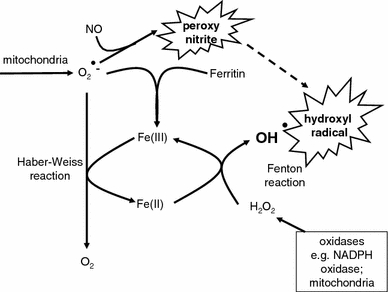
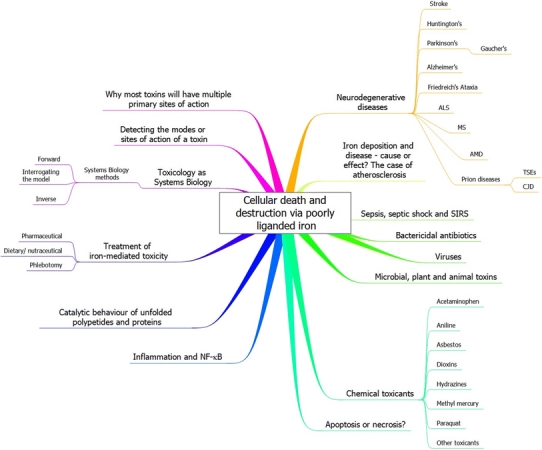
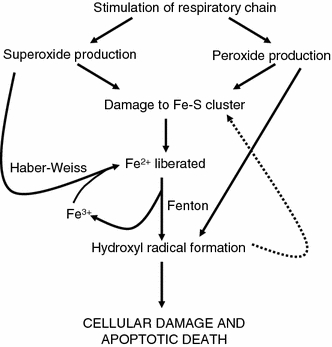
- Across reviewed conditions—stroke, Huntington’s, Parkinson’s, Alzheimer’s, ALS, Friedreich’s ataxia, multiple sclerosis, age-related macular degeneration, prion diseases, atherosclerosis, sepsis/SIRS, bactericidal antibiotics, viral infections, and chemical toxicants—evidence converges on iron dysregulation and Fenton chemistry; the hydroxyl radical is highlighted as the key damaging species rather than “ROS” generally.
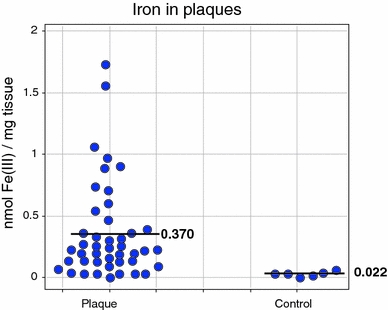
- In atherosclerosis, EPR-detectable iron in plaques was 17-fold greater than in healthy non-atherosclerotic intima controls, with P = 0.0001 (replotted from Stadler et al. 2004); iron levels in plaques also correlate with oxidized proteins.
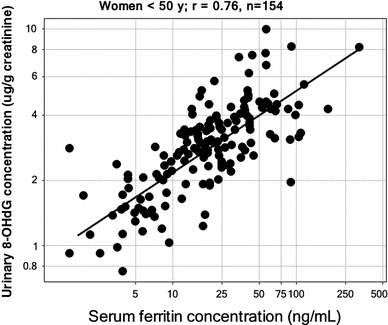
- Serum ferritin concentrations show a very strong relationship with urinary 8-hydroxy-2′-deoxyguanosine, a DNA damage/oxidative stress marker (replotted from Hori et al. 2010), and ferritin levels are widely associated with disease development, severity, or poor outcomes.
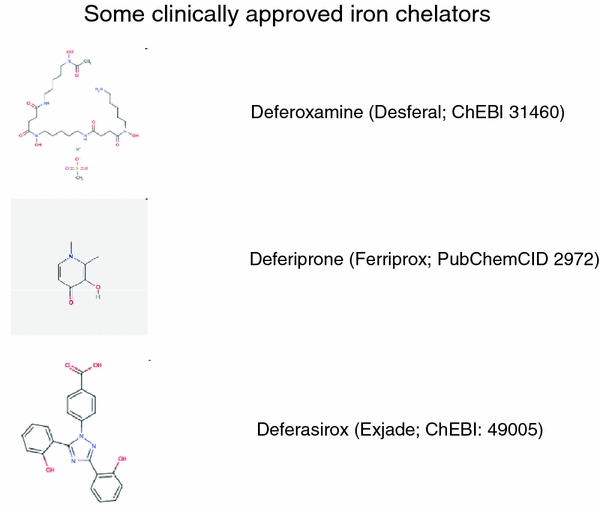
- Bactericidal antibiotics (norfloxacin, ampicillin, kanamycin) use internal iron liberated from iron–sulfur clusters to promote Fenton-mediated hydroxyl radical formation, whereas bacteriostatic antibiotics do not; iron chelators plus antioxidants are especially effective in sepsis models, and approved clinical chelators include deferoxamine, deferiprone, and deferasirox.
Methods
- Narrative literature review; the literature survey at initial submission extended to 14 June 2010, covering diseases, toxicants, and iron biology.
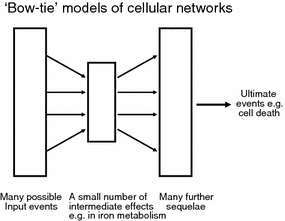
- Systems biology conceptual synthesis: forward and inverse modelling, sensitivity analysis, combinatorial parameter analysis, Bayesian/MCMC and evolutionary methods to infer sites of action, and “bow-tie” network models.
- Replots/digitizes published data (e.g., Hori et al. 2010; Stadler et al. 2004) to illustrate relationships; no new primary experimental data are reported.
Limitations
- The paper states that exact molecular mechanisms, cascades, and networks depend on many other factors; causality is often hard to infer from one-time snapshots; and some direct evidence is lacking—e.g., PrPSc–ferritin complexes have not yet been shown to catalyse OH• production directly, huntingtin inclusion bodies were not demonstrated to catalyse hydroxyl formation, and the extent of causality of iron dysregulation in multiple sclerosis is not yet established.
- Evident from the text: as a review, it synthesizes heterogeneous literature and relies heavily on cited associations, many of which are correlational; no new experimental validation is provided, and the literature coverage ends in mid-2010.
- The paper notes hormesis and dose-dependent interactions complicate simple models; chelator/antibiotic interactions can be dose-dependent and sometimes antagonistic (e.g., deferoxamine was antagonistic to azoles, while deferasirox promoted ciprofloxacin activity against *V. vulnificus*).
Model-written summary of a shortened version of the paper’s full text (it is longer than we read). Check it against the paper before relying on it.
Integrity signals
Registry
Cites
Statistics
Figures
Verification
Claims the paper makes
15 Valid · 1 Not valid · 117 Not checked · 25 Own results and interpretations
At least one cited source doesn’t support this claim or points to a different paper, and none confirmed it — see the verdicts below.
In the paper
“The defect thus leads to the liberation of mitochondrial iron”
§ Towards a unifying, systems biology understanding of large-scale cellular death and destruction caused by poorly liganded iron: Parkinson’s, Huntington’s, Alzheimer’s, prions, bactericides, chemical toxicology and others as examples > Friedreich’s ataxia
What the sources say
- Disputedcites Huang et al. 2009 matched to “Elucidation of the mechanism of mitochondrial iron loading in Friedreich's ataxia by analysis of a mouse mutant” (2009) sourceExperimental — accuracy not yet measured
The Abstract and Discussion describe frataxin deficiency as causing mitochondrial iron accumulation, with reduced release of heme and iron-sulfur clusters from mitochondria—not liberation of mitochondrial iron. The Discussion instead identifies increased liberation of cytoplasmic iron from heme as a contributor to mitochondrial iron uptake. No page numbers are available in our copy. (LLM, conf=0.88)
Checked by a reasoning model — may be wrong.
- Not checked yetcites Popescu et al. 2007 matched to “The chemical form of mitochondrial iron in Friedreich’s ataxia” (2007) source
- Not checked yetcites Richardson et al. 2009a
plainstates a cause- Asserted: passes — The authors put it forward as true.
- Checkable: passes — It can be checked against evidence.
- Load-bearing: passes — The paper’s conclusions depend on it.
- Based: passes — The paper gives a reason why it holds.
- Disputed
The cited sources support only part of this claim — read each source’s verdict below.
In the paper
“body-iron status correlates rather strongly with its production or urinary excretion (Agarwal et al. 2004; Broedbaek et al. 2009; Fujita et al. 2007a, 2009; Gackowski et al. 2002; Hori et al. 2010; Kang et al. 1998; Kuo et al. 2008; Maruyama et al. 2007; Nakano et al. 2003; Toyokuni and Sagripanti 1996; Tuomainen et al. 2007; Valavanidis et al. 2005).”
§ Towards a unifying, systems biology understanding of large-scale cellular death and destruction caused by poorly liganded iron: Parkinson’s, Huntington’s, Alzheimer’s, prions, bactericides, chemical toxicology and others as examples > Introduction
What the sources say
- Could not verifycites Agarwal et al. 2004 matched to “Oxidative stress and renal injury with intravenous iron in patients with chronic kidney disease” (2004) sourceExperimental — accuracy not yet measured
The Laboratory analysis section describes plasma and urinary malondialdehyde (MDA) assays, and the Discussion reports urinary MDA after intravenous iron in patients with chronic kidney disease. Searches for 8-OHdG and 8-hydroxy-2′-deoxyguanosine found no passage measuring that marker or relating its production or urinary excretion to body-iron status. (LLM, conf=0.76)
- Supportedcites Hori et al. 2010 matched to “Body iron store as a predictor of oxidative DNA damage in healthy men and women” (2010) source
The Discussion reports a strong positive association between serum ferritin, a marker of body iron stores, and urinary 8-OHdG in healthy Japanese men and women. The Results also show urinary 8-OHdG increasing across ferritin levels. This supports the claim about urinary excretion, though the cross-sectional study did not directly measure production. (LLM, conf=0.94)
boostedstates an association- Asserted: passes — The authors put it forward as true.
- Checkable: passes — It can be checked against evidence.
- Load-bearing: passes — The paper’s conclusions depend on it.
- Based: passes — The paper gives a reason why it holds.
- Could not verify
Every source the paper cites for this claim was checked and supports it.
In the paper
“Iron metabolism is deranged in gene knockdown models of Huntington’s (Henshall et al. 2009; Lumsden et al. 2007)”
§ Towards a unifying, systems biology understanding of large-scale cellular death and destruction caused by poorly liganded iron: Parkinson’s, Huntington’s, Alzheimer’s, prions, bactericides, chemical toxicology and others as examples > Huntington’s disease
What the sources say
- Supportedcites Henshall et al. 2009 matched to “Selective neuronal requirement for huntingtin in the developing zebrafish” (2009) source
The Introduction (page not supplied) says that an earlier analysis of the huntingtin-knockdown zebrafish model revealed a role for huntingtin in iron homeostasis and transport. The Abstract likewise reports effects of huntingtin reduction on iron transport and homeostasis. The claim does not attribute the original iron findings specifically to this 2009 study. (LLM, conf=0.89)
- Supportedcites Lumsden et al. 2007 matched to “Huntingtin-deficient zebrafish exhibit defects in iron utilization and development” (2007) source
The Abstract reports that huntingtin knockdown in zebrafish reduced hemoglobin production despite iron being present in blood cells, and that bioavailable iron restored production. The Conclusion identifies signs of cellular iron deficiency in the knockdown model despite iron being present. These passages support the claim about disrupted iron handling in a gene-knockdown model relevant to Huntington’s disease. (LLM, conf=0.93)
plainstates an association- Asserted: passes — The authors put it forward as true.
- Checkable: passes — It can be checked against evidence.
- Load-bearing: passes — The paper’s conclusions depend on it.
- Based: passes — The paper gives a reason why it holds.
- Supported
Every source the paper cites for this claim was checked and supports it.
In the paper
“experiments with the iron chelator deferroxamine revealed that the oxidation, localisation and structural organisation of the inclusion bodies formed by mutant htt were indeed irondependent.”
§ Towards a unifying, systems biology understanding of large-scale cellular death and destruction caused by poorly liganded iron: Parkinson’s, Huntington’s, Alzheimer’s, prions, bactericides, chemical toxicology and others as examples > Huntington’s disease
What the sources say
- Supportedcites Firdaus et al. 2006 matched to “Huntingtin inclusion bodies are iron‐dependent centers of oxidative events” (2006) source
The paper's own overview (p. 2) states verbatim that 'Analysis performed in the presence of the iron chelator deferroxamine revealed that the oxidation, localization and structural organization of the inclusion bodies formed by mutant htt were iron-dependent.' The supporting results confirm each element: deferroxamine (5 mM, 24 h) shrank httEx1-103Q inclusions and abolished HE oxidation in COS-7 cells (pp. 7-8, Fig. 6), and redistributed httEx1-43Q-EGFP nuclear inclusions out of the nucleus while reducing their oxidation in PC12 cells (p. 8, Fig. 7); the Discussion (p. 9) restates that chelatable iron was key to formation/structural integrity, localization and the oxidative events. (LLM, conf=0.95)
boostedstates a cause- Asserted: passes — The authors put it forward as true.
- Checkable: passes — It can be checked against evidence.
- Load-bearing: passes — The paper’s conclusions depend on it.
- Based: passes — The paper gives a reason why it holds.
- Supported
The cited sources support only part of this claim — read each source’s verdict below.
In the paper
“(HFE) mutations that cause haemochromatosis increase the susceptibility to AD (Bartzokis et al. 2010; Candore et al. 2003; Combarros et al. 2003; Connor and Lee 2006; Haacke et al. 2005; Kauwe et al. 2010; Lleó et al. 2002; Moalem et al. 2000; Pulliam et al. 2003; Robson et al. 2004; Sampietro et al. 2001), especially when in the presence of the APOE4 allele (Pulliam et al. 2003).”
§ Towards a unifying, systems biology understanding of large-scale cellular death and destruction caused by poorly liganded iron: Parkinson’s, Huntington’s, Alzheimer’s, prions, bactericides, chemical toxicology and others as examples > Alzheimer’s disease
What the sources say
- Not checked yetcites Pulliam et al. 2003 matched to “Association of HFE mutations with neurodegeneration and oxidative stress in Alzheimer's disease and correlation with APOE” (2003) source
- Partly supportedcites Robson et al. 2004 matched to “Synergy between the C2 allele of transferrin and the C282Y allele of the haemochromatosis gene (HFE) as risk factors for developing Alzheimer’s disease” (2004) sourceExperimental — accuracy not yet measured
Robson et al. (2004) do report increased AD risk associated with the haemochromatosis mutation C282Y, and that risk is highest in carriers who also have APOE4 (Abstract; Conclusions: 'tri-carriers of the two iron-related variants plus APOE4 may be at very high risk of AD'). However, the source does not support the unconditional attribution that HFE mutations that cause haemochromatosis increase AD susceptibility: the Abstract states 'each of the two variants was associated with an increased risk of AD only in the presence of the other. Neither allele alone had any effect' (i.e. only with transferrin C2), the Results (Tables 2-4) give C282Y-negative/C2-alone OR 1.3 (NS), and the Results explicitly report 'no association of the HFE H63D variant with AD, or with MCI, either overall or in two-way interaction with either TF C2 or APOE4'. So the second HFE mutation implicated in haemochromatosis is not associated in this paper, and the APOE4 effect is conditional on TF C2 co-carriage rather than on the HFE allele alone. (LLM, conf=0.78)
plainstates a cause- Asserted: passes — The authors put it forward as true.
- Checkable: passes — It can be checked against evidence.
- Load-bearing: unclear — It is unclear whether the paper’s conclusions depend on it.
- Based: passes — The paper gives a reason why it holds.
99 more claims · 11 with their cited sources checked
Create a free account to see all 158 claims and to verify the 250 references still open.
- It may state two separate claims as one. 42
- Probably not a substantial claim. 18
- The quote only partly states this claim. 1
Claims other papers make about this one
Each is checked against this paper’s own text: does it say what the citing paper says it does?
The source backs part of the claim, not all of it — or backs it for a different population, condition or comparison.
In the citing paper
“Chronic increase of such ‘free’ iron forms are associated with pathological conditions and possible complex homeostasis unbalance for this element in cells and tissues, relevant to asbestos toxicity and related diseases181920.”
From The interaction of asbestos and iron in lung tissue revealed by synchrotron-based scanning X-ray microscopy (2013) · cites this paper as [19]
Experimental — accuracy not yet measuredThe cited source says what the claim attributes to it.
In the citing paper
“Concerning this issue, the recent reviews by D. Kell1819 analyse the wide but dispersed literature via a systems biology approach, and indicate that iron that is weakly complexed boosts many biochemical processes leading to a large variety of apparently unrelated diseases.”
From The interaction of asbestos and iron in lung tissue revealed by synchrotron-based scanning X-ray microscopy (2013) · cites this paper as [19]
The cited source says what the claim attributes to it.
In the citing paper
“nominally antioxidant molecules such as ascorbate have complex, multi-electron redox chemistry, and can in fact act as pro-oxidants(502,503), especially in the presence of free Fe(208,213) or Cu(504).”
From The biology of ergothioneine, an antioxidant nutraceutical (2020) · cites this paper as [213]
The cited source says what the claim attributes to it.
In the citing paper
“Due to the presence of high-affinity iron binding and storage proteins, the actual toxicity of iron is restricted to the so called “labile iron pool”.”
From The interaction of asbestos and iron in lung tissue revealed by synchrotron-based scanning X-ray microscopy (2013) · cites this paper as [19]
Citations
Cites
2 retracted
Items 401–600 of 1,761
Ferritin as a source of iron for oxidative damage
Reif, D. W. (1992) · Free Radical Biology and Medicine · doi:10.1016/0891-5849(92)90091-t · Cited by 357 · cited 1×
“…promote the production of OH• radicals in the presence of inappropriately or inadequately liganded Fe(II) (Allen and Cornforth 2009; Fábián and Csordás 2003; Halliwell 2009; Hininger et al. 2005; Lachili et al. 2001; Long et al. 2000; Miller et al. 1990; Reif 1992; Sugihara et al. 1999).”
BackgroundNguyen, H. B., Rivers, E. P., Abrahamian, F. M., Moran, G. J., Abraham, E., Trzeciak, S., Huang, D. T., Osborn, T., Stevens, D., & Talan, D. A. (2006) · Annals of Emergency Medicine · doi:10.1016/j.annemergmed.2006.02.015 · Cited by 356
Cowland, J. B., Sørensen, O. E., Sehested, M., & Borregaard, N. (2003) · The Journal of Immunology · doi:10.4049/jimmunol.171.12.6630 · Cited by 354
The overexpression of major antioxidant enzymes does not extend the lifespan of mice
Pérez, V. I., Van Remmen, H., Bokov, A., Epstein, C. J., Vijg, J., & Richardson, A. (2009) · Aging Cell · doi:10.1111/j.1474-9726.2008.00449.x · Cited by 353 · cited 1×
“Formalisms such as Metabolic Control Analysis also explain why the modula- tion of individual steps singly rarely has much of an effect on an overall pathway (see e.g. Pérez et al. 2009a, b), reviewed by Gems (Gems and Doonan 2009), for a typical example.”
MethodA comprehensive map of the toll‐like receptor signaling network
Oda, K., & Kitano, H. (2006) · Molecular Systems Biology · doi:10.1038/msb4100057 · Cited by 352 · cited 1×
“…necrosis or apoptosis, Vanden Berghe et al. 2009), equivalent to the ‘bow-tie’ model of cellular networks (see e.g. Csete and Doyle 2004; Ma’ayan 2009; Ma et al. 2004, 2007; Ma and Zeng 2003; Oda and Kitano 2006; Rodrı́guez- Caso et al. 2009; Wang and Chen 2010; Zhao et al. 2006, 2010) and (Fig.”
BackgroundMolecular Mechanisms of Prion Pathogenesis
Aguzzi, A., Sigurdson, C., & Heikenwaelder, M. (2008) · Annual Review of Pathology: Mechanisms of Disease · doi:10.1146/annurev.pathmechdis.3.121806.154326 · Cited by 351 · cited 4×
“Prion diseases: including transmissible spongiform encephalopathies and Creutzfeldt–Jakob disease A particularly striking set of diseases, where the down- stream events manifest as extreme cellular destruction leading to large areas of (brain) tissue disappearing com- pletely, are represented by the prion diseases, in…”
BackgroundInfluentialFunctional classification of drugs by properties of their pairwise interactions
Yeh, P., Tschumi, A. I., & Kishony, R. (2006) · Nature Genetics · doi:10.1038/ng1755 · Cited by 350
FEDOROW, H., TRIBL, F., HALLIDAY, G., GERLACH, M., RIEDERER, P., & DOUBLE, K. (2005) · Progress in Neurobiology · doi:10.1016/j.pneurobio.2005.02.001 · Cited by 350 · cited 1×
“Melanins are polymers of polyphenols, especially of L-dopamine, although neuromelanin, which also contains oxidatively polymerised dopamine or noradrenaline with the possible involvement of cysteinylderivatives (Fedorow et al. 2005), is of special interest here.”
BackgroundDrug interactions and the evolution of antibiotic resistance
Yeh, P. J., Hegreness, M. J., Aiden, A. P., & Kishony, R. (2009) · Nature Reviews Microbiology · doi:10.1038/nrmicro2133 · Cited by 350 · cited 2×
“As with any complex system, the interactions can be highly dosedependent (Hegreness et al. 2008; Kohanski et al. 2010; Yeh et al. 2009).”
BackgroundInflammation in Atherosclerosis and Implications for Therapy
Paoletti, R., Gotto, A. M., & Hajjar, D. P. (2004) · Circulation · doi:10.1161/01.cir.0000131514.71167.2e · Cited by 349 · cited 1×
“…Kunsch and Medford 1999; Libby 2002; Libby et al. 2002; Madamanchi et al. 2005a, b; Mullenix et al. 2005; Nigro et al. 2006; Packard and Libby 2008; Paoletti et al. 2004; Popa et al. 2007; Rader and Daugherty 2008; Ridker et al.et al. 2004; Ross 1999; Schleicher and Friess 2007; Subramanian…”
BackgroundNeurotoxicity and molecular effects of methylmercury
Castoldi, A. F., Coccini, T., Ceccatelli, S., & Manzo, L. (2001) · Brain Research Bulletin · doi:10.1016/s0361-9230(01)00458-0 · Cited by 348 · cited 1×
“…1991; Shanker and Aschner 2003; Usuki et al. 2001; Watanabe et al. 2009; Yamashita et al. 2004; Zurich and Monnet-Tschudi 2009), metallothioneins (West et al. 2008) and/or iron chelators (Castoldi et al. 2001; LeBel et al. 1992; Sarafian and Verity 1991; Stohs and Bagchi 1995) can be protective.”
BackgroundMRI in multiple sclerosis: current status and future prospects
Bakshi, R., Thompson, A. J., Rocca, M. A., Pelletier, D., Dousset, V., Barkhof, F., Inglese, M., Guttmann, C. R., Horsfield, M. A., & Filippi, M. (2008) · The Lancet Neurology · doi:10.1016/s1474-4422(08)70137-6 · Cited by 348 · cited 1×
“…hydroxyl radicals, and it is thus of much interest that iron dysregulation and/or deposition have indeed been implicated directly (Adams 1988; Bakshi et al. 2000, 2001, 2002, 2008; Bermel et al. 2005; Brass et al. 2006a, b; Ceccarelli et al. 2009, 2010; Chard and Miller 2009; Craelius et al.…”
BackgroundThe genetics of multiple sclerosis: SNPs to pathways to pathogenesis
Oksenberg, J. R., Baranzini, S. E., Sawcer, S., & Hauser, S. L. (2008) · Nature Reviews Genetics · doi:10.1038/nrg2395 · Cited by 347 · cited 1×
“While its underlying causes remain uncertain, and do not seem to have a significant genetic component (Baranzini et al. 2010; Oksenberg et al. 2008; Ramagopalan et al. 2008), ROS are certainly implicated (Adibhatla and Hatcher 2010), and antioxidant therapies may be useful (Mirshafiey and…”
BackgroundMolecular Mechanisms and Pathophysiology of Necrotic Cell Death
Vanlangenakker, N., Berghe, T., Krysko, D., Festjens, N., & Vandenabeele, P. (2008) · Current Molecular Medicine · doi:10.2174/156652408784221306 · Cited by 347 · cited 1×
“…out, while there is a little evidence that iron overload can cause necrosis (Babatasi et al. 1996; Traoré and Meyer 2007; Vanden Berghe et al. 2009; Vanlangenakker et al. 2008), there is abundant evidence for the ability of iron to cause apoptosis (Kotamraju et al. 2004a, b; Kurz et al. 2007,…”
BackgroundMechanisms of Microglia-Mediated Neurotoxicity in a New Model of the Stroke Penumbra
Kaushal, V., & Schlichter, L. C. (2008) · The Journal of Neuroscience · doi:10.1523/jneurosci.5643-07.2008 · Cited by 346 · cited 1×
“…Carbonell and Rama 2007; Cho et al. 2007; Ekblom et al. 2007; Hanson et al. 2009; Heckl 2007; Helal 2008; Jolkkonen et al. 2007; Justicia et al. 2008; Kaushal and Schlichter 2008; Kim et al. 2008a; Kobayashi et al. 2008; Lou et al. 2009; Maguire et al. 2007; Mazumdar et al. 2007; Mehdiratta et al.…”
BackgroundThe molecular basis of asbestos induced lung injury
Kamp, D. W., & Weitzman, S. A. (1999) · Thorax · doi:10.1136/thx.54.7.638 · Cited by 345 · cited 1×
“…et al. 1997; Governa et al. 1999; Gulumian and van Wyk 1987; Hardy and Aust 1995a, b; Hippeli and Elstner 1999; Jaurand 1997; Kamp et al. 1992; Kamp and Weitzman 1997, 1999; Kelleher et al. 2000; Levresse et al. 2000; Lund and Aust 1991, 1992; Mossman and Churg 1998; Mossman et al. 1987; Park…”
BackgroundOxidative stress and inflammatory response in dermal toxicity of single-walled carbon nanotubes
Murray, A. R., Kisin, E., Leonard, S. S., Young, S. H., Kommineni, C., Kagan, V. E., Castranova, V., & Shvedova, A. A. (2009) · Toxicology · doi:10.1016/j.tox.2008.12.023 · Cited by 345
Environmental toxicity, redox signaling and lung inflammation: The role of glutathione
Biswas, S. K., & Rahman, I. (2009) · Molecular Aspects of Medicine · doi:10.1016/j.mam.2008.07.001 · Cited by 344 · cited 1×
“A straightforward corollary of this is that in order to cause or inhibit the progression of dis- eases—including inflammatory diseases such as asthma (Biswas and Rahman 2009; Bowler 2004; Bowler and Crapo 2002; Boyer and Liu 2004; Chodaczek et al. 2007; Ciencewicki et al. 2008; Comhair and Erzurum…”
BackgroundFe-S Cluster Assembly Pathways in Bacteria
Ayala-Castro, C., Saini, A., & Outten, F. W. (2008) · Microbiology and Molecular Biology Reviews · doi:10.1128/mmbr.00034-07 · Cited by 343
The Relevance of Iron in the Pathogenesis of Parkinson's Disease
GÖTZ, M. E., DOUBLE, K., GERLACH, M., YOUDIM, M. B. H., & RIEDERERE, P. (2004) · Annals of the New York Academy of Sciences · doi:10.1196/annals.1306.017 · Cited by 342
Bioactive Compounds: Historical Perspectives, Opportunities, and Challenges
Patil, B. S., Jayaprakasha, G. K., Chidambara Murthy, K. N., & Vikram, A. (2009) · Journal of Agricultural and Food Chemistry · doi:10.1021/jf9000132 · Cited by 342
Brain ferritin iron may influence age- and gender-related risks of neurodegeneration
Bartzokis, G., Tishler, T. A., Lu, P. H., Villablanca, P., Altshuler, L. L., Carter, M., Huang, D., Edwards, N., & Mintz, J. (2007) · Neurobiology of Aging · doi:10.1016/j.neurobiolaging.2006.02.005 · Cited by 341 · cited 1×
“…of body iron stores) are also widely associated with disease development/ severity/ poor outcomes (e.g. Alissa et al. 2007; Armand et al. 2007; Bartzokis et al. 2007; Braun et al. 2004; Bugianesi et al. 2004; Chen et al. 2006; Choi et al. 2005; Double et al. 2000; Fargion et al. 2001;…”
BackgroundNidhi, Glick, M., Davies, J. W., & Jenkins, J. L. (2006) · Journal of Chemical Information and Modeling · doi:10.1021/ci060003g · Cited by 340 · cited 1×
“Taking the Bayesian approach (see also e.g. Nidhi et al. 2006; O’Hagan 2006; Vyshemirsky and Girolami 2008; Wilkinson 2007), in the work described above (Jayawardhana et al. 2008) we ‘calibrated’ our approach using purely simulated data in which we knew exactly which parameters had been changed…”
MethodIron misregulation in the brain: a primary cause of neurodegenerative disorders
Ke, Y., & Qian, Z. M. (2003) · The Lancet Neurology · doi:10.1016/s1474-4422(03)00353-3 · Cited by 340 · cited 1×
“…variety of neurodegenerative diseases is overwhelming (e.g. Benarroch 2009; Bishop et al. 2010a; Brown 2009a; Friedman et al. 2007; Jellinger 1999; Ke and Qian 2003; Kell 2009a; Lee et al. 2006a; Perez and Franz 2010; Thompson et al. 2001; Youdim et al. 2004b; Zecca et al. 2004), and the question…”
BackgroundWestaway, D., DeArmond, S. J., Cayetano-Canlas, J., Groth, D., Foster, D., Yang, S.-L., Torchia, M., Carlson, G. A., & Prusiner, S. B. (1994) · Cell · doi:10.1016/0092-8674(94)90177-5 · Cited by 338 · cited 1×
“…al. 1991; Foster et al. 2001; Julius et al. 2008; Kourie 2002; Mallucci et al. 2003; Mallucci et al. 2007; Miele et al. 2001; Sakudo and Ikuta 2009a, b; Westaway et al. 1994; Williams et al. 1997) (formation of holes) in brain tissue characteristic of late-stage prion disease (and indeed of…”
BackgroundPérez-Jiménez, J., Neveu, V., Vos, F., & Scalbert, A. (2010) · Journal of Agricultural and Food Chemistry · doi:10.1021/jf100128b · Cited by 338 · cited 1×
“…and Middleton 1994; Kiokias et al. 2008; Korkina and Afanas’ev 1997; Linseisen and Rohrmann 2008; Loke et al. 2009; Manach et al. 2004, 2005a, b; Pérez-Jiménez et al. 2010; Perron and Brumaghim 2009; Perron et al. 2008; Petti and Scully 2009; Pietta 2000; Rice-Evans and Packer 2003; Scalbert…”
BackgroundHigh‐field magnetic resonance imaging of brain iron: birth of a biomarker?
Schenck, J. F., & Zimmerman, E. A. (2004) · NMR in Biomedicine · doi:10.1002/nbm.922 · Cited by 337 · cited 1×
“…He and Yablonskiy 2009; Khalil et al. 2009; LeVine and Chakrabarty 2004; Neema et al. 2007a, b, 2009a, b; Pirko et al. 2009; Sayre et al. 2005; Schenck and Zimmerman 2004; Simka and Rybak 2008; Singh and Zamboni 2009; Stankiewicz et al. 2007; Tjoa et al. 2005; Walter et al. 2009; Zamboni…”
BackgroundCauses of oxidative stress in Alzheimer disease
Zhu, X., Su, B., Wang, X., Smith, M. A., & Perry, G. (2007) · Cellular and Molecular Life Sciences · doi:10.1007/s00018-007-7218-4 · Cited by 336 · cited 1×
“…et al. 2000; Moreira et al. 2009; Nunomura et al. 2001, 2006; Reddy and Beal 2008; Reddy et al. 2009; Rottkamp et al. 2000; Smith et al. 1996, 2000; Zhu et al. 2007) and of iron (e.g. Adlard and Bush 2006; Avramovich-Tirosh et al. 2007a; Becker et al. 2010b; Bishop et al. 2002; Blázquez et…”
BackgroundScott, L. E., & Orvig, C. (2009) · Chemical Reviews · doi:10.1021/cr9000176 · Cited by 332 · cited 4×
“AD is characterized by the loss of neurons in the cognitive centres of the brain and by the presence of two separate pathological lesions, extracellular b-amyloid (Ab) plaques (e.g. Dong et al. 2003; Scott and Orvig 2009) and neurofibrillary tangles within neurons (Shcherbatykh and Carpenter 2007).”
BackgroundInfluentialThe music of life : biology beyond genes
Noble, D. (2008) · Oxford University Press eBooks · Cited by 330
Insights into prion strains and neurotoxicity
Aguzzi, A., Heikenwalder, M., & Polymenidou, M. (2007) · Nature Reviews Molecular Cell Biology · doi:10.1038/nrm2204 · Cited by 329 · cited 1×
“Equally, it is far from clear how a simple confor- mational change of a protein leads to the vacuolation or spongiosis (e.g. Aguzzi 2006; Aguzzi et al. 2007; Arm- strong et al. 2001; Chung et al. 1999; Crozet et al. 2008; Diedrich et al. 1991; Foster et al. 2001; Julius et al. 2008; Kourie 2002;…”
BackgroundCharacterizing iron deposition in multiple sclerosis lesions using susceptibility weighted imaging
Haacke, E. M., Makki, M., Ge, Y., Maheshwari, M., Sehgal, V., Hu, J., Selvan, M., Wu, Z., Latif, Z., Xuan, Y., et al. (2009) · Journal of Magnetic Resonance Imaging · doi:10.1002/jmri.21676 · Cited by 329 · cited 2×
“…2008; Connor et al. 1992; El Tannir El Tayara et al. 2006; Ghribi et al. 2006; Haacke et al. 2005; Lovell et al. 1998; Morgan et al. 2004; Quintana 2007; Quintana et al. 2006; Sayre et al. 2000b; Schrag et al. 2009), ALS (Leveugle et al. 1997), MS (Haacke et al. 2009) and Parkinson’s (see above).”
BackgroundImpaired mitochondrial dynamics and function in the pathogenesis of Parkinson's disease
Büeler, H. (2009) · Experimental Neurology · doi:10.1016/j.expneurol.2009.03.006 · Cited by 327 · cited 1×
“It is strongly linked with oxidative stress (e.g. Alam et al. 1997; Büeler 2009; Jenner 2003; Jenner and Olanow 1996; Kidd 2000; Mandel et al. 2003; Olivares et al. 2009; Seet et al. 2010; Van Laar and Berman 2009; Zhang et al. 1999).”
BackgroundMetals and Alzheimer's disease
Adlard, P. A., & Bush, A. I. (2006) · Journal of Alzheimer's Disease · doi:10.3233/jad-2006-102-303 · Cited by 324
Robustness, evolvability, and neutrality
Wagner, A. (2005) · FEBS Letters · doi:10.1016/j.febslet.2005.01.063 · Cited by 324 · cited 1×
“…bio- chemical pathways—indeed evolution is thought to have selected for robustness to individual parameter changes (Bornholdt and Sneppen 2000; Kitano 2007; Lehár et al. 2008; Morohashi et al. 2002; Stelling et al. 2004; Wagner 2005)—combinations of parameter changes can and do have major effects.”
BackgroundText mining and its potential applications in systems biology
Ananiadou, S., Kell, D. B., & Tsujii, J.-I. (2006) · Trends in Biotechnology · doi:10.1016/j.tibtech.2006.10.002 · Cited by 324
Self-citationSolution equilibria of enterobactin and metal-enterobactin complexes
Loomis, L. D., & Raymond, K. N. (1991) · Inorganic Chemistry · doi:10.1021/ic00005a008 · Cited by 321 · cited 2×
“…as are other bacterial pheromones (Kell et al. 1995)—typically have extremely tight binding constants (Kf [ 10 30, e.g. Clifton et al. 2009; Loomis and Raymond 1991) and can solubilise and sequester iron such that it can be inter- nalised via suitable transporter molecules within…”
BackgroundStroke Prevention Trial in Sickle Cell Anemia (STOP): extended follow-up and final results
Lee, M. T., Piomelli, S., Granger, S., Miller, S. T., Harkness, S., Brambilla, D. J., Adams, R. J., & for the STOP Study Investigators (2006) · Blood · doi:10.1182/blood-2005-10-009506 · Cited by 319
Involvement of mitochondrial permeability transition in acetaminophen-induced liver injury in mice
Masubuchi, Y., Suda, C., & Horie, T. (2005) · Journal of Hepatology · doi:10.1016/j.jhep.2004.09.015 · Cited by 317 · cited 1×
“…and so it reacts covalently with proteins, especially mitochondrial proteins (Hinson et al. 2004; Jaeschke and Bajt 2006; Kon et al. 2004; Masubuchi et al. 2005; Reid et al. 2005), resulting in apoptotic cell death and organismal death via liver damage (e.g. Barker et al. 1977; Beckett…”
BackgroundMelatonin: An Established Antioxidant Worthy of Use in Clinical Trials
Korkmaz, A., Reiter, R. J., Topal, T., Manchester, L. C., Oter, S., & Tan, D.-X. (2009) · Molecular Medicine · doi:10.2119/molmed.2008.00117 · Cited by 317
Insulin Resistance and Atherosclerosis
Nigro, J., Osman, N., Dart, A. M., & Little, P. J. (2006) · Endocrine Reviews · doi:10.1210/er.2005-0007 · Cited by 314
Dormancy in non-sporulating bacteria
Kaprelyants, A. (1993) · FEMS Microbiology Letters · doi:10.1016/0378-1097(93)90600-7 · Cited by 314
Self-citationThe Music of Life: Biology beyond the Genome
Noble, D. (2006) · doi:10.1093/oso/9780199295739.001.0001 · Cited by 312
Multi-targeting by monotherapeutic antibacterials
Silver, L. L. (2007) · Nature Reviews Drug Discovery · doi:10.1038/nrd2202 · Cited by 311
Immune cells: free radicals and antioxidants in sepsis
Victor, V. M., Rocha, M., & De la Fuente, M. (2004) · International Immunopharmacology · doi:10.1016/j.intimp.2004.01.020 · Cited by 310 · cited 2×
“It is by now well established that—while a ‘cytokine storm’ (Huang et al. 2005; Sriskandan and Altmann 2008; Stacey et al. 2009; Suntharalingam et al. 2006; Wang and Ma 2008; Woo et al. 2010) is an important part of the aetiology of sepsis/septic shock—these phenomena are associated with the hyperproduction of ROSs (A…”
BackgroundStadler, N., Lindner, R. A., & Davies, M. J. (2004) · Arteriosclerosis, Thrombosis, and Vascular Biology · doi:10.1161/01.atv.0000124892.90999.cb · Cited by 310 · cited 3×
“2006); indeed in one study (Stadler et al. 2004), the EPR-detectable”
BackgroundPathophysiology and treatment of stroke in sickle-cell disease: present and future
Switzer, J. A., Hess, D. C., Nichols, F. T., & Adams, R. J. (2006) · The Lancet Neurology · doi:10.1016/s1474-4422(06)70469-0 · Cited by 309 · cited 1×
“…Marniemi et al. 2005; Mascitelli and Pezzetta 2006; Mehta et al. 2004; Mu et al. 2005; Nakamura et al. 2006; Saxena et al. 2005; Selim and Ratan 2004; Switzer et al. 2006; Wagner et al. 2003; Wu et al. 2003; Zuliani et al. 2006; Adams 2007; Altamura et al. 2009; Assenza et al. 2009; Basak et al.…”
BackgroundMultiobjective Optimization in Bioinformatics and Computational Biology
Handl, J., Kell, D. B., & Knowles, J. (2007) · IEEE/ACM Transactions on Computational Biology and Bioinformatics · doi:10.1109/tcbb.2007.070203 · Cited by 308 · cited 1×
“Evolutionary computing methods (e.g. Bäck et al. 1997; Goldberg 1989, 2002) use ideas from Darwinian evolution to select and modify parameters to achieve a desired objective (or objectives—this is known as multi-objective optimisation, Handl et al. 2007).”
MethodSelf-citationProtection Against Cancer by Dietary IP6and Inositol
Vucenik, I., & Shamsuddin, A. M. (2006) · Nutrition and Cancer · doi:10.1207/s15327914nc5502_1 · Cited by 306 · cited 1×
“…Kamp et al. 1995a, b, 2002; Kim et al. 2008; Kumar et al. 2010; Minihane and Rimbach 2002; Miyamoto et al. 2000; Panduri et al. 2006; Poser et al. 2004; Rao et al. 1991; Rimbach et al. 2008; Sandberg et al. 1999; Schlemmer et al. 2009; Shamsuddin 1995; Vucenik and Shamsuddin 2006; Xu et al. 2008).”
BackgroundHinson, J. A., Reid, A. B., McCullough, S. S., & James, L. P. (2004) · Drug Metabolism Reviews · doi:10.1081/dmr-200033494 · Cited by 306 · cited 1×
“…supply, the NAPQI cannot be conjugated harmlessly by glutathione and so it reacts covalently with proteins, especially mitochondrial proteins (Hinson et al. 2004; Jaeschke and Bajt 2006; Kon et al. 2004; Masubuchi et al. 2005; Reid et al. 2005), resulting in apoptotic cell death and…”
BackgroundOxidative and Inflammatory Pathways in Parkinson’s Disease
Miller, R. L., James-Kracke, M., Sun, G. Y., & Sun, A. Y. (2009) · Neurochemical Research · doi:10.1007/s11064-008-9656-2 · Cited by 306
Thomas, C., Mackey, M. M., Diaz, A. A., & Cox, D. P. (2009) · Redox Report · doi:10.1179/135100009x392566 · Cited by 305 · cited 2×
“…al. 2010; Majumdar et al. 2009; Messner et al. 2009; Patil et al. 2009; Ravindran et al. 2009; Rivera- Espinoza and Muriel 2009; Thephinlap et al. 2009; Thomas et al. 2009; Tuntipopipat et al. 2009; Wang et al. 2009a), on eugenol (ChEBI 4917) (Nagababu et al. 2010) (and cf. Allen and Cornforth…”
BackgroundReid, A. B., Kurten, R. C., McCullough, S. S., Brock, R. W., & Hinson, J. A. (2005) · The Journal of Pharmacology and Experimental Therapeutics · doi:10.1124/jpet.104.075945 · Cited by 305 · cited 1×
“…covalently with proteins, especially mitochondrial proteins (Hinson et al. 2004; Jaeschke and Bajt 2006; Kon et al. 2004; Masubuchi et al. 2005; Reid et al. 2005), resulting in apoptotic cell death and organismal death via liver damage (e.g. Barker et al. 1977; Beckett et al. 1989; James et…”
BackgroundA hybrid approach for efficient and robust parameter estimation in biochemical pathways
Rodriguez-Fernandez, M., Mendes, P., & Banga, J. R. (2006) · Biosystems · doi:10.1016/j.biosystems.2005.06.016 · Cited by 304 · cited 2×
“…(Banga 2008; Banga and Balsa-Canto 2008), and they have proved so for both modelling (Dada and Mendes 2009; Mendes and Kell 1998; Moles et al. 2003; Rodriguez-Fernandez et al. 2006) and other optimisation problems (e.g. Broadhurst et al. 1997; Kell et al. 2001; Knight et al. 2009; O’Hagan et…”
BackgroundT2* and FSE MRI distinguishes four subtypes of neurodegeneration with brain iron accumulation
McNeill, A., Birchall, D., Hayflick, S. J., Gregory, A., Schenk, J. F., Zimmerman, E. A., Shang, H., Miyajima, H., & Chinnery, P. F. (2008) · Neurology · doi:10.1212/01.wnl.0000310985.40011.d6 · Cited by 302 · cited 1×
“…et al. 2008; Inati et al. 2010; Kaysen 2009; Knovich et al. 2009; Kolberg et al. 2009; Lecube et al. 2008; Lim et al. 2010; Mateo- Gallego et al. 2010; McNeill et al. 2008; Menke et al. 2009; Qureshi et al. 2008; Rajpathak et al. 2009; Sharifi et al. 2008; Skinner et al. 2010; Song et al.…”
Horvath, I., Donnelly, L. E., Kiss, A., Paredi, P., Kharitonov, S. A., & Barnes, P. J. (1998) · Thorax · doi:10.1136/thx.53.8.668 · Cited by 302 · cited 1×
“…2002; Boyer and Liu 2004; Chodaczek et al. 2007; Ciencewicki et al. 2008; Comhair and Erzurum 2010; Galli et al. 2008; Greene 1995; Han et al. 2001; Horváth et al. 1998; Jarvis et al. 2005; Kocyigit et al. 2004; Muñoz et al. 2009; Narula et al. 2007; Nemery 1990; Pae et al. 2008; Riedl and…”
BackgroundLysosomes in iron metabolism, ageing and apoptosis
Kurz, T., Terman, A., Gustafsson, B., & Brunk, U. T. (2008) · Histochemistry and Cell Biology · doi:10.1007/s00418-008-0394-y · Cited by 302 · cited 4×
“Given that the lysosome is the site of most labile iron in the cell (Fakih et al. 2008; Gorria et al. 2008; Kurz et al. 2004, 2008a, b; Persson 2005; Tenopoulou et al. 2007; Terman et al. 2006b; Yu et al. 2003), it is also of interest that there is an increased frequency of mutations in the gene…”
BackgroundInfluentialBjelakovic, G., Nikolova, D., Gluud, L. L., Simonetti, R. G., & Gluud, C. (2008) · Cochrane Database of Systematic Reviews · doi:10.1002/14651858.cd007176 · Cited by 302
Microbial siderophore-mediated transport.
Winkelmann, G. (2002) · Biochemical Society Transactions · doi:10.1042/bst0300691 · Cited by 301 · cited 1×
“…(especially for microbes, e.g. Andrews et al. 2003; Barry and Challis 2009; Cornelis and Andrews 2010; de Carvalho and Fernandes 2010; Haas et al. 2008; Johnson 2008; Miethke and Marahiel 2007; Raymond et al. 2003; Sandy and Butler 2009; Wandersman and Delepelaire 2004; Winkelmann 2002).”
BackgroundIron in Chronic Brain Disorders: Imaging and Neurotherapeutic Implications
Stankiewicz, J., Panter, S. S., Neema, M., Arora, A., Batt, C. E., & Bakshi, R. (2007) · Neurotherapeutics · doi:10.1016/j.nurt.2007.05.006 · Cited by 301
Accelerated evolution of resistance in multidrug environments
Hegreness, M., Shoresh, N., Damian, D., Hartl, D., & Kishony, R. (2008) · Proceedings of the National Academy of Sciences · doi:10.1073/pnas.0805965105 · Cited by 300
Systems biology, metabolic modelling and metabolomics in drug discovery and development
Kell, D. B. (2006) · Drug Discovery Today · doi:10.1016/j.drudis.2006.10.004 · Cited by 297 · cited 2×
“Note, however, that such methods need careful handling from a statistical point of view (e.g. Altman and Royston 2000; Broadhurst and Kell 2006; Hastie et al. 2001; Ioannidis 2005, 2008).”
BackgroundSelf-citationQuintana, C., Bellefqih, S., Laval, J. Y., Guerquin-Kern, J. L., Wu, T. D., Avila, J., Ferrer, I., Arranz, R., & Patiño, C. (2006) · Journal of Structural Biology · doi:10.1016/j.jsb.2005.11.001 · Cited by 297 · cited 3×
“…2008; Connor et al. 1992; El Tannir El Tayara et al. 2006; Ghribi et al. 2006; Haacke et al. 2005; Lovell et al. 1998; Morgan et al. 2004; Quintana 2007; Quintana et al. 2006; Sayre et al. 2000b; Schrag et al. 2009), ALS (Leveugle et al. 1997), MS (Haacke et al. 2009) and Parkinson’s (see above).”
BackgroundOxidative Stress: Apoptosis in Neuronal Injury
Poh Loh, K., Hong Huang, S., De Silva, R., H. Tan, B., & Zhun Zhu, Y. (2006) · Current Alzheimer Research · doi:10.2174/156720506778249515 · Cited by 297
Broadhurst, D., Goodacre, R., Jones, A., Rowland, J. J., & Kell, D. B. (1997) · Analytica Chimica Acta · doi:10.1016/s0003-2670(97)00065-2 · Cited by 296
Self-citationPrions and their partners in crime
Caughey, B., & Baron, G. S. (2006) · Nature · doi:10.1038/nature05294 · Cited by 295 · cited 4×
“Prion diseases: including transmissible spongiform encephalopathies and Creutzfeldt–Jakob disease A particularly striking set of diseases, where the down- stream events manifest as extreme cellular destruction leading to large areas of (brain) tissue disappearing com- pletely, are represented by the prion diseases, in…”
BackgroundInfluentialAsbestos catalyzes hydroxyl and superoxide radical generation from hydrogen peroxide
Weitzman, S. A., & Graceffa, P. (1984) · Archives of Biochemistry and Biophysics · doi:10.1016/0003-9861(84)90078-x · Cited by 292 · cited 1×
“…1992; Mossman and Churg 1998; Mossman et al. 1987; Park and Aust 1998; Quinlan et al. 1994; Shatos et al. 1987; Shen et al. 1995; Weinberg 1989; Weitzman and Graceffa 1984; Xu et al. 1999; Azad et al. 2008; Bhattacharya et al. 2005; Daghino et al. 2006; Fantauzzi et al. 2010; Fattman et al.…”
BackgroundHost nutritional status: the neglected virulence factor
BECK, M., HANDY, J., & LEVANDER, O. (2004) · Trends in Microbiology · doi:10.1016/j.tim.2004.07.007 · Cited by 292 · cited 2×
“2002) (see also Akaike et al. 1996; Beck et al. 2004), herpes simplex virus (Gennero et al.”
BackgroundInteraction of Iron with Polyphenolic Compounds: Application to Antioxidant Characterization
Yoshino, M., & Murakami, K. (1998) · Analytical Biochemistry · doi:10.1006/abio.1997.2522 · Cited by 291 · cited 1×
“…2006; Halliwell 2009; Halliwell et al. 2005; Hider et al. 2001; Končić et al. 2010; Lopes et al. 1999; Mandel et al. 2004; Mandel and Youdim 2004; Morel et al. 1994; Nijveldt et al. 2001; Rice-Evans et al. 1997; Rice-Evans and Packer 2003; Weinreb et al. 2007, 2009a; Yoshino and Murakami 1998).”
BackgroundMechanisms of methylmercury‐induced neurotoxicity
Atchison, W. D., & Hare, M. F. (1994) · The FASEB Journal · doi:10.1096/fasebj.8.9.7516300 · Cited by 290 · cited 1×
“There is certainly evidence that exposure to this agent causes oxi- dative stress (Ali et al. 1992; Aschner et al. 2007; Atchison and Hare 1994; Franco et al. 2009; Johansson et al. 2007; Sanfeliu et al. 2003; Sarafian et al. 1994; Yee and Choi 1994, 1996; Yin et al. 2007) and raises cellular iron…”
BackgroundSchrag, M., McAuley, G., Pomakian, J., Jiffry, A., Tung, S., Mueller, C., Vinters, H. V., Haacke, E. M., Holshouser, B., Kido, D., et al. (2010) · Acta Neuropathologica · doi:10.1007/s00401-009-0615-z · Cited by 289
Multiple roles of oxidants in the pathogenesis of asbestos-induced diseases
Shukla, A., Gulumian, M., Hei, T. K., Kamp, D., Rahman, Q., & Mossman, B. T. (2003) · Free Radical Biology and Medicine · doi:10.1016/s0891-5849(03)00060-1 · Cited by 288
Iron trafficking in the mitochondrion: novel pathways revealed by disease
Napier, I., Ponka, P., & Richardson, D. R. (2005) · Blood · doi:10.1182/blood-2004-10-3856 · Cited by 288 · cited 1×
“…al. 2008; Lill 2009; Lill and Muhlenhoff 2008; Lu and Cortopassi 2007; MacKenzie et al. 2008; Mandemakers et al. 2007; Marmolino and Acquaviva 2009; Napier et al. 2005; Napoli et al. 2006; O’Neill et al. 2005; Pandolfo 2009; Pandolfo and Pastore 2009; Pastore et al. 2007; Reddy 2008; Schagerlöf…”
BackgroundCappellini, M. D., Porter, J., El-Beshlawy, A., Li, C. K., Seymour, J. F., Elalfy, M., Gattermann, N., Giraudier, S., Lee, J. W., Chan, L. L., et al. (2010) · Haematologica · doi:10.3324/haematol.2009.014696 · Cited by 288 · cited 1×
“As most recently reviewed (Agarwal 2010; Berdoukas et al. 2009; Bolognin et al. 2009a; Cappellini and Pattoneri 2009; Cappellini et al. 2010; Clifton et al. 2009; Hider et al. 2008; Kell 2009a; Kontoghiorghes et al. 2010; Kwiatkowski 2010; Mladĕnka et al. 2009; Pennell et al. 2010; Perez and Franz…”
BackgroundIron‐Melanin Interaction and Lipid Peroxidation: Implications for Parkinson's Disease
Ben‐Shachar, D., Riederer, P., & Youdim, M. B. H. (1991) · Journal of Neurochemistry · doi:10.1111/j.1471-4159.1991.tb06358.x · Cited by 287 · cited 1×
“In this case, the in vitro experiments have been done, and incubation of human neuromelanin with iron in vitro stimulates oxidative tissue damage (Ben-Shachar et al. 1991; Double et al. 2003a; Gerlach et al. 2008).”
BackgroundInvolvement of glutamate and reactive oxygen species in methylmercury neurotoxicity
Aschner, M., Syversen, T., Souza, D. O., Rocha, J. B. T., & Farina, M. (2007) · Brazilian Journal of Medical and Biological Research · doi:10.1590/s0100-879x2007000300001 · Cited by 287 · cited 1×
“There is certainly evidence that exposure to this agent causes oxi- dative stress (Ali et al. 1992; Aschner et al. 2007; Atchison and Hare 1994; Franco et al. 2009; Johansson et al. 2007; Sanfeliu et al. 2003; Sarafian et al. 1994; Yee and Choi 1994, 1996; Yin et al. 2007) and raises cellular iron…”
BackgroundLysosomes and oxidative stress in aging and apoptosis
Kurz, T., Terman, A., Gustafsson, B., & Brunk, U. T. (2008) · Biochimica et Biophysica Acta (BBA) - General Subjects · doi:10.1016/j.bbagen.2008.01.009 · Cited by 287 · cited 4×
“Given that the lysosome is the site of most labile iron in the cell (Fakih et al. 2008; Gorria et al. 2008; Kurz et al. 2004, 2008a, b; Persson 2005; Tenopoulou et al. 2007; Terman et al. 2006b; Yu et al. 2003), it is also of interest that there is an increased frequency of mutations in the gene…”
BackgroundInfluentialBioimaging of metals by laser ablation inductively coupled plasma mass spectrometry (LA-ICP-MS)
Becker, J. S., Zoriy, M., Matusch, A., Wu, B., Salber, D., Palm, C., & Becker, J. S. (2010) · Mass Spectrometry Reviews · doi:10.1002/mas.20239 · Cited by 287 · cited 2×
“…et al. 2009; Rottkamp et al. 2000; Smith et al. 1996, 2000; Zhu et al. 2007) and of iron (e.g. Adlard and Bush 2006; Avramovich-Tirosh et al. 2007a; Becker et al. 2010b; Bishop et al. 2002; Blázquez et al. 2007; Bolognin et al. 2009b; Brar et al. 2009; Bush 2000, 2003, 2008; Casadesus et al.…”
BackgroundA systems approach to prion disease
Hwang, D., Lee, I. Y., Yoo, H., Gehlenborg, N., Cho, J., Petritis, B., Baxter, D., Pitstick, R., Young, R., Spicer, D., et al. (2009) · Molecular Systems Biology · doi:10.1038/msb.2009.10 · Cited by 287 · cited 2×
“(Hwang et al. 2009) also found many genes of”
MethodHammond, K. E., Metcalf, M., Carvajal, L., Okuda, D. T., Srinivasan, R., Vigneron, D., Nelson, S. J., & Pelletier, D. (2008) · Annals of Neurology · doi:10.1002/ana.21582 · Cited by 286
Association Between Body Iron Stores and the Risk of Acute Myocardial Infarction in Men
Tuomainen, T.-P., Punnonen, K., Nyyssönen, K., & Salonen, J. T. (1998) · Circulation · doi:10.1161/01.cir.97.15.1461 · Cited by 286 · cited 1×
“…et al. 2007; Kiechl et al. 1997; Lee et al. 2006f; Lim et al. 2001; Rayman et al. 2002; Rouault 2006; Salonen et al. 1992; Sheth and Brittenham 2000; Tuomainen et al. 1998; Valenti et al. 2007; Wilson et al. 2003; You et al. 2003; You and Wang 2005) (Adam- kiewicz et al. 2009; Baune et al. 2010;…”
BackgroundSugihara, N., Arakawa, T., Ohnishi, M., & Furuno, K. (1999) · Free Radical Biology and Medicine · doi:10.1016/s0891-5849(99)00167-7 · Cited by 284
Redox signaling and cancer: The role of “labile” iron
Galaris, D., Skiada, V., & Barbouti, A. (2008) · Cancer Letters · doi:10.1016/j.canlet.2008.02.038 · Cited by 284 · cited 2×
“…degradative processes including iron dysregulation can be implicated (e.g. Brewer 2010; Cass et al. 2007; Cook and Yu 1998; Facchini 2002; Galaris et al. 2008; Kell 2009a; Kujoth et al. 2005; Kurz et al. 2008b; Massie et al. 1983; Napoli et al. 2006; Pfefferbaum et al. 2009; Terman et…”
BackgroundOxidative Stress in Diabetes and Alzheimer's Disease
Reddy, V. P., Zhu, X., Perry, G., & Smith, M. A. (2009) · Journal of Alzheimer's Disease · doi:10.3233/jad-2009-1013 · Cited by 280 · cited 2×
“…2000; DiMauro and Schon 2008; Good et al. 1996; Milton 2004; Miranda et al. 2000; Moreira et al. 2009; Nunomura et al. 2001, 2006; Reddy and Beal 2008; Reddy et al. 2009; Rottkamp et al. 2000; Smith et al. 1996, 2000; Zhu et al. 2007) and of iron (e.g. Adlard and Bush 2006; Avramovich-Tirosh et…”
BackgroundZheng, H., Weiner, L. M., Bar-Am, O., Epsztejn, S., Cabantchik, Z. I., Warshawsky, A., Youdim, M. B. H., & Fridkin, M. (2005) · Bioorganic & Medicinal Chemistry · doi:10.1016/j.bmc.2004.10.037 · Cited by 278 · cited 7×
“…1994; Ong and Farooqui 2005; Quintana et al. 2006; Rival et al. 2009; Robson et al. 2004; Silvestri and Camaschella 2008; Smith et al. 1997a, 2010; Tabner et al. 2005; Thomas and Jankovic 2004; Thompson et al. 2001; Valko et al. 2005; Zatta et al. 2009; Zecca et al. 2004; Zheng et al. 2005).”
BackgroundInfluentialOptimization in computational systems biology
Banga, J. R. (2008) · BMC Systems Biology · doi:10.1186/1752-0509-2-47 · Cited by 278
Chemical combination effects predict connectivity in biological systems
Lehár, J., Zimmermann, G. R., Krueger, A. S., Molnar, R. A., Ledell, J. T., Heilbut, A. M., Short, G. F., Giusti, L. C., Nolan, G. P., Magid, O. A., et al. (2007) · Molecular Systems Biology · doi:10.1038/msb4100116 · Cited by 275 · cited 1×
“…et al. 2007; Goltsov et al. 2009; Hegreness et al. 2008; Huang et al. 2008b; Jia et al. 2009; Koufaki et al. 2009; Kuhn et al. 2010; Lee et al. 2007; Lehár et al. 2007, 2008a, b; Li et al. 2007; Liby et al. 2007; Morphy and Rankovic 2007; Pachauri et al. 2009; Reznichenko et al. 2010; Sarkar…”
Reactive oxygen species-dependent signaling regulates cancer
Weinberg, F., & Chandel, N. S. (2009) · Cellular and Molecular Life Sciences · doi:10.1007/s00018-009-0099-y · Cited by 275 · cited 1×
“The above facts are well known (e.g. Halliwell and Gutteridge 2006; Weinberg 2004), and I discussed them at length in a recent and wide-ranging review (Kell 2009a).”
BackgroundRecent advances in our understanding of neurodegeneration
Jellinger, K. A. (2009) · Journal of Neural Transmission · doi:10.1007/s00702-009-0240-y · Cited by 274 · cited 3×
“…al. 2006, 2008; Brar et al. 2009; Brown 2009b; Crichton and Ward 2006; Fasano et al. 2006; Friedman et al. 2007, 2009; Ghosh et al. 2010; Hirsch 2009; Jellinger 2009; Jimenez- Del-Rio et al. 2010; Kaur and Andersen 2004; Lee and Andersen 2010; Levenson 2003; Mandemakers et al. 2007; Matusch et…”
BackgroundInositol phosphates with different numbers of phosphate groups influence iron absorption in humans
Sandberg, A.-S., Brune, M., Carlsson, N.-G., Hallberg, L., Skoglund, E., & Rossander-Hulthén, L. (1999) · The American Journal of Clinical Nutrition · doi:10.1093/ajcn.70.2.240 · Cited by 274 · cited 1×
“…Kamp et al. 1995a, b, 2002; Kim et al. 2008; Kumar et al. 2010; Minihane and Rimbach 2002; Miyamoto et al. 2000; Panduri et al. 2006; Poser et al. 2004; Rao et al. 1991; Rimbach et al. 2008; Sandberg et al. 1999; Schlemmer et al. 2009; Shamsuddin 1995; Vucenik and Shamsuddin 2006; Xu et al. 2008).”
BackgroundIndividual dopaminergic neurons show raised iron levels in Parkinson disease
Oakley, A. E., Collingwood, J. F., Dobson, J., Love, G., Perrott, H. R., Edwardson, J. A., Elstner, M., & Morris, C. M. (2007) · Neurology · doi:10.1212/01.wnl.0000262033.01945.9a · Cited by 273 · cited 2×
“Again (e.g. Berg et al. 2001; Bharath et al. 2002; Buchanan et al. 2002; Bush 2000; Castellani et al. 2002; Double et al. 2000; Good et al. 1998; Gotz et al. 2004; Hirsch and Faucheux 1998; Jellinger 1999; Johnson 2000; Olanow and Arendash 1994; Ostrerova-Golts et al. 2000; Sofic et al. 1991; Wolozin and Golts 2002; A…”
BackgroundUncontrolled diabetes increases the risk of Alzheimer’s disease: a population-based cohort study
Xu, W. L., von Strauss, E., Qiu, C. X., Winblad, B., & Fratiglioni, L. (2009) · Diabetologia · doi:10.1007/s00125-009-1323-x · Cited by 272 · cited 1×
“…Pandolfo 2009; Roriz-Filho et al. 2009; Schnaider Beeri et al. 2004; Starley et al. 2010; Utzschneider and Kowdley 2010; Verduzco and Nathan 2009; Xu et al. 2009), with the exact outcomes being determined by different levels of expression (see for instance http://www.proteinatlas.org/) of…”
BackgroundBiophysical mechanisms of phase contrast in gradient echo MRI
He, X., & Yablonskiy, D. A. (2009) · Proceedings of the National Academy of Sciences · doi:10.1073/pnas.0904899106 · Cited by 272
Sepsis and the systemic inflammatory response syndrome: Neuromuscular manifestations
Bolton, C. F. (1996) · Critical Care Medicine · doi:10.1097/00003246-199608000-00022 · Cited by 271
Iron Chelation Improves Endothelial Function in Patients With Coronary Artery Disease
Duffy, S. J., Biegelsen, E. S., Holbrook, M., Russell, J. D., Gokce, N., Keaney, J. F., & Vita, J. A. (2001) · Circulation · doi:10.1161/01.cir.103.23.2799 · Cited by 271 · cited 1×
“…Stadler et al. 2008) • Exogenous ferric iron is deleterious to endothelial function (Rooyakkers et al. 2002) • Iron chelation improves endothelial function (Altamura and Muckenthaler 2009; Duffy et al. 2001; Halliwell 2009; Ishizaka et al. 2005; Saito et al. 2005; Thomas et al. 2006).”
BackgroundInflammation-associated cancer: NF-κB is the lynchpin
Li, Q., Withoff, S., & Verma, I. M. (2005) · Trends in Immunology · doi:10.1016/j.it.2005.04.003 · Cited by 268 · cited 1×
“…of these pro- cesses, and pathways involving NF-jB (see e.g. http://www.nf-kb.org/) are especially core here (e.g. Ali and Mann 2004; Circu and Aw 2010; Granic et al. 2009; Karin 2008; Karin and Greten 2005; Li et al. 2005; Maeda and Omata 2008; Simmonds and Foxwell 2008; Zhang and Rigas 2006).”
BackgroundGeronikaki, A., & Gavalas, A. (2006) · Combinatorial Chemistry & High Throughput Screening · doi:10.2174/138620706777698481 · Cited by 268 · cited 1×
“Many are polyphenols (ChEBI 26195) (Amic et al. 2007; Arts and Hollman 2005; Auclair et al. 2009; Cemeli et al. 2009; Cheynier 2005; Geronikaki and Gavalas 2006; Halliwell 2007; Jovanovic and Simic 2000; Kandaswami and Middleton 1994; Kiokias et al. 2008; Korkina and Afanas’ev 1997; Linseisen and…”
BackgroundDrug Development Based on the Metals Hypothesis of Alzheimer's Disease
Bush, A. I. (2008) · Journal of Alzheimer's Disease · doi:10.3233/jad-2008-15208 · Cited by 267 · cited 4×
“Again (e.g. Berg et al. 2001; Bharath et al. 2002; Buchanan et al. 2002; Bush 2000; Castellani et al. 2002; Double et al. 2000; Good et al. 1998; Gotz et al. 2004; Hirsch and Faucheux 1998; Jellinger 1999; Johnson 2000; Olanow and Arendash 1994; Ostrerova-Golts et al. 2000; Sofic et al. 1991; Wolozin and Golts 2002; A…”
BackgroundInfluentialJiao, Y., Wilkinson, J., Di, X., Wang, W., Hatcher, H., Kock, N. D., D'Agostino, R., Knovich, M. A., Torti, F. M., & Torti, S. V. (2009) · Blood · doi:10.1182/blood-2008-05-155952 · Cited by 266 · cited 1×
“…and Harikumar 2009; Aggarwal and Sung 2009; Anand et al. 2010; Basile et al. 2009; Epstein et al. 2009; Hegde et al. 2009; Iqbal et al. 2009; Jiao et al. 2009; Jurenka 2009; Kalpravidh et al. 2010; Majumdar et al. 2009; Messner et al. 2009; Patil et al. 2009; Ravindran et al. 2009;…”
BackgroundMallucci, G. R., White, M. D., Farmer, M., Dickinson, A., Khatun, H., Powell, A. D., Brandner, S., Jefferys, J. G. R., & Collinge, J. (2007) · Neuron · doi:10.1016/j.neuron.2007.01.005 · Cited by 266 · cited 1×
“…et al. 2001; Chung et al. 1999; Crozet et al. 2008; Diedrich et al. 1991; Foster et al. 2001; Julius et al. 2008; Kourie 2002; Mallucci et al. 2003; Mallucci et al. 2007; Miele et al. 2001; Sakudo and Ikuta 2009a, b; Westaway et al. 1994; Williams et al. 1997) (formation of holes) in brain…”
BackgroundForouhi, N. G., Harding, A. H., Allison, M., Sandhu, M. S., Welch, A., Luben, R., Bingham, S., Khaw, K. T., & Wareham, N. J. (2007) · Diabetologia · doi:10.1007/s00125-007-0604-5 · Cited by 266 · cited 1×
“…et al. 2004; Chen et al. 2006; Choi et al. 2005; Double et al. 2000; Fargion et al. 2001; Fernández-Real et al. 2002; Ford and Cogswell 1999; Forouhi et al. 2007; He et al. 2007; Hubel et al. 2004; Ishizaka et al. 2005; Jehn et al. 2004, 2007; Kaur et al. 2007; Kiechl et al. 1997; Lee et…”
Hahn, P., Qian, Y., Dentchev, T., Chen, L., Beard, J., Harris, Z. L., & Dunaief, J. L. (2004) · Proceedings of the National Academy of Sciences · doi:10.1073/pnas.0405146101 · Cited by 264
Antioxidant defense and aging in C. elegans: Is the oxidative damage theory of aging wrong?
Gems, D., & Doonan, R. (2009) · Cell Cycle · doi:10.4161/cc.8.11.8595 · Cited by 264
Diabetes mellitus in midlife and the risk of dementia three decades later
Schnaider Beeri, M., Goldbourt, U., Silverman, J. M., Noy, S., Schmeidler, J., Ravona-Springer, R., Sverdlick, A., & Davidson, M. (2004) · Neurology · doi:10.1212/01.wnl.0000144278.79488.dd · Cited by 262
Calabrese, E. J. (2008) · British Journal of Clinical Pharmacology · doi:10.1111/j.1365-2125.2008.03243.x · Cited by 262 · cited 1×
“13), and individual effects of particular substances can vary qualitatively depending on concentra- tions, as in hormesis (e.g. Calabrese 2008a, b, c; Calabrese and Baldwin 1997, 2001, 2003; Calabrese and Blain 2005, 2009; Cook and Calabrese 2006; Cox 2009; Gems and Partridge 2008; Gómez-Pinilla…”
BackgroundOxidative stress and renal injury with intravenous iron in patients with chronic kidney disease
Agarwal, R., Vasavada, N., Sachs, N. G., & Chase, S. (2004) · Kidney International · doi:10.1111/j.1523-1755.2004.00648.x · Cited by 261 · cited 1×
“…Valavanidis et al. 2009; Valko et al. 2005), and body-iron status correlates rather strongly with its production or urinary excretion (Agarwal et al. 2004; Broedbaek et al. 2009; Fujita et al. 2007a, 2009; Gac- kowski et al. 2002; Hori et al. 2010; Kang et al. 1998; Kuo et al. 2008;…”
BackgroundIron homeostasis and toxicity in retinal degeneration
He, X., Hahn, P., Iacovelli, J., Wong, R., King, C., Bhisitkul, R., Massaro-Giordano, M., & Dunaief, J. L. (2007) · Progress in Retinal and Eye Research · doi:10.1016/j.preteyeres.2007.07.004 · Cited by 260 · cited 4×
“However, as is widely recognised, iron can also have a dark side (Kell 2009a), in that when it is not properly liganded (Graf et al. 1984), and in the ferrous form, it can react with hydrogen peroxide (produced by mito- chondria (e.g. Brennan and Kantorow 2009; Fato et al. 2008; Orrenius et al. 2007) or (per)oxidases…”
BackgroundInfluentialWhen more is less: Pathogenesis of glutamine repeat neurodegenerative diseases
Ross, C. A. (1995) · Neuron · doi:10.1016/0896-6273(95)90138-8 · Cited by 260 · cited 1×
“The number of these repeats determines both the time of onset of observable disease (more repeats meaning earlier onset) (Perutz and Windle 2001; Ross 1995; Walters and Murphy 2009), accounting for 70% of the variance (Imarisio et al. 2008), and the disease severity, implying that it is indeed…”
BackgroundThe Prevalence of Blindness and Visual Impairment among Nursing Home Residents in Baltimore
Tielsch, J. M., Javitt, J. C., Coleman, A., Katz, J., & Sommer, A. (1995) · New England Journal of Medicine · doi:10.1056/nejm199505043321806 · Cited by 260
Nishina, S., Hino, K., Korenaga, M., Vecchi, C., Pietrangelo, A., Mizukami, Y., Furutani, T., Sakai, A., Okuda, M., Hidaka, I., et al. (2008) · Gastroenterology · doi:10.1053/j.gastro.2007.10.011 · Cited by 259
The IκB kinase – a bridge between inflammation and cancer
Karin, M. (2008) · Cell Research · doi:10.1038/cr.2008.30 · Cited by 259 · cited 1×
“…of these pro- cesses, and pathways involving NF-jB (see e.g. http://www.nf-kb.org/) are especially core here (e.g. Ali and Mann 2004; Circu and Aw 2010; Granic et al. 2009; Karin 2008; Karin and Greten 2005; Li et al. 2005; Maeda and Omata 2008; Simmonds and Foxwell 2008; Zhang and Rigas 2006).”
BackgroundDiagnosis and treatment of Friedreich ataxia: a European perspective
Schulz, J. B., Boesch, S., Bürk, K., Dürr, A., Giunti, P., Mariotti, C., Pousset, F., Schöls, L., Vankan, P., & Pandolfo, M. (2009) · Nature Reviews Neurology · doi:10.1038/nrneurol.2009.26 · Cited by 258
Cancer cell iron metabolism and the development of potent iron chelators as anti-tumour agents
Richardson, D. R., Kalinowski, D. S., Lau, S., Jansson, P. J., & Lovejoy, D. B. (2009) · Biochimica et Biophysica Acta (BBA) - General Subjects · doi:10.1016/j.bbagen.2008.04.003 · Cited by 258
Iron deposits in multiple sclerosis and Alzheimer's disease brains
LeVine, S. M. (1997) · Brain Research · doi:10.1016/s0006-8993(97)00470-8 · Cited by 258 · cited 2×
“Alzheimer’s disease (AD), the commonest of the neuro- degenerative disease of ageing, shares many similarities with Huntington’s and Parkinson’s diseases, not least the extensive evidence for the role of oxidative stress (e.g. Butterfield et al. 2007; Christen 2000; DiMauro and Schon 2008; Good et al. 1996; Milton 200…”
BackgroundNeurogenesis and the Cell Cycle
Ohnuma, S.-I., & Harris, W. A. (2003) · Neuron · doi:10.1016/s0896-6273(03)00632-9 · Cited by 258 · cited 1×
“…Christie and Cameron 2006; Demir et al. 2009; Fuchs and Gould 2000; Götz and Huttner 2005; Gould 2007; Imayoshi et al. 2009; Leuner et al. 2007; Lledo et al. 2006; Ohnuma and Harris 2003; Taupin 2007; Zhao et al. 2008) for considerable turnover—neurogenesis—in at least some regions of the brain.”
BackgroundHahn, P. (2003) · Archives of Ophthalmology · doi:10.1001/archopht.121.8.1099 · Cited by 258 · cited 1×
“…et al. 2008; Chen et al. 2009; Chowers et al. 2006; Dentchev et al. 2005; Dunaief 2006; Garcı́a- Castiñeiras 2010; Goralska et al. 2009a, b, c; Hahn et al. 2003, 2004; He et al. 2007; Loh et al. 2009; Richer et al. 2002; Wong et al. 2007), iron chelation may help to reverse the process…”
BackgroundOxidative damage in Parkinson disease: Measurement using accurate biomarkers
Seet, R. C. S., Lee, C.-Y. J., Lim, E. C. H., Tan, J. J. H., Quek, A. M. L., Chong, W.-L., Looi, W.-F., Huang, S.-H., Wang, H., Chan, Y.-H., et al. (2010) · Free Radical Biology and Medicine · doi:10.1016/j.freeradbiomed.2009.11.026 · Cited by 257 · cited 1×
“It is strongly linked with oxidative stress (e.g. Alam et al. 1997; Büeler 2009; Jenner 2003; Jenner and Olanow 1996; Kidd 2000; Mandel et al. 2003; Olivares et al. 2009; Seet et al. 2010; Van Laar and Berman 2009; Zhang et al. 1999).”
BackgroundInteractions Between Nitric Oxide and Lipid Oxidation Pathways: Implications for Vascular Disease
O’Donnell, V. B., & Freeman, B. A. (2001) · Circulation Research · doi:10.1161/01.res.88.1.12 · Cited by 257 · cited 1×
“…2008; Herce-Pagliai et al. 1998) (a reaction catalysed by poorly liganded iron, Beckman et al. 1992), or nitro-fatty acid (Aslan et al. 2001; O’Donnell and Freeman 2001) production or protein cys- teine nitrosylation (Lancaster 2008; Landino 2008; Vaz and Augusto 2008) that can provide a…”
BackgroundFranco, J. L., Posser, T., Dunkley, P. R., Dickson, P. W., Mattos, J. J., Martins, R., Bainy, A. C. D., Marques, M. R., Dafre, A. L., & Farina, M. (2009) · Free Radical Biology and Medicine · doi:10.1016/j.freeradbiomed.2009.05.013 · Cited by 257 · cited 2×
“There is considerable and increasing evidence for that (see e.g. Adibhatla and Hatcher 2010; Baker et al. 2009; Beeri et al. 2008; Cole et al. 2007; Franco et al. 2009; Janson et al. 2004; Kell 2009a; Li and Hölscher 2007; Mascitelli et al. 2009; Neumann et al. 2008; Pandolfo 2009; Roriz-Filho et…”
BackgroundMicrobial iron transport via a siderophore shuttle: A membrane ion transport paradigm
Stintzi, A., Barnes, C., Xu, J., & Raymond, K. N. (2000) · Proceedings of the National Academy of Sciences · doi:10.1073/pnas.200318797 · Cited by 256
The Survival of Vegetative Microbes.
Dobbs, G. C., Gray, T. R. G., & Postgate, J. R. (1977) · The Journal of Ecology · doi:10.2307/2259395 · Cited by 255
Mutations in the glucocerebrosidase gene are associated with early-onset Parkinson disease
Clark, L. N., Ross, B. M., Wang, Y., Mejia-Santana, H., Harris, J., Louis, E. D., Cote, L. J., Andrews, H., Fahn, S., Waters, C., et al. (2007) · Neurology · doi:10.1212/01.wnl.0000276989.17578.02 · Cited by 252 · cited 2×
“…et al. 2006b; Yu et al. 2003), it is also of interest that there is an increased frequency of mutations in the gene encoding GBA among patients with Parkinson’s disease (e.g. Aharon-Peretz et al. 2004; Clark et al. 2007; Gan-Or et al. 2008; Lwin et al. 2004), and vice versa (Sidransky et al. 2009).”
BackgroundDesforges, J. F., & Beutler, E. (1991) · New England Journal of Medicine · doi:10.1056/nejm199111073251906 · Cited by 252
Asbestos-induced lung diseases: an update
Kamp, D. W. (2009) · Translational Research · doi:10.1016/j.trsl.2009.01.004 · Cited by 251 · cited 1×
“…et al. 2005; Daghino et al. 2006; Fantauzzi et al. 2010; Fattman et al. 2006; Gazzano et al. 2007; Ghio et al. 2004, 2009; Heintz et al. 2010; Kamp 2009; Knaapen et al. 2004; Liu et al. 2010; Nymark et al. 2008; Panduri et al. 2006; Poser et al. 2004; Quinlan et al. 2002; Shannahan et al.;…”
Iron, Atherosclerosis, and Ischemic Heart Disease
de Valk, B., & Marx, J. J. M. (1999) · Archives of Internal Medicine · doi:10.1001/archinte.159.14.1542 · Cited by 250 · cited 2×
“Several lines of evidence point to the involvement of iron in these processes: • Both iron and oxidised lipids (de Valk and Marx 1999; Smith et al. 1992) are found in atherosclerotic lesions (Altamura and Muckenthaler 2009; Brewer 2007; Chau 2000; Fernandes de Godoy et al. 2007; Gajda et al. 2008;…”
BackgroundSIMMONS-WILLIS, T. A., KOH, A. S., CLARKSON, T. W., & BALLATORI, N. (2002) · Biochemical Journal · doi:10.1042/bj20020841 · Cited by 249
Cytokines in the Pathogenesis of Atherosclerosis
Young, J., Libby, P., & Schönbeck, U. (2002) · Thrombosis and Haemostasis · doi:10.1055/s-0037-1613256 · Cited by 248
Cellular signaling perturbation by natural products
Sarkar, F. H., Li, Y., Wang, Z., & Kong, D. (2009) · Cellular Signalling · doi:10.1016/j.cellsig.2009.03.009 · Cited by 248 · cited 1×
“…et al. 2007, 2008a, b; Li et al. 2007; Liby et al. 2007; Morphy and Rankovic 2007; Pachauri et al. 2009; Reznichenko et al. 2010; Sarkar and Li 2009; Sarkar et al. 2009; Sawyers 2007; Schrattenholz and Šoškić 2008; Silver et al. 2009; Silver 2007; Sporn et al. 2007; Stommel et al. 2007;…”
BackgroundSriskandan, S., & Altmann, D. (2008) · The Journal of Pathology · doi:10.1002/path.2274 · Cited by 248
Zhang, X., Smith, D. L., Meriin, A. B., Engemann, S., Russel, D. E., Roark, M., Washington, S. L., Maxwell, M. M., Marsh, J. L., Thompson, L. M., et al. (2005) · Proceedings of the National Academy of Sciences · doi:10.1073/pnas.0408936102 · Cited by 246
Free radicals and antioxidants in sepsis
GOODE, H. F., & WEBSTER, N. R. (1993) · Critical Care Medicine · doi:10.1097/00003246-199311000-00029 · Cited by 246 · cited 1×
“…ROSs (Abdelrah- man et al. 2005; Andrades et al. 2005; Bulger and Maier 2001; Cadenas and Cadenas 2002; Closa and Folch-Puy 2004; Crimi et al. 2006a, b; Goode and Webster 1993; Gutteridge and Mitchell 1999; Horn 1998; Javadi et al. 2005; Lagan et al. 2008; Lemineur et al. 2006; Mishra 2007;…”
BackgroundRedox Control of Asthma: Molecular Mechanisms and Therapeutic Opportunities
Comhair, S. A. A., & Erzurum, S. C. (2010) · Antioxidants & Redox Signaling · doi:10.1089/ars.2008.2425 · Cited by 246 · cited 1×
“…such as asthma (Biswas and Rahman 2009; Bowler 2004; Bowler and Crapo 2002; Boyer and Liu 2004; Chodaczek et al. 2007; Ciencewicki et al. 2008; Comhair and Erzurum 2010; Galli et al. 2008; Greene 1995; Han et al. 2001; Horváth et al. 1998; Jarvis et al. 2005; Kocyigit et al. 2004; Muñoz…”
BackgroundIron and copper toxicity in diseases of aging, particularly atherosclerosis and Alzheimer's disease.
Brewer, G. J. (2007) · PubMed · Cited by 245
The pathogenesis of Friedreich ataxia and the structure and function of frataxin
Pandolfo, M., & Pastore, A. (2009) · Journal of Neurology · doi:10.1007/s00415-009-1003-2 · Cited by 245
Proinflammatory state, hepcidin, and anemia in older persons
Ferrucci, L., Semba, R. D., Guralnik, J. M., Ershler, W. B., Bandinelli, S., Patel, K. V., Sun, K., Woodman, R. C., Andrews, N. C., Cotter, R. J., et al. (2010) · Blood · doi:10.1182/blood-2009-02-201087 · Cited by 245
Weinreb, O., Amit, T., Mandel, S., & Youdim, M. B. H. (2009) · Genes & Nutrition · doi:10.1007/s12263-009-0143-4 · Cited by 242 · cited 1×
“…2006; Halliwell 2009; Halliwell et al. 2005; Hider et al. 2001; Končić et al. 2010; Lopes et al. 1999; Mandel et al. 2004; Mandel and Youdim 2004; Morel et al. 1994; Nijveldt et al. 2001; Rice-Evans et al. 1997; Rice-Evans and Packer 2003; Weinreb et al. 2007, 2009a; Yoshino and Murakami 1998).”
BackgroundAntioxidant/Pro-oxidant Equilibrium Regulates HIF-1α and NF-κB Redox Sensitivity
Haddad, J. J. E., Olver, R. E., & Land, S. C. (2000) · Journal of Biological Chemistry · doi:10.1074/jbc.m000737200 · Cited by 240
Zamboni, P. (2006) · Journal of the Royal Society of Medicine · doi:10.1258/jrsm.99.11.589 · Cited by 239
Li, D., Shimamura, T., Ji, H., Chen, L., Haringsma, H. J., McNamara, K., Liang, M.-C., Perera, S. A., Zaghlul, S., Borgman, C. L., et al. (2007) · Cancer Cell · doi:10.1016/j.ccr.2007.06.005 · Cited by 238
Multiple Markers of Inflammation and Weight Status: Cross-sectional Analyses Throughout Childhood
Skinner, A. C., Steiner, M. J., Henderson, F. W., & Perrin, E. M. (2010) · Pediatrics · doi:10.1542/peds.2009-2182 · Cited by 237 · cited 1×
“…Lim et al. 2010; Mateo- Gallego et al. 2010; McNeill et al. 2008; Menke et al. 2009; Qureshi et al. 2008; Rajpathak et al. 2009; Sharifi et al. 2008; Skinner et al. 2010; Song et al. 2009; Storey et al. 2009; Sun et al. 2008; Tsimikas et al. 2009; Valenti et al. 2010; Walker et al. 2010; Wang…”
Porter, J., Galanello, R., Saglio, G., Neufeld, E. J., Vichinsky, E., Cappellini, M. D., Olivieri, N., Piga, A., Cunningham, M. J., Soulières, D., et al. (2008) · European Journal of Haematology · doi:10.1111/j.1600-0609.2007.00985.x · Cited by 237 · cited 2×
“Since the role of iron is obvious in cases of primary diseases of iron overload, such as hereditary haemochro- matosis (e.g. Camaschella and Merlini 2005; Ellervik et al. 2007; Gan et al. 2010; Limdi and Crampton 2004; Mair and Weiss 2009; Marx 2002; McLaren and Gordeuk 2009; Pantopoulos 2008; Papanikolaou and Pantopo…”
BackgroundOxidative stress in neurotoxic effects of methylmercury poisoning.
Yee, S., & Choi, B. (1996) · PubMed · Cited by 237
System Modeling in Cellular Biology: From Concepts to Nuts and Bolts
Szállási, Z., Stelling, J., & Periwal, V. (2007) · Medical Entomology and Zoology · Cited by 236
Insulin Resistance and Alzheimers Disease: Molecular Links & Clinical Implications
Neumann, K., Rojo, L., Navarrete, L., Farias, G., Reyes, P., & Maccioni, R. (2008) · Current Alzheimer Research · doi:10.2174/156720508785908919 · Cited by 236 · cited 1×
“…et al. 2009; Beeri et al. 2008; Cole et al. 2007; Franco et al. 2009; Janson et al. 2004; Kell 2009a; Li and Hölscher 2007; Mascitelli et al. 2009; Neumann et al. 2008; Pandolfo 2009; Roriz-Filho et al. 2009; Schnaider Beeri et al. 2004; Starley et al. 2010; Utzschneider and Kowdley 2010;…”
BackgroundIron and neurodegenerative disorders
Thompson, K. J., Shoham, S., & Connor, J. R. (2001) · Brain Research Bulletin · doi:10.1016/s0361-9230(01)00510-x · Cited by 235 · cited 3×
“…2009; Bishop et al. 2010a; Brown 2009a; Friedman et al. 2007; Jellinger 1999; Ke and Qian 2003; Kell 2009a; Lee et al. 2006a; Perez and Franz 2010; Thompson et al. 2001; Youdim et al. 2004b; Zecca et al. 2004), and the question arises as to whether huntingtin (or, more likely, its degradation…”
BackgroundBakshi, R., Benedict, R. H. B., Bermel, R. A., Caruthers, S. D., Puli, S. R., Tjoa, C. W., Fabiano, A. J., & Jacobs, L. (2002) · Archives of Neurology · doi:10.1001/archneur.59.1.62 · Cited by 234 · cited 1×
“…hydroxyl radicals, and it is thus of much interest that iron dysregulation and/or deposition have indeed been implicated directly (Adams 1988; Bakshi et al. 2000, 2001, 2002, 2008; Bermel et al. 2005; Brass et al. 2006a, b; Ceccarelli et al. 2009, 2010; Chard and Miller 2009; Craelius et al.…”
BackgroundRadical medicine: treating ageing to cure disease
Finkel, T. (2005) · Nature Reviews Molecular Cell Biology · doi:10.1038/nrm1763 · Cited by 234 · cited 1×
“While this—nor ‘normal’ ageing (summarised e.g. by Bishop et al. 2010b; Finkel 2005; Franco et al. 2007; Gems 2009; Kenyon 2010; Kirkwood 2008; Muller et al. 2007; Vaupel 2010), in which various degradative processes including iron dysregulation can be implicated (e.g. Brewer 2010; Cass et al.…”
BackgroundDiminished adult neurogenesis in the marmoset brain precedes old age
Leuner, B., Kozorovitskiy, Y., Gross, C. G., & Gould, E. (2007) · Proceedings of the National Academy of Sciences · doi:10.1073/pnas.0708228104 · Cited by 234
Kotamraju, S., Chitambar, C. R., Kalivendi, S. V., Joseph, J., & Kalyanaraman, B. (2002) · Journal of Biological Chemistry · doi:10.1074/jbc.m111604200 · Cited by 233
Fargion, S. (2001) · The American Journal of Gastroenterology · doi:10.1016/s0002-9270(01)02615-6 · Cited by 233
Ritter, C., Andrades, M. E., Reinke, A., Menna-Barreto, S., Moreira, J. C. F., & Dal-Pizzol, F. (2004) · Critical Care Medicine · doi:10.1097/01.ccm.0000109454.13145.ca · Cited by 233
Facchini, F. S., Hua, N. W., & Stoohs, R. A. (2002) · Gastroenterology · doi:10.1053/gast.2002.32403 · Cited by 233 · cited 1×
“…Brudevold et al. 2008; Busca et al. 2010; DePalma et al. 2007, 2010; Dereure et al. 2008; Desai et al. 2008; Dwyer et al. 2009; Equitani et al. 2008; Facchini et al. 2002; Fargion et al. 2002; Fernández-Real et al. 2002; Fujita et al. 2009; Fujita and Takei 2007; Hayashi et al. 2006; Hayashi…”
BackgroundYOUDIM, M. B. H., STEPHENSON, G., & SHACHAR, D. B. (2004) · Annals of the New York Academy of Sciences · doi:10.1196/annals.1306.025 · Cited by 233 · cited 2×
“Iron chelators inhibit these inimical processes (Gal et al. 2006; Perez et al. 2008; Xu et al. 2008; Youdim et al. 2004a, b; Zheng et al. 2005), including (Kaur et al. 2003; Reznichenko et al. 2010; Youdim 2003) in the case of a Parkinson-like disease induced (Blum et al. 2001; Choi et al. 2009;…”
BackgroundPathogenesis of polyglutamine disorders: aggregation revisited
Michalik, A., & Van Broeckhoven, C. (2003) · Human Molecular Genetics · doi:10.1093/hmg/ddg295 · Cited by 232
Marniemi, J., Alanen, E., Impivaara, O., Seppänen, R., Hakala, P., Rajala, T., & Rönnemaa, T. (2005) · Nutrition, Metabolism and Cardiovascular Diseases · doi:10.1016/j.numecd.2005.01.001 · Cited by 231 · cited 1×
“…Chang et al. 2005; Dávalos, et al. 1994; Demougeot et al. 2004; Ferro and Dávalos 2006; Garoufi et al. 2006; Gillum et al. 1996; Lee et al. 2006e; Marniemi et al. 2005; Mascitelli and Pezzetta 2006; Mehta et al. 2004; Mu et al. 2005; Nakamura et al. 2006; Saxena et al. 2005; Selim and…”
BackgroundMacular degeneration: recent advances and therapeutic opportunities
Rattner, A., & Nathans, J. (2006) · Nature Reviews Neuroscience · doi:10.1038/nrn2007 · Cited by 231 · cited 3×
“Indeed, as previously discussed, iron is significantly implicated in AMD (and other related dis- eases such as glaucoma) (Blasiak et al. 2009; Cai et al. 2000; Charkoudian et al. 2008; Chen et al. 2009; Chowers et al. 2006; Dentchev et al. 2005; Dunaief 2006; Garcı́a- Castiñeiras 2010; Goralska et al. 2009a, b, c; Ha…”
BackgroundInflammation and cancer: Role of nuclear factor‐kappaB activation
Maeda, S., & Omata, M. (2008) · Cancer Science · doi:10.1111/j.1349-7006.2008.00763.x · Cited by 231
Bayesian methods in bioinformatics and computational systems biology
Wilkinson, D. J. (2006) · Briefings in Bioinformatics · doi:10.1093/bib/bbm007 · Cited by 230 · cited 1×
“Taking the Bayesian approach (see also e.g. Nidhi et al. 2006; O’Hagan 2006; Vyshemirsky and Girolami 2008; Wilkinson 2007), in the work described above (Jayawardhana et al. 2008) we ‘calibrated’ our approach using purely simulated data in which we knew exactly which parameters had been changed…”
MethodMitochondrial Medicine for Aging and Neurodegenerative Diseases
Reddy, P. H. (2008) · NeuroMolecular Medicine · doi:10.1007/s12017-008-8044-z · Cited by 230 · cited 1×
“…and Acquaviva 2009; Napier et al. 2005; Napoli et al. 2006; O’Neill et al. 2005; Pandolfo 2009; Pandolfo and Pastore 2009; Pastore et al. 2007; Reddy 2008; Schagerlöf et al. 2008; Sparaco et al. 2009; Wilson 2006; Zanella et al. 2008) involved in the safe insertion of Fe(II) during the…”
BackgroundZacharski, L. R., Chow, B. K., Howes, P. S., Shamayeva, G., Baron, J. A., Dalman, R. L., Malenka, D. J., Ozaki, C. K., & Lavori, P. W. (2008) · JNCI Journal of the National Cancer Institute · doi:10.1093/jnci/djn209 · Cited by 230
Faucheux, B. A., Martin, M., Beaumont, C., Hauw, J., Agid, Y., & Hirsch, E. C. (2003) · Journal of Neurochemistry · doi:10.1046/j.1471-4159.2003.01923.x · Cited by 229 · cited 1×
“…pigment neuromelanin, and this has been shown directly to bind (and release) iron in high amounts (Double et al. 2003a, b; Fasano et al. 2006; Faucheux et al. 2003; Gerlach et al. 2003, 2008; Shamoto-Nagai et al. 2006), and thereby to produce an iron-loaded form that seems to serve as a…”
BackgroundSystems Biology: Philosophical Foundations
Boogerd, F. C., Bruggeman, F. J., Hofmeyr, J. S., & Westerhoff, H. V. (2007) · Data Archiving and Networked Services (DANS) · Cited by 227
Intralysosomal iron: a major determinant of oxidant-induced cell death
Yu, Z., Persson, H. L., Eaton, J. W., & Brunk, U. T. (2003) · Free Radical Biology and Medicine · doi:10.1016/s0891-5849(03)00109-6 · Cited by 226 · cited 1×
“…iron in the cell (Fakih et al. 2008; Gorria et al. 2008; Kurz et al. 2004, 2008a, b; Persson 2005; Tenopoulou et al. 2007; Terman et al. 2006b; Yu et al. 2003), it is also of interest that there is an increased frequency of mutations in the gene encoding GBA among patients with…”
BackgroundRobustness as a Measure of Plausibility in Models of Biochemical Networks
MOROHASHI, M., WINN, A. E., BORISUK, M. T., BOLOURI, H., DOYLE, J., & KITANO, H. (2002) · Journal of Theoretical Biology · doi:10.1006/jtbi.2002.2537 · Cited by 226 · cited 1×
“…bio- chemical pathways—indeed evolution is thought to have selected for robustness to individual parameter changes (Bornholdt and Sneppen 2000; Kitano 2007; Lehár et al. 2008; Morohashi et al. 2002; Stelling et al. 2004; Wagner 2005)—combinations of parameter changes can and do have major effects.”
BackgroundMartin-Murphy, B. V., Holt, M. P., & Ju, C. (2010) · Toxicology Letters · doi:10.1016/j.toxlet.2009.11.016 · Cited by 226
Spatial Redox Regulation of a Critical Cysteine Residue of NF-κB in Vivo
Nishi, T., Shimizu, N., Hiramoto, M., Sato, I., Yamaguchi, Y., Hasegawa, M., Aizawa, S., Tanaka, H., Kataoka, K., Watanabe, H., et al. (2002) · Journal of Biological Chemistry · doi:10.1074/jbc.m202970200 · Cited by 226 · cited 1×
“…and Piette 2009; Ha et al. 2010; Haddad et al. 2000; Hayashi et al. 1993; Janssen-Heininger et al. 2008; Lagan et al. 2008; Lukosz et al. 2010; Nishi et al. 2002; Phillips et al. 2010; Schreck et al. 1991, 1992; Schreck and Baeuerle 1994; Sen and Packer 1996; She et al. 2002; Surh et al.…”
BackgroundChemical aspects of the toxicity of inhaled mineral dusts
Fubini, B., & Otero Areán, C. (1999) · Chemical Society Reviews · doi:10.1039/a805639k · Cited by 224 · cited 1×
“…is this that provides the toxic mechanism (Aljandali et al. 2001; Burrows and Muller 1998; Chao et al. 1996; Chen et al. 1996; Dai and Churg 2001; Fubini and Arean 1999; Gilmour et al. 1997; Governa et al. 1999; Gulumian and van Wyk 1987; Hardy and Aust 1995a, b; Hippeli and Elstner 1999;…”
BackgroundSurh, Y.-J., & Na, H.-K. (2008) · Genes & Nutrition · doi:10.1007/s12263-007-0063-0 · Cited by 224 · cited 1×
“…et al. 2002; Phillips et al. 2010; Schreck et al. 1991, 1992; Schreck and Baeuerle 1994; Sen and Packer 1996; She et al. 2002; Surh et al. 2005; Surh and Na 2008; Thannickal and Fanburg 2000; Trachootham et al. 2008, 2009; Valko et al. 2007; Weinberg and Chandel 2009; Wondrak 2009; Xiong et…”
BackgroundHanson, L. R., Roeytenberg, A., Martinez, P. M., Coppes, V. G., Sweet, D. C., Rao, R. J., Marti, D. L., Hoekman, J. D., Matthews, R. B., Frey, W. H., et al. (2009) · The Journal of Pharmacology and Experimental Therapeutics · doi:10.1124/jpet.108.149807 · Cited by 224 · cited 2×
“…2005; Patt et al. 1990; Prass et al. 2002; Selim and Ratan 2004; Soloniuk et al. 1992; White et al. 1988; Chen-Roetling et al. 2009; Gu et al. 2009; Hanson et al. 2009; Hua et al. 2008; Mazumdar et al. 2007; Méthy et al. 2008; Millerot-Serrurot et al. 2008; Mirre et al. 2010; Okauchi et al.…”
BackgroundNeurogenesis in the adult hippocampus
Christie, B. R., & Cameron, H. A. (2006) · Hippocampus · doi:10.1002/hipo.20151 · Cited by 223
Assessment of Antioxidant Activity of Eugenol In Vitro and In Vivo
Nagababu, E., Rifkind, J. M., Boindala, S., & Nakka, L. (2010) · Methods in Molecular Biology · doi:10.1007/978-1-60327-029-8_10 · Cited by 223 · cited 2×
“…Rivera- Espinoza and Muriel 2009; Thephinlap et al. 2009; Thomas et al. 2009; Tuntipopipat et al. 2009; Wang et al. 2009a), on eugenol (ChEBI 4917) (Nagababu et al. 2010) (and cf. Allen and Cornforth 2009), on nepetoidin caffeic acid esters (Maioli et al. 2010), on quercetin (ChEBI…”
BackgroundIron in Asbestos Chemistry and Carcinogenicity
Hardy, J. A., & Aust, A. E. (1995) · Chemical Reviews · doi:10.1021/cr00033a005 · Cited by 222 · cited 1×
“…Chao et al. 1996; Chen et al. 1996; Dai and Churg 2001; Fubini and Arean 1999; Gilmour et al. 1997; Governa et al. 1999; Gulumian and van Wyk 1987; Hardy and Aust 1995a, b; Hippeli and Elstner 1999; Jaurand 1997; Kamp et al. 1992; Kamp and Weitzman 1997, 1999; Kelleher et al. 2000; Levresse et…”
BackgroundMeasurement and Meaning of Oxidatively Modified DNA Lesions in Urine
Cooke, M. S., Olinski, R., Loft, S., & members of the European Standards Committee on Urinary (DNA) Lesion Analysis (ESCULA) (2008) · Cancer Epidemiology, Biomarkers & Prevention · doi:10.1158/1055-9965.epi-07-0751 · Cited by 222 · cited 1×
“…(HMDB03333) is produced when the hydroxyl radical reacts with DNA and damages it (e.g. Bal and Kasprzak 2002; Burrows and Muller 1998; Cooke et al. 2003, 2008; Lloyd et al. 1998; Loft and Poulsen 1996; Orhan et al. 2004; Shi et al. 2003; Toyokuni and Sagripanti 1996; Valavanidis et…”
BackgroundContribution of Oxidative Damage to Antimicrobial Lethality
Wang, X., & Zhao, X. (2009) · Antimicrobial Agents and Chemotherapy · doi:10.1128/aac.01087-08 · Cited by 222
Mandel, S. A., Amit, T., Weinreb, O., Reznichenko, L., & Youdim, M. B. H. (2008) · CNS Neuroscience & Therapeutics · doi:10.1111/j.1755-5949.2008.00060.x · Cited by 221
Redox Regulation of Nuclear Post-Translational Modifications During NF-κB Activation
Gloire, G., & Piette, J. (2009) · Antioxidants & Redox Signaling · doi:10.1089/ars.2009.2463 · Cited by 220 · cited 1×
“…Baeuerle and Henkel 1994; Chandrasekaran and Taylor 2008; Cho et al. 1998; Dröge 2002; Fulda et al. 2010; Galaris et al. 2008; Gloire et al. 2006; Gloire and Piette 2009; Ha et al. 2010; Haddad et al. 2000; Hayashi et al. 1993; Janssen-Heininger et al. 2008; Lagan et al. 2008; Lukosz et al.…”
BackgroundGreen Tea: Nature's Defense against Malignancies
Butt, M. S., & Sultan, M. T. (2009) · Critical Reviews in Food Science and Nutrition · doi:10.1080/10408390802145310 · Cited by 219
The role of oxidative stress in adult critical care
Crimi, E., Sica, V., Williams-Ignarro, S., Zhang, H., Slutsky, A. S., Ignarro, L. J., & Napoli, C. (2006) · Free Radical Biology and Medicine · doi:10.1016/j.freeradbiomed.2005.10.054 · Cited by 218 · cited 2×
“…the hyperproduction of ROSs (Abdelrah- man et al. 2005; Andrades et al. 2005; Bulger and Maier 2001; Cadenas and Cadenas 2002; Closa and Folch-Puy 2004; Crimi et al. 2006a, b; Goode and Webster 1993; Gutteridge and Mitchell 1999; Horn 1998; Javadi et al. 2005; Lagan et al. 2008; Lemineur et al.…”
BackgroundThe Role of Iron in Neurodegeneration: Prospects for Pharmacotherapy of Parkinson??s Disease
Jellinger, K. A. (1999) · Drugs & Aging · doi:10.2165/00002512-199914020-00004 · Cited by 218 · cited 2×
“…al. 2002; Buchanan et al. 2002; Bush 2000; Castellani et al. 2002; Double et al. 2000; Good et al. 1998; Gotz et al. 2004; Hirsch and Faucheux 1998; Jellinger 1999; Johnson 2000; Olanow and Arendash 1994; Ostrerova-Golts et al. 2000; Sofic et al. 1991; Wolozin and Golts 2002; Altamura and…”
BackgroundNeuronal Apoptosis in Neurodegeneration
Okouchi, M., Ekshyyan, O., Maracine, M., & Aw, T. Y. (2007) · Antioxidants & Redox Signaling · doi:10.1089/ars.2007.1511 · Cited by 218
The lysosomal–mitochondrial axis theory of postmitotic aging and cell death
Terman, A., Gustafsson, B., & Brunk, U. T. (2006) · Chemico-Biological Interactions · doi:10.1016/j.cbi.2006.04.013 · Cited by 217
Production of Metabolites as Bacterial Responses to the Marine Environment
De Carvalho, C. C. C. R., & Fernandes, P. (2010) · Marine Drugs · doi:10.3390/md8030705 · Cited by 217 · cited 1×
“…with appropriate chelators or sid- erophores (especially for microbes, e.g. Andrews et al. 2003; Barry and Challis 2009; Cornelis and Andrews 2010; de Carvalho and Fernandes 2010; Haas et al. 2008; Johnson 2008; Miethke and Marahiel 2007; Raymond et al. 2003; Sandy and Butler 2009; Wandersman…”
BackgroundFullerene C60 exposure elicits an oxidative stress response in embryonic zebrafish
Usenko, C. Y., Harper, S. L., & Tanguay, R. L. (2008) · Toxicology and Applied Pharmacology · doi:10.1016/j.taap.2007.12.030 · Cited by 216 · cited 2×
“…Fujihara et al. 2009), beer brewed in cast iron pots (Kew and Asare 2007), bleomycin (ChEBI 3139) (Wu et al. 2004; Yang et al. 2010), C60 fullerenes (Usenko et al. 2008), carbon nanotubes (Murray et al. 2009) (and see Guo et al. 2007; Jurkschat et al. 2007), carbon tetrachloride (Mansour 2000;…”
BackgroundIn vivo neurogenesis in the adult brain: regulation and functional implications
Fuchs, E., & Gould, E. (2000) · European Journal of Neuroscience · doi:10.1046/j.1460-9568.2000.00130.x · Cited by 215 · cited 1×
“…particularly sus- ceptible, though note the important and increasing evidence (e.g. Abrous et al. 2005; Christie and Cameron 2006; Demir et al. 2009; Fuchs and Gould 2000; Götz and Huttner 2005; Gould 2007; Imayoshi et al. 2009; Leuner et al. 2007; Lledo et al. 2006; Ohnuma and Harris 2003;…”
BackgroundHuman genetic diseases: a cross-talk between man and yeast
Foury, F. (1997) · Gene · doi:10.1016/s0378-1119(97)00140-6 · Cited by 215
Metal Chelation as a Potential Therapy for Alzheimer's Disease
CUAJUNGCO, M. P., FAGÉT, K. Y., HUANG, X., TANZI, R. E., & BUSH, A. I. (2000) · Annals of the New York Academy of Sciences · doi:10.1111/j.1749-6632.2000.tb06938.x · Cited by 215
Neuronal Life-and-Death Signaling, Apoptosis, and Neurodegenerative Disorders
Mattson, M. P. (2006) · Antioxidants & Redox Signaling · doi:10.1089/ars.2006.8.1997 · Cited by 214 · cited 1×
“…it would seem (Chen et al. 2007; Chiueh et al. 2000; Ekshyyan and Aw 2004; Jellinger 2002; Jenner 2003; Jenner and Olanow 1996; Kermer et al. 2004; Levenson 2005; Loh et al. 2006; Mandel et al. 2005; Mattson 2006; Okouchi et al. 2007; Xu et al. 2008a; Yasuda and Mochizuki 2010), by apoptosis.”
BackgroundZecca, L., Berg, D., Arzberger, T., Ruprecht, P., Rausch, W. D., Musicco, M., Tampellini, D., Riederer, P., Gerlach, M., & Becker, G. (2005) · Movement Disorders · doi:10.1002/mds.20550 · Cited by 214
Hoefnagel, M. H. N., Starrenburg, M. J. C., Martens, D. E., Hugenholtz, J., Kleerebezem, M., Van Swam, I. I., Bongers, R., Westerhoff, H. V., & Snoep, J. L. (2002) · Microbiology · doi:10.1099/00221287-148-4-1003 · Cited by 214 · cited 2×
“We then applied our approach to an experimental system of metabolic engineering in Lactococcus lactis (Hoefnagel et al. 2002) where the investigators had manipulated the activity of a specific enzyme to achieve a desired metabolic effect.”
BackgroundMethodHuang, M. L.-H., Becker, E. M., Whitnall, M., Rahmanto, Y. S., Ponka, P., & Richardson, D. R. (2009) · Proceedings of the National Academy of Sciences · doi:10.1073/pnas.0906784106 · Cited by 212
Hepcidin Expression in the Liver: Relatively Low Level in Patients with Chronic Hepatitis C
Fujita, N., Sugimoto, R., Takeo, M., Urawa, N., Mifuji, R., Tanaka, H., Kobayashi, Y., Iwasa, M., Watanabe, S., Adachi, Y., et al. (2007) · Molecular Medicine · doi:10.2119/2006-00057.fujita · Cited by 211 · cited 2×
“…et al. 2005), and body-iron status correlates rather strongly with its production or urinary excretion (Agarwal et al. 2004; Broedbaek et al. 2009; Fujita et al. 2007a, 2009; Gac- kowski et al. 2002; Hori et al. 2010; Kang et al. 1998; Kuo et al. 2008; Maruyama et al. 2007; Nakano et al.…”
BackgroundMADAMANCHI, N. R., HAKIM, Z. S., & RUNGE, M. S. (2005) · Journal of Thrombosis and Haemostasis · doi:10.1111/j.1538-7836.2004.01085.x · Cited by 211
Iannetti, A., Pacifico, F., Acquaviva, R., Lavorgna, A., Crescenzi, E., Vascotto, C., Tell, G., Salzano, A. M., Scaloni, A., Vuttariello, E., et al. (2008) · Proceedings of the National Academy of Sciences · doi:10.1073/pnas.0710846105 · Cited by 210
Defrosting the Digital Library: Bibliographic Tools for the Next Generation Web
Hull, D., Pettifer, S. R., & Kell, D. B. (2008) · PLoS Computational Biology · doi:10.1371/journal.pcbi.1000204 · Cited by 209 · cited 1×
“In a similar vein, it is not news (Attwood et al. 2009; Evans 2008; Hull et al. 2008; Kostoff 2002) that the large floods of literature have led to something of a ‘balkanisa- tion’ of the literature into increasingly specialised seg- ments, and that this makes it hard to seek to bring together such…”
BackgroundSelf-citationOlaleye, M. T., & Rocha, B. T. J. (2008) · Experimental and Toxicologic Pathology · doi:10.1016/j.etp.2007.10.003 · Cited by 209 · cited 1×
“…(Hinson et al. 2004; Jaeschke and Bajt 2006; Kon et al. 2004; Masubuchi et al. 2005; Reid et al. 2005), resulting in apoptotic cell death and organismal death via liver damage (e.g. Barker et al. 1977; Beckett et al. 1989; James et al. 2003; Martin- Murphy et al. 2010; Olaleye and Rocha 2008).”
BackgroundCarrı̀, M. T., Ferri, A., Cozzolino, M., Calabrese, L., & Rotilio, G. (2003) · Brain Research Bulletin · doi:10.1016/s0361-9230(03)00179-5 · Cited by 209 · cited 1×
“…neurodegenerative disease in which iron has been strongly implicated (and thus the same kinds of mechanism as described previously) (Bush 2000; Carri et al. 2003; Cozzolino et al. 2008; Goodall et al. 2008; Jeong et al. 2009; Kasarskis et al. 1995; Mattson 2004; Migliore et al. 2005; Molfino…”
BackgroundRedox imbalance in the critically ill
Gutteridge, J. M. C., & Mitchell, J. (1999) · British Medical Bulletin · doi:10.1258/0007142991902295 · Cited by 209 · cited 3×
“…al. 2005; Andrades et al. 2005; Bulger and Maier 2001; Cadenas and Cadenas 2002; Closa and Folch-Puy 2004; Crimi et al. 2006a, b; Goode and Webster 1993; Gutteridge and Mitchell 1999; Horn 1998; Javadi et al. 2005; Lagan et al. 2008; Lemineur et al. 2006; Mishra 2007; Protti and Singer 2006;…”
BackgroundDietary Flavonoids as Antioxidants
Terao, J. (2009) · Forum of Nutrition · doi:10.1159/000212741 · Cited by 209
Importance of oxidative stress in the pathogenesis and treatment of asthma
Riedl, M. A., & Nel, A. E. (2008) · Current Opinion in Allergy & Clinical Immunology · doi:10.1097/aci.0b013e3282f3d913 · Cited by 208
Plasma ferritin determination as a diagnostic tool.
Finch, C. A., Bellotti, V., Stray, S. M., Lipschitz, D., Cook, J. D., Pippard, M. J., & Huebers, H. A. (1986) · PubMed Central · Cited by 207
Research works printed but not linked: 5
- Collins FS The langage of life 2010 London Profile Books
- Crichton RR Ward RJ Metal-based neurodegeneration 2006 Chichester Wiley/Blackwell
- Oldroyd D The arch of knowledge: an introduction to the history of the philosophy and methodology of science 1986 New York Methuen
- Smith AG Chernova T Disruption of heme synthesis by polyhalogenated aromatics Adv Mol Toxicaol 2009 3 169 218
- Zhang SB Wang Y Liu CL Metal-based therapeutic strategies of neurodegenerative diseases Progr Chem 2009 21 5 903 910
Cited by
Advances in metal-induced oxidative stress and human disease
Jomova, K., & Valko, M. (2011) · Toxicology · doi:10.1016/j.tox.2011.03.001 · Cited by 3,207
“Deferoxamine can bind iron both oxidation states (Kell, 2010).”
BackgroundGraves, D. B. (2012) · Journal of Physics D: Applied Physics · doi:10.1088/0022-3727/45/26/263001 · Cited by 1,518
Targeting Free Radicals in Oxidative Stress-Related Human Diseases
Poprac, P., Jomova, K., Simunkova, M., Kollar, V., Rhodes, C. J., & Valko, M. (2017) · Trends in Pharmacological Sciences · doi:10.1016/j.tips.2017.04.005 · Cited by 1,107
“Signs of increased oxidative stress are apparent in tissue samples taken from patients with AD or PD, with evidence in both diseases for protein modifications induced directly by ROS or indirectly by lipid peroxidation products [51,52].”
BackgroundRedox- and non-redox-metal-induced formation of free radicals and their role in human disease
Valko, M., Jomova, K., Rhodes, C. J., Kuča, K., & Musílek, K. (2016) · Archives of Toxicology · doi:10.1007/s00204-015-1579-5 · Cited by 1,022
“The alterations and damage that occurs at the cellular level, as a consequence of iron overload, seem to be principally related to free radical-mediated damage of cell components (Kell 2010; Fraga and Oteiza 2002).”
BackgroundBioinorganic Chemistry of Alzheimer’s Disease
Kepp, K. P. (2012) · Chemical Reviews · doi:10.1021/cr300009x · Cited by 672
Metadata
- Authors
- Kell, D. B.
- Affiliations
- University of Manchester (GB)
- Corresponding author
- Kell, Douglas B.
- ORCID
- Kell, Douglas B.
- Venue
- Archives of Toxicology
- Published
- 2010-08-17
- Volume
- 84
- Issue
- 11
- Pages
- 825-889
- ISSN
- 0340-5761 (ISSN-L)
- 1432-0738
- PMC
- PMC2988997
- OpenAlex
- W2170442582
- Semantic Scholar
- dfe8cbc5410791c0dc4121f6ce4d1f82e4bb2347
- Cited by
- 361
- References
- 1,762
- Citations by year
- 2026: 7 · 2025: 5 · 2024: 17 · 2023: 7 · 2022: 20 · 2021: 12 · 2020: 23 · 2019: 14 · 2018: 20 · 2017: 20 · 2016: 22 · 2015: 28 · 2014: 31 · 2013: 43 · 2012: 47
- FWCI
- 6.76
- Type
- journal article
- Language
- en
- Open access
- hybrid
- doi.org
- Licence
- other-oa
- Locations
- Archives of Toxicology (publishedVersion, other-oa)
- PubMed Central (publishedVersion, cc-by-nc)
- PubMed (publishedVersion)
- Research Explorer (The University of Manchester) (publishedVersion)
- Funders
- Medical Research Council
- Engineering and Physical Sciences Research Council
- Biotechnology and Biological Sciences Research Council (BB/F018398/1)
- Topics
- Health Sciences › Medicine › Hematology › Iron Metabolism and Disorders
- Life Sciences › Biochemistry, Genetics and Molecular Biology › Molecular Biology › Cell death mechanisms and regulation
- Physical Sciences › Environmental Science › Health, Toxicology and Mutagenesis › Heavy Metal Exposure and Toxicity
- Keywords
- hydroxyl radicals, Fenton reaction, iron dysregulation, iron speciation, iron metabolism, apoptosis, NF-κB, positive feedback, autocatalysis, neurodegenerative diseases, Parkinson's disease, Huntington's disease, Alzheimer's disease, prion disease, bacterial toxins, chemical toxicology, iron chelators, antioxidants, systems biology, degenerative diseases
- MeSH terms
- Alzheimer Disease, Anti-Bacterial Agents, Humans, Huntington Disease, Hydrogen Peroxide, Iron, Iron Chelating Agents, Ligands, Parkinson Disease, Prion Diseases, Apoptosis, Hydroxyl Radical, Oxidative Stress, Systems Biology
About these checks
Registry, retraction, Cites and statistics results are computed, not judged, with one exception: a printed reference that no index lists is read once by a model before it counts as a citation error. Claims are extracted by a model and kept only when their quote appears verbatim in the text; each cited source is then checked, with a model’s help, for whether it says what the claim relies on. Those verdicts can be wrong — read the claim’s quote and the cited source before relying on one.
The claim verdicts this report counts are experimental: their accuracy is not yet measured.
A language model drew the claims from the paper on 2026-10-07, under version 3 of the claim definition (model deepseek-v4.1-flash, prompt extract-v3).
A second model labelled each claim on 2026-10-07 (model jev-1.13-20260917, definition revision gold-guideline-v0.2).
Cited sources are checked with a language model’s help (gpt-6-sol and qwen3.8-omni-flash).
Statistics and arithmetic are recomputed, not judged.
Confidence bands are shown only for fields calibrated on our annotated test set. None is calibrated yet, so no band is shown.
What counts as a claim ›How we measure confidence ›How we check this ›
Are you an author, or do you see a problem with this page? Request a review
Data sources
Bibliographic data: Semantic Scholar, OpenAlex, Crossref.
Contains information from the Semantic Scholar Academic Graph Datasets, made available under the ODC Attribution License (ODC-BY 1.0).
Semantic Scholar’s data is described in: Kinney, R., et al. (2023). The Semantic Scholar Open Data Platform. arXiv:2301.10140.
