

Restoration of reaching and grasping movements through brain-controlled muscle stimulation in a person with tetraplegia: a proof-of-concept demonstration
Open accessThe DOI matches its Crossref record; 31 of the 32 references it cites were found in a registry or an index.
Abstract
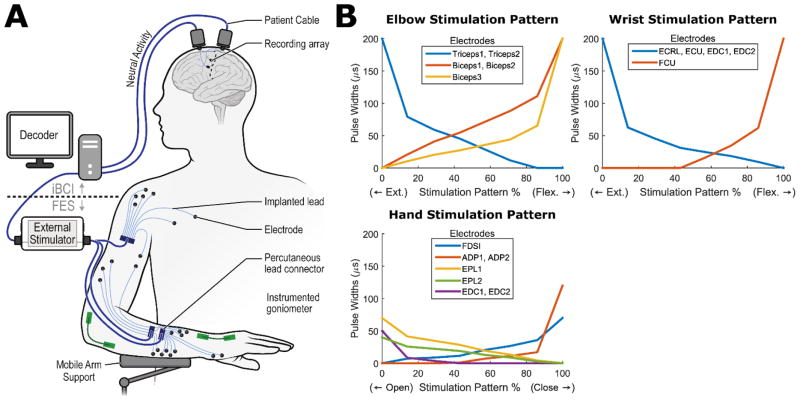
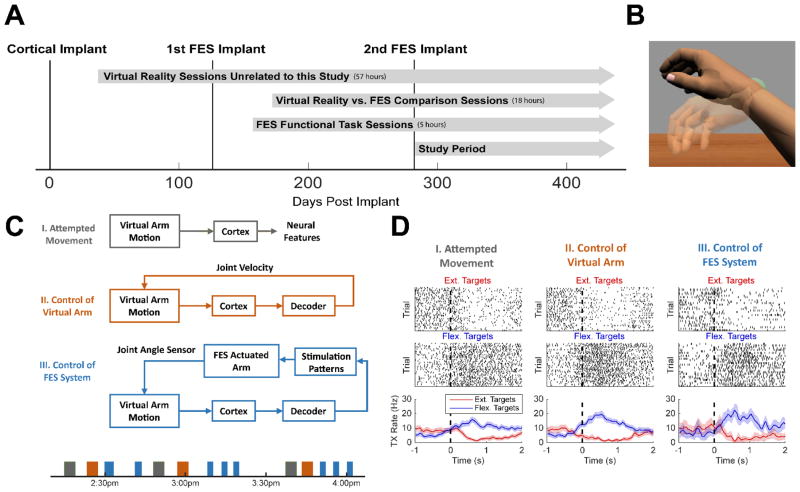
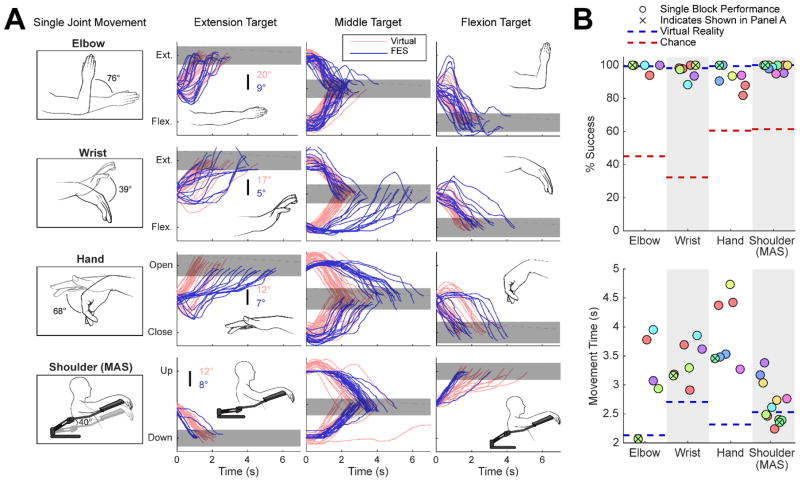
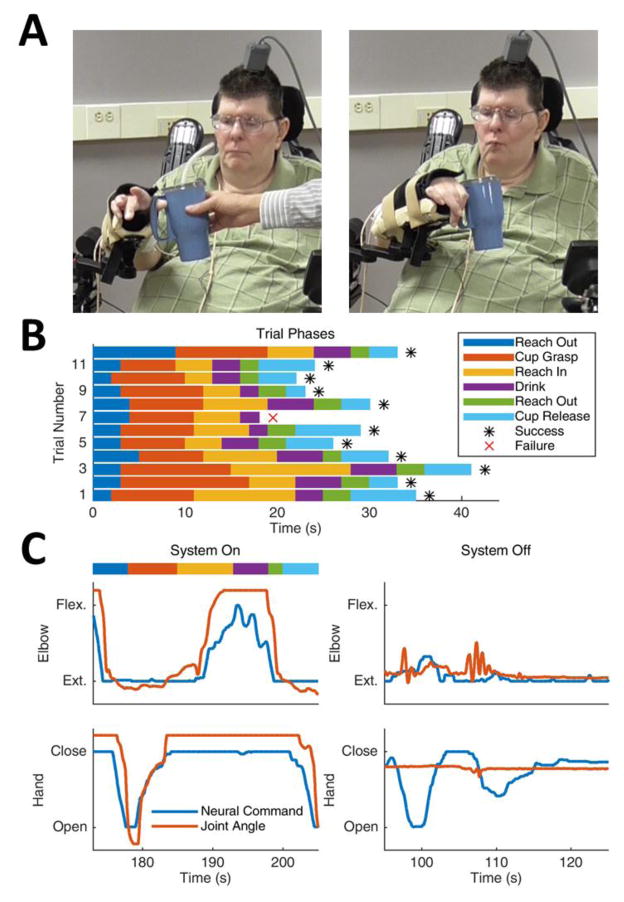
Background People with chronic tetraplegia, due to high-cervical spinal cord injury, can regain limb movements through coordinated electrical stimulation of peripheral muscles and nerves, known as functional electrical stimulation (FES). Users typically command FES systems through other preserved, but unrelated and limited in number, volitional movements (eg, facial muscle activity, head movements, shoulder shrugs). We report the findings of an individual with traumatic high-cervical spinal cord injury who coordinated reaching and grasping movements using his own paralysed arm and hand, reanimated through implanted FES, and commanded using his own cortical signals through an intracortical brain-computer interface (iBCI).Methods We recruited a participant into the BrainGate2 clinical trial, an ongoing study that obtains safety information regarding an intracortical neural interface device, and investigates the feasibility of people with tetraplegia controlling assistive devices using their cortical signals. Surgical procedures were performed at University Hospitals Cleveland Medical Center (Cleveland, OH, USA). Study procedures and data analyses were performed at Case Western Reserve University (Cleveland, OH, USA) and the US Department of Veterans Affairs, Louis Stokes Cleveland Veterans Affairs Medical Center (Cleveland, OH, USA). The study participant was a 53-year-old man with a spinal cord injury (cervical level 4, American Spinal Injury Association Impairment Scale category A). He received two intracortical microelectrode arrays in the hand area of his motor cortex, and 4 months and 9 months later received a total of 36 implanted percutaneous electrodes in his right upper and lower arm to electrically stimulate his hand, elbow, and shoulder muscles. The participant used a motorised mobile arm support for gravitational assistance and to provide humeral abduction and adduction under cortical control. We assessed the participant's ability to cortically command his paralysed arm to perform simple single-joint arm and hand movements and functionally meaningful multi-joint movements. We compared iBCI control of his paralysed arm with that of a virtual three-dimensional arm. This study is registered with ClinicalTrials.gov, number NCT00912041.Findings The intracortical implant occurred on Dec 1, 2014, and we are continuing to study the participant. The last session included in this report was Nov 7, 2016. The point-to-point target acquisition sessions began on Oct 8, 2015 (311 days after implant). The participant successfully cortically commanded single-joint and coordinated multi-joint arm movements for point-to-point target acquisitions (80-100% accuracy), using first a virtual arm and second his own arm animated by FES. Using his paralysed arm, the participant volitionally performed self-paced reaches to drink a mug of coffee (successfully completing 11 of 12 attempts within a single session 463 days after implant) and feed himself (717 days after implant).Interpretation To our knowledge, this is the first report of a combined implanted FES+iBCI neuroprosthesis for restoring both reaching and grasping movements to people with chronic tetraplegia due to spinal cord injury, and represents a major advance, with a clear translational path, for clinically viable neuroprostheses for restoration of reaching and grasping after paralysis.Funding National Institutes of Health, Department of Veterans Affairs.
Overview
The claims and statistics of this paper haven’t been checked yet.
Free: it reads the open-access text and checks the first 5 claims that cite a source we can check. Create a free account to check every claim.
Integrity signals
Registry
Cites
Statistics
Figures
Verification
Claims the paper makes
The claims and statistics of this paper haven’t been checked yet.
Free: it reads the open-access text and checks the first 5 claims that cite a source we can check. Create a free account to check every claim.
Claims other papers make about this one
Each is checked against this paper’s own text: does it say what the citing paper says it does?
The source backs part of the claim, not all of it — or backs it for a different population, condition or comparison.
In the citing paper
“and has enabled the highest BCI performance to date compared to other recording technologies (EEG, ECoG) for restoring communication7, arm control2,5, and general-purpose computer use39.”
From High-performance brain-to-text communication via handwriting (2021) · cites this paper as [5]
Experimental — accuracy not yet measuredThe cited source says what the claim attributes to it.
In the citing paper
“Prior BCI studies have shown that the motor intention for gross motor skills, such as reaching, grasping or moving a computer cursor, remains neurally encoded in motor cortex after paralysis1–7.”
From High-performance brain-to-text communication via handwriting (2021) · cites this paper as [5]
Self-check
Percentages, sums and reported differences re-computed from the paper’s own numbers.
The self-check needs the paper’s full text.
Citations
Cites
Isolated Hand Paresis: A Case Series
Alstadhaug, K. B., & Sjulstad, A. (2013) · Cerebrovascular Diseases Extra · doi:10.1159/000350708 · Cited by 4,058
Neuronal ensemble control of prosthetic devices by a human with tetraplegia
Hochberg, L. R., Serruya, M. D., Friehs, G. M., Mukand, J. A., Saleh, M., Caplan, A. H., Branner, A., Chen, D., Penn, R. D., & Donoghue, J. P. (2006) · Nature · doi:10.1038/nature04970 · Cited by 3,295
Self-citationReach and grasp by people with tetraplegia using a neurally controlled robotic arm
Hochberg, L. R., Bacher, D., Jarosiewicz, B., Masse, N. Y., Simeral, J. D., Vogel, J., Haddadin, S., Liu, J., Cash, S. S., van der Smagt, P., et al. (2012) · Nature · doi:10.1038/nature11076 · Cited by 2,719
Self-citationHigh-performance neuroprosthetic control by an individual with tetraplegia
Collinger, J. L., Wodlinger, B., Downey, J. E., Wang, W., Tyler-Kabara, E. C., Weber, D. J., McMorland, A. J., Velliste, M., Boninger, M. L., & Schwartz, A. B. (2013) · The Lancet · doi:10.1016/s0140-6736(12)61816-9 · Cited by 1,848
Localization of the motor hand area to a knob on the precentral gyrus. A new landmark
Yousry, T. (1997) · Brain · doi:10.1093/brain/120.1.141 · Cited by 1,837
Cortical control of a prosthetic arm for self-feeding
Velliste, M., Perel, S., Spalding, M. C., Whitford, A. S., & Schwartz, A. B. (2008) · Nature · doi:10.1038/nature06996 · Cited by 1,591
Direct Cortical Control of 3D Neuroprosthetic Devices
Taylor, D. M., Tillery, S. I. H., & Schwartz, A. B. (2002) · Science · doi:10.1126/science.1070291 · Cited by 1,540
Instant neural control of a movement signal
Serruya, M. D., Hatsopoulos, N. G., Paninski, L., Fellows, M. R., & Donoghue, J. P. (2002) · Nature · doi:10.1038/416141a · Cited by 1,409
Self-citationRestoring cortical control of functional movement in a human with quadriplegia
Bouton, C. E., Shaikhouni, A., Annetta, N. V., Bockbrader, M. A., Friedenberg, D. A., Nielson, D. M., Sharma, G., Sederberg, P. B., Glenn, B. C., Mysiw, W. J., et al. (2016) · Nature · doi:10.1038/nature17435 · Cited by 924
Intracortical microstimulation of human somatosensory cortex
Flesher, S. N., Collinger, J. L., Foldes, S. T., Weiss, J. M., Downey, J. E., Tyler-Kabara, E. C., Bensmaia, S. J., Schwartz, A. B., Boninger, M. L., & Gaunt, R. A. (2016) · Science Translational Medicine · doi:10.1126/scitranslmed.aaf8083 · Cited by 704
Cited by
Items 101–200 of 896
Translational Neuroelectronics
Jastrzebska‐Perfect, P., Chowdhury, S., Spyropoulos, G. D., Zhao, Z., Cea, C., Gelinas, J. N., & Khodagholy, D. (2020) · Advanced Functional Materials · doi:10.1002/adfm.201909165 · Cited by 72
Robust and accurate decoding of hand kinematics from entire spiking activity using deep learning
Ahmadi, N., Constandinou, T. G., & Bouganis, C.-S. (2021) · Journal of Neural Engineering · doi:10.1088/1741-2552/abde8a · Cited by 69
Dunkelberger, N., Schearer, E. M., & O’Malley, M. K. (2020) · Experimental Neurology · doi:10.1016/j.expneurol.2020.113274 · Cited by 73
“2010), and balancing the contributions of an exoskeleton and FES in controlling knee torques in healthy subjects (Alibeji et al., 2017; del Ama et al., 2014).”
BackgroundWelle, E. J., Patel, P. R., Woods, J. E., Petrossians, A., della Valle, E., Vega-Medina, A., Richie, J. M., Cai, D., Weiland, J. D., & Chestek, C. A. (2020) · Journal of Neural Engineering · doi:10.1088/1741-2552/ab8343 · Cited by 72
“control of paralyzed limbs using functional electrical stimulation [2, 3], novel prosthetic hands with tens of degrees of freedom [4, 5], more widely available upper limb exoskeletons [6], and systems of implantable devices with realistic power consumption for neural recording with high channel count [7–9].”
MethodLong-term intracortical microelectrode array performance in a human: a 5 year retrospective analysis
Colachis, S. C., Dunlap, C. F., Annetta, N. V., Tamrakar, S. M., Bockbrader, M. A., & Friedenberg, D. A. (2021) · Journal of Neural Engineering · doi:10.1088/1741-2552/ac1add · Cited by 59
“tetraplegia have successfully controlled robotic arms [6, 7], computer cursors for communication and web surfing [8, 9], and functional electrical stimulation systems to reanimate their paralyzed limbs [10, 11].”
BackgroundCajigas, I., Davis, K. C., Meschede-Krasa, B., Prins, N. W., Gallo, S., Naeem, J. A., Palermo, A., Wilson, A., Guerra, S., Parks, B. A., et al. (2021) · Brain Communications · doi:10.1093/braincomms/fcab248 · Cited by 60
Lai, B., Zeng, X., Han, W., Che, M., Ding, Y., Li, G., & Zeng, Y. (2021) · Biomaterials · doi:10.1016/j.biomaterials.2021.121211 · Cited by 69
The Case for Adaptive Neuromodulation to Treat Severe Intractable Mental Disorders
Provenza, N. R., Matteson, E., Allawala, A. B., Barrios-Anderson, A., Sheth, S. A., Viswanathan, A., McIngvale, E., Storch, E. A., Frank, M. J., McLaughlin, N. C. R., et al. (2019) · Frontiers in Neuroscience · doi:10.3389/fnins.2019.00152 · Cited by 71
Zhang, J., Li, J., Huang, Z., Huang, D., Yu, H., & Li, Z. (2023) · Health Data Science · doi:10.34133/hds.0096 · Cited by 76
Bidirectional brain-computer interfaces
Hughes, C. L., Herrera, A. J., Gaunt, R. A., & Collinger, J. L. (2020) · Handbook of clinical neurology · doi:10.1016/b978-0-444-63934-9.00013-5 · Cited by 82
Neurostimulation for Stroke Rehabilitation
Ting, W. K., Fadul, F. A.-R., Fecteau, S., & Éthier, C. (2021) · Frontiers in Neuroscience · doi:10.3389/fnins.2021.649459 · Cited by 71
“Closed-loop methods using intracortical signals have enabled monkey models and human SCI patients to re-activate and use their own paralyzed muscles voluntarily (Ethier et al., 2012; Bouton et al., 2016; Ajiboye et al., 2017).”
BackgroundBockbrader, M. A., Annetta, N. V., Friedenberg, D. A., Schwemmer, M. A., Skomrock, N. D., Colachis, S. C., Zhang, M., Bouton, C. E., Rezai, A. R., Sharma, G., et al. (2019) · Archives of Physical Medicine and Rehabilitation · doi:10.1016/j.apmr.2018.07.445 · Cited by 66
“Voluntary control of hand grasp has been restored to paralyzed limbs using noninvasive(6-11) and cortical microelectrode array (MEA)based(12-16) brain-computer interfaces (BCIs) that translate brain activity to hand movements evoked through implanted(10-12) or transcutaneous(6-9,13-16) functional electrical stimulatio…”
BackgroundMethodBullard, A. J., Hutchison, B. C., Lee, J., Chestek, C. A., & Patil, P. G. (2020) · Neuromodulation: Technology at the Neural Interface · doi:10.1111/ner.13069 · Cited by 65
“This particular example is of brain-controlled functional electrical stimulation (FES) (252).”
BackgroundInfluentialTing, J. E., Vecchio, A. D., Sarma, D., Verma, N., Colachis, S. C., Annetta, N. V., Collinger, J. L., Farina, D., & Weber, D. J. (2021) · Journal of Neurophysiology · doi:10.1152/jn.00220.2021 · Cited by 70
Rao, R. P. N. (2019) · Current Opinion in Neurobiology · doi:10.1016/j.conb.2019.03.008 · Cited by 77
Motor cortical activity changes during neuroprosthetic-controlled object interaction
Downey, J. E., Brane, L., Gaunt, R. A., Tyler-Kabara, E. C., Boninger, M. L., & Collinger, J. L. (2017) · Scientific Reports · doi:10.1038/s41598-017-17222-3 · Cited by 63
Intrafascicular peripheral nerve stimulation produces fine functional hand movements in primates
Badi, M., Wurth, S. M., Scarpato, I., Roussinova, E., Losanno, E., Bogaard, A. R., Delacombaz, M., Borgognon, S., Čvančara, P., Fallegger, F., et al. (2021) · Science Translational Medicine · doi:10.1126/scitranslmed.abg6463 · Cited by 69
A muscle-activity-dependent gain between motor cortex and EMG
Naufel, S. N., Glaser, J. I., Kording, K. P., Perreault, E. J., & Miller, L. E. (2018) · Journal of Neurophysiology · doi:10.1152/jn.00329.2018 · Cited by 66
“However, several recent BCIs have been used to control force, through either a robot (Chhatbar and Francis 2013; Suminski et al. 2011) or functional electrical stimulation (FES) of paralyzed muscles (Ajiboye et al. 2017; Bouton et al. 2016; Ethier et al. 2012).”
BackgroundShared Control of Bimanual Robotic Limbs With a Brain-Machine Interface for Self-Feeding
Handelman, D. A., Osborn, L. E., Thomas, T. M., Badger, A. R., Thompson, M. C., Nickl, R. W., Anaya, M. A., Wormley, J. M., Cantarero, G. L., McMullen, D. P., et al. (2022) · Frontiers in Neurorobotics · doi:10.3389/fnbot.2022.918001 · Cited by 64
“Others have demonstrated the use of cortical BMIs for driving functional electrical stimulation to allow users to volitionally control their limb for completing tasks such as drinking (Ajiboye et al., 2017; Colachis et al., 2018).”
Application and Development of EEG Acquisition and Feedback Technology: A Review
Qin, Y., Zhang, Y., Yan, Z., Liu, S., & Guo, X. (2023) · Biosensors · doi:10.3390/bios13100930 · Cited by 65
“Several commonly used EEG classifi-cation algorithms include support vector machines (SVM), K-nearest neighbors (KNN), random forests, convolutional neural networks (CNN), and recurrent neural networks RNN) [106–113].”
MethodYoung, D., Willett, F., Memberg, W. D., Murphy, B., Walter, B., Sweet, J., Miller, J., Hochberg, L. R., Kirsch, R. F., & Ajiboye, A. B. (2018) · Journal of Neural Engineering · doi:10.1088/1741-2552/aa9ee8 · Cited by 61
“Additionally, this method will only work when spike sorting is explicitly part of the signal processing methodology, and most iBCI applications now use multi-unit threshold crossings or continuous high frequency power measurements as features [6, 9, 10, 28].”
BackgroundMethodResultSelf-citationInvasive Brain Computer Interface for Motor Restoration in Spinal Cord Injury: A Systematic Review
Levett, J. J., Elkaim, L. M., Niazi, F., Weber, M. H., Iorio‐Morin, C., Bonizzato, M., & Weil, A. G. (2023) · Neuromodulation Technology at the Neural Interface · doi:10.1016/j.neurom.2023.10.006 · Cited by 75
Shoffstall, A. J., Paiz, J. E., Miller, D. M., Rial, G. M., Willis, M. T., Menendez, D. M., Hostler, S. R., & Capadona, J. R. (2017) · Journal of Neural Engineering · doi:10.1088/1741-2552/aa9f32 · Cited by 62
A shape-memory and spiral light-emitting device for precise multisite stimulation of nerve bundles
Zheng, H., Zhang, Z., Jiang, S., Yan, B., Shi, X., Xie, Y., Huang, X., Yu, Z., Liu, H., Weng, S., et al. (2019) · Nature Communications · doi:10.1038/s41467-019-10418-3 · Cited by 58
Nason, S. R., Mender, M. J., Vaskov, A. K., Willsey, M. S., Kumar, N. G., Kung, T. A., Patil, P. G., & Chestek, C. A. (2021) · Neuron · doi:10.1016/j.neuron.2021.08.009 · Cited by 67
Current advancements in the management of spinal cord injury: A comprehensive review of literature
Shah, M., Peterson, C., Yilmaz, E., Halalmeh, D. R., & Moisi, M. D. (2020) · Surgical Neurology International · doi:10.25259/sni_568_2019 · Cited by 63
“ese devices, which can be used to control various prosthetic devices such as the exoskeleton as well as directly stimulate paralyzed muscles, have already demonstrated improved outcomes in patients with SCI through several recent studies.[1,4,11,25] Clinical trials for the use of brain–machine interfaces and their co…”
BackgroundGoss-Varley, M., Dona, K. R., McMahon, J. A., Shoffstall, A. J., Ereifej, E. S., Lindner, S. C., & Capadona, J. R. (2017) · Scientific Reports · doi:10.1038/s41598-017-15623-y · Cited by 58
Nano-Architectural Approaches for Improved Intracortical Interface Technologies
Kim, Y., Meade, S. M., Chen, K., He, F., Rayyan, J., Hess‐Dunning, A., & Ereifej, E. S. (2018) · Frontiers in Neuroscience · doi:10.3389/fnins.2018.00456 · Cited by 59
Inner speech in motor cortex and implications for speech neuroprostheses
Kunz, E. M., Abramovich Krasa, B., Kamdar, F., Avansino, D. T., Hahn, N., Yoon, S., Singh, A., Nason-Tomaszewski, S. R., Card, N. S., Jude, J. J., et al. (2025) · Cell · doi:10.1016/j.cell.2025.06.015 · Cited by 55
Self-citationSense of agency for intracortical brain–machine interfaces
Serino, A., Bockbrader, M. A., Bertoni, T., Colachis, S. C., Solcà, M., Dunlap, C. F., Eipel, K., Ganzer, P. D., Annetta, N., Sharma, G., et al. (2022) · Nature Human Behaviour · doi:10.1038/s41562-021-01233-2 · Cited by 55
Advanced Electrode Technologies for Noninvasive Brain–Computer Interfaces
Lin, S., Jiang, J., Huang, K., Li, L., He, X., Du, P. Y., Wu, Y., Liu, J., Li, X., Huang, Z., et al. (2023) · ACS Nano · doi:10.1021/acsnano.3c06781 · Cited by 59
Developing Collaborative Platforms to Advance Neurotechnology and Its Translation
Borton, D. A., Dawes, H. E., Worrell, G. A., Starr, P. A., & Denison, T. (2020) · Neuron · doi:10.1016/j.neuron.2020.10.001 · Cited by 57
“Two recent examples include the BrainGate consortium (www.braingate.org) (Ajiboye et al., 2017) and the Activa PC+S (Afshar et al., 2012).”
MethodSaway, B. F., Palmer, C., Hughes, C. L., Triano, M. J., Suresh, R. E., Gilmore, J., George, M. S., Kautz, S. A., & Rowland, N. C. (2024) · Neurotherapeutics · doi:10.1016/j.neurot.2024.e00337 · Cited by 58
“Since that time, many other institutions have continued investigating Utah microelectrode arrays for motor decoding and movement restoration [59 – 61].”
BackgroundLearning to control a BMI-driven wheelchair for people with severe tetraplegia
Tonin, L., Perdikis, S., Kuzu, T. D., Pardo, J., Orset, B., Lee, K., Aach, M., Schildhauer, T. A., Martínez, R., & Millán, J. D. R. (2022) · iScience · doi:10.1016/j.isci.2022.105418 · Cited by 68
Personalized Brain–Computer Interface and Its Applications
Ma, Y., Gong, A., Nan, W., Ding, P., Wang, F., & Fu, Y. (2022) · Journal of Personalized Medicine · doi:10.3390/jpm13010046 · Cited by 56
“confirmed the effectiveness of the intracortical BCI system in the rehabilitation of patients with limb disorders [10].”
Cheung, V. C. K., Niu, C. M., Li, S., Xie, Q., & Lan, N. (2018) · IEEE Reviews in Biomedical Engineering · doi:10.1109/rbme.2018.2874132 · Cited by 61
“ity to use FES to restore standing [3]–[5], walking [6], [7], arm reaching [8], [9], hand grasp [10]–[13], and other functions.”
MethodCollinger, J. L., Gaunt, R. A., & Schwartz, A. B. (2018) · Current Opinion in Biomedical Engineering · doi:10.1016/j.cobme.2018.11.005 · Cited by 52
Recent advances and current trends in brain‐computer interface research and their applications
Žabčíková, M., Koudelková, Z., Jašek, R., & Lorenzo-Navarro, J. (2022) · International Journal of Developmental Neuroscience · doi:10.1002/jdn.10166 · Cited by 57
Targeting CD14 on blood derived cells improves intracortical microelectrode performance
Bedell, H. W., Hermann, J. K., Ravikumar, M., Lin, S., Rein, A., Li, X., Molinich, E., Smith, P. D., Selkirk, S. M., Miller, R. H., et al. (2018) · Biomaterials · doi:10.1016/j.biomaterials.2018.02.014 · Cited by 52
“Intracortical microelectrodes (IME) are one of the electrode options for detecting neural signals in cortical neural prostheses and translating them into movement commands to drive an assistive device [1, 2].”
BackgroundPrincipled BCI Decoder Design and Parameter Selection Using a Feedback Control Model
Willett, F. R., Young, D. R., Murphy, B. A., Memberg, W. D., Blabe, C. H., Pandarinath, C., Stavisky, S. D., Rezaii, P. G., Saab, J., Walter, B. L., et al. (2019) · Scientific Reports · doi:10.1038/s41598-019-44166-7 · Cited by 55
Self-citationGels, jets, mosquitoes, and magnets: a review of implantation strategies for soft neural probes
Apollo, N. V., Murphy, B. B., Prezelski, K., Driscoll, N., Richardson, A. G., Lucas, T. H., & Vitale, F. (2020) · Journal of Neural Engineering · doi:10.1088/1741-2552/abacd7 · Cited by 52
“Furthermore, motor intentions can be decoded from the firing patterns of individual neurons during thought or behavior and translated into movement commands for a robotic end-effector [11,12] to perform acitivities of daily living, as well as to control an individual’s own limb via synergistic functional electrical st…”
BackgroundSelf-citationA tactile oral pad based on carbon nanotubes for multimodal haptic interaction
Hou, B., Yang, D., Ren, X., Yi, L., & Liu, X. (2024) · Nature Electronics · doi:10.1038/s41928-024-01234-9 · Cited by 50
Cortical Decoding of Individual Finger Group Motions Using ReFIT Kalman Filter
Vaskov, A. K., Irwin, Z. T., Nason, S. R., Vu, P. P., Nu, C. S., Bullard, A. J., Hill, M., North, N., Patil, P. G., & Chestek, C. A. (2018) · Frontiers in Neuroscience · doi:10.3389/fnins.2018.00751 · Cited by 54
Patel, P. R., Welle, E. J., Letner, J. G., Shen, H., Bullard, A. J., Caldwell, C. M., Vega-Medina, A., Richie, J. M., Thayer, H. E., Patil, P. G., et al. (2023) · Journal of Neural Engineering · doi:10.1088/1741-2552/acab86 · Cited by 49
Fekete, A., & Rhyner, J. (2020) · Sustainability · doi:10.3390/su12229324 · Cited by 55
“A fully paralysed person after a cycling accident had his reaching and grasping ability restored by similar technology [95].”
BackgroundAli, O., Saif-ur-Rehman, M., Dyck, S., Glasmachers, T., Iossifidis, I., & Klaes, C. (2022) · Scientific Reports · doi:10.1038/s41598-022-07992-w · Cited by 55
Adversarial Domain Adaptation for Stable Brain-Machine Interfaces
Farshchian, A., Gallego, J. A., Cohen, J. P., Bengio, Y., Miller, L. E., & Solla, S. A. (2018) · arXiv · doi:10.48550/arxiv.1810.00045 · Cited by 48
Multi-scale neural decoding and analysis
Lu, H., Lorenc, E. S., Zhu, H., Kilmarx, J., Sulzer, J. S., Xie, C., Tobler, P. N., Watrous, A. J., Orsborn, A. L., Lewis‐Peacock, J. A., et al. (2021) · Journal of Neural Engineering · doi:10.1088/1741-2552/ac160f · Cited by 55
“Decoders using a Kalman filter (KF) and related variations, such as the recalibrated feedback intention–trained Kalman filter (also known as ReFIT-KF), are most commonly used for spike-based decoding [24, 46].”
MethodFinger somatotopy is preserved after tetraplegia but deteriorates over time
Kikkert, S., Pfyffer, D., Verling, M., Freund, P., & Wenderoth, N. (2021) · eLife · doi:10.7554/elife.67713 · Cited by 49
CLoSES: A platform for closed-loop intracranial stimulation in humans
Zelmann, R., Paulk, A. C., Basu, I., Sarma, A. A., Yousefi, A., Crocker, B., Eskandar, E. N., Williams, Z. M., Cosgrove, G. R., Weisholtz, D. S., et al. (2020) · NeuroImage · doi:10.1016/j.neuroimage.2020.117314 · Cited by 52
Physiological properties of brain-machine interface input signals
Slutzky, M. W., & Flint, R. D. (2017) · Journal of Neurophysiology · doi:10.1152/jn.00070.2017 · Cited by 46
“…been employed for binary control (Kennedy et al. 2000) as well as control over cursors (Gilja et al. 2015; Hochberg et al. 2006), robotic limbs (Hochberg et al. 2012; Wodlinger et al. 2015), and functional electrical stimulation of paralyzed muscles (Ajiboye et al. 2017; Bouton et al. 2016).”
MethodEreifej, E. S., Smith, C. S., Meade, S. M., Chen, K., Feng, H., & Capadona, J. R. (2017) · Advanced Functional Materials · doi:10.1002/adfm.201704420 · Cited by 52
Kazim, S. F., Bowers, C. A., Cole, C. D., Varela, S., Karimov, Z., Martinez, E., Ogulnick, J. V., & Schmidt, M. H. (2021) · Molecular Neurobiology · doi:10.1007/s12035-021-02484-w · Cited by 50
Chronic stability of a neuroprosthesis comprising multiple adjacent Utah arrays in monkeys
Chen, X., Wang, F., Kooijmans, R. N., Klink, P. C., Boehler, C., Asplund, M., & Roelfsema, P. R. (2023) · Journal of Neural Engineering · doi:10.1088/1741-2552/ace07e · Cited by 49
Herring, E. Z., Graczyk, E. L., Memberg, W. D., Adams, R., Baca-Vaca, G. F., Hutchison, B. C., Krall, J. T., Alexander, B. J., Conlan, E. C., Alfaro, K. E., et al. (2023) · Neurosurgery · doi:10.1227/neu.0000000000002769 · Cited by 49
Self-citationNeurotechnologies to restore hand functions
Losanno, E., Mender, M. J., Chestek, C. A., Shokur, S., & Micera, S. (2023) · Nature Reviews Bioengineering · doi:10.1038/s44222-023-00054-4 · Cited by 49
“Using the BBI, the two subjects could perform simple functional tasks, such as coffee drinking and self-feeding 12 , grasp-pour-and-stir 11 and grasp-and-release of different objects 107 .”
InfluentialFlexible high-density microelectrode arrays for closed-loop brain–machine interfaces: a review
Liu, X., Gong, Y., Jiang, Z., Stevens, T., & Li, W. (2024) · Frontiers in Neuroscience · doi:10.3389/fnins.2024.1348434 · Cited by 53
Bedell, H. W., Schaub, N. J., Capadona, J. R., & Ereifej, E. S. (2019) · Acta Biomaterialia · doi:10.1016/j.actbio.2019.11.017 · Cited by 46
Progress in Neuroengineering for brain repair: New challenges and open issues
Panuccio, G., Semprini, M., Natale, L., Buccelli, S., Colombi, I., & Chiappalone, M. (2018) · Brain and Neuroscience Advances · doi:10.1177/2398212818776475 · Cited by 49
“, 1999), BMIs have become increasingly sophisticated and have proved to be successfully applicable to paralysed humans (Ajiboye et al., 2017; Bouton et al., 2016; Hochberg et al., 2012).”
BackgroundSkomrock, N. D., Schwemmer, M. A., Ting, J. E., Trivedi, H. R., Sharma, G., Bockbrader, M. A., & Friedenberg, D. A. (2018) · Frontiers in Neuroscience · doi:10.3389/fnins.2018.00763 · Cited by 47
“…demonstrations of BCI control, including computer cursors, robotic arms, communication devices, and even the patients’ own paralyzed limbs (Simeral et al., 2011; Hochberg et al., 2012; Collinger et al., 2013b; Gilja et al., 2015; Jarosiewicz et al., 2015; Bouton et al., 2016; Ajiboye et al., 2017).”
BackgroundJoshi‐Imre, A., Black, B., Abbott, J., Kanneganti, A., Rihani, R. T., Chakraborty, B., Danda, V. R., Maeng, J., Sharma, R., Rieth, L. W., et al. (2019) · Journal of Neural Engineering · doi:10.1088/1741-2552/ab1bc8 · Cited by 46
Single-Unit Recordings Reveal the Selectivity of a Human Face Area
Decramer, T., Premereur, E., Zhu, Q., Paesschen, W. V., van Loon, J., Vanduffel, W., Taubert, J., Janssen, P., & Theys, T. (2021) · Journal of Neuroscience · doi:10.1523/jneurosci.0349-21.2021 · Cited by 45
Restoring Speech Using Brain–Computer Interfaces
Stavisky, S. D. (2025) · Annual Review of Biomedical Engineering · doi:10.1146/annurev-bioeng-110122-012818 · Cited by 52
Gao, W., Yan, Z., Zhou, H., Xie, Y., Wang, H., Yang, J., Yu, J., Ni, C., Liu, P., Xie, M., et al. (2025) · Journal of Nanobiotechnology · doi:10.1186/s12951-025-03573-x · Cited by 51
Exploring representations of human grasping in neural, muscle and kinematic signals
Sburlea, A. I., & Müller-Putz, G. (2018) · Scientific Reports · doi:10.1038/s41598-018-35018-x · Cited by 45
SpikeDeep-Classifier: A deep-learning based fully automatic offline spike sorting algorithm
Saif-ur-Rehman, M., Ali, O., Dyck, S., Lienkämper, R., Metzler, M., Parpaley, Y., Wellmer, J., Liu, C., Lee, B., Kellis, S., et al. (2020) · Journal of Neural Engineering · doi:10.1088/1741-2552/abc8d4 · Cited by 49
Multiplexed neural sensor array of graphene solution-gated field-effect transistors
Schaefer, N., Garcia‐Cortadella, R., Martínez-Aguilar, J., Schwesig, G., Illa, X., Moya, A., Santiago, S., Hébert, C., Guirado, G., Villa, R., et al. (2020) · 2D Materials · doi:10.1088/2053-1583/ab7976 · Cited by 45
Decoding ECoG signal into 3D hand translation using deep learning
Śliwowski, M., Martin, M., Souloumiac, A., Blanchart, P., & Aksenova, T. (2022) · Journal of Neural Engineering · doi:10.1088/1741-2552/ac5d69 · Cited by 47
Samejima, S., Henderson, R. P., Pradarelli, J. J., Mondello, S. E., & Moritz, C. T. (2022) · Experimental Neurology · doi:10.1016/j.expneurol.2022.114178 · Cited by 46
Object discrimination using electrotactile feedback
Arakeri, T. J., Hasse, B. A., & Fuglevand, A. J. (2018) · Journal of Neural Engineering · doi:10.1088/1741-2552/aabc9a · Cited by 43
“…have marked major advances in the application of brain machine interfaces (BMIs) to partially restore the ability of paralyzed humans to interact with their environment (Hochberg et al. 2012; Collinger et al. 2013; Afalo et al. 2015; Bouton et al. 2016; Gilja et al. 2016, Ajiboye et al. 2017).”
BackgroundCanny, E., Vansteensel, M. J., van der Salm, S. M. A., Müller-Putz, G., & Berezutskaya, J. (2023) · Journal of NeuroEngineering and Rehabilitation · doi:10.1186/s12984-023-01272-y · Cited by 42
“…in severe body paralysis have shown that BCI combined with functional electrical stimulation (FES) can create an electronic neural bypass of damaged neural pathways by using neural signals to drive stimulation of peripheral nerves and thereby trigger paralyzed muscle activation [5, 44, 201, 226].”
Annetta, N. V., Zhang, M., Mysiw, W. J., Rezai, A. R., Sharma, G., Friend, J., Schimmoeller, A., Buck, V. S., Friedenberg, D. A., Bouton, C. E., et al. (2019) · IEEE Transactions on Biomedical Engineering · doi:10.1109/tbme.2018.2864104 · Cited by 37
“[15]–[17], [34].”
Vitale, F., Shen, W., Driscoll, N., Burrell, J. C., Richardson, A. G., Adewole, D. O., Murphy, B. B., Ananthakrishnan, A., Oh, H., Wang, T., et al. (2018) · PLoS ONE · doi:10.1371/journal.pone.0206137 · Cited by 43
Self-citationThe Representation of Finger Movement and Force in Human Motor and Premotor Cortices
Flint, R. D., Tate, M. C., Li, K., Templer, J. W., Rosenow, J. M., Pandarinath, C., & Slutzky, M. W. (2020) · eNeuro · doi:10.1523/eneuro.0063-20.2020 · Cited by 42
Exploring Cognition with Brain–Machine Interfaces
Andersen, R. A., Aflalo, T., Bashford, L., Bjånes, D. A., & Kellis, S. (2022) · Annual Review of Psychology · doi:10.1146/annurev-psych-030221-030214 · Cited by 47
“…commands Starting in the early 2000s, the first attempts at motor control BMIs in nonhuman primates (NHPs) and humans usedmostly implants inM1 (Ajiboye et al. 2017; Bouton et al. 2016; Carmena et al. 2003; Collinger et al. 2013; Friedenberg et al. 2017; Gilja et al. 2015; Hochberg et al.…”
BackgroundCardoso, L. R. L., Bochkezanian, V., Forner‐Cordero, A., Melendez-Calderon, A., & Bó, A. P. L. (2022) · Journal of NeuroEngineering and Rehabilitation · doi:10.1186/s12984-022-01043-1 · Cited by 43
“Hence, the system described by [60] was potentially the most powerful among our collection since it combined percutaneous electrical stimulation and intracortical signals.”
BackgroundMethodInfluentialHermann, J. K., Ravikumar, M., Shoffstall, A. J., Ereifej, E. S., Kovach, K. M., Chang, J. B., Soffer, A., Wong, C., Ali, A., Smith, P., et al. (2018) · Journal of Neural Engineering · doi:10.1088/1741-2552/aaa03e · Cited by 40
Advanced technologies for intuitive control and sensation of prosthetics
Wolf, E. J., Cruz, T. H., Emondi, A. A., Langhals, N. B., Naufel, S. N., Peng, G. C. Y., Schulz, B. W., & Wolfson, M. B. (2019) · Biomedical Engineering Letters · doi:10.1007/s13534-019-00127-7 · Cited by 42
Rupp, R. (2020) · Handbook of clinical neurology · doi:10.1016/b978-0-444-63934-9.00006-8 · Cited by 47
Chandrasekaran, S., Fifer, M. S., Bickel, S., Osborn, L. E., Herrero, J. L., Christie, B. P., Xu, J., Murphy, R. K. J., Singh, S., Glasser, M. F., et al. (2021) · Bioelectronic Medicine · doi:10.1186/s42234-021-00076-6 · Cited by 45
Decoding and geometry of ten finger movements in human posterior parietal cortex and motor cortex
Guan, C., Aflalo, T., KADLEC, K. H., Gámez, J., Rosario, E. R., Bari, A., Pouratian, N., & Andersen, R. A. (2023) · Journal of Neural Engineering · doi:10.1088/1741-2552/acd3b1 · Cited by 41
“[5–7, 27] extended continuous decoding to arm control, with [27] controlling the user’s own muscles.”
BackgroundWang, S., Jiang, Q., Liu, H., Yu, C., Li, P., Pan, G., Xu, K., Xiao, R., Hao, Y., Wang, C., et al. (2024) · Proceedings of the National Academy of Sciences · doi:10.1073/pnas.2403380121 · Cited by 46
Overcoming failure: improving acceptance and success of implanted neural interfaces
Dalrymple, A. N., Jones, S. T., Fallon, J. B., Shepherd, R. K., & Weber, D. J. (2025) · Bioelectronic Medicine · doi:10.1186/s42234-025-00168-7 · Cited by 44
Krucoff, M. O., Miller, J. P., Saxena, T. K., Bellamkonda, R., Rahimpour, S., Harward, S. C., Lad, S. P., & Turner, D. A. (2018) · Neurosurgery · doi:10.1093/neuros/nyy128 · Cited by 40
Self-citationNeurocognitive Benefits of Physiotherapy for Spinal Cord Injury
Scandola, M., Dodoni, L., Lazzeri, G., Arcangeli, C. A., Avesani, R., Moro, V., & Ionta, S. (2018) · Journal of Neurotrauma · doi:10.1089/neu.2018.6123 · Cited by 38
Thompson, C. H., Riggins, T. E., Patel, P. R., Chestek, C. A., Li, W., & Purcell, E. K. (2020) · Journal of Neural Engineering · doi:10.1088/1741-2552/ab7030 · Cited by 38
Long-term stability of the chronic epidural wireless recorder WIMAGINE in tetraplegic patients
Larzabal, C., Bonnet, S., Costecalde, T., Auboiroux, V., Charvet, G., Chabardes, S., Aksenova, T., & Sauter-Starace, F. (2021) · Journal of Neural Engineering · doi:10.1088/1741-2552/ac2003 · Cited by 37
Sosnik, R., & Zur, O. B. (2019) · Journal of Neural Engineering · doi:10.1088/1741-2552/ab59a7 · Cited by 39
“neural signals recorded invasively [9, 10], or partially R Sosnik and O Ben Zur”
BackgroundDemonstration of a portable intracortical brain-computer interface
Weiss, J. M., Gaunt, R. A., Franklin, R., Boninger, M. L., & Collinger, J. L. (2019) · Brain-Computer Interfaces · doi:10.1080/2326263x.2019.1709260 · Cited by 32
Khan, M. A., Saibene, M., Das, R., Brunner, I., & Puthusserypady, S. (2021) · Journal of Neural Engineering · doi:10.1088/1741-2552/ac36aa · Cited by 30
“Several studies confirm the efficacy of FES in recovering different muscle movements, for instance, restoring hand grasp [16–18], walking [19, 20], arm reaching [21, 22], standing [23, 24], and upper-limb rehabilitation [25–27].”
ResultNow is the Critical Time for Engineered Neuroplasticity
Moritz, C. T. (2018) · Neurotherapeutics · doi:10.1007/s13311-018-0637-0 · Cited by 38
“Neural activity can be recorded from electrodes in or near the brain to indicate the intention to move, and stimulation delivered to the paralyzed muscles to restore functional grasp in both animal models [32, 33] and human subjects [34, 35].”
The history, current state and future possibilities of the non-invasive brain computer interfaces
Caiado, F., & Ukolov, A. (2025) · Medicine in Novel Technology and Devices · doi:10.1016/j.medntd.2025.100353 · Cited by 49
In-home and remote use of robotic body surrogates by people with profound motor deficits
Grice, P. M., & Kemp, C. C. (2019) · PLoS ONE · doi:10.1371/journal.pone.0212904 · Cited by 38
Kobler, R. J., Sburlea, A. I., Mondini, V., Hirata, M., & Müller-Putz, G. (2020) · Journal of Neural Engineering · doi:10.1088/1741-2552/abb3b3 · Cited by 40
Pediatric Spinal Cord Injury: A Review
Cunha, N., Malvea, A., Sadat, S., Fehlings, M. G., & Ibrahim, G. M. (2023) · Children · doi:10.3390/children10091456 · Cited by 41
“Over the past 20 years, numerous interfaces have emerged and achieved success for upper-limb applications involving grasping and reaching [152–154].”
Shoffstall, A. J., Ecker, M., Danda, V. R., Joshi‐Imre, A., Stiller, A. M., Yu, M. H., Paiz, J. E., Mancuso, E., Bedell, H. W., Voit, W., et al. (2018) · Micromachines · doi:10.3390/mi9100486 · Cited by 38
A modular strategy for next-generation upper-limb sensory-motor neuroprostheses
Shokur, S., Mazzoni, A., Schiavone, G., Weber, D. J., & Micera, S. (2021) · Med · doi:10.1016/j.medj.2021.05.002 · Cited by 37
Loriette, C., Amengual, J. L., & Hamed, S. B. (2022) · Frontiers in Neuroscience · doi:10.3389/fnins.2022.811736 · Cited by 36
“Impressive advances have been achieved in BCI-driven motor rehabilitation after stroke (Wang et al., 2018) or spinal cord injury (Pohlmeyer et al., 2009; Bensmaia and Miller, 2014; Ajiboye et al., 2017).”
BackgroundFu, J., Chen, S., & Jia, J. (2022) · Brain Sciences · doi:10.3390/brainsci13010056 · Cited by 40
“In some laboratories, assistive BCIs are used as communication tools for amyotrophic lateral sclerosis patients [9,10] or as daily activity assistance for tetraplegia, such as drinking assistance [11,12].”
Mensah, E. O., Chalif, J. I., Johnston, B. R., Chalif, E. J., Parker, T., Izzy, S., He, Z., Saigal, R., Fehlings, M. G., & Lu, Y. (2025) · North American Spine Society Journal (NASSJ) · doi:10.1016/j.xnsj.2025.100601 · Cited by 45
“…techniques with BCIs enables real-time feedback and precise control over the neuromodulatory process, directs brain control of the electrical stimulation, and provides a more targeted and responsive treatment approach, facilitating more precise and volitional movements [ 210 , 211 ].”
Metadata
- Authors
- Ajiboye, A. B., Willett, F. R., Young, D. R., Memberg, W. D., Murphy, B. A., Miller, J. P., Walter, B. L., Sweet, J. A., Hoyen, H. A., Keith, M. W., Peckham, P. H., Simeral, J. D., Donoghue, J. P., Hochberg, L. R., & Kirsch, R. F.
- Affiliations
- United States Department of Veterans Affairs (US)
- MetroHealth (US)
- Brown University (US)
- Harvard University (US)
- Corresponding author
- Ajiboye, A Bolu
- ORCID
- Venue
- The Lancet
- Publisher
- Elsevier BV
- Published
- 2017-05
- Volume
- 389
- Issue
- 10081
- Pages
- 1821-1830
- ISSN
- 0099-5355 (ISSN-L)
- 0140-6736
- PMC
- PMC5516547
- OpenAlex
- W2603380332
- Cited by
- 862
- References
- 32
- Citations by year
- 2026: 60 · 2025: 104 · 2024: 97 · 2023: 87 · 2022: 107 · 2021: 106 · 2020: 107 · 2019: 85 · 2018: 79 · 2017: 29
- FWCI
- 47.07
- Type
- journal article
- Language
- en
- Open access
- green
- www.ncbi.nlm.nih.gov
- Licence
- cc-by-nc-nd
- www.elsevier.com/tdm/userlicense/1.0/ (tdm)
- Locations
- The Lancet (publishedVersion)
- PubMed (publishedVersion)
- Europe PMC (PubMed Central) (acceptedVersion, cc-by-nc-nd)
- PubMed Central (acceptedVersion, cc-by-nc-nd)
- Digital Access to Scholarship at Harvard (DASH) (Harvard University) (submittedVersion, cc-by)
- Funders
- U.S. Department of Veterans Affairs (B6453-R)
- National Institutes of Health (n01hd53403-6-0-1)
- National Institute on Deafness and Other Communication Disorders (R01DC009899)
- National Institute of Biomedical Imaging and Bioengineering (T32EB004314)
- Eunice Kennedy Shriver National Institute of Child Health and Human Development (R01HD077220, N01 HD053403)
- Topics
- Life Sciences › Neuroscience › Cognitive Neuroscience › EEG and Brain-Computer Interfaces
- Health Sciences › Medicine › Clinical Neurology › Spinal Cord Injury Research
- Life Sciences › Neuroscience › Cellular and Molecular Neuroscience › Neuroscience and Neural Engineering
- Keywords
- tetraplegia, high cervical spinal cord injury, intracortical brain-computer interfaces, functional electrical stimulation, reach-to-grasp, upper limb rehabilitation, assistive devices, neuroprosthetics
- MeSH terms
- Brain, Electrodes, Implanted, Electric Stimulation Therapy, Feasibility Studies, Hand, Humans, Male, Microelectrodes, Middle Aged, Motor Cortex, Movement, Quadriplegia, Self-Help Devices, Spinal Cord Injuries, United States, United States Department of Veterans Affairs, User-Computer Interface, Muscle, Skeletal, Hand Strength, Brain-Computer Interfaces
About these checks
Registry, retraction, Cites and statistics results are computed, not judged, with one exception: a printed reference that no index lists is read once by a model before it counts as a citation error. Claims are extracted by a model and kept only when their quote appears verbatim in the text; each cited source is then checked, with a model’s help, for whether it says what the claim relies on. Those verdicts can be wrong — read the claim’s quote and the cited source before relying on one.
Statistics and arithmetic are recomputed, not judged.
Confidence bands are shown only for fields calibrated on our annotated test set. None is calibrated yet, so no band is shown.
What counts as a claim ›How we measure confidence ›How we check this ›
Are you an author, or do you see a problem with this page? Request a review
Data sources
Bibliographic data: Semantic Scholar, OpenAlex, Crossref.
Contains information from the Semantic Scholar Academic Graph Datasets, made available under the ODC Attribution License (ODC-BY 1.0).
Semantic Scholar’s data is described in: Kinney, R., et al. (2023). The Semantic Scholar Open Data Platform. arXiv:2301.10140.
