

The DOI matches its Crossref record; 48 of the 48 references it cites were found in a registry or an index.
Symptomatic atherosclerosis is associated with an altered gut metagenome
Open accessAbstract
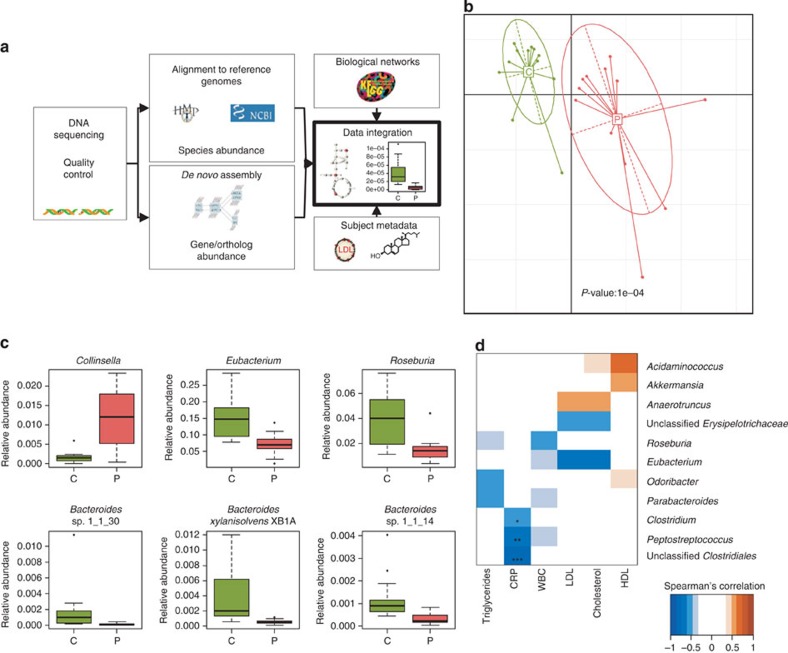
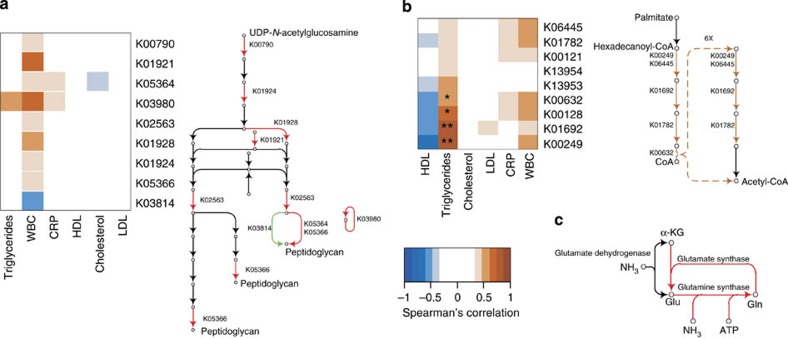
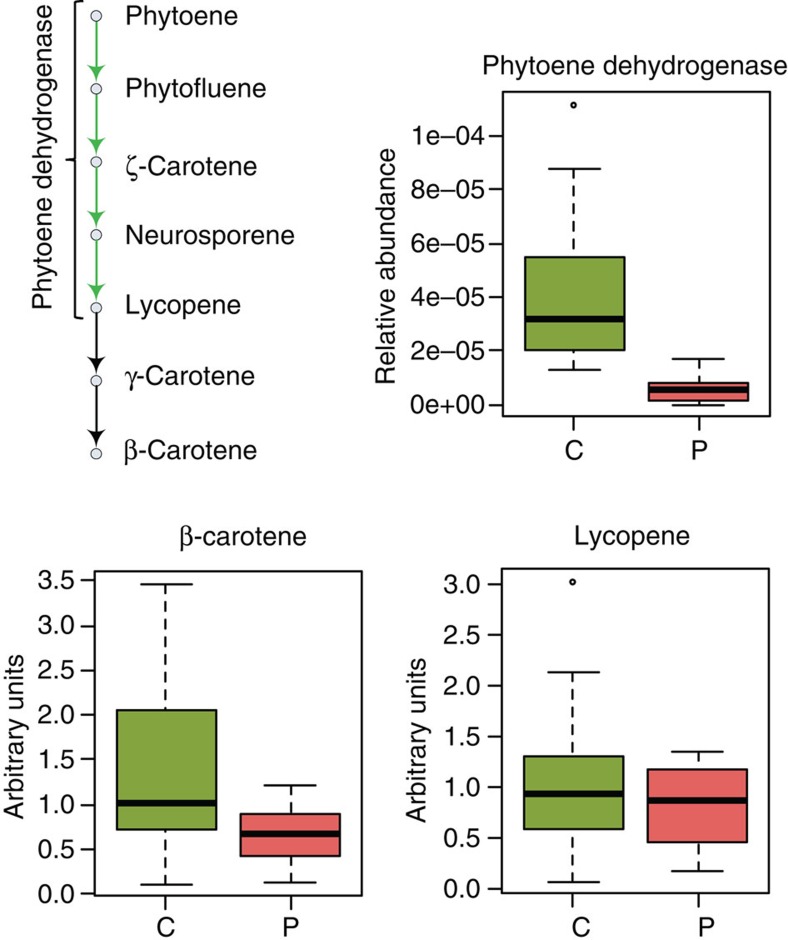
Recent findings have implicated the gut microbiota as a contributor of metabolic diseases through the modulation of host metabolism and inflammation. Atherosclerosis is associated with lipid accumulation and inflammation in the arterial wall, and bacteria have been suggested as a causative agent of this disease. Here we use shotgun sequencing of the gut metagenome to demonstrate that the genus Collinsella was enriched in patients with symptomatic atherosclerosis, defined as stenotic atherosclerotic plaques in the carotid artery leading to cerebrovascular events, whereas Roseburia and Eubacterium were enriched in healthy controls. Further characterization of the functional capacity of the metagenomes revealed that patient gut metagenomes were enriched in genes encoding peptidoglycan synthesis and depleted in phytoene dehydrogenase; patients also had reduced serum levels of β-carotene. Our findings suggest that the gut metagenome is associated with the inflammatory status of the host and patients with symptomatic atherosclerosis harbor characteristic changes in the gut metagenome. The gut microbiota has emerged as an environmental factor that can influence the development of obesity and diabetes. Here, Karlsson et al. report compositional and functional alterations of the gut metagenome in patients with symptomatic atherosclerosis.
Overview
The claims and statistics of this paper haven’t been checked yet.
Run the check — free, no account needed. It reads the open-access text and checks the sources it cites.
Integrity signals
Registry
Cites
Statistics
Figures
Verification
Claims the paper makes
The claims and statistics of this paper haven’t been checked yet.
Run the check — free, no account needed. It reads the open-access text and checks the sources it cites.
Claims other papers make about this one
Each is checked against this paper’s own text: does it say what the citing paper says it does?
In the citing paper
“Short chain fatty acids are produced by microbiota from dietary fibers, effect host body energy homeostasis, and are protective against metabolic syndrome, type 2 diabetes mellitus, and atherosclerosis.15,45–47”
From The Gut Microbiome Contributes to a Substantial Proportion of the Variation in Blood Lipids (2015) · cites this paper as [45]
In the citing paper
“Our results indicated increased abundances of bacteria exhibiting the potential to produce TMA (by about a factor of 2) in the patient group where the abundances of key genes of both pathways were elevated (median values of 0.39 and 0.11% (patient group) versus 0.22 and 0% (controls) for cutC and cntA, respectively, as a percentage of bacteria calculated to exhibit the genes) (Additional file 8).”
From Uncovering the trimethylamine-producing bacteria of the human gut microbiota (2017) · cites this paper as [12]
In the citing paper
“Reanalysis of the dataset provided by Karlsson and colleagues [12] indicated elevated abundances of potential TMA producers in atherosclerosis patients”
From Uncovering the trimethylamine-producing bacteria of the human gut microbiota (2017) · cites this paper as [12]
In the citing paper
“a metagenomic study suggested that symptomatic atherosclerosis was associated with an altered gut microbiome.8”
From Dysbiosis of gut microbiota with reduced trimethylamine-N-oxide level in patients with large-artery atherosclerotic stroke or transient ischemic attack (2015) · cites this paper as [8]
In the citing paper
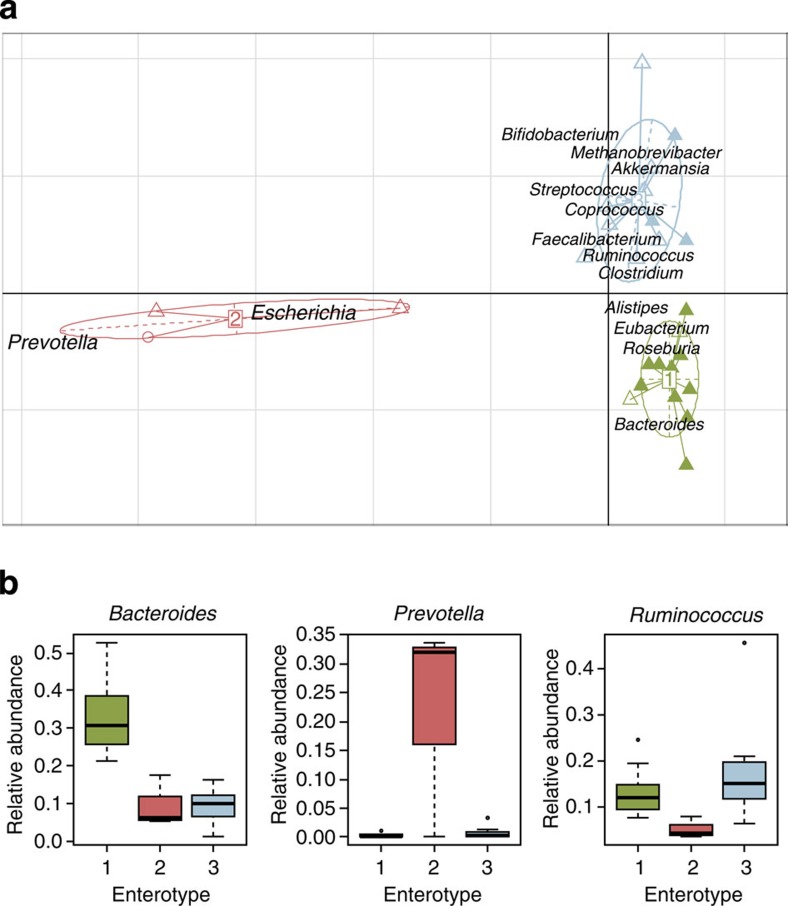
“Individuals classified as enterotype 3, which is characterized by low levels of Bacteroides, 8 have a higher incidence of symptomatic atherosclerosis.1,9”
From Bacteroides vulgatus and Bacteroides dorei Reduce Gut Microbial Lipopolysaccharide Production and Inhibit Atherosclerosis (2018) · cites this paper as [9]
In the citing paper
“Furthermore, diseases linked to dyslipidemia, such as non-alcoholic liver disease and atherosclerosis, are associated with changes in gut microbiota profile.”
From Dietary lipids, gut microbiota and lipid metabolism (2019) · cites this paper as [41]
In the citing paper
“By contrast, only a very small number of samples from patients with cardiovascular diseases have been analyzed10.”
From The gut microbiome in atherosclerotic cardiovascular disease (2017) · cites this paper as [10]
Self-check
Percentages, sums and reported differences re-computed from the paper’s own numbers.
The self-check needs the paper’s full text.
Citations
Cites
Controlling the False Discovery Rate: A Practical and Powerful Approach to Multiple Testing
Benjamini, Y., & Hochberg, Y. (1995) · Journal of the Royal Statistical Society Series B: Statistical Methodology · doi:10.1111/j.2517-6161.1995.tb02031.x · Cited by 109,482
MUSCLE: multiple sequence alignment with high accuracy and high throughput
Edgar, R. C. (2004) · Nucleic Acids Research · doi:10.1093/nar/gkh340 · Cited by 44,662
Ultrafast and memory-efficient alignment of short DNA sequences to the human genome.
Langmead, B., Trapnell, C., Pop, M., & Salzberg, S. L. (2009) · Genome Biology · doi:10.1186/gb-2009-10-3-r25 · Cited by 21,849
Search and clustering orders of magnitude faster than BLAST
Edgar, R. C. (2010) · Bioinformatics · doi:10.1093/bioinformatics/btq461 · Cited by 21,098
Structure, function and diversity of the healthy human microbiome
The Human Microbiome Project Consortium (2012) · Nature · doi:10.1038/nature11234 · Cited by 11,726
A human gut microbial gene catalogue established by metagenomic sequencing
MetaHIT Consortium, Qin, J., Li, R., Raes, J., Arumugam, M., Burgdorf, K. S., Manichanh, C., Nielsen, T., Pons, N., Levenez, F., et al. (2010) · Nature · doi:10.1038/nature08821 · Cited by 11,624
Velvet: Algorithms for de novo short read assembly using de Bruijn graphsPreprint
Zerbino, D. R., & Birney, E. (2008) · Genome Research · doi:10.1101/gr.074492.107 · Cited by 9,587
Human gut microbes associated with obesity
Ley, R. E., Turnbaugh, P. J., Klein, S., & Gordon, J. I. (2006) · Nature · doi:10.1038/4441022a · Cited by 8,785
Inflammation, Atherosclerosis, and Coronary Artery Disease
Hansson, G. K. (2005) · New England Journal of Medicine · doi:10.1056/nejmra043430 · Cited by 8,773
A core gut microbiome in obese and lean twins
Turnbaugh, P. J., Hamady, M., Yatsunenko, T., Cantarel, B. L., Duncan, A., Ley, R. E., Sogin, M. L., Jones, W. J., Roe, B. A., Affourtit, J. P., et al. (2009) · Nature · doi:10.1038/nature07540 · Cited by 7,823
Cited by
Sorted by citations
The gut microbiota--masters of host development and physiology
Sommer, F., & Bäckhed, F. (2013) · Nature Reviews Microbiology · doi:10.1038/nrmicro2974 · Cited by 3,681
Self-citationThe Human Intestinal Microbiome in Health and Disease
Lynch, S. V., & Pedersen, O. (2016) · New England Journal of Medicine · doi:10.1056/nejmra1600266 · Cited by 3,637
Gut metagenome in European women with normal, impaired and diabetic glucose control
Karlsson, F. H., Tremaroli, V., Nookaew, I., Bergström, G., Behre, C. J., Fagerberg, B., Nielsen, J., & Bäckhed, F. (2013) · Nature · doi:10.1038/nature12198 · Cited by 3,115
Self-citationRole of the normal gut microbiota
Jandhyala, S. M. (2015) · World Journal of Gastroenterology · doi:10.3748/wjg.v21.i29.8787 · Cited by 3,001
Alterations of the human gut microbiome in liver cirrhosis
Qin, N., Yang, F., Li, A., Prifti, E., Chen, Y., Shao, L., Guo, J., Le Chatelier, E., Yao, J., Wu, L., et al. (2014) · Nature · doi:10.1038/nature13568 · Cited by 2,177
Gut microbiota dysbiosis contributes to the development of hypertension
Li, J., Zhao, F., Wang, Y., Chen, J., Tao, J., Tian, G., Wu, S., Liu, W., Cui, Q., Geng, B., et al. (2017) · Microbiome · doi:10.1186/s40168-016-0222-x · Cited by 1,685
The abundance and variety of carbohydrate-active enzymes in the human gut microbiota
Kaoutari, A. E., Armougom, F., Gordon, J. I., Raoult, D., & Henrissat, B. (2013) · Nature Reviews Microbiology · doi:10.1038/nrmicro3050 · Cited by 1,683
The gut microbiome in atherosclerotic cardiovascular disease
Jie, Z., Xia, H., Zhong, S.-L., Feng, Q., Li, S., Liang, S., Zhong, H., Liu, Z., Gao, Y., Zhao, H., et al. (2017) · Nature Communications · doi:10.1038/s41467-017-00900-1 · Cited by 1,638
Gut microbiota in cardiovascular health and disease
Tang, W. H. W., Kitai, T., & Hazen, S. L. (2017) · Circulation Research · doi:10.1161/circresaha.117.309715 · Cited by 1,670
“the microbiome to produce proinflammatory peptidoglycans and reduced production of anti-inflammatory carotenes.(4) The”
SCFA: mechanisms and functional importance in the gut
Martin‐Gallausiaux, C., Marinelli, L., Blottière, H. M., Larraufie, P., & Lapaque, N. (2020) · Proceedings of The Nutrition Society · doi:10.1017/s0029665120006916 · Cited by 1,585
Enterotypes in the landscape of gut microbial community composition
Costea, P. I., Hildebrand, F., Arumugam, M., Bäckhed, F., Blaser, M. J., Bushman, F. D., de Vos, W. M., Ehrlich, S. D., Fraser, C. M., Hattori, M., et al. (2017) · Nature Microbiology · doi:10.1038/s41564-017-0072-8 · Cited by 1,138
Self-citationDietary lipids, gut microbiota and lipid metabolism
Schoeler, M., & Caesar, R. (2019) · Reviews in Endocrine and Metabolic Disorders · doi:10.1007/s11154-019-09512-0 · Cited by 1,163
“Functionally, the gut microbiome of patients had increased capacity for peptidoglycan synthesis, which might contribute to the chronic inflammation in the atherosclerotic arterial walls [41].”
Pathophysiology of Atherosclerosis
Jebari‐Benslaiman, S., Galicia-García, U., Larrea, A., Olaetxea, J. R., Alloza, I., Vandenbroeck, K., Benito‐Vicente, A., & Martı́n, C. (2022) · International Journal of Molecular Sciences · doi:10.3390/ijms23063346 · Cited by 1,166
“The presence of microorganisms in the atheroma plaque is well established, and some studies have shown that the abundance of certain phyla could correlate with plaque stability and overall inflammation [346,347].”
Ghosh, T. S., Rampelli, S., Jeffery, I. B., Santoro, A., Neto, M., Capri, M., Giampieri, E., Jennings, A., Candela, M., Turroni, S., et al. (2020) · Gut · doi:10.1136/gutjnl-2019-319654 · Cited by 991
“…scores showed increasing positive correlations with fibre, vitamin C, vitamin D, plant proteins and carbohydrates and increasing negative associations with the components alcohol, fats and sugar whose consumption was decreased during the MedDiet change 35 (see online supplementary figure 12).”
Commensal bacteria at the interface of host metabolism and the immune system
Brestoff, J. R., & Artis, D. (2013) · Nature Immunology · doi:10.1038/ni.2640 · Cited by 945
Human Gut Microbiota Changes Reveal the Progression of Glucose Intolerance
Zhang, X., Shen, D., Fang, Z., Jie, Z., Qiu, X., Zhang, C., Chen, Y., & Ji, L. (2013) · PLoS ONE · doi:10.1371/journal.pone.0071108 · Cited by 946
“Interestingly, a higher abundance of genus Collinsella in T2DM compared with NGT and pre-DM was detected, and it has been reported that this genus shows a positive correlation with serum cholesterol, and is also enriched in patients with symptomatic atherosclerosis [31,32].”
Short-Chain Fatty Acid Propionate Protects From Hypertensive Cardiovascular Damage
Bartolomaeus, H., Balogh, A., Yakoub, M., Homann, S., Markó, L., Höges, S., Tsvetkov, D., Krannich, A., Wundersitz, S., Avery, E. G., et al. (2019) · Circulation · doi:10.1161/circulationaha.118.036652 · Cited by 840
The Gut Microbiome Contributes to a Substantial Proportion of the Variation in Blood Lipids
Fu, J., Bonder, M. J., Cenit, M. C., Tigchelaar, E. F., Maatman, A., Dekens, J. A. M., Brandsma, E., Marczynska, J., Imhann, F., Weersma, R. K., et al. (2015) · Circulation Research · doi:10.1161/circresaha.115.306807 · Cited by 748
Microbiota Dysbiosis Controls the Neuroinflammatory Response after Stroke
Singh, V., Roth, S., Llovera, G., Sadler, R., Garzetti, D., Stecher, B., Dichgans, M., & Liesz, A. (2016) · Journal of Neuroscience · doi:10.1523/jneurosci.1114-16.2016 · Cited by 815
“These findings on poststroke dysbiosis are consistent with recent reports describing changes in intestinal microbiota composition in stroke patients (Karlsson et al., 2012; Swidsinski et al., 2012; Yin et al., 2015).”
Dietary metabolism, the gut microbiome, and heart failure
Tang, W. H. W., Li, D. Y., & Hazen, S. L. (2019) · Nature Reviews Cardiology · doi:10.1038/s41569-018-0108-7 · Cited by 789
Tremaroli, V., Karlsson, F., Werling, M., Ståhlman, M., Kovatcheva-Datchary, P., Olbers, T., Fändriks, L., le Roux, C. W., Nielsen, J., & Bäckhed, F. (2015) · Cell Metabolism · doi:10.1016/j.cmet.2015.07.009 · Cited by 757
“org) (Table S2) using methods from our MEDUSA platform (Karlsson et al., 2012; Karlsson et al., 2014).”
Self-citationTherapeutic Potential of Fecal Microbiota Transplantation
Smits, L. P., Bouter, K. E. C., de Vos, W. M., Borody, T. J., & Nieuwdorp, M. (2013) · Gastroenterology · doi:10.1053/j.gastro.2013.08.058 · Cited by 717
Roseburia Spp.: A Marker of Health?
Tamanai‐Shacoori, Z., Smida, I., Bousarghin, L., Loréal, O., Meuric, V., Fong, S. B., Bonnaure‐Mallet, M., & Jolivet‐Gougeon, A. (2017) · Future Microbiology · doi:10.2217/fmb-2016-0130 · Cited by 767
Mukherjee, A., Lordan, C., Ross, R. P., & Cotter, P. D. (2020) · Gut Microbes · doi:10.1080/19490976.2020.1802866 · Cited by 726
“are negatively associated with atherosclerotic cardiovascular disease (ACVD).(146,147,155) Deep analysis of gut metagenomes from atherosclerotic subjects show a depletion of butyrate producers such as Eubacterium spp.”
Food Components and Dietary Habits: Keys for a Healthy Gut Microbiota Composition
Rinninella, E., Cintoni, M., Raoul, P. C., Lopetuso, L. R., Scaldaferri, F., Pulcini, G., Miggiano, G. A. D., Gasbarrini, A., & Mele, M. C. (2019) · Nutrients · doi:10.3390/nu11102393 · Cited by 707
“[111] conducted a study to identify the association between alterations of the gut metagenome with atherosclerosis and suggested that high levels of beta-carotene in the serum of healthy controls could be due to the potential production of this anti-oxidant by the gut microbiota [111].”
Yin, J., Liao, S., He, Y., Wang, S., Xia, G., Liu, F., Zhu, J., You, C., Chen, Q., Zhou, L., et al. (2015) · Journal of the American Heart Association · doi:10.1161/jaha.115.002699 · Cited by 669
“In addition to the trimethylamine pathway, a metagenomic study suggested that symptomatic atherosclerosis was associated with an altered gut microbiome.(8) These results suggest potentially important roles for gut microbiota in cardio- and cerebrovascular diseases including stroke and transient ischemic attack (TIA);…”
Luczynski, P., McVey Neufeld, K.-A., Oriach, C. S., Clarke, G., Dinan, T. G., & Cryan, J. F. (2016) · International Journal of Neuropsychopharmacology · doi:10.1093/ijnp/pyw020 · Cited by 632
“Indeed, altered microbial profiles have been associated with numerous human illnesses, including cardiovascular disease (Koren et al., 2011; Howitt and Garrett, 2012; Karlsson et al., 2012; Tuohy et al., 2014; Hansen et al., 2015), irritable bowel syndrome (IBS) (Salonen et al.”
Role of gut microbiota in atherosclerosis
Jonsson, A. L., & Bäckhed, F. (2016) · Nature Reviews Cardiology · doi:10.1038/nrcardio.2016.183 · Cited by 662
Self-citationPathogenic mechanisms following ischemic stroke
Khoshnam, S. E., Winlow, W., Farzaneh, M., Farbood, Y., & Moghaddam, H. F. (2017) · Neurological Sciences · doi:10.1007/s10072-017-2938-1 · Cited by 636
Yoshida, N., Emoto, T., Yamashita, T., Watanabe, H., Hayashi, T., Tabata, T., Hoshi, N., Hatano, N., Ozawa, G., Sasaki, N., et al. (2018) · Circulation · doi:10.1161/circulationaha.118.033714 · Cited by 619
Diet-Microbiota Interactions Mediate Global Epigenetic Programming in Multiple Host Tissues
Krautkramer, K. A., Kreznar, J. H., Romano, K. A., Vivas, E. I., Barrett-Wilt, G. A., Rabaglia, M. E., Keller, M. P., Attie, A. D., Rey, F. E., & Denu, J. M. (2016) · Molecular Cell · doi:10.1016/j.molcel.2016.10.025 · Cited by 607
Gasaly, N., de Vos, P., & Hermoso, M. A. (2021) · Frontiers in Immunology · doi:10.3389/fimmu.2021.658354 · Cited by 611
“A rich saturated fat and simple carbohydrate diet, but low in DF, is associated with increased risk for obesity, diabetes, cardiovascular disease, and colorectal cancer, conditions having low-grade systemic inflammation (30, 31).”
Arimatsu, K., Yamada, H., Miyazawa, H., Minagawa, T., Nakajima, M., Ryder, M. I., Gotoh, K., Motooka, D., Nakamura, S., Iida, T., et al. (2014) · Scientific Reports · doi:10.1038/srep04828 · Cited by 573
Interactions between Roseburia intestinalis and diet modulate atherogenesis in a murine model
Kasahara, K., Krautkramer, K. A., Org, E., Romano, K. A., Kerby, R. L., Vivas, E. I., Mehrabian, M., Denu, J. M., Bäckhed, F., Lusis, A. J., et al. (2018) · Nature Microbiology · doi:10.1038/s41564-018-0272-x · Cited by 546
Self-citationUncovering the trimethylamine-producing bacteria of the human gut microbiota
Rath, S., Heidrich, B., Pieper, D. H., & Vital, M. (2017) · Microbiome · doi:10.1186/s40168-017-0271-9 · Cited by 515
“In order to gain insights into TMA-producing communities of atherosclerotic individuals, we reanalyzed metagenomes provided by Karlsson and colleagues [12], who specifically investigated the microbial composition of symptomatic atherosclerosis patients (n = 12) and compared them to healthy control samples (n = 13).”
Intestinal Microbiota in Cardiovascular Health and Disease
Tang, W. H. W., Bäckhed, F., Landmesser, U., & Hazen, S. L. (2019) · Journal of the American College of Cardiology · doi:10.1016/j.jacc.2019.03.024 · Cited by 524
“(145), 2012 12 MI/stroke Swedish patients vs.”
Self-citationRoseburia intestinalis: A Beneficial Gut Organism From the Discoveries in Genus and Species
Nie, K., Ma, K., Luo, W., Shen, Z., Yang, Z., Xiao, M., Tong, T., Yang, Y., & Wang, X. (2021) · Frontiers in Cellular and Infection Microbiology · doi:10.3389/fcimb.2021.757718 · Cited by 515
Statin therapy is associated with lower prevalence of gut microbiota dysbiosis
Vieira‐Silva, S., Falony, G., Belda, E., Nielsen, T., Aron‐Wisnewsky, J., Chakaroun, R., Forslund, S. K., Assmann, K. E., Valles‐Colomer, M., Nguyen, T. T. D., et al. (2020) · Nature · doi:10.1038/s41586-020-2269-x · Cited by 509
Self-citationInfluence of high-fat diet on gut microbiota
Murphy, E. A., Velázquez, K. T., & Herbert, K. (2015) · Current Opinion in Clinical Nutrition & Metabolic Care · doi:10.1097/mco.0000000000000209 · Cited by 510
Calder, P. C., Bosco, N., Bourdet‐Sicard, R., Capuron, L., Delzenne, N. M., Dore, J. M., Franceschi, C., Lehtinen, M. J., Recker, T., Salvioli, S., et al. (2017) · Ageing Research Reviews · doi:10.1016/j.arr.2017.09.001 · Cited by 524
“…Sobhani et al., 2011), irritable bowel syndrome (Carroll et al., 2012; Chassard et al., 2012; Rajilic-Stojanovic et al., 2011), non-alcoholic fatty liver disease (Henao- Mejia et al., 2012; Machado and Cortez-Pinto, 2012) and cardiovascular disorders (Karlsson et al., 2012; Lam et al., 2012).”
Colonic Butyrate-Producing Communities in Humans: an Overview Using Omics Data
Vital, M., Karch, A., & Pieper, D. H. (2017) · mSystems · doi:10.1128/msystems.00130-17 · Cited by 502
Ohira, H., Tsutsui, W., & Fujioka, Y. (2017) · Journal of Atherosclerosis and Thrombosis · doi:10.5551/jat.rv17006 · Cited by 492
An Extensive Evaluation of Read Trimming Effects on Illumina NGS Data Analysis
Fabbro, C. D., Scalabrin, S., Morgante, M., & Giorgi, F. M. (2013) · PLoS ONE · doi:10.1371/journal.pone.0085024 · Cited by 478
“Trimming has been broadly adopted in most recent NGS studies, specifically prior to genome assembly [23], transcriptome assembly [24], metagenome reconstruction [25], RNA-Seq [26,27], epigenetic studies [7] and comparative genomics [28].”
Inflammation and cardiovascular disease: From mechanisms to therapeutics
Alfaddagh, A., Martin, S. S., Leucker, T. M., Michos, E. D., Blaha, M. J., Lowenstein, C. J., Jones, S. R., & Toth, P. P. (2020) · American Journal of Preventive Cardiology · doi:10.1016/j.ajpc.2020.100130 · Cited by 473
“A study comparing patients with symptomatic CAD to healthy controls found a negative correlation between bacterial genetic markers associated with the production of butyrate in the gut and blood hsCRP levels in humans [222].”
Assessing the Human Gut Microbiota in Metabolic Diseases
Karlsson, F. H., Tremaroli, V., Nielsen, J., & Bäckhed, F. (2013) · Diabetes · doi:10.2337/db13-0844 · Cited by 468
“We recently demonstrated that patients who had experienced an atherosclerotic event had higher levels of Collinsella and lower levels of Eubacterium and Roseburia in their gut microbiota than healthy control subjects (46).”
InfluentialSelf-citationMicrobial modulation of cardiovascular disease
Brown, J. M., & Hazen, S. L. (2018) · Nature Reviews Microbiology · doi:10.1038/nrmicro.2017.149 · Cited by 440
The Gastrointestinal Microbiome: Alcohol Effects on the Composition of Intestinal Microbiota
Engen, P. A. (2015) · Alcohol research · doi:10.35946/arcr.v37.2.07 · Cited by 451
“In particular, GIT microbiota analyses of disease states and obesity have found widespread application (Greenblum et al. 2012; Karlsson et al. 2012, 2013; Manichanh et al. 2006; Qin et al. 2012).”
Sato, J., Kanazawa, A., Ikeda, F., Yoshihara, T., Goto, H., Abe, H., Komiya, K., Kawaguchi, M., Shimizu, T., Ogihara, T., et al. (2014) · Diabetes Care · doi:10.2337/dc13-2817 · Cited by 441
Metagenome-wide association studies: fine-mining the microbiome
Wang, J., & Jia, H. (2016) · Nature Reviews Microbiology · doi:10.1038/nrmicro.2016.83 · Cited by 429
The progress of gut microbiome research related to brain disorders
Zhu, S., Jiang, Y., Xu, K., Cui, M., Ye, W., Zhao, G., Jin, L., & Chen, X. (2020) · Journal of Neuroinflammation · doi:10.1186/s12974-020-1705-z · Cited by 419
“pylori cells [232]; Collinsella [233]; Roseburia and Eubacterium [233] Carnitine-butyrobetainetrimethylamine-N-oxide pathway [235]; cause vascular atherosclerosis by affecting lipid and hormonal homeostasis [82, 222]; formation of foam cell by inflammation [236, 237] L.”
InfluentialRole of the gut microbiota in type 2 diabetes and related diseases
Yang, G., Wei, J., Liu, P., Zhang, Q., Tian, Y., Hou, G., Meng, L., Xin, Y., & Jiang, X. (2021) · Metabolism · doi:10.1016/j.metabol.2021.154712 · Cited by 418
Gut Microbiota and Complications of Type-2 Diabetes
Iatcu, O. C., Steen, A., & Covașă, M. (2021) · Nutrients · doi:10.3390/nu14010166 · Cited by 448
“For example, patients with coronary artery disease showed increases in Collinsella bacteria [94], mature lactobacilli [110], EscherichiaShigella [111], Enterococcus [111] and the ratio of Firmicutes to Bacteroides [112].”
Fecal Microbiota Transplantation in Neurological Disorders
Vendrik, K. E. W., Ooijevaar, R. E., de Jong, P. R. C., Laman, J. D., van Oosten, B. W., van Hilten, J. J., Ducarmon, Q. R., Keller, J. J., Kuijper, E. J., & Contarino, M. F. (2020) · Frontiers in Cellular and Infection Microbiology · doi:10.3389/fcimb.2020.00098 · Cited by 413
“, 2018), cerebral infarction (Karlsson et al., 2012; Yin et al., 2015), spinal cord injury (Gungor et al.”
Elevated circulating levels of succinate in human obesity are linked to specific gut microbiota
Serena, C., Ceperuelo‐Mallafré, V., Keiran, N., Queipo‐Ortuño, M. I., Bernal, R., Gómez-Huelgas, R., Urpí-Sardà, M., Sabater, M., Pérez‐Brocal, V., Andrés‐Lacueva, C., et al. (2018) · The ISME Journal · doi:10.1038/s41396-018-0068-2 · Cited by 415
“decrease in clinical parameters associated with CVD risk [65, 66].”
Trøseid, M., Andersen, G. Ø., Broch, K., & Hov, J. R. (2020) · EBioMedicine · doi:10.1016/j.ebiom.2020.102649 · Cited by 416
“reporting decreased relative abundance of Roseburia and Eubacterium, known producers of butyrate [18].”
InfluentialGut Microbiota in Hypertension and Atherosclerosis: A Review
Verhaar, B. J. H., Prodan, A., Nieuwdorp, M., & Muller, M. (2020) · Nutrients · doi:10.3390/nu12102982 · Cited by 425
Application of metagenomics in the human gut microbiome
Wang, W., Xu, S., Ren, Z., Tao, L., Jiang, J., & Zheng, S. (2015) · World Journal of Gastroenterology · doi:10.3748/wjg.v21.i3.803 · Cited by 419
The effect of antibiotics on the composition of the intestinal microbiota—a systematic review
Zimmermann, P., & Curtis, N. (2019) · Journal of Infection · doi:10.1016/j.jinf.2019.10.008 · Cited by 383
Gut microbiota and cardiovascular disease: opportunities and challenges
Kazemian, N., Mahmoudi, M., Halperin, F. A., Wu, J. C., & Pakpour, S. (2020) · Microbiome · doi:10.1186/s40168-020-00821-0 · Cited by 404
The gut microbiota modulates host amino acid and glutathione metabolism in mice
Mardinoglu, A., Shoaie, S., Bergentall, M., Ghaffari, P., Zhang, C., Larsson, E., Bäckhed, F., & Nielsen, J. (2015) · Molecular Systems Biology · doi:10.15252/msb.20156487 · Cited by 383
Self-citationThe dormant blood microbiome in chronic, inflammatory diseases
Potgieter, M., Bester, J., Kell, D. B., & Pretorius, E. (2015) · FEMS Microbiology Reviews · doi:10.1093/femsre/fuv013 · Cited by 384
“…al. (2015) Sarcoidosis Almenoff et al. (1996) Systemic lupus erythematosus Hevia et al. (2014); Zhang et al. (2014a) Symptomatic atherosclerosis/stroke Karlsson et al. (2012) Type 1 diabetes Brown et al. (2012); Owen and Mohamadzadeh (2013); Petersen and Round (2014) Type 2 diabetes Larsen et…”
A Proinflammatory Gut Microbiota Increases Systemic Inflammation and Accelerates Atherosclerosis
Brandsma, E. T., Kloosterhuis, N., Koster, M. H., Dekker, D., Gijbels, M. J., van der Velden, S., Ríos-Morales, M., van Faassen, M. H. J. R., Loreti, M. G., de Bruin, A., et al. (2019) · Circulation Research · doi:10.1161/circresaha.118.313234 · Cited by 376
Gut-derived low-grade endotoxaemia, atherothrombosis and cardiovascular disease
Violi, F., Cammisotto, V., Bartimoccia, S., Pignatelli, P., Carnevale, R., & Nocella, C. (2022) · Nature Reviews Cardiology · doi:10.1038/s41569-022-00737-2 · Cited by 400
Alterations in the gut microbiome and metabolism with coronary artery disease severity
Liu, H., Chen, X., Hu, X., Niu, H., Tian, R., Wang, H., Pang, H., Jiang, L., Qiu, B., Chen, X., et al. (2019) · Microbiome · doi:10.1186/s40168-019-0683-9 · Cited by 378
The Gut Microbiota and Unhealthy Aging: Disentangling Cause from Consequence
DeJong, E. N., Surette, M. G., & Bowdish, D. M. E. (2020) · Cell Host & Microbe · doi:10.1016/j.chom.2020.07.013 · Cited by 370
Gut–organ axis: a microbial outreach and networking
Ahlawat, S., Asha, A., & Sharma, K. K. (2020) · Letters in Applied Microbiology · doi:10.1111/lam.13333 · Cited by 372
Probiotics in prevention and treatment of obesity: a critical view
Kobyliak, N. M., Conte, C., Cammarota, G., Haley, A. P., Štyriak, I., Gašpar, Ľ., Fusek, J., Rodrigo, L., & Kružliak, P. (2016) · Nutrition & Metabolism · doi:10.1186/s12986-016-0067-0 · Cited by 373
The gut microbiome, diet, and links to cardiometabolic and chronic disorders
Aron‐Wisnewsky, J., & Clément, K. (2015) · Nature Reviews Nephrology · doi:10.1038/nrneph.2015.191 · Cited by 338
The Role of the Immune System in Metabolic Health and Disease
Zmora, N., Bashiardes, S., Levy, M., & Elinav, E. (2017) · Cell Metabolism · doi:10.1016/j.cmet.2017.02.006 · Cited by 323
Fecal microbiota transplantation in metabolic syndrome: History, present and future
de Groot, P. F., Frissen, M. N., de Clercq, N. C., & Nieuwdorp, M. (2017) · Gut Microbes · doi:10.1080/19490976.2017.1293224 · Cited by 336
“found in 2012 that atherosclerosis is associated with a different gut metagenome.(81) One mechanism of microbiota-mediated atherosclerosis induction that has been elucidated is through L-carnitine and phosphatidylcholine (from red meat, cheese and eggs).”
Emoto, T., Yamashita, T., Sasaki, N., Hirota, Y., Hayashi, T., So, A., Kasahara, K., Yodoi, K., Matsumoto, T., Mizoguchi, T., et al. (2016) · Journal of Atherosclerosis and Thrombosis · doi:10.5551/jat.32672 · Cited by 315
Yamashiro, K., Tanaka, R., Urabe, T., Ueno, Y., Yamashiro, Y., Nomoto, K., Takahashi, T., Tsuji, H., Asahara, T., & Hattori, N. (2017) · PLoS ONE · doi:10.1371/journal.pone.0171521 · Cited by 321
Heart Failure is Associated with Depletion of Core Intestinal Microbiota
Luedde, M., Winkler, T., Heinsen, F., Rühlemann, M. C., Spehlmann, M. E., Bajrovic, A., Lieb, W., Franke, A., Ott, S. J., & Frey, N. (2017) · ESC Heart Failure · doi:10.1002/ehf2.12155 · Cited by 317
“It is conceivable that depletion of these genera contributes to HF pathogenesis, as recent findings from other inflammatory diseases suggest: For example, Collinsella bacteria have been reported to be associated with systemic atherosclerosis and type 2 diabetes mellitus (T2DM).(34,35) Interestingly, this genus seems t…”
Mining the microbiota for microbial and metabolite-based immunotherapies
Skelly, A. N., Sato, Y., Kearney, S., & Honda, K. (2019) · Nature Reviews Immunology · doi:10.1038/s41577-019-0144-5 · Cited by 306
Specific gut microbiota features and metabolic markers in postmenopausal women with obesity
Brahe, L. K., Chatelier, E. L., Prifti, E., Pons, N., Kennedy, S., Hansen, T. F., Pedersen, O. B., Astrup, A. V., Ehrlich, S. D., & Larsen, L. H. (2015) · Nutrition and Diabetes · doi:10.1038/nutd.2015.9 · Cited by 307
The gut microbiota and metabolic disease: current understanding and future perspectives
Arora, T., & Bäckhed, F. (2016) · Journal of Internal Medicine · doi:10.1111/joim.12508 · Cited by 312
Self-citationVázquez-Castellanos, J. F., Villar, S. S., Latorre, A., Artacho, A., Ferrús, M. L., Madrid, N., Vallejo, A., Sainz, T., Martı́nez-Botas, J., Ferrando‐Martínez, S., et al. (2014) · Mucosal Immunology · doi:10.1038/mi.2014.107 · Cited by 307
“In other gut microbiota-associated diseases and in silico predictions of the HIV microbiota, an increase in antioxidant pathways such as riboflavin, glutathione, and glutaminemetabolismhas been described and interpreted as the bacterial compensatory mechanism that attenuates the oxidative stress caused by epithelial d…”
Zhou, X., Li, J., Guo, J., Geng, B., Ji, W., Zhao, Q., Li, J., Liu, X., Liu, J., Guo, Z.-Z., et al. (2018) · Microbiome · doi:10.1186/s40168-018-0441-4 · Cited by 314
Composition Diversity and Abundance of Gut Microbiome in Prediabetes and Type 2 Diabetes
Shah, V. O., Lambeth, S. M., Carson, T., Lowe, J. R., Ramaraj, T., Leff, J. W., Luo, L., & Bell, C. J. (2015) · Journal of Diabetes and Obesity · doi:10.15436/2376-0949.15.031 · Cited by 294
“The increase in Collinsella in T2DM was a similar finding in[18], and has been associated with symptomatic atherosclerosis in other studies[32].”
Human gut microbiota community structures in urban and rural populations in Russia
Tyakht, A., Kostryukova, E., Popenko, A., Belenikin, M. S., Pavlenko, A. V., Larin, A. K., Karpova, I. Y., Selezneva, O. V., Semashko, T. A., Ospanova, E. A., et al. (2013) · Nature Communications · doi:10.1038/ncomms3469 · Cited by 290
Microbiome and metabolome features of the cardiometabolic disease spectrum
Fromentin, S., Forslund, S. K., Chechi, K., Aron‐Wisnewsky, J., Chakaroun, R., Nielsen, T., Tremaroli, V., Ji, B., Prifti, E., Myridakis, A., et al. (2022) · Nature Medicine · doi:10.1038/s41591-022-01688-4 · Cited by 281
Self-citationvan den Munckhof, I., Kurilshikov, A., ter Horst, R., Riksen, N. P., Joosten, L. A. B., Zhernakova, A., Fu, J., Keating, S. T., Netea, M. G., Graaf, J. D., et al. (2018) · Obesity Reviews · doi:10.1111/obr.12750 · Cited by 281
Microbial impact on cholesterol and bile acid metabolism: current status and future prospects
Kriaa, A., Bourgin, M., Potiron, A., Mkaouar, H., Jablaoui, A., Gérard, P., Maguin, E., & Rhimi, M. (2019) · Journal of Lipid Research · doi:10.1194/jlr.r088989 · Cited by 264
The gut microbiota: A treasure for human health
Li, D., Wang, P., Wang, P., Hu, X., & Chen, F. (2016) · Biotechnology Advances · doi:10.1016/j.biotechadv.2016.08.003 · Cited by 271
“At the functional level, the gutmicrobiome of atherosclerosis patients were enriched in genes associated with peptidoglycan biosynthesis, whereas phytoene dehydrogenase genes were enriched in healthy subjects (Karlsson et al., 2012).”
Understanding the interactions between bacteria in the human gut through metabolic modeling
Shoaie, S., Karlsson, F. H., Mardinoğlu, A., Nookaew, I., Bordel, S., & Nielsen, J. (2013) · Scientific Reports · doi:10.1038/srep02532 · Cited by 269
Self-citationModulation of gut microbiota dysbioses in type 2 diabetic patients by macrobiotic Ma-Pi 2 diet
Candela, M., Biagi, E., Soverini, M., Consolandi, C., Quercia, S., Severgnini, M., Peano, C., Turroni, S., Rampelli, S., Pozzilli, P., et al. (2016) · British Journal Of Nutrition · doi:10.1017/s0007114516001045 · Cited by 260
Aging progression of human gut microbiota
Xu, C., Zhu, H., & Qiu, P. (2019) · BMC Microbiology · doi:10.1186/s12866-019-1616-2 · Cited by 258
Gao, R., Zhu, C., Li, H., Yin, M., Pan, C., Huang, L., Kong, C., Wang, X., Zhang, Y., Qu, S., et al. (2017) · Obesity · doi:10.1002/oby.22088 · Cited by 268
“Several studies have suggested that the gut microbiota can contribute to obesity and related metabolic diseases, such as type 2 diabetes, liver disease, and atherosclerosis (7,8,13,25-28).”
The Gut Microbiota (Microbiome) in Cardiovascular Disease and Its Therapeutic Regulation
Rahman, M. M., Islam, F., Harun-Or-Rashid, M., Mamun, A. A., Rahaman, M. S., Islam, M. M., Meem, A. F. K., Sutradhar, P. R., Mitra, S., Mimi, A. A., et al. (2022) · Frontiers in Cellular and Infection Microbiology · doi:10.3389/fcimb.2022.903570 · Cited by 272
“Additionally, the toxic level of p-cresol sulfide has been demonstrated previously (Karlsson et al., 2012).”
InfluentialSmits, L. P., Kootte, R. S., Levin, E., Prodan, A., Fuentes, S., Zoetendal, E. G., Wang, Z., Levison, B. S., Cleophas, M. C. P., Kemper, E. M., et al. (2018) · Journal of the American Heart Association · doi:10.1161/jaha.117.008342 · Cited by 259
“The intestinal microbiota composition in patients with symptomatic CVD differs significantly from that in healthy controls.(1,2) Moreover, DNA from intestinal microbiota has been recovered from human atherosclerotic plaques, suggesting a potentially contributory role of gut microbiota to atherosclerosis.”
Nielsen, J. (2017) · Annual Review of Biochemistry · doi:10.1146/annurev-biochem-061516-044757 · Cited by 252
“Gut bacteria are involved in the biosynthesis of different vitamins that are important for overall metabolism of the host, but they also produce bioactive molecules such as β-carotene that can protect against atherosclerosis (175).”
Self-citationBohn, T., Desmarchelier, C., Dragsted, L. O., Nielsen, C. S., Stahl, W., Rühl, R., Keijer, J., & Borel, P. (2017) · Molecular Nutrition & Food Research · doi:10.1002/mnfr.201600685 · Cited by 259
“in diseased subjects [133], highlighting the potential role of the microbiota.”
Evolution, human-microbe interactions, and life history plasticity
Rook, G., Bäckhed, F., Levin, B. R., McFall-Ngai, M. J., & McLean, A. R. (2017) · The Lancet · doi:10.1016/s0140-6736(17)30566-4 · Cited by 246
“(93) However the complex interactions between the gut microbiota and diet are only just beginning to be unravelled and it is clear that microbiota contribute to metabolic diseases such as obesity, diabetes and CVD,(94-97) as well as to inflammatory diseases and behavioral effects.”
Self-citationMicrobiota-mediated inflammation and antimicrobial defense in the intestine
Caballero, S., & Pamer, E. G. (2015) · Annual Review of Immunology · doi:10.1146/annurev-immunol-032713-120238 · Cited by 238
“Positive correlations between gut microbes belonging to the genus Collinsella and atherosclerosis (197) and negative correlations between Lactobacillales and the development of graft-versus-host disease following allogeneic hematopoietic stem cell transplantation have been found and suggest that the impact of microbio…”
Zinkernagel, M. S., Zysset-Burri, D. C., Keller, I., Berger, L. E., Leichtle, A. B., Largiadèr, C. R., Fiedler, G. M., & Wolf, S. (2017) · Scientific Reports · doi:10.1038/srep40826 · Cited by 229
The role of intestinal microbiota in cardiovascular disease
Jin, M., Qian, Z., Yin, J., Xu, W., & Zhou, X. (2019) · Journal of Cellular and Molecular Medicine · doi:10.1111/jcmm.14195 · Cited by 246
HIV and antiretroviral therapy-related fat alterations
Koethe, J. R., Lagathu, C., Lake, J. E., Domingo, P., Calmy, A., Falutz, J., Brown, T. T., & Capeau, J. (2020) · Nature Reviews Disease Primers · doi:10.1038/s41572-020-0181-1 · Cited by 234
Liu, Y., & Dai, M. (2020) · Mediators of Inflammation · doi:10.1155/2020/4634172 · Cited by 235
Martínez-del Campo, A., Bodea, S., Hamer, H. A., Marks, J. A., Haiser, H. J., Turnbaugh, P. J., & Balskus, E. P. (2015) · mBio · doi:10.1128/mbio.00042-15 · Cited by 224
“Indeed, attempts to identify TMA-generating microbes by correlating either disease phenotypes or metabolite levels with changes in gut community composition have been unsuccessful (18, 57).”
The Role of Gut Microbiota in Atherosclerosis and Hypertension
Ma, J., & Li, H. (2018) · Frontiers in Pharmacology · doi:10.3389/fphar.2018.01082 · Cited by 234
Metadata
- Authors
- Karlsson, F. H., Fåk, F., Nookaew, I., Tremaroli, V., Fagerberg, B., Petranovic, D., Bäckhed, F., & Nielsen, J.
- Affiliations
- Chalmers University of Technology (SE)
- University of Gothenburg (SE)
- Corresponding author
- Bäckhed, Fredrik
- Nielsen, Jens
- ORCID
- Venue
- Nature Communications
- Published
- 2012-12-04
- Volume
- 3
- Issue
- 1
- Pages
- 1245-1245
- ISSN
- 2041-1723 (ISSN-L)
- PMC
- PMC3538954
- OpenAlex
- W2163940893
- Semantic Scholar
- fa78fbe4819f11f57f8abcdc9460b2aceded402d
- Cited by
- 1,371
- References
- 48
- Citations by year
- 2026: 83 · 2025: 138 · 2024: 139 · 2023: 137 · 2022: 160 · 2021: 143 · 2020: 126 · 2019: 98 · 2018: 97 · 2017: 73 · 2016: 51 · 2015: 59 · 2014: 37 · 2013: 29
- FWCI
- 16.08
- Type
- journal article
- Language
- en
- Open access
- hybrid
- doi.org
- Licence
- cc-by-nc-nd
- www.springer.com/tdm (unspecified)
- Locations
- Nature Communications (publishedVersion, cc-by-nc-nd)
- PubMed Central (publishedVersion, cc-by-nc-nd)
- PubMed (publishedVersion)
- RePEc: Research Papers in Economics (submittedVersion)
- Lund University Publications (Lund University) (submittedVersion)
- Chalmers Publication Library (Chalmers University of Technology) (submittedVersion)
- Chalmers Research (Chalmers University of Technology) (submittedVersion)
- Funders
- Stiftelsen för Strategisk Forskning
- Knut och Alice Wallenbergs Stiftelse
- Vetenskapsrådet
- Sahlgrenska Universitetssjukhuset
- Göteborgs Universitet
- Fondation Chalmers
- Topics
- Life Sciences › Biochemistry, Genetics and Molecular Biology › Molecular Biology › Gut microbiota and health
- Health Sciences › Dentistry › Periodontics › Oral microbiology and periodontitis research
- Health Sciences › Medicine › Public Health, Environmental and Occupational Health › Nutritional Studies and Diet
- Keywords
- gut microbiota, gut metagenome, Collinsella, Roseburia, Eubacterium, carotid artery stenosis, cerebrovascular disease, peptidoglycan biosynthesis, phytoene desaturase, beta-carotene, inflammation, lipid accumulation
- MeSH terms
- Aged, Eubacterium, Female, Humans, Inflammation, Male, Oxidoreductases, Peptidoglycan, Case-Control Studies, beta Carotene, Actinobacteria, Gastrointestinal Tract, Atherosclerosis, Metagenome
About these checks
Registry, retraction, Cites and statistics results are computed, not judged, with one exception: a printed reference that no index lists is read once by a model before it counts as a citation error. Claims are extracted by a model and kept only when their quote appears verbatim in the text; each cited source is then checked, with a model’s help, for whether it says what the claim relies on. Those verdicts can be wrong — read the claim’s quote and the cited source before relying on one.
Statistics and arithmetic are recomputed, not judged.
Confidence bands are shown only for fields calibrated on our annotated test set. None is calibrated yet, so no band is shown.
What counts as a claim ›How we measure confidence ›How we check this ›
Are you an author, or do you see a problem with this page? Request a review
