

Does modulation of tau hyperphosphorylation represent a reasonable therapeutic strategy for Alzheimer’s disease? From preclinical studies to the clinical trials
Open accessThe DOI matches its Crossref record; 222 of the 222 references it cites were found in a registry or an index.
Abstract
Protein kinases (PKs) have emerged as one of the most intensively investigated drug targets in current pharmacological research, with indications ranging from oncology to neurodegeneration. Tau protein hyperphosphorylation was the first pathological post-translational modification of tau protein described in Alzheimer’s disease (AD), highlighting the role of PKs in neurodegeneration. The therapeutic potential of protein kinase inhibitors (PKIs)) and protein phosphatase 2 A (PP2A) activators in AD has recently been explored in several preclinical and clinical studies with variable outcomes. Where a number of preclinical studies demonstrate a visible reduction in the levels of phospho-tau in transgenic tauopathy models, no reduction in neurofibrillary lesions is observed. Amongst the few PKIs and PP2A activators that progressed to clinical trials, most failed on the efficacy front, with only a few still unconfirmed and potential positive trends. This suggests that robust preclinical and clinical data is needed to unequivocally evaluate their efficacy. To this end, we take a systematic look at the results of preclinical and clinical studies of PKIs and PP2A activators, and the evidence they provide regarding the utility of this approach to evaluate the potential of targeting tau hyperphosphorylation as a disease modifying therapy.
Overview
The claims and statistics of this paper haven’t been checked yet.
Free: it reads the open-access text and checks the first 5 claims that cite a source we can check. Create a free account to check every claim.
Integrity signals
Registry
Cites
Statistics
Figures
Verification
Claims the paper makes
The claims and statistics of this paper haven’t been checked yet.
Free: it reads the open-access text and checks the first 5 claims that cite a source we can check. Create a free account to check every claim.
Claims other papers make about this one
Each is checked against this paper’s own text: does it say what the citing paper says it does?
The cited source says what the claim attributes to it.
In the citing paper
“Tideglusib (20), a non-ATP-competitive GSK-3β inhibitor, exhibits neuroprotective and anti-inflammatory properties.463”
From Recent advances in Alzheimer's disease: Mechanisms, clinical trials and new drug development strategies. (2024) · cites this paper as [463]
The check wasn’t confident either way, so it gives no verdict — never disputed.
In the citing paper
“Bepranemab is a humanised IgG4 monoclonal antibody that binds to the central region of the tau protein”
From Role of Tau Protein in Neurodegenerative Diseases and Development of Its Targeted Drugs: A Literature Review (2024) · cites this paper as [202]
Experimental — accuracy not yet measuredIn the citing paper
“semorinemab is an IgG4 antibody that targets extracellular tau to limit inflammatory microglial activation.”
From Role of Tau Protein in Neurodegenerative Diseases and Development of Its Targeted Drugs: A Literature Review (2024) · cites this paper as [202]
Self-check
Percentages, sums and reported differences re-computed from the paper’s own numbers.
The self-check needs the paper’s full text.
Citations
Cites
1 retracted
Zaki, M. O., El-Desouky, S., Elsherbiny, D. A., Salama, M., & Azab, S. S. (2022) · Inflammopharmacology · doi:10.1007/s10787-022-01023-w · Cited by 12
RetractedNeuropathological stageing of Alzheimer-related changes.
Braak, H., & Braak, E. (1991) · Acta Neuropathologica · doi:10.1007/bf00308809 · Cited by 16,123
NIA‐AA Research Framework: Toward a biological definition of Alzheimer's disease
Jack, C. R., Bennett, D. A., Blennow, K., Carrillo, M. C., Dunn, B., Haeberlein, S. B., Holtzman, D. M., Jagust, W., Jessen, F., Karlawish, J., et al. (2018) · Alzheimer's & Dementia · doi:10.1016/j.jalz.2018.02.018 · Cited by 10,537
Amyloid oligomers exacerbate tau pathology in a mouse model of tauopathy
Selenica, M.-L. B., Brownlow, M., Jimenez, J. P., Lee, D. C., Pena, G., Dickey, C. A., Gordon, M. N., & Morgan, D. (2013) · Neurodegenerative Diseases · doi:10.1159/000337230 · Cited by 10,359
Triple-Transgenic Model of Alzheimer’s Disease with Plaques and Tangles
Oddo, S., Caccamo, A., Shepherd, J. D., Murphy, M. P., Golde, T. E., Kayed, R., Metherate, R., Mattson, M. P., Akbari, Y., & LaFerla, F. M. (2003) · Neuron · doi:10.1016/s0896-6273(03)00434-3 · Cited by 4,126 · cited 1×
“The commonly used triple mutant 3xTg-AD mouse model contains two mutations associated with familial AD, APP (KM670/671NL; Swedish), and PSEN1 (M146V), and one with fronto-temporal dementia (FTD), MAPT (P301L) [183].”
BackgroundGrundke-Iqbal, I., Iqbal, K., Tung, Y. C., Quinlan, M., Wisniewski, H. M., & Binder, L. I. (1986) · Proceedings of the National Academy of Sciences · doi:10.1073/pnas.83.13.4913 · Cited by 3,676
Self-citationNeurofibrillary tangles but not senile plaques parallel duration and severity of Alzheimer's disease
Arriagada, P. V., Growdon, J. H., Hedley-Whyte, E. T., & Hyman, B. T. (1992) · Neurology · doi:10.1212/wnl.42.3.631 · Cited by 2,668
Protein Misfolding, Amyloid Formation, and Human Disease: A Summary of Progress Over the Last Decade
Chiti, F., & Dobson, C. M. (2017) · Annual Review of Biochemistry · doi:10.1146/annurev-biochem-061516-045115 · Cited by 2,629 · cited 1×
“This creates conditions favourable for its unfolding, refolding, and misfolding into a tremendously large conformational ensemble that could potentially be capable of template-directed misfolding and aggregation [33, 34].”
BackgroundGoedert, M., Spillantini, M. G., Jakes, R., Rutherford, D., & Crowther, R. A. (1989) · Neuron · doi:10.1016/0896-6273(89)90210-9 · Cited by 2,492
Synapse Loss and Microglial Activation Precede Tangles in a P301S Tauopathy Mouse Model
Yoshiyama, Y., Higuchi, M., Zhang, B., Huang, S.-M., Iwata, N., Saido, T. C., Maeda, J., Suhara, T., Trojanowski, J. Q., & Lee, V. M.-Y. (2007) · Neuron · doi:10.1016/j.neuron.2007.01.010 · Cited by 2,208 · cited 2×
“It develops tangles in the neocortex, amygdala, hippocampus, brain stem and spinal cord at 6 months, with progressive accumulation thereafter [186].”
BackgroundInfluentialNelson, P. T., Alafuzoff, I., Bigio, E. H., Bouras, C., Braak, H., Cairns, N. J., Castellani, R. J., Crain, B. J., Davies, P., Tredici, K. D., et al. (2012) · Journal of Neuropathology & Experimental Neurology · doi:10.1097/nen.0b013e31825018f7 · Cited by 2,050 · cited 1×
“Remarkably, the density and stereotyped spatiotemporal distribution of this neuro fi brillary pathology consistently correlate with the degree of cognitive decline, memory impairment, and brain atrophy [8 – 13].”
BackgroundTau Suppression in a Neurodegenerative Mouse Model Improves Memory Function
SantaCruz, K., Lewis, J., Spires, T., Paulson, J., Kotilinek, L., Ingelsson, M., Guimaraes, A., DeTure, M., Ramsden, M., McGowan, E., et al. (2005) · Science · doi:10.1126/science.1113694 · Cited by 2,014 · cited 2×
“…neurons at 6 months [189], and hTau model develop aggregates and PHF detectable at 9 months [190] and rTG4510 accumulate an early burden of tau pathology in the form of argyrophilic inclusions, with tangles being observed in the cortex by 4 months and in the hippocampus by 5.5 months [187, 188].”
BackgroundInfluentialJanssens, V., & Goris, J. (2001) · Biochemical Journal · doi:10.1042/0264-6021:3530417 · Cited by 1,902 · cited 1×
“PP2A regulates numerous signalling pathways, playing an important role in development, cell proliferation and death, cell mobility, cytoskeleton dynamics, and the control of the cell cycle [152].”
BackgroundMicrotubule-associated protein tau. A component of Alzheimer paired helical filaments.
Grundke-Iqbal, I., Iqbal, K., Quinlan, M., Tung, Y. C., Zaidi, M. S., & Wisniewski, H. M. (1986) · Journal of Biological Chemistry · doi:10.1016/s0021-9258(17)38495-8 · Cited by 1,778
Self-citationMechanisms and functions of p38 MAPK signalling
Cuadrado, A., & Nebreda, A. R. (2010) · Biochemical Journal · doi:10.1042/bj20100323 · Cited by 1,676 · cited 1×
“In mammals, p38 MAPK is expressed as four isoforms: α , β , γ and δ [79], which differ in their expression patterns in neurons, astrocytes, microglia, and endothelial cells.”
BackgroundEnhanced neurofibrillary degeneration in transgenic mice expressing mutant tau and APP
Lewis, J., Dickson, D. W., Lin, W.-L., Chisholm, L., Corral, A., Jones, G., Yen, S.-H., Sahara, N., Skipper, L., Yager, D., et al. (2001) · Science · doi:10.1126/science.1058189 · Cited by 1,611
Limbic-predominant age-related TDP-43 encephalopathy (LATE): consensus working group report
Nelson, P. T., Dickson, D. W., Trojanowski, J. Q., Jack, C. R., Boyle, P. A., Arfanakis, K., Rademakers, R., Alafuzoff, I., Attems, J., Brayne, C., et al. (2019) · Brain · doi:10.1093/brain/awz099 · Cited by 1,547 · cited 1×
“The reasons are manifold — a part of decline is driven by various common comorbidities such as vascular, TDP43 [214], or alpha-synuclein pathology [215]; the cognitive performance of patients varies on a day-to-day basis [216]; the clinical assessment tools are not perfect [217]; the margin of…”
BackgroundSerine/threonine phosphatases: mechanism through structure
Shi, Y. (2009) · Cell · doi:10.1016/j.cell.2009.10.006 · Cited by 1,488 · cited 1×
“PP2A is one of the most abundant enzymes, accounting for up to 1% of total cellular protein mass [153].”
BackgroundA68: a Major Subunit of Paired Helical Filaments and Derivatized Forms of Normal Tau
Lee, V. M.-Y., Balin, B. J., Otvos, L., & Trojanowski, J. Q. (1991) · Science · doi:10.1126/science.1899488 · Cited by 1,418
Molecular cloning and expression of glycogen synthase kinase‐3/factor A.
Woodgett, J. R. (1990) · The EMBO Journal · doi:10.1002/j.1460-2075.1990.tb07419.x · Cited by 1,362 · cited 1×
“Expressed as two isoforms, α and β [60], it demonstrates an unusual preference for target substrates that are pre-phosphorylated or “ primed ” at Ser/Thr-XXX-Ser/Thr motifs.”
BackgroundPET Imaging of Tau Deposition in the Aging Human Brain
Schöll, M., Lockhart, S. N., Schonhaut, D. R., O’Neil, J. P., Janabi, M., Ossenkoppele, R., Baker, S. L., Vogel, J. W., Faria, J., Schwimmer, H. D., et al. (2016) · Neuron · doi:10.1016/j.neuron.2016.01.028 · Cited by 1,214
Neurotoxicity induces cleavage of p35 to p25 by calpain
Lee, M.-S., Kwon, Y. T., Li, M., Peng, J., Friedlander, R. M., & Tsai, L.-H. (2000) · Nature · doi:10.1038/35012636 · Cited by 1,063 · cited 1×
“This results in pathological tau hyperphosphorylation [75, 76].”
Dhavan, R., & Tsai, L.-H. (2001) · Nature Reviews Molecular Cell Biology · doi:10.1038/35096019 · Cited by 1,058 · cited 1×
“The expression is abundant in all tissue types, but its highest expression with associated kinase activities are primarily detected in the CNS [74].”
BackgroundBoyle, W. J., Smeal, T., Defize, L. H. K., Angel, P., Woodgett, J. R., Karin, M., & Hunter, T. (1991) · Cell · doi:10.1016/0092-8674(91)90241-p · Cited by 1,055 · cited 1×
“It regulates a wide array of molecular pathways, including glycogen synthesis, WNT signalling, transcriptional network maintenance, apoptosis, and axonal MT remodelling [53 – 59].”
BackgroundDrubin, D. G., & Nelson, W. J. (1996) · Cell · doi:10.1016/s0092-8674(00)81278-7 · Cited by 1,025
The MAP1 family of microtubule-associated proteins.
Dehmelt (2004) · Genome biology · doi:10.1186/gb-2004-6-1-204 · Cited by 972
Src family kinases, key regulators of signal transduction
Parsons, S. J., & Parsons, J. T. (2004) · Oncogene · doi:10.1038/sj.onc.1208160 · Cited by 936 · cited 1×
“…to the plasma membrane and cell junctions, with minor presence in nucleoplasm and cytoplasm where it interacts with different classes of cell receptors involved in signalling pathways that control immune response, cell adhesion, cell cycle progression, apoptosis, migration, and transformation [94].”
BackgroundStructure-based classification of tauopathies
Shi, Y., Zhang, W., Yang, Y., Murzin, A. G., Falcon, B., Kotecha, A., van Beers, M., Tarutani, A., Kametani, F., Garringer, H. J., et al. (2021) · Nature · doi:10.1038/s41586-021-03911-7 · Cited by 878
Tau and neurodegenerative disease: the story so far
Iqbal, K., Liu, F., & Gong, C.-X. (2016) · Nature Reviews Neurology · doi:10.1038/nrneurol.2015.225 · Cited by 806 · cited 1×
“Phosphorylation of tau is one of the most actively investigated PTMs, with signi fi cant impact on solubility, localization, function, interaction with other proteins and susceptibility to additional PTMs [35, 36].”
BackgroundSelf-citationKöpke, E., Tung, Y. C., Shaikh, S., Alonso, A. C., Iqbal, K., & Grundke-Iqbal, I. (1993) · Journal of Biological Chemistry · doi:10.1016/s0021-9258(20)80536-5 · Cited by 779
Self-citationLiu, F., Grundke‐Iqbal, I., Iqbal, K., & Gong, C. (2005) · European Journal of Neuroscience · doi:10.1111/j.1460-9568.2005.04391.x · Cited by 759 · cited 5×
“Among them, pThr205, pThr212, pSer262, and pSer409 are most conductive to PP2A activity [145].”
BackgroundInfluentialSelf-citationNuclear Export of NF-ATc Enhanced by Glycogen Synthase Kinase-3
Beals, C. R., Sheridan, C. M., Turck, C. W., Gardner, P., & Crabtree, G. R. (1997) · Science · doi:10.1126/science.275.5308.1930 · Cited by 754
Role of abnormally phosphorylated tau in the breakdown of microtubules in Alzheimer disease.
Alonso, A. C., Zaidi, T., Grundke-Iqbal, I., & Iqbal, K. (1994) · Proceedings of the National Academy of Sciences · doi:10.1073/pnas.91.12.5562 · Cited by 738 · cited 1×
“Further data also suggest phosphorylation to be suf fi cient for the induction of tau fi lament formation [41 – 43].”
BackgroundSelf-citationDEFECTIVE BRAIN MICROTUBULE ASSEMBLY IN ALZHEIMER'S DISEASE
Iqbal, K., Zaidi, T., Wen, G., Grundke-Iqbal, I., Merz, P., Shaikh, S., Wisniewski, H., Alafuzoff, I., & Winblad, B. (1986) · The Lancet · doi:10.1016/s0140-6736(86)92134-3 · Cited by 725
Self-citationHyperphosphorylation and aggregation of tau in mice expressing normal human tau isoforms
Andorfer, C., Kress, Y., Espinoza, M., De Silva, R., Tucker, K. L., Barde, Y., Duff, K., & Davies, P. (2003) · Journal of Neurochemistry · doi:10.1046/j.1471-4159.2003.01879.x · Cited by 722
Noble, W., Planel, E., Zehr, C., Olm, V., Meyerson, J., Suleman, F., Gaynor, K., Wang, L., LaFrancois, J., Feinstein, B., et al. (2005) · Proceedings of the National Academy of Sciences · doi:10.1073/pnas.0500466102 · Cited by 709
Ramsden, M., Kotilinek, L., Forster, C., Paulson, J., McGowan, E., SantaCruz, K., Guimaraes, A., Yue, M., Lewis, J., Carlson, G., et al. (2005) · The Journal of Neuroscience · doi:10.1523/jneurosci.3279-05.2005 · Cited by 702 · cited 2×
“The rTg4510 mice express mutant human MAPT (4 R/0 N; P301L) downstream of a tetracycline operon – responsive element (TRE), to an activator line expressing a tetracycline-controlled transactivator under control of the CaMKII α promoter [187].”
BackgroundInfluentialFrame, S., Cohen, P., & Biondi, R. M. (2001) · Molecular Cell · doi:10.1016/s1097-2765(01)00253-2 · Cited by 701
Kitazawa, M., Oddo, S., Yamasaki, T. R., Green, K. N., & LaFerla, F. M. (2005) · The Journal of Neuroscience · doi:10.1523/jneurosci.2868-05.2005 · Cited by 697
Alzheimer’s disease drug development pipeline: 2022
Cummings, J., Lee, G., Nahed, P., Kambar, M. E. Z. N., Zhong, K., Fonseca, J., & Taghva, K. (2022) · Alzheimer's & Dementia: Translational Research & Clinical Interventions · doi:10.1002/trc2.12295 · Cited by 665 · cited 1×
“In fact, of the above, solely NCT01055392 with its 24-months had a duration usual for studies of potentially disease-modifying compounds [219]; the 36-moth duration chosen for the most recent nilotinib trial is also appropriate for an early AD population.”
BackgroundCruz, J. C., Tseng, H.-C., Goldman, J. A., Shih, H., & Tsai, L.-H. (2003) · Neuron · doi:10.1016/s0896-6273(03)00627-5 · Cited by 609 · cited 1×
“Cdk5 is crucial for a number of cellular and developmental processes, including neuronal migration, synaptic plasticity, microtubule regulation, pain signalling, and apoptotic cell death in neuronal diseases [69 – 73].”
BackgroundRho kinase, a promising drug target for neurological disorders
Mueller, B. K., Mack, H., & Teusch, N. (2005) · Nature Reviews Drug Discovery · doi:10.1038/nrd1719 · Cited by 608
Ishihara, T., Hong, M., Zhang, B., Nakagawa, Y., Lee, M. K., Trojanowski, J. Q., & Lee, V. M.-Y. (1999) · Neuron · doi:10.1016/s0896-6273(00)81127-7 · Cited by 564 · cited 2×
“…vlw model manifests neuritic plaques [184], PrPT44 model develops tau-rich fi lamentous inclusions in cortical and brainstem neurons at 6 months [189], and hTau model develop aggregates and PHF detectable at 9 months [190] and rTG4510 accumulate an early burden of tau pathology in the form of…”
BackgroundMethodProline-directed and non-proline-directed phosphorylation of PHF-tau
Morishima-Kawashima, M., Hasegawa, M., Takio, K., Suzuki, M., Yoshida, H., Titani, K., & Ihara, Y. (1995) · Journal of Biological Chemistry · doi:10.1074/jbc.270.2.823 · Cited by 557 · cited 2×
“1) [38 – 40].”
BackgroundNuclear Receptor Rev-erbα Is a Critical Lithium-Sensitive Component of the Circadian Clock
Yin, L., Wang, J., Klein, P. S., & Lazar, M. A. (2006) · Science · doi:10.1126/science.1121613 · Cited by 556
Bhat, R., Xue, Y., Berg, S., Hellberg, S., Ormö, M., Nilsson, Y., Radesäter, A.-C., Jerning, E., Markgren, P.-O., Borgegård, T., et al. (2003) · Journal of Biological Chemistry · doi:10.1074/jbc.m306268200 · Cited by 552 · cited 1×
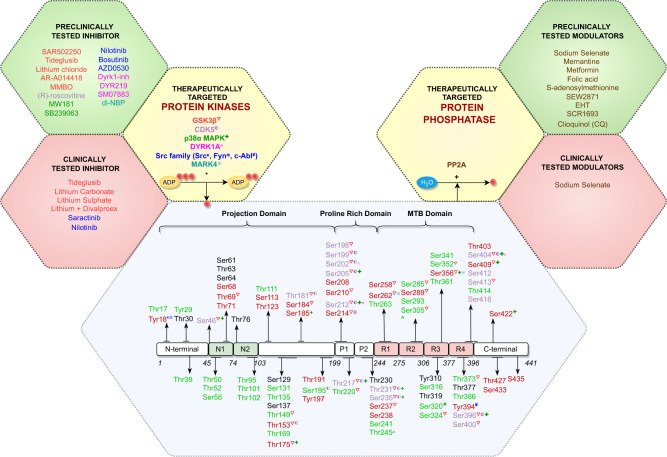
“The compounds including SAR502250 [132], AR-A014418 [133, 134], MMBO [135], (R)-rescovitine [136], MW181 [137], SB239063 [137], bosutinib [138], SM07883 [139], Dyrk1-inh [140], DYR219 [141], BAY61-3606 [142] and Fasudil [143] are yet to be tested at clinical front for AD, whereas, lithium,…”
BackgroundAlzheimer’s disease drug development pipeline: 2021
Cummings, J., Lee, G., Zhong, K., Fonseca, J., & Taghva, K. (2021) · Alzheimer's & Dementia: Translational Research & Clinical Interventions · doi:10.1002/trc2.12179 · Cited by 539 · cited 1×
“Studies on the various immunotherapeutic approaches, such as monoclonal antibodies, universally arrive at the conclusion that sample sizes of several hundred subjects are necessary to evaluate clinical ef fi cacy of disease-modifying therapies for AD [212, 213].”
BackgroundA Phase II Trial of Tideglusib in Alzheimer's Disease
Lovestone, S., for the ARGO investigators, Boada, M., Dubois, B., Hüll, M., Rinne, J. O., Huppertz, H.-J., Calero, M., Andrés, M. V., Gómez-Carrillo, B., et al. (2015) · Journal of Alzheimer's Disease · doi:10.3233/jad-141959 · Cited by 536 · cited 1×
“Overall, a non-signi fi cant trend was observed in the active treatment arm compared to placebo in the levels pT181-tau but the study was underpowered both to address the question of target-engagement of tideglusib, and to assess clinical ef fi cacy [196].”
ResultWang, J.-Z., Xia, Y.-Y., Grundke-Iqbal, I., & Iqbal, K. (2012) · Journal of Alzheimer's Disease · doi:10.3233/jad-2012-129031 · Cited by 532
Self-citationPhosphoprotein Phosphatase Activities in Alzheimer Disease Brain
Gong, C., Singh, T. J., Grundke‐Iqbal, I., & Iqbal, K. (1993) · Journal of Neurochemistry · doi:10.1111/j.1471-4159.1993.tb03603.x · Cited by 527 · cited 2×
“PP2A activity is signi fi cantly decreased in the AD cortex and hippocampus [145, 147, 150].”
BackgroundSelf-citationRegulation and Functions of Rho-Associated Kinase
Amano, M., Fukata, Y., & Kaibuchi, K. (2000) · Experimental Cell Research · doi:10.1006/excr.2000.5046 · Cited by 518 · cited 1×
“It is regulated by the small GTPase RhoA and integrates activating signals from surface receptors, leading to both cell proliferation and migration [108].”
BackgroundPhosphorylated Tau in Alzheimer’s Disease and Other Tauopathies
Rawat, P., Sehar, U., Bisht, J., Selman, A., Culberson, J., & Reddy, P. H. (2022) · International Journal of Molecular Sciences · doi:10.3390/ijms232112841 · Cited by 509
In vivo cortical spreading pattern of tau and amyloid in the Alzheimer disease spectrum
Cho, H., Choi, J. Y., Hwang, M. S., Kim, Y. J., Lee, H. M., Lee, H. S., Lee, J. H., Ryu, Y. H., Lee, M. S., & Lyoo, C. H. (2016) · Annals of Neurology · doi:10.1002/ana.24711 · Cited by 499
Tau promotes neurodegeneration through global chromatin relaxation
Frost, B., Hemberg, M., Lewis, J., & Feany, M. B. (2014) · Nature Neuroscience · doi:10.1038/nn.3639 · Cited by 495
Lithium Inhibits Glycogen Synthase Kinase-3 by Competition for Magnesium
Ryves, W. J., & Harwood, A. J. (2001) · Biochemical and Biophysical Research Communications · doi:10.1006/bbrc.2000.4169 · Cited by 493 · cited 1×
“Li + inhibits Mg 2 + -depen- dent enzymes by displacing Mg 2 + from their binding sites within speci fi c catalytic protein domains [116], thereby reducing the stability and activity of enzymes including GSK3 relevant both for neuropsychiatric and neurodegenerative disorders [117, 118].”
BackgroundRegulation of the c-Abl and Bcr–Abl tyrosine kinases
Hantschel, O., & Superti-Furga, G. (2004) · Nature Reviews Molecular Cell Biology · doi:10.1038/nrm1280 · Cited by 487 · cited 1×
“…typically occurs in response to stress or overexpression and results in growth inhibitory functions, including cell cycle arrest and apoptosis [101, 102]. c-Abl is shown to co-immunoprecipitate with and directly phosphorylate tau [103] and modulate tau through activating Cdk5 by phosphorylating at…”
BackgroundAMN107 (nilotinib): a novel and selective inhibitor of BCR-ABL
Weisberg, E., Manley, P., Mestan, J., Cowan-Jacob, S., Ray, A., & Griffin, J. D. (2006) · British Journal of Cancer · doi:10.1038/sj.bjc.6603170 · Cited by 484 · cited 1×
“It was initially developed by Novartis Pharmaceuticals against imatinib-resistant mutants of BCR/Abl protein [121].”
MethodLovestone, S., Reynolds, C. H., Latimer, D., Davis, D. R., Anderton, B. H., Gallo, J.-M., Hanger, D., Mulot, S., Marquardt, B., Stabel, S., et al. (1994) · Current Biology · doi:10.1016/s0960-9822(00)00246-3 · Cited by 469 · cited 1×
“Differing in kinetics and epitope preferences, both isoforms phosphorylate tau in vitro [64 – 68].”
BackgroundMartinez, A., Alonso, M., Castro, A., Pérez, C., & Moreno, F. J. (2002) · Journal of Medicinal Chemistry · doi:10.1021/jm011020u · Cited by 455
Hanger, D. P., Byers, H. L., Wray, S., Leung, K.-Y., Saxton, M. J., Seereeram, A., Reynolds, C. H., Ward, M. A., & Anderton, B. H. (2007) · Journal of Biological Chemistry · doi:10.1074/jbc.m703269200 · Cited by 455 · cited 2×
“In AD, a concerted activity of several PKs is known to phosphorylate tau at nearly 40 AD-relevant epitopes [38, 39] (Table 1).”
BackgroundTau interacts with src-family non-receptor tyrosine kinases
Lee, G., Newman, S. T., Gard, D. L., Band, H., & Panchamoorthy, G. (1998) · Journal of Cell Science · doi:10.1242/jcs.111.21.3167 · Cited by 446
Phosphatase Activity Toward Abnormally Phosphorylated τ: Decrease in Alzheimer Disease Brain
Gong, C., Shaikh, S., Wang, J., Zaidi, T., Grundke‐Iqbal, I., & Iqbal, K. (1995) · Journal of Neurochemistry · doi:10.1046/j.1471-4159.1995.65020732.x · Cited by 438
Self-citationInhibitory Phosphorylation of Glycogen Synthase Kinase-3 (GSK-3) in Response to Lithium
Zhang, F., Phiel, C. J., Spece, L., Gurvich, N., & Klein, P. S. (2003) · Journal of Biological Chemistry · doi:10.1074/jbc.m212635200 · Cited by 435 · cited 1×
“Tau ful fi ls this requirement, having 24 such motifs suitable for priming, facilitated by the activity of PKA, CK1, CK2, MAPKs, or CDK5 [61 – 63].”
BackgroundProtein sequence and mass spectrometric analyses of tau in the Alzheimer's disease brain
Hasegawa, M., Morishima-Kawashima, M., Takio, K., Suzuki, M., Titani, K., & Ihara, Y. (1992) · Journal of Biological Chemistry · doi:10.1016/s0021-9258(18)41890-x · Cited by 430 · cited 1×
“1) [38 – 40].”
Phosphorylation of Tau by Fyn: Implications for Alzheimer's Disease
Lee, G., Thangavel, R., Sharma, V. M., Litersky, J. M., Bhaskar, K., Fang, S. M., Do, L. H., Andreadis, A., Van Hoesen, G., & Ksiezak-Reding, H. (2004) · The Journal of Neuroscience · doi:10.1523/jneurosci.4162-03.2004 · Cited by 414 · cited 1×
“Src interacts with the proline rich sequence in the N-terminus of tau [95] where it can bind and phosphorylate Tyr18 [96, 97]. c-Abl is a proto-oncoprotein [98], alternative splicing of which results in two transcript variants, c-Abl-1a and c-Abl-1b [99, 100].”
BackgroundVan Etten, R. A., Jackson, P., & Baltimore, D. (1989) · Cell · doi:10.1016/0092-8674(89)90102-5 · Cited by 413
A clinicopathological approach to the diagnosis of dementia
Elahi, F. M., & Miller, B. L. (2017) · Nature Reviews Neurology · doi:10.1038/nrneurol.2017.96 · Cited by 412
Forlenza, O. V., Diniz, B. S., Radanovic, M., Santos, F. S., Talib, L. L., & Gattaz, W. F. (2011) · British Journal of Psychiatry · doi:10.1192/bjp.bp.110.080044 · Cited by 402
Novak, M., Kabat, J., & Wischik, C. M. (1993) · The EMBO Journal · doi:10.1002/j.1460-2075.1993.tb05665.x · Cited by 398
Zukerberg, L. R., Patrick, G. N., Nikolic, M., Humbert, S., Wu, C.-L., Lanier, L. M., Gertler, F. B., Vidal, M., Van Etten, R. A., & Tsai, L.-H. (2000) · Neuron · doi:10.1016/s0896-6273(00)81200-3 · Cited by 395 · cited 1×
“…or overexpression and results in growth inhibitory functions, including cell cycle arrest and apoptosis [101, 102]. c-Abl is shown to co-immunoprecipitate with and directly phosphorylate tau [103] and modulate tau through activating Cdk5 by phosphorylating at Tyr15, as seen in AD models [104, 105].”
BackgroundCalpain-dependent Proteolytic Cleavage of the p35 Cyclin-dependent Kinase 5 Activator to p25
Kusakawa, G.-I., Saito, T., Onuki, R., Ishiguro, K., Kishimoto, T., & Hisanaga, S.-I. (2000) · Journal of Biological Chemistry · doi:10.1074/jbc.m907757199 · Cited by 381 · cited 1×
“This results in pathological tau hyperphosphorylation [75, 76].”
Biguanide metformin acts on tau phosphorylation via mTOR/protein phosphatase 2A (PP2A) signaling
Kickstein, E., Krauss, S., Thornhill, P., Rutschow, D., Zeller, R., Sharkey, J., Williamson, R., Fuchs, M., Köhler, A., Glossmann, H., et al. (2010) · Proceedings of the National Academy of Sciences · doi:10.1073/pnas.0912793107 · Cited by 380 · cited 1×
“…PP2A activators such as antineoplastic cancer drug sodium selenate [158 – 161]; the anti-diabetic drug, glimepiride [162] and metformin [163 – 165]; a zinc ionophore and an experimental drug candidate, copper/zinc chaperone (PBT2) [166]; anti-depressant, S-adenosylmethionine [167 – 169];…”
BackgroundZhu, X., Rottkamp, C. A., Boux, H., Takeda, A., Perry, G., & Smith, M. A. (2000) · Journal of Neuropathology & Experimental Neurology · doi:10.1093/jnen/59.10.880 · Cited by 378 · cited 1×
“The fi nding that PHF-tau co-immunoprecipitates with p38, and that p38 co-puri fi es with PHF-tau, strongly suggests that they are physically associated [82].”
BackgroundA novel GSK-3β inhibitor reduces Alzheimer's pathology and rescues neuronal loss in vivo
Serenó, L., Coma, M., Rodríguez, M., Sánchez-Ferrer, P., Sánchez, M. B., Gich, I., Agulló, J. M., Pérez, M., Avila, J., Guardia-Laguarta, C., et al. (2009) · Neurobiology of Disease · doi:10.1016/j.nbd.2009.05.025 · Cited by 368
Hennequin, L. F., Allen, J., Breed, J., Curwen, J., Fennell, M., Green, T. P., Lambert-van der Brempt, C., Morgentin, R., Norman, R. A., Olivier, A., et al. (2006) · Journal of Medicinal Chemistry · doi:10.1021/jm060434q · Cited by 364
What Are the bona fide GSK3 Substrates?
Sutherland, C. (2011) · International Journal of Alzheimer’s Disease · doi:10.4061/2011/505607 · Cited by 345
Treatment of Alzheimer's Disease with the GSK-3 Inhibitor Tideglusib: A Pilot Study
del Ser, T., Steinwachs, K. C., Gertz, H. J., Andrés, M. V., Gómez-Carrillo, B., Medina, M., Vericat, J. A., Redondo, P., Fleet, D., & León, T. (2012) · Journal of Alzheimer's Disease · doi:10.3233/jad-2012-120805 · Cited by 329 · cited 1×
“Although there was no statistically signi fi cant evidence for ef fi cacy, a difference of 4.7 points in the ADAS-cog + and 1.7 points in the MMSE in favour of tideglusib was observed in subjects who could be escalated to 1000 mg [195].”
BackgroundInfluentialA phase 2 trial of the GSK‐3 inhibitor tideglusib in progressive supranuclear palsy
Tolosa, E., Litvan, I., Höglinger, G. U., Burn, D., Lees, A., Andrés, M. V., Gómez‐Carrillo, B., León, T., del Ser, T., & for the TAUROS Investigators (2014) · Movement Disorders · doi:10.1002/mds.25824 · Cited by 320 · cited 1×
“Subsequently, tideglusib showed negative results in a trial in PSP [197].”
BackgroundStructural basis for recruitment of glycogen synthase kinase 3β to the axin—APC scaffold complex
Dajani, R., Fraser, E., Roe, S. M., Yeo, M., Good, V. M., Thompson, V., Dale, T. C., & Pearl, L. H. (2003) · The EMBO Journal · doi:10.1093/emboj/cdg068 · Cited by 315
Fyn inhibition rescues established memory and synapse loss in Alzheimer mice
Kaufman, A. C., Salazar, S. V., Haas, L. T., Yang, J., Kostylev, M. A., Jeng, A. T., Robinson, S. A., Gunther, E. C., van Dyck, C. H., Nygaard, H. B., et al. (2015) · Annals of Neurology · doi:10.1002/ana.24394 · Cited by 314 · cited 2×
“BAY-61 [140, 142] and AZD0530 [181] were also demonstrated to reduce detergent and tris-buffered saline (TBS) insoluble fractions.”
BackgroundPhosphorylation of microtubule‐associated protein tau by stress‐activated protein kinases
Goedert, M., Hasegawa, M., Jakes, R., Lawler, S., Cuenda, A., & Cohen, P. (1997) · FEBS Letters · doi:10.1016/s0014-5793(97)00483-3 · Cited by 305 · cited 1×
“It is capable of phosphorylating tau protein in vitro in a manner similar to the hyperphosphorylation of PHF-tau [81].”
BackgroundHampel, H. J., Ewers, M., Bürger, K., Annas, P., Mörtberg, A., Bogstedt, A., Frölich, L., Schröder, J., Schönknecht, P., Riepe, M. W., et al. (2009) · PubMed · Cited by 305
Chromosomal localization of human cellular homologues of two viral oncogenes
Heisterkamp, N., Groffen, J., Stephenson, J. R., Spurr, N. K., Goodfellow, P. N., Solomon, E., Carritt, B., & Bodmer, W. F. (1982) · Nature · doi:10.1038/299747a0 · Cited by 303 · cited 1×
“Src interacts with the proline rich sequence in the N-terminus of tau [95] where it can bind and phosphorylate Tyr18 [96, 97]. c-Abl is a proto-oncoprotein [98], alternative splicing of which results in two transcript variants, c-Abl-1a and c-Abl-1b [99, 100].”
BackgroundHe, Q., Liu, J., Liang, J., Liu, X., Li, W., Liu, Z., Ding, Z., & Tuo, D. (2018) · Cells · doi:10.3390/cells7040024 · Cited by 298
Hampel, H., Ewers, M., Bürger, K., Annas, P., Mörtberg, A., Bogstedt, A., Frölich, L., Schröder, J., Schönknecht, P., Riepe, M. W., et al. (2009) · The Journal of Clinical Psychiatry · doi:10.4088/jcp.08m04606 · Cited by 295 · cited 1×
“The effect on GSK3 β activity or concentration of blood or CSF derived biomarkers such as A β 1-42 , pT181-tau, pT231-tau and total tau were also not signi fi cant [198].”
BackgroundA walk through tau therapeutic strategies
Jadhav, S., Avila, J., Schöll, M., Kovacs, G. G., Kövari, E., Skrabana, R., Evans, L. D., Kontsekova, E., Malawska, B., de Silva, R., et al. (2019) · Acta Neuropathologica Communications · doi:10.1186/s40478-019-0664-z · Cited by 290 · cited 1×
“…active/passive immunization to target pathological tau species, and a range of small molecules intended to either reduce tau expression, aggregation, and propagation, or promote MT stabilization and tau degradation [49 – 51]; whether they are ef fi cacious has not been conclusively assessed yet.”
BackgroundDeregulation of HDAC1 by p25/Cdk5 in Neurotoxicity
Kim, D., Frank, C. L., Dobbin, M. M., Tsunemoto, R. K., Tu, W., Peng, P. L., Guan, J.-S., Lee, B.-H., Moy, L. Y., Giusti, P., et al. (2008) · Neuron · doi:10.1016/j.neuron.2008.10.015 · Cited by 286
Becker, W., Weber, Y., Wetzel, K., Eirmbter, K., Tejedor, F. J., & Joost, H.-G. (1998) · Journal of Biological Chemistry · doi:10.1074/jbc.273.40.25893 · Cited by 285
Cryo-EM structures of tau filaments
Scheres, S. H., Zhang, W., Falcon, B., & Goedert, M. (2020) · Current Opinion in Structural Biology · doi:10.1016/j.sbi.2020.05.011 · Cited by 285
van Eersel, J., Ke, Y. D., Liu, X., Delerue, F., Kril, J. J., Götz, J., & Ittner, L. M. (2010) · Proceedings of the National Academy of Sciences · doi:10.1073/pnas.1009038107 · Cited by 284
DYRK1A-mediated Hyperphosphorylation of Tau
Ryoo, S.-R., Jeong, H. K., Radnaabazar, C., Yoo, J.-J., Cho, H.-J., Lee, H.-W., Kim, I.-S., Cheon, Y.-H., Ahn, Y. S., Chung, S.-H., et al. (2007) · Journal of Biological Chemistry · doi:10.1074/jbc.m707358200 · Cited by 283
Cho, J., & Johnson, G. V. W. (2004) · Journal of Neurochemistry · doi:10.1111/j.1471-4159.2004.02155.x · Cited by 282
Overexpression of Dyrk1A contributes to neurofibrillary degeneration in down syndrome
Liu, F., Liang, Z., Wegiel, J., Hwang, Y., Iqbal, K., Grundke‐Iqbal, I., Ramakrishna, N., & Gong, C. (2008) · The FASEB Journal · doi:10.1096/fj.07-104539 · Cited by 272
Self-citationTerwel, D., Lasrado, R., Snauwaert, J., Vandeweert, E., Van Haesendonck, C., Borghgraef, P., & Van Leuven, F. (2005) · Journal of Biological Chemistry · doi:10.1074/jbc.m409876200 · Cited by 272 · cited 2×
“Among these, the 3xTg AD model shows tau pathology in the hippocampus, particularly pyramidal neurons, where JNPL3(P301L) homozygous and heterozygous mice and P301S mice develop neuronal inclusions reminiscent of tangles and Pick-bodies by 4.5 and 6, and 6 months respectively [185, 186].”
BackgroundInfluentialInhibition of GSK3 by lithium, from single molecules to signaling networks
Freland, L., & Beaulieu, J.-M. (2012) · Frontiers in Molecular Neuroscience · doi:10.3389/fnmol.2012.00014 · Cited by 269 · cited 1×
“Li + inhibits Mg 2 + -depen- dent enzymes by displacing Mg 2 + from their binding sites within speci fi c catalytic protein domains [116], thereby reducing the stability and activity of enzymes including GSK3 relevant both for neuropsychiatric and neurodegenerative disorders [117, 118].”
BackgroundAlafuzoff, I., Iqbal, K., Friden, H., Adolfsson, R., & Winblad, B. (1987) · Acta Neuropathologica · doi:10.1007/bf00688184 · Cited by 266
Self-citationTau: Enabler of diverse brain disorders and target of rapidly evolving therapeutic strategies
Chang, C.-W., Shao, E., & Mucke, L. (2021) · Science · doi:10.1126/science.abb8255 · Cited by 263
Identification and localization of a tau peptide to paired helical filaments of Alzheimer disease.
Iqbal, K., Grundke-Iqbal, I., Smith, A. J., George, L., Tung, Y. C., & Zaidi, T. (1989) · Proceedings of the National Academy of Sciences · doi:10.1073/pnas.86.14.5646 · Cited by 260
Self-citationWagner, U., Utton, M., Gallo, J.-M., & Miller, C. C. J. (1996) · Journal of Cell Science · doi:10.1242/jcs.109.6.1537 · Cited by 254
Evidence for Irreversible Inhibition of Glycogen Synthase Kinase-3β by Tideglusib
Domínguez, J. M., Fuertes, A., Orozco, L., del Monte-Millán, M., Delgado, E., & Medina, M. (2012) · Journal of Biological Chemistry · doi:10.1074/jbc.m111.306472 · Cited by 246 · cited 1×
“It ’ s considered a tau-protein kinase inhibitor with neuroprotective and anti-in fl ammatory effects [128, 129].”
BackgroundInvolvement of p38 MAPK in Synaptic Function and Dysfunction
Falcicchia, C., Tozzi, F., Arancio, O., Watterson, D. M., & Origlia, N. (2020) · International Journal of Molecular Sciences · doi:10.3390/ijms21165624 · Cited by 241 · cited 1×
“However, they serve non-redundant functions (based on substrate speci fi cities and sensitivities) depending on cell type and context [80].”
BackgroundROCK inhibition in models of neurodegeneration and its potential for clinical translation
Koch, J. C., Tatenhorst, L., Roser, A.-E., Saal, K.-A., Tönges, L., & Lingor, P. (2018) · Pharmacology & Therapeutics · doi:10.1016/j.pharmthera.2018.03.008 · Cited by 239
Preclinical anticancer activity of the potent, oral Src inhibitor AZD0530
Green, T. P., Fennell, M., Whittaker, R., Curwen, J., Jacobs, V., Allen, J., Logie, A., Hargreaves, J., Hickinson, D. M., Wilkinson, R. W., et al. (2009) · Molecular Oncology · doi:10.1016/j.molonc.2009.01.002 · Cited by 238 · cited 1×
“It is a highly potent, orally available, small molecule that selectively inhibits the Src (Src, Fyn, Yes, and Lyn) and Abl families of tyrosine kinases [114, 115].”
BackgroundSontag, E., Luangpirom, A., Hladik, C., Mudrak, I., Ogris, E., Speciale, S., & White, C. L. (2004) · Journal of Neuropathology & Experimental Neurology · doi:10.1093/jnen/63.4.287 · Cited by 228
Williamson, R., Scales, T., Clark, B. R., Gibb, G., Reynolds, C. H., Kellie, S., Bird, I. N., Varndell, I. M., Sheppard, P. W., Everall, I., et al. (2002) · The Journal of Neuroscience · doi:10.1523/jneurosci.22-01-00010.2002 · Cited by 227 · cited 1×
“Src interacts with the proline rich sequence in the N-terminus of tau [95] where it can bind and phosphorylate Tyr18 [96, 97]. c-Abl is a proto-oncoprotein [98], alternative splicing of which results in two transcript variants, c-Abl-1a and c-Abl-1b [99, 100].”
BackgroundSontag, E., Nunbhakdi-Craig, V., Sontag, J.-M., Diaz-Arrastia, R., Ogris, E., Dayal, S., Lentz, S. R., Arning, E., & Bottiglieri, T. (2007) · The Journal of Neuroscience · doi:10.1523/jneurosci.3316-06.2007 · Cited by 225
Disease-related Modifications in Tau Affect the Interaction between Fyn and Tau
Bhaskar, K., Yen, S.-H., & Lee, G. (2005) · Journal of Biological Chemistry · doi:10.1074/jbc.m505895200 · Cited by 223 · cited 2×
“Besides its commonly reported indirection associated with tau hyperphosphorylation, Fyn is shown to physically interact with tau and phosphorylate it at Tyr18 [107].”
BackgroundTau Does Not Stabilize Axonal Microtubules but Rather Enables Them to Have Long Labile Domains
Qiang, L., Sun, X., Austin, T. O., Muralidharan, H., Jean, D. C., Liu, M., Yu, W., & Baas, P. W. (2018) · Current Biology · doi:10.1016/j.cub.2018.05.045 · Cited by 222 · cited 1×
“This fl exibility is essential for its role in various cellular processes, such as regulation of microtubule (MT) dynamics, MT-mediated axonal transport, mRNA translation, cellular signalling, chromatin remo-delling, neuroprotection, and neuronal development [19 – 28].”
BackgroundUp-regulation of inhibitors of protein phosphatase-2A in Alzheimer’s disease
Tanimukai, H., Grundke-Iqbal, I., & Iqbal, K. (2005) · The American Journal of Pathology · doi:10.1016/s0002-9440(10)62486-8 · Cited by 220 · cited 2×
“Collectively, these studies directly point to a central role of PP2A dysfunction in AD pathogenesis, identifying PP2A as a druggable target of therapeutic interest [154, 156, 157].”
BackgroundSelf-citationCaccamo, A., Oddo, S., Tran, L. X., & LaFerla, F. M. (2007) · The American Journal of Pathology · doi:10.2353/ajpath.2007.061178 · Cited by 217
The mouse c-abl locus: Molecular cloning and characterization
Yin Jen Wang, J., Ledley, F., Goff, S., Lee, R., Groner, Y., & Baltimore, D. (1984) · Cell · doi:10.1016/0092-8674(84)90228-9 · Cited by 208
Glycogen synthase kinase-3β phosphorylates tau protein at multiple sites in intact cells
Sperbera, B. R., Leight, S., Goedert, M., & Lee, V. M.-Y. (1995) · Neuroscience Letters · doi:10.1016/0304-3940(95)11902-9 · Cited by 204
Lovestone, S., Hartley, C. L., Pearce, J., & Anderton, B. H. (1996) · Neuroscience · doi:10.1016/0306-4522(96)00126-1 · Cited by 201
Beneficial effects of caffeine in a transgenic model of Alzheimer's disease-like tau pathology
Laurent, C., Eddarkaoui, S., Derisbourg, M., Leboucher, A., Demeyer, D., Carrier, S., Schneider, M., Hamdane, M., Müller, C. E., Buée, L., et al. (2014) · Neurobiology of Aging · doi:10.1016/j.neurobiolaging.2014.03.027 · Cited by 195
Meier, S., Bell, M., Lyons, D. N., Rodriguez-Rivera, J., Ingram, A., Fontaine, S. N., Mechas, E., Chen, J., Wolozin, B., LeVine, H., et al. (2016) · The Journal of Neuroscience · doi:10.1523/jneurosci.3029-15.2016 · Cited by 190
Trinczek, B., Brajenovic, M., Ebneth, A., & Drewes, G. (2004) · Journal of Biological Chemistry · doi:10.1074/jbc.m304528200 · Cited by 187 · cited 1×
“It plays a central role in regulation of cell shape and polarity during differentiation, chromosome partition in mitosis, and intracellular transport by acting on microtubule-associated proteins (MAPs), including MAP2, MAP4 and tau [86, 87].”
BackgroundNovak, P., Kovacech, B., Katina, S., Schmidt, R., Scheltens, P., Kontsekova, E., Ropele, S., Fialova, L., Kramberger, M., Paulenka-Ivanovova, N., et al. (2021) · Nature Aging · doi:10.1038/s43587-021-00070-2 · Cited by 187 · cited 1×
“Recent results show that even mild AD dementia cohorts that are amyloid-positive can be tau-negative in ~30% of cases, hampering the ef fi cacy readouts of tau-targeted compounds [211].”
BackgroundJakobsson, E., Argüello‐Miranda, O., Chiu, S.-W., Fazal, Z., Kruczek, J., Núñez-Corrales, S., Pandit, S. A., & Pritchet, L. (2017) · The Journal of Membrane Biology · doi:10.1007/s00232-017-9998-2 · Cited by 185
Pagan, F. L., Hebron, M. L., Wilmarth, B., Torres-Yaghi, Y., Lawler, A., Mundel, E. E., Yusuf, N., Starr, N. J., Anjum, M., Arellano, J., et al. (2020) · JAMA Neurology · doi:10.1001/jamaneurol.2019.4200 · Cited by 185
PP2A Regulates Tau Phosphorylation Directly and also Indirectly via Activating GSK-3β
Qian, W., Shi, J., Yin, X., Iqbal, K., Grundke-Iqbal, I., Gong, C.-X., & Liu, F. (2010) · Journal of Alzheimer's Disease · doi:10.3233/jad-2010-1317 · Cited by 180 · cited 1×
“Collectively, these studies directly point to a central role of PP2A dysfunction in AD pathogenesis, identifying PP2A as a druggable target of therapeutic interest [154, 156, 157].”
BackgroundSelf-citationGoedert, M., Jakes, R., Qi, Z., Wang, J. H., & Cohen, P. (1995) · Journal of Neurochemistry · doi:10.1046/j.1471-4159.1995.65062804.x · Cited by 171
Truncation and Activation of Calcineurin A by Calpain I in Alzheimer Disease Brain
Liu, F., Grundke-Iqbal, I., Iqbal, K., Oda, Y., Tomizawa, K., & Gong, C.-X. (2005) · Journal of Biological Chemistry · doi:10.1074/jbc.m507475200 · Cited by 170 · cited 2×
“Activity and/or expression of PP1, PP2A, and PP5 are decreased [145, 147 – 150], whereas PP2B truncation and activity are increased in AD brains [151].”
BackgroundSelf-citationDerkinderen, P., Scales, T. M. E., Hanger, D. P., Leung, K.-Y., Byers, H. L., Ward, M. A., Lenz, C., Price, C., Bird, I. N., Perera, T., et al. (2005) · The Journal of Neuroscience · doi:10.1523/jneurosci.1487-05.2005 · Cited by 169 · cited 1×
“…or overexpression and results in growth inhibitory functions, including cell cycle arrest and apoptosis [101, 102]. c-Abl is shown to co-immunoprecipitate with and directly phosphorylate tau [103] and modulate tau through activating Cdk5 by phosphorylating at Tyr15, as seen in AD models [104, 105].”
BackgroundCorcoran, N. M., Martin, D., Hutter-Paier, B., Windisch, M., Nguyen, T., Nheu, L., Sundstrom, L. E., Costello, A. J., & Hovens, C. M. (2010) · Journal of Clinical Neuroscience · doi:10.1016/j.jocn.2010.04.020 · Cited by 168
Nygaard, H. B., Wagner, A. F., Bowen, G. S., Good, S. P., MacAvoy, M. G., Strittmatter, K. A., Kaufman, A. C., Rosenberg, B. J., Sekine-Konno, T., Varma, P., et al. (2015) · Alzheimer's Research & Therapy · doi:10.1186/s13195-015-0119-0 · Cited by 165 · cited 1×
“…and well tolerated in participants with mild AD, but neither showed any statistically signi fi cant treatment differences for change in either CSF total tau or p-tau, nor impact on any other primary or secondary outcomes (cognition, brain glucose metabolism) over the course of treatment [203, 204].”
BackgroundRibé, E. M., Pérez, M., Puig, B., Gich, I., Lim, F., Cuadrado, M., Sesma, T., Catena, S., Sánchez, B., Nieto, M., et al. (2005) · Neurobiology of Disease · doi:10.1016/j.nbd.2005.05.027 · Cited by 162
A feasibility and tolerability study of lithium in Alzheimer's disease
Macdonald, A., Briggs, K., Poppe, M., Higgins, A., Velayudhan, L., & Lovestone, S. (2008) · International Journal of Geriatric Psychiatry · doi:10.1002/gps.1964 · Cited by 157 · cited 1×
“Lithium was deemed safe despite a high discontinuation rate, as the side effects were mild and reversible [199].”
BackgroundToxic tau: structural origins of tau aggregation in Alzheimer's disease
Uddin, M., Ashraf, G., Mamun, A., & Mathew, B. (2020) · Neural Regeneration Research · doi:10.4103/1673-5374.274329 · Cited by 156
Protein kinases CK1 and CK2 as new targets for neurodegenerative diseases
Perez, D. I., Gil, C., & Martinez, A. (2011) · Medicinal Research Reviews · doi:10.1002/med.20207 · Cited by 155 · cited 1×
“Meanwhile, with Tideglusib [130], the levels in the selected age groups were pointed out to be too low to be reliably quanti fi ed [192, 193].”
BackgroundCasein Kinase 1: A Wnt'er of Disconnect
Polakis, P. (2002) · Current Biology · doi:10.1016/s0960-9822(02)00969-7 · Cited by 154 · cited 1×
“Tau ful fi ls this requirement, having 24 such motifs suitable for priming, facilitated by the activity of PKA, CK1, CK2, MAPKs, or CDK5 [61 – 63].”
BackgroundChallenges of multimorbidity of the aging brain: a critical update
Jellinger, K. A., & Attems, J. (2015) · Journal of Neural Transmission · doi:10.1007/s00702-014-1288-x · Cited by 154 · cited 1×
“The reasons are manifold — a part of decline is driven by various common comorbidities such as vascular, TDP43 [214], or alpha-synuclein pathology [215]; the cognitive performance of patients varies on a day-to-day basis [216]; the clinical assessment tools are not perfect [217]; the margin of…”
BackgroundCdk5: Multitasking between physiological and pathological conditions
Lopes, J. P., & Agostinho, P. M. (2011) · Progress in Neurobiology · doi:10.1016/j.pneurobio.2011.03.006 · Cited by 153
Chen, J., Sun, Z., Jin, M., Tu, Y., Wang, S., Yang, X., Chen, Q., Zhang, X., Han, Y., & Pi, R. (2017) · Journal of Neuroimmunology · doi:10.1016/j.jneuroim.2017.02.010 · Cited by 151
Selective suppression of the α isoform of p38 MAPK rescues late-stage tau pathology
Maphis, N., Jiang, S., Xu, G., Kokiko-Cochran, O. N., Roy, S. M., Van Eldik, L. J., Watterson, D. M., Lamb, B. T., & Bhaskar, K. (2016) · Alzheimer's Research & Therapy · doi:10.1186/s13195-016-0221-y · Cited by 147
Effect of AZD0530 on Cerebral Metabolic Decline in Alzheimer Disease: A Randomized Clinical Trial
van Dyck, C. H., Nygaard, H. B., Chen, K., Donohue, M. C., Raman, R., Rissman, R. A., Brewer, J. B., Koeppe, R. A., Chow, T. W., Rafii, M. S., et al. (2019) · JAMA Neurology · doi:10.1001/jamaneurol.2019.2050 · Cited by 142
Associations between [ 18 F]AV1451 tau PET and CSF measures of tau pathology in a clinical sample
La Joie, R., Bejanin, A., Fagan, A. M., Ayakta, N., Baker, S. L., Bourakova, V., Boxer, A. L., Cha, J., Karydas, A., Jerome, G., et al. (2018) · Neurology · doi:10.1212/wnl.0000000000004860 · Cited by 141
Cross talk between PI3K-AKT-GSK-3β and PP2A pathways determines tau hyperphosphorylation
Wang, Y., Yang, R., Gu, J., Yin, X., Jin, N., Xie, S., Wang, Y., Chang, H., Qian, W., Shi, J., et al. (2015) · Neurobiology of Aging · doi:10.1016/j.neurobiolaging.2014.07.035 · Cited by 134
Self-citationEvidence for two distinct c-src loci on human chromosomes 1 and 20
Beau, M. M. L., Westbrook, C. A., Dı́az, M. O., & Rowley, J. D. (1984) · Nature · doi:10.1038/312070a0 · Cited by 133
Dephosphorylation of Tau by Protein Phosphatase 5
Liu, F., Iqbal, K., Grundke-Iqbal, I., Rossie, S., & Gong, C.-X. (2005) · Journal of Biological Chemistry · doi:10.1074/jbc.m410775200 · Cited by 131
Self-citationNakashima, H., Ishihara, T., Suguimoto, S. P., Yokota, O., Oshima, E., Kugo, A., Terada, S., Hamamura, T., Trojanowski, J. Q., Lee, V. M. ‐., et al. (2005) · Acta Neuropathologica · doi:10.1007/s00401-005-1087-4 · Cited by 131 · cited 8×
“In the remaining studies, although the data from immunoblots was consistent with immunohistochemical staining, demonstrating ef fi cient reduction in tau hyperphosphorylation [137, 180], yet the quanti fi cation of insoluble fractions was not performed.”
BackgroundMethodResultInfluentialGeneral Principles of Preclinical Study Design
Huang, W., du Sert, N. P., Vollert, J., & Rice, A. S. C. (2019) · Handbook of experimental pharmacology · doi:10.1007/164_2019_277 · Cited by 130 · cited 1×
“…putative therapies based on their effect on neuro fi brillary pathology load as a primary outcome measure, and incorporate important design elements [194] such as effect size estimates and sample size calculation, the method of randomisation and allocation concealment, blinding, sex…”
Dyrk1 inhibition improves Alzheimer's disease‐like pathology
Branca, C., Shaw, D. M., Belfiore, R., Gokhale, V., Shaw, A. Y., Foley, C., Smith, B., Hulme, C., Dunckley, T., Meechoovet, B., et al. (2017) · Aging Cell · doi:10.1111/acel.12648 · Cited by 129 · cited 5×
“…SAR502250 [132], AR-A014418 [133, 134], MMBO [135], (R)-rescovitine [136], MW181 [137], SB239063 [137], bosutinib [138], SM07883 [139], Dyrk1-inh [140], DYR219 [141], BAY61-3606 [142] and Fasudil [143] are yet to be tested at clinical front for AD, whereas, lithium, tideglusib, nilotinib, and…”
BackgroundMethodInfluentialMetformin promotes tau aggregation and exacerbates abnormal behavior in a mouse model of tauopathy
Barini, E., Antico, O., Zhao, Y., Asta, F., Tucci, V., Catelani, T., Marotta, R., Xu, H., & Gasparini, L. (2016) · Molecular Neurodegeneration · doi:10.1186/s13024-016-0082-7 · Cited by 126
Nilotinib Effects on Safety, Tolerability, and Biomarkers in Alzheimer’s Disease
Turner, R. S., Hebron, M. L., Lawler, A., Mundel, E. E., Yusuf, N., Starr, J. N., Anjum, M., Pagan, F., Torres‐Yaghi, Y., Shi, W., et al. (2020) · Annals of Neurology · doi:10.1002/ana.25775 · Cited by 126 · cited 1×
“The major limitation of this study remains the lack of multiplicity adjustment, and other fl aws in statistical analysis [205].”
BackgroundXiong, Y., Jing, X.-P., Zhou, X.-W., Wang, X.-L., Yang, Y., Sun, X.-Y., Qiu, M., Cao, F.-Y., Lu, Y.-M., Liu, R., et al. (2013) · Neurobiology of Aging · doi:10.1016/j.neurobiolaging.2012.07.003 · Cited by 122 · cited 1×
“…copper/zinc chaperone (PBT2) [166]; anti-depressant, S-adenosylmethionine [167 – 169]; anti-microbial clioquinol (an intracellular zinc chelator) [170] an immunomodulating medication, fi ngolimod [171]; and caffeine [172], demonstrated substantial reduction of tau phosphorylation, insoluble tau,…”
BackgroundCardoso, B. R., Roberts, B. R., Malpas, C. B., Vivash, L. E., Genc, S., Saling, M. M., Desmond, P. M., Steward, C. E., Hicks, R. J., Callahan, J., et al. (2018) · Neurotherapeutics · doi:10.1007/s13311-018-0662-z · Cited by 122
Tau Protein Squired by Molecular Chaperones During Alzheimer’s Disease
Gorantla, N. V., & Chinnathambi, S. (2018) · Journal of Molecular Neuroscience · doi:10.1007/s12031-018-1174-3 · Cited by 121
Identification of Tau and MAP2 as novel substrates of Rho-kinase and myosin phosphatase
Amano, M., Kaneko, T., Maeda, A., Nakayama, M., Ito, M., Yamauchi, T., Goto, H., Fukata, Y., Oshiro, N., Shinohara, A., et al. (2003) · Journal of Neurochemistry · doi:10.1046/j.1471-4159.2003.02054.x · Cited by 118
Pagan, F. L., Hebron, M. L., Wilmarth, B., Torres‐Yaghi, Y., Lawler, A., Mundel, E. E., Yusuf, N., Starr, N. J., Arellano, J., Howard, H. H., et al. (2019) · Pharmacology Research & Perspectives · doi:10.1002/prp2.470 · Cited by 118 · cited 1×
“Low doses of nilotinib were further shown to penetrate the BBB, and reduce CSF tau, independent of Abl inhibition [122, 123].”
BackgroundLuna-Medina, R., Cortes-Canteli, M., Sanchez-Galiano, S., Morales-Garcia, J. A., Martinez, A., Santos, A., & Perez-Castillo, A. (2007) · The Journal of Neuroscience · doi:10.1523/jneurosci.1004-07.2007 · Cited by 114 · cited 1×
“To the best of our knowledge there is no available in vitro data and merely a single in vivo study [130] showed clear reduction in tau hyperphosphorylation; several studies provide evidence of neuroprotection, and mitigating in fl ammation though [131].”
ResultJiang, S., & Bhaskar, K. (2020) · Frontiers in Molecular Neuroscience · doi:10.3389/fnmol.2020.586731 · Cited by 114
Staging of Alzheimer's disease: past, present, and future perspectives
Therriault, J., Zimmer, E. R., Benedet, A. L., Pascoal, T. A., Gauthier, S., & Rosa-Neto, P. (2022) · Trends in Molecular Medicine · doi:10.1016/j.molmed.2022.05.008 · Cited by 113 · cited 1×
“Remarkably, the density and stereotyped spatiotemporal distribution of this neuro fi brillary pathology consistently correlate with the degree of cognitive decline, memory impairment, and brain atrophy [8 – 13].”
BackgroundZaoui, K., Benseddik, K., Daou, P., Salaün, D., & Badache, A. (2010) · Proceedings of the National Academy of Sciences · doi:10.1073/pnas.1000975107 · Cited by 112
Lim, Y. Y., Jaeger, J., Harrington, K., Ashwood, T., Ellis, K. A., Stoffler, A., Szoeke, C., Lachovitzki, R., Martins, R. N., Villemagne, V. L., et al. (2013) · Archives of Clinical Neuropsychology · doi:10.1093/arclin/act021 · Cited by 110
c-Abl tyrosine kinase modulates tau pathology and Cdk5 phosphorylation in AD transgenic mice
Cancino, G. I., Perez de Arce, K., Castro, P. U., Toledo, E. M., von Bernhardi, R., & Alvarez, A. R. (2011) · Neurobiology of Aging · doi:10.1016/j.neurobiolaging.2009.07.007 · Cited by 110 · cited 1×
“…or overexpression and results in growth inhibitory functions, including cell cycle arrest and apoptosis [101, 102]. c-Abl is shown to co-immunoprecipitate with and directly phosphorylate tau [103] and modulate tau through activating Cdk5 by phosphorylating at Tyr15, as seen in AD models [104, 105].”
Backgroundp25/Cdk5-mediated retinoblastoma phosphorylation is an early event in neuronal cell death
Hamdane, M., Bretteville, A., Sambo, A.-V., Schindowski, K., Bégard, S., Delacourte, A., Bertrand, P., & Buée, L. (2005) · Journal of Cell Science · doi:10.1242/jcs.01724 · Cited by 103
Rates of Decline in Alzheimer Disease Decrease with Age
Holland, D., Desikan, R. S., Dale, A. M., McEvoy, L. K., & Initiative, F. T. A. D. N. (2012) · PLoS ONE · doi:10.1371/journal.pone.0042325 · Cited by 99 · cited 1×
“…varies on a day-to-day basis [216]; the clinical assessment tools are not perfect [217]; the margin of error of biomarker assessment methods is frequently close to the mean annual change on various disease markers such as hippocampal volume [218]; placebo groups often don ’ t decline right away.”
BackgroundCrosstalk between Cdk5 and GSK3β: Implications for Alzheimer's Disease
Engmann, O. (2009) · Frontiers in Molecular Neuroscience · doi:10.3389/neuro.02.002.2009 · Cited by 98
Ho, G. J., Hashimoto, M., Adame, A., Izu, M., Alford, M. F., Thal, L. J., Hansen, L. A., & Masliah, E. (2004) · Neurobiology of Aging · doi:10.1016/j.neurobiolaging.2004.06.016 · Cited by 97 · cited 1×
“Levels of Fyn are reported to alter in AD [106].”
BackgroundGriebel, G., Stemmelin, J., Lopez-Grancha, M., Boulay, D., Boquet, G., Slowinski, F., Pichat, P., Beeské, S., Tanaka, S., Mori, A., et al. (2019) · Scientific Reports · doi:10.1038/s41598-019-54557-5 · Cited by 97 · cited 4×
“The 17 shortlisted studies targeted GSK3 β (via SAR502250 [132]; tideglusib [130]; lithium chloride [133, 179, 180]; AR-A014418 [133]; MMBO [135]); CDK-5 (via ® -roscovitine [136]), p38MAPK (via MW181; SB239063 [137]); c-Abl and Src (via nilotinib [138]; bosutinib [138]), Fyn (AZD0530 [181]),…”
BackgroundMethodInfluentialCdk5 suppresses the neuronal cell cycle by disrupting the E2F1-DP1 complex
Zhang, J., Li, H., Yabut, O., Fitzpatrick, H., D'Arcangelo, G., & Herrup, K. (2010) · The Journal of Neuroscience · doi:10.1523/jneurosci.5628-09.2010 · Cited by 96
Jin, N., Zhu, H., Liang, X., Huang, W., Xie, Q., Xiao, P., Ni, J., & Liu, Q. (2017) · Experimental Neurology · doi:10.1016/j.expneurol.2017.07.006 · Cited by 91
Onishi, T., Iwashita, H., Uno, Y., Kunitomo, J., Saitoh, M., Kimura, E., Fujita, H., Uchiyama, N., Kori, M., & Takizawa, M. (2011) · Journal of Neurochemistry · doi:10.1111/j.1471-4159.2011.07532.x · Cited by 90
CIP2A Causes Tau/APP Phosphorylation, Synaptopathy, and Memory Deficits in Alzheimer’s Disease
Shentu, Y.-P., Huo, Y., Feng, X.-L., Gilbert, J., Zhang, Q., Liuyang, Z.-Y., Wang, X.-L., Wang, G., Zhou, H., Wang, X.-C., et al. (2018) · Cell Reports · doi:10.1016/j.celrep.2018.06.009 · Cited by 90
Role of Individual MARK Isoforms in Phosphorylation of Tau at Ser262 in Alzheimer’s Disease
Gu, G. J., Lund, H., Wu, D., Blokzijl, A., Classon, C., von Euler, G., Landegren, U. D., Sunnemark, D., & Kamali‐Moghaddam, M. (2013) · NeuroMolecular Medicine · doi:10.1007/s12017-013-8232-3 · Cited by 88
Qi, H., Cantrelle, F.-X., Benhelli-Mokrani, H., Smet-Nocca, C., Buée, L., Lippens, G., Bonnefoy, E., Galas, M.-C., & Landrieu, I. (2015) · Biochemistry · doi:10.1021/bi5014613 · Cited by 84
Singh, T. J., Haque, N., Grundke-Iqbal, I., & Iqbal, K. (1995) · FEBS Letters · doi:10.1016/0014-5793(94)01445-7 · Cited by 83
Self-citationChang, K.-H., Vincent, F., & Shah, K. (2012) · Journal of Cell Science · doi:10.1242/jcs.108183 · Cited by 82 · cited 1×
“Cdk5 is crucial for a number of cellular and developmental processes, including neuronal migration, synaptic plasticity, microtubule regulation, pain signalling, and apoptotic cell death in neuronal diseases [69 – 73].”
BackgroundRho-kinase ROCK inhibitors reduce oligomeric tau protein
Hamano, T., Shirafuji, N., Yen, S.-H., Yoshida, H., Kanaan, N. M., Hayashi, K., Ikawa, M., Yamamura, O., Fujita, Y., Kuriyama, M., et al. (2020) · Neurobiology of Aging · doi:10.1016/j.neurobiolaging.2019.12.009 · Cited by 76 · cited 4×
“…[138]), Fyn (AZD0530 [181]), DYRK1A (via Dryk1-inh [140]; DYR219 [141]; SM07883 [139]), MARK4 (dl-NBP [182]), SYK (BAY61 [142]) and Rho-kinase (Fasudil) [143] inhibition, which resulted in cumulative reduction of tau hyperphosphorylation and alleviation of the AD cognitive/behavioural phenotype.”
BackgroundInfluentialMalpas, C. B., Vivash, L., Genc, S., Saling, M. M., Desmond, P., Steward, C., Hicks, R. J., Callahan, J., Brodtmann, A., Collins, S., et al. (2016) · Journal of Alzheimer's Disease · doi:10.3233/jad-160544 · Cited by 75 · cited 2×
“Additional exploratory diffusion-weighted MRI endpoints found less degeneration in the white matter of patients treated with sodium selenate than placebo [206].”
BackgroundHuachun, S., Lu, Z., Li, Y., Ru, B., Wang, W., & Chen, J. (2001) · Neuroscience Letters · doi:10.1016/s0304-3940(01)02206-6 · Cited by 73
Enrichment and Stratification for Predementia Alzheimer Disease Clinical Trials
Holland, D., McEvoy, L. K., Desikan, R. S., Dale, A. M., & Initiative, F. T. A. D. N. (2012) · PLoS ONE · doi:10.1371/journal.pone.0047739 · Cited by 71
MAPK, β-amyloid and synaptic dysfunction: the role of RAGE
Origlia, N., Arancio, O., Domenici, L., & Yan, S. S. (2009) · Expert Review of Neurotherapeutics · doi:10.1586/ern.09.107 · Cited by 70
Melchior, B., Mittapalli, G. K., Lai, C., Duong‐Polk, K., Stewart, J., Güner, B., Hofilena, B., Tjitro, A., Anderson, S. D., Herman, D. S., et al. (2019) · Aging Cell · doi:10.1111/acel.13000 · Cited by 69 · cited 6×
“…including SAR502250 [132], AR-A014418 [133, 134], MMBO [135], (R)-rescovitine [136], MW181 [137], SB239063 [137], bosutinib [138], SM07883 [139], Dyrk1-inh [140], DYR219 [141], BAY61-3606 [142] and Fasudil [143] are yet to be tested at clinical front for AD, whereas, lithium, tideglusib,…”
BackgroundMethodInfluentialDevanand, D. P., Crocco, E., Forester, B. P., Husain, M. M., Lee, S., Vahia, I. V., Andrews, H., Simon-Pearson, L., Imran, N., Luca, L., et al. (2021) · American Journal of Geriatric Psychiatry · doi:10.1016/j.jagp.2021.04.014 · Cited by 68 · cited 1×
“%) compared to placebo (0/39 = 0%, Fisher ’ s exact test p < 0.001) [201, 202].”
InfluentialPost-translational modifications of tau protein
Pevalova, M., Filipčík, P., Novák, M., Ávila, J., & Iqbal, K. (2006) · Bratislavské lekárske listy/Bratislava medical journal · doi:10.1007/bf03656852 · Cited by 65
Self-citationInteraction of metal ions with tau protein. The case for a metal-mediated tau aggregation
Ahmadi, S., Zhu, S., Sharma, R., Wilson, D. J., & Kraatz, H. (2019) · Journal of Inorganic Biochemistry · doi:10.1016/j.jinorgbio.2019.02.007 · Cited by 64 · cited 1×
“The monomeric conformational tau ensemble is modulated by a variety of factors, such as degradation processes, chaperone-mediated refolding, and several post-translational modi fi cations (PTMs) [29 – 32].”
BackgroundTowards clinical application of tau PET tracers for diagnosing dementia due to Alzheimer's disease
Ossenkoppele, R., & Hansson, O. (2021) · Alzheimer's & Dementia · doi:10.1002/alz.12356 · Cited by 62 · cited 1×
“Tau positron emission tomography (Tau-PET), and cerebrospinal fl uid (CSF), and plasma biomarkers of tau further complement these fi ndings [14 – 18].”
BackgroundFagan, S. G., Béchet, S., & Dev, K. K. (2022) · Molecular Neurobiology · doi:10.1007/s12035-021-02613-5 · Cited by 61 · cited 1×
“…S-adenosylmethionine [167 – 169]; anti-microbial clioquinol (an intracellular zinc chelator) [170] an immunomodulating medication, fi ngolimod [171]; and caffeine [172], demonstrated substantial reduction of tau phosphorylation, insoluble tau, and tangle load, along with the alleviation of…”
BackgroundTau-targeting therapy in Alzheimer’s disease: Critical advances and future opportunities
Guo, Y., Li, S., Zeng, L.-H., & Tan, J. (2022) · Ageing and Neurodegenerative Diseases · doi:10.20517/and.2022.16 · Cited by 61
Lithium Treatment for Agitation in Alzheimer's disease (Lit-AD): Clinical rationale and study design
Devanand, D. P., Strickler, J. G., Huey, E. D., Crocco, E., Forester, B. P., Husain, M. M., Vahia, I. V., Andrews, H., Wall, M. M., & Pelton, G. H. (2018) · Contemporary Clinical Trials · doi:10.1016/j.cct.2018.05.019 · Cited by 58 · cited 1×
“%) compared to placebo (0/39 = 0%, Fisher ’ s exact test p < 0.001) [201, 202].”
InfluentialDespres, C., Di, J., Cantrelle, F.-X., Li, Z., Huvent, I., Chambraud, B., Zhao, J., Chen, J., Chen, S., Lippens, G., et al. (2019) · ACS Chemical Biology · doi:10.1021/acschembio.9b00325 · Cited by 58 · cited 1×
“Further data also suggest phosphorylation to be suf fi cient for the induction of tau fi lament formation [41 – 43].”
BackgroundSaito, T., Oba, T., Shimizu, S., Asada, A., Iijima, K., & Ando, K. (2019) · Human Molecular Genetics · doi:10.1093/hmg/ddz120 · Cited by 58 · cited 1×
“Synergistic activity of Cdk5 with MARK4 is reported to augment tau phosphorylation at Cdk5 speci fi c sites, in addition to those for MARK4, suggesting that Cdk5 could directly or indirectly phosphorylate and activate MARK4, creating a feedback loop [91, 92].”
BackgroundWei, W., Liu, Y.-H., Zhang, C.-E., Wang, Q., Wei, Z., Mousseau, D. D., Wang, J.-Z., Tian, Q., & Liu, G.-P. (2011) · Journal of Alzheimer's Disease · doi:10.3233/jad-2011-110770 · Cited by 55 · cited 1×
“…[163 – 165]; a zinc ionophore and an experimental drug candidate, copper/zinc chaperone (PBT2) [166]; anti-depressant, S-adenosylmethionine [167 – 169]; anti-microbial clioquinol (an intracellular zinc chelator) [170] an immunomodulating medication, fi ngolimod [171]; and caffeine [172],…”
BackgroundGao, Y., Yan, Y., Fang, Q., Zhang, N., Kumar, G., Zhang, J., Song, L.-J., Yu, J., Zhao, L., Zhang, H., et al. (2019) · Metabolic Brain Disease · doi:10.1007/s11011-019-00487-0 · Cited by 55
Tan, X., Liang, Z., Li, Y., Zhi, Y., Yi, L., Bai, S., Forest, K. H., Nichols, R. A., Dong, Y., & Li, Q. X. (2020) · Behavioural Brain Research · doi:10.1016/j.bbr.2020.112968 · Cited by 54
Targeted therapies and autophagy: new insights from chronic myeloid leukemia
Salomoni, P., & Calabretta, B. (2009) · Autophagy · doi:10.4161/auto.5.7.9509 · Cited by 52 · cited 1×
“It is an orally available, selective, ATP competitive, reversible inhibitor of BCR/Abl tyrosine kinase with antineoplastic activity [120].”
BackgroundTau clearance improves astrocytic function and brain glutamate-glutamine cycle
Hebron, M. L., Javidnia, M., & Moussa, C. E.-H. (2018) · Journal of the Neurological Sciences · doi:10.1016/j.jns.2018.06.005 · Cited by 49 · cited 4×
“…AR-A014418 [133]; MMBO [135]); CDK-5 (via ® -roscovitine [136]), p38MAPK (via MW181; SB239063 [137]); c-Abl and Src (via nilotinib [138]; bosutinib [138]), Fyn (AZD0530 [181]), DYRK1A (via Dryk1-inh [140]; DYR219 [141]; SM07883 [139]), MARK4 (dl-NBP [182]), SYK (BAY61 [142]) and Rho-kinase…”
BackgroundInfluentialOba, T., Saito, T., Asada, A., Shimizu, S., Iijima, K., & Ando, K. (2020) · Journal of Biological Chemistry · doi:10.1074/jbc.ra120.014420 · Cited by 49 · cited 1×
“De novo mutation in MARK4 is associated with early onset of AD, indicating the role of MARK4 in the development of AD [90].”
BackgroundPutting the Alzheimer's cognitive test to the test I: Traditional psychometric methods
Hobart, J., Cano, S., Posner, H., Selnes, O., Stern, Y., Thomas, R., Zajicek, J., & Initiative, A. D. N. (2013) · Alzheimer's & Dementia · doi:10.1016/j.jalz.2012.08.005 · Cited by 48 · cited 1×
“…pathology [215]; the cognitive performance of patients varies on a day-to-day basis [216]; the clinical assessment tools are not perfect [217]; the margin of error of biomarker assessment methods is frequently close to the mean annual change on various disease markers such as…”
BackgroundŽilka, N., Korenova, M., & Novák, M. (2009) · Acta Neuropathologica · doi:10.1007/s00401-009-0499-y · Cited by 48 · cited 1×
“Neuro fi brillary lesions correspond to motor and/or cognitive decline, associated neurodegeneration and neuroin-fl ammation [191].”
BackgroundDiscoidin Domain Receptor 1 is a therapeutic target for neurodegenerative diseases
Fowler, A. J., Hebron, M. L., Balaraman, K., Shi, W., Missner, A. A., Greenzaid, J. D., Chiu, T. L., Ullman, C. J., Weatherdon, E., Duka, V., et al. (2020) · Human Molecular Genetics · doi:10.1093/hmg/ddaa177 · Cited by 48 · cited 1×
“The rationale to proceed for clinical use of nilotinib against AD was apparently based on the neuroprotective effects [124] and reduction of in fl ammation in non-tauopathic cellular and animal models [125, 126].”
BackgroundThe tau proteins in neuronal growth and development
Brandt, R. (1996) · Frontiers in Bioscience · doi:10.2741/a120 · Cited by 47
Localization of the cellular oncogenes ABL, SIS, and FES on human germ-line chromosomes
Jhanwar, S. C., Neel, B. G., Hayward, W. S., & Chaganti, R. S. K. (2008) · Cytogenetics and Cell Genetics · doi:10.1159/000132033 · Cited by 45
Hyperphosphorylation of tau and protein phosphatases in Alzheimer disease.
Liu, F., Liang, Z., & Gong, C. X. (2006) · PubMed · Cited by 45
Self-citationRecent developments with tau-based drug discovery
Iqbal, K., Liu, F., & Gong, C.-X. (2018) · Expert Opinion on Drug Discovery · doi:10.1080/17460441.2018.1445084 · Cited by 44 · cited 1×
“Phosphorylation of tau is one of the most actively investigated PTMs, with signi fi cant impact on solubility, localization, function, interaction with other proteins and susceptibility to additional PTMs [35, 36].”
BackgroundSelf-citationChronic Dyrk1 Inhibition Delays the Onset of AD-Like Pathology in 3xTg-AD Mice
Velázquez, R., Meechoovet, B., Ow, A., Foley, C., Shaw, A. Y., Smith, B. E., Oddo, S., Hulme, C., & Dunckley, T. L. (2019) · Molecular Neurobiology · doi:10.1007/s12035-019-01684-9 · Cited by 44 · cited 3×
“…AR-A014418 [133, 134], MMBO [135], (R)-rescovitine [136], MW181 [137], SB239063 [137], bosutinib [138], SM07883 [139], Dyrk1-inh [140], DYR219 [141], BAY61-3606 [142] and Fasudil [143] are yet to be tested at clinical front for AD, whereas, lithium, tideglusib, nilotinib, and…”
BackgroundCamero, S., Benítez, M. J., Barrantes, A., Ayuso, J. M., Cuadros, R., Ávila, J., & Jiménez, J. S. (2014) · Journal of Alzheimer's Disease · doi:10.3233/jad-131415 · Cited by 42
Wolters, E. E., Ossenkoppele, R., Verfaillie, S. C. J., Coomans, E. M., Timmers, T., Visser, D., Tuncel, H., Golla, S. S. V., Windhorst, A. D., Boellaard, R., et al. (2020) · European Journal of Nuclear Medicine and Molecular Imaging · doi:10.1007/s00259-020-04758-2 · Cited by 42
Identification of a novel selective and potent inhibitor of glycogen synthase kinase-3
Noori, M. S., Bhatt, P. M., Courreges, M. C., Ghazanfari, D., Cuckler, C. M., Orac, C. M., McMills, M. C., Schwartz, F., Deosarkar, S. P., Bergmeier, S. C., et al. (2019) · American Journal of Physiology-Cell Physiology · doi:10.1152/ajpcell.00061.2019 · Cited by 41
Research works printed but not linked: 1
- Serenó L Coma M Rodriguez M Sanchez-Ferrer P Sánchez MB Gich I A novel GSK-3β inhibitor reduces Alzheimer’s pathology and rescues neuronal loss in vivo Neurobiol Dis 2009 35 359 67 10.1016/j.nbd.2009.05.025 19523516 · DOI · Paper page
Cited by
Zhang, J., Zhang, Y., Wang, J., Xia, Y., Zhang, J., & Chen, L. (2024) · Signal Transduction and Targeted Therapy · doi:10.1038/s41392-024-01911-3 · Cited by 1,138
Inflammatory aspects of Alzheimer’s disease
Lucena, P. B., & Heneka, M. T. (2024) · Acta Neuropathologica · doi:10.1007/s00401-024-02790-2 · Cited by 166
“Glycogen synthase kinase (GSK-3β) and cyclin-dependent kinase ( CDK5) are the two most studied kinases involved in tau hyperphosphorylation, while PP2A is the main phosphatase related with tau dephosphorylation [12].”
Alzheimer’s disease as type 3 diabetes: understanding the link and implications
Kciuk, M., Kruczkowska, W., Gałęziewska, J., Wanke, K., Kałuzińska-Kołat, Ż., Aleksandrowicz, M., & Kontek, R. (2024) · International Journal of Molecular Sciences · doi:10.3390/ijms252211955 · Cited by 98
“This pronounced aggregation of tau underscores its central role in AD pathogenesis and progression [38].”
The role of PI3K signaling pathway in Alzheimer’s disease
Pan, J., Yao, Q., Wang, Y., Chang, S., Li, C., Wu, Y., Shen, J., & Yang, R. (2024) · Frontiers in Aging Neuroscience · doi:10.3389/fnagi.2024.1459025 · Cited by 89
Neuroinflammatory Biomarkers in Alzheimer’s Disease: From Pathophysiology to Clinical Implications
Roveta, F., Bonino, L., Piella, E. M., Rainero, I., & Rubino, E. (2024) · International Journal of Molecular Sciences · doi:10.3390/ijms252211941 · Cited by 89
Metadata
- Authors
- Basheer, N., Smolek, T., Hassan, I., Liu, F., Iqbal, K., Zilka, N., & Novak, P.
- Affiliations
- Slovak Academy of Sciences (SK)
- Venue
- Molecular Psychiatry
- Published
- 2023-06
- Volume
- 28
- Issue
- 6
- Pages
- 2197-2214
- ISSN
- 1359-4184 (ISSN-L)
- 1476-5578
- PMC
- PMC10611587
- OpenAlex
- W4379093931
- Cited by
- 159
- References
- 222
- Citations by year
- 2026: 57 · 2025: 56 · 2024: 43 · 2023: 3
- FWCI
- 5.65
- Type
- journal article
- Language
- en
- Open access
- hybrid
- doi.org
- Licence
- cc-by
- creativecommons.org/licenses/by/4.0 (tdm)
- creativecommons.org/licenses/by/4.0 (vor, 1 d)
- Locations
- Molecular Psychiatry (publishedVersion, cc-by)
- PubMed Central (publishedVersion, cc-by)
- PubMed (publishedVersion)
- Funders
- Ministerstvo školstva, vedy, výskumu a športu Slovenskej republiky
- Agentúra na Podporu Výskumu a Vývoja (APVV-20-0447, APVV-20-)
- Topics
- Life Sciences › Neuroscience › Cellular and Molecular Neuroscience › Alzheimer's disease research and treatments
- Health Sciences › Medicine › Psychiatry and Mental health › Dementia and Cognitive Impairment Research
- Health Sciences › Medicine › Pharmacology (medical) › Cholinesterase and Neurodegenerative Diseases
- Keywords
- tau hyperphosphorylation, Alzheimer's disease, protein kinase inhibitors, PP2A activators, protein kinases, disease-modifying therapy, neurofibrillary tangles, clinical trial results, preclinical drug testing
- MeSH terms
- Alzheimer Disease, Humans, Phosphorylation, Protein Kinases, tau Proteins, Tauopathies, Protein Phosphatase 2
About these checks
Registry, retraction, Cites and statistics results are computed, not judged, with one exception: a printed reference that no index lists is read once by a model before it counts as a citation error. Claims are extracted by a model and kept only when their quote appears verbatim in the text; each cited source is then checked, with a model’s help, for whether it says what the claim relies on. Those verdicts can be wrong — read the claim’s quote and the cited source before relying on one.
Statistics and arithmetic are recomputed, not judged.
Confidence bands are shown only for fields calibrated on our annotated test set. None is calibrated yet, so no band is shown.
What counts as a claim ›How we measure confidence ›How we check this ›
Are you an author, or do you see a problem with this page? Request a review
Data sources
Bibliographic data: Semantic Scholar, OpenAlex, Crossref.
Contains information from the Semantic Scholar Academic Graph Datasets, made available under the ODC Attribution License (ODC-BY 1.0).
Semantic Scholar’s data is described in: Kinney, R., et al. (2023). The Semantic Scholar Open Data Platform. arXiv:2301.10140.
