

Personalized RNA neoantigen vaccines stimulate T cells in pancreatic cancer
Open accessThe DOI matches its Crossref record; 65 of the 65 references it cites were found in a registry or an index.
Abstract
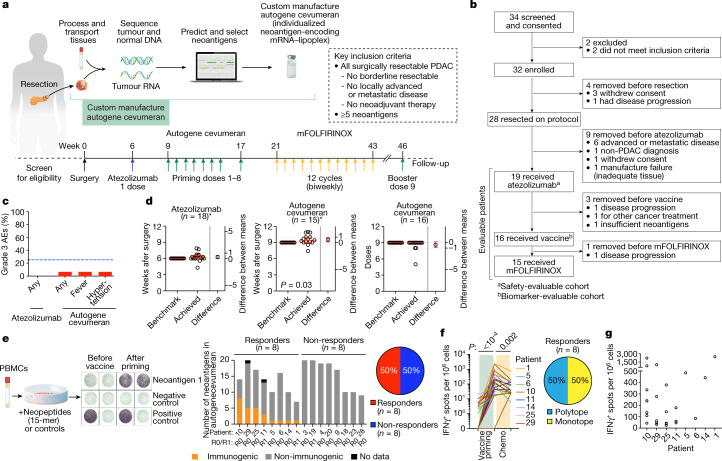
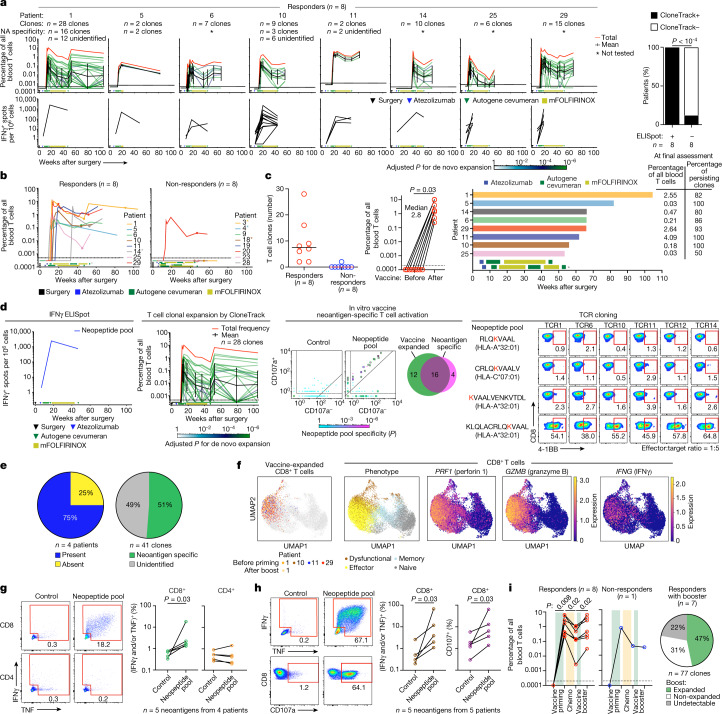
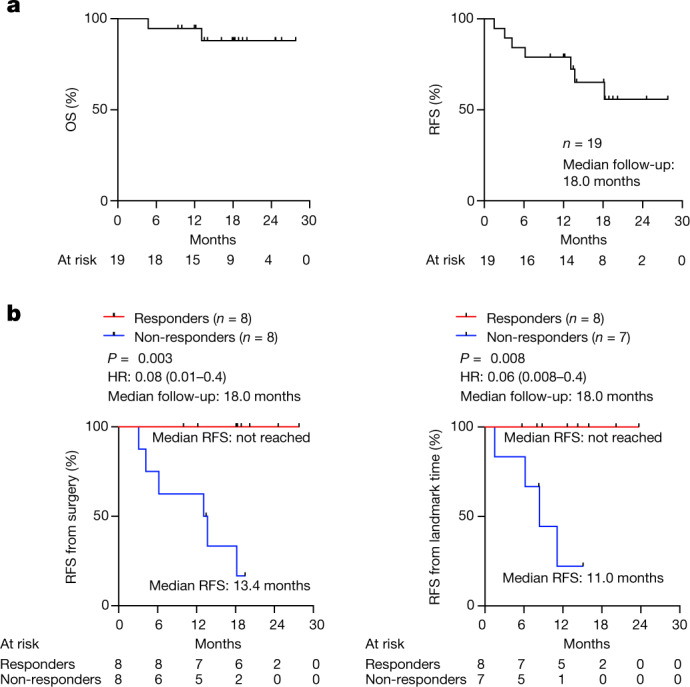
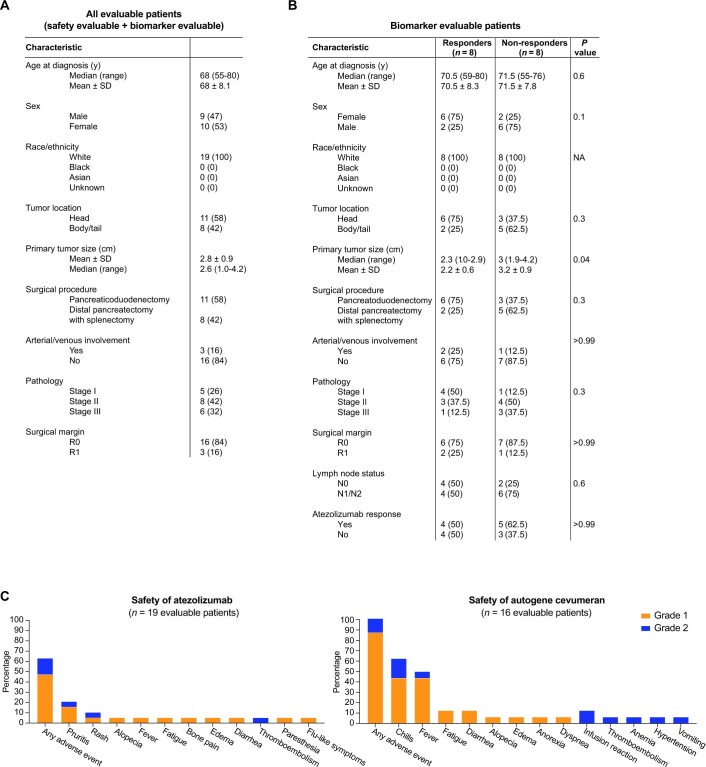
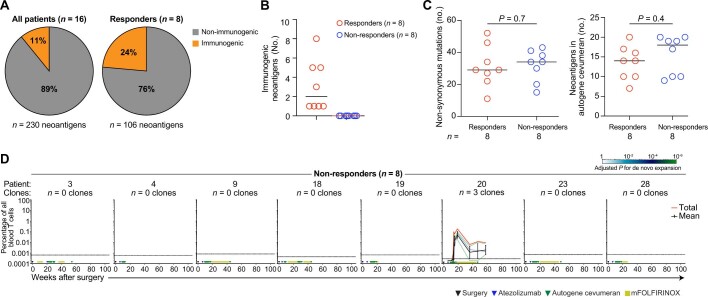
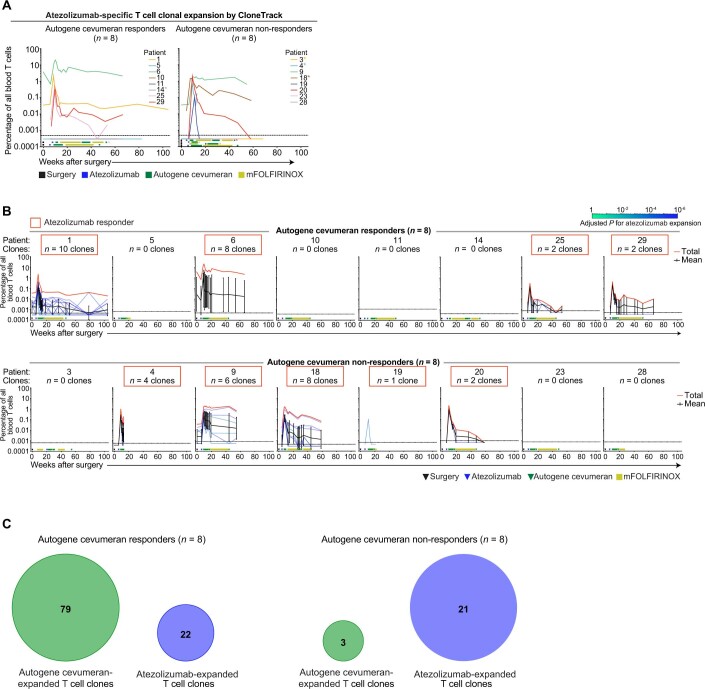
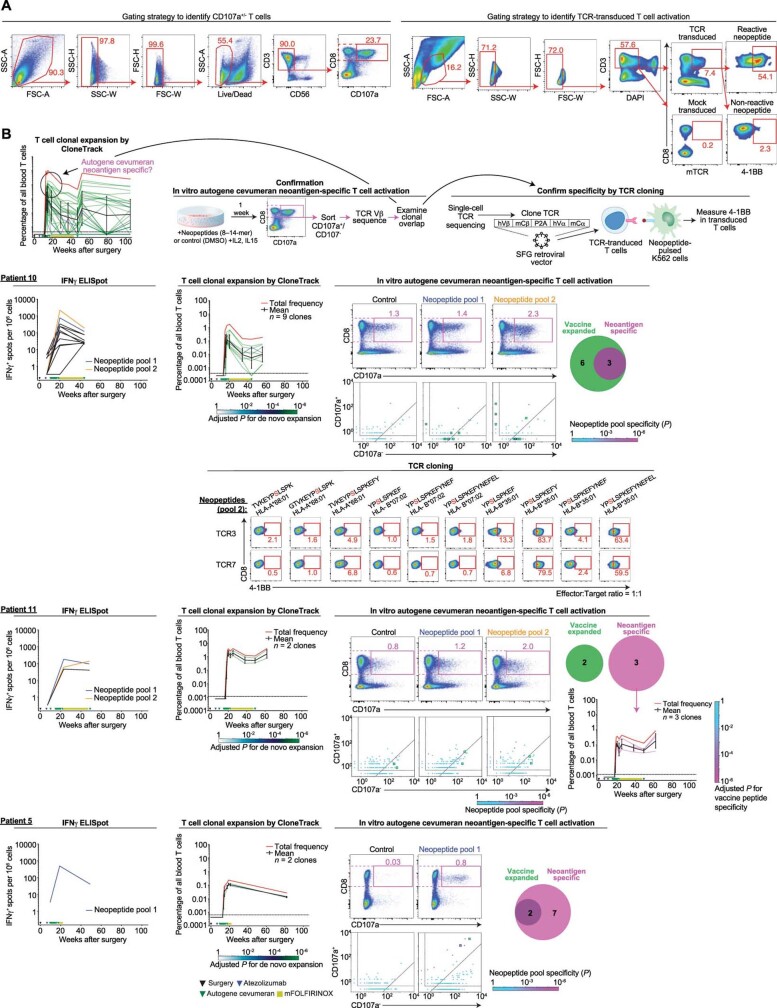
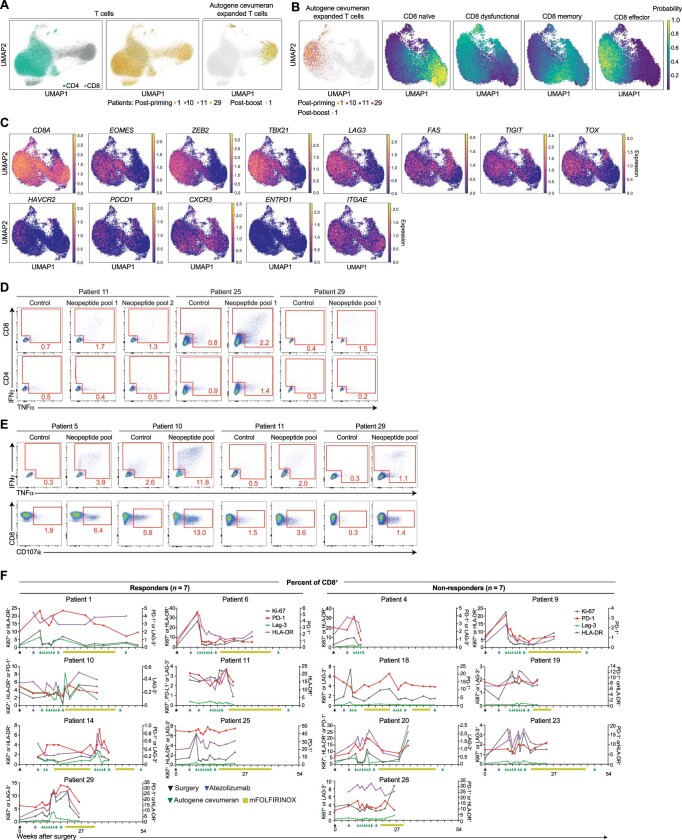
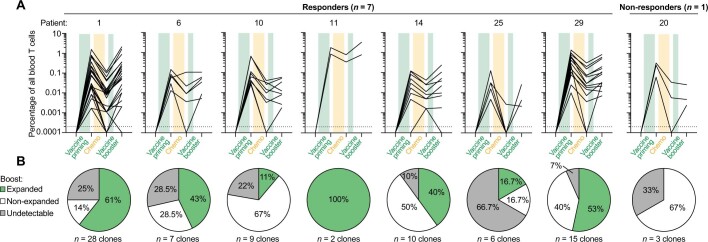
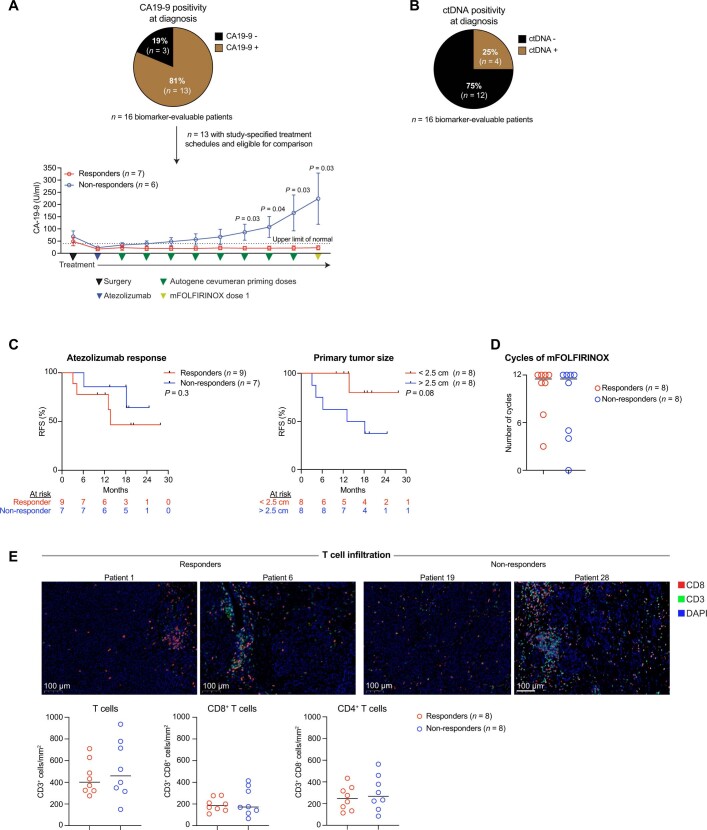
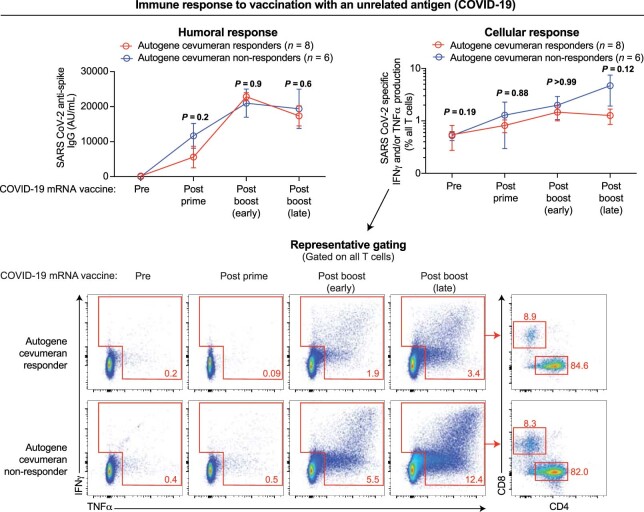
Pancreatic ductal adenocarcinoma (PDAC) is lethal in 88% of patients 1 , yet harbours mutation-derived T cell neoantigens that are suitable for vaccines 2,3 . Here in a phase I trial of adjuvant autogene cevumeran, an individualized neoantigen vaccine based on uridine mRNA–lipoplex nanoparticles, we synthesized mRNA neoantigen vaccines in real time from surgically resected PDAC tumours. After surgery, we sequentially administered atezolizumab (an anti-PD-L1 immunotherapy), autogene cevumeran (a maximum of 20 neoantigens per patient) and a modified version of a four-drug chemotherapy regimen (mFOLFIRINOX, comprising folinic acid, fluorouracil, irinotecan and oxaliplatin). The end points included vaccine-induced neoantigen-specific T cells by high-threshold assays, 18-month recurrence-free survival and oncologic feasibility. We treated 16 patients with atezolizumab and autogene cevumeran, then 15 patients with mFOLFIRINOX. Autogene cevumeran was administered within 3 days of benchmarked times, was tolerable and induced de novo high-magnitude neoantigen-specific T cells in 8 out of 16 patients, with half targeting more than one vaccine neoantigen. Using a new mathematical strategy to track T cell clones (CloneTrack) and functional assays, we found that vaccine-expanded T cells comprised up to 10% of all blood T cells, re-expanded with a vaccine booster and included long-lived polyfunctional neoantigen-specific effector CD8 + T cells. At 18-month median follow-up, patients with vaccine-expanded T cells (responders) had a longer median recurrence-free survival (not reached) compared with patients without vaccine-expanded T cells (non-responders; 13.4 months, P = 0.003). Differences in the immune fitness of the patients did not confound this correlation, as responders and non-responders mounted equivalent immunity to a concurrent unrelated mRNA vaccine against SARS-CoV-2. Thus, adjuvant atezolizumab, autogene cevumeran and mFOLFIRINOX induces substantial T cell activity that may correlate with delayed PDAC recurrence.
Overview
The claims and statistics of this paper haven’t been checked yet.
Free: it reads the open-access text and checks the first 5 claims that cite a source we can check. Create a free account to check every claim.
Integrity signals
Registry
Cites
Statistics
Figures
Verification
Claims the paper makes
The claims and statistics of this paper haven’t been checked yet.
Free: it reads the open-access text and checks the first 5 claims that cite a source we can check. Create a free account to check every claim.
Claims other papers make about this one
Each is checked against this paper’s own text: does it say what the citing paper says it does?
The source backs part of the claim, not all of it — or backs it for a different population, condition or comparison.
In the citing paper
“Although further confirmatory studies are needed, these results provide initial clinical evidence that personalized therapeutic cancer vaccines can enhance responses to ICIs, with many other studies planned.”
From Adjuvant and neoadjuvant immunotherapies in hepatocellular carcinoma (2024) · cites this paper as [136]
Experimental — accuracy not yet measuredThe source backs part of the claim, not all of it — or backs it for a different population, condition or comparison.
In the citing paper
“In this trial, 8 of 16 patients with resected pancreatic ductal adenocarcinoma remained free of cancer after a median follow-up of 18 months136.”
From Adjuvant and neoadjuvant immunotherapies in hepatocellular carcinoma (2024) · cites this paper as [136]
Experimental — accuracy not yet measuredThe source backs part of the claim, not all of it — or backs it for a different population, condition or comparison.
In the citing paper
“Cancer mRNA-based vaccines tend to be administered alone or in combination with ICIs, and after resection, although they have also been used in neoadjuvant–adjuvant treatment approaches136,138,139 (Fig. 3c,d).”
From Adjuvant and neoadjuvant immunotherapies in hepatocellular carcinoma (2024) · cites this paper as [136]
Experimental — accuracy not yet measuredThe cited source says what the claim attributes to it.
In the citing paper
“patients enrolled in the trial with an immunologic response against the vaccine had longer median RFS than those without such a response136.”
From Adjuvant and neoadjuvant immunotherapies in hepatocellular carcinoma (2024) · cites this paper as [136]
The cited source says what the claim attributes to it.
In the citing paper
“Clinical trials of mRNA-based immunotherapeutics encoding unmutated full-length TAAs in checkpoint inhibitor-treated melanoma [18] and individualised mRNA-based immunotherapeutics encoding patient-specific mutated tumour neoantigens in pancreatic and lung cancer [19, 20] have shown encouraging results.”
From Preclinical development of an mRNA-based multiepitope immunotherapeutic for glioblastoma (2025) · cites this paper as [20]
1 more claim about this paper
Create a free account to see every claim other papers make about this one.
Self-check
Percentages, sums and reported differences re-computed from the paper’s own numbers.
The self-check needs the paper’s full text.
Citations
Cites
Sung, H., Ferlay, J., Siegel, R. L., Laversanne, M., Soerjomataram, I., Jemal, A., & Bray, F. (2021) · CA: A Cancer Journal for Clinicians · doi:10.3322/caac.21660 · Cited by 108,699
Richards, S., Aziz, N., Bale, S., Bick, D., Das, S., Gastier-Foster, J., Grody, W. W., Hegde, M., Lyon, E., Spector, E., et al. (2015) · Genetics in Medicine · doi:10.1038/gim.2015.30 · Cited by 32,594
PD-1 and PD-L1 Immune Checkpoint Blockade to Treat Breast Cancer
Hartkopf, A. D., Taran, F.-A., Wallwiener, M., Walter, C. B., Krämer, B., Grischke, E.-M., & Brucker, S. Y. (2016) · Breast Care · doi:10.1159/000453569 · Cited by 30,845
The Genome Analysis Toolkit: A MapReduce framework for analyzing next-generation DNA sequencing data
McKenna, A., Hanna, M., Banks, E., Sivachenko, A., Cibulskis, K., Kernytsky, A., Garimella, K., Altshuler, D., Gabriel, S., Daly, M., et al. (2010) · Genome Research · doi:10.1101/gr.107524.110 · Cited by 27,895
Siegel, R. L., Miller, K. D., Wagle, N. S., & Jemal, A. (2023) · CA: A Cancer Journal for Clinicians · doi:10.3322/caac.21763 · Cited by 16,303
SCANPY: large-scale single-cell gene expression data analysis
Wolf, F. A., Angerer, P., & Theis, F. J. (2018) · Genome Biology · doi:10.1186/s13059-017-1382-0 · Cited by 8,881
Rahib, L., Smith, B. D., Aizenberg, R., Rosenzweig, A. B., Fleshman, J. M., & Matrisian, L. M. (2014) · Cancer Research · doi:10.1158/0008-5472.can-14-0155 · Cited by 7,094
Predictive correlates of response to the anti-PD-L1 antibody MPDL3280A in cancer patients
Herbst, R. S., Soria, J.-C., Kowanetz, M., Fine, G. D., Hamid, O., Gordon, M. S., Sosman, J. A., McDermott, D. F., Powderly, J. D., Gettinger, S. N., et al. (2014) · Nature · doi:10.1038/nature14011 · Cited by 5,231
Self-citationCOSMIC: the Catalogue Of Somatic Mutations In Cancer
Tate, J. G., Bamford, S., Jubb, H. C., Sondka, Z., Beare, D. M., Bindal, N., Boutselakis, H., Cole, C. G., Creatore, C., Dawson, E., et al. (2019) · Nucleic Acids Research · doi:10.1093/nar/gky1015 · Cited by 4,867
Neoantigens in cancer immunotherapy
Schumacher, T. N., & Schreiber, R. D. (2015) · Science · doi:10.1126/science.aaa4971 · Cited by 4,783
Cited by
Items 201–300 of 1,003
Advances in Cancer Vaccine Research
Liu, N., Xiao, X., Zhang, Z.-Q., Mao, C., Wan, M., & Shen, J. (2023) · ACS Biomaterials Science & Engineering · doi:10.1021/acsbiomaterials.3c01154 · Cited by 37
Advances in Immunotherapeutics in Pancreatic Ductal Adenocarcinoma
Chouari, T. A. M., Costa, F. L., Merali, N., Jessel, M.-D., Sivakumar, S., Annels, N. E., & Frampton, A. E. (2023) · Cancers · doi:10.3390/cancers15174265 · Cited by 40
“For example, a recent study has developed a personalized mRNA vaccine (expressing up to 20 neoantigens) that induces neoantigen specific T cells [74].”
InfluentialEmerging advances in delivery systems for mRNA cancer vaccines
Jiang, Z., Xu, Y., Du, G., & Sun, X. (2024) · Journal of Controlled Release · doi:10.1016/j.jconrel.2024.04.039 · Cited by 35
Supramolecular assembly of polycation/mRNA nanoparticles and in vivo monocyte programming
Hu, Y., Tzeng, S. Y., Cheng, L., Lin, J., Villabona-Rueda, A. F., Yu, S., Li, S., Schneiderman, Z., Zhu, Y., Ma, J., et al. (2024) · Proceedings of the National Academy of Sciences · doi:10.1073/pnas.2400194121 · Cited by 36
Laila, U. E., An, W., & Xu, Z.-X. (2024) · Frontiers in Immunology · doi:10.3389/fimmu.2024.1448489 · Cited by 40
Leveraging mRNA technology for antigen based immuno-oncology therapies
Floudas, C. S., Sarkizova, S., Ceccarelli, M., & Zheng, W. (2025) · Journal for ImmunoTherapy of Cancer · doi:10.1136/jitc-2024-010569 · Cited by 35
“14 53 ► Dinucleotide variants are characterized by a single mutational mechanism affecting two adjacent nucleotides simultaneously in a unique mutational event, as they occur at a much higher frequency than individual pairs of independent events in succession, which is very unlikely.”
LNP-RNA-mediated antigen presentation leverages SARS-CoV-2-specific immunity for cancer treatment
Xue, Y., Hou, X., Zhong, Y., Zhang, Y., Du, S., Kang, D. D., Wang, L., Wang, C., Li, H., Wang, S., et al. (2025) · Nature Communications · doi:10.1038/s41467-025-57149-2 · Cited by 36
“The synergy between NGS and LNP-mRNA technologies has already led to several personalized cancer vaccines in clinical trials 52,53 , underscoring the potential of this platform as a personalized treatment strategy.”
Multi-disciplinary approaches paving the way for clinically effective peptide vaccines for cancer
Shah, B. A., Holden, J. A., Lenzo, J. C., Hadjigol, S., & O’brien-simpson, N. M. (2025) · npj Vaccines · doi:10.1038/s41541-025-01118-9 · Cited by 38
“Theyarenowbeingexploredfortheirpotential in cancer treatment, including personalized vaccines 25,26 . mRNA vaccines offer several advantages, including rapid design and production, the ability to encode multiple epitopes within whole antigens, making them broadly…”
Gong, N., Kim, D., Alameh, M., El-Mayta, R. D., Han, E. L., Dwivedi, G., Palanki, R., Shi, Q., Han, X., Xue, L., et al. (2025) · Nature Biomedical Engineering · doi:10.1038/s41551-025-01422-8 · Cited by 44
“Recently, neo-antigen vaccines 38,39 have shown great promise in clinical trials for cancer treatment 40,41 .”
Checkpoint therapy in cancer treatment: progress, challenges, and future directions
Bicak, M., Bozkus, C. C., & Bhardwaj, N. (2024) · Journal of Clinical Investigation · doi:10.1172/jci184846 · Cited by 37
“Developed by BioNTech and Genentech, tested on 16 patients with pancreatic ductal adenocarcinoma, the BNT22 mRNA-based vaccine, combined with atezolizumab and mFOLFIRINOX, induced T cell responses in 50% of patients, leading to longer recurrence-free survival (RFS) (11) .”
Vaccines for cancer prevention: exploring opportunities and navigating challenges
Graciotti, M., & Kandalaft, L. E. (2024) · Nature Reviews Drug Discovery · doi:10.1038/s41573-024-01081-5 · Cited by 37
“…for their potential to elicit immune responses through various algorithms and data bases) as well as techniques, such as single-cell sequencing and mass spectrometry, that validate the immunogenicity of these neoantigens have been the gold standard of current therapeutic vaccine studies 33,79,119 .”
InfluentialBlise, K. E., Sivagnanam, S., Betts, C. B., Betre, K., Kirchberger, N. C., Tate, B. J., Furth, E. E., Costa, A. D., Nowak, J. A., Wolpin, B. M., et al. (2024) · Cancer Immunology Research · doi:10.1158/2326-6066.cir-23-0873 · Cited by 33
Pancreatic ductal adenocarcinoma (PDAC): clinical progress in the last five years
Mosalem, O. M., Abdelhakeem, A. A. F., Abdel-Razeq, N. H., & Babiker, H. M. (2025) · Expert Opinion on Investigational Drugs · doi:10.1080/13543784.2025.2473698 · Cited by 39
“In addition to these approaches, a phase I trial (NCT04161755) is investigating autogene cevumeran, an individualized mRNA neoantigen vaccine, in patients with resectable PDAC [77].”
Considerations for mRNA Product Development, Regulation and Deployment Across the Lifecycle
Skerritt, J. H. (2025) · Vaccines · doi:10.3390/vaccines13050473 · Cited by 35
“In a phase I trial of another mRNA INT autogenecevumeran for pancreatic cancer [121], the investigators sequentially administered atezolizumab (an anti-PD-L1 immunotherapy), the mRNA INT and a four-drug chemotherapy regimen.”
Miao, H., Yuan, F., Pan, C.-X., Yang, H., Wang, Z., Qi, Y., Wu, Y. Z., Zhang, Y., Liu, F., Huang, H., et al. (2025) · Medicine Plus · doi:10.1016/j.medp.2025.100087 · Cited by 35
Yue, P., Yu, M., Li, B., Zhang, S., Cheng, J., Wu, F., Du, S., Miao, J., Hu, B., Olkhovsky, I. A., et al. (2025) · Chinese Medical Journal · doi:10.1097/cm9.0000000000003703 · Cited by 34
“[69] Palmer et al [70] investigated a personalized heterologous neoantigen vaccine combining chimpanzee adenovirus (ChAd68) and self-amplifying mRNA (samRNA) in conjunction with ICIs for patients with advanced metastatic solid tumors.”
Ige, M. A., Ren, X., Yang, Y., Zhang, H., Shen, C., Jiang, Y., Li, J., & Wan, X. (2025) · Molecular Therapy — Nucleic Acids · doi:10.1016/j.omtn.2025.102721 · Cited by 37
Path towards mRNA delivery for cancer immunotherapy from bench to bedside
Chen, W., Zhu, Y., He, J., & Sun, X. (2023) · Theranostics · doi:10.7150/thno.89247 · Cited by 35
Immune vulnerabilities of mutant KRAS in pancreatic cancer
Cheng, N. C., & Vonderheide, R. H. (2023) · Trends in cancer · doi:10.1016/j.trecan.2023.07.004 · Cited by 36
Johanns, T. M., Garfinkle, E. A. R., Miller, K. E., Livingstone, A. J., Roberts, K. F., Venkata, L. P. R., Dowling, J. L., Chicoine, M. R., Dacey, R. G., Zipfel, G. J., et al. (2024) · Clinical Cancer Research · doi:10.1158/1078-0432.ccr-23-3077 · Cited by 37
“Thus, a vaccine approach that can successfully deliver all selected candidate neoantigens, like a nucleic acid vector, may be more desirable (17, 25).”
Precision oncology: current and future platforms for treatment selection
Tang, X., Berger, M. F., & Solit, D. B. (2024) · Trends in cancer · doi:10.1016/j.trecan.2024.06.009 · Cited by 36
Long non-coding RNAs: Emerging regulators of invasion and metastasis in pancreatic cancer
Shi, M., Zhang, R., Lyu, H., Xiao, S., Guo, D. S., Zhang, Q., Chen, X., Tang, J., & Zhou, C. (2025) · Journal of Advanced Research · doi:10.1016/j.jare.2025.02.001 · Cited by 36
“Recent advancements in the diagnosis and treatment of pancreatic cancer have been driven by innovations in biomarker discovery[169,170], targeted therapies[171–173], and immunot herapy [174,175].”
Pancreatic-targeted lipid nanoparticles based on organ capsule filtration
Lei, J., Yang, K., Cao, W., Qi, S., Du, X., Li, H., Wang, Y., Gan, J., Feng, Y., Li, Y., et al. (2026) · Nature · doi:10.1038/s41586-026-10158-7 · Cited by 35
T-cell stimulating vaccines empower CD3 bispecific antibody therapy in solid tumors
Middelburg, J., Sluijter, M., Schaap, G., Göynük, B., Lloyd, K. A., Ovcinnikovs, V., Zom, G. G., Marijnissen, R. J., Groeneveldt, C., Griffioen, L., et al. (2024) · Nature Communications · doi:10.1038/s41467-023-44308-6 · Cited by 34
“Additionally, cancer vaccines might be considered as they recently regained attention after demonstrating clinical ef fi cacy 45 – 47 .”
Liver-Targeting Nanoplatforms for the Induction of Immune Tolerance
Kusumoputro, S., Au, C., Lam, K. H., Park, N., Hyun, A., Kusumoputro, E., Wang, X., & Xia, T. (2023) · Nanomaterials · doi:10.3390/nano14010067 · Cited by 34
“Future directions include integrating pharmaceuticals and expanding on NP composition materials beyond the commonly used polymer-and/or lipid-based materials into other combinatorial formulations, such as the emerging individually designed mRNA-encapsulated lipid nanoparticles [188].”
BackgroundSeizing the fate of lymph nodes in immunotherapy: To preserve or not?
Xu, Z., Li, Z., Cao, L., Zhong, N., Liu, X.-H., Wang, G.-R., Xiao, Y., Liu, B., & Bu, L. (2024) · Cancer Letters · doi:10.1016/j.canlet.2024.216740 · Cited by 32
Glioblastoma stem cell metabolism and immunity
Hawly, J., Murcar, M. G., Schcolnik‐Cabrera, A., & Issa, M. E. (2024) · Cancer and Metastasis Reviews · doi:10.1007/s10555-024-10183-w · Cited by 35
“This approach has been employed for other cancers and merits testing against GSCs [135].”
Recent Advancements in mRNA Vaccines: From Target Selection to Delivery Systems
Wu, Z., Sun, W., & Qi, H. (2024) · Vaccines · doi:10.3390/vaccines12080873 · Cited by 35
“In phase 2 clinical trials, personalized vaccines such as BNT122 [36] and mRNA-4157 [37] have shown significant potential to prolong relapse-free survival, especially in inducing specific T-cell responses.”
BackgroundLi, Z., Zhang, B., Chan, J. J., Tabatabaeian, H., Tong, Q. Y., Chew, X. H., Fan, X., Driguez, P., Chan, C., Cheong, F., et al. (2024) · Cell Genomics · doi:10.1016/j.xgen.2024.100641 · Cited by 32
Impact of Lipid Tail Length on the Organ Selectivity of mRNA-Lipid Nanoparticles
Hashiba, K., Taguchi, M., Sakamoto, S., Otsu, A., Maeda, Y., Suzuki, Y., Ebe, H., Arimichi, O., Harashima, H., & Sato, Y. (2024) · Nano Letters · doi:10.1021/acs.nanolett.4c02566 · Cited by 49
Chen, E., Zeng, Z., & Zhou, W. (2024) · Biochimica et Biophysica Acta (BBA) - Reviews on Cancer · doi:10.1016/j.bbcan.2024.189198 · Cited by 37
Roerden, M., Castro, A., Cui, Y., Harake, N., Kim, B., Dye, J., Maiorino, L., White, F. M., Irvine, D. J., Litchfield, K., et al. (2024) · Journal for ImmunoTherapy of Cancer · doi:10.1136/jitc-2024-010249 · Cited by 36
“81 82 NeoAg vaccines have recently shown promise in early clinical trials 83–85 and are currently tested in combination with ICB.”
mRNA cancer vaccines from bench to bedside: a new era in cancer immunotherapy
Shariati, A., Khani, P., Nasri, F., Afkhami, H., Khezrpour, A., Kamrani, S., Shariati, F. S., Alavimanesh, S., & Modarressi, M. H. (2024) · Biomarker Research · doi:10.1186/s40364-024-00692-9 · Cited by 38
Liang, S., Gao, S., Fu, S., Yuan, S., Liu, J., Liang, M., Han, L., Zhang, Z., Liu, Y., & Zhang, N. (2025) · Advanced Materials · doi:10.1002/adma.202419182 · Cited by 33
Novel insights into TCR-T cell therapy in solid neoplasms: optimizing adoptive immunotherapy
Shao, W., Yao, Y., Yang, L., Li, X., Ge, T., Zheng, Y., Zhu, Q., Ge, S., Gu, X., Jia, R., et al. (2024) · Experimental Hematology and Oncology · doi:10.1186/s40164-024-00504-8 · Cited by 33
“Personalized administration of this vaccine after surgical resection achieved vaccine-induced expansion of neoantigen-specific, long-lived pol-yfunctional effector T cells and the desired therapeutic effect was observed [363].”
BackgroundKeshari, S., Shavkunov, A. S., Miao, Q., Saha, A., Minowa, T., Molgora, M., Williams, C. D., Chaib, M., Highsmith, A. M., Pineda, J. E., et al. (2024) · Cell Reports · doi:10.1016/j.celrep.2024.114875 · Cited by 31
Admasu, T. D., & Yu, J. S. (2025) · Aging Cell · doi:10.1111/acel.70055 · Cited by 32
Broderick, C., Mezzadra, R., Sisso, E. M., Mbuga, F., Raghulan, R., Perez, A. C., Kulick, A. R., Jiang, L., Jiang, J., Ho, Y.-J., et al. (2025) · Cancer Discovery · doi:10.1158/2159-8290.cd-24-1425 · Cited by 32
“Additionally, since mRNA vaccines showed early success in PDAC patients in the neoadjuvant setting, they may also be effective in settings of low residual disease following tumor “debulking” with RAS inhibitors (25).”
Remodeling the tumor dormancy ecosystem to prevent recurrence and metastasis
Liang, Y., Chen, W., Zhang, Y., & Li, L. (2026) · Signal Transduction and Targeted Therapy · doi:10.1038/s41392-025-02328-2 · Cited by 36
“444 On the basis of the principles of nucleic acid vaccines, similar to mRNA cancer vaccines, DNA vaccines have a more stable structure than does mRNAs, which is bene fi cial for long-term stimulation of the immune system.”
Advancing personalized medicine in brain cancer: exploring the role of mRNA vaccines
Lin, F., Lin, E. Z., Anekoji, M., Ichim, T. E., Hu, J. K., Marincola, F. M., Jones, L. D., Kesari, S., & Ashili, S. (2023) · Journal of Translational Medicine · doi:10.1186/s12967-023-04724-0 · Cited by 31
“The approach shows promise for melanoma and potentially other cancers such as pancreatic cancer [60].”
BackgroundProtein isoform-centric therapeutics: expanding targets and increasing specificity
Kjer-Hansen, P., Phan, T. G., & Weatheritt, R. J. (2024) · Nature Reviews Drug Discovery · doi:10.1038/s41573-024-01025-z · Cited by 30
“Accordingly, protein isoforms specific to certain cells can”
Sun, D., Li, Y., Yin, X., Fan, Y., Liu, J., Wang, Y., Liu, X., Bai, G., Li, K., Shi, Y., et al. (2024) · ACS Nano · doi:10.1021/acsnano.4c11412 · Cited by 33
Fournier, C., Mercey-Ressejac, M., Dérangère, V., Kadi, A. A., Rageot, D., Charrat, C., Leroy, A., Vollaire, J., Josserand, V., Escudé, M., et al. (2025) · EBioMedicine · doi:10.1016/j.ebiom.2024.105543 · Cited by 33
“Nevertheless, in most clinical trials therapeutic mRNA cancer vaccines are more likely to perform well in combination with other immunotherapeutic therapies [22,60,61].”
Self-splicing RNA circularization facilitated by intact group I and II introns
Shen, Y. H., Li, B., Dong, L., Tang, W., Ren, J., Chen, F., Zheng, W., Yu, Y. F., Gao, L., & Wei, W. (2025) · Nature Communications · doi:10.1038/s41467-025-62607-y · Cited by 31
Nous-209 neoantigen vaccine for cancer prevention in Lynch syndrome carriers: a phase 1b/2 trial
D’Alise, A. M., Willis, J. A., Düzağaç, F., Hall, M. J., Cruz–Correa, M., Idos, G., Thirumurthi, S., Ballester, V., Leoni, G., Garzia, I., et al. (2026) · Nature Medicine · doi:10.1038/s41591-025-04182-9 · Cited by 38
“…among participants with resected pancreatic adenocarcinoma, a phase 1 study of a personalized neoAg mRNA vaccine combined with checkpoint blockade in the adjuvant setting demonstrated a strong correlation between induction of neoAg-specific T cell responses and delayed tumor recurrence 14 .”
Recent highlights of cancer immunotherapy
Fan, X. (2023) · Holistic Integrative Oncology · doi:10.1007/s44178-023-00057-6 · Cited by 30
“Marvelously, the reported data showed a 44 percent reduction in the mortality and recurrence rates among vaccinated patients [18].”
BackgroundZhao, P., Wang, H., Zhao, H., Yin, C., Xing, Y., Wang, J., Chi, L., Ye, L., & Gu, W. (2024) · Chemical Engineering Journal · doi:10.1016/j.cej.2024.150524 · Cited by 32
Cortesi, A., Gandolfi, F., Arco, F., Chiaro, P. D., Valli, E., Polletti, S., Noberini, R., Gualdrini, F., Attanasio, S., Citron, F., et al. (2024) · Science Advances · doi:10.1126/sciadv.adk5386 · Cited by 29
“…as the activation of ERVs can also result in the production of immunogenic neoantigens ( 44 ), the ability of trametinib to induce the activation of nonsilenced ERVs may be exploited in the design of anti-PDAC vaccination strategies that have very recently shown promising clinical results ( 74 ).”
BackgroundCao, L., Yu, Y.-F., Li, Z., Zhong, N., Wang, G.-R., Xiao, Y., Liu, B., Wu, Q., Feng, C., & Bu, L. (2024) · Journal of Nanobiotechnology · doi:10.1186/s12951-024-02590-6 · Cited by 31
“In addition, in the phase I trial of a novel personalized mRNA neoantigen vaccine, it stimulated high-magnitude neoantigen-specific and long-lived polyfunctional CD8 + T cells in pancreatic cancer, resulting in a longer recurrence-free survival [16].”
BackgroundSaxena, M., Marron, T. U., Kodysh, J., Finnigan, J. P., Onkar, S., Kaminska, A., Tuballes, K., Guo, R., Sabado, R. L., Meseck, M., et al. (2025) · Cancer Discovery · doi:10.1158/2159-8290.cd-24-0934 · Cited by 28
Vaccine-based immunotherapy and related preclinical models for glioma
Yao, L., Hatami, M., Ma, W., & Skutella, T. (2024) · Trends in Molecular Medicine · doi:10.1016/j.molmed.2024.06.009 · Cited by 30
Insights into the formulation of lipid nanoparticles for the optimization of mRNA therapeutics
Jiao, X., He, X., Qin, S., Yin, X., Song, T., Duan, X., Shi, H., Jiang, S., Zhang, Y., & Song, X. (2024) · Wiley Interdisciplinary Reviews Nanomedicine and Nanobiotechnology · doi:10.1002/wnan.1992 · Cited by 31
Chi, W.-Y., Hu, Y., Huang, H., Kuo, H., Lin, S., Kuo, C.-T. J., Tao, J., Fan, D., Huang, Y.-M., Wu, A. A., et al. (2024) · Journal of Biomedical Science · doi:10.1186/s12929-024-01082-x · Cited by 31
“The vaccine is formulated to encode up to 20 personalized neoantigens [6, 99].”
BackgroundInfluentialPrasad, R., Ghosh, A., Patel, V., Peng, B., Mendes, B. B., Win, E. H. A., Delogu, L. G., Wong, J. Y., Pischel, K. J., Bellare, J., et al. (2025) · ACS Nano · doi:10.1021/acsnano.4c13513 · Cited by 29
A Spleen‐Targeted Tolerogenic mRNA‐LNPs Vaccine for the Treatment of Experimental Asthma
Wang, F., Lou, J., Lou, X., Wu, F., Gao, X., Yao, X., Wan, J., Duan, X., Deng, W., Ma, L., et al. (2025) · Advanced Science · doi:10.1002/advs.202412543 · Cited by 33
Morrow, M. P., Gillespie, E. B., Sylvester, A. J., Amin, M. R., Belafsky, P. C., Best, S. R., Friedman, A. D., Klein, A. M., Lott, D. G., Mau, T., et al. (2025) · Nature Communications · doi:10.1038/s41467-025-56729-6 · Cited by 32
“The Clone-Track system is a unique mathematical and immunological analytical platform that has been employed previously to identify the expansion of high-magnitude T-cell clones in blood after the administration of immunotherapy through assessment of TCR β sequencing data 23 .”
InfluentialPancreatic Cancer: Pathogenesis and Clinical Studies
Zhou, K., Liu, Y., Tang, C., & Zhu, H. (2025) · MedComm · doi:10.1002/mco2.70162 · Cited by 35
Medical management of pancreatic cancer: from personalization to broadening treatment strategies
Dusetti, N., Bachet, J., Chanez, B., Neuzillet, C., de Mestier, L., Williet, N., Frauhoffer, N., Nicolle, R., Boilève, A., Turpin, A., et al. (2025) · Cancer Treatment Reviews · doi:10.1016/j.ctrv.2025.102973 · Cited by 31
Lu, Y., Qian, C., Huang, Y., Ren, T., Xie, W., Xia, N., & Li, S. (2025) · International Journal of Biological Macromolecules · doi:10.1016/j.ijbiomac.2025.145501 · Cited by 31
Steering and controlling evolution — from bioengineering to fighting pathogens
Lässig, M., Mustonen, V., & Nourmohammad, A. (2023) · Nature Reviews Genetics · doi:10.1038/s41576-023-00623-8 · Cited by 32
“Such models can serve as a basis for the optimized selection of cancer vaccines 40,46,47 .”
Backgroundda Silva, M. K., Campos, D. M. D. O., Akash, S., Akter, S., Leow, C. Y., Fulco, U. L., & Oliveira, J. I. N. (2023) · Viruses · doi:10.3390/v15102130 · Cited by 30
“A recent clinical trial explored the efficacy of an mRNA vaccine in combating pancreatic cancer [40].”
BackgroundDissolving microneedles for transdermal drug delivery in cancer immunotherapy
Xiang, M., Yang, C., Zhang, L., Wang, S., Ya, R., & Gou, M. (2024) · Journal of Materials Chemistry B · doi:10.1039/d4tb00659c · Cited by 33
Shared neoantigens for cancer immunotherapy
Goloudina, A. R., Chevalier, F. L., Authié, P., Charneau, P., & Majlessi, L. (2025) · Molecular Therapy Oncology · doi:10.1016/j.omton.2025.200978 · Cited by 30
Functions and therapeutic applications of pseudouridylation
Luo, N., Huang, Q., Zhang, M., & Yi, C. (2025) · Nature Reviews Molecular Cell Biology · doi:10.1038/s41580-025-00852-1 · Cited by 28
“By contrast, unmodified mRNA triggers stronger antitumour immune responses compared with m 1 Ψ-modified mRNA 129,131,132 , and the personalized pancreatic ductal adenocarcinoma vaccine also lacks m 1 Ψ 133 .”
Wang, Y., Jiang, C., Zhou, H., & Han, R. (2025) · Experimental Hematology and Oncology · doi:10.1186/s40164-025-00705-9 · Cited by 30
Mutant KRAS vaccine with dual checkpoint blockade in resected pancreatic cancer: a phase I trial
Huff, A. L., Haldar, S. D., Girgis, A. A., Wang, H. H., Danilova, L., Heumann, T. R., Berg, M., Wang, Y., Andaloori, L., Hernandez, A., et al. (2026) · Nature Communications · doi:10.1038/s41467-026-68324-4 · Cited by 30
“This analysis provides initial support for the hypothesis that strong responses to mKRAS are clinically meaningful in the context of resected PDAC, consistent with other recent study of adjuvant vaccines in PDAC 19,22 .”
InfluentialAdvancing Cancer Immunotherapy: The Potential of mRNA Vaccines As a Promising Therapeutic Approach
Goyal, F., Chattopadhyay, A., Navik, U., Jain, A., Reddy, P. H., Bhatti, G. K., & Bhatti, J. S. (2023) · Advanced Therapeutics · doi:10.1002/adtp.202300255 · Cited by 29
Cryptic MHC-E epitope from influenza elicits a potent cytolytic T cell response
Hogan, M. J., Maheshwari, N., Begg, B. E., Nicastri, A., Hedgepeth, E. J., Muramatsu, H., Pardi, N., Miller, M. A., Reilly, S. P., Brossay, L., et al. (2023) · Nature Immunology · doi:10.1038/s41590-023-01644-5 · Cited by 27
“Therefore, vaccines and therapies could be designed for the general population as opposed to the personalized approaches that are often necessary when raising MHC-Ia-restricted T cells 78,79 .”
BackgroundCancer vaccines: from an immunology perspective
Makker, S., Galley, C., & Bennett, C. L. (2023) · Immunotherapy Advances · doi:10.1093/immadv/ltad030 · Cited by 29
“Epitope abundance can be classified as present or absent using DNA sequencing or quantified using RNAseq to understand expression levels [11,15].”
BackgroundPrecision treatment of pancreatic ductal adenocarcinoma
Wei, H., & Ren, H. (2024) · Cancer Letters · doi:10.1016/j.canlet.2024.216636 · Cited by 28
Cancer Vaccines: Recent Insights and Future Directions
Malacopol, A.-T., & Holst, P. J. (2024) · International Journal of Molecular Sciences · doi:10.3390/ijms252011256 · Cited by 30
“For many cancer types, patient sample analysis would only rarely reveal promising epitopes, as illustrated in the BNT122, RO719845 pancreatic cancers vaccine trial [13].”
BackgroundArgueta, S., Wang, Y., Zhao, H., Diwanji, N., Gorgievski, M., Cochran, E. L., Grudzien‐Nogalska, E., D’Alessandro, J. S., McCreedy, B. J., Prod’homme, T., et al. (2024) · Frontiers in Immunology · doi:10.3389/fimmu.2024.1501365 · Cited by 31
Zhu, Q., Yu, C., Chen, Y., Luo, W., Li, M., Zou, J., Xiao, F., An, S., Saiding, Q., Tao, W., et al. (2025) · Proceedings of the National Academy of Sciences · doi:10.1073/pnas.2418306122 · Cited by 31
Abdulrahman, Z., Slieker, R. C., McGuire, D., Welters, M. J. P., van Poelgeest, M. I. E., & van der Burg, S. H. (2025) · Journal for ImmunoTherapy of Cancer · doi:10.1136/jitc-2024-011308 · Cited by 30
“While vaccine-induced immune responses often correlate with clinical activity in trials, 1 17 50–53 pinpointing specific cellular or molecular biomarkers has proven challenging.”
The Future of Personalized Cancer Vaccines
Martini, D. J., & Wu, C. J. (2025) · Cancer Discovery · doi:10.1158/2159-8290.cd-25-0300 · Cited by 31
Cancer mRNA vaccines: clinical application progress and challenges
Li, H., Min, L., Du, H., Wei, X., & Tong, A. (2025) · Cancer Letters · doi:10.1016/j.canlet.2025.217752 · Cited by 27
mRNA vaccines engage unconventional pathways in CD8+ T cell priming
Jo, S., Li, L., Thakur, C., Telfer, K. A., Sultan, H., Ohara, R. A., He, M., Nam, G., Chen, J., Ou, F., et al. (2026) · Nature · doi:10.1038/s41586-026-10353-6 · Cited by 29
“Owing to their apparent success against SARS-CoV-2, mRNA vaccines are now being tested for use in inducing anti-tumour CD8 + T cell responses in humans 15 .”
mRNA vaccine in gastrointestinal tumors: Immunomodulatory effects and immunotherapy
Zhang, A., Ji, Q., Sheng, X., & Wu, H. (2023) · Biomedicine & Pharmacotherapy · doi:10.1016/j.biopha.2023.115361 · Cited by 27
Lin, X., Tang, S., Guo, Y., Tang, R., Li, Z., Pan, X., Chen, G., Qiu, L., Dong, X., Zhang, L., et al. (2024) · Cancer Immunology Immunotherapy · doi:10.1007/s00262-023-03598-x · Cited by 32
Cui, G., Sun, Y., Qu, L., Shen, C., Sun, Y., Meng, F., Zheng, Y., & Zhong, Z. (2024) · Advanced Healthcare Materials · doi:10.1002/adhm.202303690 · Cited by 25
Zhang, P., Wang, T., Cui, G., Ye, R., Wan, W., Liu, T., Zheng, Y., & Zhong, Z. (2024) · Advanced Materials · doi:10.1002/adma.202407189 · Cited by 27
Giurini, E. F., Ralph, O. G., Pappas, S. G., & Gupta, K. H. (2024) · Molecular Cancer Therapeutics · doi:10.1158/1535-7163.mct-24-0311 · Cited by 26
“Results from a phase I clinical trial combining autogene cevumeran with anti–PD-L1 blockade and a modified FOLFIR-INOX regimen revealed positive clinical outcomes in patients with PDAC (71).”
InfluentialAtezolizumab plus personalized neoantigen vaccination in urothelial cancer: a phase 1 trial
Saxena, M., Anker, J. F., Kodysh, J., O’Donnell, T. J., Kaminska, A. M., Meseck, M. L., Hapanowicz, O., Niglio, S. A., Salazar, A. M., Shah, H., et al. (2025) · Nature Cancer · doi:10.1038/s43018-025-00966-7 · Cited by 25
“Overall, while the contribution of therapeutic components in our treatment regimen to the development of neoantigen-specific T cell responses cannot be discerned, these results are favorable compared to prior neoantigen vaccine studies 8 .”
InfluentialIdentifying T cell antigen at the atomic level with graph convolutional network
Que, J., Xue, G., Wang, T., Jin, X., Wang, Z., Cai, Y., Yang, W., Luo, M., Ding, Q., Zhang, J., et al. (2025) · Nature Communications · doi:10.1038/s41467-025-60461-6 · Cited by 26
“However, we did not explore the TCRs speci fi c to these neoantigens, which would require antigen-speci fi c T cell sequencing (such as BEAM-T sequencing reported by 10x Genomics 70 ) or TCR sequencing before and after antigen stimulation to detect neoantigen-expanded T cell clones 2 .”
Lipid nanoparticle-mediated targeted mRNA delivery and its application in cancer therapy
Sui, Y., Hou, X., Zhang, J., Hong, X., Wang, H., Xiao, Y., & Zeng, X. (2025) · Journal of Materials Chemistry B · doi:10.1039/d5tb01556a · Cited by 28
Clinical development of cancer vaccines
Haanen, J. B. A. G., Schumacher, T. N., Kagan, J. C., Fritsch, E. F., & Wu, C. J. (2026) · Nature Medicine · doi:10.1038/s41591-026-04241-9 · Cited by 32
Park, W., O'Connor, C. A., Chou, J. F., Hilmi, M., Tarcan, Z. C., Schwartz, C., Larsen, M., Homsi, R., Sivaprakasam, K., Umeda, S., et al. (2026) · Nature Medicine · doi:10.1038/s41591-026-04299-5 · Cited by 25
“By contrast, participants in the POLAR trial were enrolled with platinum-sensitive disease, a so-called ‘molecular’ residual disease (mRD) state, a context increasingly recognized as optimal for immune engagement in PC and as necessitated in adjuvant cancer vaccine trials 15–17 .”
Self-citationRecent advancement in targeted therapy and role of emerging technologies to treat cancer
Barot, S., Patel, H. J., Yadav, A., & Ban, I. (2023) · Medical Oncology · doi:10.1007/s12032-023-02184-6 · Cited by 33
“The study found that the combination of adjuvant atezolizumab, mRNA-lipoplex nanoparticles, and mFOLFIRINOX caused substantial T cell activity, potentially correlating with delayed PDAC recurrence [85].”
State-Of-The-Art Advancements on Cancer Vaccines and Biomarkers
Strum, S. W., Andersen, M. H., Svane, I. M., Siu, L. L., & Weber, J. S. (2024) · American Society of Clinical Oncology Educational Book · doi:10.1200/edbk_438592 · Cited by 28
Huang, K. C., Chen, W. T.-L., Chen, J., Lee, C., Wu, C.-H., Lai, C.-Y., Yang, P.-C., Liang, J., Shiau, A., Chao, K. S. C., et al. (2024) · npj Vaccines · doi:10.1038/s41541-024-00881-5 · Cited by 25
“The safety and effectiveness of personalized neoantigen cancer vaccines has been demonstrated in advanced lung cancer, melanoma, and pancreatic cancer 48,49 .”
Harnessing nanoengineered CAR-T cell strategies to advance solid tumor immunotherapy
Wang, X., Fan, R., Mu, M., Zhou, L., Zou, B., Tong, A., & Guo, G. F. (2024) · Trends in Cell Biology · doi:10.1016/j.tcb.2024.11.010 · Cited by 30
The dual role of IgG4 in immunity: bridging pathophysiology and therapeutic applications
Piseddu, I., Mayerle, J. V., Mahajan, U. M., & Boehmer, D. F. R. (2025) · Gut · doi:10.1136/gutjnl-2025-335375 · Cited by 25
“10 11 Conversely, in cancer, IgG4 is emerging as a potential contributor to immune evasion by dampening antitumour immunity.”
Challenges and opportunities in mRNA vaccine development against bacteria
Aernout, I., Verbeke, R., Théry, F., Willems, P. J., Elia, U., Smedt, S. C. D., Rappuoli, R., Peer, D., Impens, F., & Lentacker, I. (2025) · Nature Microbiology · doi:10.1038/s41564-025-02070-z · Cited by 26
“Notably, these constructs were used to design BioNTech’s clinical cancer vaccines 60,61 .”
Dendritic cell immunotherapy advances for solid tumors: Vaccination and modulation
Clayton, G., Toffoli, E. C., de Gruijl, T. D., & van Kooyk, Y. (2025) · Cell Reports Medicine · doi:10.1016/j.xcrm.2025.102412 · Cited by 32
“68 Immunotherapy combinations and the importance of timing of therapy Anti-tumoral DC vaccination strategies have been combined with chemotherapy, targeted therapies, and ICIs, as well as more experimental approaches such as tumor-infiltrating lymphocyte (TIL) transfer.”
Advancements in RNA-based therapies from bench to bedside
Singh, A., Tekade, M., Nagaraja, S., Bharti, A., & Tekade, R. K. (2026) · npj Drug Discovery. · doi:10.1038/s44386-025-00037-y · Cited by 33
Prospects and Challenges in Developing mRNA Vaccines for Infectious Diseases and Oncogenic Viruses
Kutikuppala, L. V. S., Kourampi, I., Kanagala, R. S. D., Bhattacharjee, P., & Boppana, S. H. (2024) · Medical Sciences · doi:10.3390/medsci12020028 · Cited by 38
“This study is currently in phase 2 clinical trials [19,20] (Figure 2). cancer, and colorectal carcinoma.”
BackgroundCieri, N., Hookeri, N., Stromhaug, K., Li, L., Keating, J. H., Díaz-Fernández, P., de Soria, V. G.-G., Stevens, J. D., Kfuri‐Rubens, R., Shao, Y., et al. (2024) · Nature Biotechnology · doi:10.1038/s41587-024-02348-3 · Cited by 28
“To gauge the feasibility of generating personalized mHAg-specific immunotherapy (that is, cancer vaccines and adoptive cellular therapy 65,66 ) based on the GRFS mHAg set, we estimated that a ten-SNP design (that is, the number of GRFS SNPs used for the outcome correlative analyses in our discovery…”
Hao, Q., Long, Y., Yang, Y., Deng, Y., Ding, Z., Yang, L., Shu, Y., & Xu, H. (2024) · Vaccines · doi:10.3390/vaccines12070717 · Cited by 27
“[114,115] and various cancer types [4,10,109].”
BackgroundMethodInfluentialMa, M., Li, X., Zhong, M., Li, X., Yu, J., Wang, Z., Lv, Q., Li, X., He, Z., Liu, H., et al. (2025) · ACS Nano · doi:10.1021/acsnano.4c15442 · Cited by 23
In Vivo Engineered CAR-T Cell Therapy: Lessons Built from COVID-19 mRNA Vaccines
Meng, S., Hara, T., Miura, Y., Arao, Y., Saito, Y., Inoue, K., Hirotsu, T., Vecchione, A. M., Satoh, T., & Ishii, H. (2025) · International Journal of Molecular Sciences · doi:10.3390/ijms26073119 · Cited by 26
“Unlike vaccines for infectious diseases, cancer immunotherapies often prefer intravenous administration to rapidly and robustly activate the immune system, overcoming the immunosuppressive tumor microenvironment [106].”
Metadata
- Authors
- Rojas, L. A., Sethna, Z., Soares, K. C., Olcese, C., Pang, N., Patterson, E., Lihm, J., Ceglia, N., Guasp, P., Chu, A., Yu, R., Chandra, A. K., Waters, T., Ruan, J., Amisaki, M., Zebboudj, A., Odgerel, Z., Payne, G., Derhovanessian, E., Müller, F., Rhee, I., Yadav, M., Dobrin, A., Sadelain, M., Łuksza, M., Cohen, N., Tang, L., Basturk, O., Gönen, M., Katz, S., Do, R. K., Epstein, A. S., Momtaz, P., Park, W., Sugarman, R., Varghese, A. M., Won, E., Desai, A., Wei, A. C., D’Angelica, M. I., Kingham, T. P., Mellman, I., Merghoub, T., Wolchok, J. D., Sahin, U., Türeci, Ö., Greenbaum, B. D., Jarnagin, W. R., Drebin, J., O’Reilly, E. M., & Balachandran, V. P.
- Affiliations
- Memorial Sloan Kettering Cancer Center (US)
- BioNTech (Germany) (DE)
- Genentech (US)
- Tisch Cancer Institute (US)
- Icahn School of Medicine at Mount Sinai (US)
- Weill Cornell Medicine (US)
- Corresponding author
- Greenbaum, Benjamin D.
- Balachandran, Vinod P.
- ORCID
- Rojas, Luis A.
- Sethna, Zachary
- Soares, Kevin C.
- Olcese, Cristina
- Lihm, Jayon
- Ceglia, Nicholas
- Guasp, Pablo
- Yu, Rebecca
- Amisaki, Masataka
- Zebboudj, Abderezak
- Yadav, Mahesh
- Dobrin, Anton
- Sadelain, Michel
- Łuksza, Marta
- Cohen, Noah
- Tang, Laura
- Basturk, Olca
- Gönen, Mithat
- Katz, Seth
- Epstein, Andrew S.
- Momtaz, Parisa
- Park, Wungki
- Varghese, Anna M.
- Won, Elizabeth
- Wei, Alice C.
- Kingham, T. Peter
- Mellman, Ira
- Merghoub, Taha
- Wolchok, Jedd D.
- Sahin, Ugur
- Türeci, Özlem
- Greenbaum, Benjamin D.
- Jarnagin, William R.
- Drebin, Jeffrey
- O’Reilly, Eileen M.
- Balachandran, Vinod P.
- Venue
- Nature
- Published
- 2023-05-10
- Volume
- 618
- Issue
- 7963
- Pages
- 144-150
- ISSN
- 0028-0836 (ISSN-L)
- 1476-4687
- PMC
- PMC10171177
- OpenAlex
- W4376133743
- Cited by
- 1,432
- References
- 63
- Citations by year
- 2026: 426 · 2025: 488 · 2024: 381 · 2023: 136
- FWCI
- 156.84
- Type
- journal article
- Language
- en
- Open access
- hybrid
- doi.org
- Licence
- cc-by
- creativecommons.org/licenses/by/4.0 (tdm)
- creativecommons.org/licenses/by/4.0 (vor)
- Locations
- Nature (publishedVersion, cc-by)
- PubMed Central (publishedVersion, cc-by)
- PubMed (publishedVersion)
- RePEc: Research Papers in Economics (submittedVersion)
- Funders
- Damon Runyon Cancer Research Foundation
- Lustgarten Foundation
- Pershing Square Sohn Cancer Research Alliance
- Cycle for Survival
- National Institutes of Health (CA08748, CCSG, P30 CA08748)
- Genentech
- Stand Up To Cancer
- Marie-Josée and Henry R. Kravis Center for Molecular Oncology
- National Cancer Institute (U01CA224175, P30-CA-08748, CA08748, CA224175, P30CA008748, CCSG P30 CA08748)
- Moonshot Research and Development Program
- Cancer Moonshot
- Topics
- Life Sciences › Immunology and Microbiology › Immunology › Immunotherapy and Immune Responses
- Health Sciences › Medicine › Oncology › Cancer Immunotherapy and Biomarkers
- Health Sciences › Medicine › Oncology › Pancreatic and Hepatic Oncology Research
- Keywords
- pancreatic ductal adenocarcinoma, personalized neoantigen vaccine, mRNA vaccines, atezolizumab, modified FOLFIRINOX, neoantigen-specific T cells, CD8+ T cells, recurrence-free survival, adjuvant immunotherapy, immune fitness, COVID-19 mRNA vaccine
- MeSH terms
- mRNA Vaccines, Adjuvants, Immunologic, Antigens, Neoplasm, Humans, Immunotherapy, Lymphocyte Activation, Pancreatic Neoplasms, T-Lymphocytes, CD8-Positive T-Lymphocytes, Cancer Vaccines, Carcinoma, Pancreatic Ductal, Antibodies, Monoclonal, Humanized
About these checks
Registry, retraction, Cites and statistics results are computed, not judged, with one exception: a printed reference that no index lists is read once by a model before it counts as a citation error. Claims are extracted by a model and kept only when their quote appears verbatim in the text; each cited source is then checked, with a model’s help, for whether it says what the claim relies on. Those verdicts can be wrong — read the claim’s quote and the cited source before relying on one.
Statistics and arithmetic are recomputed, not judged.
Confidence bands are shown only for fields calibrated on our annotated test set. None is calibrated yet, so no band is shown.
What counts as a claim ›How we measure confidence ›How we check this ›
Are you an author, or do you see a problem with this page? Request a review
Data sources
Bibliographic data: Semantic Scholar, OpenAlex, Crossref.
Contains information from the Semantic Scholar Academic Graph Datasets, made available under the ODC Attribution License (ODC-BY 1.0).
Semantic Scholar’s data is described in: Kinney, R., et al. (2023). The Semantic Scholar Open Data Platform. arXiv:2301.10140.
