

Real-world COVID-19 vaccine effectiveness against the Omicron BA.2 variant in a SARS-CoV-2 infection-naive population
Open accessThe DOI matches its Crossref record; 62 of the 72 references it cites were found in a registry or an index; 20 of the 23 sources its claims cite were checked for support.
Abstract
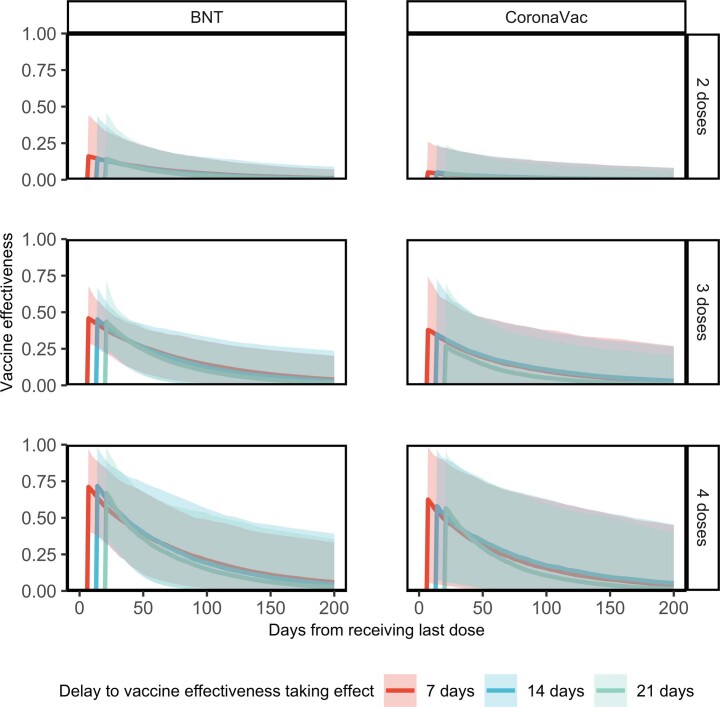
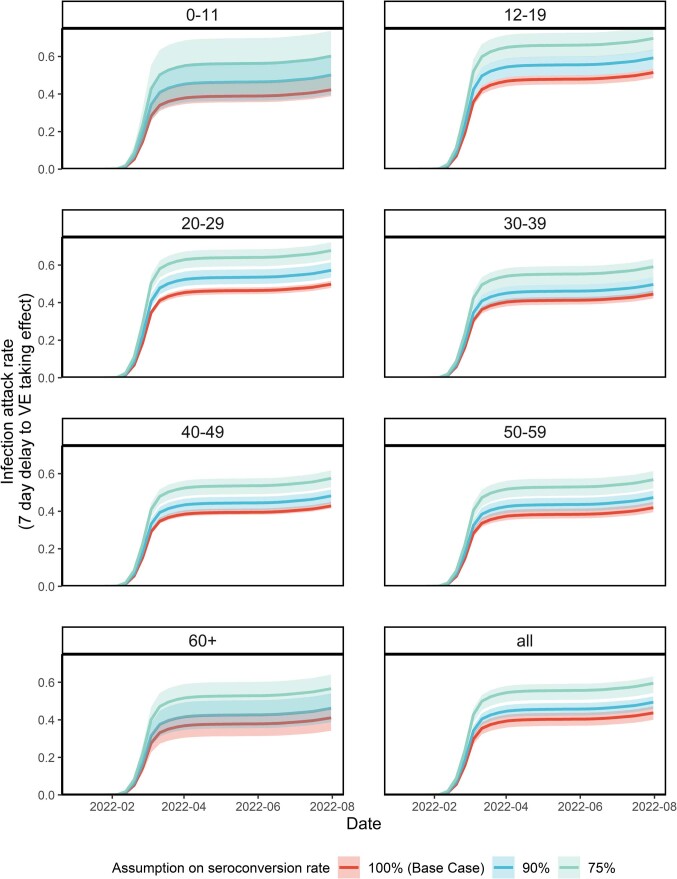
The SARS-CoV-2 Omicron variant has demonstrated enhanced transmissibility and escape of vaccine-derived immunity. Although first-generation vaccines remain effective against severe disease and death, robust evidence on vaccine effectiveness (VE) against all Omicron infections, irrespective of symptoms, remains sparse. We used a community-wide serosurvey with 5,310 subjects to estimate how vaccination histories modulated risk of infection in infection-naive Hong Kong during a large wave of Omicron BA.2 epidemic in January-July 2022. We estimated that Omicron infected 45% (41-48%) of the local population. Three and four doses of BNT162b2 or CoronaVac were effective against Omicron infection 7 days after vaccination (VE of 48% (95% credible interval 34-64%) and 69% (46-98%) for three and four doses of BNT162b2, respectively; VE of 30% (1-66%) and 56% (6-97%) for three and four doses of CoronaVac, respectively). At 100 days after immunization, VE waned to 26% (7-41%) and 35% (10-71%) for three and four doses of BNT162b2, and to 6% (0-29%) and 11% (0-54%) for three and four doses of CoronaVac. The rapid waning of VE against infection conferred by first-generation vaccines and an increasingly complex viral evolutionary landscape highlight the necessity for rapidly deploying updated vaccines followed by vigilant monitoring of VE.
Overview
CoChat Summary
TL;DR
In infection-naive Hong Kong during the January–July 2022 Omicron BA.2 wave, a community-wide serosurvey estimated that 45% (41–48%) of the population was infected. Three and four doses of BNT162b2 or CoronaVac were effective against Omicron infection shortly after vaccination, but VE waned substantially by 100 days.
Key findings
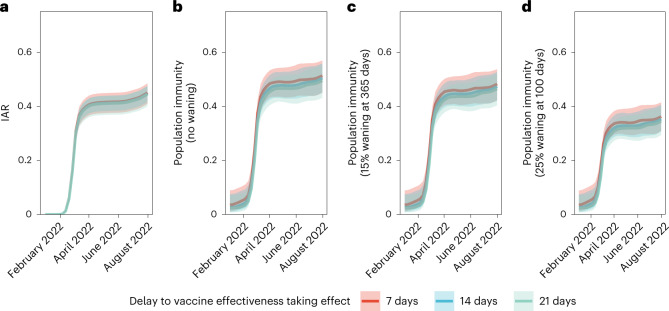
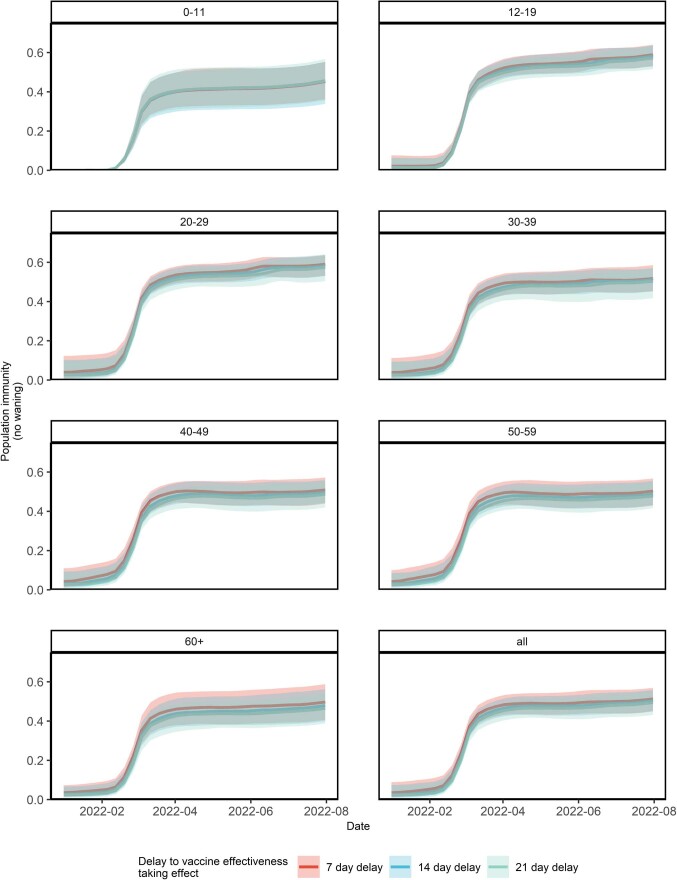
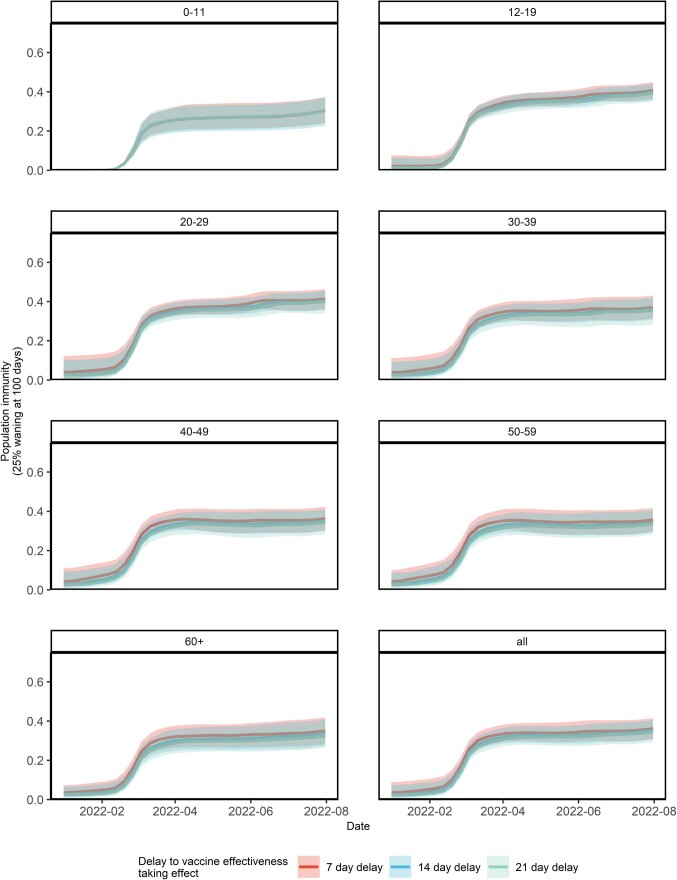
- Omicron infected 45% (41–48%) of the population; overall ascertainment was 25% (23–27%) by RT–PCR alone and 41% (38–45%) with rapid antigen testing. Population immunity reached 52% (45–57%) by 31 July 2022.
- VE against infection 7 days after a third or fourth dose was 48% (34–64%) and 69% (46–98%) for BNT162b2, and 30% (1–66%) and 56% (6–97%) for CoronaVac, respectively.
- At 100 days after immunization, VE waned to 26% (7–41%) and 35% (10–71%) for three and four BNT162b2 doses, and to 6% (0–29%) and 11% (0–54%) for three and four CoronaVac doses.
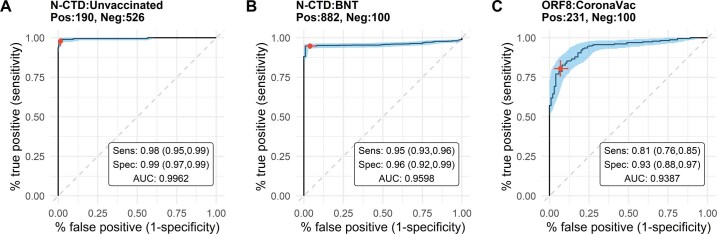
- The study reports the first real-world estimates of VE and waning against Omicron infection for three or four doses of CoronaVac; its ORF8 assay was described as the first serological test able to discriminate recent SARS-CoV-2 infection from vaccination among CoronaVac vaccinees.
Methods
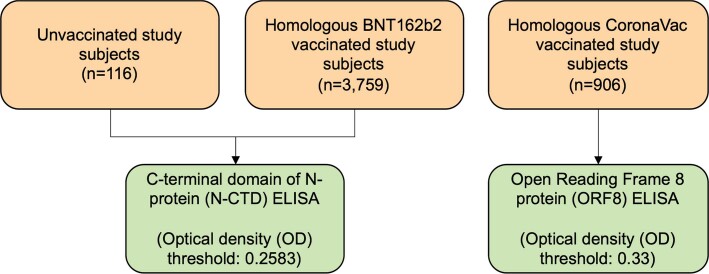
- Community-wide serosurvey of 5,310 subjects: 5,173 healthy adult blood donors recruited 28 April–30 July 2022 and 137 children aged 18 months–11 years from an independent polio seroepidemiology study. Vaccination histories were available for 5,242 subjects from Hong Kong Department of Health records (98%) or self-report (2%).
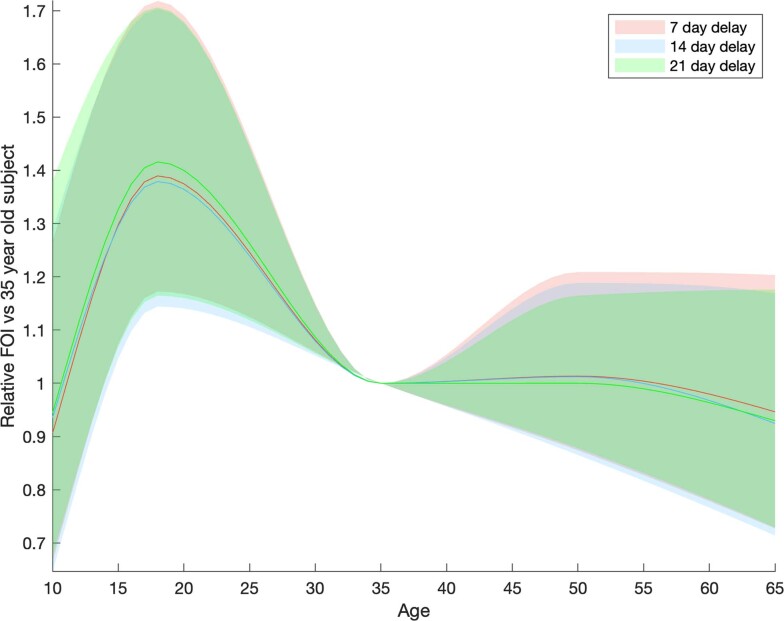
- Two in-house ELISAs detected IgG to SARS-CoV-2 N-CTD and ORF8; a Bayesian model inferred each subject’s probability of prior infection from age, vaccination record, and seropositivity. The force of infection was assumed proportional to city-wide wastewater viral load, and VE was defined as reduction in infection probability relative to unvaccinated individuals, assuming a 7-day delay to full effect and exponential waning.
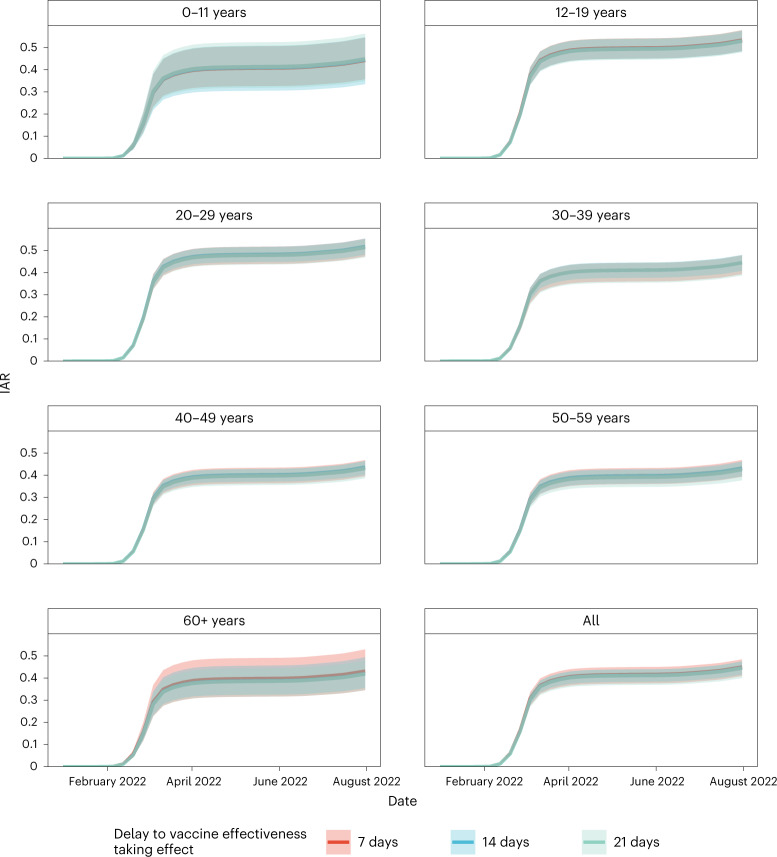
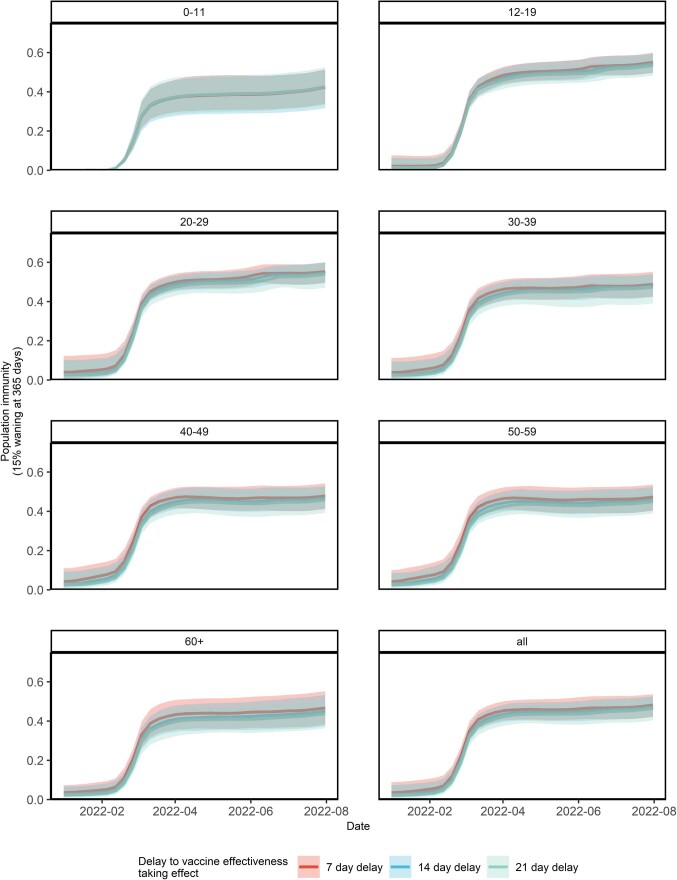
- Estimated VE and waning were applied to anonymized population vaccination records to derive age-specific infection attack rates, population immunity, and ascertainment ratios; sensitivity analyses used 14- or 21-day delays, specimens collected by 15 June 2022, and different seroconversion assumptions.
Limitations
- The paper states that it assumed vaccination history had negligible effect on contact patterns/mobility; had no sera from ages 12–17 and few from >65 years, making IAR estimates less robust for those groups; could not estimate VE against hospitalization, severe disease, or death because oral antivirals were widely introduced; relied on blood donors and voluntary child participants who may be healthier than the general population; had few CoronaVac vaccinees and a short fifth wave, causing substantial uncertainty in CoronaVac VE; could not estimate heterologous vaccination VE; used positive controls only from confirmed/self-reported infections, potentially missing asymptomatic or mild infections and underestimating IAR; and could not estimate accelerated waning due to later variants such as BA.4/BA.5.
- Evident from the text: the serosurvey is cross-sectional, so infection timing and prior exposure are inferred rather than directly observed, and some vaccination/infection histories relied on self-report.
Model-written summary. Check it against the paper before relying on it.
Integrity signals
Registry
Cites
Statistics
Figures
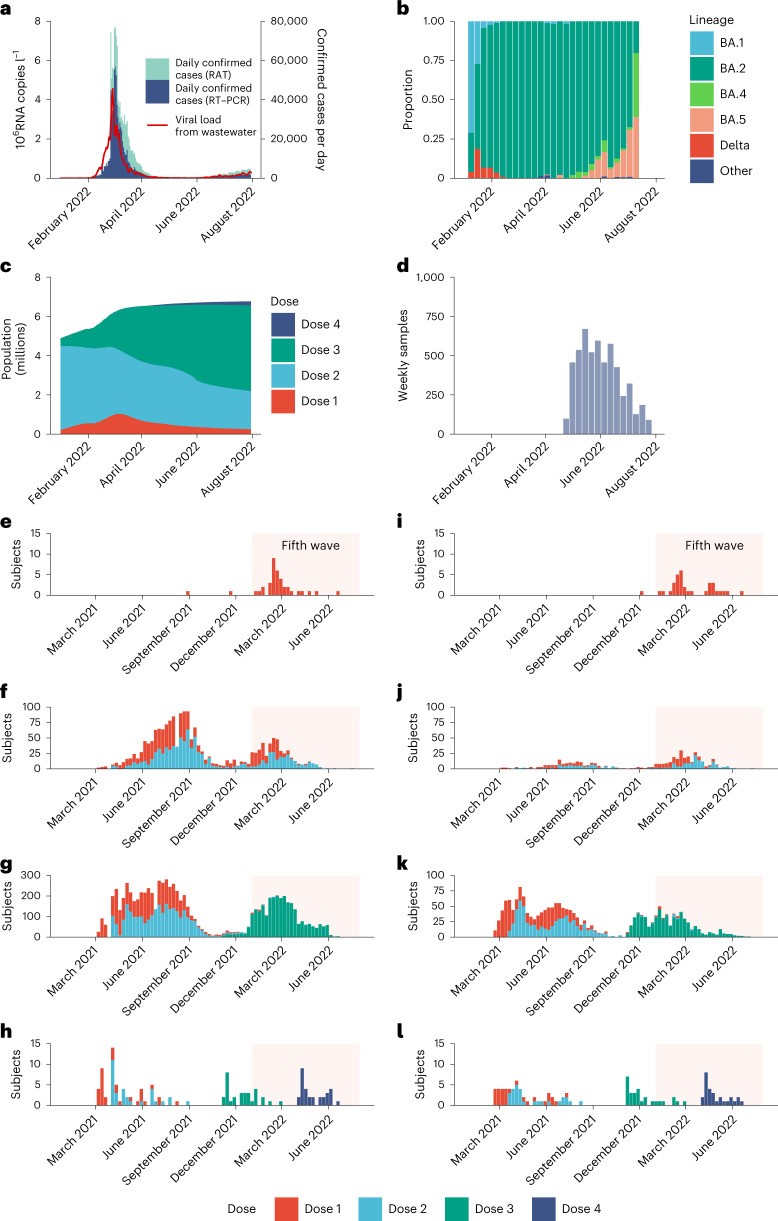
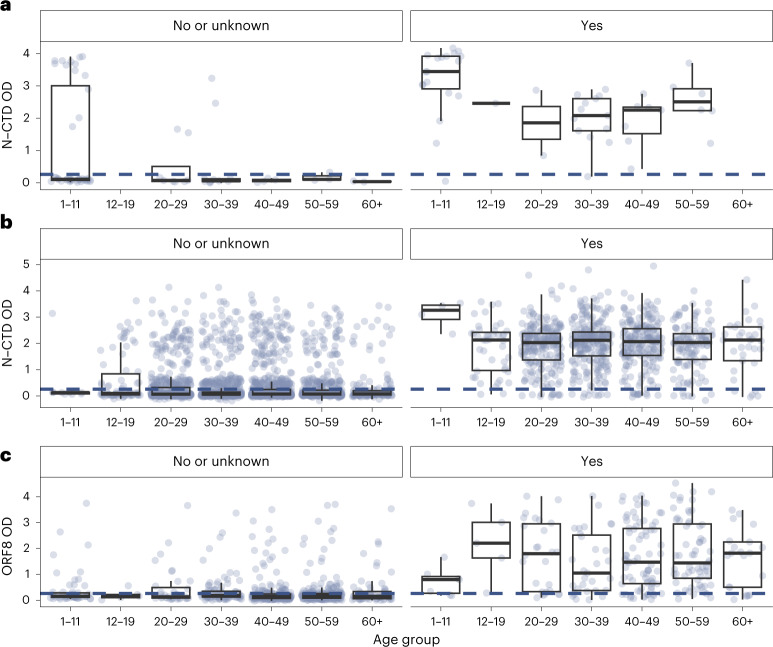
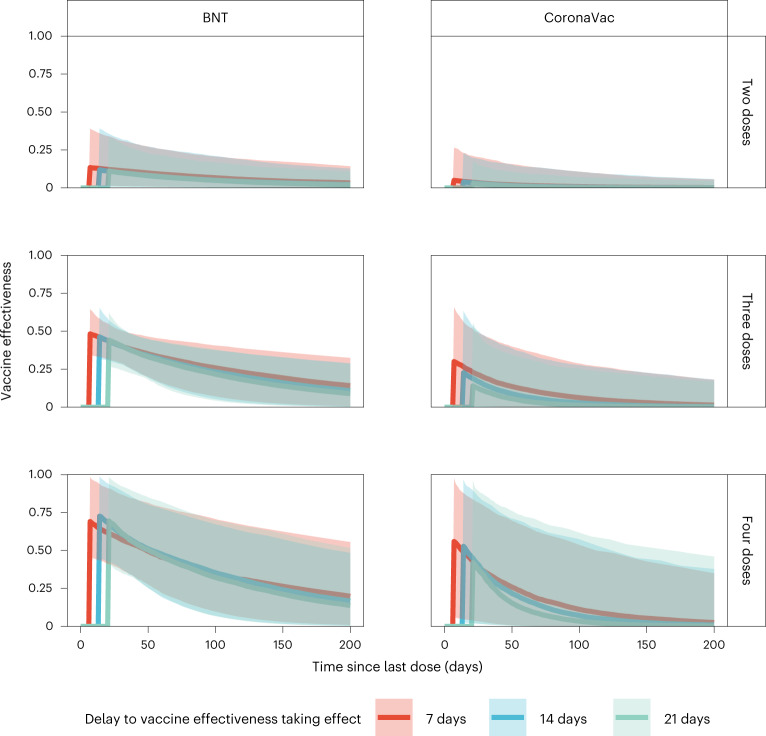
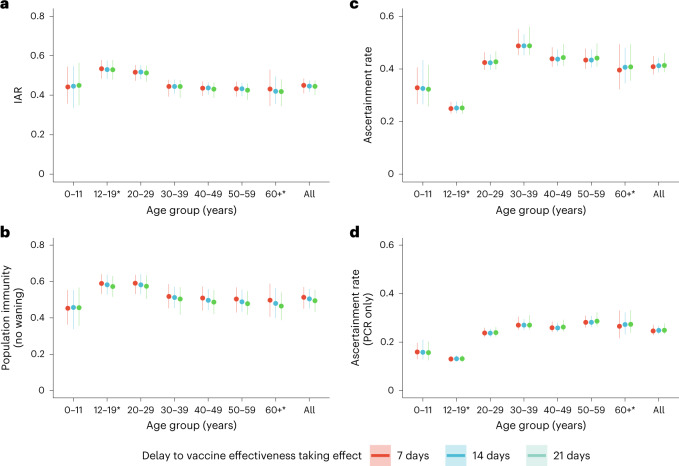
Verification
Claims the paper makes
8 Valid · 3 Not valid · 3 Not checked · 40 Own results and interpretations
The cited sources that could be checked couldn’t confirm or dispute this claim.
In the paper
“Sensitivity analyses assuming exponentially decaying immunity from natural infection yielded population immunity of 48% (42–54%) or 36% (31–41%) if such naturally acquired immunity decayed to 85% in 365 days15 or to 75% in 100 days16,17, respectively”
§ Real-world COVID-19 vaccine effectiveness against the Omicron BA.2 variant in a SARS-CoV-2 infection-naive population > Results
What the sources say
- Could not verifycites [16] Malato J Risk of BA.5 infection among persons exposed to previous SARS-CoV-2 variants N. Engl. J. Med. 2022 387 953 954 36044619 PMC9454644 sourceExperimental — accuracy not yet measured
The paper’s main text discusses protection against BA.5 after previous infection and mentions immune waning as a possible limitation. Searches for the 75%-in-100-days assumption and the 31 July population-immunity estimate found no sensitivity analysis or 36% (31–41%) estimate in our copy. (LLM, conf=0.75)
- Could not verifycites [17] Altarawneh HN Effects of previous infection and vaccination on symptomatic omicron infections N. Engl. J. Med. 2022 387 21 34 35704396 PMC9258753 sourceExperimental — accuracy not yet measured
The Results report effectiveness against symptomatic Omicron infection, and the study ended on February 21, 2022 (Results, Study Population; page unavailable). Searches for the 75%-in-100-days assumption and the July 31 population-immunity estimate found no passage in our copy addressing either figure. (LLM, conf=0.76)
plain- Asserted: passes — The authors put it forward as true.
- Checkable: passes — It can be checked against evidence.
- Load-bearing: unclear — It is unclear whether the paper’s conclusions depend on it.
- Based: passes — The paper gives a reason why it holds.
- Rests on 2 assumptions not shown here.
- Could not verify
The cited sources that could be checked couldn’t confirm or dispute this claim.
In the paper
“Sensitivity analyses assuming exponentially decaying immunity from natural infection yielded population immunity of 48% (42–54%) or 36% (31–41%) if such naturally acquired immunity decayed to 85% in 365 days15 or to 75% in 100 days16,17, respectively”
§ Real-world COVID-19 vaccine effectiveness against the Omicron BA.2 variant in a SARS-CoV-2 infection-naive population > Results
What the sources say
- Could not verifycites [15] Barnard RC Davies NG Jit M Edmunds WJ Modelling the medium-term dynamics of SARS-CoV-2 transmission in England in the Omicron era Nat. Commun. 2022 13 4879 35986002 PMC9389516 sourceExperimental — accuracy not yet measured
The Waning immunity and Model assumptions sections describe scenarios in which immunity from prior infection wanes, but do not give an assumption of 85% remaining after 365 days. Searches for that assumption and for the 31 July 2022 population-immunity estimate found no passage reporting 48% (42–54%). Page numbers were not available in our copy. (LLM, conf=0.74)
plain- Asserted: passes — The authors put it forward as true.
- Checkable: passes — It can be checked against evidence.
- Load-bearing: unclear — It is unclear whether the paper’s conclusions depend on it.
- Based: passes — The paper gives a reason why it holds.
- Rests on 2 assumptions not shown here.
- Could not verify
Every source the paper cites for this claim was checked and supports it.
In the paper
“It is possible that neutralizing antibody titers underestimate protection conferred by whole-virus inactivated vaccines such as CoronaVac, which present multiple viral proteins to the host immune system that may protect via multiple pathways other than neutralizing antibodies, such as T cell immunity and antibody-dependent cytotoxicity6.”
§ Real-world COVID-19 vaccine effectiveness against the Omicron BA.2 variant in a SARS-CoV-2 infection-naive population > Discussion
What the sources say
- Supportedcites [6] Mok CKP Comparison of the immunogenicity of BNT162b2 and CoronaVac COVID-19 vaccines in Hong Kong Respirology 2022 27 301 310 34820940 PMC8934254 source
Split into 2 atoms — 2 confirmed, 0 partially supported, 0 disputed, 0 misattributed, 0 unverifiable. Expand the claim to see per-atom verdicts.
hedgedstates a possible cause- Asserted: passes — The authors put it forward as true.
- Checkable: passes — It can be checked against evidence.
- Load-bearing: passes — The paper’s conclusions depend on it.
- Based: passes — The paper gives a reason why it holds.
- Supported
The cited sources support only part of this claim — read each source’s verdict below.
In the paper
“Our Omicron IAR estimates over time were lower than those reported in South Africa (58% in urban areas by April 2022)20, Denmark (66% by March 2022)21, Navarre, Spain (up to 59% by May 2022)22 and British Columbia, Canada (up to 61% by July–August 2022)23”
§ Real-world COVID-19 vaccine effectiveness against the Omicron BA.2 variant in a SARS-CoV-2 infection-naive population > Discussion
What the sources say
- Supportedcites [20] Sun K Rapidly shifting immunologic landscape and severity of SARS-CoV-2 in the Omicron era in South Africa. Nat. Commun. 2023 14 246 36646700 PMC9842214 source
The citation is attached to the South Africa estimate, not the estimates for the other locations. The Discussion reports an Omicron BA.1/2 infection attack rate of 58% in the urban cohort; the Results say serum specimens were collected through April 2022. (LLM, conf=0.93)
- Supportedcites [21] Erikstrup C Seroprevalence and infection fatality rate of the SARS-CoV-2 Omicron variant in Denmark: a nationwide serosurveillance study Lancet Reg. Health Eur. 2022 21 100479 35959415 PMC9355516 source
The cited source supports the Denmark figure in the sentence. In “Seroprevalence due to recent infections during the Omicron wave,” it estimates that 66% of the healthy adult Danish population were infected between November 1, 2021, and March 15, 2022. The other countries’ figures are attributed to separate citations, not this source. (LLM, conf=0.92)
- Partly supportedcites [22] Castilla J Seroprevalence of antibodies against SARS-CoV-2 and risk of COVID-19 in Navarre, Spain, May to July 2022 Eur. Surveill. 2022 27 2200619 PMC9389855 35983774 sourceExperimental — accuracy not yet measured
The Seroprevalence section reports anti-N antibodies in 58.9% of the Navarre sample in May 2022, supporting the cited figure of about 59%. It does not report that figure as an Omicron infection attack rate: anti-N antibodies indicate prior SARS-CoV-2 infection without identifying the variant. (LLM, conf=0.86)
plain- Asserted: passes — The authors put it forward as true.
- Checkable: passes — It can be checked against evidence.
- Load-bearing: unclear — It is unclear whether the paper’s conclusions depend on it.
- Based: passes — The paper gives a reason why it holds.
- Supported
Every source the paper cites for this claim was checked and supports it.
In the paper
“Thus, our estimate of VE against BA.2 infection elicited by three doses of CoronaVac appears greater than would be expected from neutralizing antibody titers.”
§ Real-world COVID-19 vaccine effectiveness against the Omicron BA.2 variant in a SARS-CoV-2 infection-naive population > Discussion
What the sources say
- Supportedcites [32] Cheng SM SARS-CoV-2 Omicron variant BA.2 neutralisation in sera of people with Comirnaty or CoronaVac vaccination, infection or breakthrough infection, Hong Kong, 2020 to 2022 Eur. Surveill. 2022 27 2200178 PMC9074393 35514306 source
The Discussion reports 42.3% effectiveness against mild–moderate BA.2 infection after three CoronaVac doses in adults aged 20–59. It also says none of 20 three-dose CoronaVac recipients had neutralizing antibody titres above the predicted threshold for 50% protection from infection. Together, these support the citing sentence’s hedged comparison; the effectiveness estimate is reported from another study, not measured in this paper. (LLM, conf=0.84)
hedgedstates an association- Asserted: passes — The authors put it forward as true.
- Checkable: passes — It can be checked against evidence.
- Load-bearing: passes — The paper’s conclusions depend on it.
- Based: passes — The paper gives a reason why it holds.
- Supported
38 more claims · 2 with their cited sources checked
Create a free account to see all 54 claims and every source verdict.
- It may state two separate claims as one. 5
- Probably not a substantial claim. 8
Self-check
Percentages, sums and reported differences re-computed from the paper’s own numbers.
Rated minor: it would not touch a result — a value no result rests on, a p-value that stays on the same side of the significance level, or a conflict that is clerical, resolved elsewhere in the paper, or outside its own findings.
In the paper
“Unvaccinated (n = 116) Number of donors”
§ Real-world COVID-19 vaccine effectiveness against the Omicron BA.2 variant in a SARS-CoV-2 infection-naive population > Results
Reported 116 · recomputed 111
Citations
Cites
pROC: an open-source package for R and S+ to analyze and compare ROC curves
Robin, X., Turck, N., Hainard, A., Tiberti, N., Lisacek, F., Sanchez, J.-C., & Müller, M. (2011) · BMC Bioinformatics · doi:10.1186/1471-2105-12-77 · Cited by 13,697
Khoury, D. S., Cromer, D., Reynaldi, A., Schlub, T. E., Wheatley, A. K., Juno, J. A., Subbarao, K., Kent, S. J., Triccas, J. A., & Davenport, M. P. (2021) · Nature Medicine · doi:10.1038/s41591-021-01377-8 · Cited by 3,742
Long COVID after breakthrough SARS-CoV-2 infection
Al-Aly, Z., Bowe, B., & Xie, Y. (2022) · Nature Medicine · doi:10.1038/s41591-022-01840-0 · Cited by 866
Cromer, D., Steain, M., Reynaldi, A., Schlub, T. E., Wheatley, A. K., Juno, J. A., Kent, S. J., Triccas, J. A., Khoury, D. S., & Davenport, M. P. (2022) · The Lancet Microbe · doi:10.1016/s2666-5247(21)00267-6 · Cited by 590
Effects of Previous Infection and Vaccination on Symptomatic Omicron Infections
Altarawneh, H. N., Chemaitelly, H., Ayoub, H. H., Tang, P., Hasan, M. R., Yassine, H. M., Al-Khatib, H. A., Smatti, M. K., Coyle, P., Al-Kanaani, Z., et al. (2022) · New England Journal of Medicine · doi:10.1056/nejmoa2203965 · Cited by 551 · cited 3×
“75 )/ 100 (corresponding to a 25% loss of protection within 100 days as observed in Portugal 16 and Qatar 17 upon BA.4/BA.5 emergence).”
BackgroundEfficacy of a Fourth Dose of Covid-19 mRNA Vaccine against Omicron
Regev-Yochay, G., Gonen, T., Gilboa, M., Mandelboim, M., Indenbaum, V., Amit, S., Meltzer, L., Asraf, K., Cohen, C., Fluss, R., et al. (2022) · New England Journal of Medicine · doi:10.1056/nejmc2202542 · Cited by 386
Effect of mRNA Vaccine Boosters against SARS-CoV-2 Omicron Infection in Qatar
Abu-Raddad, L. J., Chemaitelly, H., Ayoub, H. H., AlMukdad, S., Yassine, H. M., Al-Khatib, H. A., Smatti, M. K., Tang, P., Hasan, M. R., Coyle, P., et al. (2022) · New England Journal of Medicine · doi:10.1056/nejmoa2200797 · Cited by 380
McMenamin, M. E., Nealon, J., Lin, Y., Wong, J. Y., Cheung, J. K., Lau, E. H. Y., Wu, P., Leung, G. M., & Cowling, B. J. (2022) · The Lancet Infectious Diseases · doi:10.1016/s1473-3099(22)00345-0 · Cited by 360 · cited 2×
“Indeed, a recent VE study of CoronaVac vaccine using a test-negative design during this same BA.2 epidemic in Hong Kong also observed robust protection from severe disease and death 33 .”
BackgroundSelf-citationSeroprevalence of anti–SARS-CoV-2 IgG antibodies in Kenyan blood donors
Uyoga, S., Adetifa, I. M. O., Karanja, H. K., Nyagwange, J., Tuju, J., Wanjiku, P., Aman, R., Mwangangi, M., Amoth, P., Kasera, K., et al. (2021) · Science · doi:10.1126/science.abe1916 · Cited by 328
Sullivan, S. G., Tchetgen Tchetgen, E. J., & Cowling, B. J. (2016) · American Journal of Epidemiology · doi:10.1093/aje/kww064 · Cited by 319
Wong, C. K. H., Au, I. C. H., Lau, K. T. K., Lau, E. H. Y., Cowling, B. J., & Leung, G. M. (2022) · The Lancet · doi:10.1016/s0140-6736(22)01586-0 · Cited by 299
Self-citationFourth Dose of BNT162b2 mRNA Covid-19 Vaccine in a Nationwide Setting
Magen, O., Waxman, J. G., Makov-Assif, M., Vered, R., Dicker, D., Hernán, M. A., Lipsitch, M., Reis, B. Y., Balicer, R. D., & Dagan, N. (2022) · New England Journal of Medicine · doi:10.1056/nejmoa2201688 · Cited by 279 · cited 2×
“Meanwhile, Gazit et al. reported a fourth dose of BNT162b2 was 65.1% more effective by the third week against RT–PCR-confirmed Omicron infection relative to a third dose among people aged 60 years or older, declining to 22.0% by the end of 10 weeks 9 , although lower effectiveness was reported in Magen et al. 26 and R…”
BackgroundInfluentialWong, C. K. H., Au, I. C. H., Lau, K. T. K., Lau, E. H. Y., Cowling, B. J., & Leung, G. M. (2022) · The Lancet Infectious Diseases · doi:10.1016/s1473-3099(22)00507-2 · Cited by 269
Self-citationDuration of mRNA vaccine protection against SARS-CoV-2 Omicron BA.1 and BA.2 subvariants in Qatar
Chemaitelly, H., Ayoub, H. H., AlMukdad, S., Coyle, P., Tang, P., Yassine, H. M., Al-Khatib, H. A., Smatti, M. K., Hasan, M. R., Al-Kanaani, Z., et al. (2022) · Nature Communications · doi:10.1038/s41467-022-30895-3 · Cited by 228 · cited 1×
“For example, Chemaitelly et al. reported that effectiveness relative to an unvaccinated reference group against symptomatic infection after the second dose was 51.7% in the first 3 months and waned to ≤10% thereafter, increasing to 43.7% after a booster dose before waning again at similar rate 8 .”
BackgroundInfluentialViral variant-resolved wastewater surveillance of SARS-CoV-2 at national scale
Amman, F., Markt, R., Endler, L., Hupfauf, S., Agerer, B., Schedl, A., Richter, L., Zechmeister, M., Bicher, M., Heiler, G., et al. (2022) · Nature Biotechnology · doi:10.1038/s41587-022-01387-y · Cited by 201
Jones, J. M., Stone, M., Sulaeman, H., Fink, R. V., Dave, H., Levy, M. E., Di Germanio, C., Green, V., Notari, E., Saa, P., et al. (2021) · JAMA · doi:10.1001/jama.2021.15161 · Cited by 201
Ferdinands, J. M., Rao, S., Dixon, B. E., Mitchell, P. K., DeSilva, M. B., Irving, S. A., Lewis, N., Natarajan, K., Stenehjem, E., Grannis, S. J., et al. (2022) · BMJ · doi:10.1136/bmj-2022-072141 · Cited by 185 · cited 1×
“Further, although boosting by BNT162b2 or CoronaVac restores strong protection against hospitalization and death 33–35 , the incremental effectiveness of BNT162b2 boosters against such outcomes waned over the course of 4–6 months 34 for both adults and the elderly 36 .”
BackgroundDryden-Peterson, S., Kim, A., Kim, A. Y., Caniglia, E. C., Lennes, I. T., Patel, R., Gainer, L., Dutton, L., Donahue, E., Gandhi, R. T., et al. (2023) · Annals of Internal Medicine · doi:10.7326/m22-2141 · Cited by 182
Link-Gelles, R., Ciesla, A. A., Fleming-Dutra, K. E., Smith, Z. R., Britton, A., Wiegand, R. E., Miller, J. D., Accorsi, E. K., Schrag, S. J., Verani, J. R., et al. (2022) · MMWR. Morbidity and Mortality Weekly Report · doi:10.15585/mmwr.mm7148e1 · Cited by 166
Comparison of the immunogenicity of BNT162b2 and CoronaVac COVID ‐19 vaccines in Hong Kong
Mok, C. K. P., Cohen, C. A., Cheng, S. M. S., Chen, C., Kwok, K., Yiu, K., Chan, T., Bull, M., Ling, K. C., Dai, Z., et al. (2022) · Respirology · doi:10.1111/resp.14191 · Cited by 162
Self-citationSonabend, R., Whittles, L. K., Imai, N., Perez-Guzman, P. N., Knock, E. S., Rawson, T., Gaythorpe, K. A. M., Djaafara, B. A., Hinsley, W., FitzJohn, R. G., et al. (2021) · The Lancet · doi:10.1016/s0140-6736(21)02276-5 · Cited by 161
(2022) · doi:10.1136/bmj-2022-071502 · Cited by 144
Lin, D.-Y., Gu, Y., Xu, Y., Wheeler, B., Young, H., Sunny, S. K., Moore, Z., & Zeng, D. (2022) · JAMA · doi:10.1001/jama.2022.17876 · Cited by 129 · cited 1×
“Further, although boosting by BNT162b2 or CoronaVac restores strong protection against hospitalization and death 33–35 , the incremental effectiveness of BNT162b2 boosters against such outcomes waned over the course of 4–6 months 34 for both adults and the elderly 36 .”
BackgroundOved, K., Olmer, L., Shemer-Avni, Y., Wolf, T., Supino-Rosin, L., Prajgrod, G., Shenhar, Y., Payorsky, I., Cohen, Y., Kohn, Y., et al. (2020) · EClinicalMedicine · doi:10.1016/j.eclinm.2020.100651 · Cited by 129
Morvan, M., Jacomo, A. L., Souque, C., Wade, M. J., Hoffmann, T., Pouwels, K. B., Lilley, C. J., Singer, A. C., Porter, J., Evens, N. P., et al. (2022) · Nature Communications · doi:10.1038/s41467-022-31753-y · Cited by 112
Demonbreun, A. R., Sancilio, A., Velez, M. P., Ryan, D. T., Saber, R., Vaught, L. A., Reiser, N. L., Hsieh, R. R., D’Aquila, R. T., Mustanski, B. S., et al. (2021) · EClinicalMedicine · doi:10.1016/j.eclinm.2021.101018 · Cited by 104
Jara, A., Undurraga, E. A., Zubizarreta, J. R., González, C., Acevedo, J., Pizarro, A., Vergara, V., Soto-Marchant, M., Gilabert, R., Flores, J. C., et al. (2022) · Nature Medicine · doi:10.1038/s41591-022-01874-4 · Cited by 100
Operation Nasal Vaccine—Lightning speed to counter COVID-19
Topol, E. J., & Iwasaki, A. (2022) · Science Immunology · doi:10.1126/sciimmunol.add9947 · Cited by 90
Gazit, S., Saciuk, Y., Perez, G., Peretz, A., Pitzer, V. E., & Patalon, T. (2022) · BMJ · doi:10.1136/bmj-2022-071113 · Cited by 87 · cited 1×
“…against RT–PCR-confirmed Omicron infection relative to a third dose among people aged 60 years or older, declining to 22.0% by the end of 10 weeks 9 , although lower effectiveness was reported in Magen et al. 26 and Regev-Yochay et al. 27 also using triple-vaccinated subjects as reference groups.”
BackgroundInfluentialRisk of BA.5 Infection among Persons Exposed to Previous SARS-CoV-2 Variants
Malato, J., Ribeiro, R. M., Leite, P. P., Casaca, P., Fernandes, E., Antunes, C., Fonseca, V. R., Gomes, M. C., & Graca, L. (2022) · New England Journal of Medicine · doi:10.1056/nejmc2209479 · Cited by 81 · cited 3×
“75 )/ 100 (corresponding to a 25% loss of protection within 100 days as observed in Portugal 16 and Qatar 17 upon BA.4/BA.5 emergence).”
BackgroundPan-coronavirus vaccine pipeline takes form
Dolgin, E. (2022) · Nature Reviews Drug Discovery · doi:10.1038/d41573-022-00074-6 · Cited by 76
Waning COVID-19 Vaccine Effectiveness for BNT162b2 and CoronaVac in Malaysia: An Observational Study
Suah, J. L., Husin, M., Tok, P. S. K., Tng, B. H., Thevananthan, T., Low, E. V., Appannan, M. R., Muhamad Zin, F., Mohd Zin, S., Yahaya, H., et al. (2022) · International Journal of Infectious Diseases · doi:10.1016/j.ijid.2022.03.028 · Cited by 76
Contribution of low population immunity to the severe Omicron BA.2 outbreak in Hong Kong
Chen, L.-L., Abdullah, S. M. U., Chan, W.-M., Chan, B. P.-C., Ip, J. D., Chu, A. W.-H., Lu, L., Zhang, X., Zhao, Y., Chuang, V. W.-M., et al. (2022) · Nature Communications · doi:10.1038/s41467-022-31395-0 · Cited by 72
(2022) · doi:10.1503/cmaj.221335 · Cited by 69
Modelling the medium-term dynamics of SARS-CoV-2 transmission in England in the Omicron era
Barnard, R. C., Davies, N. G., Centre for Mathematical Modelling of Infectious Diseases COVID-19 working group, Munday, J. D., Lowe, R., Knight, G. M., Leclerc, Q. J., Tully, D. C., Hodgson, D., Pung, R., et al. (2022) · Nature Communications · doi:10.1038/s41467-022-32404-y · Cited by 68
Ng, O. T., Marimuthu, K., Lim, N., Lim, Z. Q., Thevasagayam, N. M., Koh, V., Chiew, C. J., Ma, S., Koh, M., Low, P. Y., et al. (2022) · JAMA Network Open · doi:10.1001/jamanetworkopen.2022.28900 · Cited by 68 · cited 1×
“Further, although boosting by BNT162b2 or CoronaVac restores strong protection against hospitalization and death 33–35 , the incremental effectiveness of BNT162b2 boosters against such outcomes waned over the course of 4–6 months 34 for both adults and the elderly 36 .”
BackgroundErikstrup, C., Laksafoss, A. D., Gladov, J., Kaspersen, K. A., Mikkelsen, S., Hindhede, L., Boldsen, J. K., Jørgensen, S. W., Ethelberg, S., Holm, D. K., et al. (2022) · The Lancet Regional Health - Europe · doi:10.1016/j.lanepe.2022.100479 · Cited by 60 · cited 1×
“…Omicron IAR estimates over time were lower than those reported in South Africa (58% in urban areas by April 2022) 20 , Denmark (66% by March 2022) 21 , Navarre, Spain (up to 59% by May 2022) 22 and British Columbia, Canada (up to 61% by July–August 2022) 23 likely reflecting the effectiveness of…”
ResultFlorentino, P. T. V., Alves, F. J. O., Silva, T. C., Oliveira, V. D. A., Bertoldo, J., Jantsch, A. G., Penna, G. O., Boaventura, V. S., Werneck, G. L., Rodrigues, L. C., et al. (2022) · Nature Communications · doi:10.1038/s41467-022-32524-5 · Cited by 57
Six-Month Follow-up after a Fourth BNT162b2 Vaccine Dose
Canetti, M., Barda, N., Gilboa, M., Indenbaum, V., Asraf, K., Gonen, T., Weiss-Ottolenghi, Y., Amit, S., Doolman, R., Mendelson, E., et al. (2022) · New England Journal of Medicine · doi:10.1056/nejmc2211283 · Cited by 55
Florentino, P. T. V., Millington, T., Cerqueira-Silva, T., Robertson, C., de Araújo Oliveira, V., Júnior, J. B. S., Alves, F. J. O., Penna, G. O., Vital Katikireddi, S., Boaventura, V. S., et al. (2022) · The Lancet Infectious Diseases · doi:10.1016/s1473-3099(22)00451-0 · Cited by 55
Pathela, P., Crawley, A., Weiss, D., Maldin, B., Cornell, J., Purdin, J., Schumacher, P. K., Marovich, S., Li, J., Daskalakis, D., et al. (2021) · The Journal of Infectious Diseases · doi:10.1093/infdis/jiab200 · Cited by 52
McKeigue, P., McAllister, D., Hutchinson, S. J., Robertson, C., Stockton, D., & Colhoun, H. M. (2022) · The Lancet Respiratory Medicine · doi:10.1016/s2213-2600(22)00045-5 · Cited by 47
Kwok, S. L. L., Cheng, S. M. S., Leung, J. N., Leung, K. S. M., Lee, C. K., Peiris, M. J. S., & Wu, J. T. K. (2022) · Eurosurveillance · doi:10.2807/1560-7917.es.2022.27.2.2101197 · Cited by 46
Self-citationRapidly shifting immunologic landscape and severity of SARS-CoV-2 in the Omicron era in South Africa
Sun, K., Tempia, S., Kleynhans, J., von Gottberg, A., McMorrow, M. L., Wolter, N., Bhiman, J. N., Moyes, J., Carrim, M., Martinson, N. A., et al. (2023) · Nature Communications · doi:10.1038/s41467-022-35652-0 · Cited by 45
Cheng, V. C., Lung, D. C., Wong, S., Au, A. K.-W., Wang, Q., Chen, H., Li, X., Chu, A. W., Ip, J. D., Chan, W.-M., et al. (2022) · Journal of Hazardous Materials · doi:10.1016/j.jhazmat.2022.128504 · Cited by 44
SARS-CoV-2 accessory proteins reveal distinct serological signatures in children
Hachim, A., Gu, H., Kavian, O., Mori, M., Kwan, M. Y. W., Chan, W. H., Yau, Y. S., Chiu, S. S., Tsang, O. T. Y., Hui, D. S. C., et al. (2022) · Nature Communications · doi:10.1038/s41467-022-30699-5 · Cited by 42 · cited 2×
“…two in-house enzyme-linked immunosorbent assays (ELISA) detecting immunoglobulin (Ig)G antibodies to the C-terminal domain of the nucleocapsid (N) protein (N-CTD) and the Open Reading Frame 8 protein (ORF8) of SARS-CoV-2, respectively, modifying and validating previously reported methods 6,7 .”
MethodSelf-citationResurgence of Omicron BA.2 in SARS-CoV-2 infection-naive Hong Kong
Xie, R., Edwards, K. M., Adam, D. C., Leung, K. S. M., Tsang, T. K., Gurung, S., Xiong, W., Wei, X., Ng, D. Y. M., Liu, G. Y. Z., et al. (2023) · Nature Communications · doi:10.1038/s41467-023-38201-5 · Cited by 38
Self-citationCheng, S. M., Mok, C. K. P., Chan, K. C., Ng, S. S., Lam, B. H., Luk, L. L., Ko, F. W., Chen, C., Yiu, K., Li, J. K., et al. (2022) · Eurosurveillance · doi:10.2807/1560-7917.es.2022.27.18.2200178 · Cited by 31
Self-citationResurgence of Omicron BA.2 in SARS-CoV-2 infection-naive Hong Kong
Xie, R., Edwards, K. M., Adam, D. C., Leung, K. S. M., Tsang, T. K., Gurung, S., Xiong, W., Wei, X., Ng, D. Y. M., Liu, G. Y. Z., et al. (2022) · doi:10.21203/rs.3.rs-2107395/v1 · Cited by 31
Self-citationWhy hybrid immunity is so triggering
Diseases, T. L. I. (2022) · The Lancet Infectious Diseases · doi:10.1016/s1473-3099(22)00746-0 · Cited by 31
Castilla, J., Lecea, Ó., Martín Salas, C., Quílez, D., Miqueleiz, A., Trobajo-Sanmartín, C., Navascués, A., Martínez-Baz, I., Casado, I., Burgui, C., et al. (2022) · Eurosurveillance · doi:10.2807/1560-7917.es.2022.27.33.2200619 · Cited by 31 · cited 1×
“…than those reported in South Africa (58% in urban areas by April 2022) 20 , Denmark (66% by March 2022) 21 , Navarre, Spain (up to 59% by May 2022) 22 and British Columbia, Canada (up to 61% by July–August 2022) 23 likely reflecting the effectiveness of extensive public health and social measures…”
BackgroundImamura, T., Isozumi, N., Higashimura, Y., Ohki, S., & Mori, M. (2021) · Plant Cell Reports · doi:10.1007/s00299-020-02654-5 · Cited by 29
Self-citationCheng, V. C., Wong, S., Au, A. K.-W., Zhang, C., Chen, J. H.-K., So, S. Y.-C., Li, X., Wang, Q., Lu, K. K., Lung, D. C., et al. (2022) · Building and Environment · doi:10.1016/j.buildenv.2022.109323 · Cited by 28
Klaassen, F., Chitwood, M. H., Cohen, T., Pitzer, V. E., Russi, M., Swartwood, N. A., Salomon, J. A., & Menzies, N. A. (2022) · Clinical Infectious Diseases · doi:10.1093/cid/ciac438 · Cited by 26
Population Immunity Against COVID-19 in the United States
Moghadas, S. M., Sah, P., Shoukat, A., Ancel, L. W., & Galvani, A. P. (2021) · Annals of Internal Medicine · doi:10.7326/m21-2721 · Cited by 25
Yang, B., Wong, I. O. L., Xiao, J., Tsang, T. K., Liao, Q., & Cowling, B. J. (2022) · The Journal of Infectious Diseases · doi:10.1093/infdis/jiac360 · Cited by 21
SARS-CoV-2 IgG seropositivity after the severe Omicron wave of COVID-19 in Hong Kong
Poon, R. W.-S., Chan, B. P.-C., Chan, W.-M., Fong, C. H.-Y., Zhang, X., Lu, L., Chen, L.-L., Lam, J.-Y., Cheng, V. C.-C., Wong, S. S. Y., et al. (2022) · Emerging Microbes & Infections · doi:10.1080/22221751.2022.2106899 · Cited by 20 · cited 1×
“51 ).”
Veneti, L., Berild, J. D., Watle, S. V., Starrfelt, J., Greve‐Isdahl, M., Langlete, P., Bøås, H., Bragstad, K., Hungnes, O., & Meijerink, H. (2022) · medRxiv · doi:10.1101/2022.03.24.22272854 · Cited by 19
What next for covid-19 vaccines?: Video 1
Looi, M.-K., & Mahase, E. (2022) · BMJ · doi:10.1136/bmj.o2422 · Cited by 7
Li, X., Yin, Y., Cui, Q., Huang, W., Zou, Q., & Shen, T. (2023) · Journal of Medical Virology · doi:10.1002/jmv.28279 · Cited by 4
Veneti, L., Berild, J. D., Watle, S. V., Starrfelt, J., Greve‐Isdahl, M., Langlete, P., Bøås, H., Bragstad, K., Hungnes, O., & Meijerink, H. (2022) · SSRN Electronic Journal · doi:10.2139/ssrn.4062776 · Cited by 2
Research works printed but not linked: 1
- Modelling the Fifth Wave of COVID-19 in Hong Kong – Update #9 (The Univ. of Hong Kong, 2022); https://www.med.hku.hk/en/news/press//-/media/HKU-Med-Fac/News/slides/20220314-sims_wave_5_omicron_2022_03_14_final.ashx
Cited by
Leung, K., Lau, E. H. Y., Wong, C. K. H., Leung, G. M., & Wu, J. T. (2023) · Nature Medicine · doi:10.1038/s41591-023-02212-y · Cited by 166
Self-citationEpidemiology of Respiratory Infections during the COVID-19 Pandemic
Principi, N., Autore, G., Ramundo, G., & Esposito, S. (2023) · Viruses · doi:10.3390/v15051160 · Cited by 165
“Finally, several safe and effective vaccines [16,17], monoclonal antibodies [18,19], and antivirals [20,21] were developed and rapidly authorized for emergency use by health authorities.”
BackgroundSwift and extensive Omicron outbreak in China after sudden exit from ‘zero-COVID’ policy
Goldberg, E. E., Lin, Q., Romero-Severson, E. O., & Ke, R. (2023) · Nature Communications · doi:10.1038/s41467-023-39638-4 · Cited by 112
Andersson, N. W., Thiesson, E. M., Baum, U., Pihlström, N., Starrfelt, J., Faksová, K., Poukka, E., Meijerink, H., Ljung, R., & Hviid, A. P. (2023) · BMJ · doi:10.1136/bmj-2022-075286 · Cited by 99
Inhibitors of SARS-CoV-2 Main Protease (Mpro) as Anti-Coronavirus Agents
Zagórska, A., Czopek, A., Fryc, M., & Jończyk, J. (2024) · Biomolecules · doi:10.3390/biom14070797 · Cited by 89
Metadata
- Authors
- Lau, J. J., Cheng, S. M. S., Leung, K., Lee, C. K., Hachim, A., Tsang, L. C. H., Yam, K. W. H., Chaothai, S., Kwan, K. K. H., Chai, Z. Y. H., Lo, T. H. K., Mori, M., Wu, C., Valkenburg, S. A., Amarasinghe, G. K., Lau, E. H. Y., Hui, D. S. C., Leung, G. M., Peiris, M., & Wu, J. T.
- Affiliations
- Laboratory of Data Discovery for Health (HK)
- University of Hong Kong (HK)
- University of Hong Kong - Shenzhen Hospital (CN)
- HKU-Pasteur Research Pole (HK)
- Ishikawa Prefectural University (JP)
- Washington University in St. Louis (US)
- The University of Melbourne (AU)
- Chinese University of Hong Kong (HK)
- Corresponding author
- Wu, Joseph T.
- ORCID
- Venue
- Nature Medicine
- Published
- 2023-01-18
- Volume
- 29
- Issue
- 2
- Pages
- 348-357
- ISSN
- 1078-8956 (ISSN-L)
- 1546-170X
- PMC
- PMC9941049
- OpenAlex
- W4317209210
- Semantic Scholar
- f5231f1ff17f325e392b59baa2b06f3e050061a6
- Cited by
- 198
- References
- 72
- Citations by year
- 2026: 27 · 2025: 42 · 2024: 77 · 2023: 52
- FWCI
- 40.75
- Type
- journal article
- Language
- en
- Update notices
- correction (2023-10-24)
- Open access
- hybrid
- doi.org
- Licence
- cc-by
- creativecommons.org/licenses/by/4.0 (tdm)
- creativecommons.org/licenses/by/4.0 (vor)
- Locations
- Nature Medicine (publishedVersion, cc-by)
- PubMed Central (publishedVersion, cc-by)
- PubMed (publishedVersion)
- Digital Commons@Becker (Washington University School of Medicine) (submittedVersion, cc-by)
- Figshare (submittedVersion)
- Funders
- Food and Health Bureau of the Government of the Hong Kong Special Administrative Region | Health and Medical Research Fund (COVID190126)
- AIR@InnoHK, Innovation and Technology Commission, Government of the Hong Kong Special Administrative Region Theme based Research Grants Scheme, Hong Kong Special Administrative Region
- University of Hong Kong
- Theme based Research Grants Scheme, Hong Kong Special Administrative Region
- Topics
- Health Sciences › Medicine › Infectious Diseases › SARS-CoV-2 and COVID-19 Research
- Physical Sciences › Mathematics › Modeling and Simulation › COVID-19 epidemiological studies
- Social Sciences › Health › Vaccine Coverage and Hesitancy
- Keywords
- COVID-19 vaccine effectiveness, SARS-CoV-2, BNT162b2, CoronaVac, vaccine waning, serological survey, Hong Kong, booster vaccination
- MeSH terms
- COVID-19, SARS-CoV-2, COVID-19 Vaccines, Vaccine Efficacy, BNT162 Vaccine, Humans, Vaccines, Inactivated
About these checks
Registry, retraction, Cites and statistics results are computed, not judged, with one exception: a printed reference that no index lists is read once by a model before it counts as a citation error. Claims are extracted by a model and kept only when their quote appears verbatim in the text; each cited source is then checked, with a model’s help, for whether it says what the claim relies on. Those verdicts can be wrong — read the claim’s quote and the cited source before relying on one.
The claim verdicts this report counts are experimental: their accuracy is not yet measured.
A language model drew the claims from the paper on 2026-10-10, under version 3 of the claim definition (model deepseek-v4.1-flash, prompt extract-v3).
A second model labelled each claim on 2026-10-10 (model jev-1.13-20260917, definition revision gold-guideline-v0.2).
Cited sources are checked with a language model’s help (gpt-6-sol).
Statistics and arithmetic are recomputed, not judged.
Confidence bands are shown only for fields calibrated on our annotated test set. None is calibrated yet, so no band is shown.
What counts as a claim ›How we measure confidence ›How we check this ›
Are you an author, or do you see a problem with this page? Request a review
Data sources
Bibliographic data: Semantic Scholar, OpenAlex, Crossref.
Contains information from the Semantic Scholar Academic Graph Datasets, made available under the ODC Attribution License (ODC-BY 1.0).
Semantic Scholar’s data is described in: Kinney, R., et al. (2023). The Semantic Scholar Open Data Platform. arXiv:2301.10140.
