

Recent advances in synthetic biology of cyanobacteria for improved chemicals production
Open accessThe DOI matches its Crossref record; 125 of the 125 references it cites were found in a registry or an index.
Abstract
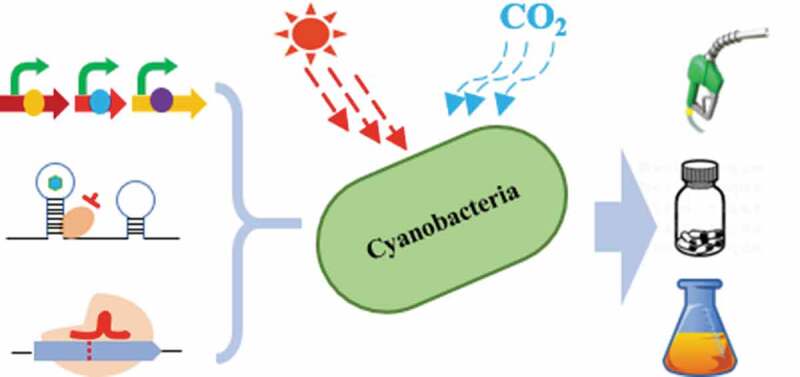
Cyanobacteria are Gram-negative photoautotrophic prokaryotes and have shown great importance to the Earth's ecology. Based on their capability in oxygenic photosynthesis and genetic merits, they can be engineered as microbial chassis for direct conversion of carbon dioxide to value-added biofuels and chemicals. In the last decades, attempts have given to the application of synthetic biology tools and approaches in the development of cyanobacterial cell factories. Despite the successful proof-of-principle studies, large-scale application is still a technical challenge due to low yields of bioproducts. Therefore, recent efforts are underway to characterize and develop genetic regulatory parts and strategies for the synthetic biology applications in cyanobacteria. In this review, we present the recent advancements and application in cyanobacterial synthetic biology toolboxes. We also discuss the limitations and future perspectives for using such novel tools in cyanobacterial biotechnology.
Overview
The claims and statistics of this paper haven’t been checked yet.
Free: it reads the open-access text and checks the first 5 claims that cite a source we can check. Create a free account to check every claim.
Integrity signals
Registry
Cites
Statistics
Figures
Verification
Claims the paper makes
The claims and statistics of this paper haven’t been checked yet.
Free: it reads the open-access text and checks the first 5 claims that cite a source we can check. Create a free account to check every claim.
Claims other papers make about this one
Each is checked against this paper’s own text: does it say what the citing paper says it does?
The cited source says what the claim attributes to it.
In the citing paper
“This is an active area of study for cyanobacterial platforms where inducible promoters, riboswitches and CRISPR-cas based regulation systems are all being developed for controlled synthesis of bio-products (Wang et al., 2020).”
From Cyanobacteria and microalgae in supporting human habitation on Mars (2022) · cites this paper as Wang et al., 2020
Self-check
Percentages, sums and reported differences re-computed from the paper’s own numbers.
The self-check needs the paper’s full text.
Citations
Cites
Ror2 signaling regulates Golgi structure and transport through IFT20 for tumor invasiveness
Nishita, M., Park, S.-Y., Nishio, T., Kamizaki, K., Wang, Z., Tamada, K., Takumi, T., Hashimoto, R., Otani, H., Pazour, G. J., et al. (2017) · Scientific Reports · doi:10.1038/s41598-016-0028-x · Cited by 15,947
Powering the planet: Chemical challenges in solar energy utilization
Lewis, N. S., & Nocera, D. G. (2006) · Proceedings of the National Academy of Sciences · doi:10.1073/pnas.0603395103 · Cited by 8,310 · cited 1×
“, plants and algae), cyanobacteria are often fast-growing with higher production rates [3,4].”
BackgroundRe-epithelialization and immune cell behaviour in an ex vivo human skin model
Rakita, A., Nikolić, N., Mildner, M., Matiasek, J., & Elbe-Bürger, A. (2020) · Scientific Reports · doi:10.1038/s41598-019-56847-4 · Cited by 8,228
Serganov, A., & Nudler, E. (2013) · Cell · doi:10.1016/j.cell.2012.12.024 · Cited by 1,013
Topological-insulator-based terahertz modulator
Wang, X. B., Cheng, L., Wu, Y., Zhu, D. P., Wang, L., Zhu, J.-X., Yang, H., & Chia, E. E. M. (2017) · Scientific Reports · doi:10.1038/s41598-017-13701-9 · Cited by 978
Direct photosynthetic recycling of carbon dioxide to isobutyraldehyde
Atsumi, S., Higashide, W., & Liao, J. C. (2009) · Nature Biotechnology · doi:10.1038/nbt.1586 · Cited by 870
Melis, A. (2009) · Plant Science · doi:10.1016/j.plantsci.2009.06.005 · Cited by 796 · cited 1×
“, plants and algae), cyanobacteria are often fast-growing with higher production rates [3,4].”
BackgroundThe Structural and Functional Diversity of Metabolite-Binding Riboswitches
Roth, A., & Breaker, R. R. (2009) · Annual Review of Biochemistry · doi:10.1146/annurev.biochem.78.070507.135656 · Cited by 553 · cited 1×
“Riboswitches are cis-activating or cis-repressing regulatory elements most likely present in the 5 untranslated regions of mRNAs [71,72].”
BackgroundFatty acid production in genetically modified cyanobacteria
Liu, X., Sheng, J., & Curtiss III, R. (2011) · Proceedings of the National Academy of Sciences · doi:10.1073/pnas.1103014108 · Cited by 532 · cited 1×
“Over the last decades, cyanobacteria have been successfully engineered as chassis for the production of a variety of valuable chemicals, such as fatty acids [5], ethylene [6], ethanol [7], 1-butanol [8], sucrose [9], shinorine [10], terpenoids [11], etc.”
BackgroundEngineering microbial biofuel tolerance and export using efflux pumps
Dunlop, M. J., Dossani, Z. Y., Szmidt, H. L., Chu, H. C., Lee, T. S., Keasling, J. D., Hadi, M. Z., & Mukhopadhyay, A. (2011) · Molecular Systems Biology · doi:10.1038/msb.2011.21 · Cited by 512 · cited 1×
“In the past, antibiotics have been the most commonly used selectable markers in cyanobacteria, including chloramphenicol [94], erythromycin [95], kanamycin [94], spectinomycin [96], neomycin [97], streptomycin [98], spectinomycin [99], zeocin [100] and gentamicin [99].”
BackgroundEthanol Synthesis by Genetic Engineering in Cyanobacteria
Deng, M.-D., & Coleman, J. R. (1999) · Applied and Environmental Microbiology · doi:10.1128/aem.65.2.523-528.1999 · Cited by 457 · cited 1×
“PCC 7120 (hereafter Anabaena 7120) [40], Synechocystis 6803 [26] and Synechococcus 7942 [58].”
The Ribosome Binding Site Calculator
Salis, H. M. (2011) · Methods in Enzymology · doi:10.1016/b978-0-12-385120-8.00002-4 · Cited by 432
[12] Genetic engineering of the cyanobacterial chromosome
Golden, S. S., Brusslan, J., & Haselkorn, R. (1987) · Methods in Enzymology · doi:10.1016/0076-6879(87)53055-5 · Cited by 395 · cited 1×
“In the past, antibiotics have been the most commonly used selectable markers in cyanobacteria, including chloramphenicol [94], erythromycin [95], kanamycin [94], spectinomycin [96], neomycin [97], streptomycin [98], spectinomycin [99], zeocin [100] and gentamicin [99].”
BackgroundMetabolic engineering of cyanobacteria for 1-butanol production from carbon dioxide
Lan, E. I., & Liao, J. C. (2011) · Metabolic Engineering · doi:10.1016/j.ymben.2011.04.004 · Cited by 381 · cited 1×
“Although a low productivity has been reported for this system, the promoter could be particularly useful in the control of processes that require darkness, such as the butanol production in Synechococcus 7942 [42,43].”
BackgroundCyanobacterial conversion of carbon dioxide to 2,3-butanediol
Oliver, J. W. K., Machado, I. M. P., Yoneda, H., & Atsumi, S. (2013) · Proceedings of the National Academy of Sciences · doi:10.1073/pnas.1213024110 · Cited by 380 · cited 1×
“coli RBSs with different dynamics were used to mediate expression of heterogeneous pathway genes for production of 2,3-butanediol, resulting in a significant enhancement of yield of product [70].”
MethodPhotosynthetic production of ethanol from carbon dioxide in genetically engineered cyanobacteria
Gao, Z., Zhao, H., Li, Z., Tan, X., & Lu, X. (2012) · Energy Environ. Sci. · doi:10.1039/c2ee22675h · Cited by 375 · cited 1×
“Over the last decades, cyanobacteria have been successfully engineered as chassis for the production of a variety of valuable chemicals, such as fatty acids [5], ethylene [6], ethanol [7], 1-butanol [8], sucrose [9], shinorine [10], terpenoids [11], etc.”
BackgroundYu, J., Liberton, M., Cliften, P. F., Head, R. D., Jacobs, J. M., Smith, R. D., Koppenaal, D. W., Brand, J. J., & Pakrasi, H. B. (2015) · Scientific Reports · doi:10.1038/srep08132 · Cited by 370
Huang, H.-H., Camsund, D., Lindblad, P., & Heidorn, T. (2010) · Nucleic Acids Research · doi:10.1093/nar/gkq164 · Cited by 349 · cited 4×
“The orthogonal promoters such as Ptrc or Ptrc2O have been successfully used for high yield expression of proteins in constitutive expression systems as they are highly efficient in the absence of repressor [26,32,61].”
BackgroundInfluentialWolk, C. P., Vonshak, A., Kehoe, P., & Elhai, J. (1984) · Proceedings of the National Academy of Sciences · doi:10.1073/pnas.81.5.1561 · Cited by 328 · cited 1×
“In the past, antibiotics have been the most commonly used selectable markers in cyanobacteria, including chloramphenicol [94], erythromycin [95], kanamycin [94], spectinomycin [96], neomycin [97], streptomycin [98], spectinomycin [99], zeocin [100] and gentamicin [99].”
BackgroundContinuous scanning for Bragg coherent X-ray imaging
Li, N., Dupraz, M., Wu, L., Leake, S. J., Resta, A., Carnis, J., Labat, S., Almog, E., Rabkin, E., Favre-Nicolin, V., et al. (2020) · Scientific Reports · doi:10.1038/s41598-020-69678-5 · Cited by 321
Vellanoweth, R. L., & Rabinowitz, J. C. (1992) · Molecular Microbiology · doi:10.1111/j.1365-2958.1992.tb01548.x · Cited by 308 · cited 1×
“It has long been recognized that the sequence and position of given RBS significantly affect translational efficiency [62,63].”
BackgroundCpf1 Is a Versatile Tool for CRISPR Genome Editing Across Diverse Species of Cyanobacteria
Ungerer, J., & Pakrasi, H. B. (2016) · Scientific Reports · doi:10.1038/srep39681 · Cited by 308 · cited 1×
“This alternative system was successfully used in several cyanobacteria strains, including Synechococcus 2973, Anabeana 7120 and Synechocystis 6803, which demonstrated determination of cell lethality and the markerless gene replacement strategy [86,87].”
MethodMohamed, A., & Jansson, C. (1989) · Plant Molecular Biology · doi:10.1007/bf00016024 · Cited by 305 · cited 1×
“These promoters play essential roles in driving the expression of key components in the photosynthetic pathways and thus are highly efficient and present in most if not all cyanobacterial species [54,55].”
BackgroundSynthetic biology of cyanobacteria: unique challenges and opportunities
Berla, B. M., Saha, R., Immethun, C. M., Maranas, C. D., Moon, T. S., & Pakrasi, H. B. (2013) · Frontiers in Microbiology · doi:10.3389/fmicb.2013.00246 · Cited by 305 · cited 2×
“Similar approaches may also be used in cyanobacteria to refine photosynthetic yield and carbon flux toward the product of interest, thus unlocking the full power of cyanobacteria for microbial cell factories [15].”
BackgroundRiboswitches: the oldest mechanism for the regulation of gene expression?
Vitreschak, A. (2004) · Trends in Genetics · doi:10.1016/j.tig.2003.11.008 · Cited by 296 · cited 2×
“To date, up to 50 classes of riboswitch are investigated, which involved in a variety of crucial biochemical pathways including co-enzymes, nucleobases, amino acids and single ions [74,75].”
BackgroundJagadevan, S., Banerjee, A., Banerjee, C., Guria, C., Tiwari, R., Baweja, M., & Shukla, P. (2018) · Biotechnology for Biofuels · doi:10.1186/s13068-018-1181-1 · Cited by 275 · cited 1×
“The therefore engineered cyanobacterial hosts possessing modulated metabolisms will facilitate generation of desired outputs such as chemicals and proteins [16].”
BackgroundGriese, M., Lange, C., & Soppa, J. (2011) · FEMS Microbiology Letters · doi:10.1111/j.1574-6968.2011.02368.x · Cited by 264 · cited 1×
“In addition, many cyanobacteria are oligoploid or polyploid [81], to obtain homozygous mutant strains a segregation step is often required to ensure all chromosome copies carry the same targeted mutation, however, this procedure involves many rounds of antibiotics selection and can be time consuming.”
BackgroundMultiple Gene Repression in Cyanobacteria Using CRISPRi
Yao, L., Cengic, I., Anfelt, J., & Hudson, E. P. (2016) · ACS Synthetic Biology · doi:10.1021/acssynbio.5b00264 · Cited by 246 · cited 2×
“The orthogonal promoters such as Ptrc or Ptrc2O have been successfully used for high yield expression of proteins in constitutive expression systems as they are highly efficient in the absence of repressor [26,32,61].”
BackgroundEngineering Cyanobacteria To Synthesize and Export Hydrophilic Products
Niederholtmeyer, H., Wolfstädter, B. T., Savage, D. F., Silver, P. A., & Way, J. C. (2010) · Applied and Environmental Microbiology · doi:10.1128/aem.00202-10 · Cited by 243 · cited 2×
“Therefore, synthetic biology was also applied to introduce sugar transporters facilitating the export of the hydrophilic metabolites, thus keeping a healthier cell factory and in the meantime, allowing extracellular accumulation of carbohydrates for further biotechnological applications [109,110].”
BackgroundUngerer, J., Tao, L., Davis, M., Ghirardi, M., Maness, P.-C., & Yu, J. (2012) · Energy & Environmental Science · doi:10.1039/c2ee22555g · Cited by 238 · cited 1×
“Over the last decades, cyanobacteria have been successfully engineered as chassis for the production of a variety of valuable chemicals, such as fatty acids [5], ethylene [6], ethanol [7], 1-butanol [8], sucrose [9], shinorine [10], terpenoids [11], etc.”
BackgroundSynthetic Biology in Cyanobacteria
(2011) · Methods in Enzymology · doi:10.1016/b978-0-12-385075-1.00024-x · Cited by 234 · cited 1×
“Early studies reported characterization of BioBrick registered RBSs in Synechocystis 6803 [67,68].”
ResultCRISPR-Cas9 for the genome engineering of cyanobacteria and succinate production
Li, H., Shen, C. R., Huang, C.-H., Sung, L.-Y., Wu, M.-Y., & Hu, Y.-C. (2016) · Metabolic Engineering · doi:10.1016/j.ymben.2016.09.006 · Cited by 233 · cited 2×
“Most importantly, the high efficiency of CRISPR-Cas system can significantly improve the frequency of genome editing and accelerate the segregation process [83,84].”
BackgroundMethodWendt, K. E., Ungerer, J., Cobb, R. E., Zhao, H., & Pakrasi, H. B. (2016) · Microbial Cell Factories · doi:10.1186/s12934-016-0514-7 · Cited by 232 · cited 4×
“Most importantly, the high efficiency of CRISPR-Cas system can significantly improve the frequency of genome editing and accelerate the segregation process [83,84].”
BackgroundMethodInfluentialGenetic tools for cyanobacteria
Wolk, O. K. (2002) · Applied Microbiology and Biotechnology · doi:10.1007/s00253-001-0864-9 · Cited by 228 · cited 1×
“integrative and replicative vectors [103].”
New applications of synthetic biology tools for cyanobacterial metabolic engineering
Santos-Merino, M., Singh, A. K., & Ducat, D. C. (2019) · Frontiers in Bioengineering and Biotechnology · doi:10.3389/fbioe.2019.00033 · Cited by 222 · cited 1×
“Nevertheless, characterization of such parts could be significantly advanced by the establishment of robust and modular expression libraries [118].”
BackgroundMarkley, A. L., Begemann, M. B., Clarke, R. E., Gordon, G. C., & Pfleger, B. F. (2015) · ACS Synthetic Biology · doi:10.1021/sb500260k · Cited by 212 · cited 3×
“Recently, variants of PcpcB promoter, including Pcpc560 and Pcpt, were characterized and used in Synechocystis 6803 and Synechococcus 7002, showing moderate to high product yields [10,33,34,56].”
BackgroundMethodApplication of synthetic biology in cyanobacteria and algae
Wang, B., Wang, J., Zhang, W., & Meldrum, D. R. (2012) · Frontiers in Microbiology · doi:10.3389/fmicb.2012.00344 · Cited by 211 · cited 2×
“The most commonly used replicative vectors are previously derived from a broad-host vector RSF1010, including pSL1211, pPMQAK1 and pFC1 [15,17,26].”
BackgroundGordon, G. C., Korosh, T. C., Cameron, J. C., Markley, A. L., Begemann, M. B., & Pfleger, B. F. (2016) · Metabolic Engineering · doi:10.1016/j.ymben.2016.07.007 · Cited by 193
Broad-host-range vector system for synthetic biology and biotechnology in cyanobacteria
Taton, A., Unglaub, F., Wright, N. E., Zeng, W. Y., Paz-Yepes, J., Brahamsha, B., Palenik, B., Peterson, T. C., Haerizadeh, F., Golden, S. S., et al. (2014) · Nucleic Acids Research · doi:10.1093/nar/gku673 · Cited by 186 · cited 1×
“Recent attempts have given to the modification of RSF1010-based vectors for improved transmissibility, increased copy numbers and ease of cloning [105,106].”
BackgroundLudwig, M., & Bryant, D. A. (2012) · Frontiers in Microbiology · doi:10.3389/fmicb.2012.00354 · Cited by 183
Predicting Translation Initiation Rates for Designing Synthetic Biology
Reeve, B., Hargest, T., Gilbert, C., & Ellis, T. (2014) · Frontiers in Bioengineering and Biotechnology · doi:10.3389/fbioe.2014.00001 · Cited by 183
Ethylene Synthesis and Regulated Expression of Recombinant Protein in Synechocystis sp. PCC 6803
Guerrero, F., Carbonell, V., Cossu, M., Correddu, D., & Jones, P. R. (2012) · PLoS ONE · doi:10.1371/journal.pone.0050470 · Cited by 183
Genes encoding synthetases of cyclic depsipeptides, anabaenopeptilides, in Anabaena strain 90
Rouhiainen, L., Paulin, L., Suomalainen, S., Hyytiäinen, H., Buikema, W., Haselkorn, R., & Sivonen, K. (2000) · Molecular Microbiology · doi:10.1046/j.1365-2958.2000.01982.x · Cited by 177 · cited 1×
“In the past, antibiotics have been the most commonly used selectable markers in cyanobacteria, including chloramphenicol [94], erythromycin [95], kanamycin [94], spectinomycin [96], neomycin [97], streptomycin [98], spectinomycin [99], zeocin [100] and gentamicin [99].”
BackgroundTerpenoids and Their Biosynthesis in Cyanobacteria
Pattanaik, B., & Lindberg, P. (2015) · Life · doi:10.3390/life5010269 · Cited by 173 · cited 1×
“Several previous review articles have well summarized a number of successful efforts in development of cyanobacterial platforms for production of terpenoids [11,112,113].”
BackgroundWide-dynamic-range promoters engineered for cyanobacteria
Huang, H.-H., & Lindblad, P. (2013) · Journal of Biological Engineering · doi:10.1186/1754-1611-7-10 · Cited by 172 · cited 1×
“coli-derived induction system of the tetracycline-resistance operon TN10, induced by anhydrotetracycline (aTc) were able to function in several cyanobacterial hosts [29], including Synechococcus elongatus pcc 7942 (hereafter Synechococcus 7942), Synechococcus sp.”
BackgroundZhou, J., Zhang, H., Meng, H., Zhu, Y., Bao, G., Zhang, Y., Li, Y., & Ma, Y. (2014) · Scientific Reports · doi:10.1038/srep04500 · Cited by 170 · cited 1×
“Recently, variants of PcpcB promoter, including Pcpc560 and Pcpt, were characterized and used in Synechocystis 6803 and Synechococcus 7002, showing moderate to high product yields [10,33,34,56].”
MethodEnglund, E., Liang, F., & Lindberg, P. (2016) · Scientific Reports · doi:10.1038/srep36640 · Cited by 166
Kierzek, A. M., Zaim, J., & Zielenkiewicz, P. (2001) · Journal of Biological Chemistry · doi:10.1074/jbc.m006264200 · Cited by 165 · cited 1×
“It has long been recognized that the sequence and position of given RBS significantly affect translational efficiency [62,63].”
BackgroundEditorial: Yeast synthetic biology: new tools to unlock cellular function
(2015) · FEMS Yeast Research · doi:10.1093/femsyr/fou003 · Cited by 164
Huang, C.-H., Shen, C. R., Li, H., Sung, L.-Y., Wu, M.-Y., & Hu, Y.-C. (2016) · Microbial Cell Factories · doi:10.1186/s12934-016-0595-3 · Cited by 164 · cited 1×
“The arabinose-inducible PBAD promoter was first characterized in Synechococcus 7942 with a relatively high strength and can be well-repressed in the absence of the inducer [35,36].”
BackgroundNa, D., & Lee, D. (2010) · Bioinformatics · doi:10.1093/bioinformatics/btq458 · Cited by 161
Enhanced limonene production in cyanobacteria reveals photosynthesis limitations
Wang, X., Liu, W., Xin, C., Zheng, Y., Cheng, Y., Sun, S., Li, R., Zhu, X.-G., Dai, S. Y., Rentzepis, P. M., et al. (2016) · Proceedings of the National Academy of Sciences · doi:10.1073/pnas.1613340113 · Cited by 159
Specialized Techniques for Site-Directed Mutagenesis in Cyanobacteria
Clerico, E. M., Ditty, J. L., & Golden, S. S. (2007) · Methods in Molecular Biology · doi:10.1007/978-1-59745-257-1_11 · Cited by 153 · cited 1×
“The knock-in of heterologous DNA material usually requires an appropriate neutral site that can be disrupted without affecting cellular viability or cause any distinguishable phenotype [104].”
BackgroundLin, W., Hasenstab, K. A., Cunha, G. M., & Schwartzman, A. (2020) · Scientific Reports · doi:10.1038/s41598-020-77264-y · Cited by 150
The potential of Synechococcus elongatus UTEX 2973 for sugar feedstock production
Song, K., Tan, X., Liang, Y., & Lü, X. (2016) · Applied Microbiology and Biotechnology · doi:10.1007/s00253-016-7510-z · Cited by 143 · cited 1×
“Over the last decades, cyanobacteria have been successfully engineered as chassis for the production of a variety of valuable chemicals, such as fatty acids [5], ethylene [6], ethanol [7], 1-butanol [8], sucrose [9], shinorine [10], terpenoids [11], etc.”
BackgroundNakahira, Y., Ogawa, A., Asano, H., Oyama, T., & Tozawa, Y. (2013) · Plant and Cell Physiology · doi:10.1093/pcp/pct115 · Cited by 142
CRISPR-Based Technologies for Metabolic Engineering in Cyanobacteria
Behler, J., Vijay, D., Hess, W. R., & Akhtar, M. K. (2018) · Trends in Biotechnology · doi:10.1016/j.tibtech.2018.05.011 · Cited by 138 · cited 3×
“cyanobacterial genome modifications [82].”
BackgroundA Metagenomic Approach to Cyanobacterial Genomics
Alvarenga, D. O., Fiore, M. F., & Varani, A. M. (2017) · Frontiers in Microbiology · doi:10.3389/fmicb.2017.00809 · Cited by 129 · cited 1×
“In terms of the fact that over 400 cyanobacterial genomes are available in public databases to date [45], together with the large amount of cyanobacterial transcriptomic and proteomic data under diverse stresses [46–53], provide tremendous potential for screening of inducible promoters.”
BackgroundMa, A. T., Schmidt, C. M., & Golden, J. W. (2014) · Applied and Environmental Microbiology · doi:10.1128/aem.01697-14 · Cited by 125
Engineering cyanobacteria as photosynthetic feedstock factories
Hays, S. G., & Ducat, D. C. (2015) · Photosynthesis Research · doi:10.1007/s11120-014-9980-0 · Cited by 122 · cited 1×
“In cyanobacteria, glycogen is used as source for the production of many sugars and carbohydrates in response to osmotic stress [108].”
BackgroundEnhanced production of sucrose in the fast-growing cyanobacterium Synechococcus elongatus UTEX 2973
Lin, P.-C., Zhang, F., & Pakrasi, H. B. (2020) · Scientific Reports · doi:10.1038/s41598-019-57319-5 · Cited by 122 · cited 1×
“Therefore, synthetic biology was also applied to introduce sugar transporters facilitating the export of the hydrophilic metabolites, thus keeping a healthier cell factory and in the meantime, allowing extracellular accumulation of carbohydrates for further biotechnological applications [109,110].”
BackgroundKaczmarzyk, D., Cengic, I., Yao, L., & Hudson, E. P. (2018) · Metabolic Engineering · doi:10.1016/j.ymben.2017.11.014 · Cited by 120 · cited 1×
“Recently, both CRISPR-dCas9 and -dCas12a systems have demonstrated successful applications in several model cyanobacteria, such as Synechocystis 6803 [32,89,90], Synechococcus 7942 [91], Anabaena 7120 [92,93] and Synechococcus 2973 [86].”
BackgroundEngineering cyanobacteria for production of terpenoids
Lin, P.-C., & Pakrasi, H. B. (2018) · Planta · doi:10.1007/s00425-018-3047-y · Cited by 120 · cited 2×
“Over the last decades, cyanobacteria have been successfully engineered as chassis for the production of a variety of valuable chemicals, such as fatty acids [5], ethylene [6], ethanol [7], 1-butanol [8], sucrose [9], shinorine [10], terpenoids [11], etc.”
BackgroundToolboxes for cyanobacteria: recent advances and future direction
Sun, T., Li, S., Song, X., Diao, J., Chen, L., & Zhang, W. (2018) · Biotechnology Advances · doi:10.1016/j.biotechadv.2018.04.007 · Cited by 116 · cited 1×
“The development of synthetic biology hosts often involves introduction of genetic pathways that exert heavy metabolic loads or having generated metabolites harmful to the cells [24].”
BackgroundApplication of synthetic biology for production of chemicals in yeastSaccharomyces cerevisiae
Li, M., & Borodina, I. (2014) · FEMS Yeast Research · doi:10.1111/1567-1364.12213 · Cited by 110 · cited 1×
“coli and Saccharomyces cerevisiae as prokaryotic and eukaryotic production hosts, resulting in tremendous successes [13,14].”
BackgroundGenetic tools for advancement of Synechococcus sp. PCC 7002 as a cyanobacterial chassis
Ruffing, A. M., Jensen, T. J., & Strickland, L. M. (2016) · Microbial Cell Factories · doi:10.1186/s12934-016-0584-6 · Cited by 110 · cited 3×
“Another inherent promoter commonly used in cyanobacterial host development is the RuBisCO promoter PrbcL [57].”
BackgroundInfluentialFuchsman, C. A., Palevsky, H. I., Widner, B., Duffy, M. E., Carlson, M. C. G., Neibauer, J. A., Mulholland, M. R., Keil, R. G., Devol, A. H., & Rocap, G. (2019) · The ISME Journal · doi:10.1038/s41396-019-0452-6 · Cited by 104 · cited 1×
“On the other hand, they also play essential roles in carbon and nitrogen cycling in the oligotrophic oxygen-deficient environments [2].”
BackgroundGenetic Instability in Cyanobacteria – An Elephant in the Room?
Jones, P. R. (2014) · Frontiers in Bioengineering and Biotechnology · doi:10.3389/fbioe.2014.00012 · Cited by 102
Multiple Deletions of Small Cab-like Proteins in the Cyanobacterium Synechocystis sp. PCC 6803
Xu, H., Vavilin, D. V., Funk, C., & Vermaas, W. F. J. (2004) · Journal of Biological Chemistry · doi:10.1074/jbc.m403307200 · Cited by 102 · cited 1×
“In the past, antibiotics have been the most commonly used selectable markers in cyanobacteria, including chloramphenicol [94], erythromycin [95], kanamycin [94], spectinomycin [96], neomycin [97], streptomycin [98], spectinomycin [99], zeocin [100] and gentamicin [99].”
BackgroundDesign and analysis of LacI-repressed promoters and DNA-looping in a cyanobacterium
Camsund, D., Heidorn, T., & Lindblad, P. (2014) · Journal of Biological Engineering · doi:10.1186/1754-1611-8-4 · Cited by 102 · cited 1×
“Due to the low strength of this promoter, it may not be appreciable for overexpression of enzymes in biosynthetic pathways, however, can be used for expression of repressors that sometimes required for trace activity in regulatory circuits [27].”
BackgroundWang, B., Eckert, C., Maness, P.-C., & Yu, J. (2018) · ACS Synthetic Biology · doi:10.1021/acssynbio.7b00297 · Cited by 99 · cited 1×
“Previously, the most recognized light-responsive promoters are the PpsbA derived from plant Amaranthus hybridus [40] and its variants [41].”
BackgroundLiu, D., & Pakrasi, H. B. (2018) · Microbial Cell Factories · doi:10.1186/s12934-018-0897-8 · Cited by 99 · cited 1×
“Another recent study has investigated 20 native RBS elements in the same cyanobacterial strain [69].”
BackgroundShabestary, K., & Hudson, E. P. (2016) · Metabolic Engineering Communications · doi:10.1016/j.meteno.2016.07.003 · Cited by 90 · cited 1×
“Over the last decades, cyanobacteria have been successfully engineered as chassis for the production of a variety of valuable chemicals, such as fatty acids [5], ethylene [6], ethanol [7], 1-butanol [8], sucrose [9], shinorine [10], terpenoids [11], etc.”
BackgroundComparative proteomics unveils cross species variations in Anabaena under salt stress
Rai, S., Agrawal, C., Shrivastava, A. K., Singh, P. K., & Rai, L. C. (2014) · Journal of Proteomics · doi:10.1016/j.jprot.2013.12.020 · Cited by 89
Shabestary, K., Anfelt, J., Ljungqvist, E., Jahn, M., Yao, L., & Hudson, E. P. (2018) · ACS Synthetic Biology · doi:10.1021/acssynbio.8b00056 · Cited by 89 · cited 1×
“Recently, both CRISPR-dCas9 and -dCas12a systems have demonstrated successful applications in several model cyanobacteria, such as Synechocystis 6803 [32,89,90], Synechococcus 7942 [91], Anabaena 7120 [92,93] and Synechococcus 2973 [86].”
BackgroundStrong and regulated promoters in the cyanobacterium Anabaena PCC 7120
Elhai, J. (1993) · FEMS Microbiology Letters · doi:10.1016/0378-1097(93)90516-5 · Cited by 84 · cited 2×
“PCC 7120 (hereafter Anabaena 7120) [40], Synechocystis 6803 [26] and Synechococcus 7942 [58].”
BackgroundPhotosynthetic Production of Sunscreen Shinorine Using an Engineered Cyanobacterium
Yang, G., Cozad, M. A., Holland, D. A., Zhang, Y., Luesch, H., & Ding, Y. (2018) · ACS Synthetic Biology · doi:10.1021/acssynbio.7b00397 · Cited by 82 · cited 2×
“Recently, variants of PcpcB promoter, including Pcpc560 and Pcpt, were characterized and used in Synechocystis 6803 and Synechococcus 7002, showing moderate to high product yields [10,33,34,56].”
BackgroundMethodSelf-citationA Rhamnose-Inducible System for Precise and Temporal Control of Gene Expression in Cyanobacteria
Kelly, C. L., Taylor, G. M., Hitchcock, A., Torres-Méndez, A., & Heap, J. T. (2018) · ACS Synthetic Biology · doi:10.1021/acssynbio.7b00435 · Cited by 80
Wang, J., Chen, L., Huang, S., Liu, J., Ren, X., Tian, X., Qiao, J., & Zhang, W. (2012) · Biotechnology for Biofuels · doi:10.1186/1754-6834-5-89 · Cited by 79
Zess, E. K., Begemann, M. B., & Pfleger, B. F. (2016) · Biotechnology and Bioengineering · doi:10.1002/bit.25713 · Cited by 79 · cited 3×
“Recently, variants of PcpcB promoter, including Pcpc560 and Pcpt, were characterized and used in Synechocystis 6803 and Synechococcus 7002, showing moderate to high product yields [10,33,34,56].”
BackgroundMethodRecent advances in synthetic biology of cyanobacteria
Sengupta, A., Pakrasi, H. B., & Wangikar, P. P. (2018) · Applied Microbiology and Biotechnology · doi:10.1007/s00253-018-9046-x · Cited by 78 · cited 2×
“The crux of synthetic biology promotes a bottom-up approach to redesign biological platforms with recombination of defined parts, modules or artificial regulatory circuits [12].”
BackgroundZhu, H., Ren, X., Wang, J., Song, Z., Shi, M., Qiao, J., Tian, X., Liu, J., Chen, L., & Zhang, W. (2013) · Biotechnology for Biofuels · doi:10.1186/1754-6834-6-106 · Cited by 76
Choi, S. Y., & Woo, H. M. (2020) · ACS Synthetic Biology · doi:10.1021/acssynbio.0c00091 · Cited by 75 · cited 1×
“Recently, both CRISPR-dCas9 and -dCas12a systems have demonstrated successful applications in several model cyanobacteria, such as Synechocystis 6803 [32,89,90], Synechococcus 7942 [91], Anabaena 7120 [92,93] and Synechococcus 2973 [86].”
BackgroundQiao, J., Huang, S., Te, R., Wang, J., Chen, L., & Zhang, W. (2013) · Applied Microbiology and Biotechnology · doi:10.1007/s00253-013-5139-8 · Cited by 74
An Organic Acid Based Counter Selection System for Cyanobacteria
Begemann, M. B., Zess, E. K., Walters, E. M., Schmitt, E. F., Markley, A. L., & Pfleger, B. F. (2013) · PLoS ONE · doi:10.1371/journal.pone.0076594 · Cited by 72 · cited 1×
“For example, in a study on the development of counter-selection system for cyanobacteria, a genetic insertion at the acsA (acetyl-CoA ligase) locus led to a selectable phenotype that is tolerant to acrylate [101].”
BackgroundKim, W. J., Lee, S.-M., Um, Y., Sim, S. J., & Woo, H. M. (2017) · Frontiers in Plant Science · doi:10.3389/fpls.2017.00293 · Cited by 70 · cited 1×
“The recent development of SyneBrick integrative vectors facilitates integration at three neutral sites [31].”
BackgroundComparative Dose–Response Analysis of Inducible Promoters in Cyanobacteria
Behle, A., Saake, P., Germann, A. T., Dienst, D., & Axmann, I. M. (2020) · ACS Synthetic Biology · doi:10.1021/acssynbio.9b00505 · Cited by 67 · cited 2×
“Very recently, the vanR/ PvanCC promoter system from Caulobacter crescentus was further optimized for its application in Synechocystis 6803, showing a tightly controlled linear dose-response to vanillate with a 16-fold dynamic range [38].”
BackgroundMethodNudler, E. (2006) · Cell · doi:10.1016/j.cell.2006.06.024 · Cited by 67
[20] Gene modifications and mutation mapping to study the function of photosystem II
Vermaas, W. F. J. (1998) · Methods in enzymology on CD-ROM/Methods in enzymology · doi:10.1016/s0076-6879(98)97022-7 · Cited by 64
Higo, A., Isu, A., Fukaya, Y., Ehira, S., & Hisabori, T. (2018) · Plant and Cell Physiology · doi:10.1093/pcp/pcx166 · Cited by 64 · cited 1×
“Recently, both CRISPR-dCas9 and -dCas12a systems have demonstrated successful applications in several model cyanobacteria, such as Synechocystis 6803 [32,89,90], Synechococcus 7942 [91], Anabaena 7120 [92,93] and Synechococcus 2973 [86].”
BackgroundYang, G., Xue, L., He, X., Wang, C., & Long, A. (2017) · Scientific Reports · doi:10.1038/s41598-017-18030-5 · Cited by 63
Self-citationKnoot, C. J., Biswas, S., & Pakrasi, H. B. (2020) · ACS Synthetic Biology · doi:10.1021/acssynbio.9b00417 · Cited by 59
Synthetic Biology Toolkits for Metabolic Engineering of Cyanobacteria
Xia, P., Ling, H., Foo, J. L., & Chang, M. W. (2019) · Biotechnology Journal · doi:10.1002/biot.201800496 · Cited by 58 · cited 1×
“Although efforts have given to the development of cyanobacterial cell factories for decades [17], the use of synthetic biology strategies in such applications is still in its infancy [18].”
BackgroundGupta, J. K., Rai, P., Jain, K. K., & Srivastava, S. (2020) · Biotechnology for Biofuels · doi:10.1186/s13068-020-1656-8 · Cited by 57 · cited 1×
“Synechococcus 7002 for an overexpression of two Na-dependent carbon transporters, SbtA and BicA, resulting 50% increase of glycogen production from this strain [107].”
BackgroundShrivastava, A. K., Chatterjee, A., Yadav, S., Singh, P. K., Singh, S., & Rai, L. C. (2015) · Journal of Proteomics · doi:10.1016/j.jprot.2015.05.014 · Cited by 56
Oxygen‐responsive genetic circuits constructed in Synechocystis sp. PCC 6803
Immethun, C. M., Ng, K. M., DeLorenzo, D. M., Waldron‐Feinstein, B., Lee, Y., & Moon, T. S. (2016) · Biotechnology and Bioengineering · doi:10.1002/bit.25722 · Cited by 54
Bishé, B., Taton, A., & Golden, J. W. (2019) · iScience · doi:10.1016/j.isci.2019.09.002 · Cited by 54 · cited 1×
“Recent attempts have given to the modification of RSF1010-based vectors for improved transmissibility, increased copy numbers and ease of cloning [105,106].”
BackgroundNOT Gate Genetic Circuits to Control Gene Expression in Cyanobacteria
Taton, A., Ma, A. T., Ota, M., Golden, S. S., & Golden, J. W. (2017) · ACS Synthetic Biology · doi:10.1021/acssynbio.7b00203 · Cited by 51 · cited 4×
“Recently, this riboswitch has been employed in several other cyanobacteria stains, including Synechocystis 6803, Leptolyngbya sp. BL0902 (hereafter Leptolyngbya BL0902), Anabeana 7120 and Synechocystis sp. strain WHSyn (hereafter Synechocystis WHSyn) [77–79].”
BackgroundInfluentialNg, W.-O., & Pakrasi, H. B. (2001) · Molecular Genetics and Genomics · doi:10.1007/s004380000383 · Cited by 50 · cited 1×
“In the past, antibiotics have been the most commonly used selectable markers in cyanobacteria, including chloramphenicol [94], erythromycin [95], kanamycin [94], spectinomycin [96], neomycin [97], streptomycin [98], spectinomycin [99], zeocin [100] and gentamicin [99].”
BackgroundA tightly inducible riboswitch system in Synechocystis sp. PCC 6803
Ohbayashi, R., Akai, H., Yoshikawa, H., Hess, W. R., & Watanabe, S. (2016) · The Journal of General and Applied Microbiology · doi:10.2323/jgam.2016.02.002 · Cited by 48
Selão, T. T., Włodarczyk, A., Nixon, P. J., & Norling, B. (2019) · Metabolic Engineering · doi:10.1016/j.ymben.2019.04.013 · Cited by 48
Becker, J., & Wittmann, C. (2016) · Current Opinion in Biotechnology · doi:10.1016/j.copbio.2016.05.004 · Cited by 47 · cited 1×
“coli and Saccharomyces cerevisiae as prokaryotic and eukaryotic production hosts, resulting in tremendous successes [13,14].”
BackgroundMicrobial CRISPRi and CRISPRa Systems for Metabolic Engineering
Zheng, Y., Su, T., & Qi, Q. (2019) · Biotechnology and Bioprocess Engineering · doi:10.1007/s12257-019-0107-5 · Cited by 47 · cited 1×
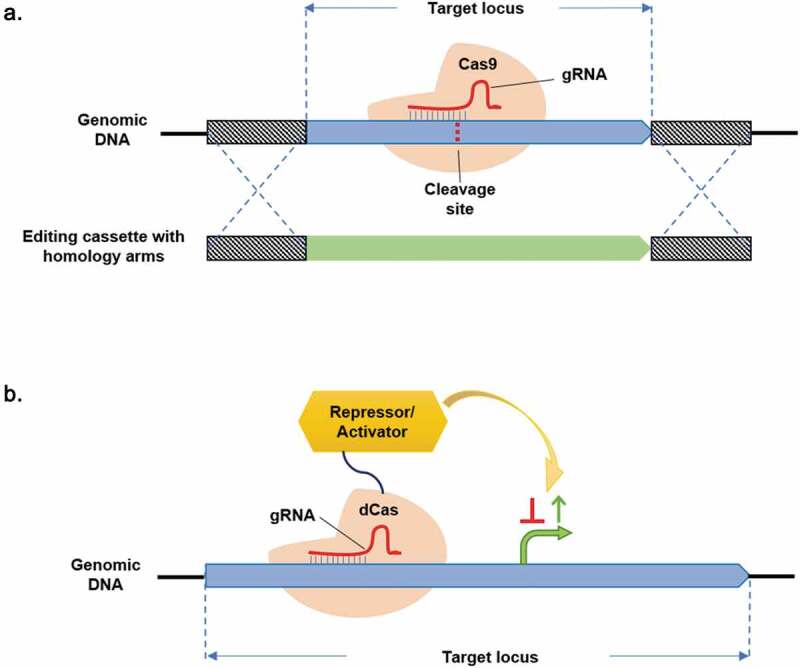
“genes but are capable of interrupting transcriptional process (Figure 1(b)) [88].”
BackgroundCao, Y.-Q., Li, Q., Xia, P.-F., Wei, L.-J., Guo, N., Li, J.-W., & Wang, S.-G. (2017) · Scientific Reports · doi:10.1038/s41598-017-17035-4 · Cited by 46 · cited 1×
“The arabinose-inducible PBAD promoter was first characterized in Synechococcus 7942 with a relatively high strength and can be well-repressed in the absence of the inducer [35,36].”
BackgroundPhotosynthetic generation of heterologous terpenoids in cyanobacteria
Betterle, N., & Melis, A. (2019) · Biotechnology and Bioengineering · doi:10.1002/bit.26988 · Cited by 46
Immethun, C. M., DeLorenzo, D. M., Focht, C. M., Gupta, D., Johnson, C. B., & Moon, T. S. (2017) · Biotechnology and Bioengineering · doi:10.1002/bit.26275 · Cited by 45
Armshaw, P., Carey, D., Sheahan, C., & Pembroke, J. T. (2015) · Biotechnology for Biofuels · doi:10.1186/s13068-015-0385-x · Cited by 44
Pattharaprachayakul, N., Lee, M., Incharoensakdi, A., & Woo, H. M. (2020) · Enzyme and Microbial Technology · doi:10.1016/j.enzmictec.2020.109619 · Cited by 43
Johnson, T. R., Haynes, J. I., Wealand, J. L., Yarbrough, L. R., & Hirschberg, R. (1988) · Journal of Bacteriology · doi:10.1128/jb.170.4.1858-1865.1988 · Cited by 42 · cited 1×
“These promoters play essential roles in driving the expression of key components in the photosynthetic pathways and thus are highly efficient and present in most if not all cyanobacterial species [54,55].”
BackgroundEngineering isoprene synthesis in cyanobacteria
Chaves, J. E., & Melis, A. (2018) · FEBS Letters · doi:10.1002/1873-3468.13052 · Cited by 38 · cited 1×
“Several previous review articles have well summarized a number of successful efforts in development of cyanobacterial platforms for production of terpenoids [11,112,113].”
BackgroundLiu, D., Johnson, V. M., & Pakrasi, H. B. (2020) · ACS Synthetic Biology · doi:10.1021/acssynbio.0c00106 · Cited by 38
Khan, A., Bilal, M., Mehmood, S., Sharma, A., & Iqbal, H. (2019) · Life · doi:10.3390/life9030054 · Cited by 36 · cited 1×
“Despite the foregoing successful proof-of-principle studies, wide application of cyanobacterial cell factories is still a technical challenge due to low yields of bioproducts [116].”
BackgroundCyanobacterial Evolution: Fresh Insight into Ancient Questions
Shih, P. M. (2015) · Current Biology · doi:10.1016/j.cub.2014.12.046 · Cited by 35 · cited 1×
“On the one hand, cyanobacteria have been contributing to the rise of oxygen in Earth’s atmosphere since a billion years ago [1].”
BackgroundMishra, Y., Chaurasia, N., & Chand, L. (2008) · Photochemistry and Photobiology · doi:10.1111/j.1751-1097.2008.00469.x · Cited by 34
cTFbase: a database for comparative genomics of transcription factors in cyanobacteria
Wu, J., Zhao, F., Wang, S., Deng, G., Wang, J., Bai, J., Lü, J., Qu, J., & Bao, Q. (2007) · BMC Genomics · doi:10.1186/1471-2164-8-104 · Cited by 34
A Library of Tunable, Portable, and Inducer-Free Promoters Derived from Cyanobacteria
Sengupta, A., Madhu, S., & Wangikar, P. P. (2020) · ACS Synthetic Biology · doi:10.1021/acssynbio.0c00152 · Cited by 34
Harnessing transcription for bioproduction in cyanobacteria
Stensjö, K., Vavitsas, K., & Tyystjärvi, T. (2018) · Physiologia Plantarum · doi:10.1111/ppl.12606 · Cited by 29 · cited 1×
“For example, the PpsbA is actually a lightinducible promoter, but has been commonly used in constitutive expression pathways under constant light conditions [60].”
BackgroundHigo, A., Isu, A., Fukaya, Y., & Hisabori, T. (2016) · Plant and Cell Physiology · doi:10.1093/pcp/pcv202 · Cited by 25
Structure and ligand binding of the glutamine-II riboswitch
Huang, L., Wang, J., Watkins, A. M., Das, R., & Lilley, D. M. J. (2019) · Nucleic Acids Research · doi:10.1093/nar/gkz539 · Cited by 23 · cited 1×
“To date, up to 50 classes of riboswitch are investigated, which involved in a variety of crucial biochemical pathways including co-enzymes, nucleobases, amino acids and single ions [74,75].”
BackgroundYang, G., Zhang, Y., Lee, N. K., Cozad, M. A., Kearney, S. E., Luesch, H., & Ding, Y. (2017) · Scientific Reports · doi:10.1038/s41598-017-12244-3 · Cited by 20 · cited 1×
“The orthogonal promoters such as Ptrc or Ptrc2O have been successfully used for high yield expression of proteins in constitutive expression systems as they are highly efficient in the absence of repressor [26,32,61].”
BackgroundSelf-citationPoole, L. B., Parsonage, D., Sergeant, S., Miller, L. R., Lee, J., Furdui, C. M., & Chilton, F. H. (2020) · Biotechnology for Biofuels · doi:10.1186/s13068-020-01719-7 · Cited by 17 · cited 1×
“They have latterly been produced in Anabaena 7120, Synechococcus 7002 and Leptolyngbya BL0902, by expressing Acyl-lipid desaturases and Vipp1 in these cyanobacteria [111].”
BackgroundHigo, A., & Ehira, S. (2019) · ACS Synthetic Biology · doi:10.1021/acssynbio.8b00496 · Cited by 15 · cited 1×
“Recently, both CRISPR-dCas9 and -dCas12a systems have demonstrated successful applications in several model cyanobacteria, such as Synechocystis 6803 [32,89,90], Synechococcus 7942 [91], Anabaena 7120 [92,93] and Synechococcus 2973 [86].”
BackgroundFusion constructs enhance heterologous β-phellandrene production in Synechocystis sp. PCC 6803
Valsami, E., Psychogyiou, M. E., Pateraki, A., Chrysoulaki, E., Melis, A., & Ghanotakis, D. F. (2020) · Journal of Applied Phycology · doi:10.1007/s10811-020-02186-1 · Cited by 15 · cited 1×
“For example, in order to overcome the low expression levels of the key enzymes in the β-phellandrene biosynthetic pathways in Synechocystis 6803, fusion constructs technologies were introduced to increase enzyme production and catalytic efficiency, and resulting in elevation of the productivity of β-phellandrene by up…”
BackgroundMetabolic flux analysis of Saccharomyces cerevisiae in a sealed winemaking fermentation system
Li, H., Su, J., Ma, W., Guo, A., Shan, Z., & Wang, H. (2015) · FEMS Yeast Research · doi:10.1093/femsyr/fou010 · Cited by 13
The rrnA promoter as a tool for the improved expression of heterologous genes in cyanobacteria
Chungjatupornchai, W., & Fa-aroonsawat, S. (2013) · Microbiological Research · doi:10.1016/j.micres.2013.09.010 · Cited by 10
Cited by
Cyanobacteria and microalgae in supporting human habitation on Mars
Mapstone, L. J., Leite, M. N., Purton, S., Crawford, I. A., & Dartnell, L. (2022) · Biotechnology Advances · doi:10.1016/j.biotechadv.2022.107946 · Cited by 92
“This is an active area of study for cyanobacterial platforms where inducible promoters, riboswitches and CRISPR-cas based regulation systems are all being developed for controlled synthesis of bio-products (Wang et al., 2020).”
Li, L., Yang, C., Ma, B., Lu, S., Liu, J., Pan, Y., Wang, X., Zhang, Y., Wang, H., Sun, T., et al. (2023) · ACS Applied Materials & Interfaces · doi:10.1021/acsami.2c20399 · Cited by 78
Danchin, A. (2021) · Microbial Biotechnology · doi:10.1111/1751-7915.13937 · Cited by 57
“The species of this phylum are likely to become a preferred chassis for biotechnological developments in the near future (Wang et al., 2020).”
BackgroundNawaz, T., Joshi, N., Nelson, D., Saud, S., Abdelsalam, N. R., Abdelhamid, M. M. A., Jaremko, M., Rahman, T. U., & Fahad, S. (2024) · Environmental Technology & Innovation · doi:10.1016/j.eti.2024.103886 · Cited by 55
Microbial autotrophic biorefineries: Perspectives for biopolymer production
Srisawat, P., Higuchi‐Takeuchi, M., & Numata, K. (2022) · Polymer Journal · doi:10.1038/s41428-022-00675-3 · Cited by 49
“sidered model strains due to their extensive study and the availability of genetic toolkits [8, 9].”
Background
Metadata
- Authors
- Wang, F., Gao, Y., & Yang, G.
- Affiliations
- University of Florida (US)
- Jining Academy of Agricultural Science
- Corresponding author
- Yang, Guang
- ORCID
- Wang, Fen
- Venue
- Bioengineered
- Publisher
- Informa UK Limited
- Published
- 2020-01
- Volume
- 11
- Issue
- 1
- Pages
- 1208-1220
- ISSN
- 2165-5979 (ISSN-L)
- 2165-5987
- PMC
- PMC8291842
- OpenAlex
- W3095351324
- Cited by
- 49
- References
- 125
- Citations by year
- 2026: 7 · 2025: 4 · 2024: 13 · 2023: 5 · 2022: 9 · 2021: 11
- FWCI
- 0.60
- Type
- journal article
- Language
- en
- Open access
- gold
- doi.org
- Locations
- Bioengineered (publishedVersion, cc-by)
- PubMed Central (publishedVersion, cc-by)
- PubMed (publishedVersion)
- DOAJ (DOAJ: Directory of Open Access Journals) (submittedVersion, cc-by-sa)
- Topics
- Life Sciences › Biochemistry, Genetics and Molecular Biology › Molecular Biology › Microbial Metabolic Engineering and Bioproduction
- Physical Sciences › Energy › Renewable Energy, Sustainability and the Environment › Algal biology and biofuel production
- Life Sciences › Biochemistry, Genetics and Molecular Biology › Molecular Biology › Gene Regulatory Network Analysis
- Keywords
- cyanobacteria, synthetic biology, microbial chassis, cell factories, biofuels, CO2 conversion, genetic engineering tools, bio-based chemicals, oxygenic photosynthesis
- MeSH terms
- Cyanobacteria, Biotechnology, Photosynthesis, Synthetic Biology
About these checks
Registry, retraction, Cites and statistics results are computed, not judged, with one exception: a printed reference that no index lists is read once by a model before it counts as a citation error. Claims are extracted by a model and kept only when their quote appears verbatim in the text; each cited source is then checked, with a model’s help, for whether it says what the claim relies on. Those verdicts can be wrong — read the claim’s quote and the cited source before relying on one.
Statistics and arithmetic are recomputed, not judged.
Confidence bands are shown only for fields calibrated on our annotated test set. None is calibrated yet, so no band is shown.
What counts as a claim ›How we measure confidence ›How we check this ›
Are you an author, or do you see a problem with this page? Request a review
Data sources
Bibliographic data: Semantic Scholar, OpenAlex, Crossref.
Contains information from the Semantic Scholar Academic Graph Datasets, made available under the ODC Attribution License (ODC-BY 1.0).
Semantic Scholar’s data is described in: Kinney, R., et al. (2023). The Semantic Scholar Open Data Platform. arXiv:2301.10140.
