

Impairment of starvation-induced and constitutive autophagy in Atg7 -deficient mice
Open accessThe DOI matches its Crossref record; 49 of the 49 references it cites were found in a registry or an index.
Abstract
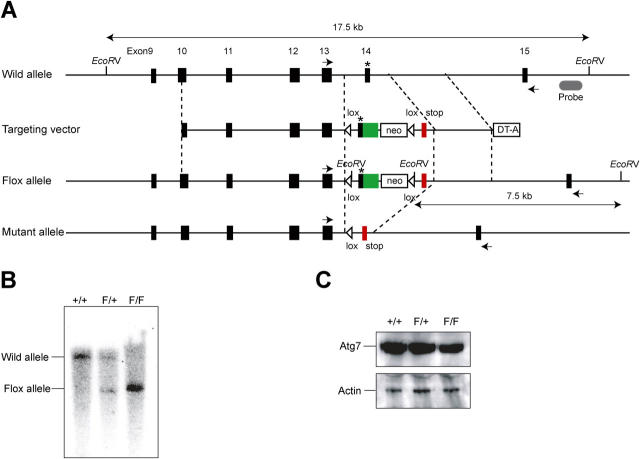
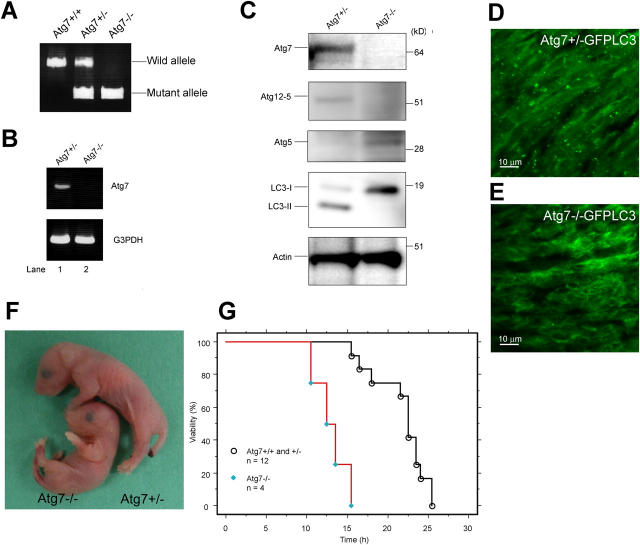
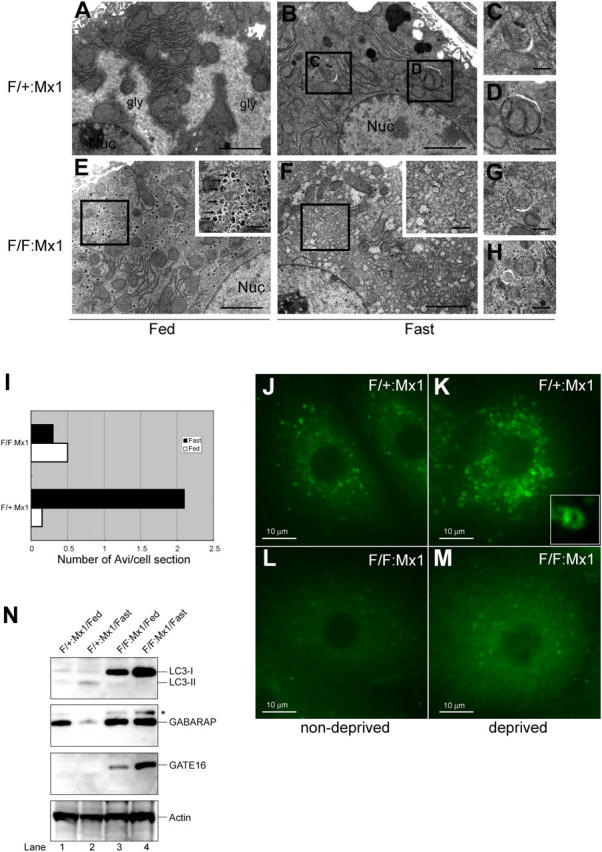
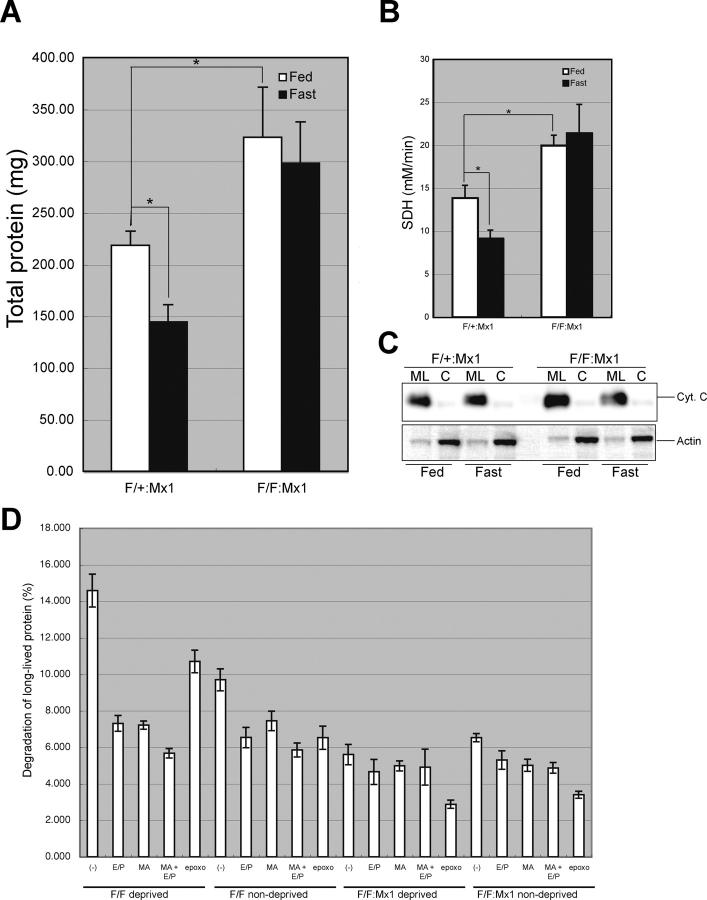
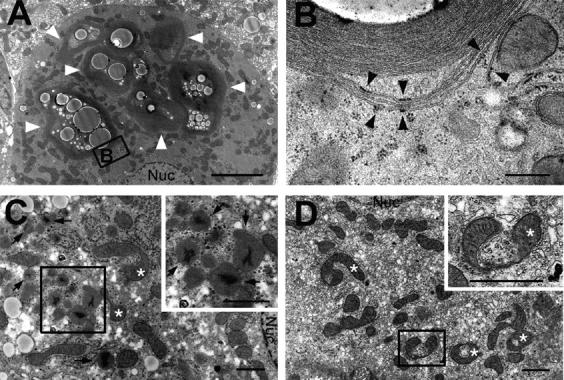
Autophagy is a membrane-trafficking mechanism that delivers cytoplasmic constituents into the lysosome/vacuole for bulk protein degradation. This mechanism is involved in the preservation of nutrients under starvation condition as well as the normal turnover of cytoplasmic component. Aberrant autophagy has been reported in several neurodegenerative disorders, hepatitis, and myopathies. Here, we generated conditional knockout mice of Atg7, an essential gene for autophagy in yeast. Atg7 was essential for ATG conjugation systems and autophagosome formation, amino acid supply in neonates, and starvation-induced bulk degradation of proteins and organelles in mice. Furthermore, Atg7 deficiency led to multiple cellular abnormalities, such as appearance of concentric membranous structure and deformed mitochondria, and accumulation of ubiquitin-positive aggregates. Our results indicate the important role of autophagy in starvation response and the quality control of proteins and organelles in quiescent cells.
Overview
The claims and statistics of this paper haven’t been checked yet.
Free: it reads the open-access text and checks the first 5 claims that cite a source we can check. Create a free account to check every claim.
Integrity signals
Registry
Cites
Statistics
Figures
Verification
Claims the paper makes
The claims and statistics of this paper haven’t been checked yet.
Free: it reads the open-access text and checks the first 5 claims that cite a source we can check. Create a free account to check every claim.
Claims other papers make about this one
Each is checked against this paper’s own text: does it say what the citing paper says it does?
The source backs part of the claim, not all of it — or backs it for a different population, condition or comparison.
In the citing paper
“whole‐body autophagy‐deficient mice undergo perinatal death due to their inability to withstand postnatal starvation (Kuma et al, 2004; Komatsu et al, 2005; Kuma et al, 2017).”
From Autophagy in major human diseases (2021) · cites this paper as Komatsu et al, 2005
Experimental — accuracy not yet measuredThe cited source says what the claim attributes to it.
In the citing paper
“Indeed, mice deficient for autophagy essential genes, such as ATG5, or ATG7, die soon after birth [220, 221].”
From The connection between the dynamic remodeling of the mitochondrial network and the regulation of muscle mass (2021) · cites this paper as [221]
The cited source says what the claim attributes to it.
In the citing paper
“The genetic suppression of basal autophagy in hepatocytes leads to hepatomegaly and exacerbated liver injury (Komatsu et al, 2005; Ni et al, 2012b; Cassidy et al, 2018).”
From Autophagy in major human diseases (2021) · cites this paper as Komatsu et al, 2005
The cited source says what the claim attributes to it.
In the citing paper
“mice with global KOs of the other autophagy related genes like Atg5 and Atg7 that die within a day after birth (Kuma et al., 2004; Komatsu et al., 2005; Cann et al., 2008).”
From Microtubule-associated protein 1 light chain 3B, (LC3B) is necessary to maintain lipid-mediated homeostasis in the retinal pigment epithelium (2018) · cites this paper as Komatsu et al., 2005
The cited source says what the claim attributes to it.
In the citing paper
“Atg7 encodes an E1-like enzyme essential in the ubiquitin-like conjugation systems required for autophagy, and Atg14 encodes a positive regulator of VPS34 (refs. 38,39).”
From Microglia clear neuron-released α-synuclein via selective autophagy and prevent neurodegeneration (2020) · cites this paper as [38]
2 more claims about this paper
Create a free account to see every claim other papers make about this one.
Self-check
Percentages, sums and reported differences re-computed from the paper’s own numbers.
The self-check needs the paper’s full text.
Citations
Cites
Repertoires of Autophagy in the Pathogenesis of Ocular Diseases
Li, Y.-J., Jiang, Q., Cao, G.-F., Yao, J., & Yan, B. (2015) · Cellular Physiology and Biochemistry · doi:10.1159/000373980 · Cited by 16,304
LC3, a mammalian homologue of yeast Apg8p, is localized in autophagosome membranes after processing.
Kabeya, Y., Mizushima, N., Ueno, T., Yamamoto, A., Kirisako, T., Noda, T., Kominami, E., Ohsumi, Y., & Yoshimori, T. (2000) · The EMBO Journal · doi:10.1093/emboj/19.21.5720 · Cited by 6,605 · cited 8×
“In mammals, there exist at least three Atg8 homologues that can all be activated by Atg7 (Tanida et al., 2001), GATE-16, GABARAP, and LC3 (Ohsumi, 2001), and they localize to the autophagosome (Kabeya et al., 2000, 2004).”
BackgroundMethodSelf-citationCui, C., Cui, J., Jin, F., Cui, Y., Li, R., Jiang, X., Tian, Y., Wang, K., Jiang, P., & Gao, J. (2017) · Cellular Physiology and Biochemistry · doi:10.1159/000479571 · Cited by 5,203
Levine, B., & Klionsky, D. J. (2004) · Developmental Cell · doi:10.1016/s1534-5807(04)00099-1 · Cited by 3,678 · cited 2×
“Furthermore, autophagy plays a role in cellular remodeling during differentiation and development of multicellular organisms, such as fly, worm, and slime mold (Levine and Klionsky, 2004), and cellular defense against invading streptococcus (Nakagawa et al.”
BackgroundAutophagy as a Regulated Pathway of Cellular Degradation
Klionsky, D. J., & Emr, S. D. (2000) · Science · doi:10.1126/science.290.5497.1717 · Cited by 3,608 · cited 1×
“In this lysosomal pathway, degradation of plasma membrane proteins and extracellular proteins is mediated by endocytosis, whereas degradation of cytoplasmic components is achieved through several pathways: macroautophagy, microautophagy, and chaperone-mediated autophagy (Seglen and Bohley, 1992; Dunn, 1994; Klionsky a…”
BackgroundAntimicrobial Autophagy: A Conserved Innate Immune Response in Drosophila
Moy, R. H., & Cherry, S. (2013) · Journal of Innate Immunity · doi:10.1159/000350326 · Cited by 3,539
Induction of autophagy and inhibition of tumorigenesis by beclin 1
Liang, X. H., Jackson, S., Seaman, M., Brown, K., Kempkes, B., Hibshoosh, H., & Levine, B. (1999) · Nature · doi:10.1038/45257 · Cited by 3,347 · cited 3×
“, low levels of autophagy were described in some malignant tumors (Liang et al., 1999).”
BackgroundThe role of autophagy during the early neonatal starvation period
Kuma, A., Hatano, M., Matsui, M., Yamamoto, A., Nakaya, H., Yoshimori, T., Ohsumi, Y., Tokuhisa, T., & Mizushima, N. (2004) · Nature · doi:10.1038/nature03029 · Cited by 2,865 · cited 4×
“We considered that Atg7 / mice could survive in utero by virtue of the nutrients supplied through the placenta but could not survive when the supply terminates after birth, as recently reported (Kuma et al., 2004).”
BackgroundSelf-citationAutophagy in Health and Disease: A Double-Edged Sword
Shintani, T., & Klionsky, D. J. (2004) · Science · doi:10.1126/science.1099993 · Cited by 2,534 · cited 2×
“In humans, autophagy has been implicated in several pathological conditions ( Shintani and Klionsky, 2004 ); e.g., low levels of autophagy were described in some malignant tumors (Liang et al., 1999).”
BackgroundPromotion of tumorigenesis by heterozygous disruption of the beclin 1 autophagy gene
Qu, X., Yu, J., Bhagat, G., Furuya, N., Hibshoosh, H., Troxel, A., Rosen, J., Eskelinen, E.-L., Mizushima, N., Ohsumi, Y., et al. (2003) · Journal of Clinical Investigation · doi:10.1172/jci20039 · Cited by 2,311 · cited 2×
“In contrast, elevated levels of autophagosome formation were reported in other human pathologies such as neurodegenerative diseases, myopathies, and liver injury (Mizushima et al., 2002; Perlmutter, 2002 ), and autophagy is implicated in the execution of cell death (Xue et al., 1999; Bursch, 2001).”
BackgroundSelf-citation
Research works printed but not linked: 1
- 1995, Eur. J. Cell Biol., 67, 308
Cited by
Items 801–900 of 1,024
Autophagy Negatively Regulates Transmissible Gastroenteritis Virus Replication
Guo, L., Yu, H., Gu, W., Luo, X., Li, R., Zhang, J., Xu, Y., Yang, L., Shen, N., Feng, L., et al. (2016) · Scientific Reports · doi:10.1038/srep23864 · Cited by 84
“In additional experiments with pharmalogical regulators, we used siRNA duplexes that target three highly conserved genes required for mammalian autophagy (LC3, ATG5, and ATG7) [31] [32] [33] .”
BackgroundRadiation induces EIF2AK3/PERK and ERN1/IRE1 mediated pro-survival autophagy
Chaurasia, M., Gupta, S., Das, A., Dwarakanath, B. S. R., Simonsen, A., & Sharma, K. (2019) · Autophagy · doi:10.1080/15548627.2019.1582973 · Cited by 89
mTOR signaling networks: mechanistic insights and translational frontiers in disease therapeutics
Zhang, H., Xiao, X., Pan, Z., & Dokudovskaya, S. (2025) · Signal Transduction and Targeted Therapy · doi:10.1038/s41392-025-02493-4 · Cited by 123
Trophoblast-Specific Conditional Atg7 Knockout Mice Develop Gestational Hypertension
Aoki, A., Nakashima, A., Kusabiraki, T., Ono, Y., Yoshino, O., Muto, M., Kumasawa, K., Yoshimori, T., Ikawa, M., & Saito, S. (2018) · American Journal Of Pathology · doi:10.1016/j.ajpath.2018.07.021 · Cited by 85
The role of αB-crystallin in skeletal and cardiac muscle tissues
Dimauro, I., Antonioni, A., Mercatelli, N., & Caporossi, D. (2017) · Cell Stress and Chaperones · doi:10.1007/s12192-017-0866-x · Cited by 93
“This percentage achieved 100% survival in R120G-Tg mice overexpressing Atg7, a non canonical E1like enzyme necessary for autophagosome formation that recognizes two distantly related ubiquitin-like proteins, ATG8 and ATG12 (Komatsu et al. 2005).”
New Insights on Intermediary Metabolism for a Better Understanding of Nutrition in Teleosts
Panserat, S., Marandel, L., Seiliez, I., & Cassy, S. (2018) · Annual Review of Animal Biosciences · doi:10.1146/annurev-animal-020518-115250 · Cited by 99
Autophagy in metabolic syndrome: breaking the wheel by targeting the renin–angiotensin system
Menikdiwela, K. R., Ramalingam, L., Rasha, F., Wang, S., Dufour, J. M., Kalupahana, N. S., Sunahara, K. K. S., Martins, J. O., & Moustaid-Moussa, N. (2020) · Cell Death & Disease · doi:10.1038/s41419-020-2275-9 · Cited by 80
Hollywood, J. A., Przepiorski, A. J., D’Souza, R. F., Sreebhavan, S., Wolvetang, E. J., Harrison, P. T., Davidson, A. J., & Holm, T. M. (2020) · Journal of the American Society of Nephrology · doi:10.1681/asn.2019070712 · Cited by 87
Autophagy Dysfunction in Alzheimer’s Disease
Li, L., Zhang, X., & Le, W. (2010) · Neurodegenerative Diseases · doi:10.1159/000276710 · Cited by 80
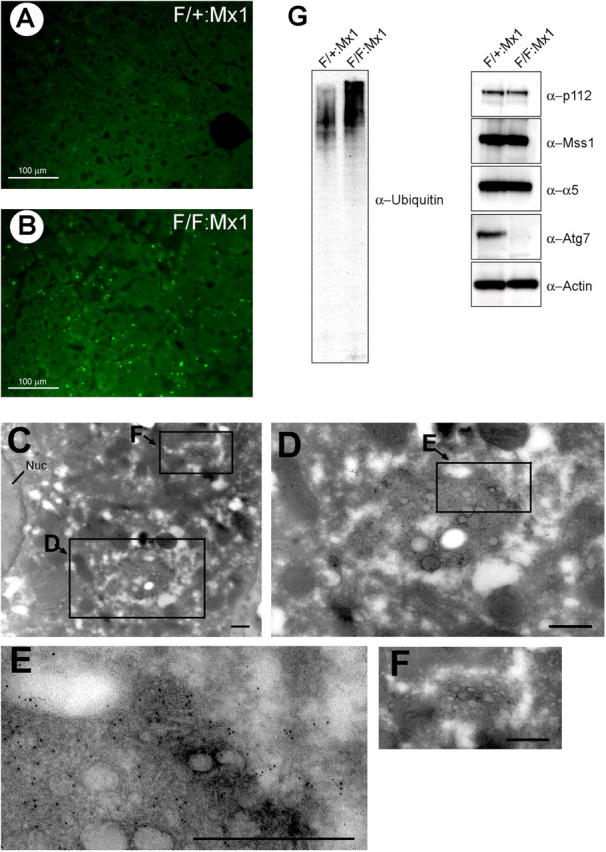
“Blocking the autophagic pathway by deleting the Atg7 gene in mice can significantly inhibit the formation of autophagosome and cause the accumulation of ubiquitin-positive aggregates. Since autophagy is a major machinery to degrade misfolded proteins, the dysfunction in autophagy may result in the protein aggregation,…”
BackgroundWong, V. K. W., Wu, A., Wang, J., Liu, L., & Law, B. Y. K. (2015) · Molecules · doi:10.3390/molecules20033496 · Cited by 83
“As shown in Figure 3C,D, neferine induced GFP-LC3 puncta formation in wild-type Atg7 cells, but not in Atg7-deficient MEFs, which are resistant to autophagy induction [33].”
BackgroundAutophagy in Toxicology: Cause or Consequence?
Orrenius, S., Kaminskyy, V. O., & Zhivotovsky, B. (2012) · The Annual Review of Pharmacology and Toxicology · doi:10.1146/annurev-pharmtox-011112-140210 · Cited by 86
Mevalonate Pathway Regulates Cell Size Homeostasis and Proteostasis through Autophagy
Miettinen, T. P., & Björklund, M. (2015) · Cell Reports · doi:10.1016/j.celrep.2015.11.045 · Cited by 93
Autophagy regulation in preeclampsia: Pros and cons
Nakashima, A., Aoki, A., Kusabiraki, T., Cheng, S., Sharma, S., & Saito, S. (2017) · Journal of Reproductive Immunology · doi:10.1016/j.jri.2017.08.006 · Cited by 90
Ketamine Causes Mitochondrial Dysfunction in Human Induced Pluripotent Stem Cell-Derived Neurons
Ito, H., Uchida, T., & Makita, K. (2015) · PLoS ONE · doi:10.1371/journal.pone.0128445 · Cited by 83
“Autophagy eliminates old and damaged mitochondria [42, 43], and maintains a healthy mitochondrial network.”
BackgroundZeng, C., Fan, Y., Wu, J., Shi, S., Chen, Z., Zhong, Y., Zhang, C., Zen, K., & Liu, Z. (2014) · The Journal of Pathology · doi:10.1002/path.4382 · Cited by 80
“Treatment with rapamycin, an inhibitor of mammalian target of rapamycin (mTOR) signalling [34,44,45], and nutrient starvation [46–48] are two strategies used widely to increase autophagic activity.”
BackgroundAn autophagy-dependent anticancer immune response determines the efficacy of melanoma chemotherapy
Michaud, M., Xie, X., Bravo-San Pedro, J. M., Zitvogel, L., White, E., & Kroemer, G. (2014) · OncoImmunology · doi:10.4161/21624011.2014.944047 · Cited by 80
“The primers used were 50-GCG GTC TGG CAG TAA AAA CTA TC-30, 50GTG AAA CAG CT TGC TGT CAC TT-30, 50-CTA GGC CAC AGA ATT GAA AGA TCT-30 and 50-GTA GGT GGA AAT TCT AGC ATC ATC C-30 for Tyr-CRE, 50-AAG CAC TCT GCG AAC TGA G-30 and 50-AAG TTT TTG AAG GCA AGA TGC-30 for PTEN, 50-TGA GTA TTT TTG TGG CAA CTG C-30 and 50-CTC T…”
MethodAutophagy is a major metabolic regulator involved in cancer therapy resistance
Poillet-Perez, L., Sarry, J., & Joffre, C. (2021) · Cell Reports · doi:10.1016/j.celrep.2021.109528 · Cited by 90
Kinsey, C., Balakrishnan, V., O’Dell, M. R., Huang, J. L., Newman, L., Whitney-Miller, C. L., Hezel, A. F., & Land, H. (2014) · Cell Reports · doi:10.1016/j.celrep.2014.03.061 · Cited by 80
“Unlike many Atg-family mutant mice, which are not viable (Komatsu et al., 2005; Kuma et al., 2004), Plac8, Lamp2, and Tecpr1 mutant mice can all survive through adulthood, though all suffer from a diminished capacity to clear infections, due to defects in lysosomal function (Beertsen et al., 2008;…”
BackgroundROS act as an upstream signal to mediate cadmium-induced mitophagy in mouse brain
Wei, X., Qi, Y., Zhang, X., Gu, X., Cai, H., Yang, J., & Zhang, Y. (2014) · NeuroToxicology · doi:10.1016/j.neuro.2014.11.007 · Cited by 79
“Autophagy is an adapting mechanism to respond to the changing environmental stimuli, such as starvation (Komatsu et al., 2005) and oxidative stress (Lemasters, 2005).”
BackgroundAutophagy, signaling and obesity
Lavallard, V., Meijer, A. J., Codogno, P., & Gual, P. (2012) · Pharmacological Research · doi:10.1016/j.phrs.2012.09.003 · Cited by 93
Zhou, H., Qian, X., Xu, N., Zhang, S., Zhu, G., Zhang, Y., Liu, D., Cheng, C., Zhu, X., Liu, Y., et al. (2020) · Cell Death and Disease · doi:10.1038/s41419-020-03110-8 · Cited by 87
Ambjørn, M., Ejlerskov, P., Liu, Y., Lees, M., Jäättelä, M., & Issazadeh-Navikas, S. (2013) · Autophagy · doi:10.4161/auto.22831 · Cited by 79
Chen, S., Wang, C., Yeo, S., Liang, C.-C., Okamoto, T., Sun, S., Wen, J., & Guan, J.-L. (2016) · Genes & Development · doi:10.1101/gad.276428.115 · Cited by 79
“…required for autophagy initiation) led to early embryonic lethality (Yue et al. 2003), whereas knockout of mammalian Atg5 or Atg7 (involved in autophagosome maturation) did not impair embryogenesis; Atg5-and Atg7-null mice survived until shortly after birth (Kuma et al. 2004a; Komatsu et al. 2005).”
Minocycline inhibits the growth of glioma by inducing autophagy
Liu, W.-T., Lin, C.-H., Hsiao, M., & Gean, P.-W. (2011) · Autophagy · doi:10.4161/auto.7.2.14043 · Cited by 78
Autophagy is a survival force via suppression of necrotic cell death
Shen, H., & Codogno, P. (2012) · Experimental Cell Research · doi:10.1016/j.yexcr.2012.02.006 · Cited by 84
Luo, P., Yan, H., Du, J., Chen, X., Shao, J., Zhang, Y., Xu, Z., Jin, Y. H., Lin, N., Yang, B., et al. (2020) · Autophagy · doi:10.1080/15548627.2020.1851492 · Cited by 88
Autophagy Paradox of Cancer: Role, Regulation, and Duality
Verma, A. K., Bharti, P. S., Rafat, S., Bhatt, D., Goyal, Y., Pandey, K. K., Ranjan, S. K., Almatroodi, S. A., Alsahli, M. A., Rahmani, A. H., et al. (2021) · Oxidative Medicine and Cellular Longevity · doi:10.1155/2021/8832541 · Cited by 81
“It was reported that Beclin1 mice die early in embryogenesis and aging; mice with Beclin1 are tumor-prone [134, 135], whereas mice with Atg5 and Atg7 are born normally, but die soon due to low nutritional level and suckling defects in neonates [136, 137].”
BackgroundHsp70.1 and related lysosomal factors for necrotic neuronal death
Yamashima, T. (2012) · Journal of Neurochemistry · doi:10.1111/j.1471-4159.2011.07596.x · Cited by 78
Autophagy supports survival and phototransduction protein levels in rod photoreceptors
Zhou, Z., Doggett, T. A., Sène, A., Apte, R. S., & Ferguson, T. A. (2015) · Cell Death and Differentiation · doi:10.1038/cdd.2014.229 · Cited by 87
Lee, H. S., Daniels, B. H., Salas, E., Bollen, A. W., Debnath, J., & Margeta, M. (2012) · PLoS ONE · doi:10.1371/journal.pone.0036221 · Cited by 78
“Immortalized ATG7+/+ and ATG72/2 mouse embryonic fibroblasts [4], a gift from Dr.”
BackgroundLazăr, C., Macovei, A., Petrescu, S., & Branza-Nichita, N. (2012) · PLoS ONE · doi:10.1371/journal.pone.0034169 · Cited by 77
“However, constitutive autophagy has been recently involved in maintaining the homeostasis of non-dividing cells, including hepatocytes and neural cells [28,29].”
BackgroundAtg7 deficiency increases resistance of MCF-7 human breast cancer cells to photodynamic therapy
Xue, L.-Y., Chiu, S.-M., & Oleinick, N. L. (2010) · Autophagy · doi:10.4161/auto.6.2.11077 · Cited by 78
Portillo, J. C., Okenka, G., Reed-Geaghan, E. G., Subauste, A. R., Grol, J. V., Gentil, K., Komatsu, M., Tanaka, K., Landreth, G. E., Levine, B., et al. (2010) · PLoS ONE · doi:10.1371/journal.pone.0014472 · Cited by 82
“ATG7 was inactivated in myelomonocytic cells by breeding of ATG7 mice [29] with mice that express the Cre recombinase from endogenous lysozyme M locus (LyzCre).”
BackgroundSelf-citationKey roles of autophagy in regulating T‐cell function
Botbol, Y. M., Guerrero‐Ros, I., & Macián, F. (2016) · European Journal of Immunology · doi:10.1002/eji.201545955 · Cited by 86
What Can Plant Autophagy Do for an Innate Immune Response?
Hayward, A. P., & Dinesh‐Kumar, S. P. (2011) · Annual Review of Phytopathology · doi:10.1146/annurev-phyto-072910-095333 · Cited by 86
PPARδ attenuates hepatic steatosis through autophagy-mediated fatty acid oxidation
Tong, L., Wang, L., Yao, S., Jin, L., Yang, J., Zhang, Y., Ning, G., & Zhang, Z. (2019) · Cell Death and Disease · doi:10.1038/s41419-019-1458-8 · Cited by 85
Autophagy in the cancer-immunity dialogue
Yamazaki, T., Pedro, J. M. B., Galluzzi, L., Kroemer, G., & Pietrocola, F. (2020) · Advanced Drug Delivery Reviews · doi:10.1016/j.addr.2020.12.003 · Cited by 87
Zhang, M., Xue, Y., Zheng, B., Li, L., Chu, X., Zhao, Y., Wu, Y., Zhang, J., Han, X., Wu, Z., et al. (2021) · Biomedicine & Pharmacotherapy · doi:10.1016/j.biopha.2021.112167 · Cited by 79
Diao, F., Jiang, C., Sun, Y., Gao, Y., Bai, J., Nauwynck, H., Wang, X., Yang, Y., Jiang, P., & Liu, X. (2023) · PLoS Pathogens · doi:10.1371/journal.ppat.1011295 · Cited by 80
Nuclear ULK1 promotes cell death in response to oxidative stress through PARP1
Joshi, A., Iyengar, R., Joo, J. H., Li-Harms, X. J., Wright, C., Marino, R., Winborn, B. J., Phillips, A., Temirov, J., Sciarretta, S., et al. (2016) · Cell Death & Differentiation · doi:10.1038/cdd.2015.88 · Cited by 72
“The level of RNAi-mediated knockdown of Atg7, confirmed by RT-qPCR (Supplementary Figure S2), impaired starvation-induced LC3 degradation in WT MEFs, although not to the same level as in Ulk1-deficient MEFs (Figure 2e), and increased susceptibility to cell death after starvation comparable with that observed in Ulk1-d…”
ResultYamaguchi, Y., & Miura, M. (2012) · Cellular and Molecular Life Sciences · doi:10.1007/s00018-012-1227-7 · Cited by 95
Iwata, J., Hosokawa, R., Sanchez-Lara, P. A., Urata, M. M., Slavkin, H. C., & Chai, Y. (2009) · Journal of Biological Chemistry · doi:10.1074/jbc.m109.035105 · Cited by 77
Self-citationGumulec, J., Balvan, J., Sztalmachová, M., Raudenská, M., Dvořáková, V., Knopfová, L., Polanska, H. H., Hudcová, K., Ruttkay-Nedecký, B., Babula, P., et al. (2013) · International Journal of Oncology · doi:10.3892/ijo.2013.2223 · Cited by 80
Immunohistochemical analysis of macroautophagy: Recommendations and limitations
Martinet, W., Schrijvers, D. M., Timmermans, J., Bult, H., & Meyer, G. R. Y. D. (2013) · Autophagy · doi:10.4161/auto.22968 · Cited by 84
The role of autophagy in cancer: from molecular mechanism to therapeutic window
Jalali, P., Shahmoradi, A., Samii, A., Mazloomnejad, R., Hatamnejad, M. R., Saeed, A., Namdar, A., & Salehi, Z. (2025) · Frontiers in Immunology · doi:10.3389/fimmu.2025.1528230 · Cited by 97
Autophagy and mitophagy in the myocardium: therapeutic potential and concerns
Jimenez, R. E., Kubli, D. A., & Gustafsson, Å. B. (2014) · British Journal of Pharmacology · doi:10.1111/bph.12477 · Cited by 76
“In contrast, deletion of autophagy genes, Atg5 or Atg7, do not result in lethality during embryogenesis (Kuma et al., 2004; Komatsu et al., 2005).”
BackgroundChen, K., Yang, Y., Jiang, S., & Jiang, L. (2014) · Histochemistry and Cell Biology · doi:10.1007/s00418-014-1194-1 · Cited by 83
Liver Autophagy in Anorexia Nervosa and Acute Liver Injury
Kheloufi, M., Boulanger, C. M., Durand, F., & Rautou, P.-E. (2014) · BioMed Research International · doi:10.1155/2014/701064 · Cited by 75
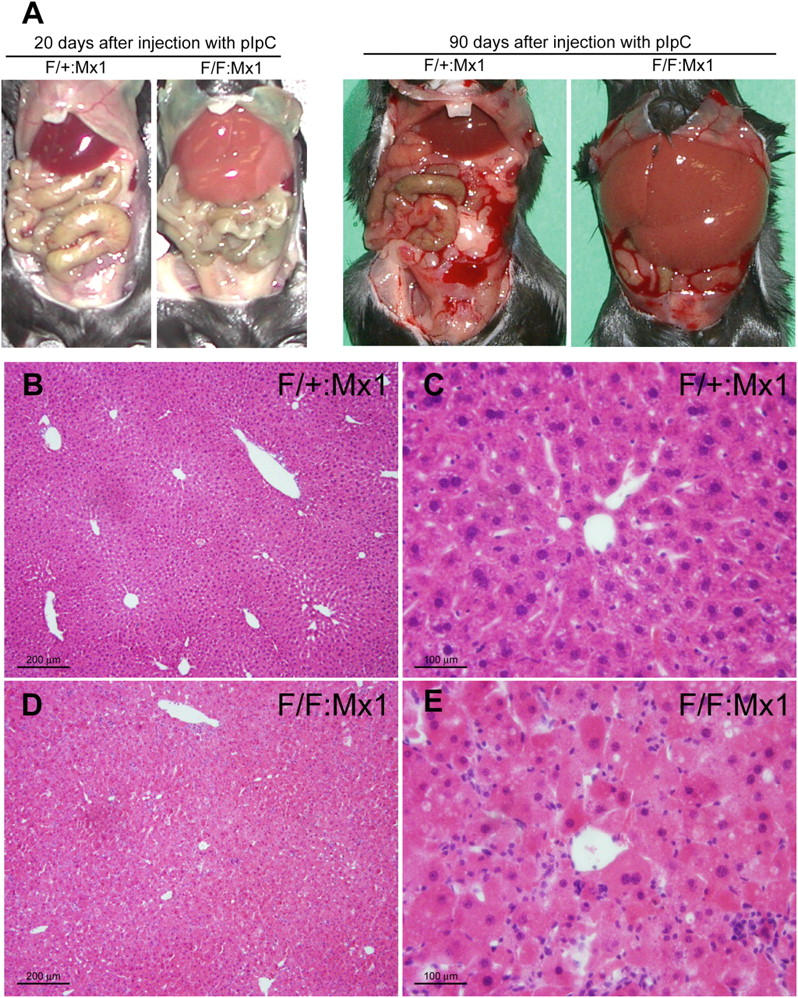
“, 2005 [13] Atg7F/+:Mx1-Cre mice Electron microscopy: increase in the number of autophagosomes Western blot: increase in LC3II/I ratio 24 hrs”
BackgroundInfluentialMitochondrial Homeostasis in Acute Organ Failure
Stallons, L. J., Funk, J. A., & Schnellmann, R. G. (2013) · Current Pathobiology Reports · doi:10.1007/s40139-013-0023-x · Cited by 81
Zhao, L., Zhu, Y., Wang, D., Chen, M., Gao, P., Xiao, W., Rao, G., Wang, X., Jin, H., Xu, L., et al. (2010) · Autophagy · doi:10.4161/auto.6.3.11289 · Cited by 81
“Autophagy is highly regulated by the ATG genes such as Beclin 1,(18) ATG5,(19) and ATG7.(20) Beclin 1 is a phylogenetically conserved protein that is essential for the initiation of autophagy.”
BackgroundAutophagy in the brain of neonates following hypoxia–ischemia shows sex- and region-specific effects
Weis, S. N., Toniazzo, A. P., Ander, B. P., Zhan, X., Careaga, M., Ashwood, P., Wyse, Â. T. D. S., Netto, C. A., & Sharp, F. R. (2013) · Neuroscience · doi:10.1016/j.neuroscience.2013.10.046 · Cited by 81
Autophagy and Crohn's Disease: At the Crossroads of Infection,Inflammation, Immunity, and Cancer
Brest, P., Corcelle–Termeau, E., Césaro, A., Chargui, A., Belaïd, A., Klionsky, D. J., Vouret‐Craviari, V., Hébuterne, X., Hofman, P. M., & Mograbi, B. (2010) · Current Molecular Medicine · doi:10.2174/156652410791608252 · Cited by 89
The PI 3-kinase regulator Vps15 is required for autophagic clearance of protein aggregates
Lindmo, K., Brech, A., Finley, K. D., Gaumer, S., Contamine, D., Rusten, T. E., & Stenmark, H. (2008) · Autophagy · doi:10.4161/auto.5829 · Cited by 76
Vuppalapati, K. K., Bouderlique, T., Newton, P. T., Kaminskyy, V. O., Wehtje, H., Ohlsson, C., Zhivotovsky, B., & Chagin, A. S. (2015) · Journal of Bone and Mineral Research · doi:10.1002/jbmr.2575 · Cited by 75
“Atg5 or Atg7 conditional knockout (cKO) mice were generated by crossing Atg5 floxed((19)) or Atg7 floxed((20)) mice with transgenicmice that express cre recombinase driven by collagen type 2 promoter (Col2-Cre).”
BackgroundYang, H., Ni, H.-M., Guo, F., Ding, Y., Shi, Y.-H., Lahiri, P., Fröhlich, L. F., Rülicke, T., Smole, C., Schmidt, V. C., et al. (2016) · Journal of Biological Chemistry · doi:10.1074/jbc.m116.739821 · Cited by 76
“Moreover, it is reported that deletion of Atg7 in the mouse liver does not affect proteasome activity (28).”
BackgroundSelf-citationTBC1D20 mediates autophagy as a key regulator of autophagosome maturation
Sidjanin, D. J., Park, A. K., Ronchetti, A., Martins, J., & Jackson, W. T. (2016) · Autophagy · doi:10.1080/15548627.2016.1199300 · Cited by 81
Age-related changes in the function of autophagy in rat kidneys
Cui, J., Bai, X.-Y., Shi, S., Cui, S., Hong, Q., Cai, G., & Chen, X. (2012) · AGE · doi:10.1007/s11357-011-9237-1 · Cited by 75
“intimate relationship between autophagy and the aging process (Hara et al. 2006; Komatsu et al. 2005 ; N akai et al. 2007).”
BackgroundLoss of TMEM 106B potentiates lysosomal and FTLD ‐like pathology in progranulin‐deficient mice
Werner, G., Damme, M., Schludi, M., Gnörich, J., Wind, K., Fellerer, K., Wefers, B., Wurst, W., Edbauer, D., Brendel, M., et al. (2020) · EMBO reports · doi:10.15252/embr.202050241 · Cited by 75
“In addition, several FTD/ALS mouse models (Wils et al , 2010; Le et al , 2016; Liu et al , 2016) as well as autophagy-related mouse models (Komatsu et al , 2005; Hara et al , 2006) present with similar motor deficits.”
Epidermal keratinocytes form a functional skin barrier in the absence of Atg7 dependent autophagy
Rossiter, H., König, U., Barresi, C., Buchberger, M., Ghannadan, M., Zhang, C., Mlitz, V., Gmeiner, R., Sukseree, S., Födinger, D., et al. (2013) · Journal of Dermatological Science · doi:10.1016/j.jdermsci.2013.04.015 · Cited by 75
“Since autophagy is implicated in the clearance of both defective mitochondria [7]”
BackgroundMethodInfluentialPotze, L., Mullauer, F. B., Colak, S., Kessler, J. H., & Medema, J. P. (2014) · Cell Death & Disease · doi:10.1038/cddis.2014.139 · Cited by 75
The Multifaceted Roles of Autophagy in Tumors—Implications for Breast Cancer
Debnath, J. (2011) · Journal of Mammary Gland Biology and Neoplasia · doi:10.1007/s10911-011-9223-3 · Cited by 74
“This indispensable contribution of autophagy as a stress response mechanism is poignantly illustrated by studies in mice, in which the genetic deletion of critical ATGs results in neonatal lethality within a day after birth [49,54].”
Mammalian autophagy is essential for hepatic and renal ketogenesis during starvation
Takagi, A., Kume, S., Kondo, M., Nakazawa, J., Chin-Kanasaki, M., Araki, H., Araki, S.-I., Koya, D., Haneda, M., Chano, T., et al. (2016) · Scientific Reports · doi:10.1038/srep18944 · Cited by 75
Pei, B., Zhao, M., Miller, B. C., Vela, J. L., Bruinsma, M. W., Virgin, H. W., & Kronenberg, M. (2015) · The Journal of Immunology · doi:10.4049/jimmunol.1402154 · Cited by 78
“The generation of Atg5 f/f and Atg7 has been previously described (40, 41).”
BackgroundTarget acquired: Selective autophagy in cardiometabolic disease
Evans, T. D., Sergin, I., Zhang, X., & Razani, B. (2017) · Science Signaling · doi:10.1126/scisignal.aag2298 · Cited by 74
“Pexophagy is the autophagic degradation of peroxisomes and is exclusively responsible for their clearance (86, 87).”
BackgroundInfluentialCritical roles of FAM134B in ER-phagy and diseases
Mo, J., Chen, J., & Zhang, B. (2020) · Cell Death and Disease · doi:10.1038/s41419-020-03195-1 · Cited by 81
Proteostatic imbalance and protein spreading in amyotrophic lateral sclerosis
Cicardi, M. E., Marrone, L., Azzouz, M., & Trotti, D. (2021) · The EMBO Journal · doi:10.15252/embj.2020106389 · Cited by 80
“For instance, Komatsu and colleagues generated a mouse model in which the autophagy-related gene 7 (Atg7) was conditionally knocked out (Atg7 cKO) (Komatsu et al, 2005).”
Chen, X., Tong, G., Fan, J., Shen, Y., Wang, N., Gong, W., Hu, Z., Zhu, K., Li, X., Jin, L., et al. (2021) · British Journal of Pharmacology · doi:10.1111/bph.15701 · Cited by 77
“Sirt1flox/flox mice and Atg7flox/flox mice on C57BL/6 background were generated as previously described (Cheng et al., 2003; Komatsu et al., 2019).”
MethodMYTHO is a novel regulator of skeletal muscle autophagy and integrity
Leduc‐Gaudet, J., Franco‐Romero, A., Cefis, M., Moamer, A., Broering, F. E., Milan, G., Sartori, R., Chaffer, T. J., Dulac, M., Marcangeli, V., et al. (2023) · Nature Communications · doi:10.1038/s41467-023-36817-1 · Cited by 80
Nutrient-sensing AgRP neurons relay control of liver autophagy during energy deprivation
Chen, W., Mehlkop, O., Scharn, A., Nolte, H., Klemm, P., Henschke, S., Steuernagel, L., Sotelo-Hitschfeld, T., Kaya, E., Wunderlich, C. M., et al. (2023) · Cell Metabolism · doi:10.1016/j.cmet.2023.03.019 · Cited by 73
An autophagy-independent role for LC3 in equine arteritis virus replication
Monastyrska, I., Ulasli, M., Rottier, P. J. M., Guan, J.-L., Reggiori, F., & de Haan, C. A. M. (2013) · Autophagy · doi:10.4161/auto.22743 · Cited by 74
“S3).(35) In parallel, we analyzed the complete life cycle of EAV in atg7 and atg7 MEFs by determining the 50% tissue culture infectious dose (TCID50) of an EAV stock on these cells.”
BackgroundMethodInfluentialAutophagy and proteostasis in the control of synapse aging and disease
Liang, Y., & Sigrist, S. J. (2017) · Current Opinion in Neurobiology · doi:10.1016/j.conb.2017.12.006 · Cited by 76
Mitochondrial involvement in drug-induced hepatic injury
Kass, G. E. N. (2006) · Chemico-Biological Interactions · doi:10.1016/j.cbi.2006.06.007 · Cited by 80
Rubio, N., Verrax, J., Dewaele, M., Verfaillie, T., Johansen, T., Piette, J. G., & Agostinis, P. (2013) · Free Radical Biology and Medicine · doi:10.1016/j.freeradbiomed.2013.11.010 · Cited by 75
The p53-induced Gene Ei24 Is an Essential Component of the Basal Autophagy Pathway
Zhao, Y. G., Zhao, H., Miao, L., Wang, L., Sun, F., & Zhang, H. (2012) · Journal of Biological Chemistry · doi:10.1074/jbc.m112.415968 · Cited by 73
“Ei24-deficient liver exhibits similar defects to Atg5- and Atg7-deficient liver, including hepatocyte hypertrophy, hepatic cell death and hepatomegaly (13, 14).”
BackgroundLipid oxidation and autophagy in yeast
Bhatia‐Kiššová, I., Deffieu, M. S., Samokhvalov, V., Velours, G., Bessoule, J., Manon, S., & Camougrand, N. M. (2006) · Free Radical Biology and Medicine · doi:10.1016/j.freeradbiomed.2006.08.012 · Cited by 86
ISG20L1 is a p53 family target gene that modulates genotoxic stress-induced autophagy
Eby, K. G., Rosenbluth, J. M., Mays, D. J., Marshall, C. B., Barton, C. E., Sinha, S., Johnson, K. N., Tang, L., & Pietenpol, J. A. (2010) · Molecular Cancer · doi:10.1186/1476-4598-9-95 · Cited by 73
Kang, X., Yang, W., Feng, D., Jin, X., Ma, Z., Qian, Z., Xie, T., Li, H., Liu, J., Wang, R., et al. (2017) · Journal of Bone and Mineral Research · doi:10.1002/jbmr.3134 · Cited by 78
“Briefly, the inducible Atg7 mice were generated by breeding Atg7 mice((26)) (strain name: B6; Cg-Atg7; thesemice were purchased from the National Resource Center for Mutant Mice, Nanjing, People’s Republic of China; stock number D000534) with mice expressing a Cre transgene, which encodes a fusion protein of the Cre r…”
BackgroundThe ALS-FTD-linked gene product, C9orf72, regulates neuronal morphogenesis via autophagy
Ho, W. Y., Tai, Y. K., Chang, J.-C., Liang, J., Tyan, S.-H., Chen, S., Guan, J.-L., Zhou, H., Shen, H.-M., Koo, E., et al. (2019) · Autophagy · doi:10.1080/15548627.2019.1569441 · Cited by 73
“The axonal phenotypes are not observed for constitutive knockout of other autophagy genes, such as Atg5 [50],Atg7 [51], and Atg3 [52], suggesting that UNC-51/Atg1/ULK1 has autophagy-independent functions.”
BackgroundMapping the Phosphorylation Sites of Ulk1
Dorsey, F. C., Rose, K. L., Coenen, S., Prater, S. M., Cavett, V., Cleveland, J. L., & Caldwell-Busby, J. (2009) · Journal of Proteome Research · doi:10.1021/pr900583m · Cited by 72
Challenges and Therapeutic Opportunities of Autophagy in Cancer Therapy
Silva, V. R., Neves, S. P., Santos, L. D. S., Dias, R. B., & Bezerra, D. P. (2020) · Cancers · doi:10.3390/cancers12113461 · Cited by 81
“Atg7−/− (in all tissues) mice died 24 h after birth, probably due to depletion of nutrients and energy [34], while atg7f/F:nestin-Cre (in neurons) mice developed progressive neurodegeneration associated with ubiquitinated protein aggregates and inclusion bodies, and increased frequency of neuron death [35]; and atg7f/…”
BackgroundmTOR-mediated phosphorylation of VAMP8 and SCFD1 regulates autophagosome maturation
Huang, H., Ouyang, Q., Zhu, M., Yu, H., Mei, K., & Liu, R. (2021) · Nature Communications · doi:10.1038/s41467-021-26824-5 · Cited by 79
Autophagy, Oxidative Stress and Cancer Development
Taucher, E., Mykoliuk, I., Fediuk, M., & Smolle‐Jüttner, F. (2022) · Cancers · doi:10.3390/cancers14071637 · Cited by 81
“Alzheimer’s disease mice were compared to healthy control mice, and it was found that in the Alzheimer’s disease mice, autophagosome parameters were higher before fasting and increased more rapidly during the starvation period than in controls [79].”
BackgroundAber, E. R., Griffey, C. J., Davies, T., Li, A. M., Yang, Y. J., Croce, K. R., Goldman, J. E., Grutzendler, J., Canman, J. C., & Yamamoto, A. (2022) · Cell Reports · doi:10.1016/j.celrep.2022.111480 · Cited by 71
“Previously created CNP-Cre (Lappe-Siefke et al., 2003), Atg7-floxed (Komatsu et al., 2005), Atg5-floxed (Hara et al., 2006), GFP-LC3 (Mizushima et al., 2004), and TdTomato/Ai9-reporter (Madisen et al., 2010) mouse lines were maintained by breeding with C57BL/6 mice.”
Requirement for Autophagy in the Long-Term Persistence but not Initial Formation of Memory B cells
Chen, M., Kodali, S., Jang, A., Kuai, L., & Wang, J. (2015) · The Journal of Immunology · doi:10.4049/jimmunol.1403001 · Cited by 78
“Mice with B cell–specific deletion of Atg7 (B/Atg7) were generated by crossing Atg7 mice (28) with CD19-cre knockin mice (The Jackson Laboratory) as described previously (24).”
MethodSu, L.-Y., Luo, R., Liu, Q., Su, J.-R., Yang, L.-X., Ding, Y.-Q., Xu, L., & Yao, Y.-G. (2017) · Autophagy · doi:10.1080/15548627.2017.1332549 · Cited by 72
Parkinson's disease: acid‐glucocerebrosidase activity and alpha‐synuclein clearance
Blanz, J., & Saftig, P. (2016) · Journal of Neurochemistry · doi:10.1111/jnc.13517 · Cited by 71
“conjugation systems (Ohsumi 2001), which is essential for MA (Komatsu et al. 2005).”
BackgroundExercise-mediated regulation of autophagy in the cardiovascular system
Wang, L., Wang, J., Crețoiu, D., Li, G., & Xiao, J. (2019) · Journal of sport and health science/Journal of Sport and Health Science · doi:10.1016/j.jshs.2019.10.001 · Cited by 74
Autophagy in the Regulation of Tissue Differentiation and Homeostasis
Perrotta, C., Cattaneo, M. G., Molteni, R., & Palma, C. D. (2020) · Frontiers in Cell and Developmental Biology · doi:10.3389/fcell.2020.602901 · Cited by 79
“…most frequent behavioral consequences of neuronal autophagy deficiency in mice is neonatal lethality, an effect observed not only in response to Atg5 deletion, but also in Atg3, Atg7, Atg12, and Atg16L1 null mice (Komatsu et al., 2005; Saitoh et al., 2008; Sou et al., 2008; Malhotra et al., 2015).”
BackgroundRegulation of neuronal autophagy and the implications in neurodegenerative diseases
Cai, Q., & Ganesan, D. (2021) · Neurobiology of Disease · doi:10.1016/j.nbd.2021.105582 · Cited by 75
“Strong evidence was provided more than a decade ago that loss of neuronal autophagy is fatal in the first postnatal months of rodents (Komatsu et al., 2005).”
Peng, G., Tsukamoto, S., Ikutama, R., Nguyen, H. L. T., Umehara, Y., Trujillo-Páez, J. V., Yue, H., Takahashi, M., Ogawa, T., Kishi, R., et al. (2022) · Journal of Clinical Investigation · doi:10.1172/jci156501 · Cited by 79
“Cg-Atg7<tm1Tchi>; RBRC02759) on a C57BL/6 background were generated as previously reported (34).”
Self-citationExendin-4 Improves β-Cell Function in Autophagy-Deficient β-Cells
Abe, H., Uchida, T., Hara, A., Mizukami, H., Komiya, K., Koike, M., Shigihara, N., Toyofuku, Y., Ogihara, T., Uchiyama, Y., et al. (2013) · Endocrinology · doi:10.1210/en.2013-1578 · Cited by 71
Self-citationEarly cellular changes after blockage of chaperone-mediated autophagy
Massey, A. C., Follenzi, A., Kiffin, R., Zhang, C., & Cuervo, A. M. (2008) · Autophagy · doi:10.4161/auto.5654 · Cited by 71
Coordination of autophagy with other cellular activities
Wang, Y., & Qin, Z. (2013) · Acta Pharmacologica Sinica · doi:10.1038/aps.2012.194 · Cited by 74
Dapper1 promotes autophagy by enhancing the Beclin1-Vps34-Atg14L complex formation
Ma, B., Cao, W., Li, W., Gao, C., Qi, Z., Zhao, Y. G., Du, J., Xue, H., Peng, J., Wen, J., et al. (2014) · Cell Research · doi:10.1038/cr.2014.84 · Cited by 72
Global Analysis of Cellular Protein Flux Quantifies the Selectivity of Basal Autophagy
Zhang, T., Shen, S., Qu, J., & Ghaemmaghami, S. (2016) · Cell Reports · doi:10.1016/j.celrep.2016.02.040 · Cited by 71
“ATG5 and ATG7 are part of a dual protein conjugation system that is required for the formation of autophagosomes (Komatsu et al., 2005; Mizushima et al., 2001).”
BackgroundWu, A., Wu, J., Wong, V. K. W., Zhu, Y. Z., Lo, A., Liu, L., & Law, B. Y. K. (2016) · Pharmacological Research · doi:10.1016/j.phrs.2016.11.002 · Cited by 74
Ma, H., Li, Y., Wang, X., Wu, H., Qi, G., Li, R., Yang, N., Gao, M., Shi, Y., Yuan, C., et al. (2019) · Cell Death and Disease · doi:10.1038/s41419-019-1415-6 · Cited by 72
Wible, D. J., Chao, H., Tang, D. G., & Bratton, S. B. (2019) · Cell Discovery · doi:10.1038/s41421-019-0110-1 · Cited by 70
Zahid, M. K., Rogowski, M. P., Ponce, C., Choudhury, M., Moustaïd‐Moussa, N., & Rahman, S. M. (2019) · Molecular and Cellular Biochemistry · doi:10.1007/s11010-019-03642-4 · Cited by 76
Rangel, M., Kong, J., Bhatt, V. D., Khayati, K., & Guo, J. Y. (2021) · FEBS Journal · doi:10.1111/febs.16125 · Cited by 82
Metadata
- Authors
- Komatsu, M., Waguri, S., Ueno, T., Iwata, J., Murata, S., Tanida, I., Ezaki, J., Mizushima, N., Ohsumi, Y., Uchiyama, Y., Kominami, E., Tanaka, K., & Chiba, T.
- Affiliations
- Juntendo University (JP)
- The University of Osaka (JP)
- Tokyo Metropolitan Institute of Medical Science (JP)
- National Institute for Basic Biology (JP)
- Corresponding author
- Chiba, Tomoki
- ORCID
- Venue
- The Journal of Cell Biology
- Publisher
- Rockefeller University Press
- Published
- 2005-05-02
- Volume
- 169
- Issue
- 3
- Pages
- 425-434
- ISSN
- 0021-9525 (ISSN-L)
- 1540-8140
- PMC
- PMC2171928
- OpenAlex
- W2146887271
- Cited by
- 2,331
- References
- 49
- Citations by year
- 2026: 43 · 2025: 91 · 2024: 82 · 2023: 96 · 2022: 112 · 2021: 123 · 2020: 138 · 2019: 135 · 2018: 128 · 2017: 134 · 2016: 160 · 2015: 156 · 2014: 148 · 2013: 154 · 2012: 127
- FWCI
- 44.94
- Type
- journal article
- Language
- en
- Open access
- bronze
- doi.org
- Locations
- The Journal of Cell Biology (publishedVersion)
- PubMed Central (publishedVersion, cc-by-nc-sa)
- PubMed (publishedVersion)
- Funders
- Ministry of Education, Culture, Sports, Science and Technology
- Topics
- Life Sciences › Biochemistry, Genetics and Molecular Biology › Cell Biology › Autophagy in Disease and Therapy
- Life Sciences › Biochemistry, Genetics and Molecular Biology › Molecular Biology › Ubiquitin and proteasome pathways
- Life Sciences › Biochemistry, Genetics and Molecular Biology › Aging › Genetics, Aging, and Longevity in Model Organisms
- Keywords
- autophagy, ATG7, starvation response, autophagosome formation, protein quality control, organelle degradation, mitochondrial abnormalities, lysosomes, conditional knockout mice, neurodegenerative diseases
- MeSH terms
- Autophagy-Related Protein 7, Animals, Animals, Newborn, Autophagy, Cell Line, Inclusion Bodies, Hepatomegaly, Intracellular Membranes, Liver, Microtubule-Associated Proteins, Mitochondria, Phenotype, Starvation, Organelles, Mice, Knockout, Hepatocytes, Ubiquitin, Saccharomyces cerevisiae Proteins, Mice
About these checks
Registry, retraction, Cites and statistics results are computed, not judged, with one exception: a printed reference that no index lists is read once by a model before it counts as a citation error. Claims are extracted by a model and kept only when their quote appears verbatim in the text; each cited source is then checked, with a model’s help, for whether it says what the claim relies on. Those verdicts can be wrong — read the claim’s quote and the cited source before relying on one.
Statistics and arithmetic are recomputed, not judged.
Confidence bands are shown only for fields calibrated on our annotated test set. None is calibrated yet, so no band is shown.
What counts as a claim ›How we measure confidence ›How we check this ›
Are you an author, or do you see a problem with this page? Request a review
Data sources
Bibliographic data: Semantic Scholar, OpenAlex, Crossref.
Contains information from the Semantic Scholar Academic Graph Datasets, made available under the ODC Attribution License (ODC-BY 1.0).
Semantic Scholar’s data is described in: Kinney, R., et al. (2023). The Semantic Scholar Open Data Platform. arXiv:2301.10140.
