

Impairment of starvation-induced and constitutive autophagy in Atg7 -deficient mice
Open accessThe DOI matches its Crossref record; 49 of the 49 references it cites were found in a registry or an index.
Abstract
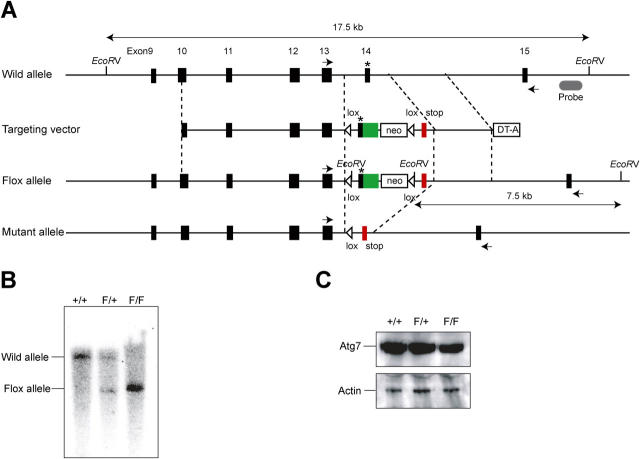
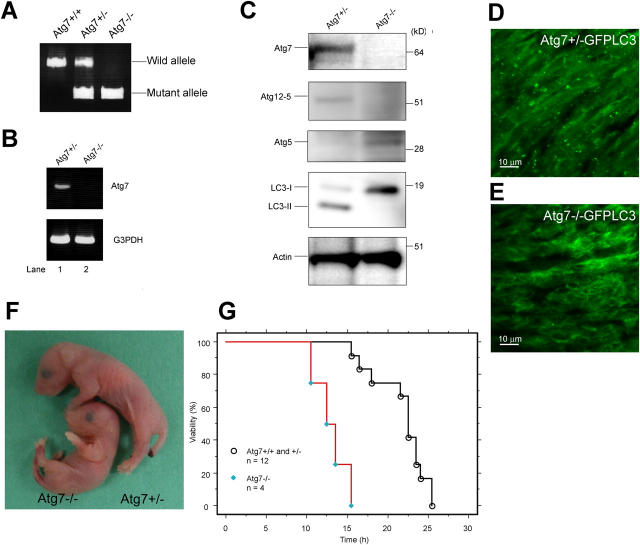
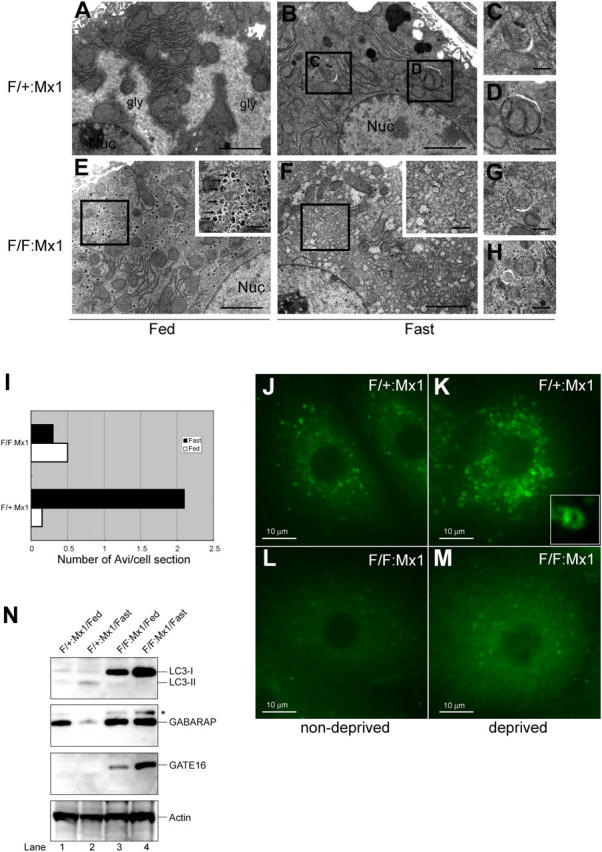
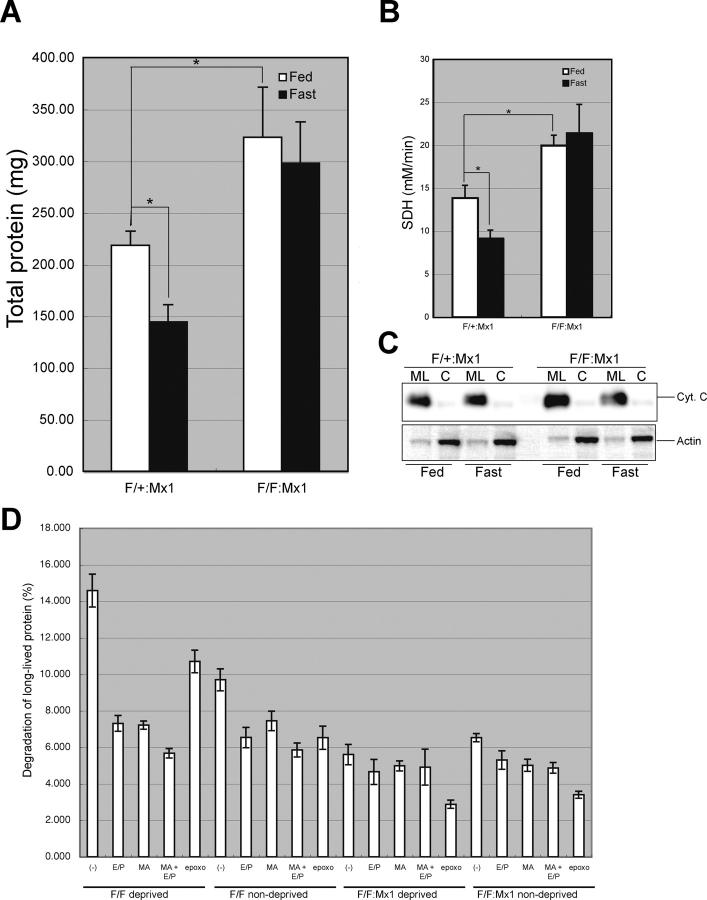
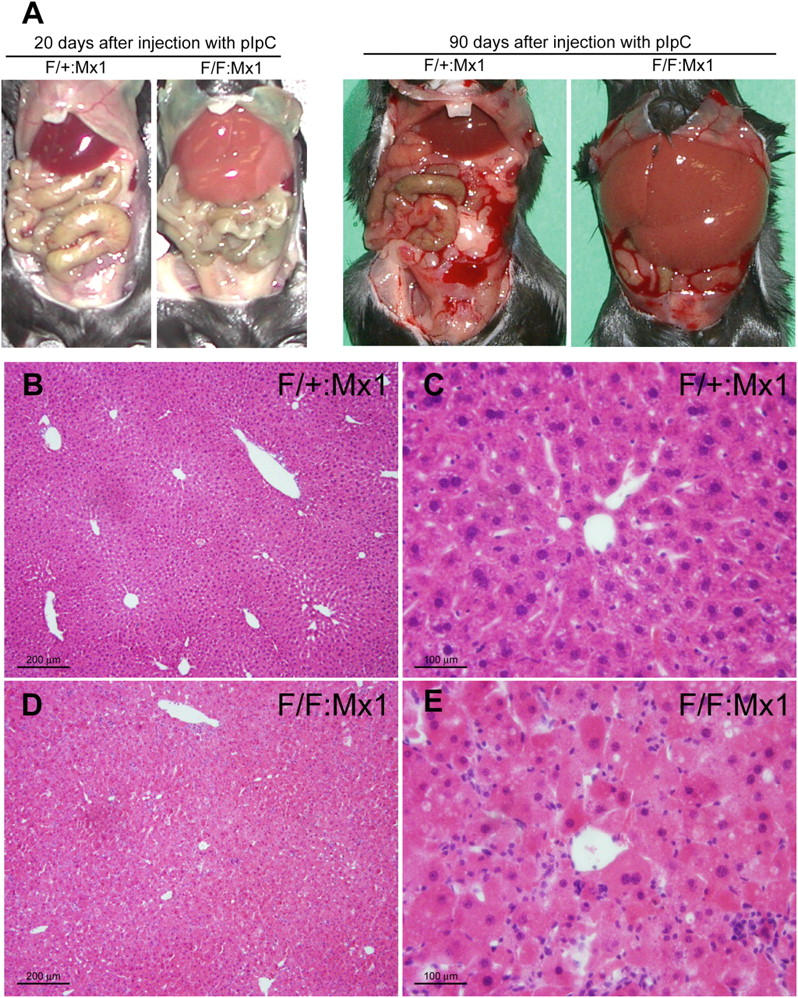
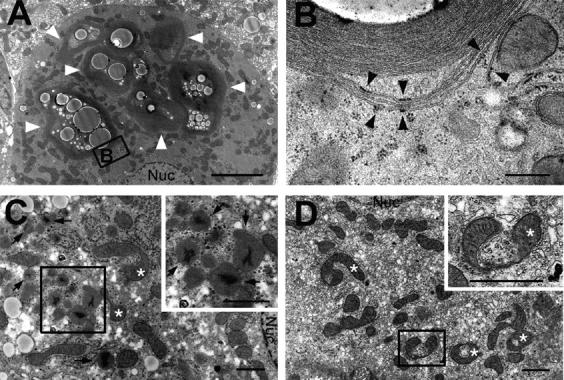
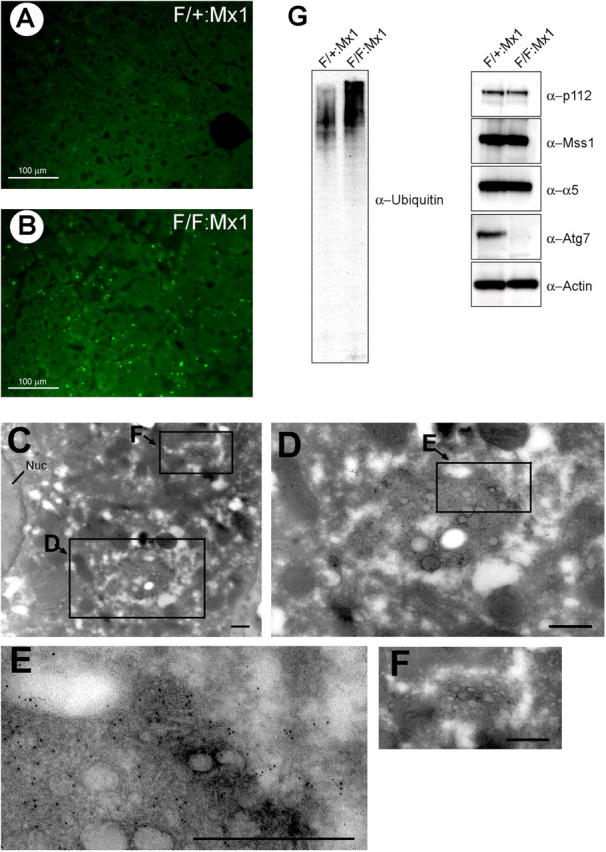
Autophagy is a membrane-trafficking mechanism that delivers cytoplasmic constituents into the lysosome/vacuole for bulk protein degradation. This mechanism is involved in the preservation of nutrients under starvation condition as well as the normal turnover of cytoplasmic component. Aberrant autophagy has been reported in several neurodegenerative disorders, hepatitis, and myopathies. Here, we generated conditional knockout mice of Atg7, an essential gene for autophagy in yeast. Atg7 was essential for ATG conjugation systems and autophagosome formation, amino acid supply in neonates, and starvation-induced bulk degradation of proteins and organelles in mice. Furthermore, Atg7 deficiency led to multiple cellular abnormalities, such as appearance of concentric membranous structure and deformed mitochondria, and accumulation of ubiquitin-positive aggregates. Our results indicate the important role of autophagy in starvation response and the quality control of proteins and organelles in quiescent cells.
Overview
The claims and statistics of this paper haven’t been checked yet.
Free: it reads the open-access text and checks the first 5 claims that cite a source we can check. Create a free account to check every claim.
Integrity signals
Registry
Cites
Statistics
Figures
Verification
Claims the paper makes
The claims and statistics of this paper haven’t been checked yet.
Free: it reads the open-access text and checks the first 5 claims that cite a source we can check. Create a free account to check every claim.
Claims other papers make about this one
Each is checked against this paper’s own text: does it say what the citing paper says it does?
The source backs part of the claim, not all of it — or backs it for a different population, condition or comparison.
In the citing paper
“whole‐body autophagy‐deficient mice undergo perinatal death due to their inability to withstand postnatal starvation (Kuma et al, 2004; Komatsu et al, 2005; Kuma et al, 2017).”
From Autophagy in major human diseases (2021) · cites this paper as Komatsu et al, 2005
Experimental — accuracy not yet measuredThe cited source says what the claim attributes to it.
In the citing paper
“Indeed, mice deficient for autophagy essential genes, such as ATG5, or ATG7, die soon after birth [220, 221].”
From The connection between the dynamic remodeling of the mitochondrial network and the regulation of muscle mass (2021) · cites this paper as [221]
The cited source says what the claim attributes to it.
In the citing paper
“The genetic suppression of basal autophagy in hepatocytes leads to hepatomegaly and exacerbated liver injury (Komatsu et al, 2005; Ni et al, 2012b; Cassidy et al, 2018).”
From Autophagy in major human diseases (2021) · cites this paper as Komatsu et al, 2005
The cited source says what the claim attributes to it.
In the citing paper
“mice with global KOs of the other autophagy related genes like Atg5 and Atg7 that die within a day after birth (Kuma et al., 2004; Komatsu et al., 2005; Cann et al., 2008).”
From Microtubule-associated protein 1 light chain 3B, (LC3B) is necessary to maintain lipid-mediated homeostasis in the retinal pigment epithelium (2018) · cites this paper as Komatsu et al., 2005
The cited source says what the claim attributes to it.
In the citing paper
“Atg7 encodes an E1-like enzyme essential in the ubiquitin-like conjugation systems required for autophagy, and Atg14 encodes a positive regulator of VPS34 (refs. 38,39).”
From Microglia clear neuron-released α-synuclein via selective autophagy and prevent neurodegeneration (2020) · cites this paper as [38]
2 more claims about this paper
Create a free account to see every claim other papers make about this one.
Self-check
Percentages, sums and reported differences re-computed from the paper’s own numbers.
The self-check needs the paper’s full text.
Citations
Cites
Repertoires of Autophagy in the Pathogenesis of Ocular Diseases
Li, Y.-J., Jiang, Q., Cao, G.-F., Yao, J., & Yan, B. (2015) · Cellular Physiology and Biochemistry · doi:10.1159/000373980 · Cited by 16,304
LC3, a mammalian homologue of yeast Apg8p, is localized in autophagosome membranes after processing.
Kabeya, Y., Mizushima, N., Ueno, T., Yamamoto, A., Kirisako, T., Noda, T., Kominami, E., Ohsumi, Y., & Yoshimori, T. (2000) · The EMBO Journal · doi:10.1093/emboj/19.21.5720 · Cited by 6,605 · cited 8×
“In mammals, there exist at least three Atg8 homologues that can all be activated by Atg7 (Tanida et al., 2001), GATE-16, GABARAP, and LC3 (Ohsumi, 2001), and they localize to the autophagosome (Kabeya et al., 2000, 2004).”
BackgroundMethodSelf-citationCui, C., Cui, J., Jin, F., Cui, Y., Li, R., Jiang, X., Tian, Y., Wang, K., Jiang, P., & Gao, J. (2017) · Cellular Physiology and Biochemistry · doi:10.1159/000479571 · Cited by 5,203
Levine, B., & Klionsky, D. J. (2004) · Developmental Cell · doi:10.1016/s1534-5807(04)00099-1 · Cited by 3,678 · cited 2×
“Furthermore, autophagy plays a role in cellular remodeling during differentiation and development of multicellular organisms, such as fly, worm, and slime mold (Levine and Klionsky, 2004), and cellular defense against invading streptococcus (Nakagawa et al.”
BackgroundAutophagy as a Regulated Pathway of Cellular Degradation
Klionsky, D. J., & Emr, S. D. (2000) · Science · doi:10.1126/science.290.5497.1717 · Cited by 3,608 · cited 1×
“In this lysosomal pathway, degradation of plasma membrane proteins and extracellular proteins is mediated by endocytosis, whereas degradation of cytoplasmic components is achieved through several pathways: macroautophagy, microautophagy, and chaperone-mediated autophagy (Seglen and Bohley, 1992; Dunn, 1994; Klionsky a…”
BackgroundAntimicrobial Autophagy: A Conserved Innate Immune Response in Drosophila
Moy, R. H., & Cherry, S. (2013) · Journal of Innate Immunity · doi:10.1159/000350326 · Cited by 3,539
Induction of autophagy and inhibition of tumorigenesis by beclin 1
Liang, X. H., Jackson, S., Seaman, M., Brown, K., Kempkes, B., Hibshoosh, H., & Levine, B. (1999) · Nature · doi:10.1038/45257 · Cited by 3,347 · cited 3×
“, low levels of autophagy were described in some malignant tumors (Liang et al., 1999).”
BackgroundThe role of autophagy during the early neonatal starvation period
Kuma, A., Hatano, M., Matsui, M., Yamamoto, A., Nakaya, H., Yoshimori, T., Ohsumi, Y., Tokuhisa, T., & Mizushima, N. (2004) · Nature · doi:10.1038/nature03029 · Cited by 2,865 · cited 4×
“We considered that Atg7 / mice could survive in utero by virtue of the nutrients supplied through the placenta but could not survive when the supply terminates after birth, as recently reported (Kuma et al., 2004).”
BackgroundSelf-citationAutophagy in Health and Disease: A Double-Edged Sword
Shintani, T., & Klionsky, D. J. (2004) · Science · doi:10.1126/science.1099993 · Cited by 2,534 · cited 2×
“In humans, autophagy has been implicated in several pathological conditions ( Shintani and Klionsky, 2004 ); e.g., low levels of autophagy were described in some malignant tumors (Liang et al., 1999).”
BackgroundPromotion of tumorigenesis by heterozygous disruption of the beclin 1 autophagy gene
Qu, X., Yu, J., Bhagat, G., Furuya, N., Hibshoosh, H., Troxel, A., Rosen, J., Eskelinen, E.-L., Mizushima, N., Ohsumi, Y., et al. (2003) · Journal of Clinical Investigation · doi:10.1172/jci20039 · Cited by 2,311 · cited 2×
“In contrast, elevated levels of autophagosome formation were reported in other human pathologies such as neurodegenerative diseases, myopathies, and liver injury (Mizushima et al., 2002; Perlmutter, 2002 ), and autophagy is implicated in the execution of cell death (Xue et al., 1999; Bursch, 2001).”
BackgroundSelf-citation
Research works printed but not linked: 1
- 1995, Eur. J. Cell Biol., 67, 308
Cited by
Items 501–600 of 1,024
Autophagy: More Than a Nonselective Pathway
Reggiori, F., Komatsu, M., Finley, K., & Simonsen, A. (2012) · International Journal of Cell Biology · doi:10.1155/2012/219625 · Cited by 152
“As a result, to investigate the physiological roles of autophagy, conditional knockout mice for Atg5, Atg7, or FIP200 and various tissue-specific Atg knockout mice have been established and analyzed [133, 137, 138] .”
BackgroundInfluentialSelf-citationAutophagy Signaling and the Cogwheels of Cancer
Botti, J., Djavaheri-Mergny, M., Pilatte, Y., & Codogno, P. (2006) · Autophagy · doi:10.4161/auto.2.2.2458 · Cited by 150
Autophagy protects the retina from light-induced degeneration
Chen, Y., Sawada, O., Kohno, H., Le, Y.-Z., Subauste, C., Maeda, T., & Maeda, A. (2013) · Journal of Biological Chemistry · doi:10.1074/jbc.m112.439935 · Cited by 152
“Atg7flox/flox mice were obtained from Dr. K. Tanaka (Laboratory of Frontier Science, TokyoMetropolitan Institute of Medical Science, Tokyo).”
BackgroundMethodInfluentialLucanthone Is a Novel Inhibitor of Autophagy That Induces Cathepsin D-mediated Apoptosis
Carew, J. S., Espitia, C. M., Esquivel, J. A., Mahalingam, D., Kelly, K. R., Reddy, G., Giles, F. J., & Nawrocki, S. T. (2011) · Journal of Biological Chemistry · doi:10.1074/jbc.m110.151324 · Cited by 151
Autophagy in cardiovascular disease
Martinet, W., Knaapen, M., Kockx, M. M., & Meyer, G. R. Y. D. (2007) · Trends in Molecular Medicine · doi:10.1016/j.molmed.2007.08.004 · Cited by 162
Autophagy: A Forty-Year Search for a Missing Membrane Source
Juhasz, G., & Neufeld, T. P. (2006) · PLoS Biology · doi:10.1371/journal.pbio.0040036 · Cited by 152
Autophagy in health and disease. 3. Involvement of autophagy in muscle atrophy
Sandri, M. (2010) · American Journal of Physiology-Cell Physiology · doi:10.1152/ajpcell.00531.2009 · Cited by 152
Law, B. Y. K., Chan, W. K., Xu, S., Wang, J. R., Bai, L. P., Liu, L., & Wong, V. K. W. (2014) · Scientific Reports · doi:10.1038/srep05510 · Cited by 155
Wang, T., Martin, S., Papadopulos, A., Harper, C. B., Mavlyutov, T. A., Niranjan, D., Glass, N. R., Cooper-White, J. J., Sibarita, J.-B., Choquet, D., et al. (2015) · The Journal of Neuroscience · doi:10.1523/jneurosci.3757-14.2015 · Cited by 151
“Because the lipidated form of LC3, LC3-II, has been shown to be a specific marker for autophagic activity in mammals (Komatsu et al., 2005; Tanida et al., 2008), we determined the LC3-II level up to 2 h after stimulation.”
BackgroundResultTherapeutic Targeting of Autophagy: Potential and Concerns in Treating Cardiovascular Disease
Orogo, A. M., & Gustafsson, Å. B. (2015) · Circulation Research · doi:10.1161/circresaha.116.303791 · Cited by 167
“In addition, the FOXOs contribute to the pathogenesis of cardiomyopathy in a high fat diet.(8) It has also been demonstrated that alterations of FOXOs and autophagy can contribute to myofiber degeneration and weakness in muscle disorders.”
BackgroundRegulation of nutrient-sensitive autophagy by uncoordinated 51-like kinases 1 and 2
McAlpine, F., Williamson, L. E., Tooze, S. A., & Chan, E. Y. W. (2013) · Autophagy · doi:10.4161/auto.23066 · Cited by 150
“An ATG5-ATG7-independent autophagy mechanism has been described(45) although loss of either of these genes presents neonatal lethality in mice.(30,31) As another example, resveratrol induces a noncanonical form of autophagy that has been shown to be BECN1 and PtdIns3P independent under certain contexts.”
BackgroundThe variability of autophagy and cell death susceptibility: Unanswered questions
Loos, B., Engelbrecht, A.-M., Lockshin, R. A., Klionsky, D. J., & Zakeri, Z. (2013) · Autophagy · doi:10.4161/auto.25560 · Cited by 150
“The targeted inactivation of specific Atg genes leads to a profound decrease in tissue and plasma amino acids, as well as hypoglycemia and hypolipidemia.(49,50) The myocardium and the diaphragm show substantially increased autophagy, which supports the notion for high metabolic activity and reliance on fuels generated…”
BackgroundMitophagy in Intestinal Epithelial Cells Triggers Adaptive Immunity during Tumorigenesis
Ziegler, P. K., Bollrath, J., Pallangyo, C. K., Matsutani, T., Canli, Ö., De Oliveira, T., Diamanti, M. A., Müller, N., Gamrekelashvili, J., Putoczki, T., et al. (2018) · Cell · doi:10.1016/j.cell.2018.05.028 · Cited by 149
Therapeutic regulation of autophagy in hepatic metabolism
Byrnes, K. G., Blessinger, S. A., Bailey, N. T., Scaife, R., Liu, G., & Khambu, B. (2021) · Acta Pharmaceutica Sinica B · doi:10.1016/j.apsb.2021.07.021 · Cited by 170
Autophagy: a multifaceted player in the fate of sperm
Wang, M., Zeng, L., Su, P., Ma, L., Zhang, M., & Zhang, Y. (2021) · Human Reproduction Update · doi:10.1093/humupd/dmab043 · Cited by 161
“…autophagy functions in multiple mammalian organs or systems, including the embryo (Yoshii et al., 2016), placenta (Agrawal et al., 2015), liver (Komatsu et al., 2005), brain (Kaushik et al., 2011), heart (Nakai et al., 2007; Lu et al., 2016), skeletal muscle (Masiero et al., 2009), intestine…”
Defective autophagy in vascular smooth muscle cells enhances cell death and atherosclerosis
Osonoi, Y., Mita, T., Azuma, K., Nakajima, K., Masuyama, A., Goto, H., Nishida, Y., Miyatsuka, T., Fujitani, Y., Koike, M., et al. (2018) · Autophagy · doi:10.1080/15548627.2018.1501132 · Cited by 149
“Atg7 mice [37] were bred with TaglnCre mice to generate mice homologous for the floxed allele and hemizygious for the Cre transgene (Atg7cKO), as smooth muscle-specific Atg7-deficient mice (backcrossed at least 10 times on a C57BL/6 background).”
MethodMicroglial autophagy–associated phagocytosis is essential for recovery from neuroinflammation
Berglund, R., Guerreiro-Cacais, A. O., Adzemovic, M. Z., Zeitelhofer, M., Lund, H., Ewing, E., Ruhrmann, S., Nutma, E., Parsa, R., Thessen-Hedreul, M., et al. (2020) · Science Immunology · doi:10.1126/sciimmunol.abb5077 · Cited by 149
Revuelta, M., & Matheu, A. (2017) · Aging Cell · doi:10.1111/acel.12655 · Cited by 149
“Genetic studies of Atg5 / and Atg7 / mice revealed that the lack of autophagy is lethal within the first postnatal hours as autophagy is required to overcome the perinatal starvation period (Kuma et al., 2004; Komatsu et al., 2005).”
BackgroundDefective autophagy in atherosclerosis: to die or to senesce?
Grootaert, M. O. J., Roth, L., Schrijvers, D. M., De Meyer, G. R. Y., & Martinet, W. (2018) · Oxidative Medicine and Cellular Longevity · doi:10.1155/2018/7687083 · Cited by 147
Lu, J., He, L., Behrends, C., Araki, M., Araki, K., Jun Wang, Q., Catanzaro, J. M., Friedman, S. L., Zong, W.-X., Fiel, M. I., et al. (2014) · Nature Communications · doi:10.1038/ncomms4920 · Cited by 148
“Furthermore, ablation of genes for autophagy conjugation components, such as Atg3 , Atg5 , or Atg7 , causes perinatal death in mice 26, 27, 28 , indicating a developmental role of autophagy.”
Primary-cilium-dependent autophagy controls epithelial cell volume in response to fluid flow
Orhon, I., Dupont, N., Zaidan, M., Boitez, V., Burtin, M., Schmitt, A., Capiod, T., Viau, A., Beau, I., Kuehn, E. W., et al. (2016) · Nature Cell Biology · doi:10.1038/ncb3360 · Cited by 175
Neal, M. D., Sodhi, C. P., Dyer, M., Craig, B. T., Good, M., Jia, H., Yazji, I., Afrazi, A., Richardson, W. M., Beer-Stolz, D., et al. (2013) · The Journal of Immunology · doi:10.4049/jimmunol.1202264 · Cited by 147
“To generate intestinal epithelial–specific ATG7 conditional knockout mice (strain ATG7) (32), we bred the ATG7 mouse on a C57BL/6 background with transgenic mouse line expressing villin-cre [B6.”
MethodGao, M., Yeh, P. Y., Lu, Y.-S., Hsu, C.-H., Chen, K.-F., Lee, W.-C., Feng, W.-C., Chen, C.-S., Kuo, M.-L., & Cheng, A.-L. (2008) · Cancer Research · doi:10.1158/0008-5472.can-08-1642 · Cited by 147
“Autophagy has also been proposed to involve another biological function of clearing unfolded protein away under certain stress conditions ( 8 , 9). The process of autophagy starts by sequestering a portion of the cytoplasm and intracellular organelles in a double membrane–bound structure known as the autophagosome.”
BackgroundJang, S. Y., Shin, Y. K., Park, S. Y., Park, J. Y., Lee, H. J., Yoo, Y. H., Kim, J. K., & Park, H. T. (2016) · Glia · doi:10.1002/glia.22957 · Cited by 145
“The atg7flox/flox mice (atg7 flox, obtained from Dr. Masaaki Komatsu [Komatsu et al., 2005)] and myelin protein zero-Cre transgenic mice [obtained from Dr. Laura Feltri (Feltri et al., 1999)] were crossed to produce the SC-specific atg7 conditional knockout mice (atg7-SCKO) (Jang et al., 2015).”
BackgroundBerberine as a potential autophagy modulator
Mohammadinejad, R., Ahmadi, Z., Tavakol, S., & Ashrafizadeh, M. (2019) · Journal of Cellular Physiology · doi:10.1002/jcp.28325 · Cited by 132
“In this way, autophagy guarantees the turnover of proteins and organelles (Komatsu et al., 2005).”
BackgroundDisruption of Protein Quality Control in Parkinson's Disease
Cook, C., Stetler, C., & Petrucelli, L. (2012) · Cold Spring Harbor Perspectives in Medicine · doi:10.1101/cshperspect.a009423 · Cited by 147
“…genes for macroautophagy have revealed that some level of macroautophagy is almost always present in tissues, and this basal activity plays an important role in the continuous turnover of organelles andclearance ofmisfoldedand damaged proteins (Komatsu et al. 2005, 2006; Hara et al. 2006).”
BackgroundAutophagy Required for Hepatitis B Virus Replication in Transgenic Mice
Tian, Y., Sir, D., Kuo, C.-F., Ann, D. K., & Ou, J.-H. J. (2011) · Journal of Virology · doi:10.1128/jvi.06064-11 · Cited by 146
“2A to C), results which were also consistent with the results of previous reports (7, 16, 20).”
ResultCarvalho, C., Santos, M. S., Oliveira, C. R., & Moreira, P. I. (2015) · Biochimica et Biophysica Acta (BBA) - Molecular Basis of Disease · doi:10.1016/j.bbadis.2015.05.001 · Cited by 145
Autophagy and the degradation of mitochondria
Goldman, S. J., Taylor, R., Zhang, Y., & Jin, S. (2010) · Mitochondrion · doi:10.1016/j.mito.2010.01.005 · Cited by 145
“(Komatsu et al., 2005) with mice harboring aP2 (Fabp4)-Cre, we were able to generate mice that selectively lacked autophagic activity in fat tissue (Zhang et al.”
BackgroundBif-1/Endophilin B1: a candidate for crescent driving force in autophagy
Takahashi, Y., Meyerkord, C. L., & Wang, H.-G. (2009) · Cell Death & Differentiation · doi:10.1038/cdd.2009.19 · Cited by 145
“Moreover, Bif-1 knockout mice develop normally(10) which is different from AP–Atg knockout mice that are embryonically lethal(80) or die at an early neonatal stage.(81,82) If Bif-1 is essential for the formation of autophagosomes, then why is the phenotype of Bif-1”
Pernas, L., Bean, C., Boothroyd, J. C., & Scorrano, L. (2018) · Cell Metabolism · doi:10.1016/j.cmet.2018.02.018 · Cited by 144
The cell biology of autophagy in metazoans: a developing story
Meléndez, A., & Neufeld, T. P. (2008) · Development · doi:10.1242/dev.016105 · Cited by 143
Macroautophagy in CNS health and disease
Griffey, C. J., & Yamamoto, A. (2022) · Nature reviews. Neuroscience · doi:10.1038/s41583-022-00588-3 · Cited by 154
Pastore, N., Blomenkamp, K., Annunziata, F., Piccolo, P., Mithbaokar, P., Maria Sepe, R., Vetrini, F., Palmer, D., Ng, P., Polishchuk, E., et al. (2013) · EMBO Molecular Medicine · doi:10.1002/emmm.201202046 · Cited by 142
“TFEB-mediated increase of ATZ clearance was not observed in Atg7 (cid:2) / (cid:2) MEFs (Komatsu et al, 2005), thus showing that functioning autophagy is needed for TFEB-mediated increase of ATZ clearance (Fig 1B and D).”
Aryal, P., Kim, K., Park, P., Ham, S., Cho, J. H., & Song, K. (2014) · FEBS Journal · doi:10.1111/febs.12969 · Cited by 145
Histone deacetylases 1 and 2 regulate autophagy flux and skeletal muscle homeostasis in mice
Moresi, V., Carrer, M., Grueter, C. E., Rifki, O. F., Shelton, J. M., Richardson, J. A., Bassel-Duby, R., & Olson, E. N. (2012) · Proceedings of the National Academy of Sciences · doi:10.1073/pnas.1121159109 · Cited by 142
“Mice mutant in autophagy genes show similar features (26, 27), highlighting the importance of this cellular mechanism for survival during the perinatal period of energy deprivation.”
BackgroundUemura, T., Yamamoto, M., Kametaka, A., Sou, Y.-S., Yabashi, A., Yamada, A., Annoh, H., Kametaka, S., Komatsu, M., & Waguri, S. (2014) · Molecular and Cellular Biology · doi:10.1128/mcb.01327-13 · Cited by 141
“We first examined if the autophagosomal structures were observed in these cell lines because starvation-induced autophagosomes at the electron-microscopic level have been described only for Atg5 / mouse embryonic stem cells (19) and Atg7 / hepatocytes (12), not for MEFs.”
BackgroundSelf-citationGuo, Y., Lin, C., Xu, P., Wu, S., Fu, X., Xia, W., & Yao, M. (2016) · Scientific Reports · doi:10.1038/srep36416 · Cited by 159
Uddin, M. S., Mamun, A. A., Labu, Z. K., Hidalgo‐Lanussa, O., Barreto, G. E., & Ashraf, G. M. (2019) · Journal of Cellular Physiology · doi:10.1002/jcp.27588 · Cited by 141
“Therefore, autophagy shows a role in intracellular quality control and maintenance, particularly in turnover of total accumulated‐prone proteins (Komatsu et al., 2005).”
BackgroundCell “Self‐Eating” (Autophagy) Mechanism in Alzheimer's Disease
Funderburk, S. F., Marcellino, B. K., & Yue, Z. (2010) · Mount Sinai Journal of Medicine: A Journal of Translational and Personalized Medicine · doi:10.1002/msj.20161 · Cited by 139
Anthracyclines Induce DNA Damage Response-Mediated Protection against Severe Sepsis
Figueiredo, N., Chora, A., Raquel, H., Pejanovic, N., Pereira, P., Hartleben, B., Neves-Costa, A., Moita, C., Pedroso, D., Pinto, A., et al. (2013) · Immunity · doi:10.1016/j.immuni.2013.08.039 · Cited by 139
“We then deleted Atg7 specifically in the lung (Figure S5), using an adenovirus-expressing CRE (Adcre) to intranasally infect Atg7loxP/loxP mice (Komatsu et al., 2005).”
Luo, T., Fu, J., Xu, A., Su, B., Ren, Y., Li, N., Zhu, J., Zhao, X., Dai, R., Cao, J., et al. (2016) · Autophagy · doi:10.1080/15548627.2015.1034405 · Cited by 138
Crucial role for autophagy in degranulation of mast cells
Ushio, H., Ueno, T., Kojima, Y., Komatsu, M., Tanaka, S., Yamamoto, A., Ichimura, Y., Ezaki, J., Nishida, K., Komazawa-Sakon, S., et al. (2011) · Journal of Allergy and Clinical Immunology · doi:10.1016/j.jaci.2010.12.1078 · Cited by 124
Self-citationRoy, S., & Debnath, J. (2010) · Seminars in Immunopathology · doi:10.1007/s00281-010-0213-0 · Cited by 137
Balancing nutrient and energy demand and supply via autophagy
He, C. (2022) · Current Biology · doi:10.1016/j.cub.2022.04.071 · Cited by 154
Sarcopenia and cachexia: the adaptations of negative regulators of skeletal muscle mass
Sakuma, K., & Yamaguchi, A. (2012) · Journal of Cachexia Sarcopenia and Muscle · doi:10.1007/s13539-011-0052-4 · Cited by 137
“autophagy [114].”
Role of AMPK activation in oxidative cell damage: Implications for alcohol-induced liver disease
Sid, B., Verrax, J., & Calderón, P. B. (2013) · Biochemical Pharmacology · doi:10.1016/j.bcp.2013.05.007 · Cited by 146
“Finally, loss of autophagy in transgenic mice induces the formation of protein aggregates in hepatocytes, resembling MDBs [110].”
InfluentialThe Autophagy-Senescence Connection in Chemotherapy: Must Tumor Cells (Self) Eat Before They Sleep?
Goehe, R. W., Di, X. M., Sharma, K., Bristol, M. L., Henderson, S. C., Valerie, K. C., Rodier, F., Davalos, A. R., & Gewirtz, D. A. (2012) · Journal of Pharmacology and Experimental Therapeutics · doi:10.1124/jpet.112.197590 · Cited by 156
“ATG5 and ATG7 autophagic-related genes have been demonstrated to be essential for the autophagic process (Kuma et al., 2002; Komatsu et al., 2005).”
BackgroundInami, Y., Yamashina, S., Izumi, K., Ueno, T., Tanida, I., Ikejima, K., & Watanabe, S. (2011) · Biochemical and Biophysical Research Communications · doi:10.1016/j.bbrc.2011.08.012 · Cited by 152
Self-citationThe Role of Osteocytes in Age-Related Bone Loss
Jilka, R. L., & O’Brien, C. A. (2016) · Current Osteoporosis Reports · doi:10.1007/s11914-016-0297-0 · Cited by 145
Roles of autophagy and mTOR signaling in neuronal differentiation of mouse neuroblastoma cells
Zeng, M., & Zhou, J. (2007) · Cellular Signalling · doi:10.1016/j.cellsig.2007.11.015 · Cited by 149
Calcium-dependent O-GlcNAc signaling drives liver autophagy in adaptation to starvation
Ruan, H.-B., Ma, Y., Torres, S., Zhang, B., Feriod, C., Heck, R. M., Qian, K., Fu, M., Li, X., Nathanson, M. H., et al. (2017) · Genes & Development · doi:10.1101/gad.305441.117 · Cited by 151
“1B,C), which are typical characteristics of an autophagic defect (Komatsu et al. 2005).”
BackgroundAkt Suppresses Retrograde Degeneration of Dopaminergic Axons by Inhibition of Macroautophagy
Cheng, H.-C., Kim, S. R., Oo, T. F., Kareva, T., Yarygina, O., Rzhetskaya, M., Wang, C., During, M., Talloczy, Z., Tanaka, K., et al. (2011) · The Journal of Neuroscience · doi:10.1523/jneurosci.5519-10.2011 · Cited by 136
“Selective deletion of Atg7 mRNA in the SN was confirmed by nonradioactive in situ hybridization with a riboprobe complementary to the exon 14 sequence (Komatsu et al., 2005) (Figure S2 D), performed as described (Oo et al.”
BackgroundMethodSelf-citationComplement C3 Drives Autophagy-Dependent Restriction of Cyto-invasive Bacteria
Sorbara, M. T., Foerster, E. G., Tsalikis, J., Abdel‐Nour, M., Mangiapane, J., Sirluck-Schroeder, I., Tattoli, I., van Dalen, R., Isenman, D. E., Rohde, J. R., et al. (2018) · Cell Host & Microbe · doi:10.1016/j.chom.2018.04.008 · Cited by 146
Autophagy and Cancer Metabolism
Goldsmith, J., Levine, B., & Debnath, J. (2014) · Methods in enzymology on CD-ROM/Methods in enzymology · doi:10.1016/b978-0-12-416618-9.00002-9 · Cited by 156
“…neurons require autophagy to remove potentially 1Corresponding author: jayanta.debnath@ucsf.edu. uthor M anuscript A uthor M anuscript A uthor M anuscript damaging proteins that cannot be diluted by cell division (Hara et al., 2006; Jung et al., 2008; Komatsu et al., 2005, 2006; Wu et al., 2009).”
BackgroundZhao, Y., Zhang, C., Rossiter, H., Eckhart, L., König, U., Karner, S., Mildner, M., Bochkov, V. N., Tschachler, E., & Грубер, Ф. (2013) · Journal of Investigative Dermatology · doi:10.1038/jid.2013.26 · Cited by 141
“The KCs used for this experiment were isolated from the tails of mice with crerecombinase-targeted deletion of Atg7 (Komatsu et al., 2005), driven by the keratin K14 promoter (K14-cre-Atg7; called Atg7 KO thereafter) (H.”
MethodMcKnight, N. C., Zhong, Y., Wold, M. S., Gong, S., Phillips, G. R., Dou, Z., Zhao, Y., Heintz, N., Zong, W.-X., & Yue, Z. (2014) · PLoS Genetics · doi:10.1371/journal.pgen.1004626 · Cited by 135
“The enhanced neuronal loss in Becn1 conditional KO mice is consistent with the early embryonic lethality of conventional Becn1 KO mice [15] as opposed to the neonatal death of conventional Atg7 KO mice [17].”
BackgroundLiu, T.-Y., Xiong, X.-Q., Ren, X.-S., Zhao, M.-X., Shi, C.-X., Wang, J.-J., Zhou, Y.-B., Zhang, F., Han, Y., Gao, X.-Y., et al. (2016) · Diabetes · doi:10.2337/db16-0356 · Cited by 135
“An alternative energy source with respect to energy deprivation is provided by the breakdown of cellular components by autophagy (35,36).”
BackgroundLuciani, A., Schumann, A., Berquez, M., Chen, Z., Nieri, D., Failli, M., Debaix, H., Festa, B. P., Tokonami, N., Raimondi, A., et al. (2020) · Nature Communications · doi:10.1038/s41467-020-14729-8 · Cited by 150
Autophagy and Non-Alcoholic Fatty Liver Disease
Lavallard, V. J., & Gual, P. (2014) · BioMed Research International · doi:10.1155/2014/120179 · Cited by 134
Park, S., Kim, J.-H., Chi, G. Y., Kim, G., Chang, Y., Moon, S., Nam, S., Kim, W., Yoo, Y. H., & Choi, Y. H. (2012) · Toxicology Letters · doi:10.1016/j.toxlet.2012.06.007 · Cited by 143
“…are degraded (Meijer and Codogno, 2004). utophagy serves as a survival mechanism during starvation, as elf-digestion serves as an alternative energy source, and it also erves to remove improperly folded proteins that accumulate nder certain stress conditions (Komatsu et al., 2005; Baehrecke, 005).”
BackgroundAutophagy in immunity: Implications in etiology of autoimmune/autoinflammatory diseases
Zhou, S., & Zhang, H. (2012) · Autophagy · doi:10.4161/auto.21212 · Cited by 140
Mechanism of autophagic regulation in carcinogenesis and cancer therapeutics
Panda, P. K., Mukhopadhyay, S., Das, D. N., Sinha, N., Naik, P. P., & Bhutia, S. K. (2015) · Seminars in Cell and Developmental Biology · doi:10.1016/j.semcdb.2015.02.013 · Cited by 152
Tawo, R., Pokrzywa, W., Kevei, É., Akyuz, M. E., Balaji, V., Adrian, S., Höhfeld, J., & Hoppe, T. (2017) · Cell · doi:10.1016/j.cell.2017.04.003 · Cited by 134
Notch-Nrf2 Axis: Regulation of Nrf2 Gene Expression and Cytoprotection by Notch Signaling
Wakabayashi, N., Skoko, J. J., Chartoumpekis, D. V., Kimura, S., Slocum, S. L., Noda, K., Palliyaguru, D. L., Fujimuro, M., Boley, P. A., Tanaka, Y., et al. (2014) · Molecular and Cellular Biology · doi:10.1128/mcb.01408-13 · Cited by 132
“Impaired autophagy accumulates p62 as well as Keap1, as seen in hepatocyte-specific Atg7-disrupted mice (31, 37).”
BackgroundLiu, W. J., Shen, T. T., Chen, R. H., Wu, H.-L., Wang, Y. J., Deng, J. K., Chen, Q. H., Pan, Q., Huang Fu, C.-M., Tao, J.-L., et al. (2015) · Journal of Biological Chemistry · doi:10.1074/jbc.m115.666354 · Cited by 132
“It is well known that ubiquitinated proteins target SQSTM1/p62 for autophagic degradation, and disruption of the autophagy-lysosome pathway results in ubiquitinated protein aggregates (6, 38).”
BackgroundLoss of Macroautophagy Promotes or Prevents Fibroblast Apoptosis Depending on the Death Stimulus
Wang, Y., Singh, R., Massey, A. C., Kane, S. S., Kaushik, S., Grant, T., Xiang, Y., Cuervo, A. M., & Czaja, M. J. (2008) · Journal of Biological Chemistry · doi:10.1074/jbc.m706666200 · Cited by 132
Santiago, F. W., Covaleda, L. M., Sánchez-Aparicio, M. T., Silvas, J. A., Diaz-Vizarreta, A. C., Patel, J. R., Popov, V. L., Yu, X., García‐Sastre, A., & Aguilar, P. V. (2014) · Journal of Virology · doi:10.1128/jvi.03021-13 · Cited by 139
“The Atg7 / and Atg7 / mouse embryonic fibroblast (MEF) cells have been previously described and were kindly provided by Masaaki Komatsu (40).”
BackgroundMethodInfluentialThe regulation of autophagy during exercise in skeletal muscle
Vainshtein, A., & Hood, D. A. (2016) · Journal of Applied Physiology · doi:10.1152/japplphysiol.00550.2015 · Cited by 132
U2AF35(S34F) Promotes Transformation by Directing Aberrant ATG7 Pre-mRNA 3′ End Formation
Park, S. M., Ou, J., Chamberlain, L., Simone, T. M., Yang, H., Virbasius, C.-M. A., Ali, A. M., Zhu, L. J., Mukherjee, S., Raza, A., et al. (2016) · Molecular Cell · doi:10.1016/j.molcel.2016.04.011 · Cited by 142
“Most importantly, mice in which Atg7 has been conditionally depleted in hematopoietic cells have an autophagy defect and develop an MDS-like syndrome (Komatsu et al., 2005; Mortensen et al., 2011).”
BackgroundAutophagosome–lysosome fusion in neurons requires INPP5E, a protein associated with Joubert syndrome
Hasegawa, J., Iwamoto, R., Otomo, T., Nezu, A., Hamasaki, M., & Yoshimori, T. (2016) · The EMBO Journal · doi:10.15252/embj.201593148 · Cited by 145
“In mice, a strong defect in autophagy causes death shortly after birth (Kuma et al , 2004; Komatsu et al , 2005).”
Jing, C., Wang, L., Liu, P.-P., Wu, C., Ruan, D., & Chen, G. (2012) · Neuroscience · doi:10.1016/j.neuroscience.2012.03.055 · Cited by 138
The PI3K, Metabolic, and Autophagy Networks: Interactive Partners in Cellular Health and Disease
Shanware, N. P., Bray, K., & Abraham, R. T. (2013) · Annual Review of Pharmacology and Toxicology · doi:10.1146/annurev-pharmtox-010611-134717 · Cited by 130
Stress-Activated NRF2-MDM2 Cascade Controls Neoplastic Progression in Pancreas
Todoric, J., Antonucci, L., Di Caro, G., Li, N., Wu, X., Lytle, N. K., Dhar, D., Banerjee, S., Fagman, J. B., Browne, C. D., et al. (2017) · Cancer Cell · doi:10.1016/j.ccell.2017.10.011 · Cited by 131
“129X1-Nfe2l2tm1Ywk/J The Jackson Laboratory Strain: 017009 Mouse: IKKaflox/flox Boehringer Ingelheim (Liu et al., 2008) N/A Mouse: Atg7flox/flox Masaaki Komatsu (Komatsu et al., 2005) N/A (Continued on next page) Cancer Cell 32, 824–839.e1–e8, December 11, 2017 e2”
Targeting quiescent leukemic stem cells using second generation autophagy inhibitors
Baquero, P., Dawson, A., Mukhopadhyay, A., Kuntz, E. M., Mitchell, R., Olivares, O., Ianniciello, A., Scott, M. T., Dunn, K., Nicastri, M. C., et al. (2019) · Leukemia · doi:10.1038/s41375-018-0252-4 · Cited by 129
Pexophagy: A Model for Selective Autophagy
Germain, K., & Kim, P. K. (2020) · International Journal of Molecular Sciences · doi:10.3390/ijms21020578 · Cited by 128
Dasouki, M., Jawdat, O., Almadhoun, O. F., Pasnoor, M., McVey, A., Abuzinadah, A. R., Herbelin, L. L., Barohn, R. J., & Dimachkie, M. M. (2014) · Neurologic Clinics · doi:10.1016/j.ncl.2014.04.010 · Cited by 159
Deletion of autophagy inducer RB1CC1 results in degeneration of the retinal pigment epithelium
Yao, J., Jia, L., Khan, N., Lin, C., Mitter, S. K., Boulton, M. E., Dunaief, J. L., Klionsky, D. J., Guan, J.-L., Thompson, D. A., et al. (2015) · Autophagy · doi:10.1080/15548627.2015.1041699 · Cited by 130
“Increasing evidence, however, shows that autophagy is important in maintaining a stable intracellular environment by removing toxic aggregates, misfolded proteins, and damaged organelles.(5,6) Dysregulation of autophagy has been implicated in many pathological conditions, including cancer, infectious disease, and neur…”
BackgroundMir, S. U. R., George, N. M., Zahoor, L., Harms, R. Z., Guinn, Z. P., & Sarvetnick, N. (2014) · Journal of Biological Chemistry · doi:10.1074/jbc.m114.605345 · Cited by 143
“Autophagy plays an important role in mammalian biology as demonstrated in several animal models (9,10).”
BackgroundProtein misfolding disorders and macroautophagy
Menzies, F. M., Moreau, K., & Rubinsztein, D. C. (2011) · Current Opinion in Cell Biology · doi:10.1016/j.ceb.2010.10.010 · Cited by 129
Apoptosis and Autophagy After Mitochondrial or Endoplasmic Reticulum Photodamage†
Kessel, D., & Reiners, J. J. (2007) · Photochemistry and Photobiology · doi:10.1111/j.1751-1097.2007.00088.x · Cited by 129
“The protein product of the Atg7 gene is required for development of the autophagosome (25,26).”
BackgroundAutophagic neuron death in neonatal brain ischemia/hypoxia
Uchiyama, Y., Koike, M., & Shibata, M. (2008) · Autophagy · doi:10.4161/auto.5598 · Cited by 129
Self-citationFortun, J., Go, J. C., Li, J., Amici, S. A., Dunn, W. A., & Notterpek, L. (2006) · Neurobiology of Disease · doi:10.1016/j.nbd.2005.10.010 · Cited by 128
Harada, M., Hanada, S., Toivola, D. M., Ghori, N., & Omary, B. M. (2008) · Hepatology · doi:10.1002/hep.22294 · Cited by 129
Autophagy in animal development
Allen, E. A., & Baehrecke, E. H. (2020) · Cell Death & Differentiation · doi:10.1038/s41418-020-0497-0 · Cited by 127
“Although autophagy is required for neonate survival, post-fertilization autophagy is not required for normal embryonic development [40, 41].”
InfluentialYoshii, S. R., Kuma, A., Akashi, T., Hara, T., Yamamoto, A., Kurikawa, Y., Itakura, E., Tsukamoto, S., Shitara, H., Eishi, Y., et al. (2016) · Developmental Cell · doi:10.1016/j.devcel.2016.09.001 · Cited by 127
“…Changes p62 Aggregates Inflammatory Changes Previous Related Reports Exocrine Tissues Liver hepatomegaly, hepatitis, and vacuolation ++ ++ Komatsu et al., 2005 disorganized hepatic cell cord swelling of hepatocytes and occasional cell death Pancreas swelling and vacuolation of acinar…”
InfluentialSelf-citationCyclophilin D is required for mitochondrial removal by autophagy in cardiac cells
Carreira, R. S., Lee, Y., Ghochani, M., Gustafsson, Å. B., & Gottlieb, R. A. (2010) · Autophagy · doi:10.4161/auto.6.4.11553 · Cited by 127
“Knockout of autophagy genes leads to multiple cellular abnormalities including formation of concentric membranous structures and deformed mitochondria, and accumulation of ubiquitin-positive aggregates during starvation.(34,35) Mitochondria are known to be degraded by the autophagosomal-lysosomal pathway, but the basi…”
BackgroundBAMLET Activates a Lysosomal Cell Death Program in Cancer Cells
Rammer, P., Groth-Pedersen, L., Kirkegaard, T., Daugaard, M., Rytter, A., Szyniarowski, P., Høyer-Hansen, M., Povlsen, L. K., Nylandsted, J., Larsen, J. E., et al. (2010) · Molecular Cancer Therapeutics · doi:10.1158/1535-7163.mct-09-0559 · Cited by 126
“This conclusion was further supported by experiments comparing the BAMLET sensitivity of atg5and atg7-deficient murine embryonic fibroblasts with their appropriate wild type or atg7+/− control cells, respectively (27, 28).”
ResultTakagi, H., Matsui, Y., & Sadoshima, J. (2007) · Antioxidants and Redox Signaling · doi:10.1089/ars.2007.1689 · Cited by 147
“Hepatocytes in liver-specific atg7 KO mice develop ubiquitin-positive aggregates (50), indicating that baseline autophagy is essential for clearance of degraded proteins.”
Defects of Vps15 in skeletal muscles lead to autophagic vacuolar myopathy and lysosomal disease
Nemazanyy, I., Blaauw, B., Paolini, C., Caillaud, C., Protasi, F., Mueller, A., Proikas‐Cezanne, T., Russell, R. C., Guan, K., Nishino, I., et al. (2013) · EMBO Molecular Medicine · doi:10.1002/emmm.201202057 · Cited by 126
“The early embryonic lethality is similar to the phenotype of Vps34 (cid:2) / (cid:2) mice (Zhou et al, 2011), while deletion of the Atg5 and Atg7 genes essential for autophagy leads to perinatal lethality (Komatsu et al, 2005; Kuma et al, 2004).”
Autophagy in neurodegeneration and development
Winslow, A. R., & Rubinsztein, D. C. (2008) · Biochimica et Biophysica Acta (BBA) - Molecular Basis of Disease · doi:10.1016/j.bbadis.2008.06.010 · Cited by 126
Autophagy modulates dynamics of connexins at the plasma membrane in a ubiquitin-dependent manner
Bejarano, E., Girao, H., Yuste, A., Patel, B., Marques, C., Spray, D. C., Pereira, P., & Cuervo, A. M. (2012) · Molecular Biology of the Cell · doi:10.1091/mbc.e11-10-0844 · Cited by 126
Han, J., Bae, J., Choi, C.-Y., Choi, S.-P., Kang, H.-S., Jo, E.-K., Park, J., Lee, Y. S., Moon, H.-S., Park, C.-G., et al. (2016) · Autophagy · doi:10.1080/15548627.2016.1235124 · Cited by 126
“More information about the generation of Atg7 CKO and Atg7 CTRL mice was previously described.(28,29) Animal models of acute liver injury were created by injecting either LPS or CCl4 into mice.”
BackgroundSystemic tryptophan homeostasis
Klaessens, S., Stroobant, V., Plaen, E. D., & den Eynde, B. J. V. (2022) · Frontiers in Molecular Biosciences · doi:10.3389/fmolb.2022.897929 · Cited by 139
Involvement of Astrocytes in the Formation, Maintenance, and Function of the Blood–Brain Barrier
Schiera, G., Liegro, C. M. D., Schirò, G., Sorbello, G., & Liegro, I. D. (2024) · Cells · doi:10.3390/cells13020150 · Cited by 138
“…other hand, endothelial cells express the autophagy-related 7 gene (Atg7), an E1-like ubiquitin-activating enzyme that is involved in autophagy [81,82]; Atg7 has been recently found to also regulate the interaction between the astrocytic endfeet and the basal membrane (BM), the extracellular…”
BackgroundThe Role of Autophagy in Skeletal Muscle Diseases
Xia, Q., Huang, X., Huang, J., Zheng, Y., March, M., Li, J., & Wei, Y. (2021) · Frontiers in Physiology · doi:10.3389/fphys.2021.638983 · Cited by 145
Tsuboi, K., Nishitani, M., Takakura, A., Imai, Y., Komatsu, M., & Kawashima, H. (2015) · Journal of Biological Chemistry · doi:10.1074/jbc.m114.632257 · Cited by 125
“Generation of cKO Mice—cKO mice were generated by crossing GlcNAc6ST-2-Cre transgenic (26) and Atg7 mice (27).”
MethodSelf-citationReview: Quantifying Mitochondrial Dysfunction in Complex Diseases of Aging
Horan, M. P., Pichaud, N., & Ballard, J. W. O. (2012) · The Journals of Gerontology: Series A · doi:10.1093/gerona/glr263 · Cited by 125
Ikeda, Y., Sciarretta, S., Nagarajan, N., Rubattu, S., Volpe, M., Frati, G., & Sadoshima, J. (2014) · Oxidative Medicine and Cellular Longevity · doi:10.1155/2014/210934 · Cited by 135
Autophagy and innate immunity: Triggering, targeting and tuning
Sumpter, R., & Levine, B. (2010) · Seminars in Cell & Developmental Biology · doi:10.1016/j.semcdb.2010.04.003 · Cited by 122
Metadata
- Authors
- Komatsu, M., Waguri, S., Ueno, T., Iwata, J., Murata, S., Tanida, I., Ezaki, J., Mizushima, N., Ohsumi, Y., Uchiyama, Y., Kominami, E., Tanaka, K., & Chiba, T.
- Affiliations
- Juntendo University (JP)
- The University of Osaka (JP)
- Tokyo Metropolitan Institute of Medical Science (JP)
- National Institute for Basic Biology (JP)
- Corresponding author
- Chiba, Tomoki
- ORCID
- Venue
- The Journal of Cell Biology
- Publisher
- Rockefeller University Press
- Published
- 2005-05-02
- Volume
- 169
- Issue
- 3
- Pages
- 425-434
- ISSN
- 0021-9525 (ISSN-L)
- 1540-8140
- PMC
- PMC2171928
- OpenAlex
- W2146887271
- Cited by
- 2,331
- References
- 49
- Citations by year
- 2026: 43 · 2025: 91 · 2024: 82 · 2023: 96 · 2022: 112 · 2021: 123 · 2020: 138 · 2019: 135 · 2018: 128 · 2017: 134 · 2016: 160 · 2015: 156 · 2014: 148 · 2013: 154 · 2012: 127
- FWCI
- 44.94
- Type
- journal article
- Language
- en
- Open access
- bronze
- doi.org
- Locations
- The Journal of Cell Biology (publishedVersion)
- PubMed Central (publishedVersion, cc-by-nc-sa)
- PubMed (publishedVersion)
- Funders
- Ministry of Education, Culture, Sports, Science and Technology
- Topics
- Life Sciences › Biochemistry, Genetics and Molecular Biology › Cell Biology › Autophagy in Disease and Therapy
- Life Sciences › Biochemistry, Genetics and Molecular Biology › Molecular Biology › Ubiquitin and proteasome pathways
- Life Sciences › Biochemistry, Genetics and Molecular Biology › Aging › Genetics, Aging, and Longevity in Model Organisms
- Keywords
- autophagy, ATG7, starvation response, autophagosome formation, protein quality control, organelle degradation, mitochondrial abnormalities, lysosomes, conditional knockout mice, neurodegenerative diseases
- MeSH terms
- Autophagy-Related Protein 7, Animals, Animals, Newborn, Autophagy, Cell Line, Inclusion Bodies, Hepatomegaly, Intracellular Membranes, Liver, Microtubule-Associated Proteins, Mitochondria, Phenotype, Starvation, Organelles, Mice, Knockout, Hepatocytes, Ubiquitin, Saccharomyces cerevisiae Proteins, Mice
About these checks
Registry, retraction, Cites and statistics results are computed, not judged, with one exception: a printed reference that no index lists is read once by a model before it counts as a citation error. Claims are extracted by a model and kept only when their quote appears verbatim in the text; each cited source is then checked, with a model’s help, for whether it says what the claim relies on. Those verdicts can be wrong — read the claim’s quote and the cited source before relying on one.
Statistics and arithmetic are recomputed, not judged.
Confidence bands are shown only for fields calibrated on our annotated test set. None is calibrated yet, so no band is shown.
What counts as a claim ›How we measure confidence ›How we check this ›
Are you an author, or do you see a problem with this page? Request a review
Data sources
Bibliographic data: Semantic Scholar, OpenAlex, Crossref.
Contains information from the Semantic Scholar Academic Graph Datasets, made available under the ODC Attribution License (ODC-BY 1.0).
Semantic Scholar’s data is described in: Kinney, R., et al. (2023). The Semantic Scholar Open Data Platform. arXiv:2301.10140.
