

Impairment of starvation-induced and constitutive autophagy in Atg7 -deficient mice
Open accessThe DOI matches its Crossref record; 49 of the 49 references it cites were found in a registry or an index.
Abstract
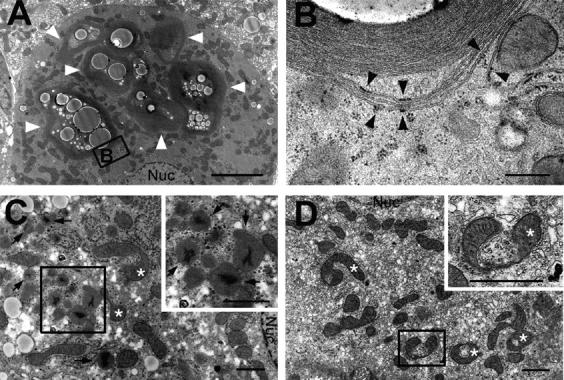
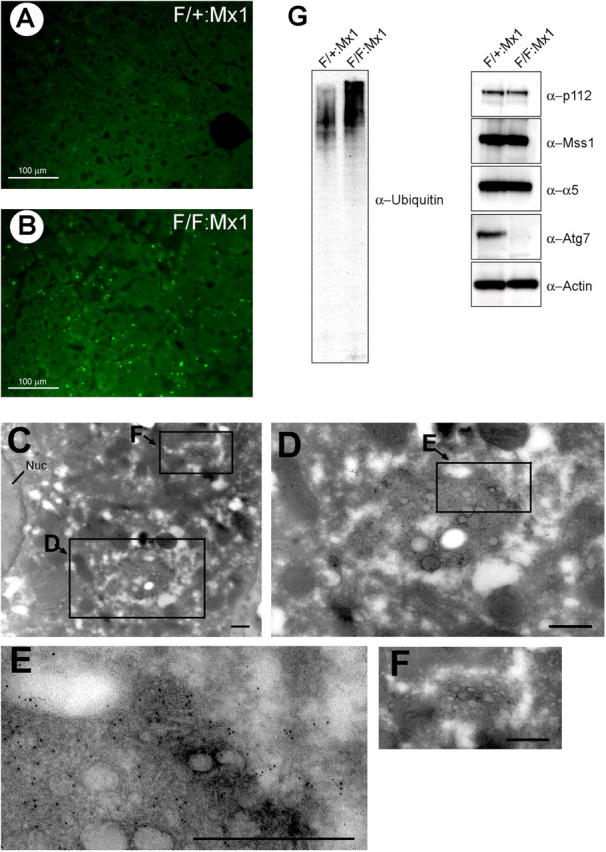
Autophagy is a membrane-trafficking mechanism that delivers cytoplasmic constituents into the lysosome/vacuole for bulk protein degradation. This mechanism is involved in the preservation of nutrients under starvation condition as well as the normal turnover of cytoplasmic component. Aberrant autophagy has been reported in several neurodegenerative disorders, hepatitis, and myopathies. Here, we generated conditional knockout mice of Atg7, an essential gene for autophagy in yeast. Atg7 was essential for ATG conjugation systems and autophagosome formation, amino acid supply in neonates, and starvation-induced bulk degradation of proteins and organelles in mice. Furthermore, Atg7 deficiency led to multiple cellular abnormalities, such as appearance of concentric membranous structure and deformed mitochondria, and accumulation of ubiquitin-positive aggregates. Our results indicate the important role of autophagy in starvation response and the quality control of proteins and organelles in quiescent cells.
Overview
The claims and statistics of this paper haven’t been checked yet.
Free: it reads the open-access text and checks the first 5 claims that cite a source we can check. Create a free account to check every claim.
Integrity signals
Registry
Cites
Statistics
Figures
Verification
Claims the paper makes
The claims and statistics of this paper haven’t been checked yet.
Free: it reads the open-access text and checks the first 5 claims that cite a source we can check. Create a free account to check every claim.
Claims other papers make about this one
Each is checked against this paper’s own text: does it say what the citing paper says it does?
The source backs part of the claim, not all of it — or backs it for a different population, condition or comparison.
In the citing paper
“whole‐body autophagy‐deficient mice undergo perinatal death due to their inability to withstand postnatal starvation (Kuma et al, 2004; Komatsu et al, 2005; Kuma et al, 2017).”
From Autophagy in major human diseases (2021) · cites this paper as Komatsu et al, 2005
Experimental — accuracy not yet measuredThe cited source says what the claim attributes to it.
In the citing paper
“Indeed, mice deficient for autophagy essential genes, such as ATG5, or ATG7, die soon after birth [220, 221].”
From The connection between the dynamic remodeling of the mitochondrial network and the regulation of muscle mass (2021) · cites this paper as [221]
The cited source says what the claim attributes to it.
In the citing paper
“The genetic suppression of basal autophagy in hepatocytes leads to hepatomegaly and exacerbated liver injury (Komatsu et al, 2005; Ni et al, 2012b; Cassidy et al, 2018).”
From Autophagy in major human diseases (2021) · cites this paper as Komatsu et al, 2005
The cited source says what the claim attributes to it.
In the citing paper
“mice with global KOs of the other autophagy related genes like Atg5 and Atg7 that die within a day after birth (Kuma et al., 2004; Komatsu et al., 2005; Cann et al., 2008).”
From Microtubule-associated protein 1 light chain 3B, (LC3B) is necessary to maintain lipid-mediated homeostasis in the retinal pigment epithelium (2018) · cites this paper as Komatsu et al., 2005
The cited source says what the claim attributes to it.
In the citing paper
“Atg7 encodes an E1-like enzyme essential in the ubiquitin-like conjugation systems required for autophagy, and Atg14 encodes a positive regulator of VPS34 (refs. 38,39).”
From Microglia clear neuron-released α-synuclein via selective autophagy and prevent neurodegeneration (2020) · cites this paper as [38]
2 more claims about this paper
Create a free account to see every claim other papers make about this one.
Self-check
Percentages, sums and reported differences re-computed from the paper’s own numbers.
The self-check needs the paper’s full text.
Citations
Cites
Repertoires of Autophagy in the Pathogenesis of Ocular Diseases
Li, Y.-J., Jiang, Q., Cao, G.-F., Yao, J., & Yan, B. (2015) · Cellular Physiology and Biochemistry · doi:10.1159/000373980 · Cited by 16,304
LC3, a mammalian homologue of yeast Apg8p, is localized in autophagosome membranes after processing.
Kabeya, Y., Mizushima, N., Ueno, T., Yamamoto, A., Kirisako, T., Noda, T., Kominami, E., Ohsumi, Y., & Yoshimori, T. (2000) · The EMBO Journal · doi:10.1093/emboj/19.21.5720 · Cited by 6,605 · cited 8×
“In mammals, there exist at least three Atg8 homologues that can all be activated by Atg7 (Tanida et al., 2001), GATE-16, GABARAP, and LC3 (Ohsumi, 2001), and they localize to the autophagosome (Kabeya et al., 2000, 2004).”
BackgroundMethodSelf-citationCui, C., Cui, J., Jin, F., Cui, Y., Li, R., Jiang, X., Tian, Y., Wang, K., Jiang, P., & Gao, J. (2017) · Cellular Physiology and Biochemistry · doi:10.1159/000479571 · Cited by 5,203
Levine, B., & Klionsky, D. J. (2004) · Developmental Cell · doi:10.1016/s1534-5807(04)00099-1 · Cited by 3,678 · cited 2×
“Furthermore, autophagy plays a role in cellular remodeling during differentiation and development of multicellular organisms, such as fly, worm, and slime mold (Levine and Klionsky, 2004), and cellular defense against invading streptococcus (Nakagawa et al.”
BackgroundAutophagy as a Regulated Pathway of Cellular Degradation
Klionsky, D. J., & Emr, S. D. (2000) · Science · doi:10.1126/science.290.5497.1717 · Cited by 3,608 · cited 1×
“In this lysosomal pathway, degradation of plasma membrane proteins and extracellular proteins is mediated by endocytosis, whereas degradation of cytoplasmic components is achieved through several pathways: macroautophagy, microautophagy, and chaperone-mediated autophagy (Seglen and Bohley, 1992; Dunn, 1994; Klionsky a…”
BackgroundAntimicrobial Autophagy: A Conserved Innate Immune Response in Drosophila
Moy, R. H., & Cherry, S. (2013) · Journal of Innate Immunity · doi:10.1159/000350326 · Cited by 3,539
Induction of autophagy and inhibition of tumorigenesis by beclin 1
Liang, X. H., Jackson, S., Seaman, M., Brown, K., Kempkes, B., Hibshoosh, H., & Levine, B. (1999) · Nature · doi:10.1038/45257 · Cited by 3,347 · cited 3×
“, low levels of autophagy were described in some malignant tumors (Liang et al., 1999).”
BackgroundThe role of autophagy during the early neonatal starvation period
Kuma, A., Hatano, M., Matsui, M., Yamamoto, A., Nakaya, H., Yoshimori, T., Ohsumi, Y., Tokuhisa, T., & Mizushima, N. (2004) · Nature · doi:10.1038/nature03029 · Cited by 2,865 · cited 4×
“We considered that Atg7 / mice could survive in utero by virtue of the nutrients supplied through the placenta but could not survive when the supply terminates after birth, as recently reported (Kuma et al., 2004).”
BackgroundSelf-citationAutophagy in Health and Disease: A Double-Edged Sword
Shintani, T., & Klionsky, D. J. (2004) · Science · doi:10.1126/science.1099993 · Cited by 2,534 · cited 2×
“In humans, autophagy has been implicated in several pathological conditions ( Shintani and Klionsky, 2004 ); e.g., low levels of autophagy were described in some malignant tumors (Liang et al., 1999).”
BackgroundPromotion of tumorigenesis by heterozygous disruption of the beclin 1 autophagy gene
Qu, X., Yu, J., Bhagat, G., Furuya, N., Hibshoosh, H., Troxel, A., Rosen, J., Eskelinen, E.-L., Mizushima, N., Ohsumi, Y., et al. (2003) · Journal of Clinical Investigation · doi:10.1172/jci20039 · Cited by 2,311 · cited 2×
“In contrast, elevated levels of autophagosome formation were reported in other human pathologies such as neurodegenerative diseases, myopathies, and liver injury (Mizushima et al., 2002; Perlmutter, 2002 ), and autophagy is implicated in the execution of cell death (Xue et al., 1999; Bursch, 2001).”
BackgroundSelf-citation
Research works printed but not linked: 1
- 1995, Eur. J. Cell Biol., 67, 308
Cited by
Items 401–500 of 1,024
Li, M., Khambu, B., Zhang, H., Kang, J.-H., Chen, X., Chen, D., Vollmer, L., Liu, P.-Q., Vogt, A., & Yin, X.-M. (2013) · Journal of Biological Chemistry · doi:10.1074/jbc.m113.511212 · Cited by 189
“Neonatal autophagy is essential to sustain blood glucose level for survival (13, 14, 35).”
BackgroundInflammatory cause of metabolic syndrome via brain stress and NF-κB
Cai, D., & Liu, T. (2012) · Aging · doi:10.18632/aging.100431 · Cited by 189
“From this perspective, complete loss of autophagy is lethal in experimental mice [114].”
BackgroundLim, Y.-M., Lim, H., Hur, K. Y., Quan, W., Lee, H.-Y., Cheon, H., Ryu, D., Koo, S.-H., Kim, H. L., Kim, J., et al. (2014) · Nature Communications · doi:10.1038/ncomms5934 · Cited by 189
Self-citationDistinct roles for motor neuron autophagy early and late in the SOD1 G93A mouse model of ALS
Rudnick, N. D., Griffey, C. J., Guarnieri, P., Gerbino, V., Wang, X., Piersaint, J. A., Tapia, J. C., Rich, M. M., & Maniatis, T. (2017) · Proceedings of the National Academy of Sciences · doi:10.1073/pnas.1704294114 · Cited by 189
“To do this, we used cKO mice for Atg7, an E1-like enzyme required for autophagosome biogenesis (30).”
Hachez, C., Laloux, T., Reinhardt, H., Cavez, D., Degand, H., Grefen, C., De Rycke, R., Inzé, D., Blatt, M. R., Russinova, E., et al. (2014) · The Plant Cell · doi:10.1105/tpc.114.127159 · Cited by 188
Liver autophagy: much more than just taking out the trash
Schneider, J. L., & Cuervo, A. M. (2014) · Nature Reviews Gastroenterology & Hepatology · doi:10.1038/nrgastro.2013.211 · Cited by 189
Autophagy in Atherosclerosis: A Potential Drug Target for Plaque Stabilization
Schrijvers, D. M., De Meyer, G. R. Y., & Martinet, W. (2011) · Arteriosclerosis, Thrombosis, and Vascular Biology · doi:10.1161/atvbaha.111.224899 · Cited by 189
Association Between Autophagy and Neurodegenerative Diseases
Fujikake, N., Shin, M., & Shimizu, S. (2018) · Frontiers in Neuroscience · doi:10.3389/fnins.2018.00255 · Cited by 189
“However, Atg5deficient mouse embryos develop normally until the perinatal period (Kuma et al., 2004; Komatsu et al., 2005), suggesting that an alternative autophagic pathway may exist that compensates for the lack of Atg5-dependent autophagy in embryonic mutant mice.”
BackgroundHuang, F., Wang, B.-R., & Wang, Y.-G. (2018) · World Journal of Gastroenterology · doi:10.3748/wjg.v24.i41.4643 · Cited by 189
The Keap1–Nrf2 system as an in vivo sensor for electrophiles
Uruno, A., & Motohashi, H. (2011) · Nitric Oxide · doi:10.1016/j.niox.2011.02.007 · Cited by 188
Zhang, M., Zhu, X., Zhang, Y., Cai, Y., Chen, J., Sivaprakasam, S., Gurav, A., Pi, W., Makala, L., Wu, J., et al. (2015) · Cell Death & Differentiation · doi:10.1038/cdd.2015.51 · Cited by 184
The requirement of uncoordinated 51-like kinase 1 (ULK1) and ULK2 in the regulation of autophagy
Lee, E.-J., & Tournier, C. (2011) · Autophagy · doi:10.4161/auto.7.7.15450 · Cited by 186
NLRP4 Negatively Regulates Autophagic Processes through an Association with Beclin1
Jounai, N., Kobiyama, K., Shiina, M., Ogata, K., Ishii, K. J., & Takeshita, F. (2011) · The Journal of Immunology · doi:10.4049/jimmunol.1001654 · Cited by 186
Autophagy is a cell survival program for female germ cells in the murine ovary
Gawriluk, T. R., Hale, A. N., Flaws, J. A., Dillon, C. P., Green, D. R., & Rucker, E. B. (2011) · Reproduction · doi:10.1530/rep-10-0489 · Cited by 185
Yang, M., Zhang, Y., Xie, X., Yue, N., Li, J., Wang, X.-B., Han, C., Yu, J., Liu, Y., & Li, D. (2018) · The Plant Cell · doi:10.1105/tpc.18.00122 · Cited by 186
The induction of autophagy by mechanical stress
King, J. S., Veltman, D. M., & Insall, R. H. (2011) · Autophagy · doi:10.4161/auto.7.12.17924 · Cited by 185
Participation of autophagy in renal ischemia/reperfusion injury
Suzuki, C., Isaka, Y., Takabatake, Y., Tanaka, H., Koike, M., Shibata, M., Uchiyama, Y., Takahara, S., & Imai, E. (2008) · Biochemical and Biophysical Research Communications · doi:10.1016/j.bbrc.2008.01.059 · Cited by 184
Self-citationRole of Autophagy in Cancer Prevention
Chen, H.-Y., & White, E. (2011) · Cancer Prevention Research · doi:10.1158/1940-6207.capr-10-0387 · Cited by 185
The Noncanonical Role of ULK/ATG1 in ER-to-Golgi Trafficking Is Essential for Cellular Homeostasis
Joo, J. H., Wang, B., Frankel, E., Ge, L., Xu, L., Iyengar, R., Li-Harms, X., Wright, C., Shaw, T. I., Lindsten, T., et al. (2016) · Molecular Cell · doi:10.1016/j.molcel.2016.04.020 · Cited by 158
“Premature death is at least in part due to autophagy-related defects in glycogen metabolism, similar to those in mice lacking Atg5 or Atg7, two nonredundant autophagy genes (Komatsu et al., 2005; Kuma et al., 2004).”
BackgroundMethodQuan, W., Hur, K. Y., Lim, Y., Oh, S. H., Lee, J.-C., Kim, K. H., Kim, G. H., Kim, S.-W., Kim, H. L., Lee, M.-K., et al. (2012) · Diabetologia · doi:10.1007/s00125-011-2350-y · Cited by 184
“In fact, autophagy deficiency has been reported to cause structural abnormalities in a variety of organelles such as mitochondria and endoplasmic reticulum (ER) [2].”
BackgroundInfluentialSelf-citationThe interplay between autophagy and ROS in tumorigenesis
Kongara, S., & Karantza, V. (2012) · Frontiers in Oncology · doi:10.3389/fonc.2012.00171 · Cited by 184
“Morphologically abnormal mitochondria are also observed in Atg7−/− livers (Komatsu et al., 2005; Inami et al., 2011) and pancreatic β cells (Ebato et al., 2008; Jung et al., 2008), Atg5−/− cardiac tissue (Nakai et al., 2007), and Paneth cells with a hypomorphic allele of Atg16L1 (Cadwell et al.,…”
BackgroundNBR 1‐mediated p62‐liquid droplets enhance the Keap1‐Nrf2 system
Sánchez‐Martín, P., Sou, Y., Kageyama, S., Koike, M., Waguri, S., & Komatsu, M. (2020) · EMBO reports · doi:10.15252/embr.201948902 · Cited by 183
“The assay was performed essentially as described [55].”
Self-citationMitochondria regulate autophagy by conserved signalling pathways
Graef, M., & Nunnari, J. (2011) · The EMBO Journal · doi:10.1038/emboj.2011.104 · Cited by 182
“Starvation strongly induces autophagy and this regulation is essential for long-term cellular survival (Takeshige et al, 1992; Tsukada and Ohsumi, 1993; Komatsu et al, 2005).”
BackgroundMartinez-Lopez, N., Athonvarangkul, D., & Singh, R. (2015) · Advances in Experimental Medicine and Biology · doi:10.1007/978-1-4939-2404-2_3 · Cited by 180
“In contrast, conditional tissue-specific knockouts of Atg7 or Atg5 revealed milder phenotypes whereby younger knockout mice mimicked multiple age-associated phenomena such as aggregation of intracellular inclusion bodies and neurodegeneration [39], accumulation of lysosomes filled with the age-related pigment lipofusc…”
BackgroundInfluentialPharmacological correction of obesity-induced autophagy arrest using calcium channel blockers
Park, H.-W., Park, H., Semple, I. A., Jang, I., Ro, S.-H., Kim, M., Cazares, V. A., Stuenkel, E. L., Kim, J.-J., Kim, J. S., et al. (2014) · Nature Communications · doi:10.1038/ncomms5834 · Cited by 182
Autophagy–physiology and pathophysiology
Uchiyama, Y., Shibata, M., Koike, M., Yoshimura, K., & Sasaki, M. (2008) · Histochemistry and Cell Biology · doi:10.1007/s00418-008-0406-y · Cited by 182
Self-citationCurrent knowledge of the pre‐autophagosomal structure (PAS)
Suzuki, K., & Ohsumi, Y. (2010) · FEBS Letters · doi:10.1016/j.febslet.2010.02.001 · Cited by 181
“Conjugation of LC3 with PE is necessary for its targeting to isolation membranes [58,80,81].”
BackgroundSelf-citationAutophagy, Metabolism, and Cancer
Guo, J. Y., & White, E. (2016) · Cold Spring Harbor Symposia on Quantitative Biology · doi:10.1101/sqb.2016.81.030981 · Cited by 180
“These mice are born but fail to survive the neonatal starvation period (Kuma et al. 2004; Komatsu et al. 2005).”
Wei, K., Wang, P., & Miao, C. (2012) · CNS Neuroscience & Therapeutics · doi:10.1111/cns.12005 · Cited by 181
“There is no question that disrupting the autophagic process in brain is deleterious, particularly for the lifespan of the animal, resulting in the accumulation of dysfunctional or aging macromolecules and organelles [99,100].”
BackgroundLysosomal–mitochondrial cross-talk during cell death
Repnik, U., & Turk, B. (2010) · Mitochondrion · doi:10.1016/j.mito.2010.07.008 · Cited by 181
“…referred to as autophagy) parts of the cytoplasm and intracellular organelles are sequestered within the characteristic double-membrane autophagic vacuoles (named autophagosomes) and are ultimately delivered to the lysosomes for bulk degradation (Komatsu et al., 2005; Maiuri et al., 2007).”
BackgroundRegulation of autophagy in mammals and its interplay with apoptosis
Fimia, G. M., & Piacentini, M. (2010) · Cellular and Molecular Life Sciences · doi:10.1007/s00018-010-0284-z · Cited by 181
“By contrast, mice deficient for either Atg5 or Atg7 appear normal at birth but die within the first day after delivery [48, 49].”
BackgroundAutophagy in the heart and liver during normal aging and calorie restriction
Wohlgemuth, S. E., Julian, D., Akin, D. E., Fried, J., Toscano, K., Leeuwenburgh, C., & Dunn, Jr. (2007) · Rejuvenation Research · doi:10.1089/rej.2006.0535 · Cited by 179
Kadota, T., Fujita, Y., Yoshioka, Y., Araya, J., Kuwano, K., & Ochiya, T. (2018) · Molecular Aspects of Medicine · doi:10.1016/j.mam.2017.11.005 · Cited by 178
ULK1 and ULK2 Regulate Stress Granule Disassembly Through Phosphorylation and Activation of VCP/p97
Wang, B., Maxwell, B. A., Joo, J. H., Gwon, Y., Messing, J., Mishra, A., Shaw, T. I., Ward, A. L., Quan, H., Sakurada, S. M., et al. (2019) · Molecular Cell · doi:10.1016/j.molcel.2019.03.027 · Cited by 185
Myojin, Y., Hikita, H., Sugiyama, M., Sasaki, Y., Fukumoto, K., Sakane, S., Makino, Y., Takemura, N., Yamada, R., Shigekawa, M., et al. (2021) · Gastroenterology · doi:10.1053/j.gastro.2020.12.015 · Cited by 178
Human IAPP–induced pancreatic β cell toxicity and its regulation by autophagy
Shigihara, N., Fukunaka, A., Hara, A., Komiya, K., Honda, A., Uchida, T., Abe, H., Toyofuku, Y., Tamaki, M., Ogihara, T., et al. (2014) · Journal of Clinical Investigation · doi:10.1172/jci69866 · Cited by 177
Self-citationAutophagy Activation and Protection From Mitochondrial Dysfunction in Human Chondrocytes
López de Figueroa, P., Lotz, M. K., Blanco, F. J., & Caramés, B. (2015) · Arthritis & Rheumatology · doi:10.1002/art.39025 · Cited by 177
“On the other hand, autophagy loss-of-function in mice results in neurodegeneration, cardiomyopathies, abnormalities of skeletal development, and death (6,7).”
BackgroundDeficient Autophagy Results in Mitochondrial Dysfunction and FSGS
Kawakami, T., Gomez, I. G., Ren, S., Hudkins, K., Roach, A., Alpers, C. E., Shankland, S. J., D’Agati, V. D., & Duffield, J. S. (2015) · Journal of the American Society of Nephrology · doi:10.1681/asn.2013111202 · Cited by 176
All-you-can-eat: autophagy in neurodegeneration and neuroprotection
Jaeger, P. A., & Wyss-Coray, T. (2009) · Molecular Neurodegeneration · doi:10.1186/1750-1326-4-16 · Cited by 175
“ATG7 Ubiquitin-activating-like enzyme (activates MAP1LC3 and ATG12 for conjugation) [61,123,129] * [124,125,127,128, 136,141] ES Behavioral deficits, neuronal loss, polyU inclusions, axonal dystrophy, axonal terminal degeneration (MM) PolyU aggregates, neuronal degeneration (DM) Abnormal protein aggregation (CE) No #…”
Yang, N.-D., Tan, S.-H., Ng, S., Shi, Y., Zhou, J., Tan, K. S. W., Wong, W.-S. F., & Shen, H.-M. (2014) · Journal of Biological Chemistry · doi:10.1074/jbc.m114.564567 · Cited by 175
“To understand the role of autophagy in ARTmediated lysosomal activation and cell death, we performed siRNA knockdown of ATG7, one of the key autophagy-related genes (ATGs) in mediating autophagosome formation (38).”
BackgroundCoupé, B., Ishii, Y., Dietrich, M. O., Komatsu, M., Horvath, T. L., & Bouret, S. G. (2012) · Cell Metabolism · doi:10.1016/j.cmet.2011.12.016 · Cited by 174
Self-citationMolecular mechanisms and physiological roles of Atg5/Atg7-independent alternative autophagy
ARAKAWA, S., HONDA, S., YAMAGUCHI, H., & SHIMIZU, S. (2017) · Proceedings of the Japan Academy, Series B · doi:10.2183/pjab.93.023 · Cited by 174
Autophagy drives fibroblast senescence through MTORC2 regulation
Bernard, M., Yang, B., Migneault, F., Turgeon, J., Dieudé, M., Olivier, M.-A., Cardin, G. B., El-Diwany, M., Underwood, K., Rodier, F., et al. (2020) · Autophagy · doi:10.1080/15548627.2020.1713640 · Cited by 173
“Inhibiting autophagy with 3-MA, LY, or siATG7 lowered the expression of senescence markers.”
BackgroundInfluentialLoi, M., Müller, A., Steinbach, K., Niven, J., Barreira da Silva, R., Paul, P., Ligeon, L.-A., Caruso, A., Albrecht, R. A., Becker, A. C., et al. (2016) · Cell Reports · doi:10.1016/j.celrep.2016.04.002 · Cited by 171
Sumimoto, H., Kamakura, S., & Ito, T. (2007) · Science's STKE · doi:10.1126/stke.4012007re6 · Cited by 172
“org/cgi/content/full/2007/401/re6 Page 10 (147).”
Atg7 Induces Basal Autophagy and Rescues Autophagic Deficiency in CryAB R120G Cardiomyocytes
Pattison, J. S., Osinska, H., & Robbins, J. (2011) · Circulation Research · doi:10.1161/circresaha.110.237339 · Cited by 171
Ni, H.-M., Boggess, N., McGill, M. R., Lebofsky, M., Borude, P., Apte, U., Jaeschke, H., & Ding, W.-X. (2012) · Toxicological Sciences · doi:10.1093/toxsci/kfs133 · Cited by 172
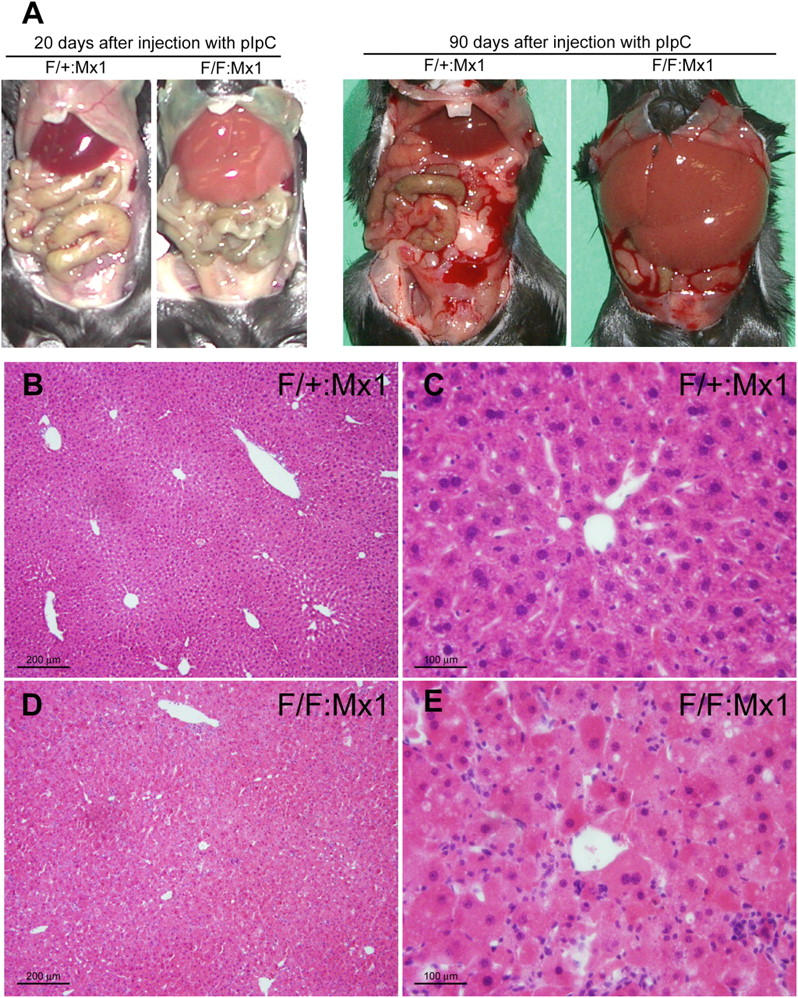
“Injury It has been previously reported that loss of Atg7 in the liver leads to hepatomegaly and liver injury when Atg7 was deleted by using Mx1Cre and ip injection of pIpC (Komatsu et al., 2005, 2010).”
BackgroundAtg5 and Ambra1 differentially modulate neurogenesis in neural stem cells
Vázquez, P., Arroba, A. I., Cecconi, F., de la Rosa, E. J., Boya, P., & De Pablo, F. (2012) · Autophagy · doi:10.4161/auto.8.2.18535 · Cited by 171
“A fully functioning autophagy response is essential to maintain energy levels in several other situations, such as starvation, when the induction of autophagy helps maintain cell viability in vitro(12) or amino acid concentrations in neonates before nursing.(20,37) Autophagy is also essential for preimplantation embry…”
BackgroundGerm cell-specific Atg7 knockout results in primary ovarian insufficiency in female mice
Song, Z.-H., Yu, H.-Y., Wang, P., Mao, G.-K., Liu, W.-X., Li, M.-N., Wang, H.-N., Shang, Y.-L., Liu, C., Xu, Z.-L., et al. (2015) · Cell Death & Disease · doi:10.1038/cddis.2014.559 · Cited by 170
Functions of Autophagy in Hepatic and Pancreatic Physiology and Disease
Czaja, M. J. (2011) · Gastroenterology · doi:10.1053/j.gastro.2011.04.038 · Cited by 171
Autophagy in the presynaptic compartment in health and disease
Vijayan, V., & Verstreken, P. (2017) · Journal of Cell Biology · doi:10.1083/jcb.201611113 · Cited by 171
“Autophagy during neuronal development The severe degenerative phenotypes and neonatal lethality observed in Atg-knockout mice points to the importance of autophagy (Kuma et al., 2004; Komatsu et al., 2005; Saitoh et al., 2008; Sou et al., 2008; Malhotra et al., 2015).”
BackgroundAutophagic and apoptotic response to stress signals in mammalian cells
Ferraro, E., & Cecconi, F. (2007) · Archives of Biochemistry and Biophysics · doi:10.1016/j.abb.2007.02.006 · Cited by 170
Regulation of the Keap1–Nrf2 pathway by p62/SQSTM1
Katsuragi, Y., Ichimura, Y., & Komatsu, M. (2016) · Current Opinion in Toxicology · doi:10.1016/j.cotox.2016.09.005 · Cited by 168
Self-citationTherapeutic potential of melatonin related to its role as an autophagy regulator: A review
Boga, J. A., Caballero, B., Potes, Y., Perez‐Martinez, Z., Reiter, R. J., Vega‐Naredo, I., & Coto‐Montes, A. (2019) · Journal of Pineal Research · doi:10.1111/jpi.12534 · Cited by 169
Macroautophagy deficiency mediates age-dependent neurodegeneration through a phospho-tau pathway
Inoue, K., Rispoli, J., Kaphzan, H., Klann, E., Chen, E. I., Kim, J., Komatsu, M., & Abeliovich, A. (2012) · Molecular Neurodegeneration · doi:10.1186/1750-1326-7-48 · Cited by 168
“Briefly, we interbred mice that express bacterial Cre recombinase (CRE) under the control of the CamKIIα gene regulatory sequences (CamK-Cre) [20] with Atg7 mice [19].”
MethodSelf-citationSaikosaponin-d, a novel SERCA inhibitor, induces autophagic cell death in apoptosis-defective cells
Wong, V. K., Li, T., Law, B. Y., Ma, E. D., Yip, N. C., Michelangeli, F., Law, C. K., Zhang, M. M., Lam, K. Y., Chan, P. L., et al. (2013) · Cell Death & Disease · doi:10.1038/cddis.2013.217 · Cited by 167
Autophagy in tumor suppression and cancer therapy
Kung, C.-P., Budina, A., Balaburski, G., Bergenstock, M. K., & Murphy, M. (2011) · Critical Reviews™ in Eukaryotic Gene Expression · doi:10.1615/critreveukargeneexpr.v21.i1.50 · Cited by 166
Cleavage of Atg3 protein by caspase-8 regulates autophagy during receptor-activated cell death
Oral, O., Oz-Arslan, D., Itah, Z., Naghavi, A., Deveci, R., Karacali, S., & Gozuacik, D. (2012) · Apoptosis · doi:10.1007/s10495-012-0735-0 · Cited by 167
“Atg3 is an essential autophagy protein and its deficiency alone is able to block autophagy turned on by various factors including starvation [22, 25–27].”
BackgroundControl of YAP/TAZ Activity by Metabolic and Nutrient-Sensing Pathways
Santinon, G., Pocaterra, A., & Dupont, S. (2016) · Trends in Cell Biology · doi:10.1016/j.tcb.2015.11.004 · Cited by 165
“Interestingly, blockade of autophagy by liver-specific knockout of Atg5 or Atg7 induces potent liver overgrowth [65,66], which is also observed upon inactivation of several Hippo pathway components (MST1/2, NF2, and SAV/WW45) or upon YAP activation [67–69].”
BackgroundAutophagy in colorectal cancer: An important switch from physiology to pathology
Burada, F. (2015) · World Journal of Gastrointestinal Oncology · doi:10.4251/wjgo.v7.i11.271 · Cited by 167
Lysosomal Dysfunction in Down Syndrome Is APP-Dependent and Mediated by APP-βCTF (C99)
Jiang, Y., Sato, Y., Im, E., Berg, M., Bordi, M., Darji, S., Kumar, A., Mohan, P. S., Bandyopadhyay, U., Diaz, A., et al. (2019) · The Journal of Neuroscience · doi:10.1523/jneurosci.0578-19.2019 · Cited by 166
“Results Decreased lysosomal turnover of autophagic protein substrates in DS fibroblasts We assessed lysosomal turnover in 2N and DS fibroblasts by measuring intracellular proteolysis of radiolabeled long-lived proteins in cells grown in serum-replete medium, a condition under which autophagy activity is low (basal aut…”
BackgroundDerde, S., Vanhorebeek, I., Güiza, F., Derese, I., Gunst, J., Fahrenkrog, B., Martinet, W., Vervenne, H., Ververs, E.-J., Larsson, L., et al. (2012) · Endocrinology · doi:10.1210/en.2011-2068 · Cited by 166
Regulation of Autophagy by Neuropathological Protein TDP-43
Bose, J. K., Huang, C.-C., & Shen, C.-K. J. (2011) · Journal of Biological Chemistry · doi:10.1074/jbc.m111.237115 · Cited by 165
Autophagy in Protein and Organelle Turnover
Mizushima, N. (2011) · Cold Spring Harbor Symposia on Quantitative Biology · doi:10.1101/sqb.2011.76.011023 · Cited by 166
“This observation is apparently contradictory to previous results using systemic Atg5- and Atg7-deficient mice because these mice can survive throughout embryogenesis, although they die after birth (Kuma et al. 2004; Komatsu et al. 2005).”
BackgroundResultInfluentialSelf-citationThe Three Musketeers of Autophagy: phosphorylation, ubiquitylation and acetylation
McEwan, D. G., & Dikic, I. (2011) · Trends in Cell Biology · doi:10.1016/j.tcb.2010.12.006 · Cited by 164
“This is exemplified by the genetic knockout of either Atg5 or Atg7 in mice, which leads to neonatal lethality [6,7], and knockout of Beclin1 (mammalian Atg6) which is early embryonic lethal [8,9].”
BackgroundRaben, N., Schreiner, C., Baum, R., Takikita, S., Xu, S., Xie, T., Myerowitz, R., Komatsu, M., Van Der Meulen, J. H., Nagaraju, K., et al. (2010) · Autophagy · doi:10.4161/auto.6.8.13378 · Cited by 164
Self-citationTurgeon, B., & Meloche, S. (2009) · Physiological Reviews · doi:10.1152/physrev.00040.2007 · Cited by 164
Autophagy in Cell Life and Cell Death
Anding, A. L., & Baehrecke, E. H. (2015) · Current Topics in Developmental Biology · doi:10.1016/bs.ctdb.2015.07.012 · Cited by 163
“Atg7 / erythroblasts do not mature, suggesting that autophagy is necessary for this process (Mortensen & Simon, 2010).”
BackgroundInfluentialComincini, S., Allavena, G., Palumbo, S., Morini, M., Durando, F., Angeletti, F., Pirtoli, L., & Miracco, C. (2013) · Cancer Biology & Therapy · doi:10.4161/cbt.24597 · Cited by 163
Mitochondrial degradation and energy metabolism
Melser, S., Lavie, J., & Bénard, G. (2015) · Biochimica et Biophysica Acta (BBA) - Molecular Cell Research · doi:10.1016/j.bbamcr.2015.05.010 · Cited by 163
“For instance, thyroid hormones inhibit mitochondrial degradation in the heart [86], whereas fasting and glucagon increase mitochondrial degradation through mitophagy and non-selective autophagy in hepatocytes [87,88].”
BackgroundAutophagy limits activation of the inflammasomes
Takahama, M., Akira, S., & Saitoh, T. (2018) · Immunological Reviews · doi:10.1111/imr.12613 · Cited by 160
Lee, Y. A., Noon, L. A., Akat, K. M., Ybanez, M. D., Lee, T.-F., Berres, M.-L., Fujiwara, N., Goossens, N., Chou, H.-I., Parvin-Nejad, F. P., et al. (2018) · Nature Communications · doi:10.1038/s41467-018-07338-z · Cited by 161
Hypothalamic inflammation: a double‐edged sword to nutritional diseases
Cai, D., & Liu, T. (2011) · Annals of the New York Academy of Sciences · doi:10.1111/j.1749-6632.2011.06388.x · Cited by 159
Autophagy Dysregulation in Amyotrophic Lateral Sclerosis
Chen, S., Zhang, X., Song, L., & Le, W. (2012) · Brain Pathology · doi:10.1111/j.1750-3639.2011.00546.x · Cited by 160
“Mice with conditional knockout of Atg genes die prematurely with extensive neurodegeneration and ubiquitin-positive pathology, which illustrate the importance of autophagy in neurodegeneration (36).”
Gunst, J., Derese, I., Aertgeerts, A., Ververs, E.-J., Wauters, A., Van den Berghe, G., & Vanhorebeek, I. (2013) · Critical Care Medicine · doi:10.1097/ccm.0b013e3182676657 · Cited by 160
Loss of autophagy causes a synthetic lethal deficiency in DNA repair
Liu, E. Y., Xu, N., O’Prey, J., Lao, L. Y., Joshi, S., Long, J. S., O’Prey, M., Croft, D. R., Beaumatin, F., Baudot, A. D., et al. (2015) · Proceedings of the National Academy of Sciences · doi:10.1073/pnas.1409563112 · Cited by 160
“Atg7 mice were kindly provided by Masaaki Komatsu, Niigata University, Niigata, Japan, and have been previously described (29).”
MethodAmir, M., Zhao, E., Fontana, L., Rosenberg, H., Tanaka, K., Gao, G., & Czaja, M. J. (2013) · Cell Death & Differentiation · doi:10.1038/cdd.2013.21 · Cited by 160
Self-citationChapter 2 Methods for Monitoring Autophagy Using GFP‐LC3 Transgenic Mice
Mizushima, N. (2009) · Methods in Enzymology · doi:10.1016/s0076-6879(08)03602-1 · Cited by 160
Self-citationConstitutive autophagy: vital role in clearance of unfavorable proteins in neurons
Komatsu, M., Ueno, T., Waguri, S., Uchiyama, Y., Kominami, E., & Tanaka, K. (2007) · Cell Death & Differentiation · doi:10.1038/sj.cdd.4402120 · Cited by 160
Self-citationHsp47 as a Collagen-Specific Molecular Chaperone
Ishida, Y., & Nagata, K. (2011) · Methods in Enzymology · doi:10.1016/b978-0-12-386471-0.00009-2 · Cited by 159
“The disruption of autophagic activity caused the severe accumulation of ubiquitinated proteins and damaged mitochondria, suggesting that autophagy is a dominant clearance system for maintaining cellular and protein homeostasis (Iwata et al., 2006; Komatsu et al., 2005, 2006, 2007a,b).”
BackgroundNishiyama, J., Miura, E., Mizushima, N., Watanabe, M., & Yuzaki, M. (2007) · Autophagy · doi:10.4161/auto.4964 · Cited by 159
Self-citationMBSJ MCC Young Scientist Award 2009 REVIEW: Selective autophagy regulates various cellular functions
Komatsu, M., & Ichimura, Y. (2010) · Genes to Cells · doi:10.1111/j.1365-2443.2010.01433.x · Cited by 158
“Recent mouse genetic studies have indicated that inactivation of autophagy leads to the formation of cytoplasmic protein inclusions, which are composed of degenerated proteins and excess accumulation of deformed mitochondria and peroxisomes, leading to liver injury (Komatsu et al. 2005), diabetes (Ebato et al.”
BackgroundSelf-citationCongenital disorders of autophagy: an emerging novel class of inborn errors of neuro-metabolism
Ebrahimi-Fakhari, D., Saffari, A., Wahlster, L., Lu, J., Byrne, S., Hoffmann, G. F., Jungbluth, H., & Sahin, M. (2016) · Brain · doi:10.1093/brain/awv371 · Cited by 158
“Because mice globally deficient in autophagy die shortly after birth (Kuma et al., 2004; Komatsu et al., 2005), WDR45 mutations in affected human males might be inevitably lethal at an early stage.”
BackgroundRequirement for p62 acetylation in the aggregation of ubiquitylated proteins under nutrient stress
You, Z., Jiang, W.-X., Qin, L.-Y., Gong, Z., Wan, W., Li, J., Wang, Y., Zhang, H., Peng, C., Zhou, T., et al. (2019) · Nature Communications · doi:10.1038/s41467-019-13718-w · Cited by 158
Su, W.-C., Chao, T.-C., Huang, Y.-L., Weng, S.-C., Jeng, K.-S., & Lai, M. M. C. (2011) · Journal of Virology · doi:10.1128/jvi.00173-11 · Cited by 156
“To verify that the phenomenon of LC3 punctum formation was caused by autophagic signaling instead of merely reflecting NS4B-induced membrane alteration, the knockdown effect of Atg7, one of the crucial factors for autophagosome formation by lipidation of LC3 (27), on induced autophagic vesicle formation was assessed.”
BackgroundRoy, S., Leidal, A. M., Ye, J., Ronen, S. M., & Debnath, J. (2017) · Molecular Cell · doi:10.1016/j.molcel.2017.05.020 · Cited by 156
“REAGENT or RESOURCE SOURCE IDENTIFIER Deposited data Original raw and imaging data This study http://dx.doi.org/10.17632/ 2fbtcphv5y.1 Experimental models: cell lines MEF ATG5+/+ Kuma et al. (2004) N/A MEF ATG5 / Kuma et al. (2004) N/A MEF ATG7+/+ Komatsu et al. (2005) N/A MEF ATG7 / Komatsu et al. (2005) N/A HEK293T…”
InfluentialNiu, C., Chen, Z., Kim, K., Sun, J. M., Xue, M., Chen, G., Li, S., Shen, Y., Zhu, Z., Wang, X., et al. (2019) · Autophagy · doi:10.1080/15548627.2019.1569913 · Cited by 158
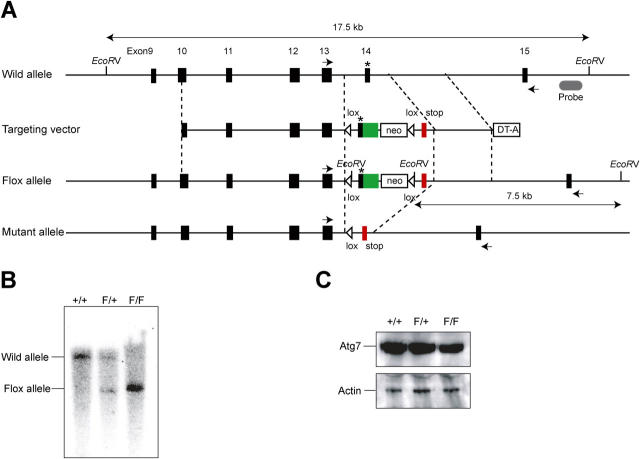
“Mice bearing an Atg7 allele, in which exon 14 of the Atg7 gene is flanked by 2 loxP sites, has been originally described by Komatsu et al [67].”
Neuronal macroautophagy: From development to degeneration
Boland, B., & Nixon, R. A. (2006) · Molecular Aspects of Medicine · doi:10.1016/j.mam.2006.08.009 · Cited by 184
New Insights into the Mechanisms of Macroautophagy in Mammalian Cells
Eskelinen, E. (2008) · International review of cytology · doi:10.1016/s1937-6448(07)66005-5 · Cited by 179
McMahon, J., Huang, X., Yang, J., Komatsu, M., Yue, Z., Qian, J., Zhu, X., & Huang, Y. (2012) · The Journal of Neuroscience · doi:10.1523/jneurosci.2392-12.2012 · Cited by 155
“…(Mizushima et al., 2008), antigen presentation (Deretic and Levine, 2009), tumor suppression (Chen and Debnath, 2010; Komatsu, 2011; Takamura et al., 2011), homeostasis of axons (Komatsu et al., 2007), and neurodegeneration (Komatsu et al., 2005, 2006; Hara et al., 2006; Rubinsztein, 2006).”
BackgroundMethodSelf-citationATG5 regulates plasma cell differentiation
Conway, K. L., Kuballa, P., Khor, B., Zhang, M., Shi, H. N., Virgin, H. W., & Xavier, R. J. (2013) · Autophagy · doi:10.4161/auto.23484 · Cited by 154
The ubiquitin–proteasome system in cardiac dysfunction
Mearini, G., Schlossarek, S., Willis, M. S., & Carrier, L. (2008) · Biochimica et Biophysica Acta (BBA) - Molecular Basis of Disease · doi:10.1016/j.bbadis.2008.06.009 · Cited by 169
The role of autophagy in hepatocellular carcinoma: friend or foe
Liu, L., Liao, J., He, X., & Li, P. (2017) · Oncotarget · doi:10.18632/oncotarget.17202 · Cited by 168
Autophagy is required for ectoplasmic specialization assembly in sertoli cells
Liu, C., Wang, H., Shang, Y., Liu, W., Song, Z., Zhao, H., Wang, L., Jia, P., Gao, F., Xu, Z., et al. (2016) · Autophagy · doi:10.1080/15548627.2016.1159377 · Cited by 154
Autophagy regulates spermatid differentiation via degradation of PDLIM1
Shang, Y., Wang, H., Jia, P., Zhao, H., Liu, C., Liu, W., Song, Z., Xu, Z., Yang, L., Wang, Y., et al. (2016) · Autophagy · doi:10.1080/15548627.2016.1192750 · Cited by 154
Autophagy is induced upon platelet activation and is essential for hemostasis and thrombosis
Ouseph, M. M., Huang, Y., Banerjee, M., Joshi, S., MacDonald, L. J., Zhong, Y., Liu, H., Li, X., Xiang, B., Zhang, G., et al. (2015) · Blood · doi:10.1182/blood-2014-09-598722 · Cited by 169
Self-citationMitochondria and autophagy: Critical interplay between the two homeostats
Okamoto, K., & Kondo‐Okamoto, N. (2011) · Biochimica et Biophysica Acta (BBA) - General Subjects · doi:10.1016/j.bbagen.2011.08.001 · Cited by 167
Peng, X., Gong, F., Chen, Y., Jiang, Y., Liu, J., Yu, M., Zhang, S., Wang, M., Xiao, G., & Liao, H. (2014) · Cell Death & Disease · doi:10.1038/cddis.2014.297 · Cited by 154
“ATG7 silencing by siRNA can inhibit the generation of autophagosomes, and thus prevent the induction of autophagy.(23) As shown in Figures 3E and F, cell viability and number of HeLa-R cells were also significantly reduced in ATG7 siRNA plus paclitaxel-treated group compared with the controls.”
ResultAutophagy as a target for cancer therapy: new developments
Nawrocki, S., Carew, & Kelly (2012) · Cancer Management and Research · doi:10.2147/cmar.s26133 · Cited by 153
“Ex vivo studies demonstrating that autophagy-deficient cells are significantly more susceptible to starvation-mediated cell death triggered by serum or growth factor deprivation than their autophagy-competent counterparts provided further support for a critical role for autophagy in the regulation of cellular homeosta…”
Cicchini, M., Chakrabarti, R., Kongara, S., Price, S., Nahar, R., Lozy, F., Zhong, H., Vazquez, A., Kang, Y., & Karantza, V. (2014) · Autophagy · doi:10.4161/auto.34398 · Cited by 153
Metadata
- Authors
- Komatsu, M., Waguri, S., Ueno, T., Iwata, J., Murata, S., Tanida, I., Ezaki, J., Mizushima, N., Ohsumi, Y., Uchiyama, Y., Kominami, E., Tanaka, K., & Chiba, T.
- Affiliations
- Juntendo University (JP)
- The University of Osaka (JP)
- Tokyo Metropolitan Institute of Medical Science (JP)
- National Institute for Basic Biology (JP)
- Corresponding author
- Chiba, Tomoki
- ORCID
- Venue
- The Journal of Cell Biology
- Publisher
- Rockefeller University Press
- Published
- 2005-05-02
- Volume
- 169
- Issue
- 3
- Pages
- 425-434
- ISSN
- 0021-9525 (ISSN-L)
- 1540-8140
- PMC
- PMC2171928
- OpenAlex
- W2146887271
- Cited by
- 2,331
- References
- 49
- Citations by year
- 2026: 43 · 2025: 91 · 2024: 82 · 2023: 96 · 2022: 112 · 2021: 123 · 2020: 138 · 2019: 135 · 2018: 128 · 2017: 134 · 2016: 160 · 2015: 156 · 2014: 148 · 2013: 154 · 2012: 127
- FWCI
- 44.94
- Type
- journal article
- Language
- en
- Open access
- bronze
- doi.org
- Locations
- The Journal of Cell Biology (publishedVersion)
- PubMed Central (publishedVersion, cc-by-nc-sa)
- PubMed (publishedVersion)
- Funders
- Ministry of Education, Culture, Sports, Science and Technology
- Topics
- Life Sciences › Biochemistry, Genetics and Molecular Biology › Cell Biology › Autophagy in Disease and Therapy
- Life Sciences › Biochemistry, Genetics and Molecular Biology › Molecular Biology › Ubiquitin and proteasome pathways
- Life Sciences › Biochemistry, Genetics and Molecular Biology › Aging › Genetics, Aging, and Longevity in Model Organisms
- Keywords
- autophagy, ATG7, starvation response, autophagosome formation, protein quality control, organelle degradation, mitochondrial abnormalities, lysosomes, conditional knockout mice, neurodegenerative diseases
- MeSH terms
- Autophagy-Related Protein 7, Animals, Animals, Newborn, Autophagy, Cell Line, Inclusion Bodies, Hepatomegaly, Intracellular Membranes, Liver, Microtubule-Associated Proteins, Mitochondria, Phenotype, Starvation, Organelles, Mice, Knockout, Hepatocytes, Ubiquitin, Saccharomyces cerevisiae Proteins, Mice
About these checks
Registry, retraction, Cites and statistics results are computed, not judged, with one exception: a printed reference that no index lists is read once by a model before it counts as a citation error. Claims are extracted by a model and kept only when their quote appears verbatim in the text; each cited source is then checked, with a model’s help, for whether it says what the claim relies on. Those verdicts can be wrong — read the claim’s quote and the cited source before relying on one.
Statistics and arithmetic are recomputed, not judged.
Confidence bands are shown only for fields calibrated on our annotated test set. None is calibrated yet, so no band is shown.
What counts as a claim ›How we measure confidence ›How we check this ›
Are you an author, or do you see a problem with this page? Request a review
Data sources
Bibliographic data: Semantic Scholar, OpenAlex, Crossref.
Contains information from the Semantic Scholar Academic Graph Datasets, made available under the ODC Attribution License (ODC-BY 1.0).
Semantic Scholar’s data is described in: Kinney, R., et al. (2023). The Semantic Scholar Open Data Platform. arXiv:2301.10140.
