

Impairment of starvation-induced and constitutive autophagy in Atg7 -deficient mice
Open accessThe DOI matches its Crossref record; 49 of the 49 references it cites were found in a registry or an index.
Abstract
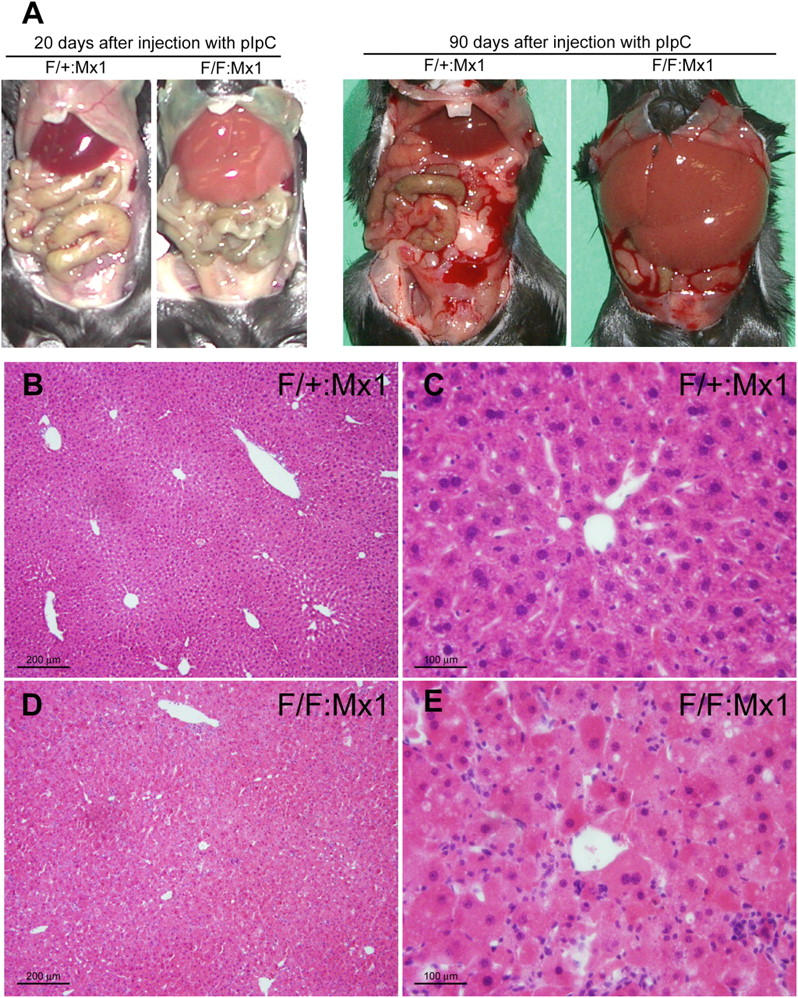
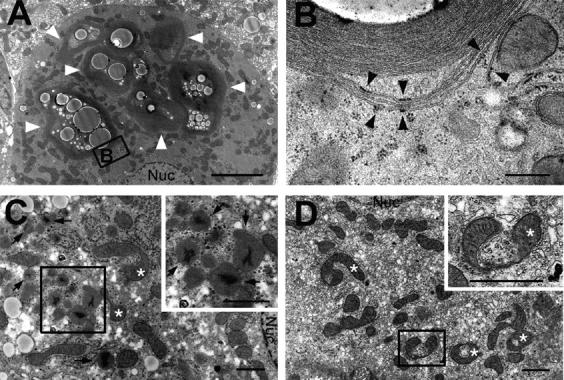
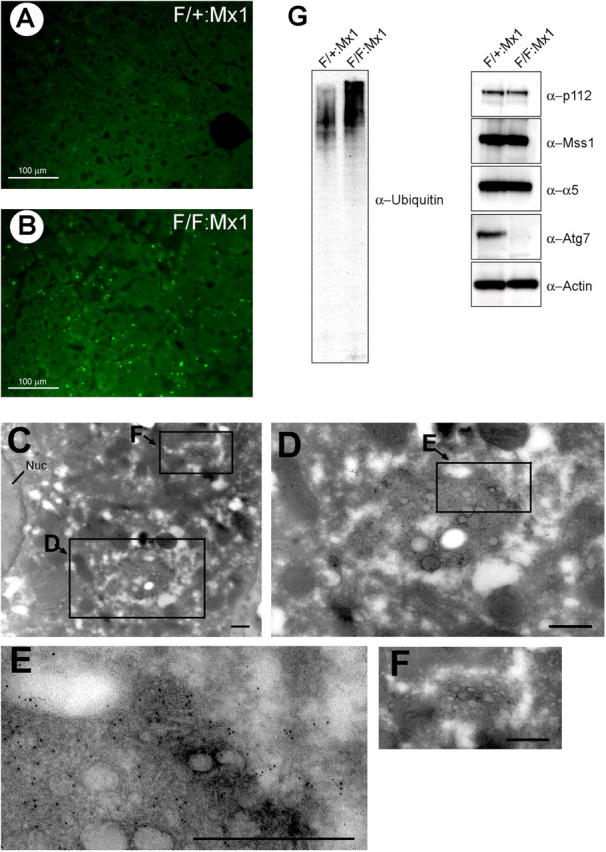
Autophagy is a membrane-trafficking mechanism that delivers cytoplasmic constituents into the lysosome/vacuole for bulk protein degradation. This mechanism is involved in the preservation of nutrients under starvation condition as well as the normal turnover of cytoplasmic component. Aberrant autophagy has been reported in several neurodegenerative disorders, hepatitis, and myopathies. Here, we generated conditional knockout mice of Atg7, an essential gene for autophagy in yeast. Atg7 was essential for ATG conjugation systems and autophagosome formation, amino acid supply in neonates, and starvation-induced bulk degradation of proteins and organelles in mice. Furthermore, Atg7 deficiency led to multiple cellular abnormalities, such as appearance of concentric membranous structure and deformed mitochondria, and accumulation of ubiquitin-positive aggregates. Our results indicate the important role of autophagy in starvation response and the quality control of proteins and organelles in quiescent cells.
Overview
The claims and statistics of this paper haven’t been checked yet.
Free: it reads the open-access text and checks the first 5 claims that cite a source we can check. Create a free account to check every claim.
Integrity signals
Registry
Cites
Statistics
Figures
Verification
Claims the paper makes
The claims and statistics of this paper haven’t been checked yet.
Free: it reads the open-access text and checks the first 5 claims that cite a source we can check. Create a free account to check every claim.
Claims other papers make about this one
Each is checked against this paper’s own text: does it say what the citing paper says it does?
The source backs part of the claim, not all of it — or backs it for a different population, condition or comparison.
In the citing paper
“whole‐body autophagy‐deficient mice undergo perinatal death due to their inability to withstand postnatal starvation (Kuma et al, 2004; Komatsu et al, 2005; Kuma et al, 2017).”
From Autophagy in major human diseases (2021) · cites this paper as Komatsu et al, 2005
Experimental — accuracy not yet measuredThe cited source says what the claim attributes to it.
In the citing paper
“Indeed, mice deficient for autophagy essential genes, such as ATG5, or ATG7, die soon after birth [220, 221].”
From The connection between the dynamic remodeling of the mitochondrial network and the regulation of muscle mass (2021) · cites this paper as [221]
The cited source says what the claim attributes to it.
In the citing paper
“The genetic suppression of basal autophagy in hepatocytes leads to hepatomegaly and exacerbated liver injury (Komatsu et al, 2005; Ni et al, 2012b; Cassidy et al, 2018).”
From Autophagy in major human diseases (2021) · cites this paper as Komatsu et al, 2005
The cited source says what the claim attributes to it.
In the citing paper
“mice with global KOs of the other autophagy related genes like Atg5 and Atg7 that die within a day after birth (Kuma et al., 2004; Komatsu et al., 2005; Cann et al., 2008).”
From Microtubule-associated protein 1 light chain 3B, (LC3B) is necessary to maintain lipid-mediated homeostasis in the retinal pigment epithelium (2018) · cites this paper as Komatsu et al., 2005
The cited source says what the claim attributes to it.
In the citing paper
“Atg7 encodes an E1-like enzyme essential in the ubiquitin-like conjugation systems required for autophagy, and Atg14 encodes a positive regulator of VPS34 (refs. 38,39).”
From Microglia clear neuron-released α-synuclein via selective autophagy and prevent neurodegeneration (2020) · cites this paper as [38]
2 more claims about this paper
Create a free account to see every claim other papers make about this one.
Self-check
Percentages, sums and reported differences re-computed from the paper’s own numbers.
The self-check needs the paper’s full text.
Citations
Cites
Repertoires of Autophagy in the Pathogenesis of Ocular Diseases
Li, Y.-J., Jiang, Q., Cao, G.-F., Yao, J., & Yan, B. (2015) · Cellular Physiology and Biochemistry · doi:10.1159/000373980 · Cited by 16,304
LC3, a mammalian homologue of yeast Apg8p, is localized in autophagosome membranes after processing.
Kabeya, Y., Mizushima, N., Ueno, T., Yamamoto, A., Kirisako, T., Noda, T., Kominami, E., Ohsumi, Y., & Yoshimori, T. (2000) · The EMBO Journal · doi:10.1093/emboj/19.21.5720 · Cited by 6,605 · cited 8×
“In mammals, there exist at least three Atg8 homologues that can all be activated by Atg7 (Tanida et al., 2001), GATE-16, GABARAP, and LC3 (Ohsumi, 2001), and they localize to the autophagosome (Kabeya et al., 2000, 2004).”
BackgroundMethodSelf-citationCui, C., Cui, J., Jin, F., Cui, Y., Li, R., Jiang, X., Tian, Y., Wang, K., Jiang, P., & Gao, J. (2017) · Cellular Physiology and Biochemistry · doi:10.1159/000479571 · Cited by 5,203
Levine, B., & Klionsky, D. J. (2004) · Developmental Cell · doi:10.1016/s1534-5807(04)00099-1 · Cited by 3,678 · cited 2×
“Furthermore, autophagy plays a role in cellular remodeling during differentiation and development of multicellular organisms, such as fly, worm, and slime mold (Levine and Klionsky, 2004), and cellular defense against invading streptococcus (Nakagawa et al.”
BackgroundAutophagy as a Regulated Pathway of Cellular Degradation
Klionsky, D. J., & Emr, S. D. (2000) · Science · doi:10.1126/science.290.5497.1717 · Cited by 3,608 · cited 1×
“In this lysosomal pathway, degradation of plasma membrane proteins and extracellular proteins is mediated by endocytosis, whereas degradation of cytoplasmic components is achieved through several pathways: macroautophagy, microautophagy, and chaperone-mediated autophagy (Seglen and Bohley, 1992; Dunn, 1994; Klionsky a…”
BackgroundAntimicrobial Autophagy: A Conserved Innate Immune Response in Drosophila
Moy, R. H., & Cherry, S. (2013) · Journal of Innate Immunity · doi:10.1159/000350326 · Cited by 3,539
Induction of autophagy and inhibition of tumorigenesis by beclin 1
Liang, X. H., Jackson, S., Seaman, M., Brown, K., Kempkes, B., Hibshoosh, H., & Levine, B. (1999) · Nature · doi:10.1038/45257 · Cited by 3,347 · cited 3×
“, low levels of autophagy were described in some malignant tumors (Liang et al., 1999).”
BackgroundThe role of autophagy during the early neonatal starvation period
Kuma, A., Hatano, M., Matsui, M., Yamamoto, A., Nakaya, H., Yoshimori, T., Ohsumi, Y., Tokuhisa, T., & Mizushima, N. (2004) · Nature · doi:10.1038/nature03029 · Cited by 2,865 · cited 4×
“We considered that Atg7 / mice could survive in utero by virtue of the nutrients supplied through the placenta but could not survive when the supply terminates after birth, as recently reported (Kuma et al., 2004).”
BackgroundSelf-citationAutophagy in Health and Disease: A Double-Edged Sword
Shintani, T., & Klionsky, D. J. (2004) · Science · doi:10.1126/science.1099993 · Cited by 2,534 · cited 2×
“In humans, autophagy has been implicated in several pathological conditions ( Shintani and Klionsky, 2004 ); e.g., low levels of autophagy were described in some malignant tumors (Liang et al., 1999).”
BackgroundPromotion of tumorigenesis by heterozygous disruption of the beclin 1 autophagy gene
Qu, X., Yu, J., Bhagat, G., Furuya, N., Hibshoosh, H., Troxel, A., Rosen, J., Eskelinen, E.-L., Mizushima, N., Ohsumi, Y., et al. (2003) · Journal of Clinical Investigation · doi:10.1172/jci20039 · Cited by 2,311 · cited 2×
“In contrast, elevated levels of autophagosome formation were reported in other human pathologies such as neurodegenerative diseases, myopathies, and liver injury (Mizushima et al., 2002; Perlmutter, 2002 ), and autophagy is implicated in the execution of cell death (Xue et al., 1999; Bursch, 2001).”
BackgroundSelf-citation
Research works printed but not linked: 1
- 1995, Eur. J. Cell Biol., 67, 308
Cited by
Items 201–300 of 1,024
Autophagy in liver diseases: A review
Qian, H., Chao, X., Williams, J., Fulte, S., Li, T., Yang, L., & Ding, W.-X. (2021) · Molecular Aspects of Medicine · doi:10.1016/j.mam.2021.100973 · Cited by 373
Guo, J. Y., Teng, X., Laddha, S. V., Ma, S., Van Nostrand, S. C., Yang, Y., Khor, S., Chan, C. S., Rabinowitz, J. D., & White, E. (2016) · Genes & Development · doi:10.1101/gad.283416.116 · Cited by 372
“Neonatal mice require autophagy to maintain serum amino acid levels and survival during physiological neonatal starvation (Kuma et al. 2004; Komatsu et al. 2005).”
Lucin, K. M., O’Brien, C. E., Bieri, G., Czirr, E., Mosher, K. I., Abbey, R. J., Mastroeni, D. F., Rogers, J., Spencer, B., Masliah, E., et al. (2013) · Neuron · doi:10.1016/j.neuron.2013.06.046 · Cited by 374
“lethality (Komatsu et al., 2005; Kuma et al., 2004).”
A current perspective of autophagosome biogenesis
Shibutani, S. T., & Yoshimori, T. (2014) · Cell Research · doi:10.1038/cr.2013.159 · Cited by 365
Saito, T., Ichimura, Y., Taguchi, K., Suzuki, T., Mizushima, T., Takagi, K., Hirose, Y., Nagahashi, M., Iso, T., Fukutomi, T., et al. (2016) · Nature Communications · doi:10.1038/ncomms12030 · Cited by 362
“Purified Keap1 (1 mM) was pre-treated with or without the indicated compounds in pull-down assay buffer (20mM Tris-HCl (pH 7.5), 150mM NaCl, 0.5% NP-40, 0.5mM TCEP), and then 6 His-GST-Neh2(1-56) (1 mM) or 6 His-GST-Neh2(D17-51) (1 mM) was added to the mixture.”
BackgroundMethodInfluentialSelf-citationNUFIP1 is a ribosome receptor for starvation-induced ribophagy
Wyant, G. A., Abu-Remaileh, M., Frenkel, E. M., Laqtom, N. N., Dharamdasani, V., Lewis, C. A., Chan, S. H., Heinze, I., Ori, A., & Sabatini, D. M. (2018) · Science · doi:10.1126/science.aar2663 · Cited by 363
Autophagy and apoptosis in liver injury
Wang, K. (2015) · Cell Cycle · doi:10.1080/15384101.2015.1038685 · Cited by 363
Mycobacterium tuberculosis and the environment within the phagosome
Rohde, K., Yates, R. M., Purdy, G. E., & Russell, D. G. (2007) · Immunological Reviews · doi:10.1111/j.1600-065x.2007.00547.x · Cited by 362
“Cells that are deficient inmembers of the Atg family of autophagy-mediating proteins show enhanced accumulation of ubiquitinated aggregates in the cytoplasm, indicating that this process occurs continuously within cells and that the autophagous pathway is required to regulate the ‘damage’ (69, 70).”
BackgroundAutophagy maintains tumour growth through circulating arginine
Poillet-Perez, L., Xie, X., Zhan, L., Yang, Y., Sharp, D. W., Hu, Z. S., Su, X., Maganti, A., Jiang, C., Lu, W., et al. (2018) · Nature · doi:10.1038/s41586-018-0697-7 · Cited by 360
Autophagy is a critical regulator of memory CD8+ T cell formation
Puleston, D. J., Zhang, H., Powell, T. J., Lipina, E., Sims, S., Panse, I., Watson, A. S., Cerundolo, V., Townsend, A. R., Klenerman, P., et al. (2014) · eLife · doi:10.7554/elife.03706 · Cited by 360
“CD4-Cre mice (Lee et al., 2001) were from Adeline Hajjar (University of Washington) and crossed with Atg7flox/flox (Komatsu et al., 2005) to obtain T-Atg7−/− mice (CD4-Cre+ Atg7+/+) on a C57BL/6 background.”
MethodThe mTOR–Autophagy Axis and the Control of Metabolism
Deleyto-Seldas, N., & Efeyan, A. (2021) · Frontiers in Cell and Developmental Biology · doi:10.3389/fcell.2021.655731 · Cited by 352
“A strikingly similar phenomenon was observed in mice lacking Sestrin 1, 2 and 3, negative regulators of the Rag GTPases (Peng et al., 2014), and in Atg5−/− (Kuma et al., 2004) and Atg7−/− mice (Komatsu et al., 2005).”
BackgroundAtg7 Modulates p53 Activity to Regulate Cell Cycle and Survival During Metabolic Stress
Lee, I. H., Kawai, Y., Fergusson, M. M., Rovira, I. I., Bishop, A. J. R., Motoyama, N., Cao, L., & Finkel, T. (2012) · Science · doi:10.1126/science.1218395 · Cited by 355
Role and regulation of autophagy in cancer
Chen, N., & Karantza-Wadsworth, V. (2009) · Biochimica et Biophysica Acta (BBA) - Molecular Cell Research · doi:10.1016/j.bbamcr.2008.12.013 · Cited by 357
“dysfunctional, cellular organelles, such as mitochondria [11] and peroxisomes [68], and 3) DNA damage and genomic instability in”
Obesity and Cancer: The Oil that Feeds the Flame
Font-Burgada, J., Sun, B., & Karin, M. (2016) · Cell Metabolism · doi:10.1016/j.cmet.2015.12.015 · Cited by 356
“Systemic mosaic deletion of Atg5 or liver-specific deletion of Atg7 results in liver damage and the development of benign liver adenomas (Komatsu et al., 2005; Takamura et al., 2011).”
BackgroundRaben, N., Hill, V., Shea, L., Takikita, S., Baum, R., Mizushima, N., Ralston, E., & Plotz, P. (2008) · Human Molecular Genetics · doi:10.1093/hmg/ddn292 · Cited by 352
“It has been shown that cytoplasmic accumulation of large ubiquitincontaining aggregates and inclusion bodies in autophagydeficient hepatocytes and neurons resulted in severe liver injury and neurodegeneration (16,23,24).”
BackgroundResultSelf-citationRamos, F. J., Chen, S. C., Garelick, M. G., Dai, D.-F., Liao, C.-Y., Schreiber, K. H., MacKay, V. L., An, E. H., Strong, R., Ladiges, W. C., et al. (2012) · Science Translational Medicine · doi:10.1126/scitranslmed.3003802 · Cited by 349
“In heart, this scenario is supported by a shift in LC3-I to LC3-II, decreased p62 levels, and increased beclin 1 levels after rapamycin treatment.”
BackgroundInfluentialHenault, J., Martinez, J., Riggs, J. M., Tian, J., Mehta, P., Clarke, L., Sasai, M., Latz, E., Brinkmann, M. M., Iwasaki, A., et al. (2012) · Immunity · doi:10.1016/j.immuni.2012.09.014 · Cited by 348
“To generate Atg7−/− mice, male Atg7flox/flox mice (Komatsu et al., 2005) were bred to females EIIaCre mice (WilliamsSimons and Westphal, 1999).”
MethodRegulation of Presynaptic Neurotransmission by Macroautophagy
Hernandez, D., Torres, C. A., Setlik, W., Cebrián, C., Mosharov, E. V., Tang, G., Cheng, H.-C., Kholodilov, N., Yarygina, O., Burke, R. E., et al. (2012) · Neuron · doi:10.1016/j.neuron.2012.02.020 · Cited by 348
“Dopamine Neuron-Specific Autophagy-Deficient Mice We generated dopamine neuron-specific macroautophagydeficient mice by crossing Atg7 mice (Komatsu et al., 2005) to a line expressing Cre recombinase under the dopamine transporter (DAT) promoter (DAT Cre/+) (Zhuang et al.”
BackgroundMethodAutophagy is a therapeutic target in anticancer drug resistance
Chen, S., Rehman, S. K., Zhang, W., Wen, A., Yao, L., & Zhang, J. (2010) · Biochimica et Biophysica Acta (BBA) - Reviews on Cancer · doi:10.1016/j.bbcan.2010.07.003 · Cited by 341
Polyamines control eIF5A hypusination, TFEB translation, and autophagy to reverse B cell senescence
Zhang, H., Alsaleh, G., Feltham, J., Sun, Y., Napolitano, G., Riffelmacher, T., Charles, P., Frau, L., Hublitz, P., Yu, Z., et al. (2019) · Molecular Cell · doi:10.1016/j.molcel.2019.08.005 · Cited by 341
From Mallory to Mallory–Denk bodies: What, how and why?
Zatloukal, K., French, S. W., Stumptner, C., Strnad, P., Harada, M., Toivola, D. M., Cadrin, M., & Omary, M. B. (2007) · Experimental Cell Research · doi:10.1016/j.yexcr.2007.04.024 · Cited by 341
Autophagy: Regulation and role in development
Hale, A. N., Ledbetter, D. J., Gawriluk, T. R., & Rucker, III (2013) · Autophagy · doi:10.4161/auto.24273 · Cited by 336
Zhu, K., Dunner, K., & McConkey, D. J. (2010) · Oncogene · doi:10.1038/onc.2009.343 · Cited by 338
“For example, ubiquitin-positive aggregates accumulate in Atg7-deficient hepatocytes and neurons (Komatsu et al., 2006; Komatsu et al., 2005), and autophagy is induced in response to proteasome inhibition under certain situations but the mechanisms have not been clarified (Ding et al., 2007; Fels et…”
BackgroundAutophagy-monitoring and autophagy-deficient mice
Kuma, A., Komatsu, M., & Mizushima, N. (2017) · Autophagy · doi:10.1080/15548627.2017.1343770 · Cited by 336
“acid supply through autophagic degradation of ‘self’ proteins is important for the maintenance of amino acid levels.(4,21,22) How-”
BackgroundSelf-citationConstitutive Activation of Chaperone-mediated Autophagy in Cells with Impaired Macroautophagy
Kaushik, S., Massey, A. C., Mizushima, N., & Cuervo, A. M. (2008) · Molecular Biology of the Cell · doi:10.1091/mbc.e07-11-1155 · Cited by 335
Self-citationKoike, M., Shibata, M., Waguri, S., Yoshimura, K., Tanida, I., Kominami, E., Gotow, T., Peters, C., von Figura, K., Mizushima, N., et al. (2005) · The American Journal of Pathology · doi:10.1016/s0002-9440(10)61253-9 · Cited by 330
“This suggests that protein ubiquitination may serve as a signal to the autophagic process in addition to the proteasomes pathway.(52) The presence of ubiquitin-positive inclusion bodies is one of the common pathological characteristics of neurodegenerative diseases including lysosomal storage disorders.”
BackgroundSelf-citationTracker Dyes to Probe Mitochondrial Autophagy (Mitophagy) in Rat Hepatocytes
Rodriguez-Enriquez, S., Kim, I., Currin, R. T., & Lemasters, J. J. (2006) · Autophagy · doi:10.4161/auto.2229 · Cited by 330
Role of autophagy in suppression of inflammation and cancer
White, E., Karp, C., Strohecker, A. M., Guo, Y., & Mathew, R. (2010) · Current Opinion in Cell Biology · doi:10.1016/j.ceb.2009.12.008 · Cited by 328
“and their cells display reduced amino acid and ATP levels suggesting bioenergetic impairment [3,4 ,5].”
The histone H4 lysine 16 acetyltransferase hMOF regulates the outcome of autophagy
Füllgrabe, J., Lynch-Day, M. A., Heldring, N., Li, W., Struijk, R. B., Ma, Q., Hermanson, O., Rosenfeld, M. G., Klionsky, D. J., & Joseph, B. (2013) · Nature · doi:10.1038/nature12313 · Cited by 327
Cellular metabolic and autophagic pathways: Traffic control by redox signaling
Dodson, M., Darley-Usmar, V., & Zhang, J. (2013) · Free Radical Biology and Medicine · doi:10.1016/j.freeradbiomed.2013.05.014 · Cited by 324
PLIC proteins or ubiquilins regulate autophagy‐dependent cell survival during nutrient starvation
N'Diaye, E., Kajihara, K. K., Hsieh, I., Morisaki, H., Debnath, J., & Brown, E. J. (2009) · The EMBO Reports · doi:10.1038/embor.2008.238 · Cited by 323
“Depletion of ATG7 ( Fig 2C ), another molecule essential for autophagy”
BackgroundAutophagy and inflammation in ischemic stroke
Liu, K.-Y., Mo, Y., & Sun, Y.-Y. (2020) · Neural Regeneration Research · doi:10.4103/1673-5374.274331 · Cited by 322
“In addition, autophagy can also remove damaged intracellular organelles and abnormally folded proteins (Komatsu et al., 2005).”
BackgroundWhite, E. (2016) · Cold Spring Harbor Perspectives in Medicine · doi:10.1101/cshperspect.a026120 · Cited by 320
“Starvation and a broad range of stressors dramatically induce autophagy that is critical for cell and organismal survival (Kuma et al. 2004; Mizushima et al. 2004; Komatsu et al. 2005; Karsli-Uzunbas et al. 2014).”
BackgroundLysosomal killing of Mycobacterium mediated by ubiquitin-derived peptides is enhanced by autophagy
Alonso, S., Pethe, K., Russell, D. G., & Purdy, G. E. (2007) · Proceedings of the National Academy of Sciences · doi:10.1073/pnas.0700036104 · Cited by 318
The emerging role of autophagy in the pathophysiology of diabetes mellitus
Gonzalez, C. D., Lee, M.-S., Marchetti, P., Pietropaolo, M., Towns, R., Vaccaro, M. I., Watada, H., & Wiley, J. W. (2011) · Autophagy · doi:10.4161/auto.7.1.13044 · Cited by 317
“Disruption of autophagy leads to failure of cavitation during embryogenesis, and accumulation of abnormal mitochondria in adult tissues.(13,14) Dysfunctional autophagy probably plays a role in the pathophysiology of a variety of diseases including neurodegenerative disorders,(15,16) cardiomyopathy(17) and cancer.”
BackgroundCrosstalk Between Autophagy and Apoptosis in Heart Disease
Nishida, K., Yamaguchi, O., & Otsu, K. (2008) · Circulation Research · doi:10.1161/circresaha.108.175448 · Cited by 316
Impaired Podocyte Autophagy Exacerbates Proteinuria in Diabetic Nephropathy
Tagawa, A., Yasuda, M., Kume, S., Yamahara, K., Nakazawa, J., Chin-Kanasaki, M., Araki, H., Araki, S.-I., Koya, D., Asanuma, K., et al. (2016) · Diabetes · doi:10.2337/db15-0473 · Cited by 315
“Glomeruli of podocyte-specific Atg7deficient (33,34) and wild-type mice were isolated using Dynabeads M-450 Tosylactivated (Invitrogen, Carlsbad, CA) (35).”
BackgroundMethodAutophagy in neurodegenerative disease: friend, foe or turncoat?
Nixon, R. A. (2006) · Trends in Neurosciences · doi:10.1016/j.tins.2006.07.003 · Cited by 314
Autophagy: Principles and significance in health and disease
Todde, V., Veenhuis, M., & van der Klei, I. J. (2009) · Biochimica et Biophysica Acta (BBA) - Molecular Basis of Disease · doi:10.1016/j.bbadis.2008.10.016 · Cited by 313
Regulation of Liver Metabolism by Autophagy
Madrigal-Matute, J., & Cuervo, A. M. (2016) · Gastroenterology · doi:10.1053/j.gastro.2015.09.042 · Cited by 311
Mechanisms of proteasome inhibitor action and resistance in cancer
McConkey, D. J., & Zhu, K. (2008) · Drug Resistance Updates · doi:10.1016/j.drup.2008.08.002 · Cited by 309
Induction of Autophagy in Axonal Dystrophy and Degeneration
Wang, Q. J., Ding, Y., Kohtz, S., Mizushima, N., Cristea, I. M., Rout, M. P., Chait, B. T., Zhong, Y., Heintz, N., & Yue, Z. (2006) · The Journal of Neuroscience · doi:10.1523/jneurosci.2261-06.2006 · Cited by 308
“We also showed that Atg7 / MEF cells, in which the essential autophagy gene Atg7 was deleted (Komatsu et al., 2005), did not change the level of MAP1B or MAP1B-P compared with Atg7 / control, as indicated by immunoblot analysis using antiMAP1B antibody and anti-MAP1B-P antibody (SMI-31) (Fig.”
InfluentialSelf-citationWu, J. J., Quijano, C., Chen, E., Liu, H., Cao, L., Fergusson, M. M., Rovira, I. I., Gutkind, S., Daniels, M. P., Komatsu, M., et al. (2009) · Aging · doi:10.18632/aging.100038 · Cited by 307
“While several reports have described the structural changes in mitochondrial appearance evident in electron micrographs taken of autophagy deficient mammalian tissues [9, 12-14] , the functional alterations, if any, of these mitochondria have not been reported.”
Self-citationTargeted deletion of autophagy-related 5(atg5) impairs adipogenesis in a cellular model and in mice
Baerga, R., Zhang, Y., Chen, P.-H., Goldman, S., & Jin, S. V. (2009) · Autophagy · doi:10.4161/auto.5.8.9991 · Cited by 304
Integration of Clearance Mechanisms: The Proteasome and Autophagy
Wong, E., & Cuervo, A. M. (2010) · Cold Spring Harbor Perspectives in Biology · doi:10.1101/cshperspect.a006734 · Cited by 304
Cellular stress response pathways and ageing: intricate molecular relationships
Kourtis, N., & Tavernarakis, N. (2011) · The EMBO Journal · doi:10.1038/emboj.2011.162 · Cited by 302
“…knockout alleles of autophagy genes demonstrates that the capacity to modulate the rate of intracellular content degradation in response to stress or a nutrient-depleted environment is vital both for cell and organismal survival (Komatsu et al, 2005, 2006; Hara et al, 2006; Nakai et al, 2007).”
BackgroundThe multiple roles of autophagy in cancer
Rosenfeldt, M. T., & Ryan, K. M. (2011) · Carcinogenesis · doi:10.1093/carcin/bgr031 · Cited by 300
Autophagy-Dependent Generation of Free Fatty Acids Is Critical for Normal Neutrophil Differentiation
Riffelmacher, T., Clarke, A., Richter, F. C., Stranks, A., Pandey, S., Danielli, S., Hublitz, P., Yu, Z., Johnson, E., Schwerd, T., et al. (2017) · Immunity · doi:10.1016/j.immuni.2017.08.005 · Cited by 297
“Cebpa - cre mice (Wo¨lfler et al., 2010) were from Prof. Ivo Touw and crossed with Atg7 f/f (Komatsu et al., 2005) or Atg5 f/f (Hara et al., 2006) mice to obtain Cebpa-cre + x Atg7 f/f and Cebpa-cre + x Atg5 f/f mice.”
MethodFujita, E., Kouroku, Y., Isoai, A., Kumagai, H., Misutani, A., Matsuda, C., Hayashi, Y. K., & Momoi, T. (2007) · Human Molecular Genetics · doi:10.1093/hmg/ddm002 · Cited by 342
Enhanced autophagy ameliorates cardiac proteinopathy
Bhuiyan, M. S., Pattison, J. S., Osinska, H., James, J., Gulick, J., McLendon, P. M., Hill, J. A., Sadoshima, J., & Robbins, J. (2013) · Journal of Clinical Investigation · doi:10.1172/jci70877 · Cited by 298
“Genetic deletion of Atg7 by conditional knockdown impaired autophagosome formation and constitutive turnover of cytoplasmic components, which suggests that ATG7 is necessary for autophagosome formation (5).”
The lysosome as a command-and-control center for cellular metabolism
Lim, C.-Y., & Zoncu, R. (2016) · Journal of Cell Biology · doi:10.1083/jcb.201607005 · Cited by 295
“Timely activation of autophagy in neonatal tissues is also necessary for the survival of organisms, as genetic manipulation of several genes involved in autophagy and lysosomal signaling leads to embryonic lethality in mice (Kuma et al., 2004; Komatsu et al., 2005; Efeyan et al., 2013).”
BackgroundInduction of autophagy supports the bioenergetic demands of quiescent muscle stem cell activation
Tang, A. H., & Rando, T. A. (2014) · The EMBO Journal · doi:10.15252/embj.201488278 · Cited by 294
“Autophagy can also safeguard against nutrient deprivation at the organismal level, as studies have shown that mice rely on autophagy to survive the neonatal starvation period (Kuma et al , 2004; Komatsu et al , 2005).”
Role of Autophagy in Cisplatin Resistance in Ovarian Cancer Cells
Wang, J., & Wu, G. S. (2014) · Journal of Biological Chemistry · doi:10.1074/jbc.m114.558288 · Cited by 291
Autophagy and disease: always two sides to a problem
Sridhar, S., Botbol, Y., Macian, F., & Cuervo, A. M. (2012) · The Journal of Pathology · doi:10.1002/path.3025 · Cited by 293
Kageyama, S., Gudmundsson, S. R., Sou, Y.-S., Ichimura, Y., Tamura, N., Kazuno, S., Ueno, T., Miura, Y., Noshiro, D., Abe, M., et al. (2021) · Nature Communications · doi:10.1038/s41467-020-20185-1 · Cited by 288
Self-citationRuart, M., Chavarria, L., Campreciós, G., Suárez-Herrera, N., Montironi, C., Guixé-Muntet, S., Bosch, J., Friedman, S. L., Garcia-Pagán, J. C., & Hernández-Gea, V. (2019) · Journal of Hepatology · doi:10.1016/j.jhep.2018.10.015 · Cited by 283
Chung, T., Phillips, A. R., & Vierstra, R. D. (2010) · The Plant Journal · doi:10.1111/j.1365-313x.2010.04166.x · Cited by 285
Guan, J.-L., Simon, A. K., Prescott, M., Menendez, J. A., Liu, F., Wang, F., Wang, C., Wolvetang, E., Vazquez-Martin, A., & Zhang, J. (2013) · Autophagy · doi:10.4161/auto.24132 · Cited by 281
Autophagy and the hallmarks of aging
Kaushik, S., Tasset, I., Arias, E., Pampliega, O., Wong, E., Martinez-Vicente, M., & Cuervo, A. M. (2021) · Ageing Research Reviews · doi:10.1016/j.arr.2021.101468 · Cited by 285
Liver autophagy contributes to the maintenance of blood glucose and amino acid levels
Ezaki, J., Matsumoto, N., Takeda-Ezaki, M., Komatsu, M., Takahashi, K., Hiraoka, Y., Taka, H., Fujimura, T., Takehana, K., Yoshida, M., et al. (2011) · Autophagy · doi:10.4161/auto.7.7.15371 · Cited by 281
Self-citationLi, J., Yang, B., Zhou, Q., Wu, Y., Shang, D., Guo, Y., Song, Z., Zheng, Q., & Xiong, J. (2013) · Carcinogenesis · doi:10.1093/carcin/bgt063 · Cited by 280
“Silencing of Atg3 or Atg7 has been reported to effectively inhibit autophagy in other cell types (23,24).”
Backgroundp62/SQSTM1 – steering the cell through health and disease
Sánchez-Martín, P., & Komatsu, M. (2018) · Journal of Cell Science · doi:10.1242/jcs.222836 · Cited by 282
“Early work with hepatocyte-specific Atg7-knockout mice revealed liver injury and subsequent liver tumorigenesis accompanied by the accumulation of ubiquitin-positive structures (Komatsu et al., 2005).”
BackgroundSelf-citationDynamic regulation of macroautophagy by distinctive ubiquitin-like proteins
Klionsky, D. J., & Schulman, B. A. (2014) · Nature Structural & Molecular Biology · doi:10.1038/nsmb.2787 · Cited by 278
Kudchodkar, S. B., & Levine, B. (2009) · Reviews in Medical Virology · doi:10.1002/rmv.630 · Cited by 276
ER-Phagy: Quality Control and Turnover of Endoplasmic Reticulum
Chino, H., & Mizushima, N. (2020) · Trends in Cell Biology · doi:10.1016/j.tcb.2020.02.001 · Cited by 275
Self-citationRegulation of Autophagy by the p300 Acetyltransferase
Lee, I. H., & Finkel, T. (2009) · Journal of Biological Chemistry · doi:10.1074/jbc.m807135200 · Cited by 277
Therapeutic Targeting of Autophagy
Towers, C. G., & Thorburn, A. (2016) · EBioMedicine · doi:10.1016/j.ebiom.2016.10.034 · Cited by 275
“For example, although systemic knockout of Atg7 leads to neonatal death inmice (Komatsu et al., 2005), neuronal deletion allows themice to survive to adulthood, however the animals succumb to neurodegenerative disease (Komatsu et al.”
BackgroundAutophagy proteins control goblet cell function by potentiating reactive oxygen species production
Patel, K. K., Miyoshi, H., Beatty, W. L., Head, R. D., Malvin, N. P., Cadwell, K., Guan, J., Saitoh, T., Akira, S., Seglen, P. O., et al. (2013) · The EMBO Journal · doi:10.1038/emboj.2013.233 · Cited by 275
“Villin-Cre mice were obtained from Jackson Laboratories (Madison et al , 2002).”
Sirt1 Inhibits Oxidative Stress in Vascular Endothelial Cells
Zhang, W., Huang, Q., Zeng, Z., Wu, J., Zhang, Y., & Chen, Z. (2017) · Oxidative Medicine and Cellular Longevity · doi:10.1155/2017/7543973 · Cited by 272
“Autophagy is activated in response to different kinds of stimuli by augmenting stress resistance and clearance ability [39, 40].”
BackgroundMitochondria are secreted in extracellular vesicles when lysosomal function is impaired
Liang, W., Sagar, S., Ravindran, R., Najor, R. H., Quiles, J. M., Chi, L., Diao, R. Y., Woodall, B. P., Leon, L. J., Zumaya, E., et al. (2023) · Nature Communications · doi:10.1038/s41467-023-40680-5 · Cited by 273
Regulation of the aging process by autophagy.
Salminen, A., & Kaarniranta, K. (2009) · Trends in Molecular Medicine · doi:10.1016/j.molmed.2009.03.004 · Cited by 270
Maclean, K. H., Dorsey, F. C., Cleveland, J. L., & Kastan, M. B. (2008) · Journal of Clinical Investigation · doi:10.1172/jci33700 · Cited by 272
Autophagy plays a critical role in kidney tubule maintenance, aging and ischemia-reperfusion injury
Liu, S., Hartleben, B., Kretz, O., Wiech, T., Igarashi, P., Mizushima, N., Walz, G., & Huber, T. B. (2012) · Autophagy · doi:10.4161/auto.19419 · Cited by 271
Self-citationNrf2 promotes the development of fibrosis and tumorigenesis in mice with defective hepatic autophagy
Ni, H.-M., Woolbright, B. L., Williams, J., Copple, B., Cui, W., Luyendyk, J. P., Jaeschke, H., & Ding, W.-X. (2014) · Journal of Hepatology · doi:10.1016/j.jhep.2014.04.043 · Cited by 270
“Moreover, hepatocyte-specific Atg7 knockout (KO) mice and mice with systemic mosaic deletion of Atg5 develop benign liver adenomas [2, 3].”
Atg7 is required for acrosome biogenesis during spermatogenesis in mice
Wang, H., Wan, H., Li, X., Liu, W., Chen, Q., Wang, Y., Yang, L., Tang, H., Zhang, X., Duan, E., et al. (2014) · Cell Research · doi:10.1038/cr.2014.70 · Cited by 269
Nath, S., Dancourt, J., Shteyn, V., Puente, G., Fong, W. M., Nag, S., Bewersdorf, J., Yamamoto, A., Antonny, B., & Melia, T. J. (2014) · Nature Cell Biology · doi:10.1038/ncb2940 · Cited by 268
Role of tumor and host autophagy in cancer metabolism
Poillet-Perez, L., & White, E. (2019) · Genes & Development · doi:10.1101/gad.325514.119 · Cited by 266
“Autophagy can also be induced by different stresses such as nutrient starvation, hypoxia, oxidative stress, and infection to allow adaptation and survival (Komatsu et al. 2005).”
BackgroundGrootaert, M. O., da Costa Martins, P. A., Bitsch, N., Pintelon, I., De Meyer, G. R., Martinet, W., & Schrijvers, D. M. (2015) · Autophagy · doi:10.1080/15548627.2015.1096485 · Cited by 267
TRIM21 Ubiquitylates SQSTM1/p62 and Suppresses Protein Sequestration to Regulate Redox Homeostasis
Pan, J.-A., Sun, Y., Jiang, Y.-P., Bott, A. J., Jaber, N., Dou, Z., Yang, B., Chen, J.-S., Catanzaro, J. M., Du, C., et al. (2016) · Molecular Cell · doi:10.1016/j.molcel.2016.02.007 · Cited by 265
“In Atg7flox/flox (Komatsu et al., 2005) and Vps34flox/flox (Jaber et al.”
Distinct mechanisms of ferritin delivery to lysosomes in iron-depleted and iron-replete cells
Asano, T., Komatsu, M., Yamaguchi-Iwai, Y., Ishikawa, F., Mizushima, N., & Iwai, K. (2011) · Molecular and Cellular Biology · doi:10.1128/mcb.01437-10 · Cited by 265
“Dfo-mediated degradation was also markedly attenuated in MEF cells lacking Atg7, in which autophagosome formation and autophagy are almost completely abolished (29) (Fig.”
BackgroundSelf-citationJiao, L., Zhang, H.-L., Li, D.-D., Yang, K.-L., Tang, J., Li, X., Ji, J., Yu, Y., Wu, R.-Y., Ravichandran, S., et al. (2018) · Autophagy · doi:10.1080/15548627.2017.1381804 · Cited by 264
“accompanied by hepatocyte hypertrophy and chronic liver injury [6,31].”
BackgroundCytoprotective roles for autophagy
Moreau, K., Luo, S., & Rubinsztein, D. C. (2010) · Current Opinion in Cell Biology · doi:10.1016/j.ceb.2009.12.002 · Cited by 264
“An important period where this occurs in mammals is in the early neonatal period, before breastfeeding is established [13,14].”
BackgroundEnhancing Immunity Through Autophagy
Münz, C. (2009) · Annual Review of Immunology · doi:10.1146/annurev.immunol.021908.132537 · Cited by 264
Hosokawa, N., Hara, Y., & Mizushima, N. (2006) · FEBS Letters · doi:10.1016/j.febslet.2006.04.008 · Cited by 194
“Additionally, mice with a liver-specific deficiency in Atg7 exhibit enlarged hepatocytes and hepatomegaly [9].”
BackgroundSelf-citationTherapeutic Targeting of Autophagy in Disease: Biology and Pharmacology
Cheng, Y., Ren, X., Hait, W. N., & Yang, J.-M. (2013) · Pharmacological Reviews · doi:10.1124/pr.112.007120 · Cited by 262
“Atg7 mice not only had a lower level of amino acids but also died earlier after birth as compared with the wild-type animals (Komatsu et al., 2005).”
BackgroundInfluentialAutophagosomes: biogenesis from scratch?
Reggiori, F., & Klionsky, D. J. (2005) · Current Opinion in Cell Biology · doi:10.1016/j.ceb.2005.06.007 · Cited by 260
Genetic perspective on the role of the autophagy-lysosome pathway in Parkinson disease
Gan-Or, Z., Dion, P. A., & Rouleau, G. A. (2015) · Autophagy · doi:10.1080/15548627.2015.1067364 · Cited by 260
Antonucci, L., Fagman, J. B., Kim, J. Y., Todoric, J., Gukovsky, I., Mackey, M., Ellisman, M. H., & Karin, M. (2015) · Proceedings of the National Academy of Sciences · doi:10.1073/pnas.1519384112 · Cited by 257
“To investigate the role of autophagy in pancreatic physiology and homeostasis we generated Pdx1-Cre; Atg7 (Atg7) mice, which lack the essential autophagy gene Atg7 in all pancreatic epithelial cells (PECs), by crossing Atg7 mice (22) with Pdx1Cre mice.”
BackgroundMethodKamimoto, T., Shoji, S., Hidvegi, T., Mizushima, N., Umebayashi, K., Perlmutter, D. H., & Yoshimori, T. (2006) · Journal of Biological Chemistry · doi:10.1074/jbc.m509409200 · Cited by 259
Self-citationMeng, Q., & Cai, D. (2011) · Journal of Biological Chemistry · doi:10.1074/jbc.m111.254417 · Cited by 259
Kuo, T.-C., Chen, C.-T., Baron, D., Onder, T. T., Loewer, S., Almeida, S., Weismann, C. M., Xu, P., Houghton, J.-M., Gao, F.-B., et al. (2011) · Nature Cell Biology · doi:10.1038/ncb2332 · Cited by 258
Protein damage, repair and proteolysis
Chondrogianni, N., Petropoulos, I., Grimm, S., Georgila, K., Catalgol, B., Friguet, B., Grune, T., & Gonos, E. S. (2014) · Molecular Aspects of Medicine · doi:10.1016/j.mam.2012.09.001 · Cited by 256
A novel proteasome interacting protein recruits the deubiquitinating enzyme UCH37 to 26S proteasomes
Hamazaki, J., Iemura, S., Natsume, T., Yashiroda, H., Tanaka, K., & Murata, S. (2006) · The EMBO Journal · doi:10.1038/sj.emboj.7601338 · Cited by 254
“…the relevant proteases (as monitored by the accumulation of polyubiquitinated proteins for proteasome inhibition and accumulation of lipid-conjugated forms of LC3 proteins for inhibition of lysosomal enzymes; Komatsu et al, 2005), UCH37 was not increased by any of the inhibitors (Figure 6E).”
BackgroundSelf-citationAutophagy Impairment Induces Premature Senescence in Primary Human Fibroblasts
Kang, H. T., Lee, K. B., Kim, S. Y., Choi, H. R., & Park, S. C. (2011) · PLoS ONE · doi:10.1371/journal.pone.0023367 · Cited by 254
“Moreover, a conditional knockout of ATG7 in mice, which is an essential gene for autophagy, caused pathological defects in the liver [34], neuro-degeneration, and early death [35].”
BackgroundYin, X.-M., Ding, W.-X., & Gao, W. (2008) · Hepatology · doi:10.1002/hep.22146 · Cited by 254
BNip3 Regulates Mitochondrial Function and Lipid Metabolism in the Liver
Glick, D., Zhang, W., Beaton, M., Marsboom, G., Gruber, M., Simon, M. C., Hart, J., Dorn, G. W., Brady, M. J., & Macleod, K. F. (2012) · Molecular and Cellular Biology · doi:10.1128/mcb.00167-12 · Cited by 251
“8C), as would be expected if there was a more general defect in autophagy (30, 31).”
BackgroundResultAutophagy proteins regulate ERK phosphorylation
Martinez-Lopez, N., Athonvarangkul, D., Mishall, P., Sahu, S., & Singh, R. (2013) · Nature Communications · doi:10.1038/ncomms3799 · Cited by 250
ROS-induced DNA damage and PARP-1 are required for optimal induction of starvation-induced autophagy
Rodríguez-Vargas, J. M., Ruiz-Magaña, M. J., Ruiz-Ruiz, C., Majuelos-Melguizo, J., Peralta-Leal, A., Rodríguez, M. I., Muñoz-Gámez, J. A., de Almodóvar, M. R., Siles, E., Rivas, A. L., et al. (2012) · Cell Research · doi:10.1038/cr.2012.70 · Cited by 250
The constitutive lipid droplet protein PLIN2 regulates autophagy in liver
Tsai, T.-H., Chen, E., Li, L., Saha, P., Lee, H.-J., Huang, L.-S., Shelness, G. S., Chan, L., & Chang, B. H.-J. (2017) · Autophagy · doi:10.1080/15548627.2017.1319544 · Cited by 250
“which PLIN2 plays a negative regulatory role and therefore investigated PLIN2s role in atg7¡/¡ MEFs in which a proximal step in autophagosome formation is defective.(36) Compared to”
BackgroundMotori, E., Puyal, J., Toni, N., Ghanem, A., Angeloni, C., Malaguti, M., Cantelli-Forti, G., Berninger, B., Conzelmann, K.-K., Götz, M., et al. (2013) · Cell Metabolism · doi:10.1016/j.cmet.2013.11.005 · Cited by 249
Metadata
- Authors
- Komatsu, M., Waguri, S., Ueno, T., Iwata, J., Murata, S., Tanida, I., Ezaki, J., Mizushima, N., Ohsumi, Y., Uchiyama, Y., Kominami, E., Tanaka, K., & Chiba, T.
- Affiliations
- Juntendo University (JP)
- The University of Osaka (JP)
- Tokyo Metropolitan Institute of Medical Science (JP)
- National Institute for Basic Biology (JP)
- Corresponding author
- Chiba, Tomoki
- ORCID
- Venue
- The Journal of Cell Biology
- Publisher
- Rockefeller University Press
- Published
- 2005-05-02
- Volume
- 169
- Issue
- 3
- Pages
- 425-434
- ISSN
- 0021-9525 (ISSN-L)
- 1540-8140
- PMC
- PMC2171928
- OpenAlex
- W2146887271
- Cited by
- 2,331
- References
- 49
- Citations by year
- 2026: 43 · 2025: 91 · 2024: 82 · 2023: 96 · 2022: 112 · 2021: 123 · 2020: 138 · 2019: 135 · 2018: 128 · 2017: 134 · 2016: 160 · 2015: 156 · 2014: 148 · 2013: 154 · 2012: 127
- FWCI
- 44.94
- Type
- journal article
- Language
- en
- Open access
- bronze
- doi.org
- Locations
- The Journal of Cell Biology (publishedVersion)
- PubMed Central (publishedVersion, cc-by-nc-sa)
- PubMed (publishedVersion)
- Funders
- Ministry of Education, Culture, Sports, Science and Technology
- Topics
- Life Sciences › Biochemistry, Genetics and Molecular Biology › Cell Biology › Autophagy in Disease and Therapy
- Life Sciences › Biochemistry, Genetics and Molecular Biology › Molecular Biology › Ubiquitin and proteasome pathways
- Life Sciences › Biochemistry, Genetics and Molecular Biology › Aging › Genetics, Aging, and Longevity in Model Organisms
- Keywords
- autophagy, ATG7, starvation response, autophagosome formation, protein quality control, organelle degradation, mitochondrial abnormalities, lysosomes, conditional knockout mice, neurodegenerative diseases
- MeSH terms
- Autophagy-Related Protein 7, Animals, Animals, Newborn, Autophagy, Cell Line, Inclusion Bodies, Hepatomegaly, Intracellular Membranes, Liver, Microtubule-Associated Proteins, Mitochondria, Phenotype, Starvation, Organelles, Mice, Knockout, Hepatocytes, Ubiquitin, Saccharomyces cerevisiae Proteins, Mice
About these checks
Registry, retraction, Cites and statistics results are computed, not judged, with one exception: a printed reference that no index lists is read once by a model before it counts as a citation error. Claims are extracted by a model and kept only when their quote appears verbatim in the text; each cited source is then checked, with a model’s help, for whether it says what the claim relies on. Those verdicts can be wrong — read the claim’s quote and the cited source before relying on one.
Statistics and arithmetic are recomputed, not judged.
Confidence bands are shown only for fields calibrated on our annotated test set. None is calibrated yet, so no band is shown.
What counts as a claim ›How we measure confidence ›How we check this ›
Are you an author, or do you see a problem with this page? Request a review
Data sources
Bibliographic data: Semantic Scholar, OpenAlex, Crossref.
Contains information from the Semantic Scholar Academic Graph Datasets, made available under the ODC Attribution License (ODC-BY 1.0).
Semantic Scholar’s data is described in: Kinney, R., et al. (2023). The Semantic Scholar Open Data Platform. arXiv:2301.10140.
