

Impairment of starvation-induced and constitutive autophagy in Atg7 -deficient mice
Open accessThe DOI matches its Crossref record; 49 of the 49 references it cites were found in a registry or an index.
Abstract
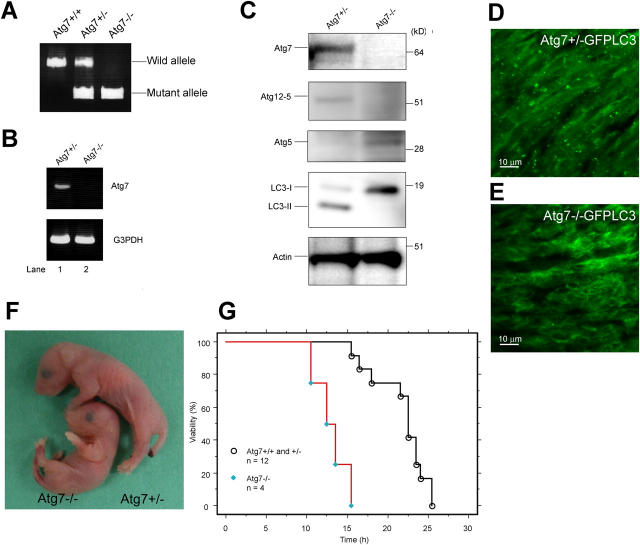
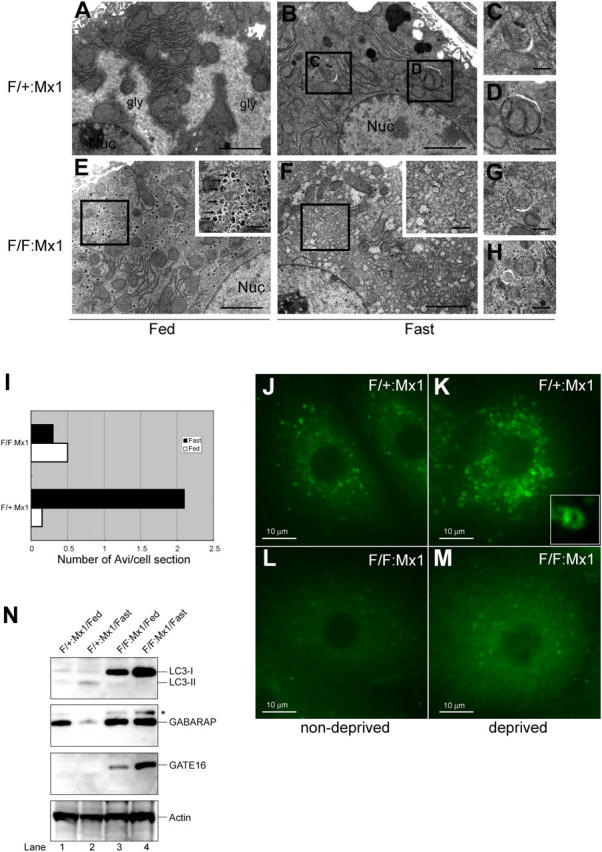
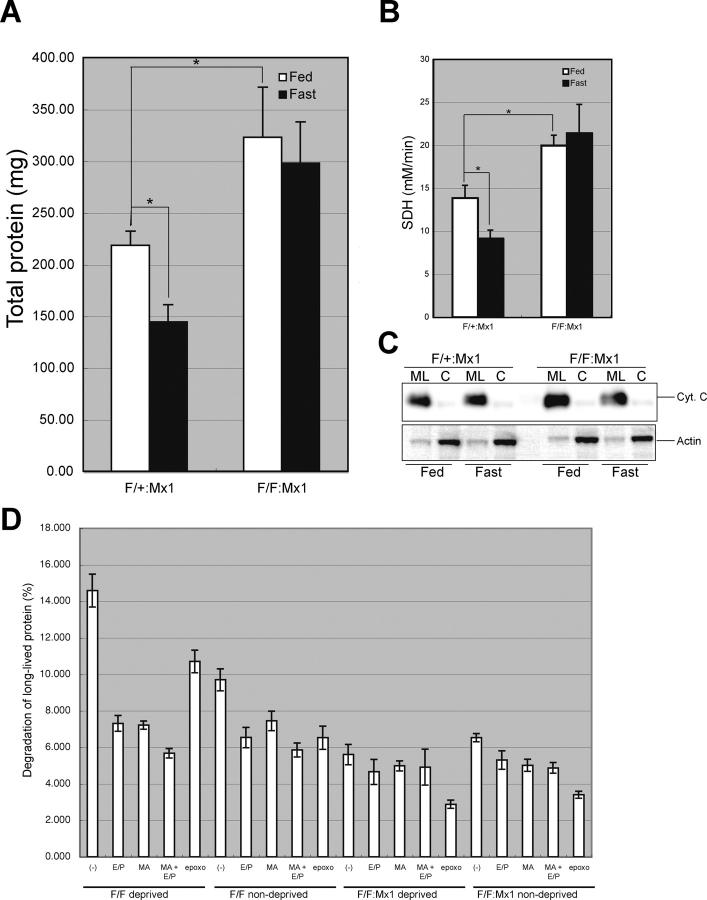
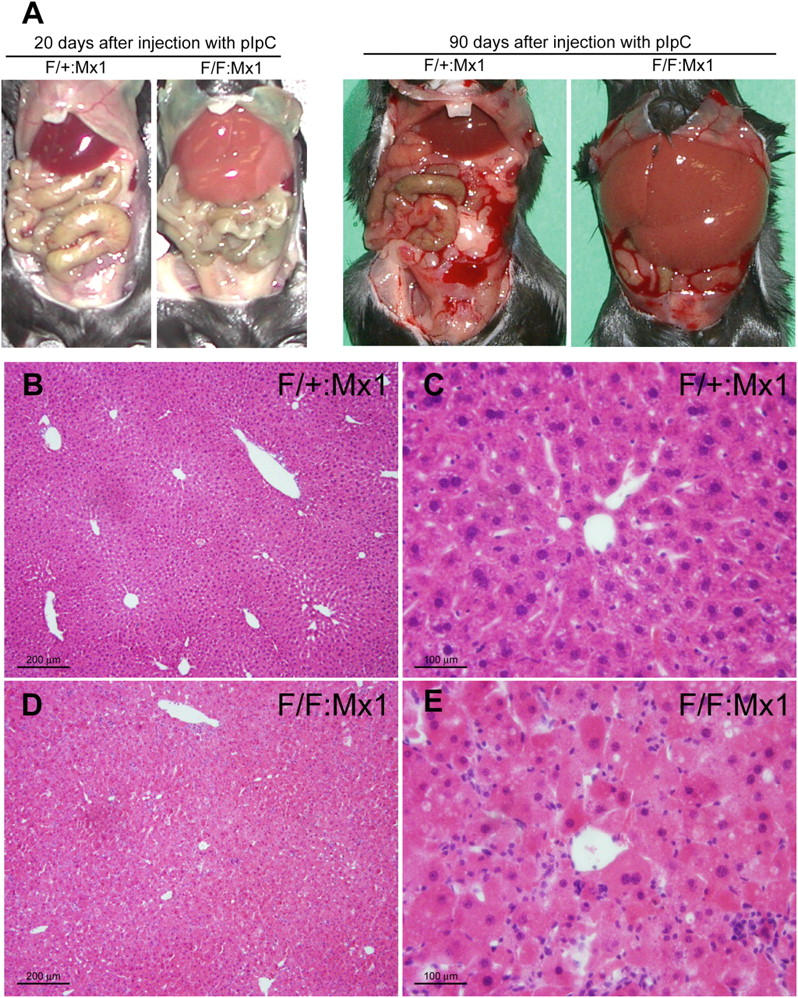
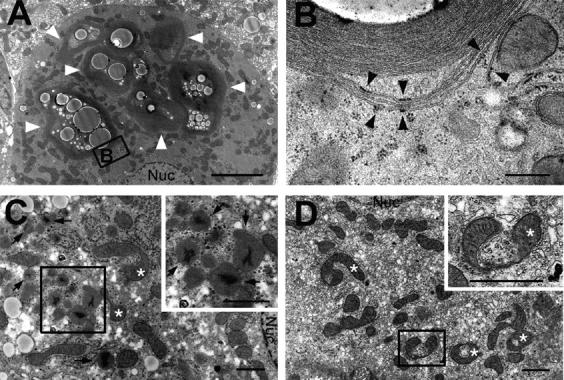
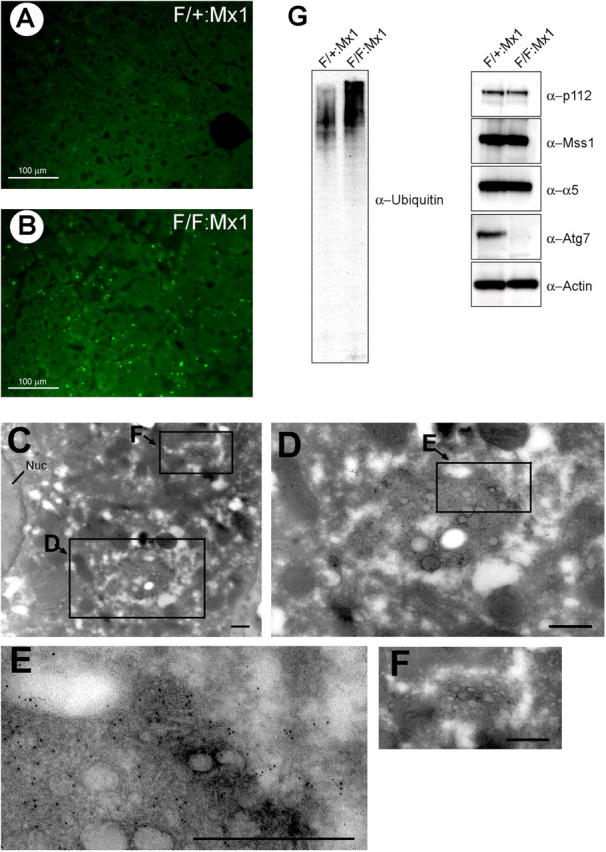
Autophagy is a membrane-trafficking mechanism that delivers cytoplasmic constituents into the lysosome/vacuole for bulk protein degradation. This mechanism is involved in the preservation of nutrients under starvation condition as well as the normal turnover of cytoplasmic component. Aberrant autophagy has been reported in several neurodegenerative disorders, hepatitis, and myopathies. Here, we generated conditional knockout mice of Atg7, an essential gene for autophagy in yeast. Atg7 was essential for ATG conjugation systems and autophagosome formation, amino acid supply in neonates, and starvation-induced bulk degradation of proteins and organelles in mice. Furthermore, Atg7 deficiency led to multiple cellular abnormalities, such as appearance of concentric membranous structure and deformed mitochondria, and accumulation of ubiquitin-positive aggregates. Our results indicate the important role of autophagy in starvation response and the quality control of proteins and organelles in quiescent cells.
Overview
The claims and statistics of this paper haven’t been checked yet.
Free: it reads the open-access text and checks the first 5 claims that cite a source we can check. Create a free account to check every claim.
Integrity signals
Registry
Cites
Statistics
Figures
Verification
Claims the paper makes
The claims and statistics of this paper haven’t been checked yet.
Free: it reads the open-access text and checks the first 5 claims that cite a source we can check. Create a free account to check every claim.
Claims other papers make about this one
Each is checked against this paper’s own text: does it say what the citing paper says it does?
The source backs part of the claim, not all of it — or backs it for a different population, condition or comparison.
In the citing paper
“whole‐body autophagy‐deficient mice undergo perinatal death due to their inability to withstand postnatal starvation (Kuma et al, 2004; Komatsu et al, 2005; Kuma et al, 2017).”
From Autophagy in major human diseases (2021) · cites this paper as Komatsu et al, 2005
Experimental — accuracy not yet measuredThe cited source says what the claim attributes to it.
In the citing paper
“Indeed, mice deficient for autophagy essential genes, such as ATG5, or ATG7, die soon after birth [220, 221].”
From The connection between the dynamic remodeling of the mitochondrial network and the regulation of muscle mass (2021) · cites this paper as [221]
The cited source says what the claim attributes to it.
In the citing paper
“The genetic suppression of basal autophagy in hepatocytes leads to hepatomegaly and exacerbated liver injury (Komatsu et al, 2005; Ni et al, 2012b; Cassidy et al, 2018).”
From Autophagy in major human diseases (2021) · cites this paper as Komatsu et al, 2005
The cited source says what the claim attributes to it.
In the citing paper
“mice with global KOs of the other autophagy related genes like Atg5 and Atg7 that die within a day after birth (Kuma et al., 2004; Komatsu et al., 2005; Cann et al., 2008).”
From Microtubule-associated protein 1 light chain 3B, (LC3B) is necessary to maintain lipid-mediated homeostasis in the retinal pigment epithelium (2018) · cites this paper as Komatsu et al., 2005
The cited source says what the claim attributes to it.
In the citing paper
“Atg7 encodes an E1-like enzyme essential in the ubiquitin-like conjugation systems required for autophagy, and Atg14 encodes a positive regulator of VPS34 (refs. 38,39).”
From Microglia clear neuron-released α-synuclein via selective autophagy and prevent neurodegeneration (2020) · cites this paper as [38]
2 more claims about this paper
Create a free account to see every claim other papers make about this one.
Self-check
Percentages, sums and reported differences re-computed from the paper’s own numbers.
The self-check needs the paper’s full text.
Citations
Cites
Repertoires of Autophagy in the Pathogenesis of Ocular Diseases
Li, Y.-J., Jiang, Q., Cao, G.-F., Yao, J., & Yan, B. (2015) · Cellular Physiology and Biochemistry · doi:10.1159/000373980 · Cited by 16,304
LC3, a mammalian homologue of yeast Apg8p, is localized in autophagosome membranes after processing.
Kabeya, Y., Mizushima, N., Ueno, T., Yamamoto, A., Kirisako, T., Noda, T., Kominami, E., Ohsumi, Y., & Yoshimori, T. (2000) · The EMBO Journal · doi:10.1093/emboj/19.21.5720 · Cited by 6,605 · cited 8×
“In mammals, there exist at least three Atg8 homologues that can all be activated by Atg7 (Tanida et al., 2001), GATE-16, GABARAP, and LC3 (Ohsumi, 2001), and they localize to the autophagosome (Kabeya et al., 2000, 2004).”
BackgroundMethodSelf-citationCui, C., Cui, J., Jin, F., Cui, Y., Li, R., Jiang, X., Tian, Y., Wang, K., Jiang, P., & Gao, J. (2017) · Cellular Physiology and Biochemistry · doi:10.1159/000479571 · Cited by 5,203
Levine, B., & Klionsky, D. J. (2004) · Developmental Cell · doi:10.1016/s1534-5807(04)00099-1 · Cited by 3,678 · cited 2×
“Furthermore, autophagy plays a role in cellular remodeling during differentiation and development of multicellular organisms, such as fly, worm, and slime mold (Levine and Klionsky, 2004), and cellular defense against invading streptococcus (Nakagawa et al.”
BackgroundAutophagy as a Regulated Pathway of Cellular Degradation
Klionsky, D. J., & Emr, S. D. (2000) · Science · doi:10.1126/science.290.5497.1717 · Cited by 3,608 · cited 1×
“In this lysosomal pathway, degradation of plasma membrane proteins and extracellular proteins is mediated by endocytosis, whereas degradation of cytoplasmic components is achieved through several pathways: macroautophagy, microautophagy, and chaperone-mediated autophagy (Seglen and Bohley, 1992; Dunn, 1994; Klionsky a…”
BackgroundAntimicrobial Autophagy: A Conserved Innate Immune Response in Drosophila
Moy, R. H., & Cherry, S. (2013) · Journal of Innate Immunity · doi:10.1159/000350326 · Cited by 3,539
Induction of autophagy and inhibition of tumorigenesis by beclin 1
Liang, X. H., Jackson, S., Seaman, M., Brown, K., Kempkes, B., Hibshoosh, H., & Levine, B. (1999) · Nature · doi:10.1038/45257 · Cited by 3,347 · cited 3×
“, low levels of autophagy were described in some malignant tumors (Liang et al., 1999).”
BackgroundThe role of autophagy during the early neonatal starvation period
Kuma, A., Hatano, M., Matsui, M., Yamamoto, A., Nakaya, H., Yoshimori, T., Ohsumi, Y., Tokuhisa, T., & Mizushima, N. (2004) · Nature · doi:10.1038/nature03029 · Cited by 2,865 · cited 4×
“We considered that Atg7 / mice could survive in utero by virtue of the nutrients supplied through the placenta but could not survive when the supply terminates after birth, as recently reported (Kuma et al., 2004).”
BackgroundSelf-citationAutophagy in Health and Disease: A Double-Edged Sword
Shintani, T., & Klionsky, D. J. (2004) · Science · doi:10.1126/science.1099993 · Cited by 2,534 · cited 2×
“In humans, autophagy has been implicated in several pathological conditions ( Shintani and Klionsky, 2004 ); e.g., low levels of autophagy were described in some malignant tumors (Liang et al., 1999).”
BackgroundPromotion of tumorigenesis by heterozygous disruption of the beclin 1 autophagy gene
Qu, X., Yu, J., Bhagat, G., Furuya, N., Hibshoosh, H., Troxel, A., Rosen, J., Eskelinen, E.-L., Mizushima, N., Ohsumi, Y., et al. (2003) · Journal of Clinical Investigation · doi:10.1172/jci20039 · Cited by 2,311 · cited 2×
“In contrast, elevated levels of autophagosome formation were reported in other human pathologies such as neurodegenerative diseases, myopathies, and liver injury (Mizushima et al., 2002; Perlmutter, 2002 ), and autophagy is implicated in the execution of cell death (Xue et al., 1999; Bursch, 2001).”
BackgroundSelf-citation
Research works printed but not linked: 1
- 1995, Eur. J. Cell Biol., 67, 308
Cited by
Items 101–200 of 1,024
Caramés, B., Taniguchi, N., Otsuki, S., Blanco, F. J., & Lotz, M. (2010) · Arthritis & Rheumatism · doi:10.1002/art.27305 · Cited by 632
Komatsu, M., Wang, Q. J., Holstein, G. R., Friedrich, V. L., Iwata, J.-I., Kominami, E., Chait, B. T., Tanaka, K., & Yue, Z. (2007) · Proceedings of the National Academy of Sciences · doi:10.1073/pnas.0701311104 · Cited by 614
Self-citationAutophagy Inhibition Compromises Degradation of Ubiquitin-Proteasome Pathway Substrates
Korolchuk, V. I., Mansilla, A., Menzies, F. M., & Rubinsztein, D. C. (2009) · Molecular Cell · doi:10.1016/j.molcel.2009.01.021 · Cited by 610
“gates in normal cells ( Kobayashi et al., 2007; Wojcik et al., A B C D”
Cytosolic FoxO1 is essential for the induction of autophagy and tumour suppressor activity
Zhao, Y., Yang, J., Liao, W., Liu, X., Zhang, H., Wang, S., Wang, D., Feng, J., Yu, L., & Zhu, W.-G. (2010) · Nature Cell Biology · doi:10.1038/ncb2069 · Cited by 606
“Autophagy also directly participates in the intracellular clearance of proteins and organelles, and the accumulation of abnormal proteins and organelles in autophagy-deficient mice is associated with neurodegeneratio”
BackgroundPersistent activation of Nrf2 through p62 in hepatocellular carcinoma cells
Inami, Y., Waguri, S., Sakamoto, A., Kouno, T., Nakada, K., Hino, O., Watanabe, S., Ando, J., Iwadate, M., Yamamoto, M., et al. (2011) · Journal of Cell Biology · doi:10.1083/jcb.201102031 · Cited by 604
“, 1999) and LC3 (Komatsu et al., 2005) have been described previously.”
BackgroundInfluentialSelf-citationAutophagy Links Inflammasomes to Atherosclerotic Progression
Razani, B., Feng, C., Coleman, T., Emanuel, R., Wen, H., Hwang, S., Ting, J. P., Virgin, H. W., Kastan, M. B., & Semenkovich, C. F. (2012) · Cell Metabolism · doi:10.1016/j.cmet.2012.02.011 · Cited by 601
“N IH -PA Author M anuscript N IH -PA Author M anuscript N IH -PA Author M anuscript of whole-body autophagy deficiencies described to date are either embryonically or neonatally lethal (Komatsu et al., 2005; Kuma et al., 2004; Saitoh et al., 2008).”
Guo, J. Y., Karsli-Uzunbas, G., Mathew, R., Aisner, S. C., Kamphorst, J. J., Strohecker, A. M., Chen, G., Price, S., Lu, W., Teng, X., et al. (2013) · Genes & Development · doi:10.1101/gad.219642.113 · Cited by 589
“…tumorigenesis in spontaneously arising oncogenic Ras and p53-deficient lung adenocarcinomas, the p53 flox/flox ;LSL-K-ras G12D/+ GEMM for human NSCLC (Johnson et al. 2001; Jackson et al. 2005) was crossed to atg7 flox/flox mice possessing a conditional deficiency in atg7 (Komatsu et al. 2005).”
BackgroundAMPK—Sensing Energy while Talking to Other Signaling Pathways
Hardie, D. G. (2014) · Cell Metabolism · doi:10.1016/j.cmet.2014.09.013 · Cited by 583
“In addition, mice with knockouts in the autophagy genes Atg5 and Atg7 are born at the expected frequency, but die within one day of birth (Komatsu et al., 2005; Kuma et al., 2004).”
Orsi, A., Razi, M., Dooley, H. C., Robinson, D., Weston, A. E., Collinson, L. M., & Tooze, S. A. (2012) · Molecular Biology of the Cell · doi:10.1091/mbc.e11-09-0746 · Cited by 581
“1860 | A Orsi et al. Molecular Biology of the Cell”
BackgroundAutophagy: The spotlight for cellular stress responses
Ravanan, P., Srikumar, I. F., & Talwar, P. (2017) · Life Sciences · doi:10.1016/j.lfs.2017.08.029 · Cited by 580
Kundu, M., Lindsten, T., Yang, C.-Y., Wu, J., Zhao, F., Zhang, J., Selak, M. A., Ney, P. A., & Thompson, C. B. (2008) · Blood · doi:10.1182/blood-2008-02-137398 · Cited by 569
Crystal Structure of the Bcl-XL-Beclin 1 Peptide Complex
Oberstein, A., Jeffrey, P. D., & Shi, Y. (2007) · Journal of Biological Chemistry · doi:10.1074/jbc.m700492200 · Cited by 563
The Atg5–Atg12 conjugate associates with innate antiviral immune responses
Jounai, N., Takeshita, F., Kobiyama, K., Sawano, A., Miyawaki, A., Xin, K.-Q., Ishii, K. J., Kawai, T., Akira, S., Suzuki, K., et al. (2007) · Proceedings of the National Academy of Sciences · doi:10.1073/pnas.0704014104 · Cited by 565
Identification of senescent cells in the bone microenvironment
Farr, J. N., Fraser, D. G., Wang, H., Jaehn, K., Ogrodnik, M. B., Weivoda, M. M., Drake, M. T., Tchkonia, T., LeBrasseur, N. K., Kirkland, J. L., et al. (2016) · Journal of Bone and Mineral Research · doi:10.1002/jbmr.2892 · Cited by 562
“Because recent studies have demonstrated that autophagy plays a critical role in the prevention of DNA damage and cell senescence,((35,36)) we also measured the expression of Atg7 and Map1lc3a (commonly known as LC3), two well-established markers of autophagy,((37,38)) by rt-qPCR in each of the male cell populations i…”
Autophagy is required for glucose homeostasis and lung tumor maintenance
Karsli-Uzunbas, G., Guo, J. Y., Price, S., Teng, X., Laddha, S. V., Khor, S., Kalaany, N. Y., Jacks, T., Chan, C. S., Rabinowitz, J. D., et al. (2014) · Cancer Discovery · doi:10.1158/2159-8290.cd-14-0363 · Cited by 560
Promoting the clearance of neurotoxic proteins in neurodegenerative disorders of ageing
Boland, B., Yu, W. H., Corti, O., Mollereau, B., Henriques, A., Bezard, E., Pastores, G. M., Rubinsztein, D. C., Nixon, R. A., Duchen, M. R., et al. (2018) · Nature Reviews Drug Discovery · doi:10.1038/nrd.2018.109 · Cited by 558
Autophagy Protects against Sindbis Virus Infection of the Central Nervous System
Orvedahl, A., MacPherson, S., Sumpter, R., Tallóczy, Z., Zou, Z., & Levine, B. (2010) · Cell Host & Microbe · doi:10.1016/j.chom.2010.01.007 · Cited by 558
“Cell Host To further confirm that the p62 siRNA phenotype was a function of decreased autophagy, we performed similar experiments using siRNA against Atg7, another component of the protein conjugation system that is required for autophagosomal membrane expansion (Komatsu et al., 2005).”
Kuma, A., Matsui, M., & Mizushima, N. (2007) · Autophagy · doi:10.4161/auto.4012 · Cited by 555
Self-citationAtg8‐family interacting motif crucial for selective autophagy
Noda, N. N., Ohsumi, Y., & Inagaki, F. (2010) · FEBS Letters · doi:10.1016/j.febslet.2010.01.018 · Cited by 556
“(D) S Defects in autophagy cause the accumulation of ubiquitinpositive protein inclusions, leading to severe liver injury [31] and neurodegeneration [32,33].”
BackgroundSelf-citationExpansion and evolution of cell death programmes
Degterev, A., & Yuan, J. (2008) · Nature Reviews Molecular Cell Biology · doi:10.1038/nrm2393 · Cited by 551
Cytosolic lipolysis and lipophagy: two sides of the same coin
Zechner, R., Madeo, F., & Kratky, D. (2017) · Nature Reviews Molecular Cell Biology · doi:10.1038/nrm.2017.76 · Cited by 550
Microglia clear neuron-released α-synuclein via selective autophagy and prevent neurodegeneration
Choi, I., Zhang, Y., Seegobin, S. P., Pruvost, M., Wang, Q., Purtell, K., Zhang, B., & Yue, Z. (2020) · Nature Communications · doi:10.1038/s41467-020-15119-w · Cited by 608
The Role of Autophagy in the Heart
Sciarretta, S., Maejima, Y., Zablocki, D., & Sadoshima, J. (2018) · Annual Review of Physiology · doi:10.1146/annurev-physiol-021317-121427 · Cited by 547
Physiological functions of Atg6/Beclin 1: a unique autophagy-related protein
Cao, Y., & Klionsky, D. J. (2007) · Cell Research · doi:10.1038/cr.2007.78 · Cited by 541
Autophagy in thymic epithelium shapes the T-cell repertoire and is essential for tolerance
Nedjic, J., Aichinger, M., Emmerich, J., Mizushima, N., & Klein, L. (2008) · Nature · doi:10.1038/nature07208 · Cited by 532
Self-citationMurrow, L., & Debnath, J. (2013) · Annual Review of Pathology: Mechanisms of Disease · doi:10.1146/annurev-pathol-020712-163918 · Cited by 527
Autophagy and aging: keeping that old broom working
Cuervo, A. M. (2008) · Trends in Genetics · doi:10.1016/j.tig.2008.10.002 · Cited by 527
An Atg4B Mutant Hampers the Lipidation of LC3 Paralogues and Causes Defects in Autophagosome Closure
Fujita, N., Hayashi-Nishino, M., Fukumoto, H., Omori, H., Yamamoto, A., Noda, T., & Yoshimori, T. (2008) · Molecular Biology of the Cell · doi:10.1091/mbc.e08-03-0312 · Cited by 523
“Nuclear localization of GFP-LC3 likely depends on the nature of GFP, because indirect immunofluorescence analysis of endogenous LC3 using an anti-LC3 antibody does not show a nuclear localization pattern (Komatsu et al., 2005).”
BackgroundAutophagy: Basic Principles and Relevance to Disease
Kundu, M., & Thompson, C. B. (2008) · Annual Review of Pathology: Mechanisms of Disease · doi:10.1146/annurev.pathmechdis.2.010506.091842 · Cited by 523
Autophagy delays apoptotic death in breast cancer cells following DNA damage
Abedin, M. J., Wang, D., McDonnell, M. A., Lehmann, U., & Kelekar, A. (2007) · Cell Death & Differentiation · doi:10.1038/sj.cdd.4402039 · Cited by 523
Regulation of macroautophagy by mTOR and Beclin 1 complexes
Pattingre, S., Espert, L., Biard-Piechaczyk, M., & Codogno, P. (2008) · Biochimie · doi:10.1016/j.biochi.2007.08.014 · Cited by 521
The Role of Autophagy in Mammalian Development: Cell Makeover Rather than Cell Death
Cecconi, F., & Levine, B. (2008) · Developmental Cell · doi:10.1016/j.devcel.2008.08.012 · Cited by 521
“Mice deficient in atg5 or atg7 specifically in neural cells develop progressive deficits in motor function and die a few months after birth (Hara et al., 2006; Komatsu et al., 2006).”
BackgroundNutrient-sensing nuclear receptors coordinate autophagy
Lee, J. M., Wagner, M., Xiao, R., Kim, K. H., Feng, D., Lazar, M. A., & Moore, D. D. (2014) · Nature · doi:10.1038/nature13961 · Cited by 518
Autophagy in health and disease: A comprehensive review
Saha, S., Panigrahi, D. P., Patil, S., & Bhutia, S. K. (2018) · Biomedicine & Pharmacotherapy · doi:10.1016/j.biopha.2018.05.007 · Cited by 517
Physiological significance of selective degradation of p62 by autophagy
Komatsu, M., & Ichimura, Y. (2010) · FEBS Letters · doi:10.1016/j.febslet.2010.02.017 · Cited by 517
“Electron microscopic analyses of the mutant mice showed marked accumulation of swollen and deformed mitochondria in the mutant hepatocytes [16], pancreatic b cells [21,22], cardiac [19,22] and skeletal myocytes [20], the appearance of concentric membranous structures consisting of endoplasmic reticulum or sarcoplasmic…”
BackgroundSelf-citationLipid storage and lipophagy regulates ferroptosis
Bai, Y., Meng, L., Han, L., Jia, Y., Zhao, Y., Gao, H., Kang, R., Wang, X., Tang, D., & Dai, E. (2019) · Biochemical and Biophysical Research Communications · doi:10.1016/j.bbrc.2018.12.039 · Cited by 507
Cellular Strategies of Protein Quality Control
Chen, B., Retzlaff, M., Roos, T., & Frydman, J. (2011) · Cold Spring Harbor Perspectives in Biology · doi:10.1101/cshperspect.a004374 · Cited by 502
“2007), whereas knockdown of autophagy components leads to the accumulation of proteasomal substrates (Komatsu et al. 2005; Hara et al. 2006).”
BackgroundTong, Y., Yamaguchi, H., Giaime, E., Boyle, S., Kopan, R., Kelleher, R. J., & Shen, J. (2010) · Proceedings of the National Academy of Sciences · doi:10.1073/pnas.1004676107 · Cited by 501
“Inhibition of autophagy by inactivation of Atg7, a protein essential for autophagy function (23), leads to drastically elevated levels of p62 in Atg7 conditional KO mice (24).”
The ULK1 complex: Sensing nutrient signals for autophagy activation
Wong, P.-M., Puente, C., Ganley, I. G., & Jiang, X. (2013) · Autophagy · doi:10.4161/auto.23323 · Cited by 497
Chloroquine in Cancer Therapy: A Double-Edged Sword of Autophagy
Kimura, T., Takabatake, Y., Takahashi, A., & Isaka, Y. (2013) · Cancer Research · doi:10.1158/0008-5472.can-12-2464 · Cited by 494
Repeat expansion disease: progress and puzzles in disease pathogenesis
La Spada, A. R., & Taylor, J. P. (2010) · Nature Reviews Genetics · doi:10.1038/nrg2748 · Cited by 488
Autophagy Proteins Regulate the Secretory Component of Osteoclastic Bone Resorption
DeSelm, C. J., Miller, B. C., Zou, W., Beatty, W. L., van Meel, E., Takahata, Y., Klumperman, J., Tooze, S. A., Teitelbaum, S. L., & Virgin, H. W. (2011) · Developmental Cell · doi:10.1016/j.devcel.2011.08.016 · Cited by 487
“Atg5flox/flox, Atg7flox/flox, Atg5flox/flox-LyzM-Cre+, LC3-b / , and GFP-LC3 mice have been described (Mizushima et al., 2004; Komatsu et al., 2005; Hara et al., 2006; Cann et al., 2008; Zhao et al., 2008b).”
Inhibition of Autophagy Prevents Hippocampal Pyramidal Neuron Death after Hypoxic-Ischemic Injury
Koike, M., Shibata, M., Tadakoshi, M., Gotoh, K., Komatsu, M., Waguri, S., Kawahara, N., Kuida, K., Nagata, S., Kominami, E., et al. (2008) · The American Journal of Pathology · doi:10.2353/ajpath.2008.070876 · Cited by 486
Self-citationThe ATG conjugation systems are important for degradation of the inner autophagosomal membrane
Tsuboyama, K., Koyama-Honda, I., Sakamaki, Y., Koike, M., Morishita, H., & Mizushima, N. (2016) · Science · doi:10.1126/science.aaf6136 · Cited by 485
Self-citationKeap1 degradation by autophagy for the maintenance of redox homeostasis
Taguchi, K., Fujikawa, N., Komatsu, M., Ishii, T., Unno, M., Akaike, T., Motohashi, H., & Yamamoto, M. (2012) · Proceedings of the National Academy of Sciences · doi:10.1073/pnas.1121572109 · Cited by 482
Self-citationThe pleiotropic role of autophagy: from protein metabolism to bactericide
Mizushima, N. (2005) · Cell Death & Differentiation · doi:10.1038/sj.cdd.4401728 · Cited by 481
“Recently, it has been observed that the hepatocytes of liver-specific conditional Atg7 KO mice develop ubiquitin-positive aggregates.(14) We also observed such aggregates in Atg5 / neonates Figure 1 Autophagosome formation.”
BackgroundSelf-citationAutophagy in proximal tubules protects against acute kidney injury
Jiang, M., Wei, Q., Dong, G., Komatsu, M., Su, Y., & Dong, Z. (2012) · Kidney International · doi:10.1038/ki.2012.261 · Cited by 477
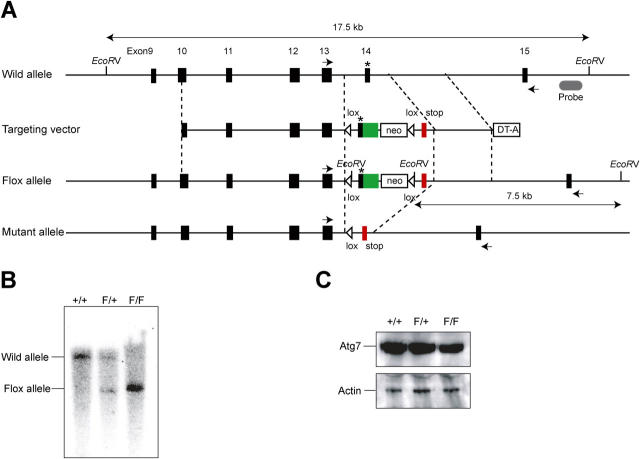
“Mice bearing the floxed Atg7 alleles (Atg7) were generated by inserting two loxP sites around exon 14 that encodes the active site cysteine essential for activation of the conjugation substrates.(14) Atg7 mice were bred to transgenic mice expressing the Cre recombinase under the control of a modified PEPCK promoter (P…”
Self-citationHepatocyte Death: A Clear and Present Danger
Malhi, H., Guicciardi, M. E., & Gores, G. J. (2010) · Physiological Reviews · doi:10.1152/physrev.00061.2009 · Cited by 477
“Mice deficient for Atg-7 in the liver demonstrate impaired adaptation to starvation, organelle turnover, accumulation of aggregated proteins and organelles, and hepatomegaly (140).”
Sou, Y.-S., Waguri, S., Iwata, J.-I., Ueno, T., Fujimura, T., Hara, T., Sawada, N., Yamada, A., Mizushima, N., Uchiyama, Y., et al. (2008) · Molecular Biology of the Cell · doi:10.1091/mbc.e08-03-0309 · Cited by 475
Self-citationSaitsu, H., Nishimura, T., Muramatsu, K., Kodera, H., Kumada, S., Sugai, K., Kasai-Yoshida, E., Sawaura, N., Nishida, H., Hoshino, A., et al. (2013) · Nature Genetics · doi:10.1038/ng.2562 · Cited by 474
Self-citationWei, J., Long, L., Yang, K., Guy, C., Shrestha, S., Chen, Z., Wu, C., Vogel, P., Neale, G., Green, D. R., et al. (2016) · Nature Immunology · doi:10.1038/ni.3365 · Cited by 470
Lee, S., Sato, Y., & Nixon, R. A. (2011) · The Journal of Neuroscience · doi:10.1523/jneurosci.6412-10.2011 · Cited by 470
“Origin and fate of autophagosomes in axons In agreement with previous evidence that neuronal autophagy is constitutive (Komatsu et al., 2005; Boland et al., 2008), autophagosome formation of GFP-LC3-positive vesicles was active in both the somatodendritic and axonal regions.”
BackgroundsiRNA Screening of the Kinome Identifies ULK1 as a Multidomain Modulator of Autophagy
Chan, E. Y. W., Kir, S., & Tooze, S. A. (2007) · Journal of Biological Chemistry · doi:10.1074/jbc.m703663200 · Cited by 422
Autophagy facilitates glycolysis during Ras-mediated oncogenic transformation
Lock, R., Roy, S., Kenific, C. M., Su, J. S., Salas, E., Ronen, S. M., & Debnath, J. (2011) · Molecular Biology of the Cell · doi:10.1091/mbc.e10-06-0500 · Cited by 467
“Our experiments point to an unexpected requirement for autophagy competence in facilitating glycolysis, which promotes adhesion-independent transformation driven by oncogenic Ras.”
BackgroundAutophagy: for better or for worse
Wirawan, E., Berghe, T. V., Lippens, S., Agostinis, P., & Vandenabeele, P. (2012) · Cell Research · doi:10.1038/cr.2011.152 · Cited by 465
Biogenesis and Cargo Selectivity of Autophagosomes
Weidberg, H., Shvets, E., & Elazar, Z. (2011) · Annual Review of Biochemistry · doi:10.1146/annurev-biochem-052709-094552 · Cited by 466
Autophagy Protects the Proximal Tubule from Degeneration and Acute Ischemic Injury
Kimura, T., Takabatake, Y., Takahashi, A., Kaimori, J.-Y., Matsui, I., Namba, T., Kitamura, H., Niimura, F., Matsusaka, T., Soga, T., et al. (2011) · Journal of the American Society of Nephrology · doi:10.1681/asn.2010070705 · Cited by 461
Aβ Secretion and Plaque Formation Depend on Autophagy
Nilsson, P., Loganathan, K., Sekiguchi, M., Matsuba, Y., Hui, K., Tsubuki, S., Tanaka, M., Iwata, N., Saito, T., & Saido, T. C. (2013) · Cell Reports · doi:10.1016/j.celrep.2013.08.042 · Cited by 459
“Animals Atg7mice (Komatsu et al., 2005) were kindly provided byDr.”
MethodAutophagy activation by rapamycin reduces severity of experimental osteoarthritis
Caramés, B., Hasegawa, A., Taniguchi, N., Miyaki, S., Blanco, F. J., & Lotz, M. (2012) · Annals of the Rheumatic Diseases · doi:10.1136/annrheumdis-2011-200557 · Cited by 455
Regulation of intracellular accumulation of mutant Huntingtin by Beclin 1
Shibata, M., Lu, T., Furuya, T., Degterev, A., Mizushima, N., Yoshimori, T., MacDonald, M., Yankner, B., & Yuan, J. (2006) · Journal of Biological Chemistry · doi:10.1074/jbc.m600364200 · Cited by 458
Self-citationRegulation of mTORC1 by the Rag GTPases is necessary for neonatal autophagy and survival
Efeyan, A., Zoncu, R., Chang, S., Gumper, I., Snitkin, H., Wolfson, R. L., Kirak, O., Sabatini, D. D., & Sabatini, D. M. (2013) · Nature · doi:10.1038/nature11745 · Cited by 455
Schwann cell autophagy, myelinophagy, initiates myelin clearance from injured nerves
Gomez-Sanchez, J. A., Carty, L., Iruarrizaga-Lejarreta, M., Palomo-Irigoyen, M., Varela-Rey, M., Griffith, M., Hantke, J., Macias-Camara, N., Azkargorta, M., Aurrekoetxea, I., et al. (2015) · Journal of Cell Biology · doi:10.1083/jcb.201503019 · Cited by 453
“Atg7fl/fl mice were made by insertion of loxP sequences and a stop codon within introns 13 and 14 of the atg7 gene (Komatsu et al., 2005).”
InfluentialSandri, M. (2010) · FEBS Letters · doi:10.1016/j.febslet.2010.01.056 · Cited by 451
“This finding has been reported in other tissuespecific autophagy knockout mice which also show an increase of polyubiquitinated proteins and accumulation of concentric membranous structures [26,27,30,31].”
BackgroundGe, L., Melville, D., Zhang, M., & Schekman, R. (2013) · eLife · doi:10.7554/elife.00947 · Cited by 445
“Atg5 KO and control MEFs (Kuma et al., 2004), Atg3 KO, Atg7 KO and control MEFs (Komatsu et al., 2005; Sou et al., 2008), and Ulk1 KO and control MEFs (Kundu et al., 2008) were generously provided by Noboru Mizushima (Tokyo Medical and Dental University, Japan), Masaaki Komatsu (Tokyo Metropolitan…”
InfluentialOnodera, J., & Ohsumi, Y. (2005) · Journal of Biological Chemistry · doi:10.1074/jbc.m506736200 · Cited by 441
Self-citationGozuacik, D., & Kimchi, A. (2007) · Current Topics in Developmental Biology · doi:10.1016/s0070-2153(06)78006-1 · Cited by 437
“Even under normal growth conditions, cells use autophagy as the major pathway for the degradation and recycling of long‐lived proteins, some ubiquitinated proteins and organelles like mitochondria (Komatsu et al., 2005; Kuma et al., 2004).”
BackgroundChan, E. Y. W., Longatti, A., McKnight, N. C., & Tooze, S. A. (2009) · Molecular and Cellular Biology · doi:10.1128/mcb.01082-08 · Cited by 411
“These authors went on to show that mice lacking ULK1 displayed abnormal erythrocyte maturation but were viable and without a developmental phenotype, in contrast with other models of mice deficient in autophagy genes (13, 14).”
BackgroundResultFunctions of autophagy in normal and diseased liver
Czaja, M. J., Ding, W.-X., Donohue, T. M., Friedman, S. L., Kim, J.-S., Komatsu, M., Lemasters, J. J., Lemoine, A., Lin, J. D., Ou, J.-H. J., et al. (2013) · Autophagy · doi:10.4161/auto.25063 · Cited by 436
Self-citationAutophagy Sustains Mitochondrial Glutamine Metabolism and Growth of Braf V600E–Driven Lung Tumors
Strohecker, A. M., Guo, J. Y., Karsli-Uzunbas, G., Price, S. M., Chen, G. J., Mathew, R., McMahon, M., & White, E. (2013) · Cancer Discovery · doi:10.1158/2159-8290.cd-13-0397 · Cited by 435
Gómez-Virgilio, L., Silva-Lucero, M.-D.-C., Flores-Morelos, D.-S., Gallardo-Nieto, J., Lopez-Toledo, G., Abarca-Fernandez, A.-M., Zacapala-Gómez, A.-E., Luna-Muñoz, J., Montiel-Sosa, F., Soto-Rojas, L. O., et al. (2022) · Cells · doi:10.3390/cells11152262 · Cited by 431
“Mature Atg8 is activated by Atg7 (E1 enzyme), transferred to Atg3 (E2), and linked to the amino group of PE [149].”
BackgroundInfluentialStructural basis of target recognition by Atg8/LC3 during selective autophagy
Noda, N. N., Kumeta, H., Nakatogawa, H., Satoo, K., Adachi, W., Ishii, J., Fujioka, Y., Ohsumi, Y., & Inagaki, F. (2008) · Genes to Cells · doi:10.1111/j.1365-2443.2008.01238.x · Cited by 426
“Defects in autophagy cause the accumulation of ubiquitin-positive protein inclusions, leading to severe liver injury (Komatsu et al. 2005) and neurodegeneration (Hara et al.”
BackgroundSelf-citationAutophagy Is Essential for Mitochondrial Clearance in Mature T Lymphocytes
Pua, H. H., Guo, J., Komatsu, M., & He, Y.-W. (2009) · The Journal of Immunology · doi:10.4049/jimmunol.0801143 · Cited by 423
Self-citationCrosstalk Between Mammalian Autophagy and the Ubiquitin-Proteasome System
Kocaturk, N. M., & Gozuacik, D. (2018) · Frontiers in Cell and Developmental Biology · doi:10.3389/fcell.2018.00128 · Cited by 419
Mariño, G., Salvador-Montoliu, N., Fueyo, A., Knecht, E., Mizushima, N., & López-Otín, C. (2007) · Journal of Biological Chemistry · doi:10.1074/jbc.m701194200 · Cited by 407
Self-citationRetractedRole of Autophagy in Cancer: Management of Metabolic Stress
Jin, S., & White, E. (2007) · Autophagy · doi:10.4161/auto.3269 · Cited by 404
Oxidative Stress-Mediated Atherosclerosis: Mechanisms and Therapies
Yang, X., Li, Y., Li, Y., Ren, X., Zhang, X., Hu, D., Gao, Y., Xing, Y., & Shang, H. (2017) · Frontiers in Physiology · doi:10.3389/fphys.2017.00600 · Cited by 404
“However, compared with various controls, the Atg7 VSMCs are accelerate to oxidative stress-abduced cell death (Komatsu et al., 2005; Newby, 2006).”
BackgroundInfluentialRapamycin pre-treatment protects against apoptosis
Ravikumar, B., Berger, Z., Vacher, C., O'Kane, C. J., & Rubinsztein, D. C. (2006) · Human Molecular Genetics · doi:10.1093/hmg/ddl036 · Cited by 403
“Indeed, constitutive and conditional knockouts (12) of autophagy genes are deleterious (12,13).”
BackgroundAutophagy in metabolic disease and ageing
Kitada, M., & Koya, D. (2021) · Nature Reviews Endocrinology · doi:10.1038/s41574-021-00551-9 · Cited by 399
Majumder, S., Richardson, A., Strong, R., & Oddo, S. (2011) · PLoS ONE · doi:10.1371/journal.pone.0025416 · Cited by 365
“The key role that some Atg proteins play in autophagy induction has been shown by knockout experiments [14,15].”
Suppression of autophagy by FIP200 deletion inhibits mammary tumorigenesis
Wei, H., Wei, S., Gan, B., Peng, X., Zou, W., & Guan, J.-L. (2011) · Genes & Development · doi:10.1101/gad.2051011 · Cited by 401
“Similar to findings in other autophagy-deficient cells by inactivation of various autophagy genes (Komatsu et al. 2005; Nakai et al. 2007; Ebato et al. 2008), we also detected an increased number of mitochondria per nucleus in FIP200-null mammary tumor cells (25 6 3) compared with that in Ctrl-MT…”
ResultDiverse Cellular Roles of Autophagy
Morishita, H., & Mizushima, N. (2019) · Annual Review of Cell and Developmental Biology · doi:10.1146/annurev-cellbio-100818-125300 · Cited by 376
Self-citationThe Sick and the Weak: Neuropathies/Myopathies in the Critically Ill
Friedrich, O., Reid, M. B., Van den Berghe, G., Vanhorebeek, I., Hermans, G., Rich, M. M., & Larsson, L. (2015) · Physiological Reviews · doi:10.1152/physrev.00028.2014 · Cited by 396
Wohlgemuth, S. E., Seo, A. Y., Marzetti, E., Lees, H. A., & Leeuwenburgh, C. (2010) · Experimental Gerontology · doi:10.1016/j.exger.2009.11.002 · Cited by 397
“Atg7—The protein Atg7 is required for the formation and expansion of the autophagosome by initiating the conjugation of Atg12 to Atg5 and LC3 to phosphatidylethanolamine (Komatsu et al., 2005; Mizushima et al., 1998).”
Backgroundp62/SQSTM1 cooperates with Parkin for perinuclear clustering of depolarized mitochondria
Okatsu, K., Saisho, K., Shimanuki, M., Nakada, K., Shitara, H., Sou, Y., Kimura, M., Sato, S., Hattori, N., Komatsu, M., et al. (2010) · Genes to Cells · doi:10.1111/j.1365-2443.2010.01426.x · Cited by 397
“When Atg7 (an essential gene for autophagy) KO MEFs (Komatsu et al. 2005) were used as a positive control, the clearance of depolarized mitochondria was considerably impeded after CCCP treatment for 24 h [Fig.”
MethodSelf-citationJuhász, G., Érdi, B., Sass, M., & Neufeld, T. P. (2007) · Genes & Development · doi:10.1101/gad.1600707 · Cited by 396
“…showed that basal autophagy plays an essential role in protein quality control in mammals, by continuously degrading misfolded or damaged proteins (Komatsu et al. 2005, 2006; Hara et al. 2006), and prevents metabolic stress-induced genome instability and tumor progression (Mathew et al. 2007).”
BackgroundThe role of autophagy in the heart
Nishida, K., Kyoi, S., Yamaguchi, O., Sadoshima, J., & Otsu, K. (2009) · Cell Death & Differentiation · doi:10.1038/cdd.2008.163 · Cited by 393
“mice also die within 1 day after birth for the same reason as Atg5-deficient mice.(10) Homozygous beclin1-deficient (beclin1 / ) mice are embryonic lethal at 7.”
BackgroundZhou, J., Tan, S.-H., Nicolas, V., Bauvy, C., Yang, N.-D., Zhang, J., Xue, Y., Codogno, P., & Shen, H.-M. (2013) · Cell Research · doi:10.1038/cr.2013.11 · Cited by 394
Maycotte, P., & Thorburn, A. (2011) · Cancer Biology & Therapy · doi:10.4161/cbt.11.2.14627 · Cited by 393
Autophagy negatively regulates Wnt signalling by promoting Dishevelled degradation
Gao, C., Cao, W., Bao, L., Zuo, W., Xie, G., Cai, T., Fu, W., Zhang, J., Wu, W., Zhang, X., et al. (2010) · Nature Cell Biology · doi:10.1038/ncb2082 · Cited by 389
Mortensen, M., Ferguson, D. J. P., Edelmann, M., Kessler, B., Morten, K. J., Komatsu, M., & Simon, A. K. (2010) · Proceedings of the National Academy of Sciences · doi:10.1073/pnas.0913170107 · Cited by 387
“The absence of autophagy has previously been demonstrated in Atg7 cells (18, 21).”
BackgroundMethodSelf-citationClass III PI3K Vps34 plays an essential role in autophagy and in heart and liver function
Jaber, N., Dou, Z., Chen, J.-S., Catanzaro, J., Jiang, Y.-P., Ballou, L. M., Selinger, E., Ouyang, X., Lin, R. Z., Zhang, J., et al. (2012) · Proceedings of the National Academy of Sciences · doi:10.1073/pnas.1112848109 · Cited by 385
“Therefore, the abnormalities that we observe in Vps34-null liver and heart such as hepatomegaly, hepatic steatosis, cardiac hypertrophy, and defective contractility can be at least partially explained by defective autophagy because these phenotypes were also observed in Atg7 and Atg5 animals (26, 27, 36).”
BackgroundAutophagy in Atherosclerosis: A Cell Survival and Death Phenomenon With Therapeutic Potential
Martinet, W., & De Meyer, G. R. Y. (2009) · Circulation Research · doi:10.1161/circresaha.108.188318 · Cited by 381
Autophagy: An Essential Degradation Program for Cellular Homeostasis and Life
Chun, Y., & Kim, J. (2018) · Cells · doi:10.3390/cells7120278 · Cited by 380
Reggiori, F., Monastyrska, I., Verheije, M. H., Calì, T., Ulasli, M., Bianchi, S., Bernasconi, R., de Haan, C. A. M., & Molinari, M. (2010) · Cell Host & Microbe · doi:10.1016/j.chom.2010.05.013 · Cited by 383
“…et al., 2005), under conditions that either inactivate, e.g., ATG7 deletion (Figures 3A and 3B) or cell incubation with chloroquine (CQ) (Figures 3C and 3D) (Klionsky et al., 2008; Komatsu et al., 2005) or activate autophagy, e.g., rapamycin treatment (Figures 3C and 3D) (Klionsky et al., 2008).”
BackgroundInfluentialAutophagy in Hypothalamic AgRP Neurons Regulates Food Intake and Energy Balance
Kaushik, S., Rodriguez-Navarro, J. A., Arias, E., Kiffin, R., Sahu, S., Schwartz, G. J., Cuervo, A. M., & Singh, R. (2011) · Cell Metabolism · doi:10.1016/j.cmet.2011.06.008 · Cited by 382
“AgRP neuron-specific ablation of autophagy was determined by immunohistochemical analysis for the absence of Atg7 in Cre-positive neurons that were distinct from neurons positive for POMC within MBH sections from AgRP neuron autophagy-deficient (Atg7F/F-AgRP-Cre or KO) mice (Figures S2A and S2B).”
InfluentialCell death by autophagy: facts and apparent artefacts
Denton, D., Nicolson, S., & Kumar, S. (2012) · Cell Death & Differentiation · doi:10.1038/cdd.2011.146 · Cited by 381
Rautou, P.-E., Mansouri, A., Lebrec, D., Durand, F., Valla, D., & Moreau, R. (2010) · Journal of Hepatology · doi:10.1016/j.jhep.2010.07.006 · Cited by 383
“1130 Journal of Hepatology 2010 aggregates in hepatocytes, resembling Mallory-Denk bodies [60]; (f) ethanol also suppresses autophagy in cortical neuroepithelial progenitors, suggesting that this effect is not restricted to liver cells [61].”
Autophagy in liver diseases: Time for translation?
Allaire, M., Rautou, P.-E., Codogno, P., & Lotersztajn, S. (2019) · Journal of Hepatology · doi:10.1016/j.jhep.2019.01.026 · Cited by 378
Autophagosome Supports Coxsackievirus B3 Replication in Host Cells
Wong, J., Zhang, J., Si, X., Gao, G., Mao, I., McManus, B. M., & Luo, H. (2008) · Journal of Virology · doi:10.1128/jvi.00641-08 · Cited by 376
“radation of proteins and organelles induced by starvation (20).”
BackgroundTanaka, S., Hikita, H., Tatsumi, T., Sakamori, R., Nozaki, Y., Sakane, S., Shiode, Y., Nakabori, T., Saito, Y., Hiramatsu, N., et al. (2016) · Hepatology · doi:10.1002/hep.28820 · Cited by 376
“beclin1, generates liver inflammation and tumorigenesis,((40-42)) indicating the importance of basal levels of autophagy for maintaining liver integrity.”
Background
Metadata
- Authors
- Komatsu, M., Waguri, S., Ueno, T., Iwata, J., Murata, S., Tanida, I., Ezaki, J., Mizushima, N., Ohsumi, Y., Uchiyama, Y., Kominami, E., Tanaka, K., & Chiba, T.
- Affiliations
- Juntendo University (JP)
- The University of Osaka (JP)
- Tokyo Metropolitan Institute of Medical Science (JP)
- National Institute for Basic Biology (JP)
- Corresponding author
- Chiba, Tomoki
- ORCID
- Venue
- The Journal of Cell Biology
- Publisher
- Rockefeller University Press
- Published
- 2005-05-02
- Volume
- 169
- Issue
- 3
- Pages
- 425-434
- ISSN
- 0021-9525 (ISSN-L)
- 1540-8140
- PMC
- PMC2171928
- OpenAlex
- W2146887271
- Cited by
- 2,331
- References
- 49
- Citations by year
- 2026: 43 · 2025: 91 · 2024: 82 · 2023: 96 · 2022: 112 · 2021: 123 · 2020: 138 · 2019: 135 · 2018: 128 · 2017: 134 · 2016: 160 · 2015: 156 · 2014: 148 · 2013: 154 · 2012: 127
- FWCI
- 44.94
- Type
- journal article
- Language
- en
- Open access
- bronze
- doi.org
- Locations
- The Journal of Cell Biology (publishedVersion)
- PubMed Central (publishedVersion, cc-by-nc-sa)
- PubMed (publishedVersion)
- Funders
- Ministry of Education, Culture, Sports, Science and Technology
- Topics
- Life Sciences › Biochemistry, Genetics and Molecular Biology › Cell Biology › Autophagy in Disease and Therapy
- Life Sciences › Biochemistry, Genetics and Molecular Biology › Molecular Biology › Ubiquitin and proteasome pathways
- Life Sciences › Biochemistry, Genetics and Molecular Biology › Aging › Genetics, Aging, and Longevity in Model Organisms
- Keywords
- autophagy, ATG7, starvation response, autophagosome formation, protein quality control, organelle degradation, mitochondrial abnormalities, lysosomes, conditional knockout mice, neurodegenerative diseases
- MeSH terms
- Autophagy-Related Protein 7, Animals, Animals, Newborn, Autophagy, Cell Line, Inclusion Bodies, Hepatomegaly, Intracellular Membranes, Liver, Microtubule-Associated Proteins, Mitochondria, Phenotype, Starvation, Organelles, Mice, Knockout, Hepatocytes, Ubiquitin, Saccharomyces cerevisiae Proteins, Mice
About these checks
Registry, retraction, Cites and statistics results are computed, not judged, with one exception: a printed reference that no index lists is read once by a model before it counts as a citation error. Claims are extracted by a model and kept only when their quote appears verbatim in the text; each cited source is then checked, with a model’s help, for whether it says what the claim relies on. Those verdicts can be wrong — read the claim’s quote and the cited source before relying on one.
Statistics and arithmetic are recomputed, not judged.
Confidence bands are shown only for fields calibrated on our annotated test set. None is calibrated yet, so no band is shown.
What counts as a claim ›How we measure confidence ›How we check this ›
Are you an author, or do you see a problem with this page? Request a review
Data sources
Bibliographic data: Semantic Scholar, OpenAlex, Crossref.
Contains information from the Semantic Scholar Academic Graph Datasets, made available under the ODC Attribution License (ODC-BY 1.0).
Semantic Scholar’s data is described in: Kinney, R., et al. (2023). The Semantic Scholar Open Data Platform. arXiv:2301.10140.
