

Impairment of starvation-induced and constitutive autophagy in Atg7 -deficient mice
Open accessThe DOI matches its Crossref record; 49 of the 49 references it cites were found in a registry or an index.
Abstract
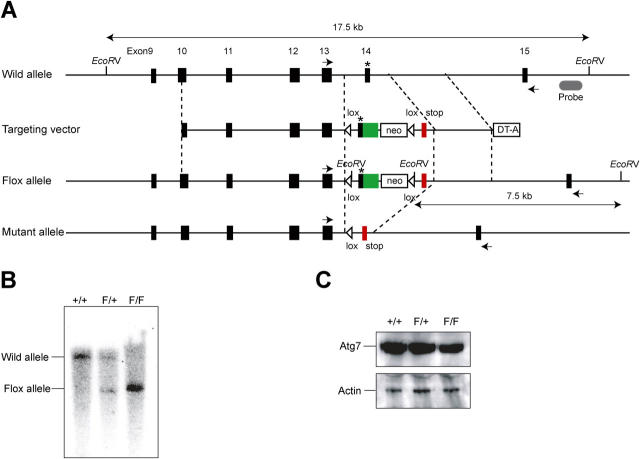
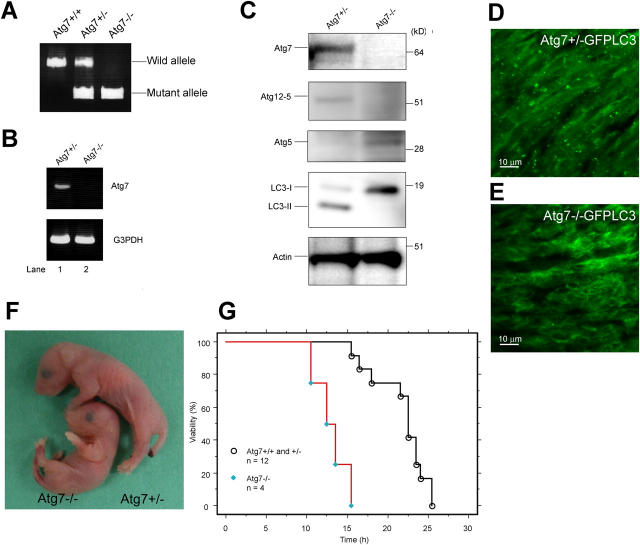
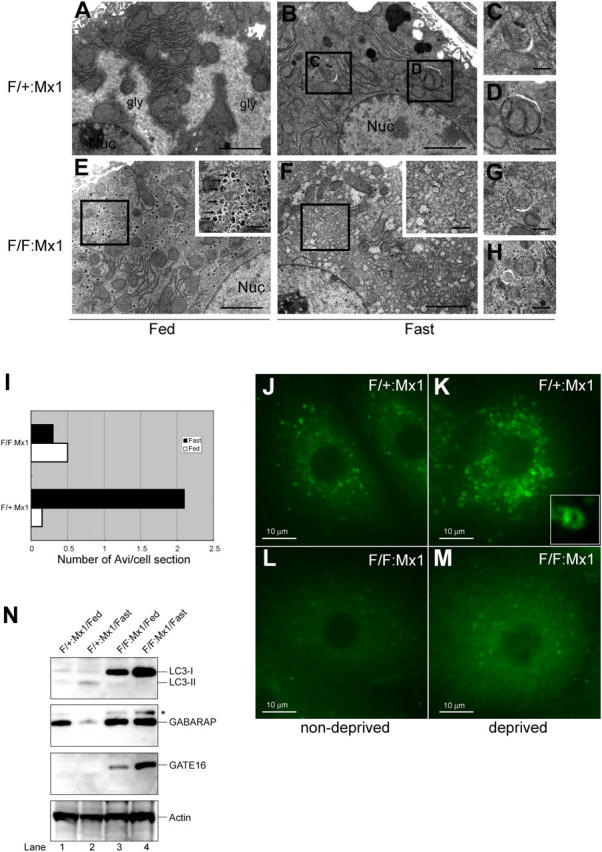
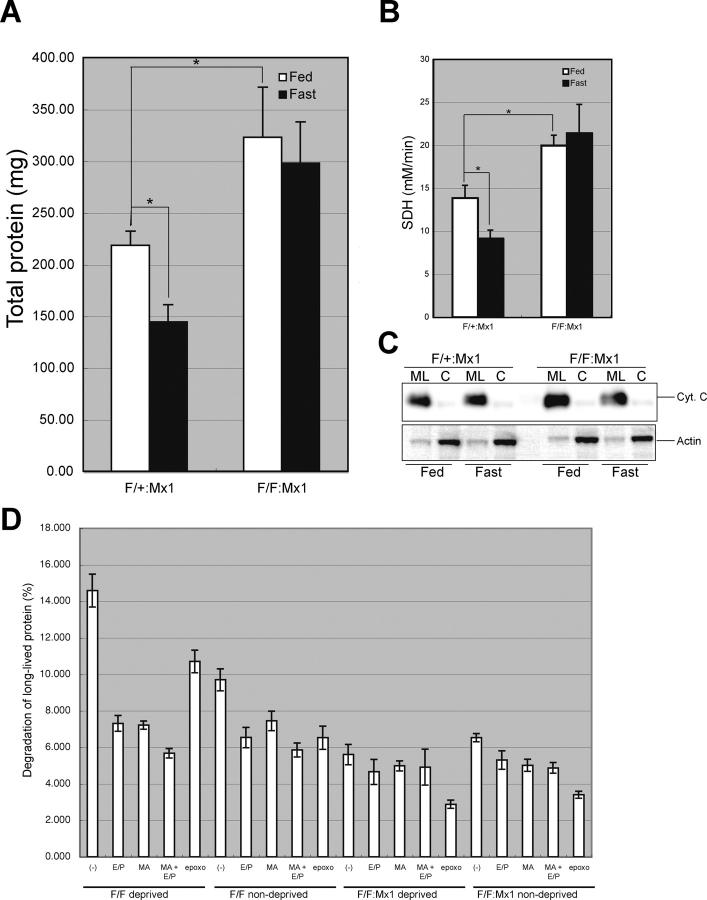
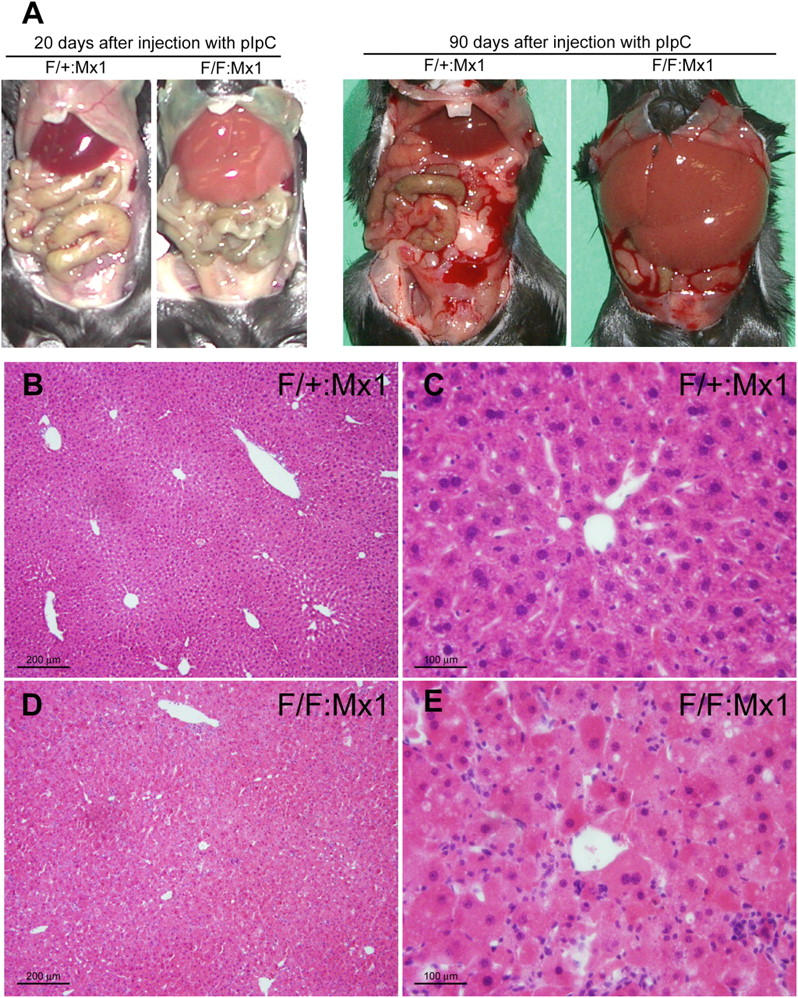
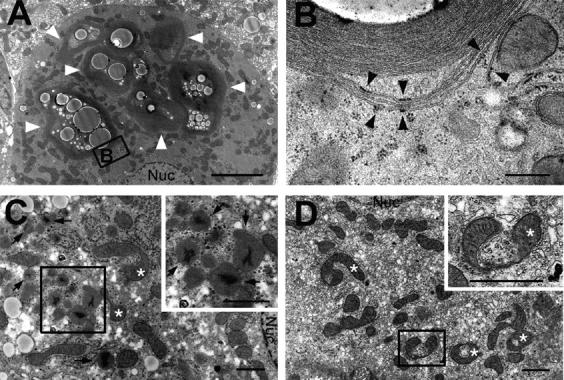
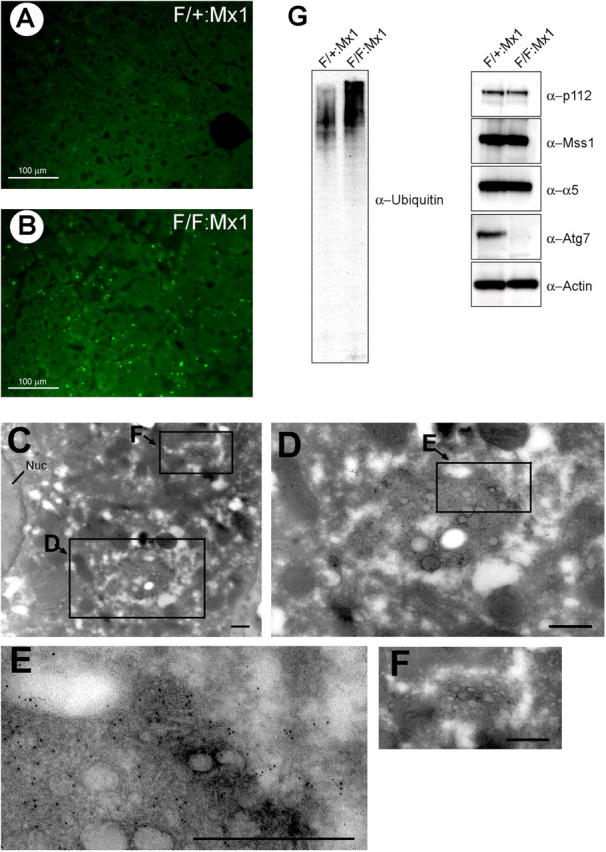
Autophagy is a membrane-trafficking mechanism that delivers cytoplasmic constituents into the lysosome/vacuole for bulk protein degradation. This mechanism is involved in the preservation of nutrients under starvation condition as well as the normal turnover of cytoplasmic component. Aberrant autophagy has been reported in several neurodegenerative disorders, hepatitis, and myopathies. Here, we generated conditional knockout mice of Atg7, an essential gene for autophagy in yeast. Atg7 was essential for ATG conjugation systems and autophagosome formation, amino acid supply in neonates, and starvation-induced bulk degradation of proteins and organelles in mice. Furthermore, Atg7 deficiency led to multiple cellular abnormalities, such as appearance of concentric membranous structure and deformed mitochondria, and accumulation of ubiquitin-positive aggregates. Our results indicate the important role of autophagy in starvation response and the quality control of proteins and organelles in quiescent cells.
Overview
The claims and statistics of this paper haven’t been checked yet.
Free: it reads the open-access text and checks the first 5 claims that cite a source we can check. Create a free account to check every claim.
Integrity signals
Registry
Cites
Statistics
Figures
Verification
Claims the paper makes
The claims and statistics of this paper haven’t been checked yet.
Free: it reads the open-access text and checks the first 5 claims that cite a source we can check. Create a free account to check every claim.
Claims other papers make about this one
Each is checked against this paper’s own text: does it say what the citing paper says it does?
The source backs part of the claim, not all of it — or backs it for a different population, condition or comparison.
In the citing paper
“whole‐body autophagy‐deficient mice undergo perinatal death due to their inability to withstand postnatal starvation (Kuma et al, 2004; Komatsu et al, 2005; Kuma et al, 2017).”
From Autophagy in major human diseases (2021) · cites this paper as Komatsu et al, 2005
Experimental — accuracy not yet measuredThe cited source says what the claim attributes to it.
In the citing paper
“Indeed, mice deficient for autophagy essential genes, such as ATG5, or ATG7, die soon after birth [220, 221].”
From The connection between the dynamic remodeling of the mitochondrial network and the regulation of muscle mass (2021) · cites this paper as [221]
The cited source says what the claim attributes to it.
In the citing paper
“The genetic suppression of basal autophagy in hepatocytes leads to hepatomegaly and exacerbated liver injury (Komatsu et al, 2005; Ni et al, 2012b; Cassidy et al, 2018).”
From Autophagy in major human diseases (2021) · cites this paper as Komatsu et al, 2005
The cited source says what the claim attributes to it.
In the citing paper
“mice with global KOs of the other autophagy related genes like Atg5 and Atg7 that die within a day after birth (Kuma et al., 2004; Komatsu et al., 2005; Cann et al., 2008).”
From Microtubule-associated protein 1 light chain 3B, (LC3B) is necessary to maintain lipid-mediated homeostasis in the retinal pigment epithelium (2018) · cites this paper as Komatsu et al., 2005
The cited source says what the claim attributes to it.
In the citing paper
“Atg7 encodes an E1-like enzyme essential in the ubiquitin-like conjugation systems required for autophagy, and Atg14 encodes a positive regulator of VPS34 (refs. 38,39).”
From Microglia clear neuron-released α-synuclein via selective autophagy and prevent neurodegeneration (2020) · cites this paper as [38]
2 more claims about this paper
Create a free account to see every claim other papers make about this one.
Self-check
Percentages, sums and reported differences re-computed from the paper’s own numbers.
The self-check needs the paper’s full text.
Citations
Cites
Repertoires of Autophagy in the Pathogenesis of Ocular Diseases
Li, Y.-J., Jiang, Q., Cao, G.-F., Yao, J., & Yan, B. (2015) · Cellular Physiology and Biochemistry · doi:10.1159/000373980 · Cited by 16,304
LC3, a mammalian homologue of yeast Apg8p, is localized in autophagosome membranes after processing.
Kabeya, Y., Mizushima, N., Ueno, T., Yamamoto, A., Kirisako, T., Noda, T., Kominami, E., Ohsumi, Y., & Yoshimori, T. (2000) · The EMBO Journal · doi:10.1093/emboj/19.21.5720 · Cited by 6,605 · cited 8×
“In mammals, there exist at least three Atg8 homologues that can all be activated by Atg7 (Tanida et al., 2001), GATE-16, GABARAP, and LC3 (Ohsumi, 2001), and they localize to the autophagosome (Kabeya et al., 2000, 2004).”
BackgroundMethodSelf-citationCui, C., Cui, J., Jin, F., Cui, Y., Li, R., Jiang, X., Tian, Y., Wang, K., Jiang, P., & Gao, J. (2017) · Cellular Physiology and Biochemistry · doi:10.1159/000479571 · Cited by 5,203
Levine, B., & Klionsky, D. J. (2004) · Developmental Cell · doi:10.1016/s1534-5807(04)00099-1 · Cited by 3,678 · cited 2×
“Furthermore, autophagy plays a role in cellular remodeling during differentiation and development of multicellular organisms, such as fly, worm, and slime mold (Levine and Klionsky, 2004), and cellular defense against invading streptococcus (Nakagawa et al.”
BackgroundAutophagy as a Regulated Pathway of Cellular Degradation
Klionsky, D. J., & Emr, S. D. (2000) · Science · doi:10.1126/science.290.5497.1717 · Cited by 3,608 · cited 1×
“In this lysosomal pathway, degradation of plasma membrane proteins and extracellular proteins is mediated by endocytosis, whereas degradation of cytoplasmic components is achieved through several pathways: macroautophagy, microautophagy, and chaperone-mediated autophagy (Seglen and Bohley, 1992; Dunn, 1994; Klionsky a…”
BackgroundAntimicrobial Autophagy: A Conserved Innate Immune Response in Drosophila
Moy, R. H., & Cherry, S. (2013) · Journal of Innate Immunity · doi:10.1159/000350326 · Cited by 3,539
Induction of autophagy and inhibition of tumorigenesis by beclin 1
Liang, X. H., Jackson, S., Seaman, M., Brown, K., Kempkes, B., Hibshoosh, H., & Levine, B. (1999) · Nature · doi:10.1038/45257 · Cited by 3,347 · cited 3×
“, low levels of autophagy were described in some malignant tumors (Liang et al., 1999).”
BackgroundThe role of autophagy during the early neonatal starvation period
Kuma, A., Hatano, M., Matsui, M., Yamamoto, A., Nakaya, H., Yoshimori, T., Ohsumi, Y., Tokuhisa, T., & Mizushima, N. (2004) · Nature · doi:10.1038/nature03029 · Cited by 2,865 · cited 4×
“We considered that Atg7 / mice could survive in utero by virtue of the nutrients supplied through the placenta but could not survive when the supply terminates after birth, as recently reported (Kuma et al., 2004).”
BackgroundSelf-citationAutophagy in Health and Disease: A Double-Edged Sword
Shintani, T., & Klionsky, D. J. (2004) · Science · doi:10.1126/science.1099993 · Cited by 2,534 · cited 2×
“In humans, autophagy has been implicated in several pathological conditions ( Shintani and Klionsky, 2004 ); e.g., low levels of autophagy were described in some malignant tumors (Liang et al., 1999).”
BackgroundPromotion of tumorigenesis by heterozygous disruption of the beclin 1 autophagy gene
Qu, X., Yu, J., Bhagat, G., Furuya, N., Hibshoosh, H., Troxel, A., Rosen, J., Eskelinen, E.-L., Mizushima, N., Ohsumi, Y., et al. (2003) · Journal of Clinical Investigation · doi:10.1172/jci20039 · Cited by 2,311 · cited 2×
“In contrast, elevated levels of autophagosome formation were reported in other human pathologies such as neurodegenerative diseases, myopathies, and liver injury (Mizushima et al., 2002; Perlmutter, 2002 ), and autophagy is implicated in the execution of cell death (Xue et al., 1999; Bursch, 2001).”
BackgroundSelf-citation
Research works printed but not linked: 1
- 1995, Eur. J. Cell Biol., 67, 308
Cited by
Items 701–800 of 1,024
Death and survival of neuronal and astrocytic cells in ischemic brain injury: a role of autophagy
Xu, M., & Zhang, H. (2011) · Acta Pharmacologica Sinica · doi:10.1038/aps.2011.50 · Cited by 109
Ji, Y., Luo, Y., Wu, Y., Sun, Y., Zhao, L., Xue, Z., Sun, M., Wei, X., He, Z., Wu, S. A., et al. (2023) · Nature Cell Biology · doi:10.1038/s41556-023-01138-4 · Cited by 112
The Mammalian Class 3 PI3K (PIK3C3) Is Required for Early Embryogenesis and Cell Proliferation
Zhou, X., Takatoh, J., & Wang, F. (2011) · PLoS ONE · doi:10.1371/journal.pone.0016358 · Cited by 101
“Since knockout of genes essential for autophagy, Atg5 or Atg7, results in normal embryonic development and postnatal lethality [55,56], autophagy alone is unlikely to contribute to the phenotypes observed in Pik3c3 mutant embryos.”
Autophagy as a Potential Target for Sarcopenia: AUTOPHAGY REGULATION IN SARCOPENIA
Fan, J., Kou, X., Jia, S., Yang, X., Yang, Y., & Chen, N. (2016) · Journal of Cellular Physiology · doi:10.1002/jcp.25260 · Cited by 101
“…survival, which can be up-regulated under stress conditions including starvation, diseases, aging, and cellular exposure to toxic compounds, thus participating in the liberation of resources such as amino acids and energy to maintain the homoeostasis of cells (Kroemer and Levine, 2008).”
BackgroundThe functional and pathologic relevance of autophagy proteases
Fernández, Á. F., & López-Otín, C. (2015) · Journal of Clinical Investigation · doi:10.1172/jci73940 · Cited by 101
“Historically, knockout mice have been research tools with important limitations for global in vivo studies on autophagy, as proteins like ATG5 or ATG7 are essential for the viability of these animals (72, 73).”
BackgroundJia, W., He, M., McLeod, I. X., Guo, J., Ji, D., & He, Y.-W. (2015) · Autophagy · doi:10.1080/15548627.2015.1110666 · Cited by 101
“Atg7 floxed (Atg7) mice have been previously described.(55) The Lck-Cre (012837), ER-Cre (004847), Cdkn1b (B6.”
BackgroundNilsson, P., Sekiguchi, M., Akagi, T., Izumi, S., Komori, T., Hui, K. K., Sörgjerd, K. M., Tanaka, M., Saito, T., Iwata, N., et al. (2014) · American Journal Of Pathology · doi:10.1016/j.ajpath.2014.10.011 · Cited by 107
Autophagy in Alcohol‐Induced Liver Diseases
Dolganiuc, A., Thomes, P. G., Ding, W., Lemasters, J. J., & Donohue, T. M. (2012) · Alcoholism: Clinical and Experimental Research · doi:10.1111/j.1530-0277.2012.01742.x · Cited by 101
“N IH -PA Author M anuscript N IH -PA Author M anuscript N IH -PA Author M anuscript greatly enhances cell death (Ding et al. 2007a, Ding et al. 2007b; Komatsu et al. 2005).”
BackgroundAutophagosomes in GFP-LC3 Transgenic Mice
Mizushima, N., & Kuma, A. (2008) · Methods in Molecular Biology™ · doi:10.1007/978-1-59745-157-4_7 · Cited by 101
“This phenomenon is particularly apparent in hepatocytes and neurons of autophagy-deficient mice such as Atg5−/− (12) and Atg7−/− mice (13,14), or cells having unrelated inclusion bodies such as those induced by polyglutamine expression (15).”
BackgroundSelf-citationAutophagy promotes mammalian survival by suppressing oxidative stress and p53
Yang, Y., Karsli-Uzunbas, G., Poillet-Perez, L., Sawant, A., Hu, Z. S., Zhao, Y., Moore, D., Hu, W., & White, E. (2020) · Genes & Development · doi:10.1101/gad.335570.119 · Cited by 100
“Ubc-CreERT2/+ mice (The Jackson Laboratory) (Ruzankina et al. 2007) and Atg7flox/flox mice (provided by Dr. M. Komatsu, Tokyo Metropolitan Institute of Medical Science) (Komatsu et al. 2005) were cross-bred to generate the Ubc-CreERT2/+; Atg7flox/flox mice as described previously (Karsli-Uzunbas et al. 2014).”
BackgroundMethodInfluentialThe complex interplay between autophagy, apoptosis, and necrotic signals promotes T‐cell homeostasis
Walsh, C. M., & Edinger, A. L. (2010) · Immunological Reviews · doi:10.1111/j.1600-065x.2010.00919.x · Cited by 100
“Atg7 Maturation E1-like enzyme that promotes the formation of Atg5–Atg12 and LC3-PE Probably (13, 156)”
BackgroundToshima, T., Shirabe, K., Fukuhara, T., Ikegami, T., Yoshizumi, T., Soejima, Y., Ikeda, T., Okano, S., & Maehara, Y. (2014) · Hepatology · doi:10.1002/hep.27140 · Cited by 100
Of the many cellular responses activated by TP53, which ones are critical for tumour suppression?
Thomas, A., Kelly, G. L., & Strasser, A. (2022) · Cell Death and Differentiation · doi:10.1038/s41418-022-00996-z · Cited by 110
“Autophagy Related 7 (ATG7) is another direct TP53 target gene involved in autophagy (Table 2) [135].”
BackgroundATG4B/autophagin-1 regulates intestinal homeostasis and protects mice from experimental colitis
Cabrera, S., Fernández, Á. F., Mariño, G., Aguirre, A., Suárez, M. F., Español, Y., Vega, J. A., Laurà, R., Fueyo, A., Fernández-García, M. S., et al. (2013) · Autophagy · doi:10.4161/auto.24797 · Cited by 99
Insights into noncanonical E1 enzyme activation from the structure of autophagic E1 Atg7 with Atg8
Hong, S., Kim, B.-W., Lee, K.-E., Kim, S. W., Jeon, H., Kim, J., & Song, H. K. (2011) · Nature Structural & Molecular Biology · doi:10.1038/nsmb.2165 · Cited by 108
“The essential autophagic enzyme Atg7 is a noncanonical E1 enzyme involved in many cellular processes, including autophagosome formation, amino acid supply, mitochondrial clearance, clearance of ubiquitin-positive aggregates, maintenance of hematopoietic stem cells and plant immunity toward fungal infectio”
BackgroundCo-delivery of autophagy inhibitor ATG7 siRNA and docetaxel for breast cancer treatment
Gong, C., Hu, C., Gu, F., Xia, Q., Yao, C., Zhang, L., Qiang, L., Gao, S., & Gao, Y. (2017) · Journal of Controlled Release · doi:10.1016/j.jconrel.2017.09.042 · Cited by 103
Chapter 21 Monitoring Autophagy in Lysosomal Storage Disorders
Raben, N., Shea, L., Hill, V., & Plotz, P. (2009) · Methods in Enzymology · doi:10.1016/s0076-6879(08)04021-4 · Cited by 97
“Ubiquitinated proteins Autophagy plays a major role in the degradation of ubiquitinated proteins (Hara et al., 2006; Komatsu et al., 2005, 2006).”
O′Leary, M. F. N., Vainshtein, A., Carter, H. N., Zhang, Y., & Hood, D. A. (2012) · American Journal of Physiology-Cell Physiology · doi:10.1152/ajpcell.00451.2011 · Cited by 98
Mitochondrial dynamics during spermatogenesis
Varuzhanyan, G., & Chan, D. C. (2020) · Journal of Cell Science · doi:10.1242/jcs.235937 · Cited by 114
“More recently, Atg7 was found to be important for spermatid polarization and cytoplasmic removal during spermiogenesis (Shang et al., 2016).”
BackgroundInfluentialAutophagy Regulates Embryonic Survival During Delayed Implantation
Lee, J.-E., Oh, H.-A., Song, H., Jun, J. H., Roh, C.-R., Xie, H., Dey, S. K., & Lim, H. J. (2011) · Endocrinology · doi:10.1210/en.2010-1456 · Cited by 97
“This is accompanied by reduced amino acid concentrations in plasma and tissues and by energy depletion (16, 17).”
BackgroundModelling TFE renal cell carcinoma in mice reveals a critical role of WNT signaling
Calcagnì, A., kors, L., Verschuren, E., De Cegli, R., Zampelli, N., Nusco, E., Confalonieri, S., Bertalot, G., Pece, S., Settembre, C., et al. (2016) · eLife · doi:10.7554/elife.17047 · Cited by 98
“The Atg7 conditional KO mice (Komatsu et al., 2005) (Atgflox/flox mice) was a generous gift from T.Eissa.”
BackgroundAge-dependent loss of adipose Rubicon promotes metabolic disorders via excess autophagy
Yamamuro, T., Kawabata, T., Fukuhara, A., Saita, S., Nakamura, S., Takeshita, H., Fujiwara, M., Enokidani, Y., Yoshida, G., Tabata, K., et al. (2020) · Nature Communications · doi:10.1038/s41467-020-17985-w · Cited by 97
Wohlgemuth, S. E., Calvani, R., & Marzetti, E. (2014) · Journal of Molecular and Cellular Cardiology · doi:10.1016/j.yjmcc.2014.03.007 · Cited by 97
“Basal levels of autophagy are required for the physiological turnover of proteins and organelles [103,104].”
BackgroundNucleocytoplasmic Distribution and Dynamics of the Autophagosome Marker EGFP-LC3
Drake, K. R., Kang, M., & Kenworthy, A. K. (2010) · PLoS ONE · doi:10.1371/journal.pone.0009806 · Cited by 97
“nucleus in addition to the cytoplasm [47,48].”
Autophagy and ionizing radiation in tumors: The “survive or not survive” dilemma
Palumbo, S., & Comincini, S. (2012) · Journal of Cellular Physiology · doi:10.1002/jcp.24118 · Cited by 102
“This autophagy-mediated removal of intracellular protein aggregates, as well as of pathogens, has been suggested to prolong the life of individuals exposed to neurodegenerative processes and infectious diseases (Ravikumar et al., 2002, 2004; Qu et al., 2003; Kouroku et al., 2007).”
BackgroundRare ATG7 genetic variants predispose patients to severe fatty liver disease
Baselli, G. A., Jamialahmadi, O., Pelusi, S., Ciociola, E., Malvestiti, F., Saracino, M., Santoro, L., Cherubini, A., Dongiovanni, P., Maggioni, M., et al. (2022) · Journal of Hepatology · doi:10.1016/j.jhep.2022.03.031 · Cited by 97
“In hepatocytes, steatosis was accompanied by accumulation of p62/LC-III aggregates,(29) consistent with failure of autophagy,(30) that are typically associated with hepatocellular ballooning.(26,31) In both experimental models and in individuals with NAFLD, impairment in autophagy leads to hepatocellular ballooning ch…”
Autophagy Negatively Regulates Early Axon Growth in Cortical Neurons
Ban, B.-K., Jun, M.-H., Ryu, H.-H., Jang, D.-J., Ahmad, S. T., & Lee, J.-A. (2013) · Molecular and Cellular Biology · doi:10.1128/mcb.00627-13 · Cited by 97
Eating to exit: autophagy-enabled senescence revealed: Figure 1.
White, E., & Lowe, S. W. (2009) · Genes & Development · doi:10.1101/gad.1795309 · Cited by 97
Cardioprotection requires taking out the trash
Gottlieb, R. A., Finley, K. D., & Mentzer, R. M. (2009) · Basic Research in Cardiology · doi:10.1007/s00395-009-0011-9 · Cited by 96
“Cardiac-specific deficiency of Atg5 in adult mice also results in cardiac hypertrophy followed by ventricular dilatation and contractile defects accompanied by increased levels of ubiquitinated proteins [51, 68].”
Small fluorescent molecules for monitoring autophagic flux
Iwashita, H., Sakurai, H. T., Nagahora, N., Ishiyama, M., Shioji, K., Sasamoto, K., Okuma, K., Shimizu, S., & Ueno, Y. (2018) · FEBS Letters · doi:10.1002/1873-3468.12979 · Cited by 95
Autophagy, nutrition and immunology
Cuervo, A. M., & Macian, F. (2012) · Molecular Aspects of Medicine · doi:10.1016/j.mam.2011.09.001 · Cited by 95
Involvement of autophagy in viral infections: antiviral function and subversion by viruses
Espert, L., Codogno, P., & Biard-Piechaczyk, M. (2007) · Journal of Molecular Medicine · doi:10.1007/s00109-007-0173-6 · Cited by 95
“This observation suggests that, in addition to the proteasome pathway, ubiquitinated proteins can be removed by autophagy [7].”
BackgroundLoss of Atg12, but not Atg5, in pro-opiomelanocortin neurons exacerbates diet-induced obesity.
Malhotra, R., Warne, J. P., Salas, E., Xu, A. W., & Debnath, J. (2015) · PubMed · doi:10.1080/15548627.2014.998917 · Cited by 94
Identification of PPM1D as an essential Ulk1 phosphatase for genotoxic stress‐induced autophagy
Torii, S., Yoshida, T., Arakawa, S., Honda, S., Nakanishi, A., & Shimizu, S. (2016) · EMBO Reports · doi:10.15252/embr.201642565 · Cited by 106
“The Atg7-flox mice were described in other studies [26].”
Autophagy: Dual Response in the Development of Hepatocellular Carcinoma
Yazdani, H. O., Huang, H., & Tsung, A. (2019) · Cells · doi:10.3390/cells8020091 · Cited by 102
“Increased accumulation of ubiquitin proteins aggregation observed in the liver-specific Atg7 knockout mice suggested a basal function of autophagy in continuous turnover of the cytoplasmic proteins [12,13].”
BackgroundAutophagosome biogenesis and human health
Kawabata, T., & Yoshimori, T. (2020) · Cell Discovery · doi:10.1038/s41421-020-0166-y · Cited by 109
Autophagy in acute brain injury: Feast, famine, or folly?
Smith, C. M., Chen, Y., Sullivan, M. L., Kochanek, P. M., & Clark, R. S. B. (2011) · Neurobiology of Disease · doi:10.1016/j.nbd.2010.09.014 · Cited by 93
Role of autophagy in diabetes and mitochondria
Jung, H. S., & Lee, M. (2010) · Annals of the New York Academy of Sciences · doi:10.1111/j.1749-6632.2010.05614.x · Cited by 92
Inhibition of autophagy curtails visual loss in a model of autosomal dominant optic atrophy
Zaninello, M., Palikaras, K., Naon, D., Iwata, K., Herkenne, S., Quintana-Cabrera, R., Semenzato, M., Grespi, F., Ross-Cisneros, F. N., Carelli, V., et al. (2020) · Nature Communications · doi:10.1038/s41467-020-17821-1 · Cited by 92
Fortun, J., Verrier, J. D., Go, J. C., Madorsky, I., Dunn, W. A., & Notterpek, L. M. (2006) · Neurobiology of Disease · doi:10.1016/j.nbd.2006.09.018 · Cited by 104
Fisher, E. A. (2012) · Biochimica et Biophysica Acta (BBA) - Molecular and Cell Biology of Lipids · doi:10.1016/j.bbalip.2012.02.001 · Cited by 92
“, [22, 23]), have shown that there is also a basal autophagic process responsible, for example, for the clearance of aggregated or damaged proteins that are always forming at a low rate in cells.”
BackgroundSomatic autophagy of axonal mitochondria in ischemic neurons
Zheng, Y., Zhang, X., Wu, X., Jiang, L., Ahsan, A., Ma, S., Xiao, Z., Han, F., Qin, Z.-H., Hu, W., et al. (2019) · Journal of Cell Biology · doi:10.1083/jcb.201804101 · Cited by 92
“To clarify axonal mitophagy, autophagy-related 7 (Atg7) knockout neurons from Atg7fl/fl crossed with nestin-Cre mice were used (Atg7fl/fl;nes-Cre; verification in Fig. 2 I; Komatsu et al., 2005).”
Bloemberg, D., & Quadrilatero, J. (2019) · American Journal of Physiology-Cell Physiology · doi:10.1152/ajpcell.00261.2018 · Cited by 105
“As such, systemic deletion of many autophagy-related genes is lethal in mice, largely due to metabolic stress during the transition from in utero feeding (63, 135, 141, 225, 226, 246).”
BackgroundChi, P. I., Huang, W., Lai, I., Cheng, C. Y., & Liu, H. (2012) · Journal of Biological Chemistry · doi:10.1074/jbc.m112.390245 · Cited by 98
“It was also demonstrated that deletion of ATG7 in mice has been shown to result in reduced autophagosome formation and impaired degradation of proteins and organelles induced by starvation (45).”
BackgroundThe class IA phosphatidylinositol 3-kinase p110-β subunit is a positive regulator of autophagy
Dou, Z., Chattopadhyay, M., Pan, J.-A., Guerriero, J. L., Jiang, Y.-P., Ballou, L. M., Yue, Z., Lin, R. Z., & Zong, W.-X. (2010) · Journal of Cell Biology · doi:10.1083/jcb.201006056 · Cited by 92
“We did not observe an increase in protein content in / livers under fed condition as that of Atg7/ livers (Komatsu et al., 2005), most likely because p110- is also required for normal growth.”
BackgroundResultInfluentialMinireview: Autophagy in Pancreatic β-Cells and Its Implication in Diabetes
Watada, H., & Fujitani, Y. (2015) · Molecular Endocrinology · doi:10.1210/me.2014-1367 · Cited by 99
ATG7 and ATG9A loss-of-function variants trigger autophagy impairment and ovarian failure
Delcour, C., Amazit, L., Patiño, L. C., Magnin, F., Fagart, J., Delemer, B., Young, J., Laissue, P., Binart, N., & Beau, I. (2018) · Genetics in Medicine · doi:10.1038/s41436-018-0287-y · Cited by 99
Mitophagy in the Pathogenesis of Liver Diseases
Ke, P. (2020) · Cells · doi:10.3390/cells9040831 · Cited by 94
“first demonstrated that ATG7 deficiency led to the accumulation of fragmented and deformed mitochondria in mouse liver tissue (Table 1) [480].”
BackgroundMacroautophagy and aging: The impact of cellular recycling on health and longevity
Nieto-Torres, J. L., & Hansen, M. (2021) · Molecular Aspects of Medicine · doi:10.1016/j.mam.2021.101020 · Cited by 99
Differential use of autophagy by primary dendritic cells specialized in cross-presentation
Mintern, J. D., Macri, C., Chin, W. J., Panozza, S. E., Segura, É., Patterson, N. L., Zeller, P. J., Bourges, D., Bedoui, S., McMillan, P. J., et al. (2015) · Autophagy · doi:10.1080/15548627.2015.1045178 · Cited by 105
“We used DC isolated from the spleens of ITGAX/CD11C (integrin, a X [complement component 3 receptor 4 subunit]) (CD11c)-Cre x Atg7 mice (Henceforth described as Atg7-DC conditional knockout or Atg7-DC CKO).(38,39) These mice express Cre-recombinase under the control of the Itgax/CD11c promoter(39) and therefore delete…”
MethodRole of pancreatic β ‐cell death and inflammation in diabetes
Quan, W., Jo, E., & Lee, M. ‐. (2013) · Diabetes Obesity and Metabolism · doi:10.1111/dom.12153 · Cited by 104
“Atg7 is an E1-like enzyme that is essential for autophagosome formation and completion [106].”
BackgroundRapamycin drives selection against a pathogenic heteroplasmic mitochondrial DNA mutation
Dai, Y., Zheng, K., Clark, J., Swerdlow, R. H., Pulst, S. M., Sutton, J. P., Shinobu, L. A., & Simon, D. K. (2014) · Human Molecular Genetics · doi:10.1093/hmg/ddt450 · Cited by 92
“Further, mice with a dysfunctional autophagic pathway accumulate morphologically and functionally impaired mitochondria, suggesting that mitophagy is necessary to maintain mitochondrial quality (16,17).”
BackgroundMonitoring Autophagy Flux and Activity: Principles and Applications
Ueno, T., & Komatsu, M. (2020) · BioEssays · doi:10.1002/bies.202000122 · Cited by 97
Self-citationAutophagy and antigen presentation
Munz, C. (2006) · Cellular Microbiology · doi:10.1111/j.1462-5822.2006.00714.x · Cited by 90
Martinvalet, D. (2018) · Cell Death & Disease · doi:10.1038/s41419-017-0237-7 · Cited by 89
Chao, X., Qian, H., Wang, S., Fulte, S., & Ding, W.-X. (2020) · Clinical and Molecular Hepatology · doi:10.3350/cmh.2020.0169 · Cited by 89
“This is in great contrast to the phenotypes of homozygous deletion of other Atgs such as atg5 or atg7 in mice, which die at neonatal stage with normal embryo development.(19,20) Therefore, it has been questioned whether the tumor suppressive function of Beclin1 was directly due to its inhibition of autophagy or its no…”
ResultBai, H., Inoue, J., Kawano, T., & Inazawa, J. (2012) · Oncogene · doi:10.1038/onc.2011.613 · Cited by 107
Selective autophagy in the maintenance of cellular homeostasis in aging organisms
Hubbard, V. M., Valdor, R., Macián, F., & Cuervo, A. M. (2011) · Biogerontology · doi:10.1007/s10522-011-9331-x · Cited by 98
Alers, S., Löffler, A. S., Wesselborg, S., & Stork, B. (2012) · Cell Communication and Signaling · doi:10.1186/1478-811x-10-7 · Cited by 89
Interventions for age-related diseases: Shifting the paradigm
Figueira, I., Fernandes, A., Mladenovic Djordjevic, A., Lopez-Contreras, A., Henriques, C. M., Selman, C., Ferreiro, E., Gonos, E. S., Trejo, J. L., Misra, J., et al. (2016) · Mechanisms of Ageing and Development · doi:10.1016/j.mad.2016.09.009 · Cited by 87
Guo, L., Zhao, J., Qu, Y., Yin, R., Gao, Q., Ding, S., Zhang, Y., Wei, J., & Xu, G. (2016) · Frontiers in Cellular and Infection Microbiology · doi:10.3389/fcimb.2016.00134 · Cited by 88
“ATG7 gene knockout mice die within 1 day from birth on account of an impaired autophagy pathway (Komatsu et al., 2005).”
BackgroundCell death in drug-induced liver injury
Iorga, A., & Dara, L. (2019) · Advances in Pharmacology · doi:10.1016/bs.apha.2019.01.006 · Cited by 88
Cell death as a result of calcium signaling modulation: A cancer-centric prospective
Danese, A., Leo, S., Rimessi, A., Wieckowski, M. R., Fiorica, F., Giorgi, C., & Pinton, P. (2021) · Biochimica et Biophysica Acta (BBA) - Molecular Cell Research · doi:10.1016/j.bbamcr.2021.119061 · Cited by 97
Posttranslational Modification and Quality Control
Wang, X., Pattison, J. S., & Su, H. (2013) · Circulation Research · doi:10.1161/circresaha.112.268706 · Cited by 112
“Subsequent loss of autophagy models demonstrated that macroautophagy was a critical process to survive starvation; atg5 and atg7 mice survived until birth and then died during the neonatal starvation period as a result of autophagic deficiency.(89,90) Atg7-null mice revealed that macroautophagy played a necessary role…”
BackgroundFarkas, T., Høyer-Hansen, M., & Jäättelä, M. (2009) · Autophagy · doi:10.4161/auto.5.7.9443 · Cited by 88
Jeon, H., & Im, G. (2016) · Connective Tissue Research · doi:10.1080/03008207.2016.1240790 · Cited by 100
Heat stress induces autophagy in pig ovaries during follicular development
Hale, B. J., Hager, C. L., Seibert, J. T., Selsby, J. T., Baumgard, L. H., Keating, A. F., & Ross, J. W. (2017) · Biology of Reproduction · doi:10.1093/biolre/iox097 · Cited by 94
Protein Kinase Cδ Suppresses Autophagy to Induce Kidney Cell Apoptosis in Cisplatin Nephrotoxicity
Zhang, D., Pan, J. M., Xiang, X., Liu, Y., Dong, G., Livingston, M. J., Chen, J.-K., Yin, X., & Dong, Z. (2016) · Journal of the American Society of Nephrology · doi:10.1681/asn.2016030337 · Cited by 89
Bernard, M., Dieudé, M., Yang, B., Hamelin, K., Underwood, K., & Hébert, M.-J. (2014) · Autophagy · doi:10.4161/15548627.2014.981786 · Cited by 86
WIPI1 Coordinates Melanogenic Gene Transcription and Melanosome Formation via TORC1 Inhibition
Ho, H., Kapadia, R., Al-Tahan, S., Ahmad, S., & Ganesan, A. K. (2011) · Journal of Biological Chemistry · doi:10.1074/jbc.m110.200543 · Cited by 87
Cytoprotective autophagy maintains leukemia-initiating cells in murine myeloid leukemia
Sumitomo, Y., Koya, J., Nakazaki, K., Kataoka, K., Tsuruta-Kishino, T., Morita, K., Sato, T., & Kurokawa, M. (2016) · Blood · doi:10.1182/blood-2015-12-684696 · Cited by 96
1,25(OH)2D3 attenuates hepatic steatosis by inducing autophagy in mice
Li, R., Guo, E., Yang, J., Li, A., Yang, Y., Liu, S., Liu, A., & Jiang, X. (2017) · Obesity · doi:10.1002/oby.21757 · Cited by 95
“Because the ATG16L1-deficient mice died within 1 day of delivery (25), similar to ATG5- and ATG7-deficient mice (36,37), we could not show whether ATG16L1 can reverse the phenotype of 1,25(OH)2D3 in vivo.”
BackgroundHuebener, P., Gwak, G.-Y., Pradere, J.-P., Quinzii, C. M., Friedman, R., Lin, C.-S., Trent, C. M., Mederacke, I., Zhao, E., Dapito, D. H., et al. (2014) · Cell Metabolism · doi:10.1016/j.cmet.2014.01.014 · Cited by 86
“…required for ATP production, cellular respiration, mitochondrial architecture, or autophagy in tissues, such as the liver and the heart, that have abundant mitochondria and require functional autophagy for metabolism and organ function (Jaber et al., 2012; Komatsu et al., 2005; Singh et al., 2009).”
InfluentialFujishima, Y., Nishiumi, S., Masuda, A., Inoue, J., Nguyen, N. M. T., Irino, Y., Komatsu, M., Tanaka, K., Kutsumi, H., Azuma, T., et al. (2010) · Archives of Biochemistry and Biophysics · doi:10.1016/j.abb.2010.12.009 · Cited by 93
Self-citationGomez‐Puerto, M. C., Folkerts, H., Wierenga, A. T. J., Schepers, K., Schuringa, J. J., Coffer, P. J., & Vellenga, E. (2016) · Stem Cells · doi:10.1002/stem.2347 · Cited by 94
Sel1L-Hrd1 ER-associated degradation maintains β cell identity via TGF-β signaling
Shrestha, N., Liu, T., Ji, Y., Reinert, R. B., Torres, M., Li, X., Zhang, M., Tang, C.-H. A., Hu, C. A., Liu, C., et al. (2020) · Journal of Clinical Investigation · doi:10.1172/jci134874 · Cited by 90
“Sel1Lf/f mice (16) and Atg7f/f (49) on the C57BL/6J background were crossed with B6(Cg)-Ins1tm1.”
InfluentialAutophagy Impairment in a Mouse Model of Neuropathic Pain
Berliocchi, L., Russo, R., Maiarù, M., Levato, A., Bagetta, G., & Corasaniti, M. T. (2011) · Molecular Pain · doi:10.1186/1744-8069-7-83 · Cited by 88
“Atg5- or Atg7-deficient mice die within 1 day after birth [21,22], whereas CNS specific Atg5 or Atg7 knockouts are characterised by growth retardation, motor and behavioral deficits, extensive neuronal loss and die between 3 and 28 weeks after birth [23,24].”
BackgroundIron Supply via NCOA4-Mediated Ferritin Degradation Maintains Mitochondrial Functions
Fujimaki, M., Furuya, N., Saiki, S., Amo, T., Imamichi, Y., & Hattori, N. (2019) · Molecular and Cellular Biology · doi:10.1128/mcb.00010-19 · Cited by 90
“Consistent with the findings in FIP200 KD cells, ATG7 knockout (KO) mouse embryo fibroblasts (MEFs), an established model of autophagy deficiency (26), had lower OCRs than wild-type (WT) MEFs under basal and iron-deprived conditions (Fig.”
ResultArsham, A. M., & Neufeld, T. P. (2009) · PLoS ONE · doi:10.1371/journal.pone.0006068 · Cited by 85
“While autophagy is not strictly required for embryonic development in flies [10] or mice [11,12], it appears to be necessary for embryonic implantation [13] and perinatal survival in mice [12].”
BackgroundCao, Y., Cai, J., Zhang, S., Yuan, N., Li, X., Fang, Y., Song, L., Shang, M., Liu, S., Zhao, W., et al. (2015) · Experimental Hematology · doi:10.1016/j.exphem.2015.01.001 · Cited by 89
Muralimanoharan, S., Gao, X., Weintraub, S., Myatt, L., & Maloyan, A. (2016) · Autophagy · doi:10.1080/15548627.2016.1156822 · Cited by 85
“The genotypes of the mice were determined and deletion of Atg7 in placental tissue was confirmed by PCR using primers as described previously.(103,104) The body weights of mutant and control mice were measured once every week after wk 3.”
MethodJiang, L., Xia, T., Hu, Y.-H., Sun, M., Yan, S., Lei, C., Shu, H., Guo, J., & Liu, Y. (2017) · Cellular and Molecular Immunology · doi:10.1038/cmi.2017.15 · Cited by 85
“27 Mouse atg7-deficient (atg7 − / − ) MEF cells and control wild-type (WT) cells were treated with cycloheximide (CHX), an inhibitor of new protein synthesis.”
Ivankovic, D., Drew, J., Lesept, F., White, I. J., López Doménech, G., Tooze, S. A., & Kittler, J. T. (2020) · Autophagy · doi:10.1080/15548627.2019.1615302 · Cited by 85
Reggiori, F. (2006) · Current Topics in Developmental Biology · doi:10.1016/s0070-2153(06)74001-7 · Cited by 85
“In addition, a study analyzing conditional knock‐out mice defective for autophagy has revealed that the mutant animal accumulates numerous ubiquitinated aggregates in the cytosol, suggesting that this covalent protein modification could serve to specifically target to autophagosomes large structures that have to be el…”
BackgroundInfluentialCann, G. M., Guignabert, C., Ying, L., Deshpande, N., Bekker, J. M., Wang, L., Zhou, B., & Rabinovitch, M. (2008) · Developmental Dynamics · doi:10.1002/dvdy.21392 · Cited by 84
“ATG7 acts in both conjugation pathways, and conditional deletion of ATG7 early in embryonic development produces neonatal mice that, like ATG5 / mice, appear normal at birth but die a day later from unknown causes and display impaired starvation-induced autophagy (Komatsu et al., 2005).”
BackgroundInfluentialTFEB–GDF15 axis protects against obesity and insulin resistance as a lysosomal stress response
Kim, J., Kim, S. H., Kang, H., Lee, S., Park, S.-Y., Cho, Y., Lim, Y.-M., Ahn, J. W., Kim, Y.-H., Chung, S., et al. (2021) · Nature Metabolism · doi:10.1038/s42255-021-00368-w · Cited by 83
Mitophagy in the retina: Viewing mitochondrial homeostasis through a new lens
Jiménez‐Loygorri, J. I., Benítez‐Fernández, R., Viedma-Poyatos, Á., Zapata‐Muñoz, J., Villarejo‐Zori, B., Gómez‐Sintes, R., & Boya, P. (2023) · Progress in Retinal and Eye Research · doi:10.1016/j.preteyeres.2023.101205 · Cited by 89
“A prominent feature of autophagy dysfunction is the accumulation of damaged mitochondria (Komatsu et al., 2005).”
Chlamydia Species-Dependent Differences in the Growth Requirement for Lysosomes
Ouellette, S. P., Dorsey, F. C., Moshiach, S., Cleveland, J. L., & Carabeo, R. A. (2011) · PLoS ONE · doi:10.1371/journal.pone.0016783 · Cited by 86
“To this end we evaluated the growth of Ctr in primary, early passage mouse embryonic fibroblasts (MEFs) lacking Atg7, an E1 enzyme that is essential for autophagosome formation [39], or paired wild-type MEFs.”
MethodThe Role of Autophagy in Genome Stability through Suppression of Abnormal Mitosis under Starvation
Matsui, A., Kamada, Y., & Matsuura, A. (2013) · PLoS Genetics · doi:10.1371/journal.pgen.1003245 · Cited by 91
“In addition, homeostatic autophagy occurs at a low level in mammalian cells under nutrient-rich conditions [7,8], and is regulated in a cell cycledependent manner [9,10].”
BackgroundEat your heart out: Role of autophagy in myocardial ischemia/reperfusion
Gustafsson, Å. B., & Gottlieb, R. A. (2008) · Autophagy · doi:10.4161/auto.5655 · Cited by 95
Autophagy in Retinal Ganglion Cells in a Rhesus Monkey Chronic Hypertensive Glaucoma Model
Deng, S., Wang, M., Yan, Z., Tian, Z., Chen, H., Yang, X., & Zhuo, Y. (2013) · PLoS ONE · doi:10.1371/journal.pone.0077100 · Cited by 92
Targeting Mitochondrial Metabolism by Inhibiting Autophagy in BRAF-Driven Cancers
Strohecker, A. M., & White, E. (2014) · Cancer Discovery · doi:10.1158/2159-8290.cd-14-0196 · Cited by 84
Puyal, J., Ginet, V., Grishchuk, Y., Truttmann, A. C., & Clarke, P. G. H. (2012) · The Neuroscientist · doi:10.1177/1073858411404948 · Cited by 84
Zhi, X., & Zhong, Q. (2015) · F1000Prime Reports · doi:10.12703/p7-18 · Cited by 92
“Atg5 and Atg7 null mutants died right after birth [15,16].”
BackgroundHernandezine, a novel AMPK activator induces autophagic cell death in drug-resistant cancers
Law, B. Y. K., Mok, S. W. F., Chan, W. K., Xu, S., Wu, A., Yao, X., Wang, J. R., Liu, L., & Wong, V. K. W. (2016) · Oncotarget · doi:10.18632/oncotarget.6980 · Cited by 85
Liaisons dangereuses: autophagy, neuronal survival and neurodegeneration
Tooze, S. A., & Schiavo, G. (2008) · Current Opinion in Neurobiology · doi:10.1016/j.conb.2008.09.015 · Cited by 100
Shao, W., & Espenshade, P. J. (2014) · Journal of Biological Chemistry · doi:10.1074/jbc.m113.545699 · Cited by 88
“tion required for autophagosome formation (29, 40).”
BackgroundPhospholipase D2 Mediates Survival Signaling through Direct Regulation of Akt in Glioblastoma Cells
Bruntz, R. C., Taylor, H. E., Lindsley, C. W., & Brown, H. A. (2014) · Journal of Biological Chemistry · doi:10.1074/jbc.m113.532978 · Cited by 83
“Atg7 is a ubiquitination E1-like enzyme required for autophagosome formation (63).”
BackgroundNakashima, A., Aoki, A., Kusabiraki, T., Shima, T., Yoshino, O., Cheng, S., Sharma, S., & Saito, S. (2017) · Journal of obstetrics and gynaecology research · doi:10.1111/jog.13292 · Cited by 88
“Similar results were obtained in pups lacking Atg7, which is essential for Atg5–Atg12 conjugation.(36) Conventional knockout mice for Atg3, Atg9a, and Atg16L also showed similar phenotypes.”
ResultLysosome Dysfunction Triggers Atg7-dependent Neural Apoptosis
Walls, K. C., Ghosh, A. P., Franklin, A. V., Klocke, B. J., Ballestas, M. E., Shacka, J. J., Zhang, J., & Roth, K. A. (2010) · Journal of Biological Chemistry · doi:10.1074/jbc.m110.103747 · Cited by 92
Metadata
- Authors
- Komatsu, M., Waguri, S., Ueno, T., Iwata, J., Murata, S., Tanida, I., Ezaki, J., Mizushima, N., Ohsumi, Y., Uchiyama, Y., Kominami, E., Tanaka, K., & Chiba, T.
- Affiliations
- Juntendo University (JP)
- The University of Osaka (JP)
- Tokyo Metropolitan Institute of Medical Science (JP)
- National Institute for Basic Biology (JP)
- Corresponding author
- Chiba, Tomoki
- ORCID
- Venue
- The Journal of Cell Biology
- Publisher
- Rockefeller University Press
- Published
- 2005-05-02
- Volume
- 169
- Issue
- 3
- Pages
- 425-434
- ISSN
- 0021-9525 (ISSN-L)
- 1540-8140
- PMC
- PMC2171928
- OpenAlex
- W2146887271
- Cited by
- 2,331
- References
- 49
- Citations by year
- 2026: 43 · 2025: 91 · 2024: 82 · 2023: 96 · 2022: 112 · 2021: 123 · 2020: 138 · 2019: 135 · 2018: 128 · 2017: 134 · 2016: 160 · 2015: 156 · 2014: 148 · 2013: 154 · 2012: 127
- FWCI
- 44.94
- Type
- journal article
- Language
- en
- Open access
- bronze
- doi.org
- Locations
- The Journal of Cell Biology (publishedVersion)
- PubMed Central (publishedVersion, cc-by-nc-sa)
- PubMed (publishedVersion)
- Funders
- Ministry of Education, Culture, Sports, Science and Technology
- Topics
- Life Sciences › Biochemistry, Genetics and Molecular Biology › Cell Biology › Autophagy in Disease and Therapy
- Life Sciences › Biochemistry, Genetics and Molecular Biology › Molecular Biology › Ubiquitin and proteasome pathways
- Life Sciences › Biochemistry, Genetics and Molecular Biology › Aging › Genetics, Aging, and Longevity in Model Organisms
- Keywords
- autophagy, ATG7, starvation response, autophagosome formation, protein quality control, organelle degradation, mitochondrial abnormalities, lysosomes, conditional knockout mice, neurodegenerative diseases
- MeSH terms
- Autophagy-Related Protein 7, Animals, Animals, Newborn, Autophagy, Cell Line, Inclusion Bodies, Hepatomegaly, Intracellular Membranes, Liver, Microtubule-Associated Proteins, Mitochondria, Phenotype, Starvation, Organelles, Mice, Knockout, Hepatocytes, Ubiquitin, Saccharomyces cerevisiae Proteins, Mice
About these checks
Registry, retraction, Cites and statistics results are computed, not judged, with one exception: a printed reference that no index lists is read once by a model before it counts as a citation error. Claims are extracted by a model and kept only when their quote appears verbatim in the text; each cited source is then checked, with a model’s help, for whether it says what the claim relies on. Those verdicts can be wrong — read the claim’s quote and the cited source before relying on one.
Statistics and arithmetic are recomputed, not judged.
Confidence bands are shown only for fields calibrated on our annotated test set. None is calibrated yet, so no band is shown.
What counts as a claim ›How we measure confidence ›How we check this ›
Are you an author, or do you see a problem with this page? Request a review
Data sources
Bibliographic data: Semantic Scholar, OpenAlex, Crossref.
Contains information from the Semantic Scholar Academic Graph Datasets, made available under the ODC Attribution License (ODC-BY 1.0).
Semantic Scholar’s data is described in: Kinney, R., et al. (2023). The Semantic Scholar Open Data Platform. arXiv:2301.10140.
