

Impairment of starvation-induced and constitutive autophagy in Atg7 -deficient mice
Open accessThe DOI matches its Crossref record; 49 of the 49 references it cites were found in a registry or an index.
Abstract
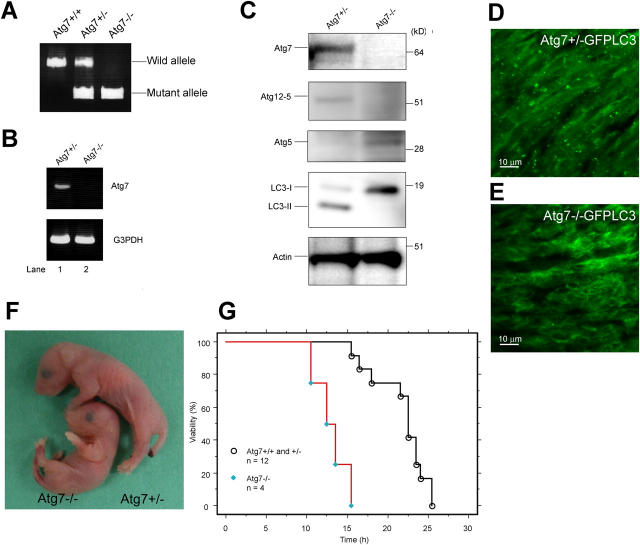
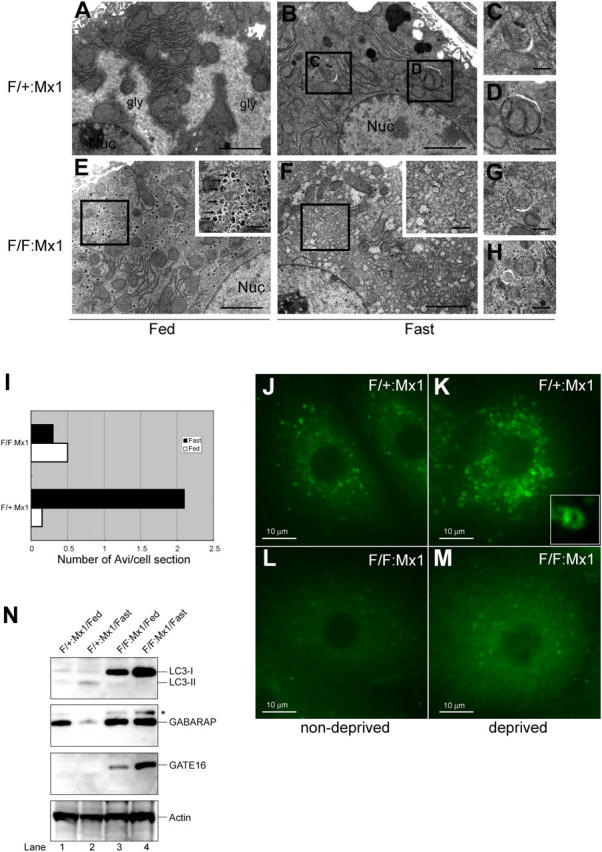
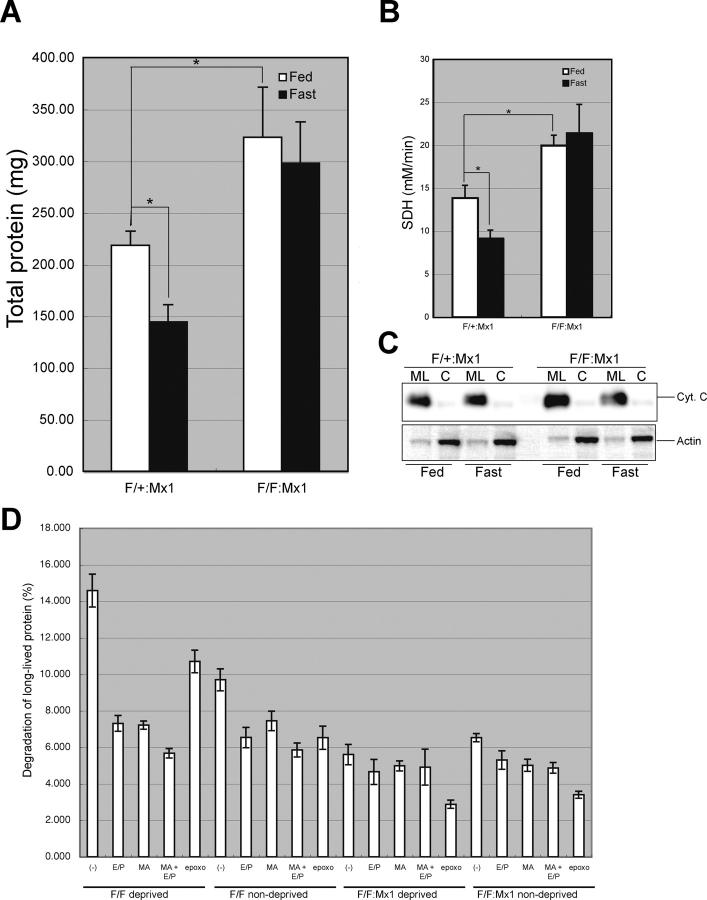
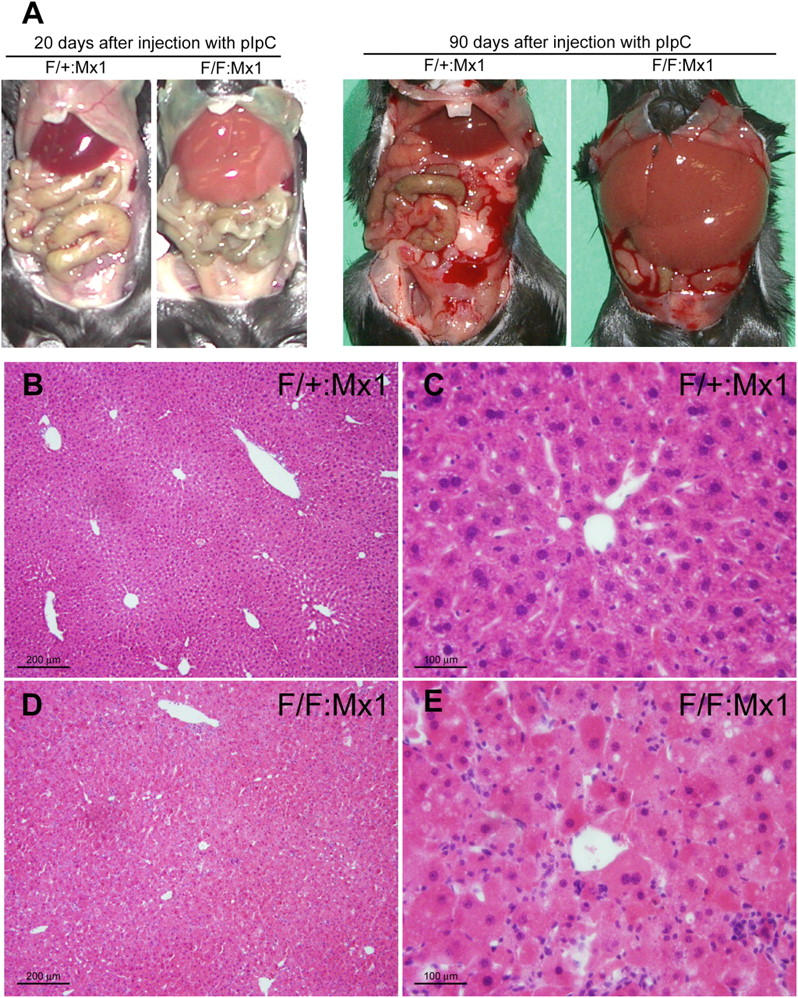
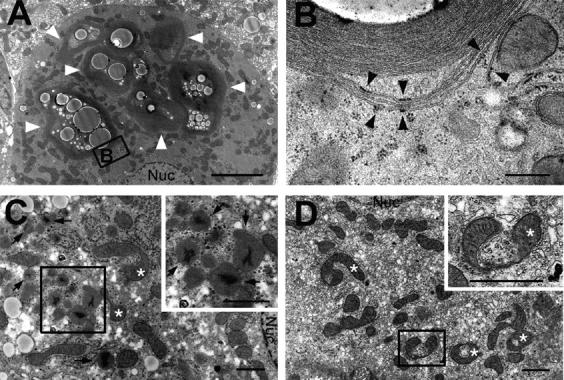
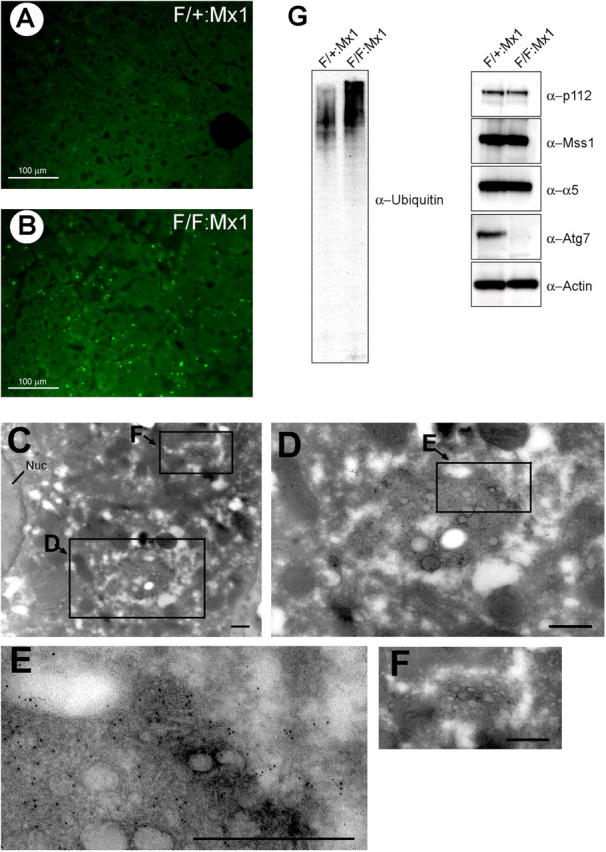
Autophagy is a membrane-trafficking mechanism that delivers cytoplasmic constituents into the lysosome/vacuole for bulk protein degradation. This mechanism is involved in the preservation of nutrients under starvation condition as well as the normal turnover of cytoplasmic component. Aberrant autophagy has been reported in several neurodegenerative disorders, hepatitis, and myopathies. Here, we generated conditional knockout mice of Atg7, an essential gene for autophagy in yeast. Atg7 was essential for ATG conjugation systems and autophagosome formation, amino acid supply in neonates, and starvation-induced bulk degradation of proteins and organelles in mice. Furthermore, Atg7 deficiency led to multiple cellular abnormalities, such as appearance of concentric membranous structure and deformed mitochondria, and accumulation of ubiquitin-positive aggregates. Our results indicate the important role of autophagy in starvation response and the quality control of proteins and organelles in quiescent cells.
Overview
The claims and statistics of this paper haven’t been checked yet.
Free: it reads the open-access text and checks the first 5 claims that cite a source we can check. Create a free account to check every claim.
Integrity signals
Registry
Cites
Statistics
Figures
Verification
Claims the paper makes
The claims and statistics of this paper haven’t been checked yet.
Free: it reads the open-access text and checks the first 5 claims that cite a source we can check. Create a free account to check every claim.
Claims other papers make about this one
Each is checked against this paper’s own text: does it say what the citing paper says it does?
The source backs part of the claim, not all of it — or backs it for a different population, condition or comparison.
In the citing paper
“whole‐body autophagy‐deficient mice undergo perinatal death due to their inability to withstand postnatal starvation (Kuma et al, 2004; Komatsu et al, 2005; Kuma et al, 2017).”
From Autophagy in major human diseases (2021) · cites this paper as Komatsu et al, 2005
Experimental — accuracy not yet measuredThe cited source says what the claim attributes to it.
In the citing paper
“Indeed, mice deficient for autophagy essential genes, such as ATG5, or ATG7, die soon after birth [220, 221].”
From The connection between the dynamic remodeling of the mitochondrial network and the regulation of muscle mass (2021) · cites this paper as [221]
The cited source says what the claim attributes to it.
In the citing paper
“The genetic suppression of basal autophagy in hepatocytes leads to hepatomegaly and exacerbated liver injury (Komatsu et al, 2005; Ni et al, 2012b; Cassidy et al, 2018).”
From Autophagy in major human diseases (2021) · cites this paper as Komatsu et al, 2005
The cited source says what the claim attributes to it.
In the citing paper
“mice with global KOs of the other autophagy related genes like Atg5 and Atg7 that die within a day after birth (Kuma et al., 2004; Komatsu et al., 2005; Cann et al., 2008).”
From Microtubule-associated protein 1 light chain 3B, (LC3B) is necessary to maintain lipid-mediated homeostasis in the retinal pigment epithelium (2018) · cites this paper as Komatsu et al., 2005
The cited source says what the claim attributes to it.
In the citing paper
“Atg7 encodes an E1-like enzyme essential in the ubiquitin-like conjugation systems required for autophagy, and Atg14 encodes a positive regulator of VPS34 (refs. 38,39).”
From Microglia clear neuron-released α-synuclein via selective autophagy and prevent neurodegeneration (2020) · cites this paper as [38]
2 more claims about this paper
Create a free account to see every claim other papers make about this one.
Self-check
Percentages, sums and reported differences re-computed from the paper’s own numbers.
The self-check needs the paper’s full text.
Citations
Cites
Repertoires of Autophagy in the Pathogenesis of Ocular Diseases
Li, Y.-J., Jiang, Q., Cao, G.-F., Yao, J., & Yan, B. (2015) · Cellular Physiology and Biochemistry · doi:10.1159/000373980 · Cited by 16,304
LC3, a mammalian homologue of yeast Apg8p, is localized in autophagosome membranes after processing.
Kabeya, Y., Mizushima, N., Ueno, T., Yamamoto, A., Kirisako, T., Noda, T., Kominami, E., Ohsumi, Y., & Yoshimori, T. (2000) · The EMBO Journal · doi:10.1093/emboj/19.21.5720 · Cited by 6,605 · cited 8×
“In mammals, there exist at least three Atg8 homologues that can all be activated by Atg7 (Tanida et al., 2001), GATE-16, GABARAP, and LC3 (Ohsumi, 2001), and they localize to the autophagosome (Kabeya et al., 2000, 2004).”
BackgroundMethodSelf-citationCui, C., Cui, J., Jin, F., Cui, Y., Li, R., Jiang, X., Tian, Y., Wang, K., Jiang, P., & Gao, J. (2017) · Cellular Physiology and Biochemistry · doi:10.1159/000479571 · Cited by 5,203
Levine, B., & Klionsky, D. J. (2004) · Developmental Cell · doi:10.1016/s1534-5807(04)00099-1 · Cited by 3,678 · cited 2×
“Furthermore, autophagy plays a role in cellular remodeling during differentiation and development of multicellular organisms, such as fly, worm, and slime mold (Levine and Klionsky, 2004), and cellular defense against invading streptococcus (Nakagawa et al.”
BackgroundAutophagy as a Regulated Pathway of Cellular Degradation
Klionsky, D. J., & Emr, S. D. (2000) · Science · doi:10.1126/science.290.5497.1717 · Cited by 3,608 · cited 1×
“In this lysosomal pathway, degradation of plasma membrane proteins and extracellular proteins is mediated by endocytosis, whereas degradation of cytoplasmic components is achieved through several pathways: macroautophagy, microautophagy, and chaperone-mediated autophagy (Seglen and Bohley, 1992; Dunn, 1994; Klionsky a…”
BackgroundAntimicrobial Autophagy: A Conserved Innate Immune Response in Drosophila
Moy, R. H., & Cherry, S. (2013) · Journal of Innate Immunity · doi:10.1159/000350326 · Cited by 3,539
Induction of autophagy and inhibition of tumorigenesis by beclin 1
Liang, X. H., Jackson, S., Seaman, M., Brown, K., Kempkes, B., Hibshoosh, H., & Levine, B. (1999) · Nature · doi:10.1038/45257 · Cited by 3,347 · cited 3×
“, low levels of autophagy were described in some malignant tumors (Liang et al., 1999).”
BackgroundThe role of autophagy during the early neonatal starvation period
Kuma, A., Hatano, M., Matsui, M., Yamamoto, A., Nakaya, H., Yoshimori, T., Ohsumi, Y., Tokuhisa, T., & Mizushima, N. (2004) · Nature · doi:10.1038/nature03029 · Cited by 2,865 · cited 4×
“We considered that Atg7 / mice could survive in utero by virtue of the nutrients supplied through the placenta but could not survive when the supply terminates after birth, as recently reported (Kuma et al., 2004).”
BackgroundSelf-citationAutophagy in Health and Disease: A Double-Edged Sword
Shintani, T., & Klionsky, D. J. (2004) · Science · doi:10.1126/science.1099993 · Cited by 2,534 · cited 2×
“In humans, autophagy has been implicated in several pathological conditions ( Shintani and Klionsky, 2004 ); e.g., low levels of autophagy were described in some malignant tumors (Liang et al., 1999).”
BackgroundPromotion of tumorigenesis by heterozygous disruption of the beclin 1 autophagy gene
Qu, X., Yu, J., Bhagat, G., Furuya, N., Hibshoosh, H., Troxel, A., Rosen, J., Eskelinen, E.-L., Mizushima, N., Ohsumi, Y., et al. (2003) · Journal of Clinical Investigation · doi:10.1172/jci20039 · Cited by 2,311 · cited 2×
“In contrast, elevated levels of autophagosome formation were reported in other human pathologies such as neurodegenerative diseases, myopathies, and liver injury (Mizushima et al., 2002; Perlmutter, 2002 ), and autophagy is implicated in the execution of cell death (Xue et al., 1999; Bursch, 2001).”
BackgroundSelf-citation
Research works printed but not linked: 1
- 1995, Eur. J. Cell Biol., 67, 308
Cited by
Items 301–400 of 1,024
Photoreceptor cell death and rescue in retinal detachment and degenerations
Murakami, Y., Notomi, S., Hisatomi, T., Nakazawa, T., Ishibashi, T., Miller, J. W., & Vavvas, D. G. (2013) · Progress in Retinal and Eye Research · doi:10.1016/j.preteyeres.2013.08.001 · Cited by 247
“Komatsu and colleagues demonstrated that liver-specific Atg7 deficiency leads to impaired autophagosome formation and hepatomegaly associated with hepatocyte swelling and accumulation of ubiquitin-positive protein aggregates (Komatsu et al., 2005).”
Intracellular Protein Aggregation Is a Proximal Trigger of Cardiomyocyte Autophagy
Tannous, P., Zhu, H., Nemchenko, A., Berry, J. M., Johnstone, J. L., Shelton, J. M., Miller, F. J., Rothermel, B. A., & Hill, J. A. (2008) · Circulation · doi:10.1161/circulationaha.107.763870 · Cited by 248
Li, M., Hou, Y., Wang, J., Chen, X., Shao, Z.-M., & Yin, X.-M. (2011) · Journal of Biological Chemistry · doi:10.1074/jbc.m110.199059 · Cited by 245
Autophagy regulates endothelial cell processing, maturation and secretion of von Willebrand factor
Torisu, T., Torisu, K., Lee, I. H., Liu, J., Malide, D., Combs, C. A., Wu, X. S., Rovira, I. I., Fergusson, M. M., Weigert, R., et al. (2013) · Nature Medicine · doi:10.1038/nm.3288 · Cited by 247
Self-citationThe crucial impact of lysosomes in aging and longevity
Carmona-Gutierrez, D., Hughes, A. L., Madeo, F., & Ruckenstuhl, C. (2016) · Ageing Research Reviews · doi:10.1016/j.arr.2016.04.009 · Cited by 244
Physiological Functions of Autophagy
Mizushima, N. (2009) · Current Topics in Microbiology and Immunology · doi:10.1007/978-3-642-00302-8_3 · Cited by 244
“The role of autophagy in mammalian development has not been well understood because mice deficient for Atg5 or Atg7 can survive embryogenesis (Kuma et al. 2004; Komatsu et al. 2005 ).”
BackgroundSelf-citationSelective degradation of p62 by autophagy
Ichimura, Y., & Komatsu, M. (2010) · Seminars in Immunopathology · doi:10.1007/s00281-010-0220-1 · Cited by 245
“Recent mouse genetic studies have indicated that inactivation of autophagy leads to the formation of cytoplasmic protein inclusions, which are composed of p62 and ubiquitinated proteins, and excess accumulation of deformed mitochondria and peroxisomes, leading to organ damage such as liver injury, diabetes, heart dise…”
BackgroundSelf-citationRegulation of innate immune responses by autophagy-related proteins
Saitoh, T., & Akira, S. (2010) · Journal of Cell Biology · doi:10.1083/jcb.201002021 · Cited by 245
“Indeed, mice deficient in Atg3, Atg5, or Atg7 die within 1 d of delivery, indicating that autophagy is essential for survival during neonatal starvation (Kuma et al., 2004; Komatsu et al., 2005; Sou et al., 2008).”
BackgroundResultAging: Central role for autophagy and the lysosomal degradative system
Rajawat, Y. S., Hilioti, Z., & Bossis, I. (2009) · Ageing Research Reviews · doi:10.1016/j.arr.2009.05.001 · Cited by 244
Autophagy, lipophagy and lysosomal lipid storage disorders
Ward, C., Martinez-Lopez, N., Otten, E. G., Carroll, B., Maetzel, D., Singh, R., Sarkar, S., & Korolchuk, V. I. (2016) · Biochimica et Biophysica Acta (BBA) - Molecular and Cell Biology of Lipids · doi:10.1016/j.bbalip.2016.01.006 · Cited by 244
“Knockout of essential autophagy genes, such as Atg5 or Atg7, prevents the formation of phagophores and autophagosomes, and are thus employed to model autophagy-deficient conditions [23,24].”
BackgroundNighot, P. K., Hu, C.-A. A., & Ma, T. Y. (2015) · Journal of Biological Chemistry · doi:10.1074/jbc.m114.597492 · Cited by 242
“Expression of two autophagy-related proteins, ATG16L1 and ATG7, both of which are known to be critical for the formation of isolation membranes of autophagosomes (32, 33), was knocked down by siRNA silencing in filter-grown Caco-2 monolayers.”
BackgroundDoes autophagy have a license to kill mammalian cells?
Scarlatti, F., Granata, R., Meijer, A. J., & Codogno, P. (2009) · Cell Death & Differentiation · doi:10.1038/cdd.2008.101 · Cited by 241
Insufficient Activation of Autophagy Allows Cellular Damage to Accumulate in Critically Ill Patients
Vanhorebeek, I., Gunst, J., Derde, S., Derese, I., Boussemaere, M., Güiza, F., Martinet, W., Timmermans, J.-P., D'Hoore, A., Wouters, P. J., et al. (2011) · The Journal of Clinical Endocrinology & Metabolism · doi:10.1210/jc.2010-2563 · Cited by 241
Fujita, Y., Araya, J., Ito, S., Kobayashi, K., Kosaka, N., Yoshioka, Y., Kadota, T., Hara, H., Kuwano, K., & Ochiya, T. (2015) · Journal of Extracellular Vesicles · doi:10.3402/jev.v4.28388 · Cited by 240
“Among the core Atg proteins, the physiological and pathological roles of Atg5 and Atg7 in autophagy machinery have been widely investigated in murine models (9,10).”
BackgroundSignaling pathways in mitochondrial dysfunction and aging
Mammucari, C., & Rizzuto, R. (2010) · Mechanisms of Ageing and Development · doi:10.1016/j.mad.2010.07.003 · Cited by 239
“Liver-specific autophagy-deficient mice display liver dysfunction, in particular hepatomegaly with concomitant accumulation of ubiquitin-positive aggregates (Komatsu et al., 2005).”
BackgroundGuidelines for evaluating myocardial cell death
Mishra, P. K., Adameova, A., Hill, J. A., Baines, C. P., Kang, P. M., Downey, J. M., Narula, J., Takahashi, M., Abbate, A., Piristine, H. C., et al. (2019) · American Journal of Physiology-Heart and Circulatory Physiology · doi:10.1152/ajpheart.00259.2019 · Cited by 236
“Because of the essential role of autophagy in cellular homeostasis, full-body knockout animals may either not survive or exhibit multi-organ dysfunction that contributes secondarily to a cardiac phenotype, as seen with atg5 / and atg7 / mice (126, 131, 212).”
BackgroundNiedelman, W., Gold, D. A., Rosowski, E. E., Sprokholt, J. K., Lim, D., Farid Arenas, A., Melo, M. B., Spooner, E., Yaffe, M. B., & Saeij, J. P. J. (2012) · PLoS Pathogens · doi:10.1371/journal.ppat.1002784 · Cited by 238
“Sinai (University of Kentucky College of Medicine, Lexington, KY), Atg7+/2 and Atg72/2 MEFs [58] from Masaaki Komatsu (The Tokyo Metropolitan Institute Medical Science) and all MEFs were grown in HFF media supplemented with 10 mM Hepes.”
MethodInfluentialKuma, A., & Mizushima, N. (2010) · Seminars in Cell & Developmental Biology · doi:10.1016/j.semcdb.2010.03.002 · Cited by 237
Self-citationChapter 1 Monitoring Autophagy in Mammalian Cultured Cells through the Dynamics of LC3
Kimura, S., Fujita, N., Noda, T., & Yoshimori, T. (2009) · Methods in Enzymology · doi:10.1016/s0076-6879(08)03601-x · Cited by 235
Autophagy in tumorigenesis and energy metabolism: friend by day, foe by night
Mathew, R., & White, E. (2011) · Current Opinion in Genetics & Development · doi:10.1016/j.gde.2010.12.008 · Cited by 236
Walking the tightrope: proteostasis and neurodegenerative disease
Yerbury, J. J., Ooi, L., Dillin, A., Saunders, D. N., Hatters, D. M., Beart, P. M., Cashman, N. R., Wilson, M. R., & Ecroyd, H. (2016) · Journal of Neurochemistry · doi:10.1111/jnc.13575 · Cited by 232
“However, the essential role of autophagy in brain has been convincingly demonstrated by evidence such as the accumulation of abnormal organelles and ubiquitinated proteins in the autophagy-deficient Atg7 (autophagy related protein 7) knockout mouse (Komatsu et al. 2005).”
BackgroundQiang, L., Yang, S., Cui, Y.-H., & He, Y.-Y. (2021) · Autophagy · doi:10.1080/15548627.2020.1816342 · Cited by 233
Temporal orchestration of circadian autophagy rhythm by C/EBPβ
Ma, D., Panda, S., & Lin, J. D. (2011) · The EMBO Journal · doi:10.1038/emboj.2011.322 · Cited by 234
“In addition, autop- hagy plays an important role in removing protein aggregates and damaged organelles (Komatsu et al, 2005, 2006, 2007; Ebato et al, 2008; Klionsky et al, 2008).”
BackgroundThe Spectrum of Achalasia: Lessons From Studies of Pathophysiology and High-Resolution Manometry
Kahrilas, P. J., & Boeckxstaens, G. (2013) · Gastroenterology · doi:10.1053/j.gastro.2013.08.038 · Cited by 235
Wu, H., Wang, Y., Li, W., Chen, H., Du, L., Liu, D., Wang, X., Xu, T., Liu, L., & Chen, Q. (2019) · Autophagy · doi:10.1080/15548627.2019.1596482 · Cited by 234
Livingston, M. J., Shu, S., Fan, Y., Li, Z., Jiao, Q., Yin, X.-M., Venkatachalam, M. A., & Dong, Z. (2023) · Autophagy · doi:10.1080/15548627.2022.2072054 · Cited by 230
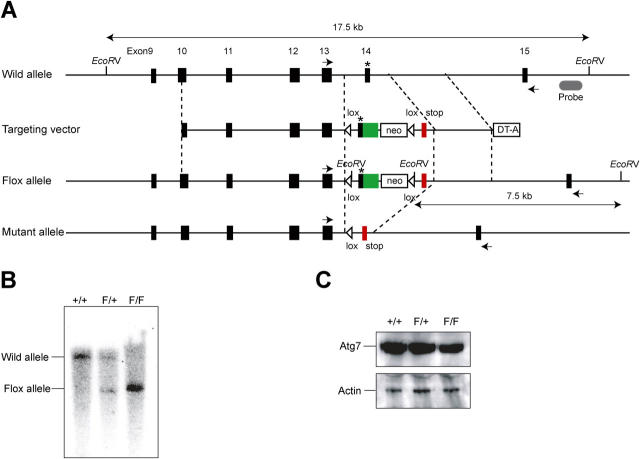
“2 Kb product for atg7 deletion allele [59].”
BackgroundStaying alive: Metabolic adaptations to quiescence
Valcourt, J. R., Lemons, J. M. S., Haley, E. M., Kojima, M., Demuren, O. O., & Coller, H. A. (2012) · Cell Cycle · doi:10.4161/cc.19879 · Cited by 232
Autophagy signal transduction by ATG proteins: from hierarchies to networks
Wesselborg, S., & Stork, B. (2015) · Cellular and Molecular Life Sciences · doi:10.1007/s00018-015-2034-8 · Cited by 229
Zhang, J., Randall, M. S., Loyd, M. R., Dorsey, F. C., Kundu, M., Cleveland, J. L., & Ney, P. A. (2009) · Blood · doi:10.1182/blood-2008-04-151639 · Cited by 231
Nediani, C., Ruzzolini, J., Romani, A., & Calorini, L. (2019) · Antioxidants · doi:10.3390/antiox8120578 · Cited by 231
“Indeed, knockout of the Atg7 gene in mice, an essential gene for autophagy, shows in vivo typical Parkinson’ disease (PD) features like Lewy bodies (LBs) formation, including endogenous synuclein and neuronal loss, as well as hepatomegaly with mutant hepatocytes showing accumulation of ubiquitin-positive aggregates [9…”
BackgroundAge related macular degeneration and drusen: Neuroinflammation in the retina
Buschini, E., Piras, A., Nuzzi, R., & Vercelli, A. (2011) · Progress in Neurobiology · doi:10.1016/j.pneurobio.2011.05.011 · Cited by 230
Mechanisms of necroptosis in T cells
Ch’en, I. L., Tsau, J. S., Molkentin, J. D., Komatsu, M., & Hedrick, S. M. (2011) · Journal of Experimental Medicine · doi:10.1084/jem.20110251 · Cited by 230
“Mice with a conditional Atg7 deletion (Komatsu et al., 2005) were crossed with mice bearing Casp8f/f.”
BackgroundSelf-citationMetabolic catastrophe as a means to cancer cell death
Jin, S., DiPaola, R. S., Mathew, R., & White, E. (2007) · Journal of Cell Science · doi:10.1242/jcs.03349 · Cited by 229
“Normal mammalian cells require basal autophagy for normal organelle and protein turnover and autophagy induction is required to sustain metabolism and viability particularly during periods of starvation (Hara et al., 2006; Komatsu et al., 2006; Komatsu et al., 2005; Kuma et al., 2004).”
BackgroundVion, A.-C., Kheloufi, M., Hammoutene, A., Poisson, J., Lasselin, J., Devue, C., Pic, I., Dupont, N., Busse, J., Stark, K., et al. (2017) · Proceedings of the National Academy of Sciences · doi:10.1073/pnas.1702223114 · Cited by 229
Macroautophagy is dispensable for growth of KRAS mutant tumors and chloroquine efficacy
Eng, C. H., Wang, Z., Tkach, D., Toral-Barza, L., Ugwonali, S., Liu, S., Fitzgerald, S. L., George, E., Frias, E., Cochran, N., et al. (2016) · Proceedings of the National Academy of Sciences · doi:10.1073/pnas.1515617113 · Cited by 227
“Upon starvation, macroautophagy can be induced above basal levels to supply the cell with nutrients (6, 7).”
BackgroundAutophagy and aging: Maintaining the proteome through exercise and caloric restriction
Escobar, K. A., Cole, N. H., Mermier, C. M., & VanDusseldorp, T. A. (2019) · Aging Cell · doi:10.1111/acel.12876 · Cited by 227
“…(Hartleben et al., 2010; Komatsu et al., 2005; Masiero et al., 2009), abnormal protein aggregation (Liang & Jung, 2010; Liang, Wang, Peng, Gan, & Guan, 2010; Wu et al., 2009), dis- organized mitochondria (Komatsu et al., 2005; Masiero et al., 2009), and endoplasmic stress (Hartleben et al., 2010).”
Liu, F., Fang, F., Yuan, H., Yang, D., Chen, Y., Williams, L., Goldstein, S. A., Krebsbach, P. H., & Guan, J.-L. (2013) · Journal of Bone and Mineral Research · doi:10.1002/jbmr.1971 · Cited by 226
“However, in contrast to the reported deformed mitochondria in Atg7‐deficient hepatic cells((64)) and FIP200‐deficient mammary tumor cells,((40)) we did not notice obvious mitochondria deformation in CKO cells, whereas we found that the mitochondria size was increased in these cells.”
BackgroundResultBrosius Lutz, A., Chung, W.-S., Sloan, S. A., Carson, G. A., Zhou, L., Lovelett, E., Posada, S., Zuchero, J. B., & Barres, B. A. (2017) · Proceedings of the National Academy of Sciences · doi:10.1073/pnas.1710566114 · Cited by 225
A common role for Atg16L1, Atg5, and Atg7 in small intestinal Paneth cells and Crohn disease
Cadwell, K., Patel, K. K., Komatsu, M., Virgin, IV, & Stappenbeck, T. S. (2009) · Autophagy · doi:10.4161/auto.5.2.7560 · Cited by 224
Self-citationTian, Y., Bustos, V., Flajolet, M., & Greengard, P. (2011) · The FASEB Journal · doi:10.1096/fj.10-175158 · Cited by 224
“Atg5 plays an essential role in degradation of A and APP-CTF, induced by starvation or SMER28 The biological functions of autophagy have been examined by generating mice lacking several critical genes such as: Atg5 (5), beclin 1 (32, 33), and Atg7 (34).”
BackgroundKaniuk, N. A., Kiraly, M., Bates, H., Vranic, M., Volchuk, A., & Brumell, J. H. (2007) · Diabetes · doi:10.2337/db06-1160 · Cited by 223
Vaccine Activation of the Nutrient Sensor GCN2 in Dendritic Cells Enhances Antigen Presentation
Ravindran, R., Khan, N., Nakaya, H. I., Li, S., Loebbermann, J., Maddur, M. S., Park, Y., Jones, D. P., Chappert, P., Davoust, J., et al. (2014) · Science · doi:10.1126/science.1246829 · Cited by 221
Vasheghani, F., Zhang, Y., Li, Y.-H., Blati, M., Fahmi, H., Lussier, B., Roughley, P., Lagares, D., Endisha, H., Saffar, B., et al. (2015) · Annals of the Rheumatic Diseases · doi:10.1136/annrheumdis-2014-205743 · Cited by 221
TXNIP/VDUP1 attenuates steatohepatitis via autophagy and fatty acid oxidation
Park, H.-S., Song, J.-W., Park, J.-H., Lim, B.-K., Moon, O.-S., Son, H.-Y., Lee, J.-H., Gao, B., Won, Y.-S., & Kwon, H.-J. (2021) · Autophagy · doi:10.1080/15548627.2020.1834711 · Cited by 219
Autophagy Regulates Endoplasmic Reticulum Homeostasis and Calcium Mobilization in T Lymphocytes
Jia, W., Pua, H. H., Li, Q.-J., & He, Y.-W. (2011) · The Journal of Immunology · doi:10.4049/jimmunol.1001822 · Cited by 219
Autophagy inhibition enhances vorinostat‐induced apoptosis via ubiquitinated protein accumulation
Carew, J. S., Medina, E. C., Esquivel II, J. A., Mahalingam, D., Swords, R., Kelly, K., Zhang, H., Huang, P., Mita, A. C., Mita, M. M., et al. (2010) · Journal of Cellular and Molecular Medicine · doi:10.1111/j.1582-4934.2009.00832.x · Cited by 219
“To elucidate the mechanism(s) of CQ/VOR-mediated apoptosis, we knocked down the expression levels of Atg7, an essential gene required for autophagy [36], which dramatically enhanced VOR-induced apoptosis.”
BackgroundResultInfluentialKabuta, T., Suzuki, Y., & Wada, K. (2006) · Journal of Biological Chemistry · doi:10.1074/jbc.m603337200 · Cited by 219
Involvement of autophagy in trypsinogen activation within the pancreatic acinar cells
Hashimoto, D., Ohmuraya, M., Hirota, M., Yamamoto, A., Suyama, K., Ida, S., Okumura, Y., Takahashi, E., Kido, H., Araki, K., et al. (2008) · The Journal of Cell Biology · doi:10.1083/jcb.200712156 · Cited by 217
“The online version of this article contains supplemental material.”
Self-citationWan, G., Zhaorigetu, S., Liu, Z., Kaini, R., Jiang, Z., & Hu, C.-A. A. (2008) · Journal of Biological Chemistry · doi:10.1074/jbc.m800214200 · Cited by 218
Li, H., Li, D., Ma, Z., Qian, Z., Kang, X., Jin, X., Li, F., Wang, X., Chen, Q., Sun, H., et al. (2018) · Autophagy · doi:10.1080/15548627.2018.1483807 · Cited by 216
Autophagy regulates testosterone synthesis by facilitating cholesterol uptake in Leydig cells
Gao, F., Li, G., Liu, C., Gao, H., Wang, H., Liu, W., Chen, M., Shang, Y., Wang, L., Shi, J., et al. (2018) · Journal of Cell Biology · doi:10.1083/jcb.201710078 · Cited by 213
Molecular mechanism and regulation of autophagy1
YANG, Y.-P., LIANG, Z.-Q., GU, Z.-L., & QIN, Z.-H. (2005) · Acta Pharmacologica Sinica · doi:10.1111/j.1745-7254.2005.00235.x · Cited by 214
Autophagy defends pancreatic β cells from human islet amyloid polypeptide-induced toxicity
Rivera, J. F., Costes, S., Gurlo, T., Glabe, C. G., & Butler, P. C. (2014) · Journal of Clinical Investigation · doi:10.1172/jci71981 · Cited by 214
“Tokyo, Japan), and their generation is explained in detail elsewhere (51).”
Essential role for autophagy in the maintenance of immunological memory against influenza infection
Chen, M., Hong, M. J., Sun, H., Wang, L., Shi, X., Gilbert, B. E., Corry, D. B., Kheradmand, F., & Wang, J. (2014) · Nature Medicine · doi:10.1038/nm.3521 · Cited by 213
“To determine whether autophagy protects memory B cells in vivo , we generated B/ Atg7 −/− mice by crossing CD19-cre mice with Atg7 flox mice 39 (Supplementary Fig.”
Autophagy Modulation in Cancer: Current Knowledge on Action and Therapy
Marinković, M., Šprung, M., Buljubašić, M., & Novak, I. (2018) · Oxidative Medicine and Cellular Longevity · doi:10.1155/2018/8023821 · Cited by 211
“They named it an “alternative autophagy,” since ATG5 and ATG7 were until then considered crucial for mammalian autophagy [10, 29, 30].”
BackgroundMacrophage autophagy in macrophage polarization, chronic inflammation and organ fibrosis
Wen, J.-H., Li, D.-Y., Liang, S., Yang, C., Tang, J.-X., & Liu, H.-F. (2022) · Frontiers in Immunology · doi:10.3389/fimmu.2022.946832 · Cited by 210
Excess Peroxisomes Are Degraded by Autophagic Machinery in Mammals
Iwata, J.-I., Ezaki, J., Komatsu, M., Yokota, S., Ueno, T., Tanida, I., Chiba, T., Tanaka, K., & Kominami, E. (2006) · Journal of Biological Chemistry · doi:10.1074/jbc.m512283200 · Cited by 212
Self-citationAMPK and autophagy in glucose/glycogen metabolism
Ha, J., Guan, K.-L., & Kim, J. (2015) · Molecular Aspects of Medicine · doi:10.1016/j.mam.2015.08.002 · Cited by 211
Autophagic Stress in Neuronal Injury and Disease
Chu, C. T. (2006) · Journal of Neuropathology & Experimental Neurology · doi:10.1097/01.jnen.0000229233.75253.be · Cited by 211
“Indeed, mice conditionally lacking Atg7, the E1-like activating enzyme for Atg12 and Atg8, accumulate ubiquitinated aggregates (86).”
BackgroundHerranz, D., Ambesi-Impiombato, A., Sudderth, J., Sánchez-Martín, M., Belver, L., Tosello, V., Xu, L., Wendorff, A. A., Castillo, M., Haydu, J. E., et al. (2015) · Nature Medicine · doi:10.1038/nm.3955 · Cited by 208
Activation and targeting of ATG8 protein lipidation
Martens, S., & Fracchiolla, D. (2020) · Cell Discovery · doi:10.1038/s41421-020-0155-1 · Cited by 209
Proteins under new management: lipid droplets deliver
Welte, M. A. (2007) · Trends in Cell Biology · doi:10.1016/j.tcb.2007.06.004 · Cited by 208
Atg7 Overcomes Senescence and Promotes Growth of Braf V600E-Driven Melanoma
Xie, X., Koh, J. Y., Price, S., White, E., & Mehnert, J. M. (2015) · Cancer Discovery · doi:10.1158/2159-8290.cd-14-1473 · Cited by 208
Gammoh, N., Florey, O., Overholtzer, M., & Jiang, X. (2013) · Nature Structural & Molecular Biology · doi:10.1038/nsmb.2475 · Cited by 208
“Depletion of any of ATG5, ATG16L1 or ATG7 completely abolishes autophagosome formation 10–12 .”
Autophagy in cancer development, immune evasion, and drug resistance
Niu, X., You, Q., Hou, K., Tian, Y., Wei, P., Zhu, Y., Gao, B., Ashrafizadeh, M., Aref, A. R., Kalbasi, A., et al. (2025) · Drug Resistance Updates · doi:10.1016/j.drup.2024.101170 · Cited by 191
Fregno, I., Fasana, E., Bergmann, T. J., Raimondi, A., Loi, M., Soldà, T., Galli, C., D'Antuono, R., Morone, D., Danieli, A., et al. (2018) · The EMBO Journal · doi:10.15252/embj.201899259 · Cited by 207
“, LC3B (Novus), GFP (Abcam), ATG4B (Sigma), ATG7 (Sigma), ATG1/ULK1 (Sigma), ATG13 (Sigma), ATG9A (Sigma), Rubicon (Abcam).”
BackgroundInfluentialAutophagy in the physiology and pathology of the central nervous system
Nikoletopoulou, V, Papandreou, M.-E., & Tavernarakis, N. (2015) · Cell Death & Differentiation · doi:10.1038/cdd.2014.204 · Cited by 207
Ohsaki, Y., Cheng, J., Fujita, A., Tokumoto, T., & Fujimoto, T. (2006) · Molecular Biology of the Cell · doi:10.1091/mbc.e05-07-0659 · Cited by 205
“More recently, using Atg7-deficient mice, ubiquitinated proteins were shown to aggregate even in the presence of functional proteasomes, and the aggregates were shown to be eliminated by the autophagic process (Komatsu et al., 2005).”
Autophagy regulates Notch degradation and modulates stem cell development and neurogenesis
Wu, X., Fleming, A., Ricketts, T., Pavel, M., Virgin, H., Menzies, F. M., & Rubinsztein, D. C. (2016) · Nature Communications · doi:10.1038/ncomms10533 · Cited by 204
Suppression of Autophagy in Osteocytes Mimics Skeletal Aging
Onal, M., Piemontese, M., Xiong, J., Wang, Y., Han, L., Ye, S., Komatsu, M., Selig, M., Weinstein, R. S., Zhao, H., et al. (2013) · Journal of Biological Chemistry · doi:10.1074/jbc.m112.444190 · Cited by 206
“Mice lacking Atg7 in all tissues die within 1 day after birth (22), but Dmp1-Cre;Atg7-f/f mice were obtained at the expectedMendelian frequency when analyzed at 21 days of age.”
BackgroundMethodSelf-citationRegulation of YAP by mTOR and autophagy reveals a therapeutic target of tuberous sclerosis complex
Liang, N., Zhang, C., Dill, P., Panasyuk, G., Pion, D., Koka, V., Gallazzini, M., Olson, E. N., Lam, H., Henske, E. P., et al. (2014) · Journal of Experimental Medicine · doi:10.1084/jem.20140341 · Cited by 205
“Atg7 +/+ and Atg7 / MEFs were provided by M. Komatsu (Tokyo Metro-politan Institute of Medical Science, Tokyo, Japan; Komatsu et al., 2005) and cultured in DMEM with 10% FBS, 1% nonessential amino acid (Invit-rogen), 1% penicillin/streptomycin.”
Sou, Y.-S., Tanida, I., Komatsu, M., Ueno, T., & Kominami, E. (2006) · Journal of Biological Chemistry · doi:10.1074/jbc.m505888200 · Cited by 205
Self-citationHonda, S., Arakawa, S., Nishida, Y., Yamaguchi, H., Ishii, E., & Shimizu, S. (2014) · Nature Communications · doi:10.1038/ncomms5004 · Cited by 203
Oxidation of Atg3 and Atg7 mediates inhibition of autophagy
Frudd, K., Burgoyne, T., & Burgoyne, J. R. (2018) · Nature Communications · doi:10.1038/s41467-017-02352-z · Cited by 203
Basic Biology of Skeletal Aging: Role of Stress Response Pathways
Almeida, M., & O'Brien, C. A. (2013) · The Journals of Gerontology Series A: Biological Sciences and Medical Sciences · doi:10.1093/gerona/glt079 · Cited by 201
The multifaceted role of autophagy in cancer and the microenvironment
Folkerts, H., Hilgendorf, S., Vellenga, E., Bremer, E., & Wiersma, V. R. (2019) · Medicinal Research Reviews · doi:10.1002/med.21531 · Cited by 199
FGF signalling regulates bone growth through autophagy
Cinque, L., Forrester, A., Bartolomeo, R., Svelto, M., Venditti, R., Montefusco, S., Polishchuk, E., Nusco, E., Rossi, A., Medina, D. L., et al. (2015) · Nature · doi:10.1038/nature16063 · Cited by 199
The Autophagy Lysosomal Pathway and Neurodegeneration
Finkbeiner, S. (2020) · Cold Spring Harbor Perspectives in Biology · doi:10.1101/cshperspect.a033993 · Cited by 196
“Others have shown that germline mutations that are designed to block specific arms of the protein homeostasis pathway, such as autophagy, are sufficient to induce neurodegeneration (Komatsu et al. 2005, 2006;Hara et al. 2006).”
BackgroundAutophagy in Load-Induced Heart Disease
Rothermel, B. A., & Hill, J. A. (2008) · Circulation Research · doi:10.1161/circresaha.108.186551 · Cited by 199
Autophagy: Regulation and role in disease
Meijer, A. J., & Codogno, P. (2009) · Critical Reviews in Clinical Laboratory Sciences · doi:10.1080/10408360903044068 · Cited by 199
The role of autophagy in tumour development and cancer therapy
Rosenfeldt, M. T., & Ryan, K. M. (2009) · Expert Reviews in Molecular Medicine · doi:10.1017/s1462399409001306 · Cited by 196
Autophagic removal of micronuclei
Rello-Varona, S., Lissa, D., Shen, S., Niso-Santano, M., Senovilla, L., Mariño, G., Vitale, I., Jemaá, M., Harper, F., Pierron, G., et al. (2012) · Cell Cycle · doi:10.4161/cc.11.1.18564 · Cited by 198
Autophagy in health and disease. 1. Regulation and significance of autophagy: an overview
Mehrpour, M., Esclatine, A., Beau, I., & Codogno, P. (2010) · American Journal of Physiology-Cell Physiology · doi:10.1152/ajpcell.00507.2009 · Cited by 198
BNIP3L/NIX degradation leads to mitophagy deficiency in ischemic brains
Wu, X., Zheng, Y., Liu, M., Li, Y., Ma, S., Tang, W., Yan, W., Cao, M., Zheng, W., Jiang, L., et al. (2021) · Autophagy · doi:10.1080/15548627.2020.1802089 · Cited by 196
“To further identify mitophagy deficiency, atg7 (autophagy related 7) knockout primary cortical neurons (Atg7; hSynCre) [29] were used.”
MethodRomanello, V., & Sandri, M. (2021) · Cellular and Molecular Life Sciences · doi:10.1007/s00018-020-03662-0 · Cited by 197
Autophagy and Apoptosis Act as Partners to Induce Germ Cell Death after Heat Stress in Mice
Zhang, M., Jiang, M., Bi, Y., Zhu, H., Zhou, Z., & Sha, J. (2012) · PLoS ONE · doi:10.1371/journal.pone.0041412 · Cited by 196
“Atg7 is required for initiating the formation of autophagic vacuoles [41], and the down-expression of Atg7 in mouse L929 cells reduced autophagic cell death [42].”
BackgroundTumor Suppression and Promotion by Autophagy
Ávalos, Y., Canales, J., Bravo-Sagua, R., Criollo, A., Lavandero, S., & Quest, A. F. G. (2014) · BioMed Research International · doi:10.1155/2014/603980 · Cited by 196
“Because systemic deletion of Atg3, Atg5, Atg7, Atg9, or Atg16L1 causes neonatal death [68–72], long-term effects of the inhibition of autophagy could not be assessed until mice with systemic mosaic Atg5 deletion were generated.”
Autophagy for tissue homeostasis and neuroprotection
Mariño, G., Madeo, F., & Kroemer, G. (2011) · Current Opinion in Cell Biology · doi:10.1016/j.ceb.2010.10.001 · Cited by 195
Impaired autophagy: A mechanism of mitochondrial dysfunction in anoxic rat hepatocytes
Kim, J.-S., Nitta, T., Mohuczy, D., O'Malley, K. A., Moldawer, L. L., Dunn, W. A., & Behrns, K. E. (2008) · Hepatology · doi:10.1002/hep.22187 · Cited by 195
Abdullah, C. S., Alam, S., Aishwarya, R., Miriyala, S., Bhuiyan, M. A. N., Panchatcharam, M., Pattillo, C. B., Orr, A. W., Sadoshima, J., Hill, J. A., et al. (2019) · Scientific Reports · doi:10.1038/s41598-018-37862-3 · Cited by 193
Emerging roles of ATG7 in human health and disease
Collier, J. J., Suomi, F., Oláhová, M., McWilliams, T. G., & Taylor, R. W. (2021) · EMBO Molecular Medicine · doi:10.15252/emmm.202114824 · Cited by 193
“Knockout Phenotypes References Whole body (embryonic) • Perinatal lethal Komatsu et al (2005) Whole body (adult) • Neurodegeneration • Susceptibility to infection Karsli-Uzunbas et al (2014) Central nervous system • Neurodegeneration • Ataxia • Behavioural abnormalities Kim et al (2017), Komatsu et…”
BackgroundInfluentialAutophagy regulates lipid metabolism through selective turnover of NCoR1
Saito, T., Kuma, A., Sugiura, Y., Ichimura, Y., Obata, M., Kitamura, H., Okuda, S., Lee, H.-C., Ikeda, K., Kanegae, Y., et al. (2019) · Nature Communications · doi:10.1038/s41467-019-08829-3 · Cited by 193
Self-citationBejarano, E., & Cuervo, A. M. (2010) · Proceedings of the American Thoracic Society · doi:10.1513/pats.200909-102js · Cited by 191
Developmental Consequences of Defective ATG7-Mediated Autophagy in Humans
Collier, J. J., Guissart, C., Oláhová, M., Sasorith, S., Piron-Prunier, F., Suomi, F., Zhang, D., Martinez-Lopez, N., Leboucq, N., Bahr, A., et al. (2021) · New England Journal of Medicine · doi:10.1056/nejmoa1915722 · Cited by 192
Luo, L., Lu, A.-M., Wang, Y., Hong, A., Chen, Y., Hu, J., Li, X., & Qin, Z.-H. (2013) · Experimental Gerontology · doi:10.1016/j.exger.2013.02.009 · Cited by 192
Stephenson, L. M., Miller, B. C., Ng, A., Eisenberg, J., Zhao, Z., Cadwell, K., Graham, D. B., Mizushima, N. N., Xavier, R., Virgin, H. W., et al. (2009) · Autophagy · doi:10.4161/auto.5.5.8133 · Cited by 192
Self-citationFukuo, Y., Yamashina, S., Sonoue, H., Arakawa, A., Nakadera, E., Aoyama, T., Uchiyama, A., Kon, K., Ikejima, K., & Watanabe, S. (2014) · Hepatology Research · doi:10.1111/hepr.12282 · Cited by 192
Autophagy is essential for mouse sense of balance
Mariño, G., Fernández, A. F., Cabrera, S., Lundberg, Y. W., Cabanillas, R., Rodríguez, F., Salvador-Montoliu, N., Vega, J. A., Germanà, A., Fueyo, A., et al. (2010) · Journal of Clinical Investigation · doi:10.1172/jci42601 · Cited by 189
Godar, R. J., Ma, X., Liu, H., Murphy, J. T., Weinheimer, C. J., Kovacs, A., Crosby, S. D., Saftig, P., & Diwan, A. (2015) · Autophagy · doi:10.1080/15548627.2015.1063768 · Cited by 191
“Indeed, autophagy is essential for cardiac homeostasis in the perinatal starvation period at birth, prior to establishment of maternal milk supply; as mice with genetic ablation of autophagy proteins ATG5 and ATG7 cannot form autophagosomes and develop fatal myocardial ischemia.(14,15) Autophagy is also essential for…”
BackgroundLévy, J., Cacheux, W., Bara, M. A., L’Hermitte, A., Lepage, P., Fraudeau, M., Trentesaux, C., Lemarchand, J., Durand, A., Crain, A.-M., et al. (2015) · Nature Cell Biology · doi:10.1038/ncb3206 · Cited by 189
Metadata
- Authors
- Komatsu, M., Waguri, S., Ueno, T., Iwata, J., Murata, S., Tanida, I., Ezaki, J., Mizushima, N., Ohsumi, Y., Uchiyama, Y., Kominami, E., Tanaka, K., & Chiba, T.
- Affiliations
- Juntendo University (JP)
- The University of Osaka (JP)
- Tokyo Metropolitan Institute of Medical Science (JP)
- National Institute for Basic Biology (JP)
- Corresponding author
- Chiba, Tomoki
- ORCID
- Venue
- The Journal of Cell Biology
- Publisher
- Rockefeller University Press
- Published
- 2005-05-02
- Volume
- 169
- Issue
- 3
- Pages
- 425-434
- ISSN
- 0021-9525 (ISSN-L)
- 1540-8140
- PMC
- PMC2171928
- OpenAlex
- W2146887271
- Cited by
- 2,331
- References
- 49
- Citations by year
- 2026: 43 · 2025: 91 · 2024: 82 · 2023: 96 · 2022: 112 · 2021: 123 · 2020: 138 · 2019: 135 · 2018: 128 · 2017: 134 · 2016: 160 · 2015: 156 · 2014: 148 · 2013: 154 · 2012: 127
- FWCI
- 44.94
- Type
- journal article
- Language
- en
- Open access
- bronze
- doi.org
- Locations
- The Journal of Cell Biology (publishedVersion)
- PubMed Central (publishedVersion, cc-by-nc-sa)
- PubMed (publishedVersion)
- Funders
- Ministry of Education, Culture, Sports, Science and Technology
- Topics
- Life Sciences › Biochemistry, Genetics and Molecular Biology › Cell Biology › Autophagy in Disease and Therapy
- Life Sciences › Biochemistry, Genetics and Molecular Biology › Molecular Biology › Ubiquitin and proteasome pathways
- Life Sciences › Biochemistry, Genetics and Molecular Biology › Aging › Genetics, Aging, and Longevity in Model Organisms
- Keywords
- autophagy, ATG7, starvation response, autophagosome formation, protein quality control, organelle degradation, mitochondrial abnormalities, lysosomes, conditional knockout mice, neurodegenerative diseases
- MeSH terms
- Autophagy-Related Protein 7, Animals, Animals, Newborn, Autophagy, Cell Line, Inclusion Bodies, Hepatomegaly, Intracellular Membranes, Liver, Microtubule-Associated Proteins, Mitochondria, Phenotype, Starvation, Organelles, Mice, Knockout, Hepatocytes, Ubiquitin, Saccharomyces cerevisiae Proteins, Mice
About these checks
Registry, retraction, Cites and statistics results are computed, not judged, with one exception: a printed reference that no index lists is read once by a model before it counts as a citation error. Claims are extracted by a model and kept only when their quote appears verbatim in the text; each cited source is then checked, with a model’s help, for whether it says what the claim relies on. Those verdicts can be wrong — read the claim’s quote and the cited source before relying on one.
Statistics and arithmetic are recomputed, not judged.
Confidence bands are shown only for fields calibrated on our annotated test set. None is calibrated yet, so no band is shown.
What counts as a claim ›How we measure confidence ›How we check this ›
Are you an author, or do you see a problem with this page? Request a review
Data sources
Bibliographic data: Semantic Scholar, OpenAlex, Crossref.
Contains information from the Semantic Scholar Academic Graph Datasets, made available under the ODC Attribution License (ODC-BY 1.0).
Semantic Scholar’s data is described in: Kinney, R., et al. (2023). The Semantic Scholar Open Data Platform. arXiv:2301.10140.
