

Impairment of starvation-induced and constitutive autophagy in Atg7 -deficient mice
Open accessThe DOI matches its Crossref record; 49 of the 49 references it cites were found in a registry or an index.
Abstract
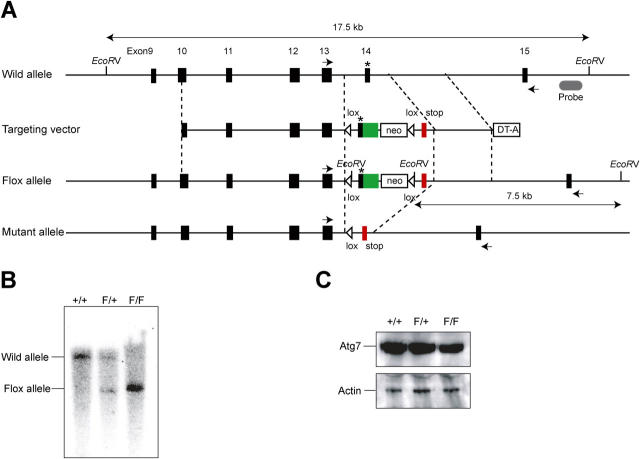
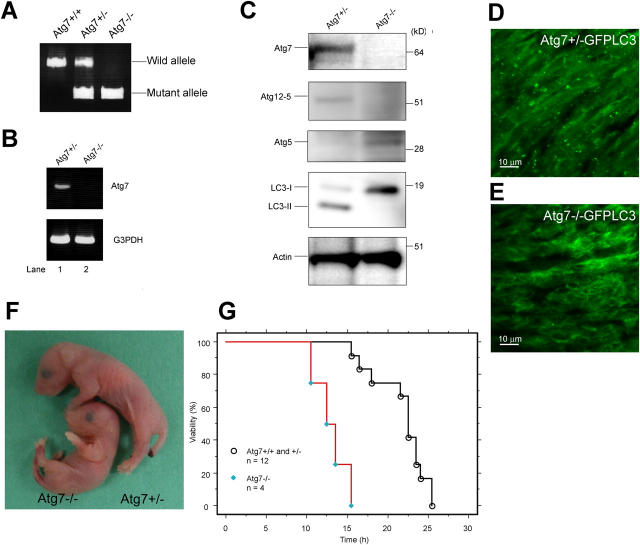
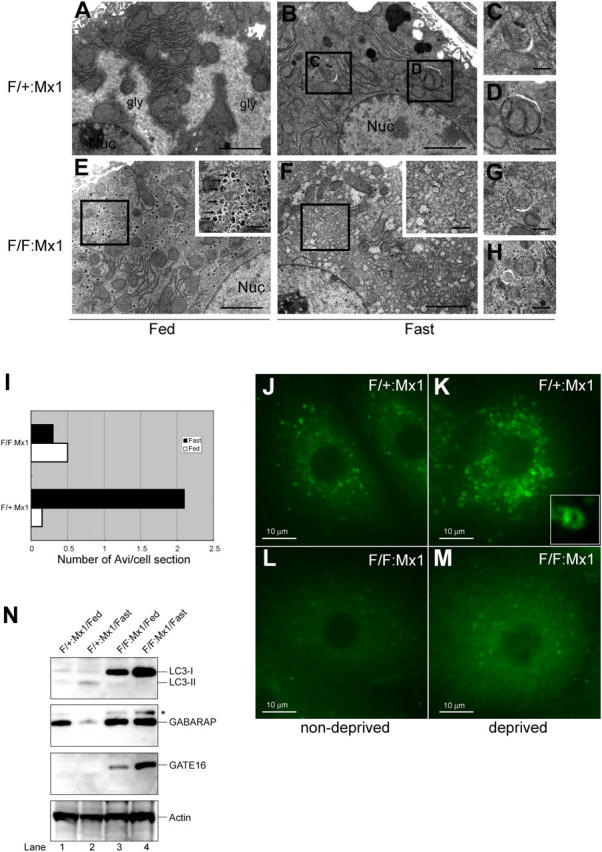
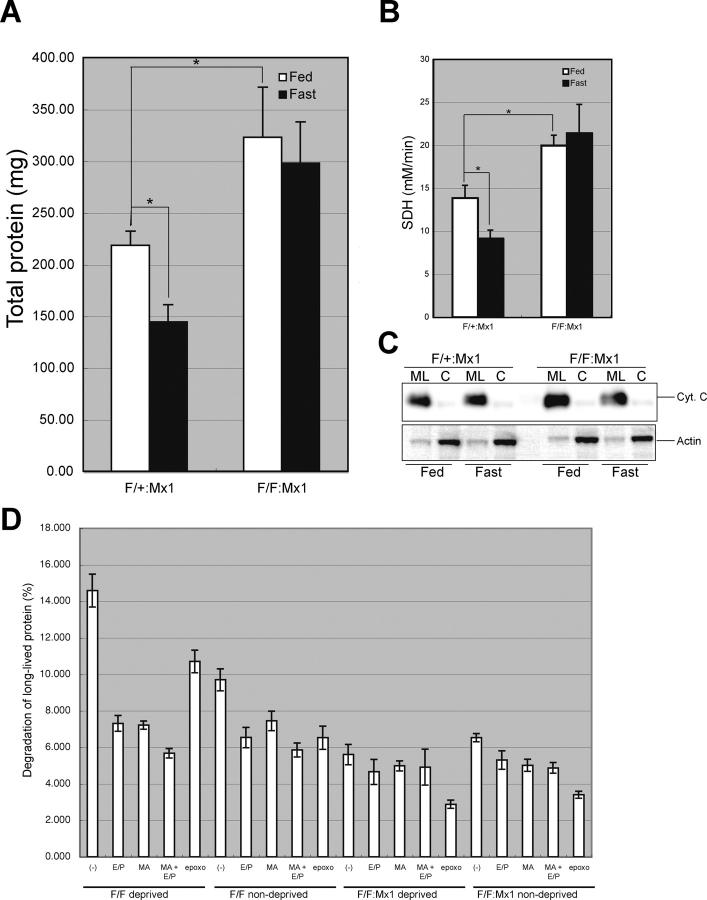
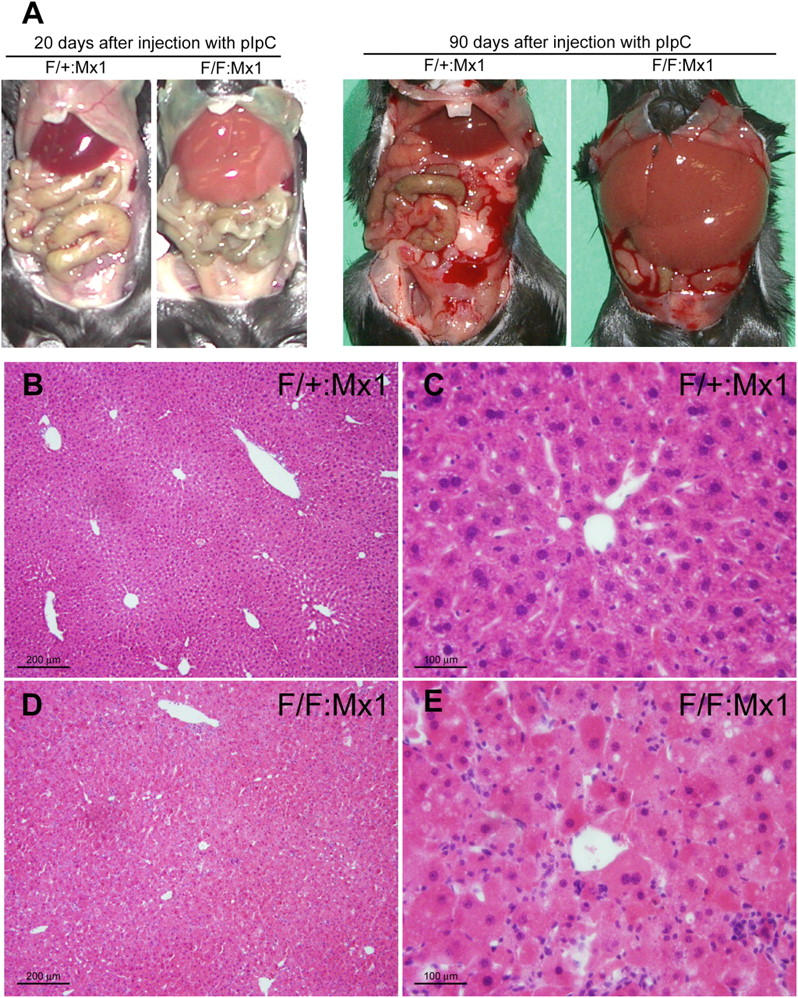
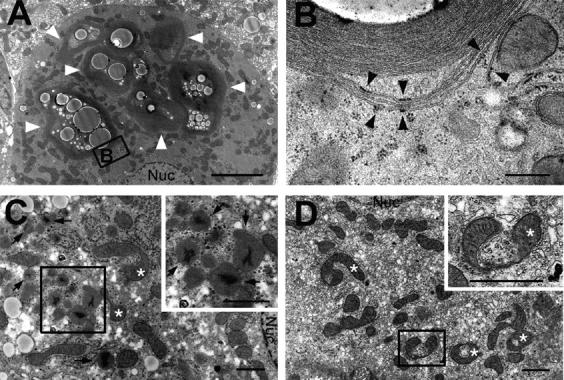
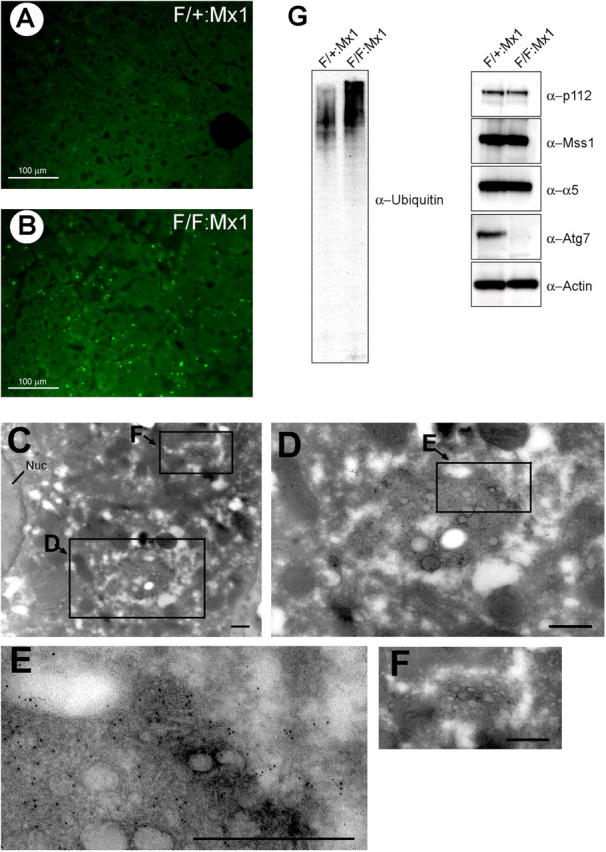
Autophagy is a membrane-trafficking mechanism that delivers cytoplasmic constituents into the lysosome/vacuole for bulk protein degradation. This mechanism is involved in the preservation of nutrients under starvation condition as well as the normal turnover of cytoplasmic component. Aberrant autophagy has been reported in several neurodegenerative disorders, hepatitis, and myopathies. Here, we generated conditional knockout mice of Atg7, an essential gene for autophagy in yeast. Atg7 was essential for ATG conjugation systems and autophagosome formation, amino acid supply in neonates, and starvation-induced bulk degradation of proteins and organelles in mice. Furthermore, Atg7 deficiency led to multiple cellular abnormalities, such as appearance of concentric membranous structure and deformed mitochondria, and accumulation of ubiquitin-positive aggregates. Our results indicate the important role of autophagy in starvation response and the quality control of proteins and organelles in quiescent cells.
Overview
The claims and statistics of this paper haven’t been checked yet.
Free: it reads the open-access text and checks the first 5 claims that cite a source we can check. Create a free account to check every claim.
Integrity signals
Registry
Cites
Statistics
Figures
Verification
Claims the paper makes
The claims and statistics of this paper haven’t been checked yet.
Free: it reads the open-access text and checks the first 5 claims that cite a source we can check. Create a free account to check every claim.
Claims other papers make about this one
Each is checked against this paper’s own text: does it say what the citing paper says it does?
The source backs part of the claim, not all of it — or backs it for a different population, condition or comparison.
In the citing paper
“whole‐body autophagy‐deficient mice undergo perinatal death due to their inability to withstand postnatal starvation (Kuma et al, 2004; Komatsu et al, 2005; Kuma et al, 2017).”
From Autophagy in major human diseases (2021) · cites this paper as Komatsu et al, 2005
Experimental — accuracy not yet measuredThe cited source says what the claim attributes to it.
In the citing paper
“Indeed, mice deficient for autophagy essential genes, such as ATG5, or ATG7, die soon after birth [220, 221].”
From The connection between the dynamic remodeling of the mitochondrial network and the regulation of muscle mass (2021) · cites this paper as [221]
The cited source says what the claim attributes to it.
In the citing paper
“The genetic suppression of basal autophagy in hepatocytes leads to hepatomegaly and exacerbated liver injury (Komatsu et al, 2005; Ni et al, 2012b; Cassidy et al, 2018).”
From Autophagy in major human diseases (2021) · cites this paper as Komatsu et al, 2005
The cited source says what the claim attributes to it.
In the citing paper
“mice with global KOs of the other autophagy related genes like Atg5 and Atg7 that die within a day after birth (Kuma et al., 2004; Komatsu et al., 2005; Cann et al., 2008).”
From Microtubule-associated protein 1 light chain 3B, (LC3B) is necessary to maintain lipid-mediated homeostasis in the retinal pigment epithelium (2018) · cites this paper as Komatsu et al., 2005
The cited source says what the claim attributes to it.
In the citing paper
“Atg7 encodes an E1-like enzyme essential in the ubiquitin-like conjugation systems required for autophagy, and Atg14 encodes a positive regulator of VPS34 (refs. 38,39).”
From Microglia clear neuron-released α-synuclein via selective autophagy and prevent neurodegeneration (2020) · cites this paper as [38]
2 more claims about this paper
Create a free account to see every claim other papers make about this one.
Self-check
Percentages, sums and reported differences re-computed from the paper’s own numbers.
The self-check needs the paper’s full text.
Citations
Cites
Repertoires of Autophagy in the Pathogenesis of Ocular Diseases
Li, Y.-J., Jiang, Q., Cao, G.-F., Yao, J., & Yan, B. (2015) · Cellular Physiology and Biochemistry · doi:10.1159/000373980 · Cited by 16,304
LC3, a mammalian homologue of yeast Apg8p, is localized in autophagosome membranes after processing.
Kabeya, Y., Mizushima, N., Ueno, T., Yamamoto, A., Kirisako, T., Noda, T., Kominami, E., Ohsumi, Y., & Yoshimori, T. (2000) · The EMBO Journal · doi:10.1093/emboj/19.21.5720 · Cited by 6,605 · cited 8×
“In mammals, there exist at least three Atg8 homologues that can all be activated by Atg7 (Tanida et al., 2001), GATE-16, GABARAP, and LC3 (Ohsumi, 2001), and they localize to the autophagosome (Kabeya et al., 2000, 2004).”
BackgroundMethodSelf-citationCui, C., Cui, J., Jin, F., Cui, Y., Li, R., Jiang, X., Tian, Y., Wang, K., Jiang, P., & Gao, J. (2017) · Cellular Physiology and Biochemistry · doi:10.1159/000479571 · Cited by 5,203
Levine, B., & Klionsky, D. J. (2004) · Developmental Cell · doi:10.1016/s1534-5807(04)00099-1 · Cited by 3,678 · cited 2×
“Furthermore, autophagy plays a role in cellular remodeling during differentiation and development of multicellular organisms, such as fly, worm, and slime mold (Levine and Klionsky, 2004), and cellular defense against invading streptococcus (Nakagawa et al.”
BackgroundAutophagy as a Regulated Pathway of Cellular Degradation
Klionsky, D. J., & Emr, S. D. (2000) · Science · doi:10.1126/science.290.5497.1717 · Cited by 3,608 · cited 1×
“In this lysosomal pathway, degradation of plasma membrane proteins and extracellular proteins is mediated by endocytosis, whereas degradation of cytoplasmic components is achieved through several pathways: macroautophagy, microautophagy, and chaperone-mediated autophagy (Seglen and Bohley, 1992; Dunn, 1994; Klionsky a…”
BackgroundAntimicrobial Autophagy: A Conserved Innate Immune Response in Drosophila
Moy, R. H., & Cherry, S. (2013) · Journal of Innate Immunity · doi:10.1159/000350326 · Cited by 3,539
Induction of autophagy and inhibition of tumorigenesis by beclin 1
Liang, X. H., Jackson, S., Seaman, M., Brown, K., Kempkes, B., Hibshoosh, H., & Levine, B. (1999) · Nature · doi:10.1038/45257 · Cited by 3,347 · cited 3×
“, low levels of autophagy were described in some malignant tumors (Liang et al., 1999).”
BackgroundThe role of autophagy during the early neonatal starvation period
Kuma, A., Hatano, M., Matsui, M., Yamamoto, A., Nakaya, H., Yoshimori, T., Ohsumi, Y., Tokuhisa, T., & Mizushima, N. (2004) · Nature · doi:10.1038/nature03029 · Cited by 2,865 · cited 4×
“We considered that Atg7 / mice could survive in utero by virtue of the nutrients supplied through the placenta but could not survive when the supply terminates after birth, as recently reported (Kuma et al., 2004).”
BackgroundSelf-citationAutophagy in Health and Disease: A Double-Edged Sword
Shintani, T., & Klionsky, D. J. (2004) · Science · doi:10.1126/science.1099993 · Cited by 2,534 · cited 2×
“In humans, autophagy has been implicated in several pathological conditions ( Shintani and Klionsky, 2004 ); e.g., low levels of autophagy were described in some malignant tumors (Liang et al., 1999).”
BackgroundPromotion of tumorigenesis by heterozygous disruption of the beclin 1 autophagy gene
Qu, X., Yu, J., Bhagat, G., Furuya, N., Hibshoosh, H., Troxel, A., Rosen, J., Eskelinen, E.-L., Mizushima, N., Ohsumi, Y., et al. (2003) · Journal of Clinical Investigation · doi:10.1172/jci20039 · Cited by 2,311 · cited 2×
“In contrast, elevated levels of autophagosome formation were reported in other human pathologies such as neurodegenerative diseases, myopathies, and liver injury (Mizushima et al., 2002; Perlmutter, 2002 ), and autophagy is implicated in the execution of cell death (Xue et al., 1999; Bursch, 2001).”
BackgroundSelf-citation
Research works printed but not linked: 1
- 1995, Eur. J. Cell Biol., 67, 308
Cited by
Items 901–1,000 of 1,024
Stress dynamically modulates neuronal autophagy to gate depression onset
Yang, L., Chen, G., Zheng, Z., Dong, Y., Xie, Q., Lv, Z., Li, M., Lu, Y., Guo, X., Deng, R., et al. (2025) · Nature · doi:10.1038/s41586-025-08807-4 · Cited by 85
Autophagy in stem and progenitor cells
Rodolfo, C., Bartolomeo, S. D., & Cecconi, F. (2015) · Cellular and Molecular Life Sciences · doi:10.1007/s00018-015-2071-3 · Cited by 76
“3) comes from the observation that Atg7, Becn1, Map1lc3a, and Ambra1, all involved in autophagy regulation, showed an increased expression in the neurogenesis of olfactory bulbs in mice [111].”
BackgroundInfluentialProteotoxicity: An underappreciated pathology in cardiac disease
Sandri, M., & Robbins, J. M. (2014) · Journal of Molecular and Cellular Cardiology · doi:10.1016/j.yjmcc.2013.12.015 · Cited by 78
“The importance of basal autophagy in normal cardiac function could be inferred from systemic and targeted gene ablation experiments carried out on some of the genes thought to be essential for autophagy such as atg7 deletion in hepatocytes [75] and atg5 in neurons [76] or cardiomyocytes [77].”
BackgroundPowell, M. J., Casimiro, M. C., Cordon‐Cardo, C., He, X., Yeow, W.-S., Wang, C., McCue, P. A., McBurney, M. W., & Pestell, R. G. (2011) · Cancer Research · doi:10.1158/0008-5472.can-10-3172 · Cited by 76
“Mice defective in autophagy have shown defective tissue development as conditional Atg5 and Atg7 knockout mice demonstrate neuronal and hepatic abnormalities (39, 40).”
BackgroundMarzetti, E., Lorenzi, M., Landi, F., Picca, A., Rosa, F., Tanganelli, F., Galli, M., Doglietto, G. B., Pacelli, F., Cesari, M., et al. (2016) · Experimental Gerontology · doi:10.1016/j.exger.2016.10.003 · Cited by 81
Haidar, M., Asselbergh, B., Adriaenssens, E., De Winter, V., Timmermans, J.-P., Auer-Grumbach, M., Juneja, M., & Timmerman, V. (2019) · Autophagy · doi:10.1080/15548627.2019.1569930 · Cited by 70
“Interestingly, mouse models in which key autophagy genes have been knocked out, display features of peripheral neuropathy as evident from poormotor behavior [15].”
BackgroundWang, C., Chen, S., Yeo, S., Karsli-Uzunbas, G., White, E., Mizushima, N., Virgin, H. W., & Guan, J.-L. (2016) · Journal of Cell Biology · doi:10.1083/jcb.201507023 · Cited by 69
“, 2006), but Atg5- and Atg7-null mice survive until shortly after birth (Kuma et al., 2004; Komatsu et al., 2005).”
BackgroundSelf-citationChao, X., Wang, S., Fulte, S., Ma, X., Ahamed, F., Cui, W., Liu, Z., Rülicke, T., Zatloukal, K., Zong, W., et al. (2021) · Journal of Hepatology · doi:10.1016/j.jhep.2021.10.014 · Cited by 72
p62 bodies: Phase separation, NRF2 activation, and selective autophagic degradation
Komatsu, M. (2022) · IUBMB Life · doi:10.1002/iub.2689 · Cited by 72
“Mice lacking Atg7 in the liver for 1 month develop severe hepatomegaly and liver dysfunction with ballooning of liver parenchymal cells.(16) Deformed mitochondria, peroxisomes, and multilamellar structures consisting of ER accumulate within their hepatocytes.”
BackgroundSelf-citationA Centronuclear Myopathy – Dynamin 2 Mutation Impairs Autophagy in Mice
Durieux, A., Vassilopoulos, S., Lainé, J., Fraysse, B., Briñas, L., Prudhon, B., Castells, J., Freyssenet, D. G., Bonne, G., Guicheney, P., et al. (2012) · Traffic · doi:10.1111/j.1600-0854.2012.01348.x · Cited by 81
“Neonatal autophagy is involved not only in glycogen degradation (25) but also in the neonatal amino acid production (12,13) and in the adaptation to cell metabolism changes and to the oxidative stress occurring at birth (2).”
BackgroundInfluentialFésüs, L., Demény, M. Á., & Petrovski, G. (2010) · Antioxidants and Redox Signaling · doi:10.1089/ars.2010.3485 · Cited by 71
Martinez‐Lopez, N., Athonvarangkul, D., Sahu, S., Coletto, L., Zong, H., Bastie, C. C., Pessin, J. E., Schwartz, G. J., & Singh, R. (2013) · EMBO reports · doi:10.1038/embor.2013.111 · Cited by 69
“Genotyping was performed using established primers [10].”
InfluentialMechanism of cargo-directed Atg8 conjugation during selective autophagy
Fracchiolla, D., Sawa-Makarska, J. Z., Zens, B., de Ruiter, A., Zaffagnini, G., Brezovich, A., Romanov, J., Runggatscher, K., Kraft, C., Žagrović, B., et al. (2016) · eLife · doi:10.7554/elife.18544 · Cited by 72
USP15 potentiates NF‐κB activation by differentially stabilizing TAB2 and TAB3
Zhou, Q., Cheng, C., Wei, Y., Yang, J. X., Zhou, W., Song, Q., Ke, M., Yan, W., Zheng, L., Zhang, Y., et al. (2020) · FEBS Journal · doi:10.1111/febs.15202 · Cited by 74
Circadian and noncircadian modulation of autophagy in photoreceptors and retinal pigment epithelium
Yao, J., Jia, L., Shelby, S. J., Ganios, A. M., Feathers, K., Thompson, D. A., & Zacks, D. N. (2014) · Investigative Opthalmology & Visual Science · doi:10.1167/iovs.13-13336 · Cited by 68
Autophagy and ageing: Insights from invertebrate model organisms
Lionaki, E., Markaki, M., & Tavernarakis, N. (2013) · Ageing Research Reviews · doi:10.1016/j.arr.2012.05.001 · Cited by 61
“A role for autophagy in starvation-induced longevity has also been reported in vertebrates (Hara et al., 2006; Komatsu et al., 2005).”
BackgroundThe CCR4-NOT deadenylase complex controls Atg7-dependent cell death and heart function
Yamaguchi, T., SUZUKI, T. A., Sato, T., Takahashi, A., Watanabe, H., Kadowaki, A., Natsui, M., Inagaki, H., Arakawa, S., Nakaoka, S., et al. (2018) · Science Signaling · doi:10.1126/scisignal.aan3638 · Cited by 67
“Double- mutant mice carrying mutations in both Cnot3 and Atg7 (Cnot3;Atg7 dmKO or Cnot3f/f; Atg7f/f; Ckmm-Cre Tg mice) (Cnot3;Atg7 dcKO or Cnot3f/f; Atg7f/f; MHC-MerCreMer Tg mice) or in both Cnot3 and Atg5 (Cnot3;Atg5 dmKO or Cnot3f/f; Atg5f/f; Ckmm-CreTg mice) were generated and intercrossed more than 10 times (21,…”
BackgroundSelf-citationFattinger, S. A., Geiser, P., Ventayol, P. S., Martino, M. L. D., Furter, M., Felmy, B., Bakkeren, E., Hausmann, A., Barthel, M., Gül, E., et al. (2021) · Mucosal Immunology · doi:10.1038/s41385-021-00381-y · Cited by 72
Peroxisome homeostasis: Mechanisms of division and selective degradation of peroxisomes in mammals
Honsho, M., Yamashita, S.-I., & Fujiki, Y. (2015) · Biochimica et Biophysica Acta (BBA) - Molecular Cell Research · doi:10.1016/j.bbamcr.2015.09.032 · Cited by 79
“demonstrating that pexophagy ismainly utilized for degradation of peroxisomes in the homeostasis of this organelle [23,24,30].”
BackgroundGenes for Plant Autophagy: Functions and Interactions
Kim, S.-H., Kwon, C., Lee, J., & Chung, T. (2012) · Molecules and Cells · doi:10.1007/s10059-012-0098-y · Cited by 80
“This seemingly contrasts with Atg7 knockout mice, which showed multiple developmental defects (Komatsu et al., 2005; reviewed by Mizushima and Levine, 2010).”
ResultAutophagy: Emerging Therapeutic Target for Diabetic Nephropathy
Kume, S., Yamahara, K., Yasuda, M., Maegawa, H., & Koya, D. (2013) · Seminars in Nephrology · doi:10.1016/j.semnephrol.2013.11.003 · Cited by 68
NADPH oxidase activation is required for pentylenetetrazole kindling-induced hippocampal autophagy
Zhu, X., Shen, K., Bai, Y., Zhang, A., Xia, Z., Chao, J., & Yao, H. (2016) · Free Radical Biology and Medicine · doi:10.1016/j.freeradbiomed.2016.03.004 · Cited by 68
WDR45 , one gene associated with multiple neurodevelopmental disorders
Cong, Y., So, V., Tijssen, M. A. J., Verbeek, D. S., Reggiori, F., & Mauthe, M. (2021) · Autophagy · doi:10.1080/15548627.2021.1899669 · Cited by 74
“Interestingly, when depleted together with WDR45B, the severity of the autophagy and developmental defects in mice drastically increase [4], similarly to animals lacking core ATG genes [104,105].”
BackgroundLiu, W., Chen, M., Liu, C., Wang, L., Wei, H., Zhang, R., Ren, Z., Chen, Y., Luo, M., Zhao, J., et al. (2022) · Autophagy · doi:10.1080/15548627.2022.2094671 · Cited by 68
Mitophagy in hematopoietic stem cells: The case for exploration
Joshi, A., & Kundu, M. (2013) · Autophagy · doi:10.4161/auto.26681 · Cited by 81
Wang, S., Li, B., Qiao, H., Lv, X., Liang, Q., Shi, Z., Xia, W., Ji, F., & Jiao, J. (2014) · EMBO reports · doi:10.15252/embr.201338343 · Cited by 67
“Furthermore, the deletion of Atg5 and Atg7 in CNS, which are essential for the initiation of autophagosomes, resulted in behavioral defects in mice caused by neurodegeneration [23–25].”
InfluentialSimonsen, A., Cumming, R. C., Lindmo, K., Galaviz, V., Cheng, S., Rusten, T. E., & Finley, K. D. (2007) · Genetics · doi:10.1534/genetics.106.065011 · Cited by 67
ER-Phagy: Quality and Quantity Control of the Endoplasmic Reticulum by Autophagy
Chino, H., & Mizushima, N. (2022) · Cold Spring Harbor Perspectives in Biology · doi:10.1101/cshperspect.a041256 · Cited by 76
Self-citationLoss of autophagy promotes murine acetaminophen hepatotoxicity
Igusa, Y., Yamashina, S., Izumi, K., Inami, Y., Fukada, H., Komatsu, M., Tanaka, K., Ikejima, K., & Watanabe, S. (2012) · Journal of Gastroenterology · doi:10.1007/s00535-011-0500-0 · Cited by 66
“injections of polyinosinic acid–polycytidylic acid (pIpC) given three times at 48-h intervals as described previously [18].”
MethodSelf-citationEssential role for autophagy protein ATG7 in the maintenance of intestinal stem cell integrity
Trentesaux, C., Fraudeau, M., Pitasi, C. L., Lemarchand, J., Jacques, S., Duche, A., Letourneur, F., Näser, E., Bailly, K., Schmitt, A., et al. (2020) · Proceedings of the National Academy of Sciences · doi:10.1073/pnas.1917174117 · Cited by 71
“Mice carrying floxed alleles of the Atg7 gene (11), mice carrying floxed alleles of the P53 gene (32), or both were crossed with VillinCreER mice (33) or Lgr5-EGFP-IRES-CreER mice (23).”
BackgroundMethodAutophagy deficiency in neurodevelopmental disorders
Deng, Z., Zhou, X., Lu, J., & Yue, Z. (2021) · Cell & Bioscience · doi:10.1186/s13578-021-00726-x · Cited by 71
“Despite the complete absence of ATG7 protein, the patients carrying the missense variants of ATG7 had approached population life expectancy [15, 87].”
BackgroundMito-protective autophagy is impaired in erythroid cells of aged mtDNA-mutator mice
Li-Harms, X., Milasta, S., Lynch, J., Wright, C., Joshi, A., Iyengar, R. V., Neale, G. A. M., Wang, X., Wang, Y., Prolla, T. A., et al. (2014) · Blood · doi:10.1182/blood-2014-07-586396 · Cited by 69
“Masaaki Komatsu (Tokyo Metropolitan Institute of Medical Science).(31) All animal experiments were approved by and performed in accordance with guidelines provided by the Institutional Animal Care and Use Committee at St.”
MethodTMEM74, a lysosome and autophagosome protein, regulates autophagy
Yu, C., Wang, L., Lv, B., Lu, Y., Zeng, L., Chen, Y., Ma, D., Shi, T., & Wang, L. (2008) · Biochemical and Biophysical Research Communications · doi:10.1016/j.bbrc.2008.02.055 · Cited by 66
“In ATG7-deficient mice, starvation-induced autophagy was impaired [ 21 ], and in a atg17D yeast Saccharomyces cerevisiae mutant, starvation-induced autophagosome formation was also reduced [22].”
BackgroundLifelong Calorie Restriction Alleviates Age-Related Oxidative Damage in Peripheral Nerves
Opalach, K., Rangaraju, S., Madorsky, I., Leeuwenburgh, C., & Notterpek, L. (2010) · Rejuvenation Research · doi:10.1089/rej.2009.0892 · Cited by 66
“35,36 These findings, together with our previous reports, 17,18,34 suggest that dietary restriction is beneficial for the activity of protein degradative pathways, such as the UPS and the autophagy–lysosomal system.”
Analysis of macroautophagy by immunohistochemistry
Rosenfeldt, M. T., Nixon, C., Liu, E., Mah, L. Y., & Ryan, K. M. (2012) · Autophagy · doi:10.4161/auto.20186 · Cited by 66
An inhibition of p62/ SQSTM 1 caused autophagic cell death of several human carcinoma cells
Nihira, K., Miki, Y., Ono, K., Suzuki, T., & Sasano, H. (2014) · Cancer Science · doi:10.1111/cas.12396 · Cited by 72
Autophagy as a Regulatory Component of Erythropoiesis
Zhang, J., Wu, K., Xiao, X., Liao, J., Hu, Q., Chen, H., Liu, J., & An, X. (2015) · International Journal of Molecular Sciences · doi:10.3390/ijms16024083 · Cited by 74
“Vav-Atg7−/− mice generated using Atg7 Flox/Flox and Vav-iCre mice have been reported to show severe anemia and shortened lifespans [18].”
BackgroundEmerging roles of autophagy in metabolism and metabolic disorders
Rocchi, A., & He, C. (2015) · Frontiers in Biology · doi:10.1007/s11515-015-1354-2 · Cited by 69
“The first line of evidence came from a conditional Atg7 KO mouse model, in which the loss of Atg7 in hepatocyte causes accumulation of swollen and deformed mitochondria and an increased number of ubiquitinated protein aggregates and lipids droplets (Komatsu et al., 2005).”
BackgroundEthanol-triggered Lipophagy Requires SQSTM1 in AML12 Hepatic Cells
Wang, L., Zhou, J., Yan, S., Lei, G.-S., Lee, C., & Yin, X. (2017) · Scientific Reports · doi:10.1038/s41598-017-12485-2 · Cited by 75
Inhibition of PIP4Kγ ameliorates the pathological effects of mutant huntingtin protein
Al-Ramahi, I., Giridharan, S. S. P., Chen, Y.-C., Patnaik, S., Safren, N., Hasegawa, J., de Haro, M., Wagner Gee, A. K., Titus, S. A., Jeong, H., et al. (2017) · eLife · doi:10.7554/elife.29123 · Cited by 62
“Transfected cells with mHtt aggregates were quantified (Narain et al., 1999; Komatsu et al., 2005).”
MethodLieberman, O. J., & Sulzer, D. (2020) · Journal of Molecular Biology · doi:10.1016/j.jmb.2019.12.028 · Cited by 66
“Fundamental contributions to elucidating roles for autophagy in neurons were made by Hara, Komatsu and colleagues in the mid-2000’s who addressed this issue by generating mice with conditional alleles of Atg5 or Atg7 that could be knocked out in geneticallydefined cell types following expression of Cre recombinase [10…”
BackgroundWohlgemuth, S. E., Lees, H. A., Marzetti, E., Manini, T. M., Aranda, J. M., Daniels, M. J., Pahor, M., Perri, M. G., Leeuwenburgh, C., & Anton, S. D. (2011) · Rejuvenation Research · doi:10.1089/rej.2010.1132 · Cited by 65
“…protein light chain) control early autophagosome formation 36,37 ; autophagy protein 7 (Atg7) is required for the formation and expansion of the autophagosome, 38,39 and lysosome-associated membrane protein 2 (LAMP-2) is essential for the efficient fusion of autophago-somes and lysosomes.”
Glucocorticoid-induced autophagy and apoptosis in bone
Wang, T., Liu, X., & He, C. (2020) · APOPTOSIS · doi:10.1007/s10495-020-01599-0 · Cited by 67
Effects of Physical Exercise on Autophagy and Apoptosis in Aged Brain: Human and Animal Studies
Andreotti, D. Z., Silva, J. D. N., Matumoto, A. M., Orellana, A. M., de Mello, P. S., & Kawamoto, E. M. (2020) · Frontiers in Nutrition · doi:10.3389/fnut.2020.00094 · Cited by 65
Yuan, Y., Yuan, L., Yang, J., Liu, F., Liu, S., Li, L., Liao, G., Tang, X., Cheng, J., Liu, J., et al. (2024) · Nature Communications · doi:10.1038/s41467-024-47842-z · Cited by 76
“Thus, we deduced that the multidirectional intercellular communication between TECs and M φ may be involved in the process of AKI.”
The role of autophagy in neonatal tissues: Just a response to amino acid starvation?
Schiaffino, S., Mammucari, C., & Sandri, M. (2008) · Autophagy · doi:10.4161/auto.6143 · Cited by 65
Autophagy-dependent PELI3 degradation inhibits proinflammatory IL1B expression
Giegerich, A. K., Kuchler, L., Sha, L. K., Knape, T., Heide, H., Wittig, I., Behrends, C., Brüne, B., & Knethen, A. V. (2014) · Autophagy · doi:10.4161/auto.32178 · Cited by 65
Reggiori, F., Komatsu, M., Finley, K. D., & Simonsen, A. (2012) · International Journal of Cell Biology · doi:10.1155/2012/156272 · Cited by 76
Self-citationYang, H., Ma, Y., Zhou, Y., Xu, L., Chen, X., Ding, W., & Zou, H. (2015) · Cancer Letters · doi:10.1016/j.canlet.2015.02.045 · Cited by 73
Autophagy and cell reprogramming
Wang, S., Xia, P., Rehm, M., & Fan, Z. (2015) · Cellular and Molecular Life Sciences · doi:10.1007/s00018-014-1829-3 · Cited by 69
“In contrast, Atg5 and other Atg gene knockout zygotes (Atg3, Atg7, Atg16l) inherit sufficient maternal Atg proteins to develop normally pre-natally [6, 81–84].”
BackgroundExpression pattern and functions of autophagy-related geneatg5in zebrafish organogenesis
Hu, Z., Zhang, J., & Zhang, Q. (2011) · Autophagy · doi:10.4161/auto.7.12.18040 · Cited by 68
Silybin counteracts lipid excess and oxidative stress in cultured steatotic hepatic cells
Vecchione, G., Grasselli, E., Voci, A., Baldini, F., Grattagliano, I., Wang, D. Q. ‐., Portincasa, P., & Vergani, L. (2016) · World Journal of Gastroenterology · doi:10.3748/wjg.v22.i26.6016 · Cited by 69
Reciprocal Crosstalk Between Autophagic and Endocrine Signaling in Metabolic Homeostasis
Sinha, R. A., Singh, B. K., & Yen, P. M. (2016) · Endocrine Reviews · doi:10.1210/er.2016-1103 · Cited by 67
“Hormones regulating autophagy Insulin (111) TH (75, 145, 146, 148, 164), PPARs (70), FXRs (70, 72, 190) Insulin (112), catecholamine (97, 131–134) Glucocorticoids, progesterone (205) Myokine (203) Catecholamine (129, 130) Glucocorticoids (183–186) Vitamin D (169) TH (145, 148, 149), adiponectin (199), glucocorticoids…”
Kannangara, A. R., Poole, D. M., McEwan, C. M., Youngs, J. C., Weerasekara, V. K., Thornock, A. M., Lazaro, M. T., Balasooriya, E. R., Oh, L. M., Soderblom, E. J., et al. (2021) · EMBO reports · doi:10.15252/embr.202051136 · Cited by 64
“In contrast, under nutrient replete conditions, a more selective, lower level of autophagy (referred to here as “basal autophagy”) maintains organelle and protein homeostasis (Komatsu et al , 2005; Hara et al , 2006; Komatsu et al , 2006; Antonucci et al , 2015).”
Meyer, I. D., Martinet, W., Schrijvers, D. M., Timmermans, J., Bult, H., & Meyer, G. R. Y. D. (2012) · Basic Research in Cardiology · doi:10.1007/s00395-012-0269-1 · Cited by 69
“Bone marrow-derived macrophages were obtained from C57BL/6, TLR7 and TLR7 mice, as well as Atg7 and Atg7 mice [21] crossbred with macrophage-specific”
MethodAutophagy: a targetable linchpin of cancer cell metabolism
Leone, R. D., & Amaravadi, R. K. (2013) · Trends in Endocrinology and Metabolism · doi:10.1016/j.tem.2013.01.008 · Cited by 71
Kinetics and specificity of paternal mitochondrial elimination in Caenorhabditis elegans
Wang, Y., Zhang, Y., Chen, L., Liang, Q., Yin, X.-M., Miao, L., Kang, B.-H., & Xue, D. (2016) · Nature Communications · doi:10.1038/ncomms12569 · Cited by 64
GSK3B-mediated phosphorylation of MCL1 regulates axonal autophagy to promote Wallerian degeneration
Wakatsuki, S., Tokunaga, S., Shibata, M., & Araki, T. (2017) · Journal of Cell Biology · doi:10.1083/jcb.201606020 · Cited by 64
“, 2004) and atg7 (Komatsu et al., 2005), are known to impair canonical autophagy.”
BackgroundAutophagy Dysregulation and Obesity-Associated Pathologies.
Namkoong, S., Cho, C., Semple, I. A., & Lee, J. H. (2018) · PubMed Central · doi:10.14348/molcells.2018.2213 · Cited by 72
“Indeed, genetic autophagy ablation in liver resulted in several pathologies that resemble those observed in obesityassociated non-alcoholic steatohepatitis (NASH), such as protein inclusion formation, fat accumulation and liver injury (Komatsu et al., 2005; 2007; Singh et al., 2009a).”
BackgroundNemazanyy, I., Montagnac, G., Russell, R. C., Morzyglod, L., Burnol, A.-F., Guan, K.-L., Pende, M., & Panasyuk, G. (2015) · Nature Communications · doi:10.1038/ncomms9283 · Cited by 64
“The physiological importance of autophagy for the maintenance of glycaemia during the perinatal period before lactation is illustrated by the perinatal lethality of the mouse autophagy mutants 31,65 .”
Inhibition of Nonsense-Mediated RNA Decay Activates Autophagy
Wengrod, J., Martin, L., Wang, D., Frischmeyer-Guerrerio, P., Dietz, H. C., & Gardner, L. B. (2013) · Molecular and Cellular Biology · doi:10.1128/mcb.00174-13 · Cited by 63
Intertwined pathways of programmed cell death in immunity
Hedrick, S. Μ., Ch’en, I. L., & Alves, B. N. (2010) · Immunological Reviews · doi:10.1111/j.1600-065x.2010.00918.x · Cited by 72
“adults with a liver-specific Atg7 deletion revealed a profound deficiency in the fasting-induced degradation of cytosolic proteins and organelles (67).”
BackgroundLoss of HSPA9 induces peroxisomal degradation by increasing pexophagy
Jo, D. S., Park, S. J., Kim, A., Park, N. Y., Kim, J. B., Bae, J.-E., Park, H. J., Shin, J. H., Chang, J. W., Kim, P. K., et al. (2020) · Autophagy · doi:10.1080/15548627.2020.1712812 · Cited by 69
“Notably, recent studies with conditional atg7 knockoutmice revealed that up to 80% of peroxisomes are removed by pexophagy [17,18].”
BackgroundTriangular Relationship between p53, Autophagy, and Chemotherapy Resistance
Xu, J., Patel, N. H., & Gewirtz, D. A. (2020) · International Journal of Molecular Sciences · doi:10.3390/ijms21238991 · Cited by 68
Anticancer potential of natural peptides from terrestrial and marine environments: A review
Eghtedari, M., Porzani, S. J., & Nowruzi, B. (2021) · Phytochemistry Letters · doi:10.1016/j.phytol.2021.02.008 · Cited by 65
Chapter 16 Novel Methods for Measuring Cardiac Autophagy In Vivo
Perry, C. N., Kyoi, S., Hariharan, N., Takagi, H., Sadoshima, J., & Gottlieb, R. A. (2009) · Methods in Enzymology · doi:10.1016/s0076-6879(08)04016-0 · Cited by 63
“, 2007), and atg7 mice (Komatsu et al., 2005).”
Yoshihara, N., Ueno, T., Takagi, A., Trejo, J. A. O., HARUNA, K., Suga, Y., Komatsu, M., Tanaka, K., & Ikeda, S. (2014) · Archives of Dermatological Research · doi:10.1007/s00403-014-1508-0 · Cited by 63
“Autophagy-related gene 7 (Atg7)-deficient mice were generated and bred as described previously [14].”
BackgroundMethodSelf-citationAnalysis of a lung defect in autophagy-deficient mouse strains
Cheong, H., Wu, J., Gonzales, L. K., Guttentag, S. H., Thompson, C. B., & Lindsten, T. (2014) · Autophagy · doi:10.4161/auto.26505 · Cited by 63
Suppression of autophagic activation in the mouse uterus by estrogen and progesterone
Choi, S., Shin, H., Song, H., & Lim, H. J. (2014) · Journal of Endocrinology · doi:10.1530/joe-13-0449 · Cited by 68
“Newborn Atg5 or Atg7 knockout mice die within a day of birth, partly owing to reduced levels of circulating amino acids in the blood (Kuma et al. 2004, Komatsu et al. 2005).”
BackgroundAutophagy dysfunction in neuropathic pain
Liu, X., Zhu, M., Ju, Y., Li, A., & Sun, X. (2019) · Neuropeptides · doi:10.1016/j.npep.2019.03.005 · Cited by 67
Kohno, S., Shiozaki, Y., Keenan, A. L., Miyazaki‐Anzai, S., & Miyazaki, M. (2019) · Life Science Alliance · doi:10.26508/lsa.201900340 · Cited by 67
“Starvation is also known to induce autophagy-mediated ER degradation (Komatsu et al, 2005).”
BackgroundAutophagy and cancer cell metabolism
(2019) · International Review of Cell and Molecular Biology · doi:10.1016/bs.ircmb.2019.06.002 · Cited by 63
Cell death induced autophagy contributes to terminal differentiation of skin and skin appendages
Koenig, U., Robenek, H., Barresi, C., Brandstetter, M., Resch, G. P., Gröger, M., Pap, T., & Hartmann, C. (2019) · Autophagy · doi:10.1080/15548627.2019.1646552 · Cited by 64
“To obtain epithelial autophagy-deficient Atg7 mice (referred to as atg7), mice carrying the Atg7-floxed allele (referred to Atg7) were crossed to Krt14-Cre transgenic mice (strain Tg [Krt14-cre]1Amc/J; Jackson Laboratory, 004782) [46].”
BackgroundLin, C., Chen, Y.-S., Lin, C.-C., Chen, Y., Lo, G., Lee, P., Kuo, P.-L., Dai, C., Huang, J., Chung, W.-L., et al. (2015) · Scientific Reports · doi:10.1038/srep15807 · Cited by 66
Early otic development depends on autophagy for apoptotic cell clearance and neural differentiation
Aburto, M. R., Sánchez‐Calderón, H., Hurlé, J. M., Varela‐Nieto, I., & Magariños, M. (2012) · Cell Death and Disease · doi:10.1038/cddis.2012.132 · Cited by 63
“Mice with targeted mutations in Atg5 and Atg7 survive during embryonic development but die soon after birth, suggesting that both genes are important for survival during the early neonatal starvation period.(20,21) Embryos with mutations in Beclin-1 die during early development,(22) and homozygous mutations in Ambra1,…”
BackgroundThe role of autophagy in β ‐cell lipotoxicity and type 2 diabetes
Las, G., & Shirihai, O. S. (2010) · Diabetes, Obesity and Metabolism · doi:10.1111/j.1463-1326.2010.01268.x · Cited by 62
“Knockout of ATG7 in β-cells elicited mitochondrial morphology deformation [39,43], and decrease in oxygen consumption along with increase in ROS [39].”
BackgroundInfluentialEnhancement of hepatic autophagy increases ureagenesis and protects against hyperammonemia
Soria, L. R., Allegri, G., Melck, D., Pastore, N., Annunziata, P., Paris, D., Polishchuk, E., Nusco, E., Thöny, B., Motta, A., et al. (2018) · Proceedings of the National Academy of Sciences · doi:10.1073/pnas.1714670115 · Cited by 61
“Male 6-wk-old C57BL/6 (Charles River Laboratories), transgenic GFP-LC3 (15), Atg7 floxed allele (Atg7) (28), TFEB liver-specific knockout (TFEB LiKO) (30), and Otc-sparse fur, abnormal skin and hair (spf) (36) mice were used and were randomly assigned to treatment groups.”
BackgroundMethodJang, S. Y., Shin, Y. K., Park, S. Y., Park, J. Y., Rha, S.-H., Kim, J. K., Lee, H. J., & Park, H. T. (2015) · PLOS ONE · doi:10.1371/journal.pone.0116624 · Cited by 61
Ošťádalová, I., Charvátová, Z., & Wilhelm, J. (2010) · Physiological Research · doi:10.33549/physiolres.931935 · Cited by 61
New insights into autophagy in hepatocellular carcinoma: mechanisms and therapeutic strategies.
Yang, S., Yang, L., Li, X., Li, B., Li, Y., Zhang, X., Ma, Y., Peng, X., Jin, H., & Li, H. (2019) · PubMed Central · Cited by 72
Novel Insight Into the Development and Function of Hypopharyngeal Glands in Honey Bees
Ahmad, S., Khan, S. A., Khan, K. A., & Li, J. (2021) · Frontiers in Physiology · doi:10.3389/fphys.2020.615830 · Cited by 68
“…is key to the wts pathway (serine/threonine-protein kinase ULK 12) that regulates autophagy (Lee and Tournier, 2011), cell survival, homeostasis, and promotes development in living cell (Levine and Klionsky, 2004; Komatsu et al., 2005) for the normal function of the HGs at different ages.”
BackgroundSakane, S., Hikita, H., Shirai, K., Myojin, Y., Sasaki, Y., Kudo, S., Fukumoto, K., Mizutani, N., Tahata, Y., Makino, Y., et al. (2021) · Cellular and Molecular Gastroenterology and Hepatology · doi:10.1016/j.jcmgh.2021.07.008 · Cited by 69
“Atg7 flox mice were obtained from Dr Komatsu (Juntendo University).(36) Adiponectin-Cre Atg7 flox/flox mice (Adipoq-Atg7 KO mice) were generated by crossing Adipoq-Cre mice and Atg7 flox mice.”
MethodPeroxisomal Stress Response and Inter-Organelle Communication in Cellular Homeostasis and Aging
Kim, J., & Bai, H. (2022) · Antioxidants · doi:10.3390/antiox11020192 · Cited by 79
SirT1 catalytic activity is required for male fertility and metabolic homeostasis in mice
Seifert, E. L., Caron, A. Z., Morin, K., Coulombe, J., He, X. H., Jardine, K. E., Dewar‐Darch, D., Boekelheide, K., Harper, M., & McBurney, M. W. (2011) · The FASEB Journal · doi:10.1096/fj.11-193979 · Cited by 67
“tophagy die within the first day after birth (51, 52),”
BackgroundSchlottmann, S., Buback, F., Stahl, B., Meierhenrich, R., Walther, P., Georgieff, M., & Senftleben, U. (2008) · Mediators of Inflammation · doi:10.1155/2008/725854 · Cited by 74
Autophagy, Metabolic Disease, and Pathogenesis of Heart Dysfunction
Wang, F., Jia, J., & Rodrigues, B. B. (2017) · Canadian Journal of Cardiology · doi:10.1016/j.cjca.2017.01.002 · Cited by 67
Mitochondrial Mechanisms of Apoptosis and Necroptosis in Liver Diseases
Chu, Q., Gu, X., Zheng, Q., Wang, J., & Zhu, H. (2021) · Analytical Cellular Pathology · doi:10.1155/2021/8900122 · Cited by 70
“The removal of dysfunctional mitochondria by autophagy has been shown by studies that also reported dysfunctional mitochondria and accumulation of swollen mitochondria in hepatocytes of mice that lack the essential autophagy genes AMPK and ULKE and, more recently, in mice that lack Atg7 [22, 23].”
BackgroundLiu, M., Zhou, X., Li, Y., Ma, S., Pan, L., Zhang, X., Zheng, W., Wu, Z., Wang, K., Ahsan, A., et al. (2022) · Redox Biology · doi:10.1016/j.redox.2022.102323 · Cited by 66
“Atg7fl/fl mice brains were injected with AAV-GFP-TIGAR-3×Flag and AAV-hSyn-CremCherry, selectively destroying autophagy in neurons [35].”
MethodT-Cell Autophagy Deficiency Increases Mortality and Suppresses Immune Responses after Sepsis
Lin, C., Lo, S. J., Hsu, C., Hsieh, C.-H., Chang, Y.-F., Hou, B.-S., Kao, Y. H., Lin, C.-C., Yu, M., Yuan, S. F., et al. (2014) · PLoS ONE · doi:10.1371/journal.pone.0102066 · Cited by 65
“A further decrease in autophagy in T cell-specific Atg7knockout mice after CLP To determine whether autophagy in T cells contributes to survival in sepsis, we crossed Atg7 mice [34] with mice expressing the T cell-specific Cre transgene (CD4-Cre mice) [29].”
BackgroundInduction of autophagy enhances porcine reproductive and respiratory syndrome virus replication
Chen, Q., Fang, L., Wang, D., Wang, S., Li, P., Li, M., Luo, R., Chen, H., & Xiao, S. (2011) · Virus Research · doi:10.1016/j.virusres.2011.11.008 · Cited by 64
“It has been shown that deletion of ATG7 results in lower autophagosome formation and impaired starvation-induced bulk degradation of proteins and organelles in mice (Komatsu et al., 2005) .”
BackgroundWittkopf, N., Günther, C., Martini, E., Waldner, M. J., Amann, K., Neurath, M. F., & Becker, C. (2012) · Clinical and Developmental Immunology · doi:10.1155/2012/278059 · Cited by 69
The Contribution of Lysosomotropism to Autophagy Perturbation
Ashoor, R., Yafawi, R., Jessen, B., & Lu, S. (2013) · PLoS ONE · doi:10.1371/journal.pone.0082481 · Cited by 60
“For example, the liver-specific Atg 7 knockout mouse showed various liver lesions, including hepatomegaly and hepatocyte hypertrophy [4], and cardiac Atg 5 deficient mice displayed cardiac hypertrophy and left ventricular dilation [6].”
BackgroundNutrients and growth factors in mTORC1 activation
Efeyan, A., & Sabatini, D. M. (2013) · Biochemical Society Transactions · doi:10.1042/bst20130063 · Cited by 60
Li, X., He, S., Zhou, X., Ye, Y., Tan, S., Zhang, S., Li, R., Yu, M., Jundt, M. C., Hidebrand, A., et al. (2016) · PLOS Pathogens · doi:10.1371/journal.ppat.1005363 · Cited by 59
“Youwen He at Duke University and these mice were originally constructed by Masaaki Komatsu at Tokyo Metropolitan Institute of Medical Science [43].”
MethodBeclin 1 Biology and its Role in Heart Disease
Zhu, H., & He, L. (2015) · Current Cardiology Reviews · doi:10.2174/1573403x10666141106104606 · Cited by 63
Petibone, D. M., Majeed, W., & Casciano, D. A. (2016) · Journal of Applied Toxicology · doi:10.1002/jat.3393 · Cited by 70
Bonhoure, A., Vallentin, A., Martin, M., Senff‐Ribeiro, A., Amson, R. B., Telerman, A., & Vidal, M. (2017) · European Journal of Cell Biology · doi:10.1016/j.ejcb.2016.12.002 · Cited by 65
Zhang, Y., Cross, S. D., Stanton, J. B., Marmorstein, A. D., Le, Y. Z., & Marmorstein, L. Y. (2017) · PubMed Central · Cited by 68
PARP1 and Poly(ADP-ribosyl)ation Signaling during Autophagy in Response to Nutrient Deprivation
Rodríguez-Vargas, J. M., Oliver, F. J., & Dantzer, F. (2019) · Oxidative Medicine and Cellular Longevity · doi:10.1155/2019/2641712 · Cited by 68
“The curve of survival of neonates demontrated that the null animals showed serious difficulties to growth and survive, indicating the important role of the proteins that regulate the formation of autophagosomes during embryonic development [63].”
BackgroundSETD2 mutation in renal clear cell carcinoma suppress autophagy via regulation of ATG12
González-Rodríguez, P., Engskog‐Vlachos, P., Zhang, H., Murgoci, A., Zerdes, I., & Joseph, B. (2020) · Cell Death and Disease · doi:10.1038/s41419-020-2266-x · Cited by 71
Metadata
- Authors
- Komatsu, M., Waguri, S., Ueno, T., Iwata, J., Murata, S., Tanida, I., Ezaki, J., Mizushima, N., Ohsumi, Y., Uchiyama, Y., Kominami, E., Tanaka, K., & Chiba, T.
- Affiliations
- Juntendo University (JP)
- The University of Osaka (JP)
- Tokyo Metropolitan Institute of Medical Science (JP)
- National Institute for Basic Biology (JP)
- Corresponding author
- Chiba, Tomoki
- ORCID
- Venue
- The Journal of Cell Biology
- Publisher
- Rockefeller University Press
- Published
- 2005-05-02
- Volume
- 169
- Issue
- 3
- Pages
- 425-434
- ISSN
- 0021-9525 (ISSN-L)
- 1540-8140
- PMC
- PMC2171928
- OpenAlex
- W2146887271
- Cited by
- 2,331
- References
- 49
- Citations by year
- 2026: 43 · 2025: 91 · 2024: 82 · 2023: 96 · 2022: 112 · 2021: 123 · 2020: 138 · 2019: 135 · 2018: 128 · 2017: 134 · 2016: 160 · 2015: 156 · 2014: 148 · 2013: 154 · 2012: 127
- FWCI
- 44.94
- Type
- journal article
- Language
- en
- Open access
- bronze
- doi.org
- Locations
- The Journal of Cell Biology (publishedVersion)
- PubMed Central (publishedVersion, cc-by-nc-sa)
- PubMed (publishedVersion)
- Funders
- Ministry of Education, Culture, Sports, Science and Technology
- Topics
- Life Sciences › Biochemistry, Genetics and Molecular Biology › Cell Biology › Autophagy in Disease and Therapy
- Life Sciences › Biochemistry, Genetics and Molecular Biology › Molecular Biology › Ubiquitin and proteasome pathways
- Life Sciences › Biochemistry, Genetics and Molecular Biology › Aging › Genetics, Aging, and Longevity in Model Organisms
- Keywords
- autophagy, ATG7, starvation response, autophagosome formation, protein quality control, organelle degradation, mitochondrial abnormalities, lysosomes, conditional knockout mice, neurodegenerative diseases
- MeSH terms
- Autophagy-Related Protein 7, Animals, Animals, Newborn, Autophagy, Cell Line, Inclusion Bodies, Hepatomegaly, Intracellular Membranes, Liver, Microtubule-Associated Proteins, Mitochondria, Phenotype, Starvation, Organelles, Mice, Knockout, Hepatocytes, Ubiquitin, Saccharomyces cerevisiae Proteins, Mice
About these checks
Registry, retraction, Cites and statistics results are computed, not judged, with one exception: a printed reference that no index lists is read once by a model before it counts as a citation error. Claims are extracted by a model and kept only when their quote appears verbatim in the text; each cited source is then checked, with a model’s help, for whether it says what the claim relies on. Those verdicts can be wrong — read the claim’s quote and the cited source before relying on one.
Statistics and arithmetic are recomputed, not judged.
Confidence bands are shown only for fields calibrated on our annotated test set. None is calibrated yet, so no band is shown.
What counts as a claim ›How we measure confidence ›How we check this ›
Are you an author, or do you see a problem with this page? Request a review
Data sources
Bibliographic data: Semantic Scholar, OpenAlex, Crossref.
Contains information from the Semantic Scholar Academic Graph Datasets, made available under the ODC Attribution License (ODC-BY 1.0).
Semantic Scholar’s data is described in: Kinney, R., et al. (2023). The Semantic Scholar Open Data Platform. arXiv:2301.10140.
