

Afatinib for the treatment of EGFR mutation-positive NSCLC: A review of clinical findings
Open accessThe DOI matches its Crossref record; 108 of the 108 references it cites were found in a registry or an index; 67 of the 164 sources its claims cite were checked for support.
Abstract
Epidermal growth factor receptor (EGFR) tyrosine kinase inhibitors represent the standard of care in patients with EGFR mutation-positive NSCLC. This review summarizes the pharmacology, efficacy, safety, and treatment sequencing of afatinib.
Overview
CoChat Summary
TL;DR
This narrative review summarizes the pharmacology, efficacy, safety, and sequencing of afatinib in EGFR mutation-positive NSCLC, drawing mainly on the LUX-Lung clinical trial program. It concludes that afatinib improves PFS over chemotherapy and gefitinib in first-line EGFRm+ NSCLC and has activity in certain uncommon EGFR mutations and brain metastases, while adverse events are manageable with tolerability-guided dose adjustment.
Key findings
- Afatinib is an oral, irreversible ErbB-family blocker given at 40 mg once daily; a high-fat meal reduces AUC from 676 to 414 ng·h/ml, so it should be taken on an empty stomach. Elimination half-life is 37 h after repeat dosing, and steady state is reached within 8 days.
- In LUX-Lung 3 and 6, afatinib improved median PFS versus chemotherapy: 11.1 vs 6.9 months (HR 0.58, 95% CI 0.43–0.78, P=0.001) and 11.0 vs 5.6 months (HR 0.28, 95% CI 0.20–0.39, P<0.0001). Combined OS was not significantly improved (25.8 vs 24.5 months; HR 0.91, 95% CI 0.75–1.11, P=0.37), but Del19-positive patients had prolonged OS in both trials.
- In LUX-Lung 7 versus gefitinib, afatinib improved PFS (11.0 vs 10.9 months; HR 0.73, 95% CI 0.57–0.95, P=0.017), TTF (13.7 vs 11.5 months; HR 0.73, 95% CI 0.58–0.92, P=0.007), and ORR (70% vs 56%; P=0.0083), with grade ≥3 treatment-related AEs higher for afatinib (31.3% vs 17.6%).
- In a pooled analysis of uncommon mutations (n=75), median PFS was 13.8 months for G719X, 8.2 months for L861Q, and 14.7 months for S768I, with ORR 78%, 56%, and 100%, respectively; afatinib was not active against T790M or exon 20 insertions. In LUX-Lung 8 for squamous NSCLC, afatinib improved PFS (2.6 vs 1.9 months; HR 0.81, 95% CI 0.69–0.96, P=0.0103) and OS (7.9 vs 6.8 months; HR 0.81, 95% CI 0.69–0.95, P=0.0077) versus erlotinib.
Methods
- Narrative review of afatinib in EGFRm+ NSCLC, covering pharmacology, efficacy, safety, acquired resistance, treatment sequencing, and cost-effectiveness.
- Data sources cited include the LUX-Lung 2, 3, 6, 7, and 8 trials, real-world studies, and pharmacoeconomic analyses; no new primary patient data are presented.
- Main analysis is a narrative synthesis of published trial and real-world results, including pooled subgroup analyses for uncommon EGFR mutations and baseline brain metastases; no systematic search or formal meta-analysis methodology is described.
Limitations
- Stated: the optimal EGFR TKI sequencing strategy remains under debate; head-to-head studies, including afatinib versus osimertinib, are needed, and additional studies are required for T790M-negative resistance and further pharmacoeconomic confirmation.
- Stated: patients with brain metastases have been excluded from clinical trials, limiting generalizability; little is known about afatinib brain penetrance in humans, and preclinical rat studies suggest low brain distribution.
- Evident from the text: as a narrative review, it does not describe a systematic literature search or inclusion criteria, and some sections in the provided text appear incomplete or empty (e.g., squamous cell carcinoma and summary headings), so the summary relies on the cited trials rather than a transparent evidence-synthesis protocol.
Model-written summary. Check it against the paper before relying on it.
Integrity signals
Registry
Cites
Statistics
Figures
Verification
Claims the paper makes
51 Valid · 1 Not valid · 42 Not checked · 8 Own results and interpretations
The cited sources support only part of this claim — read each source’s verdict below.
In the paper
“Uncommon mutations within exons 18–21 are present in up to 23% of EGFRm+ NSCLC tumors.69–75”
- Also stated in: § Afatinib in patients with uncommon EGFR mutations · plain
“Uncommon mutations within exons 18–21 are present in up to 23% of EGFRm+ NSCLC tumors.”
§ Afatinib for the treatment of EGFR mutation-positive NSCLC: A review of clinical findings > Afatinib efficacy and safety data from clinical trials > Afatinib in patients with uncommon EGFR mutations
What the sources say
- Partly supportedcites [69] Beau-Faller M Prim N Ruppert AM, et al Rare EGFR exon 18 and exon 20 mutations in non-small-cell lung cancer on 10 117 patients: a multicentre observational study by the French ERMETIC-IFCT network. Ann Oncol 2014; 25: 126– 131. 24285021 PMC3868323 sourceExperimental — accuracy not yet measured
The EGFR mutation frequency section reports rare exon 18 and 20 mutations in 102 of 1,047 EGFR-mutated NSCLC samples (10%). This supports the presence of uncommon mutations but not the stated upper frequency of 23% or a frequency estimate covering all uncommon mutations across exons 18–21. (LLM, conf=0.88)
- Partly supportedcites [70] Heigener DF Schumann C Sebastian M, et al Afatinib in non-small cell lung cancer harboring uncommon EGFR mutations pretreated with reversible EGFR inhibitors. Oncologist 2015; 20: 1167– 1174. 26354527 PMC4591955 sourceExperimental — accuracy not yet measured
The Demographics section reports uncommon mutations in 18.4% of known EGFR-mutated cases in this pretreated cohort, and the Uncommon EGFR Mutations section places them in exons 18–21. The paper does not report the claimed figure of up to 23% for EGFR-mutated NSCLC tumors generally. (LLM, conf=0.85)
- Not checked — no full text of the sourcecites [71] Keam B Kim DW Park JH, et al Rare and complex mutations of epidermal growth factor receptor, and efficacy of tyrosine kinase inhibitor in patients with non-small cell lung cancer. Int J Clin Oncol 2014; 19: 594– 600. 23912954 source
- Partly supportedcites [72] Krawczyk P Kowalski DM Ramlau R, et al Comparison of the effectiveness of erlotinib, gefitinib, and afatinib for treatment of non-small cell lung cancer in patients with common and rare EGFR gene mutations. Oncol Lett 2017; 13: 4433– 4444. 28599445 PMC5453045 sourceExperimental — accuracy not yet measured
The Introduction (page unavailable) reports rare EGFR mutations in approximately 10% and 14.77% of EGFR-mutated NSCLC patients, and describes mutations across exons 18–21. Patient characteristics (page unavailable) reports 7.2% in this study; its 23% figure refers only to exon 20 insertions among patients with rare mutations, not to uncommon mutations among all EGFR-mutated tumors. The claimed upper prevalence of 23% is therefore not supported by this paper. (LLM, conf=0.88)
- Partly supportedcites [73] Kuiper JL Hashemi SM Thunnissen E, et al Non-classic EGFR mutations in a cohort of Dutch EGFR-mutated NSCLC patients and outcomes following EGFR-TKI treatment. Br J Cancer 2016; 115: 1504– 1512. 27875527 PMC5155366 sourceExperimental — accuracy not yet measured
The Non-classic EGFR mutations section reports uncommon mutations in exons 18–21 in 12.9% of this EGFR-mutated NSCLC cohort. Its 22.5% figure—approximately 23%—is for the broader category of non-classic mutations, which also includes exon 20 insertions. The Discussion reports uncommon-mutation rates up to 20.4% in previous studies, not 23%. (LLM, conf=0.88)
- Not checked — no full text of the sourcecites [74] Shen Y-C Tseng G-C Tu C-Y, et al Comparing the effects of afatinib with gefitinib or erlotinib in patients with advanced-stage lung adenocarcinoma harboring non-classical epidermal growth factor receptor mutations. Lung Cancer 2017; 110: 56– 62. 28676220 source
- Not checked — no full text of the sourcecites [75] Yang JC Sequist LV Geater SL, et al Clinical activity of afatinib in patients with advanced non-small-cell lung cancer harbouring uncommon EGFR mutations: a combined post-hoc analysis of LUX-Lung 2, LUX-Lung 3, and LUX-Lung 6. Lancet Oncol 2015; 16: 830– 838. 26051236 source
plain- Asserted: passes — The authors put it forward as true.
- Checkable: passes — It can be checked against evidence.
- Load-bearing: unclear — It is unclear whether the paper’s conclusions depend on it.
- Based: passes — The paper gives a reason why it holds.
- Also stated in: § Afatinib in patients with uncommon EGFR mutations · plain
Every source the paper cites for this claim was checked and supports it.
In the paper
“Administration after a high-fat meal results in an approximately 40% reduction in the area under the time–concentration curve from time 0 to infinity (414 ng · h/ml fed; 676 ng · h/ml fasted)”
§ Afatinib for the treatment of EGFR mutation-positive NSCLC: A review of clinical findings > Afatinib pharmacokinetics and interactions
What the sources say
- Supportedcites [55] Yap TA Vidal L Adam J, et al Phase I trial of the irreversible EGFR and HER2 kinase inhibitor BIBW 2992 in patients with advanced solid tumors. J Clin Oncol 2010; 28: 3965– 3972. 20679611 source
The PK Analysis and Food-Effect Studies section reports an AUC from time 0 to infinity of 414 ng·h/mL after a high-fat meal versus 676 ng·h/mL when fasted—an approximately 39% reduction. The comparison was made after a single 40-mg dose of BIBW 2992. (LLM, conf=0.94)
plainstates a cause- Asserted: passes — The authors put it forward as true.
- Checkable: passes — It can be checked against evidence.
- Load-bearing: unclear — It is unclear whether the paper’s conclusions depend on it.
- Based: passes — The paper gives a reason why it holds.
- Supported
The cited sources support only part of this claim — read each source’s verdict below.
In the paper
“EGFR mutations detected in plasma and urine have been shown to be concordant with those identified by tumor biopsy”
§ Afatinib for the treatment of EGFR mutation-positive NSCLC: A review of clinical findings > Advances in EGFR mutation testing
What the sources say
- Partly supportedcites [10] Lam DC Tam TC Lau KM, et al Plasma EGFR mutation detection associated with survival outcomes in advanced-stage lung cancer. Clin Lung Cancer 2015; 16: 507– 513. 26239567 sourceExperimental — accuracy not yet measured
The Discussion (p. 3) reports 86% concordance between plasma EGFR mutation detection and tumor genotyping. The paper does not report urine testing, so it does not support the urine portion of the claim. (LLM, conf=0.88)
- Supportedcites [14] Reckamp KL Melnikova VO Karlovich C, et al A highly sensitive and quantitative test platform for detction of NSCLC EGFR mutations in urine and plasma. J Thorac Oncol 2016; 11: 1690– 1700. 27468937 source
The Discussion states that urine testing identified EGFR mutations in patients with metastatic NSCLC and had high concordance with tumor and plasma testing. It also describes urine and plasma testing as viable approaches for assessing EGFR mutation status; concordance was high, not perfect. Page numbers were not provided in our copy. (LLM, conf=0.92)
- Partly supportedcites [22] Luo J Shen L Zheng D. Diagnostic value of circulating free DNA for the detection of EGFR mutation status in NSCLC: a systematic review and meta-analysis. Sci Rep 2014; 4: 6269. 25201768 PMC5385820 sourceExperimental — accuracy not yet measured
The Results (Accuracy of cfDNA for the detection of EGFR mutation; page unavailable) compare circulating-free-DNA EGFR results with NSCLC tumor tissue and report 0.674 pooled sensitivity and 0.935 specificity. This supports agreement for blood-based testing, but the paper does not report urine-based testing; the claim's urine component is unsupported. (LLM, conf=0.90)
boostedstates an association- Asserted: passes — The authors put it forward as true.
- Checkable: passes — It can be checked against evidence.
- Load-bearing: unclear — It is unclear whether the paper’s conclusions depend on it.
- Based: passes — The paper gives a reason why it holds.
- Partly supported
The cited sources that could be checked couldn’t confirm or dispute this claim.
In the paper
“exploratory analysis demonstrated prolonged OS with dacomitinib versus gefitinib.”
§ Afatinib for the treatment of EGFR mutation-positive NSCLC: A review of clinical findings > EGFR tyrosine kinase inhibitors
What the sources say
- Could not verifycites [43] Paz-Ares L Tan EH O’Byrne K, et al Afatinib versus gefitinib in patients with EGFR mutation-positive advanced non-small-cell lung cancer: overall survival data from the phase IIb LUX-Lung 7 trial. Ann Oncol 2017; 28: 270– 277. 28426106 PMC5391700 sourceExperimental — accuracy not yet measured
The Results (Overall survival; page unavailable) report OS for afatinib versus gefitinib, not dacomitinib versus gefitinib. The Discussion (page unavailable) mentions a dacomitinib–gefitinib trial as ongoing but gives no OS finding from it; a search for dacomitinib and exploratory OS analysis found no supporting passage in our copy. (LLM, conf=0.78)
- Not checked — no full text of the sourcecites [44] Mok TS Cheng Y Zhou X, et al Improvement in overall survival in a randomized study that compared dacomitinib with gefitinib in patients with advanced non-small-cell lung cancer and EGFR-activating mutations. J Clin Oncol 2018; 36: 2244– 2250. 29864379 source
boostedstates a cause- Asserted: passes — The authors put it forward as true.
- Checkable: passes — It can be checked against evidence.
- Load-bearing: unclear — It is unclear whether the paper’s conclusions depend on it.
- Based: passes — The paper gives a reason why it holds.
- Could not verify
The cited sources support only part of this claim — read each source’s verdict below.
In the paper
“The “gatekeeper” T790M mutation is a well-characterized mechanism of acquired resistance to first- and second-generation TKIs, which has been reported to occur in >60% of cases.”
§ Afatinib for the treatment of EGFR mutation-positive NSCLC: A review of clinical findings > EGFR tyrosine kinase inhibitors
What the sources say
- Partly supportedcites [45] Sequist LV Waltman BA Dias-Santagata D, et al Genotypic and histological evolution of lung cancers acquiring resistance to EGFR inhibitors. Sci Transl Med 2011; 3: 75ra26. PMC3132801 21430269 sourceExperimental — accuracy not yet measured
The Results (Genotypic mechanisms of acquired drug resistance; page unavailable) identify T790M as an acquired resistance mechanism, but report it in 18 of 37 patients (49%), not more than 60%. The Discussion (page unavailable) calls 49% consistent with previously reported incidence. It discusses possible resistance to newer irreversible inhibitors, but does not establish the claimed frequency for first- and second-generation TKIs together. (LLM, conf=0.89)
- Partly supportedcites [46] Yu HA Arcila ME Rekhtman N, et al Analysis of tumor specimens at the time of acquired resistance to EGFR-TKI therapy in 155 patients with EGFR-mutant lung cancers. Clin Cancer Res 2013; 19: 2240– 2247. 23470965 PMC3630270 sourceExperimental — accuracy not yet measured
The Abstract Results report T790M in 98 of 155 acquired-resistance samples (63%), supporting the >60% figure. But the Methods specify that patients received erlotinib or gefitinib; this study does not establish the frequency after second-generation TKIs. (LLM, conf=0.90)
- Could not verifycites [47] Yang JC Ahn MJ Kim DW, et al Osimertinib in pretreated T790M-positive advanced non-small-cell lung cancer: AURA study phase II extension component. J Clin Oncol 2017; 35: 1288– 1296. 28221867 sourceExperimental — accuracy not yet measured
Our 'full text' for DOI 10.1200/JCO.2016.70.3223 is only the CINECA IRIS (Torino) repository record: the title/author list, the journal field (JOURNAL OF CLINICAL ONCOLOGY, pp. 1288-1296), the DOI, and a listing of the open-access PDF file 'AURA study.pdf', plus site boilerplate and an ASN simulation notice (sections null/'Abstract'/'1 MB'). No passage of the article body — no introduction, discussion of T790M as a resistance mechanism, and no figure of >60% — is present in our copy. Queries run: 'T790M mutation acquired resistance to first- and second-generation EGFR TKIs approximately 60% of cases', 'gatekeeper mutation T790M resistance mechanism', 'osimertinib AURA phase II extension T790M positive efficacy', 'resistance EGFR tyrosine kinase inhibitors mechanisms MET amplification' — all returned only the metadata records. Since the decisive text (the paper's background/discussion sections) is missing rather than contrary, the claim can be neither supported nor refuted here. (LLM, conf=0.72)
boostedstates a cause- Asserted: passes — The authors put it forward as true.
- Checkable: passes — It can be checked against evidence.
- Load-bearing: unclear — It is unclear whether the paper’s conclusions depend on it.
- Based: passes — The paper gives a reason why it holds.
- Partly supported
59 more claims · 31 with their cited sources checked
Create a free account to see all 102 claims and to verify the 11 references still open.
- Probably not a substantial claim. 8
- It may state two separate claims as one. 33
Claims other papers make about this one
Each is checked against this paper’s own text: does it say what the citing paper says it does?
The source backs part of the claim, not all of it — or backs it for a different population, condition or comparison.
In the citing paper
“Despite the increased potency that covalent engagement brought against the disease target, the dose-limiting toxicity caused by inhibition of wild-type EGFR likely prevented afatinib from increasing overall survival when compared head-to-head with platinum-based chemotherapy in treating cancers bearing the T790M gatekeeper mutation39.”
From Advances in covalent drug discovery (2022) · cites this paper as [39]
Experimental — accuracy not yet measured
Citations
Cites
Siegel, R. L., Miller, K. D., & Jemal, A. (2020) · CA: A Cancer Journal for Clinicians · doi:10.3322/caac.21590 · Cited by 20,444
Gefitinib or Carboplatin–Paclitaxel in Pulmonary Adenocarcinoma
Mok, T. S., Wu, Y.-L., Thongprasert, S., Yang, C.-H., Chu, D.-T., Saijo, N., Sunpaweravong, P., Han, B., Margono, B., Ichinose, Y., et al. (2009) · New England Journal of Medicine · doi:10.1056/nejmoa0810699 · Cited by 8,261
Gefitinib or Chemotherapy for Non–Small-Cell Lung Cancer with Mutated EGFR
Maemondo, M., Inoue, A., Kobayashi, K., Sugawara, S., Oizumi, S., Isobe, H., Gemma, A., Harada, M., Yoshizawa, H., Kinoshita, I., et al. (2010) · New England Journal of Medicine · doi:10.1056/nejmoa0909530 · Cited by 5,525
Osimertinib in Untreated EGFR -Mutated Advanced Non–Small-Cell Lung Cancer
Soria, J.-C., Ohe, Y., Vansteenkiste, J., Reungwetwattana, T., Chewaskulyong, B., Lee, K. H., Dechaphunkul, A., Imamura, F., Nogami, N., Kurata, T., et al. (2018) · New England Journal of Medicine · doi:10.1056/nejmoa1713137 · Cited by 5,508 · cited 6×
“It is also worth noting that osimertinib has also demonstrated efficacy in patients with brain metastases.(13,81) Based on analysis of CNS activity in the FLAURA trial, osimertinib appears superior to firstgeneration TKIs in treating CNS metastases and in reducing the incidence of de novo CNS lesions.”
BackgroundMethodInfluentialRosell, R., Carcereny, E., Gervais, R., Vergnenegre, A., Massuti, B., Felip, E., Palmero, R., Garcia-Gomez, R., Pallares, C., Sanchez, J. M., et al. (2012) · The Lancet Oncology · doi:10.1016/s1470-2045(11)70393-x · Cited by 5,489 · cited 1×
“67 Consistent with the results observed with other EGFR TKIs, 31,32 afatinib was better tolerated than chemotherapy in both studies.”
ResultMitsudomi, T., Morita, S., Yatabe, Y., Negoro, S., Okamoto, I., Tsurutani, J., Seto, T., Satouchi, M., Tada, H., Hirashima, T., et al. (2010) · The Lancet Oncology · doi:10.1016/s1470-2045(09)70364-x · Cited by 4,090
Zhou, C., Wu, Y.-L., Chen, G., Feng, J., Liu, X.-Q., Wang, C., Zhang, S., Wang, J., Zhou, S., Ren, S., et al. (2011) · The Lancet Oncology · doi:10.1016/s1470-2045(11)70184-x · Cited by 4,081 · cited 1×
“34 In two head-to-head trials of gefitinib versus erlotinib (CTONG0901 and WJOG5108L), there were no significant differences between the two first-generation agents with regard to duration of progression-free survival (PFS), objective response rate (ORR), or overall survival (OS) in any line of…”
BackgroundAtezolizumab for First-Line Treatment of Metastatic Nonsquamous NSCLC
Socinski, M. A., Jotte, R. M., Cappuzzo, F., Orlandi, F., Stroyakovskiy, D., Nogami, N., Rodríguez-Abreu, D., Moro-Sibilot, D., Thomas, C. A., Barlesi, F., et al. (2018) · New England Journal of Medicine · doi:10.1056/nejmoa1716948 · Cited by 3,733 · cited 2×
“Recent results from the IMPOWER 150 trial indicate that the combination of atezolizumab, bevacizumab, and chemotherapy is effective in patients with NSCLC, regardless of PD-L1 expression and EGFR or ALK genetic alteration status.(109) This combination was assessed in patients with EGFRmþ NSCLC who had received prior E…”
BackgroundResultGenotypic and Histological Evolution of Lung Cancers Acquiring Resistance to EGFR Inhibitors
Sequist, L. V., Waltman, B. A., Dias-Santagata, D., Digumarthy, S., Turke, A. B., Fidias, P., Bergethon, K., Shaw, A. T., Gettinger, S., Cosper, A. K., et al. (2011) · Science Translational Medicine · doi:10.1126/scitranslmed.3002003 · Cited by 3,499 · cited 3×
“A variety of other mechanisms of resistance to the first- and secondgeneration EGFR TKIs have been identified, including other EGFR alterations, Erb2 amplification, MET amplification, and transformation to squamous or small cell morphology.(45,94,95) In T790M-positive tumors, following progression after first- or seco…”
BackgroundOsimertinib or Platinum–Pemetrexed in EGFR T790M–Positive Lung Cancer
Mok, T. S., Wu, Y.-L., Ahn, M.-J., Garassino, M. C., Kim, H. R., Ramalingam, S. S., Shepherd, F. A., He, Y., Akamatsu, H., Theelen, W. S. M. E., et al. (2017) · New England Journal of Medicine · doi:10.1056/nejmoa1612674 · Cited by 3,379 · cited 7×
“110 This approach may be bene-ficial to help avoid rapid disease progression with worsening of disease-related symptoms following treatment discontinuation (rebound tumor flare), which, as previously mentioned, can occur in some patients after discontinuation of EGFR TKIs.”
BackgroundInfluentialSequist, L. V., Yang, J. C.-H., Yamamoto, N., O'Byrne, K., Hirsh, V., Mok, T., Geater, S. L., Orlov, S., Tsai, C.-M., Boyer, M., et al. (2013) · Journal of Clinical Oncology · doi:10.1200/jco.2012.44.2806 · Cited by 3,228
Overall Survival with Osimertinib in Untreated, EGFR -Mutated Advanced NSCLC
Ramalingam, S. S., Vansteenkiste, J., Planchard, D., Cho, B. C., Gray, J. E., Ohe, Y., Zhou, C., Reungwetwattana, T., Cheng, Y., Chewaskulyong, B., et al. (2020) · New England Journal of Medicine · doi:10.1056/nejmoa1913662 · Cited by 2,914 · cited 2×
“41,42,49 98 These data suggest that the net survival benefit could potentially be optimized by reserving osimertinib for second-line use in the > 60% of patients who develop T790M-mediated resistance (Figure 3).”
BackgroundYu, H. A., Arcila, M. E., Rekhtman, N., Sima, C. S., Zakowski, M. F., Pao, W., Kris, M. G., Miller, V. A., Ladanyi, M., & Riely, G. J. (2013) · Clinical Cancer Research · doi:10.1158/1078-0432.ccr-12-2246 · Cited by 2,454 · cited 1×
“The most common mechanism of resistance to firstgeneration EGFR TKIs is the development of the gatekeeper T790M mutation, which occurs in approximately 50–70% of patients.(45,46,91) Likewise, T790M is detected in around 50–70% of patients with resistance to afatinib(91,92) and is also likely to be associated with clin…”
BackgroundWu, Y.-L., Zhou, C., Hu, C.-P., Feng, J., Lu, S., Huang, Y., Li, W., Hou, M., Shi, J. H., Lee, K. Y., et al. (2014) · The Lancet Oncology · doi:10.1016/s1470-2045(13)70604-1 · Cited by 1,978
Non-invasive analysis of acquired resistance to cancer therapy by sequencing of plasma DNA
Murtaza, M., Dawson, S.-J., Tsui, D. W. Y., Gale, D., Forshew, T., Piskorz, A. M., Parkinson, C., Chin, S.-F., Kingsbury, Z., Wong, A. S. C., et al. (2013) · Nature · doi:10.1038/nature12065 · Cited by 1,624 · cited 1×
“This approach allows for regular testing of patients at various stages of treatment, for efficacy monitoring and real-time identification of potential new mutations.(15,18,19) Liquid biopsies have been tested in the context of EGFR mutation-positive (EGFRmþ) NSCLC and can be used for detection of Del19 and L858R.”
MethodYang, J. C.-H., Wu, Y.-L., Schuler, M., Sebastian, M., Popat, S., Yamamoto, N., Zhou, C., Hu, C.-P., O'Byrne, K., Feng, J., et al. (2015) · The Lancet Oncology · doi:10.1016/s1470-2045(14)71173-8 · Cited by 1,574
BIBW2992, an irreversible EGFR/HER2 inhibitor highly effective in preclinical lung cancer models
Li, D., Ambrogio, L., Shimamura, T., Kubo, S., Takahashi, M., Chirieac, L. R., Padera, R. F., Shapiro, G. I., Baum, A., Himmelsbach, F., et al. (2008) · Oncogene · doi:10.1038/onc.2008.109 · Cited by 1,447 · cited 2×
“This includes ErbB3containing heterodimers, as the second-generation agents prevent the trans-phosphorylation of the ErbB3 receptor and subsequent signal transduction.(27,37,38) When compared with chemotherapy, first-line afatinib has demonstrated significant improvements in PFS for patients with EGFRmþ NSCLC, and in…”
BackgroundWu, Y.-L., Cheng, Y., Zhou, X., Lee, K. H., Nakagawa, K., Niho, S., Tsuji, F., Linke, R., Rosell, R., Corral, J., et al. (2017) · The Lancet Oncology · doi:10.1016/s1470-2045(17)30608-3 · Cited by 1,216 · cited 8×
“110 This approach may be bene-ficial to help avoid rapid disease progression with worsening of disease-related symptoms following treatment discontinuation (rebound tumor flare), which, as previously mentioned, can occur in some patients after discontinuation of EGFR TKIs.”
BackgroundResultInfluentialPark, K., Tan, E.-H., O'Byrne, K., Zhang, L., Boyer, M., Mok, T., Hirsh, V., Yang, J. C.-H., Lee, K. H., Lu, S., et al. (2016) · The Lancet Oncology · doi:10.1016/s1470-2045(16)30033-x · Cited by 1,183
Non-Invasive Analysis of Acquired Resistance to Cancer Therapy By Sequencing of Plasma Dna
(2014) · Annals of Oncology · doi:10.1093/annonc/mdu312.5 · Cited by 1,169
ERBB Receptors: From Oncogene Discovery to Basic Science to Mechanism-Based Cancer Therapeutics
Arteaga, C. L., & Engelman, J. A. (2014) · Cancer Cell · doi:10.1016/j.ccr.2014.02.025 · Cited by 1,048 · cited 2×
“EGFR-driven tumors become dependent on EGFR signaling for growth and survival, a phenomenon known as oncogene addiction.(5,26) Oncogene addiction postulates that some tumors become dependent on a single oncogene for growth and survival, such that inhibition of this oncogene is sufficient to block tumor growth and indu…”
BackgroundYang, J. C.-H., Sequist, L. V., Geater, S. L., Tsai, C.-M., Mok, T. S. K., Schuler, M., Yamamoto, N., Yu, C.-J., Ou, S.-H. I., Zhou, C., et al. (2015) · The Lancet Oncology · doi:10.1016/s1470-2045(15)00026-1 · Cited by 1,002 · cited 1×
“84 Afatinib also has proven efficacy in patients with tumors harboring certain uncommon EGFR mutations, 75 and in patients with brain metastases.”
BackgroundLindeman, N. I., Cagle, P. T., Aisner, D. L., Arcila, M. E., Beasley, M. B., Bernicker, E. H., Colasacco, C., Dacic, S., Hirsch, F. R., Kerr, K., et al. (2018) · Archives of Pathology & Laboratory Medicine · doi:10.5858/arpa.2017-0388-cp · Cited by 936
Solca, F., Dahl, G., Zoephel, A., Bader, G., Sanderson, M., Klein, C., Kraemer, O., Himmelsbach, F., Haaksma, E., & Adolf, G. R. (2012) · The Journal of Pharmacology and Experimental Therapeutics · doi:10.1124/jpet.112.197756 · Cited by 865 · cited 3×
“This includes ErbB3containing heterodimers, as the second-generation agents prevent the trans-phosphorylation of the ErbB3 receptor and subsequent signal transduction.(27,37,38) When compared with chemotherapy, first-line afatinib has demonstrated significant improvements in PFS for patients with EGFRmþ NSCLC, and in…”
BackgroundReungwetwattana, T., Nakagawa, K., Cho, B. C., Cobo, M., Cho, E. K., Bertolini, A., Bohnet, S., Zhou, C., Lee, K. H., Nogami, N., et al. (2018) · Journal of Clinical Oncology · doi:10.1200/jco.2018.78.3118 · Cited by 811 · cited 2×
“13,81 Based on analysis of CNS activity in the FLAURA trial, osimertinib appears superior to first-generation TKIs in treating CNS metastases and in reducing the incidence of de novo CNS lesions.”
BackgroundMechanisms of acquired resistance to first- and second-generation EGFR tyrosine kinase inhibitors
Westover, D., Zugazagoitia, J., Cho, B. C., Lovly, C. M., & Paz-Ares, L. (2018) · Annals of Oncology · doi:10.1093/annonc/mdx703 · Cited by 766
Wu, Y.-L., Zhou, C., Liam, C.-K., Wu, G., Liu, X., Zhong, Z., Lu, S., Cheng, Y., Han, B., Chen, L., et al. (2015) · Annals of Oncology · doi:10.1093/annonc/mdv270 · Cited by 738
Targeted therapy for non-small cell lung cancer: current standards and the promise of the future.
(2015) · Europe PMC (PubMed Central) · doi:10.3978/j.issn.2218-6751.2014.05.01 · Cited by 716 · cited 2×
“6,9 The presence of EGFR mutations that drive tumorigenesis makes EGFR an attractive therapeutic target.”
BackgroundOxnard, G. R., Hu, Y., Mileham, K. F., Husain, H., Costa, D. B., Tracy, P., Feeney, N., Sholl, L. M., Dahlberg, S. E., Redig, A. J., et al. (2018) · JAMA Oncology · doi:10.1001/jamaoncol.2018.2969 · Cited by 686
Yang, J. C.-H., Ahn, M.-J., Kim, D.-W., Ramalingam, S. S., Sequist, L. V., Su, W.-C., Kim, S.-W., Kim, J.-H., Planchard, D., Felip, E., et al. (2017) · Journal of Clinical Oncology · doi:10.1200/jco.2016.70.3223 · Cited by 571
Paz-Ares, L., Tan, E.-H., O’Byrne, K., Zhang, L., Hirsh, V., Boyer, M., Yang, J. C.-H., Mok, T., Lee, K. H., Lu, S., et al. (2017) · Annals of Oncology · doi:10.1093/annonc/mdw611 · Cited by 524
Wu, Y.-L., Ahn, M.-J., Garassino, M. C., Han, J.-Y., Katakami, N., Kim, H. R., Hodge, R., Kaur, P., Brown, A. P., Ghiorghiu, D., et al. (2018) · Journal of Clinical Oncology · doi:10.1200/jco.2018.77.9363 · Cited by 517 · cited 1×
“95,104 108 In addition, novel combinations incorporating checkpoint inhibitors may be effective for patients with T790M-negative acquired resistance.”
BackgroundMok, T. S., Cheng, Y., Zhou, X., Lee, K. H., Nakagawa, K., Niho, S., Lee, M., Linke, R., Rosell, R., Corral, J., et al. (2018) · Journal of Clinical Oncology · doi:10.1200/jco.2018.78.7994 · Cited by 439 · cited 1×
“43,44 The third-generation TKI, osimertinib, selectively inhibits both EGFR-TKI-sensitizing and EGFR T790M resistance mutations, with lower activity against wild-type EGFR.”
BackgroundSoria, J.-C., Felip, E., Cobo, M., Lu, S., Syrigos, K., Lee, K. H., Göker, E., Georgoulias, V., Li, W., Isla, D., et al. (2015) · The Lancet Oncology · doi:10.1016/s1470-2045(15)00006-6 · Cited by 433 · cited 3×
“Afatinib has been shown to provide significant improvements over chemotherapy and gefitinib in the first-line setting in patients with EGFRmþ NSCLC,(39,40,42,43) and over erlotinib in the second-line setting in patients with SCC following chemotherapy.(84) Afatinib also has proven efficacy in patients with tumors harb…”
BackgroundMethodChaft, J. E., Oxnard, G. R., Sima, C. S., Kris, M. G., Miller, V. A., & Riely, G. J. (2011) · Clinical Cancer Research · doi:10.1158/1078-0432.ccr-11-1468 · Cited by 418
Genetic alterations defining NSCLC subtypes and their therapeutic implications
Pikor, L. A., Ramnarine, V. R., Lam, S., & Lam, W. L. (2013) · Lung Cancer · doi:10.1016/j.lungcan.2013.07.025 · Cited by 375
Ramalingam, S. S., Cheng, Y., Zhou, C., Ohe, Y., Imamura, F., Cho, B. C., Lin, M.-C., Majem, M., Shah, R., Rukazenkov, Y., et al. (2018) · Annals of Oncology · doi:10.1093/annonc/mdy424.063 · Cited by 366
Janjigian, Y. Y., Smit, E. F., Groen, H. J. M., Horn, L., Gettinger, S., Camidge, D. R., Riely, G. J., Wang, B., Fu, Y., Chand, V. K., et al. (2014) · Cancer Discovery · doi:10.1158/2159-8290.cd-14-0326 · Cited by 362
Schuler, M., Wu, Y.-L., Hirsh, V., O’Byrne, K., Yamamoto, N., Mok, T., Popat, S., Sequist, L. V., Massey, D., Zazulina, V., et al. (2016) · Journal of Thoracic Oncology · doi:10.1016/j.jtho.2015.11.014 · Cited by 361 · cited 3×
“Afatinib also has proven efficacy in patients with tumors harboring certain uncommon EGFR mutations,(75) and in patients with brain metastases.(79) The clinical effectiveness of afatinib has been confirmed by recent results of real-world studies.”
BackgroundResultInfluentialYap, T. A., Vidal, L., Adam, J., Stephens, P., Spicer, J., Shaw, H., Ang, J., Temple, G., Bell, S., Shahidi, M., et al. (2010) · Journal of Clinical Oncology · doi:10.1200/jco.2009.26.7278 · Cited by 349 · cited 1×
“:3) h/ml fasted) 55 ; consequently, afatinib should be taken on an empty stomach, at least 1 h before or 2 h after eating.”
BackgroundBeau-Faller, M., Prim, N., Ruppert, A.-M., Nanni-Metéllus, I., Lacave, R., Lacroix, L., Escande, F., Lizard, S., Pretet, J.-L., Rouquette, I., et al. (2014) · Annals of Oncology · doi:10.1093/annonc/mdt418 · Cited by 324
Effects of smoking on the pharmacokinetics of erlotinib
Hamilton, M., Wolf, J. L., Rusk, J., Beard, S. E., Clark, G. M., Witt, K., & Cagnoni, P. J. (2006) · Clinical Cancer Research · doi:10.1158/1078-0432.ccr-05-2235 · Cited by 312 · cited 1×
“Smoking status does not impact the pharmacokinetics of afatinib,(62) whereas for erlotinib, smoking reduces exposure.(61,63) Moreover, afatinib does not relevantly inhibit or induce CYP enzymes, including those involved in drug metabolism.”
BackgroundReckamp, K. L., Melnikova, V. O., Karlovich, C., Sequist, L. V., Camidge, D. R., Wakelee, H., Perol, M., Oxnard, G. R., Kosco, K., Croucher, P., et al. (2016) · Journal of Thoracic Oncology · doi:10.1016/j.jtho.2016.05.035 · Cited by 287
Jenkins, S., Yang, J. C.-H., Ramalingam, S. S., Yu, K., Patel, S., Weston, S., Hodge, R., Cantarini, M., Jänne, P. A., Mitsudomi, T., et al. (2017) · Journal of Thoracic Oncology · doi:10.1016/j.jtho.2017.04.003 · Cited by 269 · cited 1×
“16 Given these drawbacks, the less invasive liquid biopsy may be preferred over traditional tumor biopsy, particularly in monitoring for resistance.”
BackgroundPapadimitrakopoulou, V. A., Wu, Y.-L., Han, J.-Y., Ahn, M.-J., Ramalingam, S. S., John, T., Okamoto, I., Yang, J. C.-H., Bulusu, K. C., Laus, G., et al. (2018) · Annals of Oncology · doi:10.1093/annonc/mdy424.064 · Cited by 252
Oncogene addiction as a foundational rationale for targeted anti‐cancer therapy: promises and perils
Torti, D., & Trusolino, L. (2011) · EMBO Molecular Medicine · doi:10.1002/emmm.201100176 · Cited by 246
Association of EGFR L858R Mutation in Circulating Free DNA With Survival in the EURTAC Trial
Karachaliou, N., Mayo-de las Casas, C., Queralt, C., de Aguirre, I., Melloni, B., Cardenal, F., Garcia-Gomez, R., Massuti, B., Sánchez, J. M., Porta, R., et al. (2015) · JAMA Oncology · doi:10.1001/jamaoncol.2014.257 · Cited by 239 · cited 3×
“One study identified de novo T790M mutations more frequently within L858R tumors than within Del19 tumors among 20 EGFR TKI-naı¨ve patients, 102 while mutation analysis of EGFR TKI-pretreated patients in the osimertinib AURA extension and AURA2 trials detected T790M mutations in a higher proportion of patients with Del…”
ResultEskens, F. A. L. M., Mom, C. H., Planting, A. S. T., Gietema, J. A., Amelsberg, A., Huisman, H., van Doorn, L., Burger, H., Stopfer, P., Verweij, J., et al. (2008) · British Journal of Cancer · doi:10.1038/sj.bjc.6604108 · Cited by 234
Wu, S.-G., Liu, Y.-N., Tsai, M.-F., Chang, Y.-L., Yu, C.-J., Yang, P.-C., Yang, J. C.-H., Wen, Y.-F., & Shih, J.-Y. (2016) · Oncotarget · doi:10.18632/oncotarget.7189 · Cited by 234
Gonzales, A. J., Hook, K. E., Althaus, I. W., Ellis, P. A., Trachet, E., Delaney, A. M., Harvey, P. J., Ellis, T. A., Amato, D. M., Nelson, J. M., et al. (2008) · Molecular Cancer Therapeutics · doi:10.1158/1535-7163.mct-07-2232 · Cited by 226 · cited 2×
“27,37,38 This includes ErbB3-containing heterodimers, as the second-generation agents prevent the trans-phosphorylation of the ErbB3 receptor and subsequent signal transduction.”
BackgroundMolecular pathways and therapeutic targets in lung cancer
Shtivelman, E., Hensing, T., Simon, G. R., Dennis, P. A., Otterson, G. A., Bueno, R., & Salgia, R. (2014) · Oncotarget · doi:10.18632/oncotarget.1891 · Cited by 220
Luo, J., Shen, L., & Zheng, D. (2014) · Scientific Reports · doi:10.1038/srep06269 · Cited by 212
Yu, H. A., Arcila, M. E., Hellmann, M. D., Kris, M. G., Ladanyi, M., & Riely, G. J. (2014) · Annals of Oncology · doi:10.1093/annonc/mdt573 · Cited by 206 · cited 1×
“One study identified de novo T790M mutations more frequently within L858R tumors than within Del19 tumors among 20 EGFR TKI-naı¨ve patients, 102 while mutation analysis of EGFR TKI-pretreated patients in the osimertinib AURA extension and AURA2 trials detected T790M mutations in a higher proportion…”
BackgroundClinical Pharmacokinetics and Pharmacodynamics of Afatinib
Wind, S., Schnell, D., Ebner, T., Freiwald, M., & Stopfer, P. (2017) · Clinical Pharmacokinetics · doi:10.1007/s40262-016-0440-1 · Cited by 206 · cited 7×
“62 In contrast, other EGFR TKIs interact with different CYP enzymes to varying extents, potentially impacting the metabolism of concomitant drugs.”
BackgroundInfluentialMarchetti, S., de Vries, N. A., Buckle, T., Bolijn, M. J., van Eijndhoven, M. A. J., Beijnen, J. H., Mazzanti, R., van Tellingen, O., & Schellens, J. H. M. (2008) · Molecular Cancer Therapeutics · doi:10.1158/1535-7163.mct-07-2250 · Cited by 201
Yang, J. C.-H., Sequist, L. V., Zhou, C., Schuler, M., Geater, S. L., Mok, T., Hu, C.-P., Yamamoto, N., Feng, J., O'Byrne, K., et al. (2016) · Annals of Oncology · doi:10.1093/annonc/mdw322 · Cited by 194 · cited 2×
“…(cid:4) 3 AEs (from 73.0% to 20.5% in LUX-Lung 3 and from 80.6% to 11.9% in LUX-Lung 6) without affecting therapeutic efficacy, as assessed by PFS. 88 Furthermore, in a noninterventional, observational study conducted in a real-world setting, dose reductions with afatinib were shown to reduce the…”
BackgroundInfluentialMarchetti, A., Palma, J. F., Felicioni, L., De Pas, T. M., Chiari, R., Del Grammastro, M., Filice, G., Ludovini, V., Brandes, A., Chella, A., et al. (2015) · Journal of Thoracic Oncology · doi:10.1097/jto.0000000000000643 · Cited by 182
Yang, J. J., Zhou, Q., Yan, H. H., Zhang, X. C., Chen, H. J., Tu, H. Y., Wang, Z., Xu, C. R., Su, J., Wang, B. C., et al. (2017) · British Journal of Cancer · doi:10.1038/bjc.2016.456 · Cited by 175
Uncommon EGFR mutations in advanced non-small cell lung cancer
O'Kane, G. M., Bradbury, P. A., Feld, R. D., Leighl, N. B., Liu, G., Pisters, K.-M., Kamel‐Reid, S., Tsao, M., & Shepherd, F. A. (2017) · Lung Cancer · doi:10.1016/j.lungcan.2017.04.016 · Cited by 166
Iuchi, T., Shingyoji, M., Itakura, M., Yokoi, S., Moriya, Y., Tamura, H., Yoshida, Y., Ashinuma, H., Kawasaki, K., Hasegawa, Y., et al. (2015) · International Journal of Clinical Oncology · doi:10.1007/s10147-014-0760-9 · Cited by 165 · cited 2×
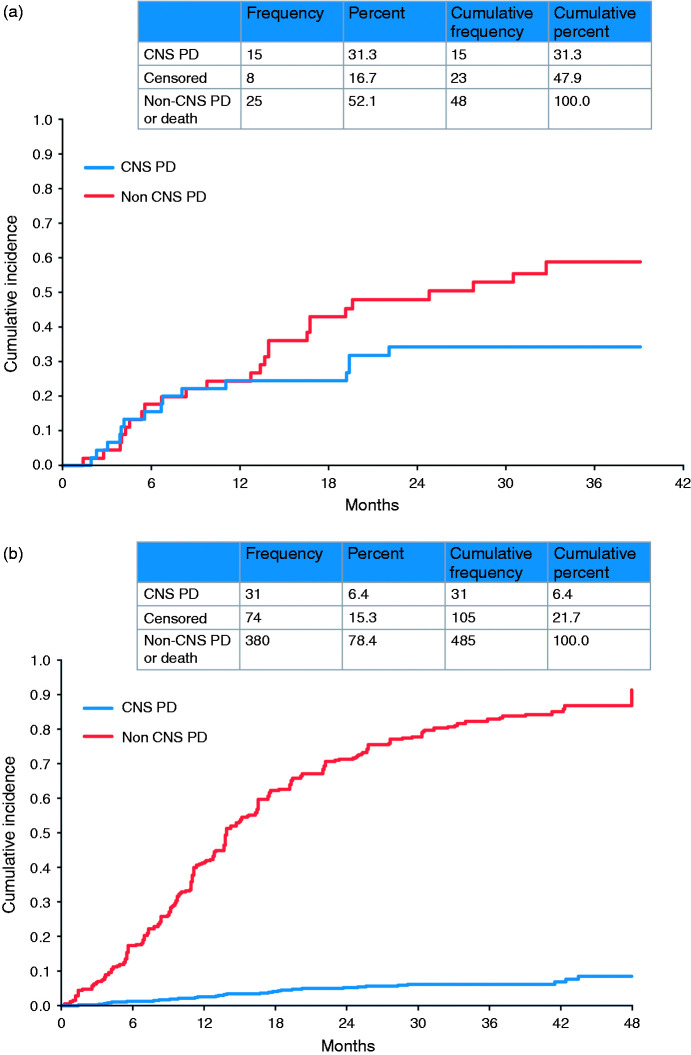
“001).(77) However, patients with brain metastases have been excluded from clinical trials.”
BackgroundUrata, Y., Katakami, N., Morita, S., Kaji, R., Yoshioka, H., Seto, T., Satouchi, M., Iwamoto, Y., Kanehara, M., Fujimoto, D., et al. (2016) · Journal of Clinical Oncology · doi:10.1200/jco.2015.63.4154 · Cited by 159
Peters, S., Zimmermann, S., & Adjei, A. A. (2014) · Cancer Treatment Reviews · doi:10.1016/j.ctrv.2014.06.010 · Cited by 155 · cited 7×
“In vitro, afatinib is both a substrate and inhibitor of BCRP,(50) and gefitinib, erlotinib, and osimertinib also function as inhibitors and/or substrates of P-glycoprotein and/or BCRP to varying degrees.(51,53,61,65)”
BackgroundInfluentialExpert Consensus on the Management of Adverse Events from EGFR Tyrosine Kinase Inhibitors in the UK
Califano, R., Tariq, N., Compton, S., Fitzgerald, D. A., Harwood, C. A., Lal, R., Lester, J., McPhelim, J., Mulatero, C., Subramanian, S., et al. (2015) · Drugs · doi:10.1007/s40265-015-0434-6 · Cited by 152
Afatinib pharmacokinetics and metabolism after oral administration to healthy male volunteers
Stopfer, P., Marzin, K., Narjes, H., Gansser, D., Shahidi, M., Uttereuther-Fischer, M., & Ebner, T. (2012) · Cancer Chemotherapy and Pharmacology · doi:10.1007/s00280-011-1803-9 · Cited by 137 · cited 1×
“Excretion occurs primarily via the feces (85%), with the parent compound representing 89% of the recovered dose.(58) Moderate-to-severe renal impairment has been shown to have a minor influence on afatinib pharmacokinetics.”
BackgroundNormanno, N., Denis, M. G., Thress, K. S., Ratcliffe, M., & Reck, M. (2017) · Oncotarget · doi:10.18632/oncotarget.13915 · Cited by 135
Epidermal Growth Factor Signaling in Transformed Cells
Lindsey, S. C., & Langhans, S. A. (2014) · International review of cytology · doi:10.1016/bs.ircmb.2014.10.001 · Cited by 128
Aguiar, P. N., Haaland, B., Park, W., San Tan, P., del Giglio, A., & de Lima Lopes, G. (2018) · JAMA Oncology · doi:10.1001/jamaoncol.2018.1395 · Cited by 124 · cited 1×
“114 Further cost-benefit analyses of afatinib and other EGFR TKIs in patients with EGFR m þ NSCLC and SCC are needed to adequately assess the economic impact of the different treatment options and to identify the optimal sequencing strategy.”
BackgroundKeam, B., Kim, D.-W., Park, J. H., Lee, J.-O., Kim, T. M., Lee, S.-H., Chung, D. H., & Heo, D. S. (2014) · International Journal of Clinical Oncology · doi:10.1007/s10147-013-0602-1 · Cited by 113
Optimizing outcomes in EGFR Mutation-Positive Nsclc: Which Tyrosine Kinase Inhibitor and When?
Girard, N. (2018) · Future Oncology · doi:10.2217/fon-2017-0636 · Cited by 103 · cited 1×
“1%; Figure 2).(28) A recent single-center, real-world study of 306 EGFRmþ NSCLC patients from Taiwan with or without baseline brain metastases assessed the impact of first-line erlotinib, gefitinib, or afatinib in treating and preventing brain metastases.”
Backgroundvan der Wekken, A. J., Saber, A., Hiltermann, T. J. N., Kok, K., van den -->Berg, A., & Groen, H. J. M. (2016) · Critical Reviews in Oncology/Hematology · doi:10.1016/j.critrevonc.2016.01.024 · Cited by 103
Kuan, F.-C., Kuo, L.-T., Chen, M.-C., Yang, C.-T., Shi, C.-S., Teng, D., & Lee, K.-D. (2015) · British Journal of Cancer · doi:10.1038/bjc.2015.356 · Cited by 101 · cited 1×
“It appears that not all EGFR TKIs confer the same OS benefits; in a meta-analysis comparing patients with Del19-positive NSCLC who were treated with erlotinib, gefitinib, or afatinib, only afatinib was associated with a statistically significant OS benefit versus chemotherapy.(67) Consistent with the results observed…”
ResultShen, Y.-C., Tseng, G.-C., Tu, C.-Y., Chen, W.-C., Liao, W.-C., Chen, W.-C., Li, C.-H., Chen, H.-J., & Hsia, T.-C. (2017) · Lung Cancer · doi:10.1016/j.lungcan.2017.06.007 · Cited by 99
Wind, S., Schmid, M., Erhardt, J., Goeldner, R.-G., & Stopfer, P. (2013) · Clinical Pharmacokinetics · doi:10.1007/s40262-013-0091-4 · Cited by 94 · cited 1×
“50 The elimination half-life of afatinib is 37 h following repeat dosing, 50,56 and steady-state plasma concentrations are achieved within 8 days of multiple dosing.”
BackgroundReguart, N., & Remon, J. (2015) · Future Oncology · doi:10.2217/fon.15.15 · Cited by 91 · cited 1×
“The most common EGFR mutations are deletions in exon 19 (Del19) and the point mutation L858R in exon 21, which together account for 85–90% of all presenting EGFR mutations.(7) Numerous uncommon mutations within exons 18–21 of the EGFR gene, including S786I, G719X, and L861Q, have also been identified in NSCLC tumors.”
BackgroundHofheinz, R.-D., Deplanque, G., Komatsu, Y., Kobayashi, Y., Ocvirk, J., Racca, P., Guenther, S., Zhang, J., Lacouture, M. E., & Jatoi, A. (2016) · The Oncologist · doi:10.1634/theoncologist.2016-0051 · Cited by 88 · cited 3×
“If the patient’s skin condition does not improve, dose reduction or treatment discontinuation is recommended, along with referral to a dermatologist.(68,90)”
BackgroundHochmair, M. J., Morabito, A., Hao, D., Yang, C.-T., Soo, R. A., Yang, J. C.-H., Gucalp, R., Halmos, B., Wang, L., Märten, A., et al. (2019) · Future Oncology · doi:10.2217/fon-2019-0346 · Cited by 85 · cited 2×
“The clinical effectiveness of afatinib has been confirmed by recent results of real-world studies.(89,99) In addition, afatinib-related AEs are manageable by means of tolerability-guided dose adjustments, along with the use of AE-specific treatment administered either prophylactically or as needed.”
BackgroundResultHeigener, D. F., Schumann, C., Sebastian, M., Sadjadian, P., Stehle, I., Märten, A., Lüers, A., Griesinger, F., Scheffler, M., & for the Afatinib Compassionate Use Consortium (ACUC) (2015) · The Oncologist · doi:10.1634/theoncologist.2015-0073 · Cited by 78
York, E. R., Varella-Garcia, M., Bang, T. J., Aisner, D. L., & Camidge, D. R. (2017) · Journal of Thoracic Oncology · doi:10.1016/j.jtho.2017.02.020 · Cited by 76
Current and Future Molecular Testing in NSCLC, What Can We Expect from New Sequencing Technologies?
Garinet, S., Laurent‐Puig, P., Blons, H., & Oudart, J. (2018) · Journal of Clinical Medicine · doi:10.3390/jcm7060144 · Cited by 76
Halmos, B., Tan, E.-H., Soo, R. A., Cadranel, J., Lee, M. K., Foucher, P., Hsia, T.-C., Hochmair, M., Griesinger, F., Hida, T., et al. (2019) · Lung Cancer · doi:10.1016/j.lungcan.2018.10.028 · Cited by 74
Kuiper, J. L., Hashemi, S. M. S., Thunnissen, E., Snijders, P. J. F., Grünberg, K., Bloemena, E., Sie, D., Postmus, P. E., Heideman, D. A. M., & Smit, E. F. (2016) · British Journal of Cancer · doi:10.1038/bjc.2016.372 · Cited by 73
Melosky, B., & Hirsh, V. (2014) · Frontiers in Oncology · doi:10.3389/fonc.2014.00238 · Cited by 73 · cited 2×
“The management of afatinib-related AEs has been well characterized, and guidelines are available that describe recommended strategies for prevention and management.(68,87) For example, patients who experience diarrhea should receive medication, such as loperamide, immediately.”
BackgroundEspósito, A., Criscitiello, C., Trapani, D., & Curigliano, G. (2017) · Current Oncology Reports · doi:10.1007/s11912-017-0564-y · Cited by 67
Ting, J., Tien Ho, P., Xiang, P., Sugay, A., Abdel-Sattar, M., & Wilson, L. (2015) · Value in Health · doi:10.1016/j.jval.2015.04.008 · Cited by 65
EGFR T790M and C797S Mutations as Mechanisms of Acquired Resistance to Dacomitinib
Kobayashi, Y., Fujino, T., Nishino, M., Koga, T., Chiba, M., Sesumi, Y., Ohara, S., Shimoji, M., Tomizawa, K., Takemoto, T., et al. (2018) · Journal of Thoracic Oncology · doi:10.1016/j.jtho.2018.01.009 · Cited by 65 · cited 1×
“Likewise, T790M is detected in around 50–70% of patients with resistance to afatinib(91,92) and is also likely to be associated with clinical resistance to dacomitinib.(93)A variety of other mechanisms of resistance to the first- and secondgeneration EGFR TKIs have been identified, including other EGFR alterations, Er…”
BackgroundKrawczyk, P., Kowalski, D. M., Ramlau, R., Kalinka-Warzocha, E., Winiarczyk, K., Stencel, K., Powrózek, T., Reszka, K., Wojas-Krawczyk, K., Bryl, M., et al. (2017) · Oncology Letters · doi:10.3892/ol.2017.5980 · Cited by 65
Pharmacokinetic Drug Interactions of Afatinib with Rifampicin and Ritonavir
Wind, S., Giessmann, T., Jungnik, A., Brand, T., Marzin, K., Bertulis, J., Hocke, J., Gansser, D., & Stopfer, P. (2014) · Clinical Drug Investigation · doi:10.1007/s40261-013-0161-2 · Cited by 63
Goss, G. D., Felip, E., Cobo, M., Lu, S., Syrigos, K., Lee, K. H., Göker, E., Georgoulias, V., Li, W., Guclu, S., et al. (2018) · JAMA Oncology · doi:10.1001/jamaoncol.2018.0775 · Cited by 55 · cited 1×
“Interestingly, the benefit of afatinib over erlotinib among patients with ErbB-positive tumors appeared to be driven by mutations in HER3 (ErbB3), HER4 (ErbB4), and in particular, HER2 (ErbB2).(85) Based on the overall LUX-Lung 8 results, afatinib has been approved by the FDA for the treatment of metastatic, squamous…”
BackgroundJenkins, S., Chih-Hsin Yang, J., Jänne, P. A., Thress, K. S., Yu, K., Hodge, R., Weston, S., Dearden, S., Patel, S., Cantarini, M., et al. (2017) · Journal of Thoracic Oncology · doi:10.1016/j.jtho.2017.05.002 · Cited by 53 · cited 5×
“versus those with L858R.(91) Patients who do not develop T790M upon progression on first- or secondgeneration EGFR TKIs may have been better treated with osimertinib as first-line therapy, which has shown the longest median PFS of all EGFR TKIs, at 18.”
BackgroundInfluentialSu, P.-L., Wu, Y.-L., Chang, W.-Y., Ho, C.-L., Tseng, Y.-L., Lai, W.-W., Su, W.-C., Lin, C.-C., & Yang, S.-C. (2018) · Therapeutic Advances in Medical Oncology · doi:10.1177/1758835918797589 · Cited by 49
Pharmacokinetics of afatinib in subjects with mild or moderate hepatic impairment
Schnell, D., Buschke, S., Fuchs, H., Gansser, D., Goeldner, R.-G., Uttenreuther-Fischer, M., Stopfer, P., Wind, S., Petersen-Sylla, M., Halabi, A., et al. (2014) · Cancer Chemotherapy and Pharmacology · doi:10.1007/s00280-014-2484-y · Cited by 44 · cited 2×
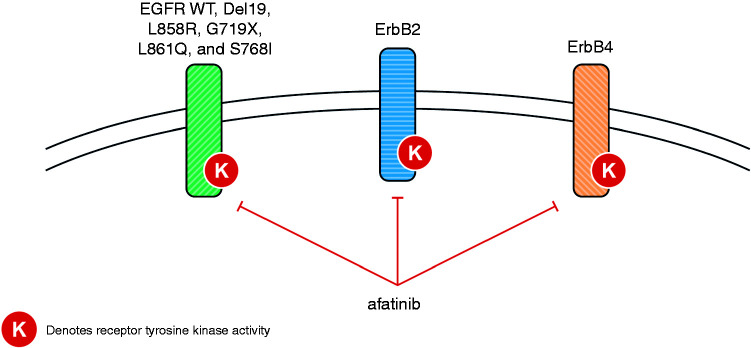
“No afatinib starting dose adjustments are needed for patients with mild or moderate hepatic impairment.(60) However, afatinib has not been studied in patients with severe hepatic impairment, and EGFR WT, Del19, L858R, G719X, L861Q, and S768I ErbB2 ErbB4”
BackgroundHata, A., Katakami, N., Kaji, R., Yokoyama, T., Kaneda, T., Tamiya, M., Inoue, T., Kimura, H., Yano, Y., Tamura, D., et al. (2018) · Cancer · doi:10.1002/cncr.31678 · Cited by 42
Continuing EGFR inhibition beyond progression in advanced non-small cell lung cancer
Yap, T. A., Macklin-Doherty, A., & Popat, S. (2017) · European Journal of Cancer · doi:10.1016/j.ejca.2016.10.014 · Cited by 38 · cited 4×
“This approach may be beneficial to help avoid rapid disease progression with worsening of disease-related symptoms following treatment discontinuation (rebound tumor flare), which, as previously mentioned, can occur in some patients after discontinuation of EGFR TKIs.(110) Indeed, one analysis found that 14/61 patient…”
BackgroundInfluentialNew developments in the treatment of advanced squamous cell lung cancer: focus on afatinib
Hirsh, V. (2017) · OncoTargets and Therapy · doi:10.2147/ott.s104177 · Cited by 38
Lange, A., Prenzler, A., Frank, M., Golpon, H., Welte, T., & von der Schulenburg, J.-M. (2014) · BMC Pulmonary Medicine · doi:10.1186/1471-2466-14-192 · Cited by 38 · cited 1×
“In EGFRmþ NSCLC, EGFR TKIs have a clear benefit over platinum-based chemotherapy in terms of cost-effectiveness.(111) For example, one US study showed that erlotinib and afatinib were more cost-effective than cisplatinpemetrexed, with erlotinib holding a cost-effectiveness advantage over afatinib.”
BackgroundLee, J. Y., Sun, J.-M., Lim, S. H., Kim, H. S., Yoo, K. H., Jung, K. S., Song, H.-N., Ku, B. M., Koh, J., Bae, Y.-H., et al. (2016) · Clinical Cancer Research · doi:10.1158/1078-0432.ccr-15-1653 · Cited by 36
Edwards, R. L., Andan, C., Lalla, R. V., Lacouture, M. E., O’Brien, D., & Sequist, L. V. D. (2018) · Clinical journal of oncology nursing · doi:10.1188/18.cjon.542-548 · Cited by 27
Influence of Renal Impairment on the Pharmacokinetics of Afatinib: An Open-Label, Single-Dose Study
Wiebe, S., Schnell, D., Külzer, R., Gansser, D., Weber, A., Wallenstein, G., Halabi, A., Conrad, A., & Wind, S. (2017) · European Journal of Drug Metabolism and Pharmacokinetics · doi:10.1007/s13318-016-0359-9 · Cited by 24
Ni, J., Weng, L., Liu, Y., Sun, Z., Bai, C., & Wang, Y. (2017) · Oncology Letters · doi:10.3892/ol.2017.6022 · Cited by 23 · cited 4×
“This approach allows for regular testing of patients at various stages of treatment, for efficacy monitoring and real-time identification of potential new mutations.(15,18,19) Liquid biopsies have been tested in the context of EGFR mutation-positive (EGFRmþ) NSCLC and can be used for detection of Del19 and L858R.”
MethodResultInfluentialCorallo, S., D’Argento, E., Strippoli, A., Basso, M., Monterisi, S., Rossi, S., Cassano, A., & Barone, C. M. (2017) · Targeted Oncology · doi:10.1007/s11523-017-0479-4 · Cited by 22 · cited 1×
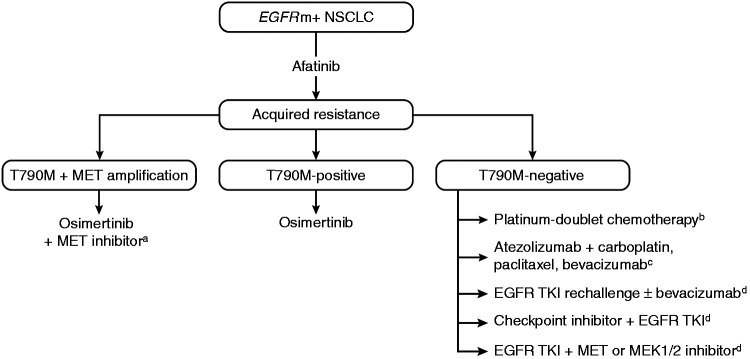
“In contrast to T790M-positive tumors, subsequent treatment options for patients with T790M-negative acquired resistance are less well defined, reflecting the large variety of possible resistance mechanisms identified.(103) Currently, the standard treatment for these tumors is platinum-doublet chemotherapy.”
BackgroundMarcq, M., Vallée, A., Bizieux, A., & Denis, M. G. (2014) · Journal of Thoracic Oncology · doi:10.1097/jto.0000000000000134 · Cited by 20 · cited 3×
“One study identified de novo T790M mutations more frequently within L858R tumors than within Del19 tumors among 20 EGFR TKI-naı¨ve patients, 102 while mutation analysis of EGFR TKI-pretreated patients in the osimertinib AURA extension and AURA2 trials detected T790M mutations in a higher proportion of patients with Del…”
ResultPlasma EGFR Mutation Detection Associated With Survival Outcomes in Advanced-Stage Lung Cancer
Lam, D. C. L., Tam, T. C. C., Lau, K. M. K., Wong, W.-M., Hui, C. K. M., Lam, J. C. M., Wang, J. K. L., Lui, M. M. S., Ho, J. C. M., & Ip, M. S. M. (2015) · Clinical Lung Cancer · doi:10.1016/j.cllc.2015.06.003 · Cited by 17 · cited 2×
“10,14,15,20,21 EGFR mutations detected in plasma and urine have been shown to be concordant with those identified by tumor biopsy, supporting the use of liquid biopsies as a screening tool.”
BackgroundResultIto, K., Suzuki, Y., Saiki, H., Sakaguchi, T., Hayashi, K., Nishii, Y., Watanabe, F., & Hataji, O. (2018) · Clinical Lung Cancer · doi:10.1016/j.cllc.2017.10.017 · Cited by 16
Graham, J., Earnshaw, S., Burslem, K., & Lim, J. (2018) · Journal of Managed Care & Specialty Pharmacy · doi:10.18553/jmcp.2018.24.6.544 · Cited by 8 · cited 1×
“113 In contrast, a recent analysis of the cost-effectiveness of first-line EGFR TKIs in patients with EGFR m þ NSCLC suggested that osimertinib is not a cost-effective first-line therapy compared with first-or second-generation TKIs.”
ResultBennouna, J. (2017) · Future Oncology · doi:10.2217/fon-2017-0240 · Cited by 7
Impact of Cytological Sampling on EGFR Mutation Testing in Stage III-IV Lung Adenocarcinoma
Davies, R. S., Smith, C., Edwards, G., Butler, R., Parry, D., & Lester, J. F. (2017) · Lung Cancer International · doi:10.1155/2017/9614938 · Cited by 7
Molecular profile of liquid biopsies: next generation biomarkers to improve lung cancer treatment
Bianchi, F. (2015) · ecancermedicalscience · doi:10.3332/ecancer.2015.598 · Cited by 5
Ahn, M., Han, J., Tsai, C., Delmonte, A., Hsia, T.-C., Laskin, J., Kim, S., He, Y., Hida, T., Maemondo, M., et al. (2017) · Institutional Repositories DataBase (IRDB) · Cited by 5
Cited by
Advances in covalent drug discovery
Boike, L., Henning, N. J., & Nomura, D. K. (2022) · Nature Reviews Drug Discovery · doi:10.1038/s41573-022-00542-z · Cited by 823
Genomic and evolutionary classification of lung cancer in never smokers
Zhang, T., Joubert, P., Ansari-Pour, N., Zhao, W., Hoang, P. H., Lokanga, R., Moye, A. L., Rosenbaum, J., Gonzalez-Perez, A., Martínez-Jiménez, F., et al. (2021) · Nature Genetics · doi:10.1038/s41588-021-00920-0 · Cited by 238
Xu, H., Chen, J., Chen, P., Li, W., Shao, J., Hong, S., Wang, Y., Chen, L., Luo, W., & Liang, G. (2022) · Acta Pharmaceutica Sinica B · doi:10.1016/j.apsb.2022.09.014 · Cited by 106
Theranostic applications of selenium nanomedicines against lung cancer
Liu, S., Wei, W., Wang, J., & Chen, T. (2023) · Journal of Nanobiotechnology · doi:10.1186/s12951-023-01825-2 · Cited by 91
Shah, A. A., Ahmad, S., Yadav, M. K., Raza, K., Kamal, M. A., & Akhtar, S. (2023) · Current Medicinal Chemistry · doi:10.2174/0929867330666230309143711 · Cited by 66
Metadata
- Authors
- Harvey, R. D., Adams, V. R., Beardslee, T., & Medina, P.
- Affiliations
- Emory University (US)
- University of Kentucky (US)
- Winship Cancer Institute (US)
- OU Health Stephenson Cancer Center (US)
- Corresponding author
- Harvey, R Donald
- ORCID
- Harvey, R Donald
- Venue
- Journal of Oncology Pharmacy Practice
- Publisher
- SAGE Publications
- Published
- 2020-06-20
- Volume
- 26
- Issue
- 6
- Pages
- 1461-1474
- ISSN
- 1078-1552 (ISSN-L)
- 1477-092X
- PMC
- PMC7448811
- OpenAlex
- W3036183865
- Cited by
- 115
- References
- 108
- Citations by year
- 2026: 14 · 2025: 19 · 2024: 30 · 2023: 22 · 2022: 21 · 2021: 7 · 2020: 2
- FWCI
- 1.86
- Type
- journal article
- Language
- en
- Open access
- hybrid
- doi.org
- Licence
- Locations
- Journal of Oncology Pharmacy Practice (publishedVersion, cc-by-nc)
- PubMed Central (publishedVersion, cc-by-nc)
- PubMed (publishedVersion)
- UKnowledge (University of Kentucky) (submittedVersion, cc-by-nc)
- Funders
- Boehringer Ingelheim
- Topics
- Health Sciences › Medicine › Pulmonary and Respiratory Medicine › Lung Cancer Treatments and Mutations
- Health Sciences › Medicine › Oncology › HER2/EGFR in Cancer Research
- Health Sciences › Medicine › Pulmonary and Respiratory Medicine › Lung Cancer Diagnosis and Treatment
- Keywords
- afatinib, EGFR-mutant non-small cell lung cancer, EGFR tyrosine kinase inhibitors, gefitinib, brain metastases, treatment resistance mechanisms, dose adjustment, adverse events, economic impact, treatment sequencing
- MeSH terms
- Gefitinib, Afatinib, Progression-Free Survival, Antineoplastic Agents, Carcinoma, Non-Small-Cell Lung, Humans, Lung Neoplasms, Mutation, Protein Kinase Inhibitors, ErbB Receptors
About these checks
Registry, retraction, Cites and statistics results are computed, not judged, with one exception: a printed reference that no index lists is read once by a model before it counts as a citation error. Claims are extracted by a model and kept only when their quote appears verbatim in the text; each cited source is then checked, with a model’s help, for whether it says what the claim relies on. Those verdicts can be wrong — read the claim’s quote and the cited source before relying on one.
The claim verdicts this report counts are experimental: their accuracy is not yet measured.
A language model drew the claims from the paper on 2026-10-10, under version 3 of the claim definition (model deepseek-v4.1-flash, prompt extract-v3).
A second model labelled each claim on 2026-10-10 (model jev-1.13-20260917, definition revision gold-guideline-v0.2).
Cited sources are checked with a language model’s help (gpt-6-sol and qwen3.8-omni-flash).
Statistics and arithmetic are recomputed, not judged.
Confidence bands are shown only for fields calibrated on our annotated test set. None is calibrated yet, so no band is shown.
What counts as a claim ›How we measure confidence ›How we check this ›
Are you an author, or do you see a problem with this page? Request a review
Data sources
Bibliographic data: Semantic Scholar, OpenAlex, Crossref.
Contains information from the Semantic Scholar Academic Graph Datasets, made available under the ODC Attribution License (ODC-BY 1.0).
Semantic Scholar’s data is described in: Kinney, R., et al. (2023). The Semantic Scholar Open Data Platform. arXiv:2301.10140.
