

De novo assembly and characterization of root transcriptome using Illumina paired-end sequencing and development of cSSR markers in sweetpotato (Ipomoea batatas)
Open accessThe DOI matches its Crossref record; 72 of the 72 references it cites were found in a registry or an index; 41 of the 54 sources its claims cite were checked for support.
Abstract
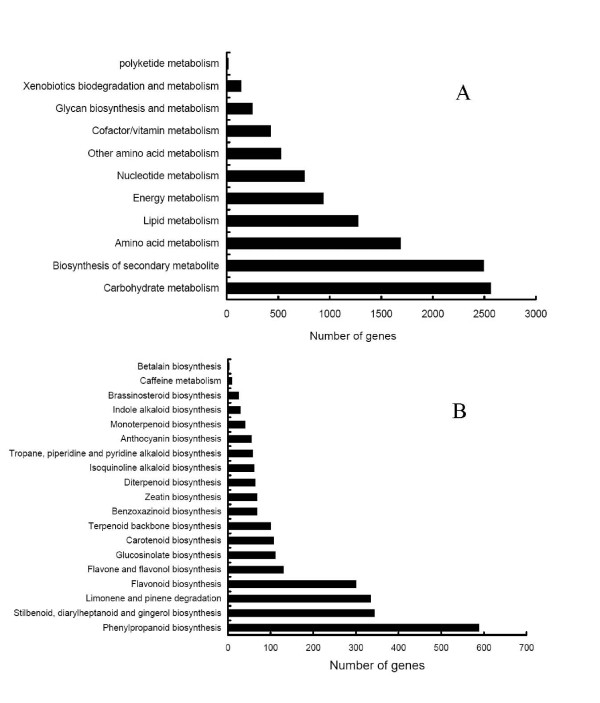
Background: The tuberous root of sweetpotato is an important agricultural and biological organ. There are not sufficient transcriptomic and genomic data in public databases for understanding of the molecular mechanism underlying the tuberous root formation and development. Thus, high throughput transcriptome sequencing is needed to generate enormous transcript sequences from sweetpotato root for gene discovery and molecular marker development. Results: In this study, more than 59 million sequencing reads were generated using Illumina paired-end sequencing technology.De novo assembly yielded 56,516 unigenes with an average length of 581 bp. Based on sequence similarity search with known proteins, a total of 35,051 (62.02%) genes were identified. Out of these annotated unigenes, 5,046 and 11,983 unigenes were assigned to gene ontology and clusters of orthologous group, respectively. Searching against the Kyoto Encyclopedia of Genes and Genomes Pathway database (KEGG) indicated that 17,598 (31.14%) unigenes were mapped to 124 KEGG pathways, and 11,056 were assigned to metabolic pathways, which were well represented by carbohydrate metabolism and biosynthesis of secondary metabolite. In addition, 4,114 cDNA SSRs (cSSRs) were identified as potential molecular markers in our unigenes. One hundred pairs of PCR primers were designed and used for validation of the amplification and assessment of the polymorphism in genomic DNA pools. The result revealed that 92 primer pairs were successfully amplified in initial screening tests. Conclusion: This study generated a substantial fraction of sweetpotato transcript sequences, which can be used to discover novel genes associated with tuberous root formation and development and will also make it possible to construct high density microarrays for further characterization of gene expression profiles during these processes. Thousands of cSSR markers identified in the present study can enrich molecular markers and will facilitate marker-assisted selection in sweetpotato breeding. Overall, these sequences and markers will provide valuable resources for the sweetpotato community. Additionally, these results also suggested that transcriptome analysis based on Illumina paired-end sequencing is a powerful tool for gene discovery and molecular marker development for non-model species, especially those with large and complex genome.
Overview
CoChat Summary
TL;DR
This paper reports de novo Illumina paired-end sequencing of sweetpotato root transcriptome, yielding 56,516 unigenes and 4,114 cDNA-derived SSRs. It demonstrates that short-read transcriptome assembly can support gene discovery and molecular marker development in a non-model, hexaploid crop.
Key findings
- More than 59 million raw reads (59,233,468) were generated; de novo assembly produced 56,516 unigenes with an average length of 581 bp and total length of 32.85 Mb.
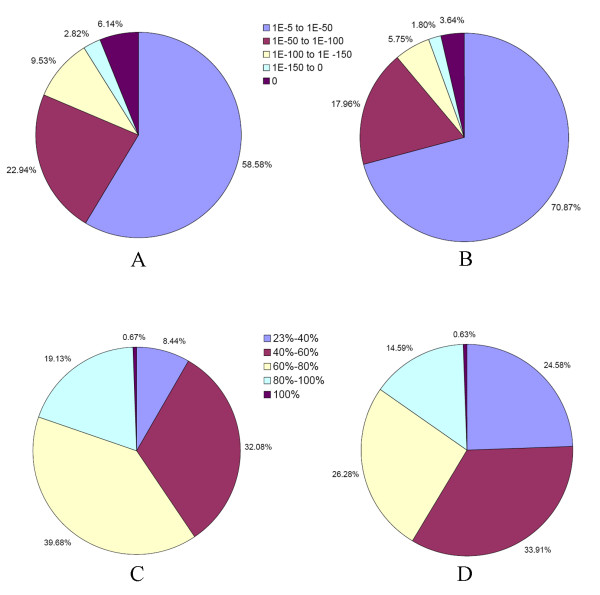
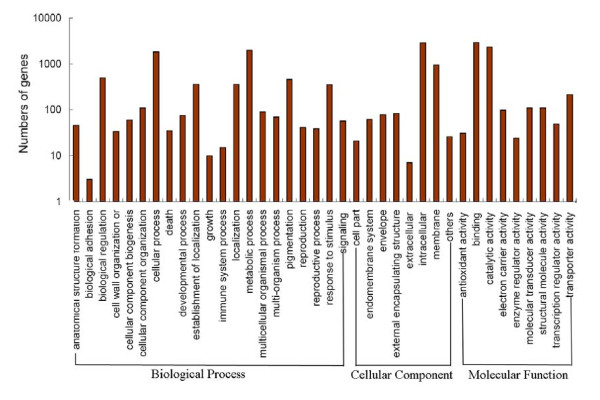
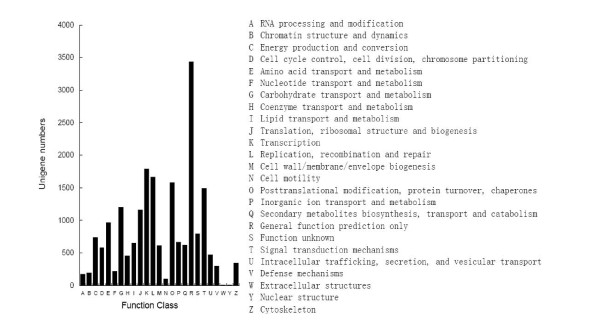
- A total of 35,051 (62.02%) unigenes were annotated by similarity search; 27,435 (48.54%) had Nr hits, 26,287 (46.21%) had Swiss-Prot hits, 5,046 were assigned GO terms, 11,983 were assigned COG classifications, and 17,598 (31.14%) mapped to 124 KEGG pathways.
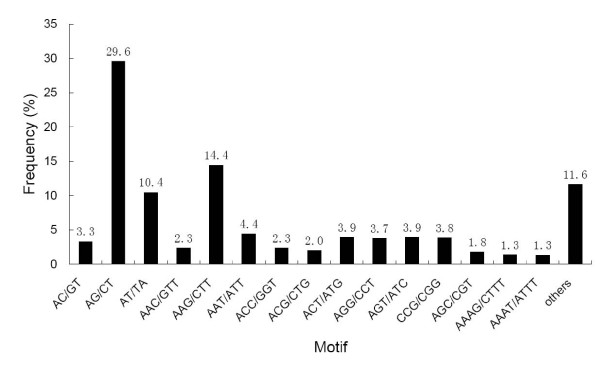
- 4,114 potential cSSRs were identified in 3,594 unigenes; di- and tri-nucleotide repeats were most abundant (1,782, 43.32%; 1,747, 42.46%). Of 100 designed primer pairs, 92 successfully amplified in initial screening.
- Highly expressed transcripts included starch metabolism genes, putrescine methyltransferase, GDP-D-mannose 3,5-epimerase, Rac-like GTP-binding protein, superoxide dismutase, and metallothionein-like protein; the two most abundant transcripts had no significant similarity to known genes.
Methods
- RNA was extracted from fibrous roots, pencil roots, and tuberous roots at three developmental stages of sweetpotato cultivar “Guangshu 87”; equal RNA amounts from five tissues were pooled for cDNA library preparation.
- Illumina GAIIx paired-end sequencing used a 200 bp insert library, generating 75 bp reads; after filtering, about 51 million high-quality reads were assembled with SOAPdenovo using a 29-mer.
- Unigenes were annotated by BLASTx against Nr, Swiss-Prot, KEGG, and COG (E < 10⁻⁵), with GO via Blast2GO/WEGO; cSSRs were mined with MISA and primers designed with Primer Premier 6.0.
Limitations
- The paper states that only about 40% of reads were assembled into unigenes, that additional sequencing would be needed for more comprehensive transcriptome coverage, and that lack of a reference genome made gene-number and coverage estimates difficult.
- The paper notes possible assembly errors due to short read length, possible collapse of paralogs with high sequence similarity, and that 406 unigenes (0.7%) had coverage depth less than 1, partly due to the de Bruijn graph approach.
- Evident from the text: cSSR validation was limited to 100 primer pairs and initial amplification screening, with polymorphism assessment described as future work; 8 primer pairs failed amplification and 45 of 92 working pairs produced unexpected product sizes.
Model-written summary. Check it against the paper before relying on it.
Integrity signals
Registry
Cites
Statistics
Figures
Verification
Claims the paper makes
14 Valid · 0 Not valid · 3 Not checked · 92 Own results and interpretations
Every source the paper cites for this claim was checked and supports it.
In the paper
“In de Bruijn approach, the reads are decomposed into k-mers, which maybe cause the loss of information.”
§ De novo assembly and characterization of root transcriptome using Illumina paired-end sequencing and development of cSSR markers in sweetpotato (Ipomoea batatas) > Discussion > Illumina paired end sequencing and assembly
What the sources say
- Supportedcites [61] Pevzner PA Tang H Waterman MS An Eulerian path approach to DNA fragment assembly Proc Natl Acad Sci USA 2001 98 9748 9753 10.1073/pnas.171285098 11504945 PMC55524 source
The passage labeled Abstract describes representing each read as overlapping l-tuples and says that this loses information about the original reads. It adds that the loss is minimal for large l and that information can be restored later, consistent with the claim's qualified wording. (LLM, conf=0.94)
hedgedstates a possible cause- Asserted: passes — The authors put it forward as true.
- Checkable: passes — It can be checked against evidence.
- Load-bearing: unclear — It is unclear whether the paper’s conclusions depend on it.
- Based: passes — The paper gives a reason why it holds.
- Supported
The cited sources support only part of this claim — read each source’s verdict below.
In the paper
“In addition, to date, only about 300 SSR markers were developed for sweetpotato [4-6].”
§ De novo assembly and characterization of root transcriptome using Illumina paired-end sequencing and development of cSSR markers in sweetpotato (Ipomoea batatas) > Background
What the sources say
- Not checked — no full text of the sourcecites [4] Buteler MI Jarret RL Labonte DR Sequence characterization of microsatellites in diploid and polyploid Ipomoea Theor Appl Genet 1999 99 123 132 10.1007/s001220051216 source
- Partly supportedcites [5] Hu JJ Nakatani M Mizuno K Fujimura T Development and Characterization of Microsatellite Markers in Sweetpotato Breeding Science 2004 54 177 188 10.1270/jsbbs.54.177 sourceExperimental — accuracy not yet measured
The Introduction (page unavailable) says that only a few useful sweetpotato microsatellite loci had been identified, supporting the claim that marker development was limited. The paper reports developing 102 polymorphic markers, but it does not give a cumulative total of about 300 sweetpotato SSR markers. (LLM, conf=0.78)
- Supportedcites [6] Schafleitner R Tincopa LR Palomino O Rossel G Robles RF Alagon R Rivera C Quispe C Rojas L Pacheco JA A sweetpotato gene index established by de novo assembly of pyrosequencing and Sanger sequences and mining for gene-based microsatellite markers BMC Genomics 2010 11 604 10.1186/1471-2164-11-604 20977749 PMC3017860 source
The Background reports about 130 previously published sweetpotato SSR markers. Results and Discussion (Microsatellite marker identification and testing) reports 150 new SSRs that were polymorphic in the test set, bringing the approximate number of available markers to 280—consistent with “about 300.” (LLM, conf=0.85)
plain- Asserted: passes — The authors put it forward as true.
- Checkable: passes — It can be checked against evidence.
- Load-bearing: passes — The paper’s conclusions depend on it.
- Based: passes — The paper gives a reason why it holds.
The sources with a verdict support this claim; the rest weren’t checked yet, have no full text we could read, or their verdicts aren’t rated yet.
In the paper
“These sequences also produced longer unigenes (mean = 581 bp) than those assembled in previous studies for example, butterfly (197 bp) [60], Eucalyptus grandis (247 bp) [11], coral larval (440 bp) [17], lodegpole pine (500 bp) [10]) and whitefly (clusters: 372 bp; singletons: 265 bp) [27]).”
§ De novo assembly and characterization of root transcriptome using Illumina paired-end sequencing and development of cSSR markers in sweetpotato (Ipomoea batatas) > Discussion > Illumina paired end sequencing and assembly
What the sources say
- Not checked — no full text of the sourcecites [60] Vera JC Wheat CW Fescemyer HW Frilander MJ Crawford DL Hanski I Marden JH Rapid transcriptome characterization for a nonmodel organism using 454 pyrosequencing Mol Ecol 2008 17 1636 1647 10.1111/j.1365-294X.2008.03666.x 18266620 source
- Supportedcites [11] Novaes E Drost DR Farmerie WG Pappas GJ Jr Grattapaglia D Sederoff RR Kirst M High-throughput gene and SNP discovery in Eucalyptus grandis, an uncharacterized genome BMC Genomics 2008 9 312 10.1186/1471-2164-9-312 18590545 PMC2483731 source
The Results section (‘454 pyrosequencing and assembly of E. grandis ESTs’) reports that the combined Eucalyptus grandis assembly produced contigs averaging 247 bp. That supports the Eucalyptus grandis figure to which this citation is attached; the paper calls them contigs, while the citing sentence calls them assembled unigenes. (LLM, conf=0.91)
- Supportedcites [17] Meyer E Aglyamova GV Wang S Buchanan-Carter J Abrego D Colbourne JK Willis BL Matz MV Sequencing and de novo analysis of a coral larval transcriptome using 454 GSFlx BMC Genomics 2009 10 219 10.1186/1471-2164-10-219 19435504 PMC2689275 source
The Results section ('454 sequencing, assembly, and sequence analysis'; page unavailable) reports that contigs assembled from coral larval sequences had an average length of 440 bp. This supports the coral-larval figure attached to this citation; the other species and the 581-bp comparison are not attributed to this source. (LLM, conf=0.93)
plain- Asserted: passes — The authors put it forward as true.
- Checkable: passes — It can be checked against evidence.
- Load-bearing: unclear — It is unclear whether the paper’s conclusions depend on it.
- Based: passes — The paper gives a reason why it holds.
Every source the paper cites for this claim was checked and supports it.
In the paper
“According to previous publication, there is no real advantage to normalization when thousands of sequences were generated [18].”
§ De novo assembly and characterization of root transcriptome using Illumina paired-end sequencing and development of cSSR markers in sweetpotato (Ipomoea batatas) > Discussion > Functional annotation of unigenes
What the sources say
- Supportedcites [18] Hale MC McCormick CR Jackson JR Dewoody JA Next-generation pyrosequencing of gonad transcriptomes in the polyploid lake sturgeon (Acipenser fulvescens): the relative merits of normalization and rarefaction in gene discovery BMC Genomics 2009 10 203 10.1186/1471-2164-10-203 19402907 PMC2688523 source
The Discussion (Gene and SNP discovery) says that normalization has little impact on rare-transcript discovery when thousands of sequences are considered and that, after approximately 5,000 sequences, there is no real advantage to normalization. The statement concerns gene discovery at that sequencing depth. (LLM, conf=0.94)
plain- Asserted: passes — The authors put it forward as true.
- Checkable: passes — It can be checked against evidence.
- Load-bearing: unclear — It is unclear whether the paper’s conclusions depend on it.
- Based: passes — The paper gives a reason why it holds.
- Supported
The cited sources support only part of this claim — read each source’s verdict below.
In the paper
“Nonetheless, only 40% of reads were assembled into unigenes, which is less than that reported for 454 transciptome assemblies (e.g., 88% [11], 90% [17], 48% [10]).”
§ De novo assembly and characterization of root transcriptome using Illumina paired-end sequencing and development of cSSR markers in sweetpotato (Ipomoea batatas) > Discussion > Illumina paired end sequencing and assembly
What the sources say
- Partly supportedcites [11] Novaes E Drost DR Farmerie WG Pappas GJ Jr Grattapaglia D Sederoff RR Kirst M High-throughput gene and SNP discovery in Eucalyptus grandis, an uncharacterized genome BMC Genomics 2008 9 312 10.1186/1471-2164-9-312 18590545 PMC2483731 sourceExperimental — accuracy not yet measured
The Results section, ‘454 pyrosequencing and assembly of E. grandis ESTs’ (page unavailable), confirms that this is a 454 transcriptome assembly, so the paper fits the cited example. The passages report the number of reads and contigs but do not establish that 48% of reads were assembled; that figure is the part attributed to this source that remains unsupported. (LLM, conf=0.72)
- Supportedcites [17] Meyer E Aglyamova GV Wang S Buchanan-Carter J Abrego D Colbourne JK Willis BL Matz MV Sequencing and de novo analysis of a coral larval transcriptome using 454 GSFlx BMC Genomics 2009 10 219 10.1186/1471-2164-10-219 19435504 PMC2689275 source
The citation to Meyer et al. is attached to the 90% figure, not the 88% or 48% figures. In the Discussion section, the paper reports that its assembly incorporated 90% of high-quality reads, supporting the comparison with the citing document's 40% rate. (LLM, conf=0.94)
- Supportedcites [10] Parchman TL Geist KS Grahnen JA Benkman CW Buerkle CA Transcriptome sequencing in an ecologically important tree species: assembly, annotation, and marker discovery BMC Genomics 2010 11 180 10.1186/1471-2164-11-180 20233449 PMC2851599 source
The Discussion (Assembly and annotation) reports that 48% of reads were assembled into contigs. That supports the 48% comparison attributed to this source; the citing paper’s 40% figure and the other percentages are not attributed to it. (LLM, conf=0.94)
plain- Asserted: passes — The authors put it forward as true.
- Checkable: passes — It can be checked against evidence.
- Load-bearing: unclear — It is unclear whether the paper’s conclusions depend on it.
- Based: passes — The paper gives a reason why it holds.
- Partly supported
74 more claims · 2 with their cited sources checked
Create a free account to see all 109 claims and every source verdict.
- Probably not a substantial claim. 18
- It may state two separate claims as one. 14
- The quote only partly states this claim. 1
Claims other papers make about this one
Each is checked against this paper’s own text: does it say what the citing paper says it does?
The source backs part of the claim, not all of it — or backs it for a different population, condition or comparison.
In the citing paper
“The former used leaf and stem of an African landrace, and the latter used only the roots of a new edible variety as materials.”
From Digital Gene Expression Analysis Based on Integrated De Novo Transcriptome Assembly of Sweet Potato [Ipomoea batatas (L.) Lam.] (2012) · cites this paper as [12]
Experimental — accuracy not yet measuredThe source backs part of the claim, not all of it — or backs it for a different population, condition or comparison.
In the citing paper
“The latter only delivered the original raw reads and reported the assembled scaffolds and unigenes which were assembled with SOAPdenovo [12].”
From Digital Gene Expression Analysis Based on Integrated De Novo Transcriptome Assembly of Sweet Potato [Ipomoea batatas (L.) Lam.] (2012) · cites this paper as [12]
Experimental — accuracy not yet measuredThe cited source says what the claim attributes to it.
In the citing paper
“Researchers usually chose only one assembler to assembly a transcriptome [11], [12], [17]–[19].”
From Digital Gene Expression Analysis Based on Integrated De Novo Transcriptome Assembly of Sweet Potato [Ipomoea batatas (L.) Lam.] (2012) · cites this paper as [12]
The cited source says what the claim attributes to it.
In the citing paper
“The sweet potato genes identified in this study are 18% and 40% more than previously reported by Schafleitner et al. [11] and Wang et al. [12], respectively.”
From Digital Gene Expression Analysis Based on Integrated De Novo Transcriptome Assembly of Sweet Potato [Ipomoea batatas (L.) Lam.] (2012) · cites this paper as [12]
The cited source says what the claim attributes to it.
In the citing paper
“These motifs were previously shown to occur at the highest frequency in sweet potato EST or cDNA SSRs, especially the AG/CT, AAG/CTT, and AT/TA motifs (Wang et al., 2010; Wang Z. et al., 2011; Tao et al., 2012).”
From Development and identification of SSR markers associated with starch properties and β-carotene content in the storage root of sweet potato (Ipomoea batatas L.) (2016) · cites this paper as Wang et al., 2010
4 more claims about this paper
Create a free account to see every claim other papers make about this one.
Self-check
Percentages, sums and reported differences re-computed from the paper’s own numbers.
Rated minor: it would not touch a result — a value no result rests on, a p-value that stays on the same side of the significance level, or a conflict that is clerical, resolved elsewhere in the paper, or outside its own findings.
In the paper
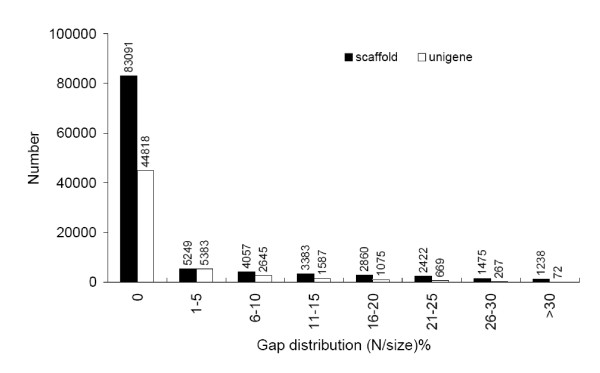
“roughly 1.28 Mb gaps (3.27% of total unigene sequences) remained unclosed.”
§ De novo assembly and characterization of root transcriptome using Illumina paired-end sequencing and development of cSSR markers in sweetpotato (Ipomoea batatas) > Results > Illumina paired-end sequencing and de novo assembly
Reported 3.27 · recomputed 3.896499
Citations
Cites
Gapped BLAST and PSI-BLAST: a new generation of protein database search programs
Altschul, S. (1997) · Nucleic Acids Research · doi:10.1093/nar/25.17.3389 · Cited by 73,302
KEGG: Kyoto Encyclopedia of Genes and Genomes
Kanehisa, M. (2000) · Nucleic Acids Research · doi:10.1093/nar/28.1.27 · Cited by 37,077
KEGG: Kyoto Encyclopedia of Genes and Genomes
Ogata, H., Goto, S., Sato, K., Fujibuchi, W., Bono, H., & Kanehisa, M. (1999) · Nucleic Acids Research · doi:10.1093/nar/27.1.29 · Cited by 31,232
Mapping and quantifying mammalian transcriptomes by RNA-Seq
Mortazavi, A., Williams, B. A., McCue, K., Schaeffer, L., & Wold, B. (2008) · Nature Methods · doi:10.1038/nmeth.1226 · Cited by 13,696 · cited 1×
“In contrast, Illumina transcriptome or genome sequencing was mainly limited to organisms with reference genomes available [14,51-53].”
BackgroundConesa, A., Götz, S., García-Gómez, J. M., Terol, J., Talón, M., & Robles, M. (2005) · Bioinformatics · doi:10.1093/bioinformatics/bti610 · Cited by 11,495
Database resources of the National Center for Biotechnology Information: update
Wheeler, D. L. (2004) · Nucleic Acids Research · doi:10.1093/nar/gkh073 · Cited by 10,641
Sequencing technologies – the next generation
Metzker, M. L. (2010) · Nature Reviews Genetics · doi:10.1038/nrg2626 · Cited by 7,066 · cited 1×
“Next Generation Sequencing (NGS), including the Roche/454 Genome Sequencer FLX Instrument, the ABI SOLiD System, and the Illumina Genome Analyser, is a powerful and cost-efficient tool for advanced research in many areas, including re-sequencing, microRNA expression profiling, DNA methylation, especially de novo trans…”
MethodAccurate whole human genome sequencing using reversible terminator chemistry
Bentley, D. R., Balasubramanian, S., Swerdlow, H. P., Smith, G. P., Milton, J., Brown, C. G., Hall, K. P., Evers, D. J., Barnes, C. L., Bignell, H. R., et al. (2008) · Nature · doi:10.1038/nature07517 · Cited by 3,684
SOAP: Short oligonucleotide alignment program
Li, R., Li, Y., Kristiansen, K., & Wang, J. (2008) · Bioinformatics · doi:10.1093/bioinformatics/btn025 · Cited by 3,597 · cited 2×
“To evaluate the quality and coverage of the assembled unigenes, all the usable sequencing reads were realigned to the unigenes using SOAPaligner [28], allowing up to 2 base mismatches.”
MethodSelf-citationDe novo assembly of human genomes with massively parallel short read sequencing
Li, R., Zhu, H., Ruan, J., Qian, W., Fang, X., Shi, Z., Li, Y., Li, S., Shan, G., Kristiansen, K., et al. (2010) · Genome Research · doi:10.1101/gr.097261.109 · Cited by 2,926 · cited 3×
“html with the default settings except K-mer value [16].”
BackgroundMethodSelf-citationWEGO: a web tool for plotting GO annotations
Ye, J., Fang, L., Zheng, H., Zhang, Y., Chen, J., Zhang, Z., Wang, J., Li, S., Li, R., Bolund, L., et al. (2006) · Nucleic Acids Research · doi:10.1093/nar/gkl031 · Cited by 2,684
Self-citationThiel, T., Michalek, W., Varshney, R., & Graner, A. (2003) · Theoretical and Applied Genetics · doi:10.1007/s00122-002-1031-0 · Cited by 2,535 · cited 1×
“This result was similar to previous studies in which success rates of 60-90% amplification have been reported [63-67], and also provided evidence for the quality validation of our assembled unigenes and the possibility of the utility of the cSSRs produced in the present study.”
ResultThe Transcriptional Landscape of the Yeast Genome Defined by RNA Sequencing
Nagalakshmi, U., Wang, Z., Waern, K., Shou, C., Raha, D., Gerstein, M., & Snyder, M. (2008) · Science · doi:10.1126/science.1158441 · Cited by 2,479 · cited 1×
“In contrast, Illumina transcriptome or genome sequencing was mainly limited to organisms with reference genomes available [14,51-53].”
BackgroundSelf-citationAn Eulerian path approach to DNA fragment assembly
Pevzner, P. A., Tang, H., & Waterman, M. S. (2001) · Proceedings of the National Academy of Sciences · doi:10.1073/pnas.171285098 · Cited by 1,352
The sequence and de novo assembly of the giant panda genome
Li, R., Fan, W., Tian, G., Zhu, H., He, L., Cai, J., Huang, Q., Cai, Q., Li, B., Bai, Y., et al. (2010) · Nature · doi:10.1038/nature08696 · Cited by 1,180 · cited 2×
“Though the transcriptome sequencing for non-model organisms using NGS was almost confined to 454 pyrosequencing due to its longer read length compared with the other two platforms [10,20,25], it is noteworthy that a draft genome sequence for the giant panda has been generated and assembled successfully using only Illu…”
BackgroundMethodSelf-citationIseli, C., Jongeneel, C. V., & Bücher, P. (1999) · PubMed · Cited by 1,180
Database resources of the National Center for Biotechnology Information
Wheeler, D. L., Barrett, T., Benson, D. A., Bryant, S. H., Canese, K., Chetvernin, V., Church, D. M., DiCuccio, M., Edgar, R., Federhen, S., et al. (2007) · Nucleic Acids Research · doi:10.1093/nar/gkm1000 · Cited by 1,007
Next-generation sequencing technologies and their implications for crop genetics and breeding
Varshney, R. K., Nayak, S. N., May, G. D., & Jackson, S. A. (2009) · Trends in Biotechnology · doi:10.1016/j.tibtech.2009.05.006 · Cited by 936
The diploid genome sequence of an Asian individual
Wang, J., Wang, W., Li, R., Li, Y., Tian, G., Goodman, L., Fan, W., Zhang, J., Li, J., Zhang, J., et al. (2008) · Nature · doi:10.1038/nature07484 · Cited by 924 · cited 2×
“In contrast, Illumina transcriptome or genome sequencing was mainly limited to organisms with reference genomes available [14,51-53].”
BackgroundMethodSelf-citationAndersen, J. R., & Lübberstedt, T. (2003) · Trends in Plant Science · doi:10.1016/j.tplants.2003.09.010 · Cited by 796
Rapid transcriptome characterization for a nonmodel organism using 454 pyrosequencing
VERA, J. C., WHEAT, C. W., FESCEMYER, H. W., FRILANDER, M. J., CRAWFORD, D. L., HANSKI, I., & MARDEN, J. H. (2008) · Molecular Ecology · doi:10.1111/j.1365-294x.2008.03666.x · Cited by 714 · cited 1×
“These sequences also produced longer unigenes (mean = 581 bp) than those assembled in previous studies for example, butterfly (197 bp) [60], Eucalyptus grandis (247 bp) [11], coral larval (440 bp) [17], lodegpole pine (500 bp) [10]) and whitefly (clusters: 372 bp; singletons: 265 bp) [27]).”
High-throughput gene and SNP discovery in Eucalyptus grandis, an uncharacterized genome
Novaes, E., Drost, D. R., Farmerie, W. G., Pappas, G. J., Grattapaglia, D., Sederoff, R. R., & Kirst, M. (2008) · BMC Genomics · doi:10.1186/1471-2164-9-312 · Cited by 493 · cited 2×
“These sequences also produced longer unigenes (mean = 581 bp) than those assembled in previous studies for example, butterfly (197 bp) [60], Eucalyptus grandis (247 bp) [11], coral larval (440 bp) [17], lodegpole pine (500 bp) [10]) and whitefly (clusters: 372 bp; singletons: 265 bp) [27]).”
BackgroundSequencing and de novo analysis of a coral larval transcriptome using 454 GSFlx
Meyer, E., Aglyamova, G. V., Wang, S., Buchanan-Carter, J., Abrego, D., Colbourne, J. K., Willis, B. L., & Matz, M. V. (2009) · BMC Genomics · doi:10.1186/1471-2164-10-219 · Cited by 479 · cited 3×
“Next Generation Sequencing (NGS), including the Roche/454 Genome Sequencer FLX Instrument, the ABI SOLiD System, and the Illumina Genome Analyser, is a powerful and cost-efficient tool for advanced research in many areas, including re-sequencing, microRNA expression profiling, DNA methylation, especially de novo trans…”
BackgroundMethodCordeiro, G. M., Casu, R., McIntyre, C. L., Manners, J. M., & Henry, R. J. (2001) · Plant Science · doi:10.1016/s0168-9452(01)00365-x · Cited by 452 · cited 1×
“This result was similar to previous studies in which success rates of 60-90% amplification have been reported [63-67], and also provided evidence for the quality validation of our assembled unigenes and the possibility of the utility of the cSSRs produced in the present study.”
ResultTransferable EST-SSR markers for the study of polymorphism and genetic diversity in bread wheat
Gupta, P. K., Rustgi, S., Sharma, S., Singh, R., Kumar, N., & Balyan, H. S. (2003) · Molecular Genetics and Genomics · doi:10.1007/s00438-003-0921-4 · Cited by 448
Parchman, T. L., Geist, K. S., Grahnen, J. A., Benkman, C. W., & Buerkle, C. A. (2010) · BMC Genomics · doi:10.1186/1471-2164-11-180 · Cited by 446 · cited 7×
“These sequences also produced longer unigenes (mean = 581 bp) than those assembled in previous studies for example, butterfly (197 bp) [60], Eucalyptus grandis (247 bp) [11], coral larval (440 bp) [17], lodegpole pine (500 bp) [10]) and whitefly (clusters: 372 bp; singletons: 265 bp) [27]).”
BackgroundMethodResultInfluentialArabidopsis thaliana Rop GTPases are localized to tips of root hairs and control polar growth
Molendijk, A. J., Bischoff, F., Rajendrakumar, C. S. V., Friml, J., Braun, M., Gilroy, S., & Palme, K. (2001) · The EMBO Journal · doi:10.1093/emboj/20.11.2779 · Cited by 439 · cited 1×
“Notably, we found an abundant transcript encoding Rac-like GTP-binding protein, which was preferentially expressed at the tip of root hairs and believed to be involved in cell polarity control during the actin-dependent tip growth of root hairs [37,38].”
BackgroundSNP discovery via 454 transcriptome sequencing
Barbazuk, W. B., Emrich, S. J., Chen, H. D., Li, L., & Schnable, P. S. (2007) · The Plant Journal · doi:10.1111/j.1365-313x.2007.03193.x · Cited by 405 · cited 1×
“Furthermore, large collections of ESTs have proven invaluable for functional genomics and molecular marker development [9-13].”
BackgroundWang, X.-W., Luan, J.-B., Li, J.-M., Bao, Y.-Y., Zhang, C.-X., & Liu, S.-S. (2010) · BMC Genomics · doi:10.1186/1471-2164-11-400 · Cited by 390 · cited 4×
“These sequences also produced longer unigenes (mean = 581 bp) than those assembled in previous studies for example, butterfly (197 bp) [60], Eucalyptus grandis (247 bp) [11], coral larval (440 bp) [17], lodegpole pine (500 bp) [10]) and whitefly (clusters: 372 bp; singletons: 265 bp) [27]).”
BackgroundMethodInfluentialSampling the Arabidopsis Transcriptome with Massively Parallel Pyrosequencing
Weber, A. P. M., Weber, K. L., Carr, K., Wilkerson, C., & Ohlrogge, J. B. (2007) · Plant Physiology · doi:10.1104/pp.107.096677 · Cited by 366
Chimeric transcript discovery by paired-end transcriptome sequencing
Maher, C. A., Palanisamy, N., Brenner, J. C., Cao, X., Kalyana-Sundaram, S., Luo, S., Khrebtukova, I., Barrette, T. R., Grasso, C., Yu, J., et al. (2009) · Proceedings of the National Academy of Sciences · doi:10.1073/pnas.0904720106 · Cited by 339
Trick, M., Long, Y., Meng, J., & Bancroft, I. (2009) · Plant Biotechnology Journal · doi:10.1111/j.1467-7652.2008.00396.x · Cited by 338
Tall fescue EST-SSR markers with transferability across several grass species
Saha, M. C., Mian, M. A. R., Eujayl, I., Zwonitzer, J. C., Wang, L., & May, G. D. (2004) · Theoretical and Applied Genetics · doi:10.1007/s00122-004-1681-1 · Cited by 319
Integrative analysis of the melanoma transcriptome
Berger, M. F., Levin, J. Z., Vijayendran, K., Sivachenko, A., Adiconis, X., Maguire, J., Johnson, L. A., Robinson, J., Verhaak, R. G., Sougnez, C., et al. (2010) · Genome Research · doi:10.1101/gr.103697.109 · Cited by 305 · cited 1×
“Over the last two years, with the further confirmation that the relatively short reads can be effectively assembled [15], especially with the great advantage of paired-end sequencing [54], the Illumina transcriptome or whole genome de novo sequencing and assembly have been successfully used for model [12,16,55-58]and…”
BackgroundSun, C., Li, Y., Wu, Q., Luo, H., Sun, Y., Song, J., Lui, E. M., & Chen, S. (2010) · BMC Genomics · doi:10.1186/1471-2164-11-262 · Cited by 286
Self-citationComparative 454 pyrosequencing of transcripts from two olive genotypes during fruit development
Alagna, F., D'Agostino, N., Torchia, L., Servili, M., Rao, R., Pietrella, M., Giuliano, G., Chiusano, M. L., Baldoni, L., & Perrotta, G. (2009) · BMC Genomics · doi:10.1186/1471-2164-10-399 · Cited by 263 · cited 1×
“Due to its long read length and appearance ahead of the other two platforms, Roche GS FLX has been the most widely used platform for de novo transcriptome sequencing in many organisms, such as chestnut [19], pine [10], olive [44], ginseng [20], A.”
MethodDevelopment and mapping of EST-derived simple sequence repeat markers for hexaploid wheat
Yu, J.-K., Dake, T. M., Singh, S., Benscher, D., Li, W., Gill, B., & Sorrells, M. E. (2004) · Genome · doi:10.1139/g04-057 · Cited by 251 · cited 1×
“This result was similar to previous studies in which success rates of 60-90% amplification have been reported [63-67], and also provided evidence for the quality validation of our assembled unigenes and the possibility of the utility of the cSSRs produced in the present study.”
ResultBarakat, A., DiLoreto, D. S., Zhang, Y., Smith, C., Baier, K., Powell, W. A., Wheeler, N., Sederoff, R., & Carlson, J. E. (2009) · BMC Plant Biology · doi:10.1186/1471-2229-9-51 · Cited by 243 · cited 3×
“Due to its long read length and appearance ahead of the other two platforms, Roche GS FLX has been the most widely used platform for de novo transcriptome sequencing in many organisms, such as chestnut [19], pine [10], olive [44], ginseng [20], A.”
MethodResultGilbert, L., Alhagdow, M., Nunes‐Nesi, A., Quemener, B., Guillon, F., Bouchet, B., Faurobert, M., Gouble, B., Page, D., Garcia, V., et al. (2009) · The Plant Journal · doi:10.1111/j.1365-313x.2009.03972.x · Cited by 232 · cited 1×
“Therefore, we also found two transcripts were highly expressed, one encoding the putrescine methyltransferase, which participates in alkaloid biosynthesis [35]; the other encoding the GDP-D-mannose 3,5-epimerase (GME), which is generally considered to be a key enzyme of the major ascorbate biosynthesis pathway in high…”
BackgroundSurvey of the transcriptome of Aspergillus oryzae via massively parallel mRNA sequencing
Wang, B., Guo, G., Wang, C., Lin, Y., Wang, X., Zhao, M., Guo, Y., He, M., Zhang, Y., & Pan, L. (2010) · Nucleic Acids Research · doi:10.1093/nar/gkq256 · Cited by 227 · cited 1×
“Over the last two years, with the further confirmation that the relatively short reads can be effectively assembled [15], especially with the great advantage of paired-end sequencing [54], the Illumina transcriptome or whole genome de novo sequencing and assembly have been successfully used for model [12,16,55-58]and…”
BackgroundGlobal characterization of Artemisia annua glandular trichome transcriptome using 454 pyrosequencing
Wang, W., Wang, Y., Zhang, Q., Qi, Y., & Guo, D. (2009) · BMC Genomics · doi:10.1186/1471-2164-10-465 · Cited by 224 · cited 1×
“thaliana [45,46], maize [47], Artemisia annua [48], fish [18], insects [49,50], and worms [17].”
BackgroundDeep sequencing of the zebrafish transcriptome response to mycobacterium infection
Hegedűs, Z., Zakrzewska, A., Ágoston, V. C., Ordas, A., Rácz, P., Mink, M., Spaink, H. P., & Meijer, A. H. (2009) · Molecular Immunology · doi:10.1016/j.molimm.2009.07.002 · Cited by 216 · cited 1×
“Over the last two years, with the further confirmation that the relatively short reads can be effectively assembled [15], especially with the great advantage of paired-end sequencing [54], the Illumina transcriptome or whole genome de novo sequencing and assembly have been successfully used for model [12,16,55-58]and…”
BackgroundComparison of next generation sequencing technologies for transcriptome characterization
Wall, P. K., Leebens-Mack, J., Chanderbali, A. S., Barakat, A., Wolcott, E., Liang, H., Landherr, L., Tomsho, L. P., Hu, Y., Carlson, J. E., et al. (2009) · BMC Genomics · doi:10.1186/1471-2164-10-347 · Cited by 213
Li, H., Wu, G., Ware, D., Davis, K. R., & Yang, Z. (1998) · Plant Physiology · doi:10.1104/pp.118.2.407 · Cited by 194 · cited 1×
“Notably, we found an abundant transcript encoding Rac-like GTP-binding protein, which was preferentially expressed at the tip of root hairs and believed to be involved in cell polarity control during the actin-dependent tip growth of root hairs [37,38].”
BackgroundThe complexities of starch biosynthesis in cereal endosperms
Hannah, L. C., & James, M. (2008) · Current Opinion in Biotechnology · doi:10.1016/j.copbio.2008.02.013 · Cited by 191 · cited 2×
“Since sweetpotato tuberous root contains approximately 70% starch of the total dry weight, it is not surprising that some transcripts encoding the enzymes involved in starch metabolism were highly expressed, such as plant glycogenin-like starch initiation protein 1, ADP-glucose pyrophosphorylase beta subunit, granule…”
BackgroundSequence characterization of microsatellites in diploid and polyploid Ipomoea
Buteler, M. I., Jarret, R. L., & LaBonte, D. R. (1999) · Theoretical and Applied Genetics · doi:10.1007/s001220051216 · Cited by 175 · cited 1×
“In addition, to date, only about 300 SSR markers were developed for sweetpotato [4-6].”
BackgroundHale, M. C., McCormick, C. R., Jackson, J. R., & DeWoody, J. A. (2009) · BMC Genomics · doi:10.1186/1471-2164-10-203 · Cited by 163 · cited 3×
“According to previous publication, there is no real advantage to normalization when thousands of sequences were generated [18].”
BackgroundMethodThe Arabidopsis genome: A foundation for plant research
Bevan, M., & Walsh, S. (2005) · Genome Research · doi:10.1101/gr.3723405 · Cited by 153 · cited 1×
“Like [10,19], if we assumed that the number of genes in sweetpotato was commensurate with that in Arabidopsis (25,000 genes, [62]), our annotated unigenes (20,755 genes with unique protein accession numbers) would likely represent more than 80% of genes in sweetpotato.”
ResultHahn, D. A., Ragland, G. J., Shoemaker, D. D., & Denlinger, D. L. (2009) · BMC Genomics · doi:10.1186/1471-2164-10-234 · Cited by 148
The Complexities of Starch Biosynthesis in Cereal Endosperms
Hannah, L. C., & Greene, T. W. (2008) · Biotechnology in agriculture and forestry · doi:10.1007/978-3-540-68922-5_20 · Cited by 134
Transcriptome profile analysis of floral sex determination in cucumber
Wu, T., Qin, Z., Zhou, X., Feng, Z., & Du, Y. (2010) · Journal of Plant Physiology · doi:10.1016/j.jplph.2010.02.004 · Cited by 128
AN APPROACH TO TRANSCRIPTOME ANALYSIS OF NON-MODEL ORGANISMS USING SHORT-READ SEQUENCES
COLLINS, L. J., BIGGS, P. J., VOELCKEL, C., & JOLY, S. (2008) · Genome Informatics 2008 · doi:10.1142/9781848163324_0001 · Cited by 128
The evolution of the starch biosynthetic pathway in cereals and other grasses
Comparot-Moss, S., & Denyer, K. (2009) · Journal of Experimental Botany · doi:10.1093/jxb/erp141 · Cited by 120
Improved gapped alignment in BLAST
Cameron, M., Williams, H. E., & Cannane, A. (2004) · IEEE Transactions on Computational Biology and Bioinformatics · doi:10.1109/tcbb.2004.32 · Cited by 119
Roosens, N. H., Leplae, R., Bernard, C., & Verbruggen, N. (2005) · Planta · doi:10.1007/s00425-005-0006-1 · Cited by 113 · cited 1×
“Some transcripts encoding superoxide dismutase and metallothionein-like protein were also highly expressed, and these enzymes may play a role in the defense system or keeping metal homeostasis or detoxification [39-41].”
BackgroundCharacterizing the mouse ES cell transcriptome with Illumina sequencing
Rosenkranz, R., Borodina, T., Lehrach, H., & Himmelbauer, H. (2008) · Genomics · doi:10.1016/j.ygeno.2008.05.011 · Cited by 106 · cited 1×
“In contrast, Illumina transcriptome or genome sequencing was mainly limited to organisms with reference genomes available [14,51-53].”
BackgroundSchafleitner, R., Tincopa, L. R., Palomino, O., Rossel, G., Robles, R. F., Alagon, R., Rivera, C., Quispe, C., Rojas, L., Pacheco, J. A., et al. (2010) · BMC Genomics · doi:10.1186/1471-2164-11-604 · Cited by 95 · cited 1×
“In addition, to date, only about 300 SSR markers were developed for sweetpotato [4-6].”
BackgroundDeep sampling of the Palomero maize transcriptome by a high throughput strategy of pyrosequencing
Vega-Arreguín, J. C., Ibarra-Laclette, E., Jiménez-Moraila, B., Martínez, O., Vielle-Calzada, J. P., Herrera-Estrella, L., & Herrera-Estrella, A. (2009) · BMC Genomics · doi:10.1186/1471-2164-10-299 · Cited by 93
Putrescine N-methyltransferase – The start for alkaloids
Biastoff, S., Brandt, W., & Dräger, B. (2009) · Phytochemistry · doi:10.1016/j.phytochem.2009.06.012 · Cited by 87 · cited 1×
“Therefore, we also found two transcripts were highly expressed, one encoding the putrescine methyltransferase, which participates in alkaloid biosynthesis [35]; the other encoding the GDP-D-mannose 3,5-epimerase (GME), which is generally considered to be a key enzyme of the major ascorbate biosynthesis pathway in high…”
BackgroundAnalysis of genes developmentally regulated during storage root formation of sweet potato
Tanaka, M., Takahata, Y., & Nakatani, M. (2004) · Journal of Plant Physiology · doi:10.1016/j.jplph.2004.06.003 · Cited by 87
Zagrobelny, M., Scheibye-Alsing, K., Jensen, N. B., Møller, B. L., Gorodkin, J., & Bak, S. (2009) · BMC Genomics · doi:10.1186/1471-2164-10-574 · Cited by 80
Chatterjee, M., Berbezy, P., Vyas, D., Coates, S., & Barsby, T. (2005) · Plant Science · doi:10.1016/j.plantsci.2004.09.015 · Cited by 79 · cited 2×
“Since sweetpotato tuberous root contains approximately 70% starch of the total dry weight, it is not surprising that some transcripts encoding the enzymes involved in starch metabolism were highly expressed, such as plant glycogenin-like starch initiation protein 1, ADP-glucose pyrophosphorylase beta subunit, granule…”
BackgroundProfiling DNA Methylomes from Microarray to Genome-Scale Sequencing
Huang, Y.-W., Huang, T. H.-M., & Wang, L.-S. (2010) · Technology in Cancer Research & Treatment · doi:10.1177/153303461000900203 · Cited by 72 · cited 1×
“Next Generation Sequencing (NGS), including the Roche/454 Genome Sequencer FLX Instrument, the ABI SOLiD System, and the Illumina Genome Analyser, is a powerful and cost-efficient tool for advanced research in many areas, including re-sequencing, microRNA expression profiling, DNA methylation, especially de novo trans…”
MethodDevelopment and Characterization of Microsatellite Markers in Sweetpotato
Hu, J., Nakatani, M., Mizuno, K., & Fujimura, T. (2004) · Breeding Science · doi:10.1270/jsbbs.54.177 · Cited by 67 · cited 1×
“In addition, to date, only about 300 SSR markers were developed for sweetpotato [4-6].”
BackgroundBioinformatics Analysis of Small RNAs in Plants Using Next Generation Sequencing Technologies
Nobuta, K., McCormick, K., Nakano, M., et al. (2009) · Methods in molecular biology · doi:10.1007/978-1-60327-005-2_7 · Cited by 50
Morozova, O., & Marra, M. A. (2008) · Biochemistry and Cell Biology · doi:10.1139/o08-003 · Cited by 46 · cited 1×
“Furthermore, large collections of ESTs have proven invaluable for functional genomics and molecular marker development [9-13].”
BackgroundHahn, S. K. (1977) · Crop Science · doi:10.2135/cropsci1977.0011183x001700040020x · Cited by 41
Reaching the depth of the Chinese hamster ovary cell transcriptome
Jacob, N. M., Kantardjieff, A., Yusufi, F. N. K., Retzel, E. F., Mulukutla, B. C., Chuah, S. H., Yap, M., & Hu, W. (2010) · Biotechnology and Bioengineering · doi:10.1002/bit.22588 · Cited by 33 · cited 1×
“Over the last two years, with the further confirmation that the relatively short reads can be effectively assembled [15], especially with the great advantage of paired-end sequencing [54], the Illumina transcriptome or whole genome de novo sequencing and assembly have been successfully used for model [12,16,55-58]and…”
Background[Superoxide dismutase in plant cells].
Бараненко, В. В. (2006) · PubMed · Cited by 29
Development and characterization of microsatellite markers in sweetpotato
胡, 景. (2004) · Terrestrial Environment Research Center (University of Tsukuba) · Cited by 23
[Key enzymes in starch synthesis in plants].
Kang, G., Wang, Y., Guo, T., et al. (2006) · PubMed · Cited by 4
Ruchko, M. V., Gorodniaia, E. M., & Sorochinskiĭ, B. V. (1999) · PubMed · Cited by 1
Research works printed but not linked: 1
- Bennett MD Leitch IJ Plant DNA C-values database (release 4.0, Oct. 2005) 2005 http://www.kew.org/cvalues/
Cited by
PEAR: a fast and accurate Illumina Paired-End reAd mergeR
Zhang, J., Kobert, K., Flouri, T., & Stamatakis, A. (2014) · Bioinformatics · doi:10.1093/bioinformatics/btt593 · Cited by 4,497
In Posidonia oceanica cadmium induces changes in DNA methylation and chromatin patterning
Greco, M., Chiappetta, A., Bruno, L., & Bitonti, M. B. (2012) · Journal of Experimental Botany · doi:10.1093/jxb/err313 · Cited by 538
Zalapa, J. E., Cuevas, H., Zhu, H., Steffan, S., Senalik, D., Zeldin, E., McCown, B., Harbut, R., & Simon, P. (2012) · American Journal of Botany · doi:10.3732/ajb.1100394 · Cited by 471
Wei, W., Qi, X., Wang, L., Zhang, Y., Hua, W., Li, D., Lv, H., & Zhang, X. (2011) · BMC Genomics · doi:10.1186/1471-2164-12-451 · Cited by 423
Self-citationHaplotype-resolved sweet potato genome traces back its hexaploidization history
Yang, J., Moeinzadeh, M.-H., Kuhl, H., Helmuth, J., Xiao, P., Haas, S., Liu, G., Zheng, J., Sun, Z., Fan, W., et al. (2017) · Nature Plants · doi:10.1038/s41477-017-0002-z · Cited by 370
Metadata
- Authors
- Wang, Z., Fang, B., Chen, J., Zhang, X., Luo, Z., Huang, L., Chen, X., & Li, Y.
- Affiliations
- Guangdong Academy of Agricultural Sciences (CN)
- Corresponding author
- Fang, Boping
- Venue
- BMC Genomics
- Published
- 2010-12
- Volume
- 11
- Issue
- 1
- Pages
- 726-726
- ISSN
- 1471-2164 (ISSN-L)
- PMC
- PMC3016421
- OpenAlex
- W2029161976
- Cited by
- 433
- References
- 72
- Citations by year
- 2026: 1 · 2025: 3 · 2024: 11 · 2023: 9 · 2022: 15 · 2021: 11 · 2020: 26 · 2019: 28 · 2018: 40 · 2017: 41 · 2016: 48 · 2015: 67 · 2014: 51 · 2013: 42 · 2012: 31
- FWCI
- 10.67
- Type
- journal article
- Language
- en
- Open access
- gold
- doi.org
- Licence
- cc-by
- creativecommons.org/licenses/by/4.0 (tdm)
- creativecommons.org/licenses/by/4.0 (vor, 23 d)
- Locations
- BMC Genomics (publishedVersion, cc-by)
- PubMed Central (publishedVersion, cc-by)
- PubMed (publishedVersion)
- DOAJ (DOAJ: Directory of Open Access Journals) (submittedVersion, cc-by-sa)
- Funders
- National Natural Science Foundation of China (31000737)
- Natural Science Foundation of Guangdong Province
- Guangdong Academy of Agricultural Sciences
- Topics
- Life Sciences › Biochemistry, Genetics and Molecular Biology › Molecular Biology › Genomics and Phylogenetic Studies
- Life Sciences › Biochemistry, Genetics and Molecular Biology › Genetics › Genetic Mapping and Diversity in Plants and Animals
- Life Sciences › Agricultural and Biological Sciences › Horticulture › Cocoa and Sweet Potato Agronomy
- Keywords
- Ipomoea batatas, root transcriptome, de novo assembly, microsatellite markers, marker-assisted selection, gene ontology annotation, KEGG pathway mapping, carbohydrate metabolism, secondary metabolite biosynthesis, unigene annotation, non-model organisms
- MeSH terms
- Base Sequence, Genetic Markers, Molecular Sequence Data, Regulatory Sequences, Nucleic Acid, Genes, Plant, Arabidopsis, Sequence Analysis, DNA, DNA, Complementary, Gene Expression Regulation, Plant, Plant Roots, Minisatellite Repeats, Gene Expression Profiling, Ipomoea batatas, Databases, Genetic, Molecular Sequence Annotation
About these checks
Registry, retraction, Cites and statistics results are computed, not judged, with one exception: a printed reference that no index lists is read once by a model before it counts as a citation error. Claims are extracted by a model and kept only when their quote appears verbatim in the text; each cited source is then checked, with a model’s help, for whether it says what the claim relies on. Those verdicts can be wrong — read the claim’s quote and the cited source before relying on one.
The claim verdicts this report counts are experimental: their accuracy is not yet measured.
A language model drew the claims from the paper on 2026-10-10, under version 3 of the claim definition (model deepseek-v4.1-flash, prompt extract-v3).
A second model labelled each claim on 2026-10-10 (model jev-1.13-20260917, definition revision gold-guideline-v0.2).
Cited sources are checked with a language model’s help (gpt-6-sol).
Statistics and arithmetic are recomputed, not judged.
Confidence bands are shown only for fields calibrated on our annotated test set. None is calibrated yet, so no band is shown.
What counts as a claim ›How we measure confidence ›How we check this ›
Are you an author, or do you see a problem with this page? Request a review
Data sources
Bibliographic data: Semantic Scholar, OpenAlex, Crossref.
Contains information from the Semantic Scholar Academic Graph Datasets, made available under the ODC Attribution License (ODC-BY 1.0).
Semantic Scholar’s data is described in: Kinney, R., et al. (2023). The Semantic Scholar Open Data Platform. arXiv:2301.10140.
