

A putative RNA-interference-based immune system in prokaryotes: computational analysis of the predicted enzymatic machinery, functional analogies with eukaryotic RNAi, and hypothetical mechanisms of action
Open accessThe DOI matches its Crossref record; 75 of the 77 references it cites were found in a registry or an index.
Abstract
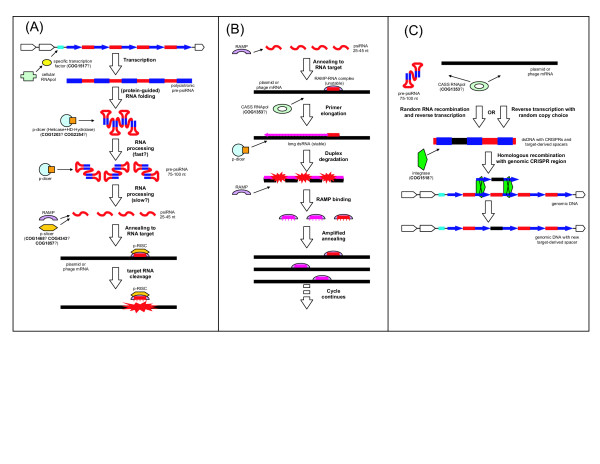
Background: All archaeal and many bacterial genomes contain Clustered Regularly Interspaced Short Palindrome Repeats (CRISPR) and variable arrays of the CRISPR-associated ( cas ) genes that have been previously implicated in a novel form of DNA repair on the basis of comparative analysis of their protein product sequences. However, the proximity of CRISPR and cas genes strongly suggests that they have related functions which is hard to reconcile with the repair hypothesis. Results: The protein sequences of the numerous cas gene products were classified into ~25 distinct protein families; several new functional and structural predictions are described. Comparative-genomic analysis of CRISPR and cas genes leads to the hypothesis that the CRISPR-Cas system (CASS) is a mechanism of defense against invading phages and plasmids that functions analogously to the eukaryotic RNA interference (RNAi) systems. Specific functional analogies are drawn between several components of CASS and proteins involved in eukaryotic RNAi, including the double-stranded RNA-specific helicase-nuclease (dicer), the endonuclease cleaving target mRNAs (slicer), and the RNA-dependent RNA polymerase. However, none of the CASS components is orthologous to its apparent eukaryotic functional counterpart. It is proposed that unique inserts of CRISPR, some of which are homologous to fragments of bacteriophage and plasmid genes, function as prokaryotic siRNAs (psiRNA), by base-pairing with the target mRNAs and promoting their degradation or translation shutdown. Specific hypothetical schemes are developed for the functioning of the predicted prokaryotic siRNA system and for the formation of new CRISPR units with unique inserts encoding psiRNA conferring immunity to the respective newly encountered phages or plasmids. The unique inserts in CRISPR show virtually no similarity even between closely related bacterial strains which suggests their rapid turnover, on evolutionary scale. Corollaries of this finding are that, even among closely related prokaryotes, the most commonly encountered phages and plasmids are different and/or that the dominant phages and plasmids turn over rapidly. Conclusion: We proposed previously that Cas proteins comprise a novel DNA repair system. The association of the cas genes with CRISPR and, especially, the presence, in CRISPR units, of unique inserts homologous to phage and plasmid genes make us abandon this hypothesis. It appears most likely that CASS is a prokaryotic system of defense against phages and plasmids that functions via the RNAi mechanism. The functioning of this system seems to involve integration of fragments of foreign genes into archaeal and bacterial chromosomes yielding heritable immunity to the respective agents. However, it appears that this inheritance is extremely unstable on the evolutionary scale such that the repertoires of unique psiRNAs are completely replaced even in closely related prokaryotes, presumably, in response to rapidly changing repertoires of dominant phages and plasmids. This article was reviewed by : Eric Bapteste, Patrick Forterre, and Martijn Huynen. Open peer review: Reviewed by Eric Bapteste, Patrick Forterre, and Martijn Huynen. For the full reviews, please go to the Reviewers' comments section.
Overview
The claims and statistics of this paper haven’t been checked yet.
Free: it reads the open-access text and checks the first 5 claims that cite a source we can check. Create a free account to check every claim.
Integrity signals
Registry
Cites
Statistics
Figures
Verification
Claims the paper makes
The claims and statistics of this paper haven’t been checked yet.
Free: it reads the open-access text and checks the first 5 claims that cite a source we can check. Create a free account to check every claim.
Claims other papers make about this one
Each is checked against this paper’s own text: does it say what the citing paper says it does?
The source backs part of the claim, not all of it — or backs it for a different population, condition or comparison.
In the citing paper
“Some are present in most systems, such as Cas1 and Cas2, which participate in adaptation [17]”
From CRISPR-Cas: Converting A Bacterial Defence Mechanism into A State-of-the-Art Genetic Manipulation Tool (2019) · cites this paper as [17]
Experimental — accuracy not yet measuredThe source backs part of the claim, not all of it — or backs it for a different population, condition or comparison.
In the citing paper
“Cas1 and Cas2 are the key proteins that mediate the adaptation step, and they are ubiquitous in CRISPR-Cas systems, irrespective of the type [17].”
From CRISPR-Cas: Converting A Bacterial Defence Mechanism into A State-of-the-Art Genetic Manipulation Tool (2019) · cites this paper as [17]
Experimental — accuracy not yet measuredThe cited source says what the claim attributes to it.
In the citing paper
“Cas9 proteins are predicted to contain RuvC and HNH motifs 15 , which possess autonomous ssDNA cleavage activity.”
From Harnessing the CRISPR/Cas9 system to disrupt latent HIV-1 provirus (2013) · cites this paper as [15]
The cited source says what the claim attributes to it.
In the citing paper
“The need to further comprehend the adaptation machineries for other types of Cas systems persists, although since Cas1 and Cas2 are widely present in nearly all CRISPR systems [17], the function of this complex in most CRISPR systems is thought to be similar to the well understood adaptation mechanisms of type I and type II systems.”
From CRISPR-Cas: Converting A Bacterial Defence Mechanism into A State-of-the-Art Genetic Manipulation Tool (2019) · cites this paper as [17]
Self-check
Percentages, sums and reported differences re-computed from the paper’s own numbers.
The self-check needs the paper’s full text.
Citations
Cites
Gapped BLAST and PSI-BLAST: a new generation of protein database search programs
Altschul, S. (1997) · Nucleic Acids Research · doi:10.1093/nar/25.17.3389 · Cited by 73,302
MUSCLE: multiple sequence alignment with high accuracy and high throughput
Edgar, R. C. (2004) · Nucleic Acids Research · doi:10.1093/nar/gkh340 · Cited by 44,662 · cited 2×
“To determine the repeat boundaries more precisely, sequences of all loci with short (20 nt) flanks added were collected and aligned using the MUSCLE program [61].”
Mfold web server for nucleic acid folding and hybridization prediction
Zuker, M. (2003) · Nucleic Acids Research · doi:10.1093/nar/gkg595 · Cited by 13,404 · cited 1×
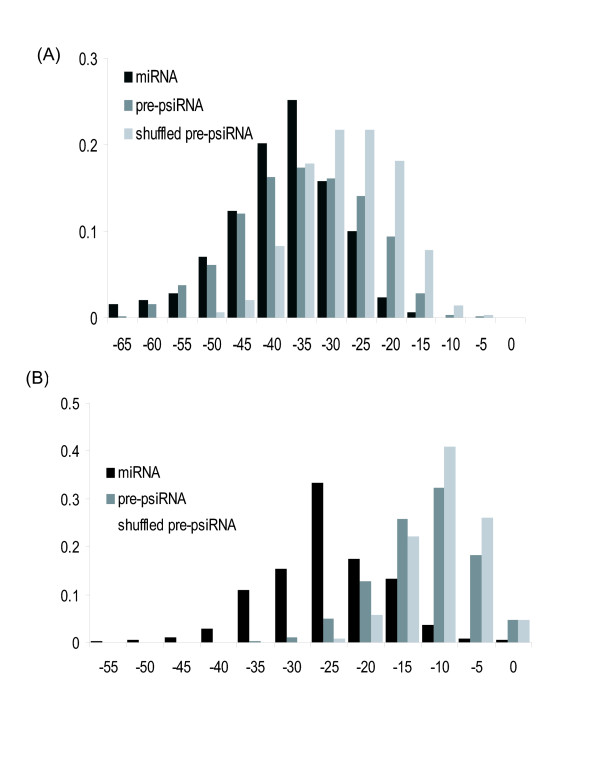
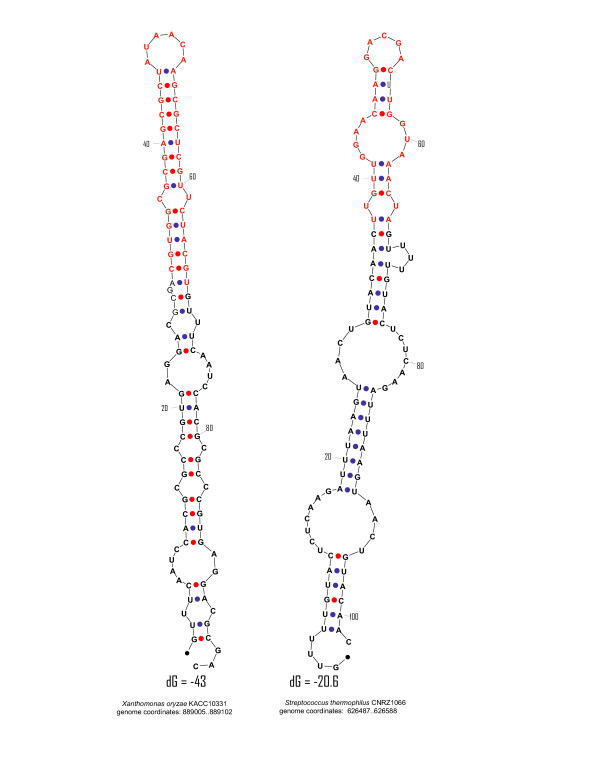
“Sequences of eukaryotic miRNAs precursors, CRISPRs, and randomly shuffled CRISPR sequences were computationally folded, and the free energy of the most stable secondary structure was calculated using a a dynamic programming algorithm that employs nearest neighbor parameters to evaluate free energy [71].”
The COG database: an updated version includes eukaryotes
Tatusov, R. L., Fedorova, N. D., Jackson, J. D., Jacobs, A. R., Kiryutin, B., Koonin, E. V., Krylov, D. M., Mazumder, R., Mekhedov, S. L., Nikolskaya, A. N., et al. (2003) · BMC Bioinformatics · doi:10.1186/1471-2105-4-41 · Cited by 4,430 · cited 1×
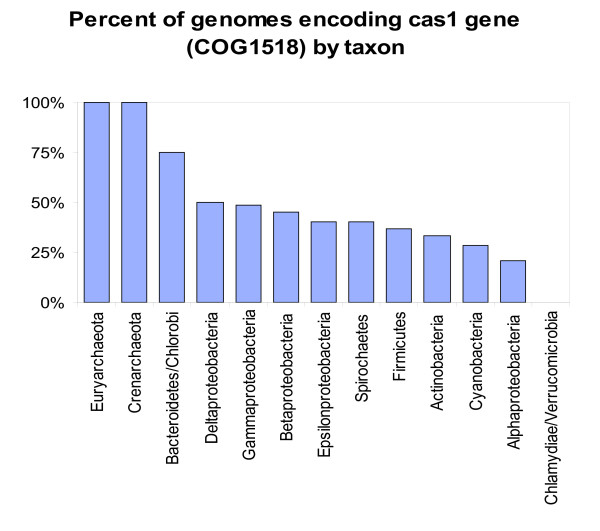
“COG1518, a universal marker of CASS In agreement with the previous observations [23], we found that Cas1 (COG1518 in the Clusters of Orthologous Group of proteins classification system [32]) is the best marker of the CRISPR-associated systems (CASS).”
Self-citationMathews, D. H., Sabina, J., Zuker, M., & Turner, D. H. (1999) · Journal of Molecular Biology · doi:10.1006/jmbi.1999.2700 · Cited by 3,795 · cited 1×
“Energy minimization was performed by dynamic programming method that finds the secondary structures with the minimum free energy by summing up the contributions from stacking, loop length, and other structural features, using improved thermodynamic parameters [72].”
Fitch, W. M., & Margoliash, E. (1967) · Science · doi:10.1126/science.155.3760.279 · Cited by 3,610 · cited 1×
“Phylogenetic analysis Distance trees were constructed from multiple protein sequence alignments after excluding poorly aligned positions, by using the least-square method as implemented in the FITCH program of the PHYLIP package [65,66].”
Hannon, G. J. (2002) · Nature · doi:10.1038/418244a · Cited by 3,538
BLAST: at the core of a powerful and diverse set of sequence analysis tools
McGinnis, S., & Madden, T. L. (2004) · Nucleic Acids Research · doi:10.1093/nar/gkh435 · Cited by 2,169 · cited 12×
“A PSI-BLAST search for COG1518 members in the completely sequenced prokaryotic genomes revealed the presence of at least one representative of this COG in 77 of the 177 analyzed genomes.”
InfluentialIntervening Sequences of Regularly Spaced Prokaryotic Repeats Derive from Foreign Genetic Elements
Mojica, F. J. M., D�ez-Villase�or, C., Garc�a-Mart�nez, J., & Soria, E. (2005) · Journal of Molecular Evolution · doi:10.1007/s00239-004-0046-3 · Cited by 2,042 · cited 8×
“Indeed, Mojica et al [27] mention the analogy between the CRISPR and eukaryotic RNA interference systems but propose no specific mechanisms for the action of the putative defense systems and, crucially, do not explore the connection between the putative psiRNA and the predicted activities of Cas proteins.”
InfluentialIdentification of genes that are associated with DNA repeats in prokaryotes
Jansen, R., Embden, J. D. A. V., Gaastra, W., & Schouls, L. M. (2002) · Molecular Microbiology · doi:10.1046/j.1365-2958.2002.02839.x · Cited by 1,802 · cited 3×
“Most of the genomes contain a single array of CRISPR in which the sequences of the repeats are (nearly) identical; some, however, possess multiple CRISPR cassettes that may have substantially different sequences [24,25].”
Influential
Research works printed but not linked: 1
- Adachi J Hasegawa M MOLPHY: Programs for Molecular Phylogenetics 1992 Tokyo, Institute of Statistical Mathematics
Cited by
Items 301–400 of 1,004
Comparative genomics and structural biology of the molecular innovations of eukaryotes
Aravind, L., Iyer, L. M., & Koonin, E. V. (2006) · Current Opinion in Structural Biology · doi:10.1016/j.sbi.2006.04.006 · Cited by 94
Self-citationHypothesis for heritable, anti-viral immunity in crustaceans and insects
Flegel, T. W. (2009) · Biology Direct · doi:10.1186/1745-6150-4-32 · Cited by 94
Guide RNA engineering for versatile Cas9 functionality
Nowak, C. M., Lawson, S., Zerez, M., & Bleris, L. (2016) · Nucleic Acids Research · doi:10.1093/nar/gkw908 · Cited by 86
Shah, S. A., Alkhnbashi, O. S., Behler, J., Han, W., She, Q., Hess, W. R., Garrett, R. A., & Backofen, R. (2019) · RNA Biology · doi:10.1080/15476286.2018.1483685 · Cited by 92
Alkhnbashi, O. S., Meier, T., Mitrofanov, A., Backofen, R., & Voß, B. (2019) · Methods · doi:10.1016/j.ymeth.2019.07.013 · Cited by 94
Evolutionary plasticity and functional versatility of CRISPR systems
Koonin, E. V., & Makarova, K. S. (2022) · PLoS Biology · doi:10.1371/journal.pbio.3001481 · Cited by 92
Self-citationCRISPR/Cas9 Technology and Its Utility for Crop Improvement
Liu, H., Chen, W., Li, Y., Sun, L., Chai, Y., Chen, H., Nie, H., & Huang, C. (2022) · International Journal of Molecular Sciences · doi:10.3390/ijms231810442 · Cited by 93
van Duijn, E., Barbu, I. M., Barendregt, A., Jore, M. M., Wiedenheft, B., Lundgren, M., Westra, E. R., Brouns, S. J. J., Doudna, J. A., van der Oost, J., et al. (2012) · Molecular & Cellular Proteomics · doi:10.1074/mcp.m112.020263 · Cited by 83
CRISPR–Cas: Complex Functional Networks and Multiple Roles beyond Adaptive Immunity
Faure, G., Makarova, K. S., & Koonin, E. V. (2019) · Journal of Molecular Biology · doi:10.1016/j.jmb.2018.08.030 · Cited by 81
Self-citationAlternative functions of CRISPR–Cas systems in the evolutionary arms race
Mohanraju, P., Saha, C. K., van Baarlen, P., Louwen, R., Staals, R. H. J., & John van der, O. O. S. T. (2022) · Nature Reviews Microbiology · doi:10.1038/s41579-021-00663-z · Cited by 90
Analysis of CRISPR system function in plant pathogen Xanthomonas oryzae
Semenova, E., Nagornykh, M., Pyatnitskiy, M., Artamonova, I. I., & Severinov, K. (2009) · FEMS Microbiology Letters · doi:10.1111/j.1574-6968.2009.01626.x · Cited by 75
El‐Sayed, A. S. A., Abdel‐Ghany, S. E., & Ali, G. S. (2017) · Applied Microbiology and Biotechnology · doi:10.1007/s00253-017-8263-z · Cited by 89
Yosef, I., Goren, M. G., Kiro, R., Edgar, R., & Qimron, U. (2011) · Proceedings of the National Academy of Sciences · doi:10.1073/pnas.1113519108 · Cited by 88
Milani, C., Duranti, S., Lugli, G. A., Bottacini, F., Strati, F., Arioli, S., Foroni, E., Turroni, F., van Sinderen, D., & Ventura, M. (2013) · Applied and Environmental Microbiology · doi:10.1128/aem.00984-13 · Cited by 88
Saw, J. H. W., Mountain, B. W., Feng, L., Omelchenko, M. V., Hou, S., Saito, J. A., Stott, M. B., Li, D., Zhao, G., Wu, J., et al. (2008) · Genome biology · doi:10.1186/gb-2008-9-11-r161 · Cited by 87
Self-citationHigh hydrostatic pressure adaptive strategies in an obligate piezophile Pyrococcus yayanosii
Michoud, G., & Jebbar, M. (2016) · Scientific Reports · doi:10.1038/srep27289 · Cited by 87
The CRISPR-Cas system in Enterobacteriaceae
Medina-Aparicio, L., Dávila‐Ramos, S., Rebollar-Flores, J. E., Calva, E., & Hernández-Lucas, I. (2018) · Pathogens and Disease · doi:10.1093/femspd/fty002 · Cited by 86
Lintner, N. G., Frankel, K. A., Tsutakawa, S. E., Alsbury, D. L., Copié, V., Young, M. J., Tainer, J. A., & Lawrence, C. M. (2011) · Journal of Molecular Biology · doi:10.1016/j.jmb.2010.11.019 · Cited by 80
Hupfeld, M., Trasanidou, D., Ramazzini, L., Klumpp, J., Loessner, M. J., & Kilcher, S. (2018) · Nucleic Acids Research · doi:10.1093/nar/gky544 · Cited by 86
CRISPRidentify: identification of CRISPR arrays using machine learning approach
Mitrofanov, A., Alkhnbashi, O. S., Shmakov, S. A., Makarova, K. S., Koonin, E. V., & Backofen, R. (2021) · Nucleic Acids Research · doi:10.1093/nar/gkaa1158 · Cited by 84
Self-citationClassification of CRISPR/Cas system and its application in tomato breeding
Chaudhuri, A., Halder, K., & Datta, A. (2022) · Theoretical and Applied Genetics · doi:10.1007/s00122-021-03984-y · Cited by 85
CRISPR–Cas system: a powerful tool for genome engineering
Liu, L., & Fan, X.-D. (2014) · Plant Molecular Biology · doi:10.1007/s11103-014-0188-7 · Cited by 85
Krupovic, M., & Koonin, E. V. (2016) · Current Opinion in Microbiology · doi:10.1016/j.mib.2016.01.006 · Cited by 78
Self-citationFitting CRISPR-associated Cas3 into the Helicase Family Tree
Jackson, R. N., Lavin, M., Carter, J., & Wiedenheft, B. (2014) · Current Opinion in Structural Biology · doi:10.1016/j.sbi.2014.01.001 · Cited by 73
Synthetic multi-layer nanoparticles for CRISPR-Cas9 genome editing
Tang, H., Zhao, X., & Jiang, X. (2020) · Advanced Drug Delivery Reviews · doi:10.1016/j.addr.2020.03.001 · Cited by 83
Cas13d: A New Molecular Scissor for Transcriptome Engineering
Gupta, R. K., Ghosh, A., Chakravarti, R., Singh, R., Ravichandiran, V., Swarnakar, S., & Ghosh, D. (2022) · Frontiers in Cell and Developmental Biology · doi:10.3389/fcell.2022.866800 · Cited by 81
The CRISPR-associated Csx1 protein of Pyrococcus furiosus is an adenosine-specific endoribonuclease
Sheppard, N. F., Glover, C. V. C., Terns, R. M., & Terns, M. P. (2016) · RNA · doi:10.1261/rna.039842.113 · Cited by 76
RNA-dependent DNA endonuclease Cas9 of the CRISPR system: Holy Grail of genome editing?
Gasiūnas, G., & Šikšnys, V. (2013) · Trends in Microbiology · doi:10.1016/j.tim.2013.09.001 · Cited by 85
Designed nucleases for targeted genome editing
Lee, J., Chung, J., Kim, H. M., Kim, D., & Kim, S. (2015) · Plant Biotechnology Journal · doi:10.1111/pbi.12465 · Cited by 82
de la Fuente‐Núñez, C., & Lu, T. K. (2017) · Integrative Biology · doi:10.1039/c6ib00140h · Cited by 82
Characterization and applications of Type I CRISPR-Cas systems
Hidalgo-Cantabrana, C., & Barrangou, R. (2020) · Biochemical Society Transactions · doi:10.1042/bst20190119 · Cited by 79
Transcription Activation Mediated by a Cyclic AMP Receptor Protein from Thermus thermophilus HB8
Shinkai, A., Kira, S., Nakagawa, N., Kashihara, A., Kuramitsu, S., & Yokoyama, S. (2007) · Journal of Bacteriology · doi:10.1128/jb.01739-06 · Cited by 69
Genomic Evolution of Domesticated Microorganisms
Douglas, G. L., & Klaenhammer, T. R. (2010) · Annual Review of Food Science and Technology · doi:10.1146/annurev.food.102308.124134 · Cited by 69
Functional genomics to uncover drug mechanism of action
Nijman, S. M. B. (2015) · Nature Chemical Biology · doi:10.1038/nchembio.1963 · Cited by 79
Genome Editing B.C. (Before CRISPR): Lasting Lessons from the “Old Testament”
Urnov, F. D. (2018) · The CRISPR Journal · doi:10.1089/crispr.2018.29007.fyu · Cited by 79
Role of vapBC toxin–antitoxin loci in the thermal stress response of Sulfolobus solfataricus
Cooper, C., Daugherty, A., Tachdjian, S., Blum, P., & Kelly, R. M. (2009) · Biochemical Society Transactions · doi:10.1042/bst0370123 · Cited by 78
Structure of the Cmr2 Subunit of the CRISPR-Cas RNA Silencing Complex
Cocozaki, A. I., Ramia, N. F., Shao, Y., Hale, C. R., Terns, R. M., Terns, M. P., & Li, H. (2012) · Structure · doi:10.1016/j.str.2012.01.018 · Cited by 75
Hu, C., Ni, D., Nam, K. H., Majumdar, S., McLean, J., Stahlberg, H., Terns, M. P., & Ke, A. (2022) · Molecular Cell · doi:10.1016/j.molcel.2022.06.007 · Cited by 72
Role of the Streptococcus mutans CRISPR-Cas Systems in Immunity and Cell Physiology
Serbanescu, M. A., Cordova, M., Krastel, K., Flick, R., Beloglazova, N. G., Latos, A., Yakunin, A. F., Senadheera, D. B., & Cvitkovitch, D. G. (2014) · Journal of Bacteriology · doi:10.1128/jb.02333-14 · Cited by 77
Paternally Transmitted Mitochondria Express a New Gene of Potential Viral Origin
Milani, L., Ghiselli, F., Maurizii, M. G., Nuzhdin, S. V., & Passamonti, M. (2014) · Genome Biology and Evolution · doi:10.1093/gbe/evu021 · Cited by 77
The effect of phage genetic diversity on bacterial resistance evolution
Broniewski, J. M., Meaden, S., Paterson, S., Buckling, A., & Westra, E. R. (2020) · The ISME Journal · doi:10.1038/s41396-019-0577-7 · Cited by 77
Phylogenomics of Cas4 family nucleases
Hudaiberdiev, S., Shmakov, S., Wolf, Y. I., Terns, M. P., Makarova, K. S., & Koonin, E. V. (2017) · BMC Evolutionary Biology · doi:10.1186/s12862-017-1081-1 · Cited by 76
Self-citationAklujkar, M., & Lovley, D. R. (2010) · BMC Evolutionary Biology · doi:10.1186/1471-2148-10-230 · Cited by 73
The genusThermotoga: recent developments
Frock, A. D., Notey, J. S., & Kelly, R. M. (2010) · Environmental Technology · doi:10.1080/09593330.2010.484076 · Cited by 77
Next-Generation Diagnostic with CRISPR/Cas: Beyond Nucleic Acid Detection
Bhardwaj, P., Kant, R., Behera, S. P., Dwivedi, G. R., & Singh, R. (2022) · International Journal of Molecular Sciences · doi:10.3390/ijms23116052 · Cited by 75
CRISPR/Cas9 genome editing for neurodegenerative diseases
Nojadeh, J. N., Eryilmaz, N. S. B., & Ergüder, B. İ. (2023) · EXCLI journal · doi:10.17179/excli2023-6155 · Cited by 76
A Broad Overview and Review of CRISPR-Cas Technology and Stem Cells
Waddington, S. N., Privolizzi, R., Karda, R., & O’Neill, H. C. (2016) · Current Stem Cell Reports · doi:10.1007/s40778-016-0037-5 · Cited by 75
Yin, S., Jensen, M. A., Bai, J., DebRoy, C., Barrangou, R., & Dudley, E. G. (2013) · Applied and Environmental Microbiology · doi:10.1128/aem.00950-13 · Cited by 75
Insights into Chi recognition from the structure of an AddAB‐type helicase–nuclease complex
Saikrishnan, K., Yeeles, J. T. P., Gilhooly, N. S., Krajewski, W. W., Dillingham, M. S., & Wigley, D. B. (2012) · The EMBO Journal · doi:10.1038/emboj.2012.9 · Cited by 73
“The cluster is associated with the AddB C-terminal nuclease domain, that is the prototypical member of a new class of ‘iron-staple’ nuclease domain, apparently also present in the eukaryotic helicase–nuclease, Dna2 (Yeeles et al , 2009), the mitochondrial replication/ recombination factor Exonuclease V (Burgers et al…”
Richter, C., Gristwood, T., Clulow, J. S., & Fineran, P. C. (2012) · PLoS ONE · doi:10.1371/journal.pone.0049549 · Cited by 72
Vestergaard, G., Shah, S. A., Bize, A., Reitberger, W., Reuter, M., Phan, H., Briegel, A., Rachel, R., Garrett, R. A., & Prangishvili, D. A. (2008) · Journal of Bacteriology · doi:10.1128/jb.00795-08 · Cited by 72
Application of CRISPR/Cas9 for biomedical discoveries
Riordan, S. M., Heruth, D. P., Zhang, L. Q., & Ye, S. Q. (2015) · Cell & Bioscience · doi:10.1186/s13578-015-0027-9 · Cited by 72
Metagenomic Analysis of Bacterial Communities of Antarctic Surface Snow
Lopatina, A., Medvedeva, S., Shmakov, S., Logacheva, M. D., Krylenkov, V., & Severinov, K. (2016) · Frontiers in Microbiology · doi:10.3389/fmicb.2016.00398 · Cited by 72
Liu, T., Liu, Z., Ye, Q., Pan, S., Wang, X., Li, Y., Peng, W., Liang, Y., She, Q., & Peng, N. (2017) · Nucleic Acids Research · doi:10.1093/nar/gkx612 · Cited by 67
Díez‐Villaseñor, C., & Rodríguez‐Valera, F. (2019) · Nature Communications · doi:10.1038/s41467-018-08167-w · Cited by 72
Optimal number of spacers in CRISPR arrays
Martynov, A., Severinov, K., & Ispolatov, Y. (2017) · PLoS Computational Biology · doi:10.1371/journal.pcbi.1005891 · Cited by 72
CRISPR-Cas9-Based Technology and Its Relevance to Gene Editing in Parkinson’s Disease
Rahman, M. U., Bilal, M., Shah, J. A., Kaushik, A. K., Teissèdre, P., & Kujawska, M. (2022) · Pharmaceutics · doi:10.3390/pharmaceutics14061252 · Cited by 71
Westra, E. R., & Levin, B. R. (2020) · Proceedings of the National Academy of Sciences · doi:10.1073/pnas.1915966117 · Cited by 71
Kwon, A., Kim, J. H., Park, S. J., Lee, K.-Y., Min, Y.-H., Im, H., Lee, I.-G., Lee, K.-Y., & Lee, B. (2012) · Nucleic Acids Research · doi:10.1093/nar/gkr1305 · Cited by 72
Mills, S., Griffin, C., Coffey, A., Meijer, W. C., Hafkamp, B., & Ross, R. P. (2010) · Journal of Applied Microbiology · doi:10.1111/j.1365-2672.2009.04486.x · Cited by 62
Target Motifs Affecting Natural Immunity by a Constitutive CRISPR-Cas System in Escherichia coli
Almendros, C., Guzman, N. M., Díez‐Villaseñor, C., García‐Martínez, J., & Mojica, F. J. M. (2012) · PLoS ONE · doi:10.1371/journal.pone.0050797 · Cited by 69
Characterization of the endonuclease SSO2001 from Sulfolobus solfataricus P2
Han, D., & Krauss, G. (2009) · FEBS Letters · doi:10.1016/j.febslet.2009.01.024 · Cited by 66
The Role of Recombinant AAV in Precise Genome Editing
Bijlani, S., Pang, K. M., Sivanandam, V., Singh, A., & Chatterjee, S. (2022) · Frontiers in Genome Editing · doi:10.3389/fgeed.2021.799722 · Cited by 69
Comparative genomic structures of Mycobacterium CRISPR‐Cas
He, L., Fan, X., & Xie, J. (2012) · Journal of Cellular Biochemistry · doi:10.1002/jcb.24121 · Cited by 68
Siebers, B., Zaparty, M., Raddatz, G., Tjaden, B., Albers, S., Bell, S. D., Blombach, F., Kletzin, A., Kyrpides, N. C., Lanz, C., et al. (2011) · PLoS ONE · doi:10.1371/journal.pone.0024222 · Cited by 67
Self-citationLiu, T., Li, Y., Wang, X., Ye, Q., Li, H., Liang, Y., She, Q., & Peng, N. (2015) · Nucleic Acids Research · doi:10.1093/nar/gku1383 · Cited by 67
CRISPRstrand: predicting repeat orientations to determine the crRNA-encoding strand at CRISPR loci
Alkhnbashi, O. S., Costa, F., Shah, S. A., Garrett, R. A., Saunders, S. J., & Backofen, R. (2014) · Bioinformatics · doi:10.1093/bioinformatics/btu459 · Cited by 67
Development of a CRISPR/Cas9 System for Methylococcus capsulatus In Vivo Gene Editing
Tapscott, T., Guarnieri, M. T., & Henard, C. A. (2019) · Applied and Environmental Microbiology · doi:10.1128/aem.00340-19 · Cited by 68
CRISPR-Cas Systems: RNA-mediated Adaptive Immunity in Bacteria and Archaea
Barrangou, R., & John van der, O. O. S. T. (2012) · Springer eBooks · doi:10.1007/978-3-642-34657-6 · Cited by 67
Nam, K. H., Kurinov, I., & Ke, A. (2011) · Journal of Biological Chemistry · doi:10.1074/jbc.m111.256263 · Cited by 58
Survival and Evolution of CRISPR–Cas System in Prokaryotes and Its Applications
Shabbir, M. A. B., Hao, H., Shabbir, M. Z., Hussain, H. I., Zahid, I., Ahmed, S., Sattar, A., Iqbal, M., Li, J., & Yuan, Z. (2016) · Frontiers in Immunology · doi:10.3389/fimmu.2016.00375 · Cited by 66
CRISPR-Cas9, the new kid on the block of fungal molecular biology
Krappmann, S. (2016) · Medical Mycology · doi:10.1093/mmy/myw097 · Cited by 66
Vergnaud, G., Zhou, D., Platonov, М. E., Pourcel, C., Yang, R., Anisimov, A. P., Neubauer, H., Balakhonov, S. V., Rakin, A., Dentovskaya, S. V., et al. (2007) · Advances in experimental medicine and biology · doi:10.1007/978-0-387-72124-8_30 · Cited by 66
The biology of thermoacidophilic archaea from the order Sulfolobales
Lewis, A. M., Recalde, A., Bräsen, C., Counts, J. A., Nußbaum, P., Bost, J., Schocke, L., Shen, L., Willard, D. J., Quax, T. E. F., et al. (2021) · FEMS Microbiology Reviews · doi:10.1093/femsre/fuaa063 · Cited by 65
Control of gene expression by CRISPR-Cas systems
Bikard, D., & Marraffini, L. A. (2013) · F1000Prime Reports · doi:10.12703/p5-47 · Cited by 65
Sofos, N., Feng, M., Stella, S., Pape, T., Fuglsang, A., Lin, J., Huang, Q., Li, Y., She, Q., & Montoya, G. (2020) · Molecular Cell · doi:10.1016/j.molcel.2020.07.008 · Cited by 65
Heuer, H., Abdo, Z., & Smalla, K. (2008) · FEMS Microbiology Ecology · doi:10.1111/j.1574-6941.2008.00539.x · Cited by 64
Recent Therapeutic Gene Editing Applications to Genetic Disorders
Deneault, É. (2024) · Current Issues in Molecular Biology · doi:10.3390/cimb46050255 · Cited by 65
Nickel, L., Weidenbach, K., Jäger, D., Backofen, R., Lange, S. J., Heidrich, N., & Schmitz, R. A. (2013) · RNA Biology · doi:10.4161/rna.23928 · Cited by 64
Evolutionary insights from Erwinia amylovora genomics
Smits, T. H. M., Rezzonico, F., & Duffy, B. (2010) · Journal of Biotechnology · doi:10.1016/j.jbiotec.2010.10.075 · Cited by 63
CRISPR-Based Tools in Immunity
Simeonov, D. R., & Marson, A. (2019) · Annual Review of Immunology · doi:10.1146/annurev-immunol-042718-041522 · Cited by 63
Type III CRISPR-Cas Systems: Deciphering the Most Complex Prokaryotic Immune System
Kolesnik, M. V., Fedorova, I., Karneyeva, K., Artamonova, D., & Severinov, K. (2021) · Biochemistry (Moscow) · doi:10.1134/s0006297921100114 · Cited by 63
Silas, S., Makarova, K. S., Shmakov, S., Páez-Espino, D., Mohr, G., Liu, Y., Davison, M., Roux, S., Krishnamurthy, S. R., Fu, B. X. H., et al. (2017) · mBio · doi:10.1128/mbio.00897-17 · Cited by 62
Self-citationApplications of CRISPR-Cas9 in Alzheimer’s Disease and Related Disorders
Plano, L. M. D., Calabrese, G., Conoci, S., Guglielmino, S. P. P., Oddo, S., & Caccamo, A. (2022) · International Journal of Molecular Sciences · doi:10.3390/ijms23158714 · Cited by 62
Evidence for a Xer/dif System for Chromosome Resolution in Archaea
Cortez, D., Quevillon‐Chéruel, S., Gribaldo, S., Desnoues, N., Sezonov, G., Forterre, P., & Serre, M.-C. (2010) · PLoS Genetics · doi:10.1371/journal.pgen.1001166 · Cited by 62
Sorokin, V. A., Gelfand, M. S., & Artamonova, I. I. (2010) · Applied and Environmental Microbiology · doi:10.1128/aem.01985-09 · Cited by 53
Cas9-Based Genome Editing in Zebrafish
Gonzales, A. P. W., & Yeh, J.-R. J. (2014) · Methods in enzymology on CD-ROM/Methods in enzymology · doi:10.1016/b978-0-12-801185-0.00018-0 · Cited by 62
Precision gene editing technology and applications in nephrology
WareJoncas, Z., Campbell, J. M., Martínez‐Gálvez, G., Gendron, W. A. C., Barry, M. A., Harris, P. C., Sussman, C. R., & Ekker, S. C. (2018) · Nature Reviews Nephrology · doi:10.1038/s41581-018-0047-x · Cited by 62
CRISPR-Cas assisted diagnostics: A broad application biosensing approach
Masi, A., Antonacci, A., Moccia, M., Frisulli, V., Felice, M. D., Falco, M. D., & Scognamiglio, V. (2023) · TrAC Trends in Analytical Chemistry · doi:10.1016/j.trac.2023.117028 · Cited by 61
CRISPR-based immune systems of the Sulfolobales: complexity and diversity
Garrett, R. A., Shah, S. A., Vestergaard, G., Deng, L., Gudbergsdottir, S., Kenchappa, C. S., Erdmann, S., & She, Q. (2011) · Biochemical Society Transactions · doi:10.1042/bst0390051 · Cited by 57
The ecology and evolution of microbial CRISPR-Cas adaptive immune systems
Westra, E. R., van Houte, S., Gandon, S., & Whitaker, R. J. (2019) · Philosophical Transactions of the Royal Society B Biological Sciences · doi:10.1098/rstb.2019.0101 · Cited by 61
CRISPR/Cas9-Mediated Knock-Out of KrasG12D Mutated Pancreatic Cancer Cell Lines
Lentsch, E., Li, L., Pfeffer, S., Ekici, A. B., Taher, L., Pilarsky, C. P., & Grützmann, R. (2019) · International Journal of Molecular Sciences · doi:10.3390/ijms20225706 · Cited by 61
Lemak, S., Beloglazova, N., Nocek, B., Skarina, T., Flick, R., Brown, G., Popovic, A., Joachimiak, A., Savchenko, A., & Yakunin, A. F. (2013) · Journal of the American Chemical Society · doi:10.1021/ja408729b · Cited by 60
Vestergaard, G., Aramayo, R. J., Basta, T., Häring, M., Peng, X., Brügger, K., Chen, L., Rachel, R., Boisset, N., Garrett, R. A., et al. (2007) · Journal of Virology · doi:10.1128/jvi.01410-07 · Cited by 60
Streptococcus iniae SF1: Complete Genome Sequence, Proteomic Profile, and Immunoprotective Antigens
Zhang, B., Zhang, J., & Sun, L. (2014) · PLoS ONE · doi:10.1371/journal.pone.0091324 · Cited by 60
Taming of the shrewd: novel eukaryotic genes from RNA viruses
Koonin, E. V. (2010) · BMC Biology · doi:10.1186/1741-7007-8-2 · Cited by 60
Self-citationImmune loss as a driver of coexistence during host-phage coevolution
Weissman, J., Holmes, R., Barrangou, R., Moineau, S., Fagan, W. F., Levin, B. R., & Johnson, P. L. F. (2018) · The ISME Journal · doi:10.1038/ismej.2017.194 · Cited by 60
CRISPR-Cas Technologies and Applications in Food Bacteria
Stout, E., Klaenhammer, T., & Barrangou, R. (2017) · Annual Review of Food Science and Technology · doi:10.1146/annurev-food-072816-024723 · Cited by 59
Ethical considerations of gene editing and genetic selection
Rothschild, J. (2020) · Journal of General and Family Medicine · doi:10.1002/jgf2.321 · Cited by 59
Makarova, K. S., Wolf, Y. I., Forterre, P., Prangishvili, D., Krupovic, M., & Koonin, E. V. (2014) · Extremophiles · doi:10.1007/s00792-014-0672-7 · Cited by 53
Self-citation
Metadata
- Authors
- Makarova, K. S., Grishin, N. V., Shabalina, S. A., Wolf, Y. I., & Koonin, E. V.
- Affiliations
- National Institutes of Health (US)
- The University of Texas Southwestern Medical Center (US)
- Corresponding author
- Koonin, Eugene V
- Venue
- Biology Direct
- Published
- 2006-03-16
- Volume
- 1
- Issue
- 1
- Pages
- 7-7
- ISSN
- 1745-6150 (ISSN-L)
- PMC
- PMC1462988
- OpenAlex
- W2123965484
- Cited by
- 1,199
- References
- 77
- Citations by year
- 2026: 17 · 2025: 43 · 2024: 54 · 2023: 73 · 2022: 88 · 2021: 88 · 2020: 78 · 2019: 78 · 2018: 51 · 2017: 73 · 2016: 62 · 2015: 73 · 2014: 60 · 2013: 73 · 2012: 70
- FWCI
- 16.02
- Type
- journal article
- Language
- en
- Open access
- gold
- doi.org
- Licence
- cc-by
- Locations
- Biology Direct (publishedVersion, cc-by)
- PubMed Central (publishedVersion, cc-by)
- PubMed (publishedVersion)
- DOAJ (DOAJ: Directory of Open Access Journals) (submittedVersion)
- Funders
- U.S. Department of Health and Human Services
- National Institutes of Health
- U.S. National Library of Medicine
- Topics
- Life Sciences › Biochemistry, Genetics and Molecular Biology › Molecular Biology › CRISPR and Genetic Engineering
- Life Sciences › Biochemistry, Genetics and Molecular Biology › Genetics › Bacterial Genetics and Biotechnology
- Life Sciences › Immunology and Microbiology › Virology › Bacteriophages and microbial interactions
- Keywords
- CRISPR-Cas, RNA interference, CRISPR-associated proteins, phage defense, plasmid defense, Cas9, RNA-dependent RNA polymerase, comparative genomics
About these checks
Registry, retraction, Cites and statistics results are computed, not judged, with one exception: a printed reference that no index lists is read once by a model before it counts as a citation error. Claims are extracted by a model and kept only when their quote appears verbatim in the text; each cited source is then checked, with a model’s help, for whether it says what the claim relies on. Those verdicts can be wrong — read the claim’s quote and the cited source before relying on one.
Statistics and arithmetic are recomputed, not judged.
Confidence bands are shown only for fields calibrated on our annotated test set. None is calibrated yet, so no band is shown.
What counts as a claim ›How we measure confidence ›How we check this ›
Are you an author, or do you see a problem with this page? Request a review
Data sources
Bibliographic data: Semantic Scholar, OpenAlex, Crossref.
Contains information from the Semantic Scholar Academic Graph Datasets, made available under the ODC Attribution License (ODC-BY 1.0).
Semantic Scholar’s data is described in: Kinney, R., et al. (2023). The Semantic Scholar Open Data Platform. arXiv:2301.10140.
