

A putative RNA-interference-based immune system in prokaryotes: computational analysis of the predicted enzymatic machinery, functional analogies with eukaryotic RNAi, and hypothetical mechanisms of action
Open accessThe DOI matches its Crossref record; 75 of the 77 references it cites were found in a registry or an index.
Abstract
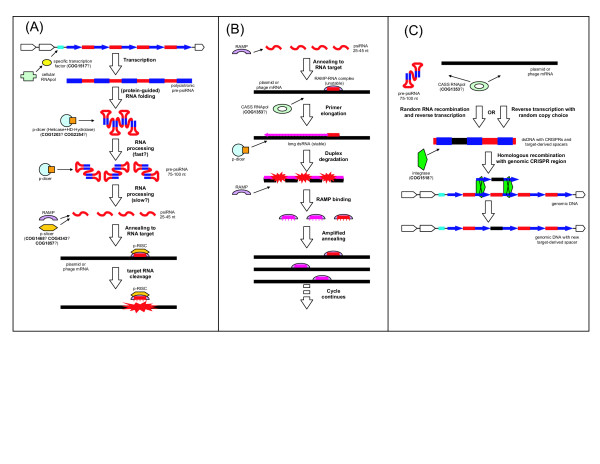
Background: All archaeal and many bacterial genomes contain Clustered Regularly Interspaced Short Palindrome Repeats (CRISPR) and variable arrays of the CRISPR-associated ( cas ) genes that have been previously implicated in a novel form of DNA repair on the basis of comparative analysis of their protein product sequences. However, the proximity of CRISPR and cas genes strongly suggests that they have related functions which is hard to reconcile with the repair hypothesis. Results: The protein sequences of the numerous cas gene products were classified into ~25 distinct protein families; several new functional and structural predictions are described. Comparative-genomic analysis of CRISPR and cas genes leads to the hypothesis that the CRISPR-Cas system (CASS) is a mechanism of defense against invading phages and plasmids that functions analogously to the eukaryotic RNA interference (RNAi) systems. Specific functional analogies are drawn between several components of CASS and proteins involved in eukaryotic RNAi, including the double-stranded RNA-specific helicase-nuclease (dicer), the endonuclease cleaving target mRNAs (slicer), and the RNA-dependent RNA polymerase. However, none of the CASS components is orthologous to its apparent eukaryotic functional counterpart. It is proposed that unique inserts of CRISPR, some of which are homologous to fragments of bacteriophage and plasmid genes, function as prokaryotic siRNAs (psiRNA), by base-pairing with the target mRNAs and promoting their degradation or translation shutdown. Specific hypothetical schemes are developed for the functioning of the predicted prokaryotic siRNA system and for the formation of new CRISPR units with unique inserts encoding psiRNA conferring immunity to the respective newly encountered phages or plasmids. The unique inserts in CRISPR show virtually no similarity even between closely related bacterial strains which suggests their rapid turnover, on evolutionary scale. Corollaries of this finding are that, even among closely related prokaryotes, the most commonly encountered phages and plasmids are different and/or that the dominant phages and plasmids turn over rapidly. Conclusion: We proposed previously that Cas proteins comprise a novel DNA repair system. The association of the cas genes with CRISPR and, especially, the presence, in CRISPR units, of unique inserts homologous to phage and plasmid genes make us abandon this hypothesis. It appears most likely that CASS is a prokaryotic system of defense against phages and plasmids that functions via the RNAi mechanism. The functioning of this system seems to involve integration of fragments of foreign genes into archaeal and bacterial chromosomes yielding heritable immunity to the respective agents. However, it appears that this inheritance is extremely unstable on the evolutionary scale such that the repertoires of unique psiRNAs are completely replaced even in closely related prokaryotes, presumably, in response to rapidly changing repertoires of dominant phages and plasmids. This article was reviewed by : Eric Bapteste, Patrick Forterre, and Martijn Huynen. Open peer review: Reviewed by Eric Bapteste, Patrick Forterre, and Martijn Huynen. For the full reviews, please go to the Reviewers' comments section.
Overview
The claims and statistics of this paper haven’t been checked yet.
Free: it reads the open-access text and checks the first 5 claims that cite a source we can check. Create a free account to check every claim.
Integrity signals
Registry
Cites
Statistics
Figures
Verification
Claims the paper makes
The claims and statistics of this paper haven’t been checked yet.
Free: it reads the open-access text and checks the first 5 claims that cite a source we can check. Create a free account to check every claim.
Claims other papers make about this one
Each is checked against this paper’s own text: does it say what the citing paper says it does?
The source backs part of the claim, not all of it — or backs it for a different population, condition or comparison.
In the citing paper
“Some are present in most systems, such as Cas1 and Cas2, which participate in adaptation [17]”
From CRISPR-Cas: Converting A Bacterial Defence Mechanism into A State-of-the-Art Genetic Manipulation Tool (2019) · cites this paper as [17]
Experimental — accuracy not yet measuredThe source backs part of the claim, not all of it — or backs it for a different population, condition or comparison.
In the citing paper
“Cas1 and Cas2 are the key proteins that mediate the adaptation step, and they are ubiquitous in CRISPR-Cas systems, irrespective of the type [17].”
From CRISPR-Cas: Converting A Bacterial Defence Mechanism into A State-of-the-Art Genetic Manipulation Tool (2019) · cites this paper as [17]
Experimental — accuracy not yet measuredThe cited source says what the claim attributes to it.
In the citing paper
“Cas9 proteins are predicted to contain RuvC and HNH motifs 15 , which possess autonomous ssDNA cleavage activity.”
From Harnessing the CRISPR/Cas9 system to disrupt latent HIV-1 provirus (2013) · cites this paper as [15]
The cited source says what the claim attributes to it.
In the citing paper
“The need to further comprehend the adaptation machineries for other types of Cas systems persists, although since Cas1 and Cas2 are widely present in nearly all CRISPR systems [17], the function of this complex in most CRISPR systems is thought to be similar to the well understood adaptation mechanisms of type I and type II systems.”
From CRISPR-Cas: Converting A Bacterial Defence Mechanism into A State-of-the-Art Genetic Manipulation Tool (2019) · cites this paper as [17]
Self-check
Percentages, sums and reported differences re-computed from the paper’s own numbers.
The self-check needs the paper’s full text.
Citations
Cites
Gapped BLAST and PSI-BLAST: a new generation of protein database search programs
Altschul, S. (1997) · Nucleic Acids Research · doi:10.1093/nar/25.17.3389 · Cited by 73,302
MUSCLE: multiple sequence alignment with high accuracy and high throughput
Edgar, R. C. (2004) · Nucleic Acids Research · doi:10.1093/nar/gkh340 · Cited by 44,662 · cited 2×
“To determine the repeat boundaries more precisely, sequences of all loci with short (20 nt) flanks added were collected and aligned using the MUSCLE program [61].”
Mfold web server for nucleic acid folding and hybridization prediction
Zuker, M. (2003) · Nucleic Acids Research · doi:10.1093/nar/gkg595 · Cited by 13,404 · cited 1×
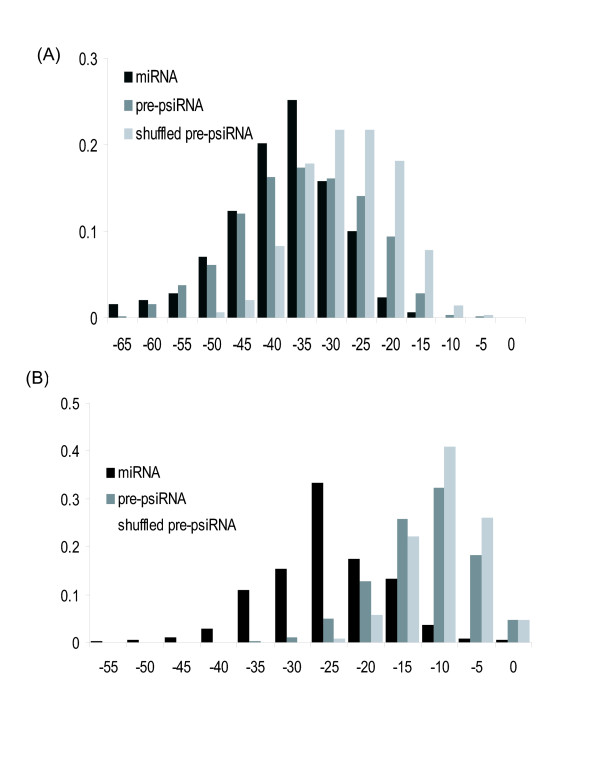
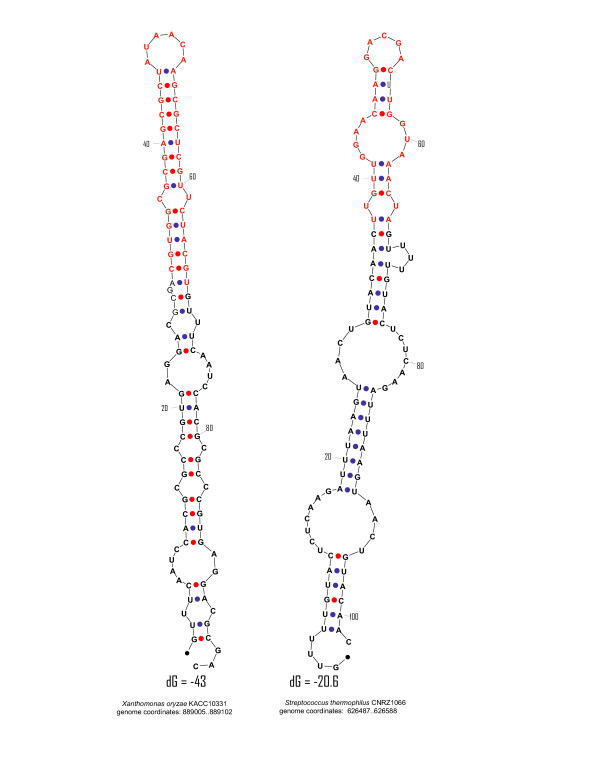
“Sequences of eukaryotic miRNAs precursors, CRISPRs, and randomly shuffled CRISPR sequences were computationally folded, and the free energy of the most stable secondary structure was calculated using a a dynamic programming algorithm that employs nearest neighbor parameters to evaluate free energy [71].”
The COG database: an updated version includes eukaryotes
Tatusov, R. L., Fedorova, N. D., Jackson, J. D., Jacobs, A. R., Kiryutin, B., Koonin, E. V., Krylov, D. M., Mazumder, R., Mekhedov, S. L., Nikolskaya, A. N., et al. (2003) · BMC Bioinformatics · doi:10.1186/1471-2105-4-41 · Cited by 4,430 · cited 1×
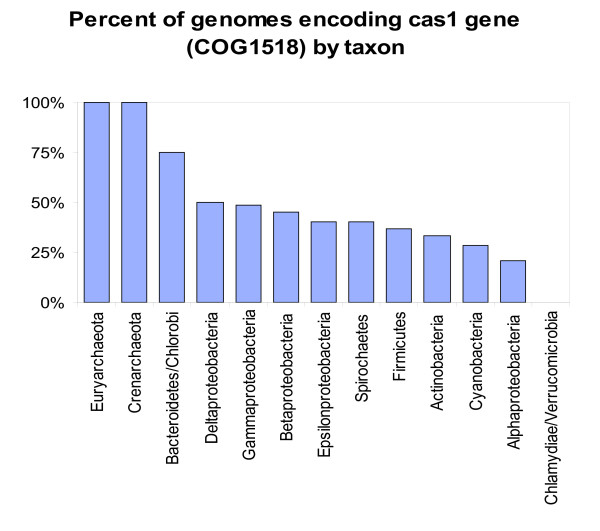
“COG1518, a universal marker of CASS In agreement with the previous observations [23], we found that Cas1 (COG1518 in the Clusters of Orthologous Group of proteins classification system [32]) is the best marker of the CRISPR-associated systems (CASS).”
Self-citationMathews, D. H., Sabina, J., Zuker, M., & Turner, D. H. (1999) · Journal of Molecular Biology · doi:10.1006/jmbi.1999.2700 · Cited by 3,795 · cited 1×
“Energy minimization was performed by dynamic programming method that finds the secondary structures with the minimum free energy by summing up the contributions from stacking, loop length, and other structural features, using improved thermodynamic parameters [72].”
Fitch, W. M., & Margoliash, E. (1967) · Science · doi:10.1126/science.155.3760.279 · Cited by 3,610 · cited 1×
“Phylogenetic analysis Distance trees were constructed from multiple protein sequence alignments after excluding poorly aligned positions, by using the least-square method as implemented in the FITCH program of the PHYLIP package [65,66].”
Hannon, G. J. (2002) · Nature · doi:10.1038/418244a · Cited by 3,538
BLAST: at the core of a powerful and diverse set of sequence analysis tools
McGinnis, S., & Madden, T. L. (2004) · Nucleic Acids Research · doi:10.1093/nar/gkh435 · Cited by 2,169 · cited 12×
“A PSI-BLAST search for COG1518 members in the completely sequenced prokaryotic genomes revealed the presence of at least one representative of this COG in 77 of the 177 analyzed genomes.”
InfluentialIntervening Sequences of Regularly Spaced Prokaryotic Repeats Derive from Foreign Genetic Elements
Mojica, F. J. M., D�ez-Villase�or, C., Garc�a-Mart�nez, J., & Soria, E. (2005) · Journal of Molecular Evolution · doi:10.1007/s00239-004-0046-3 · Cited by 2,042 · cited 8×
“Indeed, Mojica et al [27] mention the analogy between the CRISPR and eukaryotic RNA interference systems but propose no specific mechanisms for the action of the putative defense systems and, crucially, do not explore the connection between the putative psiRNA and the predicted activities of Cas proteins.”
InfluentialIdentification of genes that are associated with DNA repeats in prokaryotes
Jansen, R., Embden, J. D. A. V., Gaastra, W., & Schouls, L. M. (2002) · Molecular Microbiology · doi:10.1046/j.1365-2958.2002.02839.x · Cited by 1,802 · cited 3×
“Most of the genomes contain a single array of CRISPR in which the sequences of the repeats are (nearly) identical; some, however, possess multiple CRISPR cassettes that may have substantially different sequences [24,25].”
Influential
Research works printed but not linked: 1
- Adachi J Hasegawa M MOLPHY: Programs for Molecular Phylogenetics 1992 Tokyo, Institute of Statistical Mathematics
Cited by
Items 501–600 of 1,004
Staphylococcus epidermidis Csm1 is a 3'-5' exonuclease
Ramia, N. F., Tang, L., Cocozaki, A. I., & Li, H. (2014) · Nucleic Acids Research · doi:10.1093/nar/gkt914 · Cited by 37
Kim, Y. K., Kim, Y., & Oh, B. (2013) · Proteins: Structure, Function, and Bioinformatics · doi:10.1002/prot.24183 · Cited by 37
Koonin, E. V., & Makarova, K. S. (2017) · ACS Chemical Biology · doi:10.1021/acschembio.7b00713 · Cited by 38
Self-citationThe impact of CRISPR repeat sequence on structures of a Cas6 protein–RNA complex
Wang, R., Zheng, H., Preamplume, G., Shao, Y., & Li, H. (2012) · Protein Science · doi:10.1002/pro.2028 · Cited by 37
The Rise of CRISPR/Cas for Genome Editing in Stem Cells
Shui, B., Hernández-Matías, L., Guo, Y., & Peng, Y. (2016) · Stem Cells International · doi:10.1155/2016/8140168 · Cited by 38
Han, W., Pan, S., Mendez, B. L., Montoya, G., & She, Q. (2017) · Nucleic Acids Research · doi:10.1093/nar/gkx726 · Cited by 37
The application of genome editing technology in fish
Lü, J., Fang, W., Huang, J., & Li, S. (2021) · Marine Life Science & Technology · doi:10.1007/s42995-021-00091-1 · Cited by 37
Interaction of Proteins with Inverted Repeats and Cruciform Structures in Nucleic Acids
Bowater, R. P., Bohálová, N., & Brázda, V. (2022) · International Journal of Molecular Sciences · doi:10.3390/ijms23116171 · Cited by 37
CRISPR-Cas system: from diagnostic tool to potential antiviral treatment
Rajan, A., Shrivastava, S., Janhawi, Kumar, A., Singh, A. K., & Arora, P. K. (2022) · Applied Microbiology and Biotechnology · doi:10.1007/s00253-022-12135-2 · Cited by 37
Exploring Parkinson-associated kinases for CRISPR/Cas9-based gene editing: beyond alpha-synuclein
Mansour, H. M., & El-Khatib, A. S. (2023) · Ageing Research Reviews · doi:10.1016/j.arr.2023.102114 · Cited by 37
A CRISPR with Roles in Myxococcus xanthus Development and Exopolysaccharide Production
Wallace, R. A., Black, W. P., Yang, X., & Yang, Z. (2014) · Journal of Bacteriology · doi:10.1128/jb.02035-14 · Cited by 37
Nesbø, C. L., Bapteste, E. P., Curtis, B. A., Dahle, H., Lopez, P., MacLeod, D. P., Dlutek, M., Bowman, S., Zhaxybayeva, O., Birkeland, N.-K., et al. (2009) · Journal of Bacteriology · doi:10.1128/jb.01448-08 · Cited by 39
Dual nuclease activity of a Cas2 protein in CRISPR –Cas subtype I‐B of Leptospira interrogans
Dixit, B., Ghosh, K. K., Fernandes, G., Kumar, P., Gogoi, P., & Kumar, M. (2016) · FEBS Letters · doi:10.1002/1873-3468.12124 · Cited by 36
Musharova, O. S., Sitnik, V. V., Vlot, M., Savitskaya, E. E., Datsenko, K. A., Krivoy, A., Fedorov, I., Semenova, E., Brouns, S. J. J., & Severinov, K. (2019) · Molecular Microbiology · doi:10.1111/mmi.14237 · Cited by 36
Thermophilic algae: A new prospect towards environmental sustainability
Saini, N., Pal, K., Sujata, S., Deepak, B., & Mona, S. (2021) · Journal of Cleaner Production · doi:10.1016/j.jclepro.2021.129277 · Cited by 36
Ramakrishna, G., Babu, E., Singh, R., & Trehanpati, N. (2021) · Hepatology International · doi:10.1007/s12072-021-10237-z · Cited by 37
A three-way comparative genomic analysis of Mannheimia haemolytica isolates
Lawrence, P. K., Kittichotirat, W., McDermott, J., & Bumgarner, R. E. (2010) · BMC Genomics · doi:10.1186/1471-2164-11-535 · Cited by 36
Sulfolobus islandicus: a model system for evolutionary genomics
Zhang, C., Krause, D. J., & Whitaker, R. J. (2013) · Biochemical Society Transactions · doi:10.1042/bst20120338 · Cited by 35
CRISPR-associated nucleases: the Dawn of a new age of efficient crop improvement
Ghogare, R., Williamson-Benavides, B. A., Ramírez-Torres, F. G., & Dhingra, A. (2019) · Transgenic Research · doi:10.1007/s11248-019-00181-y · Cited by 35
Future Approaches for Treating Chronic Myeloid Leukemia: CRISPR Therapy
Vuelta, E., García‐Tuñón, I., Hernández‐Carabias, P., Méndez, L., & Sánchez‐Martín, M. (2021) · Biology · doi:10.3390/biology10020118 · Cited by 35
Engineering Cas9 for human genome editing
Slaymaker, I. M., & Gaudelli, N. M. (2021) · Current Opinion in Structural Biology · doi:10.1016/j.sbi.2021.03.004 · Cited by 35
CRISPR-Cas System: The Powerful Modulator of Accessory Genomes in Prokaryotes
Butiuc-Keul, A. L., Farkas, A., Carpa, R., & Iordache, D. (2021) · Microbial Physiology · doi:10.1159/000516643 · Cited by 35
Shooting the messenger: RNA-targetting CRISPR-Cas systems
Zhu, Y., Klompe, S. E., Vlot, M., John van der, O. O. S. T., & Staals, R. H. J. (2018) · Bioscience Reports · doi:10.1042/bsr20170788 · Cited by 35
Programmable DNA cleavage in vitro by Cas9
Karvelis, T., Gasiūnas, G., & Šikšnys, V. (2013) · Biochemical Society Transactions · doi:10.1042/bst20130164 · Cited by 35
Moran, M. N., Jones, D. B., Jensen, S. A., Marcoli, R., & Jerry, D. R. (2023) · Reviews in Aquaculture · doi:10.1111/raq.12889 · Cited by 35
Metabolic and evolutionary patterns in the extremely acidophilic archaeon Ferroplasma acidiphilum YT
Golyshina, O. V., Tran, H., Reva, O. N., Lemak, S., Yakunin, A. F., Goesmann, A., Nechitaylo, T. Y., Cono, V. L., Smedile, F., Slesarev, A. I., et al. (2017) · Scientific Reports · doi:10.1038/s41598-017-03904-5 · Cited by 34
Endogenous Gene Regulation as a Predicted Main Function of Type I-E CRISPR/Cas System in E. coli
Božić, B. D., Repac, J., & Djordjević, M. (2019) · Molecules · doi:10.3390/molecules24040784 · Cited by 34
Rolland, C., Andréani, J., Louazani, A. C., Aherfi, S., Francis, R., Rodrigues, R. A. L., Silva, L. C. A., Sahmi-Bounsiar, D., Mougari, S., Chelkha, N., et al. (2019) · Viruses · doi:10.3390/v11040312 · Cited by 34
Tuning in to Interference: R-Loops and Cascade Complexes in CRISPR Immunity
Ivančić-Baće, I., Howard, J. A. L., & Bolt, E. L. (2012) · Journal of Molecular Biology · doi:10.1016/j.jmb.2012.06.024 · Cited by 34
A genome editing primer for the hematologist
Hoban, M. D., & Bauer, D. E. (2016) · Blood · doi:10.1182/blood-2016-01-678151 · Cited by 35
Targeted genome editing in algae using CRISPR/Cas9
Tanwar, A., Sharma, S., & Kumar, S. B. (2018) · Indian Journal of Plant Physiology · doi:10.1007/s40502-018-0423-3 · Cited by 34
Engineering a New Generation of Gene Editors: Integrating Synthetic Biology and AI Innovations
Chia, B. S., Seah, S., Wang, B., Shen, K., Srivastava, D., & Chew, W. L. (2025) · ACS Synthetic Biology · doi:10.1021/acssynbio.4c00686 · Cited by 33
Overview of CRISPR–Cas9 Biology
Ratner, H. K., Sampson, T. R., & Weiss, D. S. (2016) · Cold Spring Harbor Protocols · doi:10.1101/pdb.top088849 · Cited by 34
History, evolution and classification of CRISPR-Cas associated systems
Agarwal, N., & Gupta, R. (2021) · Progress in molecular biology and translational science · doi:10.1016/bs.pmbts.2020.12.012 · Cited by 33
Variety—the Splice of Life—in Microbial Communities
Banfield, J. F., & Young, M. (2009) · Science · doi:10.1126/science.1181501 · Cited by 33
Koo, Y., Jung, D.-K., & Bae, E. (2012) · PLoS ONE · doi:10.1371/journal.pone.0033401 · Cited by 32
Reeks, J., Graham, S., Anderson, L., Liu, H., White, M. F., & Naismith, J. H. (2013) · RNA Biology · doi:10.4161/rna.23854 · Cited by 28
Meziti, A., Nikouli, E., Hatt, J. K., Konstantinidis, K. T., & Kormas, K. A. (2020) · Environmental Microbiology · doi:10.1111/1462-2920.15373 · Cited by 31
CRISPR/Cas System: An Introduction
Munawar, N., & Ahmad, A. (2021) · Springer eBooks · doi:10.1007/978-981-15-7142-8_1 · Cited by 31
The rise and fall of CRISPRs – dynamics of spacer acquisition and loss
Westra, E. R., & Brouns, S. J. J. (2012) · Molecular Microbiology · doi:10.1111/j.1365-2958.2012.08170.x · Cited by 31
The crystal structure of the CRISPR-associated protein Csn2 from Streptococcus agalactiae
Ellinger, P., Arslan, Z., Wurm, R., Tschapek, B., MacKenzie, C. R., Pfeffer, K., Panjikar, S., Wagner, R., Schmitt, L., Gohlke, H., et al. (2012) · Journal of Structural Biology · doi:10.1016/j.jsb.2012.04.006 · Cited by 31
Structure Principles of CRISPR-Cas Surveillance and Effector Complexes
Tsui, T. K. M., & Li, H. (2015) · Annual Review of Biophysics · doi:10.1146/annurev-biophys-060414-033939 · Cited by 31
Targeted Genome Editing for Crop Improvement
Kim, H., Kim, S., Kim, S., & Kim, J. (2015) · Plant Breeding and Biotechnology · doi:10.9787/pbb.2015.3.4.283 · Cited by 31
Editing plants for virus resistance using CRISPR-Cas
GREEN, J. C., & Hu, J. (2017) · Acta Virologica · doi:10.4149/av_2017_02_02 · Cited by 31
Advancements in CRISPR/Cas9 technology—Focusing on cancer therapeutics and beyond
Mirza, Z., & Karim, S. (2019) · Seminars in Cell and Developmental Biology · doi:10.1016/j.semcdb.2019.05.026 · Cited by 31
Comparison of CRISPR and Marker-Based Methods for the Engineering of Phage T7
Grigonyte, A., Harrison, C., MacDonald, P. R., Montero‐Blay, A., Tridgett, M., Duncan, J. N., Sagona, A. P., Constantinidou, C., Jaramillo, A., & Millard, A. D. (2020) · Viruses · doi:10.3390/v12020193 · Cited by 31
A primer to gene therapy: Progress, prospects, and problems
Zittersteijn, H. A., Gonçalves, M. A. F. V., & Hoeben, R. C. (2020) · Journal of Inherited Metabolic Disease · doi:10.1002/jimd.12270 · Cited by 32
Pathogen detection strategy based on CRISPR
Tian, Y., Liu, T., Liu, C., Xu, Q., & Liu, Q. (2021) · Microchemical Journal · doi:10.1016/j.microc.2021.107036 · Cited by 30
Comparative analysis of CRISPR cassettes from the human gut metagenomic contigs
Gogleva, A. A., Gelfand, M. S., & Artamonova, I. I. (2014) · BMC Genomics · doi:10.1186/1471-2164-15-202 · Cited by 30
Yokobori, S., Itoh, T., Yoshinari, S., Nomura, N., Sako, Y., Yamagishi, A., Oshima, T., Kita, K., & Watanabe, Y. (2009) · BMC Evolutionary Biology · doi:10.1186/1471-2148-9-198 · Cited by 30
CRISPR Technology for Breast Cancer: Diagnostics, Modeling, and Therapy
Mintz, R. L., Gao, M. A., Lo, K., Lao, Y., Li, M., & Leong, K. W. (2018) · Advanced Biosystems · doi:10.1002/adbi.201800132 · Cited by 30
Attwood, G. T., Kelly, W. J., Altermann, E., & Leahy, S. C. (2008) · Australian Journal of Experimental Agriculture · doi:10.1071/ea07269 · Cited by 30
Applications of CRISPR technologies in transplantation
Kuscu, C., Kuscu, C., Bajwa, A., Eason, J. D., Maluf, D. G., & Mas, V. R. (2020) · American Journal of Transplantation · doi:10.1111/ajt.16095 · Cited by 30
Recent advances in the application of multiplex genome editing in Saccharomyces cerevisiae
Zhang, Z., Wang, L., Xu, Y., Jiang, W., Shi, T., Sun, X., & Huang, H. (2021) · Applied Microbiology and Biotechnology · doi:10.1007/s00253-021-11287-x · Cited by 29
Genome Editing Strategies to Protect Livestock from Viral Infections
Söllner, J.-H., Mettenleiter, T. C., & Petersen, B. (2021) · Viruses · doi:10.3390/v13101996 · Cited by 29
Potential Use of CRISPR/Cas13 Machinery in Understanding Virus–Host Interaction
Bayoumi, M. M., & Munir, M. (2021) · Frontiers in Microbiology · doi:10.3389/fmicb.2021.743580 · Cited by 30
A comprehensive overview of CRISPR/Cas 9 technology and application thereof in drug discovery
Khurana, A., Sayed, N., Singh, V., Khurana, I., Allawadhi, P., Rawat, P. S., Navik, U., Pasumarthi, S. K., Bharani, K. K., & Weiskirchen, R. (2022) · Journal of Cellular Biochemistry · doi:10.1002/jcb.30329 · Cited by 29
Farzanehpour, M., Miri, A., Alvanegh, A. G., & Gouvarchinghaleh, H. E. (2023) · Biochemical Pharmacology · doi:10.1016/j.bcp.2023.115555 · Cited by 29
Sakamoto, K., Agari, Y., Agari, K., Yokoyama, S., Kuramitsu, S., & Shinkai, A. (2009) · Proteins Structure Function and Bioinformatics · doi:10.1002/prot.22358 · Cited by 30
Real-time observation of CRISPR spacer acquisition by Cas1–Cas2 integrase
Budhathoki, J. B., Xiao, Y., Schuler, G. A., Hu, C., Cheng, A., Ding, F., & Ke, A. (2020) · Nature Structural & Molecular Biology · doi:10.1038/s41594-020-0415-7 · Cited by 29
NilD CRISPR RNA contributes to X enorhabdus nematophila colonization of symbiotic host nematodes
Veesenmeyer, J. L., Andersen, A. W., Lu, X., Hussa, E. A., Murfin, K. E., Chaston, J. M., Dillman, A. R., Wassarman, K. M., Sternberg, P. W., & Goodrich‐Blair, H. (2014) · Molecular Microbiology · doi:10.1111/mmi.12715 · Cited by 29
CRISPR-Cas9: A multifaceted therapeutic strategy for cancer treatment
Kaushik, I., Ramachandran, S., & Srivastava, S. (2019) · Seminars in Cell and Developmental Biology · doi:10.1016/j.semcdb.2019.04.018 · Cited by 29
Maghsoud, Y., Jayasinghe‐Arachchige, V. M., Kumari, P., Cisneros, G. A., & Liu, J. (2023) · Journal of Chemical Information and Modeling · doi:10.1021/acs.jcim.3c01284 · Cited by 28
“As mentioned above, the hydrolysis of t-DNA by the HNH domain of endonuclease SpCas9 in the matched system can occur through one of the following pathways: (1) metal-bound water/first-shell water-mediated pathway or (2) second-shell water-assisted pathway.”
CRISPR-mediated defense mechanisms in the hyperthermophilic archaeal genusSulfolobus
Manica, A., & Schleper, C. (2013) · RNA Biology · doi:10.4161/rna.24154 · Cited by 28
Mohr, G., Silas, S., Stamos, J. L., Makarova, K. S., Markham, L. M., Yao, J., Elío, P. L., Sánchez-Amat, A., Fire, A. Z., Koonin, E. V., et al. (2018) · Molecular Cell · doi:10.1016/j.molcel.2018.09.013 · Cited by 28
Self-citationArtamonova, D., Karneyeva, K., Medvedeva, S., Klimuk, E. I., Kolesnik, M. V., Yasinskaya, A., Samolygo, A., & Severinov, K. (2020) · Nucleic Acids Research · doi:10.1093/nar/gkaa685 · Cited by 29
Modern Prometheus: Editing the Human Genome with Crispr-Cas9
Kozubek, J. (2016) · Cambridge University Press eBooks · doi:10.1017/cbo9781316771440 · Cited by 29
Pasari, N., Gupta, M., Eqbal, D., & Yazdani, S. S. (2019) · Scientific Reports · doi:10.1038/s41598-019-42572-5 · Cited by 27
Pallarès-Masmitjà, M., Knödlseder, N., & Güell, M. (2019) · Methods in molecular biology · doi:10.1007/978-1-4939-9170-9_1 · Cited by 27
PpCas9 from Pasteurella pneumotropica — a compact Type II-C Cas9 ortholog active in human cells
Fedorova, I., Vasileva, A., Selkova, P., Abramova, M., Arseniev, A., Pobegalov, G., Kazalov, M., Musharova, O. S., Goryanin, I. I., Artamonova, D., et al. (2020) · Nucleic Acids Research · doi:10.1093/nar/gkaa998 · Cited by 27
Nasrallah, A., Sulpice, E., Kobaisi, F., Gidrol, X., & Rachidi, W. (2022) · Cells · doi:10.3390/cells11223615 · Cited by 27
CRISPR‐Cas9 delivery strategies and applications: Review and update
Severi, A. A., & Akbari, B. (2024) · genesis · doi:10.1002/dvg.23598 · Cited by 27
Structure and genome editing of type I-B CRISPR-Cas
Lü, M., Yu, C., Zhang, Y., Ju, W., Ye, Z., Hua, C., Mao, J., Hu, C., Yang, Z., & Xiao, Y. (2024) · Nature Communications · doi:10.1038/s41467-024-48598-2 · Cited by 28
RNA interference for the identification of ectoparasite vaccine candidates
Marr, E. J., Sargison, N. D., Nisbet, A. J., & Burgess, S. T. G. (2014) · Parasite Immunology · doi:10.1111/pim.12132 · Cited by 27
CRISPR transcript processing: a mechanism for generating a large number of small interfering RNAs
Djordjević, M., Djordjevic, M., & Severinov, K. (2012) · Biology Direct · doi:10.1186/1745-6150-7-24 · Cited by 27
CRISPR editing in biological and biomedical investigation
Huang, J., Wang, Y., & Zhao, J. (2017) · Journal of Cellular Physiology · doi:10.1002/jcp.26141 · Cited by 28
CRISPR RNA binding and DNA target recognition by purified Cascade complexes from Escherichia coli
Beloglazova, N. G., Kuznedelov, K. D., Flick, R., Datsenko, K. A., Brown, G., Popovic, A., Lemak, S., Semenova, E., Severinov, K., & Yakunin, A. F. (2014) · Nucleic Acids Research · doi:10.1093/nar/gku1285 · Cited by 27
Combining CRISPR/Cas9 and rAAV Templates for Efficient Gene Editing
Kaulich, M., & Dowdy, S. F. (2015) · Nucleic Acid Therapeutics · doi:10.1089/nat.2015.0545 · Cited by 27
Chakraborty, S., Waise, T. M. Z., Hassan, F., Kabir, Y., Smith, M. A., & Arif, M. (2009) · In Silico Biology · doi:10.3233/isb-2009-0402 · Cited by 27
Richter, C., & Fineran, P. C. (2013) · Biochemical Society Transactions · doi:10.1042/bst20130151 · Cited by 26
García-Robledo, J. E., Barrera, M. C., & Tobón, G. J. (2019) · International Reviews of Immunology · doi:10.1080/08830185.2019.1677645 · Cited by 27
CRISPR-Based Genome-Editing Tools for Huntington’s Disease Research and Therapy
Qin, Y., Li, S., Li, X., & Yang, S. (2022) · Neuroscience Bulletin · doi:10.1007/s12264-022-00880-3 · Cited by 26
Ghosh, S., Lahiri, D., Nag, M., Sarkar, T., Pati, S., Edinur, H. A., Kumar, M., Zain, M. R. A. M., & Ray, R. R. (2022) · Frontiers in Microbiology · doi:10.3389/fmicb.2022.964848 · Cited by 26
Engineering CRISPR/Cas9 therapeutics for cancer precision medicine
Sharma, A. K., & Giri, A. K. (2024) · Frontiers in Genetics · doi:10.3389/fgene.2024.1309175 · Cited by 26
Semenova, E., Kuznedelov, K. D., Datsenko, K. A., Boudry, P., Savitskaya, E. E., Medvedeva, S., Beloglazova, N. G., Logacheva, M. D., Yakunin, A. F., & Severinov, K. (2015) · Nucleic Acids Research · doi:10.1093/nar/gkv546 · Cited by 26
Complete Genome Sequence of Bifidobacterium animalis subsp. lactis BLC1
Bottacini, F., Bello, F. D., Turroni, F., Milani, C., Duranti, S., Foroni, E., Viappiani, A., Strati, F., Mora, D., van Sinderen, D., et al. (2011) · Journal of Bacteriology · doi:10.1128/jb.06079-11 · Cited by 26
Park, S. J., Son, W. S., & Lee, B. (2012) · International Journal of Molecular Sciences · doi:10.3390/ijms13067109 · Cited by 26
CRISPR-Cas Systems in Prokaryotes
Burmistrz, M., & Pyrć, K. (2015) · Polish Journal of Microbiology · doi:10.5604/01.3001.0009.2114 · Cited by 26
Target DNA recognition and cleavage by a reconstituted Type I-G CRISPR-Cas immune effector complex
Majumdar, S., Ligon, M. M., Colby, S. W., Terns, R. M., & Terns, M. P. (2016) · Extremophiles · doi:10.1007/s00792-016-0871-5 · Cited by 26
Advances in therapeutic application of CRISPR-Cas9
Sun, J., Wang, J., Zheng, D., & Hu, X. (2019) · Briefings in Functional Genomics · doi:10.1093/bfgp/elz031 · Cited by 26
CRISPR-based genome editing of zebrafish
Sharma, P., Sharma, B. S., & Verma, R. J. (2021) · Progress in molecular biology and translational science · doi:10.1016/bs.pmbts.2021.01.005 · Cited by 27
New insights on CRISPR/Cas9-based therapy for breast Cancer
Sabit, H., Abdel-Ghany, S. E., Tombuloğlu, H., Çevik, E., Alqosaibi, A. I., Al-Mulhim, F. A., & Muhanna, A. A. (2021) · Genes and Environment · doi:10.1186/s41021-021-00188-0 · Cited by 26
Tahir, T., Ali, Q., Rashid, M., & Malik, A. (2020) · Biological and Clinical Sciences Research Journal · doi:10.54112/bcsrj.v2020i1.17 · Cited by 26
Barriers to Horizontal Gene Transfer in Campylobacter jejuni
Gardner, S. P., & Olson, J. W. (2012) · Advances in applied microbiology · doi:10.1016/b978-0-12-394318-7.00002-4 · Cited by 26
Genome editing and cancer: How far has research moved forward on CRISPR/Cas9?
Mitra, S., Sarker, J., Mojumder, A., Shibbir, T. B., Das, R. C., Emran, T. B., Tallei, T. E., Nainu, F., Alshahrani, A. M., Chidambaram, K., et al. (2022) · Biomedicine & Pharmacotherapy · doi:10.1016/j.biopha.2022.113011 · Cited by 26
Unity among the diverse RNA-guided CRISPR-Cas interference mechanisms
Ganguly, C., Rostami, S., Long, K., Aribam, S. D., & Rajan, R. (2024) · Journal of Biological Chemistry · doi:10.1016/j.jbc.2024.107295 · Cited by 25
Calleros, L., Betancor, L., Iraola, G., Méndez, A., Morsella, C., Paolicchi, F. A., Silveyra, S., Velilla, A. V., & Pérez, R. (2016) · Journal of Microbiological Methods · doi:10.1016/j.mimet.2016.11.012 · Cited by 25
Yazdi, Z. F., Roshannezhad, S., Sharif, S., & Abbaszadegan, M. R. (2024) · Journal of Translational Medicine · doi:10.1186/s12967-024-05908-y · Cited by 25
Diversity and microevolution of CRISPR loci in Helicobacter cinaedi
Tomida, J., Morita, Y., Shibayama, K., Kikuchi, K., Sawa, T., Akaike, T., & Kawamura, Y. (2017) · PLoS ONE · doi:10.1371/journal.pone.0186241 · Cited by 25
Jeong, K., Muñoz‐Bodnar, A., Rojas, N. A., Poulin, L., Rodriguez‐R, L. M., Gagnevin, L., Vernière, C., Pruvost, O., & Koebnik, R. (2019) · BMC Genomics · doi:10.1186/s12864-019-6267-z · Cited by 25
Metadata
- Authors
- Makarova, K. S., Grishin, N. V., Shabalina, S. A., Wolf, Y. I., & Koonin, E. V.
- Affiliations
- National Institutes of Health (US)
- The University of Texas Southwestern Medical Center (US)
- Corresponding author
- Koonin, Eugene V
- Venue
- Biology Direct
- Published
- 2006-03-16
- Volume
- 1
- Issue
- 1
- Pages
- 7-7
- ISSN
- 1745-6150 (ISSN-L)
- PMC
- PMC1462988
- OpenAlex
- W2123965484
- Cited by
- 1,199
- References
- 77
- Citations by year
- 2026: 17 · 2025: 43 · 2024: 54 · 2023: 73 · 2022: 88 · 2021: 88 · 2020: 78 · 2019: 78 · 2018: 51 · 2017: 73 · 2016: 62 · 2015: 73 · 2014: 60 · 2013: 73 · 2012: 70
- FWCI
- 16.02
- Type
- journal article
- Language
- en
- Open access
- gold
- doi.org
- Licence
- cc-by
- Locations
- Biology Direct (publishedVersion, cc-by)
- PubMed Central (publishedVersion, cc-by)
- PubMed (publishedVersion)
- DOAJ (DOAJ: Directory of Open Access Journals) (submittedVersion)
- Funders
- U.S. Department of Health and Human Services
- National Institutes of Health
- U.S. National Library of Medicine
- Topics
- Life Sciences › Biochemistry, Genetics and Molecular Biology › Molecular Biology › CRISPR and Genetic Engineering
- Life Sciences › Biochemistry, Genetics and Molecular Biology › Genetics › Bacterial Genetics and Biotechnology
- Life Sciences › Immunology and Microbiology › Virology › Bacteriophages and microbial interactions
- Keywords
- CRISPR-Cas, RNA interference, CRISPR-associated proteins, phage defense, plasmid defense, Cas9, RNA-dependent RNA polymerase, comparative genomics
About these checks
Registry, retraction, Cites and statistics results are computed, not judged, with one exception: a printed reference that no index lists is read once by a model before it counts as a citation error. Claims are extracted by a model and kept only when their quote appears verbatim in the text; each cited source is then checked, with a model’s help, for whether it says what the claim relies on. Those verdicts can be wrong — read the claim’s quote and the cited source before relying on one.
Statistics and arithmetic are recomputed, not judged.
Confidence bands are shown only for fields calibrated on our annotated test set. None is calibrated yet, so no band is shown.
What counts as a claim ›How we measure confidence ›How we check this ›
Are you an author, or do you see a problem with this page? Request a review
Data sources
Bibliographic data: Semantic Scholar, OpenAlex, Crossref.
Contains information from the Semantic Scholar Academic Graph Datasets, made available under the ODC Attribution License (ODC-BY 1.0).
Semantic Scholar’s data is described in: Kinney, R., et al. (2023). The Semantic Scholar Open Data Platform. arXiv:2301.10140.
