

A putative RNA-interference-based immune system in prokaryotes: computational analysis of the predicted enzymatic machinery, functional analogies with eukaryotic RNAi, and hypothetical mechanisms of action
Open accessThe DOI matches its Crossref record; 75 of the 77 references it cites were found in a registry or an index.
Abstract
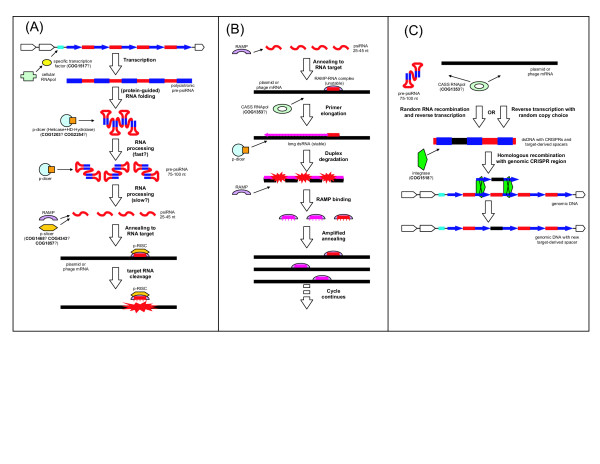
Background: All archaeal and many bacterial genomes contain Clustered Regularly Interspaced Short Palindrome Repeats (CRISPR) and variable arrays of the CRISPR-associated ( cas ) genes that have been previously implicated in a novel form of DNA repair on the basis of comparative analysis of their protein product sequences. However, the proximity of CRISPR and cas genes strongly suggests that they have related functions which is hard to reconcile with the repair hypothesis. Results: The protein sequences of the numerous cas gene products were classified into ~25 distinct protein families; several new functional and structural predictions are described. Comparative-genomic analysis of CRISPR and cas genes leads to the hypothesis that the CRISPR-Cas system (CASS) is a mechanism of defense against invading phages and plasmids that functions analogously to the eukaryotic RNA interference (RNAi) systems. Specific functional analogies are drawn between several components of CASS and proteins involved in eukaryotic RNAi, including the double-stranded RNA-specific helicase-nuclease (dicer), the endonuclease cleaving target mRNAs (slicer), and the RNA-dependent RNA polymerase. However, none of the CASS components is orthologous to its apparent eukaryotic functional counterpart. It is proposed that unique inserts of CRISPR, some of which are homologous to fragments of bacteriophage and plasmid genes, function as prokaryotic siRNAs (psiRNA), by base-pairing with the target mRNAs and promoting their degradation or translation shutdown. Specific hypothetical schemes are developed for the functioning of the predicted prokaryotic siRNA system and for the formation of new CRISPR units with unique inserts encoding psiRNA conferring immunity to the respective newly encountered phages or plasmids. The unique inserts in CRISPR show virtually no similarity even between closely related bacterial strains which suggests their rapid turnover, on evolutionary scale. Corollaries of this finding are that, even among closely related prokaryotes, the most commonly encountered phages and plasmids are different and/or that the dominant phages and plasmids turn over rapidly. Conclusion: We proposed previously that Cas proteins comprise a novel DNA repair system. The association of the cas genes with CRISPR and, especially, the presence, in CRISPR units, of unique inserts homologous to phage and plasmid genes make us abandon this hypothesis. It appears most likely that CASS is a prokaryotic system of defense against phages and plasmids that functions via the RNAi mechanism. The functioning of this system seems to involve integration of fragments of foreign genes into archaeal and bacterial chromosomes yielding heritable immunity to the respective agents. However, it appears that this inheritance is extremely unstable on the evolutionary scale such that the repertoires of unique psiRNAs are completely replaced even in closely related prokaryotes, presumably, in response to rapidly changing repertoires of dominant phages and plasmids. This article was reviewed by : Eric Bapteste, Patrick Forterre, and Martijn Huynen. Open peer review: Reviewed by Eric Bapteste, Patrick Forterre, and Martijn Huynen. For the full reviews, please go to the Reviewers' comments section.
Overview
The claims and statistics of this paper haven’t been checked yet.
Free: it reads the open-access text and checks the first 5 claims that cite a source we can check. Create a free account to check every claim.
Integrity signals
Registry
Cites
Statistics
Figures
Verification
Claims the paper makes
The claims and statistics of this paper haven’t been checked yet.
Free: it reads the open-access text and checks the first 5 claims that cite a source we can check. Create a free account to check every claim.
Claims other papers make about this one
Each is checked against this paper’s own text: does it say what the citing paper says it does?
The source backs part of the claim, not all of it — or backs it for a different population, condition or comparison.
In the citing paper
“Some are present in most systems, such as Cas1 and Cas2, which participate in adaptation [17]”
From CRISPR-Cas: Converting A Bacterial Defence Mechanism into A State-of-the-Art Genetic Manipulation Tool (2019) · cites this paper as [17]
Experimental — accuracy not yet measuredThe source backs part of the claim, not all of it — or backs it for a different population, condition or comparison.
In the citing paper
“Cas1 and Cas2 are the key proteins that mediate the adaptation step, and they are ubiquitous in CRISPR-Cas systems, irrespective of the type [17].”
From CRISPR-Cas: Converting A Bacterial Defence Mechanism into A State-of-the-Art Genetic Manipulation Tool (2019) · cites this paper as [17]
Experimental — accuracy not yet measuredThe cited source says what the claim attributes to it.
In the citing paper
“Cas9 proteins are predicted to contain RuvC and HNH motifs 15 , which possess autonomous ssDNA cleavage activity.”
From Harnessing the CRISPR/Cas9 system to disrupt latent HIV-1 provirus (2013) · cites this paper as [15]
The cited source says what the claim attributes to it.
In the citing paper
“The need to further comprehend the adaptation machineries for other types of Cas systems persists, although since Cas1 and Cas2 are widely present in nearly all CRISPR systems [17], the function of this complex in most CRISPR systems is thought to be similar to the well understood adaptation mechanisms of type I and type II systems.”
From CRISPR-Cas: Converting A Bacterial Defence Mechanism into A State-of-the-Art Genetic Manipulation Tool (2019) · cites this paper as [17]
Self-check
Percentages, sums and reported differences re-computed from the paper’s own numbers.
The self-check needs the paper’s full text.
Citations
Cites
Gapped BLAST and PSI-BLAST: a new generation of protein database search programs
Altschul, S. (1997) · Nucleic Acids Research · doi:10.1093/nar/25.17.3389 · Cited by 73,302
MUSCLE: multiple sequence alignment with high accuracy and high throughput
Edgar, R. C. (2004) · Nucleic Acids Research · doi:10.1093/nar/gkh340 · Cited by 44,662 · cited 2×
“To determine the repeat boundaries more precisely, sequences of all loci with short (20 nt) flanks added were collected and aligned using the MUSCLE program [61].”
Mfold web server for nucleic acid folding and hybridization prediction
Zuker, M. (2003) · Nucleic Acids Research · doi:10.1093/nar/gkg595 · Cited by 13,404 · cited 1×
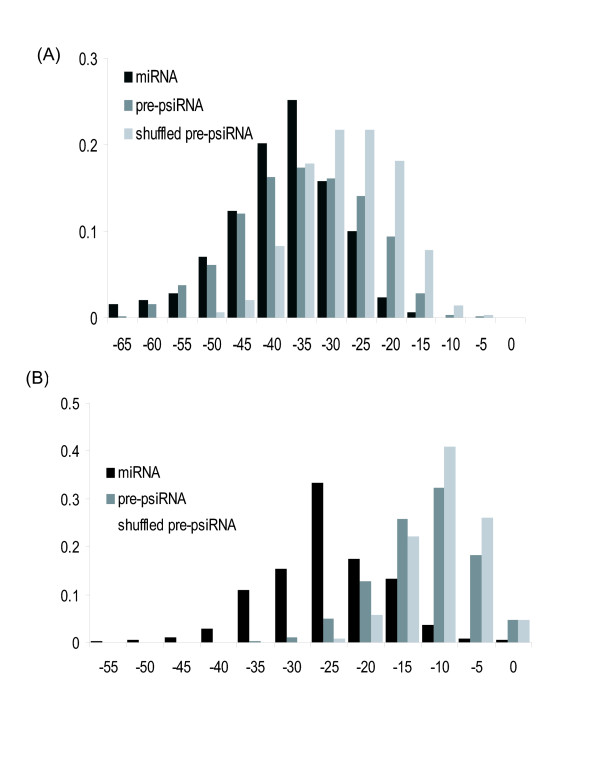
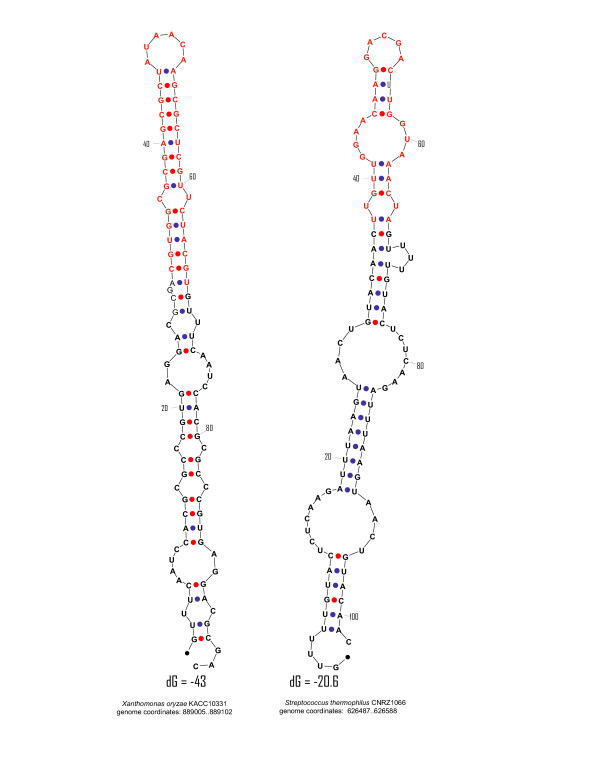
“Sequences of eukaryotic miRNAs precursors, CRISPRs, and randomly shuffled CRISPR sequences were computationally folded, and the free energy of the most stable secondary structure was calculated using a a dynamic programming algorithm that employs nearest neighbor parameters to evaluate free energy [71].”
The COG database: an updated version includes eukaryotes
Tatusov, R. L., Fedorova, N. D., Jackson, J. D., Jacobs, A. R., Kiryutin, B., Koonin, E. V., Krylov, D. M., Mazumder, R., Mekhedov, S. L., Nikolskaya, A. N., et al. (2003) · BMC Bioinformatics · doi:10.1186/1471-2105-4-41 · Cited by 4,430 · cited 1×
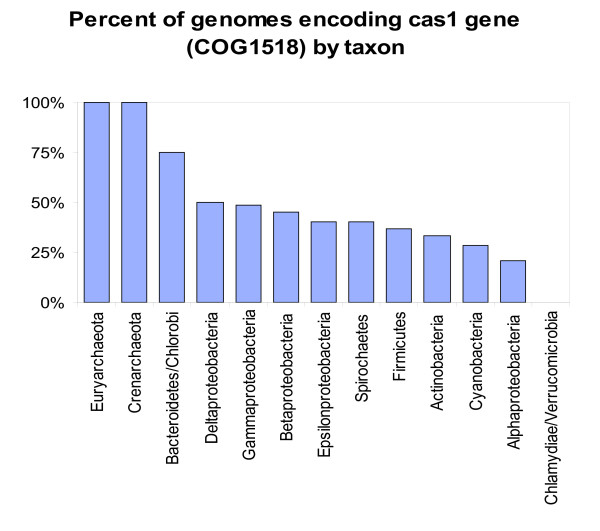
“COG1518, a universal marker of CASS In agreement with the previous observations [23], we found that Cas1 (COG1518 in the Clusters of Orthologous Group of proteins classification system [32]) is the best marker of the CRISPR-associated systems (CASS).”
Self-citationMathews, D. H., Sabina, J., Zuker, M., & Turner, D. H. (1999) · Journal of Molecular Biology · doi:10.1006/jmbi.1999.2700 · Cited by 3,795 · cited 1×
“Energy minimization was performed by dynamic programming method that finds the secondary structures with the minimum free energy by summing up the contributions from stacking, loop length, and other structural features, using improved thermodynamic parameters [72].”
Fitch, W. M., & Margoliash, E. (1967) · Science · doi:10.1126/science.155.3760.279 · Cited by 3,610 · cited 1×
“Phylogenetic analysis Distance trees were constructed from multiple protein sequence alignments after excluding poorly aligned positions, by using the least-square method as implemented in the FITCH program of the PHYLIP package [65,66].”
Hannon, G. J. (2002) · Nature · doi:10.1038/418244a · Cited by 3,538
BLAST: at the core of a powerful and diverse set of sequence analysis tools
McGinnis, S., & Madden, T. L. (2004) · Nucleic Acids Research · doi:10.1093/nar/gkh435 · Cited by 2,169 · cited 12×
“A PSI-BLAST search for COG1518 members in the completely sequenced prokaryotic genomes revealed the presence of at least one representative of this COG in 77 of the 177 analyzed genomes.”
InfluentialIntervening Sequences of Regularly Spaced Prokaryotic Repeats Derive from Foreign Genetic Elements
Mojica, F. J. M., D�ez-Villase�or, C., Garc�a-Mart�nez, J., & Soria, E. (2005) · Journal of Molecular Evolution · doi:10.1007/s00239-004-0046-3 · Cited by 2,042 · cited 8×
“Indeed, Mojica et al [27] mention the analogy between the CRISPR and eukaryotic RNA interference systems but propose no specific mechanisms for the action of the putative defense systems and, crucially, do not explore the connection between the putative psiRNA and the predicted activities of Cas proteins.”
InfluentialIdentification of genes that are associated with DNA repeats in prokaryotes
Jansen, R., Embden, J. D. A. V., Gaastra, W., & Schouls, L. M. (2002) · Molecular Microbiology · doi:10.1046/j.1365-2958.2002.02839.x · Cited by 1,802 · cited 3×
“Most of the genomes contain a single array of CRISPR in which the sequences of the repeats are (nearly) identical; some, however, possess multiple CRISPR cassettes that may have substantially different sequences [24,25].”
InfluentialGenetic and Functional Diversification of Small RNA Pathways in Plants
Xie, Z., Johansen, L. K., Gustafson, A. M., Kasschau, K. D., Lellis, A. D., Zilberman, D., Jacobsen, S. E., & Carrington, J. C. (2004) · PLoS Biology · doi:10.1371/journal.pbio.0020104 · Cited by 1,584 · cited 1×
“The closest eukaryotic analogs of the CASS system might be the rasiRNAs that, like the putative psiRNAs, are encoded in the genome, are generated by processing of double-stranded molecules formed by symmetric transcripts of transposons (or repeats thought to be of transposon origin) and silence the latter, which contr…”
Bolotin, A., Quinquis, B., Sorokin, A., & Ehrlich, S. D. (2005) · Microbiology · doi:10.1099/mic.0.28048-0 · Cited by 1,558
Ribo-gnome: The Big World of Small RNAs
Zamore, P. D., & Haley, B. (2005) · Science · doi:10.1126/science.1111444 · Cited by 1,288 · cited 4×
“Evidence is rapidly accumulating that numerous, probably, thousands of miRNAs in animals and plants are major players in development regulation and chromatin remodeling [6].”
InfluentialOn the Role of RNA Amplification in dsRNA-Triggered Gene Silencing
Sijen, T., Fleenor, J., Simmer, F., Thijssen, K. L., Parrish, S., Timmons, L., Plasterk, R. H. A., & Fire, A. (2001) · Cell · doi:10.1016/s0092-8674(01)00576-1 · Cited by 1,277
Pourcel, C., Salvignol, G., & Vergnaud, G. (2005) · Microbiology · doi:10.1099/mic.0.27437-0 · Cited by 1,201 · cited 5×
“However, it has been proposed last year by several groups that procaryotic CASS could also play a significant role in fighting viral aggression in archaea and bacteria (Mojica et al. 2005, Pourcel et al., 2005, Bolotin et al., 2005).”
InfluentialEvolutionary relationships among diverse bacteriophages and prophages: All the world’s a phage
Hendrix, R. W., Smith, M. C. M., Burns, R. N., Ford, M. E., & Hatfull, G. F. (1999) · Proceedings of the National Academy of Sciences · doi:10.1073/pnas.96.5.2192 · Cited by 1,107 · cited 1×
“A general implication of this aspect of CASS evolution is that the diversity of mobile replicons (phages, plasmids, transposons etc) in nature might be even more enormous than it is currently estimated [58,59] such that even closely related bacteria occupying similar niches are predominantly invaded by different agent…”
JPred: a consensus secondary structure prediction server.
Cuff, J. A., Clamp, M. E., Siddiqui, A. S., Finlay, M., & Barton, G. J. (1998) · Bioinformatics · doi:10.1093/bioinformatics/14.10.892 · Cited by 1,006
Haft, D. H., Selengut, J., Mongodin, E. F., & Nelson, K. E. (2005) · PLoS Computational Biology · doi:10.1371/journal.pcbi.0010060 · Cited by 979 · cited 8×
“The recent work of Haft et al has identified a "guild" of over 45 protein families comprising the CASS [ 24 ].”
InfluentialInformation content of binding sites on nucleotide sequences
Schneider, T. D., Stormo, G. D., Gold, L., & Ehrenfeucht, A. (1986) · Journal of Molecular Biology · doi:10.1016/0022-2836(86)90165-8 · Cited by 945 · cited 1×
“Alignments around these anchors were expanded in both directions, to include all adjacent positions with information content above or equal to 1.5 bits [ 69 ].”
InfluentialHere a virus, there a virus, everywhere the same virus?
Breitbart, M., & Rohwer, F. (2005) · Trends in Microbiology · doi:10.1016/j.tim.2005.04.003 · Cited by 854 · cited 1×
“Only a miniscule fraction of the existing phage and plasmid sequences is currently available, whereas the total diversity of prokaryotic mobile elements is humungous and apparently exceeds the diversity of prokaryotes at least by an order of magnitude [41,42].”
Mojica, F. J. M., Díez‐Villaseñor, C., Soria, E., & Juez, G. (2000) · Molecular Microbiology · doi:10.1046/j.1365-2958.2000.01838.x · Cited by 820 · cited 1×
“The repeats in CRISPR from different genomes show only limited similarity, but often retain distinct, conserved motifs shared even by distant species including archaea and bacteria [18,26].”
Edwards, R. A., & Rohwer, F. (2005) · Nature Reviews Microbiology · doi:10.1038/nrmicro1163 · Cited by 820 · cited 1×
“Only a miniscule fraction of the existing phage and plasmid sequences is currently available, whereas the total diversity of prokaryotic mobile elements is humungous and apparently exceeds the diversity of prokaryotes at least by an order of magnitude [41,42].”
The Small RNA Profile during Drosophila melanogaster Development
Aravin, A. A., Lagos-Quintana, M., Yalcin, A., Zavolan, M., Marks, D., Snyder, B., Gaasterland, T., Meyer, J., & Tuschl, T. (2003) · Developmental Cell · doi:10.1016/s1534-5807(03)00228-4 · Cited by 802 · cited 1×
“The closest eukaryotic analogs of the CASS system might be the rasiRNAs that, like the putative psiRNAs, are encoded in the genome, are generated by processing of double-stranded molecules formed by symmetric transcripts of transposons (or repeats thought to be of transposon origin) and silence the latter, which contr…”
Endogenous trans-Acting siRNAs Regulate the Accumulation of Arabidopsis mRNAs
Vazquez, F., Vaucheret, H., Rajagopalan, R., Lepers, C., Gasciolli, V., Mallory, A. C., Hilbert, J.-L., Bartel, D. P., & Crété, P. (2004) · Molecular Cell · doi:10.1016/j.molcel.2004.09.028 · Cited by 801
Esnouf, R. M. (1999) · Acta Crystallographica Section D Biological Crystallography · doi:10.1107/s0907444998017363 · Cited by 753
MicroRNAs and Other Tiny Endogenous RNAs in C. elegans
Ambros, V., Lee, R. C., Lavanway, A., Williams, P. T., & Jewell, D. (2003) · Current Biology · doi:10.1016/s0960-9822(03)00287-2 · Cited by 706 · cited 1×
“The closest eukaryotic analogs of the CASS system might be the rasiRNAs that, like the putative psiRNAs, are encoded in the genome, are generated by processing of double-stranded molecules formed by symmetric transcripts of transposons (or repeats thought to be of transposon origin) and silence the latter, which contr…”
Iterated profile searches with PSI-BLAST—a tool for discovery in protein databases
Altschul, S. F., & Koonin, E. V. (1998) · Trends in Biochemical Sciences · doi:10.1016/s0968-0004(98)01298-5 · Cited by 680
Self-citationFire, A. (1999) · Trends in Genetics · doi:10.1016/s0168-9525(99)01818-1 · Cited by 625
[24] Inferring phylogenies from protein sequences by parsimony, distance, and likelihood methods
Felsenstein, J. (1996) · Methods in Enzymology · doi:10.1016/s0076-6879(96)66026-1 · Cited by 605
The Small RNA Regulators of Escherichia coli : Roles and Mechanisms
Gottesman, S. (2004) · Annual Review of Microbiology · doi:10.1146/annurev.micro.58.030603.123841 · Cited by 586 · cited 2×
“In contrast, the bacterial small antisense RNA regulatory pathways that employ Hfq and RNAse E that target regular, chromosomal bacterial genes, rather than those of infectious agents or transposons [14-16], seem to be the functional counterpart of eukaryotic miRNA systems.”
Dicing and slicing: The core machinery of the RNA interference pathway
Hammond, S. M. (2005) · FEBS Letters · doi:10.1016/j.febslet.2005.08.079 · Cited by 545
Smardon, A., Spoerke, J. M., Stacey, S. C., Klein, M. E., Mackin, N., & Maine, E. M. (2000) · Current Biology · doi:10.1016/s0960-9822(00)00323-7 · Cited by 538
Micros for microbes: non-coding regulatory RNAs in bacteria
Gottesman, S. (2005) · Trends in Genetics · doi:10.1016/j.tig.2005.05.008 · Cited by 501 · cited 2×
“In contrast, the bacterial small antisense RNA regulatory pathways that employ Hfq and RNAse E that target regular, chromosomal bacterial genes, rather than those of infectious agents or transposons [14-16], seem to be the functional counterpart of eukaryotic miRNA systems.”
RNAi: The Nuts and Bolts of the RISC Machine
Filipowicz, W. (2005) · Cell · doi:10.1016/j.cell.2005.06.023 · Cited by 482
Aravind, L., & Koonin, E. V. (1999) · Journal of Molecular Biology · doi:10.1006/jmbi.1999.2653 · Cited by 453 · cited 1×
“For detecting subtle sequence conservation, the PSI-BLAST search results were visually examined and sequences with greater E-values, but containing signature motifs of a given protein family were included into profiles on a case by case basis [30,60].”
Self-citationsiRNA and miRNA: an insight into RISCs
Tang, G. (2005) · Trends in Biochemical Sciences · doi:10.1016/j.tibs.2004.12.007 · Cited by 449 · cited 12×
“This suggests the possibility of a functional association of this protein with CASS, at least in some archaea, and provides the only putative (even if weak – until other archaeal genomes with such a gene arrangement are found) link between CASS and the eukaryotic RISCs at the level of homologous proteins.”
InfluentialThreading a database of protein cores
Madej, T., Gibrat, J., & Bryant, S. H. (1995) · Proteins: Structure, Function, and Bioinformatics · doi:10.1002/prot.340230309 · Cited by 440 · cited 2×
“Protein structure comparisons were performed using the DALI [63] and VAST [ 40 ] programs, and ribbon diagrams of protein structures were generated made using the program BOBSCRIPT [64].”
InfluentialAssembly and function of RNA silencing complexes
Sontheimer, E. J. (2005) · Nature Reviews Molecular Cell Biology · doi:10.1038/nrm1568 · Cited by 423 · cited 11×
“This suggests the possibility of a functional association of this protein with CASS, at least in some archaea, and provides the only putative (even if weak – until other archaeal genomes with such a gene arrangement are found) link between CASS and the eukaryotic RISCs at the level of homologous proteins.”
InfluentialDali/FSSP classification of three-dimensional protein folds
Holm, L., & Sander, C. (1997) · Nucleic Acids Research · doi:10.1093/nar/25.1.231 · Cited by 421 · cited 2×
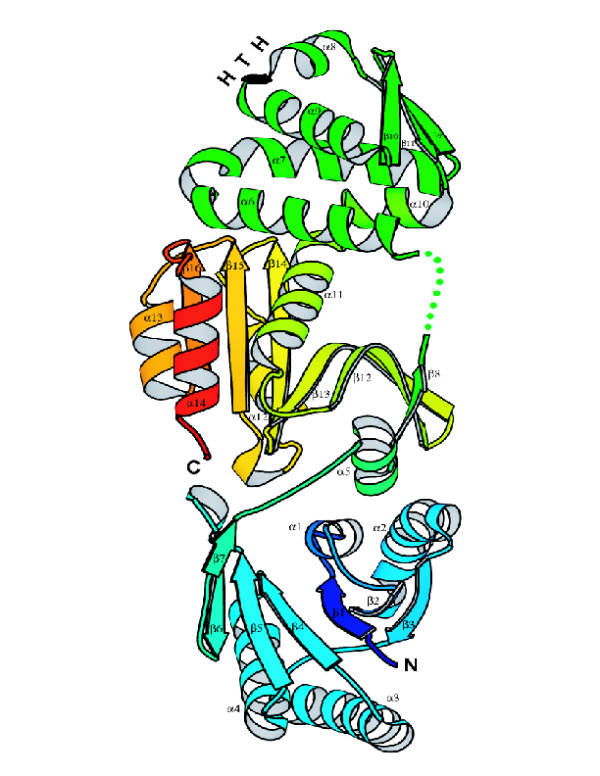
“In particular, for the N-terminal RAMP domain, DALI [39], first match is the anticodon-binding domain of Phe-tRNA synthetase (PDB Entry 1eiy, chain B) with Z-score 4.8 and RMSD (squared Root of Mean Square Deviations) 2.9Å over 67 aligned residues.”
InfluentialSlicer function of Drosophila Argonautes and its involvement in RISC formation
Miyoshi, K., Tsukumo, H., Nagami, T., Siomi, H., & Siomi, M. C. (2005) · Genes & Development · doi:10.1101/gad.1370605 · Cited by 400 · cited 3×
“Both dicer and slicer are represented by variable numbers of paralogs in eukaryotes, and different paralogs are included into RISCs with distinct functions [9,10].”
RNAi as Random Degradative PCR
Lipardi, C., Wei, Q., & Paterson, B. M. (2001) · Cell · doi:10.1016/s0092-8674(01)00537-2 · Cited by 374 · cited 1×
“Figure 5b shows a version of this pathway that involves the activity of the CASS polymerase, by analogy with the eukaryotic RdRp, which participates in some RNAi pathways in most eukaryotes, but apparently has been lost in arthropods and chordates [45-47].”
Genome trees and the tree of life
Wolf, Y. I., Rogozin, I. B., Grishin, N. V., & Koonin, E. V. (2002) · Trends in Genetics · doi:10.1016/s0168-9525(02)02744-0 · Cited by 362 · cited 1×
“Of course, we realize that there are substantial arguments for abandoning "tree thinking"[73]altogether but, on balance, we still believe that a species tree conceptualized as a central trend in the evolution of gene ensembles [74]is, at least, a useful tool for analysis of genome evolution.”
Self-citationControlling mRNA stability and translation with small, noncoding RNAs
Storz, G., Opdyke, J. A., & Zhang, A. (2004) · Current Opinion in Microbiology · doi:10.1016/j.mib.2004.02.015 · Cited by 362 · cited 1×
“The best characterized of these pathways employ the RNA-binding protein Hfq for small RNA presentation and RNAse E for target degradation [14-17].”
Post-transcriptional gene silencing across kingdoms
Cogoni, C., & Macino, G. (2000) · Current Opinion in Genetics & Development · doi:10.1016/s0959-437x(00)00134-9 · Cited by 354 · cited 1×
“Background The discovery of the elaborate and versatile systems of RNA silencing in eukaryotes is one of the pivotal advances in biology of the last decade [1-6].”
Makarova, K. S. (2002) · Nucleic Acids Research · doi:10.1093/nar/30.2.482 · Cited by 353 · cited 8×
“In a previous comparative-genomic study, which has been originally conceived as a test case for methods for conserved gene neighborhood analysis we have developed, we characterized an extensive set of genes that included several proteins related to DNA or RNA metabolism and was, mostly, specific to thermophiles [23].”
InfluentialSelf-citationTang, T.-H., Bachellerie, J.-P., Rozhdestvensky, T., Bortolin, M.-L., Huber, H., Drungowski, M., Elge, T., Brosius, J., & Hüttenhofer, A. (2002) · Proceedings of the National Academy of Sciences · doi:10.1073/pnas.112047299 · Cited by 337 · cited 4×
“Escherichia coli has ~60 microRNA genes, and comparable numbers of expressed, small antisense RNAs have been detected in the archaea Archaeoglobus fulgidus [18] and Sulfolobus solfataricus [19], suggesting an important role of this regulatory mechanism in prokaryotic physiology.”
InfluentialDiversity and Function of Adaptive Immune Receptors in a Jawless Vertebrate
Alder, M. N., Rogozin, I. B., Iyer, L. M., Glazko, G. V., Cooper, M. D., & Pancer, Z. (2005) · Science · doi:10.1126/science.1119420 · Cited by 321 · cited 1×
“Furthermore, the wide spread of CASS that spans a great variety of prokaryotic lineages contrasts the narrow presence of classical immunity which appears to be a mechanism specific to jawed vertebrates; the recent discovery of a dramatically different immunity system in jawless vertebrates [57] emphasizes the status o…”
Bernstein, E., Denli, A. M., & Hannon, G. J. (2001) · PubMed Central · Cited by 302
Silence from within: Endogenous siRNAs and miRNAs
Sontheimer, E. J., & Carthew, R. W. (2005) · Cell · doi:10.1016/j.cell.2005.06.030 · Cited by 291 · cited 2×
“The closest eukaryotic analogs of the CASS system might be the rasiRNAs that, like the putative psiRNAs, are encoded in the genome, are generated by processing of double-stranded molecules formed by symmetric transcripts of transposons (or repeats thought to be of transposon origin) and silence the latter, which contr…”
Denli, A. M., & Hannon, G. J. (2003) · Trends in Biochemical Sciences · doi:10.1016/s0968-0004(03)00058-6 · Cited by 289 · cited 1×
“Background The discovery of the elaborate and versatile systems of RNA silencing in eukaryotes is one of the pivotal advances in biology of the last decade [1-6].”
Hendrix, R. W. (2003) · Current Opinion in Microbiology · doi:10.1016/j.mib.2003.09.004 · Cited by 288
Bacterial Small RNA Regulators
Majdalani, N., Vanderpool, C. K., & Gottesman, S. (2005) · Critical Reviews in Biochemistry and Molecular Biology · doi:10.1080/10409230590918702 · Cited by 286 · cited 2×
“In contrast, the bacterial small antisense RNA regulatory pathways that employ Hfq and RNAse E that target regular, chromosomal bacterial genes, rather than those of infectious agents or transposons [14-16], seem to be the functional counterpart of eukaryotic miRNA systems.”
The RISC subunit Tudor-SN binds to hyper-edited double-stranded RNA and promotes its cleavage
Scadden, A. D. J. (2005) · Nature Structural & Molecular Biology · doi:10.1038/nsmb936 · Cited by 271 · cited 1×
“Various RISCs also contain additional RNA-binding proteins and nucleases [9, 44 ].”
Anantharaman, V., & Aravind, L. (2003) · Genome Biology · doi:10.1186/gb-2003-4-12-r81 · Cited by 233 · cited 1×
“It has been proposed that there is an evolutionary connection between eukaryotic NMD and bacterial TA systems, and that the functioning of the TA module might involve mRNA degradation as well [38].”
On the maximum likelihood method in molecular phylogenetics
Hasegawa, M., Kishino, H., & Saitou, N. (1991) · Journal of Molecular Evolution · doi:10.1007/bf02101285 · Cited by 229
Smardon, A. M., Spoerke, J. M., Stacey, S. C., Klein, M. E., Mackin, N. A., & Maine, E. M. (2000) · Current Biology · Cited by 220
ANTISENSE RNA-REGULATED PROGRAMMED CELL DEATH
Gerdes, K., Gultyaev, A. P., Franch, T., Pedersen, K., & Mikkelsen, N. D. (1997) · Annual Review of Genetics · doi:10.1146/annurev.genet.31.1.1 · Cited by 216 · cited 1×
“In addition, small antisense RNAs have been shown to regulate plasmid replication and killing of plasmid-free bacterial cells by silencing specific plasmid genes [20-22].”
Mochizuki, K., & Gorovsky, M. A. (2005) · Genes & Development · doi:10.1101/gad.1265105 · Cited by 214 · cited 1×
“Indeed there are strong indications that elimination of intergenic DNA sequences in the macronucleus of the ciliate Tetrahymena occurs via a siRNA-mediated mechanism, with the participation of a specific dicer-slicer pair [54,55].”
Tang, T., Polacek, N., Zywicki, M., Huber, H., Brugger, K., Garrett, R., Bachellerie, J. P., & Hüttenhofer, A. (2005) · Molecular Microbiology · doi:10.1111/j.1365-2958.2004.04428.x · Cited by 207 · cited 2×
“Escherichia coli has ~60 microRNA genes, and comparable numbers of expressed, small antisense RNAs have been detected in the archaea Archaeoglobus fulgidus [18] and Sulfolobus solfataricus [19], suggesting an important role of this regulatory mechanism in prokaryotic physiology.”
Omelchenko, M. V., Wolf, Y. I., Gaidamakova, E. K., Matrosova, V. Y., Vasilenko, A., Zhai, M., Daly, M. J., Koonin, E. V., & Makarova, K. S. (2005) · BMC Evolutionary Biology · doi:10.1186/1471-2148-5-57 · Cited by 181 · cited 1×
“terium bovis or Mycobacterium leprae; significant differences in the composition of CASS were noticed even between strains of several bacterial species, e.g., Thermus thermophilus [ 33 ].”
Self-citationDo orthologous gene phylogenies really support tree-thinking?
Bapteste, E., Susko, E., Leigh, J., MacLeod, D., Charlebois, R., & Doolittle, W. (2005) · BMC Evolutionary Biology · doi:10.1186/1471-2148-5-33 · Cited by 180 · cited 1×
“Of course, we realize that there are substantial arguments for abandoning "tree thinking"[ 73 ]altogether but, on balance, we still believe that a species tree conceptualized as a central trend in the evolution of gene ensembles [74]is, at least, a useful tool for analysis of genome evolution.”
Mochizuki, K., & Gorovsky, M. A. (2004) · Genes & Development · doi:10.1101/gad.1219904 · Cited by 162 · cited 1×
“Indeed there are strong indications that elimination of intergenic DNA sequences in the macronucleus of the ciliate Tetrahymena occurs via a siRNA-mediated mechanism, with the participation of a specific dicer-slicer pair [54,55].”
PIN domain of Nob1p is required for D-site cleavage in 20S pre-rRNA
Fatica, A., Tollervey, D. W., & Dlakić, M. (2004) · RNA · doi:10.1261/rna.7123504 · Cited by 154 · cited 1×
“[35-37].”
PIN domains in nonsense-mediated mRNA decay and RNAi
Clissold, P. M., & Ponting, C. P. (2000) · Current Biology · doi:10.1016/s0960-9822(00)00858-7 · Cited by 150 · cited 1×
“[35-37].”
The PIN-domain toxin–antitoxin array in mycobacteria
Arcus, V. L., Rainey, P. B., & Turner, S. (2005) · Trends in Microbiology · doi:10.1016/j.tim.2005.06.008 · Cited by 140 · cited 1×
“[35-37].”
Identification of homology in protein structure classification.
Dietmann, S., & Holm, L. (2001) · Nature Structural Biology · doi:10.1038/nsb1101-953 · Cited by 131 · cited 3×
“In particular, for the N-terminal RAMP domain, DALI [39], first match is the anticodon-binding domain of Phe-tRNA synthetase (PDB Entry 1eiy, chain B) with Z-score 4.8 and RMSD (squared Root of Mean Square Deviations) 2.9Å over 67 aligned residues.”
InfluentialMechanism of Transduction by Retroviruses
Swain, A., & Coffin, J. M. (1992) · Science · doi:10.1126/science.1371365 · Cited by 124 · cited 1×
“In addition, and probably, more relevantly to the psiRNA case, reverse transcription with copy-choice is thought to be involved in the incorporation of copies of cellular genes, such as oncogenes, into retroviral genomes [49,50].”
Nonreplicative homologous RNA recombination: Promiscuous joining of RNA pieces?
GMYL, A. P., KORSHENKO, S. A., BELOUSOV, E. V., KHITRINA, E. V., & AGOL, V. I. (2003) · RNA · doi:10.1261/rna.5111803 · Cited by 97 · cited 1×
“The alternative, namely, direct recombination between RNA molecules might seem far fetched, but such a process has been demonstrated, by several groups independently, to occur in RNA viruses, apparently, via a protein-independent mechanism [51, 52 ].”
Greenfield, T. J., Franch, T., Gerdes, K., & Weaver, K. E. (2001) · Molecular Microbiology · doi:10.1046/j.1365-2958.2001.02663.x · Cited by 80 · cited 1×
“In addition, small antisense RNAs have been shown to regulate plasmid replication and killing of plasmid-free bacterial cells by silencing specific plasmid genes [20-22].”
Genesis of Sindbis virus by in vivo recombination of nonreplicative RNA precursors
Raju, R., Subramaniam, S. V., & Hajjou, M. (1995) · Journal of Virology · doi:10.1128/jvi.69.12.7391-7401.1995 · Cited by 80 · cited 1×
“The alternative, namely, direct recombination between RNA molecules might seem far fetched, but such a process has been demonstrated, by several groups independently, to occur in RNA viruses, apparently, via a protein-independent mechanism [51,52].”
Retroviral recombination: what drives the switch?
Negroni, M., & BUC, H. C. (2001) · Nature Reviews Molecular Cell Biology · doi:10.1038/35052098 · Cited by 58 · cited 1×
“In particular, reverse transcriptase switches templates in each cycle of retrovirus first-strand cDNA synthesis although, in this case, copy-choice is facilitated by the spatial juxtaposition of the two templates within the virus particle; a similar mechanism is responsible for recombination in retroviruses [48].”
Genetic organization of the duplicated vap region of the Dichelobacter nodosus genome
Katz, M. E., Wright, C. L., Gartside, T. S., Cheetham, B. F., Doidge, C. V., Moses, E. K., & Rood, J. I. (1994) · Journal of Bacteriology · doi:10.1128/jb.176.9.2663-2669.1994 · Cited by 48 · cited 1×
“Furthermore, searches started with the sequences of many proteins of COG3512 showed some sequence similarity to vapD (COG3309 family), a family of uncharacterized proteins that are functionally linked to the VapBC operon [34].”
Degradation pathway of CopA, the antisense RNA that controls replication of plasmid R1
Söderbom, F., & Wagner, E. G. H. (1998) · Microbiology · doi:10.1099/00221287-144-7-1907 · Cited by 39
The role of RNA molecules in transduction of the proto-oncogene c-fps
Huang, C. C., Hay, N., & Bishop, J. M. (1986) · Cell · doi:10.1016/0092-8674(86)90016-4 · Cited by 38 · cited 1×
“In addition, and probably, more relevantly to the psiRNA case, reverse transcription with copy-choice is thought to be involved in the incorporation of copies of cellular genes, such as oncogenes, into retroviral genomes [49,50].”
A novel nuclease-ATPase (Nar71) from archaea is part of a proposed thermophilic DNA repair system
Guy, C. P. (2004) · Nucleic Acids Research · doi:10.1093/nar/gkh960 · Cited by 33 · cited 5×
“8 BH0338 BH0338-like MTH1090-like All, mostly archaea and FIRM Large Zn-finger-containing proteins, possibly, nucleases (nuclease activity has been reported for MTH1090 [75].”
Influential
Research works printed but not linked: 1
- Adachi J Hasegawa M MOLPHY: Programs for Molecular Phylogenetics 1992 Tokyo, Institute of Statistical Mathematics
Cited by
A Programmable Dual-RNA–Guided DNA Endonuclease in Adaptive Bacterial Immunity
Jinek, M., Chylinski, K., Fonfara, I., Hauer, M., Doudna, J. A., & Charpentier, E. (2012) · Science · doi:10.1126/science.1225829 · Cited by 17,116
The new frontier of genome engineering with CRISPR-Cas9
Doudna, J. A., & Charpentier, E. (2014) · Science · doi:10.1126/science.1258096 · Cited by 7,062
“CRISPRs contain viral sequences, cas genes identified, hypothesis ( 35 , 36 , 38–40 , 43 , 44 )”
CRISPR Provides Acquired Resistance Against Viruses in Prokaryotes
Barrangou, R., Fremaux, C., Deveau, H., Richards, M., Boyaval, P., Moineau, S., Romero, D. A., & Horvath, P. (2007) · Science · doi:10.1126/science.1138140 · Cited by 5,947
Development and Applications of CRISPR-Cas9 for Genome Engineering
Hsu, P. D., Lander, E. S., & Zhang, F. (2014) · Cell · doi:10.1016/j.cell.2014.05.010 · Cited by 5,762
CRISPR-Cas systems for editing, regulating and targeting genomes
Sander, J. D., & Joung, J. K. (2014) · Nature Biotechnology · doi:10.1038/nbt.2842 · Cited by 3,153
Metadata
- Authors
- Makarova, K. S., Grishin, N. V., Shabalina, S. A., Wolf, Y. I., & Koonin, E. V.
- Affiliations
- National Institutes of Health (US)
- The University of Texas Southwestern Medical Center (US)
- Corresponding author
- Koonin, Eugene V
- Venue
- Biology Direct
- Published
- 2006-03-16
- Volume
- 1
- Issue
- 1
- Pages
- 7-7
- ISSN
- 1745-6150 (ISSN-L)
- PMC
- PMC1462988
- OpenAlex
- W2123965484
- Cited by
- 1,199
- References
- 77
- Citations by year
- 2026: 17 · 2025: 43 · 2024: 54 · 2023: 73 · 2022: 88 · 2021: 88 · 2020: 78 · 2019: 78 · 2018: 51 · 2017: 73 · 2016: 62 · 2015: 73 · 2014: 60 · 2013: 73 · 2012: 70
- FWCI
- 16.02
- Type
- journal article
- Language
- en
- Open access
- gold
- doi.org
- Licence
- cc-by
- Locations
- Biology Direct (publishedVersion, cc-by)
- PubMed Central (publishedVersion, cc-by)
- PubMed (publishedVersion)
- DOAJ (DOAJ: Directory of Open Access Journals) (submittedVersion)
- Funders
- U.S. Department of Health and Human Services
- National Institutes of Health
- U.S. National Library of Medicine
- Topics
- Life Sciences › Biochemistry, Genetics and Molecular Biology › Molecular Biology › CRISPR and Genetic Engineering
- Life Sciences › Biochemistry, Genetics and Molecular Biology › Genetics › Bacterial Genetics and Biotechnology
- Life Sciences › Immunology and Microbiology › Virology › Bacteriophages and microbial interactions
- Keywords
- CRISPR-Cas, RNA interference, CRISPR-associated proteins, phage defense, plasmid defense, Cas9, RNA-dependent RNA polymerase, comparative genomics
About these checks
Registry, retraction, Cites and statistics results are computed, not judged, with one exception: a printed reference that no index lists is read once by a model before it counts as a citation error. Claims are extracted by a model and kept only when their quote appears verbatim in the text; each cited source is then checked, with a model’s help, for whether it says what the claim relies on. Those verdicts can be wrong — read the claim’s quote and the cited source before relying on one.
Statistics and arithmetic are recomputed, not judged.
Confidence bands are shown only for fields calibrated on our annotated test set. None is calibrated yet, so no band is shown.
What counts as a claim ›How we measure confidence ›How we check this ›
Are you an author, or do you see a problem with this page? Request a review
Data sources
Bibliographic data: Semantic Scholar, OpenAlex, Crossref.
Contains information from the Semantic Scholar Academic Graph Datasets, made available under the ODC Attribution License (ODC-BY 1.0).
Semantic Scholar’s data is described in: Kinney, R., et al. (2023). The Semantic Scholar Open Data Platform. arXiv:2301.10140.
