

A putative RNA-interference-based immune system in prokaryotes: computational analysis of the predicted enzymatic machinery, functional analogies with eukaryotic RNAi, and hypothetical mechanisms of action
Open accessThe DOI matches its Crossref record; 75 of the 77 references it cites were found in a registry or an index.
Abstract
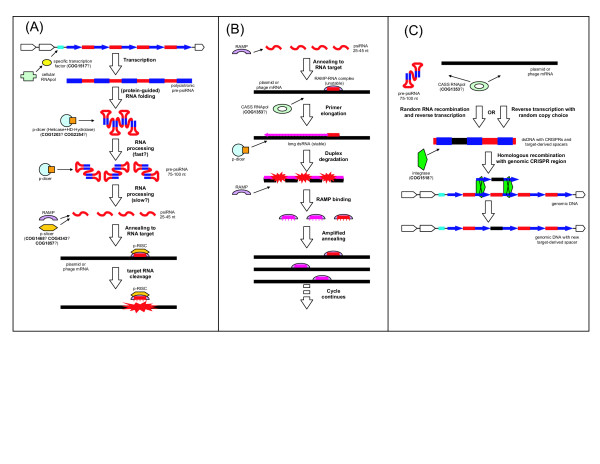
Background: All archaeal and many bacterial genomes contain Clustered Regularly Interspaced Short Palindrome Repeats (CRISPR) and variable arrays of the CRISPR-associated ( cas ) genes that have been previously implicated in a novel form of DNA repair on the basis of comparative analysis of their protein product sequences. However, the proximity of CRISPR and cas genes strongly suggests that they have related functions which is hard to reconcile with the repair hypothesis. Results: The protein sequences of the numerous cas gene products were classified into ~25 distinct protein families; several new functional and structural predictions are described. Comparative-genomic analysis of CRISPR and cas genes leads to the hypothesis that the CRISPR-Cas system (CASS) is a mechanism of defense against invading phages and plasmids that functions analogously to the eukaryotic RNA interference (RNAi) systems. Specific functional analogies are drawn between several components of CASS and proteins involved in eukaryotic RNAi, including the double-stranded RNA-specific helicase-nuclease (dicer), the endonuclease cleaving target mRNAs (slicer), and the RNA-dependent RNA polymerase. However, none of the CASS components is orthologous to its apparent eukaryotic functional counterpart. It is proposed that unique inserts of CRISPR, some of which are homologous to fragments of bacteriophage and plasmid genes, function as prokaryotic siRNAs (psiRNA), by base-pairing with the target mRNAs and promoting their degradation or translation shutdown. Specific hypothetical schemes are developed for the functioning of the predicted prokaryotic siRNA system and for the formation of new CRISPR units with unique inserts encoding psiRNA conferring immunity to the respective newly encountered phages or plasmids. The unique inserts in CRISPR show virtually no similarity even between closely related bacterial strains which suggests their rapid turnover, on evolutionary scale. Corollaries of this finding are that, even among closely related prokaryotes, the most commonly encountered phages and plasmids are different and/or that the dominant phages and plasmids turn over rapidly. Conclusion: We proposed previously that Cas proteins comprise a novel DNA repair system. The association of the cas genes with CRISPR and, especially, the presence, in CRISPR units, of unique inserts homologous to phage and plasmid genes make us abandon this hypothesis. It appears most likely that CASS is a prokaryotic system of defense against phages and plasmids that functions via the RNAi mechanism. The functioning of this system seems to involve integration of fragments of foreign genes into archaeal and bacterial chromosomes yielding heritable immunity to the respective agents. However, it appears that this inheritance is extremely unstable on the evolutionary scale such that the repertoires of unique psiRNAs are completely replaced even in closely related prokaryotes, presumably, in response to rapidly changing repertoires of dominant phages and plasmids. This article was reviewed by : Eric Bapteste, Patrick Forterre, and Martijn Huynen. Open peer review: Reviewed by Eric Bapteste, Patrick Forterre, and Martijn Huynen. For the full reviews, please go to the Reviewers' comments section.
Overview
The claims and statistics of this paper haven’t been checked yet.
Free: it reads the open-access text and checks the first 5 claims that cite a source we can check. Create a free account to check every claim.
Integrity signals
Registry
Cites
Statistics
Figures
Verification
Claims the paper makes
The claims and statistics of this paper haven’t been checked yet.
Free: it reads the open-access text and checks the first 5 claims that cite a source we can check. Create a free account to check every claim.
Claims other papers make about this one
Each is checked against this paper’s own text: does it say what the citing paper says it does?
The source backs part of the claim, not all of it — or backs it for a different population, condition or comparison.
In the citing paper
“Some are present in most systems, such as Cas1 and Cas2, which participate in adaptation [17]”
From CRISPR-Cas: Converting A Bacterial Defence Mechanism into A State-of-the-Art Genetic Manipulation Tool (2019) · cites this paper as [17]
Experimental — accuracy not yet measuredThe source backs part of the claim, not all of it — or backs it for a different population, condition or comparison.
In the citing paper
“Cas1 and Cas2 are the key proteins that mediate the adaptation step, and they are ubiquitous in CRISPR-Cas systems, irrespective of the type [17].”
From CRISPR-Cas: Converting A Bacterial Defence Mechanism into A State-of-the-Art Genetic Manipulation Tool (2019) · cites this paper as [17]
Experimental — accuracy not yet measuredThe cited source says what the claim attributes to it.
In the citing paper
“Cas9 proteins are predicted to contain RuvC and HNH motifs 15 , which possess autonomous ssDNA cleavage activity.”
From Harnessing the CRISPR/Cas9 system to disrupt latent HIV-1 provirus (2013) · cites this paper as [15]
The cited source says what the claim attributes to it.
In the citing paper
“The need to further comprehend the adaptation machineries for other types of Cas systems persists, although since Cas1 and Cas2 are widely present in nearly all CRISPR systems [17], the function of this complex in most CRISPR systems is thought to be similar to the well understood adaptation mechanisms of type I and type II systems.”
From CRISPR-Cas: Converting A Bacterial Defence Mechanism into A State-of-the-Art Genetic Manipulation Tool (2019) · cites this paper as [17]
Self-check
Percentages, sums and reported differences re-computed from the paper’s own numbers.
The self-check needs the paper’s full text.
Citations
Cites
Gapped BLAST and PSI-BLAST: a new generation of protein database search programs
Altschul, S. (1997) · Nucleic Acids Research · doi:10.1093/nar/25.17.3389 · Cited by 73,302
MUSCLE: multiple sequence alignment with high accuracy and high throughput
Edgar, R. C. (2004) · Nucleic Acids Research · doi:10.1093/nar/gkh340 · Cited by 44,662 · cited 2×
“To determine the repeat boundaries more precisely, sequences of all loci with short (20 nt) flanks added were collected and aligned using the MUSCLE program [61].”
Mfold web server for nucleic acid folding and hybridization prediction
Zuker, M. (2003) · Nucleic Acids Research · doi:10.1093/nar/gkg595 · Cited by 13,404 · cited 1×
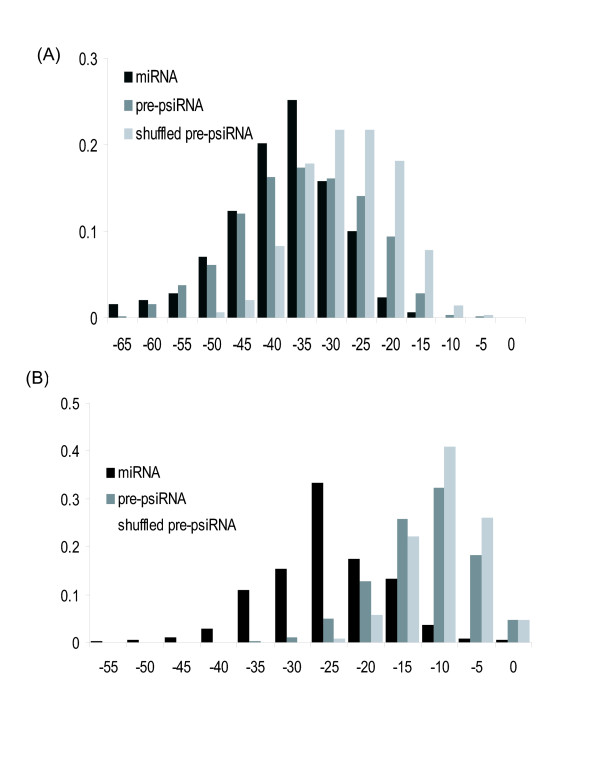
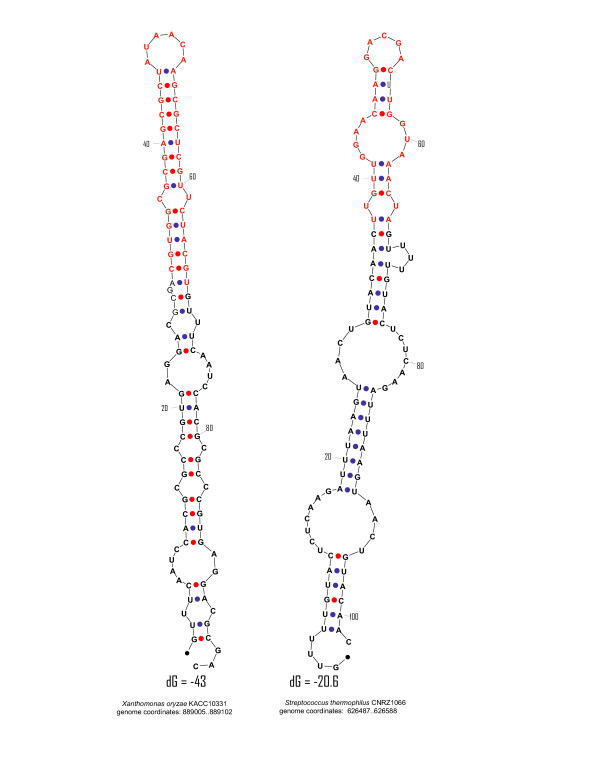
“Sequences of eukaryotic miRNAs precursors, CRISPRs, and randomly shuffled CRISPR sequences were computationally folded, and the free energy of the most stable secondary structure was calculated using a a dynamic programming algorithm that employs nearest neighbor parameters to evaluate free energy [71].”
The COG database: an updated version includes eukaryotes
Tatusov, R. L., Fedorova, N. D., Jackson, J. D., Jacobs, A. R., Kiryutin, B., Koonin, E. V., Krylov, D. M., Mazumder, R., Mekhedov, S. L., Nikolskaya, A. N., et al. (2003) · BMC Bioinformatics · doi:10.1186/1471-2105-4-41 · Cited by 4,430 · cited 1×
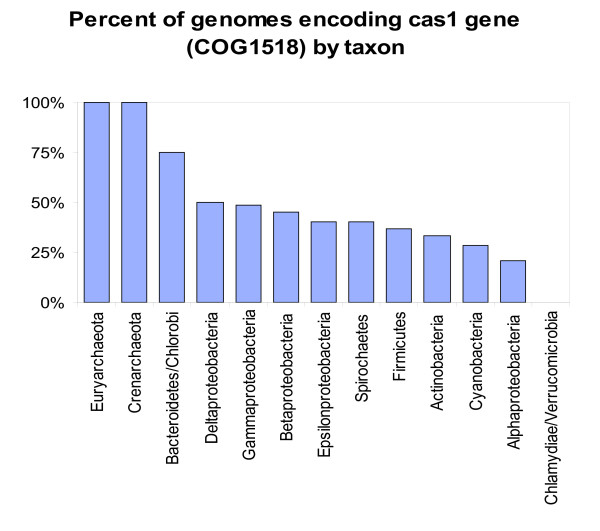
“COG1518, a universal marker of CASS In agreement with the previous observations [23], we found that Cas1 (COG1518 in the Clusters of Orthologous Group of proteins classification system [32]) is the best marker of the CRISPR-associated systems (CASS).”
Self-citationMathews, D. H., Sabina, J., Zuker, M., & Turner, D. H. (1999) · Journal of Molecular Biology · doi:10.1006/jmbi.1999.2700 · Cited by 3,795 · cited 1×
“Energy minimization was performed by dynamic programming method that finds the secondary structures with the minimum free energy by summing up the contributions from stacking, loop length, and other structural features, using improved thermodynamic parameters [72].”
Fitch, W. M., & Margoliash, E. (1967) · Science · doi:10.1126/science.155.3760.279 · Cited by 3,610 · cited 1×
“Phylogenetic analysis Distance trees were constructed from multiple protein sequence alignments after excluding poorly aligned positions, by using the least-square method as implemented in the FITCH program of the PHYLIP package [65,66].”
Hannon, G. J. (2002) · Nature · doi:10.1038/418244a · Cited by 3,538
BLAST: at the core of a powerful and diverse set of sequence analysis tools
McGinnis, S., & Madden, T. L. (2004) · Nucleic Acids Research · doi:10.1093/nar/gkh435 · Cited by 2,169 · cited 12×
“A PSI-BLAST search for COG1518 members in the completely sequenced prokaryotic genomes revealed the presence of at least one representative of this COG in 77 of the 177 analyzed genomes.”
InfluentialIntervening Sequences of Regularly Spaced Prokaryotic Repeats Derive from Foreign Genetic Elements
Mojica, F. J. M., D�ez-Villase�or, C., Garc�a-Mart�nez, J., & Soria, E. (2005) · Journal of Molecular Evolution · doi:10.1007/s00239-004-0046-3 · Cited by 2,042 · cited 8×
“Indeed, Mojica et al [27] mention the analogy between the CRISPR and eukaryotic RNA interference systems but propose no specific mechanisms for the action of the putative defense systems and, crucially, do not explore the connection between the putative psiRNA and the predicted activities of Cas proteins.”
InfluentialIdentification of genes that are associated with DNA repeats in prokaryotes
Jansen, R., Embden, J. D. A. V., Gaastra, W., & Schouls, L. M. (2002) · Molecular Microbiology · doi:10.1046/j.1365-2958.2002.02839.x · Cited by 1,802 · cited 3×
“Most of the genomes contain a single array of CRISPR in which the sequences of the repeats are (nearly) identical; some, however, possess multiple CRISPR cassettes that may have substantially different sequences [24,25].”
Influential
Research works printed but not linked: 1
- Adachi J Hasegawa M MOLPHY: Programs for Molecular Phylogenetics 1992 Tokyo, Institute of Statistical Mathematics
Cited by
Items 801–900 of 1,004
Roy, A. A., Pokale, R., Mukharya, A., Nikam, A. N., Dua, K., Rao, B. S. S., Seetharam, R. N., & Mutalik, S. (2025) · Current Gene Therapy · doi:10.2174/0115665232342293241120033251 · Cited by 8
Sharaf, A., Oborník, M., Hammad, A. T., El-Afifi, S. I., & Marei, E. M. (2018) · PeerJ · doi:10.7717/peerj.5687 · Cited by 8
Genetically modified rabbit models for cardiovascular medicine
Hou, Y., Zhang, X., Sun, X., Qin, Q., Chen, D., Jia, M., & Chen, Y. (2022) · European Journal of Pharmacology · doi:10.1016/j.ejphar.2022.174890 · Cited by 8
Kaul, T., Sony, S. K., Bharti, J., Motelb, K. F. A., Verma, R., Thangaraj, A., Kaul, R., Nehra, M., & Eswaran, M. (2022) · Springer eBooks · doi:10.1007/978-981-19-1445-4_9 · Cited by 9
CRISPR technology commercialization and biosafety
Ahmad, A., Arif, A., Noor‐ul‐Ain, & Munir, A. (2024) · Elsevier eBooks · doi:10.1016/b978-0-443-18444-4.00015-6 · Cited by 8
The Origin of the Bacterial Immune Response
Martínez-Borra, J., Gonzalez, S. R., & López‐Larrea, C. (2012) · Advances in experimental medicine and biology · doi:10.1007/978-1-4614-1680-7_1 · Cited by 8
Urshev, Z. L., & Ishlimova, D. (2015) · Biotechnology & Biotechnological Equipment · doi:10.1080/13102818.2015.1013351 · Cited by 8
Conserved DNA motifs in the type II-A CRISPR leader region
Orden, M. J. V., Klein, P., Babu, K., Najar, F. Z., & Rajan, R. (2017) · PeerJ · doi:10.7717/peerj.3161 · Cited by 8
Development and use of CRISPR in industrial applications
Abdelaal, A. S., & Yazdani, S. S. (2020) · Elsevier eBooks · doi:10.1016/b978-0-12-818140-9.00016-7 · Cited by 8
Liu, M., Huang, M. N., Wang, M., Zhu, D., Jia, R., Chen, S., Zhang, L., Pan, L., & Cheng, A. (2020) · Frontiers in Microbiology · doi:10.3389/fmicb.2020.593301 · Cited by 8
Tasaki, E., Hirayama, J., Tazumi, A., Hayashi, K., Hara, Y., Ueno, H., Moore, J. E., Millar, B. C., & Matsuda, M. (2011) · World Journal of Microbiology and Biotechnology · doi:10.1007/s11274-011-0867-3 · Cited by 8
C/D box sRNA, CRISPR RNA and tRNA processing in an archaeon with a minimal fragmented genome
Richter, H., Mohr, S., & Randau, L. (2013) · Biochemical Society Transactions · doi:10.1042/bst20120276 · Cited by 8
Advances in CRISPR-Cas based genome engineering
Katrekar, D., Hu, M. Y., & Mali, P. (2017) · Current Opinion in Biomedical Engineering · doi:10.1016/j.cobme.2017.04.001 · Cited by 8
Features of CRISPR-Cas Regulation Key to Highly Efficient and Temporally-Specific crRNA Production
Rodic, A., Blagojevic, B., Djordjevic, M., Severinov, K., & Djordjević, M. (2017) · Frontiers in Microbiology · doi:10.3389/fmicb.2017.02139 · Cited by 8
L' immunologie et la définition de l'identité biologique
Pradeu, T. (2007) · OpenGrey (Institut de l'Information Scientifique et Technique) · Cited by 10
Bridge helix of Cas12a is an allosteric regulator of R-loop formation and RuvC activation
Ganguly, C., Aribam, S. D., dos Santos, A. M., Martin, L., Thomas, L. M., Shao, Y., & Rajan, R. (2026) · Nature Communications · doi:10.1038/s41467-026-68657-0 · Cited by 7
Newsom, S. N., Wang, D.-S., Rostami, S., Schuster, I., Parameshwaran, H. P., Joseph, Y. G., Qin, P. Z., Liu, J., & Rajan, R. (2023) · The CRISPR Journal · doi:10.1089/crispr.2023.0022 · Cited by 7
Analysis of Nuclease Activity of Cas1 Proteins Against Complex DNA Substrates
Beloglazova, N. G., Lemak, S., Flick, R., & Yakunin, A. F. (2015) · Methods in molecular biology · doi:10.1007/978-1-4939-2687-9_16 · Cited by 7
CRISPR-Cas: A continuously evolving technology
Kumari, S., Singh, S. K., Sharma, V. K., Kumar, R., Mathur, M., Upadhyay, T. K., & Prajapat, R. K. (2021) · The Indian Journal of Agricultural Sciences · doi:10.56093/ijas.v91i9.116069 · Cited by 7
When push comes to shove - RNA polymerase and DNA-bound protein roadblocks
Hao, N., Donnelly, A. J., Dodd, I. B., & Shearwin, K. E. (2023) · Biophysical Reviews · doi:10.1007/s12551-023-01064-7 · Cited by 7
Specificity Testing for NGT PCR-Based Detection Methods in the Context of the EU GMO Regulations
Zanatta, C. B., Hoepers, A. M., Nodari, R. O., & Agapito-Tenfen, S. Z. (2023) · Foods · doi:10.3390/foods12234298 · Cited by 7
Studies on Molecular Mechanisms of Prebiotic Systems
Riofrío, W. (2011) · Foundations of Science · doi:10.1007/s10699-011-9236-9 · Cited by 7
Kumar, A., & Satpati, P. (2021) · The Journal of Physical Chemistry B · doi:10.1021/acs.jpcb.1c07744 · Cited by 7
Adaptation by Type III CRISPR-Cas Systems: Breakthrough Findings and Open Questions
Zhang, X., & An, X. (2022) · Frontiers in Microbiology · doi:10.3389/fmicb.2022.876174 · Cited by 7
Modern Tools of Genome Engineering and Their Applications
Kaur, R., Singh, A. K., Singh, D. K., & Singh, S. (2023) · Springer eBooks · doi:10.1007/978-981-99-3126-2_9 · Cited by 7
Recognition of Archaeal CRISPR RNA: No P in the alindromic Repeat?
Lawrence, C. M., & White, M. F. (2011) · Structure · doi:10.1016/j.str.2011.01.003 · Cited by 7
Structural basis for dimer formation of the CRISPR ‐associated protein Csm2 of Thermotoga maritima
Gallo, G., Augusto, G. S., Rangel, G., Zelanis, A., Mori, M. A., de Campos, C. B. L., & Würtele, M. (2015) · FEBS Journal · doi:10.1111/febs.13621 · Cited by 7
Human germline editing: a historical perspective
Morange, M. (2017) · History & Philosophy of the Life Sciences · doi:10.1007/s40656-017-0161-2 · Cited by 7
Gene-edited CRISPy Critters for alcohol research
Homanics, G. E. (2018) · Alcohol · doi:10.1016/j.alcohol.2018.03.001 · Cited by 7
CRISPR-Cas immunity: beyond nonself and defence
Pradeu, T., & Moreau, J. (2019) · Biology & Philosophy · doi:10.1007/s10539-018-9665-8 · Cited by 7
A Robust Protocol for CRISPR‐Cas9 Gene Editing in Human Suspension Cell Lines
Wardyn, J. D., Chan, A. S. Y., & Jeyasekharan, A. D. D. (2021) · Current Protocols · doi:10.1002/cpz1.286 · Cited by 7
Reconstruction of Archaeal Genomes from Short-Read Metagenomes
Bornemann, T. L. V., Adam, P. S., & Probst, A. J. (2022) · Methods in molecular biology · doi:10.1007/978-1-0716-2445-6_33 · Cited by 6
Pseudomonas aeruginosa as a model bacterium in antiphage defense research
Bae, H., Choi, S.-Y., Ki, H. K., & Cho, Y. (2025) · FEMS Microbiology Reviews · doi:10.1093/femsre/fuaf014 · Cited by 6
“…and Marraffini 2020 , Watson et al. 2021 ), type I and II RM systems (Tao et al. 1991 , Loenen et al. 2014 ), and pr okaryotic ar gonaut (Makar ov a et al. 2006 , 2012 ), whereas nucleotide modifying enzymes such as prokaryotic viperins, dCTP deaminases and dGT-Pases as well as the…”
Defence systems drive accessory genome interactions in Pseudomonas aeruginosa
Chong, C. E., Weimann, A., Agapov, A., Fothergill, J. L., Brockhurst, M. A., Parkhill, J., Floto, R. A., Szczelkun, M. D., Westra, E. R., & Baker, K. S. (2026) · ISME Communications · doi:10.1093/ismeco/ycag130 · Cited by 6
Xiao, Y., & Ke, A. (2018) · Methods in enzymology on CD-ROM/Methods in enzymology · doi:10.1016/bs.mie.2018.11.003 · Cited by 6
CcpA and CodY Regulate CRISPR-Cas System of Streptococcus mutans
Kang, D.-Y., Kim, A., & Kim, J. N. (2023) · Microbiology Spectrum · doi:10.1128/spectrum.01826-23 · Cited by 6
The Potential Use of Bacteriophage Therapy as a Treatment Option in a Post-Antibiotic Era
Bragg, R. R., Boucher, C. E., van der Westhuizen, W. A., Lee, J.-Y., Coetsee, E., Theron, C. W., & Meyburgh, L. (2016) · Elsevier eBooks · doi:10.1016/b978-0-12-803642-6.00015-0 · Cited by 6
Crystal structure of Cas1 in complex with branched DNA
Yang, J., Li, J., Wang, J., Sheng, G., Wang, M., Zhao, H., Yang, Y., & Wang, Y. (2019) · Science China Life Sciences · doi:10.1007/s11427-019-9827-x · Cited by 6
Ishino, Y. (2020) · Bioscience Biotechnology and Biochemistry · doi:10.1080/09168451.2020.1778441 · Cited by 6
Sui, C., Wan, H., Han, W., Zhou, L., & Wang, S. (2022) · Current Pharmaceutical Biotechnology · doi:10.2174/1389201023666220307104501 · Cited by 6
Origin of the genome editing systems: application for crop improvement
Viviani, A., Spada, M., Giordani, T., Fambrini, M., & Pugliesi, C. (2022) · Biologia · doi:10.1007/s11756-022-01142-3 · Cited by 6
Flusche, T., & Rajan, R. (2022) · Advances in experimental medicine and biology · doi:10.1007/5584_2022_730 · Cited by 6
The Potential Therapeutic Applications of CRISPR/Cas9 in the Treatment of Gastrointestinal Cancers
Mehrabadi, S., Izadi, F. S., Pasha, S., Pourali, R., Khazaei, M., Hassanian, S. M., Ferns, G. A., & Avan, A. (2024) · Current Molecular Medicine · doi:10.2174/0115665240243076231116080113 · Cited by 6
CRISPR adaptive immunity systems of prokaryotes
Pougach, K., Lopatina, A., & Severinov, K. (2012) · Molecular Biology · doi:10.1134/s0026893312020136 · Cited by 6
CRISPR–Cas Gene Editing for Neurological Disease
Simpson, B. P., & Davidson, B. L. (2019) · Elsevier eBooks · doi:10.1016/b978-0-12-813997-4.00018-9 · Cited by 6
Repurposing CRISPR-Cas Systems as Genetic Tools for the Enterobacteriales
Backes, N., & Phillips, G. J. (2021) · EcoSal Plus · doi:10.1128/ecosalplus.esp-0006-2020 · Cited by 6
CRISPR/Cas system as an emerging technology to enhance plant viral immunity
Majeed, U., Yaqoob, U., Qazi, H. A., Ahmad, S., & John, R. (2018) · Physiological and Molecular Plant Pathology · doi:10.1016/j.pmpp.2018.05.006 · Cited by 6
Applications of genome editing in farm animals
Kumar, D., & Kues, W. A. (2019) · Elsevier eBooks · doi:10.1016/b978-0-12-816352-8.00005-9 · Cited by 6
The core Cas1 protein of CRISPR-Cas I-B in Leptospira shows metal-tunable nuclease activity
Dixit, B., Prakash, A., Kumar, P., Gogoi, P., & Kumar, M. (2021) · Current Research in Microbial Sciences · doi:10.1016/j.crmicr.2021.100059 · Cited by 6
Unraveling the regulatory network of Lactobacillus plantarum WCFS1
Wels, M. (2008) · doi:10.18174/121941 · Cited by 6
Advancements and challenges in CRISPR/cas genome editing for legume crops
Maia, T. F., Paixão, J. F. R., Vidal, M. S., Szczygłowski, K., & Simões‐Araújo, J. L. (2024) · Biotechnology Research and Innovation · doi:10.4322/biori.00132023 · Cited by 5
Shamsi, A., Alrouji, M., AlOmeir, O., Tasqeruddin, S., Khuzin, D., & Zuberi, A. (2025) · Frontiers in Cellular Neuroscience · doi:10.3389/fncel.2025.1681891 · Cited by 5
CRISPR–Cas9 Therapeutics in Early Clinical Development: Delivery and Molecular Diagnostics
Rutkowska, A., Strózik, T., Wasiak, T., Ciunowicz, D., Kapelan, N., Szczepaniak, N., Sosnowski, J., Goślińska, W., Bartkowiak, J., Budny-Lewandowska, A., et al. (2026) · Cells · doi:10.3390/cells15070644 · Cited by 5
The Phylogenetic Study of the CRISPR-Cas System in Enterobacteriaceae
Kushwaha, S. K., Kumar, A. A., Gupta, H., & Marathe, S. A. (2023) · Current Microbiology · doi:10.1007/s00284-023-03298-w · Cited by 5
Novel type II toxin-antitoxin systems with VapD-like proteins
Gilep, K., Bikmetov, D., Popov, A., Rusanova, A. N., Tagami, S., Dubiley, S. A., & Severinov, K. (2025) · mBio · doi:10.1128/mbio.00003-25 · Cited by 5
The Cmr complex: an RNA-guided endoribonuclease
Bailey, S. (2013) · Biochemical Society Transactions · doi:10.1042/bst20130216 · Cited by 5
Shrestha, P., Han, S., Lee, J. H., Park, H., & Oh, T. (2021) · Genomics · doi:10.1016/j.ygeno.2021.01.019 · Cited by 5
CRISPR/Cas in food security and plant disease management
Wagh, S. G., Pohare, M. B., & Kale, R. R. (2021) · Elsevier eBooks · doi:10.1016/b978-0-12-821843-3.00020-9 · Cited by 5
CRISPR-Cas9 gene editing technology in human gene therapy: the new realm of medicine
Manasa, M. S. (2022) · International Journal of Advances in Medicine · doi:10.18203/2349-3933.ijam20220796 · Cited by 5
Park, H.-M., Won, J., Park, Y., Anzaku, E. T., Vankerschaver, J., Messem, A. V., Neve, W. D., & Shim, H. (2023) · BMC Bioinformatics · doi:10.1186/s12859-023-05296-y · Cited by 5
CRISPR-Cas: Effectors, mechanism, and classification
Alqahtani, A., Mahmoud, E.-H. M., Deabel, R. A., kanwal, F., Ahmad, Q., Naeem, M., & Ahmad, I. (2024) · Elsevier eBooks · doi:10.1016/b978-0-443-13229-2.00025-9 · Cited by 5
Comprehensive Analysis of CRISPR-Cas Systems in Microbial and Their Multifaceted Applications
Sabri, S., Mustofa, M. K., Fouad, M. T., Mukherjee, S., Fakruddin, M., & Shishir, M. A. (2024) · Microbial Bioactives · doi:10.25163/microbbioacts.719376 · Cited by 5
Genetic Diversity of Bacteriophages Highly Specific forStreptococcus ThermophilusStrain Lbb.A
Ishlimova, D., Urshev, Z. L., Stoyancheva, G. D., Petrova, P. M., Minkova, S., & Doumanova, L. (2009) · Biotechnology & Biotechnological Equipment · doi:10.1080/13102818.2009.10817666 · Cited by 5
[Advances in genetic modification technologies].
Zhang, B., Sun, Q., & Li, H. (2015) · PubMed · Cited by 5
Development and Use of Biotechnology Tools for Grape Functional Analysis
Chialva, C., Eichler, E., Muñoz, C., & Lijavetzky, D. (2016) · InTech eBooks · doi:10.5772/64915 · Cited by 5
CRISPR/Cas system of prokaryotic extremophiles and its applications
Salwan, R., Sharma, A., & Sharma, V. (2020) · Elsevier eBooks · doi:10.1016/b978-0-12-818322-9.00012-5 · Cited by 5
CRISPR/Cas9 Age in Genome Editing and Leukemia Applications
Gümüş, N., & Kaymaz, B. T. (2018) · Kafkas Journal of Medical Sciences · doi:10.5505/kjms.2018.94715 · Cited by 5
Genome-editing Technologies and Patent Landscape Overview
Benahmed-Miniuk, F., Kresz, M., Kanaujiya, J. K., & Southgate, C. D. (2017) · Pharmaceutical Patent Analyst · doi:10.4155/ppa-2017-0004 · Cited by 5
Bernheim, A. G. (2017) · Biologie Aujourd hui · doi:10.1051/jbio/2018005 · Cited by 5
Genome Editing of Rice by CRISPR-Cas: End-to-End Pipeline for Crop Improvement
Das, A., Ghana, P., Rudrappa, B., Gandhi, R., Tavva, V. S., & Mohanty, A. (2021) · Methods in molecular biology · doi:10.1007/978-1-0716-1068-8_8 · Cited by 5
CRISPR/Cas9: A Revolutionary Tool for Recent Advances in Crop Improvement: A Review
Gowda, A. K., Mishra, S., Barman, M., & Saikumar, M. (2020) · International Journal of Current Microbiology and Applied Sciences · doi:10.20546/ijcmas.2020.911.024 · Cited by 5
Regulation of CRISPR‐Cas Expression and Function
Smith, L. M., Campa, A. R., & Fineran, P. C. (2022) · Wiley eBooks · doi:10.1002/9781683673798.ch10 · Cited by 5
Visualization analysis of CRISPR/Cas9 gene editing technology studies
Du, Q.-S., Cui, J., Zhang, C., & He, K. (2016) · Journal of Zhejiang University SCIENCE B · doi:10.1631/jzus.b1601985 · Cited by 5
Functional Metagenomics of a Replicase from a Novel Hyperthermophilic Aquificales Virus
Mead, D. A., Monsma, S. A., Mei, B., Gowda, K., Lodes, M. J., & Schoenfeld, T. W. (2017) · Springer eBooks · doi:10.1007/978-3-319-61510-3_13 · Cited by 5
Daifuku, T., Yoshida, T., Kitamura, T., Kawaichi, S., Inoue, T., Nomura, K., Yoshida, Y., Kuno, S., & Sako, Y. (2013) · Applied and Environmental Microbiology · doi:10.1128/aem.01089-13 · Cited by 5
Ulbricht, A., Nickel, L., Weidenbach, K., Gebauer, H. V., Kießling, C., Förstner, K. U., & Schmitz, R. A. (2020) · Biomolecules · doi:10.3390/biom10081161 · Cited by 5
Lindenstrauß, A. G. (2012) · mediaTUM (Technical University of Munich) · Cited by 5
CRISPR-Cas13 mediated Knock Down in Drosophila cultured cellsPreprint
Viswanatha, R., Zaffagni, M., Zirin, J. D., Perrimon, N., & Kadener, S. (2020) · bioRxiv (Cold Spring Harbor Laboratory) · doi:10.1101/2020.11.01.364166 · Cited by 5
Esquerra‐Ruvira, B., Baquedano, I., Ruiz, R., Fernandez, A., Montoliu, L., & Mojica, F. J. M. (2023) · Microbial Biotechnology · doi:10.1111/1751-7915.14266 · Cited by 4
“61 Type II systems are categorized into three subtypes (II-A, II-B, and II-C), sharing the 62 signature effector protein Cas9 [8] that has two DNA nuclease domains, RuvC and 63 HNH [11].”
Coban, H. S., Olgun, D., Temur, İ., & Durak, M. Z. (2024) · Microorganisms · doi:10.3390/microorganisms12122428 · Cited by 4
Alhasso, B., Shareef, A., Baldaniya, L., Oweis, R. J., Jyothi, R., Singh, U., Sahoo, S., Chauhan, A. S., Sameer, H. N., Yaseen, A., et al. (2025) · PubMed Central · doi:10.22038/ijbms.2025.87531.18902 · Cited by 4
CRISPR-Cas9 Gene Editing in Aspergillus: From Pathogenesis to Metabolic Engineering
Hu, D., Zhao, R., Lin, Y., & Jiang, C. (2025) · Biology · doi:10.3390/biology15010053 · Cited by 4
CRISPR/Cas jako inteligentny system immunologiczny bakterii i archea
Blicharska, D., Szućko-Kociuba, I., Filip, E., & Skuza, L. (2022) · Postępy Biochemii · doi:10.18388/pb.2021_453 · Cited by 4
CRISPR-Cas9: chronology and evolution
Mochi, J. A., Jani, J., Joshi, S. M., & Pappachan, A. (2024) · Elsevier eBooks · doi:10.1016/b978-0-323-91808-4.00005-5 · Cited by 4
Gene Editing Tool for Neurodegenerative Diseases
Khan, M. Y., Khan, H., Maarfi, F., Khanam, A., Hasan, Z., & Husain, A. (2024) · Springer eBooks · doi:10.1007/978-981-99-9404-5_16 · Cited by 4
Leveraging CRISPR/Cas9 in notable bacteria for the production of industrially valuable compounds
Karim, M. D., Abuhena, M., Rahman, L., & Al-Rashid, J. (2025) · Systems Microbiology and Biomanufacturing · doi:10.1007/s43393-024-00326-z · Cited by 4
The history of CRISPR: from discovery to the present
Xu, C. L., & Tsang, S. H. (2021) · Elsevier eBooks · doi:10.1016/b978-0-12-817876-8.00007-3 · Cited by 4
Ashwath, P., Disha, S., & Sannejal, A. D. (2022) · Molecular Biotechnology · doi:10.1007/s12033-022-00539-4 · Cited by 4
CRISPR-Cas-based Genome Engineering and its Applications
Kumar, A., Yau, Y., & Mukherjee, K. (2022) · LS International Journal of Life Sciences · doi:10.5958/2319-1198.2022.00009.4 · Cited by 4
Ilyina, T. S. (2022) · Molecular Genetics Microbiology and Virology · doi:10.3103/s0891416822030065 · Cited by 4
Visualizing the Nucleome Using the CRISPR–Cas9 System: From in vitro to in vivo
Maloshenok, L. G., Abushinova, G. A., Ryazanova, A. Y., Bruskin, S. A., & Zherdeva, V. V. (2023) · Biochemistry (Moscow) · doi:10.1134/s0006297923140080 · Cited by 4
CRISPR: a Diagnostic Tool for Diseases
Tezcan, G., Khan, S., Александровна, С. К., Shnakhova, L. M., & Kabwe, E. (2023) · BioNanoScience · doi:10.1007/s12668-023-01245-4 · Cited by 4
Asmussen, N. C., Cohen, D. J., Boyan, B. D., & Schwartz, Z. (2024) · Calcified Tissue International · doi:10.1007/s00223-023-01179-9 · Cited by 4
Genome editing of pea (Pisum sativum L.) using CRISPR/Cas9 technology: Review
Zhuravlev, I. Y., Subkhanov, L. R., Sulima, A. S., Zhernakov, A. I., Tikhonovich, I. A., & Zhukov, V. A. (2025) · Ecological genetics · doi:10.17816/ecogen640891 · Cited by 4
Substrate Generation for Endonucleases of CRISPR/Cas Systems
Zoephel, J., Dwarakanath, S., Richter, H., Plagens, A., & Randau, L. (2012) · Journal of Visualized Experiments · doi:10.3791/4277-v · Cited by 4
Defense Systems Up: Structure of Subtype I-C/Dvulg CRISPR/Cas
LaRonde-LeBlanc, N. A. (2012) · Structure · doi:10.1016/j.str.2012.08.015 · Cited by 4
Modeling bacterial immune systems: Strategies for expression of toxic – but useful – molecules
Djordjević, M. (2013) · Biosystems · doi:10.1016/j.biosystems.2013.03.004 · Cited by 4
Protection against Foreign DNA
Horvath, P., & Barrangou, R. (2014) · ASM Press eBooks · doi:10.1128/9781555816841.ch19 · Cited by 4
CRISPR based bacterial genome editing and removal of pathogens
Jothi, R., Karthika, C., Kamaladevi, A., Satish, L., Pandian, S. K., & Gowrishankar, S. (2021) · Progress in molecular biology and translational science · doi:10.1016/bs.pmbts.2020.12.013 · Cited by 4
Metadata
- Authors
- Makarova, K. S., Grishin, N. V., Shabalina, S. A., Wolf, Y. I., & Koonin, E. V.
- Affiliations
- National Institutes of Health (US)
- The University of Texas Southwestern Medical Center (US)
- Corresponding author
- Koonin, Eugene V
- Venue
- Biology Direct
- Published
- 2006-03-16
- Volume
- 1
- Issue
- 1
- Pages
- 7-7
- ISSN
- 1745-6150 (ISSN-L)
- PMC
- PMC1462988
- OpenAlex
- W2123965484
- Cited by
- 1,199
- References
- 77
- Citations by year
- 2026: 17 · 2025: 43 · 2024: 54 · 2023: 73 · 2022: 88 · 2021: 88 · 2020: 78 · 2019: 78 · 2018: 51 · 2017: 73 · 2016: 62 · 2015: 73 · 2014: 60 · 2013: 73 · 2012: 70
- FWCI
- 16.02
- Type
- journal article
- Language
- en
- Open access
- gold
- doi.org
- Licence
- cc-by
- Locations
- Biology Direct (publishedVersion, cc-by)
- PubMed Central (publishedVersion, cc-by)
- PubMed (publishedVersion)
- DOAJ (DOAJ: Directory of Open Access Journals) (submittedVersion)
- Funders
- U.S. Department of Health and Human Services
- National Institutes of Health
- U.S. National Library of Medicine
- Topics
- Life Sciences › Biochemistry, Genetics and Molecular Biology › Molecular Biology › CRISPR and Genetic Engineering
- Life Sciences › Biochemistry, Genetics and Molecular Biology › Genetics › Bacterial Genetics and Biotechnology
- Life Sciences › Immunology and Microbiology › Virology › Bacteriophages and microbial interactions
- Keywords
- CRISPR-Cas, RNA interference, CRISPR-associated proteins, phage defense, plasmid defense, Cas9, RNA-dependent RNA polymerase, comparative genomics
About these checks
Registry, retraction, Cites and statistics results are computed, not judged, with one exception: a printed reference that no index lists is read once by a model before it counts as a citation error. Claims are extracted by a model and kept only when their quote appears verbatim in the text; each cited source is then checked, with a model’s help, for whether it says what the claim relies on. Those verdicts can be wrong — read the claim’s quote and the cited source before relying on one.
Statistics and arithmetic are recomputed, not judged.
Confidence bands are shown only for fields calibrated on our annotated test set. None is calibrated yet, so no band is shown.
What counts as a claim ›How we measure confidence ›How we check this ›
Are you an author, or do you see a problem with this page? Request a review
Data sources
Bibliographic data: Semantic Scholar, OpenAlex, Crossref.
Contains information from the Semantic Scholar Academic Graph Datasets, made available under the ODC Attribution License (ODC-BY 1.0).
Semantic Scholar’s data is described in: Kinney, R., et al. (2023). The Semantic Scholar Open Data Platform. arXiv:2301.10140.
