

A putative RNA-interference-based immune system in prokaryotes: computational analysis of the predicted enzymatic machinery, functional analogies with eukaryotic RNAi, and hypothetical mechanisms of action
Open accessThe DOI matches its Crossref record; 75 of the 77 references it cites were found in a registry or an index.
Abstract
Background: All archaeal and many bacterial genomes contain Clustered Regularly Interspaced Short Palindrome Repeats (CRISPR) and variable arrays of the CRISPR-associated ( cas ) genes that have been previously implicated in a novel form of DNA repair on the basis of comparative analysis of their protein product sequences. However, the proximity of CRISPR and cas genes strongly suggests that they have related functions which is hard to reconcile with the repair hypothesis. Results: The protein sequences of the numerous cas gene products were classified into ~25 distinct protein families; several new functional and structural predictions are described. Comparative-genomic analysis of CRISPR and cas genes leads to the hypothesis that the CRISPR-Cas system (CASS) is a mechanism of defense against invading phages and plasmids that functions analogously to the eukaryotic RNA interference (RNAi) systems. Specific functional analogies are drawn between several components of CASS and proteins involved in eukaryotic RNAi, including the double-stranded RNA-specific helicase-nuclease (dicer), the endonuclease cleaving target mRNAs (slicer), and the RNA-dependent RNA polymerase. However, none of the CASS components is orthologous to its apparent eukaryotic functional counterpart. It is proposed that unique inserts of CRISPR, some of which are homologous to fragments of bacteriophage and plasmid genes, function as prokaryotic siRNAs (psiRNA), by base-pairing with the target mRNAs and promoting their degradation or translation shutdown. Specific hypothetical schemes are developed for the functioning of the predicted prokaryotic siRNA system and for the formation of new CRISPR units with unique inserts encoding psiRNA conferring immunity to the respective newly encountered phages or plasmids. The unique inserts in CRISPR show virtually no similarity even between closely related bacterial strains which suggests their rapid turnover, on evolutionary scale. Corollaries of this finding are that, even among closely related prokaryotes, the most commonly encountered phages and plasmids are different and/or that the dominant phages and plasmids turn over rapidly. Conclusion: We proposed previously that Cas proteins comprise a novel DNA repair system. The association of the cas genes with CRISPR and, especially, the presence, in CRISPR units, of unique inserts homologous to phage and plasmid genes make us abandon this hypothesis. It appears most likely that CASS is a prokaryotic system of defense against phages and plasmids that functions via the RNAi mechanism. The functioning of this system seems to involve integration of fragments of foreign genes into archaeal and bacterial chromosomes yielding heritable immunity to the respective agents. However, it appears that this inheritance is extremely unstable on the evolutionary scale such that the repertoires of unique psiRNAs are completely replaced even in closely related prokaryotes, presumably, in response to rapidly changing repertoires of dominant phages and plasmids. This article was reviewed by : Eric Bapteste, Patrick Forterre, and Martijn Huynen. Open peer review: Reviewed by Eric Bapteste, Patrick Forterre, and Martijn Huynen. For the full reviews, please go to the Reviewers' comments section.
Overview
The claims and statistics of this paper haven’t been checked yet.
Free: it reads the open-access text and checks the first 5 claims that cite a source we can check. Create a free account to check every claim.
Integrity signals
Registry
Cites
Statistics
Figures
Verification
Claims the paper makes
The claims and statistics of this paper haven’t been checked yet.
Free: it reads the open-access text and checks the first 5 claims that cite a source we can check. Create a free account to check every claim.
Claims other papers make about this one
Each is checked against this paper’s own text: does it say what the citing paper says it does?
The source backs part of the claim, not all of it — or backs it for a different population, condition or comparison.
In the citing paper
“Some are present in most systems, such as Cas1 and Cas2, which participate in adaptation [17]”
From CRISPR-Cas: Converting A Bacterial Defence Mechanism into A State-of-the-Art Genetic Manipulation Tool (2019) · cites this paper as [17]
Experimental — accuracy not yet measuredThe source backs part of the claim, not all of it — or backs it for a different population, condition or comparison.
In the citing paper
“Cas1 and Cas2 are the key proteins that mediate the adaptation step, and they are ubiquitous in CRISPR-Cas systems, irrespective of the type [17].”
From CRISPR-Cas: Converting A Bacterial Defence Mechanism into A State-of-the-Art Genetic Manipulation Tool (2019) · cites this paper as [17]
Experimental — accuracy not yet measuredThe cited source says what the claim attributes to it.
In the citing paper
“Cas9 proteins are predicted to contain RuvC and HNH motifs 15 , which possess autonomous ssDNA cleavage activity.”
From Harnessing the CRISPR/Cas9 system to disrupt latent HIV-1 provirus (2013) · cites this paper as [15]
The cited source says what the claim attributes to it.
In the citing paper
“The need to further comprehend the adaptation machineries for other types of Cas systems persists, although since Cas1 and Cas2 are widely present in nearly all CRISPR systems [17], the function of this complex in most CRISPR systems is thought to be similar to the well understood adaptation mechanisms of type I and type II systems.”
From CRISPR-Cas: Converting A Bacterial Defence Mechanism into A State-of-the-Art Genetic Manipulation Tool (2019) · cites this paper as [17]
Self-check
Percentages, sums and reported differences re-computed from the paper’s own numbers.
The self-check needs the paper’s full text.
Citations
Cites
Gapped BLAST and PSI-BLAST: a new generation of protein database search programs
Altschul, S. (1997) · Nucleic Acids Research · doi:10.1093/nar/25.17.3389 · Cited by 73,302
MUSCLE: multiple sequence alignment with high accuracy and high throughput
Edgar, R. C. (2004) · Nucleic Acids Research · doi:10.1093/nar/gkh340 · Cited by 44,662 · cited 2×
“To determine the repeat boundaries more precisely, sequences of all loci with short (20 nt) flanks added were collected and aligned using the MUSCLE program [61].”
Mfold web server for nucleic acid folding and hybridization prediction
Zuker, M. (2003) · Nucleic Acids Research · doi:10.1093/nar/gkg595 · Cited by 13,404 · cited 1×
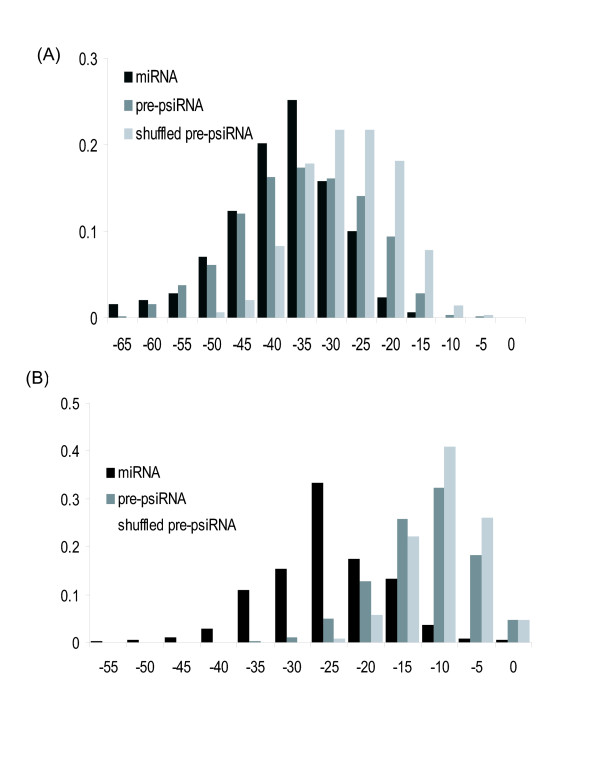
“Sequences of eukaryotic miRNAs precursors, CRISPRs, and randomly shuffled CRISPR sequences were computationally folded, and the free energy of the most stable secondary structure was calculated using a a dynamic programming algorithm that employs nearest neighbor parameters to evaluate free energy [71].”
The COG database: an updated version includes eukaryotes
Tatusov, R. L., Fedorova, N. D., Jackson, J. D., Jacobs, A. R., Kiryutin, B., Koonin, E. V., Krylov, D. M., Mazumder, R., Mekhedov, S. L., Nikolskaya, A. N., et al. (2003) · BMC Bioinformatics · doi:10.1186/1471-2105-4-41 · Cited by 4,430 · cited 1×
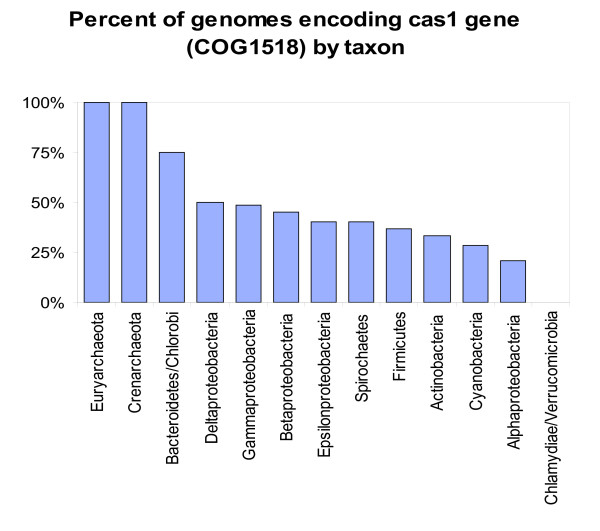
“COG1518, a universal marker of CASS In agreement with the previous observations [23], we found that Cas1 (COG1518 in the Clusters of Orthologous Group of proteins classification system [32]) is the best marker of the CRISPR-associated systems (CASS).”
Self-citationMathews, D. H., Sabina, J., Zuker, M., & Turner, D. H. (1999) · Journal of Molecular Biology · doi:10.1006/jmbi.1999.2700 · Cited by 3,795 · cited 1×
“Energy minimization was performed by dynamic programming method that finds the secondary structures with the minimum free energy by summing up the contributions from stacking, loop length, and other structural features, using improved thermodynamic parameters [72].”
Fitch, W. M., & Margoliash, E. (1967) · Science · doi:10.1126/science.155.3760.279 · Cited by 3,610 · cited 1×
“Phylogenetic analysis Distance trees were constructed from multiple protein sequence alignments after excluding poorly aligned positions, by using the least-square method as implemented in the FITCH program of the PHYLIP package [65,66].”
Hannon, G. J. (2002) · Nature · doi:10.1038/418244a · Cited by 3,538
BLAST: at the core of a powerful and diverse set of sequence analysis tools
McGinnis, S., & Madden, T. L. (2004) · Nucleic Acids Research · doi:10.1093/nar/gkh435 · Cited by 2,169 · cited 12×
“A PSI-BLAST search for COG1518 members in the completely sequenced prokaryotic genomes revealed the presence of at least one representative of this COG in 77 of the 177 analyzed genomes.”
InfluentialIntervening Sequences of Regularly Spaced Prokaryotic Repeats Derive from Foreign Genetic Elements
Mojica, F. J. M., D�ez-Villase�or, C., Garc�a-Mart�nez, J., & Soria, E. (2005) · Journal of Molecular Evolution · doi:10.1007/s00239-004-0046-3 · Cited by 2,042 · cited 8×
“Indeed, Mojica et al [27] mention the analogy between the CRISPR and eukaryotic RNA interference systems but propose no specific mechanisms for the action of the putative defense systems and, crucially, do not explore the connection between the putative psiRNA and the predicted activities of Cas proteins.”
InfluentialIdentification of genes that are associated with DNA repeats in prokaryotes
Jansen, R., Embden, J. D. A. V., Gaastra, W., & Schouls, L. M. (2002) · Molecular Microbiology · doi:10.1046/j.1365-2958.2002.02839.x · Cited by 1,802 · cited 3×
“Most of the genomes contain a single array of CRISPR in which the sequences of the repeats are (nearly) identical; some, however, possess multiple CRISPR cassettes that may have substantially different sequences [24,25].”
Influential
Research works printed but not linked: 1
- Adachi J Hasegawa M MOLPHY: Programs for Molecular Phylogenetics 1992 Tokyo, Institute of Statistical Mathematics
Cited by
A Programmable Dual-RNA–Guided DNA Endonuclease in Adaptive Bacterial Immunity
Jinek, M., Chylinski, K., Fonfara, I., Hauer, M., Doudna, J. A., & Charpentier, E. (2012) · Science · doi:10.1126/science.1225829 · Cited by 17,116
The new frontier of genome engineering with CRISPR-Cas9
Doudna, J. A., & Charpentier, E. (2014) · Science · doi:10.1126/science.1258096 · Cited by 7,062
“CRISPRs contain viral sequences, cas genes identified, hypothesis ( 35 , 36 , 38–40 , 43 , 44 )”
CRISPR Provides Acquired Resistance Against Viruses in Prokaryotes
Barrangou, R., Fremaux, C., Deveau, H., Richards, M., Boyaval, P., Moineau, S., Romero, D. A., & Horvath, P. (2007) · Science · doi:10.1126/science.1138140 · Cited by 5,947
Development and Applications of CRISPR-Cas9 for Genome Engineering
Hsu, P. D., Lander, E. S., & Zhang, F. (2014) · Cell · doi:10.1016/j.cell.2014.05.010 · Cited by 5,762
CRISPR-Cas systems for editing, regulating and targeting genomes
Sander, J. D., & Joung, J. K. (2014) · Nature Biotechnology · doi:10.1038/nbt.2842 · Cited by 3,153
Gasiunas, G., Barrangou, R., Horvath, P., & Siksnys, V. (2012) · Proceedings of the National Academy of Sciences · doi:10.1073/pnas.1208507109 · Cited by 2,769
CRISPR RNA Maturation by Trans-Encoded Small RNA and Host Factor RNase III
Deltcheva, E., Chylinski, K., Sharma, C. M., Gonzales, K., Chao, Y., Pirzada, Z. A., Eckert, M. R., Vogel, J., & Charpentier, E. (2011) · Nature · doi:10.1038/nature09886 · Cited by 2,563
An updated evolutionary classification of CRISPR–Cas systems
Makarova, K. S., Wolf, Y. I., Alkhnbashi, O. S., Costa, F., Shah, S. A., Saunders, S. J., Barrangou, R., Brouns, S. J. J., Charpentier, E., Haft, D. H., et al. (2015) · Nature Reviews Microbiology · doi:10.1038/nrmicro3569 · Cited by 2,480
Self-citationCRISPR/Cas, the Immune System of Bacteria and Archaea
Horvath, P., & Barrangou, R. (2010) · Science · doi:10.1126/science.1179555 · Cited by 2,465
Small CRISPR RNAs Guide Antiviral Defense in Prokaryotes
Brouns, S. J. J., Jore, M. M., Lundgren, M., Westra, E. R., Slijkhuis, R. J. H., Snijders, A. P. L., Dickman, M. J., Makarova, K. S., Koonin, E. V., & van der Oost, J. (2008) · Science · doi:10.1126/science.1159689 · Cited by 2,460
Self-citationBacteriophage resistance mechanisms
Labrie, S. J., Samson, J. E., & Moineau, S. (2010) · Nature Reviews Microbiology · doi:10.1038/nrmicro2315 · Cited by 2,397
Evolution and classification of the CRISPR–Cas systems
Makarova, K. S., Haft, D. H., Barrangou, R., Brouns, S. J. J., Charpentier, E., Horvath, P., Moineau, S., Mojica, F. J. M., Wolf, Y. I., Yakunin, A. F., et al. (2011) · Nature Reviews Microbiology · doi:10.1038/nrmicro2577 · Cited by 2,331
Self-citationCRISPR–Cas9 Structures and Mechanisms
Jiang, F., & Doudna, J. A. (2017) · Annual Review of Biophysics · doi:10.1146/annurev-biophys-062215-010822 · Cited by 2,029
CRISPRFinder: a web tool to identify clustered regularly interspaced short palindromic repeats
Grissa, I., Vergnaud, G., & Pourcel, C. (2007) · Nucleic Acids Research · doi:10.1093/nar/gkm360 · Cited by 1,875
RNA-guided genetic silencing systems in bacteria and archaea
Wiedenheft, B., Sternberg, S. H., & Doudna, J. A. (2012) · Nature · doi:10.1038/nature10886 · Cited by 1,851
CRISPR Interference Limits Horizontal Gene Transfer in Staphylococci by Targeting DNA
Marraffini, L. A., & Sontheimer, E. J. (2008) · Science · doi:10.1126/science.1165771 · Cited by 1,642
Waters, L. S., & Storz, G. (2009) · Cell · doi:10.1016/j.cell.2009.01.043 · Cited by 1,597
The CRISPR tool kit for genome editing and beyond
Adli, M. (2018) · Nature Communications · doi:10.1038/s41467-018-04252-2 · Cited by 1,545
Short motif sequences determine the targets of the prokaryotic CRISPR defence system
Mojica, F. J. M., Díez-Villaseñor, C., García-Martínez, J., & Almendros, C. (2009) · Microbiology · doi:10.1099/mic.0.023960-0 · Cited by 1,426
Antibiotic resistance in microbes: History, mechanisms, therapeutic strategies and future prospects
Uddin, T. M., Chakraborty, A. J., Khusro, A., Zidan, B. R. M., Mitra, S., Emran, T. B., Dhama, K., Ripon, M. K. H., Gajdács, M., Sahibzada, M. U. K., et al. (2021) · Journal of Infection and Public Health · doi:10.1016/j.jiph.2021.10.020 · Cited by 1,311
Phage Response to CRISPR-Encoded Resistance in Streptococcus thermophilus
Deveau, H., Barrangou, R., Garneau, J. E., Labonté, J., Fremaux, C., Boyaval, P., Romero, D. A., Horvath, P., & Moineau, S. (2008) · Journal of Bacteriology · doi:10.1128/jb.01412-07 · Cited by 1,213
Discovery and Functional Characterization of Diverse Class 2 CRISPR-Cas Systems
Shmakov, S., Abudayyeh, O. O., Makarova, K. S., Wolf, Y. I., Gootenberg, J. S., Semenova, E., Minakhin, L., Joung, J., Konermann, S., Severinov, K., et al. (2015) · Molecular Cell · doi:10.1016/j.molcel.2015.10.008 · Cited by 1,209
Self-citationA guide to genome engineering with programmable nucleases
Kim, H., & Kim, J.-S. (2014) · Nature Reviews Genetics · doi:10.1038/nrg3686 · Cited by 1,163
Bland, C., Ramsey, T. L., Sabree, F., Lowe, M., Brown, K., Kyrpides, N. C., & Hugenholtz, P. (2007) · BMC Bioinformatics · doi:10.1186/1471-2105-8-209 · Cited by 1,049
The Biology of CRISPR-Cas: Backward and Forward
Hille, F., Richter, H., Wong, S. P., Bratovič, M., Ressel, S., & Charpentier, E. (2018) · Cell · doi:10.1016/j.cell.2017.11.032 · Cited by 1,039
“These parameters are lower in thermophilic environments, potentially explaining the enrichment of CRISPR-Cas in thermophiles (Makarova et al., 2006).”
RNA-Guided RNA Cleavage by a CRISPR RNA-Cas Protein Complex
Hale, C. R., Zhao, P., Olson, S., Duff, M. O., Graveley, B. R., Wells, L., Terns, R. M., & Terns, M. P. (2009) · Cell · doi:10.1016/j.cell.2009.07.040 · Cited by 1,031
Diversity and evolution of class 2 CRISPR–Cas systems
Shmakov, S., Smargon, A., Scott, D., Cox, D., Pyzocha, N., Yan, W., Abudayyeh, O. O., Gootenberg, J. S., Makarova, K. S., Wolf, Y. I., et al. (2017) · Nature Reviews Microbiology · doi:10.1038/nrmicro.2016.184 · Cited by 1,029
Self-citationGenome Engineering of Drosophila with the CRISPR RNA-Guided Cas9 Nuclease
Gratz, S. J., Cummings, A. M., Nguyen, J. N., Hamm, D. C., Donohue, L. K., Harrison, M. M., Wildonger, J., & O’Connor-Giles, K. M. (2013) · Genetics · doi:10.1534/genetics.113.152710 · Cited by 976
CRISPR interference: RNA-directed adaptive immunity in bacteria and archaea
Marraffini, L. A., & Sontheimer, E. J. (2010) · Nature Reviews Genetics · doi:10.1038/nrg2749 · Cited by 919
CRISPR-Cas Systems in Bacteria and Archaea: Versatile Small RNAs for Adaptive Defense and Regulation
Bhaya, D., Davison, M., & Barrangou, R. (2011) · Annual Review of Genetics · doi:10.1146/annurev-genet-110410-132430 · Cited by 914
Sorek, R., Kunin, V., & Hugenholtz, P. (2008) · Nature Reviews Microbiology · doi:10.1038/nrmicro1793 · Cited by 907
The ancient Virus World and evolution of cells.
Koonin, E. V., Senkevich, T. G., & Dolja, V. V. (2006) · Biology Direct · doi:10.1186/1745-6150-1-29 · Cited by 902
Self-citationGrissa, I., Vergnaud, G., & Pourcel, C. (2007) · BMC Bioinformatics · doi:10.1186/1471-2105-8-172 · Cited by 888
The multidrug-resistant human pathogen Clostridium difficile has a highly mobile, mosaic genome
Sebaihia, M., Wren, B. W., Mullany, P., Fairweather, N. F., Minton, N., Stabler, R., Thomson, N. R., Roberts, A. P., Cerdeño-Tárraga, A. M., Wang, H., et al. (2006) · Nature Genetics · doi:10.1038/ng1830 · Cited by 879
The Streptococcus thermophilus CRISPR/Cas system provides immunity in Escherichia coli
Sapranauskas, R., Gasiunas, G., Fremaux, C., Barrangou, R., Horvath, P., & Siksnys, V. (2011) · Nucleic Acids Research · doi:10.1093/nar/gkr606 · Cited by 834
CRISPR-Cas Systems: Prokaryotes Upgrade to Adaptive Immunity
Barrangou, R., & Marraffini, L. A. (2014) · Molecular Cell · doi:10.1016/j.molcel.2014.03.011 · Cited by 832
Bacteriophage genes that inactivate the CRISPR/Cas bacterial immune system
Bondy-Denomy, J., Pawluk, A., Maxwell, K. L., & Davidson, A. R. (2013) · Nature · doi:10.1038/nature11723 · Cited by 830
CRISPR-Cas immunity in prokaryotes
Marraffini, L. A. (2015) · Nature · doi:10.1038/nature15386 · Cited by 829
Genomics of bacteria and archaea: the emerging dynamic view of the prokaryotic world
Koonin, E. V., & Wolf, Y. I. (2008) · Nucleic Acids Research · doi:10.1093/nar/gkn668 · Cited by 797
Self-citationDiversity, Activity, and Evolution of CRISPR Loci in Streptococcus thermophilus
Horvath, P., Romero, D. A., Coûté-Monvoisin, A.-C., Richards, M., Deveau, H., Moineau, S., Boyaval, P., Fremaux, C., & Barrangou, R. (2008) · Journal of Bacteriology · doi:10.1128/jb.01415-07 · Cited by 780
Semenova, E., Jore, M. M., Datsenko, K. A., Semenova, A., Westra, E. R., Wanner, B., van der Oost, J., Brouns, S. J. J., & Severinov, K. (2011) · Proceedings of the National Academy of Sciences · doi:10.1073/pnas.1104144108 · Cited by 726
Unravelling the structural and mechanistic basis of CRISPR–Cas systems
van der Oost, J., Westra, E. R., Jackson, R. N., & Wiedenheft, B. (2014) · Nature Reviews Microbiology · doi:10.1038/nrmicro3279 · Cited by 714
Sequence- and Structure-Specific RNA Processing by a CRISPR Endonuclease
Haurwitz, R. E., Jinek, M., Wiedenheft, B., Zhou, K., & Doudna, J. A. (2010) · Science · doi:10.1126/science.1192272 · Cited by 710
Nucleases: diversity of structure, function and mechanism
Yang, W. (2011) · Quarterly Reviews of Biophysics · doi:10.1017/s0033583510000181 · Cited by 692
Diverse evolutionary roots and mechanistic variations of the CRISPR-Cas systems
Mohanraju, P., Makarova, K. S., Zetsche, B., Zhang, F., Koonin, E. V., & van der Oost, J. (2016) · Science · doi:10.1126/science.aad5147 · Cited by 671
Self-citationCRISPR-mediated adaptive immune systems in bacteria and archaea
Sorek, R., Lawrence, C. M., & Wiedenheft, B. (2013) · Annual Review of Biochemistry · doi:10.1146/annurev-biochem-072911-172315 · Cited by 668
Self versus non-self discrimination during CRISPR RNA-directed immunity
Marraffini, L. A., & Sontheimer, E. J. (2010) · Nature · doi:10.1038/nature08703 · Cited by 637
Lin, Y., Cradick, T. J., Brown, M. T., Deshmukh, H., Ranjan, P., Sarode, N., Wile, B. M., Vertino, P. M., Stewart, F. J., & Bao, G. (2014) · Nucleic Acids Research · doi:10.1093/nar/gku402 · Cited by 634
CRISPR/Cas System and Its Role in Phage-Bacteria Interactions
Deveau, H., Garneau, J. E., & Moineau, S. (2010) · Annual Review of Microbiology · doi:10.1146/annurev.micro.112408.134123 · Cited by 623
Gut microbiota disturbance during antibiotic therapy: a multi-omic approach
Pérez-Cobas, A. E., Gosalbes, M. J., Friedrichs, A., Knecht, H., Artacho, A., Eismann, K., Otto, W., Rojo, D., Bargiela, R., von Bergen, M., et al. (2013) · Gut · doi:10.1136/gutjnl-2012-303184 · Cited by 605
Harnessing the CRISPR/Cas9 system to disrupt latent HIV-1 provirus
Ebina, H., Misawa, N., Kanemura, Y., & Koyanagi, Y. (2013) · Scientific Reports · doi:10.1038/srep02510 · Cited by 565
Accurate phylogenetic classification of variable-length DNA fragments
McHardy, A. C., Martín, H. G., Tsirigos, A., Hugenholtz, P., & Rigoutsos, I. (2007) · Nature Methods · doi:10.1038/nmeth976 · Cited by 564
Structural basis for CRISPR RNA-guided DNA recognition by Cascade
Jore, M. M., Lundgren, M., van Duijn, E., Bultema, J. B., Westra, E. R., Waghmare, S. P., Wiedenheft, B., Pul, Ü., Wurm, R., Wagner, R., et al. (2011) · Nature Structural & Molecular Biology · doi:10.1038/nsmb.2019 · Cited by 562
Origins and evolution of eukaryotic RNA interference
SHABALINA, S., & KOONIN, E. (2008) · Trends in Ecology & Evolution · doi:10.1016/j.tree.2008.06.005 · Cited by 561
Self-citationIshino, Y., Krupovic, M., & Forterre, P. (2018) · Journal of Bacteriology · doi:10.1128/jb.00580-17 · Cited by 558
“Comparative genomic analyses thus suggested 70 that CRISPR and Cas proteins (the cas gene products) actually work together 71 and constitute an acquired immunity system to protect the prokaryotic cells 72 against invading viruses and plasmids, analogous to the eukaryotic RNA 73 interference (RNAi) system (8).”
BackgroundInfluentialCas6 is an endoribonuclease that generates guide RNAs for invader defense in prokaryotes
Carte, J., Wang, R., Li, H., Terns, R. M., & Terns, M. P. (2008) · Genes & Development · doi:10.1101/gad.1742908 · Cited by 551
Community-wide analysis of microbial genome sequence signatures
Dick, G. J., Andersson, A. F., Baker, B. J., Simmons, S. L., Thomas, B. C., Yelton, A. P., & Banfield, J. F. (2009) · Genome Biology · doi:10.1186/gb-2009-10-8-r85 · Cited by 536
The phage‐host arms race: Shaping the evolution of microbes
Stern, A., & Sorek, R. (2011) · BioEssays · doi:10.1002/bies.201000071 · Cited by 527
CRISPR-based adaptive and heritable immunity in prokaryotes
van der Oost, J., Jore, M. M., Westra, E. R., Lundgren, M., & Brouns, S. J. J. (2009) · Trends in Biochemical Sciences · doi:10.1016/j.tibs.2009.05.002 · Cited by 521
Environmental Genomics Reveals a Single-Species Ecosystem Deep Within Earth
Chivian, D., Brodie, E. L., Alm, E. J., Culley, D. E., Dehal, P. S., DeSantis, T. Z., Gihring, T. M., Lapidus, A., Lin, L.-H., Lowry, S. R., et al. (2008) · Science · doi:10.1126/science.1155495 · Cited by 520
Generation of gene-modified mice via Cas9/RNA-mediated gene targeting
Shen, B., Zhang, J., Wu, H., Wang, J., Ma, K., Li, Z., Zhang, X., Zhang, P., & Huang, X. (2013) · Cell Research · doi:10.1038/cr.2013.46 · Cited by 511
Westra, E. R., van Erp, P. B. G., Künne, T., Wong, S. P., Staals, R. H. J., Seegers, C. L. C., Bollen, S., Jore, M. M., Semenova, E., Severinov, K., et al. (2012) · Molecular Cell · doi:10.1016/j.molcel.2012.03.018 · Cited by 511
Classification and evolution of type II CRISPR-Cas systems
Chylinski, K., Makarova, K. S., Charpentier, E., & Koonin, E. V. (2014) · Nucleic Acids Research · doi:10.1093/nar/gku241 · Cited by 498
Self-citationOrigins and evolution of CRISPR-Cas systems
Koonin, E. V., & Makarova, K. S. (2019) · Philosophical Transactions of the Royal Society B: Biological Sciences · doi:10.1098/rstb.2018.0087 · Cited by 494
Self-citationVirus Population Dynamics and Acquired Virus Resistance in Natural Microbial Communities
Andersson, A. F., & Banfield, J. F. (2008) · Science · doi:10.1126/science.1157358 · Cited by 492
Defense Islands in Bacterial and Archaeal Genomes and Prediction of Novel Defense Systems
Makarova, K. S., Wolf, Y. I., Snir, S., & Koonin, E. V. (2011) · Journal of Bacteriology · doi:10.1128/jb.05535-11 · Cited by 489
Self-citationLander, E. S. (2016) · Cell · doi:10.1016/j.cell.2015.12.041 · Cited by 488
Current applications and future perspective of CRISPR/Cas9 gene editing in cancer
Wang, S.-W., Gao, C., Zheng, Y.-M., Yi, L., Lu, J.-C., Huang, X.-Y., Cai, J.-B., Zhang, P.-F., Cui, Y.-H., & Ke, A.-W. (2022) · Molecular Cancer · doi:10.1186/s12943-022-01518-8 · Cited by 478
The CRISPR-Cas immune system: Biology, mechanisms and applications
Rath, D., Amlinger, L., Rath, A., & Lundgren, M. (2015) · Biochimie · doi:10.1016/j.biochi.2015.03.025 · Cited by 471
Makarova, K. S., Aravind, L., Wolf, Y. I., & Koonin, E. V. (2011) · Biology Direct · doi:10.1186/1745-6150-6-38 · Cited by 470
Self-citationWiedenheft, B., van Duijn, E., Bultema, J. B., Waghmare, S. P., Zhou, K., Barendregt, A., Westphal, W., Heck, A. J. R., Boekema, E. J., Dickman, M. J., et al. (2011) · Proceedings of the National Academy of Sciences · doi:10.1073/pnas.1102716108 · Cited by 449
Evolutionary conservation of sequence and secondary structures in CRISPR repeats
Kunin, V., Sorek, R., & Hugenholtz, P. (2007) · Genome Biology · doi:10.1186/gb-2007-8-4-r61 · Cited by 444
CRISPR-Cas: biology, mechanisms and relevance
Hille, F., & Charpentier, E. (2016) · Philosophical Transactions of the Royal Society B: Biological Sciences · doi:10.1098/rstb.2015.0496 · Cited by 442
Cas3 is a single‐stranded DNA nuclease and ATP‐dependent helicase in the CRISPR/Cas immune system
Sinkunas, T., Gasiunas, G., Fremaux, C., Barrangou, R., Horvath, P., & Siksnys, V. (2011) · The EMBO Journal · doi:10.1038/emboj.2011.41 · Cited by 440
CRISPR-based adaptive immune systems
Terns, M. P., & Terns, R. M. (2011) · Current Opinion in Microbiology · doi:10.1016/j.mib.2011.03.005 · Cited by 439
Annotation and Classification of CRISPR-Cas Systems
Makarova, K. S., & Koonin, E. V. (2015) · Methods in Molecular Biology · doi:10.1007/978-1-4939-2687-9_4 · Cited by 437
Self-citationComparative genomics of defense systems in archaea and bacteria
Makarova, K. S., Wolf, Y. I., & Koonin, E. V. (2013) · Nucleic Acids Research · doi:10.1093/nar/gkt157 · Cited by 435
Self-citationCrystal Structure of Staphylococcus aureus Cas9
Nishimasu, H., Cong, L., Yan, W. X., Ran, F. A., Zetsche, B., Li, Y., Kurabayashi, A., Ishitani, R., Zhang, F., & Nureki, O. (2015) · Cell · doi:10.1016/j.cell.2015.08.007 · Cited by 433
Fan, L., Reynolds, D., Liu, M., Stark, M., Kjelleberg, S., Webster, N. S., & Thomas, T. (2012) · Proceedings of the National Academy of Sciences · doi:10.1073/pnas.1203287109 · Cited by 402
Structures of the RNA-guided surveillance complex from a bacterial immune system
Wiedenheft, B., Lander, G. C., Zhou, K., Jore, M. M., Brouns, S. J. J., van der Oost, J., Doudna, J. A., & Nogales, E. (2011) · Nature · doi:10.1038/nature10402 · Cited by 397
RNA Drugs and RNA Targets for Small Molecules: Principles, Progress, and Challenges
Yu, A.-M., Choi, Y. H., & Tu, M.-J. (2020) · Pharmacological Reviews · doi:10.1124/pr.120.019554 · Cited by 395
CRISPR-Cas: Adapting to change
Jackson, S. A., McKenzie, R. E., Fagerlund, R. D., Kieper, S. N., Fineran, P. C., & Brouns, S. J. J. (2017) · Science · doi:10.1126/science.aal5056 · Cited by 394
The CRISPR System: Small RNA-Guided Defense in Bacteria and Archaea
Karginov, F. V., & Hannon, G. J. (2010) · Molecular Cell · doi:10.1016/j.molcel.2009.12.033 · Cited by 384
Self-targeting by CRISPR: gene regulation or autoimmunity?
Stern, A., Keren, L., Wurtzel, O., Amitai, G., & Sorek, R. (2010) · Trends in Genetics · doi:10.1016/j.tig.2010.05.008 · Cited by 384
Viruses of the Archaea: a unifying view
Prangishvili, D., Forterre, P., & Garrett, R. A. (2006) · Nature Reviews Microbiology · doi:10.1038/nrmicro1527 · Cited by 382
Genome Sequence of Aeromonas hydrophila ATCC 7966 T : Jack of All Trades
Seshadri, R., Joseph, S. W., Chopra, A. K., Sha, J., Shaw, J., Graf, J., Haft, D., Wu, M., Ren, Q., Rosovitz, M. J., et al. (2006) · Journal of Bacteriology · doi:10.1128/jb.00621-06 · Cited by 379
PILER-CR: Fast and accurate identification of CRISPR repeats
Edgar, R. C. (2007) · BMC Bioinformatics · doi:10.1186/1471-2105-8-18 · Cited by 377
Engineering of CRISPR-Cas12b for human genome editing
Strecker, J., Jones, S., Koopal, B., Schmid-Burgk, J., Zetsche, B., Gao, L., Makarova, K. S., Koonin, E. V., & Zhang, F. (2019) · Nature Communications · doi:10.1038/s41467-018-08224-4 · Cited by 358
Self-citationThe tracrRNA and Cas9 families of type II CRISPR-Cas immunity systems
Chylinski, K., Le Rhun, A., & Charpentier, E. (2013) · RNA Biology · doi:10.4161/rna.24321 · Cited by 353
Pelletier, E., Kreimeyer, A., Bocs, S., Rouy, Z., Gyapay, G., Chouari, R., Rivière, D., Ganesan, A., Daegelen, P., Sghir, A., et al. (2008) · Journal of Bacteriology · doi:10.1128/jb.01248-07 · Cited by 350
Evolutionary Genomics of Defense Systems in Archaea and Bacteria
Koonin, E. V., Makarova, K. S., & Wolf, Y. I. (2017) · Annual Review of Microbiology · doi:10.1146/annurev-micro-090816-093830 · Cited by 348
Self-citationthe North American Consortium for Rumen Bacteria, Purushe, J., Fouts, D. E., Morrison, M., White, B. A., Mackie, R. I., Coutinho, P. M., Henrissat, B., & Nelson, K. E. (2010) · Microbial Ecology · doi:10.1007/s00248-010-9692-8 · Cited by 346
Twenty years of bacterial genome sequencing
Loman, N. J., & Pallen, M. J. (2015) · Nature Reviews Microbiology · doi:10.1038/nrmicro3565 · Cited by 344
Vercoe, R. B., Chang, J. T., Dy, R. L., Taylor, C., Gristwood, T., Clulow, J. S., Richter, C., Przybilski, R., Pitman, A. R., & Fineran, P. C. (2013) · PLoS Genetics · doi:10.1371/journal.pgen.1003454 · Cited by 341
Fonfara, I., Le Rhun, A., Chylinski, K., Makarova, K. S., Lécrivain, A.-L., Bzdrenga, J., Koonin, E. V., & Charpentier, E. (2014) · Nucleic Acids Research · doi:10.1093/nar/gkt1074 · Cited by 328
Self-citationRapidly evolving CRISPRs implicated in acquired resistance of microorganisms to viruses
Tyson, G. W., & Banfield, J. F. (2008) · Environmental Microbiology · doi:10.1111/j.1462-2920.2007.01444.x · Cited by 326
Origins of Programmable Nucleases for Genome Engineering
Chandrasegaran, S., & Carroll, D. (2016) · Journal of Molecular Biology · doi:10.1016/j.jmb.2015.10.014 · Cited by 325
A decade of discovery: CRISPR functions and applications
Barrangou, R., & Horvath, P. (2017) · Nature Microbiology · doi:10.1038/nmicrobiol.2017.92 · Cited by 319
Makarova, K. S., Wolf, Y. I., van der Oost, J., & Koonin, E. V. (2009) · Biology Direct · doi:10.1186/1745-6150-4-29 · Cited by 303
“The recently discovered major prokaryotic phage/plasmid defense system, the CRISPR associated system (CASS) [[22,23], Waters, 2009 #566], also relies on guide RNA that apparently targets invader DNA [24].”
InfluentialSelf-citationPost-translational Regulation of Cas9 during G1 Enhances Homology-Directed Repair
Gutschner, T., Haemmerle, M., Genovese, G., Draetta, G. F., & Chin, L. (2016) · Cell Reports · doi:10.1016/j.celrep.2016.01.019 · Cited by 299
Metadata
- Authors
- Makarova, K. S., Grishin, N. V., Shabalina, S. A., Wolf, Y. I., & Koonin, E. V.
- Affiliations
- National Institutes of Health (US)
- The University of Texas Southwestern Medical Center (US)
- Corresponding author
- Koonin, Eugene V
- Venue
- Biology Direct
- Published
- 2006-03-16
- Volume
- 1
- Issue
- 1
- Pages
- 7-7
- ISSN
- 1745-6150 (ISSN-L)
- PMC
- PMC1462988
- OpenAlex
- W2123965484
- Cited by
- 1,199
- References
- 77
- Citations by year
- 2026: 17 · 2025: 43 · 2024: 54 · 2023: 73 · 2022: 88 · 2021: 88 · 2020: 78 · 2019: 78 · 2018: 51 · 2017: 73 · 2016: 62 · 2015: 73 · 2014: 60 · 2013: 73 · 2012: 70
- FWCI
- 16.02
- Type
- journal article
- Language
- en
- Open access
- gold
- doi.org
- Licence
- cc-by
- Locations
- Biology Direct (publishedVersion, cc-by)
- PubMed Central (publishedVersion, cc-by)
- PubMed (publishedVersion)
- DOAJ (DOAJ: Directory of Open Access Journals) (submittedVersion)
- Funders
- U.S. Department of Health and Human Services
- National Institutes of Health
- U.S. National Library of Medicine
- Topics
- Life Sciences › Biochemistry, Genetics and Molecular Biology › Molecular Biology › CRISPR and Genetic Engineering
- Life Sciences › Biochemistry, Genetics and Molecular Biology › Genetics › Bacterial Genetics and Biotechnology
- Life Sciences › Immunology and Microbiology › Virology › Bacteriophages and microbial interactions
- Keywords
- CRISPR-Cas, RNA interference, CRISPR-associated proteins, phage defense, plasmid defense, Cas9, RNA-dependent RNA polymerase, comparative genomics
About these checks
Registry, retraction, Cites and statistics results are computed, not judged, with one exception: a printed reference that no index lists is read once by a model before it counts as a citation error. Claims are extracted by a model and kept only when their quote appears verbatim in the text; each cited source is then checked, with a model’s help, for whether it says what the claim relies on. Those verdicts can be wrong — read the claim’s quote and the cited source before relying on one.
Statistics and arithmetic are recomputed, not judged.
Confidence bands are shown only for fields calibrated on our annotated test set. None is calibrated yet, so no band is shown.
What counts as a claim ›How we measure confidence ›How we check this ›
Are you an author, or do you see a problem with this page? Request a review
Data sources
Bibliographic data: Semantic Scholar, OpenAlex, Crossref.
Contains information from the Semantic Scholar Academic Graph Datasets, made available under the ODC Attribution License (ODC-BY 1.0).
Semantic Scholar’s data is described in: Kinney, R., et al. (2023). The Semantic Scholar Open Data Platform. arXiv:2301.10140.
