

Molecular xenomonitoring of Dirofilaria immitis and Dirofilaria repens in mosquitoes from north-eastern Italy by real-time PCR coupled with melting curve analysis
Open accessThe DOI matches its Crossref record; 47 of the 49 references it cites were found in a registry or an index.
Abstract
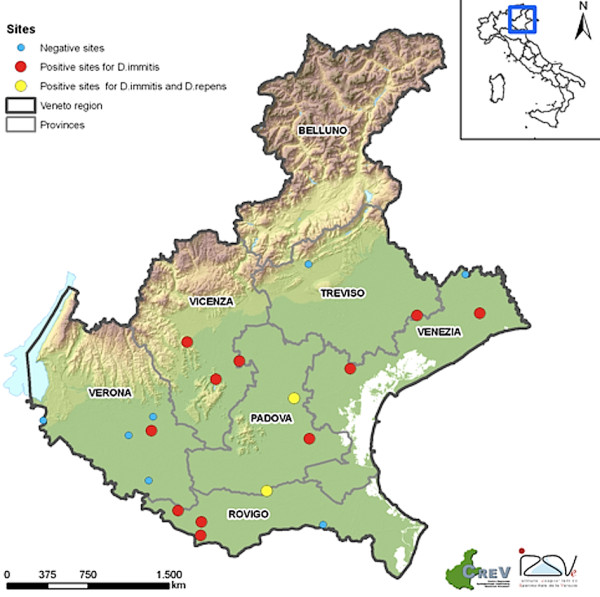
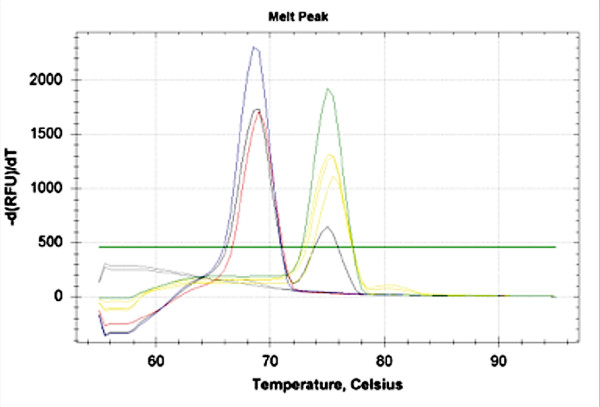
Background: Dirofilaria immitis and Dirofilaria repens are transmitted by bloodsucking culicid mosquitoes belonging to Culex, Aedes, Ochlerotatus, Anopheles and Mansonia genera. The detection of filarioids in mosquitoes for assessing distribution of vectors and/or of pathogens in a given area (also known as “xenomonitoring”), when based on individual dissection of wild-caught female mosquitoes is time consuming and hardly applicable in large epidemiological surveys. Our study aimed to evaluate the recently developed duplex real-time PCR for screening large number of culicids and to assess their positivity for D. immitis and D. repens in an area where both species are endemic. Methods: A duplex real-time PCR was used to detect and differentiate D. immitis and D. repens in mosquitoes collected in six provinces of the Veneto region using 43 carbon dioxide-baited traps under the frame of an entomological surveillance program to monitor the vectors of West Nile disease. From early May till October 2010, unfed female mosquitoes (n = 40,892) were captured in 20 selected sites. Results: Mosquitoes identified as Culex pipiens, Ochlerotatus caspius, Aedes vexans and Culex modestus were grouped into 995 pools according to species, day and site of collection (from minimum of 1 to maximum of 57). Out of 955 pools, 23 (2.41 %) scored positive for Dirofilaria spp. of which, 21 (2.2 %) for D. immitis and two (0.21 %) for D. repens. An overall Estimated Rate of Infection (ERI) of 0.06 % was recorded, being higher in Och. caspius and Ae. vexans (i.e., 0.18 % and 0.14 %, respectively). At least one mosquito pool was positive for Dirofilaria spp. in each province with the highest ERI recorded in Vicenza and Padova provinces (i.e., 0.42% and 0.16 %, respectively). Mosquitoes collected in all provinces were positive for D. immitis whereas, only two (i.e., Padova and Rovigo) provinces scored positive for D. repens. All mosquito species, except for Cx. modestus, were positive for D. immitis, whereas D. repens was only found in Cx. pipiens. Conclusions: The results suggest that both Dirofilaria species are endemic and may occur in sympatry in the examined area. The molecular approach herein used represents a powerful tool for surveillance programs of D. immitis and D. repens in the culicid vectors towards a better understanding of the epidemiology of the infections they cause and their seasonal transmission patterns.
Overview
The claims and statistics of this paper haven’t been checked yet.
Free: it reads the open-access text and checks the first 5 claims that cite a source we can check. Create a free account to check every claim.
Integrity signals
Registry
Cites
Statistics
Figures
Verification
Claims the paper makes
The claims and statistics of this paper haven’t been checked yet.
Free: it reads the open-access text and checks the first 5 claims that cite a source we can check. Create a free account to check every claim.
Claims other papers make about this one
Each is checked against this paper’s own text: does it say what the citing paper says it does?
The source backs part of the claim, not all of it — or backs it for a different population, condition or comparison.
In the citing paper
“In contrast, in a study in which more than 40,000 culicids collected from May to October 2010 in the areas of site B and C were screened for D. immitis and D. repens[11], the rates of Cx pipiens infection did not vary significantly through the season, indicating that over spring a certain number of dogs may act as a source of infection to suitable vectors.”
From Risk of canine and human exposure to Dirofilaria immitis infected mosquitoes in endemic areas of Italy (2013) · cites this paper as [11]
Experimental — accuracy not yet measuredThe source backs part of the claim, not all of it — or backs it for a different population, condition or comparison.
In the citing paper
“Interestingly, the rate of Cx pipiens infection with D. immitis estimated in this study in 1999 (0.26%-0.38%, site C) was very similar to that calculated more than ten years later (0.21-0.33%) [11].”
From Risk of canine and human exposure to Dirofilaria immitis infected mosquitoes in endemic areas of Italy (2013) · cites this paper as [11]
Experimental — accuracy not yet measuredThe source backs part of the claim, not all of it — or backs it for a different population, condition or comparison.
In the citing paper
“In an endemic area of north-eastern Italy out of 40,000 culicids captured from May to October, and screened for D. immitis and D. repens with a real-time polymerase chain reaction (PCR), Cx. p. pipiens, Oc. caspius and Am. vexans were found positive for D. immitis with an estimated rate of infestation ranging from 0.21 to 1.11%, according to date and site [64].”
From Vector-borne helminths of dogs and humans in Europe (2013) · cites this paper as [64]
Experimental — accuracy not yet measuredThe source backs part of the claim, not all of it — or backs it for a different population, condition or comparison.
In the citing paper
“This most abundant and one of the frequently infected species in Europe (Italy, Germany, the Czech Republic, Hungary, Serbia, Romania) plays a key role in the spread of Dirofilaria spp. [34, 49–53].”
From Urbanization impact on mosquito community and the transmission potential of filarial infection in central Europe (2018) · cites this paper as [49]
Experimental — accuracy not yet measuredThe cited source says what the claim attributes to it.
In the citing paper
“In contrast, in a study in which more than 40,000 culicids collected from May to October 2010 in the areas of site B and C were screened for D. immitis and D. repens[11], the rates of Cx pipiens infection did not vary significantly through the season, indicating that over spring a certain number of dogs may act as a source of infection to suitable vectors.”
From Risk of canine and human exposure to Dirofilaria immitis infected mosquitoes in endemic areas of Italy (2013) · cites this paper as [11]
2 more claims about this paper
Create a free account to see every claim other papers make about this one.
Self-check
Percentages, sums and reported differences re-computed from the paper’s own numbers.
The self-check needs the paper’s full text.
Citations
Cites
Gapped BLAST and PSI-BLAST: a new generation of protein database search programs
Altschul, S. (1997) · Nucleic Acids Research · doi:10.1093/nar/25.17.3389 · Cited by 73,302 · cited 2×
“sequences available in GenBank using Basic Local Alignment Search Tool (BLAST) [38].”
MethodChapter 4 Heartworm Disease in Animals and Humans
McCall, J. W., Genchi, C., Kramer, L. H., Guerrero, J., & Venco, L. (2008) · Advances in Parasitology · doi:10.1016/s0065-308x(08)00204-2 · Cited by 609 · cited 2×
“is challenging and requires specialised parasitological skills, impairing a reliable, prompt diagnosis [10,25].”
BackgroundRickettsial Infection in Animals and Brazilian Spotted Fever Endemicity
Sangioni, L. A., Horta, M. C., Vianna, M. C. B., Gennari, S. M., Soares, R. M., Galvão, M. A. M., Schumaker, T. T. S., Ferreira, F., Vidotto, O., & Labruna, M. B. (2005) · Emerging Infectious Diseases · doi:10.3201/eid1102.040656 · Cited by 426 · cited 1×
“Genomic DNA from all mosquito samples was extracted as described in Sangioni and colleagues [37].”
MethodCanine and feline cardiopulmonary parasitic nematodes in Europe: emerging and underestimated
Traversa, D., Di Cesare, A., & Conboy, G. (2010) · Parasites & Vectors · doi:10.1186/1756-3305-3-62 · Cited by 351 · cited 1×
“is challenging and requires specialised parasitological skills, impairing a reliable, prompt diagnosis [10,25].”
BackgroundPampiglione, S., & Rivasi, F. (2000) · PubMed · Cited by 322
Vector-borne parasitic zoonoses: emerging scenarios and new perspectives
Colwell, D. D., Dantas-Torres, F., & Otranto, D. (2011) · Veterinary Parasitology · doi:10.1016/j.vetpar.2011.07.012 · Cited by 262 · cited 1×
“repens occurred in areas previously regarded as non-endemic, as a consequence of the occurrence of simultaneous infections of the two species in both animal and vector populations [19-21].”
BackgroundSelf-citationOrihel, T. C., & Eberhard, M. L. (1998) · Clinical Microbiology Reviews · doi:10.1128/cmr.11.2.366 · Cited by 247 · cited 1×
“worldwide being agents of human dirofilariosis [6-13].”
Is heartworm disease really spreading in Europe?
Genchi, C., Rinaldi, L., Cascone, C., Mortarino, M., & Cringoli, G. (2005) · Veterinary Parasitology · doi:10.1016/j.vetpar.2005.04.009 · Cited by 222 · cited 1×
“diagnosed for a long time mostly in southern regions [14],”
BackgroundHuman dirofilariasis due to Dirofilaria (Nochtiella) repens: a review of world literature.
Pampiglione, S., Trotti, G. C., & Rivasi, F. (1995) · PubMed · Cited by 216
Dirofilarial Infections in Europe
Genchi, C., Kramer, L. H., & Rivasi, F. (2011) · Vector-Borne and Zoonotic Diseases · doi:10.1089/vbz.2010.0247 · Cited by 214 · cited 6×
“In spite of the large amount of information available on the distribution of canine dirofilariosis in Europe [20], field data on vector species of D. immitis and D. repens and on the vector infection rate are exiguous [22,23].”
BackgroundInfluential
Research works printed but not linked: 12
- Coluzzi M Osservazioni sperimentali sul comportamento di Dirofilaria repens in diversi gruppi di artropodi vettori Parassitologia 1964 4 57 62
- Sauerman DM A survey for natural potential vectors of Dirofilaria immitis in Vero beach Mosq News 1985 43 222 225
- Cancrini G Gabrielli S Vectors of Dirofilaria nematods: biology behaviour and host/parasites relationships. Dirofilaria immitis and D. repens in dog and cat and human infections Edited by Genchi C, Rinaldi L, Cringoli G. Napoli: Rolando; 2007:49–58.
- Marconcini A Magi M Incidence of canine dirofilariasis in “Maremma” (Grosseto-Italy) Ann Fac Med Vet 1991 44 153 156
- Cancrini G Kramer LH Insect vectors of Dirofilaria spp.: Heartworm infection in humans and animals Edited by Simon F and Genchi C. Universidad Salamanca; 2001:63–82.
- Petruschke G Rossi L Pollono F Genchi C Sulle filariasi canine in provincia di Varese e nel basso Canton Ticino Parassitologia 1998 40 133
- Rossi L Pollono F Meneguez PG Cancrini G Quattro specie di culicidi come possibili vettori di Dirofilaria immitis nella risaia piemontese Parassitologia 1999 41 537 542 10870556
- Iori A Cancrini G Vezzoni A Del Ninno G Tassi P Genchi C Della Torre A Coluzzi M Osservazioni sul ruolo di Culex pipiens nella trasmissione della filariasi del cane in Italia Parassitologia 1990 32 151 152
- Di Sacco B Cancrini G Genchi C Studio del tropismo nei riguardi del cane e del gatto da parte dei ditteri potenziali vettori delle filariasi in provincia di Pavia Parassitologia 1992 34 11 12
- Di Sacco B Del Zoppo B Genchi C Survey of dog Dirofilaria immitis mosquito vectors in Milan and vicinity Parassitologia 1994 36 50
- Genchi C Di Sacco B Cancrini G Epizoology of canine and feline heartworm infection in Northern Italy: possible mosquito vectors. Wilmington: American Heartworm Society 1992 1992 39 46
- Cancrini G Della Torre A Coluzzi M Different probabilities of transmission of Dirofilaria immitis and D. repens by Culex pipiens Proceedings of 6th European Multicolloquium of Parasitology 1992 Hague, Netherlands 90
Cited by
Vector-borne helminths of dogs and humans in Europe
Otranto, D., Dantas-Torres, F., Brianti, E., Traversa, D., Petrić, D., Genchi, C., & Capelli, G. (2013) · Parasites & Vectors · doi:10.1186/1756-3305-6-16 · Cited by 336
“At the same time, six more indigenous mosquito species, Culex theileri [60], Anopheles maculipennis sensu lato, Coquillettidia richiardii [61], Aedimorphus vexans, Dahliana geniculata [Aedes geniculatus] and Ochlerotatus caspius [62-64] have recently been found infected by D.”
BackgroundSelf-citationRecent advances on Dirofilaria repens in dogs and humans in Europe
Capelli, G., Genchi, C., Baneth, G., Bourdeau, P., Brianti, E., Cardoso, L., Danesi, P., Fuehrer, H.-P., Giannelli, A., Ionică, A. M., et al. (2018) · Parasites & Vectors · doi:10.1186/s13071-018-3205-x · Cited by 298
Self-citationBest Practices for Preventing Vector-Borne Diseases in Dogs and Humans
Dantas‐Torres, F., & Otranto, D. (2015) · Trends in Parasitology · doi:10.1016/j.pt.2015.09.004 · Cited by 174
“New tools for pathogen detection [53] and blood-meal identification in field-collected”
MethodSelf-citationAre vector-borne pathogen co-infections complicating the clinical presentation in dogs?
De Tommasi, A. S., Otranto, D., Dantas-Torres, F., Capelli, G., Breitschwerdt, E. B., & de Caprariis, D. (2013) · Parasites & Vectors · doi:10.1186/1756-3305-6-97 · Cited by 109
“DNA, that was performed as described elsewhere [21].”
MethodSelf-citationMontarsi, F., Ciocchetta, S., Devine, G., Ravagnan, S., Mutinelli, F., Frangipane di Regalbono, A., Otranto, D., & Capelli, G. (2015) · Parasites & Vectors · doi:10.1186/s13071-015-0800-y · Cited by 101
“The concordance between microscopy and PCR was high (0.8-0.9), however, a positivity for D. immitis in the head was found molecularly at 13 dpi, three days before microscopy.”
Self-citationMontarsi, F., Martini, S., Dal Pont, M., Delai, N., Ferro Milone, N., Mazzucato, M., Soppelsa, F., Cazzola, L., Cazzin, S., Ravagnan, S., et al. (2013) · Parasites & Vectors · doi:10.1186/1756-3305-6-292 · Cited by 76
“There is also laboratory evidence of its involvement in the parasitic cycle of the dog heartworm Dirofilaria immitis [58], which is endemic in northeastern Italy and mainly transmitted by Culex and Aedes mosquitoes [59,60].”
BackgroundSelf-citationMonitoring population and environmental parameters of invasive mosquito species in Europe
Petrić, D. V., Bellini, R., Scholte, E., Rakotoarivony, L., & Schaffner, F. (2014) · Parasites & Vectors · doi:10.1186/1756-3305-7-187 · Cited by 87
“Prevalence of microfilaremic dogs and presence and abundance of competent vectors also affect the rate of infestation within a given mosquito population, which, in turn, is directly related to the risk for a native dog to be infested [57].”
BackgroundDeng, M.-H., Zhong, L., Okanurak, K., Limpanont, Y., & Lv, Z. (2019) · Infectious Diseases of Poverty · doi:10.1186/s40249-019-0530-z · Cited by 65
First molecular identification of mosquito vectors of Dirofilaria immitis in continental Portugal
Ferreira, C. A. C., de Pinho Mixão, V., Novo, M. T. L. M., Calado, M. M. P., Gonçalves, L. A. P., Belo, S. M. D., & de Almeida, A. P. G. (2015) · Parasites & Vectors · doi:10.1186/s13071-015-0760-2 · Cited by 61
Evidences of increasing risk of dirofilarioses in southern Italy
Giangaspero, A., Marangi, M., Latrofa, M. S., Martinelli, D., Traversa, D., Otranto, D., & Genchi, C. (2013) · Parasitology Research · doi:10.1007/s00436-012-3206-1 · Cited by 58
Self-citationCapelli, G., Frangipane di Regalbono, A., Simonato, G., Cassini, R., Cazzin, S., Cancrini, G., Otranto, D., & Pietrobelli, M. (2013) · Parasites & Vectors · doi:10.1186/1756-3305-6-60 · Cited by 50
“infected mosquito = 100/(bite/host/night)/ERI The ERI calculated in this study was used for site C, while the ERI estimated in a separate study performed in the same area in 2010 [11] was used for site B.”
BackgroundMethodInfluentialSelf-citationDirofilaria repens microfilariae in Aedes vexans mosquitoes in Slovakia
Bocková, E., Rudolf, I., Kočišová, A., Betášová, L., Venclíková, K., Mendel, J., & Hubálek, Z. (2013) · Parasitology Research · doi:10.1007/s00436-013-3526-9 · Cited by 48
“It is interesting to point out that in Slovakia, D. immitis in dogs has so far occurred only in co-infection with D. repens (seven cases, 2.1 % prevalence) (Miterpakova et al. 2008), while in Turkey or in Italy, it occurs alone in a prevalence between 2 and 30% (Yildirim et al. 2011; Latrofa et al. 2012).”
BackgroundResultInfluentialExposure to vector-borne pathogens in candidate blood donor and free-roaming dogs of northeast Italy
Vascellari, M., Ravagnan, S., Carminato, A., Cazzin, S., Carli, E., Da Rold, G., Lucchese, L., Natale, A., Otranto, D., & Capelli, G. (2016) · Parasites & Vectors · doi:10.1186/s13071-016-1639-6 · Cited by 46
“repens, in 13 and two of the 20 monitored sites, respectively [17].”
BackgroundSelf-citationBravo-Barriga, D., Parreira, R., Almeida, A. P. G., Calado, M., Blanco-Ciudad, J., Serrano-Aguilera, F. J., Pérez-Martín, J. E., Sánchez-Peinado, J., Pinto, J., Reina, D., et al. (2016) · Veterinary Parasitology · doi:10.1016/j.vetpar.2016.04.030 · Cited by 47
“( Ferreira et al., 2015), while in Italy, the prevalence rates for this species range between 0.05% and 0.54% ( Cancrini et al., 2006 and Latrofa et al., 2012), being lower (0.12”
BackgroundInfluentialBrianti, E., Panarese, R., Napoli, E., De Benedetto, G., Gaglio, G., Bezerra‐Santos, M. A., Mendoza‐Roldan, J. A., & Otranto, D. (2022) · Transboundary and Emerging Diseases · doi:10.1111/tbed.14089 · Cited by 43
Self-citationPanarese, R., Iatta, R., Latrofa, M. S., Zatelli, A., Ignjatović Ćupina, A., Montarsi, F., Pombi, M., Mendoza-Roldan, J. A., Beugnet, F., & Otranto, D. (2020) · International Journal for Parasitology · doi:10.1016/j.ijpara.2020.04.002 · Cited by 42
Self-citationFerraguti, M., la Puente, J. M., & Figuerola, J. (2021) · Viruses · doi:10.3390/v13071208 · Cited by 48
Circulation of Dirofilaria repens and Dirofilaria immitis in Moldova
Șuleșco, T., von Thien, H., Toderaș, L., Toderaș, I., Lühken, R., & Tannich, E. (2016) · Parasites & Vectors · doi:10.1186/s13071-016-1916-4 · Cited by 40
“repens [38, 60–62] or co-circulation as also observed in Moldova [16, 39, 40, 43, 44, 49, 53, 58, 63].”
BackgroundInfluentialČabanová, V., Miterpáková, M., Valentová, D., Blažejová, H., Rudolf, I., Stloukal, E., Hurníková, Z., & Dzidová, M. (2018) · Parasites & Vectors · doi:10.1186/s13071-018-2845-1 · Cited by 37
Negrón, V., Saleh, M. N., Sobotyk, C., Luksovsky, J. L., Harvey, T. V., & Verocai, G. G. (2022) · Parasites & Vectors · doi:10.1186/s13071-022-05372-x · Cited by 39
“The use of molecular approaches for diagnosing heartworm infections has increased over the past years, including conventional PCR and qPCR targeting nuclear and mitochondrial genes [4, 22, 23].”
BackgroundMethodTomazatos, A., Cadar, D., Török, E., Maranda, I., Horváth, C., Keresztes, L., Spinu, M., Jansen, S., Jöst, H., Schmidt-Chanasit, J., et al. (2018) · Parasites & Vectors · doi:10.1186/s13071-018-2980-8 · Cited by 33
Dyab, A. K., Galal, L., Mahmoud, A. E.-S., & Mokhtar, Y. (2015) · Korean Journal of Parasitology · doi:10.3347/kjp.2015.53.1.77 · Cited by 37
“scope for simultaneous detection of the tested filarial parasites for rapid surveillance and monitoring of mosquitoes [14,15].”
BackgroundBocková, E., Iglódyová, A., & Kočišová, A. (2015) · Parasitology Research · doi:10.1007/s00436-015-4692-8 · Cited by 30
“A large part of the knowledge on vectors of Dirofilaria spp. is based on the experimental laboratory research (Latrofa et al. 2012), upon which it is assumed that more than 70 mosquito species are potentially competent to perform the transmission even in natural conditions (Cancrini et al. 1995;…”
BackgroundMosquitoes in the Danube Delta: searching for vectors of filarioid helminths and avian malaria
Ionică, A. M., Zittra, C., Wimmer, V., Leitner, N., Votýpka, J., Modrý, D., Mihalca, A. D., & Fuehrer, H.-P. (2017) · Parasites & Vectors · doi:10.1186/s13071-017-2264-8 · Cited by 27
Detecting Dirofilaria immitis: Current Practices and Novel Diagnostic Methods
Pietrzak, D., Łuczak, J. W., & Wiśniewski, M. (2024) · Pathogens · doi:10.3390/pathogens13110950 · Cited by 28
“D. immitis is transmitted via blood-sucking mosquitoes belonging to the genera Culex , Aedes , Ochlerotatus , Anopheles, and Mansonia [17].”
The long-distance relationship between Dirofilaria and the UK: case report and literature review
Panarese, R., Moore, R., Page, A. P., McDonald, M., MacDonald, E., & Weir, W. (2023) · Frontiers in Veterinary Science · doi:10.3389/fvets.2023.1128188 · Cited by 25
“org extraction kit (Qiagen, Germany) and screened by conventional PCR using generic primers targeting the 12S rDNA and COX1 locus of filarial nematodes (17, 65, 66).”
BackgroundMethodPrevalence of Dirofilaria immitis in mosquitoes (Diptera) – systematic review and meta-analysis
Riahi, S. M., Yusuf, M. A., Azari-Hamidian, S., & Solgi, R. (2021) · Journal of Nematology · doi:10.21307/jofnem-2021-012 · Cited by 26
First molecular identification of Dirofilaria spp. (Onchocercidae) in mosquitoes from Serbia
Kurucz, K., Kepner, A., Krtinic, B., Zana, B., Földes, F., Bányai, K., Oldal, M., Jakab, F., & Kemenesi, G. (2016) · Parasitology Research · doi:10.1007/s00436-016-5126-y · Cited by 24
“2015) and further southern territories in Italy (Latrofa et al. 2012).”
BackgroundInfluentialDirofilaria immitis and Dirofilaria repens in mosquitoes from Corsica Island, France
Younes, L., Barré-Cardi, H., Bedjaoui, S., Ayhan, N., Varloud, M., Mediannikov, O., Otranto, D., & Davoust, B. (2021) · Parasites & Vectors · doi:10.1186/s13071-021-04931-y · Cited by 23
“7%) captured, therefore suggesting its possible role in their transmission [5, 52].”
BackgroundSelf-citationMehus, J. O., & Vaughan, J. A. (2013) · Vector-Borne and Zoonotic Diseases · doi:10.1089/vbz.2012.1193 · Cited by 23
“PCR and sequencing have also been used to identify various types of hemoparasites within mosquito blood meals (Chanteau et al. 1994, Farid et al. 2007, Massey et al. 2007, Bartlett-Healy et al 2009, Chambers et al. 2009, Kim et al. 2009, Latrofa et al. 2012).”
Montarsi, F., Mazzon, L., Cazzin, S., Ciocchetta, S., & Capelli, G. (2015) · Journal of Medical Entomology · doi:10.1093/jme/tju002 · Cited by 23
“Human malaria was historically endemic; however, only imported cases are now reported after successful eradication in 1970 (Majori 2012).”
BackgroundSelf-citationThe trends of human dirofilariasis in Croatia: Yesterday – Today – Tomorrow
Bakrač, A. P., Pupić‐Bakrač, J., Jurković, D., Capar, M., Stefanović, L. L., Ćelović, I. A., Kučinar, J., Polkinghorne, A., & Beck, R. (2020) · One Health · doi:10.1016/j.onehlt.2020.100153 · Cited by 24
“The vectors are females of various mosquito species from the Anopheles, Aedes, Ochlerotatus, Culex, Culiseta and Coquillettidia genera [2].”
BackgroundPanarese, R., Iatta, R., Beugnet, F., & Otranto, D. (2021) · Transboundary and Emerging Diseases · doi:10.1111/tbed.14025 · Cited by 21
Self-citationMasny, A., Sałamatin, R., Rozej-Bielicka, W., & Golab, E. (2016) · Parasitology Research · doi:10.1007/s00436-015-4767-6 · Cited by 20
Vector Potential of Mosquito Species (Diptera: Culicidae) Occurring in Central Europe
Kampen, H., & Walther, D. (2018) · Parasitology research monographs · doi:10.1007/978-3-319-94075-5_5 · Cited by 26
Demırcı, B., Bedir, H., TAŞÇI, G. T., & Vatansever, Z. (2020) · Journal of Medical Entomology · doi:10.1093/jme/tjaa233 · Cited by 28
An unexpected case of a dog from Poland co-infected with Dirofilaria repens and Dirofilaria Immitis
Pękacz, M., Basałaj, K., Miterpáková, M., Rusiecki, Z., Stopka, D., Graczyk, D., & Zawistowska‐Deniziak, A. (2024) · BMC Veterinary Research · doi:10.1186/s12917-024-03921-3 · Cited by 16
“One of them is molecular xenomonitoring which recently was improved in many European countries and several protocols have been described [52–54].”
Backgroundla Puente, J. M., Moreno‐Indias, I., Hernández-Castellano, L. E., Henríquez, A. A., Ruíz, S., Soriguer, R. C., & Figuerola, J. (2012) · Journal of Medical Entomology · doi:10.1603/me12081 · Cited by 20
“…the main vector ofD. immitison these islands (Morchón et al. 2011, SantaÐAna et al. 2006), although otherCulex species and mosquitoes belonging to other genera also have been incriminated in the transmission (Shaw and Day 2005, Cancrini et al. 2007, Morchón et al. 2012, Latrofa et al. 2012).”
BackgroundKrtinić, B., Francuski, L., Ludoški, J., & Milankov, V. (2016) · Journal of Applied Entomology · doi:10.1111/jen.12307 · Cited by 15
“…medicine, biology and parasitology as vectors of various nematodes (Wuchereria bancrofti, Farid et al. 2001; Dirofilaria repens and D. immitis, Latrofa et al. 2012), viruses (Sindbus, Lundstrom 1999; St. Louis encephalitis, Richards et al. 2009; Ndumu, Lutomiah et al. 2014) and protists…”
BackgroundRaele, D. A., Pugliese, N., Galante, D., Latorre, L. M., & Cafiero, M. A. (2016) · PLoS neglected tropical diseases · doi:10.1371/journal.pntd.0004789 · Cited by 15
“immitis [41], or a large group of filarial nematodes [31]).”
BackgroundMethodFinding Wolbachia in Filarial larvae and Culicidae Mosquitoes in Upper Egypt Governorate
Dyab, A. K., Galal, L. A., Mahmoud, A. E., & Mokhtar, Y. (2016) · The Korean Journal of Parasitology · doi:10.3347/kjp.2016.54.3.265 · Cited by 13
“repens which are also widely studied due to their zoonotic potential with an increasing number of cases in non-endemic areas [22].”
BackgroundDirofilariosis and Leishmaniasis in the Northern Region of Serbia
Savić, S., Vidić, B., Grgić, Ž., Petrović, T., Potkonjak, A., Ignjatović‐Ćupina, A., Vaselek, S., & Petrić, D. V. (2015) · InTech eBooks · doi:10.5772/61761 · Cited by 12
Medlock, J. M., Hawkes, F. M., Cheke, R., Gibson, G., Abbott, A. J., Cull, B., Gandy, S. L., Hardy, H., Acott, T., & Vaux, A. G. C. (2024) · Journal of the European Mosquito Control Association · doi:10.52004/2054930x-20231002 · Cited by 10
Rydzanicz, K., Gołąb, E., Rożej-Bielicka, W., & Masny, A. (2018) · Parasitology Research · doi:10.1007/s00436-018-6134-x · Cited by 10
A case of inguinal hernia associated with atypical Dirofilaria repens infection in a dog
Deak, G., Ionică, A. M., Szasz, I., Taulescu, M. A., & Mihalca, A. D. (2021) · Parasites & Vectors · doi:10.1186/s13071-021-04635-3 · Cited by 8
“No co-infection with D. immitis or Acanthocheilonema reconditum was observed microscopically, nor detected by multiplex PCR.”
MethodNaletilić, Š., Gagović, E., Mihaljević, Ž., Polkinghorne, A., Beck, A., & Beck, R. (2024) · Parasites & Vectors · doi:10.1186/s13071-024-06576-z · Cited by 7
Detection of Dirofilaria DNA and host blood-meal identification in Culicoides paolae biting midges
Napoli, E., Panarese, R., Russa, F. L., Cambera, I., Mendoza‐Roldan, J. A., Otranto, D., & Brianti, E. (2022) · Parasitology · doi:10.1017/s0031182022000440 · Cited by 7
“Furthermore, all DNA samples were processed by duplex realtime PCR for the detection and differentiation of Dirofilaria spp., using two species-specific primers targeting cox1 and internal transcribed spacer-2, set for D. immitis and D. repens, respectively (Latrofa et al., 2020).”
MethodSelf-citationDirofilaria repens in dogs and humans in Slovenia
Kotnik, T., Rataj, A. V., & Šoba, B. (2022) · Journal of Veterinary Research · doi:10.2478/jvetres-2022-0008 · Cited by 7
Panarese, R., Iatta, R., Mendoza‐Roldan, J. A., Zatelli, A., Beugnet, F., & Otranto, D. (2021) · Parasites & Vectors · doi:10.1186/s13071-021-04883-3 · Cited by 7
Self-citationDumitrache, M. O., D’Amico, G., Voiniţchi, E., Maximenco, S., Mircean, V., & Ionică, A. M. (2021) · Parasites & Vectors · doi:10.1186/s13071-021-04891-3 · Cited by 6
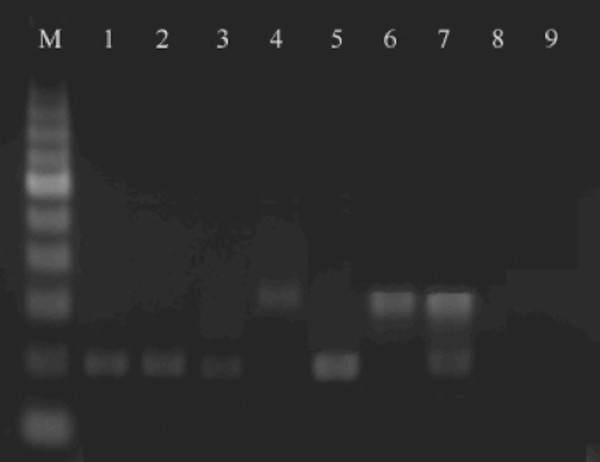
“The PCR products were visualized by electrophoresis in a 2% agarose gel stained with RedSafe 20,000× Nucleic Acid Staining Solution (Chembio, Hertfordshire, UK), and their molecular weights determined by comparison to a molecular marker (HyperLadder 100bp; Bioline).”
BackgroundMethodInfluentialVismarra, A., Genchi, M., Maltoni, A., Semeraro, M., Kramer, L. H., Calzolari, M., Grisendi, A., Dalmonte, G., & Fozzer, M. (2025) · Parasites & Vectors · doi:10.1186/s13071-025-06828-6 · Cited by 6
“However, in a previous study carried out in several regions of northeastern Italy, Latrofa et al. [8] reported that Cx. pipiens was approximately four times less infested than other species and significantly less infested than Ae. caspius , and the authors suggested that it is likely replacing Cx.…”
InfluentialVarga, Z., Csiba, R., Ábrahám, Á., Pásztor, D., Németh, C., Kemenesi, G., Bànyai, K., & Kurucz, K. (2025) · Parasites & Vectors · doi:10.1186/s13071-025-06901-0 · Cited by 7
“…to be able to transmit Dirofilaria nematodes, particularly Ae. vexans , Cx. pipiens s.s., and the invasive Ae. albopictus , Ae. koreicus , which are species that generally prefer human proximity and feed on both animals and humans [5, 6, 27–30], and thus may serve as bridge vectors for pathogens.”
Krtinić, B., Ludoški, J., & Milankov, V. (2014) · Bulletin of Entomological Research · doi:10.1017/s0007485314000832 · Cited by 6
“…et al., 2001) that cause lymphatic filariasis, St. Louis encephalitis virus (Richards et al., 2009), Sindbus virus (Lundstrom, 1999), Dirofilaria repens and Dirofilaria immitis (Latrofa et al., 2012), and bird malariases such as Plasmodium relictum (Atkinson et al., 1995; Fonseca et al., 2000).”
BackgroundVeterinary Diagnosis of Filarial Infection
Evans, C. C., Pilotte, N., Williams, S. A., & Moorhead, A. R. (2022) · Wiley eBooks · doi:10.1002/9783527823413.ch6 · Cited by 7
Is dirofilariosis an emerging conservation threat in wild carnivores across the Palearctic?
Szentiványi, T., & Garamszegi, L. Z. (2024) · Mammal Review · doi:10.1111/mam.12353 · Cited by 5
Mus, E., Viani, A., Domenis, L., Maradei, F., Valastro, A., Marucci, G., Giacomazzi, C., Magnani, S. C. M., Imparato, R., Cometto, A., et al. (2025) · Pathogens · doi:10.3390/pathogens14050423 · Cited by 5
“…detected in Culex pipiens mosquitoes in the northeastern part of . repens has also been detected in Culex pipiens mosquitoes in the northeastern part of the country, with an infection rate ranging between 0.23 and 0.71% [18]. the country, with an infection rate ranging between 0.23 and 0.71% [18].”
InfluentialFilarial worm circulation by mosquitoes along an urbanization gradient in southern Spain
la Puente, J. M., Ferraguti, M., Jiménez‐Peñuela, J., Ruíz, S., Martínez, J., Roiz, D., Soriguer, R. C., & Figuerola, J. (2019) · Transboundary and Emerging Diseases · doi:10.1111/tbed.13176 · Cited by 6
“Molecular tools allow the screening of a high number of potential vectors identifying the presence of the parasites (Ionică et al., 2017; Latrofa, Dantas‐Torres, et al., 2012; Latrofa, Montarsi, et al., 2012).”
Khanmohammadi, M., Falak, R., Meamar, A. R., Arshadi, M., Akhlaghi, L., & Razmjou, E. (2019) · Journal of arthropod-borne diseases · doi:10.18502/jad.v13i1.935 · Cited by 5
“repens infections in non-endemic areas, xenomonitoring of this bacterium may be useful (20).”
BackgroundBocková, E., & Kočišová, A. (2016) · Biologia · doi:10.1515/biolog-2016-0025 · Cited by 4
“Its epidemiological role has been growing in the last years, as it belongs to the most important vectors of the West Nile virus, in north-eastern Italy it was also confirmed as the vector of the nematodes Dirofilaria repens and D. immitis (Latrofa et al. 2012).”
BackgroundGenchi, M., Geneteau, A., Forget, P., Delcombel, R., & Genchi, C. (2017) · Parasitology Research · doi:10.1007/s00436-017-5448-4 · Cited by 5
“In the former, the infestation is seasonal covering the mosquito season (from May to November), while in the latter, the heartworm transmission occurs all year round (Latrofa et al. 2012).”
BackgroundAung, S. T., Bawm, S., Chel, H. M., Htun, L. L., Wai, S. S., Eshita, Y., Katakura, K., & Nakao, R. (2023) · Medical and Veterinary Entomology · doi:10.1111/mve.12652 · Cited by 5
“According to the studies from various parts of the world (Chellappah & Chellappah, 1968; Demirci et al., 2021; Latrofa et al., 2012; Lee et al., 2007; Licitra et al., 2010), all mosquitoes identified in this study could be considered potential vectors, and the study should be expanded in the future to investigate the…”
BackgroundMethodInfluentialKhalifa, R. M. A., El-Nadi, N., Ahmed, A. M., & Hassan, F. A. (2013) · Journal of the Egyptian Society of Parasitology · doi:10.12816/0006416 · Cited by 4
Holderman, C. J., Abruzzo, N. O., Abdelsamad, N., Kaufman, P. E., & DiGennaro, P. M. (2020) · Journal of Medical Entomology · doi:10.1093/jme/tjaa272 · Cited by 3
Development of Real-time PCR Assays for Detection ofDirofilaria immitisfrom Infected Dog Blood
Oh, I. Y., Kim, K. T., Jun, J. H., Shin, J.-H., & Sung, H. J. (2016) · Korean Journal of Clinical Laboratory Science · doi:10.15324/kjcls.2016.48.2.88 · Cited by 5
“org be used for only detection and differentiation [10,24].”
MethodSurveys of Canine Filarioids In Nigeria: The Path Travelled and the Way Forward
Kamani, J., & González‐Miguel, J. (2021) · Nigerian Veterinary Journal · doi:10.4314/nvj.v41i3.5 · Cited by 3
Human Oral Dirofilariasis: A Case Report and Comprehensive Literature Review
Sreenandini, A. R., Nandimath, S. A., & Rajkumar, G. (2022) · Journal of Dental Health and Oral Research · doi:10.46889/jdhor.2022.3108 · Cited by 2
Lovrić, L., Vavžik, V., & Živičnjak, T. (2022) · Veterinarski arhiv · doi:10.24099/vet.arhiv.1453 · Cited by 2
Unveiling filariid infections in dogs living in the Western Amazon, Brazil
Zanfagnini, L. G., Chocobar, M. L. E., Schmidt, E. M. D. S., Weir, W., Panarese, R., SOUZA, S. F., Possebon, F. S., dos Santos, T. R., Daudt, C., & Pacheco, A. D. (2026) · Comparative Immunology Microbiology and Infectious Diseases · doi:10.1016/j.cimid.2026.102463 · Cited by 1
Carrillo-Castro, K. I., Aguilar‐Domínguez, M., Zaragoza-Vera, C. V., Arjona-Jiménez, G., Zaragoza-Vera, M., González-Gardúño, R., Baak-Baak, C. M., Cigarroa-Toledo, N., García-Rejón, J. E., & Torres-Chable, O. M. (2026) · Southwestern Entomologist · doi:10.3958/059.051.0118 · Cited by 1
Adult Mosquito Fauna of Kura-Aras Basin
Demırcı, B. (2021) · Turkish Journal of Parasitology · doi:10.4274/tpd.galenos.2021.80299 · Cited by 1
КСЕНОМОНІТОРИНГОВІ ДОСЛІДЖЕННЯ КОМАРІВ ЗА ДИРОФІЛЯРІОЗУ
Poliukhovych, V. (2024) · Bulletin of Sumy National Agrarian University The series Veterinary Medicine · doi:10.32782/bsnau.vet.2024.1.8 · Cited by 1
Masny, A., & Sałamatin, R. (2015) · Parasites & Vectors · doi:10.1186/s13071-015-1241-3
“Dear Editor, In the context of an evaluation of the use of xenomonitoring (sensu [1]) for detecting filarial parasites in Germany we would like to point out that the article by Czajka and colleagues [2] suffers from partially incorrect interpretation, and incomplete description, of PCR results.”
BackgroundPathomorphological features of some organs in dirofilariasis of dogs
Alymova, T., Krasnoslobodtsev, N., & Shapiro, E. (2020) · E3S Web of Conferences · doi:10.1051/e3sconf/202020301015
PULMONER ARTERİYAL DİROFİLARİASİS TEDAVİ EDİLEBİLİR Mİ? GEÇMİŞTEN GÜNÜMÜZE TEDAVİ SEÇENEKLERİ
Yalçın, D. S., & Işık, N. (2022) · Veteriner Farmakoloji ve Toksikoloji Derneği Bülteni · doi:10.38137/vftd.1200566
Molecular screening of mosquitoes for filarioid helminths in Slovenia
Biškup, U. G., Knap, N., Korva, M., Avšič‐Županc, T., Adam, K., Knapič, T., Zakotnik, S., & Šoba, B. (2026) · Parasites & Vectors · doi:10.1186/s13071-026-07295-3
“In many studies, xenomonitoring of mosquitoes for filarioid helminths has been used to analyze the autoch-thonous occurrence of Dirofilaria spp. in a specific geographical area [23, 32, 34–44].”
Park, J., Lee, S., Kim, C., Min, K., Kim, H., & Lee, S. (2026) · Journal of Veterinary Science · doi:10.4142/jvs.26072
“The parasite is transmitted by several mosquito species across a wide range of genera, including Culex , Aedes , Ochlerotatus , Anopheles , Armigeres , and Mansonia , and is distributed worldwide, particularly in tropical and subtropical regions [13,14].”
Vismarra, A., Fozzer, M., Genchi, M., Tenga, A., Semeraro, M., Calzolari, M., Grisendi, A., Bazzocchi, C., Kramer, L., Stocchero, C., et al. (2026) · Veterinary Parasitology · doi:10.1016/j.vetpar.2026.110963
Herrera-Rodriguez, K., Ortíz-Carbajal, L. A., Sánchez‐Otero, M. G., Sánchez‐Montes, S., Palmeros-Exsome, C., Bustos-Baena, A. S., Ramos, J. L. B., & Ramos, J. L. B. (2026) · Acta Parasitologica · doi:10.1007/s11686-026-01433-8
“Recent molecular xeno-monitoring studies conducted in Europe demonstrated the presence of D. immitis DNA in several mosquito species, supporting the usefulness of mosquito-based xenomonitor-ing for detecting local parasite circulation [7].”
Metadata
- Authors
- Latrofa, M. S., Montarsi, F., Ciocchetta, S., Annoscia, G., Dantas-Torres, F., Ravagnan, S., Capelli, G., & Otranto, D.
- Affiliations
- Istituto Zooprofilattico Sperimentale delle Venezie (IT)
- University of Bari Aldo Moro (IT)
- Corresponding author
- Otranto, Domenico
- Venue
- Parasites & Vectors
- Published
- 2012-04-20
- Volume
- 5
- Issue
- 1
- Pages
- 76-76
- ISSN
- 1756-3305 (ISSN-L)
- PMC
- PMC3438040
- OpenAlex
- W2163295044
- Cited by
- 77
- References
- 49
- Citations by year
- 2026: 5 · 2025: 3 · 2024: 6 · 2023: 2 · 2022: 7 · 2021: 10 · 2020: 5 · 2019: 3 · 2018: 5 · 2017: 2 · 2016: 9 · 2015: 9 · 2014: 2 · 2013: 7 · 2012: 2
- FWCI
- 4.44
- Type
- journal article
- Language
- en
- Open access
- gold
- doi.org
- Licence
- cc-by
- Locations
- Parasites & Vectors (publishedVersion, cc-by)
- Europe PMC (PubMed Central) (publishedVersion, cc-by)
- PubMed Central (publishedVersion, cc-by)
- PubMed (publishedVersion)
- DOAJ (DOAJ: Directory of Open Access Journals) (submittedVersion)
- CINECA IRIS Institutional Research Information System (University of Bari Aldo Moro) (submittedVersion)
- Funders
- Bayer Animal Health
- Topics
- Health Sciences › Medicine › Infectious Diseases › Parasitic Diseases Research and Treatment
- Health Sciences › Medicine › Public Health, Environmental and Occupational Health › Research on Leishmaniasis Studies
- Health Sciences › Medicine › Public Health, Environmental and Occupational Health › Mosquito-borne diseases and control
- Keywords
- Dirofilaria immitis, Dirofilaria repens, xenomonitoring, filarial infection in mosquitoes, Culex pipiens, Ochlerotatus caspius, Aedes vexans, Culex modestus, duplex real-time PCR, melting curve analysis, vector surveillance, northeastern Italy
- MeSH terms
- Animals, Dirofilaria immitis, Dirofilariasis, Female, Humans, Insect Vectors, Italy, Culicidae, DNA, Helminth, Transition Temperature, Dirofilaria repens, Real-Time Polymerase Chain Reaction
About these checks
Registry, retraction, Cites and statistics results are computed, not judged, with one exception: a printed reference that no index lists is read once by a model before it counts as a citation error. Claims are extracted by a model and kept only when their quote appears verbatim in the text; each cited source is then checked, with a model’s help, for whether it says what the claim relies on. Those verdicts can be wrong — read the claim’s quote and the cited source before relying on one.
Statistics and arithmetic are recomputed, not judged.
Confidence bands are shown only for fields calibrated on our annotated test set. None is calibrated yet, so no band is shown.
What counts as a claim ›How we measure confidence ›How we check this ›
Are you an author, or do you see a problem with this page? Request a review
Data sources
Bibliographic data: Semantic Scholar, OpenAlex, Crossref.
Contains information from the Semantic Scholar Academic Graph Datasets, made available under the ODC Attribution License (ODC-BY 1.0).
Semantic Scholar’s data is described in: Kinney, R., et al. (2023). The Semantic Scholar Open Data Platform. arXiv:2301.10140.
