

DNA methylation age of human tissues and cell types
Open accessThe DOI matches its Crossref record; 90 of the 91 references it cites were found in a registry or an index.
Abstract
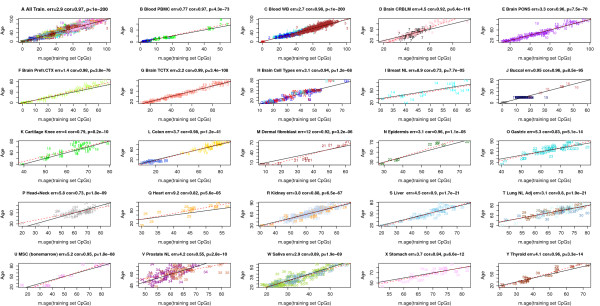
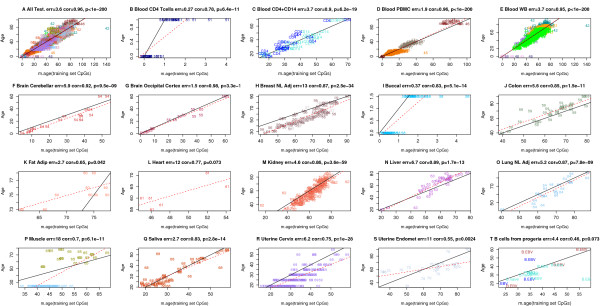
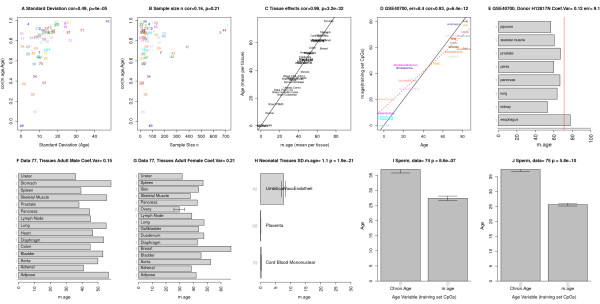
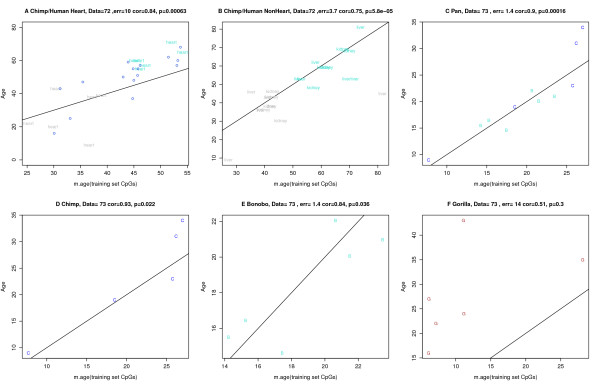
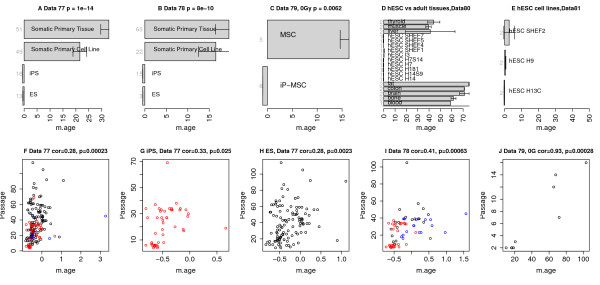
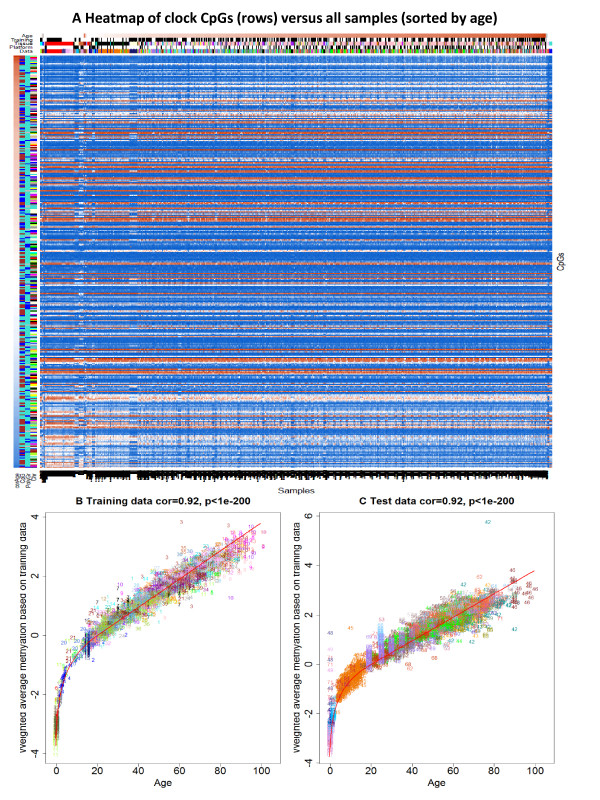
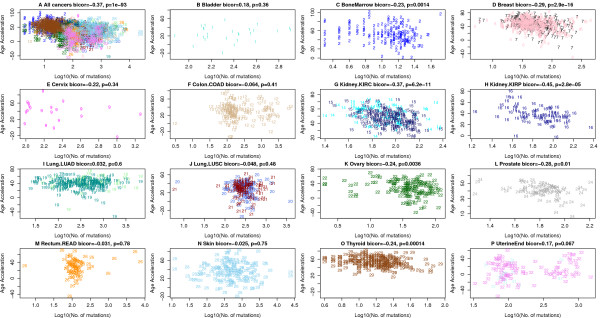
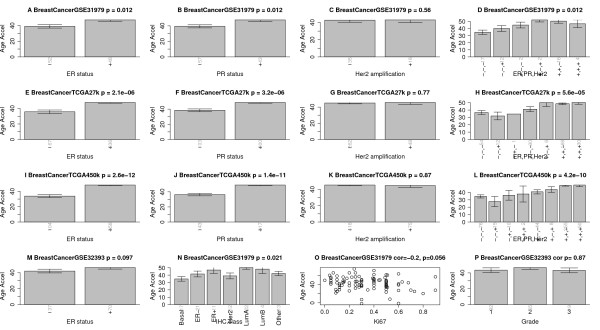
Background: It is not yet known whether DNA methylation levels can be used to accurately predict age across a broad spectrum of human tissues and cell types, nor whether the resulting age prediction is a biologically meaningful measure. Results: I developed a multi-tissue predictor of age that allows one to estimate the DNA methylation age of most tissues and cell types. The predictor, which is freely available, was developed using 8,000 samples from 82 Illumina DNA methylation array datasets, encompassing 51 healthy tissues and cell types. I found that DNA methylation age has the following properties: first, it is close to zero for embryonic and induced pluripotent stem cells; second, it correlates with cell passage number; third, it gives rise to a highly heritable measure of age acceleration; and, fourth, it is applicable to chimpanzee tissues. Analysis of 6,000 cancer samples from 32 datasets showed that all of the considered 20 cancer types exhibit significant age acceleration, with an average of 36 years. Low age-acceleration of cancer tissue is associated with a high number of somatic mutations and TP53 mutations, while mutations in steroid receptors greatly accelerate DNA methylation age in breast cancer. Finally, I characterize the 353 CpG sites that together form an aging clock in terms of chromatin states and tissue variance. Conclusions: I propose that DNA methylation age measures the cumulative effect of an epigenetic maintenance system. This novel epigenetic clock can be used to address a host of questions in developmental biology, cancer and aging research.
Overview
The claims and statistics of this paper haven’t been checked yet.
Free: it reads the open-access text and checks the first 5 claims that cite a source we can check. Create a free account to check every claim.
Integrity signals
Registry
Cites
Statistics
Figures
Verification
Claims the paper makes
The claims and statistics of this paper haven’t been checked yet.
Free: it reads the open-access text and checks the first 5 claims that cite a source we can check. Create a free account to check every claim.
Claims other papers make about this one
Each is checked against this paper’s own text: does it say what the citing paper says it does?
The source backs part of the claim, not all of it — or backs it for a different population, condition or comparison.
In the citing paper
“Epigenetic clocks serve as a biomarker of biological age in mammals (Hannum et al., 2013; Horvath, 2013; Petkovich et al., 2017; Weidner et al., 2014).”
From Loss of epigenetic information as a cause of mammalian aging (2023) · cites this paper as Horvath, 2013
Experimental — accuracy not yet measuredThe source backs part of the claim, not all of it — or backs it for a different population, condition or comparison.
In the citing paper
“During ageing, for reasons that are unclear, these patterns change in ways that can be used to calculate DNA methylation (DNAm) age, a representation of biological age that can predict future health and lifespan4.”
From Reprogramming to recover youthful epigenetic information and restore vision (2020) · cites this paper as [4]
Experimental — accuracy not yet measuredThe source backs part of the claim, not all of it — or backs it for a different population, condition or comparison.
In the citing paper
“That said, we do not wish to imply that DNA methylation is the only epigenetic mark involved in this process. It likely involves other transcription factors and epigenetic modifications, such as the PRC2 complex and H3K27me3, both of which are involved in maintaining stem cell plasticity and are associated with DNAm clock sites4,49,50.”
From Reprogramming to recover youthful epigenetic information and restore vision (2020) · cites this paper as [4]
Experimental — accuracy not yet measuredThe source backs part of the claim, not all of it — or backs it for a different population, condition or comparison.
In the citing paper
“Many of the 353 CpGs investigated are located close to poised promoters of bivalent genes (marked by H3K4me3 and H3K27me3), or to active promoters 126 , suggesting that ageing may correlate with reduced plasticity in the expression of some bivalent genes, which might resolve into repressed or active states, and with active genes changing their expression levels.”
From Advances in epigenetics link genetics to the environment and disease (2019) · cites this paper as [126]
Experimental — accuracy not yet measuredThe source backs part of the claim, not all of it — or backs it for a different population, condition or comparison.
In the citing paper
“One especially interesting aspect of DNA methylation clocks is their ability to accurately predict age across a wide range of different tissue types, regardless of the tissue type they were trained on, suggesting that they measure ageing signals that are shared between cell types43,44.”
From Measuring biological age using omics data (2022) · cites this paper as [44]
Experimental — accuracy not yet measured
23 more claims about this paper
Create a free account to see every claim other papers make about this one.
Self-check
Percentages, sums and reported differences re-computed from the paper’s own numbers.
The self-check needs the paper’s full text.
Citations
Cites
Regularization Paths for Generalized Linear Models via Coordinate Descent
Friedman, J., Hastie, T., & Tibshirani, R. (2010) · Journal of Statistical Software · doi:10.18637/jss.v033.i01 · Cited by 19,927
Embryonic Stem Cell Lines Derived from Human Blastocysts
Thomson, J. A., Itskovitz-Eldor, J., Shapiro, S. S., Waknitz, M. A., Swiergiel, J. J., Marshall, V. S., & Jones, J. M. (1998) · Science · doi:10.1126/science.282.5391.1145 · Cited by 15,926 · cited 1×
“Further, DNAm age and cell passage number are highly correlated in ES cells (Figure 5H,J), which are also immortal [38].”
BackgroundA bivalent chromatin structure marks key developmental genes in embryonic stem cells
Bernstein, B. E., Mikkelsen, T. S., Xie, X., Kamal, M., Huebert, D. J., Cuff, J., Fry, B., Meissner, A., Wernig, M., Plath, K., et al. (2006) · Cell · doi:10.1016/j.cell.2006.02.041 · Cited by 5,361
Genome-wide methylation profiles reveal quantitative views of human aging rates
Hannum, G., Guinney, J., Zhao, L., Zhang, L., Hughes, G., Sadda, S., Klotzle, B., Bibikova, M., Fan, J.-B., Gao, Y., et al. (2013) · Molecular Cell · doi:10.1016/j.molcel.2012.10.016 · Cited by 4,270 · cited 3×
“particular, cancer tissues were excluded from this first large data set since it is well known that cancer has a profound effect on DNA methylation levels [6,7,24-26].”
BackgroundMapping and analysis of chromatin state dynamics in nine human cell types
Ernst, J., Kheradpour, P., Mikkelsen, T. S., Shoresh, N., Ward, L. D., Epstein, C. B., Zhang, X., Wang, L., Issner, R., Coyne, M., et al. (2011) · Nature · doi:10.1038/nature09906 · Cited by 2,898
Driver mutations in histone H3.3 and chromatin remodelling genes in paediatric glioblastoma
Schwartzentruber, J., Korshunov, A., Liu, X.-Y., Jones, D. T. W., Pfaff, E., Jacob, K., Sturm, D., Fontebasso, A. M., Quang, D.-A. K., Tönjes, M., et al. (2012) · Nature · doi:10.1038/nature10833 · Cited by 2,631
Control of Developmental Regulators by Polycomb in Human Embryonic Stem Cells
Lee, T. I., Jenner, R. G., Boyer, L. A., Guenther, M. G., Levine, S. S., Kumar, R. M., Chevalier, B., Johnstone, S. E., Cole, M. F., Isono, K.-I., et al. (2006) · Cell · doi:10.1016/j.cell.2006.02.043 · Cited by 2,268
The NIH Roadmap Epigenomics Mapping Consortium
Bernstein, B. E., Stamatoyannopoulos, J. A., Costello, J. F., Ren, B., Milosavljevic, A., Meissner, A., Kellis, M., Marra, M. A., Beaudet, A. L., Ecker, J. R., et al. (2010) · Nature Biotechnology · doi:10.1038/nbt1010-1045 · Cited by 1,892 · cited 1×
“The epigenomic landscape varies markedly across tissue types [16-18] and many age-related changes depend on tissue type [8,19].”
BackgroundSturm, D., Witt, H., Hovestadt, V., Khuong-Quang, D.-A., Jones, D. T. W., Konermann, C., Pfaff, E., Tönjes, M., Sill, M., Bender, S., et al. (2012) · Cancer Cell · doi:10.1016/j.ccr.2012.08.024 · Cited by 1,828
Teschendorff, A. E., Marabita, F., Lechner, M., Bartlett, T., Tegner, J., Gomez-Cabrero, D., & Beck, S. (2013) · Bioinformatics · doi:10.1093/bioinformatics/bts680 · Cited by 1,683
Cited by
Items 901–1,000 of 1,133
Genetic variants near MLST8 and DHX57 affect the epigenetic age of the cerebellum
Lu, A. T., Hannon, E., Levine, M. E., Hao, K., Crimmins, E. M., Lunnon, K., Kozlenkov, A., Mill, J., Dracheva, S., & Horvath, S. (2016) · Nature Communications · doi:10.1038/ncomms10561 · Cited by 71
“8 (15, 65) 81 Neuron — 81 Di Narzo et al,56 NA”
Self-citationEpigenetic Regulation of Vascular Diseases
Zarzour, A., Kim, H. W., & Weintraub, N. L. (2019) · Arteriosclerosis Thrombosis and Vascular Biology · doi:10.1161/atvbaha.119.312193 · Cited by 81
Deep learning for biological age estimation
Rahman, S. A., Giacobbi, P. R., Pyles, L. A., Mullett, C. J., Doretto, G., & Adjeroh, D. (2020) · Briefings in Bioinformatics · doi:10.1093/bib/bbaa021 · Cited by 87
“Different research groups have studied the use of epigenetic factors, such as DNA methylation as a basis for age prediction [12, 19, 51].”
BackgroundEpigenetic Age Acceleration and Chronic Health Conditions Among Adult Survivors of Childhood Cancer
Qin, N., Li, Z., Song, N., Wilson, C. L., Easton, J. B., Mulder, H. L., Plyler, E. M., Neale, G. A. M., Walker, E. V., Zhou, X., et al. (2020) · JNCI Journal of the National Cancer Institute · doi:10.1093/jnci/djaa147 · Cited by 77
“Measures of epigenetic age acceleration (EAA), the discrepancy between estimated epigenetic age and chronological age, can be a good proxy for the general health status or rate of physiological aging (16).”
BackgroundThe epigenetic aging, obesity, and lifestyle
Franzago, M., Pilenzi, L., Rado, S. D., Vitacolonna, E., & Stuppia, L. (2022) · Frontiers in Cell and Developmental Biology · doi:10.3389/fcell.2022.985274 · Cited by 88
“(Horvath, 2013) suggested that DNA methylation age (DNAmage) can evaluate the cumulative”
BackgroundMethodInfluentialCellular senescence in brain aging and cognitive decline
Shafqat, A., Khan, S., Omer, M. H., Niaz, M., Albalkhi, I., AlKattan, K. M., Yaqinuddin, A., Tchkonia, T., Kirkland, J. L., & Hashmi, S. K. (2023) · Frontiers in Aging Neuroscience · doi:10.3389/fnagi.2023.1281581 · Cited by 89
“The Horvath and Hannum clocks predict chronological age (Hannum et al., 2013; Horvath, 2013), the PhenoAge clock predicts phenotypic age and GrimAge is predictive of lifespan and mortality risk (Levine et al., 2018; Lu et al., 2019).”
BackgroundHarris, K. M., Levitt, B. E., Gaydosh, L. M., Martin, C. L., Meyer, J. M., Mishra, A. A., Kelly, A. L., & Aiello, A. E. (2024) · JAMA Network Open · doi:10.1001/jamanetworkopen.2024.27889 · Cited by 89
Kananen, L., Marttila, S., Nevalainen, T., Kummola, L., Junttila, I., Mononen, N., Kähönen, M. A. P., Raitakari, O. T., Hervonen, A., Jylhä, M. K., et al. (2016) · AGE · doi:10.1007/s11357-016-9927-9 · Cited by 78
A longitudinal study of DNA methylation as a potential mediator of age-related diabetes risk
Grant, C. D., Jafari, N., Hou, L., Li, Y., Stewart, J. D., Zhang, G., Lamichhane, A. P., Manson, J. E., Baccarelli, A., Whitsel, E. A., et al. (2017) · GeroScience · doi:10.1007/s11357-017-0001-z · Cited by 79
“aging (Horvath 2013) which identified 353 CpG sites as being the most predictive in modeling chronological age.”
InfluentialPosttraumatic psychopathology and the pace of the epigenetic clock: a longitudinal investigation
Wolf, E. J., Logue, M. W., Morrison, F. G., Wilcox, E., Stone, A., Schichman, S. A., McGlinchey, R. E., Milberg, W., & Miller, M. W. (2018) · Psychological Medicine · doi:10.1017/s0033291718001411 · Cited by 78
“The Horvath estimate is a reliable index of chronological age across many tissue types (Horvath, 2013) and thus may be fairly robust to the acute or transient effects of biological processes in any one particular tissue type (e.”
BackgroundThe Ground Zero of Organismal Life and Aging
Gladyshev, V. N. (2021) · Trends in Molecular Medicine · doi:10.1016/j.molmed.2020.08.012 · Cited by 70
Sanchez-Contreras, M., Sweetwyne, M. T., Tsantilas, K. A., Whitson, J. A., Campbell, M. D., Kohrn, B. F., Kim, H. J., Hipp, M. J., Fredrickson, J., Nguyen, M. M., et al. (2023) · eLife · doi:10.7554/elife.83395 · Cited by 71
“our data show a clear clocklike behavior of these mutations (Figure 2), reminiscent of the Horvath epigenetic clock (Horvath, 2013).”
BackgroundMethodModeling transcriptomic age using knowledge-primed artificial neural networks
Holzscheck, N., Falckenhayn, C., Söhle, J., Kristof, B., Siegner, R., Werner, A., Schössow, J., Jürgens, C., Völzke, H., Wenck, H., et al. (2021) · npj Aging and Mechanisms of Disease · doi:10.1038/s41514-021-00068-5 · Cited by 71
Insulin/insulin-like growth factor-1 signalling (IIS) based regulation of lifespan across species
Mathew, R., Bhadra, M. P., & Bhadra, U. (2017) · Biogerontology · doi:10.1007/s10522-016-9670-8 · Cited by 94
“A link has been observed in humans among 5-mC DNA methylation, chronological and biological age suggesting that DNA methylation patterns could be used as an aging clock (Benayoun et al. 2015; Hannum et al. 2013; Horvath 2013; Johnson et al. 2012; Mitteldorf 2016; Weidner et al. 2014).”
BackgroundThe epigenetic landscape of age-related diseases: the geroscience perspective
Gensous, N., Bacalini, M. G., Pirazzini, C., Marasco, E., Giuliani, C., Ravaioli, F., Mengozzi, G., Bertarelli, C., Palmas, M. G., Franceschi, C., et al. (2017) · Biogerontology · doi:10.1007/s10522-017-9695-7 · Cited by 71
“…the study of age-related diseases has been appreciated only recently thanks to availability of the so-called ‘‘epigenetic clocks’’ (Bocklandt et al. 2011; Horvath 2013; Hannum et al. 2013; Weidner C. Giuliani G. Mengozzi C. Franceschi P. Garagnani Interdepartmental Center ‘‘L. Galvani’’,…”
BackgroundBigmelon: tools for analysing large DNA methylation datasets
Gorrie-Stone, T. J., Smart, M., Saffari, A., Malki, K., Hannon, E. J., Burrage, J., Mill, J. S., Kumari, M., & Schalkwyk, L. C. (2018) · Bioinformatics · doi:10.1093/bioinformatics/bty713 · Cited by 85
“Furthermore, large-scale analyses that involved the aggregation of numerous datasets such as the ones used in creating the epigenetic clock (Horvath, 2013) or exploring repositories such as Marmal-Aid (Lowe and Rakyan, 2013) may have been severely limited by the need to load all the data into…”
BackgroundHannon, E. J., Schendel, D., Ladd‐Acosta, C., Grove, J., Hansen, C. S., HOUGAARD, D. M., Bresnahan, M. A., Mors, O. N., Hollegaard, M. V., Bækvad‐Hansen, M., et al. (2019) · Philosophical Transactions of the Royal Society B Biological Sciences · doi:10.1098/rstb.2018.0120 · Cited by 78
“Although DNA methylation predictors for age [18] and smoking [31] developed in childhood or adult samples have been shown to work reasonably well, methods developed specifically in either cord blood or neonatal samples have superior performance at these ages [19].”
BackgroundMethodInfluentialAccurate ethnicity prediction from placental DNA methylation data
Yuan, V., Price, E. M., Del Gobbo, G., Mostafavi, S., Cox, B., Binder, A. M., Michels, K. B., Marsit, C., & Robinson, W. P. (2019) · Epigenetics & Chromatin · doi:10.1186/s13072-019-0296-3 · Cited by 70
Aging Fits the Disease Criteria of the International Classification of Diseases
Khaltourina, D. A., Matveyev, Y., Alekseev, A., Cortese, F., & Ioviţă, A. (2020) · Mechanisms of Ageing and Development · doi:10.1016/j.mad.2020.111230 · Cited by 86
Colloca, G. A., Capua, B. D., Bellieni, A., Fusco, D., Ciciarello, F., Tagliaferri, L., Valentini, V., & Balducci, L. (2020) · Current Oncology Reports · doi:10.1007/s11912-020-00977-w · Cited by 89
How are social determinants of health integrated into epigenetic research? A systematic review
Evans, L. A., Engelman, M., Mikulas, A., & Malecki, K. M. C. (2021) · Social Science & Medicine · doi:10.1016/j.socscimed.2021.113738 · Cited by 74
“Epigenetic changes are increasingly considered a mechanism contributing to differential aging and life expectancy (Horvath, 2013), and may be one mechanism by which deleterious social and economic exposures alter immune function, increase systemic inflammation, and influence other markers of complex chronic diseases w…”
BackgroundSrivastava, A., Dada, O. O., Qian, J., Al-Chalabi, N., Fatemi, A. B., Gerretsen, P., Graff, A., & Luca, V. D. (2021) · Psychiatry Research · doi:10.1016/j.psychres.2021.114218 · Cited by 79
Targeting the molecular & cellular pillars of human aging with exercise
Goh, J., Wong, E., Soh, J., Maier, A. B., & Kennedy, B. K. (2023) · The FEBS Journal · doi:10.1111/febs.16337 · Cited by 71
Posttraumatic Stress Disorder-Related Cardiovascular Disease and Accelerated Cellular Aging
Wolf, E. J., & Schnurr, P. P. (2016) · Psychiatric Annals · doi:10.3928/00485713-20160729-01 · Cited by 71
Kader, F., Ghai, M., & Olaniran, A. O. (2019) · International Journal of Legal Medicine · doi:10.1007/s00414-019-02181-3 · Cited by 80
DNA methylation signatures in panic disorder
Iurato, S., Carrillo-Roa, T., Arloth, J., Czamara, D., Diener-Hölzl, L., Lange, J., Müller-Myhsok, B., Binder, E. B., & Erhardt, A. (2017) · Translational Psychiatry · doi:10.1038/s41398-017-0026-1 · Cited by 70
“This predictor was developed using 82 Illumina DNA methylation array datasets ( n = 7,844) involving 51 healthy tissues and cell types 58 .”
MethodInfluentialThe relationships and interactions between age, exercise and physiological function
Lazarus, N. R., Lord, J. M., & Harridge, S. D. R. (2019) · The Journal of Physiology · doi:10.1113/jp277071 · Cited by 69
The Link Between Epigenetic Clocks for Aging and Senescence
Wagner, W. (2019) · Frontiers in Genetics · doi:10.3389/fgene.2019.00303 · Cited by 70
“Notably, age-associated as well as senescence-associated DNAm patterns are completely reversed in iPSCs (Horvath, 2013; Koch et al., 2013; Weidner et al., 2014).”
BackgroundMethodInfluentialEpigenetics as a key link between psychosocial stress and aging: concepts, evidence, mechanisms
Zannas, A. S. (2019) · Dialogues in Clinical Neuroscience · doi:10.31887/dcns.2019.21.4/azannas · Cited by 83
Genetic and environmental causes of variation in epigenetic aging across the lifespan
Li, S., Nguyen, T. L., Wong, E. M., Dugué, P., Dite, G. S., Armstrong, N. J., Craig, J. M., Mather, K. A., Sachdev, P. S., Saffery, R., et al. (2020) · Clinical Epigenetics · doi:10.1186/s13148-020-00950-1 · Cited by 72
“Naive CD8+ T cells, exhausted CD8+ T cells, plasmablasts, CD4+ T cells, natural killer cells, monocytes, and granulocytes estimated from the DNA methylation data [12, 26] were additionally adjusted for in calculating epigenetic age acceleration.”
BackgroundMethodInfluentialOluwayiose, O. A., Wu, H., Saddiki, H., Whitcomb, B. W., Balzer, L. B., Brandon, N., Suvorov, A., Rahil, T., Sites, C. K., Hill, L., et al. (2021) · Scientific Reports · doi:10.1038/s41598-020-80857-2 · Cited by 88
Association of cardiovascular health and epigenetic age acceleration
Pottinger, T. D., Khan, S. S., Zheng, Y., Zhang, W., Tindle, H. A., Allison, M., Wells, G., Shadyab, A. H., Nassir, R., Martin, L. W., et al. (2021) · Clinical Epigenetics · doi:10.1186/s13148-021-01028-2 · Cited by 73
“Horvath’s [19] and Hannum methods [20] were used to calculate intrinsic and extrinsic epigenetic age acceleration, respectively.”
MethodCharacterizing DNA methylation signatures of retinoblastoma using aqueous humor liquid biopsy
Li, H., Xu, L., Weisenberger, D. J., Li, M., Zhou, W., Peng, C., Stachelek, K., Cobrinik, D. E., Liang, G., & Berry, J. L. (2022) · Nature Communications · doi:10.1038/s41467-022-33248-2 · Cited by 79
Kochmanski, J. J., Kuhn, N. C., & Bernstein, A. I. (2022) · npj Parkinson's Disease · doi:10.1038/s41531-022-00355-2 · Cited by 79
Ahadi, S., Wilson, K. A., Babenko, B., McLean, C. Y., Bryant, D., Pritchard, O., Kumar, A., Carrera, E. M., Lamy, R., Stewart, J. M., et al. (2023) · eLife · doi:10.7554/elife.82364 · Cited by 83
Sexually divergent DNA methylation patterns with hippocampal aging
Masser, D. R., Hadad, N., Porter, H. L., Mangold, C. A., Unnikrishnan, A., Ford, M. M., Giles, C. B., Georgescu, C., Dozmorov, M. G., Wren, J. D., et al. (2017) · Aging Cell · doi:10.1111/acel.12681 · Cited by 73
“Despite the focus on age-related changes in mCG as a ‘biological clock’ (Horvath, 2013) and the potential importance of DNA modifications in CNS aging (Lardenoije et al., 2015), DNA methylation changes in CG and CH (i.e., non-CG) contexts and genomic patterns with aging in the CNS of controlled…”
BackgroundChouliaras, L., Pishva, E., Haapakoski, R., Zsoldos, E., Mahmood, A., Filippini, N., Burrage, J., Mill, J. S., Kivimäki, M., Lunnon, K., et al. (2018) · Epigenomics · doi:10.2217/epi-2017-0132 · Cited by 75
Thompson, E. E., Nicodemus‐Johnson, J., Kim, K. W., Gern, J. E., Jackson, D. J., Lemanske, R. F., & Ober, C. (2018) · Clinical Epigenetics · doi:10.1186/s13148-018-0491-2 · Cited by 86
“undergo age-related methylation changes [45, 46] and”
DNA methylation processes in atherosclerotic plaque
Aavik, E., Babu, M., & Ylä‐Herttuala, S. (2018) · Atherosclerosis · doi:10.1016/j.atherosclerosis.2018.12.006 · Cited by 84
Human epigenetic ageing is logarithmic with time across the entire lifespan
Snir, S., Farrell, C. P., & Pellegrini, M. A. (2019) · Epigenetics · doi:10.1080/15592294.2019.1623634 · Cited by 73
“To facilitate cross experiment comparisons, we performed stratified quantile normalization for different probe technologies used in the Illumina 450k Beachip Array as previously reported [8].”
BackgroundMethodInfluentialEpigenome-wide association study of depression symptomatology in elderly monozygotic twins
Starnawska, A., Tan, Q., Soerensen, M., McGue, M. K., Mors, O. N., Børglum, A. D., Christensen, K., Nyegaard, M., & Christiansen, L. (2019) · Translational Psychiatry · doi:10.1038/s41398-019-0548-9 · Cited by 72
DNA methylation and inflammation marker profiles associated with a history of depression
Crawford, B., Craig, Z., Mansell, G., White, I., Smith, A., Spaull, S., Imm, J., Hannon, E., Wood, A., Yaghootkar, H., et al. (2018) · Human Molecular Genetics · doi:10.1093/hmg/ddy199 · Cited by 68
The National Health and Resilience in Veterans Study: A Narrative Review and Future Directions
Fogle, B. M., Tsai, J., Mota, N. P., Harpaz‐Rotem, I., Krystal, J. H., Southwick, S. M., & Pietrzak, R. H. (2020) · Frontiers in Psychiatry · doi:10.3389/fpsyt.2020.538218 · Cited by 93
“Genome-wide methylation research has established algorithms that estimate chronological age and serve as an “epigenetic clock” (146).”
BackgroundSplicing alterations in healthy aging and disease
Angarola, B. L., & Anczuków, O. (2021) · Wiley Interdisciplinary Reviews - RNA · doi:10.1002/wrna.1643 · Cited by 83
“The Horvath epigenetic clock, an algorithm that measures age using DNA, utilizes the methylation status of 353 CpGs to predict the chronological age of humans across multiple tissues (Horvath, 2013).”
MethodLi, G., Luo, R., Zhang, W., He, S., Wang, B., Liang, H., Song, Y., Ke, W., Shi, Y., Feng, X., et al. (2022) · Clinical and Translational Medicine · doi:10.1002/ctm2.765 · Cited by 75
Molecular biomarkers for chronological age in animal ecology
Jarman, S., Polanowski, A. M., Faux, C. E., Robbins, J., Paoli‐Iseppi, R. D., Bravington, M. V., & Deagle, B. E. (2015) · Molecular Ecology · doi:10.1111/mec.13357 · Cited by 80
“2a, Polanowski et al. 2014) and have been tested on a small number of chimpanzees (Table 1b, Horvath 2013).”
BackgroundMethodInfluentialBianchessi, V., Vinci, M. C., Nigro, P., Rizzi, V., Farina, F. M., Capogrossi, M. C., Pompilio, G., Gualdi, V., & Lauri, A. (2016) · Mitochondrion · doi:10.1016/j.mito.2016.02.004 · Cited by 76
Contribution of Neuroepigenetics to Huntington’s Disease
Francelle, L., Lotz, C., Outeiro, T. F., Brouillet, E., & Mérienne, K. (2017) · Frontiers in Human Neuroscience · doi:10.3389/fnhum.2017.00017 · Cited by 79
“Horvath recently developed an epigenetic measure of tissue age, so-called epigenetic age, estimated from DNA methylation levels of 353 CpG sites (Horvath, 2013).”
BackgroundDillman, A. A., Majounie, E., Ding, J., Gibbs, J. R., Hernandez, D., Arepalli, S., Traynor, B. J., Singleton, A. B., Galter, D., & Cookson, M. R. (2017) · Scientific Reports · doi:10.1038/s41598-017-17322-0 · Cited by 65
Loss of Ovarian Hormones and Accelerated Somatic and Mental Aging
Rocca, W. A., Rocca, L. G., Smith, C. Y., Grossardt, B. R., Faubion, S. S., Shuster, L. T., Kirkland, J. L., LeBrasseur, N. K., Schafer, M. J., Mielke, M. M., et al. (2018) · Physiology · doi:10.1152/physiol.00024.2018 · Cited by 80
“There was a significant association between bilateral oophorectomy and accelerated aging measured using a defined set of DNA methylation levels (single weighted average methylation level across multiple genomic regions) (16).”
BackgroundInfluentialHow to Measure Population Aging? The Answer Is Less than Obvious: A Review
Skirbekk, V., Staudinger, U. M., & Cohen, J. E. (2018) · Gerontology · doi:10.1159/000494025 · Cited by 72
Khouja, J. N., Simpkin, A. J., O’Keeffe, L. M., Wade, K. H., Houtepen, L. C., Relton, C. L., Suderman, M. J., & Howe, L. D. (2018) · Clinical Epigenetics · doi:10.1186/s13148-018-0520-1 · Cited by 76
“Interestingly, there is little overlap between probes used in the Bohlin et al. [10] model of GA predication and the Horvath [11] model of age prediction, with only one CpG site (cg08965235 in the latent-transforming growth factor beta-binding protein 3 gene) overlapping between the models.”
InfluentialKabacik, S., Horvath, S., Cohen, H., & Raj, K. (2018) · Aging · doi:10.18632/aging.101588 · Cited by 68
“Furthermore, epigenetic age can be reversed or reset, as expression of Yamanaka factors in somatic adult cells reset their epigenetic ages to zero [26, 43].”
BackgroundMethodSelf-citationPaoli‐Iseppi, R. D., Deagle, B. E., Polanowski, A. M., McMahon, C. R., Dickinson, J. L., Hindell, M. A., & Jarman, S. (2019) · Molecular Ecology Resources · doi:10.1111/1755-0998.12981 · Cited by 80
“Correlations observed in this category can be tissue‐specific and can involve an increase (hypermethylation) or decrease (hypomethylation) with age (Horvath, 2013; Slieker, Relton, Gaunt, Slagboom, & Heijmans, 2018).”
BackgroundInfluentialMissing value estimation methods for DNA methylation data
Lena, P. D., Sala, C., Prodi, A., & Nardini, C. (2019) · Bioinformatics · doi:10.1093/bioinformatics/btz134 · Cited by 72
Sadikovic, B., Aref-Eshghi, E., Levy, M. A., & Rodenhiser, D. (2019) · Epigenomics · doi:10.2217/epi-2018-0192 · Cited by 67
Gao, X., Colicino, E., Shen, J., Kioumourtzoglou, M.-A., Just, A. C., Nwanaji‐Enwerem, J. C., Coull, B. A., Lin, X., Vokonas, P., Zheng, Y., et al. (2019) · Environment International · doi:10.1016/j.envint.2019.02.053 · Cited by 72
“The proportion of exhausted CD8 T cells (CD28CD45RA- T cells), naïve CD8+ T cells, naïve CD4+ T cells, and plasma cells (effector B cells) were estimated with the Horvath’s algorithm embedded in the ‘Advanced Blood Analysis’ of the online DNA methylation age predictor with internal normalization (Horvath 2013).”
MethodLeisure-Time and Occupational Physical Activity Associates Differently with Epigenetic Aging
Kankaanpää, A., Tolvanen, A. J., Bollepalli, S., Leskinen, T., Kujala, U. M., Kaprio, J. A., Ollikainen, M., & Sillanpää, E. (2020) · Medicine & Science in Sports & Exercise · doi:10.1249/mss.0000000000002498 · Cited by 73
Pan-cancer analysis reveals molecular patterns associated with age
Shah, Y., Verma, A., Marderstein, A. R., White, J. B., Bhinder, B., Medina, J. S. G., & Elemento, O. (2021) · Cell Reports · doi:10.1016/j.celrep.2021.110100 · Cited by 88
Lyons, C. E., Razzoli, M., & Bartolomucci, A. (2023) · Neuroscience & Biobehavioral Reviews · doi:10.1016/j.neubiorev.2023.105359 · Cited by 81
Liu, W., Wang, J., Wang, M., Hou, H., Ding, X., Ma, L., & Liu, M. (2023) · The Journals of Gerontology Series A · doi:10.1093/gerona/glad240 · Cited by 80
Effect of air pollution on asthma
Zhou, X., Sampath, V., & Nadeau, K. C. (2024) · Annals of Allergy Asthma & Immunology · doi:10.1016/j.anai.2024.01.017 · Cited by 92
Yu, B., RUSSANOVA, V. R., Gravina, S., Hartley, S. W., Mullikin, J. C., Ignezweski, A., Graham, J., Segars, J. H., DeCherney, A. H., & Howard, B. H. (2015) · Oncotarget · doi:10.18632/oncotarget.2875 · Cited by 81
“Such agingassociated perturbations can be shared among multiple cell types or have tissue-specific characteristics [8, 13–15].”
BackgroundCNS-wide Sexually Dimorphic Induction of the Major Histocompatibility Complex 1 Pathway With Aging
Mangold, C. A., Masser, D. R., Stanford, D. R., Bixler, G. V., Pisupati, A., Giles, C. B., Wren, J. D., Ford, M. M., Sonntag, W. E., & Freeman, W. M. (2017) · The Journals of Gerontology Series A: Biological Sciences and Medical Sciences · doi:10.1093/gerona/glv232 · Cited by 68
Mattocks, D. A. L., Mentch, S. J., Shneyder, J., Ables, G. P., Sun, D., Richie, J. P., Locasale, J. W., & Nichenametla, S. N. (2016) · Experimental Gerontology · doi:10.1016/j.exger.2016.12.003 · Cited by 71
“DNA methylation is a tissue-specific phenomenon (Horvath, 2013).”
Breastfeeding effects on DNA methylation in the offspring: A systematic literature review
Hartwig, F. P., de Mola, C. L., Davies, N. M., Victora, C. G., & Relton, C. L. (2017) · PLoS ONE · doi:10.1371/journal.pone.0173070 · Cited by 85
“Epigenetic age was estimated using 353 CpG sites applied using the Horvath method [25], and epigenetic age acceleration was computed as the residuals of regressing epigenetic on chronological age.”
MethodHamano, Y., Manabe, S., Morimoto, C., Fujimoto, S., & Tamaki, K. (2017) · Scientific Reports · doi:10.1038/s41598-017-10752-w · Cited by 70
DNA Methylation Analysis Validates Organoids as a Viable Model for Studying Human Intestinal Aging
Lewis, S., Nachun, D. C., Martín, M. G., Horvath, S., Coppola, G., & Jones, D. L. (2019) · Cellular and Molecular Gastroenterology and Hepatology · doi:10.1016/j.jcmgh.2019.11.013 · Cited by 79
Self-citationDeconstructing Stepwise Fate Conversion of Human Fibroblasts to Neurons by MicroRNAs
Cates, K., McCoy, M. J., Kwon, J.-S., Liu, Y., Abernathy, D. G., Zhang, B., Liu, S., Gontarz, P., Kim, W. K., Chen, S., et al. (2021) · Cell Stem Cell · doi:10.1016/j.stem.2020.08.015 · Cited by 67
Multi-species and multi-tissue methylation clocks for age estimation in toothed whales and dolphins
Robeck, T. R., Fei, Z., Lu, A. T., Haghani, A., Jourdain, E., Zoller, J. A., Li, C. Z., Steinman, K. J., DiRocco, S., Schmitt, T., et al. (2021) · Communications Biology · doi:10.1038/s42003-021-02179-x · Cited by 66
Self-citationThe Evolution of the Hallmarks of Aging
Lemoine, M. (2021) · Frontiers in Genetics · doi:10.3389/fgene.2021.693071 · Cited by 87
“DNA methylation is not far from becoming the standard biological measurement of chronological aging in humans (Horvath, 2013), although it is still unknown whether the various signatures that have recently been proposed are direct causes of aging, or markers of the activity of maintenance systems,…”
BackgroundJonkman, T. H., Dekkers, K. F., Slieker, R. C., Grant, C. D., Ikram, M. A., van Greevenbroek, M. M. J., Franke, L., Veldink, J. H., Boomsma, D. I., Slagboom, P. E., et al. (2022) · Genome Biology · doi:10.1186/s13059-021-02585-8 · Cited by 68
“For Horvath MT and Horvath Skn/Bld, predicted ages were transformed according to the authors’ instructions [3, 4].”
BackgroundMethodInfluentialLemoine, M. (2020) · Biology & Philosophy · doi:10.1007/s10539-020-09765-z · Cited by 94
“Furthermore, the same phe‑ nomenon, methylation, for example, can be measured in different ways (Horvath 2013; Hannum et al.”
BackgroundThe Convergence of Systems and Reductionist Approaches in Complex Trait Analysis
Williams, E. G., & Auwerx, J. (2015) · Cell · doi:10.1016/j.cell.2015.06.024 · Cited by 66
The defining DNA methylation signature of Floating-Harbor Syndrome
Hood, R. L., Schenkel, L. C., Nikkel, S. M., Ainsworth, P., Paré, G., Boycott, K. M., Bulman, D. E., & Sadiković, B. (2016) · Scientific Reports · doi:10.1038/srep38803 · Cited by 69
“DNA methylation age and blood cell composition measures derived from the DNA methylation data were performed using the Epigenetic Clock software developed by Horvath, 2013 33 .”
The emerging landscape of dynamic DNA methylation in early childhood
Xu, C., Bonder, M. J., Söderhäll, C., Bustamante, M., Baïz, N., Gehring, U., Jankipersadsing, S. A., van der Vlies, P., van Diemen, C. C., van Rijkom, B., et al. (2017) · BMC Genomics · doi:10.1186/s12864-016-3452-1 · Cited by 72
“We further tested the effect of smoking on Horvath’s “epigenetic clock” [5], which predicts age based on DNA methylation data and statistical learning, but found no significant effect (Additional file 2: Figure S6).”
Raina, A., Zhao, X., Grove, M. L., Bressler, J., Gottesman, R. F., Guan, W., Pankow, J. S., Boerwinkle, E., Mosley, T. H., & Fornage, M. (2017) · Clinical Epigenetics · doi:10.1186/s13148-016-0302-6 · Cited by 69
“Similarly, using 82 publicly available DNA methylation array data sets comprising 51 healthy tissues and cell types across a range of chronologic ages, Horvath developed a multi-tissue predictor of age based on 353 CpG sites [7].”
Method'Omics' and endocrine-disrupting chemicals — new paths forward
Messerlian, C., Martinez, R. M., Hauser, R. B., & Baccarelli, A. (2017) · Nature Reviews Endocrinology · doi:10.1038/nrendo.2017.81 · Cited by 72
A suite of DNA methylation markers that can detect most common human cancers
Vrba, L., & Futscher, B. W. (2017) · Epigenetics · doi:10.1080/15592294.2017.1412907 · Cited by 72
“The beta values were first normalized using the BMIQ algorithm [54] custom modified in principal as described [55], but using distribution of type I probes from normal breast TCGA samples as a golden standard, separately for type I and type II probes for each sample.”
MethodThe signature of liver cancer in immune cells DNA methylation
Zhang, Y., Petropoulos, S., Liu, J., Cheishvili, D., Zhou, R., Dymov, S., Li, K., Li, N., & Szyf, M. (2018) · Clinical Epigenetics · doi:10.1186/s13148-017-0436-1 · Cited by 73
“HCC patients in our study and in clinical setting are a heterogeneous group with respect to alcohol, smoking [48–51], sex [52], and age [53], and each of these factors are known to affect DNA methylation.”
BackgroundDNA-Methylation: Master or Slave of Neural Fate Decisions?
Stricker, S. H., & Götz, M. (2018) · Frontiers in Neuroscience · doi:10.3389/fnins.2018.00005 · Cited by 68
“, 2007), which can not only be used to predict cell type, but even age (Horvath, 2013).”
BackgroundGreenfield, G., McPherson, S., Mills, K., & McMullin, M. F. (2018) · Journal of Translational Medicine · doi:10.1186/s12967-018-1729-7 · Cited by 91
Epigenetics: It's Getting Old. Past Meets Future in Paleoepigenetics
Gokhman, D., Meshorer, E., & Carmel, L. (2016) · Trends in Ecology & Evolution · doi:10.1016/j.tree.2016.01.010 · Cited by 70
“Importantly, it was shown that the positions that are age-related in humans can also accurately predict age in chimpanzees, suggesting that the age-related mechanisms are conserved and could probably be applied to other hominins [64].”
BackgroundEpigenetic clock and methylation studies in elephants
Prado, N. A., Brown, J. L., Zoller, J. A., Haghani, A., Yao, M., Bagryanova, L. R., Campana, M. G., E. Maldonado, J., Raj, K., Schmitt, D., et al. (2021) · Aging Cell · doi:10.1111/acel.13414 · Cited by 67
Self-citationEnvironmental enrichment preserves a young DNA methylation landscape in the aged mouse hippocampus
Zocher, S., Overall, R. W., Lesche, M., Dahl, A., & Kempermann, G. (2021) · Nature Communications · doi:10.1038/s41467-021-23993-1 · Cited by 75
The role of adolescent lifestyle habits in biological aging: A prospective twin study
Kankaanpää, A., Tolvanen, A. J., Heikkinen, A., Kaprio, J. A., Ollikainen, M., & Sillanpää, E. (2022) · eLife · doi:10.7554/elife.80729 · Cited by 75
“The first four clocks, namely, Horvath’s and Hannum’s epigenetic clocks (Hannum et al., 2013; Horvath, 2013) and DNAm PhenoAge and DNAm GrimAge estimators (Levine et al., 2018; Lu et al., 2019), produced DNAm- based epigenetic age estimates in years by using a publicly available online calculator…”
BackgroundMethodInfluentialClonal Hematopoiesis and Its Impact on Human Health
Ahmad, H., Jahn, N., & Jaiswal, S. (2023) · Annual Review of Medicine · doi:10.1146/annurev-med-042921-112347 · Cited by 66
PRC2-AgeIndex as a universal biomarker of aging and rejuvenation
Moqri, M., Cipriano, A., Simpson, D. J., Rasouli, S., Murty, T., de Jong, T. A., Nachun, D. C., Brandine, G. D. S., Ying, K., Tarkhov, A. E., et al. (2024) · Nature Communications · doi:10.1038/s41467-024-50098-2 · Cited by 74
Self-citationZhang, R., Chen, H., & Liu, D. (2015) · Cell Systems · doi:10.1016/j.cels.2015.09.002 · Cited by 74
Wanner, N., & Bechtel‐Walz, W. (2017) · Cell and Tissue Research · doi:10.1007/s00441-017-2588-x · Cited by 72
“The epigenetic profile has also been shown to be influenced by age or disease, resulting in consistent changes in DNA methylation or histone marks (Horvath 2013).”
Towards ageing well: Use it or lose it: Exercise, epigenetics and cognition
Rea, I. M. (2017) · Biogerontology · doi:10.1007/s10522-017-9719-3 · Cited by 66
Feng, L., Peng, F., Li, S., Jiang, L., Sun, H., Ji, A., Zeng, C., Li, C., & Liu, F. (2018) · Forensic Science International Genetics · doi:10.1016/j.fsigen.2018.03.009 · Cited by 75
Tarkhov, A. E., Alla, R., Ayyadevara, S., Pyatnitskiy, M., Menshikov, L. I., Shmookler Reis, R. J., & Fedichev, P. O. (2019) · Scientific Reports · doi:10.1038/s41598-019-43075-z · Cited by 65
Treviño, L. S., Dong, J., Kaushal, A., Katz, T. A., Jangid, R. K., Robertson, M. J., Grimm, S. L., Ambati, C. R., Putluri, V., Cox, A. R., et al. (2020) · Nature Communications · doi:10.1038/s41467-020-15847-z · Cited by 77
Impact of Methods on the Measurement of mRNA Turnover
Wada, T., & Becskei, A. (2017) · International Journal of Molecular Sciences · doi:10.3390/ijms18122723 · Cited by 66
“9, which is equivalent to a prediction error of ±3 years in the range above 20 years of age [49,50].”
BackgroundMethodMechanisms, pathways and strategies for rejuvenation through epigenetic reprogramming
Cipriano, A., Moqri, M., Maybury-Lewis, S. Y., Rogers-Hammond, R., de Jong, T. A., Parker, A., Rasouli, S., Schöler, H. R., Sinclair, D. A., & Sebastiano, V. (2023) · Nature Aging · doi:10.1038/s43587-023-00539-2 · Cited by 66
“Using Horvath’s clock 120 , they found that epigenetic rejuvenation started between days 3 and 7, continuing until day 20 when the treated cells reached an epigenetic age of zero 114 .”
Biomarkers for Aging Identified in Cross-sectional Studies Tend to Be Non-causative
Nelson, P. G., Promislow, D. E. L., & Masel, J. (2020) · The Journals of Gerontology: Series A · doi:10.1093/gerona/glz174 · Cited by 65
Leisure-time physical activity and DNA methylation age—a twin study
Sillanpää, E., Ollikainen, M., Kaprio, J., Wang, X., Leskinen, T., Kujala, U. M., & Törmäkangas, T. (2019) · Clinical Epigenetics · doi:10.1186/s13148-019-0613-5 · Cited by 65
Dakhlallah, D. A., Wisler, J., Gencheva, M., Brown, C. M., Leatherman, E. R., Singh, K., Brundage, K., Karsies, T. J., Dakhlallah, A., Witwer, K. W., et al. (2019) · Journal of Extracellular Vesicles · doi:10.1080/20013078.2019.1669881 · Cited by 72
“ished lifespan in sepsis and septic shock patients [42,43].”
BackgroundAyele, F. T., Zeng, X., Ouidir, M., Workalemahu, T., Zhang, C., Delahaye, F., & Wapner, R. J. (2020) · Clinical Epigenetics · doi:10.1186/s13148-020-00873-x · Cited by 78
Metadata
- Authors
- Horvath, S.
- Affiliations
- University of California, Los Angeles (US)
- Corresponding author
- Horvath, Steve
- ORCID
- Horvath, Steve
- Venue
- Genome Biology
- Published
- 2013-12-10
- Volume
- 14
- Issue
- 10
- Pages
- R115-R115
- ISSN
- 1465-6906 (ISSN-L)
- 1474-760X
- PMC
- PMC4015143
- OpenAlex
- W1974047233
- Semantic Scholar
- b7ad028fbe0b464636066e95bcef3c1478de5398
- Cited by
- 7,075
- References
- 91
- Citations by year
- 2026: 814 · 2025: 882 · 2024: 857 · 2023: 759 · 2022: 725 · 2021: 729 · 2020: 626 · 2019: 464 · 2018: 405 · 2017: 336 · 2016: 224 · 2015: 176 · 2014: 70 · 2013: 3
- FWCI
- 70.57
- Type
- journal article
- Language
- en
- Update notices
- Open access
- gold
- doi.org
- Licence
- cc-by
- creativecommons.org/licenses/by/2.0/ (tdm)
- creativecommons.org/licenses/by/2.0/ (vor)
- Locations
- Genome biology (publishedVersion, cc-by)
- Europe PMC (PubMed Central) (publishedVersion, cc-by)
- PubMed Central (publishedVersion, cc-by)
- PubMed (publishedVersion)
- eScholarship (California Digital Library) (submittedVersion)
- Funders
- University of Southern California
- National Institute on Aging (R01AG042511)
- Topics
- Life Sciences › Biochemistry, Genetics and Molecular Biology › Molecular Biology › Epigenetics and DNA Methylation
- Life Sciences › Biochemistry, Genetics and Molecular Biology › Aging › Genetics, Aging, and Longevity in Model Organisms
- Life Sciences › Biochemistry, Genetics and Molecular Biology › Molecular Biology › Genomics and Chromatin Dynamics
- Keywords
- DNA methylation age, epigenetic clocks, accelerated aging, cancer, somatic mutations, TP53 mutation, breast cancer, chromatin state, CpG sites, embryonic stem cells, induced pluripotent stem cells, subculture, aging
- MeSH terms
- Age Factors, Aging, Animals, Blood Cells, Brain, Pan troglodytes, Chromatin, Gene Expression Regulation, Humans, Models, Biological, Mutation, Neoplasms, Organ Specificity, Progeria, Receptors, Steroid, Stem Cells, Reproducibility of Results, Cellular Senescence, CpG Islands, DNA Methylation, Databases, Nucleic Acid, Epigenesis, Genetic, Cell Line, Tumor
About these checks
Registry, retraction, Cites and statistics results are computed, not judged, with one exception: a printed reference that no index lists is read once by a model before it counts as a citation error. Claims are extracted by a model and kept only when their quote appears verbatim in the text; each cited source is then checked, with a model’s help, for whether it says what the claim relies on. Those verdicts can be wrong — read the claim’s quote and the cited source before relying on one.
Statistics and arithmetic are recomputed, not judged.
Confidence bands are shown only for fields calibrated on our annotated test set. None is calibrated yet, so no band is shown.
What counts as a claim ›How we measure confidence ›How we check this ›
Are you an author, or do you see a problem with this page? Request a review
Data sources
Bibliographic data: Semantic Scholar, OpenAlex, Crossref.
Contains information from the Semantic Scholar Academic Graph Datasets, made available under the ODC Attribution License (ODC-BY 1.0).
Semantic Scholar’s data is described in: Kinney, R., et al. (2023). The Semantic Scholar Open Data Platform. arXiv:2301.10140.
