

DNA methylation age of human tissues and cell types
Open accessThe DOI matches its Crossref record; 90 of the 91 references it cites were found in a registry or an index.
Abstract
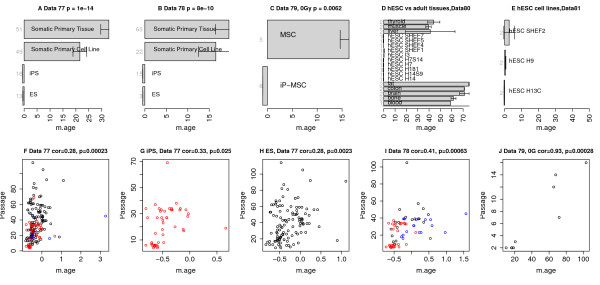
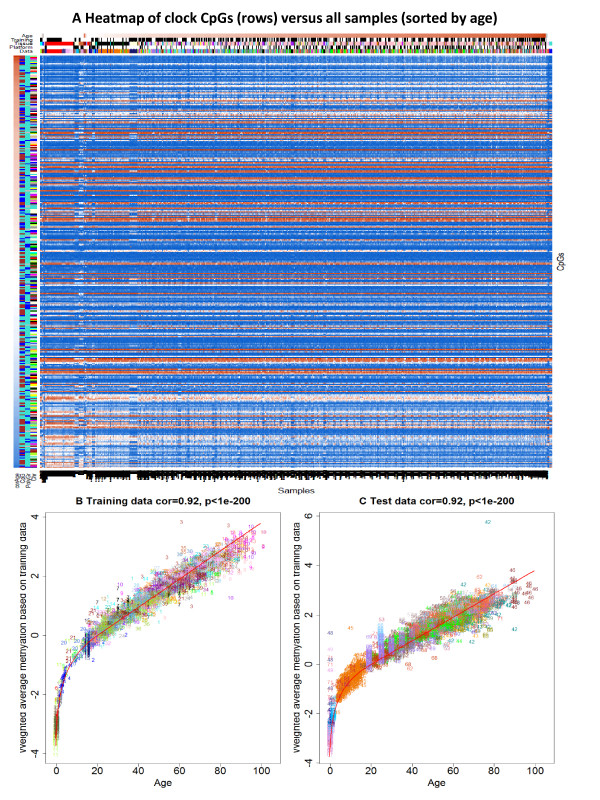
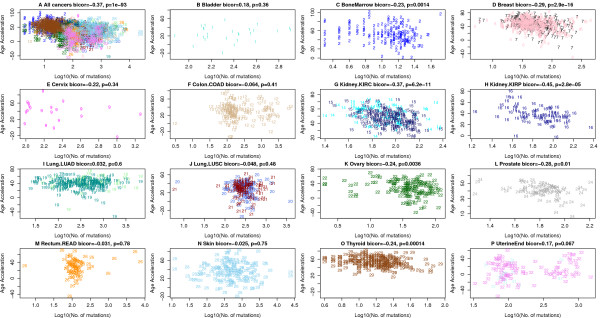
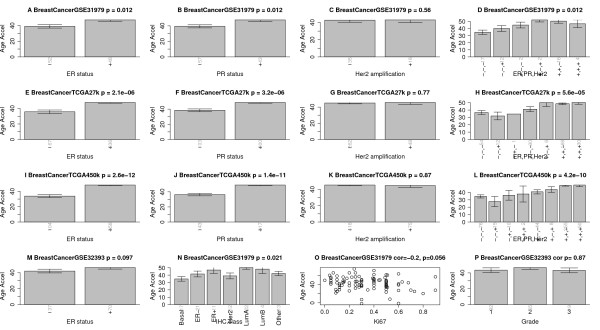
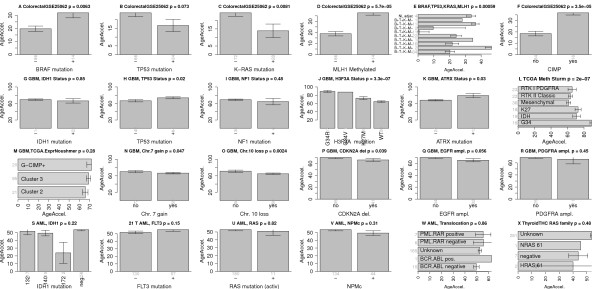
Background: It is not yet known whether DNA methylation levels can be used to accurately predict age across a broad spectrum of human tissues and cell types, nor whether the resulting age prediction is a biologically meaningful measure. Results: I developed a multi-tissue predictor of age that allows one to estimate the DNA methylation age of most tissues and cell types. The predictor, which is freely available, was developed using 8,000 samples from 82 Illumina DNA methylation array datasets, encompassing 51 healthy tissues and cell types. I found that DNA methylation age has the following properties: first, it is close to zero for embryonic and induced pluripotent stem cells; second, it correlates with cell passage number; third, it gives rise to a highly heritable measure of age acceleration; and, fourth, it is applicable to chimpanzee tissues. Analysis of 6,000 cancer samples from 32 datasets showed that all of the considered 20 cancer types exhibit significant age acceleration, with an average of 36 years. Low age-acceleration of cancer tissue is associated with a high number of somatic mutations and TP53 mutations, while mutations in steroid receptors greatly accelerate DNA methylation age in breast cancer. Finally, I characterize the 353 CpG sites that together form an aging clock in terms of chromatin states and tissue variance. Conclusions: I propose that DNA methylation age measures the cumulative effect of an epigenetic maintenance system. This novel epigenetic clock can be used to address a host of questions in developmental biology, cancer and aging research.
Overview
The claims and statistics of this paper haven’t been checked yet.
Free: it reads the open-access text and checks the first 5 claims that cite a source we can check. Create a free account to check every claim.
Integrity signals
Registry
Cites
Statistics
Figures
Verification
Claims the paper makes
The claims and statistics of this paper haven’t been checked yet.
Free: it reads the open-access text and checks the first 5 claims that cite a source we can check. Create a free account to check every claim.
Claims other papers make about this one
Each is checked against this paper’s own text: does it say what the citing paper says it does?
The source backs part of the claim, not all of it — or backs it for a different population, condition or comparison.
In the citing paper
“Epigenetic clocks serve as a biomarker of biological age in mammals (Hannum et al., 2013; Horvath, 2013; Petkovich et al., 2017; Weidner et al., 2014).”
From Loss of epigenetic information as a cause of mammalian aging (2023) · cites this paper as Horvath, 2013
Experimental — accuracy not yet measuredThe source backs part of the claim, not all of it — or backs it for a different population, condition or comparison.
In the citing paper
“During ageing, for reasons that are unclear, these patterns change in ways that can be used to calculate DNA methylation (DNAm) age, a representation of biological age that can predict future health and lifespan4.”
From Reprogramming to recover youthful epigenetic information and restore vision (2020) · cites this paper as [4]
Experimental — accuracy not yet measuredThe source backs part of the claim, not all of it — or backs it for a different population, condition or comparison.
In the citing paper
“That said, we do not wish to imply that DNA methylation is the only epigenetic mark involved in this process. It likely involves other transcription factors and epigenetic modifications, such as the PRC2 complex and H3K27me3, both of which are involved in maintaining stem cell plasticity and are associated with DNAm clock sites4,49,50.”
From Reprogramming to recover youthful epigenetic information and restore vision (2020) · cites this paper as [4]
Experimental — accuracy not yet measuredThe source backs part of the claim, not all of it — or backs it for a different population, condition or comparison.
In the citing paper
“Many of the 353 CpGs investigated are located close to poised promoters of bivalent genes (marked by H3K4me3 and H3K27me3), or to active promoters 126 , suggesting that ageing may correlate with reduced plasticity in the expression of some bivalent genes, which might resolve into repressed or active states, and with active genes changing their expression levels.”
From Advances in epigenetics link genetics to the environment and disease (2019) · cites this paper as [126]
Experimental — accuracy not yet measuredThe source backs part of the claim, not all of it — or backs it for a different population, condition or comparison.
In the citing paper
“One especially interesting aspect of DNA methylation clocks is their ability to accurately predict age across a wide range of different tissue types, regardless of the tissue type they were trained on, suggesting that they measure ageing signals that are shared between cell types43,44.”
From Measuring biological age using omics data (2022) · cites this paper as [44]
Experimental — accuracy not yet measured
23 more claims about this paper
Create a free account to see every claim other papers make about this one.
Self-check
Percentages, sums and reported differences re-computed from the paper’s own numbers.
The self-check needs the paper’s full text.
Citations
Cites
Regularization Paths for Generalized Linear Models via Coordinate Descent
Friedman, J., Hastie, T., & Tibshirani, R. (2010) · Journal of Statistical Software · doi:10.18637/jss.v033.i01 · Cited by 19,927
Embryonic Stem Cell Lines Derived from Human Blastocysts
Thomson, J. A., Itskovitz-Eldor, J., Shapiro, S. S., Waknitz, M. A., Swiergiel, J. J., Marshall, V. S., & Jones, J. M. (1998) · Science · doi:10.1126/science.282.5391.1145 · Cited by 15,926 · cited 1×
“Further, DNAm age and cell passage number are highly correlated in ES cells (Figure 5H,J), which are also immortal [38].”
BackgroundA bivalent chromatin structure marks key developmental genes in embryonic stem cells
Bernstein, B. E., Mikkelsen, T. S., Xie, X., Kamal, M., Huebert, D. J., Cuff, J., Fry, B., Meissner, A., Wernig, M., Plath, K., et al. (2006) · Cell · doi:10.1016/j.cell.2006.02.041 · Cited by 5,361
Genome-wide methylation profiles reveal quantitative views of human aging rates
Hannum, G., Guinney, J., Zhao, L., Zhang, L., Hughes, G., Sadda, S., Klotzle, B., Bibikova, M., Fan, J.-B., Gao, Y., et al. (2013) · Molecular Cell · doi:10.1016/j.molcel.2012.10.016 · Cited by 4,270 · cited 3×
“particular, cancer tissues were excluded from this first large data set since it is well known that cancer has a profound effect on DNA methylation levels [6,7,24-26].”
BackgroundMapping and analysis of chromatin state dynamics in nine human cell types
Ernst, J., Kheradpour, P., Mikkelsen, T. S., Shoresh, N., Ward, L. D., Epstein, C. B., Zhang, X., Wang, L., Issner, R., Coyne, M., et al. (2011) · Nature · doi:10.1038/nature09906 · Cited by 2,898
Driver mutations in histone H3.3 and chromatin remodelling genes in paediatric glioblastoma
Schwartzentruber, J., Korshunov, A., Liu, X.-Y., Jones, D. T. W., Pfaff, E., Jacob, K., Sturm, D., Fontebasso, A. M., Quang, D.-A. K., Tönjes, M., et al. (2012) · Nature · doi:10.1038/nature10833 · Cited by 2,631
Control of Developmental Regulators by Polycomb in Human Embryonic Stem Cells
Lee, T. I., Jenner, R. G., Boyer, L. A., Guenther, M. G., Levine, S. S., Kumar, R. M., Chevalier, B., Johnstone, S. E., Cole, M. F., Isono, K.-I., et al. (2006) · Cell · doi:10.1016/j.cell.2006.02.043 · Cited by 2,268
The NIH Roadmap Epigenomics Mapping Consortium
Bernstein, B. E., Stamatoyannopoulos, J. A., Costello, J. F., Ren, B., Milosavljevic, A., Meissner, A., Kellis, M., Marra, M. A., Beaudet, A. L., Ecker, J. R., et al. (2010) · Nature Biotechnology · doi:10.1038/nbt1010-1045 · Cited by 1,892 · cited 1×
“The epigenomic landscape varies markedly across tissue types [16-18] and many age-related changes depend on tissue type [8,19].”
BackgroundSturm, D., Witt, H., Hovestadt, V., Khuong-Quang, D.-A., Jones, D. T. W., Konermann, C., Pfaff, E., Tönjes, M., Sill, M., Bender, S., et al. (2012) · Cancer Cell · doi:10.1016/j.ccr.2012.08.024 · Cited by 1,828
Teschendorff, A. E., Marabita, F., Lechner, M., Bartlett, T., Tegner, J., Gomez-Cabrero, D., & Beck, S. (2013) · Bioinformatics · doi:10.1093/bioinformatics/bts680 · Cited by 1,683
Cited by
Items 401–500 of 1,133
Maros, M. E., Capper, D., Jones, D., Hovestadt, V., von Deimling, A., Pfister, S. M., Benner, A., Zucknick, M., & Sill, M. (2020) · Nature Protocols · doi:10.1038/s41596-019-0251-6 · Cited by 146
Gurung, R., Choong, A. M. T. L., Woo, C. C., Foo, R., & Sorokin, V. A. (2020) · International Journal of Molecular Sciences · doi:10.3390/ijms21176334 · Cited by 150
Molecular Complexes at Euchromatin, Heterochromatin and Centromeric Chromatin
Morrison, O., & Thakur, J. (2021) · International Journal of Molecular Sciences · doi:10.3390/ijms22136922 · Cited by 220
Epigenetic Age Acceleration Reflects Long-Term Cardiovascular Health
Joyce, B. T., Gao, T., Zheng, Y., Ma, J., Hwang, S.-J., Liu, L., Nannini, D., Horvath, S., Lu, A. T., Bai Allen, N., et al. (2021) · Circulation Research · doi:10.1161/circresaha.121.318965 · Cited by 136
Self-citationJanecka, M., Mill, J., Basson, M. A., Goriely, A., Spiers, H., Reichenberg, A., Schalkwyk, L., & Fernandes, C. (2017) · Translational Psychiatry · doi:10.1038/tp.2016.294 · Cited by 140
Genetic and epigenetic regulation of human aging and longevity
Morris, B. J., Willcox, B. J., & Donlon, T. A. (2019) · Biochimica et Biophysica Acta (BBA) - Molecular Basis of Disease · doi:10.1016/j.bbadis.2018.08.039 · Cited by 140
Dynamic DNA methylation during aging: A "prophet" of age-related outcomes
Xiao, F.-H., Wang, H.-T., & Kong, Q.-P. (2019) · Frontiers in Genetics · doi:10.3389/fgene.2019.00107 · Cited by 140
“These findings have impelled researchers to develop age predictors based on the correlation between methylation changes and chronological age (Hannum et al., 2013; Horvath, 2013).”
BackgroundMethodInfluentialBischoff-Ferrari, H. A., Gängler, S., Wieczorek, M., Belsky, D. W., Ryan, J., Kressig, R. W., Stähelin, H. B., Theiler, R., Dawson-Hughes, B., Rizzoli, R., et al. (2025) · Nature Aging · doi:10.1038/s43587-024-00793-y · Cited by 140
Self-citationIntegration of ‘omics’ data in aging research: from biomarkers to systems biology
Zierer, J., Menni, C., Kastenmüller, G., & Spector, T. D. (2015) · Aging Cell · doi:10.1111/acel.12386 · Cited by 140
“Interestingly, variation in methylation with age is consistent across several tissues and cell types (Horvath, 2013).”
BackgroundAccelerated Placental Aging in Early Onset Preeclampsia Pregnancies Identified By DNA Methylation
Mayne, B. T., Leemaqz, S. Y., Smith, A. K., Breen, J., Roberts, C. T., & Bianco-Miotto, T. (2017) · Epigenomics · doi:10.2217/epi-2016-0103 · Cited by 139
Adversity exposure during sensitive periods predicts accelerated epigenetic aging in children
Marini, S., Davis, K. A., Soare, T. W., Zhu, Y., Suderman, M. J., Simpkin, A. J., Smith, A. D. A. C., Wolf, E. J., Relton, C. L., & Dunn, E. C. (2020) · Psychoneuroendocrinology · doi:10.1016/j.psyneuen.2019.104484 · Cited by 138
“Two independent algorithms developed to generate these DNAm-based age estimates are the Horvath clock (Horvath, 2013) and the Hannum clock (Hannum et al.”
BackgroundMethodInfluentialDNA Methylation Clocks and Their Predictive Capacity for Aging Phenotypes and Healthspan
Bergsma, T., & Rogaeva, E. A. (2020) · Neuroscience Insights · doi:10.1177/2633105520942221 · Cited by 153
Socioeconomic Disadvantage and the Pace of Biological Aging in Children
Raffington, L., Belsky, D. W., Kothari, M., Malanchini, M., Tucker–Drob, E. M., & Harden, K. P. (2021) · PEDIATRICS · doi:10.1542/peds.2020-024406 · Cited by 154
Turner, D. C., Gorski, P. P., Maasar, M. F., Seaborne, R. A., Baumert, P., Brown, A. D., Kitchen, M. O., Erskine, R. M., Dos-Remedios, I., Voisin, S., et al. (2020) · Scientific Reports · doi:10.1038/s41598-020-72730-z · Cited by 139
An epigenetic predictor of death captures multi-modal measures of brain health
Hillary, R. F., Stevenson, A. J., Cox, S. R., McCartney, D. L., Harris, S. E., Seeboth, A., Higham, J., Sproul, D., Taylor, A. M., Redmond, P., et al. (2021) · Molecular Psychiatry · doi:10.1038/s41380-019-0616-9 · Cited by 139
“edu/) developed by Horvath [33].”
Self-citationLogue, M. W., Smith, A. K., Wolf, E. J., Maniates, H., Stone, A., Schichman, S. A., McGlinchey, R. E., Milberg, W., & Miller, M. W. (2017) · Epigenomics · doi:10.2217/epi-2017-0078 · Cited by 139
Pyrkov, T. V., Avchaciov, K., Tarkhov, A. E., Menshikov, L. I., Gudkov, A. V., & Fedichev, P. O. (2021) · Nature Communications · doi:10.1038/s41467-021-23014-1 · Cited by 139
Simplified Assay for Epigenetic Age Estimation in Whole Blood of Adults
Vidal-Bralo, L., Lopez-Golan, Y., & Gonzalez, A. (2016) · Frontiers in Genetics · doi:10.3389/fgene.2016.00126 · Cited by 136
“Genomic DNA, 1 µg, was bisulfite-converted in 96 deep-well Methylation-Gold kit plates (Zymo Research, USA) following the manufacturer specifications.”
InfluentialMerid, S. K., Novoloaca, A., Sharp, G. C., Küpers, L. K., Kho, A. T., Roy, R., Gao, L., Annesi‐Maesano, I., Jain, P., Plusquin, M., et al. (2020) · Genome Medicine · doi:10.1186/s13073-020-0716-9 · Cited by 154
“[80], we observed very little overlap (only 3 CpGs) with the CpGs used to derive epigenetic age by the Hannum and Horvath approach [81, 82] or the epigenetic clock for gestational age at birth (10 CpGs overlapping) [28].”
MethodUniversal DNA methylation age across mammalian tissues
Lu, A. T., Fei, Z., Haghani, A., Robeck, T. R., Zoller, J. A., Li, C. Z., Lowe, R., Yan, Q., Zhang, J., Vu, H., et al. (2021) · bioRxiv (Cold Spring Harbor Laboratory) · doi:10.1101/2021.01.18.426733 · Cited by 137
“1 Horvath, S. DNA methylation age of human tissues and cell types. Genome Biol 14, R115, doi:10.1186/gb-2013-14-10-r115 (2013). 2 Arneson, A. et al. A mammalian methylation array for profiling methylation levels at conserved sequences. bioRxiv, 2021.2001.2007.425637, doi:10.1101/2021.01.07.425637 (2021). 3 Işıldak, U.…”
BackgroundInfluentialPsychosocial stressors and telomere length: A current review of the science
Rentscher, K. E., Carroll, J. E., & Mitchell, C. (2020) · Annual Review of Public Health · doi:10.1146/annurev-publhealth-040119-094239 · Cited by 138
McCartney, D. L., Stevenson, A. J., Walker, R. M., Gibson, J., Morris, S. W., Campbell, A., Murray, A. D., Whalley, H. C., Porteous, D. J., McIntosh, A. M., et al. (2018) · Alzheimer's & Dementia: Diagnosis, Assessment & Disease Monitoring · doi:10.1016/j.dadm.2018.05.006 · Cited by 137
“IEAA is defined as the residual term of a multivariate model regressing estimated Horvath methylation age [23] on chronological age, fitting counts of naive CD81 T-cells, exhausted CD81 T-cells, plasmablasts, CD41 T-cells, natural killer cells, monocytes, and granulocytes estimated from the methylation data.”
Galante, N., Cotroneo, R., Furci, D., Lodetti, G., & Casali, M. B. (2022) · International Journal of Legal Medicine · doi:10.1007/s00414-022-02928-5 · Cited by 138
Interdisciplinary Topics in Gerontology
Gryfe, C. I. (2014) · Interdisciplinary topics in gerontology · doi:10.1159/issn.0074-1132 · Cited by 137
DNA Methyltransferases, DNA Methylation, and Age-Associated Cognitive Function
Cui, D., & Xu, X. Z. S. (2018) · International Journal of Molecular Sciences · doi:10.3390/ijms19051315 · Cited by 149
“In human, 353 CpG sites were characterized to form an epigenetic age clock [30].”
BackgroundWenger, A., Vega, S. F., Kling, T., Bontell, T. O., Jakola, A. S., & Carén, H. (2019) · Neuro-Oncology · doi:10.1093/neuonc/noz011 · Cited by 160
Systematic underestimation of the epigenetic clock and age acceleration in older subjects
El Khoury, L. Y., Gorrie-Stone, T., Smart, M., Hughes, A., Bao, Y., Andrayas, A., Burrage, J., Hannon, E., Kumari, M., Mill, J., et al. (2019) · Genome Biology · doi:10.1186/s13059-019-1810-4 · Cited by 136
“We focus in this study on the characteristics of the Horvath model [8] because it remains widely used and because it is designed to be applicable across tissues.”
BackgroundMethodResultInfluentialCohen, A. A., Kennedy, B. K., Anglas, U., Bronikowski, A. M., Deelen, J., Dufour, F., Ferbeyre, G., Ferrucci, L., Franceschi, C., Frasca, D., et al. (2020) · Mechanisms of Ageing and Development · doi:10.1016/j.mad.2020.111316 · Cited by 138
“If we cannot agree on what aging is (definitions and mechanisms), how can we identify it, measure it, or know if we are measuring it (Belsky et al., 2015; Calimport et al., 2019; Horvath, 2013; Levine, 2013)? How can we evaluate potential anti-aging interventions (Justice et al.”
Background“Epigenetic clocks”: Theory and applications in human biology
Ryan, C. P. (2021) · American Journal of Human Biology · doi:10.1002/ajhb.23488 · Cited by 136
“It is currently possible to calculate epigenetic age for all array-based clocks (and several candidate gene clocks) using either openly available R scripts or a single online calculator developed and maintained by Steve Horvath at UCLA (http://dnamage.genetics.ucla. edu/).”
BackgroundMethodInfluentialSánchez‐Cabo, F., Fuster, V., Silla-Castro, J. C., González, G., Lorenzo-Vivas, E., Álvarez, R., Callejas, S., Benguría, A., Gil, E., Núñez, E., et al. (2023) · European Heart Journal · doi:10.1093/eurheartj/ehad361 · Cited by 150
Analysis pipelines and packages for Infinium HumanMethylation450 BeadChip (450k) data
Morris, T. J., & Beck, S. (2015) · Methods · doi:10.1016/j.ymeth.2014.08.011 · Cited by 136
Kim, S., Myers, L., Wyckoff, J., Cherry, K. E., & Jazwinski, S. M. (2017) · GeroScience · doi:10.1007/s11357-017-9960-3 · Cited by 135
“DNAmAge and FI34 are correlated with age DNAmAge is derived from transformed chronological age in a statistical model in which the chronological age is regressed on the methylation status of 353 CpG sites throughout the genome (Horvath 2013).”
MethodInfluentialA review of supervised machine learning applied to ageing research
Fabris, F., Magalhães, J. P. D., & Freitas, A. A. (2017) · Biogerontology · doi:10.1007/s10522-017-9683-y · Cited by 136
“Another organism-level feature type is found in (Hannum et al 2013; Weidner et al 2014; Horvath 2013), which use the methylation pro-files of human donors as features; and in (Ker-ber et al 2009), which uses gene expression profiles of human donors as features.”
BackgroundMethodInfluentialEpigenetic Aging: More Than Just a Clock When It Comes to Cancer
Yu, M., Hazelton, W. D., Luebeck, E. G., & Grady, W. M. (2020) · Cancer Research · doi:10.1158/0008-5472.can-19-0924 · Cited by 158
“The derived methylated CpG clock models were shown to be surprisingly accurate, allowing an estimation of a person’s age within a range of just a few years (35,36).”
BackgroundEarls, J. C., Rappaport, N., Heath, L., Wilmanski, T., Magis, A. T., Schork, N. J., Omenn, G. S., Lovejoy, J., Hood, L., & Price, N. D. (2019) · The Journals of Gerontology: Series A · doi:10.1093/gerona/glz220 · Cited by 136
“Blood factors corresponding to metabolic health, inflammation, and bioaccumulation of toxins were found to be the most strongly related to BA across data types (4).”
BackgroundClonal hematopoiesis associated with epigenetic aging and clinical outcomes
Nachun, D., Lu, A. T., Bick, A. G., Natarajan, P., Weinstock, J., Szeto, M. D., Kathiresan, S., Abecasis, G., Taylor, K. D., Guo, X., et al. (2021) · Aging Cell · doi:10.1111/acel.13366 · Cited by 133
“Conversely, no increase in age acceleration was observed in persons with mutations in DDR genes (TP53, PPM1D, BRCC3), which is consistent with the lack of association with age acceleration observed for the same mutations in cancer tissue samples (Horvath, 2013).”
BackgroundMethodSelf-citationRecent advances in Forensic DNA Phenotyping of appearance, ancestry and age
Kayser, M., Branicki, W., Parson, W., & Phillips, C. (2023) · Forensic Science International Genetics · doi:10.1016/j.fsigen.2023.102870 · Cited by 187
Ageing with HIV: Challenges and biomarkers
Rodés, B., Cadiñanos, J., Esteban-Cantos, A., Rodríguez-Centeno, J., & Arribas, J. R. (2022) · eBioMedicine · doi:10.1016/j.ebiom.2022.103896 · Cited by 136
Human age estimation from blood using mRNA, DNA methylation, DNA rearrangement, and telomere length
Zubakov, D., Liu, F., Kokmeijer, I., Choi, Y., van Meurs, J. B. J., van IJcken, W. F. J., Uitterlinden, A. G., Hofman, A., Broer, L., van Duijn, C. M., et al. (2016) · Forensic Science International Genetics · doi:10.1016/j.fsigen.2016.05.014 · Cited by 160
van Dijk, S. J., Peters, T. J., Buckley, M. J., Zhou, J., Jones, P. A., Gibson, R. A., Makrides, M., Mühlhäusler, B. S., & Molloy, P. L. (2017) · International Journal of Obesity · doi:10.1038/ijo.2017.228 · Cited by 157
Lipid metabolism dysfunction induced by age-dependent DNA methylation accelerates aging
Li, X., Wang, J., Wang, L., Gao, Y., Feng, G., Li, G., Zou, J., Yu, M., Li, Y. F., Liu, C., et al. (2022) · Signal Transduction and Targeted Therapy · doi:10.1038/s41392-022-00964-6 · Cited by 153
Molecular Mechanisms of Vascular Health: Insights From Vascular Aging and Calcification
Sutton, N. R., Malhotra, R. K., Hilaire, C. S., Aïkawa, E., Blumenthal, R. S., Gackenbach, G., Goyal, P., Johnson, A. L., Nigwekar, S. U., Shanahan, C. M., et al. (2022) · Arteriosclerosis Thrombosis and Vascular Biology · doi:10.1161/atvbaha.122.317332 · Cited by 152
Multi-omic rejuvenation and lifespan extension on exposure to youthful circulation
Zhang, B., Lee, D. E., Trapp, A., Tyshkovskiy, A., Lu, A. T., Bareja, A., Kerepesi, C., McKay, L. K., Shindyapina, A. V., Dmitriev, S. E., et al. (2023) · Nature Aging · doi:10.1038/s43587-023-00451-9 · Cited by 134
Self-citationSimpkin, A. J., Howe, L. D., Tilling, K., Gaunt, T. R., Lyttleton, O., McArdle, W. L., Ring, S. M., Horvath, S., Smith, G. D., & Relton, C. L. (2017) · International Journal of Epidemiology · doi:10.1093/ije/dyw307 · Cited by 134
“96 observed in the studies used to develop the measure of epigenetic age) were observed in data sets comprising a wide range of chronological ages.(2) Correlations between estimated age and actual age are similar to the original Horvath paper when including data from across multiple time points; taking one random meas…”
MethodSelf-citationThe hoverfly and the wasp: A critique of the hallmarks of aging as a paradigm
Gems, D., & de Magalhães, J. P. (2021) · Ageing Research Reviews · doi:10.1016/j.arr.2021.101407 · Cited by 134
“By contrast, epigenetic alterations are not known to be causal in mammalian aging or any specific senescent pathology, although they are strongly correlated with aging (Horvath 2013; Horvath & Raj 2018) and manipulating genes affecting chromatin status can increase lifespan in invertebrates (Benayoun et al.”
BackgroundMulti‐omic rejuvenation of naturally aged tissues by a single cycle of transient reprogramming
Chondronasiou, D., Gill, D., Mosteiro, L., Urdinguio, R. G., Berenguer‐Llergo, A., Aguilera, M., Durand, S., Aprahamian, F., Nirmalathasan, N., Abad, M., et al. (2022) · Aging Cell · doi:10.1111/acel.13578 · Cited by 133
Corley, M. J., Pang, A. P. S., Dody, K., Mudd, P. A., Patterson, B. K., Seethamraju, H., Bram, Y., Peluso, M. J., Torres, L., Iyer, N. S., et al. (2021) · Journal of Leukocyte Biology · doi:10.1002/jlb.5hi0720-466r · Cited by 152
Goeminne, L. J. E., Vladimirova, A., Eames, A., Tyshkovskiy, A., Argentieri, M. A., Ying, K., Moqri, M., & Gladyshev, V. N. (2025) · Cell Metabolism · doi:10.1016/j.cmet.2024.10.005 · Cited by 125
Hannon, E., Dempster, E. L., Mansell, G., Burrage, J., Bass, N., Bohlken, M. M., Corvin, A., Curtis, C. J., Dempster, D., Di Forti, M., et al. (2021) · eLife · doi:10.7554/elife.58430 · Cited by 132
Avoiding common pitfalls in machine learning omic data science
Teschendorff, A. E. (2019) · Nature Materials · doi:10.1038/s41563-018-0241-z · Cited by 132
Hodes, R. J., Sierra, F., Austad, S. N., Epel, E., Neigh, G. N., Erlandson, K. M., Schafer, M. J., LeBrasseur, N. K., Wiley, C., Campisi, J., et al. (2016) · Annals of the New York Academy of Sciences · doi:10.1111/nyas.13299 · Cited by 132
Lawn, R. B., Anderson, E. L., Suderman, M., Simpkin, A. J., Gaunt, T. R., Teschendorff, A. E., Widschwendter, M., Hardy, R., Kuh, D., Relton, C. L., et al. (2018) · Human Molecular Genetics · doi:10.1093/hmg/ddy036 · Cited by 131
“Epigenetic age for each available measure was derived by applying Horvath’s epigenetic clock calculator (17) to raw b-values as previously described (36).”
BackgroundMethodInfluentialAge and life expectancy clocks based on machine learning analysis of mouse frailty
Schultz, M. B., Kane, A. E., Mitchell, S. J., MacArthur, M. R., Warner, E., Vogel, D. S., Mitchell, J. R., Howlett, S. E., Bonkowski, M. S., & Sinclair, D. A. (2020) · Nature Communications · doi:10.1038/s41467-020-18446-0 · Cited by 132
Sanz-Ros, J., Romero-García, N., Mas-Bargues, C., Monleón, D., Gordevicius, J., Brooke, R. T., Dromant, M., Díaz, A., Derevyanko, A., Guío-Carrión, A., et al. (2022) · Science Advances · doi:10.1126/sciadv.abq2226 · Cited by 131
“All these effects found in tissues of ADSC-sEV–treated mice were accompanied by a decrease in the epigenetic age estimation from epigenetic clocks, which are recognized as a feasible estimation of biological age (62).”
BackgroundSelf-citationRibosomal DNA harbors an evolutionarily conserved clock of biological aging
Wang, M., & Lemos, B. (2019) · Genome Research · doi:10.1101/gr.241745.118 · Cited by 131
“As in previous methylation clocks (Horvath 2013; Petkovich et al. 2017), the best-fitted model contains some CpGs with low weight or low ρage.”
BackgroundMethodInfluentialFoxM1 repression during human aging leads to mitotic decline and aneuploidy-driven full senescence
Macedo, J. C., Vaz, S., Bakker, B., Ribeiro, R., Bakker, P. L., Escandell, J. M., Ferreira, M. G., Medema, R., Foijer, F., & Logarinho, E. (2018) · Nature Communications · doi:10.1038/s41467-018-05258-6 · Cited by 131
Epigenetic control of gene regulation during development and disease: A view from the retina
Corso-Díaz, X., Jaeger, C., Chaitankar, V., & Swaroop, A. (2018) · Progress in Retinal and Eye Research · doi:10.1016/j.preteyeres.2018.03.002 · Cited by 131
“…that is based on size selection of restriction fragments and enriches for regions of high CG content (Meissner et al., 2005), as well as DNA microarrays that cover most RefSeq genes and CpGIs (Horvath, 2013), have been used widely to map a subset of the genome with high coverage and low cost.”
BackgroundInfluentialMediterranean diet and the hallmarks of ageing
Shannon, O. M., Ashor, A. W., Scialò, F., Saretzki, G. C., Martin-Ruiz, C. M., Lara, J., Matu, J., Griffiths, A., Robinson, N., Lionetti, L., et al. (2021) · European Journal of Clinical Nutrition · doi:10.1038/s41430-020-00841-x · Cited by 147
Direct neuronal reprogramming: Fast forward from new concepts toward therapeutic approaches
Bocchi, R., Masserdotti, G., & Götz, M. (2022) · Neuron · doi:10.1016/j.neuron.2021.11.023 · Cited by 130
“Direct neuronal reprogramming of human cells maintains many hallmarks of aging, such as epigenetic marks, nuclear lamina, and mitochondrial dysfunction (Horvath, 2013; Huh et al., 2016; Kim et al., 2018; Mertens et al., 2015).”
Molecular basis of mitotic decline during human aging
(2018) · doi:10.1101/261008 · Cited by 131
Marioni, R. E., Suderman, M., Chen, B. H., Horvath, S., Bandinelli, S., Morris, T., Beck, S., Ferrucci, L., Pedersen, N. L., Relton, C. L., et al. (2019) · The Journals of Gerontology: Series A · doi:10.1093/gerona/gly060 · Cited by 130
“Epigenetic age was calculated by multiplying beta values by the regression weights from Horvath (2) and Hannum et al.”
Self-citationA meta-analysis of genome-wide association studies of epigenetic age acceleration
Gibson, J., Russ, T. C., Clarke, T., Howard, D. M., Hillary, R. F., Evans, K. L., Walker, R. M., Bermingham, M. L., Morris, S. W., Campbell, A., et al. (2019) · PLoS Genetics · doi:10.1371/journal.pgen.1008104 · Cited by 144
Self-citationEpigenetic clocks reveal a rejuvenation event during embryogenesis followed by aging
Kerepesi, C., Zhang, B., Lee, S.-G., Trapp, A., & Gladyshev, V. N. (2021) · Science Advances · doi:10.1126/sciadv.abg6082 · Cited by 130
Eipel, M., Mayer, F., Arent, T., Ferreira, M. R. P., Birkhofer, C., Gerstenmaier, U., Costa, I. G., Ritz-Timme, S., & Wagner, W. (2016) · Aging · doi:10.18632/aging.100972 · Cited by 128
“Cell type-specific effects can partly be compensated by a higher number of ageassociated CpGs: a multi-tissue predictor based on 353 age-associated CpG sites was developed by Horvath [6] that enables age-estimations for a wide range of cell types.”
BackgroundInfluentialEstrogen and COVID-19 symptoms: Associations in women from the COVID Symptom Study
Costeira, R., Lee, K. A., Murray, B. A. K., Christiansen, C., Fernandez, J. C., Lochlainn, M. N., Pujol, J. C., Macfarlane, H., Kenny, L. C., Buchan, I. E., et al. (2021) · PLoS ONE · doi:10.1371/journal.pone.0257051 · Cited by 146
“Three epigenetic age calculators were applied, DNAm GrimAge [18], DNAm PhenoAge [19] and the original Horvath methylation age [20].”
MethodEpigenetic Aging Signatures Are Coherently Modified in Cancer
Lin, Q., & Wagner, W. (2015) · PLOS Genetics · doi:10.1371/journal.pgen.1005334 · Cited by 128
Dynamics of epigenetic phenomena: intergenerational and intragenerational phenotype ‘washout’
Burggren, W. W. (2015) · Journal of Experimental Biology · doi:10.1242/jeb.107318 · Cited by 139
McDermott, E., Ryan, E. J., Tosetto, M., Gibson, D. J., Burrage, J., Keegan, D., Byrne, K., Crowe, E., Sexton, G., Malone, K. M., et al. (2015) · Journal of Crohn s and Colitis · doi:10.1093/ecco-jcc/jjv176 · Cited by 141
Quantitative Translation of Dog-to-Human Aging by Conserved Remodeling of the DNA Methylome
Wang, T., Ma, J., Hogan, A. N., Fong, S. H., Licon, K., Tsui, B., Kreisberg, J. F., Adams, P. D., Carvunis, A., Bannasch, D. L., et al. (2020) · Cell Systems · doi:10.1016/j.cels.2020.06.006 · Cited by 143
“The methylation states of tens of thousands of CpGs have been found to change predictably over time, enabling the construction of mathematical models, known as ‘‘epigenetic clocks,’’ that use these shifting patterns to accurately measure the age of an individual (Hannum et al., 2013; Horvath, 2013; Petkovich et al., 2…”
InfluentialNuclear metabolism and the regulation of the epigenome
Boon, R., da Silveira, G. G., & Mostoslavsky, R. (2020) · Nature Metabolism · doi:10.1038/s42255-020-00285-4 · Cited by 142
Aging clocks based on accumulating stochastic variation
Meyer, D. H., & Schumacher, B. (2024) · Nature Aging · doi:10.1038/s43587-024-00619-x · Cited by 128
Epigenetic Research in Neuropsychiatric Disorders: the “Tissue Issue”
Bakulski, K. M., Halladay, A., Hu, V. W., Mill, J., & Fallin, M. D. (2016) · Current Behavioral Neuroscience Reports · doi:10.1007/s40473-016-0083-4 · Cited by 127
An integrative study of five biological clocks in somatic and mental health
Jansen, R., Han, L. K., Verhoeven, J. E., Aberg, K. A., van den Oord, E. C., Milaneschi, Y., & Penninx, B. W. (2021) · eLife · doi:10.7554/elife.59479 · Cited by 127
“First and foremost, generated omics data are platform-dependent and the existing epigenetic (Horvath, 2013) and gene expression (Peters et al.”
BackgroundCell‐free DNA as a biomarker of aging
Teo, Y. V., Capri, M., Morsiani, C., Pizza, G., Faria, A. M. C., Franceschi, C., & Neretti, N. (2019) · Aging Cell · doi:10.1111/acel.12890 · Cited by 127
“Among the different biomarkers that have been proposed, which include DNA methylation and N‐glycans (Horvath, 2013; Miura & Endo, 2016), cell‐free DNA (cfDNA) appears particularly promising due to the ease of collecting specimens and the ever‐decreasing costs of genomic sequencing.”
BackgroundMeasuring continuous compositional change using decline and decay in zeta diversity
McGeoch, M. A., Latombe, G., Andrew, N. R., Nakagawa, S., Nipperess, D. A., Roigé, M., Marzinelli, E. M., Campbell, A. H., Vergés, A., Thomas, T., et al. (2019) · Ecology · doi:10.1002/ecy.2832 · Cited by 136
MethylNet: an automated and modular deep learning approach for DNA methylation analysis
Levy, J. J., Titus, A. J., Petersen, C. L., Chen, Y., Salas, L. A., & Christensen, B. C. (2020) · BMC Bioinformatics · doi:10.1186/s12859-020-3443-8 · Cited by 125
Mitochondrial metabolism and DNA methylation: a review of the interaction between two genomes
Lopes, A. F. C. (2020) · Clinical Epigenetics · doi:10.1186/s13148-020-00976-5 · Cited by 142
“With age, genome-wide levels of methylation are reported to generally decrease overall across multiple tissues (referred to as hypomethylation) [14, 15], but also specifically in certain tissues, e.”
BackgroundCellular reprogramming and epigenetic rejuvenation
Simpson, D. J., Olova, N. N., & Chandra, T. (2021) · Clinical Epigenetics · doi:10.1186/s13148-021-01158-7 · Cited by 126
“Indeed, the Horvath epigenetic clock confirmed that ESCs and iPSCs have an eAge around zero [101] and it has recently been shown that in vivo, eAge reaches its “ground zero” state between E4.”
BackgroundGassen, N. C., Chrousos, G. P., Binder, E. B., & Zannas, A. S. (2016) · Neuroscience & Biobehavioral Reviews · doi:10.1016/j.neubiorev.2016.06.003 · Cited by 140
“…to harsh parenting (n = 399) assigned either to a prevention program that enhances supportive parenting or the control condition PBMC (at age 20) Horvath, 2013 Questionnaire assessing harsh parenting at ages 11 and 16 Parental depressive symptoms were associated with accelerated epigenetic…”
BackgroundMethodInfluentialPhotoAgeClock: deep learning algorithms for development of non-invasive visual biomarkers of aging
Bobrov, E., Georgievskaya, A., Kiselev, K., Sevastopolsky, A., Zhavoronkov, A., Gurov, S., Rudakov, K., del Pilar Bonilla Tobar, M., Jaspers, S., & Clemann, S. (2018) · Aging · doi:10.18632/aging.101629 · Cited by 125
“Age can also be predicted by DNA methylation rate, as was discussed in this seminal paper [21].”
BackgroundThe Older Finnish Twin Cohort — 45 Years of Follow-up
Kaprio, J. A., Bollepalli, S., Buchwald, J., Iso‐Markku, P., Korhonen, T., Kovanen, V., Kujala, U. M., Laakkonen, E. K., Latvala, A., Leskinen, T., et al. (2019) · Twin Research and Human Genetics · doi:10.1017/thg.2019.54 · Cited by 132
“Biological clocks, of which the most promising have been telomere length and DNA methylation age, also known as the ‘ Epigenetic clock ’ , present an exciting opportunity to track and help understand the human biological aging process (Horvath, 2013; Jylhävä et al., 2017).”
Rhesus macaques as a tractable physiological model of human ageing
Chiou, K. L., Montague, M. J., Goldman, E. A., Watowich, M. M., Sams, S. N., Song, J., Horvath, J. E., Sterner, K. N., Ruiz-Lambides, A. V., Martínez, M. I., et al. (2020) · Philosophical Transactions of the Royal Society B Biological Sciences · doi:10.1098/rstb.2019.0612 · Cited by 141
Higher diet quality relates to decelerated epigenetic aging
Kim, Y. J., Huan, T., Joehanes, R., McKeown, N. M., Horvath, S., Levy, D. A., & Ma, J. (2021) · American Journal of Clinical Nutrition · doi:10.1093/ajcn/nqab201 · Cited by 146
Self-citationThe hyperfunction theory: An emerging paradigm for the biology of aging
Gems, D. (2022) · Ageing Research Reviews · doi:10.1016/j.arr.2021.101557 · Cited by 125
“These include a metabolic clock in the rate-of-living theory (Pearl, 1928), a telomere shortening replicometer in replicative senescence (Olovnikov, 1996), and epigenetic changes such as DNA methylation (Horvath, 2013; Horvath and Raj, 2018).”
Epigenomics of Alzheimer's disease
Bennett, D. A., Yu, L., Yang, J., Srivastava, G. P., Aubin, C., & De Jager, P. L. (2015) · Translational Research · doi:10.1016/j.trsl.2014.05.006 · Cited by 123
Bigot, A., Duddy, W. J., Ouandaogo, Z. G., Negroni, E., Mariot, V., Ghimbovschi, S., Harmon, B., Wielgosik, A., Loiseau, C., Devaney, J., et al. (2015) · Cell Reports · doi:10.1016/j.celrep.2015.09.067 · Cited by 125
“Although DNA methylation regulates gene expression (Jones, 2012) and correlates with aging (Bocklandt et al., 2011; Horvath, 2013) in many tissues, little is known about muscle stem cell methylation status with aging and the mechanism(s) by which it could regulate stem cell fate.”
BackgroundGenetic architecture of epigenetic and neuronal ageing rates in human brain regions
Lu, A. T., Hannon, E., Levine, M. E., Crimmins, E. M., Lunnon, K., Mill, J., Geschwind, D. H., & Horvath, S. (2017) · Nature Communications · doi:10.1038/ncomms15353 · Cited by 123
Self-citationScott, A. J. (2021) · The Lancet Healthy Longevity · doi:10.1016/s2666-7568(21)00247-6 · Cited by 184
A metabolomic profile of biological aging in 250,341 individuals from the UK Biobank
Zhang, S., Wang, Z., Wang, Y., Zhu, Y., Zhou, Q., Jian, X., Zhao, G., Qiu, J., Xia, K., Tang, B., et al. (2024) · Nature Communications · doi:10.1038/s41467-024-52310-9 · Cited by 152
Age-dependent changes in mitochondrial morphology and volume are not predictors of lifespan
Regmi, S. G., Rolland, S. G., & Conradt, B. (2014) · Aging · doi:10.18632/aging.100639 · Cited by 123
“For example, the state of DNA methylation in various tissues in humans and the length of telomeres in zebra-finches can be used as biomarkers of aging [47, 48].”
Independent validation of DNA-based approaches for age prediction in blood
Cho, S., Jung, S.-E., Hong, S. R., Lee, E. H., Lee, J. H., Lee, S. D., & Lee, H. Y. (2017) · Forensic Science International Genetics · doi:10.1016/j.fsigen.2017.04.020 · Cited by 135
Schmitz, L. L., Zhao, W., Ratliff, S. M., Goodwin, J., Miao, J., Lu, Q., Guo, X., Taylor, K. D., Ding, J., Liu, Y., et al. (2022) · Epigenetics · doi:10.1080/15592294.2021.1939479 · Cited by 122
Refining epigenetic prediction of chronological and biological age
Bernabeu, E., McCartney, D. L., Gadd, D. A., Hillary, R. F., Lu, A. T., Murphy, L., Wrobel, N., Campbell, A., Harris, S. E., Liewald, D., et al. (2023) · Genome Medicine · doi:10.1186/s13073-023-01161-y · Cited by 121
““First generation” epigenetic ageing clocks, including those by Horvath [3] and Hannum et al.”
BackgroundMethodInfluentialSelf-citationThe cycling and aging mouse female reproductive tract at single-cell resolution
Winkler, I., Tolkachov, A., Lammers, F., Lacour, P., Daugėlaitė, K., Schneider, N. G., Koch, M.-L., Panten, J., Grünschläger, F., Poth, T., et al. (2024) · Cell · doi:10.1016/j.cell.2024.01.021 · Cited by 143
Psychological and biological resilience modulates the effects of stress on epigenetic aging
Harvanek, Z. M., Fogelman, N., Xu, K., & Sinha, R. (2021) · Translational Psychiatry · doi:10.1038/s41398-021-01735-7 · Cited by 123
Social hallmarks of aging: Suggestions for geroscience research
Crimmins, E. M. (2020) · Ageing Research Reviews · doi:10.1016/j.arr.2020.101136 · Cited by 122
“Epigenetic age acceleration is reflected in an estimate of Horvath’s initial epigenetic clock which provides an estimate of epigenetic age based on 353 DNA methylation measures (Horvath, 2013).”
BackgroundTrimethylation of Lys36 on H3 restricts gene expression change during aging and impacts life span
Pu, M., Ni, Z., Wang, M., Wang, X., Wood, J. G., Helfand, S. L., Yu, H., & Lee, S. S. (2015) · Genes & Development · doi:10.1101/gad.254144.114 · Cited by 123
“Previous studies have clearly demonstrated that changes in DNAmethylation, histonemodifications, and small RNAs, which are important components of epigenetic regulation, occur during aging in different species (Feser and Tyler 2011; Jung and Suh 2012; Smith-Vikos and Slack 2012; Winnefeld and Lyko 2012; Hannum et al.…”
BackgroundFaster ticking rate of the epigenetic clock is associated with faster pubertal development in girls
Binder, A. M., Corvalan, C., Mericq, V., Pereira, A., Santos, J. L., Horvath, S., Shepherd, J., & Michels, K. B. (2018) · Epigenetics · doi:10.1080/15592294.2017.1414127 · Cited by 121
“using previously reported coefficient values [1].”
BackgroundMethodSelf-citationTransposable Elements: A Common Feature of Neurodevelopmental and Neurodegenerative Disorders
Jönsson, M. E., Garza, R., Johansson, P. A., & Jakobsson, J. (2020) · Trends in Genetics · doi:10.1016/j.tig.2020.05.004 · Cited by 122
“For example, it is possible to use only DNA methylation patterns of different tissues, including the brain, to accurately estimate the age of humans [91].”
BackgroundMouse aging cell atlas analysis reveals global and cell type-specific aging signatures
Zhang, M. J., Pisco, A. O., Darmanis, S., & Zou, J. (2021) · eLife · doi:10.7554/elife.62293 · Cited by 121
Metadata
- Authors
- Horvath, S.
- Affiliations
- University of California, Los Angeles (US)
- Corresponding author
- Horvath, Steve
- ORCID
- Horvath, Steve
- Venue
- Genome Biology
- Published
- 2013-12-10
- Volume
- 14
- Issue
- 10
- Pages
- R115-R115
- ISSN
- 1465-6906 (ISSN-L)
- 1474-760X
- PMC
- PMC4015143
- OpenAlex
- W1974047233
- Semantic Scholar
- b7ad028fbe0b464636066e95bcef3c1478de5398
- Cited by
- 7,075
- References
- 91
- Citations by year
- 2026: 814 · 2025: 882 · 2024: 857 · 2023: 759 · 2022: 725 · 2021: 729 · 2020: 626 · 2019: 464 · 2018: 405 · 2017: 336 · 2016: 224 · 2015: 176 · 2014: 70 · 2013: 3
- FWCI
- 70.57
- Type
- journal article
- Language
- en
- Update notices
- Open access
- gold
- doi.org
- Licence
- cc-by
- creativecommons.org/licenses/by/2.0/ (tdm)
- creativecommons.org/licenses/by/2.0/ (vor)
- Locations
- Genome biology (publishedVersion, cc-by)
- Europe PMC (PubMed Central) (publishedVersion, cc-by)
- PubMed Central (publishedVersion, cc-by)
- PubMed (publishedVersion)
- eScholarship (California Digital Library) (submittedVersion)
- Funders
- University of Southern California
- National Institute on Aging (R01AG042511)
- Topics
- Life Sciences › Biochemistry, Genetics and Molecular Biology › Molecular Biology › Epigenetics and DNA Methylation
- Life Sciences › Biochemistry, Genetics and Molecular Biology › Aging › Genetics, Aging, and Longevity in Model Organisms
- Life Sciences › Biochemistry, Genetics and Molecular Biology › Molecular Biology › Genomics and Chromatin Dynamics
- Keywords
- DNA methylation age, epigenetic clocks, accelerated aging, cancer, somatic mutations, TP53 mutation, breast cancer, chromatin state, CpG sites, embryonic stem cells, induced pluripotent stem cells, subculture, aging
- MeSH terms
- Age Factors, Aging, Animals, Blood Cells, Brain, Pan troglodytes, Chromatin, Gene Expression Regulation, Humans, Models, Biological, Mutation, Neoplasms, Organ Specificity, Progeria, Receptors, Steroid, Stem Cells, Reproducibility of Results, Cellular Senescence, CpG Islands, DNA Methylation, Databases, Nucleic Acid, Epigenesis, Genetic, Cell Line, Tumor
About these checks
Registry, retraction, Cites and statistics results are computed, not judged, with one exception: a printed reference that no index lists is read once by a model before it counts as a citation error. Claims are extracted by a model and kept only when their quote appears verbatim in the text; each cited source is then checked, with a model’s help, for whether it says what the claim relies on. Those verdicts can be wrong — read the claim’s quote and the cited source before relying on one.
Statistics and arithmetic are recomputed, not judged.
Confidence bands are shown only for fields calibrated on our annotated test set. None is calibrated yet, so no band is shown.
What counts as a claim ›How we measure confidence ›How we check this ›
Are you an author, or do you see a problem with this page? Request a review
Data sources
Bibliographic data: Semantic Scholar, OpenAlex, Crossref.
Contains information from the Semantic Scholar Academic Graph Datasets, made available under the ODC Attribution License (ODC-BY 1.0).
Semantic Scholar’s data is described in: Kinney, R., et al. (2023). The Semantic Scholar Open Data Platform. arXiv:2301.10140.
