

DNA methylation age of human tissues and cell types
Open accessThe DOI matches its Crossref record; 90 of the 91 references it cites were found in a registry or an index.
Abstract
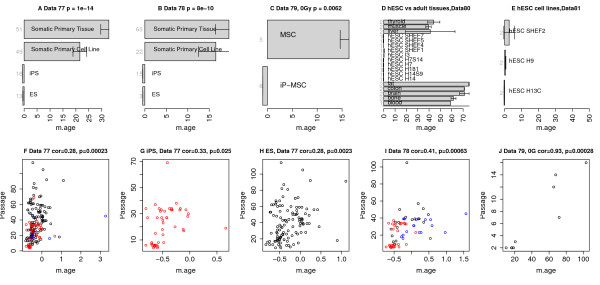
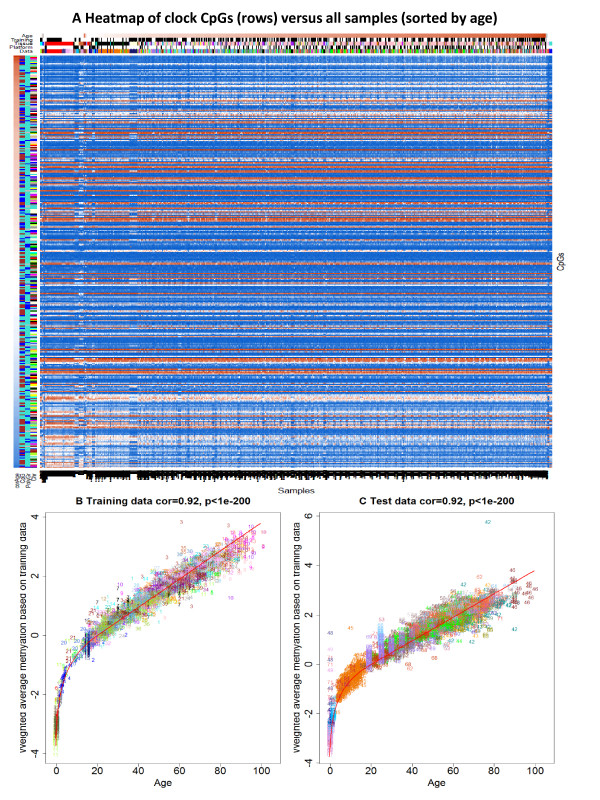
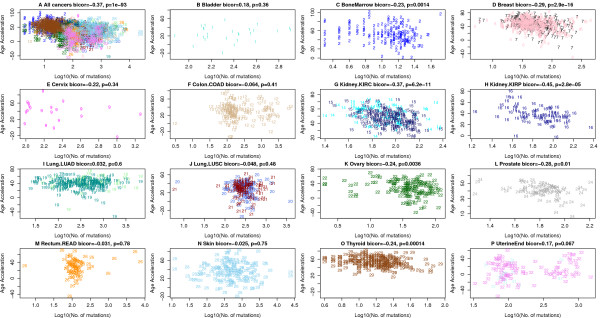
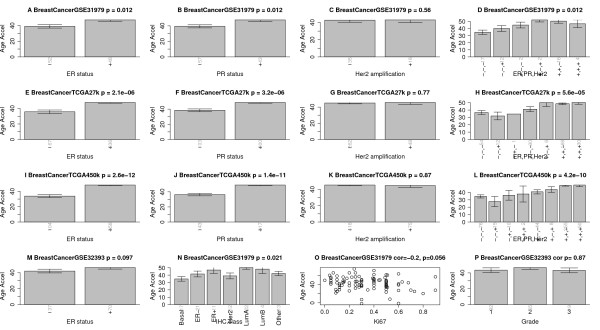
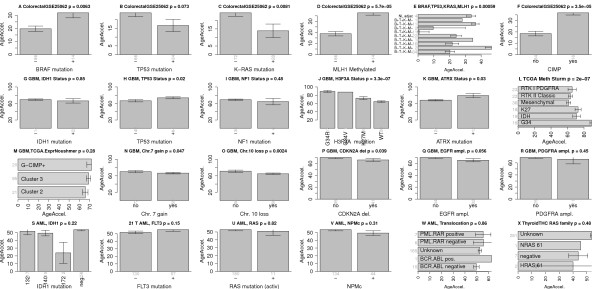
Background: It is not yet known whether DNA methylation levels can be used to accurately predict age across a broad spectrum of human tissues and cell types, nor whether the resulting age prediction is a biologically meaningful measure. Results: I developed a multi-tissue predictor of age that allows one to estimate the DNA methylation age of most tissues and cell types. The predictor, which is freely available, was developed using 8,000 samples from 82 Illumina DNA methylation array datasets, encompassing 51 healthy tissues and cell types. I found that DNA methylation age has the following properties: first, it is close to zero for embryonic and induced pluripotent stem cells; second, it correlates with cell passage number; third, it gives rise to a highly heritable measure of age acceleration; and, fourth, it is applicable to chimpanzee tissues. Analysis of 6,000 cancer samples from 32 datasets showed that all of the considered 20 cancer types exhibit significant age acceleration, with an average of 36 years. Low age-acceleration of cancer tissue is associated with a high number of somatic mutations and TP53 mutations, while mutations in steroid receptors greatly accelerate DNA methylation age in breast cancer. Finally, I characterize the 353 CpG sites that together form an aging clock in terms of chromatin states and tissue variance. Conclusions: I propose that DNA methylation age measures the cumulative effect of an epigenetic maintenance system. This novel epigenetic clock can be used to address a host of questions in developmental biology, cancer and aging research.
Overview
The claims and statistics of this paper haven’t been checked yet.
Free: it reads the open-access text and checks the first 5 claims that cite a source we can check. Create a free account to check every claim.
Integrity signals
Registry
Cites
Statistics
Figures
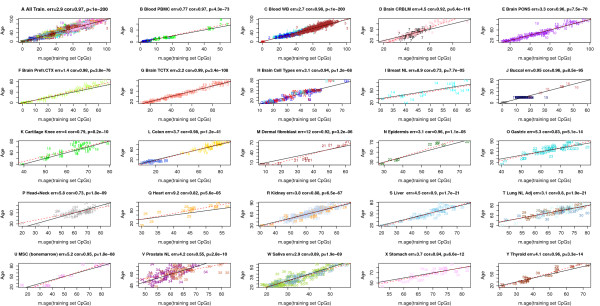
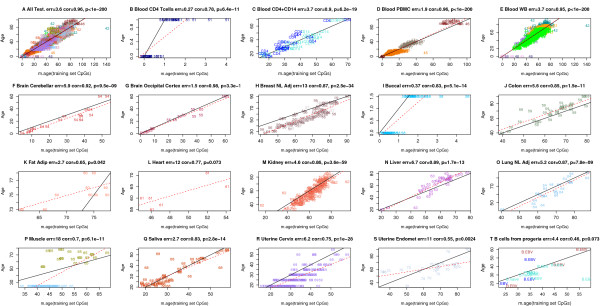
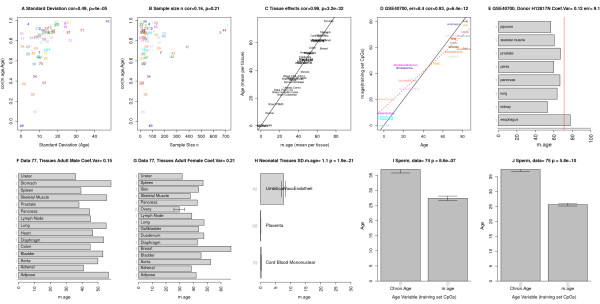
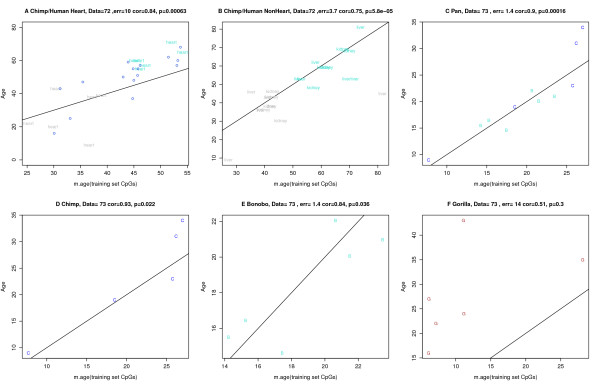
Verification
Claims the paper makes
The claims and statistics of this paper haven’t been checked yet.
Free: it reads the open-access text and checks the first 5 claims that cite a source we can check. Create a free account to check every claim.
Claims other papers make about this one
Each is checked against this paper’s own text: does it say what the citing paper says it does?
The source backs part of the claim, not all of it — or backs it for a different population, condition or comparison.
In the citing paper
“Epigenetic clocks serve as a biomarker of biological age in mammals (Hannum et al., 2013; Horvath, 2013; Petkovich et al., 2017; Weidner et al., 2014).”
From Loss of epigenetic information as a cause of mammalian aging (2023) · cites this paper as Horvath, 2013
Experimental — accuracy not yet measuredThe source backs part of the claim, not all of it — or backs it for a different population, condition or comparison.
In the citing paper
“During ageing, for reasons that are unclear, these patterns change in ways that can be used to calculate DNA methylation (DNAm) age, a representation of biological age that can predict future health and lifespan4.”
From Reprogramming to recover youthful epigenetic information and restore vision (2020) · cites this paper as [4]
Experimental — accuracy not yet measuredThe source backs part of the claim, not all of it — or backs it for a different population, condition or comparison.
In the citing paper
“That said, we do not wish to imply that DNA methylation is the only epigenetic mark involved in this process. It likely involves other transcription factors and epigenetic modifications, such as the PRC2 complex and H3K27me3, both of which are involved in maintaining stem cell plasticity and are associated with DNAm clock sites4,49,50.”
From Reprogramming to recover youthful epigenetic information and restore vision (2020) · cites this paper as [4]
Experimental — accuracy not yet measuredThe source backs part of the claim, not all of it — or backs it for a different population, condition or comparison.
In the citing paper
“Many of the 353 CpGs investigated are located close to poised promoters of bivalent genes (marked by H3K4me3 and H3K27me3), or to active promoters 126 , suggesting that ageing may correlate with reduced plasticity in the expression of some bivalent genes, which might resolve into repressed or active states, and with active genes changing their expression levels.”
From Advances in epigenetics link genetics to the environment and disease (2019) · cites this paper as [126]
Experimental — accuracy not yet measuredThe source backs part of the claim, not all of it — or backs it for a different population, condition or comparison.
In the citing paper
“One especially interesting aspect of DNA methylation clocks is their ability to accurately predict age across a wide range of different tissue types, regardless of the tissue type they were trained on, suggesting that they measure ageing signals that are shared between cell types43,44.”
From Measuring biological age using omics data (2022) · cites this paper as [44]
Experimental — accuracy not yet measured
23 more claims about this paper
Create a free account to see every claim other papers make about this one.
Self-check
Percentages, sums and reported differences re-computed from the paper’s own numbers.
The self-check needs the paper’s full text.
Citations
Cites
Regularization Paths for Generalized Linear Models via Coordinate Descent
Friedman, J., Hastie, T., & Tibshirani, R. (2010) · Journal of Statistical Software · doi:10.18637/jss.v033.i01 · Cited by 19,927
Embryonic Stem Cell Lines Derived from Human Blastocysts
Thomson, J. A., Itskovitz-Eldor, J., Shapiro, S. S., Waknitz, M. A., Swiergiel, J. J., Marshall, V. S., & Jones, J. M. (1998) · Science · doi:10.1126/science.282.5391.1145 · Cited by 15,926 · cited 1×
“Further, DNAm age and cell passage number are highly correlated in ES cells (Figure 5H,J), which are also immortal [38].”
BackgroundA bivalent chromatin structure marks key developmental genes in embryonic stem cells
Bernstein, B. E., Mikkelsen, T. S., Xie, X., Kamal, M., Huebert, D. J., Cuff, J., Fry, B., Meissner, A., Wernig, M., Plath, K., et al. (2006) · Cell · doi:10.1016/j.cell.2006.02.041 · Cited by 5,361
Genome-wide methylation profiles reveal quantitative views of human aging rates
Hannum, G., Guinney, J., Zhao, L., Zhang, L., Hughes, G., Sadda, S., Klotzle, B., Bibikova, M., Fan, J.-B., Gao, Y., et al. (2013) · Molecular Cell · doi:10.1016/j.molcel.2012.10.016 · Cited by 4,270 · cited 3×
“particular, cancer tissues were excluded from this first large data set since it is well known that cancer has a profound effect on DNA methylation levels [6,7,24-26].”
BackgroundMapping and analysis of chromatin state dynamics in nine human cell types
Ernst, J., Kheradpour, P., Mikkelsen, T. S., Shoresh, N., Ward, L. D., Epstein, C. B., Zhang, X., Wang, L., Issner, R., Coyne, M., et al. (2011) · Nature · doi:10.1038/nature09906 · Cited by 2,898
Driver mutations in histone H3.3 and chromatin remodelling genes in paediatric glioblastoma
Schwartzentruber, J., Korshunov, A., Liu, X.-Y., Jones, D. T. W., Pfaff, E., Jacob, K., Sturm, D., Fontebasso, A. M., Quang, D.-A. K., Tönjes, M., et al. (2012) · Nature · doi:10.1038/nature10833 · Cited by 2,631
Control of Developmental Regulators by Polycomb in Human Embryonic Stem Cells
Lee, T. I., Jenner, R. G., Boyer, L. A., Guenther, M. G., Levine, S. S., Kumar, R. M., Chevalier, B., Johnstone, S. E., Cole, M. F., Isono, K.-I., et al. (2006) · Cell · doi:10.1016/j.cell.2006.02.043 · Cited by 2,268
The NIH Roadmap Epigenomics Mapping Consortium
Bernstein, B. E., Stamatoyannopoulos, J. A., Costello, J. F., Ren, B., Milosavljevic, A., Meissner, A., Kellis, M., Marra, M. A., Beaudet, A. L., Ecker, J. R., et al. (2010) · Nature Biotechnology · doi:10.1038/nbt1010-1045 · Cited by 1,892 · cited 1×
“The epigenomic landscape varies markedly across tissue types [16-18] and many age-related changes depend on tissue type [8,19].”
BackgroundSturm, D., Witt, H., Hovestadt, V., Khuong-Quang, D.-A., Jones, D. T. W., Konermann, C., Pfaff, E., Tönjes, M., Sill, M., Bender, S., et al. (2012) · Cancer Cell · doi:10.1016/j.ccr.2012.08.024 · Cited by 1,828
Teschendorff, A. E., Marabita, F., Lechner, M., Bartlett, T., Tegner, J., Gomez-Cabrero, D., & Beck, S. (2013) · Bioinformatics · doi:10.1093/bioinformatics/bts680 · Cited by 1,683
Cited by
Items 501–600 of 1,133
Asynchronous, contagious and digital aging
Rando, T. A., & Wyss-Coray, T. (2021) · Nature Aging · doi:10.1038/s43587-020-00015-1 · Cited by 121
Dietary Intervention Modifies DNA Methylation Age Assessed by the Epigenetic Clock
Sae‐Lee, C., Corsi, S., Barrow, T. M., Kuhnle, G. G. C., Bollati, V., Mathers, J. C., & Byun, H. (2018) · Molecular Nutrition & Food Research · doi:10.1002/mnfr.201800092 · Cited by 121
Elevated polygenic burden for autism is associated with differential DNA methylation at birth
iPSYCH-Broad ASD Group, Hannon, E., Schendel, D., Ladd-Acosta, C., Grove, J., Hansen, C. S., Andrews, S. V., Hougaard, D. M., Bresnahan, M., Mors, O., et al. (2018) · Genome Medicine · doi:10.1186/s13073-018-0527-4 · Cited by 118
“To test the validity and robustness of our blood spot DNA methylation measures, we implemented two DNA methylation clock algorithms to derive estimates for both age in years [36] and gestational age in weeks [35] for each sample.”
Epigenetic Age and the Risk of Incident Atrial Fibrillation
Roberts, J. D., Vittinghoff, E., Lu, A. T.-H., Alonso, Á., Wang, B., Sitlani, C. M., Mohammadi-Shemirani, P., Fornage, M., Kornej, J., Brody, J. A., et al. (2021) · Circulation · doi:10.1161/circulationaha.121.056456 · Cited by 130
Self-citationRozhok, A. I., & DeGregori, J. (2015) · Proceedings of the National Academy of Sciences · doi:10.1073/pnas.1501713112 · Cited by 120
Capurso, C. A., Bellanti, F., Buglio, A. L., & Vendemiale, G. (2019) · Nutrients · doi:10.3390/nu12010035 · Cited by 139
“DNA methylation plays an important role in normal human development, aging, tumorigenesis and other genetic and epigenetic diseases [48,77,78].”
BackgroundThe Role of Immune Cells in Oxi-Inflamm-Aging
Martínez de Toda, I., Ceprián, N., Díaz-Del Cerro, E., & De la Fuente, M. (2021) · Cells · doi:10.3390/cells10112974 · Cited by 120
“However, several different parameters were proposed as biomarkers of biological age (telomere length [77], DNA methylation [78], plasma proteome profile [79], among others; we focus on those involving the function and redox state of the immune cells.”
BackgroundDNA methylation dynamics and dysregulation delineated by high-throughput profiling in the mouse
Zhou, W., Hinoue, T., Barnes, B., Mitchell, O. D., Iqbal, W., Lee, S. M., Foy, K. K., Lee, K., Moyer, E. J., VanderArk, A., et al. (2022) · Cell Genomics · doi:10.1016/j.xgen.2022.100144 · Cited by 124
“Construction of a Mouse Epigenetic Clock There has been broad interest in the application of DNA methylation profiles as a predictor of chronological age (Horvath, 2013; Horvath and Raj, 2018; Teschendorff, 2020).”
BackgroundMethodBiological basis and treatment of frailty and sarcopenia
Sato, R., Vatic, M., da Fonseca, G. W. P., Anker, S. D., & von Haehling, S. (2024) · Cardiovascular Research · doi:10.1093/cvr/cvae073 · Cited by 147
Epigenetic drift in the aging genome: a ten-year follow-up in an elderly twin cohort
Tan, Q., Heijmans, B. T., Hjelmborg, J. V. B., Soerensen, M., Christensen, K., & Christiansen, L. (2016) · International Journal of Epidemiology · doi:10.1093/ije/dyw132 · Cited by 119
Dhingra, R., Nwanaji‐Enwerem, J. C., Samet, M., & Ward-Caviness, C. K. (2018) · Current Environmental Health Reports · doi:10.1007/s40572-018-0203-2 · Cited by 132
Semick, S. A., Bharadwaj, R. A., Collado‐Torres, L., Tao, R., Shin, J. H., Deep‐Soboslay, A., Weiss, J. R., Weinberger, D. R., Hyde, T. M., Kleinman, J. E., et al. (2019) · Acta Neuropathologica · doi:10.1007/s00401-019-01966-5 · Cited by 136
“We estimated DNAm cell-type compositions using a deconvolution algorithm [22] with a flow-sorted DLPFC reference [18] and estimated age acceleration with Horvath’s clock[21].”
MethodCancer Treatment-Induced Accelerated Aging in Cancer Survivors: Biology and Assessment
Wang, S., Prizment, A. E., Thyagarajan, B., & Blaes, A. H. (2021) · Cancers · doi:10.3390/cancers13030427 · Cited by 131
Developments in forensic DNA analysis
Haddrill, P. R. (2021) · Emerging Topics in Life Sciences · doi:10.1042/etls20200304 · Cited by 153
Lifetime exposure to smoking, epigenetic aging, and morbidity and mortality in older adults
Klopack, E. T., Carroll, J., Cole, S. W., Seeman, T. E., & Crimmins, E. M. (2022) · Clinical Epigenetics · doi:10.1186/s13148-022-01286-8 · Cited by 133
“, HorvathAge and HannumAge) are sets of DNAm sites that are highly correlated with chronological age [2, 3].”
BackgroundThe road ahead for health and lifespan interventions
Gonzalez-Freire, M., Diaz-Ruiz, A., Hauser, D., Martinez-Romero, J., Ferrucci, L., Bernier, M., & de Cabo, R. (2020) · Ageing Research Reviews · doi:10.1016/j.arr.2020.101037 · Cited by 118
“…vary within the same individual in a tissue-specific manner: Epigenetic changes, such as DNA methylation and histone modification, largely account for the dynamic alteration in the transcriptional profile and/or cellular phenotype in a given tissue with age (Horvath, 2013; Melis et al., 2013).”
BackgroundEpigenetic Drift, Epigenetic Clocks and Cancer Risk
Zheng, S. C., Widschwendter, M., & Teschendorff, A. E. (2016) · Epigenomics · doi:10.2217/epi-2015-0017 · Cited by 118
The Evolution of Lifespan and Age-Dependent Cancer Risk
Rozhok, A. I., & DeGregori, J. (2016) · Trends in Cancer · doi:10.1016/j.trecan.2016.09.004 · Cited by 118
“Data from various murine and human tissues convincingly demonstrate that a substantial portion of somatic mutations (up to 50%) accumulate early in life before full body maturation [7, 8].”
BackgroundDNA methylation-based variation between human populations
Kader, F., & Ghai, M. (2016) · Molecular Genetics and Genomics · doi:10.1007/s00438-016-1264-2 · Cited by 137
“…of DNA methylation with disease and aging rates to develop epigenetic clocks which capture DNA methylation signatures and a DNA methylation age (DNAm age) with remarkably high correlations with chronological age (Bocklandt et al. 2011; Christiansen et al. 2016; Horvath 2013; Marioni et al. 2015).”
BackgroundChun, H.-J. E., Johann, P. D., Milne, K., Zapatka, M., Büllesbach, A., Ishaque, N., Iskar, M., Erkek, S., Wei, L. L., Tessier‐Cloutier, B., et al. (2019) · Cell Reports · doi:10.1016/j.celrep.2019.10.013 · Cited by 124
“(A) Unsupervised NMF analysis was performed using the top 10,000most variably expression subgroups of MRTs, and previously characterized ATRT subgroups methylation age (Horvath, 2013) are shown in bar plots (bottom).”
Revisiting the Hallmarks of Aging to Identify Markers of Biological Age
Guerville, F., De Souto Barreto, P., Ader, I., Andrieu, S., Casteilla, L., Dray, C., Fazilleau, N., Guyonnet, S., Langin, D., Liblau, R., et al. (2020) · The Journal of Prevention of Alzheimer's Disease · doi:10.14283/jpad.2019.50 · Cited by 116
“Based on these changes, relatively constant between individuals, several groups identified “DNA methylation clocks” that accurately predicts the chronological age of the donor (30,31).”
BackgroundAn epigenetic clock for human skeletal muscle
Voisin, S., Harvey, N. R., Haupt, L. M., Griffiths, L. R., Ashton, K. J., Coffey, V. G., Doering, T. M., Thompson, J. M., Benedict, C., Cedernaes, J., et al. (2020) · Journal of Cachexia, Sarcopenia and Muscle · doi:10.1002/jcsm.12556 · Cited by 117
Self-citationImpact of Aging on Cardiovascular Diseases
Zhao, D. H., Wang, Y., Wong, N. D., & Wang, J. (2024) · JACC Asia · doi:10.1016/j.jacasi.2024.02.002 · Cited by 177
The Longitudinal Study of Aging in Human Young Adults: Knowledge Gaps and Research Agenda
Moffitt, T. E., Belsky, D. W., Danese, A., Poulton, R., & Caspi, A. (2017) · The Journals of Gerontology Series A: Biological Sciences and Medical Sciences · doi:10.1093/gerona/glw191 · Cited by 117
“Fourth, there is a need to test longitudinal repeated measures of the pace of aging against crosssectional genomic measures now being put forward, often referred to as genomic clocks [56-59].”
BackgroundWoźniak, A., Heidegger, A., Piniewska-Róg, D., Pośpiech, E., Xavier, C., Pisarek, A., Kartasińska, E., Boroń, M., Freire-Aradas, A., Wojtas, M., et al. (2021) · Aging · doi:10.18632/aging.202783 · Cited by 130
“Large scale methods incorporate hundreds of loci [2, 3, 5, 11] and require DNA microarray technology to collect the data necessary for using predictive algorithms.”
Babayev, E., & Duncan, F. E. (2022) · Biology of Reproduction · doi:10.1093/biolre/ioab241 · Cited by 136
“The analysis of large datasets across thousands of tissue specimens from multiple longitudinal studies demonstrated that age-associated DNA methylation changes are consistent and predictable between individuals and have led to the development of “DNA methylation or epigenetic clocks” that can accurately predict and me…”
BackgroundEpigenetics in eating disorders: a systematic review
Hübel, C., Marzi, S. J., Breen, G., & Bulik, C. M. (2019) · Molecular Psychiatry · doi:10.1038/s41380-018-0254-7 · Cited by 116
Aliferi, A., Ballard, D., Gallidabino, M. D., Thurtle, H., Barron, L., & Court, D. S. (2018) · Forensic Science International Genetics · doi:10.1016/j.fsigen.2018.09.003 · Cited by 128
“While a number of studies have been able to identify CpG sites exhibiting similar correlation with age between two or more distinct tissues [31, 39-41, 49, 53, 54], several studies report tissue specificity of their age-related CpG sites and subsequent failure to reproduce predictions in multiple tissues [32, 41, 46,…”
BackgroundResultInfluentialThe early-life exposome and epigenetic age acceleration in children
de Prado-Bert, P., Ruiz-Arenas, C., Vives-Usano, M., Andrusaityte, S., Cadiou, S., Carracedo, Á., Casas, M., Chatzi, L., Dadvand, P., González, J. R., et al. (2021) · Environment International · doi:10.1016/j.envint.2021.106683 · Cited by 114
“The evaluation of aging at the molecular level can be carried out using a series of biomarkers including epigenetic clocks (Horvath, 2013; Horvath et al., 2018; McEwen et al., 2019; Wu et al., 2019a), which predict DNA methylation age of an individual from its DNA methylation levels (Horvath and…”
BackgroundMethodAcceleration of Age-Associated Methylation Patterns in HIV-1-Infected Adults
Rickabaugh, T. M., Baxter, R. M., Sehl, M., Sinsheimer, J. S., Hultin, P. M., Hultin, L. E., Quach, A., Martínez-Maza, O., Horvath, S., Vilain, E., et al. (2015) · PLOS ONE · doi:10.1371/journal.pone.0119201 · Cited by 114
“As such, it would change if we used other modules or other epigenetic biomarkers of aging [14].”
Self-citationEpigenetic regulation in Parkinson’s disease
Labbé, C., Lorenzo-Betancor, O., & Ross, O. A. (2016) · Acta Neuropathologica · doi:10.1007/s00401-016-1590-9 · Cited by 114
Consensus Paper: Cerebellum and Ageing
Arleo, A., Bareš, M., Bernard, J. A., Bogoian, H. R., Bruchhage, M. M. K., Bryant, P., Carlson, E. S., Chan, C. C. H., Chen, L., Chung, C., et al. (2023) · The Cerebellum · doi:10.1007/s12311-023-01577-7 · Cited by 136
““Epigenetic clocks” [21] assess this proxy for biological aging in terms of DNA methylation to predict deviations between chronological and biological aging.”
The role of epigenetics in renal ageing
Shiels, P. G., McGuinness, D., Eriksson, M., Kooman, J. P., & Stenvinkel, P. (2017) · Nature Reviews Nephrology · doi:10.1038/nrneph.2017.78 · Cited by 114
Methylomic analysis of salivary DNA in childhood ADHD identifies altered DNA methylation in VIPR 2
Wilmot, B., Fry, R., Smeester, L., Musser, E. D., Mill, J., & Nigg, J. T. (2016) · Journal of Child Psychology and Psychiatry · doi:10.1111/jcpp.12457 · Cited by 112
“Finally, we cannot draw conclusions from these data about patterns of DNA methylation, nor changes in gene function, within the brain (Davies et al., 2012; Horvath, 2013).”
DNA methylation dynamics in cellular commitment and differentiation
Suelves, M., Carrió, E., Núñez-Álvarez, Y., & Peinado, M. A. (2016) · Briefings in Functional Genomics · doi:10.1093/bfgp/elw017 · Cited by 112
Yousefzadeh, M. J., Schafer, M. J., Noren Hooten, N., Atkinson, E. J., Evans, M. K., Baker, D. J., Quarles, E. K., Robbins, P. D., Ladiges, W. C., LeBrasseur, N. K., et al. (2018) · Aging Cell · doi:10.1111/acel.12706 · Cited by 114
“The most successful example of measuring biological age to date is detection of DNA methylation at a subset of CpG islands (Horvath, 2013).”
BackgroundFrom Healthy Aging to Frailty: In Search of the Underlying Mechanisms
Brivio, P., Paladini, M. S., Racagni, G., Riva, M. A., Calabrese, F., & Molteni, R. (2019) · Current Medicinal Chemistry · doi:10.2174/0929867326666190717152739 · Cited by 125
Palmer, D., Fabris, F., Doherty, A., Freitas, A. A., & de Magalhães, J. P. (2021) · Aging · doi:10.18632/aging.202648 · Cited by 114
“Epigenetic measures have shown some minor differences in the rate of ageing between breast and other tissues [20], and environmental effects accelerate age-related changes in exposed tissues, for instance skin ageing is influenced”
BackgroundRevisiting the genomic hypomethylation hypothesis of aging
Unnikrishnan, A., Hadad, N., Masser, D. R., Jackson, J., Freeman, W. M., & Richardson, A. (2018) · Annals of the New York Academy of Sciences · doi:10.1111/nyas.13533 · Cited by 113
Zhao, W., Ammous, F., Ratliff, S., Liu, J., Yu, M., Mosley, T. H., Kardia, S. L. R., & Smith, J. A. (2019) · International Journal of Environmental Research and Public Health · doi:10.3390/ijerph16173141 · Cited by 113
“The most representative and successful two DNAm Age estimators were independently developed by Horvath and Hannum in 2013 [3,4].”
MethodBlood Biochemistry Analysis to Detect Smoking Status and Quantify Accelerated Aging in Smokers
Mamoshina, P., Kochetov, K., Cortese, F., Kovalchuk, A., Aliper, A. M., Lane, E., Scheibye‐Knudsen, M., Cantor, C. R., Skjodt, N. M., Kovalchuk, O., et al. (2019) · Scientific Reports · doi:10.1038/s41598-018-35704-w · Cited by 124
“Although our hematological aging clocks are slightly less accurate in chronological age prediction than DNA-methylation-based predictors 18,19 , our method they are less expensive and more practical requiring only standard blood tests.”
Evidence for Biological Age Acceleration and Telomere Shortening in COVID-19 Survivors
Mongelli, A., Barbi, V., Zamperla, M. G., Atlante, S., Forleo, L., Nesta, M., Massetti, M., Pontecorvi, A., Nanni, S., Farsetti, A., et al. (2021) · International Journal of Molecular Sciences · doi:10.3390/ijms22116151 · Cited by 123
“All analyses were performed on blood with a minimally invasive procedure to obtain a source of genetic material exposed to critical environmental changes and associated with the “bona fide” health state of an individual [26,31,40].”
BackgroundMethodInfluentialLevine, A. J., Quach, A., Moore, D. J., Achim, C. L., Soontornniyomkij, V., Masliah, E., Singer, E. J., Gelman, B., Nemanim, N., & Horvath, S. (2016) · Journal of NeuroVirology · doi:10.1007/s13365-015-0406-3 · Cited by 112
Self-citationReduced DNA methylation patterning and transcriptional connectivity define human skin aging
Bormann, F., Rodríguez‐Paredes, M., Hagemann, S., Manchanda, H., Kristof, B., Gutekunst, J., Raddatz, G., Haas, R., Terstegen, L., Wenck, H., et al. (2016) · Aging Cell · doi:10.1111/acel.12470 · Cited by 112
“, 2010), a general linear correlation between the methylation level of certain CpGs and the chronological age (Hannum et al., 2013; Horvath, 2013; Weidner et al., 2014), and the hypermethylation of CpG islands (Yuan et al.”
BackgroundMethodResultInfluentialReece, A. S., Norman, A. F., & Hulse, G. K. (2016) · BMJ Open · doi:10.1136/bmjopen-2016-011891 · Cited by 114
Methylation‐based estimated biological age and cardiovascular disease
Lind, L., Ingelsson, E., Sundström, J., Siegbahn, A., & Lampa, E. (2018) · European Journal of Clinical Investigation · doi:10.1111/eci.12872 · Cited by 113
“Consequently, some have proposed formulas to estimate “biological age” from such DNA methylation data.(9,10) Support for that concept is the repeated observations that the difference between estimated biological and chronological age (DiffAge) was related to mortality in some studies.”
BackgroundMethodInfluentialNeurodegenerative model of schizophrenia: Growing evidence to support a revisit
Stone, W. S., Phillips, M. R., Yang, L. H., Kegeles, L. S., Susser, E., & Lieberman, J. A. (2022) · Schizophrenia Research · doi:10.1016/j.schres.2022.03.004 · Cited by 124
Epigenetic aging: Biological age prediction and informing a mechanistic theory of aging
Li, A., Koch, Z., & Ideker, T. (2022) · Journal of Internal Medicine · doi:10.1111/joim.13533 · Cited by 136
“In predicting time to death, GrimAge outperformed all previous epigenetic clocks that it was tested against (Horvath 2013, Hannum, and PhenoAge) as well as the actual biomarkers used to train the clock (e.g., plasma protein levels and self-reported pack-years).”
MethodExtracting biological age from biomedical data via deep learning: too much of a good thing?
Pyrkov, T. V., Slipensky, K., Barg, M., Kondrashin, A., Zhurov, B., Zenin, A., Pyatnitskiy, M., Menshikov, L., Markov, S., & Fedichev, P. O. (2018) · Scientific Reports · doi:10.1038/s41598-018-23534-9 · Cited by 111
“The “epigenetic clock” based on DNA methylation (DNAm) levels [1, 18] appears to be the most accurate and the most extensively studied measure of aging.”
BackgroundScaini, G., Valvassori, S. S., Díaz, A. P., Lima, C. N. D. C., Benevenuto, D., Fries, G. R., & Quevedo, J. (2020) · Brazilian Journal of Psychiatry · doi:10.1590/1516-4446-2019-0732 · Cited by 138
Interpretable machine learning prediction of all-cause mortality
Qiu, W., Chen, H., Dincer, A. B., Lundberg, S., Kaeberlein, M. R., & Lee, S. (2022) · Communications Medicine · doi:10.1038/s43856-022-00180-x · Cited by 128
“We find that IMPACT risk scores (Supplementary Table 2) have higher predictive power than popular mortality risk scores [17, 10, 11, 46] and biological ages [18, 15, 23, 25] (Table 1).”
BackgroundPhysical activity is associated with slower epigenetic ageing—Findings from the Rhineland study
Fox, F. A. U., Liu, D., Breteler, M. M. B., & Aziz, N. A. (2023) · Aging Cell · doi:10.1111/acel.13828 · Cited by 118
Basic science and pathogenesis of ageing with HIV: potential mechanisms and biomarkers
Lagathu, C., Cossarizza, A., Béréziat, V., Nasi, M., Capeau, J., & Pinti, M. (2017) · AIDS · doi:10.1097/qad.0000000000001441 · Cited by 110
“Recently, Horvath [32] proposed that DNA methylation age could measure the cumulative effect of an epigenetic maintenance system.”
BackgroundIrvin, M. R., Aslibekyan, S., Do, A., Zhi, D., Hidalgo, B., Claas, S. A., Srinivasasainagendra, V., Horvath, S., Tiwari, H. K., Absher, D. M., et al. (2018) · Clinical Epigenetics · doi:10.1186/s13148-018-0481-4 · Cited by 110
“Measures of epigenetic age acceleration are robust biomarkers of aging independent of chronological age [4, 12].”
BackgroundMethodSelf-citationImpact of Polyphenolic-Food on Longevity: An Elixir of Life. An Overview
Meccariello, R., & D’Angelo, S. (2021) · Antioxidants · doi:10.3390/antiox10040507 · Cited by 110
“As proposed by Horvath’s efforts to use methylation markers as a biological clock [91,92], high-dimensional protein and/or metabolite profiles might emerge as ideal biomarkers of aging.”
Backgroundvan den Akker, E. B., Trompet, S., Barkey Wolf, J. J. H., Beekman, M., Suchiman, H. E. D., Deelen, J., Asselbergs, F. W., Boersma, E., Cats, D., Elders, P. M., et al. (2020) · Circulation: Genomic and Precision Medicine · doi:10.1161/circgen.119.002610 · Cited by 109
The lipid elongation enzyme ELOVL2 is a molecular regulator of aging in the retina
Chen, D., Chao, D. L., Rocha, L., Kolar, M., Nguyen Huu, V. A., Krawczyk, M., Dasyani, M., Wang, T., Jafari, M., Jabari, M., et al. (2020) · Aging Cell · doi:10.1111/acel.13100 · Cited by 109
Accelerated cardiomyocyte senescence contributes to late-onset doxorubicin-induced cardiotoxicity
Mitry, M. A., Laurent, D., Keith, B. L., Sira, E., Eisenberg, C. A., Eisenberg, L. M., Joshi, S. R., Gupte, S. A., & Edwards, J. G. (2020) · American Journal of Physiology-Cell Physiology · doi:10.1152/ajpcell.00073.2019 · Cited by 116
Spectrum of clonal hematopoiesis in VEXAS syndrome
Gutierrez‐Rodrigues, F., Kusne, Y. N., Fernandez, J. A., Lasho, T. L., Shalhoub, R. N., Ma, X., Alessi, H. D., Finke, C. M., Koster, M. J., Mangaonkar, A. A., et al. (2023) · Blood · doi:10.1182/blood.2022018774 · Cited by 155
Genomic Instability and Epigenetic Changes during Aging
López-Gil, L., Pascual-Ahuir, A., & Proft, M. (2023) · International Journal of Molecular Sciences · doi:10.3390/ijms241814279 · Cited by 104
“Taken together, the correlation between DNA methylation and chronological age is not based on overall genomic entropy but rather on the location of aging-affected CpG sites in either poised promoters (hypermethylated during aging) or strong enhancers (hypomethylated during aging) [232].”
BackgroundExtracting biological age from biomedical data via deep learning: too much of a good thing?
(2017) · doi:10.1101/219162 · Cited by 109
Origins of human disease: the chrono-epigenetic perspective
Oh, E. S., & Petronis, A. (2021) · Nature Reviews Genetics · doi:10.1038/s41576-021-00348-6 · Cited by 108
Mitophagy plays a central role in mitochondrial ageing
Diot, A., Morten, K., & Poulton, J. (2016) · Mammalian Genome · doi:10.1007/s00335-016-9651-x · Cited by 107
“Alterations at these sites are linked to increased risk of cancer and ageing phenotypes (Horvath 2013).”
BackgroundDrug repositioning for Alzheimer’s disease based on systematic “omics” data mining
Zhang, M., Schmitt-Ulms, G., Sato, C., Xi, Z., Zhang, Y., Zhou, Y., St George-Hyslop, P., & Rogaeva, E. (2016) · PLOS ONE · doi:10.1371/journal.pone.0168812 · Cited by 108
From forensic epigenetics to forensic epigenomics: broadening DNA investigative intelligence
Vidaki, A., & Kayser, M. (2017) · Genome biology · doi:10.1186/s13059-017-1373-1 · Cited by 130
“Although an epigenetic age prediction model has been proposed that behaves similarly across human tissues [22], the number of CpGs used (353) is too large for multiplex-based trace analysis with current technologies.”
BackgroundInfluentialExposure to Polycyclic Aromatic Hydrocarbons and Accelerated DNA Methylation Aging
Li, J., Zhu, X., Yu, K., Jiang, H., Zhang, Y., Wang, B., Liu, X., Deng, S., Hu, J., Deng, Q., et al. (2018) · Environmental Health Perspectives · doi:10.1289/ehp2773 · Cited by 120
“Prior studies suggested that methylation age measured the cumulative work of the epigenetic maintenance system, in which a greater power was needed to maintain the epigenetic stability during stressful times, leading to a high tick rate of the biological clock (Horvath 2013).”
BackgroundMethodInfluentialSources of epigenetic variation and their applications in natural populations
Angers, B., Perez, M., Menicucci, T. D. A., & Leung, C. (2020) · Evolutionary Applications · doi:10.1111/eva.12946 · Cited by 121
“While epigenetic marks are mitotically transmitted, DNA methylation profiles are known to change through the life span of an individual and represent a reliable molecular estimator of biological age (epigenetic clock; Horvath, 2013).”
BackgroundEpigenetic regulation of insulin action and secretion – role in the pathogenesis of type 2 diabetes
Ling, C. (2020) · Journal of Internal Medicine · doi:10.1111/joim.13049 · Cited by 125
Kresovich, J. K., Garval, E. L., Martinez Lopez, A. M., Xu, Z., Niehoff, N. M., White, A. J., Sandler, D. P., & Taylor, J. A. (2021) · American Journal of Epidemiology · doi:10.1093/aje/kwaa251 · Cited by 106
“The Hannum and Horvath clocks were developed by identifying sets of CpGs where DNA methylation changes with age (14, 15).”
BackgroundMethodInfluentialBiological age in healthy elderly predicts aging-related diseases including dementia
Wu, J. W., Yaqub, A., Ma, Y., Koudstaal, W., Hofman, A., Ikram, M. A., Ghanbari, M., & Goudsmit, J. (2021) · Scientific Reports · doi:10.1038/s41598-021-95425-5 · Cited by 127
Cellular Senescence and Regulated Cell Death of Tubular Epithelial Cells in Diabetic Kidney Disease
Shen, S., Ji, C., & Wei, K. (2022) · Frontiers in Endocrinology · doi:10.3389/fendo.2022.924299 · Cited by 123
“PTM-regulated gene expression of nucleosome histones in chromatin is an integral part of epigenetic regulation (33).”
BackgroundBuxton, J. L., Suderman, M., Pappas, J. J., Borghol, N., McArdle, W., Blakemore, A. I. F., Hertzman, C., Power, C., Szyf, M., & Pembrey, M. (2014) · Scientific Reports · doi:10.1038/srep04954 · Cited by 107
Association of DNA methylation with age, gender, and smoking in an Arab population
Zaghlool, S. B., Al-Shafai, M., Al Muftah, W. A., Kumar, P., Falchi, M., & Suhre, K. (2015) · Clinical Epigenetics · doi:10.1186/s13148-014-0040-6 · Cited by 107
“DNA methylation has even been shown to be a precise predictor of chronological age [34,35].”
BackgroundMethodDurso, D. F., Bacalini, M. G., Sala, C., Pirazzini, C., Marasco, E., Bonafé, M., do Valle, Í. F., Gentilini, D., Castellani, G., Faria, A. M. C., et al. (2017) · Oncotarget · doi:10.18632/oncotarget.15573 · Cited by 107
“Horvath’s epigenetic clock [16, 17], a multi-tissue predictor based on the methylation status of 353 CpG sites assessed by the Infinium HumanMethylation27 BeadChip (HM27) is among the most popular epigenetic age estimators.”
MethodCaballero, F. F., Soulis, G., Engchuan, W., Niubo, A. S., Arndt, H., Ayuso‐Mateos, J. L., Haro, J. M., Chatterji, S., & Panagiotakos, D. B. (2017) · Scientific Reports · doi:10.1038/srep43955 · Cited by 116
“These alternatives include: (a) algorithms developed to predict chronological age in a reference sample, which are then used to calculate biological age 30,32 ; and (b) data reduction techniques based on statistical distance of individuals from some normative reference population.”
MethodStory Jovanova, O., Nedeljkovic, I., Spieler, D., Walker, R. M., Liu, C., Luciano, M., Bressler, J., Brody, J., Drake, A. J., Evans, K. L., et al. (2018) · JAMA Psychiatry · doi:10.1001/jamapsychiatry.2018.1725 · Cited by 103
Quiescence: Good and Bad of Stem Cell Aging
Tümpel, S., & Rudolph, K. L. (2019) · Trends in Cell Biology · doi:10.1016/j.tcb.2019.05.002 · Cited by 115
Lehallier, B., Shokhirev, M. N., Wyss‐Coray, T., & Johnson, A. A. (2020) · Aging Cell · doi:10.1111/acel.13256 · Cited by 106
“Existing examples of human aging clocks include those comprised of methylated DNA (Hannum et al., 2013; Horvath, 2013), RNA (Mamoshina et al., 2018), proteins (Johnson et al., 2020), metabolites (Rist et al., 2017; Robinson et al., 2020), biochemical markers (Putin et al., 2016; Sagers et al.,…”
BackgroundChen, L., Dong, Y., Bhagatwala, J., Raed, A., Huang, Y., & Zhu, H. (2019) · The Journals of Gerontology: Series A · doi:10.1093/gerona/gly223 · Cited by 106
“DNAm age is a prediction of age based on individual DNA methylation levels with high accuracy (1), and has been employed by a number of studies and validated with a high correlation between DNAm age and chronological age (8,44).”
BackgroundMethodTrajectories of function and biomarkers with age: the CHS All Stars Study
Newman, A. B., Sanders, J. L., Kizer, J. R., Boudreau, R. M., Odden, M. C., Zeki Al Hazzouri, A., & Arnold, A. M. (2016) · International Journal of Epidemiology · doi:10.1093/ije/dyw092 · Cited by 103
Girchenko, P. V., Lahti, J. M. T., Czamara, D., Knight, A. K., Jones, M. J., Suarez, A., Hämäläinen, E. K., Kajantie, E., Laivuori, H. M., Villa, P., et al. (2017) · Clinical Epigenetics · doi:10.1186/s13148-017-0349-z · Cited by 117
Systematic integrated analysis of genetic and epigenetic variation in diabetic kidney disease
Sheng, X., Qiu, C., Liu, H., Gluck, C. A., Hsu, J. Y., He, J., Hsu, C., Sha, D., Weir, M. R., Isakova, T., et al. (2020) · Proceedings of the National Academy of Sciences · doi:10.1073/pnas.2005905117 · Cited by 115
“S7) and indicated lack of measurable influence of smoking (33), age (34), and body mass index (35).”
BackgroundDNA methylation clocks tick in naked mole rats but queens age more slowly than nonbreeders
Horvath, S., Haghani, A., Macoretta, N., Ablaeva, J., Zoller, J. A., Li, C. Z., Zhang, J., Takasugi, M., Zhao, Y., Rydkina, E., et al. (2021) · Nature Aging · doi:10.1038/s43587-021-00152-1 · Cited by 106
Self-citationCardiac cell senescence: molecular mechanisms, key proteins and therapeutic targets
Luan, Y., Zhu, X., Jiao, Y., Liu, H., Huang, Z., Pei, J., Xu, Y., Yang, Y., & Ren, K. (2024) · Cell Death Discovery · doi:10.1038/s41420-023-01792-5 · Cited by 122
“Research has also identi fi ed potential biomarkers for human lifespan produced by enhanced DNA methylation drift in cells and tissues during aging [183].”
BackgroundViana, J., Hannon, E., Dempster, E., Pidsley, R., Macdonald, R., Knox, O., Spiers, H., Troakes, C., Al-Saraj, S., Turecki, G., et al. (2016) · Human Molecular Genetics · doi:10.1093/hmg/ddw373 · Cited by 105
“Furthermore, the estimated ‘DNA methylation age’ for each sample – calculated using an epigenetic clock based on DNA methylation values (20,21) – was strongly correlated with actual chronological age in each brain region (PFC: q1⁄4 0.”
MethodSpólnicka, M., Pośpiech, E., Pepłońska, B., Zbieć-Piekarska, R., Makowska, Ż., Pięta, A., Karłowska-Pik, J., Ziemkiewicz, B., Wężyk, M., Gasperowicz, P., et al. (2018) · International Journal of Legal Medicine · doi:10.1007/s00414-017-1636-0 · Cited by 105
Implications of DNA Methylation in Parkinson’s Disease
Miranda-Morales, E. G., Meier, K., Sandoval-Carrillo, A. A., Salas-Pacheco, J. M., Vázquez-Cárdenas, P., & Arias-Carrión, Ó. (2017) · Frontiers in Molecular Neuroscience · doi:10.3389/fnmol.2017.00225 · Cited by 116
“Interestingly, the methylation states at specific CpG loci can be consulted as epigenetic biomarkers to reliably predict the human chronological age (Horvath, 2013; Weidner et al., 2014).”
BackgroundSocioeconomic Position and DNA Methylation Age Acceleration Across the Life Course
Hughes, A., Smart, M., Gorrie-Stone, T., Hannon, E., Mill, J., Bao, Y., Burrage, J., Schalkwyk, L., & Kumari, M. (2018) · American Journal of Epidemiology · doi:10.1093/aje/kwy155 · Cited by 105
Suarez, A., Lahti, J., Czamara, D., Lahti-Pulkkinen, M., Knight, A. K., Girchenko, P., Hämäläinen, E., Kajantie, E., Lipsanen, J., Laivuori, H., et al. (2018) · Journal of the American Academy of Child & Adolescent Psychiatry · doi:10.1016/j.jaac.2018.02.011 · Cited by 104
“he American Academy of Child & Adolescent Psychiatry / Number 5 / May 2018 DNAm of 353 CpG sites of multiple tissues of 0- to 100-year-old individuals.(7) Both predictors are highly correlated with an individual’s chronological age (r > 0.”
BackgroundMethodExamination of the Dimensions of Biological Age
Jazwinski, S. M., & Kim, S. (2019) · Frontiers in Genetics · doi:10.3389/fgene.2019.00263 · Cited by 104
“DNA methylation marks have also been collected into arrays predictive of chronological age (Hannum et al., 2013; Horvath, 2013).”
BackgroundHiggins‐Chen, A., Boks, M. P., Vinkers, C. H., Kahn, R. S., & Levine, M. E. (2020) · Biological Psychiatry · doi:10.1016/j.biopsych.2020.01.025 · Cited by 110
“…268 8 cancer types, adjacent tissue Yang Yang, 2016 (38) Mitotic divisions 385 Whole blood DNAmTL Lu, 2019b (39) Telomere length 140 DNAmTL Horvath1 Horvath, 2013 (19) Chronological age 353 51 tissues/cells Horvath2 Horvath, 2018 (33) Chronological age 391 Skin, fibroblasts, buccal, cord…”
MethodInfluentialDNAmFitAge: biological age indicator incorporating physical fitness
McGreevy, K. M., Radak, Z. O., Torma, F., Jókai, M., Lu, A. T.-H., Belsky, D. W., Binder, A. M., Marioni, R. E., Ferrucci, L., Pośpiech, E., et al. (2023) · Aging · doi:10.18632/aging.204538 · Cited by 113
“First, aging is reflected in DNAm changes; hundreds of thousands of CpG sites across the genome change methylation states as organisms grow older, enabling construction of high-precision algorithms to predict age [12, 13].”
InfluentialSelf-citationHernandez-Vargas, H., Castelino, J., Silver, M. J., Dominguez-Salas, P., Cros, M.-P., Durand, G., Calvez-Kelm, F. L., Prentice, A. M., Wild, C. P., Moore, S. E., et al. (2015) · International Journal of Epidemiology · doi:10.1093/ije/dyv027 · Cited by 105
Back to the future: Epigenetic clock plasticity towards healthy aging
Declerck, K., & Vanden Berghe, W. (2018) · Mechanisms of Ageing and Development · doi:10.1016/j.mad.2018.01.002 · Cited by 104
Han, L. K. M., Verhoeven, J. E., Tyrka, A. R., Penninx, B. W. J. H., Wolkowitz, O. M., Månsson, K. N. T., Lindqvist, D., Boks, M. P., Révész, D., Mellon, S. H., et al. (2019) · Psychoneuroendocrinology · doi:10.1016/j.psyneuen.2019.04.004 · Cited by 104
“While the validity of different methylation-based predictors is questioned, applications of the original pan-tissue Horvath clock (Horvath, 2013) have been successful across tissue types and proven accurate even in embryonic brain samples (Spiers et al., 2015).”
Forensic individual age estimation with DNA: From initial approaches to methylation tests.
Freire-Aradas, A., Phillips, C., & Lareu, M. V. (2017) · PubMed · Cited by 134
Martin-Herranz, D. E., Aref-Eshghi, E., Bonder, M. J., Stubbs, T. M., Choufani, S., Weksberg, R., Stegle, O., Sadikovic, B., Reik, W., & Thornton, J. M. (2019) · Genome Biology · doi:10.1186/s13059-019-1753-9 · Cited by 104
Late‐life exercise mitigates skeletal muscle epigenetic aging
Murach, K. A., Dimet‐Wiley, A. L., Wen, Y., Brightwell, C. R., Latham, C. M., Dungan, C. M., Fry, C. S., & Watowich, S. J. (2022) · Aging Cell · doi:10.1111/acel.13527 · Cited by 101
“Zymo Research's validated DNAge™ algorithm, which expands upon the Horvath pan- tissue clock built using elastic net regression (Horvath, 2013) and is accurate in murine muscle, was used to compare the chronological age of muscle from aged sedentary and PoWeR animals to that of young animals.”
BackgroundMethodHow the genome got a life span
Lappé, M. D., & Landecker, H. L. (2015) · New Genetics and Society · doi:10.1080/14636778.2015.1034851 · Cited by 116
“The high correlation between methylation changes and chronological age has been described as an “epigenetic clock” (Horvath 2013).”
BackgroundBiophysical and biomolecular determination of cellular age in humans
Phillip, J. M., Wu, P.-H., Gilkes, D. M., Williams, W., McGovern, S., Daya, J., Chen, J., Aifuwa, I., Lee, J. S. H., Fan, R., et al. (2017) · Nature Biomedical Engineering · doi:10.1038/s41551-017-0093 · Cited by 101
Metadata
- Authors
- Horvath, S.
- Affiliations
- University of California, Los Angeles (US)
- Corresponding author
- Horvath, Steve
- ORCID
- Horvath, Steve
- Venue
- Genome Biology
- Published
- 2013-12-10
- Volume
- 14
- Issue
- 10
- Pages
- R115-R115
- ISSN
- 1465-6906 (ISSN-L)
- 1474-760X
- PMC
- PMC4015143
- OpenAlex
- W1974047233
- Semantic Scholar
- b7ad028fbe0b464636066e95bcef3c1478de5398
- Cited by
- 7,075
- References
- 91
- Citations by year
- 2026: 814 · 2025: 882 · 2024: 857 · 2023: 759 · 2022: 725 · 2021: 729 · 2020: 626 · 2019: 464 · 2018: 405 · 2017: 336 · 2016: 224 · 2015: 176 · 2014: 70 · 2013: 3
- FWCI
- 70.57
- Type
- journal article
- Language
- en
- Update notices
- Open access
- gold
- doi.org
- Licence
- cc-by
- creativecommons.org/licenses/by/2.0/ (tdm)
- creativecommons.org/licenses/by/2.0/ (vor)
- Locations
- Genome biology (publishedVersion, cc-by)
- Europe PMC (PubMed Central) (publishedVersion, cc-by)
- PubMed Central (publishedVersion, cc-by)
- PubMed (publishedVersion)
- eScholarship (California Digital Library) (submittedVersion)
- Funders
- University of Southern California
- National Institute on Aging (R01AG042511)
- Topics
- Life Sciences › Biochemistry, Genetics and Molecular Biology › Molecular Biology › Epigenetics and DNA Methylation
- Life Sciences › Biochemistry, Genetics and Molecular Biology › Aging › Genetics, Aging, and Longevity in Model Organisms
- Life Sciences › Biochemistry, Genetics and Molecular Biology › Molecular Biology › Genomics and Chromatin Dynamics
- Keywords
- DNA methylation age, epigenetic clocks, accelerated aging, cancer, somatic mutations, TP53 mutation, breast cancer, chromatin state, CpG sites, embryonic stem cells, induced pluripotent stem cells, subculture, aging
- MeSH terms
- Age Factors, Aging, Animals, Blood Cells, Brain, Pan troglodytes, Chromatin, Gene Expression Regulation, Humans, Models, Biological, Mutation, Neoplasms, Organ Specificity, Progeria, Receptors, Steroid, Stem Cells, Reproducibility of Results, Cellular Senescence, CpG Islands, DNA Methylation, Databases, Nucleic Acid, Epigenesis, Genetic, Cell Line, Tumor
About these checks
Registry, retraction, Cites and statistics results are computed, not judged, with one exception: a printed reference that no index lists is read once by a model before it counts as a citation error. Claims are extracted by a model and kept only when their quote appears verbatim in the text; each cited source is then checked, with a model’s help, for whether it says what the claim relies on. Those verdicts can be wrong — read the claim’s quote and the cited source before relying on one.
Statistics and arithmetic are recomputed, not judged.
Confidence bands are shown only for fields calibrated on our annotated test set. None is calibrated yet, so no band is shown.
What counts as a claim ›How we measure confidence ›How we check this ›
Are you an author, or do you see a problem with this page? Request a review
Data sources
Bibliographic data: Semantic Scholar, OpenAlex, Crossref.
Contains information from the Semantic Scholar Academic Graph Datasets, made available under the ODC Attribution License (ODC-BY 1.0).
Semantic Scholar’s data is described in: Kinney, R., et al. (2023). The Semantic Scholar Open Data Platform. arXiv:2301.10140.
