

DNA methylation age of human tissues and cell types
Open accessThe DOI matches its Crossref record; 90 of the 91 references it cites were found in a registry or an index.
Abstract
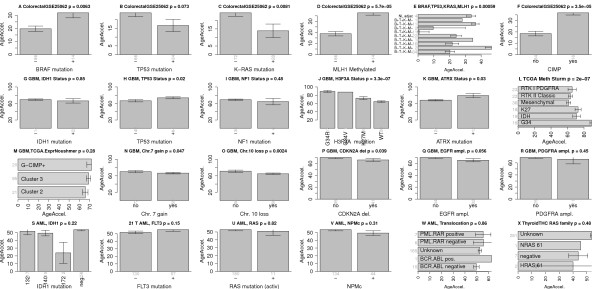
Background: It is not yet known whether DNA methylation levels can be used to accurately predict age across a broad spectrum of human tissues and cell types, nor whether the resulting age prediction is a biologically meaningful measure. Results: I developed a multi-tissue predictor of age that allows one to estimate the DNA methylation age of most tissues and cell types. The predictor, which is freely available, was developed using 8,000 samples from 82 Illumina DNA methylation array datasets, encompassing 51 healthy tissues and cell types. I found that DNA methylation age has the following properties: first, it is close to zero for embryonic and induced pluripotent stem cells; second, it correlates with cell passage number; third, it gives rise to a highly heritable measure of age acceleration; and, fourth, it is applicable to chimpanzee tissues. Analysis of 6,000 cancer samples from 32 datasets showed that all of the considered 20 cancer types exhibit significant age acceleration, with an average of 36 years. Low age-acceleration of cancer tissue is associated with a high number of somatic mutations and TP53 mutations, while mutations in steroid receptors greatly accelerate DNA methylation age in breast cancer. Finally, I characterize the 353 CpG sites that together form an aging clock in terms of chromatin states and tissue variance. Conclusions: I propose that DNA methylation age measures the cumulative effect of an epigenetic maintenance system. This novel epigenetic clock can be used to address a host of questions in developmental biology, cancer and aging research.
Overview
The claims and statistics of this paper haven’t been checked yet.
Free: it reads the open-access text and checks the first 5 claims that cite a source we can check. Create a free account to check every claim.
Integrity signals
Registry
Cites
Statistics
Figures
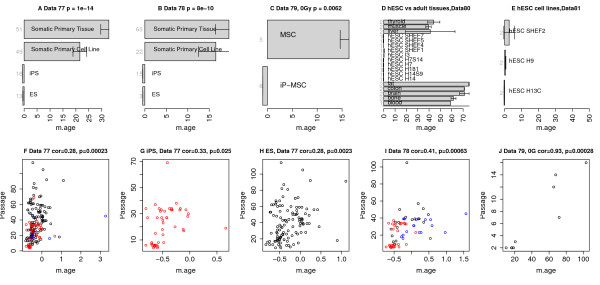
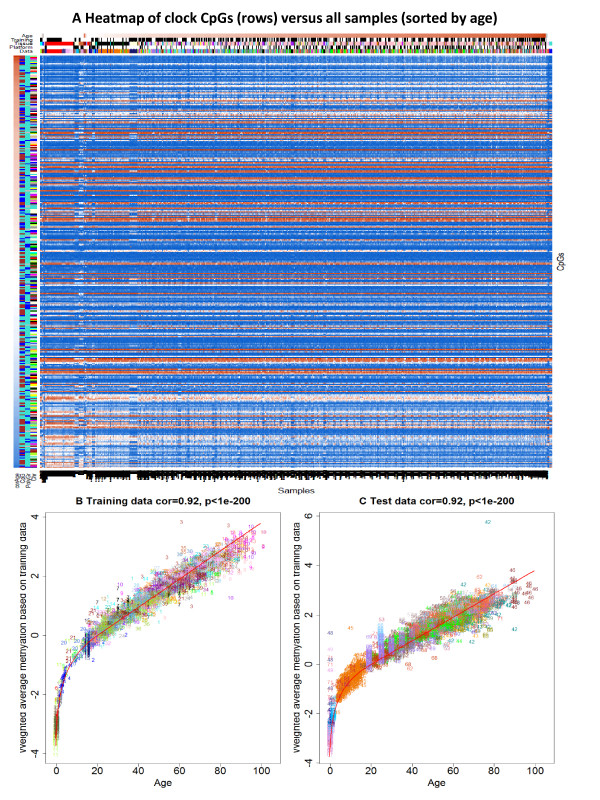
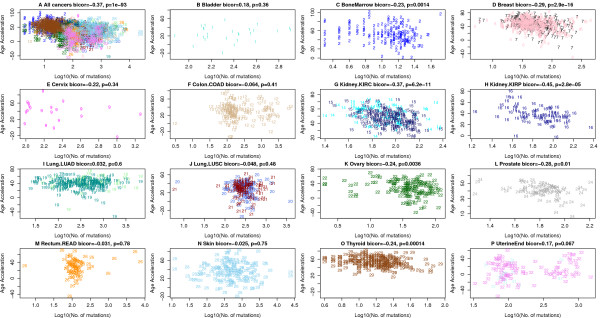
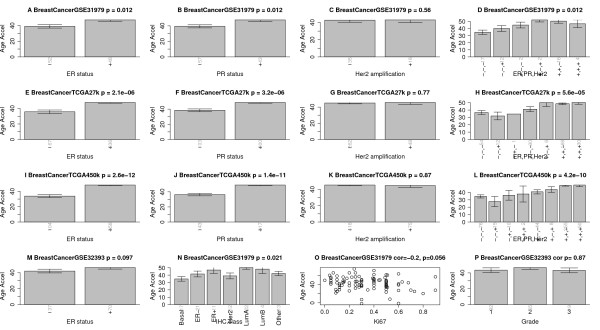
Verification
Claims the paper makes
The claims and statistics of this paper haven’t been checked yet.
Free: it reads the open-access text and checks the first 5 claims that cite a source we can check. Create a free account to check every claim.
Claims other papers make about this one
Each is checked against this paper’s own text: does it say what the citing paper says it does?
The source backs part of the claim, not all of it — or backs it for a different population, condition or comparison.
In the citing paper
“Epigenetic clocks serve as a biomarker of biological age in mammals (Hannum et al., 2013; Horvath, 2013; Petkovich et al., 2017; Weidner et al., 2014).”
From Loss of epigenetic information as a cause of mammalian aging (2023) · cites this paper as Horvath, 2013
Experimental — accuracy not yet measuredThe source backs part of the claim, not all of it — or backs it for a different population, condition or comparison.
In the citing paper
“During ageing, for reasons that are unclear, these patterns change in ways that can be used to calculate DNA methylation (DNAm) age, a representation of biological age that can predict future health and lifespan4.”
From Reprogramming to recover youthful epigenetic information and restore vision (2020) · cites this paper as [4]
Experimental — accuracy not yet measuredThe source backs part of the claim, not all of it — or backs it for a different population, condition or comparison.
In the citing paper
“That said, we do not wish to imply that DNA methylation is the only epigenetic mark involved in this process. It likely involves other transcription factors and epigenetic modifications, such as the PRC2 complex and H3K27me3, both of which are involved in maintaining stem cell plasticity and are associated with DNAm clock sites4,49,50.”
From Reprogramming to recover youthful epigenetic information and restore vision (2020) · cites this paper as [4]
Experimental — accuracy not yet measuredThe source backs part of the claim, not all of it — or backs it for a different population, condition or comparison.
In the citing paper
“Many of the 353 CpGs investigated are located close to poised promoters of bivalent genes (marked by H3K4me3 and H3K27me3), or to active promoters 126 , suggesting that ageing may correlate with reduced plasticity in the expression of some bivalent genes, which might resolve into repressed or active states, and with active genes changing their expression levels.”
From Advances in epigenetics link genetics to the environment and disease (2019) · cites this paper as [126]
Experimental — accuracy not yet measuredThe source backs part of the claim, not all of it — or backs it for a different population, condition or comparison.
In the citing paper
“One especially interesting aspect of DNA methylation clocks is their ability to accurately predict age across a wide range of different tissue types, regardless of the tissue type they were trained on, suggesting that they measure ageing signals that are shared between cell types43,44.”
From Measuring biological age using omics data (2022) · cites this paper as [44]
Experimental — accuracy not yet measured
23 more claims about this paper
Create a free account to see every claim other papers make about this one.
Self-check
Percentages, sums and reported differences re-computed from the paper’s own numbers.
The self-check needs the paper’s full text.
Citations
Cites
Regularization Paths for Generalized Linear Models via Coordinate Descent
Friedman, J., Hastie, T., & Tibshirani, R. (2010) · Journal of Statistical Software · doi:10.18637/jss.v033.i01 · Cited by 19,927
Embryonic Stem Cell Lines Derived from Human Blastocysts
Thomson, J. A., Itskovitz-Eldor, J., Shapiro, S. S., Waknitz, M. A., Swiergiel, J. J., Marshall, V. S., & Jones, J. M. (1998) · Science · doi:10.1126/science.282.5391.1145 · Cited by 15,926 · cited 1×
“Further, DNAm age and cell passage number are highly correlated in ES cells (Figure 5H,J), which are also immortal [38].”
BackgroundA bivalent chromatin structure marks key developmental genes in embryonic stem cells
Bernstein, B. E., Mikkelsen, T. S., Xie, X., Kamal, M., Huebert, D. J., Cuff, J., Fry, B., Meissner, A., Wernig, M., Plath, K., et al. (2006) · Cell · doi:10.1016/j.cell.2006.02.041 · Cited by 5,361
Genome-wide methylation profiles reveal quantitative views of human aging rates
Hannum, G., Guinney, J., Zhao, L., Zhang, L., Hughes, G., Sadda, S., Klotzle, B., Bibikova, M., Fan, J.-B., Gao, Y., et al. (2013) · Molecular Cell · doi:10.1016/j.molcel.2012.10.016 · Cited by 4,270 · cited 3×
“particular, cancer tissues were excluded from this first large data set since it is well known that cancer has a profound effect on DNA methylation levels [6,7,24-26].”
BackgroundMapping and analysis of chromatin state dynamics in nine human cell types
Ernst, J., Kheradpour, P., Mikkelsen, T. S., Shoresh, N., Ward, L. D., Epstein, C. B., Zhang, X., Wang, L., Issner, R., Coyne, M., et al. (2011) · Nature · doi:10.1038/nature09906 · Cited by 2,898
Driver mutations in histone H3.3 and chromatin remodelling genes in paediatric glioblastoma
Schwartzentruber, J., Korshunov, A., Liu, X.-Y., Jones, D. T. W., Pfaff, E., Jacob, K., Sturm, D., Fontebasso, A. M., Quang, D.-A. K., Tönjes, M., et al. (2012) · Nature · doi:10.1038/nature10833 · Cited by 2,631
Control of Developmental Regulators by Polycomb in Human Embryonic Stem Cells
Lee, T. I., Jenner, R. G., Boyer, L. A., Guenther, M. G., Levine, S. S., Kumar, R. M., Chevalier, B., Johnstone, S. E., Cole, M. F., Isono, K.-I., et al. (2006) · Cell · doi:10.1016/j.cell.2006.02.043 · Cited by 2,268
The NIH Roadmap Epigenomics Mapping Consortium
Bernstein, B. E., Stamatoyannopoulos, J. A., Costello, J. F., Ren, B., Milosavljevic, A., Meissner, A., Kellis, M., Marra, M. A., Beaudet, A. L., Ecker, J. R., et al. (2010) · Nature Biotechnology · doi:10.1038/nbt1010-1045 · Cited by 1,892 · cited 1×
“The epigenomic landscape varies markedly across tissue types [16-18] and many age-related changes depend on tissue type [8,19].”
BackgroundSturm, D., Witt, H., Hovestadt, V., Khuong-Quang, D.-A., Jones, D. T. W., Konermann, C., Pfaff, E., Tönjes, M., Sill, M., Bender, S., et al. (2012) · Cancer Cell · doi:10.1016/j.ccr.2012.08.024 · Cited by 1,828
Teschendorff, A. E., Marabita, F., Lechner, M., Bartlett, T., Tegner, J., Gomez-Cabrero, D., & Beck, S. (2013) · Bioinformatics · doi:10.1093/bioinformatics/bts680 · Cited by 1,683
Cited by
Items 601–700 of 1,133
Psychosocial stress and epigenetic aging
(2020) · International Review of Neurobiology · doi:10.1016/bs.irn.2019.10.020 · Cited by 99
“Among the first ones and most widely used are those developed by Horvath (2013) and Hannum et al. (2013) in samples encompassing wide age ranges 2 Helena Palma-Gudiel et al. ARTICLE IN PRESS (up to 100 years old).”
BackgroundSelf-citationXia, X., Chen, X., Wu, G., Li, F., Wang, Y., Chen, Y., Chen, M., Wang, X., Chen, W., Xian, B., et al. (2020) · Nature Metabolism · doi:10.1038/s42255-020-00270-x · Cited by 113
Sebastiani, P., Federico, A., Morris, M., Gurinovich, A., Tanaka, T., Chandler, K. B., Andersen, S. L., Denis, G., Costello, C. E., Ferrucci, L., et al. (2021) · Aging Cell · doi:10.1111/acel.13290 · Cited by 103
“…molecular mechanisms linked to aging and related diseases that could mediate the genotype to phenotype associations (Eline Slagboom et al., 2018; Horvath, 2013; Orwoll et al., 2018; Peters et al., 2015; Sebastiani, Thyagarajan, et al., 2017; Shavlakadze et al., 2019; Singh et al., 2019; Tanaka…”
BackgroundNwanaji-Enwerem, J. C., Colicino, E., Trevisi, L., Kloog, I., Just, A. C., Shen, J., Brennan, K., Dereix, A., Hou, L., Vokonas, P., et al. (2016) · Environmental Epigenetics · doi:10.1093/eep/dvw006 · Cited by 100
“age (DNAm-age) is a novel tissue-independent predictor of chronological age and is calculated by an algorithm that uses methylation values from 353 chronological agecorrelated CpG dinucleotides in Illumina’s HumanMethylation450 BeadChip [20, 21].”
BackgroundMethodInfluentialIntegrating Biomarkers in Social Stratification and Health Research
Harris, K. M., & Schorpp, K. (2018) · Annual Review of Sociology · doi:10.1146/annurev-soc-060116-053339 · Cited by 120
DNA methylation age is accelerated in alcohol dependence
Rosen, A. D., Robertson, K. D., Hlady, R. A., Muench, C., Lee, J., Philibert, R. A., Horvath, S., Kaminsky, Z. A., & Lohoff, F. W. (2018) · Translational Psychiatry · doi:10.1038/s41398-018-0233-4 · Cited by 109
Self-citationThe Impact of Caloric Restriction on the Epigenetic Signatures of Aging
Gensous, N., Franceschi, C., Santoro, A., Milazzo, M., Garagnani, P., & Bacalini, M. G. (2019) · International Journal of Molecular Sciences · doi:10.3390/ijms20082022 · Cited by 102
“These models, among which Horvath’s [79] and Hannum’s clocks [80] are the most popular ones, combine DNAm values in selected sets of CpG sites in order to predict one individual’s age.”
MethodAmmous, F., Zhao, W., Ratliff, S. M., Mosley, T. H., Bielak, L. F., Zhou, X., Peyser, P. A., Kardia, S. L. R., & Smith, J. A. (2021) · Clinical Epigenetics · doi:10.1186/s13148-021-01035-3 · Cited by 115
“Modified versions of these two measures were later derived to account for confounding by blood cell composition: intrinsic epigenetic age acceleration (IEAA) based on HorvathAge explicitly adjusts for blood cell composition, and extrinsic epigenetic age acceleration (EEAA) based on the HannumAge is a composite measure…”
MethodInfluentialBarak, M., Fedorova, V., Pospisilova, V., Raska, J., Vochyanova, S., Sedmik, J., Hribkova, H., Klimova, H., Vanova, T., & Bohaciakova, D. (2022) · Stem Cell Reviews and Reports · doi:10.1007/s12015-021-10254-3 · Cited by 99
Integrating DNA Methylation Measures of Biological Aging into Social Determinants of Health Research
Raffington, L., & Belsky, D. W. (2022) · Current Environmental Health Reports · doi:10.1007/s40572-022-00338-8 · Cited by 101
Paternal germ line aging: DNA methylation age prediction from human sperm
Jenkins, T. G., Aston, K. I., Cairns, B. R., Smith, A. D., & Carrell, D. T. (2018) · BMC Genomics · doi:10.1186/s12864-018-5153-4 · Cited by 114
Frailty biomarkers in humans and rodents: Current approaches and future advances
Kane, A. E., & Sinclair, D. A. (2019) · Mechanisms of Ageing and Development · doi:10.1016/j.mad.2019.03.007 · Cited by 106
“Epigenetic markers of biological age based on specific GpG island DNA methylation patterns have provided a clock by which to estimate chronological and biological age in animals and humans (Horvath 2013; Horvath and Raj 2018).”
BackgroundDistinct DNA methylation profiles in subtypes of orofacial cleft
Sharp, G. C., Ho, K. M., Davies, A., Stergiakouli, E., Humphries, K., McArdle, W. L., Sandy, J. R., Smith, G. D., Lewis, S. J., & Relton, C. L. (2017) · Clinical Epigenetics · doi:10.1186/s13148-017-0362-2 · Cited by 121
“[20] Age acceleration refers to the residuals from a linear regression of epigenetic age on actual age as described in Horvath et al.”
MethodInfluentialEpigenetic aging is accelerated in alcohol use disorder and regulated by genetic variation in APOL2
Luo, A. C., Jung, J., Longley, M. J., Rosoff, D. B., Charlet, K., Muench, C., Lee, J., Hodgkinson, C. A., Goldman, D. A., Horvath, S., et al. (2019) · Neuropsychopharmacology · doi:10.1038/s41386-019-0500-y · Cited by 109
Self-citationEpigenetic programming—The important first 1000 days
Linnér, A., & Almgren, M. (2019) · Acta Paediatrica · doi:10.1111/apa.15050 · Cited by 130
Dohm-Hansen, S., English, J. A., Lavelle, A., Fitzsimons, C. P., Lucassen, P. J., & Nolan, Y. M. (2024) · Trends in Neurosciences · doi:10.1016/j.tins.2024.02.001 · Cited by 123
“One foundational example involves the construction of so-called biological 'clocks' through machine learning algorithms that predict chronological age from such biological features, most notably using DNA methylation levels in blood samples [74].”
Brewin, C. R., Atwoli, L., Bisson, J. I., Galea, S., Koenen, K. C., & Lewis‐Fernández, R. (2025) · World Psychiatry · doi:10.1002/wps.21269 · Cited by 142
“Older estimated biological age is associated with mortality and chronic diseases 293-296 .”
Oh, Y. M., Lee, S. W., Kim, W. K., Chen, S., Church, V. A., Cates, K., Li, T., Zhang, B., Dolle, R. E., Dahiya, S., et al. (2022) · Nature Neuroscience · doi:10.1038/s41593-022-01185-4 · Cited by 100
Epigenetics at the Crossroads of Genes and the Environment
Feinberg, A. P., & Fallin, M. D. (2015) · JAMA · doi:10.1001/jama.2015.10414 · Cited by 99
Classifying aging as a disease in the context of ICD-11
Zhavoronkov, A. A., & Bhullar, B. (2015) · Frontiers in Genetics · doi:10.3389/fgene.2015.00326 · Cited by 111
“Here, we explore the potential benefits of recognizing aging as a disease in the context of current socioeconomic challenges and recent biomedical advances.”
BackgroundAbnormal Epigenetic Regulation of Immune System during Aging
Jasiulionis, M. G. (2018) · Frontiers in Immunology · doi:10.3389/fimmu.2018.00197 · Cited by 110
“Since some age-related epigenetic alterations are similar across a range of tissues (52, 220), these alterations could be also potentially used as biomarkers for aging-related disease phenotypes in biological samples, such as blood or saliva.”
BackgroundTajuddin, S. M., Hernandez, D. G., Chen, B. H., Hooten, N. N., Mode, N. A., Nalls, M. A., Singleton, A., Ejiogu, N., Chitrala, K. N., Zonderman, A. B., et al. (2019) · Clinical Epigenetics · doi:10.1186/s13148-019-0722-1 · Cited by 105
Epigenomic analysis of Parkinson’s disease neurons identifies Tet2 loss as neuroprotective
Marshall, L. L., Killinger, B. A., Ensink, E., Li, P., Li, K. X., Cui, W., Lubben, N., Weiland, M. J., Wang, X., Gordevičius, J., et al. (2020) · Nature Neuroscience · doi:10.1038/s41593-020-0690-y · Cited by 105
Association of Neighborhood Deprivation With Epigenetic Aging Using 4 Clock Metrics
Lawrence, K. G., Kresovich, J. K., O’Brien, K. M., Hoang, T. T., Xu, Z., Taylor, J. A., & Sandler, D. P. (2020) · JAMA Network Open · doi:10.1001/jamanetworkopen.2020.24329 · Cited by 111
The proliferative history shapes the DNA methylome of B-cell tumors and predicts clinical outcome
Duran-Ferrer, M., Clot, G., Nadeu, F., Beekman, R., Baumann, T., Nordlund, J., Marincevic-Zuniga, Y., Lönnerholm, G., Rivas-Delgado, A., Martín, S., et al. (2020) · Nature Cancer · doi:10.1038/s43018-020-00131-2 · Cited by 100
Healthy eating patterns and epigenetic measures of biological age
Kresovich, J. K., Park, Y., Keller, J., Sandler, D. P., & Taylor, J. A. (2021) · American Journal of Clinical Nutrition · doi:10.1093/ajcn/nqab307 · Cited by 104
Stress, diet, exercise: Common environmental factors and their impact on epigenetic age
Galkin, F., Kovalchuk, O., Koldasbayeva, D., Zhavoronkov, A. A., & Bischof, E. Y. (2023) · Ageing Research Reviews · doi:10.1016/j.arr.2023.101956 · Cited by 119
“The effect is observed with PhenoAge and GrimAge, but not clocks described in (Horvath, 2013) and (Hannum et al., 2013).”
BackgroundMethodInfluentialBacalini, M. G., Deelen, J., Pirazzini, C., De Cecco, M., Giuliani, C., Lanzarini, C., Ravaioli, F., Marasco, E., van Heemst, D., Suchiman, H. E. D., et al. (2017) · The Journals of Gerontology: Series A · doi:10.1093/gerona/glw185 · Cited by 100
“However, as aforementioned, Horvath’s epigenetic clock is not a measure of mitotic age, as it tracks age in nonproliferative tissues such as cerebellum (10).”
BackgroundInfluentialAssessment of Epigenetic Clocks as Biomarkers of Aging in Basic and Population Research
Levine, M. E. (2020) · The Journals of Gerontology: Series A · doi:10.1093/gerona/glaa021 · Cited by 99
“(2013) (12), and the pan-tissue clock by Horvath (2013) (11).”
Huang, R., Lillycrop, K. A., Beilin, L. J., Godfrey, K. M., Anderson, D. R., Mori, T. A., Rauschert, S., Craig, J. M., Oddy, W. H., Ayonrinde, O. T., et al. (2019) · The Journal of Clinical Endocrinology & Metabolism · doi:10.1210/jc.2018-02076 · Cited by 105
DNA Methylation in Nonalcoholic Fatty Liver Disease
Hyun, J., & Jung, Y. (2020) · International Journal of Molecular Sciences · doi:10.3390/ijms21218138 · Cited by 112
“Different levels of DNA methylation from the level of predicted DNA methylation for a defined chronologic age represent age acceleration [142].”
BackgroundMethodCardiovascular Aging and Longevity
Pietri, P. G., & Stefanadis, C. (2021) · Journal of the American College of Cardiology · doi:10.1016/j.jacc.2020.11.023 · Cited by 113
Hop, P. J., Zwamborn, R. A. J., Hannon, E., Shireby, G. L., Nabais, M. F., Walker, E. M., van Rheenen, W., van Vugt, J. J. F. A., Dekker, A. M., Westeneng, H.-J., et al. (2022) · Science Translational Medicine · doi:10.1126/scitranslmed.abj0264 · Cited by 97
Wong, C. C. Y., Smith, R. G., Hannon, E., Ramaswami, G., Parikshak, N. N., Assary, E., Troakes, C., Poschmann, J., Schalkwyk, L. C., Sun, W., et al. (2019) · Human Molecular Genetics · doi:10.1093/hmg/ddz052 · Cited by 98
“calculated using an epigenetic clock based on DNA methylation values (38,39)—and recorded chronological age for each of the brain regions (PFC: r = 0.”
MethodMeasuring Animal Age with DNA Methylation: From Humans to Wild Animals
Paoli‐Iseppi, R. D., Deagle, B. E., McMahon, C. R., Hindell, M. A., Dickinson, J. L., & Jarman, S. (2017) · Frontiers in Genetics · doi:10.3389/fgene.2017.00106 · Cited by 106
“…of chimpanzees (Pan troglodytes), bonobos (Pan paniscus), and gorillas (Gorilla gorilla) were estimated using the 353 CpG clockMAB created for humans Frontiers in Genetics | www.frontiersin.org 3 August 2017 | Volume 8 | Article 106 (Pai et al., 2011; Hernando-Herraez et al., 2013; Horvath, 2013).”
BackgroundMethodResultInfluentialGalé, C. R., Marioni, R. E., Harris, S. E., Starr, J. M., & Deary, I. J. (2018) · Clinical Epigenetics · doi:10.1186/s13148-018-0538-4 · Cited by 105
Yang, R., Wu, G. W. Y., Verhoeven, J. E., Gautam, A., Reus, V. I., Kang, J. I., Flory, J. D., Amara, D. A., Hood, L., Doyle, F. J., et al. (2020) · Molecular Psychiatry · doi:10.1038/s41380-020-0755-z · Cited by 106
Molecular basis of ageing in chronic metabolic diseases
Spinelli, R., Parrillo, L., Longo, M., Florese, P., Desiderio, A., Zatterale, F., Miele, C., Raciti, G. A., & Bèguinot, F. (2020) · Journal of Endocrinological Investigation · doi:10.1007/s40618-020-01255-z · Cited by 111
“9 of and a prediction performance error of less than 5 years [145, 157, 158].”
BackgroundLeigh Syndrome: A Tale of Two Genomes
Bakare, A. B., Lesnefsky, E. J., & Iyer, S. (2021) · Frontiers in Physiology · doi:10.3389/fphys.2021.693734 · Cited by 114
The epigenomic landscape of African rainforest hunter-gatherers and farmers
Fagny, M., Patin, E., MacIsaac, J. L., Rotival, M., Flutre, T., Jones, M. J., Siddle, K. J., Quach, H., Harmant, C., McEwen, L. M., et al. (2015) · Nature Communications · doi:10.1038/ncomms10047 · Cited by 98
Hui, T., Cao, Q., Wegrzyn-Woltosz, J., O'Neill, K., Hammond, C. A., Knapp, D. J. H. F., Laks, E., Moksa, M., Aparicio, S., Eaves, C. J., et al. (2018) · Stem Cell Reports · doi:10.1016/j.stemcr.2018.07.003 · Cited by 98
“In support of such a notion, the unique components of a DNA methylation ‘‘age’’ signature are contained in 353 CpGs sites, presumably representing a random sample of a total age signature that involves many more sites not detected using the reduced representation strategies from which these signatures have been derive…”
BackgroundChagnon, Y. C., Potvin, O., Hudon, C., & Préville, M. (2015) · Frontiers in Genetics · doi:10.3389/fgene.2015.00230 · Cited by 97
“DNA methylation is naturally greater in CpG rich islands of older persons (Horvath, 2013).”
BackgroundSex Differences in Aging: Genomic Instability
Fischer, K. E., & Riddle, N. C. (2018) · The Journals of Gerontology: Series A · doi:10.1093/gerona/glx105 · Cited by 96
“Based on analysis of over 8000 DNA methylation datasets, Horvath proposed that a subset of DNA methylation sites exist that behave in a predictable way with age and can thus be used to deduce chronological and biological age (66).”
BackgroundDistinct chromatin signatures of DNA hypomethylation in aging and cancer
Pérez, R. F., Tejedor, J. R., Bayón, G. F., Fernández, A. F., & Fraga, M. F. (2018) · Aging Cell · doi:10.1111/acel.12744 · Cited by 97
“This observation is compatible with previous descriptions of epigenetic clock 533 acceleration in cancer [26,35].”
BackgroundResultInfluentialA clockwork fish: Age prediction using DNA methylation‐based biomarkers in the European seabass
Anastasiadi, D., & Piferrer, F. (2019) · Molecular Ecology Resources · doi:10.1111/1755-0998.13111 · Cited by 106
“Notwithstanding this, after a careful examination of age-related changes in DNA methylation in a variety of human tissues and cell lines, a tissue-independent epigenetic clock was first developed in humans (Horvath, 2013).”
BackgroundMethodInfluentialAccelerated aging with HIV occurs at the time of initial HIV infection
Breen, E. C., Sehl, M. E., Shih, R., Langfelder, P., Wang, R., Horvath, S., Bream, J. H., Duggal, P., Martinson, J. J., Wolinsky, S. M., et al. (2022) · iScience · doi:10.1016/j.isci.2022.104488 · Cited by 117
“The original Horvath clock (Pan-Tissue Clock) has been validated in a wide range of human tissues and cell types throughout the body, including peripheral blood mononuclear cells (PBMC) (Horvath, 2013).”
BackgroundMethodResultInfluentialSelf-citationNutrition, the brain and cognitive decline: insights from epigenetics
Dauncey, M. J. (2014) · European Journal of Clinical Nutrition · doi:10.1038/ejcn.2014.173 · Cited by 114
Epigenome-Wide Association of Liver Methylation Patterns and Complex Metabolic Traits in Mice
Orozco, L. D., Morselli, M., Rubbi, L., Guo, W., Go, J., Shi, H., Lopez, D., Furlotte, N. A., Bennett, B. J., Farber, C. R., et al. (2015) · Cell Metabolism · doi:10.1016/j.cmet.2015.04.025 · Cited by 96
“, 2013), aging (Heyn et al., 2013; Horvath, 2013), multiple sclerosis (Huynh et al.”
Pubertal development in healthy children is mirrored by DNA methylation patterns in peripheral blood
Almstrup, K., Lindhardt Johansen, M., Busch, A. S., Hagen, C. P., Nielsen, J. E., Petersen, J. H., & Juul, A. (2016) · Scientific Reports · doi:10.1038/srep28657 · Cited by 96
Maintained memory in aging is associated with young epigenetic age
Degerman, S., Josefsson, M., Nordin Adolfsson, A., Wennstedt, S., Landfors, M., Haider, Z., Pudas, S., Hultdin, M., Nyberg, L., & Adolfsson, R. (2017) · Neurobiology of Aging · doi:10.1016/j.neurobiolaging.2017.02.009 · Cited by 96
“The age of an individual can be estimated by DNA methylation analysis on a tissue sample, and we used the 353 CpG sites “epigenetic clock” prediction model described by Horvath to determine the biological epigenetic (DNAm) age of the blood samples (Horvath, 2013).”
InfluentialMeDeCom: discovery and quantification of latent components of heterogeneous methylomes
Lutsik, P., Slawski, M., Gasparoni, G., Vedeneev, N., Hein, M., & Walter, J. (2017) · Genome biology · doi:10.1186/s13059-017-1182-6 · Cited by 102
“They also reflect the individual (genetic) constitution [7], are influenced by gender, are subject to environmental influences [8, 9], and change with age [10].”
BackgroundBlood DNA methylation as a potential biomarker of dementia: A systematic review
Fransquet, P. D., Lacaze, P., Saffery, R., McNeil, J., Woods, R., & Ryan, J. (2018) · Alzheimer's & Dementia · doi:10.1016/j.jalz.2017.10.002 · Cited by 96
“DNA methylation signatures derived from peripheral blood have also been used to predict mortality [14,15].”
MethodReproduction predicts shorter telomeres and epigenetic age acceleration among young adult women
Ryan, C. P., Hayes, M. G., Lee, N. R., McDade, T. W., Jones, M. J., Kobor, M. S., Kuzawa, C. W., & Eisenberg, D. T. A. (2018) · Scientific Reports · doi:10.1038/s41598-018-29486-4 · Cited by 102
McCrory, C., Fiorito, G., Ni Cheallaigh, C., Polidoro, S., Karisola, P., Alenius, H., Layte, R., Seeman, T., Vineis, P., & Kenny, R. A. (2019) · Psychoneuroendocrinology · doi:10.1016/j.psyneuen.2019.02.018 · Cited by 96
The effect of early discrimination on accelerated aging among African Americans.
Carter, S. E., Ong, M. L., Simons, R. L., Gibbons, F. X., Lei, M. K., & Beach, S. R. H. (2019) · Health Psychology · doi:10.1037/hea0000788 · Cited by 95
Methodological challenges in constructing DNA methylation risk scores
Hüls, A., & Czamara, D. (2019) · Epigenetics · doi:10.1080/15592294.2019.1644879 · Cited by 114
“While genotypes are stable and normally do not change through life, methylation is a very dynamic process depending on age [38] and tissue [69].”
BackgroundMethodInfluentialEvaluating the impact of trauma and PTSD on epigenetic prediction of lifespan and neural integrity
Katrinli, Ş., Stevens, J. S., Wani, A. H., Lori, A., Kilaru, V., van Rooij, S. J. H., Hinrichs, R. C., Powers, A. D., Gillespie, C. F., Michopoulos, V., et al. (2020) · Neuropsychopharmacology · doi:10.1038/s41386-020-0700-5 · Cited by 122
New targeted approaches for epigenetic age predictions
Han, Y., Franzen, J., Stiehl, T., Gobs, M., Kuo, C., Nikolić, M., Hapala, J., Koop, B. E., Strathmann, K., Ritz‐Timme, S., et al. (2020) · BMC Biology · doi:10.1186/s12915-020-00807-2 · Cited by 99
“Various different epigenetic age-predictors have been described that consider up to several hundreds of CpGs (Hannum et al. 2013; Horvath 2013; Weidner et al. 2014).”
BackgroundMethodInfluentialRivero-Segura, N. A., Bello‐Chavolla, O. Y., Barrera-Vázquez, O. S., Gutiérrez‐Robledo, L. M., & Gómez-Verján, J. C. (2020) · Ageing Research Reviews · doi:10.1016/j.arr.2020.101164 · Cited by 108
Krolevets, M., ten Cate, V., Prochaska, J. H., Schulz, A., Rapp, S., Tenzer, S., Andrade-Navarro, M. A., Horvath, S., Niehrs, C., & Wild, P. S. (2023) · Clinical Epigenetics · doi:10.1186/s13148-023-01468-y · Cited by 118
“A CpG database was created by aggregating all CpGand gene-related information from the collected studies together with three methylation clocks: Horvath [10], Hannum [11] and GrimAge [12].”
BackgroundMethodInfluentialSelf-citationMacip, C. C., Hasan, R., Hoznek, V., Kim, J., Metzger, L. E., Sethna, S., & Davidsohn, N. (2023) · doi:10.1101/2023.01.04.522507 · Cited by 95
Macip, C. C., Hasan, R., Hoznek, V., Kim, J., Lu, Y. R., Metzger, L. E., Sethna, S., & Davidsohn, N. (2024) · Cellular Reprogramming · doi:10.1089/cell.2023.0072 · Cited by 95
“The study further showed that the epigenetic profile assessed by epigenetic methylation clocks (Horvath, 2013; Horvath and Raj, 2018) of tissues, correlated with improved function.”
BackgroundGentilini, D., Garagnani, P., Pisoni, S., Bacalini, M. G., Calzari, L., Mari, D., Vitale, G., Franceschi, C., & Di Blasio, A. M. (2015) · Aging · doi:10.18632/aging.100792 · Cited by 96
DNA methylation-based age prediction from various tissues and body fluids
Jung, S.-E., Shin, K.-J., & Lee, H. Y. (2017) · BMB Reports · doi:10.5483/bmbrep.2017.50.11.175 · Cited by 94
“(29) and Horvath (25) have high prediction accuracy, and the model by Horvath has merit that can be applied to a broad spectrum of tissues.”
BackgroundResultInfluentialLowe, R., Barton, C., Jenkins, C. A., Ernst, C., Forman, O., Fernandez-Twinn, D. S., Bock, C., Rossiter, S. J., Faulkes, C. G., Ozanne, S. E., et al. (2018) · Genome Biology · doi:10.1186/s13059-018-1397-1 · Cited by 96
Air pollution, particulate matter composition and methylation-based biologic age
White, A. J., Kresovich, J. K., Keller, J. P., Xu, Z., Kaufman, J. D., Weinberg, C. R., Taylor, J. A., & Sandler, D. P. (2019) · Environment International · doi:10.1016/j.envint.2019.105071 · Cited by 100
“, 2018) although we considered associations with two other established epigenetic clocks, the Hannum and Horvath clocks (Hannum et al., 2013; Horvath, 2013).”
BackgroundMethodBiological Aging Measures Based on Blood DNA Methylation and Risk of Cancer: A Prospective Study
Dugué, P., Bassett, J. K., Wong, E. M., Joo, J. E., Li, S., Yu, C., Schmidt, D. F., Makalic, E., Doo, N. W., Buchanan, D. D., et al. (2020) · JNCI Cancer Spectrum · doi:10.1093/jncics/pkaa109 · Cited by 102
“We previously investigated the association between 5 “first-generation” measures of epigenetic aging (7-9) and the risk of 7 cancer types using data from the Melbourne Collaborative Cohort Study (MCCS) (10).”
Esteban-Cantos, A., Rodríguez-Centeno, J., Barrúz, P., Alejos, B., Saiz-Medrano, G., Nevado, J., Martin, A., Gayá, F., Buckley, R. D. M., Bernardino, J. I., et al. (2021) · The Lancet HIV · doi:10.1016/s2352-3018(21)00006-0 · Cited by 114
Retinal age gap as a predictive biomarker of future risk of Parkinson’s disease
Hu, W., Wang, W., Wang, Y., Chen, Y., Shang, X., Liao, H., Huang, Y., Bulloch, G., Zhang, S., Kiburg, K., et al. (2022) · Age and Ageing · doi:10.1093/ageing/afac062 · Cited by 106
“Leukocyte telomere length [7], and epigenic clock based on DNA methylation levels [8], and brain age derived from brain imaging data [9, 10] are a few ageing biomarkers developed to describe the ageing process, however this area remains a fluid and ongoing area of research.”
The NAD+/PARP1/SIRT1 Axis in Aging
Mendelsohn, A. R., & Larrick, J. W. (2017) · Rejuvenation Research · doi:10.1089/rej.2017.1980 · Cited by 101
“…could contribute to creating the apparent epigenetic aging clocks that are reflected in the tissue-invariant and tissue-specific DNA methylation patterns observed to strongly correlate biological age in humans, chimpanzees, and mice 22–24 through modulation of DNA methylation through DNMT1 and CTCF.”
Present and future of anti-ageing epigenetic diets
Bacalini, M. G., Friso, S., Olivieri, F., Pirazzini, C., Giuliani, C., Capri, M., Santoro, A., Franceschi, C., & Garagnani, P. (2014) · Mechanisms of Ageing and Development · doi:10.1016/j.mad.2013.12.006 · Cited by 110
The Interplay between DNA Methylation, Folate and Neurocognitive Development
Irwin, R. E., Pentieva, K. D., Cassidy, T., Lees‐Murdock, D. J., McLaughlin, M., Prasad, G., McNulty, H., & Walsh, C. P. (2016) · Epigenomics · doi:10.2217/epi-2016-0003 · Cited by 105
The Geometric Framework for Nutrition as a tool in precision medicine
Simpson, S. J., Le Couteur, D. G., James, D. E., George, J., Gunton, J. E., Solon-Biet, S. M., & Raubenheimer, D. (2017) · Nutrition and Healthy Aging · doi:10.3233/nha-170027 · Cited by 94
“Additionally, different epigenetic backgrounds could potentially be incorporated into experimental designs, or at least used as a response measure to be mapped onto nutrient arrays [31, 32].”
BackgroundEpigenetics and Precision Oncology
Werner, R. J., Kelly, A. D., & Issa, J. J. (2017) · The Cancer Journal · doi:10.1097/ppo.0000000000000281 · Cited by 109
Blood-Based DNA Methylation Biomarkers for Type 2 Diabetes: Potential for Clinical Applications
Willmer, T., Johnson, R., Louw, J., & Pheiffer, C. (2018) · Frontiers in Endocrinology · doi:10.3389/fendo.2018.00744 · Cited by 109
“DNA methylation alterations can occur in response to biological (13, 14), lifestyle (15, 16), and environmental (17) factors and associate with gene expression changes and pathological dysfunctions.”
BackgroundHenderson-Smith, A., Fisch, K. M., Hua, J., Liu, G., Ricciardelli, E., Jepsen, K., Huentelman, M., Stalberg, G., Edland, S. D., Scherzer, C. R., et al. (2019) · Epigenetics · doi:10.1080/15592294.2019.1588682 · Cited by 96
“Furthermore, none of these longitudinal DMPs overlaps with probes composing the epigenetic clock from Horvath [33], further supporting that the observed changes are due to disease progression.”
BackgroundLactase nonpersistence is directed by DNA-variation-dependent epigenetic aging
Labrie, V., Buske, O. J., Oh, E., Jeremian, R., Ptak, C., Gasiūnas, G., Maleckas, A., Petereit, R., Žvirbliene, A., Adamonis, K., et al. (2016) · Nature Structural & Molecular Biology · doi:10.1038/nsmb.3227 · Cited by 92
Austin, M. K., Chen, E., Ross, K. M., McEwen, L. M., Maclsaac, J. L., Kobor, M. S., & Miller, G. E. (2018) · Psychoneuroendocrinology · doi:10.1016/j.psyneuen.2018.07.007 · Cited by 93
“, that an individual is biologically older than expected – and have been associated with all-cause mortality, some cancers, and morbidity and mortality from cardiometabolic disease (Horvath, 2013; Jones et al., 2015; Marioni et al., 2016; Perna et al., 2016).”
InfluentialVetter, V. M., Meyer, A., Karbasiyan, M., Steinhagen-Thiessen, E., Hopfenmüller, W., & Demuth, I. (2019) · The Journals of Gerontology: Series A · doi:10.1093/gerona/gly184 · Cited by 92
The Histone Code of Senescence
Paluvai, H., Di Giorgio, E., & Brancolini, C. (2020) · Cells · doi:10.3390/cells9020466 · Cited by 93
“Moreover, the methylation clock is accelerated in patients affected by neurodegenerative diseases [73–75], chronic stress and insomnia [76], as well as in two premature aging disorders like Werner’s syndromes and Hutchinson–Gilford Progeria syndrome [76,77], while it is subverted in cancer [78,79].”
BackgroundZhavoronkov, A. (2020) · Aging · doi:10.18632/aging.102988 · Cited by 93
“Fahy et al. [45] and Horvath [46] have suggested that a combination of the potentially geroprotective compound metformin, recombinant human Growth Hormone (rhGH), and dehydroepiandrosterone (DHEA) may reverse biological age, as measured using the methylation aging clock, and immunosenescence [45].”
BackgroundPellegrini, C., Pirazzini, C., Sala, C., Sambati, L., Yusipov, I., Kalyakulina, A., Ravaioli, F., Kwiatkowska, K. M., Durso, D. F., Ivanchenko, M., et al. (2021) · Frontiers in Aging Neuroscience · doi:10.3389/fnagi.2021.639428 · Cited by 93
“In each dataset, neuron/glia proportions were estimated using Horvath’s calculator(48).”
MethodRatanatharathorn, A., Boks, M. P., Maihofer, A. X., Aiello, A. E., Amstadter, A. B., Ashley‐Koch, A. E., Baker, D. G., Beckham, J. C., Bromet, E., Dennis, M., et al. (2017) · American Journal of Medical Genetics Part B: Neuropsychiatric Genetics · doi:10.1002/ajmg.b.32568 · Cited by 91
“Numerous robust associations between age and DNAm have been reported [Bocklandt and others 2011; Hannum and others 2013; Horvath 2013; Horvath and others 2012; Weidner and others 2014].”
Genetics of human longevity within an eco-evolutionary nature-nurture framework
Giuliani, C., Garagnani, P., & Franceschi, C. (2018) · Circulation Research · doi:10.1161/circresaha.118.312562 · Cited by 92
Genome-wide epigenomic profiling for biomarker discovery
Dirks, R. A. M., Stunnenberg, H. G., & Marks, H. (2016) · Clinical Epigenetics · doi:10.1186/s13148-016-0284-4 · Cited by 102
Aging as an Epigenetic Phenomenon
Ashapkin, V. V., Kutueva, L. I., & Vanyushin, B. F. (2017) · Current Genomics · doi:10.2174/1389202918666170412112130 · Cited by 98
“tion in various tissues and cell lines (nearly 8000 samples, 51 tissue and cell types) was performed in attempt to build an ultimate age predictor [29].”
BackgroundRoadmap for investigating epigenome deregulation and environmental origins of cancer
Herceg, Z., Ghantous, A., Wild, C. P., Sklias, A., Casati, L., Duthie, S. J., Fry, R. C., Issa, J. J., Kellermayer, R., Koturbash, I., et al. (2017) · International Journal of Cancer · doi:10.1002/ijc.31014 · Cited by 100
Epigenetic correlates of neonatal contact in humans
Moore, S. R., McEwen, L. M., Quirt, J., Morin, A., Mah, S. M., Barr, R. G., Boyce, W. T., & Kobor, M. S. (2017) · Development and Psychopathology · doi:10.1017/s0954579417001213 · Cited by 90
“The third analysis assessed the relationship between contact and epigenetic age deviation, the difference between epigenetic age, calculated using the Horvath epigenetic clock (Horvath, 2013), and chronological age.”
MethodPolyamine Metabolism and Gene Methylation in Conjunction with One-Carbon Metabolism
Soda, K. (2018) · International Journal of Molecular Sciences · doi:10.3390/ijms19103106 · Cited by 92
Premature Aging in Young Cancer Survivors
Armenian, S. H., Gibson, C. J., Rockne, R. C., & Ness, K. K. (2019) · JNCI: Journal of the National Cancer Institute · doi:10.1093/jnci/djy229 · Cited by 92
Deep Learning using Convolutional LSTM estimates Biological Age from Physical Activity
Rahman, S. A., & Adjeroh, D. (2019) · Scientific Reports · doi:10.1038/s41598-019-46850-0 · Cited by 105
Longitudinal phenotypic aging metrics in the Baltimore Longitudinal Study of Aging
Kuo, P.-L., Schrack, J. A., Levine, M. E., Shardell, M. D., Simonsick, E. M., Chia, C. W., Moore, A. Z., Tanaka, T., An, Y., Karikkineth, A., et al. (2022) · Nature Aging · doi:10.1038/s43587-022-00243-7 · Cited by 89
Kuiper, L. M., Polinder-Bos, H. A., Bizzarri, D., Vojinovic, D., Vallerga, C. L., Beekman, M., Dollé, M. E. T., Ghanbari, M., Voortman, T., Reinders, M. J. T., et al. (2023) · The Journals of Gerontology: Series A · doi:10.1093/gerona/glad137 · Cited by 92
“We calculated DNAm Horvath (13), DNAm Hannum (14), DNAm Lin (15), DNAm epiTOC (16), DNAm PhenoAge (19), DNAm DunedinPoAm (17), DNAm GrimAge (20), and DNAm Zhang (21) using the coefficients, R and Python scripts, and packages provided by the researchers who developed these measures and the R…”
BackgroundMethodMooney, M. A., Ryabinin, P., Wilmot, B., Bhatt, P., Mill, J., & Nigg, J. T. (2020) · Translational Psychiatry · doi:10.1038/s41398-020-0710-4 · Cited by 91
Traumatic Stress and Accelerated Cellular Aging: From Epigenetics to Cardiometabolic Disease
Wolf, E. J., & Morrison, F. G. (2017) · Current Psychiatry Reports · doi:10.1007/s11920-017-0823-5 · Cited by 105
CircRNA accumulation: A new hallmark of aging?
Knupp, D., & Miura, P. (2018) · Mechanisms of Ageing and Development · doi:10.1016/j.mad.2018.05.001 · Cited by 89
“With recent development of what appears to be highly accurate DNA methylation biomarkers in humans from blood (Horvath, 2013), it is not clear if there will be a demand for circRNA-based biomarkers for human.”
BackgroundThe plasma metabolome as a predictor of biological aging in humans
Johnson, L. C., Parker, K., Aguirre, B. F., Nemkov, T. G., D’Alessandro, A., Johnson, S., Seals, D. R., & Martens, C. R. (2019) · GeroScience · doi:10.1007/s11357-019-00123-w · Cited by 95
“To explore this heterogeneity further, we calculated each individual’s “ageDiff”—the mathematical difference (in years) between biological age and chronological age (Horvath 2013; Kim et al. 2017).”
BackgroundMethodInfluentialEarly life adversity, pubertal timing, and epigenetic age acceleration in adulthood
Hamlat, E. J., Prather, A. A., Horvath, S., Belsky, J., & Epel, E. S. (2021) · Developmental Psychobiology · doi:10.1002/dev.22085 · Cited by 91
Self-citationLi, Y., Chen, J. A., Sears, R. L., Gao, F., Klein, E. D., Karydas, A., Geschwind, M. D., Rosen, H. J., Boxer, A. L., Guo, W., et al. (2014) · PLoS Genetics · doi:10.1371/journal.pgen.1004211 · Cited by 89
“[10], and aging in general [11] further supporting epigenetic”
Self-citationAcevedo, N., Reinius, L. E., Vitezic, M., Fortino, V., Söderhäll, C., Honkanen, H., Veijola, R., Simell, O., Toppari, J., Ilonen, J., et al. (2015) · Clinical Epigenetics · doi:10.1186/s13148-015-0064-6 · Cited by 99
“Indeed, it is possible to predict the age of a tissue based on its methylation signatures on a broad number of CpG sites [6,9,11-13].”
Background
Metadata
- Authors
- Horvath, S.
- Affiliations
- University of California, Los Angeles (US)
- Corresponding author
- Horvath, Steve
- ORCID
- Horvath, Steve
- Venue
- Genome Biology
- Published
- 2013-12-10
- Volume
- 14
- Issue
- 10
- Pages
- R115-R115
- ISSN
- 1465-6906 (ISSN-L)
- 1474-760X
- PMC
- PMC4015143
- OpenAlex
- W1974047233
- Semantic Scholar
- b7ad028fbe0b464636066e95bcef3c1478de5398
- Cited by
- 7,075
- References
- 91
- Citations by year
- 2026: 814 · 2025: 882 · 2024: 857 · 2023: 759 · 2022: 725 · 2021: 729 · 2020: 626 · 2019: 464 · 2018: 405 · 2017: 336 · 2016: 224 · 2015: 176 · 2014: 70 · 2013: 3
- FWCI
- 70.57
- Type
- journal article
- Language
- en
- Update notices
- Open access
- gold
- doi.org
- Licence
- cc-by
- creativecommons.org/licenses/by/2.0/ (tdm)
- creativecommons.org/licenses/by/2.0/ (vor)
- Locations
- Genome biology (publishedVersion, cc-by)
- Europe PMC (PubMed Central) (publishedVersion, cc-by)
- PubMed Central (publishedVersion, cc-by)
- PubMed (publishedVersion)
- eScholarship (California Digital Library) (submittedVersion)
- Funders
- University of Southern California
- National Institute on Aging (R01AG042511)
- Topics
- Life Sciences › Biochemistry, Genetics and Molecular Biology › Molecular Biology › Epigenetics and DNA Methylation
- Life Sciences › Biochemistry, Genetics and Molecular Biology › Aging › Genetics, Aging, and Longevity in Model Organisms
- Life Sciences › Biochemistry, Genetics and Molecular Biology › Molecular Biology › Genomics and Chromatin Dynamics
- Keywords
- DNA methylation age, epigenetic clocks, accelerated aging, cancer, somatic mutations, TP53 mutation, breast cancer, chromatin state, CpG sites, embryonic stem cells, induced pluripotent stem cells, subculture, aging
- MeSH terms
- Age Factors, Aging, Animals, Blood Cells, Brain, Pan troglodytes, Chromatin, Gene Expression Regulation, Humans, Models, Biological, Mutation, Neoplasms, Organ Specificity, Progeria, Receptors, Steroid, Stem Cells, Reproducibility of Results, Cellular Senescence, CpG Islands, DNA Methylation, Databases, Nucleic Acid, Epigenesis, Genetic, Cell Line, Tumor
About these checks
Registry, retraction, Cites and statistics results are computed, not judged, with one exception: a printed reference that no index lists is read once by a model before it counts as a citation error. Claims are extracted by a model and kept only when their quote appears verbatim in the text; each cited source is then checked, with a model’s help, for whether it says what the claim relies on. Those verdicts can be wrong — read the claim’s quote and the cited source before relying on one.
Statistics and arithmetic are recomputed, not judged.
Confidence bands are shown only for fields calibrated on our annotated test set. None is calibrated yet, so no band is shown.
What counts as a claim ›How we measure confidence ›How we check this ›
Are you an author, or do you see a problem with this page? Request a review
Data sources
Bibliographic data: Semantic Scholar, OpenAlex, Crossref.
Contains information from the Semantic Scholar Academic Graph Datasets, made available under the ODC Attribution License (ODC-BY 1.0).
Semantic Scholar’s data is described in: Kinney, R., et al. (2023). The Semantic Scholar Open Data Platform. arXiv:2301.10140.
