

DNA methylation age of human tissues and cell types
Open accessThe DOI matches its Crossref record; 90 of the 91 references it cites were found in a registry or an index.
Abstract
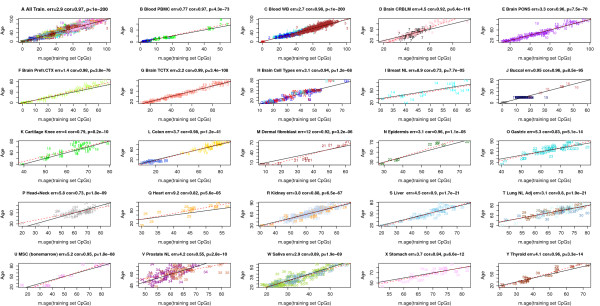
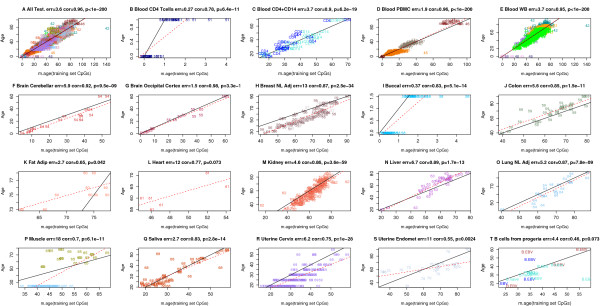
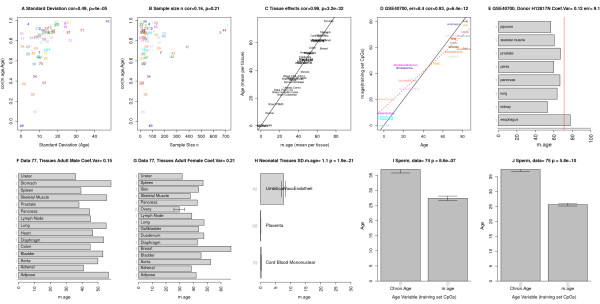
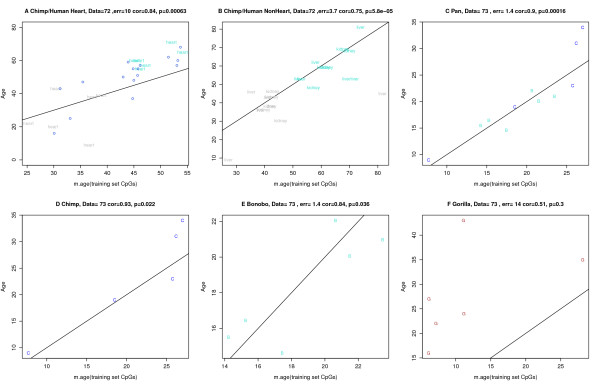
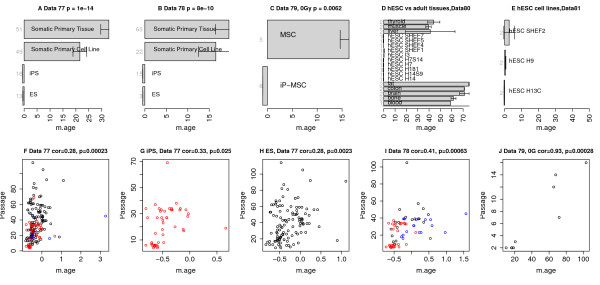
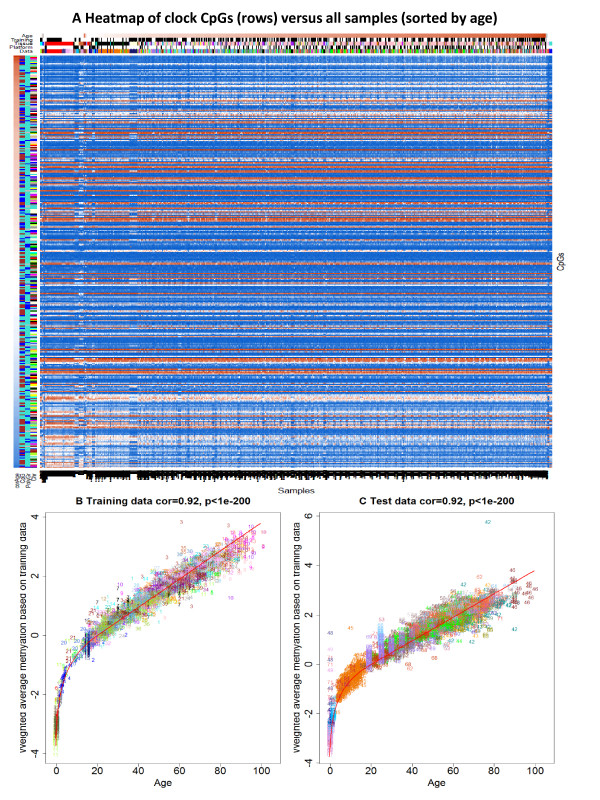
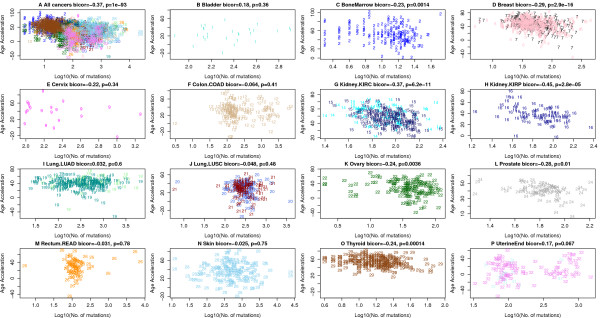
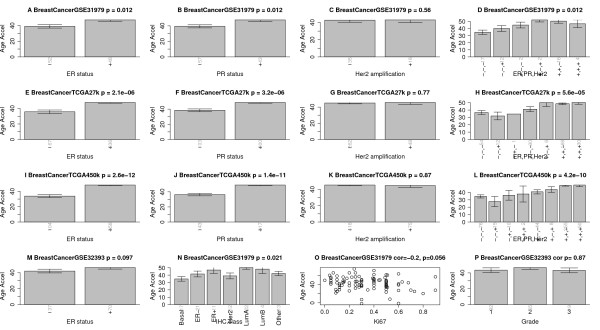
Background: It is not yet known whether DNA methylation levels can be used to accurately predict age across a broad spectrum of human tissues and cell types, nor whether the resulting age prediction is a biologically meaningful measure. Results: I developed a multi-tissue predictor of age that allows one to estimate the DNA methylation age of most tissues and cell types. The predictor, which is freely available, was developed using 8,000 samples from 82 Illumina DNA methylation array datasets, encompassing 51 healthy tissues and cell types. I found that DNA methylation age has the following properties: first, it is close to zero for embryonic and induced pluripotent stem cells; second, it correlates with cell passage number; third, it gives rise to a highly heritable measure of age acceleration; and, fourth, it is applicable to chimpanzee tissues. Analysis of 6,000 cancer samples from 32 datasets showed that all of the considered 20 cancer types exhibit significant age acceleration, with an average of 36 years. Low age-acceleration of cancer tissue is associated with a high number of somatic mutations and TP53 mutations, while mutations in steroid receptors greatly accelerate DNA methylation age in breast cancer. Finally, I characterize the 353 CpG sites that together form an aging clock in terms of chromatin states and tissue variance. Conclusions: I propose that DNA methylation age measures the cumulative effect of an epigenetic maintenance system. This novel epigenetic clock can be used to address a host of questions in developmental biology, cancer and aging research.
Overview
The claims and statistics of this paper haven’t been checked yet.
Free: it reads the open-access text and checks the first 5 claims that cite a source we can check. Create a free account to check every claim.
Integrity signals
Registry
Cites
Statistics
Figures
Verification
Claims the paper makes
The claims and statistics of this paper haven’t been checked yet.
Free: it reads the open-access text and checks the first 5 claims that cite a source we can check. Create a free account to check every claim.
Claims other papers make about this one
Each is checked against this paper’s own text: does it say what the citing paper says it does?
The source backs part of the claim, not all of it — or backs it for a different population, condition or comparison.
In the citing paper
“Epigenetic clocks serve as a biomarker of biological age in mammals (Hannum et al., 2013; Horvath, 2013; Petkovich et al., 2017; Weidner et al., 2014).”
From Loss of epigenetic information as a cause of mammalian aging (2023) · cites this paper as Horvath, 2013
Experimental — accuracy not yet measuredThe source backs part of the claim, not all of it — or backs it for a different population, condition or comparison.
In the citing paper
“During ageing, for reasons that are unclear, these patterns change in ways that can be used to calculate DNA methylation (DNAm) age, a representation of biological age that can predict future health and lifespan4.”
From Reprogramming to recover youthful epigenetic information and restore vision (2020) · cites this paper as [4]
Experimental — accuracy not yet measuredThe source backs part of the claim, not all of it — or backs it for a different population, condition or comparison.
In the citing paper
“That said, we do not wish to imply that DNA methylation is the only epigenetic mark involved in this process. It likely involves other transcription factors and epigenetic modifications, such as the PRC2 complex and H3K27me3, both of which are involved in maintaining stem cell plasticity and are associated with DNAm clock sites4,49,50.”
From Reprogramming to recover youthful epigenetic information and restore vision (2020) · cites this paper as [4]
Experimental — accuracy not yet measuredThe source backs part of the claim, not all of it — or backs it for a different population, condition or comparison.
In the citing paper
“Many of the 353 CpGs investigated are located close to poised promoters of bivalent genes (marked by H3K4me3 and H3K27me3), or to active promoters 126 , suggesting that ageing may correlate with reduced plasticity in the expression of some bivalent genes, which might resolve into repressed or active states, and with active genes changing their expression levels.”
From Advances in epigenetics link genetics to the environment and disease (2019) · cites this paper as [126]
Experimental — accuracy not yet measuredThe source backs part of the claim, not all of it — or backs it for a different population, condition or comparison.
In the citing paper
“One especially interesting aspect of DNA methylation clocks is their ability to accurately predict age across a wide range of different tissue types, regardless of the tissue type they were trained on, suggesting that they measure ageing signals that are shared between cell types43,44.”
From Measuring biological age using omics data (2022) · cites this paper as [44]
Experimental — accuracy not yet measured
23 more claims about this paper
Create a free account to see every claim other papers make about this one.
Self-check
Percentages, sums and reported differences re-computed from the paper’s own numbers.
The self-check needs the paper’s full text.
Citations
Cites
Regularization Paths for Generalized Linear Models via Coordinate Descent
Friedman, J., Hastie, T., & Tibshirani, R. (2010) · Journal of Statistical Software · doi:10.18637/jss.v033.i01 · Cited by 19,927
Embryonic Stem Cell Lines Derived from Human Blastocysts
Thomson, J. A., Itskovitz-Eldor, J., Shapiro, S. S., Waknitz, M. A., Swiergiel, J. J., Marshall, V. S., & Jones, J. M. (1998) · Science · doi:10.1126/science.282.5391.1145 · Cited by 15,926 · cited 1×
“Further, DNAm age and cell passage number are highly correlated in ES cells (Figure 5H,J), which are also immortal [38].”
BackgroundA bivalent chromatin structure marks key developmental genes in embryonic stem cells
Bernstein, B. E., Mikkelsen, T. S., Xie, X., Kamal, M., Huebert, D. J., Cuff, J., Fry, B., Meissner, A., Wernig, M., Plath, K., et al. (2006) · Cell · doi:10.1016/j.cell.2006.02.041 · Cited by 5,361
Genome-wide methylation profiles reveal quantitative views of human aging rates
Hannum, G., Guinney, J., Zhao, L., Zhang, L., Hughes, G., Sadda, S., Klotzle, B., Bibikova, M., Fan, J.-B., Gao, Y., et al. (2013) · Molecular Cell · doi:10.1016/j.molcel.2012.10.016 · Cited by 4,270 · cited 3×
“particular, cancer tissues were excluded from this first large data set since it is well known that cancer has a profound effect on DNA methylation levels [6,7,24-26].”
BackgroundMapping and analysis of chromatin state dynamics in nine human cell types
Ernst, J., Kheradpour, P., Mikkelsen, T. S., Shoresh, N., Ward, L. D., Epstein, C. B., Zhang, X., Wang, L., Issner, R., Coyne, M., et al. (2011) · Nature · doi:10.1038/nature09906 · Cited by 2,898
Driver mutations in histone H3.3 and chromatin remodelling genes in paediatric glioblastoma
Schwartzentruber, J., Korshunov, A., Liu, X.-Y., Jones, D. T. W., Pfaff, E., Jacob, K., Sturm, D., Fontebasso, A. M., Quang, D.-A. K., Tönjes, M., et al. (2012) · Nature · doi:10.1038/nature10833 · Cited by 2,631
Control of Developmental Regulators by Polycomb in Human Embryonic Stem Cells
Lee, T. I., Jenner, R. G., Boyer, L. A., Guenther, M. G., Levine, S. S., Kumar, R. M., Chevalier, B., Johnstone, S. E., Cole, M. F., Isono, K.-I., et al. (2006) · Cell · doi:10.1016/j.cell.2006.02.043 · Cited by 2,268
The NIH Roadmap Epigenomics Mapping Consortium
Bernstein, B. E., Stamatoyannopoulos, J. A., Costello, J. F., Ren, B., Milosavljevic, A., Meissner, A., Kellis, M., Marra, M. A., Beaudet, A. L., Ecker, J. R., et al. (2010) · Nature Biotechnology · doi:10.1038/nbt1010-1045 · Cited by 1,892 · cited 1×
“The epigenomic landscape varies markedly across tissue types [16-18] and many age-related changes depend on tissue type [8,19].”
BackgroundSturm, D., Witt, H., Hovestadt, V., Khuong-Quang, D.-A., Jones, D. T. W., Konermann, C., Pfaff, E., Tönjes, M., Sill, M., Bender, S., et al. (2012) · Cancer Cell · doi:10.1016/j.ccr.2012.08.024 · Cited by 1,828
Teschendorff, A. E., Marabita, F., Lechner, M., Bartlett, T., Tegner, J., Gomez-Cabrero, D., & Beck, S. (2013) · Bioinformatics · doi:10.1093/bioinformatics/bts680 · Cited by 1,683
Cited by
Items 301–400 of 1,133
Ryan, J., Wrigglesworth, J., Loong, J., Fransquet, P. D., & Woods, R. L. (2020) · The Journals of Gerontology: Series A · doi:10.1093/gerona/glz099 · Cited by 179
“We identified 61 studies with a total of over 50,000 participants who investigated the association between environmental, lifestyle and health-related factors and DNAm age (predominantly in blood) using Horvath’s (14) and/or Hannum’s (13) epigenetic clock calculators.”
BackgroundMethodInfluentialGene expression hallmarks of cellular ageing
Frenk, S., & Houseley, J. (2018) · Biogerontology · doi:10.1007/s10522-018-9750-z · Cited by 181
“In support of this idea, remarkably accurate epigenetic clocks have been described in humans based on progressive epigenetic changes that occur at the same sites in (almost) all tissues regardless of their private age-linked gene expression programmes (Hannum et al. 2013; Horvath 2013).”
BackgroundAging-Induced Stem Cell Mutations as Drivers for Disease and Cancer
Adams, P. D., Jasper, H., & Rudolph, K. L. (2015) · Cell Stem Cell · doi:10.1016/j.stem.2015.05.002 · Cited by 180
“…small numbers of CpGs whose age-associated change in methylation status in multiple tissues correlates strongly with chronological age and biological age, the latter linked to predisposition to disease and mortality (Hannum et al., 2013; Horvath, 2013; Marioni et al., 2015; Weidner et al., 2014).”
BackgroundThe effects of early life adversity on the immune system
Elwenspoek, M. M. C., Kuehn, A., Muller, C. P., & Turner, J. D. (2017) · Psychoneuroendocrinology · doi:10.1016/j.psyneuen.2017.05.012 · Cited by 180
“Horvath (2013) and Hannum et al. (2013) have proposed epigenetic aging metrics using two distinct formulas and 353 and 71 CpG sites, respectively, to predict biological age.”
Changes of mitochondrial ultrastructure and function during ageing in mice and Drosophila
Brandt, T., Mourier, A., Tain, L. S., Partridge, L., Larsson, N.-G., & Kühlbrandt, W. (2017) · eLife · doi:10.7554/elife.24662 · Cited by 179
“DOI: 10.7554/eLife.24662 12 of 19 (Horvath, 2013).”
InfluentialHuman longevity: Genetics or Lifestyle? It takes two to tango
Passarino, G., De Rango, F., & Montesanto, A. (2016) · Immunity & Ageing · doi:10.1186/s12979-016-0066-z · Cited by 178
“In particular, Horwat and co-workers, on the basis of the methylation levels of 353 CpG units, formulated a mathematical model, the so-called epigenetic clock, that showed some important properties [55].”
Hong, S. R., Jung, S.-E., Lee, E. H., Shin, K.-J., Yang, W. I., & Lee, H. Y. (2017) · Forensic Science International: Genetics · doi:10.1016/j.fsigen.2017.04.006 · Cited by 176
“Several previous studies have reported age-predictive models with considerable prediction accuracy based on a large number of CpG sites from Illumina beadchip array [11,12].”
BackgroundHallmarks of the aging T‐cell system
Zhang, H., Weyand, C. M., & Goronzy, J. J. (2021) · The FEBS Journal · doi:10.1111/febs.15770 · Cited by 177
Naue, J., Hoefsloot, H. C. J., Mook, O. R. F., Rijlaarsdam-Hoekstra, L., van der Zwalm, M. C. H., Henneman, P., Kloosterman, A. D., & Verschure, P. J. (2017) · Forensic Science International: Genetics · doi:10.1016/j.fsigen.2017.07.015 · Cited by 176
“Furthermore, it has been revealed that DNAm alters with age within each individual [9 – 12].”
Epismoker: A Robust Classifier to Determine Smoking Status from DNA Methylation Data
Bollepalli, S., Korhonen, T., Kaprio, J., Anders, S., & Ollikainen, M. (2019) · Epigenomics · doi:10.2217/epi-2019-0206 · Cited by 175
A whole lifespan mouse multi-tissue DNA methylation clock
Meer, M. V., Podolskiy, D. I., Tyshkovskiy, A., & Gladyshev, V. N. (2018) · eLife · doi:10.7554/elife.40675 · Cited by 176
“, 2013) and multi-tissue (Horvath, 2013) biomarkers of age.”
BackgroundMethodInfluentialLyu, G., Guan, Y., Zhang, C., Zong, L., Sun, L., Huang, X., Huang, L., Zhang, L., Tian, X.-L., Zhou, Z., et al. (2018) · Nature Communications · doi:10.1038/s41467-018-04994-z · Cited by 176
Endometrial receptivity in women of advanced age: an underrated factor in infertility
Pathare, A. D. S., Loid, M., Saare, M., Gidlöf, S. B., Zamani Esteki, M., Acharya, G., Peters, M., & Salumets, A. (2023) · Human Reproduction Update · doi:10.1093/humupd/dmad019 · Cited by 173
“The biological age of an individual can be assessed by virtue of the ‘epigenetic clock’ or ‘methylation age’ (Horvath, 2013) as well as the ‘telomer clock’ (Shammas, 2011).”
BackgroundIdentification and evaluation of age-correlated DNA methylation markers for forensic use
Park, J.-L., Kim, J. H., Seo, E., Bae, D. H., Kim, S.-Y., Lee, H.-C., Woo, K.-M., & Kim, Y. S. (2016) · Forensic Science International: Genetics · doi:10.1016/j.fsigen.2016.03.005 · Cited by 174
“[21] reported that the combination of 353CpG sites predicts age in a training set with a MAD between predicted and chronological age of 2.”
BackgroundMethodInfluentialBrody, G. H., Yu, T., Chen, E., Beach, S. R. H., & Miller, G. E. (2016) · Journal of Child Psychology and Psychiatry · doi:10.1111/jcpp.12495 · Cited by 173
“Epigenetic age was calculated from the DNA methylation data based on scripts developed by Horvath (2013).”
BackgroundMethodParade, S. H., Huffhines, L., Daniels, T. E., Stroud, L. R., Nugent, N. R., & Tyrka, A. R. (2021) · Translational Psychiatry · doi:10.1038/s41398-021-01207-y · Cited by 170
Senescence in Wound Repair: Emerging Strategies to Target Chronic Healing Wounds
Wilkinson, H. N., & Hardman, M. J. (2020) · Frontiers in Cell and Developmental Biology · doi:10.3389/fcell.2020.00773 · Cited by 173
Carroll, J. E., Irwin, M. R., Levine, M., Seeman, T. E., Absher, D., Assimes, T., & Horvath, S. (2017) · Biological Psychiatry · doi:10.1016/j.biopsych.2016.07.008 · Cited by 173
“This epigenetic clock method for estimating age is highly correlated with chronological age across cell types and complex tissues(26;29;30).”
BackgroundMethodInfluentialSelf-citationObesity accelerates epigenetic aging in middle-aged but not in elderly individuals
Nevalainen, T., Kananen, L., Marttila, S., Jylhävä, J., Mononen, N., Kähönen, M., Raitakari, O. T., Hervonen, A., Jylhä, M., Lehtimäki, T., et al. (2017) · Clinical Epigenetics · doi:10.1186/s13148-016-0301-7 · Cited by 172
“It has been shown that epigenetic clock of the children is ticking relatively faster than that of adults because of the active, ongoing growth period [7].”
BackgroundMethodInfluentialAge-related accrual of methylomic variability is linked to fundamental ageing mechanisms
BIOS consortium, Slieker, R. C., van Iterson, M., Luijk, R., Beekman, M., Zhernakova, D. V., Moed, M. H., Mei, H., van Galen, M., Deelen, P., et al. (2016) · Genome Biology · doi:10.1186/s13059-016-1053-6 · Cited by 169
“e Overlap between aVMPs and frequently identified aDMPs and CpGs in Horvath’s ageing clock [24].”
Radiation-related genomic profile of papillary thyroid carcinoma after the Chernobyl accident
Morton, L. M., Karyadi, D. M., Stewart, C., Bogdanova, T. I., Dawson, E. T., Steinberg, M. K., Dai, J., Hartley, S. W., Schonfeld, S. J., Sampson, J. N., et al. (2021) · Science · doi:10.1126/science.abg2538 · Cited by 169
“Methylation profiles were evaluated to estimate epigenetic age acceleration using two established metrics (38, 39).”
MethodChildhood maltreatment and DNA methylation: A systematic review
Cecil, C. A. M., Zhang, Y., & Nolte, T. (2020) · Neuroscience & Biobehavioral Reviews · doi:10.1016/j.neubiorev.2020.02.019 · Cited by 169
“Three studies used the approach developed by Horvath (2013) to investigate associations between childhood maltreatment and accelerated epigenetic age, with mixed findings.”
MethodGenetic and environmental exposures constrain epigenetic drift over the human life course
Shah, S., McRae, A. F., Marioni, R. E., Harris, S. E., Gibson, J., Henders, A. K., Redmond, P., Cox, S. R., Pattie, A., Corley, J., et al. (2014) · Genome Research · doi:10.1101/gr.176933.114 · Cited by 169
Parkinson’s disease is associated with DNA methylation levels in human blood and saliva
Chuang, Y.-H., Paul, K. C., Bronstein, J. M., Bordelon, Y., Horvath, S., & Ritz, B. (2017) · Genome Medicine · doi:10.1186/s13073-017-0466-5 · Cited by 166
Self-citationDNA methylation predicts age and provides insight into exceptional longevity of bats
Wilkinson, G. S., Adams, D. M., Haghani, A., Lu, A. T., Zoller, J., Breeze, C. E., Arnold, B. D., Ball, H. C., Carter, G. G., Cooper, L. N., et al. (2021) · Nature Communications · doi:10.1038/s41467-021-21900-2 · Cited by 168
Self-citationCell-type-specific resolution epigenetics without the need for cell sorting or single-cell biology
Rahmani, E., Schweiger, R., Rhead, B., Criswell, L. A., Barcellos, L. F., Eskin, E., Rosset, S., Sankararaman, S., & Halperin, E. (2019) · Nature Communications · doi:10.1038/s41467-019-11052-9 · Cited by 165
“We propose a new model for DNA methylation, where we assume that the cell-type-speci fi c methylation levels of an individual are coming from a distribution that — up to methylation altering factors such as age 24 and sex 25 — is shared across individuals in the population.”
MethodJohnson, A. A., Shokhirev, M. N., Wyss-Coray, T., & Lehallier, B. (2020) · Ageing Research Reviews · doi:10.1016/j.arr.2020.101070 · Cited by 166
The role of oxidative and inflammatory stress and persistent viral infections in immunosenescence
Bauer, M. E., & Fuente, M. D. L. (2016) · Mechanisms of Ageing and Development · doi:10.1016/j.mad.2016.01.001 · Cited by 166
Mulder, R. H., Neumann, A., Cecil, C. A. M., Walton, E., Houtepen, L. C., Simpkin, A. J., Rijlaarsdam, J., Heijmans, B. T., Gaunt, T. R., Felix, J. F., et al. (2021) · Human Molecular Genetics · doi:10.1093/hmg/ddaa280 · Cited by 165
“Slope changes in DNAm were found both at the age of 6 (21% in Horvath; 40.8% in Hannum) and 9 years (7.1% in Horvath, 8.4% in Hannum).”
BackgroundMethodResultInfluentialStress-induced biological aging: A review and guide for research priorities
Polsky, L. R., Rentscher, K. E., & Carroll, J. E. (2022) · Brain, Behavior, and Immunity · doi:10.1016/j.bbi.2022.05.016 · Cited by 165
“Further refinement of biological markers of aging in human models will also be key to accelerating progress in this area, such as recent advances in epigenetic markers of aging (Belsky et al., 2020; Horvath, 2013; Levine et al., 2018; Lu et al., 2019) and multisystem indicators of age acceleration.”
BackgroundHuan, T., Chen, G., Liu, C., Bhattacharya, A., Rong, J., Chen, B. H., Seshadri, S., Tanriverdi, K., Freedman, J. E., Larson, M. G., et al. (2018) · Aging Cell · doi:10.1111/acel.12687 · Cited by 161
“Two recent studies developed age predictors based on the methylation state of CpGs in whole blood and other tissues (Hannum et al., 2013; Horvath, 2013).”
BackgroundDNA methylation-based age clocks: From age prediction to age reversion
Noroozi, R., Ghafouri-Fard, S., Pisarek, A., Rudnicka, J., Spólnicka, M., Branicki, W., Taheri, M., & Pośpiech, E. (2021) · Ageing Research Reviews · doi:10.1016/j.arr.2021.101314 · Cited by 163
BiT age: A transcriptome‐based aging clock near the theoretical limit of accuracy
Meyer, D. H., & Schumacher, B. (2021) · Aging Cell · doi:10.1111/acel.13320 · Cited by 165
Accelerated epigenetic aging and mitochondrial DNA copy number in bipolar disorder
Fries, G. R., Bauer, I. E., Scaini, G., Wu, M.-J., Kazimi, I. F., Valvassori, S. S., Zunta-Soares, G., Walss-Bass, C., Soares, J. C., & Quevedo, J. (2017) · Translational Psychiatry · doi:10.1038/s41398-017-0048-8 · Cited by 162
The metabolomics of human aging: Advances, challenges, and opportunities
Panyard, D. J., Yu, B., & Snyder, M. P. (2022) · Science Advances · doi:10.1126/sciadv.add6155 · Cited by 161
“Some of the early work on omic clocks of aging was driven by epigenetic data (118), and more recent omic clocks have included the transcriptome, proteome, and telomeres (119, 120).”
BackgroundFreire-Aradas, A., Phillips, C., Mosquera-Miguel, A., Girón-Santamaría, L., Gómez-Tato, A., Casares de Cal, M., Álvarez-Dios, J., Ansede-Bermejo, J., Torres-Español, M., Schneider, P. M., et al. (2016) · Forensic Science International: Genetics · doi:10.1016/j.fsigen.2016.06.005 · Cited by 162
“Epigenetic studies using HumanMethylation450 data have been the basis for development of preliminary age-predictive tests using a high number of CpG sites (or CpG positions) [18–21] and capable of predicting age with a deviation interval of 5 years from the actual age.”
BackgroundMethodInfluentialHigh social status males experience accelerated epigenetic aging in wild baboons
Anderson, J. A., Johnston, R. A., Lea, A. J., Campos, F. A., Voyles, T. N., Akinyi, M. Y., Alberts, S. C., Archie, E. A., & Tung, J. (2021) · eLife · doi:10.7554/elife.66128 · Cited by 161
“…newly generated reducedrepresentation bisulfite sequencing (RRBS) data from 245 wild baboons (N = 277 blood samples) living in the Amboseli ecosystem of Kenya (Alberts and Altmann, 2012) to generate a DNA methylation-based age predictor (an ‘epigenetic clock’; Hannum et al., 2013; Horvath, 2013).”
BackgroundMethodInfluentialTurning back time with emerging rejuvenation strategies
Mahmoudi, S., Xu, L., & Brunet, A. (2019) · Nature Cell Biology · doi:10.1038/s41556-018-0206-0 · Cited by 161
Epigenome-based cancer risk prediction: rationale, opportunities and challenges
on behalf of the FORECEE (4C) Consortium, Widschwendter, M., Jones, A., Evans, I., Reisel, D., Dillner, J., Sundström, K., Steyerberg, E. W., Vergouwe, Y., Wegwarth, O., et al. (2018) · Nature Reviews Clinical Oncology · doi:10.1038/nrclinonc.2018.30 · Cited by 160
Tsai, P.-C., Glastonbury, C. A., Eliot, M. N., Bollepalli, S., Yet, I., Castillo-Fernandez, J. E., Carnero-Montoro, E., Hardiman, T., Martin, T. C., Vickers, A., et al. (2018) · Clinical Epigenetics · doi:10.1186/s13148-018-0558-0 · Cited by 160
Decreased Brain Levels of Vitamin B12 in Aging, Autism and Schizophrenia
Zhang, Y., Hodgson, N. W., Trivedi, M. S., Abdolmaleky, H. M., Fournier, M., Cuenod, M., Do, K. Q., & Deth, R. C. (2016) · PLOS ONE · doi:10.1371/journal.pone.0146797 · Cited by 160
An epigenetic aging clock for dogs and wolves
Thompson, M. J., vonHoldt, B., Horvath, S., & Pellegrini, M. (2017) · Aging · doi:10.18632/aging.101211 · Cited by 155
“We recently developed a multi-tissue epigenetic age estimation method (known as the epigenetic clock) that combines the DNA methylation levels of 353 epigenetic markers known as CpGs [17].”
InfluentialSelf-citationEpigenetic programming by stress and glucocorticoids along the human lifespan
Zannas, A. S., & Chrousos, G. P. (2017) · Molecular Psychiatry · doi:10.1038/mp.2017.35 · Cited by 158
Pollock, R. D., Carter, S., Velloso, C. P., Duggal, N. A., Lord, J. M., Lazarus, N. R., & Harridge, S. D. R. (2015) · The Journal of Physiology · doi:10.1113/jphysiol.2014.282863 · Cited by 158
“…a number of other markers have been suggested from which the age of an individual may be predicted; in particular, two such markers which showed promise were telomere length and DNA methylation, with the latter showing very high correlation and accuracy in a number of tissues (Horvath, 2013).”
BackgroundMing, X., Zhang, Z., Zou, Z., Lv, C., Dong, Q., He, Q., Yi, Y., Li, Y., Wang, H., & Zhu, B. (2020) · Cell Research · doi:10.1038/s41422-020-0359-9 · Cited by 166
Schiele, M. A., Gottschalk, M. G., & Domschke, K. (2020) · Clinical Psychology Review · doi:10.1016/j.cpr.2020.101830 · Cited by 156
Profiling epigenetic age in single cells
Trapp, A., Kerepesi, C., & Gladyshev, V. N. (2021) · Nature Aging · doi:10.1038/s43587-021-00134-3 · Cited by 168
Sugden, K., Caspi, A., Elliott, M. L., Bourassa, K. J., Chamarti, K., Corcoran, D. L., Hariri, A. R., Houts, R. M., Kothari, M., Kritchevsky, S., et al. (2022) · Neurology · doi:10.1212/wnl.0000000000200898 · Cited by 156
An integrative multi-scale analysis of the dynamic DNA methylation landscape in aging
Yuan, T., Jiao, Y., de Jong, S., Ophoff, R. A., Beck, S., & Teschendorff, A. E. (2015) · PLOS Genetics · doi:10.1371/journal.pgen.1004996 · Cited by 155
A novel strategy for forensic age prediction by DNA methylation and support vector regression model
Xu, C., Qu, H., Wang, G., Xie, B., Shi, Y., Yang, Y., Zhao, Z., Hu, L., Fang, X., Yan, J., et al. (2015) · Scientific Reports · doi:10.1038/srep17788 · Cited by 164
“Moreover, most of the previous reports are focused on Caucasians 17,19 , the findings from which are probably inapplicable to other populations mainly due to the existing difference in population-specific DNA methylation profiles 25 .”
InfluentialAge and sun exposure-related widespread genomic blocks of hypomethylation in nonmalignant skin
Vandiver, A. R., Irizarry, R. A., Hansen, K. D., Garza, L. A., Runarsson, A., Li, X., Chien, A. L., Wang, T. S., Leung, S. G., Kang, S., et al. (2015) · Genome Biology · doi:10.1186/s13059-015-0644-y · Cited by 151
“In a recent work, Horvath [33] built an age-prediction model using methylation at 353 cytosines probed on the 450k array which allows calculation of a 'methylation age' for any given sample.”
BackgroundMethodInfluentialSystemic Biomarkers of Accelerated Aging in Schizophrenia: A Critical Review and Future Directions
Nguyen, T. T., Eyler, L. T., & Jeste, D. V. (2018) · Schizophrenia Bulletin · doi:10.1093/schbul/sbx069 · Cited by 151
Identification of individuals by trait prediction using whole-genome sequencing data
Lippert, C., Sabatini, R., Maher, M. C., Kang, E. Y., Lee, S., Arikan, O., Harley, A., Bernal, A., Garst, P., Lavrenko, V., et al. (2017) · Proceedings of the National Academy of Sciences · doi:10.1073/pnas.1711125114 · Cited by 153
Heiss, J. A., & Just, A. C. (2018) · Clinical Epigenetics · doi:10.1186/s13148-018-0504-1 · Cited by 152
“…component analysis to create lower-dimensional representations for discriminating between tissue types; comparing chronological and epigenetic age [19]; the estimation of cell proportions for blood samples, which can be as precise as actual blood cell counts [20]; or any other checks that might…”
BackgroundPlacental epigenetic clocks: estimating gestational age using placental DNA methylation levels
Lee, Y., Choufani, S., Weksberg, R., Wilson, S. L., Yuan, V., Burt, A., Marsit, C., Lu, A. T., Ritz, B., Bohlin, J., et al. (2019) · Aging · doi:10.18632/aging.102049 · Cited by 152
“We focus on placental DNA methylation (DNAm) data, because prior work demonstrated that accurate estimators of chronological age (epigenetic clocks) can be developed based on DNAm levels from a variety of tissues [23], that one can estimate GA based on DNAm data derived from umbilical cord blood samples [24, 25], and…”
BackgroundSelf-citationDetermination of Biological Age: Geriatric Assessment vs Biological Biomarkers
Diebel, L., & Rockwood, K. J. (2021) · Current Oncology Reports · doi:10.1007/s11912-021-01097-9 · Cited by 178
Epigenetics, DNA damage, and aging
Soto-Palma, C., Niedernhofer, L. J., Faulk, C. D., & Dong, X. (2022) · Journal of Clinical Investigation · doi:10.1172/jci158446 · Cited by 174
Epigenetics in Alzheimer’s Disease: Perspective of DNA Methylation
Qazi, T. J., Quan, Z., Mir, A., & Qing, H. (2018) · Molecular Neurobiology · doi:10.1007/s12035-016-0357-6 · Cited by 153
DeepMAge: A Methylation Aging Clock Developed with Deep Learning
Galkin, F., Mamoshina, P., Kochetov, K., Sidorenko, D., & Zhavoronkov, A. (2021) · Aging and disease · doi:10.14336/ad.2020.1202 · Cited by 151
“That year, two seminal articles dedicated to DNAm aging clocks were published: [12] by Horvath and [13] by Hannum et al. Each study describes an algorithm that estimates human chronological age based on data obtained from Illumina DNAm microarrays.”
BackgroundMethodInfluentialMehta, D., Kelly, A. B., Laurens, K. R., Haslam, D. M., Williams, K. E., Walsh, K., Baker, P., Carter, H. E., Khawaja, N. G., Zelenko, O., et al. (2021) · Child Psychiatry & Human Development · doi:10.1007/s10578-021-01258-8 · Cited by 211
An epigenome-wide association study of sex-specific chronological ageing
McCartney, D. L., Zhang, F., Hillary, R. F., Zhang, Q., Stevenson, A. J., Walker, R. M., Bermingham, M. L., Boutin, T., Morris, S. W., Campbell, A., et al. (2020) · Genome Medicine · doi:10.1186/s13073-019-0693-z · Cited by 152
“75) [4, 5, 18].”
BackgroundMethodResultInfluentialConcordant and discordant DNA methylation signatures of aging in human blood and brain
Farré, P., Jones, M. J., Meaney, M. J., Emberly, E., Turecki, G., & Kobor, M. S. (2015) · Epigenetics & Chromatin · doi:10.1186/s13072-015-0011-y · Cited by 152
“Epigenetic aging consists principally of two distinct types of changes, termed ‘epigenetic drift’ and the ‘epigenetic clock’ [21-24].”
BackgroundPatterns of Reliability: Assessing the Reproducibility and Integrity of DNA Methylation Measurement
Sugden, K., Hannon, E. J., Arseneault, L., Belsky, D. W., Corcoran, D. L., Fisher, H. L., Houts, R. M., Kandaswamy, R., Moffitt, T. E., Poulton, R., et al. (2020) · Patterns · doi:10.1016/j.patter.2020.100014 · Cited by 151
“…reliabilities for three established DNA methylation aging-associated clocks: (1) the “Hannum clock,” 36 (number of probes = 63), (2) the “Horvath clock” 37 (number of probes = 334), and (3) the “Levine clock” 38 (number of probes = 512; the number of probes reflects those available in our data).”
Robust meta-analysis of gene expression using the elastic net
Hughey, J., & Butte, A. J. (2015) · Nucleic Acids Research · doi:10.1093/nar/gkv229 · Cited by 167
“The elastic net has found use in numerous and diverse applications, including identification of genomic markers of drug sensitivity (13), development of a predictor of age based on DNA methylation (14) and identification of risk factors for binge drinking (15).”
BackgroundMarttila, S., Kananen, L., Häyrynen, S., Jylhävä, J., Nevalainen, T., Hervonen, A., Jylhä, M., Nykter, M., & Hurme, M. (2015) · BMC Genomics · doi:10.1186/s12864-015-1381-z · Cited by 149
“The Illumina Infinium HumanMethylation450 BeadChip (450K array) offers an improvement in this area, as the probes span 99% of the RefSeq genes and are distributed more evenly across the genome, such as on the shores and shelves of CpG islands and in non-CpG islands (non-CGIs), as well as in gene bodies and untranslate…”
BackgroundResultInfluentialWTAP-mediated m6A modification of lncRNA NORAD promotes intervertebral disc degeneration
Li, G., Ma, L., He, S., Luo, R., Wang, B., Zhang, W., Song, Y., Liao, Z., Ke, W., Xiang, Q., et al. (2022) · Nature Communications · doi:10.1038/s41467-022-28990-6 · Cited by 172
Graf, G. H., Crowe, C. L., Kothari, M., Kwon, D., Manly, J. J., Turney, I. C., Valeri, L., & Belsky, D. W. (2022) · American Journal of Epidemiology · doi:10.1093/aje/kwab281 · Cited by 150
Accelerated epigenetic aging in Werner syndrome
Maierhofer, A., Flunkert, J., Oshima, J., Martin, G. M., Haaf, T., & Horvath, S. (2017) · Aging · doi:10.18632/aging.101217 · Cited by 149
“The advanced analysis option of the epigenetic clock software [6, 19] was used to estimate the percentage of exhausted CD8+ T cells (defined as CD28-CD45RA-) and the number (count) of naïve CD8+ T cells (defined as (CD45RA+CCR7+).”
BackgroundMethodSelf-citationEpigenetic Regulation of Cellular Senescence and Aging
Sidler, C., Kovalchuk, O., & Kovalchuk, I. (2017) · Frontiers in Genetics · doi:10.3389/fgene.2017.00138 · Cited by 150
“These findings are further backed up by a mathematical modeling study performed on 82 available Illumina DNA methylation array data sets to test for the presence of age predictor sites in the genome (Horvath, 2013).”
BackgroundEarly-Life Adversity Accelerates Child and Adolescent Development
Belsky, J. (2019) · Current Directions in Psychological Science · doi:10.1177/0963721419837670 · Cited by 150
Heterochromatin: an epigenetic point of view in aging
Lee, J.-H., Kim, E. W., Croteau, D. L., & Bohr, V. A. (2020) · Experimental & Molecular Medicine · doi:10.1038/s12276-020-00497-4 · Cited by 148
A pan-tissue DNA-methylation epigenetic clock based on deep learning
Camillo, L. P. D. L., Lapierre, L. R., & Singh, R. (2022) · npj Aging · doi:10.1038/s41514-022-00085-y · Cited by 180
“Next, the data was normalized using the beta mixture quantile normalization (BMIQ) with the optimized code from Horvath, called BMIQCalibration 3,68 .”
BackgroundMethodInfluentialAge-related DNA methylation changes are sex-specific: a comprehensive assessment
Yusipov, I., Bacalini, M. G., Kalyakulina, A., Krivonosov, M., Pirazzini, C., Gensous, N., Ravaioli, F., Milazzo, M., Giuliani, C., Vedunova, M., et al. (2020) · Aging · doi:10.18632/aging.202251 · Cited by 148
Gensous, N., Garagnani, P., Santoro, A., Giuliani, C., Ostan, R., Fabbri, C., Milazzo, M., Gentilini, D., di Blasio, A. M., Pietruszka, B., et al. (2020) · GeroScience · doi:10.1007/s11357-019-00149-0 · Cited by 147
“The discovery of the so-called epigenetic clocks, based on DNA methylation (DNAm) levels at some specific sites, has been a major breakthrough in this field within the last 6 years (Horvath 2013; Hannum et al. 2013;Weidner et al. 2014).”
BackgroundMethodInfluentialFabrício, D. D. M., Chagas, M. H. N., & Diniz, B. S. (2020) · Translational research · doi:10.1016/j.trsl.2020.01.002 · Cited by 171
Epigenetic clock analyses of cellular senescence and ageing.
Lowe, D., Horvath, S., & Raj, K. (2016) · Oncotarget · doi:10.18632/oncotarget.7383 · Cited by 147
“The epigenetic clock is defined as a prediction method of age based on the linear combination of the DNA methylation levels of 353 CpGs dinucleotides [34].”
BackgroundMethodSelf-citationMcEwen, L. M., Jones, M. J., Lin, D. T. S., Edgar, R. D., Husquin, L. T., MacIsaac, J. L., Ramadori, K. E., Morin, A. M., Rider, C. F., Carlsten, C., et al. (2018) · Clinical Epigenetics · doi:10.1186/s13148-018-0556-2 · Cited by 147
Self-citationCellular Senescence as the Causal Nexus of Aging
Bhatia-Dey, N., Kanherkar, R. R., Stair, S. E., Makarev, E. O., & Csoka, A. B. (2016) · Frontiers in Genetics · doi:10.3389/fgene.2016.00013 · Cited by 146
“Furthermore, the epigenetic clock is reset or “rejuvenated” during generation of induced pluripotent stem cells (Horvath, 2013).”
BackgroundA comparison of epigenetic mitotic-like clocks for cancer risk prediction
Teschendorff, A. E. (2020) · Genome Medicine · doi:10.1186/s13073-020-00752-3 · Cited by 145
DNA methylation, early life environment, and health outcomes
Mitchell, C., Schneper, L. M., & Notterman, D. A. (2016) · Pediatric Research · doi:10.1038/pr.2015.193 · Cited by 146
“In addition, the larger arrays have allowed for other uses of the methylation data including estimating cell type distributions and methylation-determined biological age (94,95).”
MethodAccelerated DNA methylation age: Associations with PTSD and neural integrity
Wolf, E. J., Logue, M. W., Hayes, J. P., Sadeh, N., Schichman, S. A., Stone, A., Salat, D. H., Milberg, W., McGlinchey, R., & Miller, M. W. (2016) · Psychoneuroendocrinology · doi:10.1016/j.psyneuen.2015.09.020 · Cited by 145
Abernathy, D. G., Kim, W. K., McCoy, M. J., Lake, A. M., Ouwenga, R., Lee, S. W., Xing, X., Li, D., Lee, H. J., Heuckeroth, R. O., et al. (2017) · Cell Stem Cell · doi:10.1016/j.stem.2017.08.002 · Cited by 145
“…in the study of late-onset neurodegenerative diseases because the original age of human fibroblasts is maintained in converted neurons (Huh et al., 2016; Mertens et al., 2015) in contrast to the cellular rejuvenation observed in induced pluripotent stem cells (Horvath, 2013; Miller et al., 2013).”
BackgroundResultRelationship of tobacco smoking and smoking-related DNA methylation with epigenetic age acceleration
Gao, X., Zhang, Y., Breitling, L. P., & Brenner, H. (2016) · Oncotarget · doi:10.18632/oncotarget.9795 · Cited by 162
“DNA methylation age of each participant was calculated by two algorithms proposed by Horvath [9] and Hannum et al.”
InfluentialDelgado-Morales, R., Agís-Balboa, R. C., Esteller, M., & Berdasco, M. (2017) · Clinical Epigenetics · doi:10.1186/s13148-017-0365-z · Cited by 143
“Monozygotic twins are exceptional models for assessing the epigenetic effects of ageing on identical genomes [14, 15].”
BackgroundDissecting Aging and Senescence—Current Concepts and Open Lessons
Schmeer, C., Kretz, A., Wengerodt, D., Stojiljkovic, M., & Witte, O. W. (2019) · Cells · doi:10.3390/cells8111446 · Cited by 144
“Epigenetic aging also applies to cells in vitro, which even retain the memory of their epigenetic age in the initial culture, revealing that the epigenetic clock continues to tick outside of an in vivo tissue context [148,150].”
BackgroundA comprehensive epigenome atlas reveals DNA methylation regulating skeletal muscle development
Yang, Y., Fan, X., Yan, J., Chen, M., Zhu, M., Tang, Y., Liu, S., & Tang, Z. (2021) · Nucleic Acids Research · doi:10.1093/nar/gkaa1203 · Cited by 158
Zhu, H., Chen, J., Liu, K., Gao, L., Wu, H., Ma, L., Zhou, J., Liu, Z., & Han, J. J. (2023) · Science Advances · doi:10.1126/sciadv.abq7599 · Cited by 167
Biomarkers to identify and isolate senescent cells
Matjusaitis, M., Chin, G., Sarnoski, E. A., & Stolzing, A. (2016) · Ageing Research Reviews · doi:10.1016/j.arr.2016.05.003 · Cited by 144
“Although epigenetic markers vary depending on the environmental context and type of cell (Kosar et al., 2011), epigenetic profiles have been defined for various conditions, including cancer (Dumitrescu, 2012; Mäbert et al., 2014) and aged human cells (Horvath, 2013).”
Epigenetic age signatures in the forensically relevant body fluid of semen: a preliminary study
Lee, H. Y., Jung, S.-E., Oh, Y. N., Choi, A., Yang, W. I., & Shin, K.-J. (2015) · Forensic Science International: Genetics · doi:10.1016/j.fsigen.2015.05.014 · Cited by 142
“A recently reported age-predictive model by Horvath [15] uses 353 CpG sites, and could be applied across a broad spectrum of tissues with a MAD from chronological age of only 3.”
BackgroundMethodResultInfluentialImproving Phenotypic Prediction by Combining Genetic and Epigenetic Associations
Shah, S., Bonder, M. J., Marioni, R. E., Zhu, Z., McRae, A. F., Zhernakova, A., Harris, S. E., Liewald, D., Henders, A. K., Mendelson, M. M., et al. (2015) · The American Journal of Human Genetics · doi:10.1016/j.ajhg.2015.05.014 · Cited by 143
Brain age from the electroencephalogram of sleep
Sun, H., Paixão, L., Oliva, J. T., Goparaju, B., Carvalho, D. Z., van Leeuwen, K. G., Akeju, O., THOMAS, R. J., Cash, S. S., Bianchi, M. T., et al. (2018) · Neurobiology of Aging · doi:10.1016/j.neurobiolaging.2018.10.016 · Cited by 162
Crooke, S. N., Ovsyannikova, I. G., Poland, G. A., & Kennedy, R. B. (2019) · Experimental Gerontology · doi:10.1016/j.exger.2019.110632 · Cited by 156
Methylation across the central dogma in health and diseases: new therapeutic strategies
Liu, R., Zhao, E., Yu, H., Yuan, C., Abbas, M. N., & Cui, H. (2023) · Signal Transduction and Targeted Therapy · doi:10.1038/s41392-023-01528-y · Cited by 168
Biological and environmental predictors of heterogeneity in neurocognitive ageing
Nyberg, L. H., Boraxbekk, C., Sörman, D. E., Hansson, P., Herlitz, A., Kauppi, K., Ljungberg, J. K., Lövheim, H., Lundquist, A., Adolfsson, A. N., et al. (2020) · Ageing Research Reviews · doi:10.1016/j.arr.2020.101184 · Cited by 166
“predict several ageing outcomes and mortality (Hannum et al., 2013; Horvath, 2013).”
InfluentialDetermining a multimodal aging clock in a cohort of Chinese women
Li, J., Xiong, M., Fu, X.-H., Fan, Y., Dong, C., Sun, X., Zheng, F., Wang, S.-W., Liu, L., Xu, M., et al. (2023) · Med · doi:10.1016/j.medj.2023.06.010 · Cited by 140
The epigenetic impacts of social stress: how does social adversity become biologically embedded?
Cunliffe, V. T. (2016) · Epigenomics · doi:10.2217/epi-2016-0075 · Cited by 141
The Information Theory of Aging
Lu, Y. R., Tian, X., & Sinclair, D. A. (2023) · Nature Aging · doi:10.1038/s43587-023-00527-6 · Cited by 141
“…methylation age, age-related transcriptional changes, physiological changes and diseases, all reminiscent of aging 10 ; and in numerous mammalian species, epigenetic drift during aging is remarkably similar across many loci, enabling the accurate development of universal epigenetic clocks 21,22 .”
InfluentialImmune function parameters as markers of biological age and predictors of longevity
Martínez de Toda, I., Maté, I., Vida, C., Cruces, J., & De la Fuente, M. (2016) · Aging · doi:10.18632/aging.101116 · Cited by 141
“Moreover, other markers such as genetic (telomere length) [11] or epi-genetic (DNA methylation) [12] have also been proposed.”
Ness, K. K., Kirkland, J. L., Gramatges, M. M., Wang, Z., Kundu, M., McCastlain, K., Li-Harms, X., Zhang, J., Tchkonia, T., Pluijm, S. M. F., et al. (2018) · Journal of Clinical Oncology · doi:10.1200/jco.2017.76.7467 · Cited by 140
Genome-wide methylation data mirror ancestry information
Rahmani, E., Shenhav, L., Schweiger, R., Yousefi, P., Huen, K., Eskenazi, B., Eng, C., Huntsman, S., Hu, D., Galanter, J., et al. (2017) · Epigenetics & Chromatin · doi:10.1186/s13072-016-0108-y · Cited by 140
“, age [28], gender [29] and smoking [64]), and therefore, considering a group of methylation sites explaining a given SNP may introduce into the data more, potentially unknown, variance in addition to genetic variance.”
Background
Metadata
- Authors
- Horvath, S.
- Affiliations
- University of California, Los Angeles (US)
- Corresponding author
- Horvath, Steve
- ORCID
- Horvath, Steve
- Venue
- Genome Biology
- Published
- 2013-12-10
- Volume
- 14
- Issue
- 10
- Pages
- R115-R115
- ISSN
- 1465-6906 (ISSN-L)
- 1474-760X
- PMC
- PMC4015143
- OpenAlex
- W1974047233
- Semantic Scholar
- b7ad028fbe0b464636066e95bcef3c1478de5398
- Cited by
- 7,075
- References
- 91
- Citations by year
- 2026: 814 · 2025: 882 · 2024: 857 · 2023: 759 · 2022: 725 · 2021: 729 · 2020: 626 · 2019: 464 · 2018: 405 · 2017: 336 · 2016: 224 · 2015: 176 · 2014: 70 · 2013: 3
- FWCI
- 70.57
- Type
- journal article
- Language
- en
- Update notices
- Open access
- gold
- doi.org
- Licence
- cc-by
- creativecommons.org/licenses/by/2.0/ (tdm)
- creativecommons.org/licenses/by/2.0/ (vor)
- Locations
- Genome biology (publishedVersion, cc-by)
- Europe PMC (PubMed Central) (publishedVersion, cc-by)
- PubMed Central (publishedVersion, cc-by)
- PubMed (publishedVersion)
- eScholarship (California Digital Library) (submittedVersion)
- Funders
- University of Southern California
- National Institute on Aging (R01AG042511)
- Topics
- Life Sciences › Biochemistry, Genetics and Molecular Biology › Molecular Biology › Epigenetics and DNA Methylation
- Life Sciences › Biochemistry, Genetics and Molecular Biology › Aging › Genetics, Aging, and Longevity in Model Organisms
- Life Sciences › Biochemistry, Genetics and Molecular Biology › Molecular Biology › Genomics and Chromatin Dynamics
- Keywords
- DNA methylation age, epigenetic clocks, accelerated aging, cancer, somatic mutations, TP53 mutation, breast cancer, chromatin state, CpG sites, embryonic stem cells, induced pluripotent stem cells, subculture, aging
- MeSH terms
- Age Factors, Aging, Animals, Blood Cells, Brain, Pan troglodytes, Chromatin, Gene Expression Regulation, Humans, Models, Biological, Mutation, Neoplasms, Organ Specificity, Progeria, Receptors, Steroid, Stem Cells, Reproducibility of Results, Cellular Senescence, CpG Islands, DNA Methylation, Databases, Nucleic Acid, Epigenesis, Genetic, Cell Line, Tumor
About these checks
Registry, retraction, Cites and statistics results are computed, not judged, with one exception: a printed reference that no index lists is read once by a model before it counts as a citation error. Claims are extracted by a model and kept only when their quote appears verbatim in the text; each cited source is then checked, with a model’s help, for whether it says what the claim relies on. Those verdicts can be wrong — read the claim’s quote and the cited source before relying on one.
Statistics and arithmetic are recomputed, not judged.
Confidence bands are shown only for fields calibrated on our annotated test set. None is calibrated yet, so no band is shown.
What counts as a claim ›How we measure confidence ›How we check this ›
Are you an author, or do you see a problem with this page? Request a review
Data sources
Bibliographic data: Semantic Scholar, OpenAlex, Crossref.
Contains information from the Semantic Scholar Academic Graph Datasets, made available under the ODC Attribution License (ODC-BY 1.0).
Semantic Scholar’s data is described in: Kinney, R., et al. (2023). The Semantic Scholar Open Data Platform. arXiv:2301.10140.
