

DNA methylation age of human tissues and cell types
Open accessThe DOI matches its Crossref record; 90 of the 91 references it cites were found in a registry or an index.
Abstract
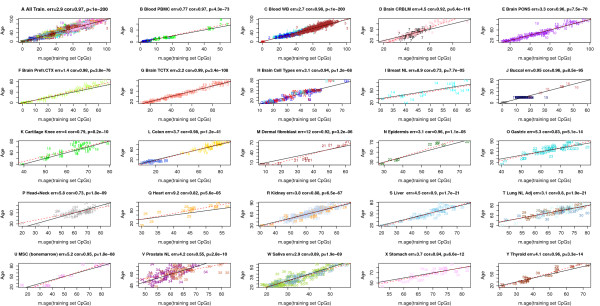
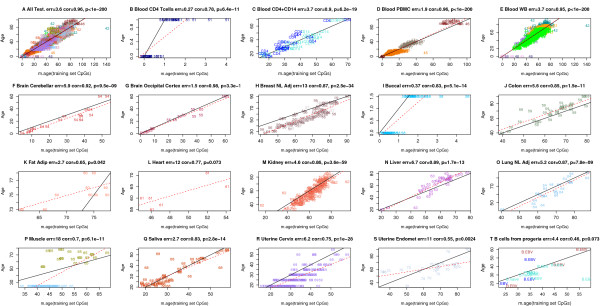
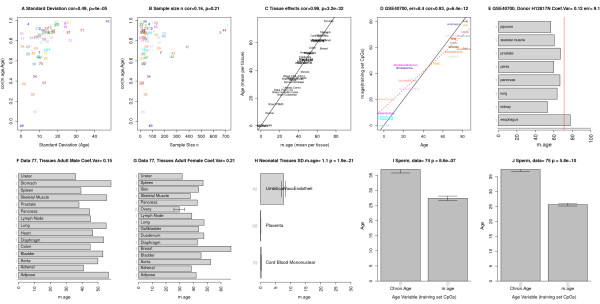
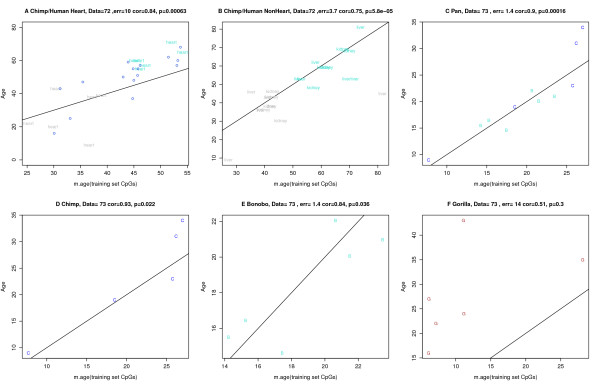
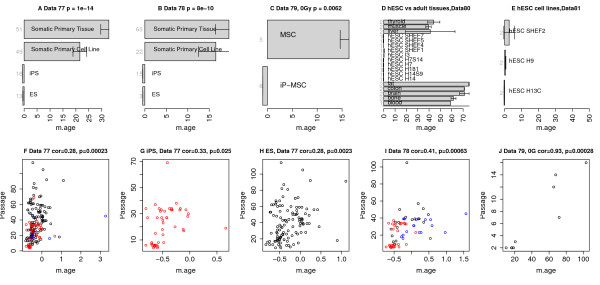
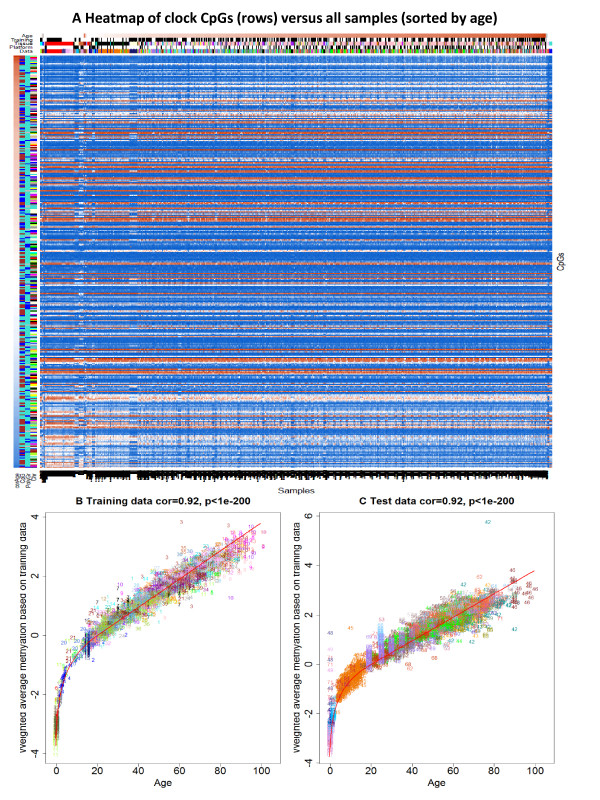
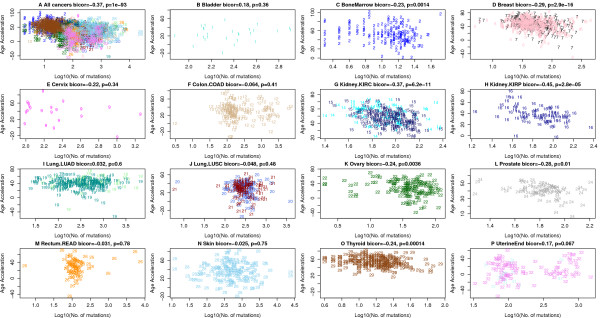
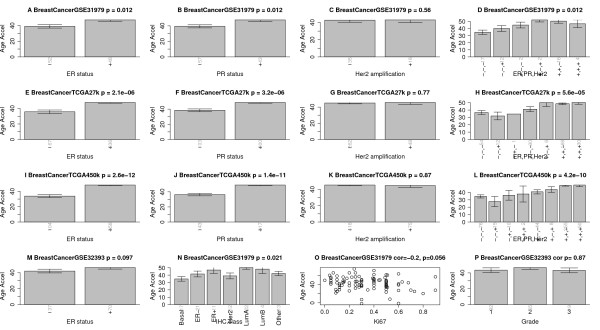
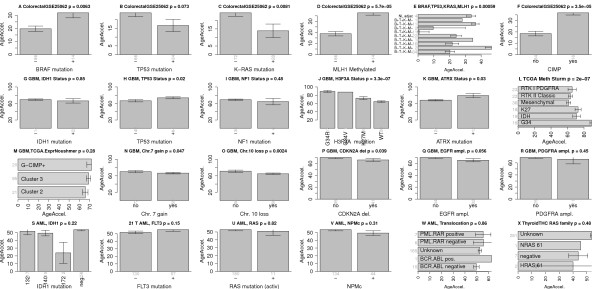
Background: It is not yet known whether DNA methylation levels can be used to accurately predict age across a broad spectrum of human tissues and cell types, nor whether the resulting age prediction is a biologically meaningful measure. Results: I developed a multi-tissue predictor of age that allows one to estimate the DNA methylation age of most tissues and cell types. The predictor, which is freely available, was developed using 8,000 samples from 82 Illumina DNA methylation array datasets, encompassing 51 healthy tissues and cell types. I found that DNA methylation age has the following properties: first, it is close to zero for embryonic and induced pluripotent stem cells; second, it correlates with cell passage number; third, it gives rise to a highly heritable measure of age acceleration; and, fourth, it is applicable to chimpanzee tissues. Analysis of 6,000 cancer samples from 32 datasets showed that all of the considered 20 cancer types exhibit significant age acceleration, with an average of 36 years. Low age-acceleration of cancer tissue is associated with a high number of somatic mutations and TP53 mutations, while mutations in steroid receptors greatly accelerate DNA methylation age in breast cancer. Finally, I characterize the 353 CpG sites that together form an aging clock in terms of chromatin states and tissue variance. Conclusions: I propose that DNA methylation age measures the cumulative effect of an epigenetic maintenance system. This novel epigenetic clock can be used to address a host of questions in developmental biology, cancer and aging research.
Overview
The claims and statistics of this paper haven’t been checked yet.
Free: it reads the open-access text and checks the first 5 claims that cite a source we can check. Create a free account to check every claim.
Integrity signals
Registry
Cites
Statistics
Figures
Verification
Claims the paper makes
The claims and statistics of this paper haven’t been checked yet.
Free: it reads the open-access text and checks the first 5 claims that cite a source we can check. Create a free account to check every claim.
Claims other papers make about this one
Each is checked against this paper’s own text: does it say what the citing paper says it does?
The source backs part of the claim, not all of it — or backs it for a different population, condition or comparison.
In the citing paper
“Epigenetic clocks serve as a biomarker of biological age in mammals (Hannum et al., 2013; Horvath, 2013; Petkovich et al., 2017; Weidner et al., 2014).”
From Loss of epigenetic information as a cause of mammalian aging (2023) · cites this paper as Horvath, 2013
Experimental — accuracy not yet measuredThe source backs part of the claim, not all of it — or backs it for a different population, condition or comparison.
In the citing paper
“During ageing, for reasons that are unclear, these patterns change in ways that can be used to calculate DNA methylation (DNAm) age, a representation of biological age that can predict future health and lifespan4.”
From Reprogramming to recover youthful epigenetic information and restore vision (2020) · cites this paper as [4]
Experimental — accuracy not yet measuredThe source backs part of the claim, not all of it — or backs it for a different population, condition or comparison.
In the citing paper
“That said, we do not wish to imply that DNA methylation is the only epigenetic mark involved in this process. It likely involves other transcription factors and epigenetic modifications, such as the PRC2 complex and H3K27me3, both of which are involved in maintaining stem cell plasticity and are associated with DNAm clock sites4,49,50.”
From Reprogramming to recover youthful epigenetic information and restore vision (2020) · cites this paper as [4]
Experimental — accuracy not yet measuredThe source backs part of the claim, not all of it — or backs it for a different population, condition or comparison.
In the citing paper
“Many of the 353 CpGs investigated are located close to poised promoters of bivalent genes (marked by H3K4me3 and H3K27me3), or to active promoters 126 , suggesting that ageing may correlate with reduced plasticity in the expression of some bivalent genes, which might resolve into repressed or active states, and with active genes changing their expression levels.”
From Advances in epigenetics link genetics to the environment and disease (2019) · cites this paper as [126]
Experimental — accuracy not yet measuredThe source backs part of the claim, not all of it — or backs it for a different population, condition or comparison.
In the citing paper
“One especially interesting aspect of DNA methylation clocks is their ability to accurately predict age across a wide range of different tissue types, regardless of the tissue type they were trained on, suggesting that they measure ageing signals that are shared between cell types43,44.”
From Measuring biological age using omics data (2022) · cites this paper as [44]
Experimental — accuracy not yet measured
23 more claims about this paper
Create a free account to see every claim other papers make about this one.
Self-check
Percentages, sums and reported differences re-computed from the paper’s own numbers.
The self-check needs the paper’s full text.
Citations
Cites
Regularization Paths for Generalized Linear Models via Coordinate Descent
Friedman, J., Hastie, T., & Tibshirani, R. (2010) · Journal of Statistical Software · doi:10.18637/jss.v033.i01 · Cited by 19,927
Embryonic Stem Cell Lines Derived from Human Blastocysts
Thomson, J. A., Itskovitz-Eldor, J., Shapiro, S. S., Waknitz, M. A., Swiergiel, J. J., Marshall, V. S., & Jones, J. M. (1998) · Science · doi:10.1126/science.282.5391.1145 · Cited by 15,926 · cited 1×
“Further, DNAm age and cell passage number are highly correlated in ES cells (Figure 5H,J), which are also immortal [38].”
BackgroundA bivalent chromatin structure marks key developmental genes in embryonic stem cells
Bernstein, B. E., Mikkelsen, T. S., Xie, X., Kamal, M., Huebert, D. J., Cuff, J., Fry, B., Meissner, A., Wernig, M., Plath, K., et al. (2006) · Cell · doi:10.1016/j.cell.2006.02.041 · Cited by 5,361
Genome-wide methylation profiles reveal quantitative views of human aging rates
Hannum, G., Guinney, J., Zhao, L., Zhang, L., Hughes, G., Sadda, S., Klotzle, B., Bibikova, M., Fan, J.-B., Gao, Y., et al. (2013) · Molecular Cell · doi:10.1016/j.molcel.2012.10.016 · Cited by 4,270 · cited 3×
“particular, cancer tissues were excluded from this first large data set since it is well known that cancer has a profound effect on DNA methylation levels [6,7,24-26].”
BackgroundMapping and analysis of chromatin state dynamics in nine human cell types
Ernst, J., Kheradpour, P., Mikkelsen, T. S., Shoresh, N., Ward, L. D., Epstein, C. B., Zhang, X., Wang, L., Issner, R., Coyne, M., et al. (2011) · Nature · doi:10.1038/nature09906 · Cited by 2,898
Driver mutations in histone H3.3 and chromatin remodelling genes in paediatric glioblastoma
Schwartzentruber, J., Korshunov, A., Liu, X.-Y., Jones, D. T. W., Pfaff, E., Jacob, K., Sturm, D., Fontebasso, A. M., Quang, D.-A. K., Tönjes, M., et al. (2012) · Nature · doi:10.1038/nature10833 · Cited by 2,631
Control of Developmental Regulators by Polycomb in Human Embryonic Stem Cells
Lee, T. I., Jenner, R. G., Boyer, L. A., Guenther, M. G., Levine, S. S., Kumar, R. M., Chevalier, B., Johnstone, S. E., Cole, M. F., Isono, K.-I., et al. (2006) · Cell · doi:10.1016/j.cell.2006.02.043 · Cited by 2,268
The NIH Roadmap Epigenomics Mapping Consortium
Bernstein, B. E., Stamatoyannopoulos, J. A., Costello, J. F., Ren, B., Milosavljevic, A., Meissner, A., Kellis, M., Marra, M. A., Beaudet, A. L., Ecker, J. R., et al. (2010) · Nature Biotechnology · doi:10.1038/nbt1010-1045 · Cited by 1,892 · cited 1×
“The epigenomic landscape varies markedly across tissue types [16-18] and many age-related changes depend on tissue type [8,19].”
BackgroundSturm, D., Witt, H., Hovestadt, V., Khuong-Quang, D.-A., Jones, D. T. W., Konermann, C., Pfaff, E., Tönjes, M., Sill, M., Bender, S., et al. (2012) · Cancer Cell · doi:10.1016/j.ccr.2012.08.024 · Cited by 1,828
Teschendorff, A. E., Marabita, F., Lechner, M., Bartlett, T., Tegner, J., Gomez-Cabrero, D., & Beck, S. (2013) · Bioinformatics · doi:10.1093/bioinformatics/bts680 · Cited by 1,683
Cited by
Items 1,001–1,100 of 1,133
The biological age of the heart is consistently younger than chronological age
Pavanello, S., Campisi, M., Fabozzo, A., Cibin, G., Tarzia, V., Toscano, G., & Gerosa, G. (2020) · Scientific Reports · doi:10.1038/s41598-020-67622-1 · Cited by 69
Rauschert, S., Melton, P. E., Heiskala, A., Karhunen, V., Burdge, G. C., Craig, J. M., Godfrey, K. M., Lillycrop, K. A., Mori, T. A., Beilin, L. J., et al. (2020) · Environmental Health Perspectives · doi:10.1289/ehp6076 · Cited by 67
“Successful examples of implementation of machine learning in epigenetics are Houseman ’ s cell counts (Houseman et al. 2012) and Horvarth ’ s epigenetic age acceleration (Horvath 2013).”
BackgroundMethodCao, M., Shao, X., Chan, P. T. K., Cheung, W., Kwan, T., Pastinen, T., & Robaire, B. (2020) · Clinical Epigenetics · doi:10.1186/s13148-020-00988-1 · Cited by 81
“In contrast, for blood aging CpGs [23], we observe only 2 of 307 CpGs for sperm aging at qv < 0.”
BackgroundMethodInfluentialNishimura, N., Battista, D. D., McGivern, D. R., Engle, R. E., Tice, A. B., Fares‐Gusmao, R., Kabát, J., Pomerenke, A., Nguyen, H., Sato, S., et al. (2021) · Proceedings of the National Academy of Sciences · doi:10.1073/pnas.2019633118 · Cited by 76
“DNA methylation levels at specific loci across human tissues have been shown to correlate with chronological age (29).”
BackgroundThe potential of DNA methylation as a biomarker for obesity and smoking
Heikkinen, A., Bollepalli, S., & Ollikainen, M. (2022) · Journal of Internal Medicine · doi:10.1111/joim.13496 · Cited by 77
The Mechanism of Bone Remodeling After Bone Aging
Fang, H., Deng, Z., Liu, J., Chen, S., Deng, Z., & Li, W. (2022) · Clinical Interventions in Aging · doi:10.2147/cia.s349604 · Cited by 82
Cell-type-specific effects of age and sex on human cortical neurons
Chien, J.-F., Liu, H., Wang, B.-A., Luo, C., Bartlett, A., Castanon, R., Johnson, N. D., Nery, J. R., Osteen, J., Li, J., et al. (2024) · Neuron · doi:10.1016/j.neuron.2024.05.013 · Cited by 79
Increased epigenetic age in normal breast tissue from luminal breast cancer patients
Hofstatter, E. W., Horvath, S., Dalela, D., Gupta, P., Chagpar, A. B., Wali, V. B., Bossuyt, V., Storniolo, A. M., Hatzis, C., Patwardhan, G., et al. (2018) · Clinical Epigenetics · doi:10.1186/s13148-018-0534-8 · Cited by 64
Self-citationZierer, J., Pallister, T., Tsai, P.-C., Krumsiek, J., Bell, J. T., Lauc, G., Spector, T. D., Menni, C., & Kastenmüller, G. (2016) · Scientific Reports · doi:10.1038/srep37646 · Cited by 63
Epigenome-wide association study of DNA methylation in panic disorder
Shimada-Sugimoto, M., Otowa, T., Miyagawa, T., Umekage, T., Kawamura, Y., Bundo, M., Iwamoto, K., Tochigi, M., Kasai, K., Kaiya, H., et al. (2017) · Clinical Epigenetics · doi:10.1186/s13148-016-0307-1 · Cited by 61
“DNAm age was estimated using the EWAS data following the algorithm reported in a previous study [24].”
MethodInfluentialHuman aging DNA methylation signatures are conserved but accelerated in cultured fibroblasts
Sturm, G., Cardenas, A., Bind, M.-A., Horvath, S., Wang, S., Wang, Y., Hägg, S., Hirano, M., & Picard, M. (2019) · Epigenetics · doi:10.1080/15592294.2019.1626651 · Cited by 61
“Second, it is possible to reset epigenetic age to zero in induced pluripotent stem cells, even after extensive cell divisions (Horvath, 2013; Olova, Simpson, Marioni, & Chandra, 2019), thus uncoupling association between division and DNAmAge.”
BackgroundMethodSelf-citationSeguin-Orlando, A., Donat, R., Der Sarkissian, C., Southon, J., Thèves, C., Manen, C., Tchérémissinoff, Y., Crubézy, E., Shapiro, B., Deleuze, J.-F., et al. (2021) · Current Biology · doi:10.1016/j.cub.2020.12.015 · Cited by 61
Goronzy, J. J., Hu, B., Kim, C., Jadhav, R. R., & Weyand, C. M. (2018) · Journal of Leukocyte Biology · doi:10.1002/jlb.1ri0418-160r · Cited by 60
Aging Biomarker Consortium, Zhang, L., Guo, J., Liu, Y., Sun, S., Liu, B., Yang, Q., Tao, J., Tian, X.-L., Pu, J., et al. (2023) · Life Medicine · doi:10.1093/lifemedi/lnad033 · Cited by 60
Verschoor, C. P., Lin, D. T. S., Kobor, M. S., Mian, O., Ma, J., Pare, G., & Ybazeta, G. (2021) · Clinical Epigenetics · doi:10.1186/s13148-021-01150-1 · Cited by 58
“All mortality-trained clocks and Dunedin PoAm remained significantly associated with baseline frailty, while ΔHannum 2013 and ΔHorvath 2013 failed to retain significance.”
InfluentialCarskadon, M. A., Chappell, K. R., Barker, D. H., Hart, A. C., Dwyer, K., Gredvig-Ardito, C., Starr, C., & McGeary, J. E. (2019) · BMC Research Notes · doi:10.1186/s13104-019-4633-1 · Cited by 56
“Non-corrected, quantile-normalized beta values were uploaded to the online age calculator for comparison [19].”
MethodZhou, J., Li, M., Wang, X., He, Y., Xia, Y., Sweeney, J. A., Kopp, R. F., Liu, C., & Chen, C. (2021) · Frontiers in Neuroscience · doi:10.3389/fnins.2021.674273 · Cited by 56
“DNAm levels are also affected by factors including age (Horvath, 2013; Jaffe et al., 2016; Merid et al., 2020), sex (Maschietto et al., 2017; Xia et al., 2019), circadian rhythms (Lim et al., 2014), smoking (Shenker et al., 2013), drinking (Philibert et al., 2012), and others.”
BackgroundCardiovascular disease and the biology of aging
Moturi, S., Ghosh-Choudhary, S. K., & Finkel, T. (2022) · Journal of Molecular and Cellular Cardiology · doi:10.1016/j.yjmcc.2022.04.005 · Cited by 56
Cellular plasticity in reprogramming, rejuvenation and tumorigenesis: a pioneer TF perspective
Huyghe, A., Trajkova, A., & Lavial, F. (2024) · Trends in Cell Biology · doi:10.1016/j.tcb.2023.07.013 · Cited by 56
Age-related clonal haemopoiesis is associated with increased epigenetic age
Robertson, N. A., Hillary, R. F., McCartney, D. L., Terradas-Terradas, M., Higham, J., Sproul, D., Deary, I. J., Kirschner, K., Marioni, R. E., & Chandra, T. (2019) · Current Biology · doi:10.1016/j.cub.2019.07.011 · Cited by 56
Back and forth in time: Directing age in iPSC-derived lineages
Cornacchia, D., & Studer, L. (2017) · Brain Research · doi:10.1016/j.brainres.2015.11.013 · Cited by 56
“According to the authors, these methylation “clocks” could be effectively utilized in forensics or in some cases as predictors of individual longevity (Horvath, 2013; Weidner et al., 2014; Marioni et al., 2015).”
Quantitative characterization of biological age and frailty based on locomotor activity records
Pyrkov, T. V., Getmantsev, E., Zhurov, B., Avchaciov, K., Pyatnitskiy, M., Menshikov, L., Khodova, K., Gudkov, A. V., & Fedichev, P. O. (2018) · Aging · doi:10.18632/aging.101603 · Cited by 55
“The linear association of physiological variables with age is the reason behind the success of "biological clocks" that are commonly trained as linear predictors of chronological age, such as DNA methylation [15, 16], IgG glycosylation [31], blood biochemical parameters [31], gut microbiota composition [32], and the c…”
Synchrony and asynchrony between an epigenetic clock and developmental timing
Hoshino, A., Horvath, S., Sridhar, A., Chitsazan, A., & Reh, T. A. (2019) · Scientific Reports · doi:10.1038/s41598-019-39919-3 · Cited by 55
“A) Pan tissue estimator from Horvath 2013.”
Self-citationDNA methylation is stable during replication and cell cycle arrest
Vandiver, A. R., Idrizi, A., Rizzardi, L., Feinberg, A. P., & Hansen, K. D. (2015) · Scientific Reports · doi:10.1038/srep17911 · Cited by 55
Epigenetics in bipolar disorder: a critical review of the literature
Legrand, A., Iftimovici, A., Khayachi, A., & Chaumette, B. (2021) · Psychiatric Genetics · doi:10.1097/ypg.0000000000000267 · Cited by 48
“Epigenetic age can be estimated by specific methylation patterns involving hundreds of CpG (Horvath, 2013).”
BackgroundA rat epigenetic clock recapitulates phenotypic aging and co-localizes with heterochromatin
Levine, M., McDevitt, R. A., Meer, M., Perdue, K., Di Francesco, A., Meade, T., Farrell, C., Thrush, K., Wang, M., Dunn, C., et al. (2020) · eLife · doi:10.7554/elife.59201 · Cited by 52
“Traditionally, correlations with chronological age have been used to assess validity of aging biomarkers 2,4-7, 22, 23 .”
MethodTelomere Homeostasis: Interplay with Magnesium
Maguire, D., Neytchev, O., Talwar, D., McMillan, D., & Shiels, P. (2018) · International Journal of Molecular Sciences · doi:10.3390/ijms19010157 · Cited by 50
Klein, H.-U., Bennett, D. A., & De Jager, P. L. (2016) · Acta Neuropathologica · doi:10.1007/s00401-016-1612-7 · Cited by 49
“b A published method [28] was used to estimate the epigenetic age of each aging subject from whom we have a DNA methylation profile of the dorsolateral prefrontal cortex (n = 740) [14].”
MethodYang, R., Gautam, A., Getnet, D., Daigle, B. J., Miller, S., Misganaw, B., Dean, K. R., Kumar, R., Muhie, S., Wang, K., et al. (2021) · Molecular Psychiatry · doi:10.1038/s41380-020-00966-2 · Cited by 48
Differential DNA Methylation in Relation to Age and Health Risks of Obesity
Mansego, M., Milagro, F., Zulet, M., Moreno-Aliaga, M., & Martínez, J. (2015) · International Journal of Molecular Sciences · doi:10.3390/ijms160816816 · Cited by 47
“In this sense, DNA methylation levels could be used to estimate age [27].”
BackgroundMozhui, K., & Pandey, A. K. (2017) · Mechanisms of Ageing and Development · doi:10.1016/j.mad.2017.02.006 · Cited by 46
“…levels at particular CpG sites are strongly correlated with age and also associated with health and fitness, and could potentially be an early predictor of lifespan (Hannum et al., 2013; Horvath, 2013; Marioni et al., 2015a; Marioni et al., 2015b; Teschendorff et al., 2010; Weidner et al., 2014).”
BackgroundInfluentialDiscover the network mechanisms underlying the connections between aging and age-related diseases
Yang, J., Huang, T., Song, W.-M., Petralia, F., Mobbs, C. V., Zhang, B., Zhao, Y., Schadt, E. E., Zhu, J., & Tu, Z. (2016) · Scientific Reports · doi:10.1038/srep32566 · Cited by 46
Roles of physical exercise in neurodegeneration: reversal of epigenetic clock
Xu, M., Zhu, J., Liu, X.-D., Luo, M.-Y., & Xu, N.-J. (2021) · Translational Neurodegeneration · doi:10.1186/s40035-021-00254-1 · Cited by 46
Lei, M.-K., Beach, S. R. H., & Simons, R. L. (2018) · Development and Psychopathology · doi:10.1017/s0954579418000937 · Cited by 44
“The correlation between a person’s chronological age and predicted age based on either of these two indices is roughly .90 (Beach et al., 2015; Horvath, 2013).”
BackgroundAging and cancer epigenetics: Where do the paths fork?
Pérez, R. F., Tejedor, J. R., Fernández, A. F., & Fraga, M. F. (2022) · Aging Cell · doi:10.1111/acel.13709 · Cited by 44
“Stem cells display a youthful— pre- natal in fact— epigenetic phenotype (Horvath, 2013) and there are experimental observations indicating that the rejuvenation of the epigenetic clock occurs during embryonic development (Kerepesi et al., 2021) and can be achieved through the transient expression…”
BackgroundMethodInfluentialSomatic mutation as an explanation for epigenetic aging
Koch, Z., Li, A., Evans, D. S., Cummings, S., & Ideker, T. (2023) · doi:10.1101/2023.12.08.569638 · Cited by 44
Johnson, N. D., Wu, X., Still, C. D., Chu, X., Petrick, A. T., Gerhard, G. S., Conneely, K. N., & DiStefano, J. K. (2021) · Clinical Epigenetics · doi:10.1186/s13148-021-01129-y · Cited by 43
Sillanpää, E., Heikkinen, A., Kankaanpää, A., Paavilainen, A., Kujala, U. M., Tammelin, T. H., Kovanen, V., Sipilä, S., Pietiläinen, K. H., Kaprio, J., et al. (2021) · Clinical Epigenetics · doi:10.1186/s13148-021-01094-6 · Cited by 43
“First-generation clocks, Horvath’s and Hannum’s, were developed to predict chronological age [7, 8].”
BackgroundMethodResultInfluentialAge-associated changes in DNA methylation across multiple tissues in an inbred mouse model
Spiers, H., Hannon, E., Wells, S., Williams, B., Fernandes, C., & Mill, J. (2016) · Mechanisms of Ageing and Development · doi:10.1016/j.mad.2016.02.001 · Cited by 43
“A growing literature, for example, describes robust age-associated DNA methylation changes at specific genomic loci in humans, representing a so-called “epigenetic clock” that is strongly correlated with chronological age (Horvath, 2013).”
Nwanaji-Enwerem, J. C., Van Der Laan, L., Kogut, K., Eskenazi, B., Holland, N., Deardorff, J., & Cardenas, A. (2021) · Aging · doi:10.18632/aging.203776 · Cited by 42
“DNA methylation-based biomarkers of biological aging – also known as epigenetic aging markers – have been found to outperform single methylation loci and directly measured telomeres in predicting healthspan and lifespan [12–14].”
Sibbett, R. A., Altschul, D. M., Marioni, R. E., Deary, I. J., Starr, J. M., & Russ, T. C. (2020) · BMC Psychiatry · doi:10.1186/s12888-020-2469-9 · Cited by 41
Coffee Consumption Is Associated with DNA Methylation Levels of Human Blood
Chuang, Y.-H., Quach, A., Absher, D., Assimes, T., Horvath, S., & Ritz, B. (2017) · European Journal of Human Genetics · doi:10.1038/ejhg.2016.175 · Cited by 40
Self-citationHolzscheck, N., Söhle, J., Kristof, B., Grönniger, E., Gallinat, S., Wenck, H., Winnefeld, M., Falckenhayn, C., & Kaderali, L. (2020) · Aging · doi:10.18632/aging.103499 · Cited by 40
DNA methylation signatures in Blood - DNA of Hutchinson-Gilford Progeria syndrome
Bejaoui, Y., Razzaq, A., Yousri, N. A., Oshima, J., Megarbane, A., Qannan, A., Potabattula, R., Alam, T., Martin, G. M., Horn, H. F., et al. (2022) · Aging Cell · doi:10.1111/acel.13555 · Cited by 40
“Epigenetic clocks are well- known biomarkers for measuring biological and chronological age in a variety of cells/tissues(Horvath, 2013; Levine et al., 2018; Lu et al., 2019; Salameh et al., 2020).”
BackgroundSelf-citationCulture-Associated DNA Methylation Changes Impact on Cellular Function of Human Intestinal Organoids
Edgar, R. D., Perrone, F., Foster, A. R., Payne, F., Lewis, S., Nayak, K. M., Kraiczy, J., Cenier, A., Torrente, F., Salvestrini, C., et al. (2022) · Cellular and Molecular Gastroenterology and Hepatology · doi:10.1016/j.jcmgh.2022.08.008 · Cited by 40
Chanoumidou, K., Hernández-Rodríguez, B., Windener, F., Thomas, C., Stehling, M., Mozafari, S., Albrecht, S., Ottoboni, L., Antel, J., Kim, K.-P., et al. (2021) · Stem Cell Reports · doi:10.1016/j.stemcr.2021.03.001 · Cited by 39
“We applied Horvath’s epigenetic clock (Horvath, 2013) as age predictor to our”
MethodErosion of the Epigenetic Landscape and Loss of Cellular Identity as a Cause of Aging in Mammals
Yang, J.-H., Griffin, P. T., Vera, D. L., Apostolides, J. K., Hayano, M., Meer, M. V., Salfati, E. L., Su, Q., Munding, E. M., Blanchette, M., et al. (2019) · doi:10.1101/808642 · Cited by 38
“Site-specific DNA methylation changes also occur over time, forming the basis of "epigenetic clocks" (Hannum et al., 2013; Horvath, 2013; Meer et al., 2018; Petkovich et al., 2017; Stubbs et al., 2017; Wang et al., 2017).”
BackgroundSuvakov, S., Ghamrawi, R., Cubro, H., Tu, H., White, W. M., Tobah, Y. S. B., Milic, N. M., Grande, J. P., Cunningham, J. M., Chebib, F. T., et al. (2021) · EBioMedicine · doi:10.1016/j.ebiom.2021.103536 · Cited by 38
“Methodology for Determination of Epigenetic Ageing Horvath’s regression model [15] was applied to the DNA methylation dataset to estimate DNA methylation age, or epigenetic age, for women with PE vs.”
MethodInfluentialCatechol‐O‐methyltransferase gene methylation and substance use in adolescents: the TRAILS study
van der Knaap, L. J., Schaefer, J. M., Franken, I. H. A., Verhulst, F. C., van Oort, F. V. A., & Riese, H. (2014) · Genes, Brain and Behavior · doi:10.1111/gbb.12147 · Cited by 38
“We adjusted all our analyses for age and sex, as age and sex are both related to DNA methylation (Horvath 2013) and substance use (Becker & Hu 2008).”
BackgroundMethodSimons, R. L., Lei, M.-K., Beach, S. R. H., Barr, A. B., Cutrona, C. E., Gibbons, F. X., & Philibert, R. A. (2017) · Social Science & Medicine · doi:10.1016/j.socscimed.2017.03.005 · Cited by 38
Whitman, E. T., Elliott, M. L., Knodt, A. R., Abraham, W. C., Anderson, T. J., Cutfield, N. J., Hogan, S., Ireland, D., Melzer, T. R., Ramrakha, S., et al. (2025) · Nature Aging · doi:10.1038/s43587-025-00897-z · Cited by 37
“Relatedly, while elastic net is widely used to measure biological age 11,12,15,16,20 , future research should evaluate whether predictive performance accuracy could be increased by more complex, nonlinear models.”
InfluentialApplying Deep Neural Network Analysis to High-Content Image-Based Assays
Yang, S. J., Lipnick, S. L., Makhortova, N. R., Venugopalan, S., Fan, M., Armstrong, Z., Schlaeger, T. M., Deng, L., Chung, W. K., O’Callaghan, L., et al. (2019) · SLAS DISCOVERY · doi:10.1177/2472555219857715 · Cited by 36
Mulligan, C. J., Quinn, E. B., Hamadmad, D., Dutton, C. L., Nevell, L., Binder, A. M., Panter-Brick, C., & Dajani, R. (2025) · Scientific Reports · doi:10.1038/s41598-025-89818-z · Cited by 36
“Given our use of buccal samples, we chose to use the PedBE and Skin and Blood clocks as well as the pan-tissue clock that is trained on chronologic age across many tissues 48 .”
Nwanaji-Enwerem, J. C., Nwanaji-Enwerem, U., Van Der Laan, L., Galazka, J. M., Redeker, N. S., & Cardenas, A. (2020) · Cell Reports · doi:10.1016/j.celrep.2020.108406 · Cited by 36
“White blood cell proportions were estimated using Houseman and Horvath DNA-methylationbased methods and were provided as downloadable data along with the other online DNA methylation age calculator results (Horvath, 2013; Houseman et al., 2012).”
MethodFamilial Loss of a Loved One and Biological Aging: NIMHD Social Epigenomics Program
Aiello, A. E., Mishra, A. A., Martin, C. L., Levitt, B., Gaydosh, L., Belsky, D. W., Hummer, R. A., Umberson, D. J., & Harris, K. M. (2024) · JAMA Network Open · doi:10.1001/jamanetworkopen.2024.21869 · Cited by 35
Ciuculete, D. M., Voisin, S., Kular, L., Jonsson, J., Rask-Andersen, M., Mwinyi, J., & Schiöth, H. B. (2020) · Clinical Epigenetics · doi:10.1186/s13148-020-00884-8 · Cited by 35
Musanabaganwa, C., Wani, A. H., Donglasan, J., Fatumo, S., Jansen, S., Mutabaruka, J., Rutembesa, E., Uwineza, A., Hermans, E. J., Roozendaal, B., et al. (2022) · Epigenomics · doi:10.2217/epi-2021-0310 · Cited by 35
Putting epigenetic biomarkers to the test for clinical trials
Justice, J. N., & Kritchevsky, S. B. (2020) · eLife · doi:10.7554/elife.58592 · Cited by 35
“Small but consistent changes in the methylation of some loci occur in organisms with older ages, and early methods for estimating age using epigenetics took advantage of these chronologic changes (Hannum et al., 2013; Horvath, 2013).”
BackgroundClement, J., Yan, Q., Agrawal, M., Coronado, R. E., Sturges, J. A., Horvath, M., Lu, A. T., Brooke, R. T., & Horvath, S. (2022) · Aging Cell · doi:10.1111/acel.13696 · Cited by 34
“…tissue clock was calculated using a linear combination of 353 CpGs that have previously been shown to predict chronological age in multiple tissues (Horvath, 2013); Hannum blood- based clock was calculated using a linear combination of 71 CpGs to predict chronological age in the blood (Hannum et…”
MethodSelf-citationDNA Epigenetics in Addiction Susceptibility
Kaplan, G., Xu, H., Abreu, K., & Feng, J. (2022) · Frontiers in Genetics · doi:10.3389/fgene.2022.806685 · Cited by 34
“Compared to chronological age, epigenetic age represented by DNA methylation states at age-related “clock” CG sites has been shown to be amore accurate measurement of health status (Horvath, 2013).”
BackgroundSustained Vision Recovery by OSK Gene Therapy in a Mouse Model of Glaucoma
Karg, M. M., Lu, Y. R., Refaian, N., Cameron, J., Hoffmann, E., Hoppe, C., Shirahama, S., Shah, M., Krasniqi, D., Krishnan, A., et al. (2023) · Cellular Reprogramming · doi:10.1089/cell.2023.0074 · Cited by 34
“…that overexpression of Oct4, Sox2, Klf4, and c-Myc (OSKM) induced dediffer-entiation of mature mouse fibroblasts that were reprogram-med into induced pluripotent stem cells (iPSCs) (Takahashi and Yamanaka, 2006), which coincided with resetting the epigenetic clock back to zero (Horvath, 2013).”
Modeling motor neuron disease: the matter of time
Arbab, M., Baars, S., & Geijsen, N. (2014) · Trends in Neurosciences · doi:10.1016/j.tins.2014.07.008 · Cited by 33
Evaluation of pediatric epigenetic clocks across multiple tissues
Fang, F., Zhou, L., Perng, W., Marsit, C. J., Knight, A. K., Cardenas, A., Aung, M. T., Hivert, M.-F., Aris, I. M., Goodrich, J. M., et al. (2023) · Clinical Epigenetics · doi:10.1186/s13148-023-01552-3 · Cited by 33
“In this study, a total of seven epigenetic clocks were evaluated: Horvath [7], Knight [8], Bohlin [9], Lee [10], Mayne [11], PedBE [12], and NeoAge [13] (see Additional file 1: Table S2).”
MethodAre housing circumstances associated with faster epigenetic ageing?
Clair, A., Baker, E., & Kumari, M. (2024) · Journal of Epidemiology and Community Health · doi:10.1136/jech-2023-220523 · Cited by 33
Multi-omics characterization of partial chemical reprogramming reveals evidence of cell rejuvenation
Mitchell, W., Goeminne, L. J., Tyshkovskiy, A., Zhang, S., Chen, J. Y., Paulo, J. A., Pierce, K. A., Choy, A. H., Clish, C. B., Gygi, S. P., et al. (2024) · eLife · doi:10.7554/elife.90579.3 · Cited by 33
The Association between Dietary Nutrient Intake and Acceleration of Aging: Evidence from NHANES
Ma, J., Li, P., Jiang, Y., Yang, X., Luo, Y., Tao, L., Guo, X., & Gao, B. (2024) · Nutrients · doi:10.3390/nu16111635 · Cited by 32
“Several methodologies have been proposed, utilizing molecular variables such as the epigenetic clock (expressed as DNA methylation age) [3] and leukocyte telomere length [4].”
MethodDluzen, D. F., Noren Hooten, N., & Evans, M. K. (2017) · WIREs RNA · doi:10.1002/wrna.1385 · Cited by 31
“For example, methylation patterns of nuclear DNA change with age in humans and constitute an ‘epigenetic clock,’ predictive of chronological age across multiple tissues and which changes in disease states.(150) The exRNA profile, particularly in blood, may also be representative of similar age-related changes during t…”
DNA repair‐deficient premature aging models display accelerated epigenetic age
Perez, K., Parras, A., Picó, S., Rechsteiner, C., Haghani, A., Brooke, R., Mrabti, C., Schoenfeldt, L., Horvath, S., & Ocampo, A. (2024) · Aging Cell · doi:10.1111/acel.14058 · Cited by 31
Self-citationA concise review of human brain methylome during aging and neurodegenerative diseases
Prasad G, R., & Jho, E.-H. (2019) · BMB Reports · doi:10.5483/bmbrep.2019.52.10.215 · Cited by 31
“hypermethylation have been reported to be enriched in Polycomb group targets (50).”
BackgroundERCC1 mice, unlike other premature aging models, display accelerated epigenetic age
(2022) · doi:10.1101/2022.12.28.522011 · Cited by 31
Spatiotemporal multi-omics: exploring molecular landscapes in aging and regenerative medicine
Chu, L.-X., Wang, W.-J., Gu, X.-P., Wu, P., Gao, C., Zhang, Q., Wu, J., Jiang, D.-W., Huang, J.-Q., Ying, X.-W., et al. (2024) · Military Medical Research · doi:10.1186/s40779-024-00537-4 · Cited by 29
“Additionally, cells derived from individuals and mice manifesting progeria-like syndromes demonstrate DNA methylation shifts that partially mirror those observed in typical aging processes [203, 205].”
BackgroundPerinatal stress and epigenetics.
(2021) · Handbook of Clinical Neurology · doi:10.1016/b978-0-12-820107-7.00008-2 · Cited by 28
DNA methylation rates scale with maximum lifespan across mammals
Crofts, S. J. C., Latorre-Crespo, E., & Chandra, T. (2023) · Nature Aging · doi:10.1038/s43587-023-00535-6 · Cited by 28
“5–7), which used methylation proportions of selected CpG sites to predict chronological age in humans.”
Sun, Y. V. (2014) · Current Genetic Medicine Reports · doi:10.1007/s40142-014-0058-2 · Cited by 27
“DNA methylation profile changes dramatically during this critical development stage [37], which is important to understand the genetic effect on methylome and chronic diseases.”
Zannas, A. S. (2016) · Journal of Child Psychology and Psychiatry · doi:10.1111/jcpp.12535 · Cited by 27
“Furthermore, changes in the methylation levels of certain DNA sites correlate with age and have been hypothesized as promising biomarkers for aging-related diseases (Horvath, 2013).”
Lung transcriptomic clock predicts premature aging in cigarette smoke-exposed mice
Choukrallah, M.-A., Hoeng, J., Peitsch, M. C., & Martin, F. (2020) · BMC Genomics · doi:10.1186/s12864-020-6712-z · Cited by 27
Musci, R. J., Raghunathan, R. S., Johnson, S. B., Klein, L., Ladd-Acosta, C., Ansah, R., Hassoun, R., & Voegtline, K. M. (2023) · Prevention Science · doi:10.1007/s11121-023-01576-4 · Cited by 27
“The Horvath clock estimates DNAm age from most tissue and cell types based on methylation at 353 CpG sites (Bell et al., 2019; Horvath, 2013).”
BackgroundMethodAn improved epigenetic counter to track mitotic age in normal and precancerous tissues
Zhu, T., Tong, H., Du, Z., Beck, S., & Teschendorff, A. E. (2024) · Nature Communications · doi:10.1038/s41467-024-48649-8 · Cited by 27
An improved epigenetic counter to track mitotic age in normal and precancerous tissues
Zhu, T., Tong, H., Du, Z., Beck, S., & Teschendorff, A. E. (2023) · doi:10.1101/2023.07.27.549809 · Cited by 27
Methyl Donor Nutrients in Chronic Kidney Disease: Impact on the Epigenetic Landscape
Mafra, D., Esgalhado, M., Borges, N. A., Cardozo, L. F. M. F., Stockler-Pinto, M. B., Craven, H., Buchanan, S. J., Lindholm, B., Stenvinkel, P., & Shiels, P. G. (2019) · The Journal of Nutrition · doi:10.1093/jn/nxy289 · Cited by 26
Spindola, L. M., Santoro, M. L., Pan, P. M., Ota, V. K., Xavier, G., Carvalho, C. M., Talarico, F., Sleiman, P., March, M., Pellegrino, R., et al. (2019) · Clinical Epigenetics · doi:10.1186/s13148-019-0740-z · Cited by 25
Integrative analysis of clinical and epigenetic biomarkers of mortality
Huan, T., Nguyen, S., Colicino, E., Ochoa‐Rosales, C., Hill, W. D., Brody, J. A., Soerensen, M., Zhang, Y., Baldassari, A., Elhadad, M. A., et al. (2022) · Aging Cell · doi:10.1111/acel.13608 · Cited by 25
“We explored the prediction provided by these DNAm age models and show that PhenoAge (Levine et al., 2018 ), Horvath Age (Horvath, 2013 ), Hannum Age (Hannum et al., 2013 ), and GrimAge (Lu et al., 2019 ) were associated with mortality before accounting for risk factors.”
BackgroundMethodUnsupervised learning of aging principles from longitudinal data
Avchaciov, K., Antoch, M. P., Andrianova, E. L., Tarkhov, A. E., Menshikov, L. I., Burmistrova, O., Gudkov, A. V., & Fedichev, P. O. (2022) · Nature Communications · doi:10.1038/s41467-022-34051-9 · Cited by 25
“We estimated the reconstruction error of the AE by calculation of the root mean squared error (RMSE) and the coef fi cient of determination R 2 for each CBC featureintraining and test sets (Supplementary Data 4 and Supplementary Data 5).”
BackgroundInfluentialEpigenetic Age Acceleration and Hearing: Observations From the Baltimore Longitudinal Study of Aging
Kuo, P.-L., Moore, A. Z., Lin, F. R., & Ferrucci, L. (2021) · Frontiers in Aging Neuroscience · doi:10.3389/fnagi.2021.790926 · Cited by 23
“IEAA is the chronological age-adjusted version for the epigenetic clock proposed by Horvath (2013).”
BackgroundMethodInfluentialGindin, Y., Chung, C., Jiang, Z., Zhou, J. Z., Xu, J., Billin, A. N., Myers, R. P., Goodman, Z., Landi, A., Houghton, M., et al. (2021) · Hepatology · doi:10.1002/hep.31488 · Cited by 23
Kobayashi, N., Shinagawa, S., Niimura, H., Kida, H., Nagata, T., Tagai, K., Shimada, K., Oka, N., Shikimoto, R., Noda, Y., et al. (2020) · Scientific Reports · doi:10.1038/s41598-020-69248-9 · Cited by 23
The protein inputs of an ultra-predictive aging clock represent viable anti-aging drug targets
Johnson, A. A., Shokhirev, M. N., & Lehallier, B. (2021) · Ageing Research Reviews · doi:10.1016/j.arr.2021.101404 · Cited by 22
Interpretable machine learning for high-dimensional trajectories of aging health
Farrell, S., Mitnitski, A., Rockwood, K., & Rutenberg, A. D. (2022) · PLOS Computational Biology · doi:10.1371/journal.pcbi.1009746 · Cited by 22
“…quantitatively assess the aging process [5, 6] or integrating many variables into simple and interpretable one-dimensional summary measures of the progression of aging, as with “Biological Age” [7–9], clinical measures such as frailty [10, 11], or recent machine learning models of aging [12, 13].”
Khatir, I., Brunet, M. A., Meller, A., Amiot, F., Patel, T., Lapointe, X., Avila Lopez, J., Guilloy, N., Castonguay, A., Husain, M. A., et al. (2023) · Cells · doi:10.3390/cells12040615 · Cited by 22
“…and H3K4me3 histone marks (activation), the decrease of H3K9me and H3K27me3 histone marks (repression), or the global increase of DNA methylation level (repression), can directly impact the expression of the genes (Horvath 2013; Horvath and Raj 2018; Fraga and Esteller 2007; Han and Brunet 2012).”
BackgroundPRC2 clock: a universal epigenetic biomarker of aging and rejuvenation
Moqri, M., Cipriano, A., Nachun, D., Murty, T., de Sena Brandine, G., Rasouli, S., Tarkhov, A., Aberg, K. A., van den Oord, E., Zhou, W., et al. (2022) · doi:10.1101/2022.06.03.494609 · Cited by 22
Self-citationEffect of metformin on the epigenetic age of peripheral blood in patients with diabetes mellitus
Li, M., Bao, L., Zhu, P., & Wang, S. (2022) · Frontiers in Genetics · doi:10.3389/fgene.2022.955835 · Cited by 21
“The DNA methylation ages were measured using the epigenetic clock [5].”
BackgroundMethodInfluentialReversal of ageing- and injury-induced vision loss by Tet-dependent epigenetic reprogramming
Lu, Y., Krishnan, A., Brommer, B., Tian, X., Meer, M., Vera, D. L., Wang, C., Zeng, Q., Yu, D., Bonkowski, M. S., et al. (2019) · doi:10.1101/710210 · Cited by 20
“34 Horvath, S. et al. Epigenetic clock for skin and blood cells applied to Hutchinson Gilford Progeria Syndrome and ex vivo studies. Aging (Albany NY) 10, 1758-1775, doi:10.18632/aging.101508 (2018). 35 Heijl, A.”
BackgroundInfluentialSelf-citationRobinson, O., Lau, C. E., Joo, S., Andrusaityte, S., Borras, E., de Prado-Bert, P., Chatzi, L., Keun, H. C., Grazuleviciene, R., Gutzkow, K. B., et al. (2023) · eLife · doi:10.7554/elife.85104 · Cited by 20
“DNA methylationbased clocks, such as the clock of Horvath, 2013, have been extensively applied in large- scale studies and remain a research field under active development, with ‘second generation’ clocks further Robinson et al. eLife 2023;12:e85104.”
BackgroundInfluentialPerret, L. C., Geoffroy, M.-C., Barr, E., Parnet, F., Provencal, N., Boivin, M., O’Donnell, K. J., Suderman, M., Power, C., Turecki, G., et al. (2023) · Frontiers in Cell and Developmental Biology · doi:10.3389/fcell.2022.1051556 · Cited by 19
“One of the most widely known epigenetic age is Horvath’s pan-tissue clock (Horvath1) which is known to strongly correlate with chronological age and was derived from an array of tissues, including blood and saliva (Horvath, 2013).”
BackgroundMethodBeach, S. R. H., Gibbons, F. X., Carter, S. E., Ong, M. L., Lavner, J. A., Lei, M.-K., Simons, R. L., Gerrard, M., & Philibert, R. A. (2022) · Development and Psychopathology · doi:10.1017/s0954579421001541 · Cited by 18
“…to calculate each of the previously established DNAmethylation-based clocks including the Hannum index (Hannum et al., 2013), the Horvath index (Horvath, 2013), the PhenoAge index (Levine et al., 2018), the GrimAge index (Lu, Quach, et al., 2019), and the mTL index (Lu, Seeboth, et al., 2019).”
MethodSuppression of thrombospondin-1–mediated inflammaging prolongs hematopoietic health span
Ramalingam, P., Gutkin, M. C., Poulos, M. G., Winiarski, A., Smith, A., Carter, C., Doughty, C., Tillery, T., Redmond, D., Freire, A. G., et al. (2025) · Science Immunology · doi:10.1126/sciimmunol.ads1556 · Cited by 17
Cellular Models of Aging and Senescence
Kim, B., Lee, D. I., Basisty, N., & Dai, D.-F. (2025) · Cells · doi:10.3390/cells14161278 · Cited by 16
“…achieves a remarkable erasure of aging signatures—including complete reset of DNA methylation (e.g., epigenetic Horvath clock: 0 ± 2 years) [39], restoration of telomere length to an embryonic state (12–15 kb) [40], and restoration of youthful mitochondrial function [41]—this process also…”
Psychiatric disorders, morbidity, and mortality: tracing mechanistic pathways to accelerated aging
Kiecolt-Glaser, J. K., & Wilson, S. J. (2016) · Psychosomatic Medicine · doi:10.1097/psy.0000000000000373 · Cited by 14
“Although both the Hannum and Horvath DNAm age algorithms show strong relationships with chronological age, they have only 6 overlapping loci and 11 overlapping genes (26,27,29).”
BackgroundPrenatal and early-life air pollutant exposure and epigenetic aging acceleration
Lee, D.-W., Lim, Y.-H., Choi, Y.-J., Kim, S., Shin, C. H., Lee, Y. A., Kim, B.-N., Kim, J. I., & Hong, Y.-C. (2024) · Ecotoxicology and Environmental Safety · doi:10.1016/j.ecoenv.2024.116823 · Cited by 14
Biography and biological capital
Vineis, P., & Kelly-Irving, M. (2019) · European Journal of Epidemiology · doi:10.1007/s10654-019-00539-w · Cited by 14
Metadata
- Authors
- Horvath, S.
- Affiliations
- University of California, Los Angeles (US)
- Corresponding author
- Horvath, Steve
- ORCID
- Horvath, Steve
- Venue
- Genome Biology
- Published
- 2013-12-10
- Volume
- 14
- Issue
- 10
- Pages
- R115-R115
- ISSN
- 1465-6906 (ISSN-L)
- 1474-760X
- PMC
- PMC4015143
- OpenAlex
- W1974047233
- Semantic Scholar
- b7ad028fbe0b464636066e95bcef3c1478de5398
- Cited by
- 7,075
- References
- 91
- Citations by year
- 2026: 814 · 2025: 882 · 2024: 857 · 2023: 759 · 2022: 725 · 2021: 729 · 2020: 626 · 2019: 464 · 2018: 405 · 2017: 336 · 2016: 224 · 2015: 176 · 2014: 70 · 2013: 3
- FWCI
- 70.57
- Type
- journal article
- Language
- en
- Update notices
- Open access
- gold
- doi.org
- Licence
- cc-by
- creativecommons.org/licenses/by/2.0/ (tdm)
- creativecommons.org/licenses/by/2.0/ (vor)
- Locations
- Genome biology (publishedVersion, cc-by)
- Europe PMC (PubMed Central) (publishedVersion, cc-by)
- PubMed Central (publishedVersion, cc-by)
- PubMed (publishedVersion)
- eScholarship (California Digital Library) (submittedVersion)
- Funders
- University of Southern California
- National Institute on Aging (R01AG042511)
- Topics
- Life Sciences › Biochemistry, Genetics and Molecular Biology › Molecular Biology › Epigenetics and DNA Methylation
- Life Sciences › Biochemistry, Genetics and Molecular Biology › Aging › Genetics, Aging, and Longevity in Model Organisms
- Life Sciences › Biochemistry, Genetics and Molecular Biology › Molecular Biology › Genomics and Chromatin Dynamics
- Keywords
- DNA methylation age, epigenetic clocks, accelerated aging, cancer, somatic mutations, TP53 mutation, breast cancer, chromatin state, CpG sites, embryonic stem cells, induced pluripotent stem cells, subculture, aging
- MeSH terms
- Age Factors, Aging, Animals, Blood Cells, Brain, Pan troglodytes, Chromatin, Gene Expression Regulation, Humans, Models, Biological, Mutation, Neoplasms, Organ Specificity, Progeria, Receptors, Steroid, Stem Cells, Reproducibility of Results, Cellular Senescence, CpG Islands, DNA Methylation, Databases, Nucleic Acid, Epigenesis, Genetic, Cell Line, Tumor
About these checks
Registry, retraction, Cites and statistics results are computed, not judged, with one exception: a printed reference that no index lists is read once by a model before it counts as a citation error. Claims are extracted by a model and kept only when their quote appears verbatim in the text; each cited source is then checked, with a model’s help, for whether it says what the claim relies on. Those verdicts can be wrong — read the claim’s quote and the cited source before relying on one.
Statistics and arithmetic are recomputed, not judged.
Confidence bands are shown only for fields calibrated on our annotated test set. None is calibrated yet, so no band is shown.
What counts as a claim ›How we measure confidence ›How we check this ›
Are you an author, or do you see a problem with this page? Request a review
Data sources
Bibliographic data: Semantic Scholar, OpenAlex, Crossref.
Contains information from the Semantic Scholar Academic Graph Datasets, made available under the ODC Attribution License (ODC-BY 1.0).
Semantic Scholar’s data is described in: Kinney, R., et al. (2023). The Semantic Scholar Open Data Platform. arXiv:2301.10140.
