

DNA methylation age of human tissues and cell types
Open accessThe DOI matches its Crossref record; 90 of the 91 references it cites were found in a registry or an index.
Abstract
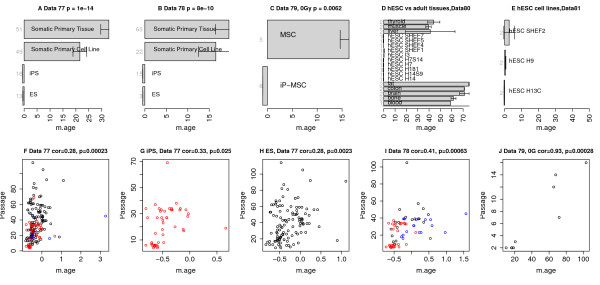
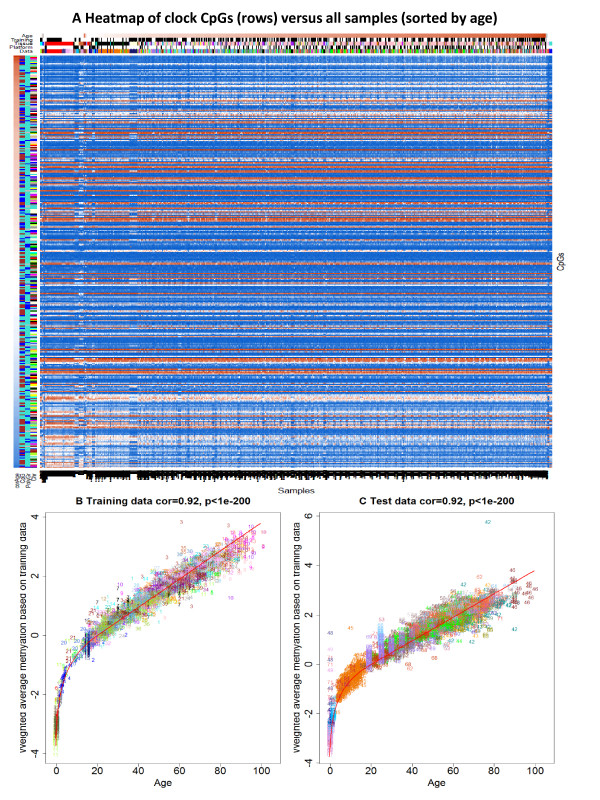
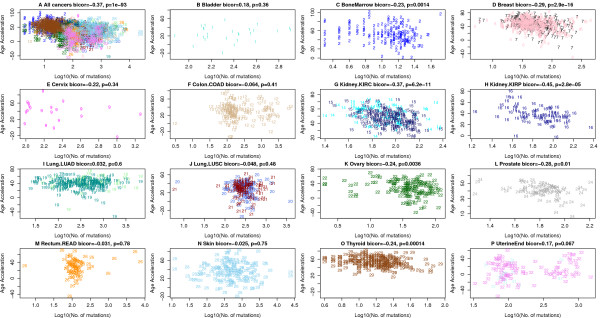
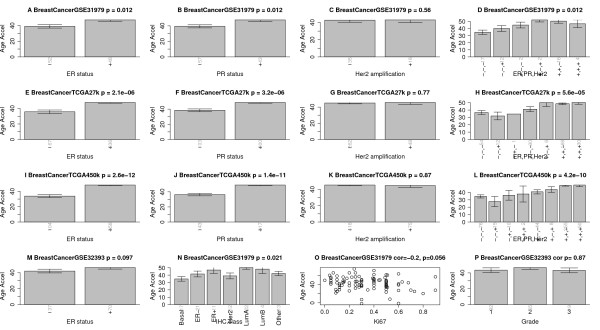
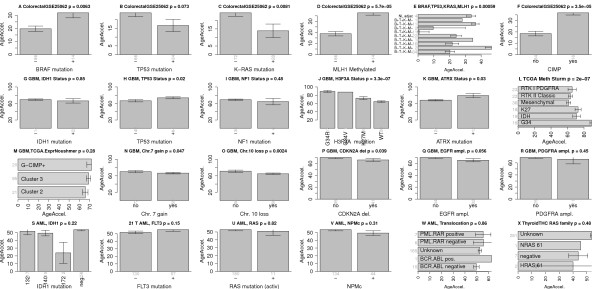
Background: It is not yet known whether DNA methylation levels can be used to accurately predict age across a broad spectrum of human tissues and cell types, nor whether the resulting age prediction is a biologically meaningful measure. Results: I developed a multi-tissue predictor of age that allows one to estimate the DNA methylation age of most tissues and cell types. The predictor, which is freely available, was developed using 8,000 samples from 82 Illumina DNA methylation array datasets, encompassing 51 healthy tissues and cell types. I found that DNA methylation age has the following properties: first, it is close to zero for embryonic and induced pluripotent stem cells; second, it correlates with cell passage number; third, it gives rise to a highly heritable measure of age acceleration; and, fourth, it is applicable to chimpanzee tissues. Analysis of 6,000 cancer samples from 32 datasets showed that all of the considered 20 cancer types exhibit significant age acceleration, with an average of 36 years. Low age-acceleration of cancer tissue is associated with a high number of somatic mutations and TP53 mutations, while mutations in steroid receptors greatly accelerate DNA methylation age in breast cancer. Finally, I characterize the 353 CpG sites that together form an aging clock in terms of chromatin states and tissue variance. Conclusions: I propose that DNA methylation age measures the cumulative effect of an epigenetic maintenance system. This novel epigenetic clock can be used to address a host of questions in developmental biology, cancer and aging research.
Overview
The claims and statistics of this paper haven’t been checked yet.
Free: it reads the open-access text and checks the first 5 claims that cite a source we can check. Create a free account to check every claim.
Integrity signals
Registry
Cites
Statistics
Figures
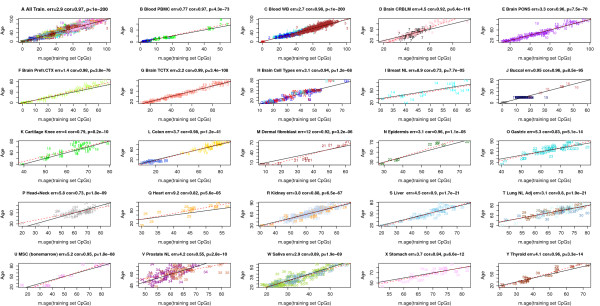
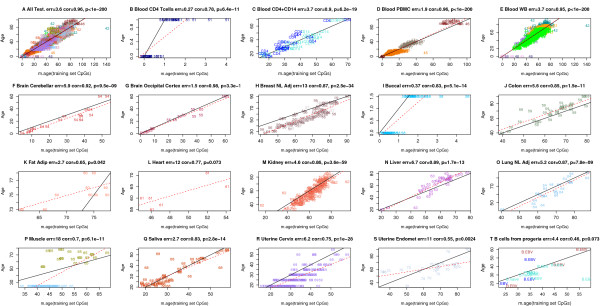
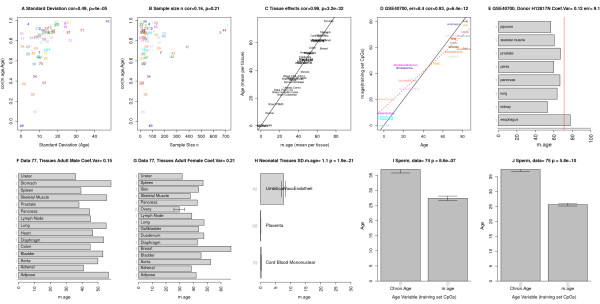
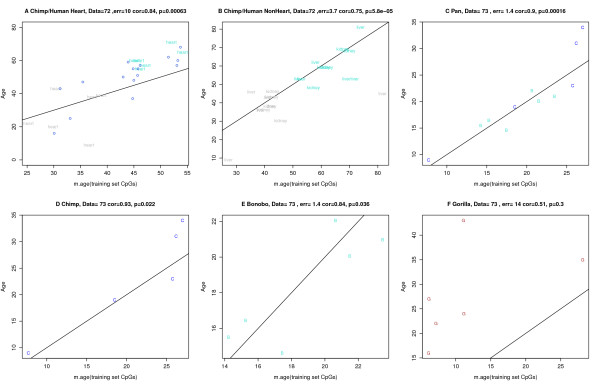
Verification
Claims the paper makes
The claims and statistics of this paper haven’t been checked yet.
Free: it reads the open-access text and checks the first 5 claims that cite a source we can check. Create a free account to check every claim.
Claims other papers make about this one
Each is checked against this paper’s own text: does it say what the citing paper says it does?
The source backs part of the claim, not all of it — or backs it for a different population, condition or comparison.
In the citing paper
“Epigenetic clocks serve as a biomarker of biological age in mammals (Hannum et al., 2013; Horvath, 2013; Petkovich et al., 2017; Weidner et al., 2014).”
From Loss of epigenetic information as a cause of mammalian aging (2023) · cites this paper as Horvath, 2013
Experimental — accuracy not yet measuredThe source backs part of the claim, not all of it — or backs it for a different population, condition or comparison.
In the citing paper
“During ageing, for reasons that are unclear, these patterns change in ways that can be used to calculate DNA methylation (DNAm) age, a representation of biological age that can predict future health and lifespan4.”
From Reprogramming to recover youthful epigenetic information and restore vision (2020) · cites this paper as [4]
Experimental — accuracy not yet measuredThe source backs part of the claim, not all of it — or backs it for a different population, condition or comparison.
In the citing paper
“That said, we do not wish to imply that DNA methylation is the only epigenetic mark involved in this process. It likely involves other transcription factors and epigenetic modifications, such as the PRC2 complex and H3K27me3, both of which are involved in maintaining stem cell plasticity and are associated with DNAm clock sites4,49,50.”
From Reprogramming to recover youthful epigenetic information and restore vision (2020) · cites this paper as [4]
Experimental — accuracy not yet measuredThe source backs part of the claim, not all of it — or backs it for a different population, condition or comparison.
In the citing paper
“Many of the 353 CpGs investigated are located close to poised promoters of bivalent genes (marked by H3K4me3 and H3K27me3), or to active promoters 126 , suggesting that ageing may correlate with reduced plasticity in the expression of some bivalent genes, which might resolve into repressed or active states, and with active genes changing their expression levels.”
From Advances in epigenetics link genetics to the environment and disease (2019) · cites this paper as [126]
Experimental — accuracy not yet measuredThe source backs part of the claim, not all of it — or backs it for a different population, condition or comparison.
In the citing paper
“One especially interesting aspect of DNA methylation clocks is their ability to accurately predict age across a wide range of different tissue types, regardless of the tissue type they were trained on, suggesting that they measure ageing signals that are shared between cell types43,44.”
From Measuring biological age using omics data (2022) · cites this paper as [44]
Experimental — accuracy not yet measured
23 more claims about this paper
Create a free account to see every claim other papers make about this one.
Self-check
Percentages, sums and reported differences re-computed from the paper’s own numbers.
The self-check needs the paper’s full text.
Citations
Cites
Regularization Paths for Generalized Linear Models via Coordinate Descent
Friedman, J., Hastie, T., & Tibshirani, R. (2010) · Journal of Statistical Software · doi:10.18637/jss.v033.i01 · Cited by 19,927
Embryonic Stem Cell Lines Derived from Human Blastocysts
Thomson, J. A., Itskovitz-Eldor, J., Shapiro, S. S., Waknitz, M. A., Swiergiel, J. J., Marshall, V. S., & Jones, J. M. (1998) · Science · doi:10.1126/science.282.5391.1145 · Cited by 15,926 · cited 1×
“Further, DNAm age and cell passage number are highly correlated in ES cells (Figure 5H,J), which are also immortal [38].”
BackgroundA bivalent chromatin structure marks key developmental genes in embryonic stem cells
Bernstein, B. E., Mikkelsen, T. S., Xie, X., Kamal, M., Huebert, D. J., Cuff, J., Fry, B., Meissner, A., Wernig, M., Plath, K., et al. (2006) · Cell · doi:10.1016/j.cell.2006.02.041 · Cited by 5,361
Genome-wide methylation profiles reveal quantitative views of human aging rates
Hannum, G., Guinney, J., Zhao, L., Zhang, L., Hughes, G., Sadda, S., Klotzle, B., Bibikova, M., Fan, J.-B., Gao, Y., et al. (2013) · Molecular Cell · doi:10.1016/j.molcel.2012.10.016 · Cited by 4,270 · cited 3×
“particular, cancer tissues were excluded from this first large data set since it is well known that cancer has a profound effect on DNA methylation levels [6,7,24-26].”
BackgroundMapping and analysis of chromatin state dynamics in nine human cell types
Ernst, J., Kheradpour, P., Mikkelsen, T. S., Shoresh, N., Ward, L. D., Epstein, C. B., Zhang, X., Wang, L., Issner, R., Coyne, M., et al. (2011) · Nature · doi:10.1038/nature09906 · Cited by 2,898
Driver mutations in histone H3.3 and chromatin remodelling genes in paediatric glioblastoma
Schwartzentruber, J., Korshunov, A., Liu, X.-Y., Jones, D. T. W., Pfaff, E., Jacob, K., Sturm, D., Fontebasso, A. M., Quang, D.-A. K., Tönjes, M., et al. (2012) · Nature · doi:10.1038/nature10833 · Cited by 2,631
Control of Developmental Regulators by Polycomb in Human Embryonic Stem Cells
Lee, T. I., Jenner, R. G., Boyer, L. A., Guenther, M. G., Levine, S. S., Kumar, R. M., Chevalier, B., Johnstone, S. E., Cole, M. F., Isono, K.-I., et al. (2006) · Cell · doi:10.1016/j.cell.2006.02.043 · Cited by 2,268
The NIH Roadmap Epigenomics Mapping Consortium
Bernstein, B. E., Stamatoyannopoulos, J. A., Costello, J. F., Ren, B., Milosavljevic, A., Meissner, A., Kellis, M., Marra, M. A., Beaudet, A. L., Ecker, J. R., et al. (2010) · Nature Biotechnology · doi:10.1038/nbt1010-1045 · Cited by 1,892 · cited 1×
“The epigenomic landscape varies markedly across tissue types [16-18] and many age-related changes depend on tissue type [8,19].”
BackgroundSturm, D., Witt, H., Hovestadt, V., Khuong-Quang, D.-A., Jones, D. T. W., Konermann, C., Pfaff, E., Tönjes, M., Sill, M., Bender, S., et al. (2012) · Cancer Cell · doi:10.1016/j.ccr.2012.08.024 · Cited by 1,828
Teschendorff, A. E., Marabita, F., Lechner, M., Bartlett, T., Tegner, J., Gomez-Cabrero, D., & Beck, S. (2013) · Bioinformatics · doi:10.1093/bioinformatics/bts680 · Cited by 1,683
Cited by
Items 201–300 of 1,133
Vidaki, A., Ballard, D., Aliferi, A., Miller, T. H., Barron, L. P., & Syndercombe Court, D. (2017) · Forensic Science International: Genetics · doi:10.1016/j.fsigen.2017.02.009 · Cited by 244
“Finally, according to Horvath [48] the correlation between the observed and expected age in cancer/ diseased tissues was generally weak as there was evidence of signi fi cant biological age acceleration in most patients included in his study (n = 5826).”
BackgroundMethodResultInfluentialTraumatic stress and accelerated DNA methylation age: a meta-analysis
Wolf, E. J., Maniates, H., Nugent, N., Maihofer, A. X., Armstrong, D., Ratanatharathorn, A., Ashley-Koch, A. E., Garrett, M., Kimbrel, N. A., Lori, A., et al. (2018) · Psychoneuroendocrinology · doi:10.1016/j.psyneuen.2017.12.007 · Cited by 245
“…research (Roberts et al., 2017, Li et al., 2017; Wolf et al., 2016, 2017) suggest that traumatic stress may also advance the pace of cellular aging such that it exceeds that of chronological aging and this may potentially lead to, or be a marker for, negative health outcomes (Horvath, 2013).”
Torkamani, A., Andersen, K. G., Steinhubl, S. R., & Topol, E. J. (2017) · Cell · doi:10.1016/j.cell.2017.08.007 · Cited by 241
A novel multi-tissue RNA diagnostic of healthy ageing relates to cognitive health status
Sood, S., Gallagher, I. J., Lunnon, K., Rullman, E., Keohane, A., Crossland, H., Phillips, B. E., Cederholm, T., Jensen, T., van Loon, L. J., et al. (2015) · Genome Biology · doi:10.1186/s13059-015-0750-x · Cited by 241
“one example each for human brain [50] and skin data [11] with areas under the curve of 0.”
Age-dependent instability of mature neuronal fate in induced neurons from Alzheimer’s patients
Mertens, J., Herdy, J. R., Traxler, L., Schafer, S. T., Schlachetzki, J. C. M., Böhnke, L., Reid, D. A., Lee, H., Zangwill, D., Fernandes, D. P., et al. (2021) · Cell Stem Cell · doi:10.1016/j.stem.2021.04.004 · Cited by 240
Self-citationCalorie Restriction and Aging in Humans
Flanagan, E. W., Most, J., Mey, J. T., & Redman, L. M. (2020) · Annual Review of Nutrition · doi:10.1146/annurev-nutr-122319-034601 · Cited by 239
Huntington's disease accelerates epigenetic aging of human brain and disrupts DNA methylation levels
Horvath, S., Langfelder, P., Kwak, S., Aaronson, J., Rosinski, J., Vogt, T. F., Eszes, M., Faull, R. L. M., Curtis, M. A., Waldvogel, H. J., et al. (2016) · Aging · doi:10.18632/aging.101005 · Cited by 239
“This epigenetic clock method to estimate age appears to apply to any tissue or cell type that contains DNA (with the exception of sperm) including individual cell types (helper T cells, neurons, glial cells), complex tissues and organs (blood, brain, bone, breast, kidney, liver, lung [18-20]) and extending to prenatal…”
InfluentialSelf-citationEpigenetics of Aging and Aging-Associated Diseases
Saul, D., & Kosinsky, R. L. (2021) · International Journal of Molecular Sciences · doi:10.3390/ijms22010401 · Cited by 230
“The authors identified 353 and 71 CpG sites, respectively [40,41], which were differentially methylated during aging and, therefore, can serve as reliable age predictors in human tissues.”
BackgroundHernando-Herraez, I., Evano, B., Stubbs, T., Commere, P.-H., Jan Bonder, M., Clark, S., Andrews, S., Tajbakhsh, S., & Reik, W. (2019) · Nature Communications · doi:10.1038/s41467-019-12293-4 · Cited by 236
Prenatal stress and epigenetics
Cao-Lei, L., de Rooij, S. R., King, S., Matthews, S. G., Metz, G. A. S., Roseboom, T. J., & Szyf, M. (2020) · Neuroscience & Biobehavioral Reviews · doi:10.1016/j.neubiorev.2017.05.016 · Cited by 178
DNA methylation-based predictors of health: applications and statistical considerations
Yousefi, P. D., Suderman, M., Langdon, R., Whitehurst, O., Davey Smith, G., & Relton, C. L. (2022) · Nature Reviews Genetics · doi:10.1038/s41576-022-00465-w · Cited by 235
Li, P., Marshall, L., Oh, G., Jakubowski, J. L., Groot, D., He, Y., Wang, T., Petronis, A., & Labrie, V. (2019) · Nature Communications · doi:10.1038/s41467-019-10101-7 · Cited by 234
A mammalian methylation array for profiling methylation levels at conserved sequences
Arneson, A., Haghani, A., Thompson, M. J., Pellegrini, M., Kwon, S. B., Vu, H., Maciejewski, E., Yao, M., Li, C. Z., Lu, A. T., et al. (2022) · Nature Communications · doi:10.1038/s41467-022-28355-z · Cited by 230
“These probes, which were previously implemented in human Illumina Infinium arrays (EPIC, 450K, 27K), were selected due to their utility for human biomarker studies estimating age, blood cell counts, or the proportion of neurons in brain tissue(Guintivano et al., 2013; Hannum et al., 2013; Horvath, 2013; Horvath and Le…”
MethodSelf-citationPredicting age from the transcriptome of human dermal fibroblasts
Fleischer, J. G., Schulte, R., Tsai, H. H., Tyagi, S., Ibarra, A., Shokhirev, M. N., Huang, L., Hetzer, M. W., & Navlakha, S. (2018) · Genome Biology · doi:10.1186/s13059-018-1599-6 · Cited by 232
“Our results are not far off the performance of Horvath’s [1] DNA methylation clock (3.”
ResultInfluentialEpigenetic Rejuvenation of Mesenchymal Stromal Cells Derived from Induced Pluripotent Stem Cells
Frobel, J., Hemeda, H., Lenz, M., Abagnale, G., Joussen, S., Denecke, B., Šarić, T., Zenke, M., & Wagner, W. (2014) · Stem Cell Reports · doi:10.1016/j.stemcr.2014.07.003 · Cited by 231
“(F) Alternatively, donor age was predicted using a recently published predictor applicable for different tissues (Horvath, 2013).”
BackgroundMethodResultInfluentialBoks, M. P., Mierlo, H. C. V., Rutten, B. P. F., Radstake, T. R. D. J., De Witte, L., Geuze, E., Horvath, S., Schalkwyk, L. C., Vinkers, C. H., Broen, J. C. A., et al. (2015) · Psychoneuroendocrinology · doi:10.1016/j.psyneuen.2014.07.011 · Cited by 231
“ecently Horvath (Horvath, 2013) identified 353 CpG loci hat are routinely investigated in commercial available NA methylation arrays that predict age with high accuacy.”
BackgroundMethodSelf-citationA review of the pathophysiological mechanisms of doxorubicin-induced cardiotoxicity and aging
Linders, A. N., Dias, I. B., López Fernández, T., Tocchetti, C. G., Bomer, N., & Van der Meer, P. (2024) · npj Aging · doi:10.1038/s41514-024-00135-7 · Cited by 231
Epigenome-wide association studies: current knowledge, strategies and recommendations
Campagna, M. P., Xavier, A., Lechner-Scott, J., Maltby, V., Scott, R. J., Butzkueven, H., Jokubaitis, V. G., & Lea, R. A. (2021) · Clinical Epigenetics · doi:10.1186/s13148-021-01200-8 · Cited by 227
“MAA using the Horvath index is associated with all-cause morbidity and mortality.”
BackgroundMethodInfluentialUnderlying features of epigenetic aging clocks in vivo and in vitro.
Liu, Z., Leung, D., Thrush, K., Zhao, W., Ratliff, S., Tanaka, T., Schmitz, L. L., Smith, J. A., Ferrucci, L., & Levine, M. E. (2020) · Aging Cell · doi:10.1111/acel.13229 · Cited by 227
Hahn, O., Grönke, S., Stubbs, T. M., Ficz, G., Hendrich, O., Krueger, F., Andrews, S., Zhang, Q., Wakelam, M. J., Beyer, A., et al. (2017) · Genome Biology · doi:10.1186/s13059-017-1187-1 · Cited by 226
“A recent analysis of high-throughput methylation data identified a set of age-sensitive DNA methylation sites in humans that together strongly predict chronological age (“epigenetic clock”) [37, 38], but that are also sensitive to ethnicity [39], biological age [38], and infectious and other diseases [40, 41].”
BackgroundDistinct biological ages of organs and systems identified from a multi-omics study
Nie, C., Li, Y., Li, R., Yan, Y., Zhang, D., Li, T., Li, Z., Sun, Y., Zhen, H., Ding, J., et al. (2022) · Cell Reports · doi:10.1016/j.celrep.2022.110459 · Cited by 222
Influence of donor age on induced pluripotent stem cells
Lo Sardo, V., Ferguson, W., Erikson, G. A., Topol, E. J., Baldwin, K. K., & Torkamani, A. (2017) · Nature Biotechnology · doi:10.1038/nbt.3749 · Cited by 223
Zhong, J., Agha, G., & Baccarelli, A. A. (2016) · Circulation Research · doi:10.1161/circresaha.115.305206 · Cited by 223
“findings, such as the epigenetic molecular-aging clock discussed previously.(84,85)”
BackgroundHuan, T., Joehanes, R., Song, C., Peng, F., Guo, Y., Mendelson, M., Yao, C., Liu, C., Ma, J., Richard, M., et al. (2019) · Nature Communications · doi:10.1038/s41467-019-12228-z · Cited by 223
Sebastiani, P., Thyagarajan, B., Sun, F., Schupf, N., Newman, A. B., Montano, M., & Perls, T. T. (2017) · Aging Cell · doi:10.1111/acel.12557 · Cited by 222
“The well-known DNA methylation clock developed by Horvath has been argued to predict chronological age (Horvath, 2013).”
BackgroundEpigenome-wide Association Studies and the Interpretation of Disease -Omics
Birney, E., Smith, G. D., & Greally, J. M. (2016) · PLOS Genetics · doi:10.1371/journal.pgen.1006105 · Cited by 222
Lung ageing and COPD: is there a role for ageing in abnormal tissue repair?
Brandsma, C.-A., de Vries, M., Costa, R., Woldhuis, R. R., Königshoff, M., & Timens, W. (2017) · European Respiratory Review · doi:10.1183/16000617.0073-2017 · Cited by 221
Mamoshina, P., Volosnikova, M., Ozerov, I. V., Putin, E., Skibina, E., Cortese, F., & Zhavoronkov, A. (2018) · Frontiers in Genetics · doi:10.3389/fgene.2018.00242 · Cited by 218
“Biomarkers of aging, or aging clocks, are promising tools empowering human aging research with the ability to track aging changes and evaluate possible rejuvenating treatments (Horvath, 2013; Peters et al., 2015; Putin et al., 2016; Mamoshina et al., 2018), without resorting to long and costly longitudinal clinical st…”
BackgroundTsai, P.-C., & Bell, J. T. (2015) · International Journal of Epidemiology · doi:10.1093/ije/dyv041 · Cited by 218
Blood Epigenetic Age may Predict Cancer Incidence and Mortality
Zheng, Y., Joyce, B. T., Colicino, E., Liu, L., Zhang, W., Dai, Q., Shrubsole, M. J., Kibbe, W. A., Gao, T., Zhang, Z., et al. (2016) · EBioMedicine · doi:10.1016/j.ebiom.2016.02.008 · Cited by 217
“However, sampling different tissues is not feasible for cancer screening at the population level, both for practical reasons and because different cancers can have tissue-specific, differential, and even opposing effects on epigenetic age (Horvath, 2013; Horvath, 2015), Therefore, our finding of the predictive value o…”
BackgroundMethodInfluentialSocioeconomic position, lifestyle habits and biomarkers of epigenetic aging: a multi-cohort analysis
Fiorito, G., the BIOS Consortium, the Lifepath consortium, McCrory, C., Robinson, O., Carmeli, C., Rosales, C. O., Zhang, Y., Colicino, E., Dugué, P.-A., et al. (2019) · Aging · doi:10.18632/aging.101900 · Cited by 219
“We computed the epigenetic age acceleration (AA) measures according to the algorithm described by Horvath [11].”
BackgroundMethodInfluentialCausal machine learning for healthcare and precision medicine
Sanchez, P., Voisey, J. P., Xia, T., Watson, H. I., O’Neil, A. Q., & Tsaftaris, S. A. (2022) · Royal Society Open Science · doi:10.1098/rsos.220638 · Cited by 211
“Age can otherwise be measured in biological terms using, for instance, DNA methylation [29].”
BackgroundAccelerated biological aging in COVID-19 patients
Cao, X., Li, W., Wang, T., Ran, D., Davalos, V., Planas-Serra, L., Pujol, A., Esteller, M., Wang, X., & Yu, H. (2022) · Nature Communications · doi:10.1038/s41467-022-29801-8 · Cited by 218
Silwal, P., Nguyen-Thai, A. M., Mohammad, H. A., Wang, Y., Robbins, P. D., Lee, J. Y., & Vo, N. V. (2023) · Biomolecules · doi:10.3390/biom13040686 · Cited by 210
Waziry, R., Ryan, C. P., Corcoran, D. L., Huffman, K. M., Kobor, M. S., Kothari, M., Graf, G. H., Kraus, V. B., Kraus, W. E., Lin, D. T. S., et al. (2023) · Nature Aging · doi:10.1038/s43587-022-00357-y · Cited by 217
“These clocks were highly accurate in predicting the chronological age of new samples and also showed some capacity for predicting differences in mortality risk, although effect sizes tend to be small and inconsistent across studies 56–58 .”
DNA methylation GrimAge version 2
Lu, A. T., Binder, A. M., Zhang, J., Yan, Q., Reiner, A. P., Cox, S. R., Corley, J., Harris, S. E., Kuo, P.-L., Moore, A. Z., et al. (2022) · Aging · doi:10.18632/aging.204434 · Cited by 216
Self-citationSimons, R. L., Lei, M. K., Beach, S. R. H., Philibert, R. A., Cutrona, C. E., Gibbons, F. X., & Barr, A. (2016) · Social Science & Medicine · doi:10.1016/j.socscimed.2015.12.001 · Cited by 216
“It should be noted that Horvath (2013) has also developed a methylomic measure of aging.”
Measuring Aging and Identifying Aging Phenotypes in Cancer Survivors
Guida, J. L., Ahles, T. A., Belsky, D., Campisi, J., Cohen, H. J., DeGregori, J., Fuldner, R., Ferrucci, L., Gallicchio, L., Gavrilov, L., et al. (2019) · JNCI: Journal of the National Cancer Institute · doi:10.1093/jnci/djz136 · Cited by 216
Dugué, P., Bassett, J. K., Joo, J. E., Jung, C., Ming Wong, E., Moreno‐Betancur, M., Schmidt, D., Makalic, E., Li, S., Severi, G., et al. (2018) · International Journal of Cancer · doi:10.1002/ijc.31189 · Cited by 214
Causality-enriched epigenetic age uncouples damage and adaptation
Ying, K., Liu, H., Tarkhov, A. E., Sadler, M. C., Lu, A. T., Moqri, M., Horvath, S., Kutalik, Z., Shen, X., & Gladyshev, V. N. (2024) · Nature Aging · doi:10.1038/s43587-023-00557-0 · Cited by 210
“Therefore, using the age-related blood DNA methylation data estimated from 7,036 individuals (ages of 18 and 93 years, Generation Scotland cohort) 29 , we separated the CpG sites causal to eight traits related to lifespan into four different categories: protective hypermethylation, deleterious…”
InfluentialSelf-citationErratum to: DNA methylation age of human tissues and cell types
Horvath, S. (2015) · Genome Biology · doi:10.1186/s13059-015-0649-6 · Cited by 214
“I recently described an epigenetic biomarker of aging based on DNA methylation (DNAm) levels [1].”
BackgroundSelf-citationmethylclock: a Bioconductor package to estimate DNA methylation age
Pelegí-Sisó, D., de Prado, P., Ronkainen, J., Bustamante, M., & González, J. R. (2021) · Bioinformatics · doi:10.1093/bioinformatics/btaa825 · Cited by 213
Physical activity, aging, and physiological function
Harridge, S. D. R., & Lazarus, N. R. (2017) · Physiology · doi:10.1152/physiol.00029.2016 · Cited by 214
“A more successful attempt to find a biological “aging clock” was made using DNA methylation in a range of tissues (36), but this was not coupled to markers of physiological function and not undertaken in exercisers.”
BackgroundPlasma proteomic biomarker signature of age predicts health and life span
Tanaka, T., Basisty, N., Fantoni, G., Candia, J., Moore, A. Z., Biancotto, A., Schilling, B., Bandinelli, S., & Ferrucci, L. (2020) · eLife · doi:10.7554/elife.61073 · Cited by 213
“In a subset of individuals (N = 459), we had data on both PROage and three methylation age variables: methylation age (Horvath) (Horvath, 2013), GrimAge (Lu et al.”
BackgroundMethodInfluentialCrimmins, E. M., Thyagarajan, B., Levine, M. E., Weir, D. R., & Faul, J. (2021) · The Journals of Gerontology: Series A · doi:10.1093/gerona/glab016 · Cited by 213
“Initially these measures were developed by associating age with indicators of DNAm (5,21); these are the clocks we term first generation clocks.”
BackgroundInfluentialMaintenance of age in human neurons generated by microRNA-based neuronal conversion of fibroblasts
Huh, C. J., Zhang, B., Victor, M. B., Dahiya, S., Batista, L. F., Horvath, S., & Yoo, A. S. (2016) · eLife · doi:10.7554/elife.18648 · Cited by 213
“Epigenetic age was estimated using the published software tools (Horvath, 2013).”
BackgroundMethodInfluentialSelf-citationFaul, J. D., Kim, J. K., Levine, M. E., Thyagarajan, B., Weir, D. R., & Crimmins, E. M. (2023) · Proceedings of the National Academy of Sciences · doi:10.1073/pnas.2215840120 · Cited by 211
“…means (SD): original clocks and PC-trained clocks (N = 3,581) Original clock epigenetic age PC clock epigenetic age DNAm clock Mean Range Mean Range Horvath (2013) 64.88 (9.18) 23.31– 105.46 63.96 (8.86) 40.00– 111.13 Hannum (2013) 53.73 (8.78) 25.06– 107.79 65.82 (9.34) 35.75– 108.08 PhenoAge…”
InfluentialReynolds, L. M., Taylor, J. R., Ding, J., Lohman, K., Johnson, C., Siscovick, D., Burke, G., Post, W., Shea, S., Jacobs, D. R., et al. (2014) · Nature Communications · doi:10.1038/ncomms6366 · Cited by 209
“Conversely, we found hypo age-dMS are more likely to occur in CpG shores and insulator regions 10, 14, 15, 31 .”
InfluentialPapatheodoridi, A., Chrysavgis, L., Koutsilieris, M., & Chatzigeorgiou, A. (2020) · Hepatology · doi:10.1002/hep.30834 · Cited by 209
“Several lines of evidence suggest that senescence is associated with important changes in DNA methylation also affecting genes related to lipid metabolism.(40,41) To investigate this hypothesis, Tryndyak et al.”
BackgroundHillary, R. F., Stevenson, A. J., McCartney, D. L., Campbell, A., Walker, R. M., Howard, D. M., Ritchie, C. W., Horvath, S., Hayward, C., McIntosh, A. M., et al. (2020) · Clinical Epigenetics · doi:10.1186/s13148-020-00905-6 · Cited by 209
“In 2013, Horvath developed a pan-tissue epigenetic clock, termed ‘Horvath Age’, derived from the linear combination of 353 CpG sites in multiple tissues [11].”
BackgroundSelf-citationPrediction of gestational age based on genome-wide differentially methylated regions
Bohlin, J., Håberg, S. E., Magnus, P., Reese, S. E., Gjessing, H. K., Magnus, M. C., Parr, C. L., Page, C. M., London, S. J., & Nystad, W. (2016) · Genome Biology · doi:10.1186/s13059-016-1063-4 · Cited by 209
“The CpGs used in the prediction model for chronological age are freely available as supplementary material from the study by Steve Horvath [12].”
BackgroundMethodInfluentialThe ups and downs of caloric restriction and fasting: from molecular effects to clinical application
Hofer, S. J., Carmona‐Gutierrez, D., Mueller, M. I., & Madeo, F. (2022) · EMBO Molecular Medicine · doi:10.15252/emmm.202114418 · Cited by 209
“In interventional clinical studies, this is yet an unreachable measure, but indirect measures of aging, such as epigenetic clocks, are emerging as methods to indirectly quantify potential anti-aging interventions in humans (Horvath, 2013; Fitzgerald et al, 2021).”
BackgroundModelling the molecular mechanisms of aging
Mc Auley, M. T., Guimera, A. M., Hodgson, D., Mcdonald, N., Mooney, K. M., Morgan, A. E., & Proctor, C. J. (2017) · Bioscience Reports · doi:10.1042/bsr20160177 · Cited by 208
The relationship between epigenetic age and the hallmarks of aging in human cells.
Kabacik, S., Lowe, D., Fransen, L., Leonard, M., Ang, S.-L., Whiteman, C., Corsi, S., Cohen, H., Felton, S., Bali, R., et al. (2022) · Nature Aging · doi:10.1038/s43587-022-00220-0 · Cited by 207
Self-citationHannon, E., Knox, O., Sugden, K., Burrage, J., Wong, C. C. Y., Belsky, D. W., Corcoran, D. L., Arseneault, L., Moffitt, T. E., Caspi, A., et al. (2018) · PLOS Genetics · doi:10.1371/journal.pgen.1007544 · Cited by 207
Clinical epigenomics: genome-wide DNA methylation analysis for the diagnosis of Mendelian disorders
Sadikovic, B., Levy, M. A., Kerkhof, J., Aref-Eshghi, E., Schenkel, L., Stuart, A., McConkey, H., Henneman, P., Venema, A., Schwartz, C. E., et al. (2021) · Genetics in Medicine · doi:10.1038/s41436-020-01096-4 · Cited by 205
“Other factors including age, sex, and environmental exposures can also impact the analysis and need to be accounted for in analytical processes.(38,39) DNA methylation episignatures can be susceptible to technical variation such as sample processing data batch effects, as well as biological parameters such as mosaicis…”
BackgroundSlieker, R. C., Relton, C. L., Gaunt, T. R., Slagboom, P. E., & Heijmans, B. T. (2018) · Epigenetics & Chromatin · doi:10.1186/s13072-018-0191-3 · Cited by 207
“Identified aDMPs showed little overlap with the 353 CpGs from Horvath’s age predictor [24] (Additional file 7: Fig.”
Cell-type deconvolution in epigenome-wide association studies: a review and recommendations
Teschendorff, A. E., & Zheng, S. C. (2017) · Epigenomics · doi:10.2217/epi-2016-0153 · Cited by 206
Determinants of accelerated metabolomic and epigenetic aging in a UK cohort
Robinson, O., Chadeau Hyam, M., Karaman, I., Climaco Pinto, R., Ala-Korpela, M., Handakas, E., Fiorito, G., Gao, H., Heard, A., Jarvelin, M., et al. (2020) · Aging Cell · doi:10.1111/acel.13149 · Cited by 205
“Since AA could be correlated with chronological age and WBC percentage, we computed the so-called intrinsic epigenetic age acceleration for Horvath and Hannum age (Chen et al., 2016), which is defined as the residuals from the linear regression of AA with chronological age and blood cell counts (measured using flow cy…”
BackgroundMethodInfluentialYang, J., Huang, T., Petralia, F., Long, Q., Zhang, B., Argmann, C., Zhao, Y., Mobbs, C. V., Schadt, E. E., Zhu, J., et al. (2015) · Scientific Reports · doi:10.1038/srep15145 · Cited by 204
GWAS of epigenetic aging rates in blood reveals a critical role for TERT
Lu, A. T., Xue, L., Salfati, E. L., Chen, B. H., Ferrucci, L., Levy, D., Joehanes, R., Murabito, J. M., Kiel, D. P., Tsai, P.-C., et al. (2018) · Nature Communications · doi:10.1038/s41467-017-02697-5 · Cited by 204
“We conducted heritability analysis using three approaches: (1) SOLAR (Sequential Oligogenic Linkage Analysis Routine)51 based on pedigree data, (2) LDSC (LD score regression)30 based on GWAS summary data, and GCTA (Genome-wide Complex Trait Analysis)52 based on SNP array data to estimate narrow sense h2.”
MethodSelf-citationAmbatipudi, S., Horvath, S., Perrier, F., Cuenin, C., Hernandez-Vargas, H., Le Calvez-Kelm, F., Durand, G., Byrnes, G., Ferrari, P., Bouaoun, L., et al. (2017) · European Journal of Cancer · doi:10.1016/j.ejca.2017.01.014 · Cited by 204
“The epigenetic clock is a prediction method of chronological age based on the DNAm levels of 353 CpGs [4].”
InfluentialSelf-citationA multi-tissue full lifespan epigenetic clock for mice
Thompson, M. J., Chwiałkowska, K., Rubbi, L., Lusis, A. J., Davis, R. C., Srivastava, A., Korstanje, R., Churchill, G. A., Horvath, S., & Pellegrini, M. (2018) · Aging · doi:10.18632/aging.101590 · Cited by 203
“For example, the human multi-tissue epigenetic age estimation method combines the weighted average of DNA methylation levels of 353 CpGs into an age estimate that is referred to as DNAm age or epigenetic age [13].”
Self-citationRecalibrating the epigenetic clock: implications for assessing biological age in the human cortex
Shireby, G. L., Davies, J. P., Francis, P. T., Burrage, J., Walker, E. M., Neilson, G. W. A., Dahir, A., Thomas, A. J., Love, S., Smith, R. G., et al. (2020) · Brain · doi:10.1093/brain/awaa334 · Cited by 201
“The DNAmClock Pheno was consistently the most inaccurate at estimating age in the cortical datasets (RMSE: testing 60 years; independent test 82 years), followed by DNAmClock Blood (RMSE: testing = 19 years; independent test = 33 years) and the DNAmClock Multi (RMSE: testing = 10 years; independent test = 20 years) (T…”
InfluentialFiorito, G., Caini, S., Palli, D., Bendinelli, B., Saieva, C., Ermini, I., Valentini, V., Assedi, M., Rizzolo, P., Ambrogetti, D., et al. (2021) · Aging Cell · doi:10.1111/acel.13439 · Cited by 202
“Horvath, S, Erhart, W, Brosch, M, Ammerpohl, O, von Schonfels, W, Ahrens, M, Heits, N, Bell, JT, Tsai, PC, Spector, TD, Deloukas, P, Siebert, R, Sipos, B, Becker, T, Rocken, C, Schafmayer, C, & Hampe, J. (2014).”
BackgroundInfluentialJung, S.-E., Lim, S. M., Hong, S. R., Lee, E. H., Shin, K.-J., & Lee, H. Y. (2019) · Forensic Science International: Genetics · doi:10.1016/j.fsigen.2018.09.010 · Cited by 202
Gladyshev, V. N., Kritchevsky, S. B., Clarke, S. G., Cuervo, A. M., Fiehn, O., de Magalhães, J. P., Mau, T., Maes, M., Moritz, R. L., Niedernhofer, L. J., et al. (2021) · Nature Aging · doi:10.1038/s43587-021-00150-3 · Cited by 198
Epigenetic ageing clocks: statistical methods and emerging computational challenges
Teschendorff, A. E., & Horvath, S. (2025) · Nature Reviews Genetics · doi:10.1038/s41576-024-00807-w · Cited by 197
Self-citationDNA methylation in the pathogenesis of type 2 diabetes in humans
Davegårdh, C., García-Calzón, S., Bacos, K., & Ling, C. (2018) · Molecular Metabolism · doi:10.1016/j.molmet.2018.01.022 · Cited by 197
Early-Onset Alzheimer’s Disease: What Is Missing in Research?
Ayodele, T., Rogaeva, E., Kurup, J. T., Beecham, G., & Reitz, C. (2021) · Current Neurology and Neuroscience Reports · doi:10.1007/s11910-020-01090-y · Cited by 193
“The Horvath’s DNAm clock, which assesses ~ 350 CpGs, outperforms other clocks based on its multi-tissue applicability, including blood and brain [77].”
BackgroundMechanisms of development of multimorbidity in the elderly
Barnes, P. J. (2015) · European Respiratory Journal · doi:10.1183/09031936.00229714 · Cited by 195
Long-term exposure to air pollution is associated with biological aging
Ward-Caviness, C. K., Nwanaji-Enwerem, J. C., Wolf, K., Wahl, S., Colicino, E., Trevisi, L., Kloog, I., Just, A. C., Vokonas, P., Cyrys, J., et al. (2016) · Oncotarget · doi:10.18632/oncotarget.12903 · Cited by 192
“In particular the epigenetic age measure created by Horvath et al has been shown to be accurate across a wide range of tissues [35] and is associated with mortality [37] and metabolic outcomes [38].”
BackgroundMethodEpigenetics and Oxidative Stress in Aging
Guillaumet-Adkins, A., Yañez, Y., Peris-Diaz, M. D., Calabria, I., Palanca-Ballester, C., & Sandoval, J. (2017) · Oxidative Medicine and Cellular Longevity · doi:10.1155/2017/9175806 · Cited by 193
“Compared to Horvath’s predictor [42], higher predictive ability was found for the model proposed.”
BackgroundMethodCell-type deconvolution from DNA methylation: a review of recent applications
Titus, A. J., Gallimore, R. M., Salas, L. A., & Christensen, B. C. (2017) · Human Molecular Genetics · doi:10.1093/hmg/ddx275 · Cited by 192
Mamoshina, P., Kochetov, K., Lane, E., Cortese, F., Aliper, A., Lee, W.-S., Ahn, S.-M., Uhn, L., Skjodt, N., Kovalchuk, O., et al. (2018) · The Journals of Gerontology: Series A · doi:10.1093/gerona/gly005 · Cited by 190
“Much progress has been made in measuring aging biomarkers using easily obtained data such as blood DNA methylation (11,12), transcriptomics (13), and metabolomics (14).”
The nasal methylome as a biomarker of asthma and airway inflammation in children
Cardenas, A., Sordillo, J. E., Rifas-Shiman, S. L., Chung, W., Liang, L., Coull, B. A., Hivert, M.-F., Lai, P. S., Forno, E., Celedón, J. C., et al. (2019) · Nature Communications · doi:10.1038/s41467-019-11058-3 · Cited by 192
The cerebellum ages slowly according to the epigenetic clock
Horvath, S., Mah, V., Lu, A. T., Woo, J. S., Choi, O.-W., Jasinska, A. J., Riancho, J. A., Tung, S., Coles, N. S., Braun, J., et al. (2015) · Aging · doi:10.18632/aging.100742 · Cited by 191
“Under the EMS hypothesis, our findings suggest that cerebellar DNA is epigenetically more stable and requires less "maintenance work".”
InfluentialSelf-citationMethylation-Based Biological Age and Breast Cancer Risk
Kresovich, J. K., Xu, Z., O’Brien, K. M., Weinberg, C. R., Sandler, D. P., & Taylor, J. A. (2019) · JNCI: Journal of the National Cancer Institute · doi:10.1093/jnci/djz020 · Cited by 191
“Although age acceleration appears to be stable in adults (22) and shows some evidence of heritability (21, 22) and genetic control (60), there is no evidence to date that age acceleration is associated with family history or genetic risk of breast cancer.”
BackgroundEpigenetic effects of metformin: from molecular mechanisms to clinical implications
Bridgeman, S. C., Ellison, G. C., Melton, P. E., Newsholme, P., & Mamotte, C. D. S. (2018) · Diabetes, Obesity and Metabolism · doi:10.1111/dom.13262 · Cited by 190
Partial reprogramming induces a steady decline in epigenetic age before loss of somatic identity
Olova, N., Simpson, D. J., Marioni, R. E., & Chandra, T. (2019) · Aging Cell · doi:10.1111/acel.12877 · Cited by 190
“…shows the highest correlation to chronological age, predicting the age (or epigenetic age, eAge) of multiple tissues with a median error of 3.6 years (Horvath, 2013). eAge is distinct from and poorly correlated with other age-related biomarkers, such as senescence and telomere length, which have…”
InfluentialBiohorology and biomarkers of aging: Current state-of-the-art, challenges and opportunities
Galkin, F., Mamoshina, P., Aliper, A., de Magalhães, J. P., Gladyshev, V. N., & Zhavoronkov, A. (2020) · Ageing Research Reviews · doi:10.1016/j.arr.2020.101050 · Cited by 189
Hannon, E., Gorrie-Stone, T. J., Smart, M. C., Burrage, J., Hughes, A., Bao, Y., Kumari, M., Schalkwyk, L. C., & Mill, J. (2018) · The American Journal of Human Genetics · doi:10.1016/j.ajhg.2018.09.007 · Cited by 189
“Data was processed through a standard pipeline and included the following steps: outlier detection, confirmation of complete bisulphite conversion, estimating age from the data (Horvath 2013) and comparing with reported age visualisation of principal components.”
MethodBuckley, M. T., Sun, E. D., George, B. M., Liu, L., Schaum, N., Xu, L., Reyes, J. M., Goodell, M. A., Weissman, I. L., Wyss-Coray, T., et al. (2022) · Nature Aging · doi:10.1038/s43587-022-00335-4 · Cited by 188
Molecular and phenotypic biomarkers of aging
Xia, X., Chen, W., McDermott, J., & Han, J.-D. J. (2017) · F1000Research · doi:10.12688/f1000research.10692.1 · Cited by 185
Exposure to Violence Accelerates Epigenetic Aging in Children
Jovanovic, T., Vance, L. A., Cross, D., Knight, A. K., Kilaru, V., Michopoulos, V., Klengel, T., & Smith, A. K. (2017) · Scientific Reports · doi:10.1038/s41598-017-09235-9 · Cited by 186
“We hypothesized (1) that higher levels of experienced trauma would result in accelerated epigenetic aging and (2) that cardiovascular changes would be predicted by epigenetic age.”
Tserel, L., Kolde, R., Limbach, M., Tretyakov, K., Kasela, S., Kisand, K., Saare, M., Vilo, J., Metspalu, A., Milani, L., et al. (2015) · Scientific Reports · doi:10.1038/srep13107 · Cited by 186
Change in the Rate of Biological Aging in Response to Caloric Restriction: CALERIE Biobank Analysis
Belsky, D. W., Huffman, K. M., Pieper, C. F., Shalev, I., & Kraus, W. E. (2018) · The Journals of Gerontology: Series A · doi:10.1093/gerona/glx096 · Cited by 185
The Signaling of Cellular Senescence in Diabetic Nephropathy
Xiong, Y., & Zhou, L. (2019) · Oxidative Medicine and Cellular Longevity · doi:10.1155/2019/7495629 · Cited by 185
“These could induce the restructure of the epigenome (see below), such as CpG methylation patterns [59].”
BackgroundMulti-omic rejuvenation of human cells by maturation phase transient reprogramming
Gill, D., Parry, A., Santos, F., Okkenhaug, H., Todd, C. D., Hernando-Herraez, I., Stubbs, T. M., Milagre, I., & Reik, W. (2022) · eLife · doi:10.7554/elife.71624 · Cited by 185
“[5] [3] [6] [6] [4] 13 days Doxycycline”
BackgroundMethodInfluentialDoody, P., Lord, J. M., Greig, C. A., & Whittaker, A. C. (2023) · Gerontology · doi:10.1159/000528561 · Cited by 177
Murine single-cell RNA-seq reveals cell-identity- and tissue-specific trajectories of aging
Kimmel, J. C., Penland, L., Rubinstein, N. D., Hendrickson, D. G., Kelley, D. R., & Rosenthal, A. Z. (2019) · Genome Research · doi:10.1101/gr.253880.119 · Cited by 184
“Studies of DNAmethylation patterns with aging also suggest that different tissues age in uniqueways (Horvath 2013).”
BackgroundEpigenetic estimation of age in humpback whales
Polanowski, A. M., Robbins, J., Chandler, D., & Jarman, S. N. (2014) · Molecular Ecology Resources · doi:10.1111/1755-0998.12247 · Cited by 184
“05 CDKN2A KF791964 Human hypermethylation (Gonzalez-Zulueta et al. 1995; Krishnamurthy et al. 2006; Koch & Wagner 2011; Koch et al. 2011; Horvath 2013) Mouse hypermethylation (Maegawa et al.”
BackgroundInfluentialInflamm-aging: Why older men are the most susceptible to SARS-CoV-2 complicated outcomes
Bonafè, M., Prattichizzo, F., Giuliani, A., Storci, G., Sabbatinelli, J., & Olivieri, F. (2020) · Cytokine & Growth Factor Reviews · doi:10.1016/j.cytogfr.2020.04.005 · Cited by 184
“Other measures of biological aging, such as changes in epigenetic patterns, also exhibit a different expression in older men compared to age-matched women (Barrett and Richardson, 2011; Horvath, 2013).”
Early-life adversity and neurological disease: age-old questions and novel answers
Short, A. K., & Baram, T. Z. (2019) · Nature Reviews Neurology · doi:10.1038/s41582-019-0246-5 · Cited by 183
Dugué, P.-A., Bassett, J. K., Joo, J. E., Baglietto, L., Jung, C.-H., Wong, E. M., Fiorito, G., Schmidt, D., Makalic, E., Li, S., et al. (2018) · American Journal of Epidemiology · doi:10.1093/aje/kwx291 · Cited by 182
DNA methylation dynamics in aging: how far are we from understanding the mechanisms?
Ciccarone, F., Tagliatesta, S., Caiafa, P., & Zampieri, M. (2018) · Mechanisms of Ageing and Development · doi:10.1016/j.mad.2017.12.002 · Cited by 183
Simons, R. L., Lei, M.-K., Klopack, E., Beach, S. R. H., Gibbons, F. X., & Philibert, R. A. (2021) · Social Science & Medicine · doi:10.1016/j.socscimed.2020.113169 · Cited by 181
Simpson, D. J., & Chandra, T. (2021) · Aging Cell · doi:10.1111/acel.13452 · Cited by 181
“This difference between eAge and chAge is referred to as age acceleration and can be calculated as the mean absolute deviation (MAD) or median absolute deviation between eAge and chAge (Horvath, 2013), or as the residual from the linear regression between eAge and chAge (Horvath & Raj, 2018).”
BackgroundMethodInfluentialCole, J. J., Robertson, N. A., Rather, M. I., Thomson, J. P., McBryan, T., Sproul, D., Wang, T., Brock, C., Clark, W., Ideker, T., et al. (2017) · Genome Biology · doi:10.1186/s13059-017-1185-3 · Cited by 182
“An advanced methylation age compared to actual chronological age is thought to reflect accelerated biological age, and is linked to increased mortality [23-27].”
BackgroundRoetker, N. S., Pankow, J. S., Bressler, J., Morrison, A. C., & Boerwinkle, E. (2018) · Circulation: Genomic and Precision Medicine · doi:10.1161/circgen.117.001937 · Cited by 180
Metadata
- Authors
- Horvath, S.
- Affiliations
- University of California, Los Angeles (US)
- Corresponding author
- Horvath, Steve
- ORCID
- Horvath, Steve
- Venue
- Genome Biology
- Published
- 2013-12-10
- Volume
- 14
- Issue
- 10
- Pages
- R115-R115
- ISSN
- 1465-6906 (ISSN-L)
- 1474-760X
- PMC
- PMC4015143
- OpenAlex
- W1974047233
- Semantic Scholar
- b7ad028fbe0b464636066e95bcef3c1478de5398
- Cited by
- 7,075
- References
- 91
- Citations by year
- 2026: 814 · 2025: 882 · 2024: 857 · 2023: 759 · 2022: 725 · 2021: 729 · 2020: 626 · 2019: 464 · 2018: 405 · 2017: 336 · 2016: 224 · 2015: 176 · 2014: 70 · 2013: 3
- FWCI
- 70.57
- Type
- journal article
- Language
- en
- Update notices
- Open access
- gold
- doi.org
- Licence
- cc-by
- creativecommons.org/licenses/by/2.0/ (tdm)
- creativecommons.org/licenses/by/2.0/ (vor)
- Locations
- Genome biology (publishedVersion, cc-by)
- Europe PMC (PubMed Central) (publishedVersion, cc-by)
- PubMed Central (publishedVersion, cc-by)
- PubMed (publishedVersion)
- eScholarship (California Digital Library) (submittedVersion)
- Funders
- University of Southern California
- National Institute on Aging (R01AG042511)
- Topics
- Life Sciences › Biochemistry, Genetics and Molecular Biology › Molecular Biology › Epigenetics and DNA Methylation
- Life Sciences › Biochemistry, Genetics and Molecular Biology › Aging › Genetics, Aging, and Longevity in Model Organisms
- Life Sciences › Biochemistry, Genetics and Molecular Biology › Molecular Biology › Genomics and Chromatin Dynamics
- Keywords
- DNA methylation age, epigenetic clocks, accelerated aging, cancer, somatic mutations, TP53 mutation, breast cancer, chromatin state, CpG sites, embryonic stem cells, induced pluripotent stem cells, subculture, aging
- MeSH terms
- Age Factors, Aging, Animals, Blood Cells, Brain, Pan troglodytes, Chromatin, Gene Expression Regulation, Humans, Models, Biological, Mutation, Neoplasms, Organ Specificity, Progeria, Receptors, Steroid, Stem Cells, Reproducibility of Results, Cellular Senescence, CpG Islands, DNA Methylation, Databases, Nucleic Acid, Epigenesis, Genetic, Cell Line, Tumor
About these checks
Registry, retraction, Cites and statistics results are computed, not judged, with one exception: a printed reference that no index lists is read once by a model before it counts as a citation error. Claims are extracted by a model and kept only when their quote appears verbatim in the text; each cited source is then checked, with a model’s help, for whether it says what the claim relies on. Those verdicts can be wrong — read the claim’s quote and the cited source before relying on one.
Statistics and arithmetic are recomputed, not judged.
Confidence bands are shown only for fields calibrated on our annotated test set. None is calibrated yet, so no band is shown.
What counts as a claim ›How we measure confidence ›How we check this ›
Are you an author, or do you see a problem with this page? Request a review
Data sources
Bibliographic data: Semantic Scholar, OpenAlex, Crossref.
Contains information from the Semantic Scholar Academic Graph Datasets, made available under the ODC Attribution License (ODC-BY 1.0).
Semantic Scholar’s data is described in: Kinney, R., et al. (2023). The Semantic Scholar Open Data Platform. arXiv:2301.10140.
