

Influence of diet on the gut microbiome and implications for human health
Open accessThe DOI matches its Crossref record; 198 of the 198 references it cites were found in a registry or an index.
Abstract
Recent studies have suggested that the intestinal microbiome plays an important role in modulating risk of several chronic diseases, including inflammatory bowel disease, obesity, type 2 diabetes, cardiovascular disease, and cancer. At the same time, it is now understood that diet plays a significant role in shaping the microbiome, with experiments showing that dietary alterations can induce large, temporary microbial shifts within 24 h. Given this association, there may be significant therapeutic utility in altering microbial composition through diet. This review systematically evaluates current data regarding the effects of several common dietary components on intestinal microbiota. We show that consumption of particular types of food produces predictable shifts in existing host bacterial genera. Furthermore, the identity of these bacteria affects host immune and metabolic parameters, with broad implications for human health. Familiarity with these associations will be of tremendous use to the practitioner as well as the patient.
Overview
The claims and statistics of this paper haven’t been checked yet.
Free: it reads the open-access text and checks the first 5 claims that cite a source we can check. Create a free account to check every claim.
Integrity signals
Registry
Cites
Statistics
Figures
Verification
Claims the paper makes
The claims and statistics of this paper haven’t been checked yet.
Free: it reads the open-access text and checks the first 5 claims that cite a source we can check. Create a free account to check every claim.
Claims other papers make about this one
Each is checked against this paper’s own text: does it say what the citing paper says it does?
The source backs part of the claim, not all of it — or backs it for a different population, condition or comparison.
In the citing paper
“Many bacteria associated with ICI response have known dietary associations, such that specific dietary patterns (e.g., plant-based versus western diet) are associated with increased or decreased relative abundances of these candidate taxa.131–135”
From Melanoma and microbiota: Current understanding and future directions (2024) · cites this paper as [134]
Experimental — accuracy not yet measuredThe cited source says what the claim attributes to it.
In the citing paper
“In addition, strategies that could mitigate the likelihood of LPS release into the blood and, thus, endotoxin-associated symptoms, include limiting the consumption of saturated fat [138], avoiding the consumption of non-steroidal anti-inflammatory drugs (NSAIDs) [139], and maintaining an adequate water intake [139].”
From International Society of Sports Nutrition Position Stand: nutritional considerations for single-stage ultra-marathon training and racing (2019) · cites this paper as [138]
The cited source says what the claim attributes to it.
In the citing paper
“Different sources of protein in a diet has been shown to influence different gut microbiota profiles (Singh et al., 2017).”
From The Microbiota-Gut-Brain Axis (2019) · cites this paper as Singh et al., 2017
In the citing paper
“In mice, animal-based protein increases potential detrimental gut microbes, e.g., Peptostreptococcaceae, Ruminococcaceae, Enterococcus, Streptococcus, Turicibacter, or Escherichia (92), and plant-based protein boosts the abundance of Bifidobacterium, Roseburia, and Lactobacillus and lowers the abundance of pathogens such as Bacteroides fragilis and Clostridium perfringens (37,42,80).”
From Diet and the Microbiota–Gut–Brain Axis: Sowing the Seeds of Good Mental Health (2021) · cites this paper as [80]
Self-check
Percentages, sums and reported differences re-computed from the paper’s own numbers.
The self-check needs the paper’s full text.
Citations
Cites
An obesity-associated gut microbiome with increased capacity for energy harvest
Turnbaugh, P. J., Ley, R. E., Mahowald, M. A., Magrini, V., Mardis, E. R., & Gordon, J. I. (2006) · Nature · doi:10.1038/nature05414 · Cited by 12,444 · cited 1×
“Furthermore, studies involving microbiota transplantation from obese to lean mice have shown that the obese phenotype is transmissible and may be promoted by microbiota that have increased capacity to harvest energy from the host diet [23].”
BackgroundDiet rapidly and reproducibly alters the human gut microbiome
David, L. A., Maurice, C. F., Carmody, R. N., Gootenberg, D. B., Button, J. E., Wolfe, B. E., Ling, A. V., Devlin, A. S., Varma, Y., Fischbach, M. A., et al. (2014) · Nature · doi:10.1038/nature12820 · Cited by 10,100
Human gut microbes associated with obesity
Ley, R. E., Turnbaugh, P. J., Klein, S., & Gordon, J. I. (2006) · Nature · doi:10.1038/4441022a · Cited by 8,785
Enterotypes of the human gut microbiome
MetaHIT Consortium (additional members), Arumugam, M., Raes, J., Pelletier, E., Le Paslier, D., Yamada, T., Mende, D. R., Fernandes, G. R., Tap, J., Bruls, T., et al. (2011) · Nature · doi:10.1038/nature09944 · Cited by 7,548 · cited 1×
“Recently, it has been shown that microbiota can effectively be subdivided into different enterotypes, each enriched by particular bacterial genera, but that all seem to share high functional uniformity [4].”
BackgroundChanges of Intestinal Functions in Liver Cirrhosis
Fukui, H., & Wiest, R. (2016) · Inflammatory Intestinal Diseases · doi:10.1159/000444436 · Cited by 6,808
A metagenome-wide association study of gut microbiota in type 2 diabetes
Qin, J., Li, Y., Cai, Z., Li, S., Zhu, J., Zhang, F., Liang, S., Zhang, W., Guan, Y., Shen, D., et al. (2012) · Nature · doi:10.1038/nature11450 · Cited by 6,762
Linking long-term dietary patterns with gut microbial enterotypes
Wu, G. D., Chen, J., Hoffmann, C., Bittinger, K., Chen, Y.-Y., Keilbaugh, S. A., Bewtra, M., Knights, D., Walters, W. A., Knight, R., et al. (2011) · Science · doi:10.1126/science.1208344 · Cited by 6,513 · cited 2×
“While the microbiome of a healthy individual is relatively stable, gut microbial dynamics can certainly be influenced by host lifestyle and dietary choices [26].”
BackgroundTrumbo, P., Schlicker, S., Yates, A. A., & Poos, M. (2002) · Journal of the American Dietetic Association · doi:10.1016/s0002-8223(02)90346-9 · Cited by 5,993
De Filippo, C., Cavalieri, D., Di Paola, M., Ramazzotti, M., Poullet, J. B., Massart, S., Collini, S., Pieraccini, G., & Lionetti, P. (2010) · Proceedings of the National Academy of Sciences · doi:10.1073/pnas.1005963107 · Cited by 5,579
Commensal microbe-derived butyrate induces the differentiation of colonic regulatory T cells
Furusawa, Y., Obata, Y., Fukuda, S., Endo, T. A., Nakato, G., Takahashi, D., Nakanishi, Y., Uetake, C., Kato, K., Kato, T., et al. (2013) · Nature · doi:10.1038/nature12721 · Cited by 5,549
Research works printed but not linked: 3
- Baron S Clostridium. Baron’s Med. microbiol 1996 4 Galveston University of Texas Medical Branch
- Todar K Pathogenic E coli. Online textbook of bacteriology 2007 Wisconsin University of Wisconsin-Madison Deparment of Bacteriology 11 30
- Patterson M. Streptococcus. In: Baron S, editor. Baron’s Med Microbiol. 4th ed. Galveston: University of Texas Medical Branch. 21413248
Cited by
Items 901–1,000 of 1,006
Zhang, Q., Zhou, J., Zhai, D., Jiang, Q. L., Yang, M., & Zhou, M. (2024) · Biochimica et Biophysica Acta (BBA) - Molecular Basis of Disease · doi:10.1016/j.bbadis.2024.167152 · Cited by 30
Li, K., Xiao, X., Li, Y., Lu, S., Zi, J., Sun, X., Xu, J., Liu, H., Li, X., Song, T., et al. (2024) · Journal of Animal Science and Biotechnology/Journal of animal science and biotechnology · doi:10.1186/s40104-024-01073-w · Cited by 36
Schmartz, G. P., Rehner, J., Gund, M. P., Keller, V., Molano, L.-A. G., Rupf, S., Hannig, M., Berger, T., Flockerzi, E., Seitz, B., et al. (2024) · Nature Communications · doi:10.1038/s41467-024-52598-7 · Cited by 28
Liu, C., Liu, L., Tian, Z., Zhan, S., Qiu, Y., Li, M., Li, T., Mao, R., Zhang, S., Chen, M., et al. (2024) · Journal of Advanced Research · doi:10.1016/j.jare.2024.11.025 · Cited by 31
Ademosun, A. O., Ajeigbe, O. F., Ademosun, M. T., Ogunruku, O. O., & Oboh, G. (2024) · Human Nutrition & Metabolism · doi:10.1016/j.hnm.2024.200295 · Cited by 32
The Interplay of Nutrition, the Gut Microbiota and Immunity and Its Contribution to Human Disease
Dawson, S. L., Todd, E., & Ward, A. C. (2025) · Biomedicines · doi:10.3390/biomedicines13020329 · Cited by 28
“…(e.g., low in fiber, nutrient-dense foods and high in salt, sugar and saturated fat) increases colonic mucosal inflammation, reduces colonic butyrate and/or fiber fermenting butyrate producers, and promotes bile tolerant genera such as Bilophila wadsworthia (a hydrogen sulfide producer) [105–107].”
Gut Microbiota in Heart Failure—The Role of Inflammation
Fountoulakis, P. N., Theofilis, P., Vlachakis, P. K., Karakasis, P., Pamporis, K., Sagris, Μ., Dimitroglou, Y., Tsioufis, P., Oikonomou, E. K., Tsioufis, K. P., et al. (2025) · Biomedicines · doi:10.3390/biomedicines13040911 · Cited by 28
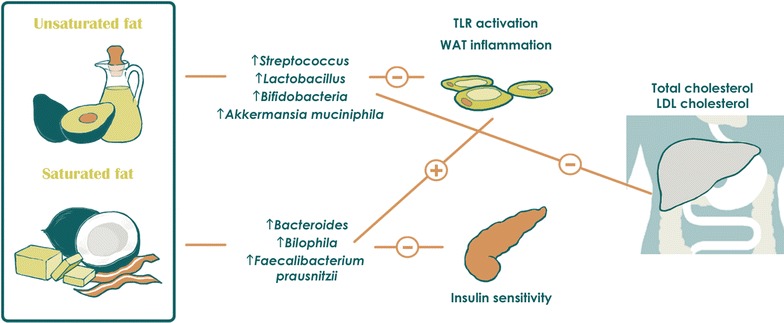
“A Western diet rich in saturated fat but low in unsaturated fat is positively associated with anaerobic microorganisms, such as Bacteroides and Bilophila , highlighting the inflammatory potential of the intestinal microbiome in relation to cardiovascular risk and HF [157,158].”
TMAO and Cardiovascular Disease: Exploring Its Potential as a Biomarker
Amariței, O., Mierlan, O. L., Dinu, C. A., Chiscop, I., Matei, M. N., Guțu, C., & Gurău, G. (2025) · Medicina · doi:10.3390/medicina61101767 · Cited by 32
The microbiome in pediatric oncology
Rotz, S. J., & Dandoy, C. E. (2020) · Cancer · doi:10.1002/cncr.33030 · Cited by 27
Corbin, K. D., Krajmalnik‐Brown, R., Carnero, E. Á., Bock, C., Emerson, R., Rittmann, B. E., Marcus, A. K., Davis, T. L., Dirks, B., Ilhan, Z. E., et al. (2020) · Contemporary Clinical Trials Communications · doi:10.1016/j.conctc.2020.100646 · Cited by 21
“Gut transit time Diet [16,40,41] and gut transit [77] have a strong effect on the gut microbiota, which collectively impact host health [78].”
BackgroundRubidium chloride modulated the fecal microbiota community in mice
Chen, Q., He, Z., Zhuo, Y., Li, S., Yang, W., Hu, L., & Zhong, H. (2021) · BMC Microbiology · doi:10.1186/s12866-021-02095-4 · Cited by 27
Chen, H.-H., Hung, C., Kao, A.-W., & Hsieh, H. (2021) · International Journal of Environmental Research and Public Health · doi:10.3390/ijerph18083888 · Cited by 34
“Changes in diet affect the ecological environment of the intestinal tract, which in turn affects changes in intestinal symptoms in patients with IBS [29].”
BackgroundGong, T., He, X., Gao, S., & Wu, Q. (2021) · Journal of Cancer · doi:10.7150/jca.46621 · Cited by 23
“The delicate balance of the intestinal microbiome composition is essential for maintaining intestinal immunity and whole-body homeostasis [13].”
Julio‐Pieper, M., López-Aguilera, A., Eyzaguirre‐Velásquez, J., Olavarría‐Ramírez, L., Ibacache‐Quiroga, C., Bravo, J. A., & Cruz, G. (2021) · International Journal of Molecular Sciences · doi:10.3390/ijms22094734 · Cited by 24
“Prolonged consumption of an energy-rich diet can impact gut microbiota composition, with distinct bacterial genera and species being more strongly affected (for a review, see [73]).”
BackgroundAssessment of the gut bacterial microbiome and metabolome of girls and women with Rett Syndrome
Thapa, S., Venkatachalam, A., Khan, N., Naqvi, M., Balderas, M. A., Runge, J. K., Haag, A. M., Hoch, K. M., Glaze, D. G., Luna, R. A., et al. (2021) · PLoS ONE · doi:10.1371/journal.pone.0251231 · Cited by 25
“The explanation for these differences between studies is not readily apparent, although it is well-recognized that the gut microbiome, even among healthy individuals, may vary due to differences in age [25], ethnicity [49], geography [50], dietary habits [51], life-style differences [27, 28] or environment [52].”
BackgroundVeintimilla-Gozalbo, E., Asensio‐Grau, A., Calvo‐Lerma, J., Heredia, A. B., & Andrés, A. (2021) · Applied Sciences · doi:10.3390/app11178135 · Cited by 29
Probiotics and Functional Gastrointestinal Disorders in Pediatric Age: A Narrative Review
Capozza, M., Laforgia, N., Rizzo, V., Salvatore, S., Guandalini, S., & Baldassarre, M. (2022) · Frontiers in Pediatrics · doi:10.3389/fped.2022.805466 · Cited by 28
“In addition, specific strains of probiotics have been shown to be able to affect the intestinal microbiota, have anti-inflammatory properties (7) and modulate visceral hypersensitivity (8), thus improving abdominal pain management.”
BackgroundChronic stress and captivity alter the cloacal microbiome of a wild songbird
Madden, A. A., Oliverio, A., Kearns, P. J., Henley, J. B., Fierer, N., Starks, P. T. B., Wolfe, B. E., Romero, L. M., & Lattin, C. R. (2022) · Journal of Experimental Biology · doi:10.1242/jeb.243176 · Cited by 26
Gut Microbiota across Normal Gestation and Gestational Diabetes Mellitus: A Cohort Analysis
Dualib, P. M., Taddei, C. R., Fernandes, G. D. R., Carvalho, C. R. D. S., Sparvoli, L. G., da Silva, I. T., Mattar, R., Ferreira, S. R. G., Dib, S. A., & de Almeida-Pititto, B. (2022) · Metabolites · doi:10.3390/metabo12090796 · Cited by 27
“It is known that long-term diet is strongly associated with the gut microbiome composition [52].”
BackgroundFrąk, M., Grenda, A., Krawczyk, P. A., Milanowski, J., & Kalinka‐Warzocha, E. (2022) · Cancers · doi:10.3390/cancers14225577 · Cited by 28
Um, C. Y., Peters, B. A., Choi, H. S., Oberstein, P. E., Beggs, D. B., Usyk, M., Wu, F. C., Hayes, R. B., Gapstur, S. M., McCullough, M. L., et al. (2023) · Cancer Research Communications · doi:10.1158/2767-9764.crc-22-0154 · Cited by 27
Duque-Soto, C. M., Quintriqueo-Cid, A., Rueda‐Robles, A., Robert, P. S., Borrás‐Linares, I., & Lozano‐Sánchez, J. (2022) · Antioxidants · doi:10.3390/antiox12010101 · Cited by 25
“impact on the modulation of the colonic microbiota profile, the role of gut microbiota in the bioaccesibility of phenolic compounds with its implications on their later antioxidant and bioactive properties in the colon and its close relation to health [25].”
BackgroundAsthma, obesity, and microbiota: A complex immunological interaction
Menegati, L. M., de Oliveira, É. E., Oliveira, B. D. C., Macedo, G. C., & Silva, F. M. D. C. E. (2023) · Immunology Letters · doi:10.1016/j.imlet.2023.01.004 · Cited by 30
Murga-Garrido, S. M., Ulloa‐Pérez, E., Díaz-Benítez, C. E., Orbe-Orihuela, Y. C., Cornejo‐Granados, F., Ochoa‐Leyva, A., Sánchez‐Flores, A., Cruz, M., Castañeda-Márquez, A. C., Plett-Torres, T., et al. (2023) · Microbiology Spectrum · doi:10.1128/spectrum.03382-22 · Cited by 30
Karim, M. R., Iqbal, S., Mohammad, S., Lee, J. H., Jung, D.-H., Mathiyalagan, R., Yang, D., Yang, D. U., & Kang, S. C. (2023) · Microbiological Research · doi:10.1016/j.micres.2023.127346 · Cited by 31
Guedes, M. R., Pontes, K. S. D. S., Silva, M. I. B., Neves, M. F., & Klein, M. R. S. T. (2023) · Clinical Nutrition · doi:10.1016/j.clnu.2023.03.017 · Cited by 23
Komorniak, N., Kaczmarczyk, M., Łoniewski, I., Kley, A. M., Nalian, A. G., Wroński, M., Kaseja, K., Kowalewski, B., Folwarski, M., & Stachowska, E. (2023) · Nutrients · doi:10.3390/nu15234905 · Cited by 25
The Complex Puzzle of Interactions Among Functional Food, Gut Microbiota, and Colorectal Cancer
Mendonça, L. A. B. M., Ferreira, R. D. S., Guimarães, R. D. C. A., de Castro, A. P., Franco, O. L., Matias, R., & Carvalho, C. M. E. (2018) · Frontiers in Oncology · doi:10.3389/fonc.2018.00325 · Cited by 23
“) (86), foods that are sources of PUFAs, especially the n-3 series (11), soluble food fibers (11, 12) and phytochemicals and antioxidants (87) (Table S2).”
BackgroundLi, Y., Li, W., Wang, X., Ding, C., Liu, J., Li, Y., Li, W., & Sun, Y. (2020) · Molecular Nutrition & Food Research · doi:10.1002/mnfr.201900965 · Cited by 26
Hou, K., Zhang, S., Wu, Z., Zhu, D., Chen, F., Lei, Z.-N., Liu, W., Xiao, C., & Chen, Z.-S. (2022) · Biomolecules and Biomedicine · doi:10.17305/bjbms.2021.6323 · Cited by 35
“It is now well established that diet plays a pivotal role in shaping the gut microbiota [25].”
BackgroundAnders, J. L., Mychajliw, A. M., Moustafa, M. A. M., Mohamed, W. M. A., Hayakawa, T., Nakao, R., & Koizumi, I. (2022) · Ecology and Evolution · doi:10.1002/ece3.9216 · Cited by 22
“…resulting from artificial feeding, especially of low-quality foods (Murray et al., 2015), may cause a detrimental shift in the microbial community structure within the gut that can induce numerous health issues such as obesity or inflammatory bowel disease (Chin et al., 2000; Singh et al., 2017).”
Suissa, R., Olender, T., Malitsky, S., Golani, O., Turjeman, S., Koren, O., Meijler, M. M., & Kolodkin‐Gal, I. (2023) · npj Biofilms and Microbiomes · doi:10.1038/s41522-023-00431-2 · Cited by 29
Gut Symptoms, Gut Dysbiosis and Gut-Derived Toxins in ALS
Lee, A., Henderson, R. D., Aylward, J., & McCombe, P. (2024) · International Journal of Molecular Sciences · doi:10.3390/ijms25031871 · Cited by 28
Zhou, M., Yu, J., Li, X., Ruan, Z., & Yu, S. (2024) · Journal of Cellular and Molecular Medicine · doi:10.1111/jcmm.18258 · Cited by 27
Boyajian, J. L., Islam, P., Abosalha, A. K., Schaly, S., Thareja, R., Kassab, A., Arora, K., Santos, M., Shum-Tim, C., & Prakash, S. (2024) · Microbiome Research Reports · doi:10.20517/mrr.2024.05 · Cited by 30
The Role of Microbiota-Related Co-Metabolites in MASLD Progression: A Narrative Review
Martín-Grau, M., & Monleón, D. (2024) · Current Issues in Molecular Biology · doi:10.3390/cimb46070381 · Cited by 29
“Additionally, the consumption of these diets has also been associated with changes in the gut microbiota [7].”
BackgroundLin, J., Zhang, R., Liu, H., Zhu, Y., Dong, N., Qu, Q., Bi, H., Zhang, L., Luo, O., Sun, L., et al. (2024) · Frontiers in Microbiology · doi:10.3389/fmicb.2024.1379064 · Cited by 24
Dietary Habits and Their Influence on the Microbiome and Mental Health in Adolescents
Sălcudean, A., Cîmpian, D. M., Popovici, R. A., Forna, N. C., Corodan-Comiati, D.-M., Sasu, A.-B., Cozma, M.-M., Bodo, C.-R., Enache, E.-C., Păcurar, M., et al. (2025) · Nutrients · doi:10.3390/nu17091496 · Cited by 31
“Moreover, it helps in specific diet-associated disorders that arise from suboptimal nutritional habits [53–55].”
Zhang, X., Browman, G. J., Siu, W., Basen‐Engquist, K., Hanash, S., Hoffman, K. L., Okhuysen, P. C., Scheet, P. A., Petrosino, J. F., Kopetz, S., et al. (2019) · BMC Cancer · doi:10.1186/s12885-019-6400-z · Cited by 24
In Vitro Modulation of Gut Microbiota and Metabolism by Cooked Cowpea and Black Bean
Teixeira-Guedes, C., Sánchez‐Moya, T., Pereira‐Wilson, C., Ros, G., & López‐Nicolás, R. (2020) · Foods · doi:10.3390/foods9070861 · Cited by 25
Microbial Influences of Mucosal Immunity in Rheumatoid Arthritis
Wilson, T. M., Trent, B. J., Kuhn, K. A., & Demoruelle, M. K. (2020) · Current Rheumatology Reports · doi:10.1007/s11926-020-00960-1 · Cited by 22
DNA methylation as a regulator of intestinal gene expression
Pinho, R. M., & Maga, E. A. (2021) · British Journal Of Nutrition · doi:10.1017/s0007114521000556 · Cited by 23
“)(89), antibiotic use (reviewed by Iizumi et al.”
BackgroundAdithya, K. K., Rajeev, R., Selvin, J., & Kiran, G. S. (2021) · ACS Food Science & Technology · doi:10.1021/acsfoodscitech.0c00075 · Cited by 26
Guadamuro, L., Azcárate-Peril, M. A., Tojo, R., Mayo, B., & Delgado, S. (2021) · International Journal of Environmental Research and Public Health · doi:10.3390/ijerph18157939 · Cited by 25
“Most studies, however, have focused on the effect of fat and fiber [33,34], while dietary microcomponents, like polyphenols, have received less attention [35].”
BackgroundAslam, H., Collier, F., Davis, J. A., Quinn, T. P., O’Hely, M., Pasco, J. A., Jacka, F. N., & Loughman, A. (2021) · Journal of Nutrition · doi:10.1093/jn/nxab252 · Cited by 24
Barone, M., D’Amico, F., Fabbrini, M., Rampelli, S., Brigidi, P., & Turroni, S. (2021) · World Journal of Gastroenterology · doi:10.3748/wjg.v27.i41.7041 · Cited by 25
Daniel, M.-G., Garcia-Soto Mariano, J., Acevedo, O. G., Godínez-Hernández, C. I., Juárez-Flores, B. I., Ortiz‐Basurto, R. I., Rodríguez‐Aguilar, M., Flores‐Ramírez, R., Marco, M.-M., Ratering, S., et al. (2022) · Food & Function · doi:10.1039/d1fo03852d · Cited by 26
Zhang, S., Xu, M., Sun, X., Shi, H., & Zhu, J. (2022) · Food Research International · doi:10.1016/j.foodres.2022.111762 · Cited by 27
Effect and Roles of Nitrogen Supply on Photosynthesis
Mengesha, M. (2021) · International Journal of Photochemistry and Photobiology · doi:10.11648/j.ijpp.20210502.12 · Cited by 22
“This condition revealed as a purple coloration in leaves, petioles, and stems of some nitrogen-deficient plants, such as tomato and certain varieties of corn [8].”
BackgroundInfluentialGou, W., Miao, Z., Deng, K., & Zheng, J. (2023) · Protein & Cell · doi:10.1093/procel/pwad023 · Cited by 24
“For example, coffee and tea were positively associated with Bifidobacterium , Lactobacillus , and Oscillibacter (Singh et al., 2017), and were inversely associated with proinflammatory pathways (Bolte et al., 2021).”
BackgroundA review of oleogels applications in dairy foods
Chowdhury, B., Sharma, A., Akshit, F. N. U., Mohan, M. S., Salunke, P., & Anand, S. K. (2023) · Critical Reviews in Food Science and Nutrition · doi:10.1080/10408398.2023.2215871 · Cited by 31
“A high-fat diet al.so led to decreased abundance of lactic acid bacteria, including Lactobacillus and Streptococcus, Lactobacillus intestinalis, and more acetate and propionate-producing species such as Bacteroides, Enterobacteriales, and Clostridiales (Singh et al. 2017; Lecomte et al. 2015).”
Liu, K., Zou, J., Yuan, R., Fan, H., Hu, H., Cheng, Y., Liu, J., Zou, H., & You, Z. (2023) · Investigative Ophthalmology & Visual Science · doi:10.1167/iovs.64.7.22 · Cited by 24
Glaucoma Patients Have a Lower Abundance of Butyrate-Producing Taxa in the Gut
Vergroesen, J. E., Jarrar, Z. A., Weiß, S., Frost, F., Ansari, A. S., Nguyen, P., Kraaij, R., Medina‐Gómez, C., Völzke, H., Tost, F., et al. (2024) · Investigative Ophthalmology & Visual Science · doi:10.1167/iovs.65.2.7 · Cited by 25
“Nevertheless, gut homeostasis is also influenced by other external and internal factors, including dietary habits, 52 physical exercise, 53 and use of antibiotics.”
Humińska‐Lisowska, K., Zielińska, K., Mieszkowski, J., Michałowska‐Sawczyn, M., Cięszczyk, P., Łabaj, P. P., Wasąg, B., Frączek, B., Grzywacz, A., Kochanowicz, A., et al. (2024) · PLoS ONE · doi:10.1371/journal.pone.0297858 · Cited by 23
Harnessing AI and Gut Microbiome Research for Precision Health
Saxena, R., Sharma, V., Saxena, A. R., & Patel, A. (2024) · Journal of Artificial Intelligence General science (JAIGS) · doi:10.60087/jaigs.v3i1.68 · Cited by 38
Dietary Influences on Skin Health in Common Dermatological Disorders
Sharma, N., Chaudhary, S. M., Khungar, N., Aulakh, S. K., Idris, H., Singh, A. P., & Sharma, K. (2024) · Cureus · doi:10.7759/cureus.55282 · Cited by 40
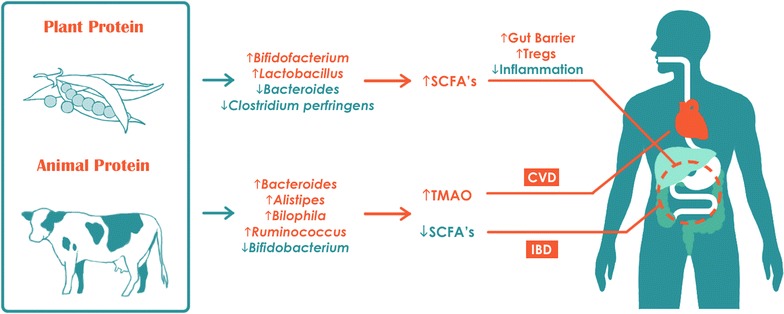
“SCFA levels, which are vital for maintaining the mucosal barrier, are raised in the intestinal mucosa when pea proteins are consumed [48].”
BackgroundXu, Y. X. Z., & Mishra, S. (2018) · Cancers · doi:10.3390/cancers10120523 · Cited by 30
“These three factors are often interconnected as high fat diet (HFD) can directly induce obesity or shift gut microbial composition to enhanced energy harvest that have both immune and metabolic consequences [11,12].”
BackgroundDietary Macronutrient Management to Treat Mitochondrial Dysfunction in Parkinson’s Disease
Bajracharya, R., Youngson, N. A., & Ballard, J. W. O. (2019) · International Journal of Molecular Sciences · doi:10.3390/ijms20081850 · Cited by 25
“We note that the interactions between diet and gut microbiota is a developing area of interest [20,21] and these interactions likely influence development of PD [22–27].”
BackgroundUm, C. Y., Campbell, P. T., Carter, B. D., Wang, Y., Gapstur, S. M., & McCullough, M. L. (2019) · European Journal of Nutrition · doi:10.1007/s00394-019-02032-2 · Cited by 24
Raghunath, S., Hijjawi, R., Hoon, E. A., Shanahan, E. M., & Goldblatt, F. (2019) · Clinical Rheumatology · doi:10.1007/s10067-019-04609-y · Cited by 28
Suliman, H. M., Osman, B., Abdoon, I. H., Saad, A. M., & Khalid, H. (2020) · Biomedicine & Pharmacotherapy · doi:10.1016/j.biopha.2020.109968 · Cited by 30
Act Locally, Act Globally—Microbiota, Barriers, and Cytokines in Atherosclerosis
Kurilenko, N., Fatkhullina, A. R., Mazitova, A., & Koltsova, E. K. (2021) · Cells · doi:10.3390/cells10020348 · Cited by 25
Sholl, J., Mailing, L. J., & Wood, T. R. (2021) · mBio · doi:10.1128/mbio.00579-21 · Cited by 24
Bahitham, W., Alghamdi, S., Omer, I., Alsudais, A. S., Hakeem, I., Alghamdi, A., Abualnaja, R., Sanai, F. M., Rosado, A. S., & Sergi, C. M. (2024) · Biomedicines · doi:10.3390/biomedicines12030550 · Cited by 24
Production of Toxins by the Gut Microbiota: The Role of Dietary Protein
Alvarenga, L., Kemp, J. A., Baptista, B. G., Ribeiro, M. M., Lima, L. S., & Mafra, D. (2024) · Current Nutrition Reports · doi:10.1007/s13668-024-00535-x · Cited by 29
“Studies have investigated the effects of microbiota modulation using prebiotics, probiotics, synbiotics, and postbiotics [34–36].”
Arslan, N., Bozkır, E., Koçak, T., Akın, M., & Yılmaz, B. (2024) · Nutrients · doi:10.3390/nu16162683 · Cited by 26
“[42,43].”
Gut–Adipose Tissue Axis and Metabolic Health
Borozan, S., Fernandez, C. J., Samee, A., & Pappachan, J. M. (2025) · Current Issues in Molecular Biology · doi:10.3390/cimb47060424 · Cited by 26
Estarriaga‐Navarro, S., Valls, T., Plano, D., Sanmartín, C., & Goicoechea, N. (2025) · Antioxidants · doi:10.3390/antiox14080942 · Cited by 31
Triclosan has a robust, yet reversible impact on human gut microbial composition in vitro
Mahalak, K. K., Firrman, J., Lee, J., Bittinger, K. L., Núñez, A., Mattei, L. M., Zhang, H., Fett, B., Tolehmurodovich, B. J., Arango-Argoty, G., et al. (2020) · PLoS ONE · doi:10.1371/journal.pone.0234046 · Cited by 21
“Reduction of Bacteroidetes and Firmicutes abundance in the gut microbial community is associated with increased IBD in the westernized human population, and a difference in the ratio of Bacteroidetes:Firmicutes is associated with, but not prescriptive of, increased obesity [42].”
BackgroundGuo, Y., Zhu, X., Zeng, S., He, M., Xing, X., & Wang, C. (2020) · Mediators of Inflammation · doi:10.1155/2020/8192187 · Cited by 22
Ray, P., Pandey, U., & Aich, P. (2020) · Journal of Applied Microbiology · doi:10.1111/jam.14853 · Cited by 22
“…different factors like age (Hill et al. 2017), Journal of Applied Microbiology 130, 1337--1356 © 2020 The Society for Applied Microbiology 1337 diet (Singh et al. 2017), geography (Morton et al. 2015; Falony et al. 2016), stress (Bendtsen et al. 2012), pathogen (Khan 2014) and treatment with…”
BackgroundRelationship between Nutrient Intake and Human Gut Microbiota in Monozygotic Twins
Matsumoto, N., Park, J., Tomizawa, R., Kawashima, H., Hosomi, K., Mizuguchi, K., Honda, C., Ozaki, R., Iwatani, Y., Watanabe, M., et al. (2021) · Medicina · doi:10.3390/medicina57030275 · Cited by 21
“Another study demonstrated that varied dietary nutrient intake affects the gut microbiota composition [18], and dietary changes affect the abundance of gut microbiota in healthy adults in host-microbial interactions [19].”
BackgroundColorectal Cancer, Liver Metastases and Biotherapies
Osei‐Bordom, D., Kamarajah, S. K., & Christou, N. (2021) · Biomedicines · doi:10.3390/biomedicines9080894 · Cited by 27
“Co-morbidities, including diabetes mellitus (DM), obesity, hypertension and chronic kidney disease, is associated with an elevated relative risk of CRC [113].”
BackgroundBramble, M. S., Vashist, N., Ko, A., Priya, S., Musasa, C., Mathieu, A., Spencer, D. A., Kasendue, M. L., Dilufwasayo, P. M., Karume, K., et al. (2021) · Nature Communications · doi:10.1038/s41467-021-25694-1 · Cited by 20
Kittana, M., Ahmadani, A., Al-Marzooq, F. I., & Attlee, A. (2021) · Nutrients · doi:10.3390/nu13113818 · Cited by 25
“Singh et al. (2017) reviewed that MUFA does not lead to significant shifts in any bacterial genera.”
BackgroundTakáčová, M., Bomba, A., Tóthová, C., Micháľová, A., & Turňa, H. (2022) · Life · doi:10.3390/life12050723 · Cited by 29
“The phylum of Actinobacteria is less numerous and is predominantly represented by the genus Bifidobacterium [12,27].”
BackgroundInfluentialKitajima, T., Funauchi, A., Nakajima, T., Marumo, S., Imura, Y., & Fukui, M. (2022) · The Journal of Rheumatology · doi:10.3899/jrheum.220259 · Cited by 24
Hamamah, S., Hajnal, A. S., & Covașă, M. (2022) · International Journal of Molecular Sciences · doi:10.3390/ijms23147503 · Cited by 25
“As mentioned, consumption of dietary proteins derived from animal sources leads to decreased Bifidobacterium and an overall gut enterotype that promotes inflammation [39].”
BackgroundKozik, A. J., Holguín, F., Segal, L. N., Chatila, T. A., Dixon, A. E., Gern, J. E., Lozupone, C., Lukacs, N. W., Lumeng, C. N.-K., Molyneaux, P. L., et al. (2022) · American Journal of Respiratory Cell and Molecular Biology · doi:10.1165/rcmb.2022-0216st · Cited by 23
“Relevant to global immune responses, obesity and dietary factors also are associated with changes in the gut microbiome (44, 45), which can further modulate immune development and responses.”
BackgroundLiu, R.-H., Sun, A.-Q., Liao, Y., Tang, Z.-X., Zhang, S.-H., Shan, X., & Hu, J. (2022) · Probiotics and Antimicrobial Proteins · doi:10.1007/s12602-022-09987-5 · Cited by 25
“Among these, bacteria represent the most well studied group [1].”
BackgroundRen, M., MengYun, L., Lu, L.-Q., Liu, Y.-S., An, F., Huang, K., & Fu, Z. (2022) · Nutrients · doi:10.3390/nu14193931 · Cited by 21
“The gut microbiome, composed of approximately 100 trillion microbes [1], is an interactive ecosystem that plays an important role in the host’s health [2,3].”
BackgroundGut health, the microbiome and dietary choices: An exploration of consumer perspectives
Williams, G. M., Tapsell, L. C., & Beck, E. J. (2022) · Nutrition & Dietetics · doi:10.1111/1747-0080.12769 · Cited by 25
The digestive fate of beef versus plant-based burgers from bolus to stool
Zhou, Z., Amer, H., Sultani, A., Nasr, P., Wang, Y., Corradini, M. G., Goff, H. D., LaPointe, G., & Rogers, M. A. (2023) · Food Research International · doi:10.1016/j.foodres.2023.112688 · Cited by 24
Tamang, M. K., Ali, A. A., Pértile, R. A. N., Cui, X., Alexander, S., Nitert, M. D., Palmieri, C., & Eyles, D. W. (2023) · Translational Psychiatry · doi:10.1038/s41398-023-02513-3 · Cited by 25
Li, S., Xu, K., Cheng, Y., Chen, L., Yi, A., Xiao, Z., Zhao, X., Chen, M., Tian, Y., Wei, M., et al. (2023) · Frontiers in Microbiology · doi:10.3389/fmicb.2023.1188455 · Cited by 29
Linking Migraine to Gut Dysbiosis and Chronic Non-Communicable Diseases
Lauro, M. D., Guerriero, C., Cornali, K., Albanese, M., Costacurta, M., Mercuri, N. B., Daniele, N. D., & Noce, A. (2023) · Nutrients · doi:10.3390/nu15204327 · Cited by 25
Maternal-Foetal/Infant Interactions—Gut Microbiota and Immune Health
Adamczak, A. M., Werblińska, A., Jamka, M., & Walkowiak, J. (2024) · Biomedicines · doi:10.3390/biomedicines12030490 · Cited by 31
“In patients with inflammatory bowel diseases (IBD), a reduction in bacterial biodiversity, notably in Bacteroides and Firmicutes , may lead to decreased butyric acid production [153].”
BackgroundLi, Y., Fang, Y., Wang, H., & Zhang, H. (2024) · Frontiers in Bioscience-Landmark · doi:10.31083/j.fbl2906208 · Cited by 25
Bone and the gut microbiome: a new dimension
Medina‐Gómez, C. (2018) · Journal of Laboratory and Precision Medicine · doi:10.21037/jlpm.2018.11.03 · Cited by 33
Impact of Sample Storage on the NMR Fecal Water Metabolome
O’Sullivan, V., Madrid-Gambín, F., Alegra, T., Gibbons, H., & Brennan, L. (2018) · ACS Omega · doi:10.1021/acsomega.8b01761 · Cited by 22
MBI-LCBI and CLABSI: more than scrubbing the line
Dandoy, C. E., & Badia, P. (2019) · Bone Marrow Transplantation · doi:10.1038/s41409-019-0489-1 · Cited by 23
Nonalcoholic fatty liver disease and the gut microbiome: Are bacteria responsible for fatty liver?
Dong, T. S., & Jacobs, J. P. (2019) · Experimental Biology and Medicine · doi:10.1177/1535370219836739 · Cited by 22
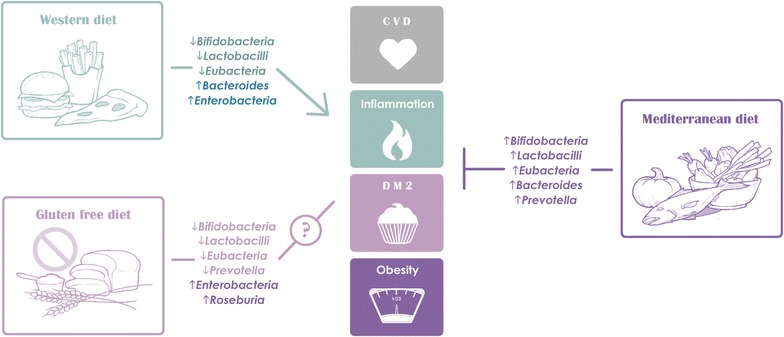
“At a genus level, a Western diet is associated with depletion of Bidobacterium and Lactobacillus and enrichment of Enterobacter.(23) These perturbations of the microbiome may cause metabolic changes in the host by altering short-chain fatty acid (SCFA) production, release of gut hormones such as peptide YY and glucago…”
BackgroundXu, Y., Curtasu, M. V., Bendiks, Z. A., Marco, M. L., Nørskov, N. P., Knudsen, K. E. B., Hedemann, M. S., & Lærke, H. N. (2020) · Food & Function · doi:10.1039/d0fo02252g · Cited by 21
Characteristics of Gut Microbiota in Children With Biliary Atresia After Liver Transplantation
Song, W., Sun, L., Zhu, Z., Wei, L., Qu, W., Zeng, Z., & Yang, Y. (2021) · Frontiers in Physiology · doi:10.3389/fphys.2021.704313 · Cited by 21
“Enterococcus and Klebsiella have been detected in various liver diseases (Ray, 2017; Fukui, 2019; Liu et al., 2019; Nakamoto et al., 2019) and were associated with a predisposition to penetrating complications in pediatric patients (Steck et al., 2011).”
BackgroundThe role of microbiota in allogeneic hematopoietic stem cell transplantation
Chang, C.-C., Hayase, E., & Jenq, R. R. (2021) · Expert Opinion on Biological Therapy · doi:10.1080/14712598.2021.1872541 · Cited by 20
The Role of Nutrition in Addiction Recovery
Wiss, D. A. (2019) · The Assessment and Treatment of Addiction · doi:10.1016/b978-0-323-54856-4.00002-x · Cited by 20
Norton, P., Trus, P., Wang, F., Thornton, M. J., & Chang, C. (2024) · Skin Health and Disease · doi:10.1002/ski2.399 · Cited by 25
“42 The skin microbiota is a diverse polymicrobial community that can influence the healing process of cutaneous wounds.”
BackgroundGut microbiome: A revolution in type II diabetes mellitus
Jeyaraman, M., Mariappan, T., Jeyaraman, N., Muthu, S., Ramasubramanian, S., Santos, G. S., da Fonseca, L. F., & Lana, J. F. (2024) · World Journal of Diabetes · doi:10.4239/wjd.v15.i9.1874 · Cited by 24
da Silva, B. C., Ramos, G. P., Barros, L. L., RAMOS, A. F. P., Domingues, G. R. D. S., Chinzon, D., & Passos, M. D. C. F. (2025) · Arquivos de Gastroenterologia · doi:10.1590/s0004-2803.24612024-107 · Cited by 34
“…a regimen deficient in fiber, rich in fermentable oligosaccharides, disaccharides, monosaccharides, and polyols (FODMAPs), and characterized by a high intake of omega-6 fatty acids, typical of a Western dietary pattern, is unfavorable and may predispose one to dys-biotic conditions (68) .”
Glycolate is a Novel Marker of Vitamin B2 Deficiency Involved in Gut Microbe Metabolism in Mice
Uebanso, T., Yoshimoto, A., Aizawa, S., Nakamura, M., Masuda, R., Shimohata, T., Mawatari, K., & Takahashi, A. (2020) · Nutrients · doi:10.3390/nu12030736 · Cited by 22
Self-citation
Metadata
- Authors
- Singh, R. K., Chang, H.-W., Yan, D., Lee, K. M., Ucmak, D., Wong, K., Abrouk, M., Farahnik, B., Nakamura, M., Zhu, T. H., Bhutani, T., & Liao, W.
- Affiliations
- University of California, Los Angeles (US)
- University of California, San Francisco (US)
- University of California, Irvine (US)
- University of Vermont (US)
- University of Southern California (US)
- Corresponding author
- Liao, Wilson
- ORCID
- Venue
- Journal of Translational Medicine
- Published
- 2017-04-08
- Volume
- 15
- Issue
- 1
- Pages
- 73-73
- ISSN
- 1479-5876 (ISSN-L)
- PMC
- PMC5385025
- OpenAlex
- W2605052214
- Cited by
- 2,599
- References
- 198
- Citations by year
- 2026: 202 · 2025: 287 · 2024: 341 · 2023: 375 · 2022: 364 · 2021: 381 · 2020: 299 · 2019: 219 · 2018: 109 · 2017: 22
- FWCI
- 16.61
- Type
- journal article
- Language
- en
- Open access
- gold
- doi.org
- Licence
- cc-by
- creativecommons.org/licenses/by/4.0/ (tdm)
- creativecommons.org/licenses/by/4.0/ (vor)
- Locations
- Journal of Translational Medicine (publishedVersion, cc-by)
- PubMed Central (publishedVersion, cc-by)
- PubMed (publishedVersion)
- DOAJ (DOAJ: Directory of Open Access Journals) (submittedVersion)
- eScholarship (California Digital Library) (submittedVersion)
- eScholarship (California Digital Library) (submittedVersion, cc-by)
- Funders
- National Institute of Arthritis and Musculoskeletal and Skin Diseases (R01AR065174)
- National Institute of Allergy and Infectious Diseases (U01AI119125)
- Topics
- Life Sciences › Biochemistry, Genetics and Molecular Biology › Molecular Biology › Gut microbiota and health
- Health Sciences › Medicine › Public Health, Environmental and Occupational Health › Nutritional Studies and Diet
- Life Sciences › Agricultural and Biological Sciences › Food Science › Probiotics and Fermented Foods
- Keywords
- diet, gut microbiota, food components, chronic disease, inflammatory bowel disease, obesity, type 2 diabetes, cardiovascular disease, cancer, host immune function, host metabolism, microbiota-based therapy
- MeSH terms
- Gastrointestinal Microbiome, Diet, Health, Humans, Probiotics, Polyphenols
About these checks
Registry, retraction, Cites and statistics results are computed, not judged, with one exception: a printed reference that no index lists is read once by a model before it counts as a citation error. Claims are extracted by a model and kept only when their quote appears verbatim in the text; each cited source is then checked, with a model’s help, for whether it says what the claim relies on. Those verdicts can be wrong — read the claim’s quote and the cited source before relying on one.
Statistics and arithmetic are recomputed, not judged.
Confidence bands are shown only for fields calibrated on our annotated test set. None is calibrated yet, so no band is shown.
What counts as a claim ›How we measure confidence ›How we check this ›
Are you an author, or do you see a problem with this page? Request a review
Data sources
Bibliographic data: Semantic Scholar, OpenAlex, Crossref.
Contains information from the Semantic Scholar Academic Graph Datasets, made available under the ODC Attribution License (ODC-BY 1.0).
Semantic Scholar’s data is described in: Kinney, R., et al. (2023). The Semantic Scholar Open Data Platform. arXiv:2301.10140.
