

Influence of diet on the gut microbiome and implications for human health
Open accessThe DOI matches its Crossref record; 198 of the 198 references it cites were found in a registry or an index.
Abstract
Recent studies have suggested that the intestinal microbiome plays an important role in modulating risk of several chronic diseases, including inflammatory bowel disease, obesity, type 2 diabetes, cardiovascular disease, and cancer. At the same time, it is now understood that diet plays a significant role in shaping the microbiome, with experiments showing that dietary alterations can induce large, temporary microbial shifts within 24 h. Given this association, there may be significant therapeutic utility in altering microbial composition through diet. This review systematically evaluates current data regarding the effects of several common dietary components on intestinal microbiota. We show that consumption of particular types of food produces predictable shifts in existing host bacterial genera. Furthermore, the identity of these bacteria affects host immune and metabolic parameters, with broad implications for human health. Familiarity with these associations will be of tremendous use to the practitioner as well as the patient.
Overview
The claims and statistics of this paper haven’t been checked yet.
Free: it reads the open-access text and checks the first 5 claims that cite a source we can check. Create a free account to check every claim.
Integrity signals
Registry
Cites
Statistics
Figures
Verification
Claims the paper makes
The claims and statistics of this paper haven’t been checked yet.
Free: it reads the open-access text and checks the first 5 claims that cite a source we can check. Create a free account to check every claim.
Claims other papers make about this one
Each is checked against this paper’s own text: does it say what the citing paper says it does?
The source backs part of the claim, not all of it — or backs it for a different population, condition or comparison.
In the citing paper
“Many bacteria associated with ICI response have known dietary associations, such that specific dietary patterns (e.g., plant-based versus western diet) are associated with increased or decreased relative abundances of these candidate taxa.131–135”
From Melanoma and microbiota: Current understanding and future directions (2024) · cites this paper as [134]
Experimental — accuracy not yet measuredThe cited source says what the claim attributes to it.
In the citing paper
“In addition, strategies that could mitigate the likelihood of LPS release into the blood and, thus, endotoxin-associated symptoms, include limiting the consumption of saturated fat [138], avoiding the consumption of non-steroidal anti-inflammatory drugs (NSAIDs) [139], and maintaining an adequate water intake [139].”
From International Society of Sports Nutrition Position Stand: nutritional considerations for single-stage ultra-marathon training and racing (2019) · cites this paper as [138]
The cited source says what the claim attributes to it.
In the citing paper
“Different sources of protein in a diet has been shown to influence different gut microbiota profiles (Singh et al., 2017).”
From The Microbiota-Gut-Brain Axis (2019) · cites this paper as Singh et al., 2017
In the citing paper
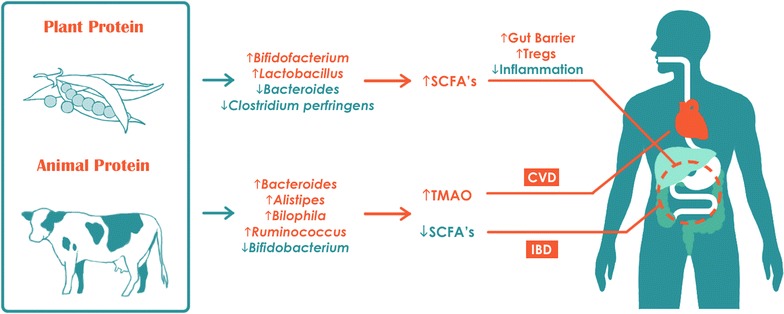
“In mice, animal-based protein increases potential detrimental gut microbes, e.g., Peptostreptococcaceae, Ruminococcaceae, Enterococcus, Streptococcus, Turicibacter, or Escherichia (92), and plant-based protein boosts the abundance of Bifidobacterium, Roseburia, and Lactobacillus and lowers the abundance of pathogens such as Bacteroides fragilis and Clostridium perfringens (37,42,80).”
From Diet and the Microbiota–Gut–Brain Axis: Sowing the Seeds of Good Mental Health (2021) · cites this paper as [80]
Self-check
Percentages, sums and reported differences re-computed from the paper’s own numbers.
The self-check needs the paper’s full text.
Citations
Cites
An obesity-associated gut microbiome with increased capacity for energy harvest
Turnbaugh, P. J., Ley, R. E., Mahowald, M. A., Magrini, V., Mardis, E. R., & Gordon, J. I. (2006) · Nature · doi:10.1038/nature05414 · Cited by 12,444 · cited 1×
“Furthermore, studies involving microbiota transplantation from obese to lean mice have shown that the obese phenotype is transmissible and may be promoted by microbiota that have increased capacity to harvest energy from the host diet [23].”
BackgroundDiet rapidly and reproducibly alters the human gut microbiome
David, L. A., Maurice, C. F., Carmody, R. N., Gootenberg, D. B., Button, J. E., Wolfe, B. E., Ling, A. V., Devlin, A. S., Varma, Y., Fischbach, M. A., et al. (2014) · Nature · doi:10.1038/nature12820 · Cited by 10,100
Human gut microbes associated with obesity
Ley, R. E., Turnbaugh, P. J., Klein, S., & Gordon, J. I. (2006) · Nature · doi:10.1038/4441022a · Cited by 8,785
Enterotypes of the human gut microbiome
MetaHIT Consortium (additional members), Arumugam, M., Raes, J., Pelletier, E., Le Paslier, D., Yamada, T., Mende, D. R., Fernandes, G. R., Tap, J., Bruls, T., et al. (2011) · Nature · doi:10.1038/nature09944 · Cited by 7,548 · cited 1×
“Recently, it has been shown that microbiota can effectively be subdivided into different enterotypes, each enriched by particular bacterial genera, but that all seem to share high functional uniformity [4].”
BackgroundChanges of Intestinal Functions in Liver Cirrhosis
Fukui, H., & Wiest, R. (2016) · Inflammatory Intestinal Diseases · doi:10.1159/000444436 · Cited by 6,808
A metagenome-wide association study of gut microbiota in type 2 diabetes
Qin, J., Li, Y., Cai, Z., Li, S., Zhu, J., Zhang, F., Liang, S., Zhang, W., Guan, Y., Shen, D., et al. (2012) · Nature · doi:10.1038/nature11450 · Cited by 6,762
Linking long-term dietary patterns with gut microbial enterotypes
Wu, G. D., Chen, J., Hoffmann, C., Bittinger, K., Chen, Y.-Y., Keilbaugh, S. A., Bewtra, M., Knights, D., Walters, W. A., Knight, R., et al. (2011) · Science · doi:10.1126/science.1208344 · Cited by 6,513 · cited 2×
“While the microbiome of a healthy individual is relatively stable, gut microbial dynamics can certainly be influenced by host lifestyle and dietary choices [26].”
BackgroundTrumbo, P., Schlicker, S., Yates, A. A., & Poos, M. (2002) · Journal of the American Dietetic Association · doi:10.1016/s0002-8223(02)90346-9 · Cited by 5,993
De Filippo, C., Cavalieri, D., Di Paola, M., Ramazzotti, M., Poullet, J. B., Massart, S., Collini, S., Pieraccini, G., & Lionetti, P. (2010) · Proceedings of the National Academy of Sciences · doi:10.1073/pnas.1005963107 · Cited by 5,579
Commensal microbe-derived butyrate induces the differentiation of colonic regulatory T cells
Furusawa, Y., Obata, Y., Fukuda, S., Endo, T. A., Nakato, G., Takahashi, D., Nakanishi, Y., Uetake, C., Kato, K., Kato, T., et al. (2013) · Nature · doi:10.1038/nature12721 · Cited by 5,549
Research works printed but not linked: 3
- Baron S Clostridium. Baron’s Med. microbiol 1996 4 Galveston University of Texas Medical Branch
- Todar K Pathogenic E coli. Online textbook of bacteriology 2007 Wisconsin University of Wisconsin-Madison Deparment of Bacteriology 11 30
- Patterson M. Streptococcus. In: Baron S, editor. Baron’s Med Microbiol. 4th ed. Galveston: University of Texas Medical Branch. 21413248
Cited by
Cryan, J. F., O'Riordan, K. J., Cowan, C. S. M., Sandhu, K. V., Bastiaanssen, T. F. S., Boehme, M., Codagnone, M. G., Cussotto, S., Fulling, C., Golubeva, A. V., et al. (2019) · Physiological Reviews · doi:10.1152/physrev.00018.2018 · Cited by 5,286
An insight into gut microbiota and its functionalities
Adak, A., & Khan, M. R. (2019) · Cellular and Molecular Life Sciences · doi:10.1007/s00018-018-2943-4 · Cited by 1,485
Oliphant, K., & Allen-Vercoe, E. (2019) · Microbiome · doi:10.1186/s40168-019-0704-8 · Cited by 1,327
Human gut microbiota/microbiome in health and diseases: a review
Gomaa, E. Z. (2020) · Antonie van Leeuwenhoek · doi:10.1007/s10482-020-01474-7 · Cited by 1,294
“Regular consumption of fermented milk or yogurt caused increasing of lactic acid bacteria, especially lactobacilli and bifidobacteria (Singh et al. 2017).”
BackgroundInfluentialGut Bacteroides species in health and disease
Zafar, H., & Saier, M. H. (2021) · Gut Microbes · doi:10.1080/19490976.2020.1848158 · Cited by 1,233
Gut Microbiome: Profound Implications for Diet and Disease
Hills, R., Pontefract, B., Mishcon, H., Black, C., Sutton, S., & Theberge, C. (2019) · Nutrients · doi:10.3390/nu11071613 · Cited by 1,092
Global Impacts of Western Diet and Its Effects on Metabolism and Health: A Narrative Review
Clemente-Suárez, V. J., Beltrán-Velasco, A. I., Redondo-Flórez, L., Martín-Rodríguez, A., & Tornero-Aguilera, J. F. (2023) · Nutrients · doi:10.3390/nu15122749 · Cited by 804
Microbiota-Brain-Gut Axis and Neurodegenerative Diseases
Quigley, E. M. M. (2017) · Current Neurology and Neuroscience Reports · doi:10.1007/s11910-017-0802-6 · Cited by 804
American Cancer Society guideline for diet and physical activity for cancer prevention
Rock, C. L., Thomson, C., Gansler, T., Gapstur, S. M., McCullough, M. L., Patel, A. V., Andrews, K. S., Bandera, E. V., Spees, C. K., Robien, K., et al. (2020) · CA A Cancer Journal for Clinicians · doi:10.3322/caac.21591 · Cited by 789
The Gut Microbiota and Inflammation: An Overview
Al Bander, Z., Nitert, M. D., Mousa, A., & Naderpoor, N. (2020) · International Journal of Environmental Research and Public Health · doi:10.3390/ijerph17207618 · Cited by 756
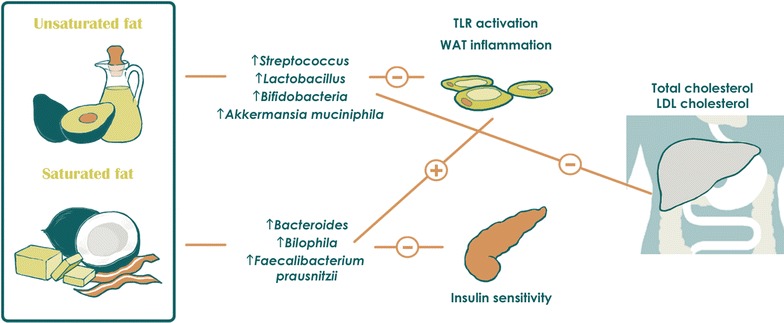
“The Western diet, rich in saturated fats but low in unsaturated fats, has been studied extensively and found to be positively associated with anaerobic microorganisms and specific genera including Bacteroides and Bilophila [42].”
BackgroundNegative Effects of a High-Fat Diet on Intestinal Permeability: A Review
Rohr, M. W., Narasimhulu, C. A., Rudeski-Rohr, T. A., & Parthasarathy, S. (2020) · Advances in Nutrition · doi:10.1093/advances/nmz061 · Cited by 751
“In addition, 16s ribosomal RNA “fingerprinting” of colonic bacteria has revealed dominant bacterial species are associated with certain diets such as Prevotella (carbohydrates and fiber) and Bacteroides (meat and fats) (143, 144).”
BackgroundShort chain fatty acids: Microbial metabolites for gut-brain axis signalling
O'Riordan, K. J., Collins, M. K., Moloney, G. M., Knox, E. G., Aburto, M. R., Fülling, C., Morley, S. J., Clarke, G., Schellekens, H., & Cryan, J. F. (2022) · Molecular and Cellular Endocrinology · doi:10.1016/j.mce.2022.111572 · Cited by 713
The effects of vegetarian and vegan diets on gut microbiota
Tomova, A., Bukovsky, I., Rembert, E., Yonas, W., Alwarith, J., Barnard, N. D., & Kahleova, H. (2019) · Frontiers in Nutrition · doi:10.3389/fnut.2019.00047 · Cited by 713
“Proteins A majority of the studies have noted that protein consumption correlates positively with microbial diversity (54).”
BackgroundInfluentialFood Components and Dietary Habits: Keys for a Healthy Gut Microbiota Composition
Rinninella, E., Cintoni, M., Raoul, P., Lopetuso, L. R., Scaldaferri, F., Pulcini, G., Miggiano, G. A. D., Gasbarrini, A., & Mele, M. C. (2019) · Nutrients · doi:10.3390/nu11102393 · Cited by 673
“For example, it has been demonstrated that vitamin D had a positive effect on IBD patients by modulating the gut microbiome and increasing the abundance of potentially beneficial bacterial strains [108].”
BackgroundInfluentialThe interplay between diet and the gut microbiome: implications for health and disease
Ross, F. C., Patangia, D., Grimaud, G., Lavelle, A., Dempsey, E. M., Ross, R. P., & Stanton, C. (2024) · Nature Reviews Microbiology · doi:10.1038/s41579-024-01068-4 · Cited by 638
“This complex interplay among nutrients, the microbiota and the immune system serves as a critical regulatory mechanism for preserving homoeostasis and defending against external pathogens 3 .”
Dietary fibre modulates the gut microbiota
Cronin, P., Joyce, S. A., O’Toole, P. W., & O’Connor, E. M. (2021) · Nutrients · doi:10.3390/nu13051655 · Cited by 658
“In humans, one of the major influences on the microbial signatures of individuals is diet [2,3], while antibiotic use [4], exercise [5] and age [6] also have significant effects.”
BackgroundGut microbiota and Covid-19- possible link and implications
Dhar, D., & Mohanty, A. (2020) · Virus Research · doi:10.1016/j.virusres.2020.198018 · Cited by 608
Bolte, L. A., Vich Vila, A., Imhann, F., Collij, V., Gacesa, R., Peters, V., Wijmenga, C., Kurilshikov, A., Campmans-Kuijpers, M. J. E., Fu, J., et al. (2021) · Gut · doi:10.1136/gutjnl-2020-322670 · Cited by 595
Effect of Diet and Dietary Components on the Composition of the Gut Microbiota
Beam, A., Clinger, E., & Hao, L. (2021) · Nutrients · doi:10.3390/nu13082795 · Cited by 576
“Recent studies shown that a diet that is high in animal and saturated fats has the potential to alter the gut microbiota, by increasing lipopolysaccharides (LPS), increasing trimethylamine-N-oxide (TMAO), and decreasing short-chain fatty acids (SCFA) (Figure 1) [10,12].”
BackgroundGarcia-Mantrana, I., Selma-Royo, M., Alcantara, C., & Collado, M. C. (2018) · Frontiers in Microbiology · doi:10.3389/fmicb.2018.00890 · Cited by 574
Nutrition, immunity and COVID-19
Calder, P. C. (2020) · BMJ Nutrition, Prevention & Health · doi:10.1136/bmjnph-2020-000085 · Cited by 426
Effects of Psychological, Environmental and Physical Stressors on the Gut Microbiota
Karl, J. P., Hatch, A. M., Arcidiacono, S. M., Pearce, S. C., Pantoja-Feliciano, I. G., Doherty, L. A., & Soares, J. W. (2018) · Frontiers in Microbiology · doi:10.3389/fmicb.2018.02013 · Cited by 530
“Similarly, although largely untested in randomized clinical trials, in vitro and animal studies suggest protein source and fatty acid type may likewise differentially alter gut microbiota composition and activity (Singh et al., 2017).”
BackgroundLazar, V., Ditu, L.-M., Pircalabioru, G. G., Gheorghe, I., Curutiu, C., Holban, A. M., Picu, A., Petcu, L., & Chifiriuc, M. C. (2018) · Frontiers in Immunology · doi:10.3389/fimmu.2018.01830 · Cited by 525
“Also, bacteria-free conditioned media harvested from probiotics such as Bifidobacterium infantis, Lactobacillus plantarum, and Lactobacillus acidophilus administered in single or in multiple combinations, may confer protection against NEC, by their anti-inflammatory and cytoprotective properties, and by improving inte…”
BackgroundMcGuinness, A. J., Davis, J. A., Dawson, S. L., Loughman, A., Collier, F., O’Hely, M., Simpson, C. A., Green, J., Marx, W., Hair, C., et al. (2022) · Molecular Psychiatry · doi:10.1038/s41380-022-01456-3 · Cited by 502
“Factors including, but not limited to, medication use [142] and diet [160, 161] are also strongly associated with changes to the gut microbiome.”
BackgroundFermented Foods, Health and the Gut Microbiome
Leeuwendaal, N. K., Stanton, C., O’Toole, P. W., & Beresford, T. P. (2022) · Nutrients · doi:10.3390/nu14071527 · Cited by 496
Mahmud, M. R., Akter, S., Tamanna, S. K., Mazumder, L., Esti, I. Z., Banerjee, S., Akter, S., Hasan, M. R., Acharjee, M., Hossain, M. S., et al. (2022) · Gut Microbes · doi:10.1080/19490976.2022.2096995 · Cited by 466
“Furthermore, microbial production of TMAO upon utilization of choline can lead to psoriasis.(106,124) Several studies have shown that Bacteroides produces polysaccharide A, activates Tregs and promotes the anti-inflammatory response.”
BackgroundWhole-Virome Analysis Sheds Light on Viral Dark Matter in Inflammatory Bowel Disease
Clooney, A. G., Sutton, T. D. S., Shkoporov, A. N., Holohan, R. K., Daly, K. M., O’Regan, O., Ryan, F. J., Draper, L. A., Plevy, S. E., Ross, R. P., et al. (2019) · Cell Host & Microbe · doi:10.1016/j.chom.2019.10.009 · Cited by 452
Diet and the Microbiota–Gut–Brain Axis: Sowing the Seeds of Good Mental Health
Berding, K., Vlckova, K., Marx, W., Schellekens, H., Stanton, C., Clarke, G., Jacka, F., Dinan, T. G., & Cryan, J. F. (2021) · Advances in Nutrition · doi:10.1093/advances/nmaa181 · Cited by 451
Influence of Foods and Nutrition on the Gut Microbiome and Implications for Intestinal Health
Zhang, P. (2022) · International Journal of Molecular Sciences · doi:10.3390/ijms23179588 · Cited by 416
“Dysbiosis, defined as reduced diversity and alterations of the composition of the gut microbiota, is associated with obesity, diabetes, and gastrointestinal diseases such as IBD [2,5,6].”
BackgroundInfluentialThe Super-Donor Phenomenon in Fecal Microbiota Transplantation
Wilson, B. C., Vatanen, T., Cutfield, W. S., & O'Sullivan, J. M. (2019) · Frontiers in Cellular and Infection Microbiology · doi:10.3389/fcimb.2019.00002 · Cited by 413
“Diet is known to play a significant role in shaping the developing gut microbiome in infancy as well as throughout adulthood (Singh et al., 2017).”
BackgroundEnvironmental Endocrine-Disrupting Chemical Exposure: Role in Non-Communicable Diseases
Kumar, M., Sarma, D. K., Shubham, S., Kumawat, M., Verma, V., Prakash, A., & Tiwari, R. (2020) · Frontiers in Public Health · doi:10.3389/fpubh.2020.553850 · Cited by 391
Gut microbiome diversity is associated with sleep physiology in humans
Smith, R. P., Easson, C., Lyle, S. M., Kapoor, R., Donnelly, C. P., Davidson, E. J., Parikh, E., Lopez, J. V., & Tartar, J. L. (2019) · PLOS ONE · doi:10.1371/journal.pone.0222394 · Cited by 390
What defines a healthy gut microbiome?
Van Hul, M., Cani, P. D., Petitfils, C., De Vos, W. M., Tilg, H., & El-Omar, E. M. (2024) · Gut · doi:10.1136/gutjnl-2024-333378 · Cited by 369
“111 112 This, in turn, impacts the intestinal health and thereby the gut barrier integrity, inflammation and numerous metabolic processes such as energy balance, glucose and lipids metabolism.”
BackgroundHariharan, R., Odjidja, E. N., Scott, D., Shivappa, N., Hébert, J. R., Hodge, A., & de Courten, B. (2022) · Obesity Reviews · doi:10.1111/obr.13349 · Cited by 361
“the generation of metabolites from undigested dietary components in the small intestine.(32) Short-chain fatty acids (SCFA), especially butyrate, propionate, and acetate, function as important energy sources for intestinal epithelial cells and may therefore strengthen the mucosal barrier.”
Gut microbiome composition may be an indicator of preclinical Alzheimer’s disease
Ferreiro, A. L., Choi, J., Ryou, J., Newcomer, E. P., Thompson, R., Bollinger, R. M., Hall-Moore, C., Ndao, I. M., Sax, L., Benzinger, T. L. S., et al. (2023) · Science Translational Medicine · doi:10.1126/scitranslmed.abo2984 · Cited by 356
“To account for the impact of diet on gut microbiome composition (33), where dietary behavior can rapidly (within 24 hours) (34) induce taxonomic shifts, we assessed participant nutritional profiles from stool-matched 24-hour diet logs (fig.”
MethodPolyamines in cancer: integrating organismal metabolism and antitumour immunity
Holbert, C. E., Cullen, M. T., Casero, R. A., & Stewart, T. M. (2022) · Nature Reviews Cancer · doi:10.1038/s41568-022-00473-2 · Cited by 350
Microbiome and colorectal cancer: Roles in carcinogenesis and clinical potential
Saus, E., Iraola-Guzmán, S., Willis, J. R., Brunet-Vega, A., & Gabaldón, T. (2019) · Molecular Aspects of Medicine · doi:10.1016/j.mam.2019.05.001 · Cited by 350
Implication of Intestinal Barrier Dysfunction in Gut Dysbiosis and Diseases
Stolfi, C., Maresca, C., Monteleone, G., & Laudisi, F. (2022) · Biomedicines · doi:10.3390/biomedicines10020289 · Cited by 339
Effects of Synbiotic Supplement on Human Gut Microbiota, Body Composition and Weight Loss in Obesity
Sergeev, I. N., Aljutaily, T., Walton, G., & Huarte, E. (2020) · Nutrients · doi:10.3390/nu12010222 · Cited by 331
The Safe and Effective Use of Plant-Based Diets with Guidelines for Health Professionals
Craig, W. J., Mangels, A. R., Fresán, U., Marsh, K., Miles, F. L., Saunders, A. V., Haddad, E. H., Heskey, C. E., Johnston, P., Larson-Meyer, E., et al. (2021) · Nutrients · doi:10.3390/nu13114144 · Cited by 325
The microbiome in threatened species conservation
West, A. G., Waite, D. W., Deines, P., Bourne, D. G., Digby, A., McKenzie, V. J., & Taylor, M. W. (2019) · Biological Conservation · doi:10.1016/j.biocon.2018.11.016 · Cited by 310
Individual risk management strategy and potential therapeutic options for the COVID-19 pandemic
Gasmi, A., Noor, S., Tippairote, T., Dadar, M., Menzel, A., & Bjørklund, G. (2020) · Clinical Immunology · doi:10.1016/j.clim.2020.108409 · Cited by 305
“promote the healthy, diverse microbiota [53].”
Interplay between the gut-brain axis, obesity and cognitive function
Agustí, A., García-Pardo, M. P., López-Almela, I., Campillo, I., Maes, M., Romaní-Pérez, M., & Sanz, Y. (2018) · Frontiers in Neuroscience · doi:10.3389/fnins.2018.00155 · Cited by 294
He, F.-F., & Li, Y.-M. (2020) · Journal of Ovarian Research · doi:10.1186/s13048-020-00670-3 · Cited by 289
“Actually, a low-carbohydrate diet will help increase production of short-chain fatty acids which reduces incidence of chronic inflammation [93].”
BackgroundFaecal short chain fatty acids profile is changed in Polish depressive women
Skonieczna-Żydecka, K., Grochans, E., Maciejewska, D., Szkup, M., Schneider-Matyka, D., Jurczak, A., Łoniewski, I., Kaczmarczyk, M., Marlicz, W., Czerwińska-Rogowska, M., et al. (2018) · Nutrients · doi:10.3390/nu10121939 · Cited by 284
“Diet is one of the strongest factors influencing gut microbiota composition [58].”
BackgroundCaprio, M., Infante, M., Moriconi, E., Armani, A., Fabbri, A., Mantovani, G., Mariani, S., Lubrano, C., Poggiogalle, E., Migliaccio, S., et al. (2019) · Journal of Endocrinological Investigation · doi:10.1007/s40618-019-01061-2 · Cited by 283
Nutrition and Frailty: Opportunities for Prevention and Treatment
Ni Lochlainn, M., Cox, N. J., Wilson, T., Hayhoe, R. P. G., Ramsay, S. E., Granic, A., Isanejad, M., Roberts, H. C., Wilson, D., Welch, C., et al. (2021) · Nutrients · doi:10.3390/nu13072349 · Cited by 280
“The composition of the gut microbiome is heavily influenced by diet, with particular food types showing predictable shifts in the host’s bacteria [119].”
BackgroundFeeding gut microbes to nourish the brain: unravelling the diet–microbiota–gut–brain axis
Schneider, E., O’Riordan, K. J., Clarke, G., & Cryan, J. F. (2024) · Nature Metabolism · doi:10.1038/s42255-024-01108-6 · Cited by 272
“A plant protein-rich diet elevates short-chain fatty acid (SCFA; gut microbial-derived metabolites) and branched-chain amino acid (valine, leucine and isoleucine) levels, which has been shown to promote health 31 .”
The gut microbiome in Alzheimer’s disease: what we know and what remains to be explored
Chandra, S., Sisodia, S. S., & Vassar, R. J. (2023) · Molecular Neurodegeneration · doi:10.1186/s13024-023-00595-7 · Cited by 278
Ma, Z., Zuo, T., Frey, N., & Rangrez, A. Y. (2024) · Signal Transduction and Targeted Therapy · doi:10.1038/s41392-024-01946-6 · Cited by 259
Gut-Brain Psychology: Rethinking Psychology From the Microbiota–Gut–Brain Axis
Liang, S., Wu, X., & Jin, F. (2018) · Frontiers in Integrative Neuroscience · doi:10.3389/fnint.2018.00033 · Cited by 263
Ketogenic Diet and Microbiota: Friends or Enemies?
Paoli, A., Mancin, L., Bianco, A., Thomas, E., Mota, J. F., & Piccini, F. (2019) · Genes · doi:10.3390/genes10070534 · Cited by 262
“In our opinion since foods that have undergone deep fermentation seem to improve the gut microbiome diversity and gut health index [112] adding small portions of fermented foods to the diet may be a useful prebiotic/probiotic supplementation as well as an effective aid to digestion.”
BackgroundAn umbrella review of the evidence linking oral health and systemic noncommunicable diseases
Botelho, J., Mascarenhas, P., Viana, J., Proença, L., Orlandi, M., Leira, Y., Chambrone, L., Mendes, J. J., & Machado, V. (2022) · Nature Communications · doi:10.1038/s41467-022-35337-8 · Cited by 260
The Protective Role of Butyrate against Obesity and Obesity-Related Diseases
Coppola, S., Avagliano, C., Calignano, A., & Berni Canani, R. (2021) · Molecules · doi:10.3390/molecules26030682 · Cited by 261
“Previous studies have shown that polyphenols have a beneficial effect on GM by increasing the abundance of Bifidobacterium and Lactobacillus and elevating the production of SCFAs [13,34].”
BackgroundSimpson, R. C., Shanahan, E. R., Batten, M., Reijers, I. L. M., Read, M., Silva, I. P., Versluis, J. M., Ribeiro, R., Angelatos, A. S., Tan, J., et al. (2022) · Nature Medicine · doi:10.1038/s41591-022-01965-2 · Cited by 256
Antiviral Potential of Nanoparticles—Can Nanoparticles Fight Against Coronaviruses?
Gurunathan, S., Qasim, M., Choi, Y., Do, J. T., Park, C., Hong, K., Kim, J.-H., & Song, H. (2020) · Nanomaterials · doi:10.3390/nano10091645 · Cited by 248
Global phylogeography and ancient evolution of the widespread human gut virus crAssphage
Edwards, R. A., Vega, A. A., Norman, H. M., Ohaeri, M., Levi, K., Dinsdale, E. A., Cinek, O., Aziz, R. K., McNair, K., Barr, J. J., et al. (2019) · Nature Microbiology · doi:10.1038/s41564-019-0494-6 · Cited by 245
Lifestyle management in polycystic ovary syndrome – beyond diet and physical activity
Cowan, S., Lim, S., Alycia, C., Pirotta, S., Thomson, R., Gibson-Helm, M., Blackmore, R., Naderpoor, N., Bennett, C., Ee, C., et al. (2023) · BMC Endocrine Disorders · doi:10.1186/s12902-022-01208-y · Cited by 240
“All of these dietary patterns are high in fibre and plant proteins, producing favourable effects on microbial diversity and encouraging production of short-chain fatty acids that possess potential anti-inflammatory actions [108, 109].”
BackgroundThe influence of diet on anti-cancer immune responsiveness
Soldati, L., Di Renzo, L., Jirillo, E., Ascierto, P. A., Marincola, F. M., & De Lorenzo, A. (2018) · Journal of Translational Medicine · doi:10.1186/s12967-018-1448-0 · Cited by 242
“The influence of diet on the microbiota has been extensively studied, both by epidemiological and interventional studies that demonstrated that a switch in diet, from vegetarian to carnivore, results in a change in the composition of the microbiome just after 24 h [117].”
BackgroundPrecision nutrition: A systematic literature review
Kirk, D., Catal, C., & Tekinerdogan, B. (2021) · Computers in Biology and Medicine · doi:10.1016/j.compbiomed.2021.104365 · Cited by 238
“Although this can occur medicinally, the microbiome is also responsive to dietary changes [118].”
BackgroundFood Is Medicine: A Presidential Advisory From the American Heart Association
Volpp, K. G., Berkowitz, S. A., Sharma, S. V., Anderson, C. A. M., Brewer, L. C., Elkind, M. S. V., Gardner, C. D., Gervis, J. E., Harrington, R. A., Herrero, M., et al. (2023) · Circulation · doi:10.1161/cir.0000000000001182 · Cited by 232
Gut Microbiota Metabolism and Interaction with Food Components
Vernocchi, P., Del Chierico, F., & Putignani, L. (2020) · International Journal of Molecular Sciences · doi:10.3390/ijms21103688 · Cited by 227
“Furthermore, the oral treatment of maternal immune activation (MIA) mouse model with Bacteroides fragilis improves gut permeability; modulates the microbial composition and function; and ameliorates deficiencies in communicative, stereotypic, anxiety-like behaviors, suggesting that gut microbiota and host metabolism a…”
BackgroundInfluentialLow-Carb and Ketogenic Diets in Type 1 and Type 2 Diabetes
Bolla, A. M., Caretto, A., Laurenzi, A., Scavini, M., & Piemonti, L. (2019) · Nutrients · doi:10.3390/nu11050962 · Cited by 226
Polysaccharides: bowel health and gut microbiota
Ho Do, M., Seo, Y. S., & Park, H.-Y. (2021) · Critical Reviews in Food Science and Nutrition · doi:10.1080/10408398.2020.1755949 · Cited by 223
“…et al. showed that a long-term lack of fiber consumption induces reductions in the diversity and abundance of fiber-consuming species, many within the Bacteroidetes, over generations and only a fraction of these species were recovered after returning to a high-fiber diet (Sonnenburg et al. 2016).”
BackgroundMartinez, J. E., Kahana, D. D., Ghuman, S., Wilson, H. P., Wilson, J., Kim, S. C. J., Lagishetty, V., Jacobs, J. P., Sinha-Hikim, A. P., & Friedman, T. C. (2021) · Frontiers in Endocrinology · doi:10.3389/fendo.2021.667066 · Cited by 223
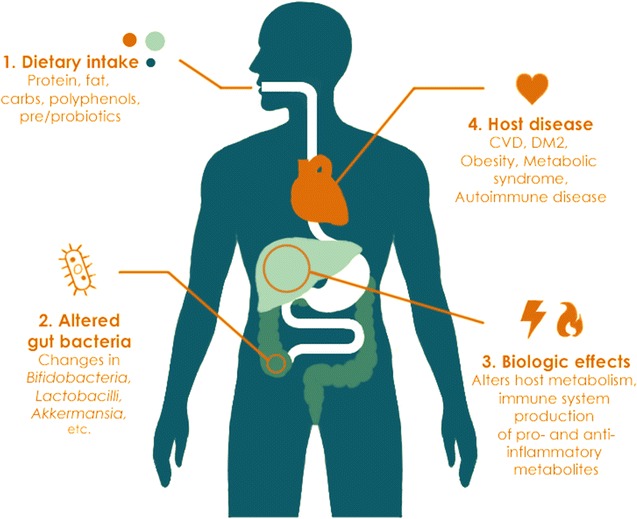
“Digestible and nondigestible carbohydrates, proteins, fats, polyphenols, prebiotics and probiotics can induce shifts in the microbiota and elicit effects on host immunologic andmetabolicmarkers (18).”
BackgroundWegierska, A. E., Charitos, I. A., Topi, S., Potenza, M. A., Montagnani, M., & Santacroce, L. (2022) · Sports Medicine · doi:10.1007/s40279-022-01696-x · Cited by 220
“be responsible for a decrease in “good” bacteria and an increase in harmful bacteria with possible alterations in the barrier function of the intestinal mucosa [67, 75].”
BackgroundThe Role of Gut Microbiota on Cholesterol Metabolism in Atherosclerosis
Vourakis, M., Mayer, G., & Rousseau, G. (2021) · International Journal of Molecular Sciences · doi:10.3390/ijms22158074 · Cited by 217
“The ability to modulate the production of these metabolites by altering the microbial composition through the diet could represent a non-pharmacological treatment for CVD [22].”
BackgroundInfluence of Early Life, Diet, and the Environment on the Microbiome
Dong, T. S., & Gupta, A. (2019) · Clinical Gastroenterology and Hepatology · doi:10.1016/j.cgh.2018.08.067 · Cited by 218
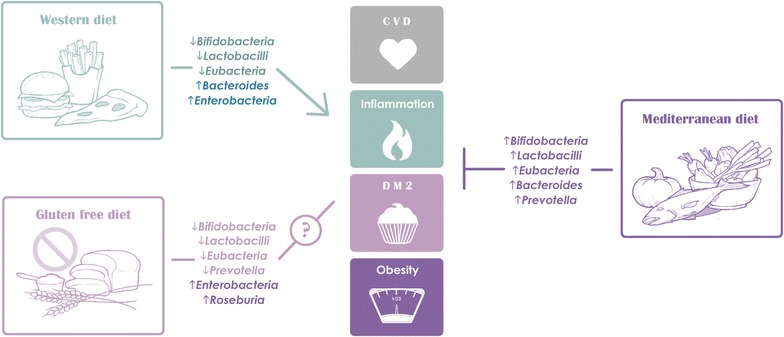
“The Western diet or standard American diet is a diet characterized by high fat, high sugar, high level of red and processed meat, high levels of refined grains, and a lower level of fiber.48 Many studies have linked the Western diet to inflammation, diabetes, cardiovascular risks, obesity, and metabolic syndrome.48,49…”
Functional Roles of B‐Vitamins in the Gut and Gut Microbiome
Uebanso, T., Shimohata, T., Mawatari, K., & Takahashi, A. (2020) · Molecular Nutrition & Food Research · doi:10.1002/mnfr.202000426 · Cited by 217
Plant-based and vegetarian diets: an overview and definition of these dietary patterns
Hargreaves, S. M., Rosenfeld, D. L., Moreira, A. V. B., & Zandonadi, R. P. (2023) · European Journal of Nutrition · doi:10.1007/s00394-023-03086-z · Cited by 211
Gut Dysbiosis in Animals Due to Environmental Chemical Exposures
Rosenfeld, C. S. (2017) · Frontiers in Cellular and Infection Microbiology · doi:10.3389/fcimb.2017.00396 · Cited by 208
“Disorders linked to gut dysbiosis include neurobehavioral, immunological, metabolic, gastrointestinal, cardiovascular, and likely many other disease states (Cenit et al., 2017; Quigley, 2017; Rieder et al., 2017; Shukla et al., 2017; Singh et al., 2017; Smolinska et al., 2017; Tang et al., 2017; Van De Wouw and Schell…”
BackgroundGut Microbiota, Host Organism, and Diet Trialogue in Diabetes and Obesity
Lazar, V., Ditu, L.-M., Pircalabioru, G. G., Picu, A., Petcu, L., Cucu, N., & Chifiriuc, M. C. (2019) · Frontiers in Nutrition · doi:10.3389/fnut.2019.00021 · Cited by 210
“, whereas FOS, polydextrose- and AOS-based prebiotics were shown to reduce Clostridium and Enterococcus species (95).”
BackgroundInfluentialModulation of the human gut microbiota by phenolics and phenolic fiber‐rich foods
Loo, Y. T., Howell, K., Chan, M., Zhang, P., & Ng, K. (2020) · Comprehensive Reviews in Food Science and Food Safety · doi:10.1111/1541-4337.12563 · Cited by 210
The Interaction between Flavonoids and Intestinal Microbes: A Review
Xiong, H.-H., Lin, S.-Y., Chen, L.-L., Ouyang, K.-H., & Wang, W.-J. (2023) · Foods · doi:10.3390/foods12020320 · Cited by 209
Wang, S.-Z., Yu, Y.-J., & Adeli, K. (2020) · Microorganisms · doi:10.3390/microorganisms8040527 · Cited by 207
Verhoog, S., Taneri, P. E., Roa Díaz, Z. M., Marques-Vidal, P., Troup, J. P., Bally, L., Franco, O. H., Glisic, M., & Muka, T. (2019) · Nutrients · doi:10.3390/nu11071565 · Cited by 202
“Diet is the main source of energy to humans, but can also modulate microbiota and impact host-microbe interactions [70].”
BackgroundTomato quality as influenced by preharvest factors
Bertin, N., & Génard, M. (2018) · Scientia Horticulturae · doi:10.1016/j.scienta.2018.01.056 · Cited by 197
When Rhythms Meet the Blues: Circadian Interactions with the Microbiota-Gut-Brain Axis
Teichman, E. M., O’Riordan, K. J., Gahan, C. G. M., Dinan, T. G., & Cryan, J. F. (2020) · Cell Metabolism · doi:10.1016/j.cmet.2020.02.008 · Cited by 196
Emerging trends and research foci in gastrointestinal microbiome
Huang, X., Fan, X., Ying, J., & Chen, S. (2019) · Journal of Translational Medicine · doi:10.1186/s12967-019-1810-x · Cited by 197
Tsafrakidou, P., Michaelidou, A.-M., & G. Biliaderis, C. (2020) · Foods · doi:10.3390/foods9060734 · Cited by 194
“It should also be mentioned that these diets include elevated daily intakes of fibers, a better ratio of mono- and poly-unsaturated to saturated fatty acids (compared to animal food-based diets), and a variety of antioxidant compounds [137].”
BackgroundVegetarian Diet: An Overview through the Perspective of Quality of Life Domains
Hargreaves, S. M., Raposo, A., Saraiva, A., & Zandonadi, R. P. (2021) · International Journal of Environmental Research and Public Health · doi:10.3390/ijerph18084067 · Cited by 196
Barrea, L., Muscogiuri, G., Frias-Toral, E., Laudisio, D., Pugliese, G., Castellucci, B., Garcia-Velasquez, E., Savastano, S., & Colao, A. (2021) · Critical Reviews in Food Science and Nutrition · doi:10.1080/10408398.2020.1792826 · Cited by 195
“…the different types of diet play a significant role in shaping the microbiome, with experiments showing that dietary alterations can induce large, temporary microbial shifts within 24 hours (Singh et al. 2017), it is important to understand how specific dietary patterns can modify the microbiota.”
BackgroundEmerging Priorities for Microbiome Research
Cullen, C. M., Aneja, K. K., Beyhan, S., Cho, C. E., Woloszynek, S., Convertino, M., McCoy, S. J., Zhang, Y., Anderson, M. Z., Alvarez-Ponce, D., et al. (2020) · Frontiers in Microbiology · doi:10.3389/fmicb.2020.00136 · Cited by 190
Environmental Influences on the Human Microbiome and Implications for Noncommunicable Disease
Ahn, J., & Hayes, R. B. (2021) · Annual Review of Public Health · doi:10.1146/annurev-publhealth-012420-105020 · Cited by 186
Chlorogenic acid alleviates obesity and modulates gut microbiota in high‐fat‐fed mice
Wang, Z., Lam, K., Hu, J., Ge, S., Zhou, A., Zheng, B., Zeng, S., & Lin, S. (2019) · Food Science & Nutrition · doi:10.1002/fsn3.868 · Cited by 188
“The reduced Firmicutes/Bacteroidetes ratio has been associated with improved glucose levels, body weight, and fat reduction (Kemperman et al., 2013; Singh et al., 2017).”
BackgroundOne health, fermented foods and gut microbiota
Bell, V., Ferrão, J., Pimentel, L., Pintado, M., & Fernandes, T. (2018) · Foods · doi:10.3390/foods7120195 · Cited by 188
“The interactions (Figure 2) between ingested fermented food and intestinal microbiota, and their correlations to metabolomics profiles and health, represent an important perspective, and independent research on health benefits is still emerging [50,51].”
BackgroundGut microbiota and diabetes: From correlation to causality and mechanism
Li, W.-Z., Stirling, K., Yang, J.-J., & Zhang, L. (2020) · World Journal of Diabetes · doi:10.4239/wjd.v11.i7.293 · Cited by 185
Hughes, R. L., & Holscher, H. D. (2021) · Advances in Nutrition · doi:10.1093/advances/nmab077 · Cited by 183
“As a result, the gut microbiota mediates and modulates many of the effects of diet and nutrition and health, such as the risk of chronic diseases including obesity, type 2 diabetes, and cardiovascular disease (8, 9).”
BackgroundThe global human gut microbiome: genes, lifestyles, and diet
Parizadeh, M., & Arrieta, M.-C. (2023) · Trends in Molecular Medicine · doi:10.1016/j.molmed.2023.07.002 · Cited by 184
Does Soil Contribute to the Human Gut Microbiome?
Blum, W. E. H., Zechmeister-Boltenstern, S., & Keiblinger, K. M. (2019) · Microorganisms · doi:10.3390/microorganisms7090287 · Cited by 184
“Specific types of food result in predictable shifts in intestinal microbiota, and hence the human intestinal microbiome can be directly affected by the diet [70].”
BackgroundLeaky Gut and the Ingredients That Help Treat It: A Review
Aleman, R. S., Moncada, M., & Aryana, K. J. (2023) · Molecules · doi:10.3390/molecules28020619 · Cited by 182
“In food matrixes, the influence of polyphenols, fat, proteins, carbohydrates, and pre/probiotics on microbiota has also been investigated [199,266].”
BackgroundDietary recommendations for prevention of atherosclerosis
Riccardi, G., Giosuè, A., Calabrese, I., & Vaccaro, O. (2022) · Cardiovascular Research · doi:10.1093/cvr/cvab173 · Cited by 182
“Among them, the role of metabolomics and gut microbiota composition is gaining increasing attention since different microbiotic patterns can influence the response to nutrition and modulate the effects on health.(80) Accordingly, future directions of nutritional research should include new methodological approaches ta…”
BackgroundDiet-gut microbiota-epigenetics in metabolic diseases: From mechanisms to therapeutics
Li, D., Li, Y., Yang, S., Lu, J., Jin, X., & Wu, M. (2022) · Biomedicine & Pharmacotherapy · doi:10.1016/j.biopha.2022.113290 · Cited by 182
The gut microbiota as a novel regulator of cardiovascular function and disease
Battson, M. L., Lee, D. M., Weir, T. L., & Gentile, C. L. (2018) · The Journal of Nutritional Biochemistry · doi:10.1016/j.jnutbio.2017.12.010 · Cited by 183
Role of Personalized Nutrition in Chronic-Degenerative Diseases
Di Renzo, L., Gualtieri, P., Romano, L., Marrone, G., Noce, A., Pujia, A., Perrone, M. A., Aiello, V., Colica, C., & De Lorenzo, A. (2019) · Nutrients · doi:10.3390/nu11081707 · Cited by 181
“The gut microbiota is the “set” of microorganisms colonizing the intestine in humans [145].”
BackgroundInfluentialThe Microbiome of Peri-Implantitis: A Systematic Review and Meta-Analysis
Sahrmann, P., Gilli, F., Wiedemeier, D. B., Attin, T., Schmidlin, P. R., & Karygianni, L. (2020) · Microorganisms · doi:10.3390/microorganisms8050661 · Cited by 179
Perraudeau, F., McMurdie, P., Bullard, J., Cheng, A., Cutcliffe, C., Deo, A., Eid, J., Gines, J., Iyer, M., Justice, N., et al. (2020) · BMJ Open Diabetes Research & Care · doi:10.1136/bmjdrc-2020-001319 · Cited by 186
Anti-senescence compounds: A potential nutraceutical approach to healthy aging
Gurău, F., Baldoni, S., Prattichizzo, F., Espinosa, E., Amenta, F., Procopio, A. D., Albertini, M. C., Bonafè, M., & Olivieri, F. (2018) · Ageing Research Reviews · doi:10.1016/j.arr.2018.05.001 · Cited by 179
Critical role of the gut microbiota in immune responses and cancer immunotherapy
Li, Z., Xiong, W., Liang, Z., Wang, J., Zeng, Z., Kołat, D., Li, X., Zhou, D., Xu, X., & Zhao, L. (2024) · Journal of Hematology & Oncology · doi:10.1186/s13045-024-01541-w · Cited by 176
Brown, R. M., Wiens, G. D., & Salinas, I. (2019) · Fish & Shellfish Immunology · doi:10.1016/j.fsi.2018.11.079 · Cited by 177
Metadata
- Authors
- Singh, R. K., Chang, H.-W., Yan, D., Lee, K. M., Ucmak, D., Wong, K., Abrouk, M., Farahnik, B., Nakamura, M., Zhu, T. H., Bhutani, T., & Liao, W.
- Affiliations
- University of California, Los Angeles (US)
- University of California, San Francisco (US)
- University of California, Irvine (US)
- University of Vermont (US)
- University of Southern California (US)
- Corresponding author
- Liao, Wilson
- ORCID
- Venue
- Journal of Translational Medicine
- Published
- 2017-04-08
- Volume
- 15
- Issue
- 1
- Pages
- 73-73
- ISSN
- 1479-5876 (ISSN-L)
- PMC
- PMC5385025
- OpenAlex
- W2605052214
- Cited by
- 2,599
- References
- 198
- Citations by year
- 2026: 202 · 2025: 287 · 2024: 341 · 2023: 375 · 2022: 364 · 2021: 381 · 2020: 299 · 2019: 219 · 2018: 109 · 2017: 22
- FWCI
- 16.61
- Type
- journal article
- Language
- en
- Open access
- gold
- doi.org
- Licence
- cc-by
- creativecommons.org/licenses/by/4.0/ (tdm)
- creativecommons.org/licenses/by/4.0/ (vor)
- Locations
- Journal of Translational Medicine (publishedVersion, cc-by)
- PubMed Central (publishedVersion, cc-by)
- PubMed (publishedVersion)
- DOAJ (DOAJ: Directory of Open Access Journals) (submittedVersion)
- eScholarship (California Digital Library) (submittedVersion)
- eScholarship (California Digital Library) (submittedVersion, cc-by)
- Funders
- National Institute of Arthritis and Musculoskeletal and Skin Diseases (R01AR065174)
- National Institute of Allergy and Infectious Diseases (U01AI119125)
- Topics
- Life Sciences › Biochemistry, Genetics and Molecular Biology › Molecular Biology › Gut microbiota and health
- Health Sciences › Medicine › Public Health, Environmental and Occupational Health › Nutritional Studies and Diet
- Life Sciences › Agricultural and Biological Sciences › Food Science › Probiotics and Fermented Foods
- Keywords
- diet, gut microbiota, food components, chronic disease, inflammatory bowel disease, obesity, type 2 diabetes, cardiovascular disease, cancer, host immune function, host metabolism, microbiota-based therapy
- MeSH terms
- Gastrointestinal Microbiome, Diet, Health, Humans, Probiotics, Polyphenols
About these checks
Registry, retraction, Cites and statistics results are computed, not judged, with one exception: a printed reference that no index lists is read once by a model before it counts as a citation error. Claims are extracted by a model and kept only when their quote appears verbatim in the text; each cited source is then checked, with a model’s help, for whether it says what the claim relies on. Those verdicts can be wrong — read the claim’s quote and the cited source before relying on one.
Statistics and arithmetic are recomputed, not judged.
Confidence bands are shown only for fields calibrated on our annotated test set. None is calibrated yet, so no band is shown.
What counts as a claim ›How we measure confidence ›How we check this ›
Are you an author, or do you see a problem with this page? Request a review
Data sources
Bibliographic data: Semantic Scholar, OpenAlex, Crossref.
Contains information from the Semantic Scholar Academic Graph Datasets, made available under the ODC Attribution License (ODC-BY 1.0).
Semantic Scholar’s data is described in: Kinney, R., et al. (2023). The Semantic Scholar Open Data Platform. arXiv:2301.10140.
