

Influence of diet on the gut microbiome and implications for human health
Open accessThe DOI matches its Crossref record; 198 of the 198 references it cites were found in a registry or an index.
Abstract
Recent studies have suggested that the intestinal microbiome plays an important role in modulating risk of several chronic diseases, including inflammatory bowel disease, obesity, type 2 diabetes, cardiovascular disease, and cancer. At the same time, it is now understood that diet plays a significant role in shaping the microbiome, with experiments showing that dietary alterations can induce large, temporary microbial shifts within 24 h. Given this association, there may be significant therapeutic utility in altering microbial composition through diet. This review systematically evaluates current data regarding the effects of several common dietary components on intestinal microbiota. We show that consumption of particular types of food produces predictable shifts in existing host bacterial genera. Furthermore, the identity of these bacteria affects host immune and metabolic parameters, with broad implications for human health. Familiarity with these associations will be of tremendous use to the practitioner as well as the patient.
Overview
The claims and statistics of this paper haven’t been checked yet.
Free: it reads the open-access text and checks the first 5 claims that cite a source we can check. Create a free account to check every claim.
Integrity signals
Registry
Cites
Statistics
Figures
Verification
Claims the paper makes
The claims and statistics of this paper haven’t been checked yet.
Free: it reads the open-access text and checks the first 5 claims that cite a source we can check. Create a free account to check every claim.
Claims other papers make about this one
Each is checked against this paper’s own text: does it say what the citing paper says it does?
The source backs part of the claim, not all of it — or backs it for a different population, condition or comparison.
In the citing paper
“Many bacteria associated with ICI response have known dietary associations, such that specific dietary patterns (e.g., plant-based versus western diet) are associated with increased or decreased relative abundances of these candidate taxa.131–135”
From Melanoma and microbiota: Current understanding and future directions (2024) · cites this paper as [134]
Experimental — accuracy not yet measuredThe cited source says what the claim attributes to it.
In the citing paper
“In addition, strategies that could mitigate the likelihood of LPS release into the blood and, thus, endotoxin-associated symptoms, include limiting the consumption of saturated fat [138], avoiding the consumption of non-steroidal anti-inflammatory drugs (NSAIDs) [139], and maintaining an adequate water intake [139].”
From International Society of Sports Nutrition Position Stand: nutritional considerations for single-stage ultra-marathon training and racing (2019) · cites this paper as [138]
The cited source says what the claim attributes to it.
In the citing paper
“Different sources of protein in a diet has been shown to influence different gut microbiota profiles (Singh et al., 2017).”
From The Microbiota-Gut-Brain Axis (2019) · cites this paper as Singh et al., 2017
In the citing paper
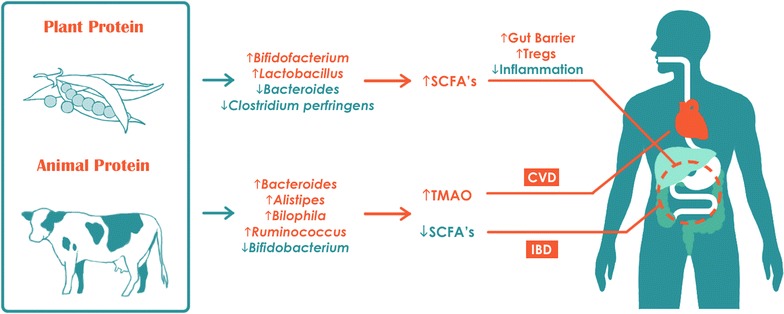
“In mice, animal-based protein increases potential detrimental gut microbes, e.g., Peptostreptococcaceae, Ruminococcaceae, Enterococcus, Streptococcus, Turicibacter, or Escherichia (92), and plant-based protein boosts the abundance of Bifidobacterium, Roseburia, and Lactobacillus and lowers the abundance of pathogens such as Bacteroides fragilis and Clostridium perfringens (37,42,80).”
From Diet and the Microbiota–Gut–Brain Axis: Sowing the Seeds of Good Mental Health (2021) · cites this paper as [80]
Self-check
Percentages, sums and reported differences re-computed from the paper’s own numbers.
The self-check needs the paper’s full text.
Citations
Cites
An obesity-associated gut microbiome with increased capacity for energy harvest
Turnbaugh, P. J., Ley, R. E., Mahowald, M. A., Magrini, V., Mardis, E. R., & Gordon, J. I. (2006) · Nature · doi:10.1038/nature05414 · Cited by 12,444 · cited 1×
“Furthermore, studies involving microbiota transplantation from obese to lean mice have shown that the obese phenotype is transmissible and may be promoted by microbiota that have increased capacity to harvest energy from the host diet [23].”
BackgroundDiet rapidly and reproducibly alters the human gut microbiome
David, L. A., Maurice, C. F., Carmody, R. N., Gootenberg, D. B., Button, J. E., Wolfe, B. E., Ling, A. V., Devlin, A. S., Varma, Y., Fischbach, M. A., et al. (2014) · Nature · doi:10.1038/nature12820 · Cited by 10,100
Human gut microbes associated with obesity
Ley, R. E., Turnbaugh, P. J., Klein, S., & Gordon, J. I. (2006) · Nature · doi:10.1038/4441022a · Cited by 8,785
Enterotypes of the human gut microbiome
MetaHIT Consortium (additional members), Arumugam, M., Raes, J., Pelletier, E., Le Paslier, D., Yamada, T., Mende, D. R., Fernandes, G. R., Tap, J., Bruls, T., et al. (2011) · Nature · doi:10.1038/nature09944 · Cited by 7,548 · cited 1×
“Recently, it has been shown that microbiota can effectively be subdivided into different enterotypes, each enriched by particular bacterial genera, but that all seem to share high functional uniformity [4].”
BackgroundChanges of Intestinal Functions in Liver Cirrhosis
Fukui, H., & Wiest, R. (2016) · Inflammatory Intestinal Diseases · doi:10.1159/000444436 · Cited by 6,808
A metagenome-wide association study of gut microbiota in type 2 diabetes
Qin, J., Li, Y., Cai, Z., Li, S., Zhu, J., Zhang, F., Liang, S., Zhang, W., Guan, Y., Shen, D., et al. (2012) · Nature · doi:10.1038/nature11450 · Cited by 6,762
Linking long-term dietary patterns with gut microbial enterotypes
Wu, G. D., Chen, J., Hoffmann, C., Bittinger, K., Chen, Y.-Y., Keilbaugh, S. A., Bewtra, M., Knights, D., Walters, W. A., Knight, R., et al. (2011) · Science · doi:10.1126/science.1208344 · Cited by 6,513 · cited 2×
“While the microbiome of a healthy individual is relatively stable, gut microbial dynamics can certainly be influenced by host lifestyle and dietary choices [26].”
BackgroundTrumbo, P., Schlicker, S., Yates, A. A., & Poos, M. (2002) · Journal of the American Dietetic Association · doi:10.1016/s0002-8223(02)90346-9 · Cited by 5,993
De Filippo, C., Cavalieri, D., Di Paola, M., Ramazzotti, M., Poullet, J. B., Massart, S., Collini, S., Pieraccini, G., & Lionetti, P. (2010) · Proceedings of the National Academy of Sciences · doi:10.1073/pnas.1005963107 · Cited by 5,579
Commensal microbe-derived butyrate induces the differentiation of colonic regulatory T cells
Furusawa, Y., Obata, Y., Fukuda, S., Endo, T. A., Nakato, G., Takahashi, D., Nakanishi, Y., Uetake, C., Kato, K., Kato, T., et al. (2013) · Nature · doi:10.1038/nature12721 · Cited by 5,549
Research works printed but not linked: 3
- Baron S Clostridium. Baron’s Med. microbiol 1996 4 Galveston University of Texas Medical Branch
- Todar K Pathogenic E coli. Online textbook of bacteriology 2007 Wisconsin University of Wisconsin-Madison Deparment of Bacteriology 11 30
- Patterson M. Streptococcus. In: Baron S, editor. Baron’s Med Microbiol. 4th ed. Galveston: University of Texas Medical Branch. 21413248
Cited by
Items 801–900 of 1,006
Functional foods and intestinal homeostasis: The perspective of in vivo evidence
Chen, G., Li, Y., Li, X., Zhou, D., Wang, Y., Wen, X., Wang, C., Liu, X., Feng, Y., Li, B., et al. (2021) · Trends in Food Science & Technology · doi:10.1016/j.tifs.2021.02.075 · Cited by 31
Kocot, A. M., & Wróblewska, B. (2021) · Trends in Food Science & Technology · doi:10.1016/j.tifs.2021.11.014 · Cited by 29
Han, S., Gao, H., Song, R., Zhang, W., Li, Y., & Zhang, J. (2021) · Journal of Agricultural and Food Chemistry · doi:10.1021/acs.jafc.1c06130 · Cited by 31
A systematic review of microbiome composition in osteoarthritis subjects
Bonato, A., Zenobi‐Wong, M., Barreto, G., & Huang, Z. (2021) · Osteoarthritis and Cartilage · doi:10.1016/j.joca.2021.12.006 · Cited by 33
Gut Microbiome in Patients with Obstructive Sleep Apnoea
Bikov, A., Szabó, H., Piroska, M., Kunos, L., Szily, M., Ligeti, B., Makra, N., Szabó, D., Tárnoki, D. L., & Tárnoki, Á. D. (2022) · Applied Sciences · doi:10.3390/app12042007 · Cited by 30
Yeşilyurt, N., Yılmaz, B., Ağagündüz, D., & Capasso, R. (2022) · Process Biochemistry · doi:10.1016/j.procbio.2022.07.012 · Cited by 33
Ahmad, F., Saha, P., Singh, V., Wahid, M., Mandal, R. K., Mishra, B. N., Fagoonee, S., & Haque, S. (2022) · Food Chemistry · doi:10.1016/j.foodchem.2022.135320 · Cited by 33
Inflammation and Autism: From Maternal Gut to Fetal Brain
Osokine, I., & Erlebacher, A. (2017) · Trends in Molecular Medicine · doi:10.1016/j.molmed.2017.10.008 · Cited by 30
Monomethylmercury degradation by the human gut microbiota is stimulated by protein amendments
Guo, G., Yumvihoze, E., Poulain, A. J., & Chan, H. M. (2018) · The Journal of Toxicological Sciences · doi:10.2131/jts.43.717 · Cited by 33
Choe, U., Li, Y., Gao, B., Yu, L., Wang, T. T. Y., Sun, J., Chen, P. C., & Yu, L. L. (2019) · Food & Function · doi:10.1039/c9fo00377k · Cited by 29
Koulas, S. G., Stefanou, C. K., Stefanou, S. K., Tepelenis, K., Zikos, N., Tepetes, K., & Kapsoritakis, A. N. (2020) · Obesity Surgery · doi:10.1007/s11695-020-05074-2 · Cited by 30
Relationship of Diet to Gut Microbiota and Inflammatory Biomarkers in People with HIV
Manzano, M., Talavera-Rodríguez, A., Moreno, E., Madrid, N., Gosalbes, M. J., Ron, R., Dronda, F., Pérez-Molina, J. A., Lanza, V. F., Díaz, J., et al. (2022) · Nutrients · doi:10.3390/nu14061221 · Cited by 31
Song, Y., Chen, K., Lv, L., Xiang, Y., Du, X., Zhang, X., Zhao, G., & Xiao, Y. (2022) · Frontiers in Nutrition · doi:10.3389/fnut.2022.1003763 · Cited by 31
Śliżewska, K., Włodarczyk, M., Sobczak, M., Barczyńska, R., Kapuśniak, J., Socha, P., Wierzbicka, A., & Kotowska, A. (2023) · Nutrients · doi:10.3390/nu15040987 · Cited by 33
“21), which both have a significant correlation with the development of colorectal cancer [27,47,48].”
BackgroundDiet Gut Microbiota Axis in Pregnancy: A Systematic Review of Recent Evidence
Kunasegaran, T., Balasubramaniam, V. R. M. T., Arasoo, V. J. T., Palanisamy, U. D., & Ramadas, A. (2023) · Current Nutrition Reports · doi:10.1007/s13668-023-00453-4 · Cited by 34
Wen, K. E. Y., Zhang, K., Gao, W., Bai, S., Wang, J., Song, W., Zeng, Q., Peng, H., Lv, L., Xuan, Y., et al. (2023) · Poultry Science · doi:10.1016/j.psj.2023.103188 · Cited by 29
Yan, Y., Zhang, W., Wang, Y., Yi, C., Yu, B., Pang, X., Li, K., Li, H., & Dai, Y. (2024) · Microbiological Research · doi:10.1016/j.micres.2024.127667 · Cited by 29
Sochacka, K., Kotowska, A., & Lachowicz, S. (2024) · Nutrients · doi:10.3390/nu16071039 · Cited by 38
Impact of the gut microbiome composition on social decision-making
Falkenstein, M., Simon, M., Mantri, A., Weber, B., Koban, L., & Plaßmann, H. (2024) · PNAS Nexus · doi:10.1093/pnasnexus/pgae166 · Cited by 37
“We chose the administration of a synbiotic supplement for several reasons: First, previous work has shown that the gut micro-biome diversity and composition is shaped by among other environmental factors what we eat (35) and can be improved by a change in the host’s diet (36, 37).”
MethodThe Relationship between Exposome and Microbiome
Merra, G., Gualtieri, P., Placa, G. L., Frank, G., Della‐Morte, D., LORENZO, A. D., & Renzo, L. D. (2024) · Microorganisms · doi:10.3390/microorganisms12071386 · Cited by 35
“A meta-analysis of 10 original controlled non-human treatment studies (of which 2 were randomized) recommends fecal transplant and probiotic treatment as a potential cancer therapy [23,24].”
BackgroundGașpar, B. S., Roşu, O. A., Enache, R. M., Profir, M., Pavelescu, L. A., & Creţoiu, S. M. (2025) · Journal of Fungi · doi:10.3390/jof11050333 · Cited by 40
“Through microbial interactions and nutritional availability, diet has a significant impact on the gut microbiome, influencing fungal populations [238].”
Nutrition and gut health: the impact of specific dietary components – it's not just five-a-day
Rhodes, J. M. (2020) · Proceedings of The Nutrition Society · doi:10.1017/s0029665120000026 · Cited by 34
“There is a substantial literature reporting associations between diet and microbiota across different populations but proof of causation is more difficult and relatively few dietary intervention studies, which give more direct evidence but are much more difficult, have been performed((51)).”
BackgroundKilua, A., Chihiro, H., Han, K., Homma, K., Fukuma, N. M., Kamitani, T., Suzuki, T., & Fukushima, M. (2020) · Bioactive Carbohydrates and Dietary Fibre · doi:10.1016/j.bcdf.2020.100232 · Cited by 30
Crosstalk between gut microbiome and immunology in the management of ischemic brain injury
Rahman, Z., & Dandekar, M. P. (2021) · Journal of Neuroimmunology · doi:10.1016/j.jneuroim.2021.577498 · Cited by 29
Marami, L. M., Dilba, G. M., Atalel, D., Sarba, E. J., Gizaw, A., Bune, W. M., Bayu, M. D., Admasu, P., Mekbeb, A., Tadese, M., et al. (2021) · Journal of Experimental Pharmacology · doi:10.2147/jep.s305936 · Cited by 29
“It is one of the most frequent causes of many common bacterial diseases including cholecystitis, bacteremia, cholangitis, urinary tract infections and travelers’ diarrhea, and other clinical infections, such as neonatal meningitis and pneumonia.(24) Pseudomonas aeruginosa is also a gram-negative, rodshaped, and mono f…”
BackgroundHow we decide what to eat: Toward an interdisciplinary model of gut–brain interactions
Plaßmann, H., Schelski, D. S., Simon, M., & Koban, L. (2021) · Wiley Interdisciplinary Reviews Cognitive Science · doi:10.1002/wcs.1562 · Cited by 38
Nutritional Interventions Targeting Gut Microbiota during Cancer Therapies
Rinninella, E., Raoul, P. C., Cintoni, M., Palombaro, M., Pulcini, G., Gasbarrini, A., & Mele, M. C. (2021) · Microorganisms · doi:10.3390/microorganisms9071469 · Cited by 28
“One such strategy is diet, a well-known modulator of gut microbiota composition and function [75].”
BackgroundGenetics, Immunity and Nutrition Boost the Switching from NASH to HCC
Dongiovanni, P., Meroni, M., Longo, M., Fargion, S. R., & Fracanzani, A. L. (2021) · Biomedicines · doi:10.3390/biomedicines9111524 · Cited by 30
Chiba, M., Morita, N., Nakamura, A., Tsuji, K., & Harashima, E. (2021) · JMA Journal · doi:10.31662/jmaj.2021-0038 · Cited by 32
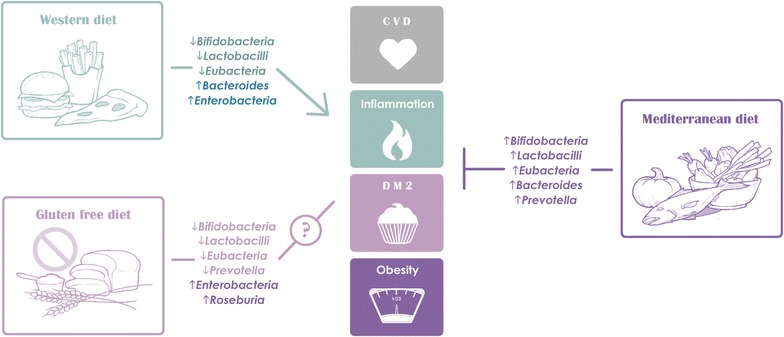
“Basic research has revealed that a westernized diet tends to be pro-inflammatory, while a plant-based diet (PBD) tends to be anti-inflammatory (9), (10), (11), (12), (38), ((49)).”
BackgroundAgarwal, N., Kolba, N., Jung, Y., Cheng, J., & Tako, E. (2022) · Nutrients · doi:10.3390/nu14010220 · Cited by 33
“Recent literature has suggested the link between the microbiome and disease conditions— such as inflammatory bowel disease, type 2 diabetes, cardiovascular diseases, cancer, and obesity [32].”
BackgroundSynbiotic Supplements in the Prevention of Obesity and Obesity-Related Diseases
Hijová, E. (2022) · Metabolites · doi:10.3390/metabo12040313 · Cited by 31
“Bifidobacterium is associated with elevated levels of short chain fatty acids (SCFAs), a decreased luminal lipoplysaccharide (LPS) and an improvement of intestinal barrier function [25].”
BackgroundZyoud, S. H., Shakhshir, M. H., Abushanab, A. S., Al‐Jabi, S. W., Koni, A. A., Shahwan, M. J., Jairoun, A. A., & Taha, A. A. (2022) · World Journal of Gastroenterology · doi:10.3748/wjg.v28.i25.2981 · Cited by 28
Buttimer, C., Sutton, T., Colom, J., Murray, E., Bettio, P. H. D. A., Smith, L. A., Bolocan, A. S., Shkoporov, A. N., Oka, A., Liu, B., et al. (2022) · Frontiers in Microbiology · doi:10.3389/fmicb.2022.936083 · Cited by 30
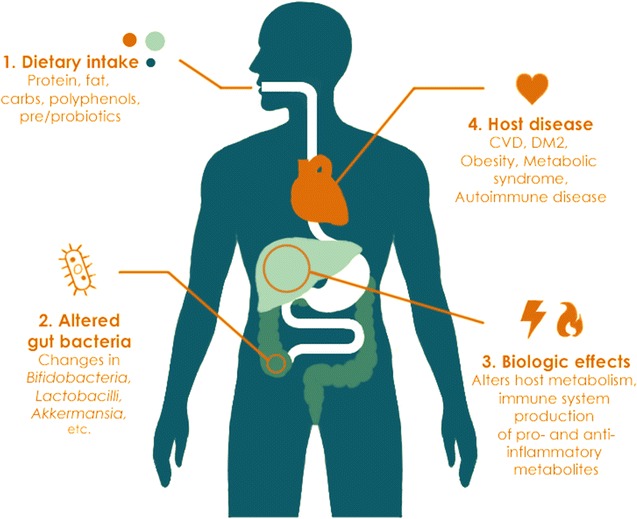
“Dietary intake of protein, lipids, carbohydrates and polyphenols has also been shown to influence gut microbiome composition, seen as changes in the abundance of different taxa (Singh et al., 2017).”
BackgroundZhang, F., Zuo, T., Wan, Y., Xu, Z., Cheung, C. P., Li, A. Y., Zhu, W., Tang, W., Chan, P. K. S., Chan, F. K. L., et al. (2022) · The Innovation · doi:10.1016/j.xinn.2022.100304 · Cited by 34
Pee, T. V., Hogervorst, J. G. F., Dockx, Y., Witters, K., Thijs, S., Wang, C., Bongaerts, E., Hamme, J. D. V., Vangronsveld, J., Ameloot, M. M., et al. (2023) · Environmental Health Perspectives · doi:10.1289/ehp11257 · Cited by 29
The Influence of Gut Microbial Species on Diabetes Mellitus
AL-Ishaq, R. K., Samuel, S. M., & Büsselberg, D. (2023) · International Journal of Molecular Sciences · doi:10.3390/ijms24098118 · Cited by 33
Xu, F., Chen, R., Zhang, C., Wang, H., Ding, Z., Yu, L., Tian, F., Chen, W., Zhou, Y., & Zhai, Q. (2023) · Nutrients · doi:10.3390/nu15204399 · Cited by 38
Dingenen, L. V., Segers, C., Wouters, S., Mysara, M., Leys, N., Kumar‐Singh, S., Malhotra‐Kumar, S., & Houdt, R. V. (2023) · Frontiers in Cellular and Infection Microbiology · doi:10.3389/fcimb.2023.1298264 · Cited by 31
Faienza, M. F., Urbano, F., Anaclerio, F., Moscogiuri, L. A., Konstantinidou, F., Stuppia, L., & Gatta, V. (2024) · Current Issues in Molecular Biology · doi:10.3390/cimb46050265 · Cited by 33
“Nevertheless, consuming certain animal or plant proteins can have beneficial effects on the gut microbiota by promoting the growth of symbiotic microbiota, such as Bacteroides and Lactobacillus , in the intestines [130].”
BackgroundObrenovich, M. E., Siddiqui, B., McCloskey, B., & Reddy, V. P. (2020) · Microorganisms · doi:10.3390/microorganisms8040490 · Cited by 32
Ramkumar, D. P., Marty, A. M., Ramkumar, J., Rosencranz, H., Vedantham, R., Goldman, M., Meyer, E., Steinmetz, J., Weckle, A. L., Bloedorn, K., et al. (2024) · One Health · doi:10.1016/j.onehlt.2024.100734 · Cited by 32
“These latter diet types and their effect on the gut microbiota appear beneficial in preventing and managing NCDs [122,125 – 127].”
The Role of NLRP3 Inflammasome in Type 2 Diabetes Mellitus and Its Macrovascular Complications
Karamitsos, K., Oikonomou, E. K., Theofilis, P., Ikonomidis, I., Kassi, E. N., Lambadiari, V., GIALAFOS, E. J., Tsatsaragkou, A., Mystakidi, V. C., Zisimos, K., et al. (2025) · Journal of Clinical Medicine · doi:10.3390/jcm14134606 · Cited by 38
“Mouse models have shown that the absence of inflammasome components results in increased susceptibility to colitis, tumorigenesis, and microbiota disruption [43,44].”
Tini, S., Baima, J., Pigni, S., Antoniotti, V., Caputo, M., Palma, E. D., Cerbone, L., Grosso, F., Vecchia, M. L., Bona, E., et al. (2025) · Nutrients · doi:10.3390/nu17172898 · Cited by 30
“Moreover, WD-associated dysbiosis decreases beneficial species like Lactobacillus and Bifidobacterium , reducing SCFA production and gut barrier integrity, which may facilitate systemic inflammation and microbial translocation to the pancreas [182].”
Dominique, M., Legrand, R., Galmiche, M. C., Azhar, S., Deroissart, C., Guérin, C., do Rego, J. L., Léon, F., Nobis, S., Lambert, G., et al. (2019) · Nutrients · doi:10.3390/nu11102514 · Cited by 31
Zhang, Q., Tian, F., Zhao, J., Zhang, H., Zhai, Q., & Chen, W. (2019) · Trends in Food Science & Technology · doi:10.1016/j.tifs.2019.12.013 · Cited by 29
Functional Dyspepsia and Food: Immune Overlap with Food Sensitivity Disorders
Pryor, J., Burns, G. L., Duncanson, K., Horvat, J. C., Walker, M. M., Talley, N. J., & Keely, S. (2020) · Current Gastroenterology Reports · doi:10.1007/s11894-020-00789-9 · Cited by 31
The Impact of the Use of Glycomacropeptide on Satiety and Dietary Intake in Phenylketonuria
Daly, A., Evans, S., Pinto, A., Jackson, R., Ashmore, C., Rocha, J. C., & MacDonald, A. (2020) · Nutrients · doi:10.3390/nu12092704 · Cited by 29
“Indirectly, CGMP may influence satiety by its prebiotic properties but a direct relationship on appetite has not been studied [46].”
BackgroundMicrobiome-based interventions: therapeutic strategies in cancer immunotherapy
Chervin, C. S., & Gajewski, T. F. (2020) · Immuno-Oncology Technology · doi:10.1016/j.iotech.2020.11.001 · Cited by 29
“Alterations to the complex commensalehost immune interaction through nutrition-based methods could consequently provide another approach to modulate the composition of the microbiome.(64,65) Dietary interventions such as prebiotic supplementation, carbohydrate restriction, reducing fat intake or increasing fiber consu…”
BackgroundWee, Y., Yang, C., Chen, S., Yen, Y., & Wang, C. (2021) · Food Science & Nutrition · doi:10.1002/fsn3.2286 · Cited by 25
“The evidence suggests that dietary compounds can modulate the functions of immune cells directly or indirectly (Conlon & Bird, 2015; McMacken & Shah, 2017; Singh et al., 2017).”
BackgroundTavares-Silva, E., Caris, A. V., dos Santos, S. A., Ravacci, G. R., & dos Santos, R. V. T. (2021) · Nutrients · doi:10.3390/nu13051478 · Cited by 36
“In addition, probiotics increase the bioavailability of nutrients and assist the homeostatic development of the resident microbial environment by stimulating immunological functions that include cell maturation, proliferation, and IL-10 production [49,50].”
BackgroundGarcía-Ibáñez, P., Rosés, C., Agudelo, A., Milagro, F. I., Barceló, A. M., Viadel, B., Nieto, J. A., Moreno, D. A., & Carvajal, M. (2021) · Foods · doi:10.3390/foods10051038 · Cited by 28
“Since it has been reported that dietary interventions could cause a shift in the gut microbiome within 24 h, perhaps the time set for our analysis was too long [78].”
BackgroundMa, E., Maskarinec, G., Lim, U., Boushey, C. J., Wilkens, L. R., Setiawan, V. W., Marchand, L. L., Randolph, T. W., Jenkins, I., Curtis, K. R., et al. (2021) · British Journal Of Nutrition · doi:10.1017/s0007114521002968 · Cited by 31
“An increasing number of studies have indicated that dietary components may influence or shift the composition of the GM with the potential of beneficial health effects, such as prevention of CVD and obesity, potentially through alteration in host immunity and metabolic activity (33) .”
BackgroundHuman-provisioned foods reduce gut microbiome diversity in American black bears (Ursus americanus)
Gillman, S. J., McKenney, E. A., & Lafferty, D. J. R. (2021) · Journal of Mammalogy · doi:10.1093/jmammal/gyab154 · Cited by 27
Boisseau, N., Barnich, N., & Koechlin‐Ramonatxo, C. (2022) · Nutrients · doi:10.3390/nu14050924 · Cited by 37
“Humans consume high amounts of glucose, fructose, and sucrose that increase the relative abundance of Bifidobacteria and reduce Bacteroides [74].”
BackgroundInfluentialChen, H., Fu, T., Dan, L., Chen, X.-J., Sun, Y.-H., Chen, J., Wang, X.-Y., & Hesketh, T. (2022) · EClinicalMedicine · doi:10.1016/j.eclinm.2022.101406 · Cited by 23
Russo, M. D., Russo, P., Rufián‐Henares, J. Á., Hinojosa-Nogueira, D., Pérez-Burillo, S., Pastoriza, S., Rohn, S., Fatouros, A., Douros, K., González-Vigil, V., et al. (2022) · Foods · doi:10.3390/foods11101480 · Cited by 31
Rethinking hereditary relations: the reconstitutor as the evolutionary unit of heredity
Veigl, S. J., Suárez, J., & Stencel, A. (2022) · Synthese · doi:10.1007/s11229-022-03810-y · Cited by 31
“…on the host species (Rosenberg & Zilber-Rosenberg, 2018), indeed, the microbiota that interact with a host suffer compositional changes due to environmental stresses, including factors such as dietary changes (Singh et al., 2017) infections (Li et al., 2019), seasonality (Stencel, 2021), etc.”
BackgroundPlasma Metabolites Link Dietary Patterns to Stroke Risk
Bhave, V. M., Ament, Z., Patki, A., Gao, Y. L., Kijpaisalratana, N., Guo, B., Chaudhary, N. S., Guarniz, A. G., Gerszten, R. E., Correa, A., et al. (2022) · Annals of Neurology · doi:10.1002/ana.26552 · Cited by 31
Heterogeneity in major depressive disorder: The need for biomarker-based personalized treatments
Suseelan, S., & Pinna, G. (2022) · Advances in clinical chemistry · doi:10.1016/bs.acc.2022.09.001 · Cited by 33
Seel, W., Reiners, S., Kipp, K., Simon, M., & Dawczynski, C. (2023) · Nutrients · doi:10.3390/nu15081914 · Cited by 30
“[43] reported that the intake of animal protein alters gut microbiota composition by increasing Bacteroides spp.”
BackgroundLi, N., Liang, X., Zhou, S.-D., Dang, L.-H., Li, J., An, G., Ren, K., Jin, Q., Liang, X., Cao, J., et al. (2023) · Forensic Science International Genetics · doi:10.1016/j.fsigen.2023.102904 · Cited by 31
Gut check: Unveiling the influence of acute exercise on the gut microbiota
Grosicki, G. J., Langan, S. P., Bagley, J. R., Galpin, A. J., Garner, D., Hampton‐Marcell, J., Allen, J. M., & Robinson, A. T. (2023) · Experimental Physiology · doi:10.1113/ep091446 · Cited by 28
“Health behaviours, including sleep (Grosicki et al., 2020), physical activity (Durk et al., 2019), sedentary behaviour (Bressa et al., 2017), hydration (Willis et al., 2021) and diet (Singh et al., 2017) have all been associated with alterations to the gut microbiota.”
BackgroundCan molecular stratification improve the treatment of inflammatory bowel disease?
Wang, C., Baer, H. M., Gaya, D. R., Nibbs, R. J. B., & Milling, S. W. F. (2019) · Pharmacological Research · doi:10.1016/j.phrs.2019.104442 · Cited by 30
Wang, W., Li, Y., Wu, Q., Pan, X., He, X., & Ma, X. (2020) · BMC Microbiology · doi:10.1186/s12866-020-01779-7 · Cited by 29
Wernlund, P. G., Hvas, C. L., Dahlerup, J. F., Bahl, M. I., Licht, T. R., Knudsen, K. E. B., & Agnholt, J. S. (2020) · British Journal Of Nutrition · doi:10.1017/s0007114520003736 · Cited by 28
“A proxy for a healthy gut microbiota is the relative amount of the SCFA butyrate – the common understanding being, themore butyrate the better(10,14,15).”
BackgroundKim, M., Lee, S., Choi, S., Lee, H., Kwon, S. S., Byun, J., Kim, Y. A., Rhee, K., Choi, J. R., Kim, T. I., et al. (2020) · Scientific Reports · doi:10.1038/s41598-020-76467-7 · Cited by 28
Self-citationMustafa, G. R., Li, C., Zhao, S., Jin, L., He, X., Shabbir, M. Z., He, Y., Li, T., Deng, W., Xu, L., et al. (2021) · BMC Microbiology · doi:10.1186/s12866-020-02078-x · Cited by 27
Mazzini, F. N., Cook, F., Gounarides, J., Marciano, S., Haddad, L., Tamaroff, A. J., Casciato, P. C., Narvaez, A., Mascardi, M. F., Anders, M., et al. (2021) · Metabolomics · doi:10.1007/s11306-021-01810-6 · Cited by 27
The Beneficial Effect of Coarse Cereals on Chronic Diseases through Regulating Gut Microbiota
Ren, G., Fan, X. M., Teng, C., Li, Y., Everaert, N., & Blecker, C. S. (2021) · Foods · doi:10.3390/foods10112891 · Cited by 31
The Use of Probiotic Therapy in Metabolic and Neurological Diseases
Lee, S. H. F., Ahmad, S. R., Lim, Y. C., & Zulkipli, I. N. (2022) · Frontiers in Nutrition · doi:10.3389/fnut.2022.887019 · Cited by 28
Intestinal microbiota research from a global perspective
Wallenborn, J. T., & Vonaesch, P. (2022) · Gastroenterology report · doi:10.1093/gastro/goac010 · Cited by 27
Sommer, A., Peters, A., Rommel, M., Cyrys, J., Grallert, H., Haller, D., Müller, C. L., & Bind, M. (2022) · PLoS Computational Biology · doi:10.1371/journal.pcbi.1010044 · Cited by 29
Topi, S., Bottalico, L., Charitos, I. A., Colella, M., Domenico, M. D., Palmirotta, R., & Santacroce, L. (2022) · Pathophysiology · doi:10.3390/pathophysiology29030041 · Cited by 27
“The development of the concept of the microbiota has given new impetus to the study of nutrition, as these micro-organisms may be associated with the increased incidence of certain diseases [9].”
BackgroundVasiliu, O. (2022) · Current Medical Research and Opinion · doi:10.1080/03007995.2022.2124071 · Cited by 34
Chen, A. S., Liu, D. H., Hou, H. N., Yao, J. N., Xiao, S. C., Xiao, R., Li, P. Z., Cao, Q., Liu, X. K., Zhou, Z. Q., et al. (2022) · The Science of The Total Environment · doi:10.1016/j.scitotenv.2022.159936 · Cited by 28
Arrè, V., Scialpi, R., Centonze, M., Giannelli, G., Scavo, M. P., & Negro, R. (2023) · Journal of Biomedical Science · doi:10.1186/s12929-023-00983-7 · Cited by 32
“The etiology of CD has not been fully elucidated, but several studies reported that it is related to environmental, genetic, immunological and nutritional factors [38]; no specific therapeutic approach is yet available.”
BackgroundGuadamuro, L., Azcárate-Peril, M. A., Tojo, R., Mayo, B., & Delgado, S. (2019) · AIMS Microbiology · doi:10.3934/microbiol.2019.1.102 · Cited by 29
“Most studies, however, have concentrated on the effect of fat and fibre [29,30]; while other dietary microcomponents, such as polyphenols, have received less attention [31].”
BackgroundPeripheral Routes to Neurodegeneration: Passing Through the Blood–Brain Barrier
Giannoni, P., Claeysen, S., Noè, F. M., & Marchi, N. (2020) · Frontiers in Aging Neuroscience · doi:10.3389/fnagi.2020.00003 · Cited by 28
Microbial Adaptation Due to Gastric Bypass Surgery: The Nutritional Impact
Crommen, S., Mattes, A., & Simon, M. (2020) · Nutrients · doi:10.3390/nu12041199 · Cited by 26
“The obese phenotype s ems to be transmissible an is promoted by microbiota with an increased capacity to harvest energy from the hos ’s diet [4,15].”
BackgroundInfluentialCrețoiu, D., Ionescu, R. F., Enache, R. M., Creţoiu, S. M., & Voinea, S. C. (2021) · Microorganisms · doi:10.3390/microorganisms9091913 · Cited by 34
“Fruits and vegetables, naturally abundant in polyphenols [32], alongside probiotics, can raise levels of Bifidobacterium and bacteria that produce lactic acid and diminish the populations of enteropathogenic bacteria [30].”
BackgroundAlzaabi, A. A., Younus, H. A., Al-Reasi, H. A., & Al-Hajri, R. S. (2024) · Heliyon · doi:10.1016/j.heliyon.2024.e35935 · Cited by 31
“The gut microbiome plays a significant role in metabolizing dietary components and xenobiotics into bioactive molecules that can impact health by altering microbiota growth and balance, along with having inherent inflammatory and carcinogenic properties [2,84 – 87].”
BackgroundSucralose Consumption Ablates Cancer Immunotherapy Response through Microbiome Disruption
Morder, K. M., Nguyen, M., Wilfahrt, D. N., Dahmani, Z. L., Burr, A. B. P., Xie, B., Morikone, M., Nieves-Rosado, H. M., Gunn, W. G., Hurd, D. E., et al. (2025) · Cancer Discovery · doi:10.1158/2159-8290.cd-25-0247 · Cited by 30
Microbiomic differences at cancer-prone oral mucosa sites with marijuana usage
Newman, T., Krishnan, L. P., Lee, J., & Adami, G. R. (2019) · Scientific Reports · doi:10.1038/s41598-019-48768-z · Cited by 27
Elgarten, C. W., Li, Y., Getz, K., Hemmer, M., Huang, Y.-S. V., Hall, M., Wang, T., Kitko, C. L., Jagasia, M., Nishihori, T., et al. (2020) · Transplantation and Cellular Therapy · doi:10.1016/j.jtct.2020.10.012 · Cited by 28
A Microbiome-Driven Approach to Combating Depression During the COVID-19 Pandemic
Ghannoum, M. A., Ford, M., Bonomo, R. A., Gamal, A., & McCormick, T. S. (2021) · Frontiers in Nutrition · doi:10.3389/fnut.2021.672390 · Cited by 25
“Other authors showed that in humans these two phyla are associated with sleep quality, circadian rhythm (internal process that regulates the sleep-wake cycle) and food intake, factors known to influence sleep quality (195, 196).”
BackgroundCianci, R., Franza, L., Massaro, M. G., Borriello, R., Tota, A., Pallozzi, M., Vito, F., & Gambassi, G. (2022) · Current Medicinal Chemistry · doi:10.2174/0929867329666220105121124 · Cited by 24
Ma, C., Liu, D., Hao, H., & Wu, X. (2022) · Foods · doi:10.3390/foods11142148 · Cited by 24
“Many chronic diseases have been linked to intestinal microbes, perhaps because bioactive metabolites generated by intestinal microflora play a critical role in the occurrence of chronic disorders [7].”
BackgroundZhang, J. Y., Xie, B., Barba, H., Nadeem, U., Movahedan, A., Deng, N., Spedale, M., D’Souza, M., Luo, W., Leone, V., et al. (2022) · International Journal of Molecular Sciences · doi:10.3390/ijms23179676 · Cited by 24
“The human gut ecosystem is significantly shaped by diet and includes a vast network of microorganisms that interact to maintain human homeostasis [9].”
BackgroundZhang, X., Jin, C., Liu, H., Hu, Y., Zhou, Y., Wu, W., & Qin, S. (2022) · Food Science and Human Wellness · doi:10.1016/j.fshw.2022.07.046 · Cited by 26
Correlation between Type I Interferon Associated Factors and COVID-19 Severity
Bencze, D., Fekete, T., & Pázmándi, K. (2022) · International Journal of Molecular Sciences · doi:10.3390/ijms231810968 · Cited by 25
Association between Gut Microbiota and Breast Cancer: Diet as a Potential Modulating Factor
Dindar, D. A., Chun, B., Palma, A., Cheney, J., Krieger, M., Kasschau, K. D., Stagaman, K., Mitri, Z. I., Goodyear, S. M., Shannon, J., et al. (2023) · Nutrients · doi:10.3390/nu15214628 · Cited by 29
The relationship between atrial fibrillation and NLRP3 inflammasome: a gut microbiota perspective
Xing, Y., Yan, L., Li, X., Xu, Z., Wu, X., Gao, H., Chen, Y., Ma, X., Liu, J., & Zhang, J. (2023) · Frontiers in Immunology · doi:10.3389/fimmu.2023.1273524 · Cited by 30
Collaborative Metabolism: Gut Microbes Play a Key Role in Canine and Feline Bile Acid Metabolism
Rowe, J. C., & Winston, J. A. (2024) · Veterinary Sciences · doi:10.3390/vetsci11020094 · Cited by 31
“It is important to note that dietary changes alter nutrient availability and microbial niches inducing a dysbiosis [141,142], but this dysbiotic state likely does not eliminate the microbes responsible for BA metabolism, thus preserving BA pool composition.”
BackgroundCalasso, M. P., Francavilla, R., Cristofori, F., Angelis, M. D., & Gobbetti, M. (2018) · Nutrients · doi:10.3390/nu10121873 · Cited by 28
“Data herein reported are novel encouraging findings that should spur a new avenue of research aimed atsetting up new protocols for the production of reducedgluten, ATIs, and FODMAPs products to be tested in future challenge studies that could be of benefit for patients with IBS and non-celiac gluten sensitivity, consi…”
BackgroundInflammation in gastrointestinal disorders: prevalent socioeconomic factors
Ribaldone, D. G., Pellicano, R., & Actis, G. C. (2019) · Clinical and Experimental Gastroenterology · doi:10.2147/ceg.s210844 · Cited by 27
“Wellsprings of prebiotics incorporate inulins, soybeans, whole grain and wheat, crude oats, and non-edible oligosaccharides, for example, fructooligosaccharides (FOS), polydextrose, fructans, arabinooligosaccharides (AOS), xylooligosaccharides (XOS), and galactooligosaccharides (GOS).(30) Non-absorbable sugar-rich die…”
BackgroundInfluentialModulatory Effect of Protein and Carotene Dietary Levels on Pig gut Microbiota
González-Prendes, R., Pena, R. N., Solé, E., Seradj, A. R., Estany, J., & Ramayo‐Caldas, Y. (2019) · Scientific Reports · doi:10.1038/s41598-019-51136-6 · Cited by 26
Schaid, M. D., Zhu, Y., Richardson, N. E., Patibandla, C., Ong, I. M., Fenske, R. J., Neuman, J. C., Guthery, E., Reuter, A., Sandhu, H. K., et al. (2021) · Metabolites · doi:10.3390/metabo11010058 · Cited by 26
“Surprisingly, they were even further elevated in plasma from T2D mice, even though loss of the incretin response is a known pathophysiological defect in T2D [27].”
BackgroundWaffo, A. F. T., Mitrova, B., Tiedemann, K., Iobbi‐Nivol, C., Leimkühler, S., & Wollenberger, U. (2021) · Biosensors · doi:10.3390/bios11040098 · Cited by 24
“For instance, the human microbiota consisting of more than 1014 microorganisms, with a very big diversity, is known to affect the whole human body through the production of metabolic compounds from dietary contents [1].”
BackgroundTherapeutic Properties of Edible Mushrooms and Herbal Teas in Gut Microbiota Modulation
Vamanu, E., Dinu, L.-D., Pelinescu, D. R., & Gatea, F. (2021) · Microorganisms · doi:10.3390/microorganisms9061262 · Cited by 29
Liang, M., Feng, W., Chen, X., Tang, Y., Li, J., & Li, W. (2023) · Frontiers in Physiology · doi:10.3389/fphys.2023.1163055 · Cited by 27
“The abundance and proportion of Firmicutes and Bacteroidota flora, two dominant intestinal microflora, play an important role in the health and metabolism of the host (Singh et al., 2017; Lin et al., 2019).”
Background
Metadata
- Authors
- Singh, R. K., Chang, H.-W., Yan, D., Lee, K. M., Ucmak, D., Wong, K., Abrouk, M., Farahnik, B., Nakamura, M., Zhu, T. H., Bhutani, T., & Liao, W.
- Affiliations
- University of California, Los Angeles (US)
- University of California, San Francisco (US)
- University of California, Irvine (US)
- University of Vermont (US)
- University of Southern California (US)
- Corresponding author
- Liao, Wilson
- ORCID
- Venue
- Journal of Translational Medicine
- Published
- 2017-04-08
- Volume
- 15
- Issue
- 1
- Pages
- 73-73
- ISSN
- 1479-5876 (ISSN-L)
- PMC
- PMC5385025
- OpenAlex
- W2605052214
- Cited by
- 2,599
- References
- 198
- Citations by year
- 2026: 202 · 2025: 287 · 2024: 341 · 2023: 375 · 2022: 364 · 2021: 381 · 2020: 299 · 2019: 219 · 2018: 109 · 2017: 22
- FWCI
- 16.61
- Type
- journal article
- Language
- en
- Open access
- gold
- doi.org
- Licence
- cc-by
- creativecommons.org/licenses/by/4.0/ (tdm)
- creativecommons.org/licenses/by/4.0/ (vor)
- Locations
- Journal of Translational Medicine (publishedVersion, cc-by)
- PubMed Central (publishedVersion, cc-by)
- PubMed (publishedVersion)
- DOAJ (DOAJ: Directory of Open Access Journals) (submittedVersion)
- eScholarship (California Digital Library) (submittedVersion)
- eScholarship (California Digital Library) (submittedVersion, cc-by)
- Funders
- National Institute of Arthritis and Musculoskeletal and Skin Diseases (R01AR065174)
- National Institute of Allergy and Infectious Diseases (U01AI119125)
- Topics
- Life Sciences › Biochemistry, Genetics and Molecular Biology › Molecular Biology › Gut microbiota and health
- Health Sciences › Medicine › Public Health, Environmental and Occupational Health › Nutritional Studies and Diet
- Life Sciences › Agricultural and Biological Sciences › Food Science › Probiotics and Fermented Foods
- Keywords
- diet, gut microbiota, food components, chronic disease, inflammatory bowel disease, obesity, type 2 diabetes, cardiovascular disease, cancer, host immune function, host metabolism, microbiota-based therapy
- MeSH terms
- Gastrointestinal Microbiome, Diet, Health, Humans, Probiotics, Polyphenols
About these checks
Registry, retraction, Cites and statistics results are computed, not judged, with one exception: a printed reference that no index lists is read once by a model before it counts as a citation error. Claims are extracted by a model and kept only when their quote appears verbatim in the text; each cited source is then checked, with a model’s help, for whether it says what the claim relies on. Those verdicts can be wrong — read the claim’s quote and the cited source before relying on one.
Statistics and arithmetic are recomputed, not judged.
Confidence bands are shown only for fields calibrated on our annotated test set. None is calibrated yet, so no band is shown.
What counts as a claim ›How we measure confidence ›How we check this ›
Are you an author, or do you see a problem with this page? Request a review
Data sources
Bibliographic data: Semantic Scholar, OpenAlex, Crossref.
Contains information from the Semantic Scholar Academic Graph Datasets, made available under the ODC Attribution License (ODC-BY 1.0).
Semantic Scholar’s data is described in: Kinney, R., et al. (2023). The Semantic Scholar Open Data Platform. arXiv:2301.10140.
