

Influence of diet on the gut microbiome and implications for human health
Open accessThe DOI matches its Crossref record; 198 of the 198 references it cites were found in a registry or an index.
Abstract
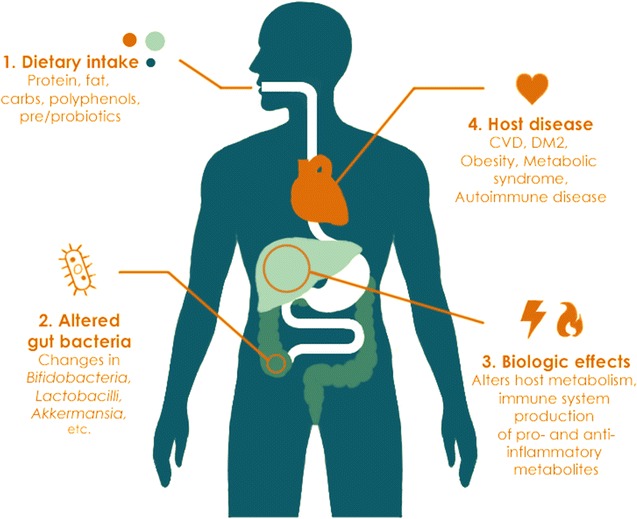
Recent studies have suggested that the intestinal microbiome plays an important role in modulating risk of several chronic diseases, including inflammatory bowel disease, obesity, type 2 diabetes, cardiovascular disease, and cancer. At the same time, it is now understood that diet plays a significant role in shaping the microbiome, with experiments showing that dietary alterations can induce large, temporary microbial shifts within 24 h. Given this association, there may be significant therapeutic utility in altering microbial composition through diet. This review systematically evaluates current data regarding the effects of several common dietary components on intestinal microbiota. We show that consumption of particular types of food produces predictable shifts in existing host bacterial genera. Furthermore, the identity of these bacteria affects host immune and metabolic parameters, with broad implications for human health. Familiarity with these associations will be of tremendous use to the practitioner as well as the patient.
Overview
The claims and statistics of this paper haven’t been checked yet.
Free: it reads the open-access text and checks the first 5 claims that cite a source we can check. Create a free account to check every claim.
Integrity signals
Registry
Cites
Statistics
Figures
Verification
Claims the paper makes
The claims and statistics of this paper haven’t been checked yet.
Free: it reads the open-access text and checks the first 5 claims that cite a source we can check. Create a free account to check every claim.
Claims other papers make about this one
Each is checked against this paper’s own text: does it say what the citing paper says it does?
The source backs part of the claim, not all of it — or backs it for a different population, condition or comparison.
In the citing paper
“Many bacteria associated with ICI response have known dietary associations, such that specific dietary patterns (e.g., plant-based versus western diet) are associated with increased or decreased relative abundances of these candidate taxa.131–135”
From Melanoma and microbiota: Current understanding and future directions (2024) · cites this paper as [134]
Experimental — accuracy not yet measuredThe cited source says what the claim attributes to it.
In the citing paper
“In addition, strategies that could mitigate the likelihood of LPS release into the blood and, thus, endotoxin-associated symptoms, include limiting the consumption of saturated fat [138], avoiding the consumption of non-steroidal anti-inflammatory drugs (NSAIDs) [139], and maintaining an adequate water intake [139].”
From International Society of Sports Nutrition Position Stand: nutritional considerations for single-stage ultra-marathon training and racing (2019) · cites this paper as [138]
The cited source says what the claim attributes to it.
In the citing paper
“Different sources of protein in a diet has been shown to influence different gut microbiota profiles (Singh et al., 2017).”
From The Microbiota-Gut-Brain Axis (2019) · cites this paper as Singh et al., 2017
In the citing paper
“In mice, animal-based protein increases potential detrimental gut microbes, e.g., Peptostreptococcaceae, Ruminococcaceae, Enterococcus, Streptococcus, Turicibacter, or Escherichia (92), and plant-based protein boosts the abundance of Bifidobacterium, Roseburia, and Lactobacillus and lowers the abundance of pathogens such as Bacteroides fragilis and Clostridium perfringens (37,42,80).”
From Diet and the Microbiota–Gut–Brain Axis: Sowing the Seeds of Good Mental Health (2021) · cites this paper as [80]
Self-check
Percentages, sums and reported differences re-computed from the paper’s own numbers.
The self-check needs the paper’s full text.
Citations
Cites
An obesity-associated gut microbiome with increased capacity for energy harvest
Turnbaugh, P. J., Ley, R. E., Mahowald, M. A., Magrini, V., Mardis, E. R., & Gordon, J. I. (2006) · Nature · doi:10.1038/nature05414 · Cited by 12,444 · cited 1×
“Furthermore, studies involving microbiota transplantation from obese to lean mice have shown that the obese phenotype is transmissible and may be promoted by microbiota that have increased capacity to harvest energy from the host diet [23].”
BackgroundDiet rapidly and reproducibly alters the human gut microbiome
David, L. A., Maurice, C. F., Carmody, R. N., Gootenberg, D. B., Button, J. E., Wolfe, B. E., Ling, A. V., Devlin, A. S., Varma, Y., Fischbach, M. A., et al. (2014) · Nature · doi:10.1038/nature12820 · Cited by 10,100
Human gut microbes associated with obesity
Ley, R. E., Turnbaugh, P. J., Klein, S., & Gordon, J. I. (2006) · Nature · doi:10.1038/4441022a · Cited by 8,785
Enterotypes of the human gut microbiome
MetaHIT Consortium (additional members), Arumugam, M., Raes, J., Pelletier, E., Le Paslier, D., Yamada, T., Mende, D. R., Fernandes, G. R., Tap, J., Bruls, T., et al. (2011) · Nature · doi:10.1038/nature09944 · Cited by 7,548 · cited 1×
“Recently, it has been shown that microbiota can effectively be subdivided into different enterotypes, each enriched by particular bacterial genera, but that all seem to share high functional uniformity [4].”
BackgroundChanges of Intestinal Functions in Liver Cirrhosis
Fukui, H., & Wiest, R. (2016) · Inflammatory Intestinal Diseases · doi:10.1159/000444436 · Cited by 6,808
A metagenome-wide association study of gut microbiota in type 2 diabetes
Qin, J., Li, Y., Cai, Z., Li, S., Zhu, J., Zhang, F., Liang, S., Zhang, W., Guan, Y., Shen, D., et al. (2012) · Nature · doi:10.1038/nature11450 · Cited by 6,762
Linking long-term dietary patterns with gut microbial enterotypes
Wu, G. D., Chen, J., Hoffmann, C., Bittinger, K., Chen, Y.-Y., Keilbaugh, S. A., Bewtra, M., Knights, D., Walters, W. A., Knight, R., et al. (2011) · Science · doi:10.1126/science.1208344 · Cited by 6,513 · cited 2×
“While the microbiome of a healthy individual is relatively stable, gut microbial dynamics can certainly be influenced by host lifestyle and dietary choices [26].”
BackgroundTrumbo, P., Schlicker, S., Yates, A. A., & Poos, M. (2002) · Journal of the American Dietetic Association · doi:10.1016/s0002-8223(02)90346-9 · Cited by 5,993
De Filippo, C., Cavalieri, D., Di Paola, M., Ramazzotti, M., Poullet, J. B., Massart, S., Collini, S., Pieraccini, G., & Lionetti, P. (2010) · Proceedings of the National Academy of Sciences · doi:10.1073/pnas.1005963107 · Cited by 5,579
Commensal microbe-derived butyrate induces the differentiation of colonic regulatory T cells
Furusawa, Y., Obata, Y., Fukuda, S., Endo, T. A., Nakato, G., Takahashi, D., Nakanishi, Y., Uetake, C., Kato, K., Kato, T., et al. (2013) · Nature · doi:10.1038/nature12721 · Cited by 5,549
Diversity, stability and resilience of the human gut microbiota
Lozupone, C. A., Stombaugh, J. I., Gordon, J. I., Jansson, J. K., & Knight, R. (2012) · Nature · doi:10.1038/nature11550 · Cited by 5,533
The Microbial Metabolites, Short-Chain Fatty Acids, Regulate Colonic T reg Cell Homeostasis
Smith, P. M., Howitt, M. R., Panikov, N., Michaud, M., Gallini, C. A., Bohlooly-Y, M., Glickman, J. N., & Garrett, W. S. (2013) · Science · doi:10.1126/science.1241165 · Cited by 5,413 · cited 1×
“The relative abundance of different bacteria may mediate intestinal inflammation and Crohn’s disease activity through effects on local regulatory T cell populations [17, 18].”
BackgroundRole of the microbiota in immunity and inflammation.
Belkaid, Y., & Hand, T. W. (2014) · Cell · doi:10.1016/j.cell.2014.03.011 · Cited by 5,385
Host-Bacterial Mutualism in the Human Intestine
Bäckhed, F., Ley, R. E., Sonnenburg, J. L., Peterson, D. A., & Gordon, J. I. (2005) · Science · doi:10.1126/science.1104816 · Cited by 5,277
Metabolites produced by commensal bacteria promote peripheral regulatory T-cell generation
Arpaia, N., Campbell, C., Fan, X., Dikiy, S., van der Veeken, J., deRoos, P., Liu, H., Cross, J. R., Pfeffer, K., Coffer, P. J., et al. (2013) · Nature · doi:10.1038/nature12726 · Cited by 4,838
Cani, P. D., Bibiloni, R., Knauf, C., Waget, A., Neyrinck, A. M., Delzenne, N. M., & Burcelin, R. (2008) · Diabetes · doi:10.2337/db07-1403 · Cited by 4,819 · cited 1×
“Microbial changes have also been shown to control metabolic endotoxemia-induced inflammation in high-fat diet consuming mice [52].”
BackgroundMetagenomic Analysis of the Human Distal Gut Microbiome
Gill, S. R., Pop, M., DeBoy, R. T., Eckburg, P. B., Turnbaugh, P. J., Samuel, B. S., Gordon, J. I., Relman, D. A., Fraser-Liggett, C. M., & Nelson, K. E. (2006) · Science · doi:10.1126/science.1124234 · Cited by 4,699 · cited 1×
“The gut microbiome The human gut microbiome encompasses 1014 resident microorganisms, including bacteria, viruses, fungi, and protozoa, that are commensal with the human intestinal tract [1].”
BackgroundInduction of Intestinal Th17 Cells by Segmented Filamentous Bacteria
Ivanov, I. I., Atarashi, K., Manel, N., Brodie, E. L., Shima, T., Karaoz, U., Wei, D., Goldfarb, K. C., Santee, C. A., Lynch, S. V., et al. (2009) · Cell · doi:10.1016/j.cell.2009.09.033 · Cited by 4,554
Intestinal microbiota metabolism of l-carnitine, a nutrient in red meat, promotes atherosclerosis
Koeth, R. A., Wang, Z., Levison, B. S., Buffa, J. A., Org, E., Sheehy, B. T., Britt, E. B., Fu, X., Wu, Y., Li, L., et al. (2013) · Nature Medicine · doi:10.1038/nm.3145 · Cited by 4,386
Gut Microbiota from Twins Discordant for Obesity Modulate Metabolism in Mice
Ridaura, V. K., Faith, J. J., Rey, F. E., Cheng, J., Duncan, A. E., Kau, A. L., Griffin, N. W., Lombard, V., Henrissat, B., Bain, J. R., et al. (2013) · Science · doi:10.1126/science.1241214 · Cited by 3,788
Fish Consumption, Fish Oil, Omega-3 Fatty Acids, and Cardiovascular Disease
Kris-Etherton, P. M., Harris, W. S., & Appel, L. J. (2002) · Circulation · doi:10.1161/01.cir.0000038493.65177.94 · Cited by 3,707
Anticancer immunotherapy by CTLA-4 blockade relies on the gut microbiota
Vétizou, M., Pitt, J. M., Daillère, R., Lepage, P., Waldschmitt, N., Flament, C., Rusakiewicz, S., Routy, B., Roberti, M. P., Duong, C. P. M., et al. (2015) · Science · doi:10.1126/science.aad1329 · Cited by 3,488
Hsiao, E. Y., McBride, S. W., Hsien, S., Sharon, G., Hyde, E. R., McCue, T., Codelli, J. A., Chow, J., Reisman, S. E., Petrosino, J. F., et al. (2013) · Cell · doi:10.1016/j.cell.2013.11.024 · Cited by 3,283
Human Genetics Shape the Gut Microbiome
Goodrich, J. K., Waters, J. L., Poole, A. C., Sutter, J. L., Koren, O., Blekhman, R., Beaumont, M., Van Treuren, W., Knight, R., Bell, J. T., et al. (2014) · Cell · doi:10.1016/j.cell.2014.09.053 · Cited by 3,164
Topping, D. L., & Clifton, P. M. (2001) · Physiological Reviews · doi:10.1152/physrev.2001.81.3.1031 · Cited by 3,091 · cited 1×
“Short chain fatty acid (SCFA) byproducts such as butyrate, propionate, and acetate act as a major energy source for intestinal epithelial cells and may therefore strengthen the mucosal barrier [8].”
BackgroundVrieze, A., Van Nood, E., Holleman, F., Salojärvi, J., Kootte, R. S., Bartelsman, J. F. W. M., Dallinga–Thie, G. M., Ackermans, M. T., Serlie, M. J., Oozeer, R., et al. (2012) · Gastroenterology · doi:10.1053/j.gastro.2012.06.031 · Cited by 2,913
Gut Microbiota Metabolism of Dietary Fiber Influences Allergic Airway Disease and Hematopoiesis
Trompette, A., Gollwitzer, E. S., Yadava, K., Sichelstiel, A. K., Sprenger, N., Ngom-Bru, C., Blanchard, C., Junt, T., Nicod, L. P., Harris, N. L., et al. (2014) · Nature Medicine · doi:10.1038/nm.3444 · Cited by 2,862
Mechanisms underlying the resistance to diet-induced obesity in germ-free mice
Bäckhed, F., Manchester, J. K., Semenkovich, C. F., & Gordon, J. I. (2007) · Proceedings of the National Academy of Sciences · doi:10.1073/pnas.0605374104 · Cited by 2,615
Pathogenesis of Helicobacter pylori Infection
Kusters, J. G., van Vliet, A. H. M., & Kuipers, E. J. (2006) · Clinical Microbiology Reviews · doi:10.1128/cmr.00054-05 · Cited by 2,526
Microbiota and SCFA in lean and overweight healthy subjects
Schwiertz, A., Taras, D., Schäfer, K., Beijer, S., Bos, N. A., Donus, C., & Hardt, P. D. (2010) · Obesity · doi:10.1038/oby.2009.167 · Cited by 2,457
Role of the gut microbiota in immunity and inflammatory disease
Kamada, N., Seo, S.-U., Chen, G. Y., & Núñez, G. (2013) · Nature reviews. Immunology · doi:10.1038/nri3430 · Cited by 2,256 · cited 1×
“wadsworthia observed in colitis, perforated and gangrenous appendicitis, liver and soft tissue abscesses, cholecystitis, FG, empy‐ ema, osteomyelitis, and HS [175, 176]”
BackgroundBacteroides: the Good, the Bad, and the Nitty-Gritty
Wexler, H. M. (2007) · Clinical Microbiology Reviews · doi:10.1128/cmr.00008-07 · Cited by 2,254
Artificial sweeteners induce glucose intolerance by altering the gut microbiota
Suez, J., Korem, T., Zeevi, D., Zilberman-Schapira, G., Thaiss, C. A., Maza, O., Israeli, D., Zmora, N., Gilad, S., Weinberger, A., et al. (2014) · Nature · doi:10.1038/nature13793 · Cited by 2,067
Omega-3 Fatty Acids in Inflammation and Autoimmune Diseases
Simopoulos, A. P. (2002) · Journal of the American College of Nutrition · doi:10.1080/07315724.2002.10719248 · Cited by 2,009
Dao, M. C., Everard, A., Aron-Wisnewsky, J., Sokolovska, N., Prifti, E., Verger, E. O., Kayser, B. D., Levenez, F., Chilloux, J., Hoyles, L., et al. (2016) · Gut · doi:10.1136/gutjnl-2014-308778 · Cited by 1,931
Machiels, K., Joossens, M., Sabino, J., De Preter, V., Arijs, I., Eeckhaut, V., Ballet, V., Claes, K., Van Immerseel, F., Verbeke, K., et al. (2014) · Gut · doi:10.1136/gutjnl-2013-304833 · Cited by 1,904
Dietary intervention impact on gut microbial gene richness
Cotillard, A., Kennedy, S. P., Kong, L. C., Prifti, E., Pons, N., Le Chatelier, E., Almeida, M., Quinquis, B., Levenez, F., Galleron, N., et al. (2013) · Nature · doi:10.1038/nature12480 · Cited by 1,832
De Filippis, F., Pellegrini, N., Vannini, L., Jeffery, I. B., La Storia, A., Laghi, L., Serrazanetti, D. I., Di Cagno, R., Ferrocino, I., Lazzi, C., et al. (2016) · Gut · doi:10.1136/gutjnl-2015-309957 · Cited by 1,638
Dominant and diet-responsive groups of bacteria within the human colonic microbiota
Walker, A. W., Ince, J., Duncan, S. H., Webster, L. M., Holtrop, G., Ze, X., Brown, D., Stares, M. D., Scott, P., Bergerat, A., et al. (2011) · The ISME Journal · doi:10.1038/ismej.2010.118 · Cited by 1,632
Gut-Residing Segmented Filamentous Bacteria Drive Autoimmune Arthritis via T Helper 17 Cells
Wu, H.-J., Ivanov, I. I., Darce, J., Hattori, K., Shima, T., Umesaki, Y., Littman, D. R., Benoist, C., & Mathis, D. (2010) · Immunity · doi:10.1016/j.immuni.2010.06.001 · Cited by 1,577
Darfeuille-Michaud, A., Boudeau, J., Bulois, P., Neut, C., Glasser, A.-L., Barnich, N., Bringer, M.-A., Swidsinski, A., Beaugerie, L., & Colombel, J.-F. (2004) · Gastroenterology · doi:10.1053/j.gastro.2004.04.061 · Cited by 1,566
Gaboriau-Routhiau, V., Rakotobe, S., Lécuyer, E., Mulder, I., Lan, A., Bridonneau, C., Rochet, V., Pisi, A., De Paepe, M., Brandi, G., et al. (2009) · Immunity · doi:10.1016/j.immuni.2009.08.020 · Cited by 1,452 · cited 1×
“are pathogenic causing tetanus, botulism, gas gangrene, or pseudomembranous colitis [177, 178]”
BackgroundExercise and associated dietary extremes impact on gut microbial diversity
Clarke, S. F., Murphy, E. F., O'Sullivan, O., Lucey, A. J., Humphreys, M., Hogan, A., Hayes, P., O'Reilly, M., Jeffery, I. B., Wood-Martin, R., et al. (2014) · Gut · doi:10.1136/gutjnl-2013-306541 · Cited by 1,439
Probiotics, prebiotics and synbiotics- a review
Pandey, K. R., Naik, S. R., & Vakil, B. V. (2015) · Journal of Food Science and Technology · doi:10.1007/s13197-015-1921-1 · Cited by 1,291
Faecalibacterium prausnitzii and human intestinal health
Miquel, S., Martín, R., Rossi, O., Bermúdez-Humarán, L., Chatel, J., Sokol, H., Thomas, M., Wells, J., & Langella, P. (2013) · Current Opinion in Microbiology · doi:10.1016/j.mib.2013.06.003 · Cited by 1,228 · cited 1×
“Faecalibacterium prausnitzii Gram positive obligate anaerobe rod‐shaped; nonmotile SCFA production; anti‐inflammatory effects Reduced abundance in IBD and obesity [183, 184]”
BackgroundThe ecology, epidemiology and virulence of Enterococcus
Fisher, K., & Phillips, C. (2009) · Microbiology · doi:10.1099/mic.0.026385-0 · Cited by 1,227
Gut Microbiota and Metabolic Endotoxemia in Young Obese Mexican Subjects
Radilla-Vázquez, R. B., Parra-Rojas, I., Martínez-Hernández, N. E., Márquez-Sandoval, Y. F., Illades-Aguiar, B., & Castro-Alarcón, N. (2016) · Obesity Facts · doi:10.1159/000442479 · Cited by 1,196
Differential Adaptation of Human Gut Microbiota to Bariatric Surgery–Induced Weight Loss
Furet, J.-P., Kong, L.-C., Tap, J., Poitou, C., Basdevant, A., Bouillot, J.-L., Mariat, D., Corthier, G., Doré, J., Henegar, C., et al. (2010) · Diabetes · doi:10.2337/db10-0253 · Cited by 1,173
Has the Microbiota Played a Critical Role in the Evolution of the Adaptive Immune System?
Lee, Y. K., & Mazmanian, S. K. (2010) · Science · doi:10.1126/science.1195568 · Cited by 1,121 · cited 1×
“Additionally, studies conducted using germ-free mice suggest that the microbiota directly promote local intestinal immunity through their effects on toll-like receptor (TLR) expression [9], antigen presenting cells, differentiated T cells, and lymphoid follicles [10, 11], as well as by affecting systemic immunity thro…”
BackgroundProbiotics, Prebiotics, and Synbiotics
de Vrese, M., & Schrezenmeir, J. (2008) · Advances in Biochemical Engineering/Biotechnology · doi:10.1007/10_2008_097 · Cited by 1,028
Phylogenetic Relationships of Butyrate-Producing Bacteria from the Human Gut
Barcenilla, A., Pryde, S. E., Martin, J. C., Duncan, S. H., Stewart, C. S., Henderson, C., & Flint, H. J. (2000) · Applied and Environmental Microbiology · doi:10.1128/aem.66.4.1654-1661.2000 · Cited by 995 · cited 8×
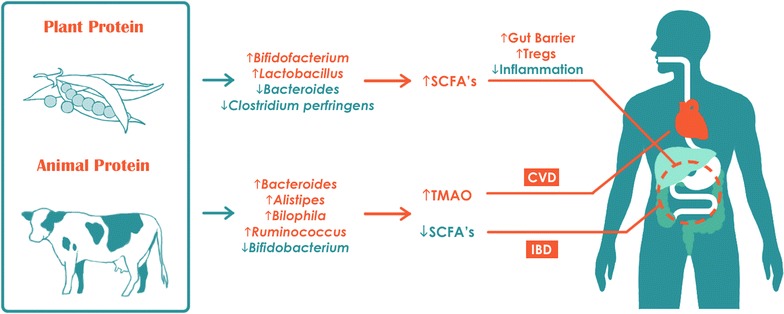
“These gut bacterial changes may be responsible for the finding in a large participant prospective study (n = 67,581) that high total protein intake, especially animal protein, is associated with a significantly increased risk of IBD [40].”
BackgroundInfluentialCaesar, R., Tremaroli, V., Kovatcheva-Datchary, P., Cani, P. D., & Bäckhed, F. (2015) · Cell Metabolism · doi:10.1016/j.cmet.2015.07.026 · Cited by 960 · cited 1×
“Akkermansia muciniphila Gram negative obligate anaerobe oval‐shaped; nonmotile Anti‐inflammatory effects Reduced abundance in IBD, obesity, and psoriatic arthritis [53, 133, 185]”
Levine, M. E., Suarez, J. A., Brandhorst, S., Balasubramanian, P., Cheng, C.-W., Madia, F., Fontana, L., Mirisola, M. G., Guevara-Aguirre, J., Wan, J., et al. (2014) · Cell Metabolism · doi:10.1016/j.cmet.2014.02.006 · Cited by 910 · cited 1×
“In one study, plant-derived proteins are associated with lower mortality than animal-derived proteins [42].”
BackgroundComparative metagenomics revealed commonly enriched gene sets in human gut microbiomes
Kurokawa, K., Itoh, T., Kuwahara, T., Oshima, K., Toh, H., Toyoda, A., Takami, H., Morita, H., Sharma, V. K., Srivastava, T. P., et al. (2007) · DNA Research · doi:10.1093/dnares/dsm018 · Cited by 869 · cited 1×
“This uniformity exists regardless of several host properties, such as age, sex, body mass index, and nationality [5].”
BackgroundSonnenburg, E. D., & Sonnenburg, J. L. (2014) · Cell Metabolism · doi:10.1016/j.cmet.2014.07.003 · Cited by 861
Meta‐analyses of human gut microbes associated with obesity and IBD
Walters, W. A., Xu, Z., & Knight, R. (2014) · FEBS Letters · doi:10.1016/j.febslet.2014.09.039 · Cited by 836 · cited 1×
“Faecalibacterium prausnitzii Gram positive obligate anaerobe rod‐shaped; nonmotile SCFA production; anti‐inflammatory effects Reduced abundance in IBD and obesity [183, 184]”
BackgroundGreenblum, S., Turnbaugh, P. J., & Borenstein, E. (2012) · Proceedings of the National Academy of Sciences · doi:10.1073/pnas.1116053109 · Cited by 821
Scher, J. U., Ubeda, C., Artacho, A., Attur, M., Isaac, S., Reddy, S. M., Marmon, S., Neimann, A., Brusca, S., Patel, T., et al. (2015) · Arthritis & Rheumatology · doi:10.1002/art.38892 · Cited by 815 · cited 1×
“Akkermansia muciniphila Gram negative obligate anaerobe oval‐shaped; nonmotile Anti‐inflammatory effects Reduced abundance in IBD, obesity, and psoriatic arthritis [53, 133, 185]”
BackgroundPérez-Jiménez, J., Neveu, V, Vos, F., & Scalbert, A. (2010) · European Journal of Clinical Nutrition · doi:10.1038/ejcn.2010.221 · Cited by 798
Russell, W. R., Gratz, S. W., Duncan, S. H., Holtrop, G., Ince, J., Scobbie, L., Duncan, G., Johnstone, A. M., Lobley, G. E., Wallace, R. J., et al. (2011) · The American Journal of Clinical Nutrition · doi:10.3945/ajcn.110.002188 · Cited by 775 · cited 1×
“One study found that subjects with a high protein/low carbohydrate diet have reduced Roseburia and Eubacterium rectale in their gut microbiota and a decreased proportion of butyrate in their feces [36].”
BackgroundThe human gut microbiome: ecology and recent evolutionary changes
Walter, J., & Ley, R. (2011) · Annual Review of Microbiology · doi:10.1146/annurev-micro-090110-102830 · Cited by 720
Gut microbiota-derived short-chain Fatty acids, T cells, and inflammation
Kim, C. H., Park, J., & Kim, M. (2014) · Immune Network · doi:10.4110/in.2014.14.6.277 · Cited by 704 · cited 1×
“Pea protein has also been observed to increase intestinal SCFA levels, which are considered anti-inflammatory and important for maintenance of the mucosal barrier [34].”
BackgroundMalinen, E., Rinttila, T., Kajander, K., Matto, J., Kassinen, A., Krogius, L., Saarela, M., Korpela, R., & Palva, A. (2005) · The American Journal of Gastroenterology · doi:10.1111/j.1572-0241.2005.40312.x · Cited by 699
Effect of tea phenolics and their aromatic fecal bacterial metabolites on intestinal microbiota
Lee, H. C., Jenner, A. M., Low, C. S., & Lee, Y. K. (2006) · Research in Microbiology · doi:10.1016/j.resmic.2006.07.004 · Cited by 697
Diets that differ in their FODMAP content alter the colonic luminal microenvironment
Halmos, E. P., Christophersen, C. T., Bird, A. R., Shepherd, S. J., Gibson, P. R., & Muir, J. G. (2015) · Gut · doi:10.1136/gutjnl-2014-307264 · Cited by 681
Queipo-Ortuño, M. I., Boto-Ordóñez, M., Murri, M., Gomez-Zumaquero, J. M., Clemente-Postigo, M., Estruch, R., Cardona Diaz, F., Andrés-Lacueva, C., & Tinahones, F. J. (2012) · The American Journal of Clinical Nutrition · doi:10.3945/ajcn.111.027847 · Cited by 671
Flint, H. J., Duncan, S. H., Scott, K. P., & Louis, P. (2007) · Environmental Microbiology · doi:10.1111/j.1462-2920.2007.01281.x · Cited by 635 · cited 3×
“Overall the predominant bacterial groups in the microbiome are gram positive Firmicutes and gram negative Bacteroidetes [2, 3].”
BackgroundInfluentialKwon, H.-K., Lee, C.-G., So, J.-S., Chae, C.-S., Hwang, J.-S., Sahoo, A., Nam, J. H., Rhee, J. H., Hwang, K.-C., & Im, S.-H. (2010) · Proceedings of the National Academy of Sciences · doi:10.1073/pnas.0904055107 · Cited by 627
Lee, C. H., Steiner, T., Petrof, E. O., Smieja, M., Roscoe, D., Nematallah, A., Weese, J. S., Collins, S., Moayyedi, P., Crowther, M., et al. (2016) · JAMA · doi:10.1001/jama.2015.18098 · Cited by 627
Gut microbiome composition is linked to whole grain-induced immunological improvements
Martínez, I., Lattimer, J. M., Hubach, K. L., Case, J. A., Yang, J., Weber, C. G., Louk, J. A., Rose, D. J., Kyureghian, G., Peterson, D. A., et al. (2013) · The ISME Journal · doi:10.1038/ismej.2012.104 · Cited by 614
Stamler, J. (2000) · JAMA · doi:10.1001/jama.284.3.311 · Cited by 609 · cited 4×
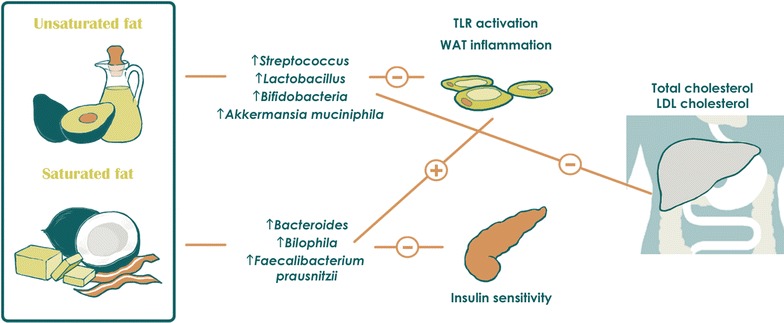
“Consumption of high saturated and trans fat diets is thought to increase the risk of cardiovascular disease through upregulation of blood total- and LDL-cholesterol [43, 44].”
BackgroundInfluentialTzounis, X., Rodriguez-Mateos, A., Vulevic, J., Gibson, G. R., Kwik-Uribe, C., & Spencer, J. P. (2011) · The American Journal of Clinical Nutrition · doi:10.3945/ajcn.110.000075 · Cited by 580
Venturi, Gionchetti, Rizzello, Johansson, Zucconi, Brigidi, Matteuzzi, & Campieri (1999) · Alimentary Pharmacology & Therapeutics · doi:10.1046/j.1365-2036.1999.00560.x · Cited by 567 · cited 8×
“Gram positive facultative anaerobe rod‐shaped SCFA production; anti‐inflammatory and anti‐cancer activities Attenuate IBD [168, 169]”
BackgroundInfluentialWu, G. D., Compher, C., Chen, E. Z., Smith, S. A., Shah, R. D., Bittinger, K., Chehoud, C., Albenberg, L. G., Nessel, L., Gilroy, E., et al. (2016) · Gut · doi:10.1136/gutjnl-2014-308209 · Cited by 512
Does the microbiota regulate immune responses outside the gut?
Noverr, M. C., & Huffnagle, G. B. (2004) · Trends in Microbiology · doi:10.1016/j.tim.2004.10.008 · Cited by 499
Role of gut microbiota and nutrients in amyloid formation and pathogenesis of Alzheimer disease
Pistollato, F., Sumalla Cano, S., Elio, I., Masias Vergara, M., Giampieri, F., & Battino, M. (2016) · Nutrition Reviews · doi:10.1093/nutrit/nuw023 · Cited by 496
A vegan or vegetarian diet substantially alters the human colonic faecal microbiota
Zimmer, J., Lange, B., Frick, J.-S., Sauer, H., Zimmermann, K., Schwiertz, A., Rusch, K., Klosterhalfen, S., & Enck, P. (2012) · European Journal of Clinical Nutrition · doi:10.1038/ejcn.2011.141 · Cited by 465
Flavanol monomer-induced changes to the human faecal microflora
Tzounis, X., Vulevic, J., Kuhnle, G. G. C., George, T., Leonczak, J., Gibson, G. R., Kwik-Uribe, C., & Spencer, J. P. E. (2008) · British Journal of Nutrition · doi:10.1017/s0007114507853384 · Cited by 454
Assessing the Human Gut Microbiota in Metabolic Diseases
Karlsson, F., Tremaroli, V., Nielsen, J., & Bäckhed, F. (2013) · Diabetes · doi:10.2337/db13-0844 · Cited by 452
Gut–liver axis: The impact of gut microbiota on non alcoholic fatty liver disease
Compare, D., Coccoli, P., Rocco, A., Nardone, O. M., De Maria, S., Cartenì, M., & Nardone, G. (2012) · Nutrition, Metabolism and Cardiovascular Diseases · doi:10.1016/j.numecd.2012.02.007 · Cited by 446
Costabile, A., Klinder, A., Fava, F., Napolitano, A., Fogliano, V., Leonard, C., Gibson, G. R., & Tuohy, K. M. (2008) · British Journal of Nutrition · doi:10.1017/s0007114507793923 · Cited by 444
Circadian disorganization alters intestinal microbiota
Voigt, R. M., Forsyth, C. B., Green, S. J., Mutlu, E., Engen, P., Vitaterna, M. H., Turek, F. W., & Keshavarzian, A. (2014) · PLoS ONE · doi:10.1371/journal.pone.0097500 · Cited by 439 · cited 1×
“Furthermore, the gut microbiome of animals fed a high-fat or high-sugar diet is more prone to circadian rhythm disruption [14].”
BackgroundFava, F., Gitau, R., Griffin, B. A., Gibson, G. R., Tuohy, K. M., & Lovegrove, J. A. (2013) · International Journal of Obesity · doi:10.1038/ijo.2012.33 · Cited by 434 · cited 2×
“Several human studies have suggested that a high-fat diet increases total anaerobic microflora and counts of Bacteroides [26, 29, 48, 49] (studies listed in Table 3).”
BackgroundLink-Amster, H. (1994) · FEMS Immunology and Medical Microbiology · doi:10.1016/0928-8244(94)90015-9 · Cited by 431
Animal Protein Intake and Risk of Inflammatory Bowel Disease: The E3N Prospective Study
Jantchou, P., Morois, S., Clavel-Chapelon, F., Boutron-Ruault, M.-C., & Carbonnel, F. (2010) · American Journal of Gastroenterology · doi:10.1038/ajg.2010.192 · Cited by 426
van Passel, M. W. J., Kant, R., Zoetendal, E. G., Plugge, C. M., Derrien, M., Malfatti, S. A., Chain, P. S. G., Woyke, T., Palva, A., de Vos, W. M., et al. (2011) · PLoS ONE · doi:10.1371/journal.pone.0016876 · Cited by 423
Lecomte, V., Kaakoush, N. O., Maloney, C. A., Raipuria, M., Huinao, K. D., Mitchell, H. M., & Morris, M. J. (2015) · PLOS ONE · doi:10.1371/journal.pone.0126931 · Cited by 418 · cited 1×
“Furthermore, the abundance of Lactobacillus intestinalis is negatively correlated with rat fat mass and body weight [51].”
BackgroundGut microbiota in autism and mood disorders
Mangiola, F. (2016) · World Journal of Gastroenterology · doi:10.3748/wjg.v22.i1.361 · Cited by 413
Meta-analysis of probiotics for the prevention of traveler's diarrhea
McFarland, L. V. (2007) · Travel Medicine and Infectious Disease · doi:10.1016/j.tmaid.2005.10.003 · Cited by 412
Immunomodulatory Effects of Probiotics in the Intestinal Tract
(2008) · Current Issues in Molecular Biology · doi:10.21775/cimb.010.037 · Cited by 400
Spanhaak, S., Havenaar, R., & Schaafsma, G. (1998) · European Journal of Clinical Nutrition · doi:10.1038/sj.ejcn.1600663 · Cited by 398
The potential influence of fruit polyphenols on colonic microflora and human gut health
Parkar, S. G., Stevenson, D. E., & Skinner, M. A. (2008) · International Journal of Food Microbiology · doi:10.1016/j.ijfoodmicro.2008.03.017 · Cited by 378
Aller, R., de Luis, D. A., Izaola, O., Conde, R., Sagrado, M. G., Primo, D., Fuente, B. D. L., & González‐Gallego, J. (2011) · PubMed · Cited by 371
Butyricicoccus pullicaecorum in inflammatory bowel disease
Eeckhaut, V., Machiels, K., Perrier, C., Romero, C., Maes, S., Flahou, B., Steppe, M., Haesebrouck, F., Sas, B., Ducatelle, R., et al. (2013) · Gut · doi:10.1136/gutjnl-2012-303611 · Cited by 369
Kang, S., Denman, S. E., Morrison, M., Yu, Z., Dore, J., Leclerc, M., & McSweeney, C. S. (2010) · Inflammatory Bowel Diseases · doi:10.1002/ibd.21319 · Cited by 365
Shen, J., Zuo, Z.-X., & Mao, A.-P. (2014) · Inflammatory Bowel Diseases · doi:10.1097/01.mib.0000437495.30052.be · Cited by 364
The immune-enhancing effects of dietary fibres and prebiotics
Schley, P. D., & C.J.*, F. (2002) · British Journal of Nutrition · doi:10.1079/bjnbjn/2002541 · Cited by 351
Effects of a gluten-free diet on gut microbiota and immune function in healthy adult human subjects
De Palma, G., Nadal, I., Collado, M. C., & Sanz, Y. (2009) · British Journal Of Nutrition · doi:10.1017/s0007114509371767 · Cited by 344
Chen, H.-M., Yu, Y.-N., Wang, J.-L., Lin, Y.-W., Kong, X., Yang, C.-Q., Yang, L., Liu, Z.-J., Yuan, Y.-Z., Liu, F., et al. (2013) · The American Journal of Clinical Nutrition · doi:10.3945/ajcn.112.046607 · Cited by 321
Six-Week Consumption of a Wild Blueberry Powder Drink Increases Bifidobacteria in the Human Gut
Vendrame, S., Guglielmetti, S., Riso, P., Arioli, S., Klimis-Zacas, D., & Porrini, M. (2011) · Journal of Agricultural and Food Chemistry · doi:10.1021/jf2028686 · Cited by 313
Rajkumar, H., Mahmood, N., Kumar, M., Varikuti, S. R., Challa, H. R., & Myakala, S. P. (2014) · Mediators of Inflammation · doi:10.1155/2014/348959 · Cited by 301
Remely, M., Aumueller, E., Merold, C., Dworzak, S., Hippe, B., Zanner, J., Pointner, A., Brath, H., & Haslberger, A. G. (2014) · Gene · doi:10.1016/j.gene.2013.11.081 · Cited by 299
Selective colonization of insoluble substrates by human faecal bacteria
Leitch, E. C. M., Walker, A. W., Duncan, S. H., Holtrop, G., & Flint, H. J. (2007) · Environmental Microbiology · doi:10.1111/j.1462-2920.2006.01186.x · Cited by 297
Regulation of Plasma LDL-Cholesterol Levels by Dietary Cholesterol and Fatty Acids
Spady, D. K., Woollett, L. A., & Dietschy, J. M. (1993) · Annual Review of Nutrition · doi:10.1146/annurev.nu.13.070193.002035 · Cited by 293 · cited 4×
“Consumption of high saturated and trans fat diets is thought to increase the risk of cardiovascular disease through upregulation of blood total- and LDL-cholesterol [43, 44].”
BackgroundInfluentialFood, immunity, and the microbiome
Tilg, H., & Moschen, A. R. (2015) · Gastroenterology · doi:10.1053/j.gastro.2014.12.036 · Cited by 292
The influence of a short-term gluten-free diet on the human gut microbiome
Bonder, M. J., Tigchelaar, E. F., Cai, X., Trynka, G., Cenit, M. C., Hrdlickova, B., Zhong, H., Vatanen, T., Gevers, D., Wijmenga, C., et al. (2016) · Genome Medicine · doi:10.1186/s13073-016-0295-y · Cited by 286
Bialonska, D., Ramnani, P., Kasimsetty, S. G., Muntha, K. R., Gibson, G. R., & Ferreira, D. (2010) · International Journal of Food Microbiology · doi:10.1016/j.ijfoodmicro.2010.03.038 · Cited by 280
Earley, Z. M., Akhtar, S., Green, S. J., Naqib, A., Khan, O., Cannon, A. R., Hammer, A. M., Morris, N. L., Li, X., Eberhardt, J. M., et al. (2015) · PLOS ONE · doi:10.1371/journal.pone.0129996 · Cited by 266 · cited 1×
“systemic stress and inflammation—such as that induced via severe burn injury—can also produce characteristic acute changes in the gut microbiota within just one day of the sustained insult [15].”
BackgroundPrevalence of Bacteroides and Prevotella spp. in ulcerative colitis
Lucke, K., Miehlke, S., Jacobs, E., & Schuppler, M. (2006) · Journal of Medical Microbiology · doi:10.1099/jmm.0.46198-0 · Cited by 262
Regulation of Plasma LDL-Cholesterol Levels by Dietary Cholesterol and Fatty Acids
Spady, D. K. (1993) · Annual Review of Nutrition · doi:10.1146/annurev.nutr.13.1.355 · Cited by 243
Gut Microbiota as an Epigenetic Regulator: Pilot Study Based on Whole-Genome Methylation Analysis
Kumar, H., Lund, R., Laiho, A., Lundelin, K., Ley, R. E., Isolauri, E., & Salminen, S. (2014) · mBio · doi:10.1128/mbio.02113-14 · Cited by 232
Kim, M., Hwang, S., Park, E., & Bae, J. (2013) · Environmental Microbiology Reports · doi:10.1111/1758-2229.12079 · Cited by 220
The study on the impact of glycated pea proteins on human intestinal bacteria
Dominika, Ś., Arjan, N., Karyn, R. P., & Henryk, K. (2011) · International Journal of Food Microbiology · doi:10.1016/j.ijfoodmicro.2011.01.002 · Cited by 219
Distribution of Seven N-Nitrosamines in Food
Park, J.-E., Seo, J.-E., Lee, J.-Y., & Kwon, H. (2015) · Toxicological Research · doi:10.5487/tr.2015.31.3.279 · Cited by 208
Reddy, B. S., Weisburger, J. H., & Wynder, E. L. (1975) · The Journal of Nutrition · doi:10.1093/jn/105.7.878 · Cited by 206 · cited 1×
“Several human studies have suggested that a high-fat diet increases total anaerobic microflora and counts of Bacteroides [26, 29, 48, 49] (studies listed in Table 3).”
BackgroundMediterranean Diet and Health: Food Effects on Gut Microbiota and Disease Control
Del Chierico, F., Vernocchi, P., Dallapiccola, B., & Putignani, L. (2014) · International Journal of Molecular Sciences · doi:10.3390/ijms150711678 · Cited by 205
Wacklin, P., Laurikka, P., Lindfors, K., Collin, P., Salmi, T., Lähdeaho, M.-L., Saavalainen, P., Mäki, M., Mättö, J., Kurppa, K., et al. (2014) · American Journal of Gastroenterology · doi:10.1038/ajg.2014.355 · Cited by 201
Diet-microbiota interactions and their implications for healthy living
Jeffery, I., & O'Toole, P. (2013) · Nutrients · doi:10.3390/nu5010234 · Cited by 199
Bacteroides fragilis Enterotoxin Gene Sequences in Patients with Inflammatory Bowel Disease
Prindiville, T. P., Sheikh, R. A., Cohen, S. H., Tang, Y. J., Cantrell, M. C., & Silva, J. (2000) · Emerging Infectious Diseases · doi:10.3201/eid0602.000210 · Cited by 199
Role of Bacteria in Oncogenesis
Chang, A. H., & Parsonnet, J. (2010) · Clinical Microbiology Reviews · doi:10.1128/cmr.00012-10 · Cited by 195 · cited 1×
“Helicobacter pylori Gram negative microaerophilic helix‐shaped; motile Gastritis; ulcers; MALT cancers [189, 190]”
BackgroundEid, N., Enani, S., Walton, G., Corona, G., Costabile, A., Gibson, G., Rowland, I., & Spencer, J. P. E. (2014) · Journal of Nutritional Science · doi:10.1017/jns.2014.16 · Cited by 192 · cited 1×
“Human subjects fed high levels of glucose, fructose, and sucrose in the form of date fruits [55] had increased relative abundance of Bifidobacteria, with reduced Bacteroides [56].”
BackgroundHe, T., Priebe, M. G., Zhong, Y., Huang, C., Harmsen, H. J. M., Raangs, G. C., Antoine, J.-M., Welling, G. W., & Vonk, R. J. (2007) · Journal of Applied Microbiology · doi:10.1111/j.1365-2672.2007.03579.x · Cited by 191
Cueva, C., Sánchez-Patán, F., Monagas, M., Walton, G. E., Gibson, G. R., Martín-Álvarez, P. J., Bartolomé, B., & Moreno-Arribas, M. V. (2013) · FEMS Microbiology Ecology · doi:10.1111/1574-6941.12037 · Cited by 185
Gori, A., Rizzardini, G., van't Land, B., Amor, K. B., van Schaik, J., Torti, C., Quirino, T., Tincati, C., Bandera, A., Knol, J., et al. (2011) · Mucosal Immunology · doi:10.1038/mi.2011.15 · Cited by 185
Sánchez-Patán, F., Cueva, C., Monagas, M., Walton, G. E., Gibson M., G. R., Quintanilla-López, J. E., Lebrón-Aguilar, R., Martín-Álvarez, P. J., Moreno-Arribas, M. V., & Bartolomé, B. (2012) · Journal of Agricultural and Food Chemistry · doi:10.1021/jf2040115 · Cited by 177
The effect of a fructo-oligosaccharide supplemented formula on gut flora of preterm infants
Kapiki, A., Costalos, C., Oikonomidou, C., Triantafyllidou, A., Loukatou, E., & Pertrohilou, V. (2007) · Early Human Development · doi:10.1016/j.earlhumdev.2006.07.003 · Cited by 169
Rautio, M., Eerola, E., Väisänen-Tunkelrott, M.-L., Molitoris, D., Lawson, P., Collins, M. D., & Jousimies-Somer, H. (2003) · Systematic and Applied Microbiology · doi:10.1078/072320203322346029 · Cited by 167 · cited 1×
“Gram negative obligate anaerobe rod‐shaped; bile‐resistant and pigment‐producing Reported in tissue from acute appen‐ dicitis and perirectal and brain abscesses [174]”
BackgroundFunctional Dynamics of the Gut Microbiome in Elderly People during Probiotic Consumption
Eloe-Fadrosh, E. A., Brady, A., Crabtree, J., Drabek, E. F., Ma, B., Mahurkar, A., Ravel, J., Haverkamp, M., Fiorino, A.-M., Botelho, C., et al. (2015) · mBio · doi:10.1128/mbio.00231-15 · Cited by 160
del Campo, R., Garriga, M. J., Pérez-Aragón, A., Guallarte, P., Lamas, A., Máiz, L., Bayón, C., Roy, G., Cantón, R., Zamora, J., et al. (2014) · Journal of Cystic Fibrosis · doi:10.1016/j.jcf.2014.02.007 · Cited by 157
Jin, J., Touyama, M., Hisada, T., & Benno, Y. (2012) · Microbiology and Immunology · doi:10.1111/j.1348-0421.2012.00502.x · Cited by 153
Lundin, A., Bok, C. M., Aronsson, L., Björkholm, B., Gustafsson, J.-Å., Pott, S., Arulampalam, V., Hibberd, M., Rafter, J., & Pettersson, S. (2008) · Cellular Microbiology · doi:10.1111/j.1462-5822.2007.01108.x · Cited by 153
(2015) · PubMed · Cited by 152
Effect of lactose on gut microbiota and metabolome of infants with cow’s milk allergy
Francavilla, R., Calasso, M., Calace, L., Siragusa, S., Ndagijimana, M., Vernocchi, P., Brunetti, L., Mancino, G., Tedeschi, G., Guerzoni, E., et al. (2012) · Pediatric Allergy and Immunology · doi:10.1111/j.1399-3038.2012.01286.x · Cited by 151
Matsumoto, K., Takada, T., Shimizu, K., Moriyama, K., Kawakami, K., Hirano, K., Kajimoto, O., & Nomoto, K. (2010) · Journal of Bioscience and Bioengineering · doi:10.1016/j.jbiosc.2010.05.016 · Cited by 148
Prebiotic effects of almonds and almond skins on intestinal microbiota in healthy adult humans
Liu, Z., Lin, X., Huang, G., Zhang, W., Rao, P., & Ni, L. (2013) · Anaerobe · doi:10.1016/j.anaerobe.2013.11.007 · Cited by 148
Carvalho-Wells, A. L., Helmolz, K., Nodet, C., Molzer, C., Leonard, C., McKevith, B., Thielecke, F., Jackson, K. G., & Tuohy, K. M. (2010) · British Journal of Nutrition · doi:10.1017/s0007114510002084 · Cited by 142
Clemente-Postigo, M., Queipo-Ortuño, M. I., Murri, M., Boto-Ordoñez, M., Perez-Martinez, P., Andres-Lacueva, C., Cardona, F., & Tinahones, F. J. (2012) · Journal of Lipid Research · doi:10.1194/jlr.p020909 · Cited by 140
The role of immunomodulators on intestinal barrier homeostasis in experimental models
Andrade, M. E. R., Araújo, R. S., de Barros, P. A. V., Soares, A. D. N., Abrantes, F. A., Generoso, S. D. V., Fernandes, S. O. A., & Cardoso, V. N. (2015) · Clinical Nutrition · doi:10.1016/j.clnu.2015.01.012 · Cited by 138
Koloverou, E., Panagiotakos, D. B., Pitsavos, C., Chrysohoou, C., Georgousopoulou, E. N., Grekas, A., Christou, A., Chatzigeorgiou, M., Skoumas, I., Tousoulis, D., et al. (2016) · Diabetes/Metabolism Research and Reviews · doi:10.1002/dmrr.2672 · Cited by 136
Costabile, A., Fava, F., Röytiö, H., Forssten, S. D., Olli, K., Klievink, J., Rowland, I. R., Ouwehand, A. C., Rastall, R. A., Gibson, G. R., et al. (2012) · British Journal of Nutrition · doi:10.1017/s0007114511005782 · Cited by 135
Microbiota and epigenetic regulation of inflammatory mediators in type 2 diabetes and obesity
Remely, M., Aumueller, E., Jahn, D., Hippe, B., Brath, H., & Haslberger, A. G. (2014) · Beneficial Microbes · doi:10.3920/bm2013.006 · Cited by 135
Lopez‐Legarrea, P., Fuller, N. R., Zulet, M. Á., Martínez, J. A., & Caterson, I. D. (2014) · PubMed · doi:10.6133/apjcn.2014.23.3.16 · Cited by 134
Effects of a gluten-free diet on gut microbiota and immune function in healthy adult humans
Sanz, Y. (2010) · Gut Microbes · doi:10.4161/gmic.1.3.11868 · Cited by 133
Insulin Signaling in the Control of Glucose and Lipid Homeostasis
Saltiel, A. R. (2015) · Handbook of experimental pharmacology · doi:10.1007/164_2015_14 · Cited by 133
Microbial Translocation in Chronic Liver Diseases
Pinzone, M. R., Celesia, B. M., Rosa, M. D., Cacopardo, B. S., & Nunnari, G. (2012) · International Journal of Microbiology · doi:10.1155/2012/694629 · Cited by 128 · cited 1×
“Gram positive obligate anaerobe branched; nonmotile SCFA production; improve gut mucosal barrier; lower intestinal LPS levels Reduced abundance in obesity [166, 167]”
BackgroundLucas López, R., Grande Burgos, M. J., Gálvez, A., & Pérez Pulido, R. (2017) · APMIS · doi:10.1111/apm.12609 · Cited by 115
Wang, S., Zhu, H., Lu, C., Kang, Z., Luo, Y., Feng, L., & Lu, X. (2012) · Journal of Dairy Science · doi:10.3168/jds.2012-5426 · Cited by 114
Effect of a high-beef diet on the fecal bacterial flora of humans.
Hentges, D. J., Maier, B. R., Burton, G. C., Flynn, M. A., & Tsutakawa, R. K. (1977) · PubMed · Cited by 114
Yang, Y., & Sheu, B. (2012) · Helicobacter · doi:10.1111/j.1523-5378.2012.00941.x · Cited by 113
Bouhnik, Y., Flourié, B., Andrieux, C., Bisetti, N., Briet, F., & Rambaud, J. C. (1996) · PubMed · Cited by 104
García-Albiach, R., José, M., de Felipe, P., Angulo, S., Morosini, M.-I., Bravo, D., Baquero, F., & del Campo, R. (2008) · American Journal of Clinical Nutrition · doi:10.1093/ajcn/87.1.91 · Cited by 104
Bartram, H., Scheppach, W., Gerlach, S., Ruckdeschel, G., Kelber, E., & Kasper, H. (1994) · The American Journal of Clinical Nutrition · doi:10.1093/ajcn/59.2.428 · Cited by 104
Bilophila wadsworthia: a Unique Gram-negative Anaerobic Rod
Baron, E. J. (1997) · Anaerobe · doi:10.1006/anae.1997.0075 · Cited by 103 · cited 1×
“wadsworthia observed in colitis, perforated and gangrenous appendicitis, liver and soft tissue abscesses, cholecystitis, FG, empy‐ ema, osteomyelitis, and HS [175, 176]”
BackgroundSaccharomyces boulardii Inhibits EGF Receptor Signaling and Intestinal Tumor Growth in Apc Mice
Chen, X., Fruehauf, J., Goldsmith, J. D., Xu, H., Katchar, K. K., Koon, H., Zhao, D., Kokkotou, E. G., Pothoulakis, C., & Kelly, C. P. (2009) · Gastroenterology · doi:10.1053/j.gastro.2009.05.050 · Cited by 98
Akatsu, H., Iwabuchi, N., Xiao, J., Matsuyama, Z., Kurihara, R., Okuda, K., Yamamoto, T., & Maruyama, M. (2013) · Journal of Parenteral and Enteral Nutrition · doi:10.1177/0148607112467819 · Cited by 94
Nardone, G., Compare, D., Liguori, E., Di Mauro, V., Rocco, A., Barone, M., Napoli, A., Lapi, D., Iovene, M. R., & Colantuoni, A. (2010) · American Journal of Physiology-Gastrointestinal and Liver Physiology · doi:10.1152/ajpgi.00188.2010 · Cited by 94
Cuervo, A., Valdés, L., Salazar, N., de los Reyes-Gavilán, C. G., Ruas-Madiedo, P., Gueimonde, M., & González, S. (2014) · Journal of Agricultural and Food Chemistry · doi:10.1021/jf501546a · Cited by 91
Rallabhandi, P., Awomoyi, A. A., Thomas, K. E., Phalipon, A., Fujimoto, Y., Fukase, K., Kusumoto, S., Qureshi, N., Sztein, M. B., & Vogel, S. N. (2008) · The Journal of Immunology · doi:10.4049/jimmunol.180.2.1139 · Cited by 88
Degradation of quercetin-3-glucoside in gnotobiotic rats associated with human intestinal bacteria
Schneider, H., Simmering, R., Hartmann, L., Pforte, H., & Blaut, M. (2000) · Journal of Applied Microbiology · doi:10.1046/j.1365-2672.2000.01209.x · Cited by 87 · cited 8×
“These gut bacterial changes may be responsible for the finding in a large participant prospective study (n = 67,581) that high total protein intake, especially animal protein, is associated with a significantly increased risk of IBD [40].”
BackgroundInfluentialBeneficial Effects of Fecal Microbiota Transplantation on Ulcerative Colitis in Mice
Tian, Z., Liu, J., Liao, M., Li, W., Zou, J., Han, X., Kuang, M., Shen, W., & Li, H. (2016) · Digestive Diseases and Sciences · doi:10.1007/s10620-016-4060-2 · Cited by 86
Haverson, K., Šinkorová, Z., Šinkora, J., Šver, L., & Bailey, M. (2007) · Veterinary Immunology and Immunopathology · doi:10.1016/j.vetimm.2007.05.022 · Cited by 83
Cardiovascular Complications in Inflammatory Bowel Disease
Schicho, R., Marsche, G., & Storr, M. (2015) · Current Drug Targets · doi:10.2174/1389450116666150202161500 · Cited by 83
Transcriptomic fingerprinting of Pseudomonas putida under alternative physiological regimes
Kim, J., Oliveros, J. C., Nikel, P. I., de Lorenzo, V., & Silva‐Rocha, R. (2013) · Environmental Microbiology Reports · doi:10.1111/1758-2229.12090 · Cited by 81
Kwak, D. S., Jun, D. W., Seo, J. G., Chung, W., Park, S.-E., Lee, K. N., Saeed, W. K., Lee, H. L., Lee, O. Y., Yoon, B. C., et al. (2014) · European Journal of Gastroenterology & Hepatology · doi:10.1097/meg.0000000000000214 · Cited by 80
Self-citationRomond, M.-B., Ais, A., Guillemot, F., Bounouader, R., Cortot, A., & Romond, C. (1998) · Journal of Dairy Science · doi:10.3168/jds.s0022-0302(98)75683-8 · Cited by 79
The relation between diet and the gut microflora in man
Drašar, B. S., Crowther, J. S., Goddard, P., HAWKSWORTH, G. M., Hill, M. J., Peach, S., Williams, R. E. O., & Renwich, A. (1973) · Proceedings of The Nutrition Society · doi:10.1079/pns19730014 · Cited by 79 · cited 1×
“Several human studies have suggested that a high-fat diet increases total anaerobic microflora and counts of Bacteroides [26, 29, 48, 49] (studies listed in Table 3).”
BackgroundFrançois, I. E. J. A., Lescroart, O., Veraverbeke, W. S., Marzorati, M., Possemiers, S., Hamer, H., Windey, K., Welling, G. W., Delcour, J. A., Courtin, C. M., et al. (2014) · Journal of Pediatric Gastroenterology and Nutrition · doi:10.1097/mpg.0000000000000285 · Cited by 73
Nutritional Analysis of Date Fruits (Phoenix dactylifera L.) in Perspective of Bangladesh
Parvin, S. (2015) · American Journal of Life Sciences · doi:10.11648/j.ajls.20150304.14 · Cited by 72 · cited 1×
“Human subjects fed high levels of glucose, fructose, and sucrose in the form of date fruits [55] had increased relative abundance of Bifidobacteria, with reduced Bacteroides [56].”
BackgroundInoguchi, S., Ohashi, Y., Narai-Kanayama, A., Aso, K., Nakagaki, T., & Fujisawa, T. (2012) · International Journal of Food Sciences and Nutrition · doi:10.3109/09637486.2011.630992 · Cited by 71
Kedia, G., Vázquez, J. A., Charalampopoulos, D., & Pandiella, S. S. (2008) · Current Microbiology · doi:10.1007/s00284-008-9335-1 · Cited by 70
Collado, M. C., SURONO, I. S., Meriluoto, J. A. O., & Salminen, S. (2007) · Journal of Food Protection · doi:10.4315/0362-028x-70.3.700 · Cited by 68
Yoon, H., Park, Y. S., Lee, D. H., Seo, J.-G., Shin, C. M., & Kim (2015) · Journal of Clinical Biochemistry and Nutrition · doi:10.3164/jcbn.15-14 · Cited by 66
Pisarello, M. J. L., Vintiñi, E., González, S., Pagani, F., & Medina, M. (2014) · Canadian Journal of Microbiology · doi:10.1139/cjm-2014-0472 · Cited by 66
Druart, C., Dewulf, E. M., Cani, P. D., Neyrinck, A. M., Thissen, J., & Delzenne, N. M. (2014) · Lipids · doi:10.1007/s11745-014-3881-z · Cited by 63
Urwin, H. J., Miles, E. A., Noakes, P. S., Kremmyda, L.-S., Vlachava, M., Diaper, N. D., Godfrey, K. M., Calder, P. C., Vulevic, J., & Yaqoob, P. (2014) · British Journal of Nutrition · doi:10.1017/s0007114513003097 · Cited by 61 · cited 1×
“In line with these findings, consumption of salmon–which is high in mono and polyunsaturated fats—was not noted to alter fecal microbiota composition in 123 subjects either [50].”
ResultImmunomodulation properties of multi-species fermented milks
Foligné, B., Parayre, S., Cheddani, R., Famelart, M., Madec, M., Plé, C., Breton, J., Dewulf, J., Jan, G., & Deutsch, S. (2015) · Food Microbiology · doi:10.1016/j.fm.2015.04.002 · Cited by 60
Barroso, E., de Wiele, T. V., Jiménez-Girón, A., Muñoz‐González, I., Martín‐Álvarez, P. J., Moreno-Arribas, M. V., Bartolomé, B., Peláez, C., Martínez‐Cuesta, M. C., & Requena, T. (2014) · Applied Microbiology and Biotechnology · doi:10.1007/s00253-014-5744-1 · Cited by 60
Meddah, A. T. T., Yazourh, A., Desmet, I., Risbourg, B., Verstraete, W., & Romond, M. B. (2001) · Journal of Applied Microbiology · doi:10.1046/j.1365-2672.2001.01482.x · Cited by 59
West, N. P., Christophersen, C. T., Pyne, D. B., Cripps, A. W., Conlon, M. A., Topping, D. L., Kang, S., McSweeney, C. S., Fricker, P. A., Aguirre, D., et al. (2026) · PubMed · doi:10.22029/eir.2013.1681 · Cited by 57
Immunotherapy Not Working? Check Your Microbiota
West, N. R., & Powrie, F. M. (2015) · Cancer Cell · doi:10.1016/j.ccell.2015.11.010 · Cited by 55
GOOSSENS, D. A. M., JONKERS, D. M. A. E., RUSSEL, M. G. V. M., STOBBERINGH, E. E., & STOCKBRÜGGER, R. W. (2006) · Alimentary Pharmacology & Therapeutics · doi:10.1111/j.1365-2036.2006.02749.x · Cited by 53
Trametes versicolor Extract Modifies Human Fecal Microbiota Composition In vitro
Yu, Z., Liu, B., Mukherjee, P., & Newburg, D. S. (2013) · Plant Foods for Human Nutrition · doi:10.1007/s11130-013-0342-4 · Cited by 51
Martin, F.-P. J., Montoliu, I., Nagy, K., Moco, S., Collino, S., Guy, P., Redeuil, K., Scherer, M., Rezzi, S., & Kochhar, S. (2012) · Journal of Proteome Research · doi:10.1021/pr300915z · Cited by 50
Dietary Whole Grain–Microbiota Interactions: Insights into Mechanisms for Human Health
Keim, N. L., & Martin, R. J. (2014) · Advances in Nutrition · doi:10.3945/an.114.006536 · Cited by 49
Hoseinifar, S. H., Sun, Y., & Zhou, Z. (2017) · Diagnosis and Control of Diseases of Fish and Shellfish · doi:10.1002/9781119152125.ch7 · Cited by 43
Schäffler, H., Herlemann, D. P. R., Alberts, C., Kaschitzki, A., Bodammer, P., Bannert, K., Köller, T., Warnke, P., Kreikemeyer, B., & Lamprecht, G. (2016) · Environmental Microbiology Reports · doi:10.1111/1758-2229.12411 · Cited by 39
Probiotic Yogurt Effects on Intestinal Flora of Patients with Chronic Liver Disease
Liu, J., Zhang, Y., Zhang, J., Dong, P.-L., Chen, M., & Duan, Z.-P. (2010) · Nursing Research · doi:10.1097/nnr.0b013e3181fa4dc6 · Cited by 36
Cuervo, A., Hevia, A., López, P., Suárez, A., Diaz, C., Sánchez, B., Margolles, A., & González, S. (2016) · Food & Function · doi:10.1039/c5fo00853k · Cited by 32
Flickinger, E. A., Hatch, T. F., Wofford, R. C., Grieshop, C. M., Murray, S., & Fahey, G. C., Jr. (2002) · Journal of Nutrition · doi:10.1093/jn/132.8.2188 · Cited by 30
Siddharth, J., Holway, N., & Parkinson, S. J. (2013) · PLoS ONE · doi:10.1371/journal.pone.0083689 · Cited by 28
The effect of probiotic fermented milk and inulin on the functions and microecology of the intestine
Sairanen, U., Piirainen, L., Gråsten, S., Tompuri, T., Mättö, J., Saarela, M., & Korpela, R. (2007) · Journal of Dairy Research · doi:10.1017/s0022029907002713 · Cited by 26
Carnicé, R. T., Piña, D. I., Mayans, E. R., & Bartolomé-Comas, R. (2006) · Anales de Pediatría · doi:10.1157/13094251 · Cited by 23
Certaines bactéries de la flore commensale exacerberaient-elles la carcinogenèse colorectale ?
Raisch, J., Dalmasso, G., Bonnet, R., Barnich, N., Bonnet, M., & Bringer, M.-A. (2016) · médecine/sciences · doi:10.1051/medsci/20163202011 · Cited by 22
[Effect of probiotics and yogurt on colonic microflora in subjects with lactose intolerance].
Zhong, Y., Huang, C.-Y., He, T., & Harmsen, H. (2006) · PubMed · Cited by 20
von Schwartzenberg, R. J., & Turnbaugh, P. J. (2015) · Cell · doi:10.1016/j.cell.2015.11.012 · Cited by 12
Einfluß der Ernährung auf die Darmflora
MITSUOKA, T. (1984) · Food / Nahrung · doi:10.1002/food.19840280616 · Cited by 10
Novel approaches to treatingClostridium difficile-associated colitis
Padua, D. M., & Pothoulakis, C. (2015) · Expert Review of Gastroenterology & Hepatology · doi:10.1586/17474124.2016.1109444 · Cited by 10
Erratum to “Distribution of Seven N-Nitrosamines in Food” [Toxicol. Res. 31 (2015) 279-298]
Park, J.-E., Seo, J.-E., Lee, J., & Kwon, H. (2018) · Toxicological Research · doi:10.5487/tr.2018.34.4.371 · Cited by 4
Research works printed but not linked: 3
- Baron S Clostridium. Baron’s Med. microbiol 1996 4 Galveston University of Texas Medical Branch
- Todar K Pathogenic E coli. Online textbook of bacteriology 2007 Wisconsin University of Wisconsin-Madison Deparment of Bacteriology 11 30
- Patterson M. Streptococcus. In: Baron S, editor. Baron’s Med Microbiol. 4th ed. Galveston: University of Texas Medical Branch. 21413248
Cited by
Cryan, J. F., O'Riordan, K. J., Cowan, C. S. M., Sandhu, K. V., Bastiaanssen, T. F. S., Boehme, M., Codagnone, M. G., Cussotto, S., Fulling, C., Golubeva, A. V., et al. (2019) · Physiological Reviews · doi:10.1152/physrev.00018.2018 · Cited by 5,286
An insight into gut microbiota and its functionalities
Adak, A., & Khan, M. R. (2019) · Cellular and Molecular Life Sciences · doi:10.1007/s00018-018-2943-4 · Cited by 1,485
Oliphant, K., & Allen-Vercoe, E. (2019) · Microbiome · doi:10.1186/s40168-019-0704-8 · Cited by 1,327
Human gut microbiota/microbiome in health and diseases: a review
Gomaa, E. Z. (2020) · Antonie van Leeuwenhoek · doi:10.1007/s10482-020-01474-7 · Cited by 1,294
“Regular consumption of fermented milk or yogurt caused increasing of lactic acid bacteria, especially lactobacilli and bifidobacteria (Singh et al. 2017).”
BackgroundInfluentialGut Bacteroides species in health and disease
Zafar, H., & Saier, M. H. (2021) · Gut Microbes · doi:10.1080/19490976.2020.1848158 · Cited by 1,233
Metadata
- Authors
- Singh, R. K., Chang, H.-W., Yan, D., Lee, K. M., Ucmak, D., Wong, K., Abrouk, M., Farahnik, B., Nakamura, M., Zhu, T. H., Bhutani, T., & Liao, W.
- Affiliations
- University of California, Los Angeles (US)
- University of California, San Francisco (US)
- University of California, Irvine (US)
- University of Vermont (US)
- University of Southern California (US)
- Corresponding author
- Liao, Wilson
- ORCID
- Venue
- Journal of Translational Medicine
- Published
- 2017-04-08
- Volume
- 15
- Issue
- 1
- Pages
- 73-73
- ISSN
- 1479-5876 (ISSN-L)
- PMC
- PMC5385025
- OpenAlex
- W2605052214
- Cited by
- 2,599
- References
- 198
- Citations by year
- 2026: 202 · 2025: 287 · 2024: 341 · 2023: 375 · 2022: 364 · 2021: 381 · 2020: 299 · 2019: 219 · 2018: 109 · 2017: 22
- FWCI
- 16.61
- Type
- journal article
- Language
- en
- Open access
- gold
- doi.org
- Licence
- cc-by
- creativecommons.org/licenses/by/4.0/ (tdm)
- creativecommons.org/licenses/by/4.0/ (vor)
- Locations
- Journal of Translational Medicine (publishedVersion, cc-by)
- PubMed Central (publishedVersion, cc-by)
- PubMed (publishedVersion)
- DOAJ (DOAJ: Directory of Open Access Journals) (submittedVersion)
- eScholarship (California Digital Library) (submittedVersion)
- eScholarship (California Digital Library) (submittedVersion, cc-by)
- Funders
- National Institute of Arthritis and Musculoskeletal and Skin Diseases (R01AR065174)
- National Institute of Allergy and Infectious Diseases (U01AI119125)
- Topics
- Life Sciences › Biochemistry, Genetics and Molecular Biology › Molecular Biology › Gut microbiota and health
- Health Sciences › Medicine › Public Health, Environmental and Occupational Health › Nutritional Studies and Diet
- Life Sciences › Agricultural and Biological Sciences › Food Science › Probiotics and Fermented Foods
- Keywords
- diet, gut microbiota, food components, chronic disease, inflammatory bowel disease, obesity, type 2 diabetes, cardiovascular disease, cancer, host immune function, host metabolism, microbiota-based therapy
- MeSH terms
- Gastrointestinal Microbiome, Diet, Health, Humans, Probiotics, Polyphenols
About these checks
Registry, retraction, Cites and statistics results are computed, not judged, with one exception: a printed reference that no index lists is read once by a model before it counts as a citation error. Claims are extracted by a model and kept only when their quote appears verbatim in the text; each cited source is then checked, with a model’s help, for whether it says what the claim relies on. Those verdicts can be wrong — read the claim’s quote and the cited source before relying on one.
Statistics and arithmetic are recomputed, not judged.
Confidence bands are shown only for fields calibrated on our annotated test set. None is calibrated yet, so no band is shown.
What counts as a claim ›How we measure confidence ›How we check this ›
Are you an author, or do you see a problem with this page? Request a review
Data sources
Bibliographic data: Semantic Scholar, OpenAlex, Crossref.
Contains information from the Semantic Scholar Academic Graph Datasets, made available under the ODC Attribution License (ODC-BY 1.0).
Semantic Scholar’s data is described in: Kinney, R., et al. (2023). The Semantic Scholar Open Data Platform. arXiv:2301.10140.
