

Influence of diet on the gut microbiome and implications for human health
Open accessThe DOI matches its Crossref record; 198 of the 198 references it cites were found in a registry or an index.
Abstract
Recent studies have suggested that the intestinal microbiome plays an important role in modulating risk of several chronic diseases, including inflammatory bowel disease, obesity, type 2 diabetes, cardiovascular disease, and cancer. At the same time, it is now understood that diet plays a significant role in shaping the microbiome, with experiments showing that dietary alterations can induce large, temporary microbial shifts within 24 h. Given this association, there may be significant therapeutic utility in altering microbial composition through diet. This review systematically evaluates current data regarding the effects of several common dietary components on intestinal microbiota. We show that consumption of particular types of food produces predictable shifts in existing host bacterial genera. Furthermore, the identity of these bacteria affects host immune and metabolic parameters, with broad implications for human health. Familiarity with these associations will be of tremendous use to the practitioner as well as the patient.
Overview
The claims and statistics of this paper haven’t been checked yet.
Free: it reads the open-access text and checks the first 5 claims that cite a source we can check. Create a free account to check every claim.
Integrity signals
Registry
Cites
Statistics
Figures
Verification
Claims the paper makes
The claims and statistics of this paper haven’t been checked yet.
Free: it reads the open-access text and checks the first 5 claims that cite a source we can check. Create a free account to check every claim.
Claims other papers make about this one
Each is checked against this paper’s own text: does it say what the citing paper says it does?
The source backs part of the claim, not all of it — or backs it for a different population, condition or comparison.
In the citing paper
“Many bacteria associated with ICI response have known dietary associations, such that specific dietary patterns (e.g., plant-based versus western diet) are associated with increased or decreased relative abundances of these candidate taxa.131–135”
From Melanoma and microbiota: Current understanding and future directions (2024) · cites this paper as [134]
Experimental — accuracy not yet measuredThe cited source says what the claim attributes to it.
In the citing paper
“In addition, strategies that could mitigate the likelihood of LPS release into the blood and, thus, endotoxin-associated symptoms, include limiting the consumption of saturated fat [138], avoiding the consumption of non-steroidal anti-inflammatory drugs (NSAIDs) [139], and maintaining an adequate water intake [139].”
From International Society of Sports Nutrition Position Stand: nutritional considerations for single-stage ultra-marathon training and racing (2019) · cites this paper as [138]
The cited source says what the claim attributes to it.
In the citing paper
“Different sources of protein in a diet has been shown to influence different gut microbiota profiles (Singh et al., 2017).”
From The Microbiota-Gut-Brain Axis (2019) · cites this paper as Singh et al., 2017
In the citing paper
“In mice, animal-based protein increases potential detrimental gut microbes, e.g., Peptostreptococcaceae, Ruminococcaceae, Enterococcus, Streptococcus, Turicibacter, or Escherichia (92), and plant-based protein boosts the abundance of Bifidobacterium, Roseburia, and Lactobacillus and lowers the abundance of pathogens such as Bacteroides fragilis and Clostridium perfringens (37,42,80).”
From Diet and the Microbiota–Gut–Brain Axis: Sowing the Seeds of Good Mental Health (2021) · cites this paper as [80]
Self-check
Percentages, sums and reported differences re-computed from the paper’s own numbers.
The self-check needs the paper’s full text.
Citations
Cites
An obesity-associated gut microbiome with increased capacity for energy harvest
Turnbaugh, P. J., Ley, R. E., Mahowald, M. A., Magrini, V., Mardis, E. R., & Gordon, J. I. (2006) · Nature · doi:10.1038/nature05414 · Cited by 12,444 · cited 1×
“Furthermore, studies involving microbiota transplantation from obese to lean mice have shown that the obese phenotype is transmissible and may be promoted by microbiota that have increased capacity to harvest energy from the host diet [23].”
BackgroundDiet rapidly and reproducibly alters the human gut microbiome
David, L. A., Maurice, C. F., Carmody, R. N., Gootenberg, D. B., Button, J. E., Wolfe, B. E., Ling, A. V., Devlin, A. S., Varma, Y., Fischbach, M. A., et al. (2014) · Nature · doi:10.1038/nature12820 · Cited by 10,100
Human gut microbes associated with obesity
Ley, R. E., Turnbaugh, P. J., Klein, S., & Gordon, J. I. (2006) · Nature · doi:10.1038/4441022a · Cited by 8,785
Enterotypes of the human gut microbiome
MetaHIT Consortium (additional members), Arumugam, M., Raes, J., Pelletier, E., Le Paslier, D., Yamada, T., Mende, D. R., Fernandes, G. R., Tap, J., Bruls, T., et al. (2011) · Nature · doi:10.1038/nature09944 · Cited by 7,548 · cited 1×
“Recently, it has been shown that microbiota can effectively be subdivided into different enterotypes, each enriched by particular bacterial genera, but that all seem to share high functional uniformity [4].”
BackgroundChanges of Intestinal Functions in Liver Cirrhosis
Fukui, H., & Wiest, R. (2016) · Inflammatory Intestinal Diseases · doi:10.1159/000444436 · Cited by 6,808
A metagenome-wide association study of gut microbiota in type 2 diabetes
Qin, J., Li, Y., Cai, Z., Li, S., Zhu, J., Zhang, F., Liang, S., Zhang, W., Guan, Y., Shen, D., et al. (2012) · Nature · doi:10.1038/nature11450 · Cited by 6,762
Linking long-term dietary patterns with gut microbial enterotypes
Wu, G. D., Chen, J., Hoffmann, C., Bittinger, K., Chen, Y.-Y., Keilbaugh, S. A., Bewtra, M., Knights, D., Walters, W. A., Knight, R., et al. (2011) · Science · doi:10.1126/science.1208344 · Cited by 6,513 · cited 2×
“While the microbiome of a healthy individual is relatively stable, gut microbial dynamics can certainly be influenced by host lifestyle and dietary choices [26].”
BackgroundTrumbo, P., Schlicker, S., Yates, A. A., & Poos, M. (2002) · Journal of the American Dietetic Association · doi:10.1016/s0002-8223(02)90346-9 · Cited by 5,993
De Filippo, C., Cavalieri, D., Di Paola, M., Ramazzotti, M., Poullet, J. B., Massart, S., Collini, S., Pieraccini, G., & Lionetti, P. (2010) · Proceedings of the National Academy of Sciences · doi:10.1073/pnas.1005963107 · Cited by 5,579
Commensal microbe-derived butyrate induces the differentiation of colonic regulatory T cells
Furusawa, Y., Obata, Y., Fukuda, S., Endo, T. A., Nakato, G., Takahashi, D., Nakanishi, Y., Uetake, C., Kato, K., Kato, T., et al. (2013) · Nature · doi:10.1038/nature12721 · Cited by 5,549
Research works printed but not linked: 3
- Baron S Clostridium. Baron’s Med. microbiol 1996 4 Galveston University of Texas Medical Branch
- Todar K Pathogenic E coli. Online textbook of bacteriology 2007 Wisconsin University of Wisconsin-Madison Deparment of Bacteriology 11 30
- Patterson M. Streptococcus. In: Baron S, editor. Baron’s Med Microbiol. 4th ed. Galveston: University of Texas Medical Branch. 21413248
Cited by
Items 701–800 of 1,006
The gut-brain axis and beyond: Microbiome control of spinal cord injury pain in humans and rodents
Bannerman, C. A., Douchant, K., Sheth, P. M., & Ghasemlou, N. (2020) · Neurobiology of Pain · doi:10.1016/j.ynpai.2020.100059 · Cited by 35
Cuevas‐Sierra, A., Romo‐Hualde, A., Aranaz, P., Goñi, L., Cuervo, M., Martínez, J. A., Milagro, F. I., & Riezu‐Boj, J. I. (2021) · European Journal of Nutrition · doi:10.1007/s00394-021-02508-0 · Cited by 46
Nonalcoholic Fatty Liver Disease: Focus on New Biomarkers and Lifestyle Interventions
Notarnicola, M., Osella, A. R., Caruso, M. G., Pesole, P. L., Lippolis, A., Tutino, V., Bonfiglio, C., Nunzio, V. D., Scavo, M. P., Mirizzi, A., et al. (2021) · International Journal of Molecular Sciences · doi:10.3390/ijms22083899 · Cited by 39
The Habitat Filters of Microbiota-Nourishing Immunity
Miller, B. M., & Bäumler, A. J. (2021) · Annual Review of Immunology · doi:10.1146/annurev-immunol-101819-024945 · Cited by 38
Nutritional composition of non‐dairy yogurt from sprouted tigernut tubers
Ogundipe, O. O., Fasogbon, B. M., Ogundipe, F. O., Oredope, O., & Amaezenanbu, R. U. (2021) · Journal of Food Processing and Preservation · doi:10.1111/jfpp.15884 · Cited by 36
Wang, M., Amakye, W. K., Gong, C., Ren, Z., Yuan, E., & Ren, J. (2022) · Free Radical Biology and Medicine · doi:10.1016/j.freeradbiomed.2022.01.003 · Cited by 38
Research Progress on the Correlation between the Intestinal Microbiota and Food Allergy
Yang, H., Qu, Y., Gao, Y., Sun, S., Wu, R., & Wu, J. (2022) · Foods · doi:10.3390/foods11182913 · Cited by 36
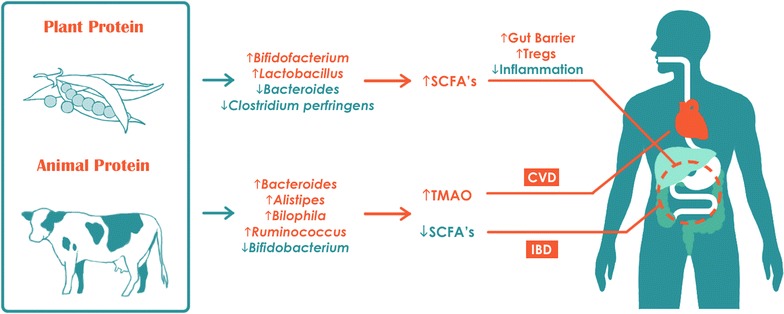
“proteins intake, the abundances of Bifidobacterium and Lactobacillus increased; However, with the intake of animal protein, the abundances of Bifdobacterium, Roseburia, and Eubacterium rectale decreased, and the levels of Bacteroides, Bilophila, and Alistipes markedly increased [26].”
BackgroundReactive Oxygen Species in Modulating Intestinal Stem Cell Dynamics and Function
Nath, A., Chakrabarti, P., Sen, S., & Barui, A. (2022) · Stem Cell Reviews and Reports · doi:10.1007/s12015-022-10377-1 · Cited by 35
Ben‐Azu, B., del Re, E. C., VanderZwaag, J., Carrier, M., Keshavan, M. S., Khakpour, M., & Tremblay, M. (2023) · Frontiers in Cellular Neuroscience · doi:10.3389/fncel.2023.1139357 · Cited by 34
“Diet is an important factor toward microbiome health throughout the host lifetime (Singh et al., 2017; Hills et al., 2019; Johnson et al., 2019; Alemao et al., 2021).”
BackgroundXu, F., Yang, F., Qiu, Y., Wang, C., Zou, Q., Wang, L., Li, X., Jin, M., Liu, K., Zhang, S., et al. (2024) · Fish & Shellfish Immunology · doi:10.1016/j.fsi.2023.109351 · Cited by 36
Niu, B., Feng, Y., Xu, C. Y., Xiao, Y., Zhao, J., Lu, W., Tian, F., & Chen, W. (2024) · Food & Function · doi:10.1039/d4fo02592j · Cited by 36
Unraveling the gut microbiota’s role in PCOS: a new frontier in metabolic health
Li, C., Cheng, D., Ren, H., & Zhang, T. (2025) · Frontiers in Endocrinology · doi:10.3389/fendo.2025.1529703 · Cited by 48
From isoniazid to psychobiotics: the gut microbiome as a new antidepressant target
Butler, M. I., Sandhu, K., Cryan, J. F., & Dinan, T. G. (2019) · British Journal of Hospital Medicine · doi:10.12968/hmed.2019.80.3.139 · Cited by 32
Pulse Crop Genetics for a Sustainable Future: Where We Are Now and Where We Should Be Heading
Sahruzaini, N. A., Rejab, N. A., Harikrishna, J. A., Ikram, N. K. K., Ismail, I., Kugan, H. M., & Cheng, A. (2020) · Frontiers in Plant Science · doi:10.3389/fpls.2020.00531 · Cited by 47
Gastrointestinal surgery and the gut microbiome: a systematic literature review
Ferrie, S., Webster, A., Wu, B., Tan, C. Q. Y., & Carey, S. (2020) · European Journal of Clinical Nutrition · doi:10.1038/s41430-020-0681-9 · Cited by 35
Diet and gut microbiome interactions in gynecologic cancer
AlHilli, M. M., & Bae-Jump, V. L. (2020) · Gynecologic Oncology · doi:10.1016/j.ygyno.2020.08.027 · Cited by 34
Tashiro, H., & Shore, S. A. (2021) · American Journal of Respiratory Cell and Molecular Biology · doi:10.1165/rcmb.2020-0288tr · Cited by 32
The Association Between Gestational Diabetes and Microbiota in Placenta and Cord Blood
Tang, N., Luo, Z., Zhang, L., Zheng, T., Fan, P., Tao, Y., & Ouyang, F. (2020) · Frontiers in Endocrinology · doi:10.3389/fendo.2020.550319 · Cited by 33
“Living environment and socioeconomic status may also affect the composition of gut microbiota (58–61), as gut microbial communities can be shaped by diet (58) and lifestyle (60).”
BackgroundAfroz, K. F., Reyes, N., Young, K., Parikh, K., Misra, V., & Alviña, K. (2021) · Scientific Reports · doi:10.1038/s41598-021-87678-x · Cited by 35
Włodarczyk, M., & Śliżewska, K. (2021) · Food Bioscience · doi:10.1016/j.fbio.2021.101115 · Cited by 37
Next Generation Probiotics for Neutralizing Obesogenic Effects: Taxa Culturing Searching Strategies
López‐Moreno, A., Acuña, I., Torres-Sánchez, A., Ruiz-Moreno, Á., Cerk, K., Rivas, A., Suárez, A., Monteoliva‐Sánchez, M., & Aguilera, J. (2021) · Nutrients · doi:10.3390/nu13051617 · Cited by 38
“Dietary intake is considered one of the determining factors that modulate the microbial composition and diversity of the gut microbiome, which could promote either beneficial or negative effects on host health and physiological functions [92,93].”
BackgroundRoles of Microbiota in Cancer: From Tumor Development to Treatment
Bagheri, Z., Moeinzadeh, L., & Razmkhah, M. (2022) · Journal of Oncology · doi:10.1155/2022/3845104 · Cited by 35
“In general, a typical Western diet, making up high-sugar, high-fat foods, has been connected to chronic metabolic conditions such as low-grade inflammation, obesity, and metabolic syndrome [44].”
BackgroundMenofy, N. G. E., Ramadan, M., Abdelbary, E. R., Ibrahim, H. G. A., Azzam, A. I., Ghit, M. M., Ezz, A. S., Gazar, Y., & Salah, M. (2022) · Microorganisms · doi:10.3390/microorganisms10091820 · Cited by 34
Michelini, S., Balakrishnan, B., Parolo, S., Matone, A., Mullaney, J. A., Young, W., Gasser, O., Wall, C. R., Priami, C., Lombardo, R., et al. (2018) · Microbiome · doi:10.1186/s40168-018-0545-x · Cited by 34
Gut microbiota resilience and recovery after anticancer chemotherapy
Roggiani, S., Mengoli, M., Conti, G., Fabbrini, M., Brigidi, P., Barone, M., D'Amico, F., & Turroni, S. (2023) · Microbiome Research Reports · doi:10.20517/mrr.2022.23 · Cited by 31
Approaches to discern if microbiome associations reflect causation in metabolic and immune disorders
Basic, M., Dardevet, D. P., Abuja, P. M., Bolsega, S., Bornes, S., Caesar, R., Calabrese, F. M., Collino, M., Angelis, M. D., Gérard, P., et al. (2022) · Gut Microbes · doi:10.1080/19490976.2022.2107386 · Cited by 36
A novel sustainable platform for scaled manufacturing of double-stranded RNA biopesticides
Nwokeoji, A. O., Nwokeoji, E. A., Chou, T.-C., & Togola, A. (2022) · Bioresources and Bioprocessing · doi:10.1186/s40643-022-00596-2 · Cited by 35
“2011) partially due to a repertoire of nucleases that degrade and, therefore, deplete dsRNA available to RNAi machinery and processing (Guan et al. 2018; Singh et al. 2017).”
BackgroundVernaci, G. M., Savarino, E. V., Patuzzi, I., Facchin, S., Zingone, F., Massa, D., Faggioni, G., Giarratano, T., Miglietta, F., Griguolo, G., et al. (2023) · The Oncologist · doi:10.1093/oncolo/oyad060 · Cited by 36
Potential neuroprotective effects of fermented foods and beverages in old age: a systematic review
Porras‐García, E., Calderón, I. F.-E., González, J. G., & Fernández‐García, J. C. (2023) · Frontiers in Nutrition · doi:10.3389/fnut.2023.1170841 · Cited by 41
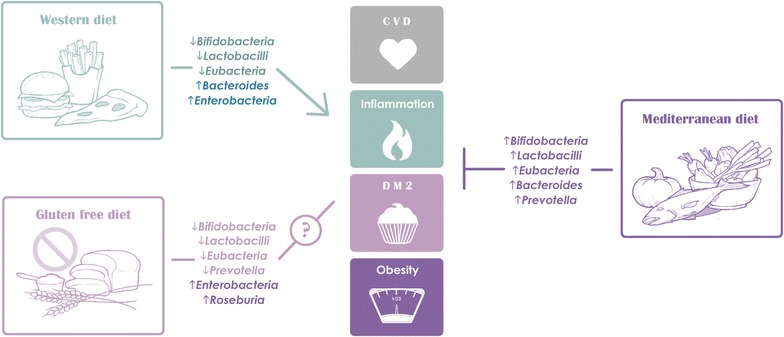
“In this sense, the Mediterranean-type diet has proved to be a balanced and healthy diet, compared with others (2, 4, 83), due to its monounsaturated and polyunsaturated fatty acids, fiber and lowglycemic carbohydrates, and polyphenols and other antioxidants.”
BackgroundMeta-Evaluation of the One Health Implication on Food Systems of Agrochemical Use
Kosoe, E. A., Achana, G. T. W., & Ogwu, M. C. (2023) · Sustainable development and biodiversity · doi:10.1007/978-981-99-3439-3_14 · Cited by 32
Pei, L., Liu, W., Liu, L., Wang, X., Jiang, L., Chen, Z., Wang, Q., Wang, P., & Xu, H. (2023) · Frontiers in Nutrition · doi:10.3389/fnut.2023.1237237 · Cited by 36
“Therefore, targeting the gut microbiota through specific dietary or prebiotic interventions has been recognized as an effective preventive approach for addressing several health concerns (10).”
BackgroundBacterial microcompartments and energy metabolism drive gut colonization by Bilophila wadsworthia
Sayavedra, L., Yasir, M., Goldson, A. J., Brion, A., Gall, G. L., Moreno‐Gonzalez, M., Altera, A., Paxhia, M. D., Warren, M. J., Savva, G. M., et al. (2025) · Nature Communications · doi:10.1038/s41467-025-60180-y · Cited by 38
Samat, H. N. A., Razali, N. N., Mahadzir, H., Muhammad, T. S. T., Ling, K., Mansor, N. I., & Abidin, S. Z. (2025) · International Journal of Molecular Sciences · doi:10.3390/ijms26188905 · Cited by 39
“Diet plays a pivotal role: refined sugars deplete beneficial taxa (e.g., Bifidobacterium , Lactobacillus ) and elevate cortisol [15,16], whereas the MeDi enriches SCFA-producing genera ( Faecalibacterium , Roseburia ) and reduces pathogens (e.g., Proteobacteria ) [17].”
Gräf, D., Monk, J. M., Lepp, D., Wu, W., McGillis, L. H., Roberton, K., Brummer, Y., Tosh, S. M., & Power, K. A. (2019) · Nutrients · doi:10.3390/nu11081853 · Cited by 38
Systems biology perspective for studying the gut microbiota in human physiology and liver diseases
Altay, Ö., Nielsen, J., Uhlén, M., Borén, J., & Mardinoğlu, A. (2019) · EBioMedicine · doi:10.1016/j.ebiom.2019.09.057 · Cited by 32
Effects of Allium hookeri on gut microbiome related to growth performance in young broiler chickens
Lee, S. H., Bang, S., Jang, H.-H., Lee, E.-B., Kim, B.-S., Kim, S.-H., Kang, S.-H., Lee, K.-W., Kim, D., Kim, J.-B., et al. (2020) · PLoS ONE · doi:10.1371/journal.pone.0226833 · Cited by 37
Self-citationGenomic Determinants of Hypertension With a Focus on Metabolomics and the Gut Microbiome
Louca, P., Menni, C., & Padmanabhan, S. (2020) · American Journal of Hypertension · doi:10.1093/ajh/hpaa022 · Cited by 37
The Role of Fusobacterium nucleatum in Colorectal Carcinogenesis
Datorre, J. G., de Carvalho, A. C., Guimarães, D. P., & Reis, R. M. (2020) · Pathobiology · doi:10.1159/000512175 · Cited by 39
Modulation of Gut-Brain Axis by Probiotics: A Promising Anti-depressant Approach
Rajanala, K., Kumar, N., & Chamallamudi, M. R. (2021) · Current Neuropharmacology · doi:10.2174/1570159x19666201215142520 · Cited by 36
“At times, it may lead to colorectal cancer [33].”
BackgroundWahlang, B., Alexander, N. C., Li, X., Rouchka, E. C., Kirpich, I., & Cave, M. C. (2021) · Toxicology Reports · doi:10.1016/j.toxrep.2021.03.010 · Cited by 34
“Gnavus, a known pro-inflammatory microbe often associated with inflammatory diseases including Crohn’s disease [46], and lower abundance of the short-chain fatty acid producers, Lactobacillus, which is beneficial in IBD and previously shown to increase with CAR activation [47], further corroborating the protective rol…”
BackgroundPîrcălăbioru, G. G., Corcionivoschi, N., Gundogdu, O., Chifiriuc, M. C., Marutescu, L. G., Ispas, B., & Savu, O. (2021) · International Journal of Molecular Sciences · doi:10.3390/ijms22052763 · Cited by 35
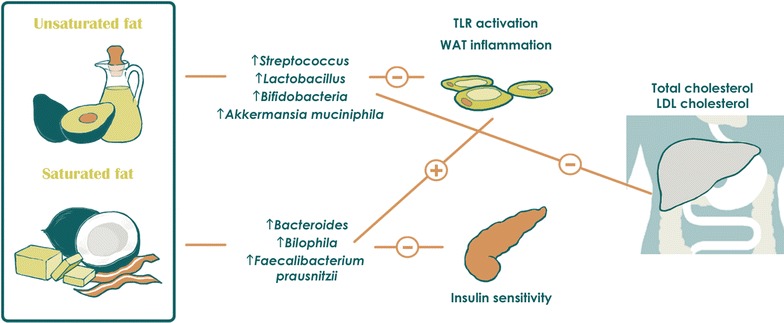
“The mice fed with lard developed inflammation in the white adipose tissue, low insulin sensitivity, TLR (Toll-like receptor) activation, as opposed to those fed with fish oil [66].”
BackgroundMicrobiome analysis reveals gut microbiota alteration in mice with the effect of matrine
Wu, H., Chen, Q., Liu, J., Chen, X., Luo, H., Ye, Z., & Liu, J. (2021) · Microbial Pathogenesis · doi:10.1016/j.micpath.2021.104926 · Cited by 31
Dietary factors and low-grade inflammation in relation to overweight and obesity revisted
Calder, P. C. (2022) · British Journal Of Nutrition · doi:10.1017/s0007114522000782 · Cited by 35
“Given that diet is a major determinant of the gut microbiota(12) and that the gut microbiota may have a role in regulating inflammation(13), there seem to be multiple axes of interaction between nutrition, the gut microbiota, adipose tissue and inflammation.”
Ji, Y. S., Yang, Y., Sun, S., Dai, Z., Ren, F., & Wu, Z. (2022) · Nutrition Reviews · doi:10.1093/nutrit/nuac039 · Cited by 32
Impact of intestinal dysbiosis on breast cancer metastasis and progression
Zhang, J., Xie, Q., Huo, X., Liu, Z., Da, M., Yuan, M., Zhao, Y. D., & Shen, G. (2022) · Frontiers in Oncology · doi:10.3389/fonc.2022.1037831 · Cited by 35
“Gut microbes break down non-digestible compounds through anaerobic fermentation to produce compounds of short-chain fatty acids (SCFAs), which have good anti-inflammatory and chemopreventive properties and act as barrier protectors (28, 29) and are considered as tumor suppressors (30).”
BackgroundZhu, R., Tang, J., Xing, C., Nan, Q., Liang, G., Luo, J., Zhou, J., Miao, Y., Cao, Y. C., Dai, S., et al. (2022) · Frontiers in Microbiology · doi:10.3389/fmicb.2022.883495 · Cited by 38
The Effect of a Planetary Health Diet on the Human Gut Microbiome: A Descriptive Analysis
Rehner, J., Schmartz, G. P., Kramer, T., Keller, V., Keller, A., & Becker, S. L. (2023) · Nutrients · doi:10.3390/nu15081924 · Cited by 34
“inflammatory, diseases, as well as disease progression, have been evaluated in a recent study [4].”
BackgroundWeng, C.-Y., Suárez, C., Cheang, S. E., Couture, G., Goodson, M. L., Barboza, M., Kalanetra, K. M., Masarweh, C. F., Mills, D. A., Raybould, H. E., et al. (2024) · Analytical Chemistry · doi:10.1021/acs.analchem.3c04352 · Cited by 38
Padhi, S., Sarkar, P., Sahoo, D., & Rai, A. K. (2024) · Journal of the Science of Food and Agriculture · doi:10.1002/jsfa.13313 · Cited by 36
Liukkonen, M., Muriel, J., Martínez‐Padilla, J., Nord, A., Pakanen, V., Rosivall, B., Tilgar, V., van Oers, K., Grond, K., & Ruuskanen, S. (2024) · Journal of Animal Ecology · doi:10.1111/1365-2656.14153 · Cited by 40
Augustynowicz, G., Lasocka, M., Szyller, H. P., Dziedziak, M., Mytych, A., Braksator, J., & Pytrus, T. (2025) · Journal of Clinical Medicine · doi:10.3390/jcm14144933 · Cited by 33
“A diet containing indigestible carbohydrates, rich in whole grains and bran, is associated with an increase in Bifidobacteria and Lactobacilli in the gut [85].”
InfluentialAslam, H., Trakman, G., Dissanayake, T., Todd, E., Harrison, P., Alby, C., Jabeen, T., Gamage, E., Travica, N., Marshall, S., et al. (2026) · Journal of Translational Medicine · doi:10.1186/s12967-025-07428-9 · Cited by 30
“Critically, this review [10]—and others [9, 12, 13]—com-pare particular dietary interventions/patterns against a heterogeneous group of comparison conditions that includes either a habitual diet, low-fat diet, vegetarian diet [10], or an unspecified comparison condition [13].”
Nut Consumption and Risk of Cancer: A Meta-analysis of Prospective Studies
Long, J., Ji, Z., Yuan, P., Long, T., Liu, K., Li, J., & Cheng, L. (2020) · Cancer Epidemiology Biomarkers & Prevention · doi:10.1158/1055-9965.epi-19-1167 · Cited by 33
“These nutrients were able to increase the abundance of Bifidobacterium and Lactobacillus in gut, which could suppress gastrointestinal inflammation and carcinogenesis by promoting the production of short-chain fatty acids (51, 52).”
BackgroundPuértolas-Balint, F., & Schroeder, B. O. (2020) · Frontiers in Immunology · doi:10.3389/fimmu.2020.01164 · Cited by 30
“However, individuals consuming pea protein—a plant-based alternative for meat—displayed increased intestinal SCFA levels and a bloom in beneficial Bifidobacterium and Lactobacillus, while pathogenic Bacteroides fragilis and Clostridium perfringens levels were reduced (31).”
BackgroundInfluentialHuang, C., Li, X., Wu, L., Wu, G., Wang, P., Peng, Y., Huang, S., Yang, Z., Dai, W., Ge, L., et al. (2020) · Brain and Development · doi:10.1016/j.braindev.2020.09.013 · Cited by 40
Lei, L., Wang, Y., He, J., Cai, C., Liu, Q., Yang, D., Zou, Z., Shi, L., Jia, J., Wang, Y., et al. (2021) · Emerging Microbes & Infections · doi:10.1080/22221751.2021.1882884 · Cited by 35
“pets has a direct impact on their gut microbiome [28,29].”
BackgroundDiet, adiposity, and the gut microbiota from infancy to adolescence: A systematic review
Wyst, K. B. V., Ortega-Santos, C. P., Toffoli, S., Lahti, C. E., & Whisner, C. M. (2021) · Obesity Reviews · doi:10.1111/obr.13175 · Cited by 38
“Dietary choices made during this time continue to shape the evolving microbiome.(25) Western-style diets have been shown to decrease Bifidobacterium and increase Eubacterium in the gut microbiome,(26) associating with a greater prevalence of overweight or obesity.”
BackgroundThe metabolic profile of Bifidobacterium dentium reflects its status as a human gut commensal
Engevik, M. A., Danhof, H. A., Hall, A., Engevik, K. A., Horvath, T. D., Haidacher, S. J., Hoch, K. M., Endres, B. T., Bajaj, M., Garey, K. W., et al. (2021) · BMC Microbiology · doi:10.1186/s12866-021-02166-6 · Cited by 37
Dietary modulation of gut microbiota for the relief of irritable bowel syndrome
Kim, M.-Y., & Choi, S. (2021) · Nutrition Research and Practice · doi:10.4162/nrp.2021.15.4.411 · Cited by 30
“The effect of increasing the beneficial and reducing the harmful microbiota through dietary modification has been reproduced in several studies [63-67].”
BackgroundLederer, A., Chikhladze, S., Kohnert, E., Huber, R., & Müller, A. (2021) · Diagnostics · doi:10.3390/diagnostics11112099 · Cited by 35
Food and nutrition as modifiers of the immune system: A mechanistic overview
Pahwa, H., & Sharan, K. (2022) · Trends in Food Science & Technology · doi:10.1016/j.tifs.2022.03.017 · Cited by 43
Chen, L., Xu, J. H., Wan, W., Xu, Z., Hu, R., Zhang, Y., Zheng, J., & Gu, Z. (2022) · Microbiology Spectrum · doi:10.1128/spectrum.02204-21 · Cited by 41
“, and lactic acid bacteria (28), were more abun-”
BackgroundRefael, G., Riess, H. T., Levi, C. S., Magzal, F., Tamir, S., Koren, O., & Lesmes, U. (2022) · Future Foods · doi:10.1016/j.fufo.2022.100197 · Cited by 39
Pieczyńska-Zając, J. M., Malinowska, A. M., Łagowska, K., Leciejewska, N., & Bajerska, J. (2023) · Nutrition Reviews · doi:10.1093/nutrit/nuad093 · Cited by 37
“5 Diet is a key factor for gut microbiota composition and metabolism, and several studies have investigated the effects of different dietary components, including dietary fiber, on the gut microbiota.”
BackgroundSun, J., Song, J., Yang, J., Chen, L., Wang, Z., Duan, M., Yang, S., Hu, C., & Bi, Q. (2022) · Frontiers in Nutrition · doi:10.3389/fnut.2021.789006 · Cited by 29
Bugs as drugs: The role of microbiome in cancer focusing on immunotherapeutics
Araujo, D. V., Watson, G. A., Oliva, M., Heirali, A., Coburn, B., Spreafico, A., & Siu, L. L. (2021) · Cancer Treatment Reviews · doi:10.1016/j.ctrv.2020.102125 · Cited by 29
Hata, S., Nakajima, H., Hashimoto, Y., Miyoshi, T., Hosomi, Y., Okamura, T., Majima, S., Nakanishi, N., Senmaru, T., Osaka, T., et al. (2021) · Journal of Diabetes Investigation · doi:10.1111/jdi.13698 · Cited by 36
Matthews, J. S., & Adams, J. B. (2023) · Journal of Personalized Medicine · doi:10.3390/jpm13101448 · Cited by 39
“Both bacteria [19] and yeast [20] are largely influenced by diet, and research shows the effects of food and therapeutic diets on the microbiota in mental health disorders [21] including autism [22].”
BackgroundKallapura, G., Prakash, A. S., Sankaran, K., Manjappa, P., Chaudhary, P., Ambhore, S., & Dhar, D. (2024) · PeerJ · doi:10.7717/peerj.17583 · Cited by 34
How Diet and Lifestyle Can Fine-Tune Gut Microbiomes for Healthy Aging
Tamayo, M., Olivares, M., Ruas‐Madiedo, P., Margollés, A., Espín, J. C., Medina, I., Moreno-Arribas, M. V., Canals, S., Mirasso, C. R., Ortín, S., et al. (2024) · Annual Review of Food Science and Technology · doi:10.1146/annurev-food-072023-034458 · Cited by 44
Qiu, Z., Shi, Y., Zheng, Y., Shi, W., Zhang, L., Yin, M., & Wang, X. (2024) · Food Chemistry · doi:10.1016/j.foodchem.2024.141299 · Cited by 32
van den Broek, S., Nybom, I., Hartmann, M., Döetterl, S., & Garland, G. (2024) · The Science of The Total Environment · doi:10.1016/j.scitotenv.2024.177306 · Cited by 37
Shukla, S., & Hsu, C. L. (2025) · Microorganisms · doi:10.3390/microorganisms13010067 · Cited by 33
“Substances that are consumed orally, including food and alcohol, have a profound impact on the composition and function of the gut microbiota, which in turn can modulate brain activity and behavior, potentially perpetuating dietary habits [5,6].”
The increased use of diversity in cereal cropping requires more descriptive precision
Wolfe, M. S., & Ceccarelli, S. (2019) · Journal of the Science of Food and Agriculture · doi:10.1002/jsfa.9906 · Cited by 32
High-fat Diet Alters the Glycosylation Patterns of Duodenal Mucins in a Murine Model
Mastrodonato, M., Calamita, G., Mentino, D., & Scillitani, G. (2020) · Journal of Histochemistry & Cytochemistry · doi:10.1369/0022155420911930 · Cited by 29
Chileshe, J., Talsma, E. F., Schoustra, S. E., den Berg, K. J. B., Handema, R., Zwaan, B. J., & Brouwer, I. D. (2020) · PLoS ONE · doi:10.1371/journal.pone.0232824 · Cited by 59
Drall, K. M., Field, C. J., Haqq, A. M., de Souza, R. J., Tun, H. M., Morales-Lizcano, N. P., Konya, T., Guttman, D. S., Azad, M. B., Becker, A. B., et al. (2020) · Gut Microbes · doi:10.1080/19490976.2020.1799734 · Cited by 35
Microcystis toxin-mediated tumor promotion and toxicity lead to shifts in mouse gut microbiome
Lee, J., Lee, S., Mayta, A., Mrdjen, I., Weghorst, C. M., & Knobloch, T. J. (2020) · Ecotoxicology and Environmental Safety · doi:10.1016/j.ecoenv.2020.111204 · Cited by 28
Rocks, T., West, M. L., Hockey, M., Aslam, H., Lane, M. M., Loughman, A., Jacka, F. N., & Ruusunen, A. A. (2020) · Progress in Neuro-Psychopharmacology and Biological Psychiatry · doi:10.1016/j.pnpbp.2020.110201 · Cited by 31
Iqbal, U., Jadeja, R. N., Khara, H. S., & Khurana, S. (2021) · Nutrients · doi:10.3390/nu13020370 · Cited by 36
“In contrast, those consuming plant-based protein diets have increase in Bifidobacterium and Lactobacillus and decrease in pathogenic Bacteroides fragilis and Clostridium perfringens [103].”
BackgroundThe Emerging World of Microbiome in Autoimmune Disorders: Opportunities and Challenges
Mangalam, A. K., Yadav, M., & Yadav, R. (2021) · Indian Journal of Rheumatology · doi:10.4103/injr.injr_210_20 · Cited by 32
“[63] Thus, gut microbiota can play an important role in maintaining intactness of the epithelial barrier through the production of beneficial metabolites, and on the flip side, depletion of these metabolites in patients with active autoimmune disorders strengthens the role of gut dysbiosis in…”
de Albuquerque, T. M. R., Magnani, M., Lima, M. D. S., Castellano, L. R. C., & de Souza, E. L. (2021) · Journal of Food Science · doi:10.1111/1750-3841.15852 · Cited by 34
Wang, H., Li, Y., Wang, R., Ji, H., Lu, C., & Su, X. (2021) · Food Science and Human Wellness · doi:10.1016/j.fshw.2021.07.007 · Cited by 34
“Studies have shown that diet can modify intestinal microbiome, which in turn has a profound impact on overall health [37].”
Ko, C., Su, H., Zhang, L., & Zeng, Y. (2021) · International Journal of Hypertension · doi:10.1155/2021/9877053 · Cited by 31
Ortíz, P., Torres-Sánchez, A., López‐Moreno, A., Cerk, K., Ruiz-Moreno, Á., Monteoliva‐Sánchez, M., Ampatzoglou, A., Aguilera, J., & Gruszecka‐Kosowska, A. (2022) · Journal of Xenobiotics · doi:10.3390/jox12010006 · Cited by 32
“Importantly, long-term exposure contributes to host gut microbiome dysbiosis [36], which previously had only been associated with changes in diet or antibiotic use [37,38].”
BackgroundModulation of gut microbiota: The effects of a fruits and vegetables supplement
Lakshmanan, A. P., Mingione, A., Pivari, F., Dogliotti, E., Brasacchio, C., Murugesan, S., Cusi, D., Lazzaroni, M., Soldati, L., & Terranegra, A. (2022) · Frontiers in Nutrition · doi:10.3389/fnut.2022.930883 · Cited by 30
Microglial cells: Sensors for neuronal activity and microbiota-derived molecules
D’Alessandro, G., Marrocco, F., & Limatola, C. (2022) · Frontiers in Immunology · doi:10.3389/fimmu.2022.1011129 · Cited by 34
Altered gut microbiota in individuals with episodic and chronic migraine
Yong, D., Lee, H., Min, H.-G., Kim, K., Oh, H., & Chu, M. K. (2023) · Scientific Reports · doi:10.1038/s41598-023-27586-4 · Cited by 38
Cullen, J. M. A., Shahzad, S., Kanaley, J. A., Ericsson, A. C., & Dhillon, J. (2023) · Journal of Applied Physiology · doi:10.1152/japplphysiol.00350.2023 · Cited by 35
Advances in Diet and Physical Activity in Breast Cancer Prevention and Treatment
Khalifa, A., Guijarro, A. I., & Nencioni, A. (2024) · Nutrients · doi:10.3390/nu16142262 · Cited by 42
“High adherence to the MedDiet increases the levels of Firmicutes in the subjects’ gut microbiota [45].”
BackgroundFrom Gut to Eye: Exploring the Role of Microbiome Imbalance in Ocular Diseases
Tîrziu, A.-T., Șușan, M. M., Șușan, R. M., Sonia, T., Harich, O. O., Tudora, A. G., Varga, N.-I., Dragomir, T. L., Avram, C. R., Boru, C., et al. (2024) · Journal of Clinical Medicine · doi:10.3390/jcm13185611 · Cited by 40
“These bacteria thrive in Bilophila wadsworthia also produces hydrogen sul fi de, a compound linked to in fl am-mation and gut barrier disruption [12].”
BackgroundGu, F. T., Li, J. H., Zhao, Z. C., Zhu, Y. Y., Huang, L. X., & Wu, J. (2024) · Carbohydrate Polymers · doi:10.1016/j.carbpol.2024.123019 · Cited by 34
Sick Individuals and Sick (Microbial) Populations: Challenges in Epidemiology and the Microbiome
Renson, A., Herd, P., & Dowd, J. B. (2019) · Annual Review of Public Health · doi:10.1146/annurev-publhealth-040119-094423 · Cited by 34
“Since the first publication of results from the Human Microbiome Project (HMP) in 2012 (61), research on the microbiome—the trillions of microorganisms that inhabit the human body and their genes—has grown exponentially,1 generating new knowledge on everything from how diet affects the microbiome to how the microbiome…”
BackgroundGomes, A., Oudot, C., Macià, A., Foito, A., Carregosa, D., Stewart, D., de Wiele, T. V., Berry, D., Motilva, M., Brenner, C., et al. (2019) · Nutrients · doi:10.3390/nu11112634 · Cited by 32
Burgos-Edwards, A., Fernández-Romero, A., Carmona, M., Thuissard, I. J., Schmeda‐Hirschmann, G., & Larrosa, M. (2019) · Food Research International · doi:10.1016/j.foodres.2019.108848 · Cited by 29
Hussain, S. K., Dong, T. S., Agopian, V. G., Pisegna, J. R., Durazo, F. A., Enayati, P. J., Sundaram, V., Benhammou, J. N., Noureddin, M., Choi, G., et al. (2020) · Nutrients · doi:10.3390/nu12051395 · Cited by 31
Desai, C., Handley, S. A., Rodgers, R., Rodríguez, C., Ordiz, M. I., MANARY, M. J., & Holtz, L. R. (2020) · PLoS neglected tropical diseases · doi:10.1371/journal.pntd.0008387 · Cited by 31
The Biodiversity Paradigm: Building Resilience for Human and Environmental Health
Shroff, R., & Cortés, C. R. (2020) · Development · doi:10.1057/s41301-020-00260-2 · Cited by 40
Early Nutrition and Risk of Type 1 Diabetes: The Role of Gut Microbiota
Verduci, E., Mameli, C., Amatruda, M., Petitti, A., Vizzuso, S., Assadi, F. E., Zuccotti, G., Alabduljabbar, S., & Terranegra, A. (2020) · Frontiers in Nutrition · doi:10.3389/fnut.2020.612377 · Cited by 38
“fibers, stimulates the short chain fatty acids’ production, causing a decrease in the intestinal pH and preventing the overgrowth of pathogenic bacteria (104, 155, 156).”
BackgroundFeng, X., Li, X., & Jiang, Z. (2021) · Clinical Rheumatology · doi:10.1007/s10067-020-05549-8 · Cited by 32
Metadata
- Authors
- Singh, R. K., Chang, H.-W., Yan, D., Lee, K. M., Ucmak, D., Wong, K., Abrouk, M., Farahnik, B., Nakamura, M., Zhu, T. H., Bhutani, T., & Liao, W.
- Affiliations
- University of California, Los Angeles (US)
- University of California, San Francisco (US)
- University of California, Irvine (US)
- University of Vermont (US)
- University of Southern California (US)
- Corresponding author
- Liao, Wilson
- ORCID
- Venue
- Journal of Translational Medicine
- Published
- 2017-04-08
- Volume
- 15
- Issue
- 1
- Pages
- 73-73
- ISSN
- 1479-5876 (ISSN-L)
- PMC
- PMC5385025
- OpenAlex
- W2605052214
- Cited by
- 2,599
- References
- 198
- Citations by year
- 2026: 202 · 2025: 287 · 2024: 341 · 2023: 375 · 2022: 364 · 2021: 381 · 2020: 299 · 2019: 219 · 2018: 109 · 2017: 22
- FWCI
- 16.61
- Type
- journal article
- Language
- en
- Open access
- gold
- doi.org
- Licence
- cc-by
- creativecommons.org/licenses/by/4.0/ (tdm)
- creativecommons.org/licenses/by/4.0/ (vor)
- Locations
- Journal of Translational Medicine (publishedVersion, cc-by)
- PubMed Central (publishedVersion, cc-by)
- PubMed (publishedVersion)
- DOAJ (DOAJ: Directory of Open Access Journals) (submittedVersion)
- eScholarship (California Digital Library) (submittedVersion)
- eScholarship (California Digital Library) (submittedVersion, cc-by)
- Funders
- National Institute of Arthritis and Musculoskeletal and Skin Diseases (R01AR065174)
- National Institute of Allergy and Infectious Diseases (U01AI119125)
- Topics
- Life Sciences › Biochemistry, Genetics and Molecular Biology › Molecular Biology › Gut microbiota and health
- Health Sciences › Medicine › Public Health, Environmental and Occupational Health › Nutritional Studies and Diet
- Life Sciences › Agricultural and Biological Sciences › Food Science › Probiotics and Fermented Foods
- Keywords
- diet, gut microbiota, food components, chronic disease, inflammatory bowel disease, obesity, type 2 diabetes, cardiovascular disease, cancer, host immune function, host metabolism, microbiota-based therapy
- MeSH terms
- Gastrointestinal Microbiome, Diet, Health, Humans, Probiotics, Polyphenols
About these checks
Registry, retraction, Cites and statistics results are computed, not judged, with one exception: a printed reference that no index lists is read once by a model before it counts as a citation error. Claims are extracted by a model and kept only when their quote appears verbatim in the text; each cited source is then checked, with a model’s help, for whether it says what the claim relies on. Those verdicts can be wrong — read the claim’s quote and the cited source before relying on one.
Statistics and arithmetic are recomputed, not judged.
Confidence bands are shown only for fields calibrated on our annotated test set. None is calibrated yet, so no band is shown.
What counts as a claim ›How we measure confidence ›How we check this ›
Are you an author, or do you see a problem with this page? Request a review
Data sources
Bibliographic data: Semantic Scholar, OpenAlex, Crossref.
Contains information from the Semantic Scholar Academic Graph Datasets, made available under the ODC Attribution License (ODC-BY 1.0).
Semantic Scholar’s data is described in: Kinney, R., et al. (2023). The Semantic Scholar Open Data Platform. arXiv:2301.10140.
