

Influence of diet on the gut microbiome and implications for human health
Open accessThe DOI matches its Crossref record; 198 of the 198 references it cites were found in a registry or an index.
Abstract
Recent studies have suggested that the intestinal microbiome plays an important role in modulating risk of several chronic diseases, including inflammatory bowel disease, obesity, type 2 diabetes, cardiovascular disease, and cancer. At the same time, it is now understood that diet plays a significant role in shaping the microbiome, with experiments showing that dietary alterations can induce large, temporary microbial shifts within 24 h. Given this association, there may be significant therapeutic utility in altering microbial composition through diet. This review systematically evaluates current data regarding the effects of several common dietary components on intestinal microbiota. We show that consumption of particular types of food produces predictable shifts in existing host bacterial genera. Furthermore, the identity of these bacteria affects host immune and metabolic parameters, with broad implications for human health. Familiarity with these associations will be of tremendous use to the practitioner as well as the patient.
Overview
The claims and statistics of this paper haven’t been checked yet.
Free: it reads the open-access text and checks the first 5 claims that cite a source we can check. Create a free account to check every claim.
Integrity signals
Registry
Cites
Statistics
Figures
Verification
Claims the paper makes
The claims and statistics of this paper haven’t been checked yet.
Free: it reads the open-access text and checks the first 5 claims that cite a source we can check. Create a free account to check every claim.
Claims other papers make about this one
Each is checked against this paper’s own text: does it say what the citing paper says it does?
The source backs part of the claim, not all of it — or backs it for a different population, condition or comparison.
In the citing paper
“Many bacteria associated with ICI response have known dietary associations, such that specific dietary patterns (e.g., plant-based versus western diet) are associated with increased or decreased relative abundances of these candidate taxa.131–135”
From Melanoma and microbiota: Current understanding and future directions (2024) · cites this paper as [134]
Experimental — accuracy not yet measuredThe cited source says what the claim attributes to it.
In the citing paper
“In addition, strategies that could mitigate the likelihood of LPS release into the blood and, thus, endotoxin-associated symptoms, include limiting the consumption of saturated fat [138], avoiding the consumption of non-steroidal anti-inflammatory drugs (NSAIDs) [139], and maintaining an adequate water intake [139].”
From International Society of Sports Nutrition Position Stand: nutritional considerations for single-stage ultra-marathon training and racing (2019) · cites this paper as [138]
The cited source says what the claim attributes to it.
In the citing paper
“Different sources of protein in a diet has been shown to influence different gut microbiota profiles (Singh et al., 2017).”
From The Microbiota-Gut-Brain Axis (2019) · cites this paper as Singh et al., 2017
In the citing paper
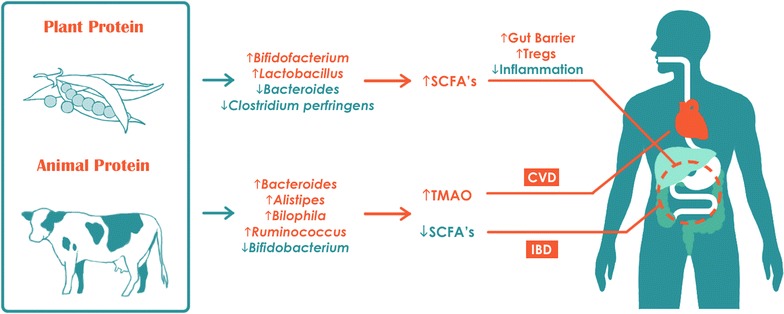
“In mice, animal-based protein increases potential detrimental gut microbes, e.g., Peptostreptococcaceae, Ruminococcaceae, Enterococcus, Streptococcus, Turicibacter, or Escherichia (92), and plant-based protein boosts the abundance of Bifidobacterium, Roseburia, and Lactobacillus and lowers the abundance of pathogens such as Bacteroides fragilis and Clostridium perfringens (37,42,80).”
From Diet and the Microbiota–Gut–Brain Axis: Sowing the Seeds of Good Mental Health (2021) · cites this paper as [80]
Self-check
Percentages, sums and reported differences re-computed from the paper’s own numbers.
The self-check needs the paper’s full text.
Citations
Cites
An obesity-associated gut microbiome with increased capacity for energy harvest
Turnbaugh, P. J., Ley, R. E., Mahowald, M. A., Magrini, V., Mardis, E. R., & Gordon, J. I. (2006) · Nature · doi:10.1038/nature05414 · Cited by 12,444 · cited 1×
“Furthermore, studies involving microbiota transplantation from obese to lean mice have shown that the obese phenotype is transmissible and may be promoted by microbiota that have increased capacity to harvest energy from the host diet [23].”
BackgroundDiet rapidly and reproducibly alters the human gut microbiome
David, L. A., Maurice, C. F., Carmody, R. N., Gootenberg, D. B., Button, J. E., Wolfe, B. E., Ling, A. V., Devlin, A. S., Varma, Y., Fischbach, M. A., et al. (2014) · Nature · doi:10.1038/nature12820 · Cited by 10,100
Human gut microbes associated with obesity
Ley, R. E., Turnbaugh, P. J., Klein, S., & Gordon, J. I. (2006) · Nature · doi:10.1038/4441022a · Cited by 8,785
Enterotypes of the human gut microbiome
MetaHIT Consortium (additional members), Arumugam, M., Raes, J., Pelletier, E., Le Paslier, D., Yamada, T., Mende, D. R., Fernandes, G. R., Tap, J., Bruls, T., et al. (2011) · Nature · doi:10.1038/nature09944 · Cited by 7,548 · cited 1×
“Recently, it has been shown that microbiota can effectively be subdivided into different enterotypes, each enriched by particular bacterial genera, but that all seem to share high functional uniformity [4].”
BackgroundChanges of Intestinal Functions in Liver Cirrhosis
Fukui, H., & Wiest, R. (2016) · Inflammatory Intestinal Diseases · doi:10.1159/000444436 · Cited by 6,808
A metagenome-wide association study of gut microbiota in type 2 diabetes
Qin, J., Li, Y., Cai, Z., Li, S., Zhu, J., Zhang, F., Liang, S., Zhang, W., Guan, Y., Shen, D., et al. (2012) · Nature · doi:10.1038/nature11450 · Cited by 6,762
Linking long-term dietary patterns with gut microbial enterotypes
Wu, G. D., Chen, J., Hoffmann, C., Bittinger, K., Chen, Y.-Y., Keilbaugh, S. A., Bewtra, M., Knights, D., Walters, W. A., Knight, R., et al. (2011) · Science · doi:10.1126/science.1208344 · Cited by 6,513 · cited 2×
“While the microbiome of a healthy individual is relatively stable, gut microbial dynamics can certainly be influenced by host lifestyle and dietary choices [26].”
BackgroundTrumbo, P., Schlicker, S., Yates, A. A., & Poos, M. (2002) · Journal of the American Dietetic Association · doi:10.1016/s0002-8223(02)90346-9 · Cited by 5,993
De Filippo, C., Cavalieri, D., Di Paola, M., Ramazzotti, M., Poullet, J. B., Massart, S., Collini, S., Pieraccini, G., & Lionetti, P. (2010) · Proceedings of the National Academy of Sciences · doi:10.1073/pnas.1005963107 · Cited by 5,579
Commensal microbe-derived butyrate induces the differentiation of colonic regulatory T cells
Furusawa, Y., Obata, Y., Fukuda, S., Endo, T. A., Nakato, G., Takahashi, D., Nakanishi, Y., Uetake, C., Kato, K., Kato, T., et al. (2013) · Nature · doi:10.1038/nature12721 · Cited by 5,549
Research works printed but not linked: 3
- Baron S Clostridium. Baron’s Med. microbiol 1996 4 Galveston University of Texas Medical Branch
- Todar K Pathogenic E coli. Online textbook of bacteriology 2007 Wisconsin University of Wisconsin-Madison Deparment of Bacteriology 11 30
- Patterson M. Streptococcus. In: Baron S, editor. Baron’s Med Microbiol. 4th ed. Galveston: University of Texas Medical Branch. 21413248
Cited by
Items 501–600 of 1,006
Zaoli, S., & Grilli, J. (2021) · Science Advances · doi:10.1126/sciadv.abj2882 · Cited by 56
Effects of Short-Term Dietary Fiber Intervention on Gut Microbiota in Young Healthy People
Tian, T., Zhang, X., Luo, T., Wang, D., Sun, Y., & Dai, J. (2021) · Diabetes Metabolic Syndrome and Obesity · doi:10.2147/dmso.s313385 · Cited by 54
“The diversity of gut microbiota and the proportion of organisms belonging to certain genera are differ significantly according to the various dietary patterns of the host.(3,4) Addition of prebiotics to the host diet can increase the abundance of microorganisms in certain families by more than 30%,(5) and changes in g…”
BackgroundAlmire, F., Terhzaz, S., Terry, S., McFarlane, M., Gestuveo, R. J., Szemiel, A. M., Varjak, M., McDonald, A., Kohl, A., & Pondeville, E. (2021) · PLoS Pathogens · doi:10.1371/journal.ppat.1009870 · Cited by 53
Shively, C. A., Appt, S. E., Vitolins, M. Z., Uberseder, B., Michalson, K. T., Silverstein‐Metzler, M. G., & Register, T. C. (2019) · Obesity · doi:10.1002/oby.22529 · Cited by 48
Mola, S., Pandolfo, C., Sica, A., & Porta, C. (2020) · International Journal of Molecular Sciences · doi:10.3390/ijms21186866 · Cited by 47
Yang, L., Xie, X., Li, Y., Wu, L., Fan, C., Liang, T., Xi, Y., Yang, S., Li, H., Zhang, J., et al. (2021) · Nutrients · doi:10.3390/nu13061982 · Cited by 51
Dietary fibre complexity and its influence on functional groups of the human gut microbiota
Louis, P., Solvang, M., Duncan, S. H., Walker, A. W., & Mukhopadhya, I. (2021) · Proceedings of The Nutrition Society · doi:10.1017/s0029665121003694 · Cited by 53
“wide range of actions, including providing a barrier against incoming pathogens, modulation of the immune system and a plethora of metabolic reactions((7,8)).”
BackgroundCrawford, J. A., Liu, S., & Tao, F. (2022) · Neurobiology of Pain · doi:10.1016/j.ynpai.2022.100090 · Cited by 51
“Diet is a key regulator of gut microbiota (David et al. 2014; Singh et al. 2017; Wu et al. 2011).”
BackgroundKanarik, M., Grimm, O., Mota, N. R., Reif, A., & Harro, J. (2022) · Neuroscience & Biobehavioral Reviews · doi:10.1016/j.neubiorev.2022.104757 · Cited by 59
The Role of Gut Microbiome in the Pathogenesis of Multiple Sclerosis and Related Disorders
Dunalska, A., Saramak, K., & Szejko, N. (2023) · Cells · doi:10.3390/cells12131760 · Cited by 53
“Previous studies have demonstrated that dietary changes [84], stressors [85], substance abuse [86], and chronic illnesses [87] co-existing with MS and pharmacotherapy, especially antibiotics [88], influence the microbiome composition.”
BackgroundLee, S. M., Kim, N., Yoon, H., Nam, R. H., & Lee, D. H. (2018) · Frontiers in Microbiology · doi:10.3389/fmicb.2018.02236 · Cited by 60
Stress, Dietary Patterns and Cardiovascular Disease: A Mini-Review
Morera, L. P., Marchiori, G. N., Medrano, L. A., & Defagó, M. D. (2019) · Frontiers in Neuroscience · doi:10.3389/fnins.2019.01226 · Cited by 61
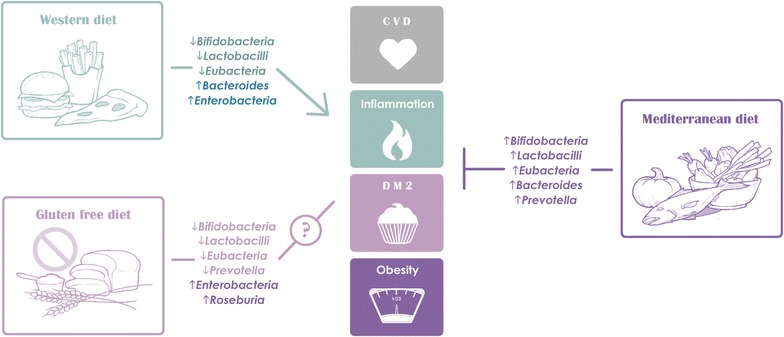
“In general terms, a Western DP led to a marked decrease in numbers of total bacteria and beneficial Bifidobacterium and Eubacterium species, whereas Mediterranean and Prudent DP have been linked to increases in Lactobacillus, Bifidobacterium, and Prevotella, and decreases in Clostridium (Koloverou et al., 2016; Singh…”
BackgroundAre Supplements Safe? Effects of Gallic and Ferulic Acids on In Vitro Cell Models
Truzzi, F., Valerii, M. C., Tibaldi, C., Zhang, Y., Вадимовна, А. В., Spisni, E., & Dinelli, G. (2020) · Nutrients · doi:10.3390/nu12061591 · Cited by 51
“An effect on the large bowel has also clearly been demonstrated, since polyphenols are able to promote healthy microbiota composition [8].”
BackgroundComposition and Diversity of Natural Bacterial Communities in Mabisi, a Traditionally Fermented Milk
Moonga, H. B., Schoustra, S. E., van den Heuvel, J., Linnemann, A. R., Samad, M. S., Shindano, J., & Smid, E. J. (2020) · Frontiers in Microbiology · doi:10.3389/fmicb.2020.01816 · Cited by 50
Eslami, M., Bahar, A., Hemati, M., Nejad, Z. R., Mehranfar, F., Karami, S., Kobyliak, N. M., & Yousefi, B. (2020) · Diabetic Medicine · doi:10.1111/dme.14415 · Cited by 51
Lee, Y.-A., Song, S.-W., Jung, S. Y., Bae, J., Hwang, N., & Kim, H.-N. (2022) · Experimental Gerontology · doi:10.1016/j.exger.2022.111927 · Cited by 46
Mishra, S., Aravind, S. M., Charpe, P., Ajlouni, S., Ranadheera, C. S., & Chakkaravarthi, S. (2022) · Food Bioscience · doi:10.1016/j.fbio.2022.102082 · Cited by 57
Jadhav, V. V., Han, J., Fasina, Y. O., & Harrison, S. H. (2022) · Frontiers in Physiology · doi:10.3389/fphys.2022.1035538 · Cited by 54
“For instance, with humans, stress and diet substantially alter gut microbial ecosystems with varying impacts on human health (Singh et al., 2017; Gubert et al., 2020).”
BackgroundSharma, G., Biswas, S. S., Mishra, J., Navik, U., Kandimalla, R. J. L., Reddy, P. H., Bhatti, G. K., & Bhatti, J. S. (2023) · Life Sciences · doi:10.1016/j.lfs.2023.121882 · Cited by 48
Anti-Obesity Effects of Chitosan and Its Derivatives
Shagdarova, B. T., Konovalova, M. V., Варламов, В. П., & Svirshchevskaya, E. V. (2023) · Polymers · doi:10.3390/polym15193967 · Cited by 57
“The commensals can be affected by numerous factors such as different environmental conditions, diet, antibiotics, or physical activity [55].”
BackgroundOat and Oat Processed Products—Technology, Composition, Nutritional Value, and Health
Leszczyńska, D., Wirkijowska, A., Gasiński, A., Średnicka-Tober, D., Trafiałek, J., & Kazimierczak, R. (2023) · Applied Sciences · doi:10.3390/app132011267 · Cited by 71
Godny, L., Elial-Fatal, S., Arrouasse, J., Fischler, T. S., Reshef, L., Kutukov, Y., Cohen, S., Pfeffer‐Gik, T., Barkan, R., Shakhman, S. R., et al. (2025) · Gastroenterology · doi:10.1053/j.gastro.2024.12.031 · Cited by 57
Impact of vegan diets on gut microbiota: An update on the clinical implications
Chen, C.-L., Wong, M.-W., Yi, C.-H., Liu, T.-T., Lei, W.-Y., Hung, J.-S., Lin, C.-L., & Lin, S.-Z. (2018) · Tzu Chi Medical Journal · doi:10.4103/tcmj.tcmj_21_18 · Cited by 46
“Among them, diet affects microbiota as well as human health [3,4].”
BackgroundWu, F., Yang, L., Islam, M. T., Jasmine, F., Kibriya, M. G., Nahar, J., Barmon, B., Parvez, F., Sarwar, G., Ahmed, A., et al. (2018) · Environment International · doi:10.1016/j.envint.2018.11.049 · Cited by 48
“The gut microbiome may also interact with other external factors, such as diet, lifestyle, and environmental exposures (Marques et al., 2018; Singh et al., 2017; Wong, 2014), in affecting the cardiovascular health.”
BackgroundPark, Y. E., Kim, M. S., Shim, K. W., Kim, Y.-I., Chu, J., Kim, B.-K., Choi, I. S., & Kim, J. Y. (2020) · Nutrients · doi:10.3390/nu12010255 · Cited by 48
Dietary polyphenols turn fat “brown”: A narrative review of the possible mechanisms
Hu, J., Wang, Z., Tan, B. K., & Christian, M. (2020) · Trends in Food Science & Technology · doi:10.1016/j.tifs.2020.01.013 · Cited by 54
de Andrade, R. M. S., Silva, S., Costa, C. M., Veiga, M., Costa, E. M., Ferreira, M. S. L., Gonçalves, É. C. B. D. A., & Pintado, M. (2020) · Food Research International · doi:10.1016/j.foodres.2020.109354 · Cited by 63
Stanford, J., Charlton, K. E., Stefoska‐Needham, A., Zheng, H., Bird, L., Borst, A., Fuller, A., & Lambert, K. (2020) · Journal of Renal Nutrition · doi:10.1053/j.jrn.2020.07.008 · Cited by 51
Alsharairi, N. A. (2020) · International Journal of Molecular Sciences · doi:10.3390/ijms21249580 · Cited by 57
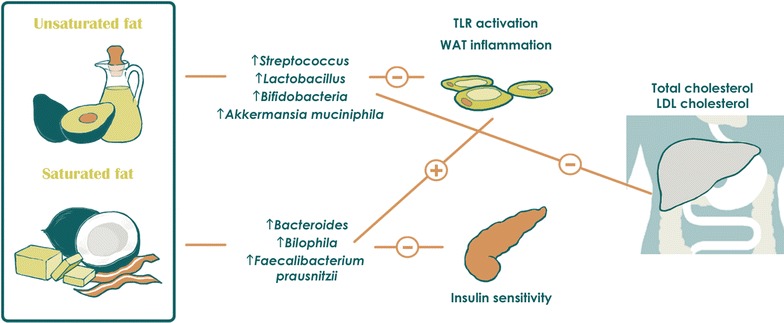
“Diets enriched in plant protein, unsaturated fat/low fat, high fiber/resistant starch and polyphenols increase gut abundance of Bifidobacteria [96].”
BackgroundInfluentialRole of gut microbiota‐derived metabolites on vascular calcification in CKD
Yin, L., Li, X.-X., Ghosh, S., Xie, C., Chen, J., & Huang, H. (2020) · Journal of Cellular and Molecular Medicine · doi:10.1111/jcmm.16230 · Cited by 52
Sankaranarayanan, R., Sekhon, P. K., Ambat, A., Nelson, J., Jose, D., Bhat, G. J., & Scaria, J. (2021) · International Journal of Molecular Sciences · doi:10.3390/ijms22137045 · Cited by 50
“It is known that some bacterial species influence the growth of others; diet is also suggested to contribute to this selection [44,47].”
BackgroundLanggartner, D., Vaihinger, C. A., Haffner-Luntzer, M., Kunze, J. F., Weiss, A.-L. J., Foertsch, S., Bergdolt, S., Ignatius, A., & Reber, S. O. (2018) · Frontiers in Behavioral Neuroscience · doi:10.3389/fnbeh.2018.00252 · Cited by 45
“In turn, factors like diet (Singh et al., 2017), age (Mariat et al.”
BackgroundLi, C., & Hu, Y. (2021) · Critical Reviews in Food Science and Nutrition · doi:10.1080/10408398.2021.1976722 · Cited by 50
“Many factors can affect the compositions of human gut microbiota and its metabolites, such as the dietary habits, genetic background and lifestyle (R. K. Singh et al. 2017).”
BackgroundEffects of Food Factors and Processing on Protein Digestibility and Gut Microbiota
Ashkar, F., & Wu, J. (2023) · Journal of Agricultural and Food Chemistry · doi:10.1021/acs.jafc.3c00442 · Cited by 51
Effects of Animal and Vegetable Proteins on Gut Microbiota in Subjects with Overweight or Obesity
Rosa, C. D., Francesco, L. D., Spiezia, C., & Khazrai, Y. M. (2023) · Nutrients · doi:10.3390/nu15122675 · Cited by 56
“The effects of dietary proteins on the gut microbiota are little studied but were first described in 1977 [44].”
BackgroundInfluentialUpdate on the gut microbiome in health and diseases
Salvadori, M., & Rosso, G. (2024) · World Journal of Methodology · doi:10.5662/wjm.v14.i1.89196 · Cited by 59
“The production of short-chain fatty acids (SCFAs) by the microbiome provides further energy for the epithelium and strengthens this barrier[53,54].”
Diet-microbiota associations in gastrointestinal research: a systematic review
Duncanson, K., Williams, G. M., Hoedt, E. C., Collins, C. E., Keely, S., & Talley, N. J. (2024) · Gut Microbes · doi:10.1080/19490976.2024.2350785 · Cited by 53
Proteomics and the microbiome: pitfalls and potential
Lin, H., He, Q., Shi, L., Sleeman, M. W., Baker, M. S., & Nice, E. C. (2018) · Expert Review of Proteomics · doi:10.1080/14789450.2018.1523724 · Cited by 47
“Interestingly, an individual’s microbiome can be modulated by diet [24], probiotics, or by”
BackgroundSwartwout, B. K., & Luo, X. (2018) · Frontiers in Immunology · doi:10.3389/fimmu.2018.02840 · Cited by 50
“(3) Translocation of bacteria from the gut to the”
BackgroundThenappan, T., Khoruts, A., Chen, Y., & Weir, Ε. K. (2019) · American Journal of Physiology-Heart and Circulatory Physiology · doi:10.1152/ajpheart.00416.2019 · Cited by 49
“Drugs, diet, exercise, and genetic factors determine the individual gut microbiota composition and function (10, 21, 31, 47, 67, 80).”
BackgroundLiu, Y., & Lou, X. (2020) · Clinics · doi:10.6061/clinics/2020/e1277 · Cited by 51
“the gut microbiota (36); this effect occurs because changes in microbial composition can cause insulin resistance, inflam-”
BackgroundThe influences of low protein diet on the intestinal microbiota of mice
Masuoka, H., Suda, W., Tomitsuka, E., Shindo, C., Takayasu, L., Horwood, P. F., Greenhill, A. R., Hattori, M., Umezaki, M., & Hirayama, K. (2020) · Scientific Reports · doi:10.1038/s41598-020-74122-9 · Cited by 53
Allali, I., Bakri, Y., Amzazi, S., & Ghazal, H. (2021) · Interdisciplinary Perspectives on Infectious Diseases · doi:10.1155/2021/6655380 · Cited by 48
“Microbial communities undoubtedly play an important role in human development, physiology, immunity, and nutrition [17, 20, 45, 46].”
BackgroundPanpetch, W., Visitchanakun, P., Saisorn, W., Sawatpanich, A., Chatthanathon, P., Somboonna, N., Tumwasorn, S., & Leelahavanichkul, A. (2021) · PLoS ONE · doi:10.1371/journal.pone.0261189 · Cited by 49
“Although the influence of diets on fecal microbiome patterns [22] and antibiotic resistance of probiotic bacteria [93] are well-known, the data on probiotic resistance against some specific diets is still very less.”
BackgroundReturn to Agrobiodiversity: Participatory Plant Breeding
Ceccarelli, S., & Grando, S. (2022) · Diversity · doi:10.3390/d14020126 · Cited by 62
Zapała, B., Stefura, T., Wójcik-Pędziwiatr, M., Kabut, R., Bałajewicz-Nowak, M., Milewicz, T., Dudek, A., Stój, A., & Rudzińska-Bar, M. (2021) · Journal of Clinical Medicine · doi:10.3390/jcm10235698 · Cited by 44
“The gut microbiota is strongly influenced by habitual diet [38].”
BackgroundEcological and Evolutionary responses to Antibiotic Treatment in the Human Gut Microbiota
Pennycook, J., & Scanlan, P. D. (2021) · FEMS Microbiology Reviews · doi:10.1093/femsre/fuab018 · Cited by 49
Sasi, M., Kumar, S., Hasan, M., Arpitha, S. R., García-Gutiérrez, E., Kumari, S., Prakash, O., Nain, L., Sachdev, A., & Dahuja, A. (2022) · Critical Reviews in Food Science and Nutrition · doi:10.1080/10408398.2022.2078272 · Cited by 46
“Dietary habits have been associated to the rise in the prevalence of health conditions associated to gut microbiota dysbiosis (Singh et al. 2017).”
BackgroundWielgosz-Grochowska, J. P., Domański, N., & Drywień, M. E. (2022) · Nutrients · doi:10.3390/nu14163382 · Cited by 61
“The human body is inhabited by microbes, including bacteria, viruses, fungi, archaea and protozoa [1].”
BackgroundMicrobiome in Hidradenitis Suppurativa—What We Know and Where We Are Heading
Świerczewska, Z., Lewandowski, M., Surowiecka, A., & Barańska‐Rybak, W. (2022) · International Journal of Molecular Sciences · doi:10.3390/ijms231911280 · Cited by 54
“Moreover, the above-mentioned factors can also influence the microbial composition [52,53].”
BackgroundAndreani, N. A., Sharma, A., Dahmen, B., Specht, H. E., Mannig, N., Ruan, V., Keller, L., Baines, J. F., Herpertz‐Dahlmann, B., Dempfle, A., et al. (2024) · Gut Microbes · doi:10.1080/19490976.2024.2304158 · Cited by 51
Prospecting prebiotics, innovative evaluation methods, and their health applications: a review
Khangwal, I., & Shukla, P. (2019) · 3 Biotech · doi:10.1007/s13205-019-1716-6 · Cited by 49
Evidence for Modulation of Substance Use Disorders by the Gut Microbiome: Hidden in Plain Sight
Angoa‐Pérez, M., & Kuhn, D. M. (2021) · Pharmacological Reviews · doi:10.1124/pharmrev.120.000144 · Cited by 46
“In addition to activation of central DA reward pathways, diet and especially an HFD are well known to cause significant alterations in the gut microbiome (Spor et al., 2011; Goodrich et al., 2014; Xiao et al., 2015; Kim et al., 2017; Singh et al., 2017; Ericsson et al., 2018; Hills et al., 2019; Wu et al., 2019; Ezra-…”
BackgroundInfluentialBayer, F., Dremova, O., Khuu, M. P., Mammadova, K., Pontarollo, G., Kiouptsi, K., Soshnikova, N. V., May‐Simera, H., Endres, K., & Reinhardt, C. (2021) · Nutrients · doi:10.3390/nu13072198 · Cited by 48
“However, dysbiosis can also be caused by nutrition, such as a Western-type diet, thus favoring the development of autoimmune diseases [17,18].”
BackgroundMosby, C. A., Bhar, S., Phillips, M. B., Edelmann, M. J., & Jones, M. K. (2022) · Journal of Extracellular Vesicles · doi:10.1002/jev2.12172 · Cited by 47
“Commensal bacteria respond rapidly and directly to external stimuli (Kendall & Sperandio, 2016; Singh et al., 2017).”
The Role of Microbiota in Cardiovascular Risk: Focus on Trimethylamine Oxide
Al-Rubaye, H., Perfetti, G., & Kaski, J.-C. (2019) · Current Problems in Cardiology · doi:10.1016/j.cpcardiol.2018.06.005 · Cited by 43
Liu, H., Li, X., Lei, H., Li, D., Chen, H., Schlenk, D., Yan, B., Luo, Y., & Xie, L. (2021) · Environmental Science & Technology · doi:10.1021/acs.est.1c04533 · Cited by 44
Comparative evaluation of pseudocereal peptides: A review of their nutritional contribution
Usman, M. A., Patil, P. J., Mehmood, A., Rehman, A., Shah, H. A., Haider, J., Xu, K., Zhang, C., & Li, X. (2022) · Trends in Food Science & Technology · doi:10.1016/j.tifs.2022.02.009 · Cited by 43
Research progress on the mechanism of radiation enteritis
Fan, J., Lin, B., Mi, F., Niu, T., Gao, F., Tan, B., & Du, X. (2022) · Frontiers in Oncology · doi:10.3389/fonc.2022.888962 · Cited by 55
“The human intestinal microflora contains 10(14) species of resident microorganisms that live in the human intestinal tract with bacteria, viruses, fungi, and protozoa (66).”
BackgroundLum, G. R., Ha, S. M., Olson, C. A., Blencowe, M., Paramo, J., Reyes, B. L., Matsumoto, J. H., Yang, X., & Hsiao, E. Y. (2023) · Cell Reports · doi:10.1016/j.celrep.2023.113521 · Cited by 50
“7,8 To date, a few clinical studies have reported associations 16S rRNA gene sequencing indicated no significant difference in bacterial α diversity in the post-KD fecal microbiota relative to matched pre-KD controls (Figure S1A; Table S2A).”
Models of the Gut for Analyzing the Impact of Food and Drugs
Fois, C. A. M., Le, T. Y. L., Schindeler, A., Naficy, S., McClure, D. D., Read, M. N., Valtchev, P., Khademhosseini, A., & Dehghani, F. (2019) · Advanced Healthcare Materials · doi:10.1002/adhm.201900968 · Cited by 47
Mast Cells in Irritable Bowel Syndrome: A Systematic Review
Krammer, L., Sowa, A. S., & Lorentz, A. (2019) · Journal of Gastrointestinal and Liver Diseases · doi:10.15403/jgld-229 · Cited by 49
Attributes of Physical Activity and Gut Microbiome in Adults: A Systematic Review
Tzemah-Shahar, R., Koren, O., Greenfeld, S. M., Shochat, T., Magzal, F., & Agmon, M. (2020) · International Journal of Sports Medicine · doi:10.1055/a-1157-9257 · Cited by 49
“The magnitude of the impact of consumed nutrients on gut microbiome composition (being substantial and rapid) is immense [53]; thus, noting any possible dietary changes is necessary when exploring gut microbiome composition.”
BackgroundVolkova, A., & Ruggles, K. V. (2021) · Frontiers in Microbiology · doi:10.3389/fmicb.2021.621310 · Cited by 48
Dietrich, S., Trefflich, I., Ueland, P. M., Menzel, J., Penczynski, K. J., Abraham, K., & Weikert, C. (2022) · European Journal of Nutrition · doi:10.1007/s00394-021-02790-y · Cited by 52
“In contrast, intake of proteins of plant origin is associated with a higher abundance of rather protective bacteria from the genera Bifidobacterium and Lactobacillus [42].”
BackgroundGlobal phylogeography and ancient evolution of the widespread human gut virus crAssphage
Edwards, R., Vega, A., Norman, H., Ohaeri, M. C., Levi, K., Dinsdale, E., Cinek, O., Aziz, R., McNair, K., Barr, J., et al. (2019) · bioRxiv (Cold Spring Harbor Laboratory) · doi:10.1101/527796 · Cited by 43
Altered Gut Microbiota in Irritable Bowel Syndrome and Its Association with Food Components
Barandouzi, Z. A., Lee, J., Maas, K., Starkweather, A. R., & Cong, X. S. (2021) · Journal of Personalized Medicine · doi:10.3390/jpm11010035 · Cited by 42
“Correlations between Food Components and the Gut Microbiota in IBS Diet and it’s macro/micronutrient components may influence the gut microbiome either directly or indirectly [48].”
BackgroundMicrobiome-based stratification to guide dietary interventions to improve human health
Liu, Z., de Vries, B., Gerritsen, J., Smidt, H., & Zoetendal, E. G. (2020) · Nutrition Research · doi:10.1016/j.nutres.2020.07.004 · Cited by 42
“Moreover, numerous studies have demonstrated that the human gut microbiome plays a vital role in host health and in the onset andprogression of a variety of gut-associated aswell as more systemic disorders or diseases such as inflammatory bowel disease (IBD), irritable bowel syndrome (IBS), obesity, and diabetes [3,4].”
BackgroundGreenbaum, J., Xu, L., Su, K., Gong, R., Shen, H., Shen, J., Xiao, H., & Deng, H. (2022) · Frontiers in Cellular and Infection Microbiology · doi:10.3389/fcimb.2022.853499 · Cited by 48
Dissecting mechanisms of fecal microbiota transplantation efficacy in disease
Andary, C. M., Al, K. F., Chmiel, J. A., Gibbons, S., Daisley, B. A., Parvathy, S. N., Vareki, S. M., Bowdish, D. M. E., Silverman, M., & Burton, J. P. (2024) · Trends in Molecular Medicine · doi:10.1016/j.molmed.2023.12.005 · Cited by 48
Wang, L., Tu, Y., Chen, L., Yu, K., Wang, H., Yang, S., Zhang, Y., Zhang, S., Song, S., Xu, H., et al. (2024) · iMeta · doi:10.1002/imt2.165 · Cited by 44
“Microbiota in the gut rely on dietary substrates and often serve as mediators for the cancer accelerating or suppressing effects of food [27, 28].”
BackgroundReview of the Relationships Between Human Gut Microbiome, Diet, and Obesity
Patloka, O., Komprda, T., & Franke, G. (2024) · Nutrients · doi:10.3390/nu16233996 · Cited by 55
“On the other hand, consumption of animal proteins leads to increased abundances of Bacteroides , Alistipes , and Bilophila , and also some species of the genera Clostridium [142].”
Mixed Spices at Culinary Doses Have Prebiotic Effects in Healthy Adults: A Pilot Study
Lu, Q., Rasmussen, A. M., Yang, J., Lee, R., Huang, J., Shao, P., Carpenter, C. L., Gilbuena, I., Thames, G., Henning, S. M., et al. (2019) · Nutrients · doi:10.3390/nu11061425 · Cited by 44
“Bifidobacterium and Labtobacillus are considered “healthy bacteria”, and members of the Bifidobacterium an L ctobacillus, as well as Streptococcus, are frequently used as probiotic strains with evident health benefits such as immune-modulation, cancer prevention, inflammation management, and the control of diverse bac…”
BackgroundThe role of glutamine in supporting gut health and neuropsychiatric factors
Deters, B. J., & Saleem, M. (2021) · Food Science and Human Wellness · doi:10.1016/j.fshw.2021.02.003 · Cited by 49
Use of Polyphenols as Modulators of Food Allergies. From Chemistry to Biological Implications
Bessa, C., Francisco, T. N., Dias, R., Mateus, N. F. D. C. B., de Freitas, V. A. P., & Pérez-Gregório, R. (2021) · Frontiers in Sustainable Food Systems · doi:10.3389/fsufs.2021.623611 · Cited by 47
A comprehensive approach to stool donor screening for faecal microbiota transplantation in China
He, J., He, X., Ma, Y., Yang, L., Fang, H., Shang, S., Xia, H., Lian, G., Tang, H., Wang, Q., et al. (2021) · Microbial Cell Factories · doi:10.1186/s12934-021-01705-0 · Cited by 58
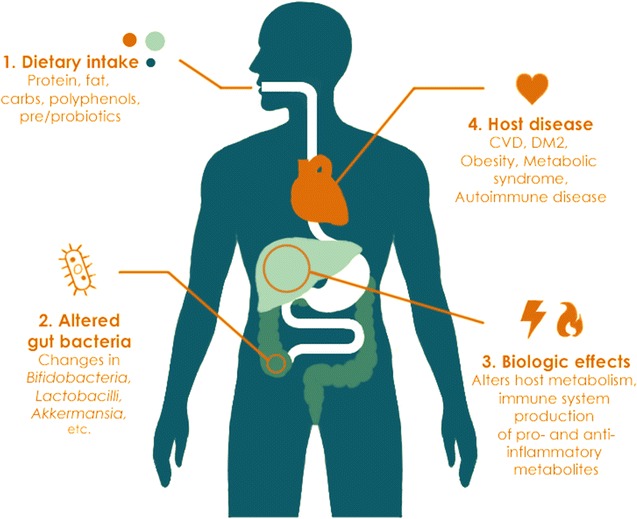
“Diet plays a key role in shaping the gut microbiome, with several experiments demonstrating that dietary alterations can result in temporary and large microbial changes within 24 h [19].”
BackgroundPereira, T. D. M. C., Côco, L. Z., Ton, A. M. M., Meyrelles, S. S., Campos‐Toimil, M., Campagnaro, B. P., & Vasquez, E. C. (2021) · Antioxidants · doi:10.3390/antiox10111845 · Cited by 72
“The most isolated microorganisms from kefir grains comprise the genera Lactobacillus (L. casei, L. acidophilus, L. brevis, L. kefiri, L. plantarum, L. kefiranofaciens subsp. kefiranofaciens, L. kefiranofaciens subsp. kefirgranum, L. parakefir), Lactococcus (L. lactis subsp. lactis), Leuconostoc (L. mesenteroides), Ace…”
BackgroundInfluentialLiu, B., Huang, L., Liu, Z., Pan, X., Cui, Z., Pan, J., & Xie, L. (2022) · Frontiers in Genetics · doi:10.3389/fgene.2021.803627 · Cited by 41
Si, J., Lee, G., You, H. J., Joo, S. K., Lee, D. H., Ku, B. J., Park, S., Kim, W. K., & Ko, G. (2021) · Computational and Structural Biotechnology Journal · doi:10.1016/j.csbj.2021.10.032 · Cited by 44
“In addition to medication, diet also has a substantial impact on the gut microbiome, which in turn can affect the host immune system and metabolic parameters [61].”
BackgroundMinerbi, A., González, E., Brereton, N. J. B., Fitzcharles, M., Chevalier, S., & Shir, Y. (2022) · Pain · doi:10.1097/j.pain.0000000000002694 · Cited by 45
Reva, K., Laranjinha, J. A. N., & Rocha, B. S. (2023) · Metabolites · doi:10.3390/metabo13030375 · Cited by 45
Zhao, Q., Tan, X., Su, Z., Manzi, H. P., Su, L., Tang, Z., & Zhang, Y. (2023) · Nutrients · doi:10.3390/nu15081857 · Cited by 46
“For instance, a pro-inflammatory diet such as the Western diet is associated with lower gut microbial diversity and reduced probiotic abundance, while an anti-inflammatory diet such as the Mediterranean diet has been found to have higher gut microbial diversity and increased probiotic abundance [45,46].”
BackgroundChen, H., Li, Y., Wang, J., Zheng, T., Wu, C., Cui, M., Feng, Y., Ye, H., Dong, Z., & Dang, Y. (2023) · International Journal of Molecular Sciences · doi:10.3390/ijms241310828 · Cited by 52
“Furthermore, they downregulate effector T-cell-mediated inflammatory responses but upregulate the expression of anti-inflammatory Treg cells in mice [7,56].”
BackgroundInfluentialGallo, V., Arienzo, A., Tomassetti, F., & Antonini, G. (2024) · Foods · doi:10.3390/foods13060907 · Cited by 54
“These factors include dietary habits [18], age [19], Foods 2024 , 13 , 907 2 of 23 pharmacological therapies (e.g., antibiotics) [20–22], host genetics [23,24], host geographic location [25], pathologies, lifestyle, and environmental stress [26,27], and account for high intra-individual…”
BackgroundYoon, H., Kim, H., Lee, S. H., Kim, S. J., Chang, Y., Ryu, S., Shin, H., Kim, H.-L., & Lee, J. H. (2018) · Scientific Reports · doi:10.1038/s41598-018-34398-4 · Cited by 41
The impact of indigenous microbes on Parkinson's disease
Sampson, T. (2020) · Neurobiology of Disease · doi:10.1016/j.nbd.2019.03.014 · Cited by 41
“Diet is also well established to shape the intestinal microbiome (Singh et al., 2017), however links between diet and PD are tenuous (Erro et al.”
BackgroundObesity and Risk of Small Intestine Bacterial Overgrowth: A Systematic Review and Meta-Analysis
Wijarnpreecha, K., Werlang, M. E., Watthanasuntorn, K., Panjawatanan, P., Cheungpasitporn, W., Gómez, V., Lukens, F., & Ungprasert, P. (2019) · Digestive Diseases and Sciences · doi:10.1007/s10620-019-05887-x · Cited by 43
Raval, U., Harary, J. M., Zeng, E., & Pasinetti, G. M. (2020) · Expert Review of Neurotherapeutics · doi:10.1080/14737175.2020.1775585 · Cited by 45
“Another gut bacterium Clostridium orbiscindens produces a metabolite which interferes with IFN-1 signaling [70].”
BackgroundInfluential(−)-Epicatechin and the comorbidities of obesity
Cremonini, E., Iglesias, D. E., Kang, J., Lombardo, G. E., Mostofinejad, Z., Wang, Z., Zhu, W., & Oteiza, P. I. (2020) · Archives of Biochemistry and Biophysics · doi:10.1016/j.abb.2020.108505 · Cited by 46
“GI inflammation triggered by obesity and diet, particularly free fatty acids (FFA), can cause intestinal permeabilization [30,31].”
BackgroundExploring the Preventive Effect and Mechanism of Senile Sarcopenia Based on “Gut–Muscle Axis”
Liao, X., Wu, M., Hao, Y., & Hong, D. (2020) · Frontiers in Bioengineering and Biotechnology · doi:10.3389/fbioe.2020.590869 · Cited by 48
Iron Reshapes the Gut Microbiome and Host Metabolism
Botta, A. M., Barra, N. G., Lam, N. H., Chow, S., Pantopoulos, K., Schertzer, J. D., & Sweeney, G. (2021) · Journal of Lipid and Atherosclerosis · doi:10.12997/jla.2021.10.2.160 · Cited by 44
Twenty Important Research Questions in Microbial Exposure and Social Equity
Robinson, J. M., Redvers, N., Camargo, A., Bosch, C. A., Breed, M. F., Brenner, L. A., Carney, M. A., Chauhan, A., Dasari, M. R., Dietz, L. G., et al. (2022) · mSystems · doi:10.1128/msystems.01240-21 · Cited by 49
“health (29), and barriers exist to providing individual meal plans and activity programs”
BackgroundDwivedi, S. L., Goldman, I. L., Ceccarelli, S., & Ortiz, R. O. (2020) · Advances in agronomy · doi:10.1016/bs.agron.2020.02.002 · Cited by 51
Chen, Y., Ling, Z., Wang, X., Zong, S., Yang, J., Zhang, Q. H., Zhang, J., & Li, X. (2022) · Journal of Functional Foods · doi:10.1016/j.jff.2022.105232 · Cited by 40
Post-Mortem Interval and Microbiome Analysis through 16S rRNA Analysis: A Systematic Review
Tozzo, P., Amico, I., Delicati, A., Toselli, F., & Caenazzo, L. (2022) · Diagnostics · doi:10.3390/diagnostics12112641 · Cited by 52
“, diet, geolocation, lifestyle habits, health status [69,70].”
Dhami, M., Raj, K., & Singh, S. (2023) · Aging and Health Research · doi:10.1016/j.ahr.2023.100128 · Cited by 52
Association between Dysbiosis in the Gut Microbiota of Primary Osteoporosis Patients and Bone Loss
Waldbaum, J., Xhumari, J., Akinsuyi, O., Arjmandi, B. H., Anton, S. D., & Roesch, L. F. W. (2023) · Aging and Disease · doi:10.14336/ad.2023.0425 · Cited by 45
“Another study conducted by Sign et al. [40], reported that probiotics, encouraged the growth of beneficial bacteria such as Bifidobacteria and Lactobacillus species while decreasing the abundance of Clostridia species [40].”
BackgroundBehzadi, P., Dodero, V. I., & Golubnitschaja, O. (2024) · Advances in predictive, preventive and personalised medicine · doi:10.1007/978-3-031-46891-9_15 · Cited by 55
The Microbiome-Host Interaction as a Potential Driver of Anastomotic Leak
Gershuni, V. M., & Friedman, E. S. (2019) · Current Gastroenterology Reports · doi:10.1007/s11894-019-0668-7 · Cited by 44
Gómez‐Zorita, S., Aguirre, L., Milton‐Laskibar, I., Fernández‐Quintela, A., Trepiana, J., Kajarabille, N., Mosqueda-Solís, A., González, M. A., & Portillo, M. P. (2019) · Nutrients · doi:10.3390/nu11092156 · Cited by 40
“Furthermore, it seems that diets with a high content in saturated, monounsaturated or polyunsaturated fats may also have different effects on microbiota [18].”
Background
Metadata
- Authors
- Singh, R. K., Chang, H.-W., Yan, D., Lee, K. M., Ucmak, D., Wong, K., Abrouk, M., Farahnik, B., Nakamura, M., Zhu, T. H., Bhutani, T., & Liao, W.
- Affiliations
- University of California, Los Angeles (US)
- University of California, San Francisco (US)
- University of California, Irvine (US)
- University of Vermont (US)
- University of Southern California (US)
- Corresponding author
- Liao, Wilson
- ORCID
- Venue
- Journal of Translational Medicine
- Published
- 2017-04-08
- Volume
- 15
- Issue
- 1
- Pages
- 73-73
- ISSN
- 1479-5876 (ISSN-L)
- PMC
- PMC5385025
- OpenAlex
- W2605052214
- Cited by
- 2,599
- References
- 198
- Citations by year
- 2026: 202 · 2025: 287 · 2024: 341 · 2023: 375 · 2022: 364 · 2021: 381 · 2020: 299 · 2019: 219 · 2018: 109 · 2017: 22
- FWCI
- 16.61
- Type
- journal article
- Language
- en
- Open access
- gold
- doi.org
- Licence
- cc-by
- creativecommons.org/licenses/by/4.0/ (tdm)
- creativecommons.org/licenses/by/4.0/ (vor)
- Locations
- Journal of Translational Medicine (publishedVersion, cc-by)
- PubMed Central (publishedVersion, cc-by)
- PubMed (publishedVersion)
- DOAJ (DOAJ: Directory of Open Access Journals) (submittedVersion)
- eScholarship (California Digital Library) (submittedVersion)
- eScholarship (California Digital Library) (submittedVersion, cc-by)
- Funders
- National Institute of Arthritis and Musculoskeletal and Skin Diseases (R01AR065174)
- National Institute of Allergy and Infectious Diseases (U01AI119125)
- Topics
- Life Sciences › Biochemistry, Genetics and Molecular Biology › Molecular Biology › Gut microbiota and health
- Health Sciences › Medicine › Public Health, Environmental and Occupational Health › Nutritional Studies and Diet
- Life Sciences › Agricultural and Biological Sciences › Food Science › Probiotics and Fermented Foods
- Keywords
- diet, gut microbiota, food components, chronic disease, inflammatory bowel disease, obesity, type 2 diabetes, cardiovascular disease, cancer, host immune function, host metabolism, microbiota-based therapy
- MeSH terms
- Gastrointestinal Microbiome, Diet, Health, Humans, Probiotics, Polyphenols
About these checks
Registry, retraction, Cites and statistics results are computed, not judged, with one exception: a printed reference that no index lists is read once by a model before it counts as a citation error. Claims are extracted by a model and kept only when their quote appears verbatim in the text; each cited source is then checked, with a model’s help, for whether it says what the claim relies on. Those verdicts can be wrong — read the claim’s quote and the cited source before relying on one.
Statistics and arithmetic are recomputed, not judged.
Confidence bands are shown only for fields calibrated on our annotated test set. None is calibrated yet, so no band is shown.
What counts as a claim ›How we measure confidence ›How we check this ›
Are you an author, or do you see a problem with this page? Request a review
Data sources
Bibliographic data: Semantic Scholar, OpenAlex, Crossref.
Contains information from the Semantic Scholar Academic Graph Datasets, made available under the ODC Attribution License (ODC-BY 1.0).
Semantic Scholar’s data is described in: Kinney, R., et al. (2023). The Semantic Scholar Open Data Platform. arXiv:2301.10140.
